1. The Structural Dissolution of the Traditional Supply Chain
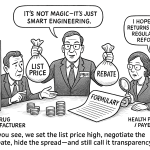
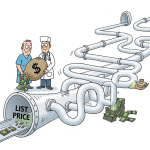
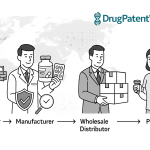
The pharmaceutical industry has long relied on a fortress of opacity. For the better part of a century, the commercial architecture of American medicine was defined by a rigid, linear progression: manufacturer to wholesaler, wholesaler to pharmacy, pharmacy to patient. This B2B2C model was designed not for efficiency or transparency, but for the protection of intermediaries. The patient, ostensibly the end-user, was structurally alienated from the economic realities of their care, blinded by copays and insulated by a labyrinth of rebates and formularies managed by Pharmacy Benefit Managers (PBMs).
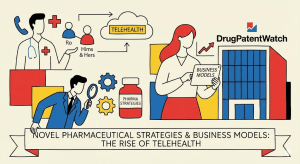
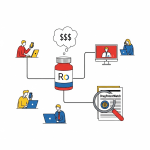
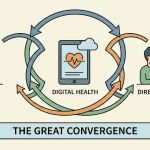
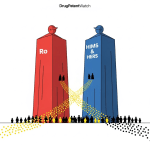
This architecture is collapsing. It is not falling due to regulatory intervention or the benevolence of incumbent players, but due to a market-driven “retailization” of healthcare spearheaded by direct-to-consumer (DTC) telehealth platforms. Companies such as Hims & Hers Health, Inc., Ro (formerly Roman), and Thirty Madison (now part of Remedy Meds) have engineered a parallel supply chain. They have replaced the fragmented handoffs of the legacy system with a vertically integrated stack that combines asynchronous telemedicine, proprietary pharmacy fulfillment, and aggressive consumer brand marketing.
The implications of this shift extend far beyond the digitization of the prescription pad. This is a fundamental reordering of economic power. By owning the physician relationship via the “Professional Corporation” (PC) model and the fulfillment node via 503A and 503B compounding facilities, these platforms have effectively disintermediated the wholesaler and the PBM for a growing swathe of “lifestyle” and chronic conditions. The data supports this conclusion: Hims & Hers reported revenue of $1.476 billion for the full year 2024, a 69% increase year-over-year, with gross margins hovering near 79%.1 Such margins are alien to traditional retail pharmacy—where single-digit margins are the norm—and signal that the value capture has shifted from the distribution of the molecule to the management of the patient relationship.
This report provides an exhaustive analysis of this transformation. We dissect the operational mechanics of the DTC model, the regulatory tightrope of compounding under the Drug Quality and Security Act (DQSA), and the strategic necessity of utilizing patent intelligence platforms like DrugPatentWatch to navigate the impending patent cliffs of 2026–2030.
2. The Economics of Disintermediation: Cash-Pay as a Strategic Wedge
To understand the durability of the DTC model, one must first analyze the economic anomaly that birthed it: the cash-pay patient. The traditional pharmaceutical economy assumes insurance coverage is the default. However, high-deductible health plans have created a de facto cash market for millions of Americans. When a patient faces a $3,000 deductible, the “insured” price of a drug often exceeds the cash price offered by efficient DTC aggregators.
The Margin Arbitrage
Incumbent pharmacies operate on a “cost-plus” basis, heavily constrained by PBM reimbursement rates that often reimburse at or below acquisition cost (MAC pricing). In contrast, Hims & Hers and Ro operate on a “value-based” pricing model for cash-pay consumers. They source generic active pharmaceutical ingredients (APIs)—such as sildenafil for erectile dysfunction or minoxidil for hair loss—at commodity prices. By bundling these low-cost inputs with a high-margin service layer (the consultation) and a monthly subscription, they generate gross margins that rival software companies.
Hims & Hers reported a gross margin of 79% for the full year 2024, dipping slightly to 74% in the third quarter of 2025 as the product mix shifted toward lower-margin GLP-1 treatments.1 These margins allow for Customer Acquisition Costs (CAC) that would bankrupt a traditional pharmacy. In 2024, Hims & Hers’ CAC rose to approximately $929.3 While this figure appears exorbitant, it is justified by high retention rates—reported at 85%—and a payback period of under one year.3 The economics work because the LTV (Lifetime Value) of a chronic care patient, particularly one subscribed to a hair loss or weight loss regimen, extends for years.
The “Subscriptionization” of Medicine
The true innovation of companies like Ro and Hims is not telemedicine; it is the conversion of episodic care into a subscription revenue stream. In the traditional model, a patient visits a doctor, gets a prescription, fills it, and perhaps refills it sporadically. Adherence is notoriously poor. In the DTC model, the default is a recurring shipment. The friction of the refill is removed, replaced by a negative option billing cycle that ensures revenue continuity.
“Revenue was $599.0 million for the third quarter of 2025 compared to $401.6 million for the third quarter of 2024, an increase of 49% year-over-year.”2
This growth rate, achieved at a scale of half a billion dollars per quarter, demonstrates that the subscription model has successfully crossed the chasm from niche lifestyle products to broader healthcare adoption.
3. The Combatants: Profiles in Divergent Strategies
While often grouped together as “telehealth,” the market leaders have adopted distinct operational philosophies. The market has matured from a monolithic block of startups into a segmented ecosystem with divergent approaches to risk, regulation, and pharmaceutical partnership.
Hims & Hers: The Aggressive Vertical Integrator
Hims & Hers (NYSE: HIMS) functions as the aggressive disruptor, willing to push regulatory boundaries to capture market share. Its strategy is defined by total vertical integration. The company does not merely rely on third-party pharmacies; it owns them.
The acquisition of MedisourceRx, a 503B outsourcing facility in California, was a pivotal strategic move.4 A 503B facility operates under a different regulatory framework than a standard neighborhood pharmacy (503A). It allows for bulk manufacturing of compounded drugs without individual patient prescriptions for every batch, provided certain FDA conditions are met. This capability transformed Hims from a distributor into a manufacturer. During the widespread shortages of GLP-1 agonists (semaglutide and tirzepatide) in 2024 and 2025, this facility allowed Hims to mass-produce compounded versions of the drug, bypassing the supply constraints that crippled traditional pharmacies.6
The financial impact of this integration is visible in their EBITDA expansion. Adjusted EBITDA reached $78.4 million in Q3 2025, up from $51.1 million in the prior year.2 By capturing the manufacturing margin, Hims insulates itself from the price shocks of the wholesale market.
Ro: The Collaborative Ecosystem
Ro (formerly Roman), privately valued at $7 billion, has taken a more collaborative approach with the incumbent pharmaceutical industry.7 Rather than attempting to displace Big Pharma, Ro has positioned itself as the ideal distribution partner.
This strategy culminated in the partnership with Eli Lilly. Through an integration with LillyDirect, Ro-affiliated providers can prescribe branded Zepbound (tirzepatide) vials, which are then fulfilled directly via Lilly’s supply chain.9 This partnership is significant for three reasons:
Legitimacy: It distances Ro from the “grey market” reputation of compounding, aligning the brand with FDA-approved supply chains.
Access: It guarantees supply of branded medication, a critical differentiator when patients are wary of counterfeit or substandard compounded alternatives.
Economics: It allows Ro to serve the cash-pay market with a branded product priced at $399–$549 per month, a price point engineered by Lilly to undercut the compounded market while bypassing PBM rebates.10
Ro’s revenue, estimated at nearly $600 million annualized in 2024, is driven largely by its “Ro Body” obesity management program, which now accounts for ~40% of revenue.7
Thirty Madison and Remedy Meds: The Consolidation Play
Thirty Madison pioneered the “House of Brands” strategy, launching distinct platforms for distinct conditions: Keeps (hair loss), Cove (migraine), and Nurx (sexual health). This segmentation allowed for hyper-targeted marketing; a migraine sufferer requires a different empathetic tone than a hair loss patient.
However, 2025 marked the end of Thirty Madison’s independence. The company was acquired by Remedy Meds in an all-stock deal valued at approximately $500 million.11 This consolidation reflects the maturation of the sector. The efficiencies of a shared backend—unified pharmacy fulfillment, shared clinician networks, and centralized legal compliance—ultimately outweighed the marketing benefits of fragmented front-ends. The combined entity creates a multi-specialty giant capable of cross-selling a weight loss patient (Remedy’s core) into migraine care (Cove) or hair loss treatment (Keeps).
4. The GLP-1 Singularity: From Lifestyle to Essential Care
The introduction of GLP-1 receptor agonists for weight loss (semaglutide and tirzepatide) was the “singularity” event for the DTC telehealth industry. Prior to 2023, these platforms were largely dismissed as peddlers of non-essential lifestyle drugs. The obesity epidemic, treating a chronic condition with serious metabolic implications, legitimized the model.
The Economics of Shortage
The demand for Novo Nordisk’s Wegovy and Eli Lilly’s Zepbound vastly outstripped supply throughout 2023 and 2024. In a functioning market, price would equilibrate. In the regulated pharmaceutical market, shortages emerged. This created a unique regulatory window: the FDA Drug Shortage List.
Under Section 503A and 503B of the FD&C Act, compounding pharmacies are permitted to make “essentially copies” of commercially available drugs if those drugs are listed as currently in shortage by the FDA.13 Hims & Hers exploited this provision with ruthless efficiency. By offering compounded semaglutide at ~$199 per month—a fraction of the ~$1,350 list price for the branded pen—they unlocked a massive demographic of uninsured or under-insured patients.15
The Compounding Controversy and Safety Signals
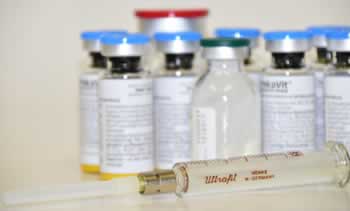
This pivot was not without risk. The compounding of complex sterile injectables is fraught with technical challenges. The FDA and state boards have issued repeated warnings regarding adverse events associated with compounded GLP-1s, specifically dosing errors. Because compounded versions are often sold in multi-dose vials rather than pre-filled pens, patients must draw the medication into a syringe themselves. This has led to reports of tenfold overdoses, resulting in severe nausea, vomiting, and hospitalization.16
Furthermore, to avoid the “essentially a copy” restriction once shortages resolve, many compounders add non-pharmaceutical ingredients, such as Vitamin B12 (cyanocobalamin) or L-carnitine. They argue this creates a “compounded preparation” that is clinically distinct from the commercial drug, thus falling under the “personalization” exemption.17
This legal theory is currently being tested. Novo Nordisk has sued multiple compounding pharmacies and clinics, alleging deceptive marketing and trademark infringement. The termination of the brief partnership between Novo Nordisk and Hims & Hers was explicitly due to Hims’ continued sale of compounded semaglutide, which Novo viewed as a safety risk and an intellectual property violation.18
5. The “Essentially a Copy” Regulatory Cliff
The most existential threat to the current DTC revenue model is the resolution of the FDA shortage. As of early 2025, the FDA began removing tirzepatide and semaglutide from the shortage list, signaling that supply had caught up with demand.19
The Section 503B Trap
For a 503B outsourcing facility (like the one owned by Hims), the rules are strict. Once a drug is removed from the shortage list, the facility has a grace period (typically 60 days) to cease manufacturing “essential copies”.13
The Restriction: A 503B facility cannot compound a drug that is essentially a copy of one or more approved drugs.
The Definition: A drug is “essentially a copy” if it has the same active ingredient, route of administration, and dosage strength, unless the prescriber determines that there is a clinical difference for an individual patient.21
Hims & Hers is attempting to navigate this by shifting patients to “personalized” dosages or combinations (e.g., semaglutide + B12) that do not exist as commercial products. However, the FDA has stated that the mere addition of a vitamin does not automatically confer a “clinical difference” sufficient to bypass the rule.22
If the FDA enforces this strictly, Hims could be forced to shut down its compounded GLP-1 line, which has become a significant revenue driver. This “regulatory cliff” explains the intense volatility in Hims’ stock price following FDA shortage announcements.23
Table 1: Regulatory Framework for Telehealth Compounding
Requires patient-specific prescription before compounding.
Can manufacture in bulk without patient-specific prescription (sold to clinics/hospitals).
FDA Oversight
State Board of Pharmacy primarily; FDA for cause.
Direct FDA registration and inspection; cGMP standards required.
“Essential Copy” Rule
Cannot compound “regularly or in inordinate amounts” if essentially a copy.
Strict prohibition on compounding essential copies unless on FDA Shortage List.
Interstate Commerce
Limited (usually 5% rule unless MOU exists).
Allowed (National distribution).
6. Strategic Intelligence: The Role of DrugPatentWatch
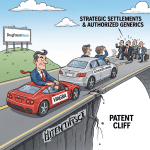
In a business model dependent on generic arbitrage, information is the most valuable commodity. DTC platforms must identify high-value drugs that are approaching their “patent cliff”—the moment when exclusivity ends and generic competition collapses the price. This is where strategic intelligence platforms like DrugPatentWatch become critical infrastructure for business development teams.25
Forecasting the Portfolio
Using DrugPatentWatch, a company like Ro or Hims can map out the patent landscape for the next decade. The goal is not just to wait for a patent to expire but to identify:
Paragraph IV Opportunities: Which drugs are being challenged by generic manufacturers? A settlement in a patent lawsuit often establishes a “date certain” for generic entry years before the actual patent expiry.26
Formulation Loopholes: Are there opportunities to use the 505(b)(2) regulatory pathway? This involves taking an off-patent active ingredient and seeking approval for a new formulation (e.g., changing a tablet to a sublingual film). This creates a proprietary product that competitors cannot easily copy, allowing the DTC platform to maintain pricing power.27
The Sildenafil Precedent
The launch of Hims was predicated on the patent expiry of Viagra. The team utilized patent intelligence to time their market entry precisely as Pfizer’s exclusivity waned and settlement agreements with Teva and Greenstone allowed for generic launches.28 The ability to forecast this event allowed Hims to build its brand equity before the market was flooded with commoditized generics.
7. The 2026–2030 Opportunity Map: Next-Generation DTC Blockbusters
Based on patent expiry data derived from sources like DrugPatentWatch and FDA Orange Book filings, we can project the next wave of therapeutic areas ripe for DTC disruption. The ideal candidate is a drug that treats a chronic, non-acute condition, has high stigma or inconvenience, and is currently overpriced due to patent protection.
Mental Health: The Next Frontier
Vraylar (cariprazine), an antipsychotic used for bipolar disorder and depression, has patents expiring around 2029.29 Mental health is already a massive vertical for Hims and Ro, currently served by generic SSRIs (sertraline, fluoxetine). The entry of generic cariprazine would allow these platforms to offer “premium” mental health subscriptions for more complex mood disorders, significantly increasing Average Revenue Per User (ARPU).
Dermatology: Beyond Acne
Eucrisa (crisaborole), a non-steroidal ointment for eczema, faces patent expiry and potential generic entry around 2030, though settlements could accelerate this.30 Eczema affects millions, is visually distressing (high motivation to treat), and requires chronic management. A DTC platform offering a subscription for generic crisaborole would likely see high retention.
Jublia (efinaconazole), a topical treatment for toenail fungus, has a complex patent thicket but creates a massive opportunity upon expiry (est. 2034, with potential earlier challenges).31 Onychomycosis is the perfect “telehealth condition”—it is embarrassing, cosmetic, and diagnosis is primarily visual (upload a photo).
Cardiovascular Maintenance
Eliquis (apixaban) and Xarelto (rivaroxaban) are blockbuster blood thinners with patents expiring between 2026 and 2028.32 While handling anticoagulants requires more rigorous monitoring than hair loss pills, the integration of connected devices (smartwatches detecting AFib) makes this feasible. Capturing the aging demographic on a “heart health” subscription would represent the final maturation of DTC into primary care.
Table 2: Key Patent Expirations & DTC Suitability
Brand Drug
Generic Name
Indication
Est. Expiry/Generic Entry
DTC Suitability Score
Xarelto
Rivaroxaban
Anticoagulant
2026 32
High. Chronic, high volume, requires adherence support.
8. The Empire Strikes Back: LillyDirect and Pharma’s Counter-Move
For years, the pharmaceutical industry viewed DTC telehealth as a nuisance. In 2024, Eli Lilly validated the model by launching LillyDirect.
LillyDirect represents a strategic pivot. Instead of relying solely on wholesalers and PBMs to distribute their products, Lilly built a digital storefront. Importantly, they did not build the entire stack. They partnered with Ro, Cove, and other telehealth providers to handle the “front end” (telemedicine), while Lilly manages the “back end” (supply and distribution via third-party logistics).34
The Attack on PBMs
LillyDirect is a direct assault on the PBM rebate model. By offering a cash-pay price for Zepbound vials ($399 for 2.5mg) that bypasses insurance, Lilly is effectively telling consumers: “Your insurance is the problem, not our drug price”.10
Price Transparency: The flat cash price removes the “sticker shock” of high-deductible plans where a patient might be asked to pay $1,000+ at the counter.
Data Ownership: By selling directly, Lilly captures patient data—adherence rates, side effect reporting, demographic shifts—that was previously hoarded by PBMs and pharmacies.
This move forces other manufacturers to follow suit. Pfizer launched PfizerForAll, and Novo Nordisk is expanding its direct patient engagement. The era of the “faceless” pharmaceutical manufacturer is ending.
9. Financial Analysis: The Cost of Acquisition vs. Lifetime Value
The sustainability of the DTC model is a function of unit economics. Critics argue that these companies are merely “marketing arbitrage” firms—buying Google Ads cheap and selling generic pills expensive. However, the financial data from Hims & Hers suggests operating leverage is kicking in.
CAC vs. LTV Dynamics
Marketing Spend: Hims & Hers spends aggressively on marketing. However, the efficiency of this spend is improving. The expansion into multi-category subscriptions (e.g., a patient buying hair loss pills and weight loss injections) increases LTV without a proportional increase in CAC.
Retention: Retention is the holy grail. Hims reports retention rates of ~85% for long-term subscribers.3 This is achieved through the “productization” of the relationship. It is not just a pill; it is an app, a tracker, a content hub, and a connection to a provider.
Vertical Integration Margin: By owning the 503B facility, Hims captures the manufacturer’s margin. This allows them to absorb high CAC while still delivering a 79% gross margin. A traditional pharmacy, buying from a wholesaler, has no such buffer.
10. Regulatory Risks: The Sword of Damocles
While the economics are robust, the regulatory risks are acute. The DTC model exists in the grey zones of American healthcare law.
The Corporate Practice of Medicine (CPOM)
Most states prohibit corporations from practicing medicine. To circumvent this, Hims, Ro, and others use the “PC-MSO” structure. The “Professional Corporation” (PC) is owned by a doctor and employs the clinicians. The “Management Services Organization” (MSO)—the public company Hims & Hers—provides technology, marketing, and admin support in exchange for a management fee.
The Risk: If regulators determine that the MSO is exerting undue influence over clinical decisions—for example, pressuring doctors to prescribe compounded GLP-1s to meet revenue targets—the entire structure could be ruled illegal. The recent scrutiny on “pill mills” and the aggressive marketing of weight loss drugs has put this model back in the spotlight.35
Advertising and Truth-in-Marketing
The FDA and FTC are increasingly scrutinizing the advertising of compounded drugs. Ads that imply compounded semaglutide is “the same as” Ozempic are considered misleading. Hims & Hers and Ro must walk a fine line: marketing the efficacy of the molecule without claiming equivalence to the branded product. A major enforcement action here could freeze their primary customer acquisition channel: social media.36
11. The Future of the Value Chain: 2030 Outlook
As we look toward 2030, the pharmaceutical value chain will have permanently bifurcated.
The Specialty Tier: For complex biologics, gene therapies, and oncology, the traditional model (PBMs, specialty pharmacies) will persist due to the high touch and reimbursement complexity required.
The “Retail” Tier: For primary care, lifestyle, and manageable chronic conditions (obesity, dermatology, cardiovascular, mental health), the DTC model will become dominant. The “digital pharmacy” will replace the corner drugstore for these categories.
The Role of Employers: The next major growth phase for Ro and Hims is the B2B enterprise market. Employers, frustrated by rising PBM costs, will increasingly contract directly with DTC platforms to manage specific conditions for their workforce (e.g., a “Weight Loss Benefit” managed by Ro). This bypasses the health plan entirely, further eroding the PBM’s grip on the value chain.38
12. Conclusion
The rise of Hims & Hers, Ro, and Thirty Madison is not a transient trend; it is a structural correction of a market that ignored the consumer for too long. By leveraging vertical integration, these companies have exposed the massive inefficiencies of the PBM-wholesaler-pharmacy triad.
However, the easy growth is over. The “lifestyle” wedge has been driven; the battle now is for chronic care legitimacy. This requires navigating a hostile regulatory environment (503B compounding rules), managing complex supply chains (cold-chain biologics), and successfully transitioning patients from compounded stop-gaps to branded therapies without destroying margins.
For the pharmaceutical industry, the lesson is clear: The moat of regulatory complexity is drying up. If manufacturers do not build direct bridges to patients, tech-enabled insurgents will build them instead—and they will charge a toll.
Key Takeaways
Vertical Integration is the New Moat: Hims & Hers’ acquisition of a 503B facility (MedisourceRx) was a margin-critical move, allowing them to capture manufacturing economics and survive supply shortages. Pure-play software telehealth models are structurally disadvantaged.
The Patent Cliff Fuels the Model: The business model relies on arbitrage—identifying high-value, off-patent assets using tools like DrugPatentWatch and wrapping them in a service layer. The 2026–2030 expiry of drugs like Eliquis and Vraylar will open vast new verticals.
LillyDirect Validates the Disruption: Eli Lilly’s partnership with Ro signals that Big Pharma has accepted the DTC model as a necessary channel to bypass PBMs and reach cash-pay consumers directly.
The Compounding “Regulatory Cliff”: The resolution of the FDA shortage list for GLP-1s poses an existential revenue risk. Hims & Hers’ reliance on the “personalization” legal defense (adding B12) is a high-stakes gamble against FDA enforcement.
The “House of Brands” consolidation: The acquisition of Thirty Madison by Remedy Meds indicates that the market is moving toward massive, multi-specialty platforms that can amortize backend costs across diverse patient populations.
FAQ: Strategic Implications of the DTC Shift
1. How does Hims & Hers legally manufacture its own drugs, and is it sustainable?
Answer: Hims & Hers operates a 503B outsourcing facility (MedisourceRx) which it acquired. Unlike a standard pharmacy (503A), a 503B facility can manufacture large batches of drugs without patient-specific prescriptions, provided they comply with Current Good Manufacturing Practice (cGMP) regulations. However, this is only sustainable for “shortage” drugs or distinct compounded formulations. They cannot legally mass-produce “essential copies” of commercially available drugs once shortages are resolved. This creates a “regulatory cliff” where their ability to sell cheap semaglutide depends entirely on FDA shortage status or the legal acceptance of “personalized” additives like B12.
2. Why did Novo Nordisk sue compounding pharmacies but Eli Lilly partnered with Ro?
Answer: The strategies reflect different risk appetites and market positions. Novo Nordisk faced a deluge of “counterfeit” and substandard compounded semaglutide damaging its brand reputation, leading to a litigation-heavy “whack-a-mole” strategy. Eli Lilly, facing similar issues with Zepbound, chose a “co-option” strategy. By partnering with Ro (a legitimate telehealth player), Lilly channeled the demand into its own branded supply chain (LillyDirect), effectively converting grey-market demand into official sales while undercutting the compounders on price ($399/month cash pay).
3. What is the strategic value of DrugPatentWatch for a telehealth company?
Answer: DrugPatentWatch acts as a radar for future revenue streams. A telehealth company needs high-margin, low-cost drugs to bundle into subscriptions. By monitoring patent cliffs, they can identify which expensive chronic drugs (like blood thinners or antipsychotics) will become generic in 3-5 years. This allows them to build the clinical protocols, marketing assets, and physician training now, so they can launch a “Heart Health” or “Bipolar Support” vertical the moment the patent expires, capturing the market before traditional healthcare systems react.
4. How does the “Cash-Pay” model affect PBMs?
Answer: It is a direct threat to their rebate arbitrage model. PBMs make money by negotiating rebates off high list prices and keeping a spread. When companies like Mark Cuban Cost Plus Drug Company or Hims offer a transparent cash price that is lower than a patient’s insurance copay (common in high-deductible plans), the patient stops using their insurance card. This “leakage” reduces the PBM’s transaction volume and leverage with manufacturers. If employers start directing employees to these cash-pay platforms, the PBM model for generic drugs collapses.
5. Can this model work for acute care (e.g., antibiotics)?
Answer: Generally, no. The DTC model relies on subscription economics (LTV/CAC). Acute care is episodic—you take antibiotics once and stop. The marketing cost to acquire a customer for a $20 one-time prescription is too high. The model only works for chronic, maintenance conditions (hair loss, weight, mental health, dermatology) where the customer stays on the platform for months or years, amortizing the acquisition cost over a long revenue tail.