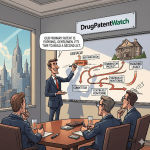
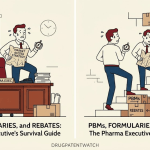
The pharmaceutical industry runs on a contradiction. Patents exist to reward innovation by granting a temporary monopoly, but the healthcare systems that purchase patented drugs have built elaborate countermeasures — formularies, utilization management, PBM rebate structures — specifically to blunt that monopoly’s pricing power before generic or biosimilar entry even occurs.
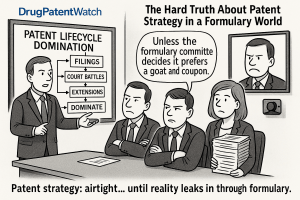
The result is that a strong patent portfolio, while necessary, is not sufficient for commercial success. A drug can hold ten valid Orange Book-listed patents and still be excluded from a major PBM’s national formulary within twelve months of launch. Conversely, a drug with a single composition-of-matter patent expiring in three years can maintain 80% market share if its manufacturer executes a disciplined lifecycle management strategy.
This pillar page maps every mechanism in that system: the IP instruments that create exclusivity, the formulary structures that constrain it, the litigation tactics that extend it, and the biosimilar dynamics that are now stress-testing the entire model in biologics. It is written for pharma IP teams, portfolio managers, R&D leads, and institutional investors who need to operate at the intersection of intellectual property and market access without treating either as a black box.
Key data points framing the analysis:
The effective market exclusivity period for a small molecule after FDA approval averages 7 to 10 years, against a nominal 20-year patent term.
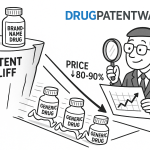
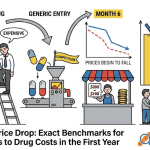
Generic entry typically captures 50 to 80% of market share within 24 months of loss of exclusivity, with brand revenues falling 80 to 90% in that window.
Generic and biosimilar drugs generated $408 billion in U.S. healthcare system savings in 2022 alone, yet filled 90% of prescriptions while representing only 17.5% of total drug spend.
AbbVie filed more than 250 patent applications on Humira, extending U.S. exclusivity to 39 years and generating roughly $47.5 million per day at peak before biosimilar entry in 2023.
One-third of new drug launches miss their first-year commercial expectations, with unfavorable formulary placement ranking among the primary causes.
Key Takeaways: Executive Summary
Patent strength and formulary position are separate variables. A company must optimize both independently and in coordination.
PBM rebate incentives frequently misalign with clinical value, which means the drug that wins on P&T committee clinical review may still lose on formulary tier placement.
Lifecycle management is not optional — it is the primary tool for recovering R&D costs when effective exclusivity windows are compressed.
The Inflation Reduction Act’s drug price negotiation provisions are restructuring the LCM calculus for small molecules, pushing manufacturers toward biologics and specialty drugs in ways that will reshape pipeline composition through the 2030s.
<a name=”part-1″></a>
Part 1: The Patent Portfolio as a Financial Asset — IP Valuation Methodology for Pharma
1.1 How Patent Portfolios Are Valued
A pharmaceutical patent portfolio is a balance-sheet asset, and its valuation drives M&A pricing, royalty negotiations, licensing deal structures, and capital allocation decisions. IP teams that treat their portfolios primarily as legal instruments, rather than financial assets, consistently undervalue what they hold and overpay for what they acquire.
The standard valuation methods applied to pharma patent portfolios are risk-adjusted net present value (rNPV), comparable transaction multiples, and the relief-from-royalty method. rNPV is the dominant approach for in-development assets. It discounts projected cash flows from patent-protected sales by the probability of regulatory approval at each clinical stage — roughly 10% for Phase I candidates entering the pipeline, 60% for Phase III candidates, and 85% for assets already at NDA submission. The resulting figure captures the option value of the patent rather than just the terminal value of a successfully launched drug.
For marketed assets, the relief-from-royalty method is more commonly applied. It estimates the royalty a company would pay to license the IP if it did not own it, then capitalizes that royalty stream over the remaining patent life, discounted by the probability that key patents survive litigation challenges. The discount applied for litigation exposure is one of the most contested inputs in pharma IP valuation, and it should reflect actual Paragraph IV filing frequency for the compound class, not industry averages.
Patent term is only one dimension of portfolio value. Courts have consistently held that the scope of claim language — broad composition-of-matter claims versus narrow formulation or method-of-use claims — determines how defensible a position actually is against ANDA filers. A portfolio with three broad, claim-rich composition-of-matter patents on a novel mechanism of action is worth more than a portfolio with 15 secondary patents on minor formulation variants, even if the secondary patents nominally extend the exclusivity timeline further.
1.2 The Orange Book as a Valuation Signal
The FDA’s Orange Book — formally the Approved Drug Products with Therapeutic Equivalence Evaluations — is a public disclosure of every patent a brand manufacturer believes covers its approved drug product. Each listing is a strategic decision. Patents listed in the Orange Book trigger the Hatch-Waxman framework: ANDA applicants must certify one of four positions on each listed patent, and a Paragraph IV certification (challenging validity or asserting non-infringement) triggers the 30-month regulatory stay mechanism upon brand filing suit.
The number and type of patents listed in the Orange Book for a given product is therefore a direct proxy for the manufacturer’s confidence in its defensive position. Products with ten or more listed patents, spanning multiple claim types, are signaling that the manufacturer expects Paragraph IV challenges and has built depth to absorb them. Products with one or two listed patents, particularly if the primary composition-of-matter patent expires within five years of generic certification, are effectively inviting at-risk launches.
For IP valuation purposes, Orange Book density — the number of patents listed relative to product age — is a useful leading indicator of effective exclusivity duration beyond the nominal patent expiration date. Kaletra (lopinavir/ritonavir), for example, carried 28 separate Orange Book-listed patents, a structure that directly affects the cost-benefit calculation any generic filer must perform before committing to ANDA prosecution.
1.3 FDA Regulatory Exclusivities: The Non-Patent Layer of IP Value
Patent protection and FDA regulatory exclusivity are distinct instruments that run concurrently and cumulatively. IP teams must model both when projecting effective exclusivity windows.
New Chemical Entity (NCE) exclusivity grants five years of protection from the date of first FDA approval for a compound containing an active moiety not previously approved. During this window, the FDA cannot accept an ANDA or 505(b)(2) application for the same drug. The practical effect is that NCE exclusivity often provides more reliable near-term protection than a primary composition-of-matter patent, because it cannot be challenged on validity grounds.
Orphan Drug Exclusivity (ODE), granted for drugs treating diseases affecting fewer than 200,000 U.S. patients, runs seven years and prohibits FDA approval of the same drug for the same indication during that period. ODE has become strategically important in oncology and rare disease, where payer formulary dynamics differ significantly from primary care markets. An oncology drug with ODE faces different formulary pressure than a cardiovascular agent competing in a crowded therapeutic class.
Pediatric exclusivity adds six months to any existing patent or exclusivity period and is obtained by conducting FDA-requested pediatric studies. The cost-benefit of pursuing pediatric studies — which can run $10 to $30 million per indication — depends entirely on the commercial value of the exclusivity extension. For a drug generating $1 billion annually, a six-month extension is worth $500 million in pre-generic revenue. For a product with weak formulary positioning, the return on that investment is substantially lower.
The 180-day first-filer exclusivity, granted to the first generic manufacturer to file a Paragraph IV ANDA, creates a temporary duopoly between the brand and the first generic. During this window, subsequent generic filers cannot receive final FDA approval, which means the market dynamic is a brand-plus-one-generic competition rather than the multi-generic free-for-all that follows after 180 days. Brand manufacturers have learned to exploit this window through authorized generic strategies, discussed in Part 4.
1.4 IP Valuation: Investment Strategy Note
Portfolio managers evaluating pharma equity positions should build a patent expiration map for every product in a company’s revenue base, accounting for both nominal patent dates and FDA regulatory exclusivity end dates. The gap between these two figures — where a drug has lost patent protection but retains NCE or ODE exclusivity — represents a period of partial protection that many sell-side models treat as full exposure. That mispricing creates entry opportunities in names where effective exclusivity is longer than consensus models suggest.
Conversely, companies with dense secondary patent portfolios built primarily on minor formulation variations face concentrated litigation risk. A single PTAB inter partes review petition invalidating a key method-of-use or polymorph patent can reset the effective exclusivity timeline by years, with little warning visible in public filings.
Key Takeaways: Part 1
rNPV and relief-from-royalty are the standard IP valuation frameworks; litigation discount assumptions within these models carry disproportionate influence on output.
Orange Book patent density is a public signal of defensive depth and should inform both brand strategy and generic challenger cost-benefit analysis.
NCE exclusivity, ODE, and pediatric exclusivity are non-patent protections that run independently of patent term; models that conflate the two systematically misprice effective exclusivity windows.
<a name=”part-2″></a>
Part 2: How Formularies Are Built — and Who Controls Them
2.1 The Pharmacy Benefit Manager Architecture
Three PBMs — CVS Caremark, Express Scripts (Cigna), and OptumRx (UnitedHealth Group) — manage pharmacy benefits for roughly 80% of commercially insured Americans. Their structural position between drug manufacturers and health plan sponsors gives them pricing leverage that no other healthcare intermediary possesses. Understanding that architecture is prerequisite to any formulary positioning strategy.
PBMs generate revenue from four primary sources. They collect rebates from drug manufacturers, negotiated as a percentage of WAC (Wholesale Acquisition Cost) in exchange for favorable formulary tier placement or exclusion of competitor products. They earn administrative fees from health plan sponsors. They capture spread pricing on drug claims, charging health plans more than they reimburse pharmacies and retaining the difference. They also route volume to their own specialty pharmacy subsidiaries, where margin structures differ from retail dispensing.
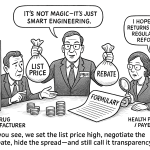
The rebate mechanism is the most consequential for brand manufacturers. A PBM negotiating formulary access for a GLP-1 receptor agonist, for example, will solicit rebate bids from all manufacturers in the class — Novo Nordisk, Eli Lilly, and any emerging entrants — and award preferred tier placement to the company offering the highest rebate as a percentage of WAC. This creates a direct incentive for manufacturers to set high list prices, since the rebate is calculated as a percentage of WAC, not net price. The higher the list price, the more room there is to offer a large rebate while still protecting net revenue per unit.
The critical dysfunction this produces: patient cost-sharing (co-pays, co-insurance) is typically calculated on WAC, not on the net price after rebate. A patient on a non-preferred tier drug with a 20% co-insurance requirement pays 20% of the inflated list price, not 20% of the actual net price the PBM or health plan pays. This is the mechanism through which PBM rebate optimization directly increases out-of-pocket costs for patients, even as it nominally reduces total drug spend for health plans.
2.2 Pharmacy & Therapeutics Committees: The Clinical Gateway
Before a drug reaches the formulary tier negotiation, it must pass through a Pharmacy & Therapeutics (P&T) Committee review. These committees — typically comprising physicians, clinical pharmacists, and therapeutic area specialists — evaluate drugs on clinical evidence quality, comparative effectiveness, safety profile, and clinical unmet need. P&T approval is the prerequisite for formulary inclusion; tier placement is the commercial negotiation that follows.
The information gaps at P&T review are well-documented and directly affect market access timelines. Health Care Decision Makers (HCDMs) consistently require data that FDA approval processes do not systematically generate: head-to-head comparative effectiveness data against the current standard of care, real-world evidence on adherence and outcomes in the specific payer’s patient population, and cost-effectiveness analyses using quality-adjusted life years (QALYs) or similar metrics. NDA/BLA submissions are optimized for FDA approval standards, which require demonstration of efficacy against placebo in controlled trials, not head-to-head superiority against marketed comparators.
Manufacturers that build P&T dossiers as afterthoughts to their regulatory submission are consistently slower to achieve formulary access than those that design comparative effectiveness studies into their pivotal trial programs from Phase II onward. The formulary access timeline — from approval to preferred-tier national formulary status — typically runs 12 to 18 months for a drug entering a crowded therapeutic class without a compelling P&T package, versus 3 to 6 months for a drug with clean head-to-head data and a well-structured HEOR (Health Economics and Outcomes Research) submission.
2.3 Formulary Tiers and the Utilization Management Stack
Formulary tier structure directly translates patent-protected exclusivity into commercial revenue. A drug on Tier 1 (lowest patient co-pay) in a closed formulary generates prescribing volume at minimal patient friction. A drug on Tier 3 or above faces patient cost-sharing high enough to drive abandonment or step-edit adherence to a preferred alternative.
The five-tier commercial formulary structure — preferred generics, non-preferred generics/preferred brands, non-preferred brands, specialty drugs, and excluded drugs — is supplemented by a utilization management stack that operates independently of tier placement. Prior authorization (PA) requirements, step therapy protocols, and quantity limits each create friction between prescriber intent and dispensing, even for a drug on a favorable tier.
Step therapy, in particular, interacts directly with patent strategy. When a PBM requires a patient to fail on a generic first-line agent before approving a brand-name drug, it compresses the effective commercial window for that brand. A drug with seven years of effective exclusivity from launch may face step therapy requirements for the first two to three years of that window while its formulary position is being established, meaning the commercially unrestricted period may be four to five years, not seven.
The interaction between step therapy timelines and patent expiration is one of the most undermodeled dynamics in pharma commercial planning. IP teams that project revenue based solely on patent expiration dates, without accounting for the formulary access ramp and utilization management friction, will consistently overestimate commercial returns during the early exclusivity period.
2.4 Open vs. Closed Formularies and Exclusion Economics
Open formularies cover all FDA-approved drugs in a therapeutic class, with tier differentials driving patient cost-sharing rather than access decisions. Closed formularies exclude specific products entirely, typically in exchange for higher rebates from the drugs that remain covered. The major national PBM formularies — the CVS Caremark Standard Control, the Express Scripts National Preferred Formulary, the OptumRx Performance formulary — are all effectively closed, with annual exclusion lists that typically affect 200 to 400 products per formulary cycle.
For brand manufacturers, formulary exclusion is not simply lost revenue — it is an existential commercial event if it occurs in the first two to three years post-launch. A drug excluded from the two largest national PBM formularies is accessible to fewer than 30% of commercially insured patients without a formulary exception or out-of-pocket payment, which means commercial uptake flatlines regardless of patent protection. A manufacturer can hold 15 valid Orange Book patents on a drug that a P&T committee has approved, and that drug will generate minimal revenue if it cannot achieve formulary inclusion.
This asymmetry between IP protection and commercial access is the central tension this analysis addresses.
Key Takeaways: Part 2
Three PBMs control approximately 80% of commercial formulary placement decisions in the U.S.; any national launch strategy must be built around this oligopoly structure.
P&T committee clinical review and PBM rebate negotiation are sequential, independent processes; drugs that fail to build HEOR evidence during development will face delayed formulary access regardless of patent strength.
Step therapy requirements materially compress effective commercial exclusivity windows beyond what patent expiration dates suggest; this interaction is systematically undermodeled in commercial forecasts.
<a name=”part-3″></a>
Part 3: Where Patent Strategy and Formulary Reality Collide
3.1 The WAC-Rebate-Patient Cost Disconnect
The rebate system fundamentally misaligns the financial interests of the drug supply chain. Here is the mechanics of the problem.
A manufacturer sets a WAC of $10,000 per month for a specialty drug. The PBM negotiates a 40% rebate, bringing the net cost to the health plan to $6,000 per month. The health plan’s formulary places the drug on Tier 3 specialty with a 20% co-insurance requirement. The patient pays 20% of $10,000 — $2,000 per month — not 20% of $6,000. The patient’s out-of-pocket cost is calculated on the inflated list price, while the health plan’s actual cost is calculated on the deflated net price. The PBM retains a portion of the $4,000 rebate as its revenue.
The manufacturer, knowing that rebate negotiations require a high WAC to generate a large rebate that wins preferred tier placement, sets WAC higher than it would in a transparent market. Raising the WAC benefits the manufacturer (higher net revenue per unit at the same rebate percentage), the PBM (higher absolute rebate dollar amount to retain), and the health plan (higher nominal savings to report to plan sponsors) — while increasing patient cost-sharing. All three supply chain intermediaries have financial incentives that are structurally opposed to patient affordability.
Patent strategy intersects this dynamic because patent exclusivity is what gives a manufacturer the market power to set and hold a high WAC in the first place. Without patent protection, a competing generic at $300 per month makes the $10,000 WAC untenable. The rebate negotiation game is only possible within the exclusivity window. This means that patent strength is not merely an IP asset — it is the commercial precondition for the entire rebate-based market access system.
3.2 Formulary Pressure and R&D Allocation
PBM pricing pressure on small molecules is now a documented factor in manufacturer R&D allocation decisions. The Medicare Drug Price Negotiation Program (MNPND) introduced by the Inflation Reduction Act creates a ceiling on net prices for small molecules after nine years of market approval and for biologics after thirteen years. This differential treatment — four extra years of pricing freedom for biologics — has already shifted R&D investment patterns toward large molecules and complex therapies.
IQVIA and Lumanity analysis published through 2024 indicates that the IRA’s structure may reduce incentives for generic entry against small molecule drugs at or near the Medicare negotiated price, because the net price ceiling compresses the generic’s opportunity to undercut. Fewer generic entrants means less price erosion post-LOE, but the brand’s revenue during the negotiated period is also capped. The commercial calculus changes in ways that will affect both brand LCM planning and generic pipeline investment.
3.3 The Market Access Ramp and the Revenue Cliff Model
Brand revenue from a newly launched drug follows a pattern that patent expiration dates systematically misrepresent. The actual revenue curve has three distinct phases:
The access ramp runs from approval through approximately 18 months post-launch, during which formulary negotiations, PA criteria establishment, step therapy protocols, and patient assistance programs are all being resolved simultaneously. Revenue during this phase builds slowly and is heavily influenced by formulary dynamics, not by clinical demand.
The exclusivity peak runs from the end of the access ramp until approximately 24 months before the first significant patent expiration. This is the period when revenue forecasts based on patent expiration dates are most reliable as commercial predictors.
The pre-LOE defense period, running from approximately 24 months before LOE through the patent expiration, is when LCM tactics — new formulations, secondary patents, authorized generics — are deployed and when brand manufacturers typically launch the heaviest wave of new patent filings.
The generic cliff follows LOE, with brand revenues dropping 80 to 90% within 24 months when multiple generic filers receive final ANDA approval simultaneously. Drugs that enter LOE with only one or two approved generics (due to first-filer exclusivity or litigation stays) retain 30 to 40% of pre-LOE brand revenue temporarily.
Key Takeaways: Part 3
The WAC-rebate system structurally rewards high list pricing; patent exclusivity is the commercial prerequisite that makes this pricing model possible.
IRA drug price negotiation provisions are already reshuffling R&D allocation toward biologics and specialty drugs, with downstream effects on LCM strategy for small molecule portfolios.
Revenue forecasts based solely on nominal patent expiration dates mischaracterize both the access ramp and the true effective exclusivity window; full commercial models must incorporate formulary access timelines.
<a name=”part-4″></a>
Part 4: Lifecycle Management Tactics, Ranked by Risk and Return
4.1 The LCM Hierarchy
Not all lifecycle management tactics carry equivalent strategic value or litigation risk. The following analysis ranks the primary LCM tools by their typical return on defensive investment and their exposure to Paragraph IV challenge or inter partes review.
4.2 New Formulations and Delivery Systems
New formulation patents — extended-release, modified-release, novel delivery mechanisms — are the most commonly executed LCM tactic and the most likely to deliver both genuine clinical value and defensible patent protection. The key legal test under 35 U.S.C. § 103 is whether the formulation would have been obvious to a person of ordinary skill in the art at the time of filing. Formulations that demonstrate unexpected results — improved bioavailability, reduced dosing frequency with clinical outcome data, or a safety profile improvement — are substantially more defensible than those relying solely on routine pharmaceutical optimization.
Eli Lilly’s Prozac Weekly illustrates the upside. When fluoxetine’s primary composition-of-matter patent expired in 2001, Lilly had already secured approval for a once-weekly sustained-release formulation that extended its market presence and captured compliance-sensitive patients. The clinical rationale — that weekly dosing improved adherence for stable patients — was genuine, and the FDA approved it based on that rationale.
Bristol-Myers Squibb’s Glucophage XR (extended-release metformin) achieved similar results. The once-daily formulation provided a GI tolerability advantage over immediate-release metformin’s split-dose regimen, which was clinically meaningful enough to support both the patent and the formulary argument.
The formulation strategy carries a specific formulary risk: PBMs and P&T committees evaluating reformulated products increasingly require evidence that the new formulation provides clinical benefit beyond patient convenience. Convenience is not, by itself, a basis for non-preferred generic exclusion when the immediate-release formulation remains available and therapeutically equivalent. Manufacturers pursuing formulation LCM must build clinical differentiation data simultaneously with the patent prosecution.
4.3 New Indication (Method-of-Use) Patents
Method-of-use patents cover new therapeutic indications for an approved drug. They are valuable because they are difficult to infringe accidentally — a generic manufacturer producing the original drug for the original indication does not infringe a method-of-use patent on a new indication, which means the generic can still enter the market. The commercial value depends on the size of the new indication’s patient population and whether the new indication receives its own FDA approval requiring label updates.
When a new indication does require a new NDA or supplemental NDA, it may generate additional regulatory exclusivity (three years of non-NCE exclusivity for new clinical investigations essential to approval). The combination of a method-of-use patent and a three-year regulatory exclusivity creates a meaningful protection window for the new indication, even if the original composition-of-matter patent has already expired.
The formulary challenge for method-of-use extensions is that PBMs often refuse to recognize indication-specific formulary placement. If a drug is approved for two indications — one with and one without patent protection — the PBM typically treats the entire molecule as equivalent to whatever is available generically for the older indication.
4.4 Polymorph Patents
Polymorph patents protect distinct crystalline forms of an active pharmaceutical ingredient. Different polymorphs of the same compound can have dramatically different physical properties: solubility, dissolution rate, hygroscopicity, and physical stability all vary by crystal structure. If a specific polymorph provides a superior bioavailability profile that translates into a clinically meaningful dose reduction or improved tolerability, that polymorph patent is potentially very defensible.
The legal terrain for polymorph patents has become more complicated following a line of Federal Circuit decisions that tightened the obviousness standard for polymorph claims. A polymorph patent whose claims rest solely on the existence of a crystalline form — without unexpected properties — faces significant inter partes review vulnerability. Polymorph patents that tie the crystal form directly to a clinical or formulation advantage are substantially more durable.
For IP valuation purposes, polymorph patents should be modeled with a 30 to 40% probability of surviving IPR challenge unless the claims are tied to demonstrable unexpected properties. That probability adjustment materially affects the DCF model for any LCM strategy relying on polymorph protection as a primary revenue defense.
4.5 Pediatric Exclusivity: The Six-Month Extension That Costs $10-30 Million
FDA Written Requests for pediatric studies trigger eligibility for six-month pediatric exclusivity. The commercial calculation is straightforward: for a drug generating $1 billion annually, the six-month extension is worth $500 million pre-LOE. Pediatric study costs typically run $10 to $30 million, depending on indication complexity and patient population size. The return on investment is compelling for most blockbuster drugs.
The less obvious strategic value of pediatric exclusivity: it runs on top of existing patents and exclusivities. A drug approaching the end of its NCE exclusivity with several remaining secondary patents receives six additional months on all of them if pediatric exclusivity is earned. This compression of multiple extensions into a single six-month add-on means the net value is higher than a naive calculation based on revenue-days suggests.
4.6 Authorized Generics: The Cannibalization Play
An authorized generic is the brand drug sold without the brand name at a reduced price, typically by the manufacturer or through a licensing arrangement with a generic company. The manufacturer retains FDA approval, avoids reformulation costs, and launches directly into the generic market on or near the day that the first Paragraph IV filer’s 180-day exclusivity begins.
The authorized generic strategy exploits the 180-day first-filer window by introducing a second “generic” competitor against the first filer immediately, diluting the first filer’s exclusive generic market share. The first-filer’s 180-day exclusivity blocks other ANDA holders from final approval but does not block the brand manufacturer’s authorized generic. This converts what would be a temporary first-filer duopoly into a three-way market: brand, authorized generic, and first-filer generic.
The financial mechanics are striking. Authorized generics typically carry gross margins well above 50% — sometimes reported in industry analysis at returns of $50 for every $1 invested — because they reuse existing manufacturing capacity, existing regulatory approvals, and existing distribution relationships. The manufacturer also avoids the rebate structures that apply to branded drugs, because authorized generics are not subject to the same PBM rebate contracts.
The strategic cost: authorized generics accelerate generic market habituation. By seeding the market with a lower-priced version of the brand drug, the manufacturer educates patients, pharmacists, and payers to expect a lower price for that molecule, which can steepen the revenue erosion curve for the brand once multi-source generic competition begins.
4.7 The 505(b)(2) Pathway as an LCM Tool
The 505(b)(2) application pathway allows a manufacturer to rely on existing published literature or FDA’s previous findings of safety and efficacy to gain approval for a modified version of an approved drug. It is faster and cheaper than a full NDA and can support approval for reformulations, new dosage forms, new routes of administration, new indications, or new combinations.
For LCM purposes, the 505(b)(2) pathway is the regulatory mechanism through which most formulation and method-of-use extensions are executed. Its value in the LCM context depends on whether the approval generates new regulatory exclusivity (three years for new clinical investigations) and whether the resulting product is patent-protected enough to withstand Paragraph IV challenge.
Key Takeaways: Part 4
Formulation patents and pediatric exclusivity carry the best risk-adjusted LCM returns when supported by genuine clinical differentiation data.
Polymorph patents face elevated IPR vulnerability unless tied to unexpected physical or clinical properties; model them at a 30 to 40% survival probability.
Authorized generics are a high-margin defensive move against first-filer 180-day exclusivity but accelerate market habituation to generic pricing — a trade-off that must be modeled across the full post-LOE period.
<a name=”part-5″></a>
Part 5: Patent Thickets, Paragraph IV, and the 30-Month War
5.1 Patent Thicket Architecture
A patent thicket is a dense cluster of overlapping patents on a single drug product, filed sequentially over the product’s commercial life, designed to maximize the cost and complexity of generic challenge. Post-approval patent filings represent 66% of all pharmaceutical patent applications for top-selling drugs, according to published academic analysis of Orange Book data. The thicket strategy is deliberate: each additional patent a generic challenger must address in an ANDA adds legal cost, review complexity, and potential delay.
AbbVie’s Humira (adalimumab) is the canonical example. AbbVie filed more than 250 patent applications on adalimumab, spanning formulation, dosing regimen, delivery device, manufacturing processes, and method-of-use claims across dozens of therapeutic indications. The result: despite Humira’s primary biologic exclusivity period ending, AbbVie successfully negotiated settlements with all biosimilar manufacturers to delay U.S. entry until January 2023 — extending effective U.S. exclusivity to approximately 39 years from the molecule’s initial development. At $47.5 million in daily revenue at peak, each month of delayed biosimilar entry was worth roughly $1.4 billion.
Merck’s Keytruda (pembrolizumab) has drawn similar scrutiny, with reports of 129 patent applications including claims on packaging and administration procedures that critics characterize as trivial. Whether any of these patents would survive challenge is legally untested for many of them — their strategic value is deterrence, not certainty of enforcement.
5.2 The Paragraph IV Litigation Playbook
When a generic manufacturer files an ANDA with a Paragraph IV certification — asserting that the relevant Orange Book-listed patents are invalid or that its product does not infringe — the brand manufacturer has 45 days to file a patent infringement lawsuit in district court. Filing within that window triggers an automatic 30-month regulatory stay, during which the FDA cannot grant final ANDA approval regardless of the generic’s technical readiness.
The 30-month stay is the most powerful procedural weapon in the brand manufacturer’s Hatch-Waxman arsenal. During the stay period, the brand generates revenue that would otherwise flow to the generic market. For a drug with $2 billion in annual U.S. sales, a 30-month stay is worth $5 billion in protected revenue at current market share — before accounting for the generic’s likely partial market capture even after approval.
Brand manufacturers do not need to win the patent lawsuit to extract value from the stay. They need the stay to run its course, or to negotiate a settlement that extends the effective generic entry date. Pay-for-delay settlements — in which the brand pays a generic filer to withdraw its Paragraph IV certification and delay its launch — were subjected to Federal Trade Commission scrutiny following the Supreme Court’s 2013 FTC v. Actavis ruling, which held that such settlements could be subject to antitrust challenge. Post-Actavis settlement structures have become more complex, typically substituting authorized generic licenses, royalty-free entry dates, or milestone payments for direct cash, but the functional objective remains the same: extend the effective exclusivity window through negotiated agreement rather than litigation victory.
5.3 The Cost of At-Risk Generic Launch
Generic manufacturers occasionally launch ‘at risk’ — entering the market before patent litigation is resolved, betting that they will win or that the brand’s damages claim will be manageable. The Protonix (pantoprazole) case illustrates the downside. Teva and Sun launched pantoprazole at risk in 2007-2008. A jury ruled against them, and the eventual settlement reached $2.15 billion, one of the largest pharmaceutical patent settlements in history.
The lesson for generic strategy is structural: at-risk launch calculus works only when the patent being challenged is narrowly claimed, when legal opinion on invalidity is strong, and when the generic’s annual revenue projection is high enough to fund the litigation exposure. Only the largest generic manufacturers — Teva, Sandoz, Hikma — have the balance sheet to absorb a nine-figure damages award without existential consequence. This structural barrier limits true generic competition for many drugs to the handful of companies that can afford to play.
5.4 Inter Partes Review as a Challenger Tool
The America Invents Act (2011) created the inter partes review (IPR) process at the USPTO Patent Trial and Appeal Board (PTAB), giving generic manufacturers and biosimilar developers a faster, cheaper mechanism for challenging patent validity than district court litigation. IPR petitions must be filed within one year of being served with a complaint in a patent infringement suit, which makes IPR a standard component of Paragraph IV defense strategy.
PTAB institution rates for pharmaceutical patents have historically run at 60 to 70%, and among instituted IPRs, petitioner success rates on at least one challenged claim have approached 75%. These statistics mean that a secondary pharmaceutical patent — particularly a method-of-use or polymorph claim without strong unexpected-results evidence — faces meaningful IPR vulnerability. IP teams modeling LCM portfolio value must apply institution probability and petitioner success rates to secondary patent claims, particularly those filed more than five years after initial approval.
Key Takeaways: Part 5
The 30-month regulatory stay converts patent litigation into a revenue protection mechanism regardless of legal outcome; for large-revenue drugs, the stay’s cash value often exceeds the cost of litigation by an order of magnitude.
At-risk generic launch requires both strong invalidity evidence and a balance sheet capable of absorbing nine-figure damages; only a handful of generic companies can credibly threaten it.
PTAB IPR success rates for petitioners challenging secondary pharmaceutical patents run at 60 to 75%, a figure that should be embedded in every LCM patent valuation model.
<a name=”part-6″></a>
Part 6: Biologics, Biosimilar Interchangeability, and the Coming Patent Cliff
6.1 Why Biologics Complicate Everything
Biologics are large-molecule drugs produced in living cell systems — monoclonal antibodies, fusion proteins, enzyme replacements — with molecular complexity orders of magnitude greater than small molecule drugs. That complexity creates two structural differences from small molecule patent strategy.
First, the patent landscape for a biologic product is more heterogeneous and more difficult to design around. Manufacturing process patents, cell line patents, purification patents, and formulation patents all potentially apply. A biosimilar manufacturer must demonstrate not only structural similarity to the reference biologic but also biosimilar interchangeability — the standard required for pharmacy-level substitution without prescriber intervention — which demands additional switching studies that small molecule generic ANDA applicants do not face.
Second, the Biologics Price Competition and Innovation Act (BPCIA, 2009) governs biosimilar entry through a different pathway than Hatch-Waxman. The BPCIA’s ‘patent dance’ — a formal exchange of patent lists between the reference product sponsor and the biosimilar applicant — is intended to identify which patents will be litigated, but the dance is optional and frequently bypassed. Biosimilar applicants that opt out of the patent dance and simply provide 180-day notice before commercial launch trigger different litigation dynamics than ANDA filers under Hatch-Waxman.
6.2 Biosimilar Interchangeability: The Formulary Access Multiplier
The FDA’s interchangeability designation, granted to biosimilars that complete additional switching studies demonstrating no increase in safety or efficacy concerns relative to the reference biologic, allows pharmacists to substitute the biosimilar for the reference product without prescriber authorization — the same standard that applies to small molecule generic substitution.
Interchangeability matters enormously for formulary positioning. A biosimilar with interchangeability designation can be placed on Tier 1 of a formulary with mandatory substitution at the pharmacy, effectively removing the reference biologic’s prescribing share without requiring prescriber re-decision. A biosimilar without interchangeability requires prescriber opt-in or payer-driven step therapy to redirect patients, a meaningfully slower market capture trajectory.
As of early 2026, a growing number of biosimilars have achieved interchangeability designation for high-revenue biologics, including multiple adalimumab biosimilars (Humira), etanercept biosimilars (Enbrel), and insulin products. The formulary implications for the reference product manufacturers are severe: PBMs are using interchangeability designations to negotiate deeper rebates from reference product sponsors (threatening preferred-tier exclusion in favor of the interchangeable biosimilar) or simply to exclude the reference product from preferred tiers outright.
6.3 The Biologic Technology Roadmap and Patent Filing Strategy
For IP teams managing biologic portfolios, the technology roadmap for future patent filing clusters around four areas: manufacturing process improvements (which generate process patents difficult to design around), formulation enhancements (subcutaneous delivery versus intravenous infusion, extended-release formulations), new indications (leveraging existing safety databases to expand approved uses), and next-generation molecules (PD-1 versus bispecific antibodies, antibody-drug conjugates versus traditional monoclonals).
The patent cliff exposure for the current biologic blockbuster cohort is substantial. Merck’s Keytruda (pembrolizumab) generated approximately $25 billion in 2023 sales. Its core patents are structured to expire in the late 2020s to early 2030s. If biosimilar interchangeability standards continue to evolve and PBMs adopt aggressive biosimilar preference policies — as they have done for adalimumab — Keytruda’s revenue trajectory post-LOE could mirror Humira’s: rapid erosion despite an elaborate secondary patent portfolio.
AbbVie’s response to Humira’s LOE provides the clearest current roadmap for biologic LCM. AbbVie built a diversified portfolio — Skyrizi (risankizumab) and Rinvoq (upadacitinib) — years before Humira’s biosimilar entry, targeting the same immunology indications with next-generation mechanisms. By 2024, Skyrizi and Rinvoq combined revenues approached Humira’s 2019 peak. The lesson is that product succession, not defensive patent strategy alone, is the only reliable long-term LCM tool for biologic blockbusters.
6.4 Investment Strategy: Biologic LOE Exposure
For portfolio managers, the single most important financial question in large-cap pharma analysis over the next five years is not which pipelines will produce new blockbusters, but which companies have adequately prepared product succession strategies for their biologic franchises approaching LOE.
AbbVie’s Skyrizi/Rinvoq transition demonstrates successful succession. Pfizer’s Eliquis (apixaban, a small molecule) faces a different challenge — robust Paragraph IV challenges and a crowded anticoagulant competitive landscape — but Pfizer’s pipeline breadth provides some buffer. Johnson & Johnson’s Stelara (ustekinumab) has already entered the biosimilar competition phase as of 2023, with multiple biosimilars approved and interchangeability designations in progress. Companies with single-biologic revenue concentration and inadequate product succession pipelines represent elevated LOE risk regardless of their secondary patent portfolios.
Key Takeaways: Part 6
Biosimilar interchangeability designation is the single most commercially significant formulary-relevant regulatory status for biologic products; it enables mandatory pharmacy substitution that secondary patent portfolios cannot prevent.
The BPCIA patent dance provides fewer procedural protections than Hatch-Waxman’s 30-month stay mechanism, and biosimilar developers frequently opt out of it, accelerating litigation timelines.
Product succession, not secondary patent accumulation, is the only reliable LCM strategy for biologic blockbusters approaching LOE; the Humira/AbbVie precedent confirms this.
<a name=”part-7″></a>
Part 7: Case Studies — What Worked, What Didn’t, and Why
7.1 Humira (Adalimumab): The Thicket That Ran Its Course
AbbVie built more than 250 patents around adalimumab, covering formulations, concentration levels, injection devices, dosing regimens, and manufacturing processes across a manufacturing platform with decades of process optimization data behind it. The strategy bought seven years of additional U.S. exclusivity beyond the primary composition-of-matter patent expiration through negotiated settlement agreements with all major biosimilar developers, each of whom received authorized entry dates ranging from 2023 to 2026 in exchange for not challenging additional patents in litigation.
The strategy worked commercially but created a political and regulatory backlash that has materially influenced both the IRA’s design and the FTC’s ongoing scrutiny of biologic patent filings. AbbVie’s thicket is now frequently cited in congressional testimony on pharmaceutical patent reform. The long-term risk of the strategy may prove to be regulatory: if proposed legislation capping Orange Book patent listings for biologics or requiring patent-dance participation becomes law, AbbVie’s model will be impossible to replicate.
7.2 Revlimid (Lenalidomide): Litigation as a Revenue Strategy
Bristol Myers Squibb’s Revlimid (lenalidomide) faced Paragraph IV challenges beginning in 2010. The litigation ran for 18 years, with courts repeatedly upholding contested patents while BMS filed additional secondary patents. Generics finally entered through negotiated settlement agreements that limited generic volume through 2026 — meaning even the negotiated generic entry was supply-constrained, preserving brand pricing power.
The public health consequence: published analysis cited in the AJMC indicates that 80% of eligible patients faced treatment delays due to cost during the period of extended brand exclusivity. The legal strategy successfully protected billions in revenue, but the drug’s cost profile — approximately $20,000 per month — made it inaccessible to a substantial portion of the patient population that needed it.
7.3 Prozac Weekly and Glucophage XR: Formulation Done Right
Both Eli Lilly’s Prozac Weekly and BMS’s Glucophage XR are textbook executions of formulation LCM with genuine clinical rationale. Prozac Weekly’s reduced dosing frequency was clinically validated in adherence-outcome studies. Glucophage XR’s GI tolerability improvement over twice-daily immediate-release metformin was documented in Phase III data. Both products generated meaningful formulary differentiation from their respective immediate-release generics because the clinical evidence was strong enough to support P&T committee decisions to treat them as non-interchangeable.
The comparative lesson: formulation extensions that can survive P&T scrutiny require clinical data on a clinically meaningful outcome — not just pharmacokinetic equivalence in a small crossover study.
7.4 Protonix At-Risk Launch: When Generic Math Fails
Teva and Sun’s at-risk launch of generic pantoprazole against Pfizer’s Protonix illustrates how badly the generic math can fail when patent invalidity assumptions prove wrong. Both companies were confident in their Paragraph IV positions. The jury disagreed. The $2.15 billion settlement represented not just the profits from the at-risk period but a multiple of them, covering Pfizer’s damages from the period of infringing sales.
Generic companies entering Paragraph IV challenges today routinely obtain formal freedom-to-operate opinions and budget for litigation reserves before filing, but the Protonix outcome remains the clearest single data point on catastrophic downside risk from incorrect patent invalidity assessment.
7.5 Keytruda: The Next Test
Merck’s Keytruda (pembrolizumab) will be the test case for whether biologic patent thickets can withstand biosimilar interchangeability dynamics in the post-Humira environment. Keytruda’s patent cluster spans immunology platform claims, specific anti-PD-1 antibody structure claims, formulation and combination therapy claims, and method-of-use claims across more than 20 approved indications. Biosimilar developers including Samsung Bioepis, Celltrion, and Alvotech have initiated development programs. The first biosimilar applications are expected at FDA within the next two to three years.
Whether Merck negotiates the Humira-style settlement pathway, litigates aggressively, or watches biosimilar interchangeability drive formulary displacement will define the template for PD-1/PD-L1 checkpoint inhibitor LOE management across the industry.
Key Takeaways: Part 7
Humira’s patent thicket bought seven years of additional U.S. exclusivity but generated regulatory backlash that is now reshaping patent policy proposals for biologics.
Revlimid’s 18-year litigation run demonstrates that contested patent portfolios can be used to delay generic entry far beyond nominal patent expiration, with significant patient access consequences.
Formulation LCM works commercially only when clinical differentiation data can withstand P&T committee scrutiny; pharmacokinetic equivalence studies alone are insufficient.
<a name=”part-8″></a>
Part 8: The IRA’s Long Shadow on LCM Economics
8.1 Drug Price Negotiation and the Small Molecule Cliff
The Inflation Reduction Act’s drug price negotiation provisions allow Medicare to directly negotiate prices for a defined set of high-expenditure drugs beginning in 2026 (for drugs selected in 2023). Small molecules become eligible for negotiation after nine years of Medicare approval. Biologics become eligible after thirteen years. This four-year differential is the most consequential structural feature of the IRA for LCM strategy.
The nine-year trigger for small molecules means that a drug approved in 2024 could face Medicare price negotiation by 2033 — potentially before its last secondary patents expire. A drug approved in 2026 could face negotiation by 2035. For drugs with substantial Medicare revenue concentration (cardiovascular, diabetes, pain, neurology), this represents a structural cap on the revenue that secondary patent extensions can protect.
The thirteen-year biologic trigger reframes the build-vs-buy calculus for R&D investment. A biologic approved in 2026 would not face Medicare negotiation until 2039, allowing 13 years of pricing freedom under the current statutory framework. For small molecules, the equivalent runway is only nine years. This asymmetry has already been widely reported as a factor in pipeline investment decisions, with multiple large-cap manufacturers explicitly referencing the IRA structure in earnings calls as justifying a shift toward biologic and gene therapy investment.
8.2 Formulary Implications of IRA Negotiated Prices
Medicare negotiated prices, once established, will function as reference prices in PBM negotiations for Medicare Advantage formularies. PBMs managing Medicare Part D plans will benchmark rebate demands to the CMS negotiated price. If a drug’s negotiated price is $6,000 per month, PBMs will use that price as leverage against commercial plan negotiations — arguing that a commercial price 60% higher than the Medicare negotiated price is not sustainable.
The cross-market price compression this creates is not legally mandated but commercially inevitable. Manufacturers that price commercial plans significantly above Medicare negotiated prices will face pressure from large employer plan sponsors, who will demand comparable access or threaten to move plan business to PBMs with tighter formulary management.
8.3 The IRA’s Effect on Generic Entry Incentives
IQVIA analysis indicates that negotiated Medicare prices for small molecules near patent expiration may reduce generic entry incentives by compressing the price gap between brand (at negotiated price) and generic (at market price post-LOE). Generic economics depend on capturing substantial volume at prices significantly below brand — typically 80 to 90% below WAC. If brand WAC is administratively constrained close to a negotiated ceiling, the generic’s price target is pulled down as well, reducing the revenue per unit that justifies ANDA prosecution and manufacturing investment.
The irony: a policy designed to reduce drug prices may inadvertently reduce the competition mechanism that produces the deepest and most durable price reductions.
Key Takeaways: Part 8
The IRA’s four-year differential between small molecule (9-year) and biologic (13-year) negotiation triggers is already restructuring R&D pipeline investment toward large molecules.
Medicare negotiated prices will function as commercial market reference points through PBM negotiation dynamics, creating cross-market price compression without statutory mandate.
Reduced generic entry incentives near IRA-negotiated price ceilings represent an unintended consequence that may partially offset the IRA’s stated affordability objectives.
<a name=”part-9″></a>
Part 9: Global IP Regimes and Cross-Border Formulary Arbitrage
9.1 The U.S.-EU Structural Divergence
The U.S. Hatch-Waxman Act creates a tightly integrated link between FDA drug approval and patent protection through the Orange Book system and the ANDA Paragraph IV mechanism. The European Union lacks an equivalent statutory framework. European generic applicants challenge drug patents through national court systems, without the procedural equivalent of the 30-month regulatory stay. This means European generic entry can occur faster after patent challenge — but without the 180-day first-filer exclusivity that makes U.S. Paragraph IV challenges financially attractive for large generic companies.
Supplementary Protection Certificates (SPCs) in the EU extend patent protection for up to five years beyond the basic patent’s expiration, compensating for the time consumed by the EU centralized authorization procedure. SPCs are the EU’s functional equivalent of the U.S. patent term extension (PTE) mechanism under Hatch-Waxman. However, SPC duration calculations differ from PTE calculations, and the scope of protection available through an SPC has been subject to ongoing CJEU litigation, creating uncertainty that makes EU SPC valuation more complex than U.S. PTE modeling.
9.2 India’s Patent Regime and Compulsory Licensing
India’s Patent Act, as amended in 2005 to comply with TRIPS obligations, introduced 20-year product patents for pharmaceutical compounds. Section 3(d) of the Indian Patent Act, however, requires that new forms of known substances demonstrate enhanced therapeutic efficacy — not merely novelty — to receive patent protection. This provision has been used to reject applications for polymorph and salt-form patents on known APIs, limiting the ability of brand manufacturers to use secondary patent strategy to delay generic entry in the Indian market.
Compulsory licensing provisions in the Indian Act allow the government to authorize generic production of a patented drug for public health purposes without the patent holder’s consent. Bayer’s Nexavar (sorafenib) was the subject of India’s first compulsory license grant in 2012, reducing the drug’s price from approximately $5,600 per month to approximately $175 per month for the Indian market. The compulsory license framework, while rarely invoked, represents a structural ceiling on pricing power in markets where public health need is demonstrable.
9.3 Differential Pricing and Global Portfolio Management
Brand manufacturers operating globally manage a structural tension: differential pricing is commercially rational — charging what each market will bear — but it creates reference pricing risk. The EU’s Transparency Directive requires that member states’ pricing decisions consider prices in other EU countries, which creates internal EU reference pricing that compresses national prices toward the lowest common denominator across the bloc.
External reference pricing (ERP), where a country sets its domestic price as a function of prices in a reference basket of countries, creates cross-border price pressure for manufacturers trying to maintain premium pricing in high-GDP markets. A price concession in Germany — required for AMNOG (Nutzen-Dossier) early benefit assessment purposes — can trigger price reductions in Spain, Italy, and other ERP-linked markets within 12 to 18 months of the German launch.
For IP portfolio managers, these cross-market dynamics mean that global patent strategy must account for the sequential launch sequencing decisions that affect not just market access but net prices across markets.
Key Takeaways: Part 9
The absence of a Hatch-Waxman equivalent in the EU means generic entry in Europe is faster post-patent-challenge but less financially incentivized than in the U.S.; SPCs provide partial compensation for development-period patent erosion.
India’s Section 3(d) effectively bars secondary patent strategies based on crystalline forms or salts without enhanced efficacy evidence, limiting LCM tactics available in the world’s largest generic API production market.
External reference pricing creates cross-market price compression that must be modeled in global launch sequencing decisions; a German price concession has measurable downstream effects on net prices in ERP-linked markets.
<a name=”part-10″></a>
Part 10: Investment Strategy for Portfolio Managers
10.1 Patent Cliff Mapping: The Essential Starting Point
Any pharma equity model that does not include a quantified patent cliff map for every product contributing more than 5% of revenue is incomplete. The cliff map should include: nominal patent expiration dates for all Orange Book-listed patents by product, FDA regulatory exclusivity end dates (NCE, ODE, pediatric), pending Paragraph IV challenge status from ANDA filings, any active 30-month regulatory stays, and the estimated timing of first generic entry based on litigation status.
This data is largely public. Orange Book listings are updated weekly by the FDA. ANDA filing data for Paragraph IV certifications is disclosed through FDA’s Paragraph IV Certification List. PTAB IPR filing data is searchable through USPTO’s Patent Center. Synthesizing these sources into a product-level exclusivity timeline is the foundational analytical work for pharma equity due diligence.
10.2 Red Flags in Secondary Patent Portfolios
Secondary patent portfolios — formulation, polymorph, method-of-use clusters — add defensive value but are frequently less robust than they appear in investor presentations. The relevant questions for each secondary patent are: Is the claim scope broad enough to cover commercially viable generic formulations? Has the patent survived IPR or is it unstested? Does the formulation or method-of-use patent have clinical data supporting unexpected results, or does it rely solely on novelty? Is the patent listed in the Orange Book (and therefore subject to Paragraph IV certification), or is it unlisted (and therefore outside Hatch-Waxman’s automatic stay mechanism)?
Unlisted patents — those covering aspects of a drug product that the manufacturer chose not to list in the Orange Book — must be enforced through district court litigation without the benefit of the 30-month regulatory stay. This significantly reduces their defensive value against generic entry timing.
10.3 Biosimilar Interchangeability as a Binary Catalyst
For reference biologic manufacturers, FDA biosimilar interchangeability designation is a binary commercial event that typically occurs with little advance warning to investors. The FDA’s decision to grant interchangeability to a biosimilar competitor enables mandatory pharmacy-level substitution, which PBMs can then use to construct formulary structures that exclude the reference product from preferred tiers entirely.
The commercial timeline from interchangeability designation to meaningful formulary displacement runs approximately 6 to 18 months, depending on when PBM formulary cycles close. For January formulary effective dates (the most common formulary cycle reset), a September interchangeability designation means commercial displacement begins four months later.
Portfolio managers should monitor FDA’s Purple Book (the biologic equivalent of the Orange Book) for pending interchangeability designations as a leading indicator of formulary displacement risk for reference biologic positions.
10.4 LCM Execution Quality as an Alpha Factor
Companies with disciplined, early-initiated LCM programs — where new formulation studies and indication expansion trials begin three to four years before primary patent expiration — systematically outperform companies that pursue reactive LCM in the final 18 months before LOE. This is because regulatory timelines for formulation approvals (typically 18 to 24 months for a 505(b)(2) application) mean that reactive LCM rarely achieves market presence before the generic cliff arrives.
Screening for LCM execution quality requires examining pipeline disclosures for development-stage 505(b)(2) and supplemental NDA programs on marketed drugs, pediatric study completion and exclusivity status, and authorized generic licensing activity in advance of anticipated LOE. Companies with active LCM programs visible in their pipeline disclosures two to four years before primary patent expiration are demonstrating the operational capability to manage the cliff.
Key Takeaways: Part 10
A quantified patent cliff map using Orange Book, ANDA Paragraph IV, and PTAB IPR data is the minimum threshold for competent pharma equity due diligence.
Unlisted Orange Book patents provide weaker procedural protection than listed patents; their presence in a secondary patent portfolio should not be credited at full defensive value.
FDA interchangeability designation for biosimilars is a binary catalyst with a 6 to 18-month formulary displacement timeline; Purple Book monitoring is the appropriate early-warning mechanism.
<a name=”part-11″></a>
Part 11: Recommendations by Stakeholder
11.1 For Pharma IP Teams
Build the P&T committee package during Phase II, not after NDA approval. The head-to-head comparative effectiveness data that P&T committees require does not materialize from FDA approval-standard trials. Designing comparator arms and health-economic endpoints into pivotal trials requires IP and market access teams to collaborate with clinical development 18 to 24 months earlier than is typical.
File LCM patents early and with unexpected-results evidence. Polymorph and formulation patents filed without data supporting unexpected clinical or physical properties face 60 to 75% PTAB invalidation rates. The additional two to three years required to generate that evidence before filing is worth it — it is the difference between a patent with 20 years of presumptive validity and one that falls to a first-round IPR petition.
Audit Orange Book listings annually. Secondary patents that no longer cover the commercial formulation, or that the company lacks intent to enforce, should be removed. Excess listings invite Paragraph IV certifications on patents the company would not litigate, wasting the 30-month stay mechanism on filings that settle immediately.
11.2 For Payers and PBM Plan Sponsors
Demand net price transparency. The WAC-rebate architecture’s patient affordability dysfunction is not a secret — it is a documented structural problem. Plan sponsors should negotiate contracts that cap patient cost-sharing at the post-rebate net price, not the WAC. The actuarial complexity is real but solvable; the patient affordability impact of the current structure is documented in peer-reviewed literature.
Use biosimilar interchangeability aggressively. The data supporting interchangeability designation for adalimumab biosimilars, insulin biosimilars, and others is clinically robust. Mandatory substitution policies for interchangeable biosimilars generate formulary savings without sacrificing therapeutic equivalence. The commercial resistance from reference product manufacturers — through authorized generic programs, co-pay card programs, and rebate offers — should be evaluated on net-cost economics, not list-price optics.
Design step therapy protocols tied to clinical evidence, not rebate levels. Step therapy requirements that mandate failure on a drug primarily because that drug generates higher PBM rebates, rather than because it is clinically equivalent to the target therapy, expose plan sponsors to medical necessity litigation and undermine the therapeutic integrity of formulary management.
11.3 For Policymakers
Cap Orange Book patent listings per drug product with a rebuttable presumption of thicket behavior above a defined threshold (proposed models suggest 12 to 15 patents per molecule as a reasonable threshold for scrutiny). Require that listed patents survive a validity review before triggering the 30-month regulatory stay. These reforms would preserve legitimate patent protection while reducing the procedural exploitation of Hatch-Waxman’s stay mechanism.
Reform BPCIA patent dance participation to make it mandatory rather than optional for biosimilar applicants. Optional patent dance participation creates asymmetric litigation incentives that favor biosimilar developers who prefer to bypass the process and limit discovery into their manufacturing processes. Mandatory participation with clearly defined timelines would bring biosimilar patent litigation closer to the Hatch-Waxman model’s procedural predictability.
Revisit the IRA’s nine-year small molecule / thirteen-year biologic differential in the context of its observed effects on pipeline investment. If the differential is measurably reducing investment in small molecule drug development — where most generic competition-driven affordability gains occur — without producing offsetting public health benefits, the policy rationale for maintaining the differential deserves reexamination.
Key Takeaways: Part 11
IP teams that begin P&T committee evidence-building in Phase II, rather than post-approval, consistently achieve faster formulary access and stronger LCM positioning.
Payers and plan sponsors can capture biosimilar savings immediately by enforcing mandatory substitution for interchangeable biosimilars; co-pay card and authorized generic responses from reference manufacturers should be evaluated on net-cost economics.
The most targeted legislative reforms — Orange Book listing caps, mandatory BPCIA patent dance, IRA differential review — address the specific mechanisms through which patent strategy exploits procedural protections, without dismantling the incentive structure for genuine innovation.
Low to Moderate (PTAB vulnerable without unexpected results)
Low (PBMs typically do not differentiate on polymorph)
Low
2-3 years pre-LOE
Pediatric exclusivity
N/A (regulatory, not patent)
Low (formulary positioning unaffected)
Moderate (six-month revenue buffer)
Studies must begin 4-5 years before expiry
Authorized generic
N/A (commercial, not IP)
Negative for brand; captures generic market
High (profitable pre-LOE cash flow)
12-18 months pre-LOE
Product succession (next-gen molecule)
High (new composition-of-matter)
High (new formulary position, new price)
Very High (resets IRA negotiation clock)
7-10 years before predecessor LOE
This analysis is produced for informational purposes by pharmaceutical IP and market access professionals. It does not constitute legal, financial, or investment advice. Patent litigation outcomes and formulary decisions involve fact-specific circumstances not captured in general analytical frameworks.