The pharmaceutical industry’s practice of “evergreening” patents has become a contentious issue in healthcare policy debates. This controversial strategy involves extending patent protections through various mechanisms, potentially delaying the market entry of more affordable generic alternatives. Research indicates that the practice is widespread, with a 2018 study published in the Journal of Law and the Biosciences finding that 78% of drugs associated with new patents between 2005 and 2015 were existing medications rather than novel treatments19. While pharmaceutical companies defend these practices as legitimate protection of ongoing innovation, critics argue they artificially extend monopolies and keep drug prices unnecessarily high. The evidence suggests a nuanced reality: while some evergreening tactics may delay certain generic formulations, they often don’t completely prevent all generic competition, as demonstrated by cases like Lamictal and omeprazole where generic versions entered the market years before secondary patents expired12.
Understanding the Fundamentals of Patent Evergreening
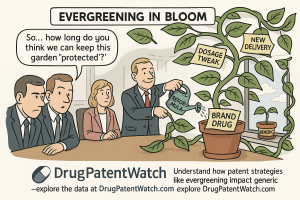
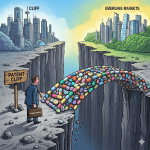
Patent evergreening refers to the strategic practice where pharmaceutical companies extend their patent protections beyond the original 20-year period by obtaining new patents on minor modifications to existing drugs. These modifications can include new formulations, dosage forms, delivery systems, or slight variations to the original compound. While the industry prefers the term “lifecycle management,” critics view it as a deliberate strategy to maintain monopoly pricing power and delay competitive market entry.
The concept of evergreening isn’t new, but it has gained increasing scrutiny as healthcare costs continue to rise globally. At its core, this practice leverages the existing patent system, which was designed to protect and incentivize innovation, but can sometimes be manipulated to extend market exclusivity beyond what lawmakers originally intended when establishing patent duration limits.
The significance of this practice becomes clear when examining how prevalent it has become in the pharmaceutical industry. According to a comprehensive database created by the Center for Innovation at UC Law SF, companies like AstraZeneca, Johnson & Johnson, and Gilead lead the field in filing for extended patent protections14. AstraZeneca, for example, has six drugs that rank among the top 20 for the number of protections received, extending their market control by more than 90 years for drugs treating common conditions like diabetes and gastroesophageal reflux disease14.
The Regulatory Framework Enabling Evergreening
The ability of pharmaceutical companies to engage in evergreening largely depends on the regulatory framework governing drug patents and market exclusivity in different jurisdictions. In the United States, the patent system has historically been relatively accommodating to secondary patents and modification-based extensions, examining applications primarily on technical grounds without specific provisions against evergreening strategies.
Beyond patent protection, regulatory agencies like the FDA grant additional market exclusivities that can further delay generic competition. As explained in a policy paper by the Health Savers Initiative, “To encourage medical innovation, the Food and Drug Administration (FDA) grants temporary market exclusivities to new brand name drugs. These exclusivities prohibit generic drug competitors from accessing the market for a limited period”13.
However, the same paper notes that “drug manufacturers are often able to take advantage of the current rules, using ‘evergreening’ strategies to extend their exclusivity periods and either delay generic drug market entry or limit the number of patients who switch to a new generic”13. This creates a complex regulatory environment where multiple overlapping protections can significantly extend a drug’s market monopoly.
Common Evergreening Strategies Employed by Pharmaceutical Companies
Pharmaceutical companies employ several sophisticated approaches to extend patent protection. Each strategy leverages different aspects of the patent system and drug approval process to maintain market exclusivity beyond the original patent term.
New Formulations and Delivery Systems
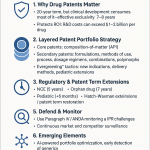
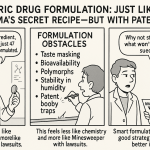
One of the most common evergreening tactics involves patenting modified formulations of existing drugs. These might include extended-release versions, different salt forms, or improved stability formulations. Similarly, developing alternative delivery methods-such as creating an inhaled version of a drug originally available only as a pill-represents another popular strategy.
The timing of these modifications often reveals their strategic nature. For instance, Adderall’s manufacturer introduced an extended-release formulation just four months before a generic competitor for the immediate-release version was approved15. This tactical product introduction allowed the company to shift marketing efforts toward the newly protected formulation while maintaining premium pricing.
Combination Products and Isomer Patents
Combining previously separate medications into a single pill or product allows companies to obtain new patents even when the individual components have lost patent protection. These fixed-dose combinations may improve patient compliance by simplifying regimens but also create new patent-protected products when the original components might otherwise face generic competition.
Another strategy involves patenting different isomeric forms or crystalline structures (polymorphs) of the same compound. Many pharmaceutical compounds can exist in different isomeric forms (molecules with the same chemical formula but different spatial arrangements) or crystalline structures. Companies sometimes obtain patents on these alternative forms after their primary patents expire, claiming improved efficacy or reduced side effects.
The Economic Impact of Evergreening Practices
The financial implications of patent evergreening extend throughout healthcare systems, affecting government budgets, insurance premiums, and individual patients’ finances in significant ways.
Healthcare System Costs and Budget Implications
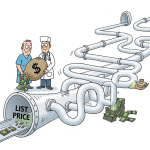
When generic competition is delayed through evergreening practices, healthcare systems continue paying premium prices for medications that could otherwise be available at lower costs. For government programs like Medicare and Medicaid, these extended monopolies translate directly to higher taxpayer costs.
Analysis by the Health Savers Initiative projects that over the decade from 2021-2030, limiting evergreening could:
Reduce federal deficits by at least $10 billion
Save Medicare Part D $7 billion in drug costs and Medicare beneficiaries $4 billion in lower premiums and cost sharing
These figures underscore evergreening’s significant economic impact across both public and private sectors. Healthcare systems operating with limited resources face difficult choices when medications remain under patent protection longer than necessary. Funds allocated to paying premium prices for evergreened drugs could otherwise support expanded coverage, reduced premiums, or investment in other healthcare services.
Patient Access and Affordability Challenges
For individual patients, especially those with high-deductible health plans or coverage gaps, evergreening’s delay of generic competition can significantly impact out-of-pocket expenses. The price difference between branded and generic medications often reaches 80-90%, translating to hundreds or thousands of dollars annually for maintenance medications.
A study examining the effect of evergreened reformulations on Medicaid found that these practices not only increase expenditures but also delay patient access to extended-release formulations. For the groups analyzed, “the mean time from initial formulation approval to evergreened reformulation approval was 7.9 years”15. During this period, patients lacked access to either brand or generic extended-release versions that might offer clinical benefits like reduced dosing frequency.
“The evidence suggests a nuanced reality: while some evergreening tactics may delay certain generic formulations, they often don’t completely prevent all generic competition, as demonstrated by cases like Lamictal and omeprazole where generic versions entered the market years before secondary patents expired.”12
Examining specific examples provides valuable insight into how evergreening strategies work in practice and their real-world impact on generic competition and patient access.
The Novartis Gleevec Case in India
The legal battle between Novartis and the Indian government over the cancer drug Gleevec (imatinib) represents one of the most significant judicial decisions on evergreening. The case began when Novartis sought a patent for a beta crystalline form of imatinib mesylate, a slight modification of the original compound.
India’s patent office rejected the application under Section 3(d) of the Patents Act, which prevents patents for minor modifications of existing drugs unless they demonstrate significantly enhanced efficacy. After a protracted legal battle reaching India’s Supreme Court, the two-judge bench rejected Novartis’ appeal, concluding that the modified version didn’t demonstrate enhanced efficacy over the known substance12.
This landmark ruling affirmed India’s stance against evergreening and preserved generic manufacturers’ ability to produce affordable versions of the medication. The case’s significance extends far beyond India’s borders, providing a legal framework for other countries considering similar measures to balance innovation incentives with medication access.
GlaxoSmithKline’s Lamictal Strategy
GlaxoSmithKline’s management of epilepsy drug Lamictal (lamotrigine) provides a textbook example of extending patent life through secondary formulation patents. The original compound patent filed in 1980 expired in 2000, potentially opening the market to generic competition after 20 years.
However, GSK obtained a patent on chewable and dispersible tablets in 1992, extending protection until 201218. This strategy effectively lengthened patent protection for lamotrigine to 32 years – 12 years beyond the original patent term.
The case illustrates how seemingly minor formulation changes can significantly extend market exclusivity. While chewable tablets may offer convenience benefits, particularly for pediatric patients or those with difficulty swallowing, critics question whether such modifications merit additional years of patent protection and the accompanying premium pricing.
AstraZeneca’s Extensive Patent Portfolio
According to the database created by UC Law SF’s Center for Innovation, AstraZeneca leads the field in filing for patent protections. Their approach includes actions where the company introduced new versions of its drugs in an evergreen practice called “product hopping”14.
The comprehensive patent database revealed that AstraZeneca’s protections extended their market control by more than 90 years for drugs treating common conditions like diabetes and gastroesophageal reflux disease. This example highlights how systematic and strategic the approach to patent extension has become among leading pharmaceutical companies.
Does Evergreening Actually Prevent Generic Entry?
The central question of whether evergreening prevents generic entry requires examining the empirical evidence on how these strategies affect market competition in practice.
Analyzing the Timing of Generic Market Entry
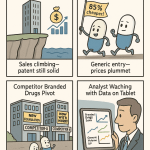
Research indicates that evergreening tactics frequently succeed in delaying generic competition, though they rarely prevent it entirely. The effectiveness varies based on the specific strategy employed, the regulatory environment, and the actions of generic competitors.
For drugs that undergo evergreening, the average delay between when generic competition could have entered under the original patent timeline and when meaningful generic competition actually occurs can extend to several years. This delay represents billions in additional costs to healthcare systems and patients.
A study of evergreened reformulations found that of 40 products introduced before generic initial formulations, they appeared on average 4.2 years before generic approval, with 20% introduced less than one year before generic competition15. This timing suggests strategic product introduction designed to transition market share before generic entry.
Market Penetration of Generics Despite Evergreening
Interestingly, once both the original formulation and evergreened reformulation have generics available for a sustained period, substitution rates tend to equalize. Analysis of 17 evergreen groups where generic versions of both the initial formulations and evergreened reformulations were available throughout 2008-2016 found a mean rate ratio of generic substitution of 0.988, suggesting similar generic uptake for both versions over time15.
This finding indicates that while evergreening can delay generic entry and market penetration, it doesn’t permanently prevent generics from eventually gaining market share once they become available. The temporary nature of this delay, however, doesn’t diminish its significant economic impact during the extended monopoly period.
Effectiveness of Different Evergreening Tactics
Not all evergreening strategies prove equally effective at delaying generic competition. The most successful approaches typically combine multiple tactics, creating what critics call “patent thickets” that present complex legal and regulatory barriers to potential competitors.
Combination products tend to be particularly effective at maintaining market share despite generic entry for individual components. By shifting marketing efforts and prescriber habits toward the patented combination, companies can preserve revenue streams even when the original single-agent products face generic competition.
Similarly, new formulations with clinically meaningful benefits, such as extended-release versions that reduce dosing frequency, can effectively transition market share away from the original formulation before generic entry. The clinical advantages make these reformulations more resistant to price competition once generics of the original formulation become available.
The Innovation versus Access Debate
The evergreening controversy centers on a fundamental tension between incentivizing pharmaceutical innovation and ensuring affordable access to medications. Both sides present compelling arguments that merit careful consideration.
The Pharmaceutical Industry’s Justification
The pharmaceutical industry defends evergreening practices as legitimate protection of ongoing innovation. Companies argue that improvements to existing medications – whether through new formulations, delivery systems, or combinations – represent meaningful advances deserving patent protection.
Industry representatives emphasize that developing these modifications requires significant investment in research, clinical trials, and regulatory approval processes. Without patent protection for these improvements, they argue, companies would have little incentive to enhance existing medications after initial approval.
From this perspective, patent laws should reward any innovation that meets the technical criteria for patentability, regardless of timing relative to earlier patents. The industry maintains that the existing legal framework appropriately balances innovation incentives with eventual generic competition.
Public Health and Consumer Perspectives
Critics of evergreening argue that the practice undermines the fundamental purpose of the patent system: to provide temporary monopolies in exchange for eventual public access to innovations. By extending exclusivity through successive modifications, companies effectively prolong monopolies far beyond what legislators intended.
Public health advocates highlight that many evergreening modifications offer minimal clinical benefit over original formulations. They argue that patent laws should distinguish between transformative innovations that significantly improve patient outcomes and minor tweaks primarily designed to extend exclusivity.
Organizations like Médecins Sans Frontières (Doctors Without Borders) have been particularly vocal about evergreening’s impact in developing countries, where extended patent protection can put life-saving medications beyond reach for vulnerable populations.
Finding a Sustainable Balance
Finding the right balance between innovation incentives and medication access represents an ongoing challenge for policymakers worldwide. Different jurisdictions have adopted varying approaches to address this tension.
India’s Section 3(d), requiring demonstrated enhancement of efficacy for patenting new forms of known substances, represents one model for limiting evergreening while preserving incentives for meaningful innovation. This approach has maintained robust generic competition while still allowing patents for significant improvements.
Some experts propose reforming regulatory exclusivity rules rather than changing patent laws directly. The Health Savers Initiative suggests that “preventing evergreening delays of generic drug competition through new FDA exclusivity rules” could achieve substantial savings while preserving innovation incentives13.
Others advocate for more nuanced approaches to pharmaceutical patents, such as tiered protection periods based on a medication’s therapeutic advance over existing treatments. Truly breakthrough medications might receive longer protection, while incremental improvements would receive shorter terms.
Policy Responses and Solutions to Evergreening
Governments worldwide have implemented various approaches to address patent evergreening, with varying degrees of success. These responses reflect different prioritizations of innovation incentives versus medication affordability.
Legislative Approaches to Limit Evergreening
India’s approach, codified in Section 3(d) of its Patents Act, represents perhaps the most direct legislative response to evergreening. By explicitly requiring that new forms of known substances demonstrate enhanced efficacy to qualify for patent protection, India established a high bar for secondary patents.
The Indian Supreme Court’s application of this standard in rejecting Novartis’ Gleevec patent application demonstrated the provision’s effectiveness in preventing certain types of evergreening. This model has influenced policy discussions in other countries seeking to balance patent protection with medication access.
Australia implemented a different approach through its “anti-evergreening” provisions in the Australia-United States Free Trade Agreement Implementation Act of 2004. These provisions allow penalties for pharmaceutical patent holders who make frivolous or misleading claims in patent litigation to delay generic entry.
Regulatory Reforms to Promote Competition
Beyond patent law reforms, some jurisdictions have focused on regulatory pathways and exclusivity rules to address evergreening. These approaches recognize that market exclusivity often depends on both patent protection and regulatory barriers to competition.
The Health Savers Initiative proposes modifying FDA exclusivity rules to prevent evergreening delays of generic drug competition. This could lead to meaningful savings for consumers, commercial insurers, and government payers while also potentially speeding up the market entry of brand extended-release and other reformulations13.
Competition law enforcement represents another tool gaining traction. South Africa’s Competition Commission investigation into Johnson & Johnson’s pricing and patent extension for tuberculosis drug bedaquiline illustrates how competition authorities can scrutinize potentially anticompetitive aspects of evergreening19.
International Cooperation and Standards
International organizations have increasingly addressed evergreening in policy recommendations and technical assistance programs. The World Health Organization (WHO) has incorporated considerations of excessive patenting into its guidance on intellectual property and access to medicines.
Some experts propose revising international agreements like TRIPS (Trade-Related Aspects of Intellectual Property Rights) to explicitly acknowledge countries’ right to implement anti-evergreening measures. Such revisions could provide greater policy space for nations to address evergreening while maintaining compliance with international obligations.
Others suggest creating international standards for pharmaceutical patentability that distinguish between significant therapeutic advances and minor modifications. These standards could guide national patent offices in evaluating secondary patent applications more consistently.
The Future Landscape of Pharmaceutical Patents and Competition
The landscape of pharmaceutical patent evergreening continues to evolve in response to policy changes, market dynamics, and technological developments. Understanding emerging trends can help anticipate future challenges and opportunities.
Emerging Trends in Patent Strategies
Pharmaceutical companies continue adapting their intellectual property strategies in response to growing scrutiny of traditional evergreening approaches. These adaptations include:
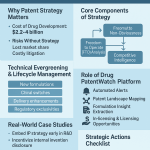
Earlier planning for lifecycle management, with patent strategies for modifications and new indications developed alongside initial drug development rather than as last-minute extensions
Greater focus on patents for manufacturing processes and formulation technologies that may be more difficult for generic manufacturers to work around
Increased emphasis on combination products that incorporate proprietary delivery devices with off-patent medications, creating new barriers to substitution
Strategic global patenting that accounts for varying standards across jurisdictions, with different approaches tailored to individual markets
These evolving strategies suggest that addressing evergreening effectively will require ongoing policy adaptation rather than one-time reforms.
Technological Innovations Changing the Patent Landscape
Advances in pharmaceutical technology are creating new opportunities for both innovation and evergreening. Emerging platforms like nanomedicine, 3D printing of medications, and digital therapeutics introduce novel questions for patent systems designed around traditional small-molecule drugs.
These technologies blur traditional distinctions between primary and secondary patents, potentially creating new pathways for extending market exclusivity. For instance, a drug delivery nanoparticle might represent a transformative innovation while also extending protection for an existing active ingredient.
Similarly, the growing importance of biologics – complex medications produced from living organisms – complicates the evergreening landscape. The inherent complexity of these products and their manufacturing processes creates additional opportunities for patents that extend beyond the core therapeutic molecule.
Predicted Changes in Regulatory Approaches
Growing awareness of evergreening’s economic impact is likely to drive continued regulatory evolution. Several possible developments may reshape the landscape in coming years:
More countries adopting provisions similar to India’s Section 3(d), requiring demonstrated therapeutic improvement for secondary patents
Reformed exclusivity rules that limit additional protection periods for minor modifications while preserving incentives for significant improvements
Enhanced roles for health technology assessment bodies in evaluating whether modified products offer sufficient clinical benefit to justify premium pricing
Greater international cooperation among patent offices to share information and best practices regarding pharmaceutical secondary patents
As healthcare systems worldwide grapple with sustainability challenges, pressure to address evergreening as a factor in medication costs will likely intensify. Finding balanced approaches that preserve innovation incentives while preventing excessive monopoly extensions remains a complex policy challenge.
Key Takeaways
The examination of drug patent evergreening and its impact on generic entry reveals several important conclusions:
Evergreening practices are widespread in the pharmaceutical industry, with research showing 78% of drugs associated with new patents between 2005-2015 were existing medications rather than novel treatments.
While evergreening strategies typically delay generic competition, they rarely prevent it entirely. The impact is nuanced, often creating a complex market where generic versions of original formulations compete with still-patented modified versions.
Common evergreening tactics include new formulations, delivery methods, combination products, and patents on isomeric forms or polymorphs. The strategic timing of these modifications often coincides with approaching patent expiration.
The financial implications are substantial, with potential savings from limiting evergreening estimated at $10 billion in reduced federal deficits and $9 billion in lower private sector drug costs over a decade.
Different jurisdictions have implemented varying approaches to address evergreening, with India’s Section 3(d) representing one of the most direct legislative responses by requiring demonstrated enhanced efficacy for new forms of known substances.
The evergreening debate reflects fundamental tensions between protecting innovation incentives and ensuring medication affordability, with legitimate arguments on both sides regarding appropriate patent policy.
As technology and regulatory landscapes evolve, pharmaceutical intellectual property strategies continue adapting. Effective policy responses will require ongoing refinement rather than one-time solutions.
Finding balanced approaches that distinguish between meaningful therapeutic advances and minor modifications primarily designed to extend exclusivity represents a key challenge for patent systems worldwide.
FAQ About Drug Patent Evergreening
What exactly is pharmaceutical patent evergreening?
Pharmaceutical patent evergreening refers to the practice where drug companies extend their patent protections beyond the original 20-year period by obtaining new patents on minor modifications to existing drugs. These modifications might include new formulations, dosage forms, delivery methods, or slight variations to the original compound. While the pharmaceutical industry typically refers to this as “lifecycle management,” critics view it as a strategy to maintain monopoly pricing and delay generic competition.
Does evergreening completely prevent generic drugs from entering the market?
No, evergreening typically delays rather than completely prevents generic entry. Research indicates that while these strategies can postpone generic competition for specific formulations, they rarely block all generic versions indefinitely. The impact is nuanced – generics of original formulations may enter the market while modified versions remain under patent protection. However, even temporary delays can represent billions in additional costs to healthcare systems and patients.
Are the modifications protected by evergreening patents clinically significant?
The clinical significance of modifications protected by secondary patents varies considerably. Some offer genuine therapeutic advantages, such as reduced side effects, improved absorption, or more convenient dosing schedules that enhance patient adherence. However, critics argue that many modifications provide minimal clinical benefit compared to original formulations and appear timed strategically to extend market exclusivity rather than primarily to improve patient outcomes.
What approaches have been most effective in addressing evergreening?
The most effective approaches combine multiple policy tools: patentability standards requiring meaningful innovation (like India’s Section 3(d)), limitations on regulatory exclusivity for minor modifications, robust competition law enforcement, and efficient pathways for challenging questionable patents. Countries like India have successfully limited certain types of evergreening by requiring that new forms of known substances demonstrate enhanced efficacy to qualify for patent protection.
How does evergreening impact healthcare costs for individual patients?
For individual patients, especially those with high-deductible health plans or coverage gaps, evergreening’s delay of generic competition can significantly impact out-of-pocket expenses. The price difference between branded and generic medications often reaches 80-90%, translating to hundreds or thousands of dollars annually for maintenance medications. These higher costs can force difficult choices between medication adherence and other essential expenses, potentially leading to poorer health outcomes and higher eventual healthcare utilization.