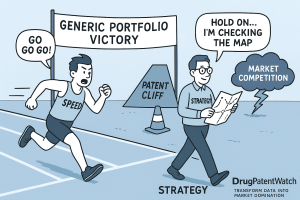
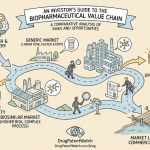
The generic drug industry operates on a paradox that never fully resolves. Generic and biosimilar medicines fill 90% of all U.S. prescriptions yet account for just 17.5% of total drug spending. That gap is not inefficiency. It is the result of four decades of increasingly sophisticated patent warfare, regulatory arbitrage, and litigation strategy playing out in federal courtrooms, FDA dockets, and USPTO proceedings simultaneously.
The global generic market was valued at roughly $491 billion in 2024 and is projected to exceed $926 billion by 2034. That growth trajectory is real, but it obscures a starker internal reality: the value in generics is increasingly concentrated among firms that understand how to identify, claim, and defend a temporary monopoly position. The remaining revenue gets shredded by price erosion at a rate that eliminates most of the profitability within 18 months of multi-competitor entry.
This is a guide for the firms and investors trying to extract durable value from that environment. It covers the Hatch-Waxman mechanics that underpin every ANDA filing, the Paragraph IV strategy that creates most of the high-margin opportunities, the economics of the 180-day first-filer exclusivity period, the case law that defines at-risk launch risk, the patent thicket architecture that brand companies use to extend effective market exclusivity well beyond stated patent expiry dates, and the portfolio construction logic that separates sustainable generic businesses from companies in a slow race to zero margin.
What the Hatch-Waxman Act Actually Built (and What It Didn’t)
The Drug Price Competition and Patent Term Restoration Act of 1984 is the foundational document of the modern generic industry. Before it passed, generic manufacturers had to run their own clinical trials, making generic development economically irrational for all but a handful of high-volume drugs. In 1984, generics accounted for 19% of U.S. prescriptions. The Act changed that architecture in one move: it created the Abbreviated New Drug Application (ANDA) pathway, which allows a generic applicant to establish safety and efficacy by proving bioequivalence to a Reference Listed Drug (RLD) rather than conducting de novo trials.
The legislation struck a specific trade. Brand companies received two compensation mechanisms for the patent life consumed during FDA review: New Chemical Entity (NCE) exclusivity, which blocks ANDA acceptance for five years after approval, and patent term extension, which can restore up to five years of patent life. Generic companies received the ANDA pathway and, critically, a financial incentive to challenge weak patents through a first-filer exclusivity prize of 180 days.
What the Act did not build was a stable, high-margin business for commodity generic manufacturers. It built a mechanism for temporary monopoly capture. The companies that understood that distinction early built the most defensible positions. The ones that treated it as a volume manufacturing business eventually ran into the pricing wall that kills margins in markets with six or more competitors.
How the ANDA Bioequivalence Standard Creates Strategic Leverage
The bioequivalence requirement demands that a generic product deliver the same amount of active ingredient into systemic circulation within the same time window as the RLD. The standard, typically requiring Area Under the Curve (AUC) and maximum plasma concentration (Cmax) ratios to fall within 80-125% of the reference drug with 90% confidence, is pharmacokinetically rigorous but scientifically reproducible for most small-molecule oral solids. That reproducibility is exactly the problem for companies competing in those categories: low barriers to bioequivalence proof mean low barriers to competitive entry, which means rapid margin compression.
The strategic leverage in the ANDA process is not in the bioequivalence study itself. It is in the Chemistry, Manufacturing, and Controls (CMC) section, and specifically in the quality of the regulatory submission. The FDA’s review clock is the hidden competitive variable that most companies underestimate. A well-constructed, “right-the-first-time” ANDA moves through the 30-month review cycle with minimal Complete Response Letters (CRLs). Every CRL cycle adds roughly six months to the timeline. A company that files a deficiency-laden application can lose a full year relative to a competitor who filed the same drug six months later but submitted a cleaner dossier.
Regulatory Intelligence The FDA’s Question-Based Review (QbR) framework for CMC evaluations rewards applicants who proactively address manufacturing risk and process understanding. Companies that adopt a QbR-native approach to CMC construction see materially lower CRL rates and faster approval cycles. This is a capability investment, not a compliance exercise.
Tentative Approval vs. Final Approval: What the Distinction Means for Launch Timing
The FDA issues two possible decisions on an ANDA that has cleared its scientific review. A Final Approval (AP) means the applicant can launch immediately, subject to no remaining patent or exclusivity barriers. A Tentative Approval (TA) means the science is sound but a legal or exclusivity barrier still blocks market entry. TAs are commercially significant: they confirm the product is approvable and reduce timeline uncertainty once the blocking barriers clear. For Paragraph IV challengers in litigation, a TA received during the 30-month stay sets the stage cleanly for a rapid conversion to final approval upon resolution, either by court decision or settlement.
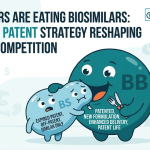
For biosimilars, the analogous distinction under the Biologics Price Competition and Innovation Act (BPCIA) is the interchangeability designation, which determines whether a pharmacist can substitute the biosimilar for the reference biologic without prescriber intervention. Interchangeable status drives substantially faster formulary uptake and is now a standard commercial objective for biosimilar developers entering high-volume injectable markets, including the crowded adalimumab (Humira) space where 10-plus biosimilars are now competing.
The Paragraph IV Playbook: How a Patent Challenge Becomes a Revenue Event
The Paragraph IV certification is the instrument through which the Hatch-Waxman system channels its most aggressive competitive energy. When a generic applicant files an ANDA and certifies that a listed Orange Book patent is invalid, unenforceable, or not infringed by the generic product, that certification constitutes a technical act of patent infringement under 35 U.S.C. § 271(e)(2). It is a legal declaration of war backed by the promise of 180-day exclusivity if the challenge succeeds.
The sequence is tightly scripted. The applicant must send a detailed notice letter to the brand holder within 20 days of the FDA accepting the ANDA for filing. The letter must contain a factual and legal statement of the basis for the invalidity or non-infringement position. This is not a formality. A deficient notice letter can be challenged by the brand and can disqualify the applicant’s first-filer exclusivity rights. The brand then has 45 days to sue. If it does, the automatic 30-month stay kicks in, blocking FDA final approval until either the stay period elapses or the litigation is resolved by court decision or consent order.
Why the 30-Month Stay Is Worth More Than Most People Calculate
The 30-month stay is typically analyzed as a delay for the generic applicant, which it is. But for brand companies, it is a revenue protection mechanism of measurable financial value. A brand generating $1.5 billion annually in U.S. sales and facing a credible generic threat buys 2.5 years of protected revenue worth roughly $3.75 billion in gross sales by triggering the stay through litigation, even if it ultimately loses the case. This calculation explains why brand companies routinely sue on patents they know are weak: the litigation economics favor filing even marginal cases.
For generic challengers, understanding this calculus changes how to approach settlement negotiations. A brand offering a settlement with a 2026 entry date against a 2028 patent expiry is offering something worth several hundred million dollars in net present value. The decision whether to accept or continue litigating depends on the strength of the invalidity case, the authorized generic (AG) threat, and the cost of continued legal spend. None of these variables can be assessed in isolation.
What Investors Are Watching: Paragraph IV Pipeline
ANDA filers with pending Paragraph IV certifications against high-revenue brand drugs are the most consequential near-term optionality events in the generic sector. A first-filer position against a $2B+ brand drug can add 15-25% to a mid-cap generic company’s equity value if the litigation goes favorably, or erase that value if the brand wins and an at-risk launch preceded the verdict.
Track the FDA’s ANDA filing data, Orange Book patent listings, and district court dockets simultaneously. A company receiving a TA during a 30-month stay that is 24 months in is close to a binary event. That proximity typically shows up in options pricing and short interest before it shows up in analyst reports.
The 180-Day Exclusivity Prize: What It Is Actually Worth
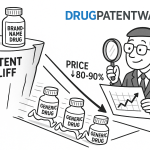
The U.S. Supreme Court described the 180-day first-filer exclusivity as worth “several hundred million dollars” in its 2013 FTC v. Actavis decision. For blockbuster drugs, that estimate is conservative. During the exclusivity period, the FDA cannot approve any subsequently filed ANDA for the same drug. The market contains two products: the brand and the first generic. That temporary duopoly allows the generic to price at a 15-30% discount to brand rather than the 80-95% discount that characterizes multi-competitor generic markets. The combination of limited price erosion and aggressive market share capture through PBM formulary switches produces margins that rarely recur after the period ends.
The first-mover advantage also extends well beyond the 180 days. Data from multi-year market tracking consistently shows that the first generic entrant retains a disproportionate share of the generic market even two or three years after the exclusivity period ends and additional competitors have launched. This persistence is driven by brand loyalty among PBMs and distributors for the incumbent generic, supply reliability relationships, and preferred formulary placement secured during the exclusivity window.
How the Authorized Generic Threat Changes the Exclusivity Calculation
The authorized generic (AG) is the brand company’s primary tactical countermeasure against first-filer exclusivity. An AG is the brand drug itself, sold under a generic label either by the brand company directly or through a sublicensing arrangement with a third-party distributor. Critically, the AG is not an ANDA product and is not subject to the first-filer’s 180-day exclusivity block. The brand can launch an AG the same day the first generic enters the market.
The FTC has estimated that an AG launch reduces the first-filer’s revenues by 40-52% during the exclusivity period compared to a scenario without the AG. The mechanism is straightforward: pharmacy systems now carry two generic-labeled products at comparable prices, splitting the volume that would have flowed entirely to the first generic. This dynamic has materially changed how first-filer exclusivity is valued and has made the AG question central to every settlement negotiation. A brand offering to withhold its AG in a settlement is offering something with real economic value, which is precisely why the FTC treats AG non-launch commitments as a form of payment for delay subject to antitrust scrutiny under the Actavis framework.
Number of Generic Competitors
Approximate Price vs. Brand Price
Estimated Margin Profile
Strategic Implication
1 (First-to-File Exclusivity)
61-70% of brand
High (30-40% gross)
Maximum revenue capture window; AG threat is primary risk
2
46-50% of brand
Moderate
Price drops fast; share fight begins
3-5
21-40% of brand
Low-moderate
Margin-dependent on manufacturing cost structure
6-10+
5-20% of brand
Minimal
Volume play only; not viable without low-cost manufacturing moat
At-Risk Launch Economics: When to Bet the Company, When to Wait
An at-risk launch occurs when a generic company enters the market while Paragraph IV litigation is still unresolved, accepting potential damages liability in exchange for revenue that would otherwise be lost during the appellate phase of a case. It is the highest-risk, highest-reward decision available in the generic drug industry, and the two outcomes that define its historical range could not be more different from each other.
Why Protonix Cost Teva and Sun Pharma $2.15 Billion
At-Risk Launch Case Study — Cautionary
Protonix (pantoprazole) / Teva & Sun Pharma
In late 2007 and early 2008, Teva and Sun Pharma launched generic pantoprazole, the proton pump inhibitor sold by Wyeth (acquired by Pfizer in 2009) as Protonix. Their position: the Wyeth patent was invalid. Commercial impact was immediate. Brand Protonix sales dropped roughly 80% within months. The revenue capture during the at-risk period was substantial.
In April 2010, a jury found the Wyeth patent valid and infringed. Damages were calculated on Wyeth/Pfizer’s lost profits during the infringement period. After years of post-verdict litigation, Teva and Sun settled in 2013 for a combined $2.15 billion, one of the largest patent damages outcomes in U.S. pharmaceutical history. That figure exceeded all revenue the two companies generated during the at-risk launch period by a significant margin, net of any profits retained before the judgment.
The Protonix case established a durable principle: at-risk launch damages are calculated on the brand’s economics, not the generic company’s. The larger the brand’s revenue, the larger the exposure. Patent confidence levels that would justify a calculated bet on a $300M product do not justify the same bet on a $3B one.
Why the Tarka Outcome Was Entirely Different
At-Risk Launch Case Study — Calibrated Risk
Tarka (trandolapril/verapamil) / Glenmark
Glenmark launched generic Tarka in June 2010 while patent litigation with Sanofi-Aventis continued. A jury ultimately ruled the patent valid and infringed. Damages: $16 million. Glenmark had earned more than that during the at-risk period and survived the verdict commercially intact.
The comparison between Protonix and Tarka is the definitive tutorial on at-risk launch risk quantification. The legal question in both cases was patent validity. The financial outcome was entirely different because the underlying brand revenue differed by an order of magnitude. A rigorous at-risk launch analysis must model the brand’s annual revenue, the expected damages calculation methodology, the probability of an adverse judgment, and the net present value of the revenue captured during the at-risk window. Companies that treat this as a legal decision rather than a financial modeling exercise tend to learn from the Protonix outcome rather than the Tarka one.
What Makes an At-Risk Launch Justifiable in 2025 and 2026
Three conditions, when present simultaneously, shift the at-risk calculus toward viable: a non-infringement position that is distinct from invalidity (non-infringement is cleaner, less subject to factual disputes at trial), a brand product with annual U.S. sales below $400 million (limiting maximum damages exposure), and a first-filer exclusivity position that will be forfeit if entry is delayed through the appellate period. A fourth condition that institutional teams increasingly require is a balance sheet capable of absorbing a worst-case damages scenario without impairment to core operations. Smaller companies with balance sheet constraints should not be running at-risk launches against high-revenue brands regardless of their confidence in the legal position.
Patent Expiry Timelines: The 2025-2030 Loss-of-Exclusivity Wave
Between 2025 and 2030, branded drugs generating an estimated $217-$236 billion in annual U.S. sales are projected to face loss of exclusivity (LOE). This is one of the largest LOE waves in the industry’s history, driven by patent expirations on monoclonal antibodies, immunology biologics, oral oncology agents, and established cardiovascular drugs that have sustained multi-billion-dollar revenue bases for over a decade.
Drug (INN)
Brand / Company
2024 U.S. Sales
Therapeutic Area
LOE Year (Approx.)
Generic/Biosimilar Complexity
ustekinumab
Stelara / J&J
$6.72B
Immunology
2025-2026
Biosimilar (aBLA)
denosumab
Prolia, Xgeva / Amgen
$4.39B
Bone / Oncology
2025
Biosimilar (aBLA)
sacubitril/valsartan
Entresto / Novartis
$4.05B
Heart Failure
2025-2026
Complex ANDA (combo)
eculizumab
Soliris / AstraZeneca
$1.52B
Rare Hematology
2025
Biosimilar — Orphan complexity
sitagliptin
Januvia, Janumet / Merck
$2.9B (global)
Type 2 Diabetes
2026
Standard ANDA (small molecule)
apixaban
Eliquis / BMS-Pfizer
$12.2B (global)
Anticoagulation
2026-2028
PIV litigation ongoing; patent thicket
pembrolizumab
Keytruda / Merck
$25.0B (global)
Oncology (PD-1)
2028
Biosimilar — extremely complex
nivolumab
Opdivo / BMS
$9.8B (global)
Oncology (PD-1)
2028
Biosimilar — complex manufacturing
eltrombopag
Promacta / Novartis
$1.18B
Thrombocytopenia
2026
Standard ANDA
semaglutide
Ozempic, Wegovy / Novo Nordisk
$21.0B (global)
Diabetes / Obesity
2031-2033
GLP-1 peptide — formulation complexity
Why Eliquis (apixaban) Is the Most Complex Generic Opportunity in the 2026 Window
Apixaban’s patent situation is an object lesson in how a brand company with sufficient motivation can construct a layered exclusivity defense that substantially delays meaningful generic competition even when the core composition-of-matter patents have expired or are under challenge. Bristol Myers Squibb and Pfizer have listed multiple patents in the Orange Book covering apixaban’s formulation, manufacturing processes, and methods of use. Paragraph IV filers challenging these patents face a litigation environment where invalidating any one patent is insufficient if others remain in force.
The commercial stakes are proportional to the complexity. Eliquis generated $12.2 billion in global sales in 2024. U.S. revenues alone were over $7 billion. A first-filer exclusivity position on apixaban, if achieved, would rank among the most valuable PIV prizes in generic history. Multiple challengers, including Mylan/Viatris, Teva, and Sun Pharma, have filed ANDAs. The litigation is ongoing. How the courts rule on the specific formulation patents will determine whether and when meaningful generic entry occurs, independent of the composition-of-matter expiry date.
Why Keytruda’s Patent Expiry Matters Differently for Merck Investors Than Humira Did for AbbVie
Pembrolizumab (Keytruda) generated $25 billion in global sales in 2024 and faces core patent expirations around 2028. Merck’s exposure is qualitatively different from what AbbVie faced with adalimumab (Humira) for two reasons. First, Keytruda is a monoclonal antibody produced through biologic manufacturing at commercial scale, meaning any biosimilar entrant must navigate both the analytical complexity of characterizing the reference product and the FDA’s aBLA pathway, including clinical immunogenicity data requirements. These are not obstacles that disappear because a patent expires. Second, Merck has no equivalent to the immunology pipeline depth that AbbVie used to partially offset Humira’s decline. Keytruda’s revenue concentration is higher, and the pipeline replacement products, including belrestotug and other next-generation oncology assets, face their own clinical and commercial uncertainty. The Keytruda LOE is a larger relative risk event for Merck than Humira’s LOE was for AbbVie, despite AbbVie’s having been the louder industry story.
How Patent Thickets Work and Why They Are More Effective in Biologics Than Small Molecules
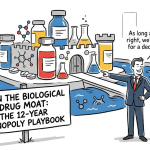
A patent thicket is a cluster of overlapping patents covering different aspects of the same drug product: the active ingredient, its salts or polymorphs, the formulation, the manufacturing process, dosing regimens, and specific therapeutic indications. Each patent is individually challengeable, but collectively they create a legal obstacle course that forces any generic or biosimilar entrant to fight on multiple fronts simultaneously.
The Hatch-Waxman Act and the BPCIA both contain mechanisms that patent thickets are designed to exploit. In the small-molecule context, a brand company can list additional patents in the Orange Book at any time after original approval, as long as the patents claim the approved product or an approved method of using it. Each new listing forces a new Paragraph IV certification and potentially a new 30-month stay. The I-MaX litigation strategy involves listing marginally relevant patents specifically to trigger additional stays and reset the litigation clock. Courts have become more skeptical of these tactics, and the FDA has tightened Orange Book listing requirements following litigation from the FTC, but the practice still extends effective exclusivity in practice.
In biologics, the patent thicket problem is compounded by the scientific complexity of the products themselves. AbbVie built the Humira patent thicket to over 130 patents covering formulation, manufacturing, and methods of use, which delayed U.S. biosimilar entry until 2023 despite the core composition-of-matter patents expiring years earlier. This was not accidental. AbbVie’s lifecycle management team spent years identifying and filing patents on every patentable aspect of adalimumab’s manufacturing and delivery, creating a defensive perimeter that required individual settlements with each biosimilar developer. The settlements, which specified entry dates rather than requiring legal invalidation of each patent, are the clearest historical evidence that patent thicket construction is commercially rational: it shifts the cost of entry from AbbVie to the biosimilar developers and gives AbbVie control over the timing of competition.
The Inter Partes Review as a Thicket-Cutting Tool
Inter Partes Review (IPR) proceedings at the USPTO have emerged as the most effective mechanism for attacking individual patents within a thicket without bearing the full cost of district court litigation on each one. IPRs are tried before the Patent Trial and Appeal Board (PTAB), which applies a “preponderance of the evidence” standard for invalidity rather than the “clear and convincing evidence” standard used in district court. This lower threshold, combined with PTAB’s technical sophistication on prior art questions, has produced higher invalidation rates than district court proceedings for pharmaceutical patents.
A sophisticated Paragraph IV strategy now routinely incorporates a parallel IPR track. The generic challenger files a PIV ANDA targeting the core patents in district court while simultaneously petitioning for IPR on the secondary thicket patents. A favorable PTAB decision on one patent can collapse the brand’s settlement position, improving terms for the generic challenger in district court negotiations. It can also strip away the basis for a 30-month stay if the challenged patent was the primary basis for the brand’s lawsuit.
Complex Generics: Why Manufacturing Difficulty Is a Competitive Moat
The distinction between simple and complex generics is not semantic. It has direct consequences for the number of competitors who can enter a market, the pace of price erosion once they do, and the duration of profitability for the first entrant. Simple oral solid dosage forms, tablets and capsules of small-molecule drugs with straightforward bioequivalence requirements, attract the most competitors and face the steepest post-LOE price curves. Complex generics require either specialized manufacturing capabilities, sophisticated analytical characterization of the reference product, or both, and these requirements function as structural barriers to entry that limit competition in ways that patent protection alone no longer reliably provides.
The FDA’s definition of complex drug products covers: complex active moieties (peptides, polymeric compounds, complex mixtures, naturally derived materials), complex formulations (liposomes, colloids, nanomedicines, emulsions), complex routes of delivery (inhalation, transdermal, topical, intrathecal), complex drug-device combinations (auto-injectors, prefilled syringes, inhalers), and combination products. Each category presents distinct scientific and regulatory challenges that narrow the field of credible competitors.
What Makes GLP-1 Manufacturing Difficult for Generic Entrants
Semaglutide, sold by Novo Nordisk as Ozempic and Wegovy, illustrates the GLP-1 peptide manufacturing challenge. Semaglutide is a 31-amino-acid glucagon-like peptide-1 receptor agonist with a C-18 fatty diacid chain attached via a linker to the backbone. The manufacturing process involves solid-phase peptide synthesis, lipidation chemistry, and purification steps that require specialized equipment and yield management. The drug is administered as a subcutaneous injection through a prefilled pen device, adding device engineering and human factors validation requirements to the development program.
For any firm attempting to develop a generic semaglutide, the chemistry manufacturing challenge is compounded by the need to characterize the reference product’s impurity profile with sufficient analytical precision to satisfy FDA’s review of the abbreviated application. Semaglutide’s core patents expire in the early 2030s in most major markets, but the technical barriers to producing a bioequivalent product are significant enough that fewer credible entrants will be ready at patent expiry than would face a comparable small-molecule LOE. That supply constraint limits post-LOE price erosion in ways that extend the revenue protection for manufacturers who do have the capability.
The Copaxone Saga: How Scientific Complexity Sustained a Multi-Billion Dollar Market
Complex Generic Case Study
Copaxone (glatiramer acetate) / Teva vs. Mylan and Others
Glatiramer acetate, the multiple sclerosis drug Teva sells as Copaxone, is not a single molecule. It is a complex mixture of synthetic polypeptides with a heterogeneous molecular weight distribution, composed of four amino acids in partially randomized sequences. Demonstrating that a generic product is equivalent to this reference standard requires analytical characterization tools that were not standard in most generic development programs as of 2010.
Teva’s defense of Copaxone operated on two levels simultaneously. On the scientific side, the complexity of the active substance made bioequivalence demonstration genuinely difficult. The FDA’s guidance on establishing equivalence for complex mixtures evolved slowly, and generic developers had to build bespoke analytical programs to characterize molecular weight distribution, amino acid composition, and secondary structure. On the legal side, Teva constructed a patent thicket covering formulations, dosing schedules (including a three-times-weekly 40 mg formulation, which was its successor product designed to pull prescriptions from the daily 20 mg version before generic entry), and manufacturing methods.
Mylan, after years of Paragraph IV litigation and inter partes proceedings, eventually won approval for its generic glatiramer acetate and entered the market. By that point, Teva had partially migrated the market to the 40 mg formulation. The Copaxone saga established that complexity is a defensible moat, but it is not impenetrable given sufficient time, capital, and regulatory guidance development. The lesson for generic portfolio strategists: complex product development timelines of five to seven years from initiation to approval are common. Products worth that investment are ones with large enough markets and long enough runway before meaningful generic erosion begins.
How Dr. Reddy’s Outflanked the First-Filer Exclusivity Barrier on Amlodipine
Regulatory Strategy Case Study
Norvasc (amlodipine besylate) / Dr. Reddy’s via 505(b)(2)
When the Norvasc (amlodipine besylate) patent expired, the first-to-file ANDA challenger secured 180-day exclusivity on the besylate salt form. Standard ANDAs for amlodipine besylate were blocked from the market during that window. Dr. Reddy’s responded by developing amlodipine maleate, a different salt form of the same active moiety, and filing a 505(b)(2) New Drug Application rather than an ANDA.
The 505(b)(2) pathway allowed Dr. Reddy’s to rely on Pfizer’s published safety and efficacy data for the besylate form while conducting bridging studies to establish the maleate’s bioequivalence to the RLD. Crucially, 505(b)(2) approvals are not subject to ANDA first-filer exclusivity. The FDA approved the maleate NDA. Dr. Reddy’s launched during the 180-day window and competed directly against the first-filer during the period the first-filer expected to have to itself.
This case remains the clearest demonstration that regulatory pathway selection is a competitive strategy, not just a compliance decision. The 505(b)(2) pathway is available for any modification to an approved drug product that requires some but not complete clinical evidence. Companies with formulation chemistry capabilities and regulatory sophistication to identify and execute these maneuvers can bypass exclusivity barriers that block their ANDA competitors entirely.
Revenue at Risk: How to Model LOE Impact for Generic and Brand Companies
Loss-of-exclusivity modeling is one of the most consequential analytical tasks in pharmaceutical finance, and it is frequently done poorly. The most common error is treating patent expiry dates as the operative event for revenue decline. Patent expiry is a legal milestone, not a commercial one. The actual revenue cliff occurs when a product with sufficient market share and competitive readiness successfully launches and drives substitution through formulary switches, PBM contracting, and retail pharmacy dispensing patterns.
A technically correct LOE model must incorporate: the number of ANDA filers who have received or are expected to receive final approval at LOE, the presence and timing of any AG launch, the interchangeability status of any biosimilar for biologic products, the payer mix (commercial vs. Medicare Part D vs. Medicaid, as each has different substitution incentives), and the brand company’s pricing strategy and rebating posture during the genericization period.
The Humira LOE in the U.S. provides the most extensively documented recent case. Adalimumab biosimilars became eligible to launch in January 2023 following settlement agreements that AbbVie negotiated with each biosimilar developer individually. By mid-2024, U.S. Humira revenues had declined roughly 35% from their 2022 peak, a slower erosion than many analysts projected. The slower-than-expected decline reflects two factors: the high rebate levels AbbVie offered to PBMs to retain Humira on preferred formulary tiers, and the payer reluctance to force non-interchangeable biosimilar substitution without physician consent in specialty therapy categories.
Which Drugs Face the Largest U.S. Revenue Cliff in 2026-2028
Eliquis, sitagliptin, and sacubitril/valsartan are the three small-molecule drugs facing the largest potential U.S. LOE revenue events in the 2026-2028 window. Eliquis is the most consequential on an absolute basis. BMS and Pfizer’s combined reliance on apixaban revenue, which has grown consistently for over a decade, leaves both companies with material exposure to generic entry timing. Sitagliptin, while facing a more straightforward generic pathway given its oral solid dosage form and well-documented bioequivalence requirements, competes in a diabetes market that has been substantially disrupted by GLP-1 receptor agonists, limiting the total market size available to generic sitagliptin entrants compared to historical precedent.
For sacubitril/valsartan (Entresto), the generic development challenge is formulation complexity. The drug is a co-crystal of the angiotensin receptor-neprilysin inhibitor prodrug sacubitril with valsartan, a formulation technology that requires specific manufacturing expertise to replicate. Novartis has used this complexity, combined with Orange Book patent listings, to construct a defense against generic entry that has added years of protected revenue beyond the core patent expiry dates. The number of credible ANDA filers for Entresto is lower than for pure small-molecule oral solids at comparable revenue levels, which will limit the pace of post-LOE price erosion.
Portfolio Architecture: How to Build a Generic Drug Portfolio That Survives Price Erosion
The dominant failure mode for generic drug companies over the past decade has not been inability to get products approved. It has been overconcentration in simple oral solid dosage forms with five or more competitors, combined with insufficient investment in the complex generic pipeline needed to replace the revenue as those markets commoditize. Companies that built their franchises on multi-source oral solids in the 2000s and early 2010s found by the late 2010s that the revenue per product had declined to the point where the overhead cost of maintaining the product in the portfolio exceeded the margin contribution.
A defensible portfolio needs four components: a base of simple generics that generate reliable cash flow at low manufacturing cost, a set of first-to-file Paragraph IV positions that provide periodic high-margin exclusivity events, a complex generic pipeline that generates durable, high-margin products with fewer competitors, and a 505(b)(2) or Value-Added Medicine (VAM) segment that creates products with their own regulatory exclusivity rather than relying entirely on patent challenge outcomes.
Strategy
Upfront Investment
Time to Revenue
ROI Potential
Key Risk
Primary Capability Required
First-to-File (PIV)
Medium-High
30+ months
Very High (exclusivity period)
Litigation loss, AG launch
IP litigation, regulatory
Complex Generic (ANDA)
High
4-7 years
High and durable
Scientific feasibility, FDA guidance gaps
Specialized R&D, cGMP manufacturing
Value-Added Medicine (505(b)(2))
Medium
3-5 years
Medium-high; differentiated
Clinical bridging, payer coverage
Formulation science, clinical development
Follow-On Simple Generic
Low
12-24 months post-LOE
Low; volume dependent
Price erosion, API supply
Low-cost manufacturing, supply chain
At-Risk Launch
High (damages exposure)
Fastest possible entry
Highest if successful
Treble damages, adverse verdict
Balance sheet, legal confidence, risk modeling
Why Simple Generics Still Matter for Mid-Size Companies
The argument against simple generics is compelling in absolute margin terms but incomplete as a portfolio strategy. Simple generics at low manufacturing cost provide the cash flow that funds the three-to-seven-year development cycles required for complex generic and PIV programs. A company that exits simple generics entirely to focus on complex products must either raise external capital to bridge the development cycle or run leaner R&D than the complex programs require. Neither outcome is optimal.
The correct approach is to maintain simple generic volume only where manufacturing cost is genuinely advantaged. Companies with high-cost oral solid manufacturing should exit those product lines and redeploy the capacity. Companies with vertically integrated API-to-finished-dose manufacturing in low-cost geographies can still generate acceptable returns from simple generics as a cash flow base while investing the surplus in the complex pipeline. The strategic error is treating simple generic revenue as a strategic objective rather than as infrastructure for the more defensible parts of the portfolio.
How Biosimilar Launch Timing Works and Why It Is Not Analogous to Small-Molecule Generics
Biosimilar commercialization follows a structurally different pattern from small-molecule generic entry. The key variables are interchangeability designation, payer policy toward non-interchangeable substitution, the reference biologic manufacturer’s contracting posture, and the number of biosimilar entrants sharing a market that is not winner-take-all in the way a Paragraph IV exclusivity market is.
Interchangeable biosimilars, those that the FDA has determined can be substituted at the pharmacy level without prescriber intervention, capture market share faster than non-interchangeable products because they can participate in automatic substitution programs. Coherus BioSciences’ Yusimry (adalimumab-aqvh) and Biocon Biologics’ Hadlima (adalimumab-bwwd) are among the Humira biosimilars approved with interchangeable status, giving them a commercial advantage in retail pharmacy settings over non-interchangeable peers. The market share split among 10+ Humira biosimilars through 2024 has been more fragmented and slower-moving than the Hatch-Waxman first-filer model produces, precisely because biosimilar markets lack the structural winner-take-all exclusivity that makes PIV first-filer positions so valuable.
Supply Chain as a Commercial Weapon: Why API Source Concentration Is a Strategic Vulnerability
The generic industry’s relentless focus on API cost reduction over the past 30 years created a geographic concentration problem that became visible during the COVID-19 pandemic and has only partially resolved since. Roughly 80% of U.S. API supply for generic drugs is manufactured in India or China. For specific drug classes, single-country or even single-facility dependence is common. This concentration creates a supply risk that is not a hypothetical: FDA warning letters, import alerts, manufacturing shutdowns, and geopolitical disruptions have produced actual drug shortages on a recurring basis.
The commercial implication of this fragility goes beyond operational risk. A generic company that can maintain supply when a competitor faces a manufacturing disruption captures incremental market share that persists well beyond the disruption period. Distributors and pharmacy chains that experience stockouts from Supplier A do not automatically revert to Supplier A when supply resumes. They qualify Supplier B as a primary source. In a market where product differentiation is nearly impossible, supply reliability is a differentiating variable that PBMs and GPOs actively evaluate.
Building genuine supply chain resilience requires qualifying secondary API suppliers in different geographic regions, maintaining strategic safety stock for products with high shortage risk, and investing in the IT systems that provide real-time visibility across the supply network. Each of these investments has a cost. The return is measured in incremental market share captured during competitor shortages, reduced “failure to supply” penalties in GPO and wholesaler contracts, and lower cost-of-goods volatility from API supply disruptions. Companies that have modeled this on a product-by-product basis consistently find that the ROI on resilience investment exceeds the cost for high-revenue products, even before accounting for the strategic share gains.
Litigation Cost Management: How to Run Paragraph IV Challenges Without Bleeding Out
ANDA litigation is expensive at a scale that is not always fully internalized when a company decides to file a PIV certification. Single-patent cases against a moderately sized brand can run $5-10 million through trial. Multi-patent cases against blockbuster brands, the kind fought over drugs like Eliquis or Keytruda, run $30-50 million or more. A company with a portfolio of 15 active PIV litigations is managing $75-500 million in total legal exposure depending on the size and complexity of the underlying cases.
Alternative fee arrangements (AFAs) with outside litigation counsel are the most direct cost management tool. Capped-fee arrangements, where the law firm agrees to handle a case for a fixed maximum regardless of hours spent, transfer cost risk to the firm and incentivize efficiency. Contingency or blended contingency structures, where the firm receives a reduced base fee plus a success-based bonus, align firm incentives with the client’s outcome. These structures are more common in generic litigation than in brand company litigation, reflecting the better-defined binary outcome structure of PIV cases compared to complex commercial litigation.
The other primary cost driver in ANDA litigation is e-discovery. Patent cases generate massive document volumes, and traditional hourly review is the single largest cost item in most cases. AI-assisted document review technology, now standard at major pharmaceutical litigation practices, reduces review costs by 40-60% compared to traditional linear review without sacrificing privilege review quality. Companies that require their outside counsel to use technology-assisted review and establish defensible culling protocols before discovery opens are cutting litigation costs materially without changing their legal position.
Inter Partes Review proceedings offer another cost lever. An IPR petition targeting a secondary patent in a thicket typically costs $500,000 to $1.5 million to prosecute through a final written decision, a fraction of the cost of district court litigation on the same patent. A successful IPR that invalidates a key thicket patent can eliminate a 30-month stay trigger, simplify the district court case, or improve the generic challenger’s settlement leverage, making the investment efficient across multiple dimensions simultaneously.
Competitive Intelligence: Predicting What Competitors Will Do, Not Just What They Have Done
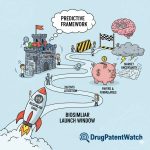
The value of competitive intelligence in generic pharmaceuticals is proportional to its predictive accuracy. Historical reporting, documenting which ANDAs a competitor has filed or which litigation they have settled, is table stakes. The intelligence that actually changes decisions is predictive: which products is a competitor likely to file next, are they likely to launch at risk against a specific brand, are they in acquisition mode for a complex generic asset, and how will a regulatory decision on their manufacturing site affect their launch timeline?
Building predictive CI requires integrating data streams that are individually public but analytically powerful in combination. ANDA filing data from the FDA’s database identifies which products a company is actively developing. Litigation dockets from PACER reveal the specific patents being challenged and the legal arguments being made. USPTO assignment records track patent acquisitions and licensing agreements that signal portfolio strategy. Financial filings reveal R&D spend by category and capital allocation priorities. Scientific publication records from development team members show where the company’s technical focus is. Taken together, these sources allow a sophisticated analyst to construct a forward-looking picture of a competitor’s likely portfolio decisions before those decisions become public.
Specialized platforms that integrate these data streams, including FDA ANDA filings, Orange Book patent data, PTAB proceedings, and district court docket tracking, reduce the analytical labor required to maintain this picture across a large competitor set. The investment is justified for any company managing more than 10 active development programs or five active PIV litigations simultaneously. At that scale, the cost of a suboptimal product selection or a missed competitor filing is large enough to justify the platform investment many times over.
What Happens After Loss of Exclusivity: The Brand Company’s Perspective
For the generic industry, LOE is the starting gun. For brand companies, it is a revenue event to be managed, delayed, or partially offset. Understanding how brand companies respond to generic entry is directly relevant to generic portfolio strategy because the brand’s actions determine the competitive environment the generic entrant faces.
The most common brand responses to imminent generic entry are: authorized generic launch (described above), price reduction on the brand to reduce the price gap with generics and retain price-sensitive patients, direct-to-consumer patient loyalty programs that convert prescriptions to the branded product and make automatic generic substitution harder, indication expansion to create new market segments where the brand retains exclusivity, and “product hopping” to a new formulation or dosage form with independent patent protection.
Product hopping is particularly relevant for complex drugs where the brand company can develop a next-generation formulation before the original loses exclusivity. Teva’s migration of prescriptions from daily Copaxone 20 mg to the three-times-weekly 40 mg formulation before the 20 mg faced generic competition is the canonical example. Bristol Myers Squibb executed a similar strategy with extended-release metformin. The key for generic strategists is to anticipate product hops early enough to include the successor formulation in the development pipeline, so that both the original and successor face generic competition simultaneously.
Most Important Ongoing Litigation to Watch in 2026
The Eliquis (apixaban) Paragraph IV litigation is the single highest-stakes ongoing ANDA case in the U.S. market as of mid-2026, given the drug’s revenue base and the number of ANDAs filed. Resolution by settlement or court decision will determine the timing of a generic market worth several billion dollars annually. The specific formulation patents at issue, covering the tablet composition and manufacturing process, are the primary battleground after core composition-of-matter challenges were largely resolved in proceedings that favored the brand.
Biosimilar litigation over the BPCIA patent dance provisions is generating its own contested case law in multiple districts. Amgen’s litigation posture in defending Prolia and Xgeva (denosumab) against biosimilar entrants, and the outcome of patent dance disputes over which patents must be included in the initial exchange, will shape the template for how biologic manufacturers defend future biosimilar entry. Amgen’s dual position as both a biosimilar developer and a reference biologic defender makes its litigation strategy particularly worth tracking: its courtroom arguments in one context sometimes constrain its legal position in the other.
GLP-1 patent litigation is early but will become the most consequential litigation category of the late 2020s. Novo Nordisk and Eli Lilly have both built patent portfolios around their GLP-1 and GIP/GLP-1 receptor agonist programs covering peptide sequences, formulations, delivery devices, and methods of treatment. Challenges to those patents, when they arrive, will determine whether meaningful generic or biosimilar competition in the obesity and diabetes market arrives before or after the early 2030s. Given the revenue base of semaglutide and tirzepatide, any first-filer exclusivity position in those markets would be worth more than any prior generic launch in history.
Key Takeaways
01 — EXCLUSIVITY MECHANICS
The 180-day first-filer exclusivity is the highest-margin event in generics. Its value depends critically on AG launch probability, market size, and the brand’s pricing response, not just the exclusivity grant itself.
02 — AT-RISK LAUNCH
At-risk launch damages are calculated on the brand’s lost profits, not the generic’s gains. The financial risk scales with brand revenue. A rigorous go/no-go decision requires financial modeling as much as legal confidence.
03 — PATENT THICKETS
Composition-of-matter expiry is not market entry. Brands routinely extend effective exclusivity by years through layered secondary patent portfolios. Freedom-to-operate analysis must cover the full Orange Book listing, not just the primary patent.
04 — COMPLEXITY AS MOAT
Complex generics, injectables, inhalers, peptides, drug-device combinations, generate structurally lower competitor counts and more durable margins. Development timelines are longer, but the competitive stability at launch is qualitatively different from simple oral solids.
05 — REGULATORY PATHWAY
The 505(b)(2) pathway can bypass ANDA exclusivity barriers entirely. Companies with formulation chemistry capabilities and regulatory teams that understand the pathway boundaries can access markets that are legally closed to ANDA filers.
06 — SUPPLY CHAIN POSITION
Supply reliability is a commercial differentiator in a commodity market. The incremental market share captured during competitor shortages, at favorable pricing, often exceeds the cost of the resilience infrastructure that enables it.
Common Investor Questions
How should investors value a pending first-filer exclusivity position in a generic company’s pipeline?
The standard approach discounts the expected exclusivity-period revenue by the probability of achieving first-to-market status (which depends on litigation outcome, patent expiry timing, and ANDA approval timing), then further discounts for the probability of an AG launch. The key variables are the brand’s annual U.S. revenue, the likely exclusivity-period pricing discount (15-30% below brand in a clean duopoly, more if an AG launches), and the proportion of market volume that will convert to the generic in the first six months. A well-constructed model for a $2B brand drug will typically show a first-filer position worth $80-200M in present value to the generic company, though blockbuster drugs can produce values several times higher.
What signals in public data indicate a generic company is preparing an at-risk launch?
The clearest signal is a final approval on a PIV ANDA during an active 30-month stay, combined with management commentary that is more confident than the litigation timeline would ordinarily justify. At-risk launches also tend to be preceded by significant inventory building, which sometimes appears in quarterly working capital changes, and by supply chain qualification activities that a company would not undertake if it expected to wait for full litigation resolution.
How do IPR outcomes at PTAB affect the stock prices of brand companies?
PTAB decisions that institute IPR proceedings against a key Orange Book patent typically trigger an immediate negative market reaction for brand companies, even though institution is not a final invalidity finding. The market reads institution as a signal that the patent is vulnerable. A final written decision invalidating the patent produces a larger price decline, reflecting the accelerated generic entry timeline. Companies with revenue concentrated in one or two products facing PTAB proceedings are the most sensitive to these events. AbbVie, AstraZeneca, and Novo Nordisk have all experienced material stock price movements following PTAB rulings on their key product patents.
Why do biosimilar discounts remain smaller than small-molecule generic discounts even years after launch?
Three structural factors explain the differential. First, biosimilars are not automatically substitutable at the pharmacy in the absence of an interchangeability designation, which means prescribers and payers must actively switch patients rather than relying on automatic dispensing. Second, biologic manufacturers offer substantial rebates to PBMs and payers to retain preferred formulary status for the reference product, which can neutralize the net cost advantage of biosimilars at the payer level even when the list price discount is significant. Third, the manufacturing complexity of biosimilar production limits the number of entrants and the speed at which they can scale supply, preventing the rapid multi-competitor entry that drives price collapse in small-molecule markets.
What does the incoming drug pricing policy environment in the U.S. mean for generic company valuations?
The Inflation Reduction Act’s drug pricing provisions primarily affect Medicare Part D negotiated prices for brand drugs, which indirectly affects generics by compressing the brand price ceiling against which generic pricing is calculated. For drugs selected for Medicare price negotiation, the negotiated price becomes the effective ceiling in the Medicare channel, which reduces the revenue available to the first generic entrant during the exclusivity period. The effect is largest for drugs with high Medicare volume. Small-molecule drugs facing negotiation that also face generic entry present a complex modeling challenge: the generic discount must be calculated against a negotiated price rather than the full WAC, reducing the absolute exclusivity-period revenue even while the discount percentage remains similar.
How do Indian and Chinese generic manufacturers compete differently in U.S. PIV litigation markets?
Indian generic manufacturers, led by Teva’s acquired Indian operations, Sun Pharma, Dr. Reddy’s Laboratories, Cipla, and Aurobindo Pharma, have historically been the most aggressive PIV filers. Their litigation budget allocation relative to revenue, and their willingness to sustain multi-year cases across large patent portfolios, reflects a business model built around capturing first-filer exclusivity positions. Chinese generic manufacturers are less present in U.S. PIV litigation, partly because of the regulatory scrutiny their manufacturing sites face from FDA inspections, and partly because their commercial strategy in the U.S. has historically focused on API supply rather than finished dosage form competition. That is changing: Chinese companies including Zhejiang Beta Pharma and others have increased U.S. ANDA filings, and as their manufacturing inspection track records improve, they are likely to become more active PIV filers in specific therapeutic categories.
Investment Strategy: How to Position Around Generic LOE Events
For institutional investors, generic LOE events create structured opportunities in both brand and generic equity positions, in options markets reflecting binary litigation outcomes, and in debt markets where companies carrying large at-risk launch exposure may face credit pressure if adverse verdicts materialize.
The long position on a generic company approaching a significant first-filer exclusivity event is most attractive when the litigation case has a clear non-infringement argument (cleaner than invalidity, less susceptible to factual dispute at trial), when the ANDA has received tentative approval (reducing regulatory timing uncertainty), when the brand has not yet announced an AG decision (preserving the possibility of a clean duopoly), and when the company’s balance sheet can absorb a worst-case damages scenario without distress. Sizing these positions requires modeling the probability-weighted revenue outcome across the litigation scenarios and discounting back at a rate that reflects the litigation timeline uncertainty.
Short positions on brand companies facing credible PIV challenges, particularly on products with high revenue concentration, are most compelling when the litigation is in late-stage district court proceedings, when IPR proceedings at PTAB have already instituted on key patents, and when the brand company has provided limited guidance on the financial impact of potential generic entry. The asymmetry here is meaningful: brand companies frequently understate LOE risk in forward guidance until the litigation outcome is near-certain, at which point the stock move has already occurred.
The most sophisticated positioning around LOE events integrates the brand’s response strategy into the model. A brand that announces a major authorized generic program, a formulary rebate commitment to retain market share, or a product hop to a successor formulation changes the generic entry economics materially. These announcements, when they come, tend to compress the value of pending first-filer positions. Monitoring for these signals is as important as tracking the litigation docket.
The window for exclusivity-period profitability in generics is shorter than it has ever been, and the legal cost of securing that window is higher than it has ever been. The companies that survive this compression are the ones that treat regulatory strategy, litigation management, and portfolio construction as a single integrated discipline rather than three separate functions.Synthesis from industry data, FDA filings, and litigation analysis
This analysis synthesizes publicly available regulatory filings, FDA ANDA data, USPTO records, district court dockets, financial disclosures, and industry publications. It is prepared for informational purposes for pharmaceutical strategy and investment professionals. It does not constitute legal or investment advice. Patent expiry dates and litigation status change frequently; verify current status through official regulatory sources before relying on specific data points.
Key data sources: FDA Orange Book, USPTO PAIR/Patent Center, PACER federal court records, PTAB PRPS, company financial filings, IQVIA, Association for Accessible Medicines, HHS ASPE.