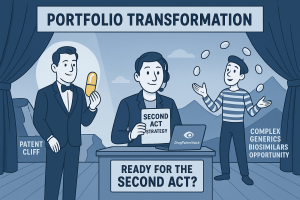
The pharmaceutical R&D portfolio is the strategic core of the enterprise, a high-stakes arena where science, finance, and market dynamics converge. In an industry defined by punishing development costs, decadal timelines, and brutal attrition rates, the ability to select, prioritize, and, when necessary, terminate projects is the single most critical determinant of sustainable competitive advantage. Drug candidates are not just scientific endeavors — they are long-duration, high-risk financial assets, and the portfolio manager’s role is to optimize this unique asset class to ensure the company’s future viability.
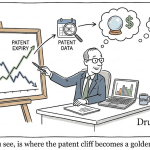
That job has never been harder. The period from 2025 to 2030 puts roughly $236 billion to $400 billion in branded revenue at risk from patent expirations. The list of exposed assets reads like a pharma hall of fame: Merck’s Keytruda (pembrolizumab), Bristol-Myers Squibb’s Eliquis (apixaban), and Johnson & Johnson’s Darzalex (daratumumab) all face loss of exclusivity (LoE) within the decade. At the same time, the U.S. Inflation Reduction Act (IRA) has introduced Medicare drug price negotiation, compressing the premium that has historically made those cliffs so lucrative to defend. On the generic side, the same IRA is eroding the price differential that makes Paragraph IV challenges financially attractive in the first place.
This article covers the full architecture of pharmaceutical portfolio transformation — the defensive tools available to branded innovators, the offensive strategies open to generic manufacturers, the capital-allocation logic that governs both, and the new asset classes reshaping every portfolio roadmap through 2030 and beyond.
Part I: The Architecture of Modern Pharmaceutical Portfolio Management
What Portfolio Management Actually Is (and Isn’t)
Portfolio management in pharma is the continuous, structured process of selecting, prioritizing, and optimizing a company’s R&D and commercial assets to balance maximum potential return against inherent risk, within the constraints of finite capital, headcount, and time. It is not a one-time budgeting exercise or an annual review ritual. At companies that execute it well — Novo Nordisk, AstraZeneca, Gilead Sciences — it functions as a living, cross-functional governance engine that shapes strategy in real time.
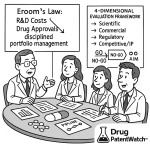
The traditional framing, in which portfolio management sat inside the finance department and primarily produced Net Present Value (NPV) rankings, is obsolete. The modern function requires simultaneous, continuous analysis across four interconnected dimensions: scientific and clinical merit, commercial viability, regulatory pathway risk, and the IP landscape. Neglecting any one of these dimensions produces predictable failures. A drug can clear Phase III and collapse at HTA review because the HEOR data wasn’t designed into the trial. A strong Paragraph IV filing can lose its 180-day exclusivity value because the brand negotiated down under the IRA before the generic launch. The four dimensions interact constantly, and the portfolio governance structure must reflect that.
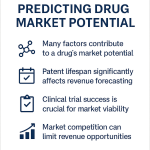
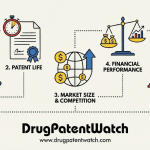
The Four Pillars of Asset Valuation
Scientific and Clinical Merit. This is the foundational screen. It covers the strength of the target hypothesis, the quality of the preclinical data package, the clinical trial design, and the probability of technical success (PTS) at each development stage. Historical PTS benchmarks from the Biotechnology Innovation Organization (BIO) put the overall Phase I-to-approval success rate for oncology assets at roughly 5.1%, versus 20.9% for hematology. Those numbers have direct consequences for how aggressively a portfolio should be concentrated in high-risk tumor types versus validated mechanisms. The scientific pillar also informs the breadth of a patent estate: a novel first-in-class mechanism of action can support a composition-of-matter patent with a claims scope wide enough to anchor a full secondary filing strategy, whereas a “me-too” compound offers limited freedom for later IP layering.
Commercial Viability. A drug that works but doesn’t sell is a commercial failure. Commercial assessment covers market sizing, the scale of unmet medical need, the competitive landscape, pricing power, and the realistic path to formulary access. This pillar requires direct competitive intelligence: mapping rival firms’ product positioning and product lifecycle stages, identifying where a competitor’s own LoE will open market share, and stress-testing assumptions against realistic reimbursement scenarios. For precision oncology assets, commercial viability now includes the size of the genetically-defined patient subpopulation identified by the companion diagnostic — a number that can be 5% of what a broad-label blockbuster assumption would project.
The Regulatory Pathway. Every asset must navigate FDA, EMA, or equivalent regulatory processes, and the pathway chosen has direct financial consequences. A 505(b)(1) NDA for a novel compound carries different cost and timeline expectations than a 505(b)(2) application leveraging prior safety data on a known molecule. Breakthrough Therapy Designation, Fast Track, and Accelerated Approval pathways can compress development timelines by two to four years, dramatically improving NPV by pulling forward revenue recognition. Conversely, a REMS requirement, a Complete Response Letter, or an EMA refusal can destroy billions in projected value overnight. Regulatory risk is not binary; it exists on a spectrum that the portfolio model must capture probabilistically, not as a single yes/no gate.
The Intellectual Property Landscape. A drug’s commercial value is directly proportional to the strength, breadth, and remaining term of its patent estate. IP assessment covers the composition-of-matter patent (typically the most valuable, providing the broadest claim scope), secondary patents on formulations, methods of use, polymorphs, metabolites, and delivery systems, and the Freedom-to-Operate (FTO) position relative to third-party IP. For any asset approaching LoE, the IP pillar drives the entire lifecycle management strategy. A 2021 analysis published via DrugPatentWatch found that incorporating patent specification data into revenue forecasting improved sales forecast accuracy by 32% over brand-name-based models alone, with patent family size and international filing breadth showing significant positive correlation with future revenues.
Key Takeaways: Portfolio Architecture
The cross-functional governance model is not optional. Science, commercial, regulatory, and IP teams all need real decision-making authority at the portfolio table, because the most expensive mistakes come from optimizing one pillar while ignoring the others. Data must be comparable across assets — the same methodology applied consistently — so that trade-offs between a late-stage oncology compound and an early-stage rare disease asset can be made rationally, not by whoever presents most confidently. And the portfolio must tell a coherent strategic story: where the company is investing, why, and what it expects in return.
Part II: The Patent Cliff — Anatomy, Scale, and Strategic Consequences
How Loss of Exclusivity Actually Works
A pharmaceutical patent grants 20 years of exclusivity from the filing date. Because filing typically happens early in discovery, before Phase I even begins, a large portion of that term — commonly 10 to 15 years — is consumed by development and regulatory review. The result is an effective market exclusivity period of 7 to 12 years for most drugs. Patent Term Extensions (PTEs) under the Hatch-Waxman Act, and Supplementary Protection Certificates (SPCs) in Europe, can extend this by up to five years, partially compensating for regulatory delay. Even with these mechanisms, the gap between a patent’s nominal 20-year term and its practical commercial life is substantial.
When exclusivity ends, the market transforms abruptly. A branded monopoly gives way to a hyper-competitive environment as multiple generic or biosimilar entrants flood the market. The revenue impact is neither gradual nor gentle. For small-molecule drugs, a blockbuster can lose 80% to 90% of its revenue within 12 months of the first generic launch. This is the patent cliff in its purest form.
The historical record makes the scale vivid. Pfizer’s atorvastatin (Lipitor), once the world’s highest-revenue drug, saw worldwide revenues collapse 59% in a single year after generic entry in 2011, dropping from $9.5 billion to $3.9 billion in 2012. AbbVie’s adalimumab (Humira) declined 30.8% in the first nine months of 2023 after U.S. biosimilar launches — a slower erosion than the small-molecule pattern, but still a $5-billion-plus revenue hit in under a year.
The 2025-2030 Revenue Chasm: Scale and Composition
The current patent cliff is structurally different from the one that hit the industry in 2010-2015, which was dominated by small-molecule blockbusters like atorvastatin, clopidogrel (Plavix), and esomeprazole (Nexium). The 2025-2030 cliff is dominated by biologics, and that changes the defensive and offensive calculus for everyone involved.
Keytruda (pembrolizumab) alone generates over $25 billion in annual revenue and faces LoE by 2028. That single molecule represents more at-risk revenue than the entire Lipitor cliff of 2011. Eliquis (apixaban, BMS/Pfizer) generates approximately $12 billion annually and loses exclusivity around 2026-2028 depending on jurisdiction. Darzalex (daratumumab, J&J) runs at roughly $9 billion. Five of the top ten global pharmaceutical companies face LoE exposure exceeding 50% of their current revenue before 2030. Individual company revenue losses in this cycle are projected to range from $6 billion to $38 billion.
The dominance of biologics in this cliff wave reshapes the timeline and competitive dynamics. Biosimilar development costs $100 million to $300 million per asset and takes 6 to 9 years, versus $1 million to $5 million and 3 to 4 years for a small-molecule generic ANDA. Biologics are protected not by a single composition-of-matter patent but by dense secondary patent estates — Humira’s exceeded 130 U.S. patents at peak — covering manufacturing processes, formulations, devices, and methods of use. The revenue decline for a biologic facing biosimilar entry is therefore not the sharp single-drop cliff of the atorvastatin era. It is a series of staggered, legally intensive battles fought across multiple patents over multiple years, producing a more gradual erosion. The conceptual frame shifts from a ‘patent cliff’ to a ‘biologic patent mountain range’: a long, expensive, multi-front campaign.
The IRA’s Structural Effect on Cliff Economics
The Inflation Reduction Act adds a layer of complexity that neither branded nor generic firms have fully priced into their portfolio models. The IRA authorizes CMS to negotiate the price of top-selling Medicare drugs after a defined period of market exclusivity — 9 years for small molecules, 13 years for biologics. The price reduction secured through negotiation narrows the price gap between the brand and its eventual generic or biosimilar competitors.
For generic manufacturers, that narrowed gap is a direct threat to the 180-day first-filer economics. The Paragraph IV challenge strategy works financially because the first generic can enter at a price meaningfully below the brand’s elevated list price, capturing rapid market share and generous margins before the commodity competition begins. If the brand has already been negotiated down toward a near-generic price level, the profit potential of the first-filer window shrinks accordingly. Some analysis suggests this could deter generic entry for the highest-volume drugs subject to negotiation — the precise drugs where generic competition has historically delivered the largest savings to patients. The IRA’s price-reduction mechanism for branded drugs may, paradoxically, delay the price reduction that comes from generic competition.
For branded companies, negotiated pricing imposes a ceiling on the multi-year revenue optimization strategy that has historically accompanied a late-stage brand. ‘Surge pricing’ — the practice of raising a drug’s WAC price in the 12 to 18 months before LoE to maximize final revenue before the cliff — becomes less viable when CMS is simultaneously negotiating that price downward.
Key Takeaways: The Patent Cliff
The 2025-2030 cliff is the largest in industry history by total revenue at risk, and its biologic-heavy composition means defensive strategies must be built for a multi-year campaign, not a single inflection point. The IRA creates a new variable — Medicare negotiated pricing — that compresses economics for both branded lifecycle management and generic Paragraph IV strategies. Portfolio models that don’t incorporate IRA scenarios are already outdated.
Investment Strategy Note for Analysts
Companies with clean, diversified pipelines and multiple late-stage assets behind their LoE drugs are better positioned than those relying on a single replacement program. AstraZeneca’s Tagrisso-to-Imfinzi-to-Calquence progression across oncology, and Novo Nordisk’s GLP-1 franchise depth (semaglutide to cagrilintide/semaglutide combination, CagriSema), are structural models for managing cliff exposure. AbbVie’s trajectory post-Humira — built on Skyrizi (risankizumab) and Rinvoq (upadacitinib) — shows that a well-executed LCM and BD strategy can sustain revenue through a $20-billion LoE event, but it requires a five-year runway of execution before the cliff arrives, not a reactive pivot after.
Part III: The Branded Playbook — IP Valuation, Lifecycle Management, and Defensive Architecture
IP Valuation as a Core Portfolio Asset
For a branded pharmaceutical company, the patent estate around a marketed drug is as much a financial asset as the molecule itself. IP valuation methodologies in pharma typically apply one of three approaches: the income approach (discounting projected royalties or cash flows attributable to IP protection to present value), the market approach (benchmarking against comparable licensing deals or patent sales), or the cost approach (estimating the expense required to recreate the IP estate). For blockbuster assets, income-based DCF models dominate, with analysts adjusting cash flow projections for the probability and timing of generic or biosimilar entry on a patent-by-patent basis.
A drug like Keytruda has an IP estate worth estimating separately from its clinical value. The composition-of-matter patents covering pembrolizumab’s antibody sequence expire around 2028 in the U.S. Merck has filed secondary patents covering specific dosing regimens, combination use with chemotherapy, and formulation characteristics. Each of those secondary patents, if valid and enforceable, extends the exclusivity period — and therefore the projected IP-attributed cash flows — on a probability-weighted basis. This is the core IP valuation exercise: build a probability matrix across every patent in the estate, assign a likelihood of surviving challenge for each, and model the revenue at risk under each scenario.
For portfolio managers at branded firms, this valuation exercise is not academic. It directly informs capital allocation: how much to invest in litigation defense, whether to pursue additional secondary filings, and when the financial case for a next-generation successor molecule becomes more compelling than continued defense of the primary asset.
Lifecycle Management: The Full Six-Stage Framework
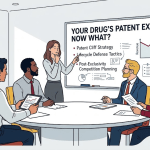
Effective late-stage lifecycle management for a branded drug is a multi-year, multi-front campaign that should begin 5 to 7 years before the primary patent’s LoE — well before any generic files a Paragraph IV ANDA. The industry often quotes a ‘3-5 year’ runway, but the evidence from best-practice cases (Humira, Revlimid/lenalidomide, EpiPen/epinephrine) suggests the most defensible IP estates and the richest HEOR data packages take longer to assemble.
Stage 1: Strategic Foundation. This phase is a 360-degree audit. It maps the competitive landscape at the therapeutic area level, catalogs the existing patent estate and its remaining terms, identifies gaps in the secondary patent coverage, and assesses the drug’s real-world performance profile relative to its labeled indications. Competitive intelligence at this stage includes monitoring competitors’ Paragraph IV filing activity — the FDA’s Orange Book lists all certified Paragraph IV ANDAs, making it possible to track which generic manufacturers are preparing challenges and when. Platforms like DrugPatentWatch aggregate this data in real time, providing early warning of imminent challenges and insight into the litigation histories of the specific filers.
Stage 2: Data-Driven Audit. The second stage moves inward. It quantifies the drug’s real-world performance beyond controlled trial conditions, drawing on electronic health records, claims data, and patient registry data. Adherence rates, discontinuation patterns, adverse event profiles relative to competitors, and the distribution of prescribers by specialty all inform where the product’s genuine clinical value lies — and where it can be improved. This Real-World Evidence (RWE) generates the ammunition for the value-based pricing and HTA arguments that will be needed as LoE approaches.
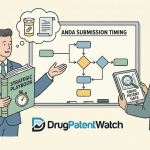
Stage 3: The Strategic Playbook. Translation from analysis to action. This stage produces the lifecycle extension roadmap, which typically combines multiple levers operating on different timelines: new indication filings (method-of-use patents, new Phase III programs), formulation improvements (extended-release, device combination, new delivery route), legal defense of the existing patent thicket, and commercial differentiation through patient support programs. For biologics, this stage also includes the go/no-go decision on launching a ‘next-generation’ biologic: a biosuperior product that improves on the originator’s efficacy, safety, or convenience profile sufficiently to earn a distinct clinical identity and restart the patent clock.
Stage 4: Pricing Defense and Market Access. As generic or biosimilar entry becomes imminent, the commercial strategy pivots to value defense. This involves migrating from volume-based to value-based contracting with payers, building a HEOR case for a price premium above the generic cost, and securing preferred formulary placement through rebate agreements with PBMs. The authorized generic (AG) option is also evaluated at this stage. By launching its own generic — either directly or through a subsidiary (as Pfizer did with atorvastatin via Greenstone) — the brand can capture a share of the commodity market, partially offset revenue loss, and use pricing to selectively complicate the economics for independent generic entrants.
Stage 5: Brand Reinforcement. Marketing strategy shifts from awareness-building to loyalty retention. Direct-to-consumer campaigns emphasize the brand’s proven real-world track record and patient support ecosystem, elements that a bioequivalent generic cannot replicate. The ‘beyond the pill’ infrastructure — nurse hotlines, copay assistance programs, adherence apps, injection training for subcutaneous biologics — builds switching costs that slow the pace of generic substitution, particularly for chronic disease patients whose physicians are reluctant to disrupt stable regimens.
Stage 6: Adaptive Execution. LCM is not a static plan. It requires a dashboard of KPIs — monitored weekly during periods of active litigation or imminent generic entry — and an organizational culture capable of acting on new information quickly. The failure to adapt is often more damaging than the failure to plan: companies that locked into a 2019-era LCM model for a biologic and didn’t re-evaluate after the IRA’s passage in August 2022 built their post-LoE revenue projections on fundamentally changed ground.
Building the Patent Thicket: Mechanism, Tactics, and IP Valuation
The ‘patent thicket’ — a term originally used critically by academics studying anticompetitive behavior, now widely adopted as a neutral descriptor of layered IP strategy — is the most powerful defensive tool in the branded playbook. The logic is cumulative deterrence: no single secondary patent may survive challenge, but a would-be biosimilar or generic entrant facing 40, 80, or 130 patents must mount and win a separate legal challenge against each one, incurring litigation costs of $3 million to $10 million per patent trial before even considering the cost of capital tied up in a delayed launch.
Composition-of-matter patents cover the molecular structure of the active ingredient. For small molecules, this typically provides the broadest and most durable protection. For biologics (monoclonal antibodies, fusion proteins), the composition patent covers the antibody sequence or biologic structure, but its scope is inherently narrower because the exact molecular configuration of a biologic cannot be replicated by an independent manufacturer — they will inevitably produce a ‘highly similar’ but not identical molecule.
Formulation patents protect specific physical and chemical presentations: an extended-release polymer matrix, a co-crystal form with improved bioavailability, a subcutaneous self-injection device instead of an intravenous infusion. AbbVie’s citrate-free adalimumab formulation patents were among the last barriers to U.S. biosimilar entry for Humira, litigated through 2023. Amgen’s biosimilar adalimumab, Amjevita, launched in January 2023 at a 55% list price discount, but the citrate-free formulation (which reduces injection site pain) remained exclusively AbbVie’s for several additional months, giving Humira a real-world patient experience argument that the first-wave biosimilars could not immediately counter.
Method-of-use patents cover specific dosing regimens, patient populations, or disease indications. Celgene’s (now Bristol-Myers Squibb’s) lenalidomide (Revlimid) estate included patents covering its use in combination with dexamethasone for specific lines of multiple myeloma therapy, which extended effective exclusivity significantly beyond the composition-of-matter expiry. Generic manufacturers challenged these in Paragraph IV proceedings; the resulting litigation and settlement agreements (under which generics received restricted volume licenses) were later scrutinized by the FTC as anticompetitive, illustrating both the power and the legal risk of method-of-use IP strategy.
Device and delivery patents have become increasingly important as biologics transition from hospital-administered intravenous infusions to home-administered subcutaneous autoinjectors. The autoinjector device itself is separately patentable, and device improvements (ergonomics, needle retraction, audible click confirmation) can generate new patents well after the biologic molecule’s primary patents have been filed. AstraZeneca’s Brilinta (ticagrelor) and its blister pack design patents, and the auto-injector patents surrounding Amgen’s etanercept (Enbrel), are examples of device IP extending commercial differentiation.
The Humira Case Study: Full IP Valuation Anatomy. AbbVie’s adalimumab franchise provides the most-studied example of pharmaceutical patent thicket construction and IP valuation. The primary composition-of-matter patents expired in the U.S. in December 2016. At that point, AbbVie had accumulated over 130 patents in its U.S. adalimumab estate. These covered manufacturing processes (reducing host cell protein impurities, purification procedures), formulations (the citrate-free version), dosing regimens for specific indications (Crohn’s disease, psoriasis, rheumatoid arthritis), and packaging. AbbVie used these secondary patents to negotiate settlement agreements with every major biosimilar developer — Amgen, Samsung Bioepis, Sandoz, Coherus BioSciences, and others — granting U.S. market entry no earlier than January 2023 in exchange for licenses and royalties. Europe, where AbbVie’s secondary patent estate was thinner, saw biosimilar entry in 2018.
The financial consequence of this seven-year U.S. exclusivity extension is measurable. Humira’s U.S. net revenues from 2017 through 2022 totaled approximately $102 billion. Without the patent thicket holding biosimilars at bay, a scenario modeled on European biosimilar entry timing would have produced rapid price erosion starting in 2018. By that estimate, the IP estate’s contribution to AbbVie’s enterprise value over that period was worth tens of billions of dollars — far exceeding the cost of prosecuting and defending those secondary patents through litigation. This is the income-approach IP valuation made explicit: the incremental cash flows attributable to IP protection, discounted to present value, represent the financial case for investing in thicket construction.
Regulatory Exclusivities: Pediatric Studies, Orphan Drug, and NDA Supplements
The regulatory system provides several IP-independent extensions to market exclusivity. Each has specific eligibility criteria and financial value that can be modeled.
Pediatric exclusivity, authorized under the Best Pharmaceuticals for Children Act (BPCA), grants six additional months of market exclusivity in exchange for conducting FDA-requested pediatric studies. This six months applies to all existing patents and regulatory exclusivity periods for the drug, making it especially valuable for high-revenue products approaching patent expiry. For a drug generating $5 billion annually, six months of pediatric exclusivity is worth roughly $2.5 billion in revenue, against a study cost of $10 million to $50 million.
Orphan Drug Designation under the Orphan Drug Act provides seven years of market exclusivity from approval for a drug treating a disease affecting fewer than 200,000 patients in the U.S. — entirely independent of patent status. Importantly, this exclusivity is indication-specific: a drug can hold Orphan designation for one indication while facing generic competition in another. Companies have used this asymmetry to develop additional rare disease indications for established molecules, securing new exclusivity periods for specific patient populations. The FTC and Congress have scrutinized what they characterize as ‘Orphan Drug stacking’ — filing multiple Orphan applications for closely related patient subgroups to aggregate exclusivity periods — but the practice remains legal as of 2026.
New formulation NDA supplements (Section 505(b)(2) applications) allow a company to file for approval of a new dosage form, delivery route, or strength by referencing existing safety data from the original NDA. A successful 505(b)(2) generates three years of exclusivity for the new formulation. Strattera (atomoxetine, Eli Lilly), which lost its original exclusivity to generics in 2017, maintained a period of product differentiation through its precise-dose liquid formulation filed under a 505(b)(2).
The Authorized Generic: Capturing the Commodity Market
When generic entry becomes inevitable, the authorized generic (AG) strategy allows the brand company to participate directly in the commodity market it created. The AG is the brand-name drug, manufactured to the same specification, sold under a generic label at a discount. It can enter the market on the same day as the first independent generic, bypassing the 180-day exclusivity period that would otherwise protect the first Paragraph IV filer.
The AG’s competitive effect is documented and meaningful. Research published in the American Journal of Managed Care found that AG entry reduced the first filer’s 180-day revenue advantage by 40% to 60% compared to launches without an AG. From the brand company’s perspective, this revenue capture partially offsets the cliff, maintains manufacturing volume (preserving the plant economics needed for the existing supply chain), and signals to independent generic filers that the brand will compete in the commodity market — potentially deterring some challengers from pursuing Paragraph IV filings in the first place.
Pfizer’s strategy with atorvastatin (Lipitor) through its subsidiary Greenstone is the textbook AG case. Greenstone launched generic atorvastatin on the same day as Ranbaxy’s first-to-file generic in November 2011, capturing a meaningful share of the commodity market and preserving a revenue stream as the branded product’s price declined.
Key Takeaways: The Branded Playbook
Patent thicket value is not measured by the strength of any individual secondary patent. It is measured by the cumulative deterrence and delay created by the full estate, combined with the settlement leverage it provides in Paragraph IV litigation. IP valuation exercises should be run on a patent-by-patent probability basis, aggregated to a portfolio-level exclusivity extension timeline. Every secondary patent filed has a direct, calculable contribution to enterprise value. LCM planning must begin 5 to 7 years before LoE, not 3 to 5, because the HEOR data required for HTA submissions and value-based contracts must be designed into late-stage Phase III trials — which take years to run.
Investment Strategy Note for Analysts
For equities analysis, the key variable is not the nominal LoE date but the probability-weighted exclusivity timeline across the full patent estate. Companies with thick secondary patent filings concentrated in formulation and manufacturing process claims — categories with historically higher survival rates in IPR proceedings than method-of-use claims — represent lower cliff risk than the nominal LoE date implies. Monitor Orange Book certifications and PTAB inter partes review (IPR) filings for signals of imminent challenge. An uptick in IPR petitions against a company’s secondary patents is an early warning of a compressed exclusivity timeline.
Part IV: The Generic Playbook — First-to-File Economics, Portfolio Rationalization, and the Pivot to Complex Products
The Pricing Death Spiral: Economics of Commodity Competition
The generic market’s value proposition is affordability through competition, and the data is unambiguous on how that competition plays out. Entry of a single generic competitor reduces the combined generic-plus-brand price by 30% to 39% relative to the pre-entry brand price. Two competitors push the discount to 50% to 54%. Three to five competitors produce reductions of 60% to 79%. At ten or more competitors, prices collapse 80% to 95%, leaving margins at or near zero for all but the most efficient manufacturers.
Generic Competitors
Approximate Price Reduction vs. Brand
1
30% to 39%
2
50% to 54%
3 to 5
60% to 79%
6+
80% to 95%+
This table is not merely descriptive — it is the fundamental constraint shaping every generic portfolio decision. Speed to market and market selection (targeting drugs with fewer anticipated generic entrants) are the two primary levers for protecting margins. Portfolio rationalization — eliminating low-margin products that consume manufacturing capacity and regulatory resources without generating adequate return — is the operational discipline that preserves capital for the high-value targets.
The Hatch-Waxman Architecture: ANDAs, Paragraph IV Filings, and the 180-Day Exclusivity Window
The Drug Price Competition and Patent Term Restoration Act of 1984 (Hatch-Waxman) created the legal and commercial infrastructure within which generic strategy operates. The Act introduced the Abbreviated New Drug Application (ANDA) pathway, allowing generic manufacturers to gain FDA approval by demonstrating bioequivalence to the Reference Listed Drug (RLD) without conducting independent clinical trials. This dramatically reduced the cost and timeline of generic drug development relative to the NDA process.
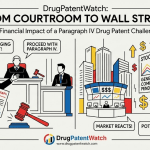
The Paragraph IV certification is Hatch-Waxman’s competitive mechanism. By certifying that a listed patent is invalid, unenforceable, or not infringed by the generic product, a generic filer initiates what is effectively a patent challenge. The brand company then has 45 days to file suit, triggering an automatic 30-month stay of ANDA approval during which the litigation plays out. The first applicant to submit a substantially complete ANDA with a Paragraph IV certification receives 180 days of generic market exclusivity upon launch — the period during which no other generic may enter.
The financial value of the 180-day window is proportional to the brand’s pre-LoE revenue. For a drug generating $5 billion annually, a six-month monopoly at a generic price 30% to 40% below brand represents $750 million to $1 billion in gross revenue for the first filer. That revenue must cover the cost of formulation development, ANDA preparation, litigation (often $10 million to $30 million per case), and API sourcing, but the margin profile during exclusivity can be exceptional — the first generic prices modestly below brand because there is no commodity competition yet.
Research tracking first-generic market dynamics shows that first filers can capture up to 90% market share advantage over later entrants, and that this share advantage persists for months to years, not merely until the exclusivity period ends. The first-mover brand recognition, supply chain relationships, and formulary placement established during the 180-day window compound over time.
The Dual Business Model Problem
A strategic reality that generic portfolio managers often underappreciate: winning the 180-day exclusivity period and winning the post-exclusivity commodity market require two fundamentally different operational models.
During the 180-day window, the first filer is not competing against other generics. It is competing against the branded drug, targeting price-sensitive physicians and payers who want a lower-cost alternative but are not yet in a commodity environment. The competitive advantage comes from regulatory readiness, reliable supply, and a launch price positioned to capture rapid market share without triggering immediate retaliation from the brand’s authorized generic. This is essentially a differentiation strategy within a niche: a focused, lower-cost alternative to a dominant brand.
On day 181, the market is flooded with multiple approved generics. The drug is now a commodity. The winning strategy from this point forward is cost leadership — the lowest-cost manufacturer, the most efficient supply chain, the highest-volume purchasing relationships with API suppliers, wins. A company optimized for regulatory agility and litigation may not be optimized for manufacturing cost efficiency, and vice versa. The best generic portfolio managers select assets where their company can win both phases, not just the first.
Selecting First-to-File Targets: A Multi-Variable Scoring Model
Not every upcoming LoE is a viable Paragraph IV target. A systematic scoring model should evaluate each potential target across at least five dimensions.
Patent estate vulnerability. How many Orange Book-listed patents stand between the filer and market entry? What is the composition of those patents (composition-of-matter, formulation, method-of-use), and what is the litigation history for each? Method-of-use patents have historically had lower survival rates in ANDA litigation than composition-of-matter patents — approximately 40% of contested method-of-use claims are found invalid or not infringed, versus approximately 25% for composition-of-matter claims. Paragraph IV success rates vary substantially by patent type, and the portfolio model should weight these probabilities explicitly.
Commercial scale. The 180-day window’s financial value scales directly with the brand’s pre-LoE revenue. For assets generating less than $300 million annually, the litigation costs and formulation development expenses can consume most of the window’s profit, making the risk/reward calculation marginal. The IRA’s negotiated pricing for Medicare adds a new downward pressure on the effective brand price for certain assets, requiring an updated commercial model for drugs that have been, or are likely to be, subject to CMS negotiation.
Technical and regulatory complexity. Is bioequivalence straightforward, or does the drug have a complex formulation (modified release, narrow therapeutic index, inhaled delivery, transdermal patch) that increases formulation development risk and the likelihood of FDA Complete Response Letters? Narrow therapeutic index (NTI) drugs like warfarin, tacrolimus, and levothyroxine face additional FDA bioequivalence standards that increase development cost and timeline. Extended-release formulations require in vitro dissolution modeling across multiple pH conditions and may require in vivo studies beyond standard bioequivalence testing.
API supply chain position. Can the filer source API from a qualified supplier in the required quantities and at a cost structure that supports the launch economics? For complex molecules with limited API manufacturers, early partnership agreements are essential — a competitor who locks in the best API supplier two years before LoE has a structural cost advantage that compounds over time. For controlled substances (schedule II through IV), DEA quota allocation adds a further supply constraint.
Post-exclusivity competitive sustainability. As discussed above: can the filer compete profitably once the 180-day window ends and five to ten generics are on market? Companies without large-scale manufacturing infrastructure and established API procurement relationships should be cautious about pursuing first-to-file targets in standard oral solid dosage forms, where the post-exclusivity commodity market rewards scale above all else.
Portfolio Rationalization: From Chaos to Clarity
Generic companies routinely manage portfolios of 300 to 1,000+ active SKUs. Over time, price erosion, competitive entry, and changing API costs render a large proportion of these SKUs unprofitable — yet they continue consuming manufacturing capacity, supply chain management attention, pharmacovigilance resources, and regulatory compliance overhead. Portfolio rationalization is the discipline of systematically identifying and eliminating these value-destroying products.
The framework is a four-step process. First, collect comprehensive data: multi-year revenue and margin trends, COGS including API cost and manufacturing overhead allocation, market share trajectory, number of active competitors, and supply chain stability metrics. Second, run a Pareto analysis across the portfolio. In most generic portfolios, 15% to 25% of SKUs generate 70% to 80% of gross profit. The long tail of the remaining 75% to 85% is the rationalization target.
Third, conduct a strategic review of the tail. Financial underperformers sometimes carry hidden strategic value: a low-margin product might be a contractual obligation to a key hospital network customer whose broader business is highly profitable; an unprofitable injectable might share manufacturing capacity with a high-margin complex product in a way that makes the capacity allocation economically rational. These cases require product-by-product analysis, not blanket elimination of everything below a margin threshold.
Fourth, execute. Products marked for discontinuation require an FDA Prior Approval Supplement or field alert report, a customer notification plan (particularly for sole-source products in hospital formularies, which carry a legal and reputational obligation to provide supply chain warning), and an inventory wind-down strategy. Companies that have conducted rigorous rationalization exercises — Mylan (now Viatris) rationalized over 200 SKUs between 2019 and 2022 as part of its portfolio restructuring — report manufacturing efficiency gains of 15% to 25% and working capital improvements from reduced inventory complexity.
The Pivot to Complex Generics and Biosimilars
The long-term structural response to commodity price erosion in standard oral solids is portfolio bifurcation: either scale aggressively in commodity generics (the Teva/Sun Pharma model, requiring massive manufacturing infrastructure and API vertical integration) or pivot toward higher-barrier, higher-margin products. For most mid-sized generic companies, the commodity scale route is not viable. The pivot is the only path to sustainable margins.
Complex generics are products where the inherent complexity of the API, formulation, route of administration, or drug-device combination creates regulatory barriers to entry — specifically, requirements beyond standard bioequivalence testing. The FDA’s Office of Generic Drugs defines four categories: complex active ingredients (peptides, polymeric mixtures, complex mixtures), complex formulations (liposomes, nanoparticles, modified-release systems), complex routes of delivery (inhaled, ophthalmic, dermatological, nasal), and complex drug-device combinations (metered-dose inhalers, auto-injectors, transdermal systems). Each category requires product-specific guidance from FDA before ANDA filing, and many require in vivo pharmacokinetic studies or even comparative clinical endpoint studies beyond the standard bioequivalence threshold.
The market for complex generics is large and growing. The FDA’s Complex Drug Substances list and the ongoing 505(b)(2) opportunity for improved formulations represent a pipeline that, unlike standard ANDAs, does not immediately attract 10 to 20 simultaneous filers. A company with demonstrated expertise in liposomal formulation chemistry (Cipla, Hana Oncology), inhaled drug product development (Hikma, Aurobindo), or transdermal patch manufacturing (Noven, Corium) can build a durable competitive position in segments where most generic manufacturers simply lack the technical capability to compete.
Biosimilars are the highest-barrier, highest-cost, and highest-reward segment of the generic-adjacent market. Biosimilar development requires manufacturing a ‘highly similar’ version of a reference biologic, a standard set by the FDA’s Purple Book and the EMA’s biosimilar guidelines. Unlike small-molecule generics, exact replication is biologically impossible: a biologic produced in a different cell line, with a different purification process, will have a distinct glycosylation profile, charge variant distribution, and aggregation propensity. Demonstrating biosimilarity requires an extensive analytical characterization package (physicochemical, functional, and structural comparability), pharmacokinetic bridging studies, and often a comparative clinical efficacy study, typically in the most sensitive indication.
The capital requirements are significant. Development costs of $100 million to $300 million per biosimilar are standard. Timelines of 6 to 9 years from program initiation to U.S. approval are typical. The legal challenge from the originator’s patent thicket adds further cost and uncertainty: in the U.S., the Biologics Price Competition and Innovation Act (BPCIA) governs the ‘patent dance’ information exchange and litigation procedures between biosimilar applicants and reference product sponsors. A biosimilar applicant may face dozens of patents asserted by the originator before reaching market.
Despite these barriers, the biosimilar market’s scale justifies the investment for companies with the technical and legal capabilities to compete. The U.S. adalimumab biosimilar market — opened by Amgen’s Amjevita in January 2023 and subsequently entered by Sandoz’s Hyrimoz, Samsung Bioepis/Organon’s Hadlima, Boehringer Ingelheim’s Cyltezo, AbbVie’s Abrilada (an interchangeable biosimilar for Humira), and others — reached approximately $3 billion in combined biosimilar revenue within 18 months. The FDA’s interchangeability designation, granted to biosimilars that meet a higher standard of pharmacological similarity, authorizes automatic pharmacy substitution in states with automatic substitution laws, providing a significant formulary access advantage over non-interchangeable biosimilars. Cyltezo (Boehringer Ingelheim’s adalimumab biosimilar) was the first to receive interchangeability designation for adalimumab in October 2021, a competitive differentiator in payer negotiations.
Pfizer’s biosimilar portfolio (Zirabev/bevacizumab, Ruxience/rituximab, Trazimera/trastuzumab, Nyvepria/pegfilgrastim, Abrilada/adalimumab) illustrates how a company with existing biologic manufacturing infrastructure can build scale in biosimilars by leveraging its parenteral manufacturing capabilities. Samsung Bioepis’s joint-venture model with Organon (for commercialization) and Biogen (for North American distribution of certain products) illustrates how companies without established commercial infrastructure can access biosimilar markets through partnership.
Key Takeaways: The Generic Playbook
Portfolio rationalization is not a cost-cutting exercise — it is a prerequisite for funding the pivot to complex generics and biosimilars. Companies that continue managing 800-SKU portfolios dominated by commodity oral solids are allocating manufacturing capacity, regulatory resources, and management attention to products generating 2% margins when they should be investing in complex products that can generate 25% to 40% margins. The Paragraph IV strategy remains valuable for the right targets, but the IRA’s pricing dynamics require updated commercial models for any drug subject to CMS negotiation. Biosimilar interchangeability designation is a material competitive differentiator in U.S. market access and should be pursued wherever technically achievable.
Investment Strategy Note for Analysts
For generic sector analysis, the key differentiator between commodity-exposed players and durable-margin players is the proportion of revenue generated by complex generics, biosimilars, and specialty injectables versus standard oral solid dose products. Viatris, with a heavy oral solids exposure, faces structurally different margin dynamics than Hikma, whose hospital injectables business provides a natural moat. Track FDA approvals for complex product ANDAs and biosimilar applications as leading indicators of future margin improvement.
Part V: New Asset Classes and Portfolio Transformation for 2025-2030
The Biologics Revolution: R&D Portfolio Shift and IP Architecture
The pharmaceutical industry’s R&D portfolio has shifted from small molecules to biologics at an accelerating pace. Biologics — including monoclonal antibodies (mAbs), antibody-drug conjugates (ADCs), bispecific antibodies, cell therapies, gene therapies, and RNA-based therapeutics — accounted for over 50% of new FDA approvals by molecular category in 2023 and 2024. Their share of the global R&D pipeline grew from 11% in 2015 to over 21% by 2024.
This shift has profound IP architecture implications. Biologic IP strategies differ structurally from small-molecule strategies. Composition-of-matter protection for a monoclonal antibody covers the antibody sequence — its complementarity-determining regions (CDRs) and framework regions — but cannot prevent a biosimilar from using a different antibody with different CDRs that achieves the same target binding, provided the biosimilar’s antibody is genuinely different and not a copy. This is why biologic IP strategies rely more heavily on manufacturing process patents, formulation patents, and method-of-use patents than small-molecule strategies do. The patent thicket for a biologic is not just legal posturing — it reflects the genuine complexity of the manufacturing process, where subtle differences in upstream cell culture conditions, downstream purification steps, and formulation pH can produce distinct patentable innovations.
ADCs represent one of the most IP-intensive segments of modern pharma. An ADC combines a targeting antibody, a chemical linker, and a cytotoxic payload — each component separately patentable, each generated by a different technology platform. AstraZeneca’s Enhertu (trastuzumab deruxtecan), developed with Daiichi Sankyo, has generated approximately $5 billion in 2024 revenue. The IP estate covering Enhertu spans AstraZeneca’s HER2-targeting antibody claims, Daiichi Sankyo’s DXd payload patents, the specific linker chemistry connecting them, and method-of-use patents covering HER2-low breast cancer — an indication that dramatically expanded the addressable patient population. IP valuation for an ADC therefore requires component-level analysis, including the remaining term and enforceability of each sub-patent across the ADC’s constituent elements.
CAR-T cell therapies (Kymriah/tisagenlecleucel from Novartis, Yescarta/axicabtagene ciloleucel from Gilead/Kite) operate under a different IP model again. The manufacturing process — leukapheresis, viral vector transduction, expansion, cryopreservation, and patient-specific release testing — is as important to IP protection as the construct design itself. The FDA’s Office of Tissues and Advanced Therapies (OTAT) oversees CAR-T BLA submissions, and the manufacturing complexity creates inherent barriers to biosimilar entry that go beyond patent protection.
Gene therapies present the most complex IP landscape of any current therapeutic modality. A gene therapy product involves a therapeutic transgene, a promoter sequence, an AAV (adeno-associated virus) capsid, and a manufacturing process — each potentially patentable, and each potentially subject to third-party IP. The AAV capsid IP landscape has been particularly contentious, with litigation between Spark Therapeutics, University of Pennsylvania, and various competitors over capsid sequences used in retinal and neuromuscular gene therapies. Portfolio managers evaluating gene therapy assets must conduct FTO analyses at the capsid level, the transgene level, and the manufacturing process level simultaneously.
Precision Medicine: From Blockbusters to Niche-Busters and Their IP Implications
The precision medicine paradigm — using genomic, proteomic, and biomarker data to match specific therapies to specific patient subpopulations — has redrawn the commercial model for pharmaceutical R&D. The traditional blockbuster strategy assumed a large, heterogeneous patient population and an undifferentiated prescribing pattern. Precision oncology assets target genetically-defined subgroups that can represent 10% to 20% of a nominally broad tumor type.
Keytruda’s commercial model is an illustration of precision medicine complexity. Pembrolizumab is approved across over 20 tumor types and multiple biomarker-defined populations (PD-L1 expression, MSI-H/dMMR, TMB-high). Each new indication generates a method-of-use patent, extending the IP estate beyond the composition-of-matter claims. The FDA’s companion diagnostic requirement (in PD-L1-high NSCLC, for example) also creates an IP linkage between the therapeutic and the diagnostic manufacturer — Agilent’s PD-L1 22C3 pharmDx assay is the companion diagnostic for multiple Keytruda indications — a relationship that portfolio managers must account for when modeling access restrictions post-LoE.
For portfolio managers, the shift to niche-busters requires a recalibrated commercial model. A drug targeting a 30,000-patient population in the U.S. will not produce Lipitor-scale revenues regardless of its clinical efficacy. But if it is priced at $200,000 to $500,000 per year (consistent with rare disease pricing for gene therapies and certain targeted oncology agents), a 30,000-patient market can generate $6 billion to $15 billion annually. The NPV calculation for a niche-buster depends heavily on the probability of pricing at rare-disease levels, which itself depends on the strength of the clinical differentiation, the HTA-assessed value, and the payer environment. ICER (Institute for Clinical and Economic Review) assessments have become a de facto pricing benchmark in U.S. payer negotiations, and drugs without strong cost-effectiveness data face serious formulary access challenges at high price points.
Digital Therapeutics: Regulatory Pathway, IP Model, and Portfolio Integration
Digital Therapeutics (DTx) are software-based therapeutic interventions that deliver clinically validated treatment through a digital interface. The FDA regulates DTx as Software as a Medical Device (SaMD) under the De Novo or 510(k) clearance pathways for most products, with a small number pursuing full Premarket Approval (PMA). The first prescription DTx approved under the De Novo pathway was Pear Therapeutics’ reSET (substance use disorder) in 2017, followed by reSET-O (opioid use disorder) in 2018. Pear filed for bankruptcy in 2023, illustrating the reimbursement challenge that remains the primary commercial obstacle for standalone DTx products: payer coverage is still fragmented and inconsistent, limiting the commercial viability of DTx as standalone products.
The most commercially viable DTx model for established pharmaceutical companies is the combination product: a validated drug paired with a companion digital therapeutic that improves adherence, monitors outcomes, and generates real-world effectiveness data. This ‘drug-plus-digital’ strategy differentiates the drug from future generic competition (which is chemically identical but not packaged with the digital service), produces RWE data supporting value-based contracts, and creates a data asset with independent commercial value.
The IP model for DTx differs from pharmaceutical IP. Software IP protection relies primarily on copyright (covering source code), trade secrets (covering algorithms and training data for AI/ML components), and patents on technical implementations — methods of delivering personalized therapeutic content, algorithms for predicting adherence risk, or sensor-based monitoring systems. The patent landscape for DTx is less mature and more contested than pharmaceutical IP, with standard-essential patent issues arising in the context of wearable device integration.
Health Technology Assessment, Value-Based Contracts, and the Dynamic Value Problem
HTA bodies — NICE in the UK, IQWiG in Germany, HAS in France, AIFA in Italy — now effectively function as a second regulatory approval gatekeeping reimbursement access across the EU. The NICE cost-effectiveness threshold of approximately £20,000 to £30,000 per QALY gained determines whether a drug receives a positive recommendation for NHS coverage. Drugs exceeding this threshold require Patient Access Schemes (PAS) — commercially confidential rebate arrangements — to achieve a net price within the acceptable range. Germany’s AMNOG system requires a benefit dossier demonstrating ‘additional benefit’ over the Standard of Care (SoC) within three months of launch; failure to demonstrate additional benefit results in reference pricing to the SoC level.
For portfolio managers, HTA requirements must be built into Phase III trial design, not retrofitted post-approval. The endpoints chosen for regulatory approval (progression-free survival, objective response rate) are not always the same endpoints HTA bodies find most persuasive (overall survival, health-related quality of life as measured by EQ-5D, indirect treatment comparisons against all relevant SoC options). A drug approved by the FDA on the basis of PFS may face a negative NICE appraisal if the OS data is immature. AstraZeneca’s osimertinib (Tagrisso) navigated this challenge in early appraisals and subsequently used maturing overall survival data to secure broader NHS coverage — but the process took years and required supplementary data submissions.
Value-based contracts (VBCs) between manufacturers and payers link the drug’s reimbursed price to its real-world clinical outcomes in the payer’s patient population. These contracts exist along a spectrum from simple rebate-for-performance arrangements (where the manufacturer provides a rebate if the drug fails to reduce hospitalizations by a pre-specified threshold) to full outcomes-based pricing (where the manufacturer is only paid if the patient achieves a defined clinical response). Novartis’s launch of Kymriah in 2017 included an outcomes-based agreement with CMS: no payment if a pediatric ALL patient did not respond by one month. This was the first outcomes-based VBC for a gene therapy in the U.S. and established a precedent for how cell and gene therapy manufacturers can address the affordability problem of a one-time, high-cost treatment.
The operational challenge of VBCs is data infrastructure: real-world outcomes must be measurable, attributable to the drug (not confounded by comorbidities or co-medications), and auditable by both parties. Electronic health record data, claims data, and patient registries are the primary data sources, but interoperability gaps, patient consent requirements, and measurement latency (some outcomes take years to materialize) complicate execution. Portfolio managers should assess a new drug’s ‘VBC readiness’ — the clarity and measurability of its primary clinical benefit — as part of the commercial pillar assessment.
ESG Integration in Portfolio Decision-Making
ESG considerations have moved from corporate sustainability reports into capital allocation decisions for a meaningful subset of large pharmaceutical companies. On the environmental side, the pharmaceutical sector’s Scope 1 and 2 emissions are relatively modest compared to heavy industry, but Scope 3 emissions — from API synthesis (often in highly energy-intensive chemical manufacturing facilities in India and China), packaging, distribution, and product disposal — are substantial. AstraZeneca’s Ambition Zero Carbon program targets carbon neutrality across the value chain by 2025 and net zero by 2030. Roche has committed to climate neutrality in its own operations by 2050.
For portfolio managers, ESG creates two operational considerations. First, drugs manufactured through carbon-intensive synthetic routes face increasing pressure from procurement teams at NHS-equivalent systems (like the NHS England’s Greener NHS initiative) to provide life-cycle carbon assessments. Formulary decisions in some EU health systems are beginning to incorporate environmental criteria alongside clinical and economic criteria. Second, API supply chain ESG risk — including water use, effluent management, and labor conditions at API manufacturing facilities — has become a diligence item for institutional investors and can affect a company’s cost of capital.
Part VI: The Intelligence Engine — Patent Analytics, Competitive Intelligence, and Real-World Evidence
Patent Intelligence as a Strategic Asset
Patent documents are one of the most underutilized sources of competitive intelligence in pharmaceutical strategy. A patent specification contains the inventor’s detailed technical disclosure: the specific formulation chemistry, the manufacturing process parameters, the clinical rationale for the claimed method of use. Reading a competitor’s patent portfolio systematically reveals their R&D direction, their technical constraints, their lifecycle management intentions, and the gaps in their IP coverage that a generic or biosimilar challenger might exploit.
Strategic uses of patent intelligence include white space analysis (identifying therapeutic areas or mechanisms where patent density is low, suggesting first-mover opportunities), FTO analysis (mapping every third-party patent that might restrict a planned program), competitor lifecycle decoding (tracking secondary patent filings around a competitor’s marketed drug to model their exclusivity extension strategy), and sales forecasting (the 2021 DrugPatentWatch analysis demonstrating 32% improvement in forecast accuracy by incorporating patent family size and international filing breadth as variables).
The FDA Orange Book is the foundational data source for U.S. generic strategy. Every NDA holder is required to list all patents covering the approved drug and its approved uses; every generic ANDA filer must certify against each listed patent. The Orange Book’s patent listings, combined with the FDA’s database of Paragraph IV certifications and the district court dockets for ANDA litigation, provide a near-complete picture of the competitive dynamics around any given drug. The Purple Book performs the equivalent function for biologics and biosimilars under the BPCIA.
How Branded Manufacturers Use Patent Intelligence Defensively
For a branded company managing a mature asset, patent intelligence serves as an early warning system and a strategic planning tool simultaneously. The Orange Book provides a real-time monitor of Paragraph IV certifications: when a generic manufacturer files an ANDA with a Paragraph IV certification against one of a brand’s listed patents, the brand has 45 days to sue. Missing that 45-day window forfeits the 30-month automatic stay, allowing the generic to launch upon ANDA approval.
Beyond the reactive monitoring function, patent intelligence informs the proactive filing strategy. By tracking the timing of a competitor’s secondary patent filings — formulation patents filed when a drug is entering Phase III are a signal of lifecycle management investment — a brand company can anticipate how long a competitor intends to defend market exclusivity and calibrate its own pipeline investment accordingly.
For portfolio managers at branded firms, DrugPatentWatch and equivalent platforms (IQVIA’s patent intelligence tools, Clarivate’s Cortellis, PatSnap Synapse) provide aggregated, searchable access to Orange Book data, ANDA filing histories, litigation records, and patent expiration timelines across the full competitive landscape. These tools transform days of manual FDA database searching into hours of structured analysis.
How Generic Manufacturers Use Patent Intelligence Offensively
For a generic company, patent intelligence is the foundation of its portfolio selection process. The core question is: can we achieve market entry before this patent expires, and if so, when? Answering that question requires mapping every Orange Book-listed patent, assessing the validity and enforceability of each, modeling the litigation timeline and probable outcome, and projecting the resulting market entry date. The commercial model then depends on that date and the number of competing Paragraph IV filers.
Generic manufacturers also use expired patents as a technical library. A formulation patent that has expired, or whose coverage doesn’t extend to a planned new formulation, can provide detailed technical guidance on the originator’s manufacturing process, excipient combinations, and stability protocols. This ‘prior art reading’ of expired patents is entirely legal and widely practiced; it can reduce formulation development time and cost significantly by narrowing the experimental design space.
API sourcing decisions also benefit from patent intelligence. A patent covering a specific synthetic route for an API expires at a known date; before that date, alternative routes must be used. Mapping the full synthesis patent landscape for a target API — including patents held by the innovator, by contract manufacturers, and by API specialists — is essential for supply chain planning.
Key Takeaways: The Intelligence Engine
Patent intelligence is not a compliance function. It is a revenue-generating strategic capability. The gap between companies that monitor Orange Book certifications passively (after receiving a Paragraph IV notice) and those that actively model competitor patent filing patterns and ANDA pipeline activity is a gap in strategic foresight measured in months to years of market entry timing. RWE has become equally essential, both for HTA submissions and for value-based contract negotiations. Companies that embedded RWE data collection into their Phase III protocols and launched with HEOR data packages ready for NICE submission on day one of approval — AstraZeneca’s olaparib (Lynparza) in ovarian cancer is a model example — consistently achieve faster coverage decisions and better pricing outcomes than those that initiate RWE programs post-launch.
Key Takeaways: Full Article Summary
Portfolio management is the strategic core of pharmaceutical competitive advantage, not a financial support function. The 2025-2030 patent cliff, with $236 billion to $400 billion in at-risk revenue concentrated in biologics, is the largest the industry has faced, and its biologic-heavy composition means the defense and attack strategies must be calibrated for multi-year, multi-patent campaigns rather than single LoE events.
For branded companies, the most durable competitive positions combine deep secondary patent estates with genuine clinical differentiation supported by real-world evidence — not IP alone. The Humira case is instructive precisely because AbbVie combined its 130-patent thicket with a citrate-free formulation that addressed a real patient complaint (injection site pain), giving the brand a clinical story that biosimilars initially could not replicate. The patent thicket bought time; the clinical differentiation gave prescribers a reason to resist substitution even after biosimilars became available.
For generic companies, the commodity oral solid business is structurally challenged by global API price competition, rising ANDA filing costs, and the IRA’s compression of Paragraph IV economics for the highest-revenue targets. The only sustainable path to margin preservation is a deliberate pivot toward complex generics and biosimilars, supported by rigorous portfolio rationalization that frees up capital and manufacturing capacity for higher-value programs.
Across both sectors, the HTA and value-based pricing environment has fundamentally changed the definition of a drug’s ‘value.’ It is no longer a fixed launch price determined by the brand at approval. It is a negotiated, outcomes-linked, continuously reassessed figure that depends on real-world clinical data, payer leverage, and HTA methodology. Portfolio decisions made today about which endpoints to measure, which patient populations to study, and which outcomes to track in post-market registries are the decisions that will determine pricing power in 2028 and 2030.
The companies best positioned for this environment share four characteristics: they integrate IP strategy into development decisions from Phase I, not from LoE-minus-three-years; they invest in RWE and HEOR infrastructure as a core capability, not an afterthought; they use patent intelligence platforms to actively model competitor strategies rather than reactively monitoring their own Orange Book listings; and they have the organizational agility to pivot — from branded to generic, from oral solid to biologic, from standalone drug to drug-plus-digital ecosystem — faster than the market changes around them.
Frequently Asked Questions
When should lifecycle management planning begin for a new branded drug?
At the latest, LCM planning should begin at Phase II, when the molecule’s mechanism of action, target patient population, and likely label indications are defined well enough to support a secondary patent filing strategy. Phase II is also when the decision to incorporate HEOR endpoints into Phase III trials must be made — those endpoints take years to generate data. Companies that wait until 3 to 5 years before LoE to begin LCM planning are already behind. The most defensible IP estates are built across a 10 to 15-year filing strategy, not a 3-year sprint.
What are the most critical variables in a first-to-file Paragraph IV strategy?
Five variables dominate the decision: the patent estate’s vulnerability (composition, method-of-use, and formulation patent mix, litigation track record of each patent holder), the commercial scale of the 180-day window (brand revenue minus expected AG impact), the technical and regulatory complexity of achieving bioequivalence, the API supply chain position, and the post-exclusivity cost competitiveness of the filer’s manufacturing infrastructure.
Are small-molecule drugs still worth developing, given the push toward biologics?
Yes. Small molecules retain significant advantages: oral bioavailability, lower manufacturing cost, blood-brain barrier penetration, and well-established ADME (absorption, distribution, metabolism, excretion) characterization. Newer small-molecule modalities — targeted protein degraders (PROTACs, molecular glues), covalent inhibitors, and GLP-1 receptor agonists in oral formulations — are opening previously inaccessible biology. Eli Lilly’s oral GLP-1 candidate orforglipron demonstrated clinically meaningful weight loss in Phase III, suggesting the oral small-molecule GLP-1 space could rival the injectable biologic market in scale.
How does the IRA change the economics for both branded and generic strategies?
For branded companies, Medicare negotiation reduces the peak revenue from IRA-exposed drugs, shortens the effective revenue tail before LoE, and makes the traditional ‘surge pricing’ strategy before patent expiry less viable. For generic companies, the IRA narrows the brand-to-generic price gap for negotiated drugs, reducing the first-filer’s 180-day exclusivity profit — potentially deterring Paragraph IV challenges against some of the largest-volume drugs in the country, which is a perverse outcome for a law designed to reduce drug prices. Portfolio models for both sectors must incorporate IRA negotiation probability and projected negotiated price as explicit variables.
What is the right entry point for a pharmaceutical company new to biosimilars?
A phased entry strategy is most practical. Begin with an analytical characterization and manufacturing capabilities assessment: can the company access bioreactor capacity, either in-house or through a CDMO, with a track record in mAb or relevant biologic manufacturing? A partnership with an established biosimilar developer for the first asset is lower-risk than a fully internal program. Target a reference biologic with a clear primary patent expiration, a manageable secondary patent estate (i.e., not another Humira), and a large enough U.S. market to justify the $100 million to $300 million development investment. Biosimilar interchangeability should be pursued from the outset if the clinical program supports it, as the formulary access advantages in states with automatic substitution laws are material.
This analysis is for informational and strategic planning purposes. It does not constitute legal advice on patent validity or enforceability, or financial advice on specific securities.