The global generic drug market, a sector valued at over USD 491 billion in 2024 and projected to exceed USD 926 billion by 2034, operates on a unique and often misunderstood paradigm.1 Unlike its brand-name counterpart, which thrives on innovation and differentiation, the generic industry’s success is predicated on scientific sameness, regulatory mastery, and operational excellence. This report provides a comprehensive strategic playbook for generic pharmaceutical manufacturers seeking to achieve and sustain market leadership in this intensely competitive landscape. The core thesis is that a winning strategy is not built on conventional mass-market promotion but on an integrated approach that aligns legal, regulatory, commercial, and educational functions.
The fundamental marketing challenge for a generic drug is a paradox: its greatest strength—affordability—is also the source of its primary perceptual weakness. Decades of consumer conditioning have created a “cheaper is inferior” heuristic, a bias that is often reinforced by the legally mandated physical differences between generic and brand-name products. Therefore, the foundational pillar of any successful generic marketing strategy must be trust-building through targeted education. This involves clearly communicating the rigorous science of bioequivalence, which ensures therapeutic interchangeability, to all stakeholders.
The market’s engine is the “patent cliff,” the predictable expiration of market exclusivity for blockbuster branded drugs. This recurring event represents a massive transfer of market value, making patent intelligence and legal strategy the critical starting point for any commercial plan. The decision to pursue an aggressive Paragraph IV patent challenge, while fraught with legal risk, offers the unparalleled reward of a 180-day market exclusivity period—a highly profitable duopoly that can define a product’s lifecycle success. Consequently, a generic firm’s legal and regulatory teams are not support functions but primary drivers of commercial value.
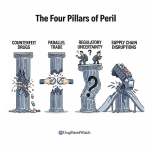
Success in this commoditized market is further defined by operational supremacy. In a landscape of intense price deflation, a resilient and reliable supply chain becomes a powerful marketing tool. As purchasers like hospital systems and large pharmacy chains increasingly prioritize the avoidance of disruptive drug shortages, a manufacturer’s demonstrated ability to guarantee supply can serve as a key differentiator, justifying premium contracts and long-term partnerships.
Finally, market adoption is achieved through a synchronized, multi-stakeholder engagement strategy. This involves a pincer movement of economic pressure and clinical trust-building. On one front, competitive pricing and strategic negotiations are used to secure preferential placement on payer and PBM formularies, creating powerful economic incentives for adoption. Simultaneously, a robust educational campaign must be deployed to equip healthcare professionals—physicians and pharmacists—with the data and communication tools needed to confidently endorse the generic and guide patients through the transition. When the patient’s trusted clinical advisor reinforces the choice that their insurance plan is financially incentivizing, market conversion becomes nearly frictionless.
This report concludes with actionable recommendations for market leadership, emphasizing the need to: establish a dedicated patent intelligence and litigation unit; market supply chain resilience as a key differentiator; develop a comprehensive HCP education platform; strategically segment the product portfolio; and forge deep partnerships with major payers and pharmacy chains based on both price and reliability.
Section 1: The Generic Drug Paradigm: Value Proposition and Perceptual Hurdles
To craft a winning marketing strategy, one must first understand the fundamental nature of the product. A generic drug is not merely a “copy” or a “cheaper version” of a brand-name medicine; it is a pharmaceutical product defined by exacting scientific and regulatory standards of sameness. Its market identity is built on the principles of therapeutic equivalence and economic value. However, this identity is often challenged by deep-seated consumer and prescriber perceptions that equate price with quality. The central task of generic marketing is to bridge this gap, transforming the narrative from one of a low-cost alternative to that of a scientifically validated, economically responsible, and clinically equivalent standard of care.
1.1 Deconstructing Bioequivalence: The Scientific and Regulatory Foundation of Trust
The U.S. Food and Drug Administration (FDA) defines a generic drug as a medication that is the same as an already marketed brand-name drug in dosage form, safety, strength, route of administration, quality, performance characteristics, and intended use.2 To gain approval, a generic manufacturer must submit an Abbreviated New Drug Application (ANDA) that scientifically demonstrates this sameness.4 The cornerstone of this demonstration is the principle of bioequivalence.6
A generic drug is considered bioequivalent to a brand-name drug if it delivers the same amount of the active ingredient into a patient’s bloodstream over the same period of time.4 This is measured by key pharmacokinetic parameters, primarily the area under the curve (AUC), which represents total drug exposure, and the maximum concentration (
Cmax) of the drug in the blood. Regulatory bodies like the FDA and the European Medicines Agency (EMA) have established that for a generic to be approved, the 90% confidence interval for the ratio of the generic’s to the brand’s AUC and Cmax values must fall within an acceptance range of 80% to 125%.8
This 80%-125% range is a common source of misunderstanding and a key target for marketing clarification. It does not mean that the generic drug’s concentration can vary by up to 45% from the brand. Because the entire confidence interval must fit within this window, the actual measured difference between the generic and brand-name products is typically very small. One analysis of FDA data showed the average difference in absorption (AUC) was approximately 3.5%.11 This level of variability is not considered medically important and is comparable to the natural variability observed between different manufacturing batches of the same brand-name drug.7
Beyond the active ingredient, the FDA mandates that a generic drug must:
Be identical in strength, dosage form, and route of administration.5
Have the same use indications and labeling (with limited exceptions for patented uses).5
Be manufactured under the same strict Good Manufacturing Practice (GMP) regulations required for brand-name products.4 In fact, many generic drugs are produced in the very same manufacturing plants as their brand-name counterparts.2
This rigorous, science-based standard of equivalence is the bedrock of a generic drug’s identity and the most critical message in building trust with all stakeholders.
1.2 The Value Proposition: More Than Just a Lower Price
The most conspicuous feature of a generic drug is its lower cost, which can be 80-85% less than the brand-name version.12 This cost advantage is not due to inferior quality but stems from a streamlined development process. Generic manufacturers are not required to repeat the expensive and lengthy animal and clinical trials that the innovator company undertook to prove original safety and effectiveness; they must only prove bioequivalence.2 Furthermore, generic companies typically do not incur the massive advertising and marketing expenses associated with launching a new brand-name drug.2
While price is the primary competitive lever, a sophisticated marketing strategy must frame this value proposition in broader, more impactful terms:
Increased Access to Therapy: Lower costs make essential medications more affordable, reducing financial barriers for patients, particularly those with chronic conditions requiring long-term treatment.12 This affordability democratizes healthcare, ensuring that treatment is not limited to those who can afford high-priced brands.
Improved Medication Adherence: High out-of-pocket costs are a major driver of medication non-adherence. By significantly reducing the financial burden on patients, generic drugs facilitate better adherence to prescribed treatment regimens, which in turn leads to improved health outcomes.12
System-Wide Economic Sustainability: The economic impact of generics is immense. In the U.S. alone, generic and biosimilar medicines generated $445 billion in healthcare savings in 2023 and over $3.1 trillion over the past decade.17 These savings benefit the entire system—patients, employers, and government payers like Medicare and Medicaid—freeing up resources that can be directed toward new medical innovations or other healthcare priorities.8
This multi-faceted value proposition—access, adherence, and sustainability—forms a powerful narrative that elevates the conversation beyond a simple price comparison.
1.3 The Marketing Paradox: Overcoming the “Cheaper is Inferior” Heuristic
The core marketing challenge for generic drugs is a paradox rooted in consumer psychology. The product’s greatest asset—its low price—is simultaneously the source of its most significant perceptual hurdle. Consumers are conditioned across nearly every product category to associate a lower price with lower quality, a cognitive shortcut known as the price-quality heuristic.11 This bias can lead patients and even some healthcare professionals to view generics with skepticism, questioning their efficacy and safety despite overwhelming scientific evidence to the contrary.20
This skepticism is often amplified by a tangible, physical difference between the brand and generic products. U.S. trademark laws generally do not allow a generic drug to look exactly like its brand-name counterpart.2 Consequently, generics often differ in color, shape, size, or flavor.5 While these differences in inactive ingredients (excipients) are reviewed by the FDA to ensure they do not affect the drug’s performance, safety, or effectiveness, they provide a visible trigger for patient anxiety.4 A patient who has taken a small, white, round pill for years may become concerned when their pharmacist dispenses a larger, blue, oval pill, even if it contains the identical active medicine. This visible change can validate their underlying fear that the “cheaper” version is not the “real” medicine.19
Addressing this paradox is the central mission of generic drug marketing. It requires a proactive, educational strategy that directly confronts these misconceptions. The marketing message must preemptively explain why the generic looks different (trademark laws) and why it costs less (streamlined R&D, no marketing overhead), all while reinforcing the scientific certainty of its therapeutic equivalence.
1.4 Pure Generics vs. Branded Generics: A Strategic Fork in the Road
Within the generic landscape, manufacturers must make a fundamental strategic choice between two primary models: “pure generics” and “branded generics.” This decision dictates the entire marketing and commercial approach.
Pure Generics: These are marketed under their non-proprietary or chemical name (e.g., atorvastatin instead of Lipitor). The “brand” is the manufacturing company itself. Competition in this segment is almost entirely driven by price and supply chain efficiency.21 The marketing focus is B2B, targeting large-scale purchasers like wholesalers, distributors, pharmacy chains, and Group Purchasing Organizations (GPOs). Success depends on achieving economies of scale in manufacturing, securing reliable API sources, and winning contracts based on being a low-cost, high-volume, and dependable supplier. In 2024, the pure generics segment accounted for the largest revenue share of the market, at 53.13%.21
Branded Generics: These are generic drugs sold under a unique, trademarked name created by the generic manufacturer.23 While they must meet the same bioequivalence standards as pure generics, the marketing strategy is fundamentally different. Branded generics occupy a strategic middle ground, leveraging the cost efficiencies of generic production while employing branding and targeted promotion to create recognition and loyalty among physicians and pharmacists.23 This strategy allows them to command a slightly higher price than pure generics while still offering significant savings compared to the originator brand. This model is particularly prevalent in emerging markets where brand recognition can be a powerful driver of trust.23
The choice between these two models is a critical strategic decision that shapes the company’s investment in sales forces, promotional materials, and brand development.
Table 1: A comparative analysis of the core marketing strategies for branded originator drugs versus pure/unbranded generic drugs, highlighting the fundamental differences in audience, messaging, and tactics.2
Section 2: The Global Market Landscape: Drivers, Economics, and the Patent Cliff
The generic drug industry does not operate in a vacuum; it is a massive and growing global market shaped by powerful macroeconomic, demographic, and political forces. Understanding this landscape is essential for identifying opportunities, allocating resources, and formulating a strategy that is attuned to both current realities and future trends. The market’s growth is fueled by an increasing demand for affordable healthcare, while its structure is defined by the cyclical nature of patent expirations, which create predictable windows of opportunity for generic entry.
2.1 Market Sizing and Growth Trajectory: A Decade-Long Forecast
The global generic drug market is a substantial and expanding sector of the healthcare economy. While estimates vary slightly between market research firms, a consolidated view reveals a consistent and positive growth trajectory. In 2024, the market size was valued between USD 389.0 billion and USD 491.35 billion.1 Projections for the coming decade indicate steady growth, with forecasted Compound Annual Growth Rates (CAGRs) ranging from 5.04% to 7.2%.1 This growth is expected to propel the market to a value of between USD 681.57 billion and USD 926.54 billion by 2032-2034.1
Geographically, North America, particularly the United States, currently represents the largest market in terms of revenue, accounting for approximately 39% of the global share in 2024.22 However, the Asia-Pacific (APAC) region is the largest by volume and is projected to be the fastest-growing market.26 This growth is driven by the manufacturing prowess and significant domestic markets of China and India. India is renowned as the world’s top supplier of generic pharmaceuticals by volume, meeting 40% of the generic demand in the U.S. and 25% of all drug requirements in the U.K..26 China, which held a 43% market share in the APAC region in 2024, dominates due to government subsidies, public insurance initiatives, and its status as a major producer of Active Pharmaceutical Ingredients (APIs).21 Europe also remains a prominent market, with major players based in Germany, Switzerland, and the UK.21
Established pharmaceutical infrastructure, government cost-containment measures 1
South America
Substantial contribution
Continued growth
N/A
Lack of disposable income driving demand for affordable medicines 1
Middle East & Africa
Growing market
Continued growth
N/A
Increasing healthcare access and awareness 1
Table 2: A consolidated forecast of the global generic drug market from 2025 to 2034, synthesizing data from multiple industry reports to provide a regional overview of size, growth, and key market drivers.1
2.2 Macro-Drivers of Demand: Demographics, Disease Prevalence, and Policy
The sustained growth of the generic drug market is not arbitrary; it is underpinned by several powerful and persistent global trends:
Aging Global Population: The world’s population is aging, particularly in developed nations and the APAC region. By 2050, one in four individuals in APAC will be over 60 years old.26 Older populations have a higher incidence of chronic conditions and, consequently, a greater need for long-term medication, driving demand for affordable generic options.1
Rising Prevalence of Chronic Diseases: Chronic conditions such as cardiovascular diseases, diabetes, cancer, and respiratory illnesses are on the rise globally.27 These diseases often require sustained, daily medication, making the cost-effectiveness of generics a crucial factor for both patient adherence and the financial sustainability of healthcare systems.21 Infectious diseases also remain a major driver, particularly in regions with poor living conditions or lower immunity.26
Government and Payer Cost-Containment Initiatives: Faced with escalating healthcare expenditures, governments and private payers worldwide are actively promoting the use of generic drugs as a primary cost-containment strategy.27 These initiatives include policies that expedite generic drug approvals, incentivize physicians to prescribe generics, and structure insurance benefits (e.g., tiered co-pays) to encourage patient adoption.21
2.3 The Economics of Access: Quantifying Trillions in Healthcare Savings
The value proposition of generic drugs is most powerfully articulated through their staggering economic impact. The widespread adoption of generics has fundamentally altered the cost curve of pharmaceutical spending, delivering trillions of dollars in savings and creating a deflationary force within the healthcare sector.
According to the Association for Accessible Medicines’ (AAM) 2024 Savings Report, the use of FDA-approved generic and biosimilar medicines saved the U.S. healthcare system $445 billion in 2023 alone.17 Over the past decade (2014-2023), these savings have amounted to more than
$3.1 trillion.17 This impact is felt across all major payers, with 2023 savings totaling
$137 billion for Medicare (an average of $2,672 per beneficiary) and $206 billion for commercial health plans.18
This economic contribution is underscored by a critical market share paradox: while generic and biosimilar prescriptions account for 90% of all prescriptions filled in the U.S., they represent only 13.1% of the country’s total spending on prescription drugs.18 This disparity highlights the profound efficiency of the generic market. When viewed in the context of total U.S. healthcare spending, generics and biosimilars account for a mere 1.2%.18 This data provides an unequivocal testament to the role of generics in making the healthcare system more sustainable.
2.4 The Patent Cliff as a Catalyst: Timing Market Entry for Maximum Impact
The generic drug market’s business cycle is fundamentally counter-cyclical to that of the innovative pharmaceutical industry. Its opportunities are not created by its own R&D breakthroughs but by the predictable expiration of the intellectual property protecting the breakthroughs of others. This phenomenon is known as the “patent cliff”.14
When an innovator company develops a new drug, it receives patent protection that typically grants market exclusivity for up to 20 years from the patent’s filing date.4 During this period, the company enjoys a monopoly, allowing it to set prices that maximize profit and recoup the substantial costs of research and development.6 However, once these patents expire, the market opens to generic competition. The resulting influx of low-cost, bioequivalent alternatives leads to a rapid and steep decline in the brand-name drug’s revenue and market share—a fall “off a cliff”.14
For a generic manufacturer, this patent cliff is not a threat but the primary strategic catalyst. It represents a massive and recurring transfer of market value from the innovator to the generic sector.35 The entire business model is built around identifying lucrative branded drugs approaching their patent expiration and timing a generic launch to coincide perfectly with this event. Success is therefore heavily dependent on sophisticated patent intelligence. Companies utilize specialized services like DrugPatentWatch to monitor the complex landscape of drug patents, including key expiration dates, patent term extensions, and potential legal challenges, in order to build a strategic pipeline and identify the most promising market entry opportunities.37 This proactive monitoring and legal analysis is the true starting point of any winning generic marketing strategy.
Section 3: The Pathway to Market: A Strategic Guide to the Regulatory Gauntlet
While market dynamics create the opportunity for generic drugs, realizing that opportunity requires navigating a complex and demanding regulatory landscape. The approval process is not merely a bureaucratic hurdle; it is a strategic gauntlet where legal acumen, regulatory precision, and timing determine competitive positioning and commercial success. For a generic manufacturer, mastering this pathway is as critical as perfecting the manufacturing process. The legal and regulatory strategy is the commercial strategy, as it dictates when a product can launch, whether it launches with a period of lucrative exclusivity, and how it is positioned against competitors.
3.1 The Hatch-Waxman Act: The Rulebook for Competition and Innovation
The modern U.S. generic drug industry was born in 1984 with the passage of the Drug Price Competition and Patent Term Restoration Act, commonly known as the Hatch-Waxman Act.30 This landmark legislation established a “grand compromise” designed to balance two competing interests: incentivizing the development of new, innovative drugs and ensuring affordable access to medicines through generic competition.11
For generic manufacturers, the Act’s most crucial provision was the creation of the Abbreviated New Drug Application (ANDA) pathway.40 Prior to Hatch-Waxman, generic companies faced the prohibitive cost of conducting their own full suite of clinical trials to prove safety and efficacy.42 The ANDA pathway streamlined this process dramatically. It allows a generic applicant to rely on the FDA’s previous finding that the innovator’s drug is safe and effective.11 Instead of repeating costly trials, the generic firm’s primary scientific burden is to demonstrate bioequivalence to the brand-name product, known as the Reference Listed Drug (RLD).36
For innovator companies, the Act provided a mechanism to restore a portion of the patent term that was lost during the lengthy FDA approval process, ensuring they had adequate time to recoup their R&D investments.41 The Act also established periods of regulatory exclusivity, separate from patents, that protect new drugs from generic competition for a set time.42
The impact of Hatch-Waxman has been transformative. By creating a viable and efficient pathway to market, it unleashed the power of generic competition. The generic drug utilization rate in the U.S. skyrocketed from just 19% when the Act was passed in 1984 to approximately 90% today, a testament to the framework’s success in increasing access and lowering costs.40
3.2 Mastering the ANDA Process: From Submission to Approval
The ANDA is the regulatory dossier that a generic company submits to the FDA for approval. While “abbreviated,” the process is rigorous and demands meticulous preparation and scientific precision.47 A strategically managed ANDA submission can accelerate time-to-market, while a poorly prepared one can lead to costly delays. The process generally involves the following steps 48:
Pre-ANDA Preparation: This is the foundational stage where the company analyzes the RLD, develops a formulation, ensures compliance with Current Good Manufacturing Practices (cGMP), and, most critically, conducts the necessary bioequivalence (BE) studies to demonstrate therapeutic equivalence.48
ANDA Submission: The application is compiled and submitted electronically to the FDA’s Center for Drug Evaluation and Research (CDER). The submission must contain comprehensive data on the drug’s chemistry, manufacturing, controls (CMC), labeling, and the results of the BE studies.49
FDA Review: Upon receipt, the FDA conducts a multi-phase review. This includes a filing review to ensure the application is complete, followed by a substantive review of the scientific data by various disciplines.48 The FDA also inspects the manufacturing facilities to verify cGMP compliance.5
Responding to Deficiencies: It is common for the FDA to issue a Complete Response Letter (CRL) if deficiencies are found in the application. The applicant must thoroughly address all issues raised in the CRL and resubmit the application, which can add significant time to the approval process.48
Approval: If the ANDA meets all scientific and regulatory requirements and there are no outstanding patents or exclusivities blocking approval, the FDA grants final approval (AP), allowing the company to market the generic drug. If the application is approvable but blocked by a patent or exclusivity, the FDA issues a tentative approval (TA).51
The entire process, from submission to final approval, can take around 30 months, though this timeline can be expedited for priority generics or extended by multiple review cycles.42
3.3 The Paragraph IV Gambit: Risk, Reward, and the 180-Day Exclusivity Prize
The most aggressive and potentially lucrative strategy within the Hatch-Waxman framework is the Paragraph IV (PIV) certification. While a standard ANDA filing (a Paragraph III certification) states that the generic company will wait until the brand’s patents expire, a PIV certification is a direct legal challenge. The generic applicant asserts that the brand’s patents listed in the FDA’s “Orange Book” are either invalid, unenforceable, or will not be infringed by the generic product.45
This bold move initiates a high-stakes legal and regulatory sequence:
Notification: The generic applicant must send a “notice letter” to the brand company and patent holder, detailing the factual and legal basis for its PIV certification.52
The 45-Day Countdown: Upon receiving the notice, the brand company has 45 days to file a patent infringement lawsuit.52
The 30-Month Stay: If a lawsuit is filed within the 45-day window, the FDA is automatically barred from granting final approval to the ANDA for up to 30 months, or until the patent litigation is resolved in court, whichever comes first.52 This stay gives the brand company a significant period to defend its patent.
The immense risk of a PIV challenge—costly litigation that can run into the millions of dollars—is balanced by an extraordinary reward. The Hatch-Waxman Act grants the first generic applicant to submit a substantially complete ANDA with a PIV certification a 180-day period of marketing exclusivity upon approval.15 During these six months, the FDA cannot approve any subsequent generic versions of the same drug. This creates a temporary duopoly between the brand and the first generic, allowing the generic to capture significant market share at a price point only moderately discounted from the brand (often 15-25% below), before the market becomes fully commoditized by multiple competitors.52 For a blockbuster drug, this 180-day exclusivity can be worth hundreds of millions of dollars, making the PIV certification a cornerstone of commercial strategy for high-value products.55
Decision Factor
High-Potential Scenario
Low-Potential Scenario
Strategic Implication
Brand Drug Annual Sales
>$1 billion (Blockbuster)
<$100 million
The value of the 180-day exclusivity period is directly proportional to the size of the market being captured.
Patent Complexity/Strength
Weak secondary patents (e.g., method-of-use)
Strong core composition-of-matter patent
A thorough legal analysis of patent vulnerability is the most critical input for assessing the probability of success.
Estimated Litigation Cost
Within acceptable risk-adjusted ROI
Exceeds potential 180-day profit
The cost of the legal battle must be weighed against the potential financial reward of winning.
Number of Potential First-Filers
Company is sole or one of few early filers
Highly crowded field of filers on the same day
The 180-day exclusivity is shared among all first-filers, diluting its value with each additional competitor.
180-Day Exclusivity Value
Hundreds of millions in potential revenue
Modest revenue potential
The ultimate prize must justify the significant legal and financial risk of the challenge.
Table 3: A strategic decision matrix for evaluating a Paragraph IV patent challenge. This framework helps executives weigh the key variables to determine if the potential reward of 180-day market exclusivity justifies the inherent risks and costs of litigation.52
3.4 Global Harmonization and Divergence: Navigating FDA vs. EMA Frameworks
While the U.S. market is often the primary target, a global generic strategy requires navigating different regulatory systems. The European Union, overseen by the European Medicines Agency (EMA), has a similarly rigorous but structurally different framework.57
The EU system is more fragmented, with options for centralized approval (valid across the EU), decentralized procedures (simultaneous approval in multiple member states), or national approvals.57 The exclusivity periods also differ. In the EU, innovator drugs are protected by an “8+2+1” rule: a generic company can submit its application after 8 years of data exclusivity for the reference product, but cannot market its generic until a 10-year period of market protection has expired. This period can be extended by an additional year if the innovator gains approval for a new therapeutic indication during the first 8 years.59
Other key markets have their own timelines and requirements. For example, the approval timeline in the UK is approximately 150 days, while in Australia it is about 11 months, and in India, it can be as fast as 90 days.10 A successful global marketing strategy requires a dedicated regulatory affairs team capable of managing these divergent requirements and timelines to ensure synchronized and efficient market entry across key regions.
Section 4: The Commercial Core: Pricing, Distribution, and Supply Chain Strategy
Once regulatory approval is secured, the battle for market share begins. In the generic drug industry, where the product itself is, by definition, undifferentiated, commercial success hinges on excellence in the operational fundamentals: pricing, distribution, and supply chain management. These functions are not merely back-office operations; they are the primary levers of competitive advantage. A company that can price its product strategically, ensure its widespread availability, and guarantee a reliable supply can dominate the market, even in the face of intense competition.
4.1 Foundational Pricing Models: Cost-Plus, Market-Based, and Volume-Driven Approaches
Pricing in the generic market is a dynamic and aggressive discipline. The entry of the first generic typically cuts the brand’s price by 39%, and with six or more competitors, the price can plummet by up to 95%.37 Manufacturers employ several foundational strategies to navigate this deflationary environment 62:
Cost-Based Pricing: This is the most straightforward model, where the price is determined by calculating the total cost of production (API, manufacturing, packaging, etc.) and adding a desired profit margin. While it ensures profitability on a per-unit basis, it can be uncompetitive if it doesn’t account for market dynamics.62
Market-Based Pricing: This approach involves setting prices based on the prevailing market rates established by competitors. It is a reactive strategy that requires constant monitoring of the competitive landscape. To gain an edge, companies often engage in aggressive tactics, either matching the lowest competitor price or strategically undercutting it to capture volume.62
Volume-Based Pricing: This strategy is predicated on the principle of economies of scale. Manufacturers with large-scale production capabilities and established distribution networks can offer lower per-unit prices for larger order volumes. This is highly attractive to major purchasers like large pharmacy chains, wholesalers, and GPOs, who can leverage their purchasing power to secure favorable terms.62
Ultimately, the price of a generic drug is determined by the number of competitors in the market. The initial launch, especially during a 180-day exclusivity period, allows for higher prices. However, as more manufacturers enter, the market rapidly commoditizes, and price becomes the dominant factor in purchasing decisions.30
4.2 Securing the Supply Chain: From API Sourcing to Pharmacy Shelf
A generic drug’s journey from raw materials to a patient’s medicine cabinet is a complex global undertaking. The integrity and efficiency of this supply chain are paramount to commercial success. A significant portion of the world’s Active Pharmaceutical Ingredients (APIs)—the core chemical components of drugs—are manufactured overseas, with a high concentration of facilities in India and China.26 For instance, India is a top supplier of generics to the U.S., and over 70% of API facilities supplying the U.S. market are located overseas, with 13% in China.26
This globalized supply chain presents both opportunities and risks. While it allows for cost-effective sourcing, it also introduces vulnerabilities, such as geopolitical tensions that could lead to tariffs, which would disrupt the low-margin generic model.29 More importantly, it necessitates rigorous oversight to ensure quality. The FDA and other regulatory bodies hold generic manufacturers to the same strict Current Good Manufacturing Practices (cGMP) as brand-name companies, conducting thousands of facility inspections annually to ensure that identity, strength, purity, and quality are maintained at every step of the process.2
4.3 Distribution and Supply Chain Resilience as a Competitive Weapon
In a market defined by product interchangeability, reliability of supply can become a powerful point of differentiation. Drug shortages are a persistent and disruptive problem for healthcare systems, often caused by quality issues, manufacturing shutdowns, or supply chain bottlenecks.32 For hospitals, pharmacies, and payers, a product shortage is not just an inconvenience; it can compromise patient care and create significant operational costs as they scramble to find alternatives.
This creates a strategic opportunity. A generic manufacturer that invests in a resilient supply chain—for example, by qualifying multiple API suppliers, maintaining backup manufacturing sites, and utilizing advanced inventory management—can market this reliability as a core part of its value proposition.64 While the market is intensely price-sensitive, large institutional purchasers may be willing to pay a slight premium or, more likely, award a larger share of a long-term contract to a supplier with a proven track record of dependability. In this context, a robust supply chain is not just an operational asset; it is a marketable brand attribute that communicates stability and trustworthiness to key B2B customers.
4.4 The First-Mover Advantage: A Case Study in Market Capture
The strategic importance of timing, legal execution, and commercial readiness is vividly illustrated by the immense and durable advantage afforded to the first generic manufacturer to enter a market. The “first-mover advantage” is a well-documented phenomenon where the initial generic entrant secures a commanding market position that subsequent competitors find difficult to erode.56
Research shows that the first generic to launch enjoys an 80% market share advantage over the second entrant and a 225% advantage over the third.56 This dominance is not fleeting; it often persists for at least three years. This initial period is critical for recouping development costs and establishing a strong foothold with pharmacies and payers before intense price competition fully sets in.56
The 2017 launch of Teva’s generic version of Pfizer’s blockbuster drug Viagra (sildenafil) serves as a compelling case study. Viagra’s primary patent was not set to expire until April 2020.66 However, through aggressive patent litigation and a subsequent strategic settlement with Pfizer in 2013, Teva secured the right to launch its generic in the U.S. on December 11, 2017, more than two years early.66 In exchange for this early entry, Teva agreed to pay Pfizer a royalty.66 This move, combined with an aggressive pricing strategy, allowed Teva to rapidly capture over 70% of the genericized market within a year.56 This case perfectly illustrates the interplay of legal strategy (securing an early launch date through settlement) and commercial execution (aggressive pricing) to achieve market dominance, underscoring that the race to be first is one of the most critical competitions in the generic drug industry.
Section 5: The Art of Influence: A Multi-Stakeholder Marketing Blueprint
Marketing generic drugs is fundamentally different from marketing branded pharmaceuticals. It is not a high-spend, mass-media endeavor aimed at creating brand desire. Instead, it is a nuanced, multi-stakeholder exercise in building trust and demonstrating value. The strategy is primarily a B2B2C (Business-to-Business-to-Consumer) play, where success depends on influencing a chain of key intermediaries—payers, physicians, and pharmacists—who collectively shape patient access and choice. A winning blueprint requires a distinct and tailored approach for each of these critical audiences, executed in a synchronized fashion to create a clear and compelling path for product adoption.
5.1 Targeting Payers and PBMs: The Battle for Formulary Access
The most critical relationship for a generic manufacturer is with payers (insurance companies, government programs) and the Pharmacy Benefit Managers (PBMs) that manage their prescription drug benefits. These entities are the ultimate gatekeepers to market access, as their decisions on formulary placement directly determine a drug’s affordability and availability to patients.69
The primary tool used by payers to control costs and drive generic utilization is the tiered formulary.71 In a typical three-tier design, generic drugs are placed in Tier 1, which carries the lowest patient co-payment. Preferred brand-name drugs are in Tier 2 (higher co-pay), and non-preferred brands are in Tier 3 (highest co-pay).30 This structure creates a powerful financial incentive for patients to choose the generic option.73
Therefore, the marketing and sales strategy for payers and PBMs is centered on one primary objective: securing and maintaining Tier 1 formulary status. This is achieved through:
Competitive Pricing: Offering a price that provides significant savings compared to the brand-name drug and is competitive with other generic manufacturers is the baseline requirement.62
Volume-Based Contracts and Rebates: Negotiating contracts that offer discounts for guaranteed volume can be a powerful incentive for a PBM to grant preferred status.69
Demonstrating Supply Reliability: As discussed previously, communicating a robust and resilient supply chain can be a key differentiator, as payers and PBMs seek to avoid the disruption caused by drug shortages.75
A significant challenge in this space is the complex incentive structure of PBMs, who sometimes earn higher revenues from rebates on high-priced brand drugs than from the administrative fees on low-cost generics. This can lead to situations where a PBM may prefer a brand-name drug on its formulary over a newly available, lower-cost generic, creating a barrier to access that must be addressed through negotiation and policy advocacy.18
5.2 Engaging Healthcare Professionals (HCPs): Building Clinical Confidence
While payers create the economic incentive for generic use, physicians and pharmacists are the trusted clinical validators. Their confidence and endorsement are essential to overcoming patient skepticism and ensuring smooth therapeutic transitions.
Physicians: Prescribers are heavily targeted by brand-name pharmaceutical marketing, which invests billions in physician detailing and education to build brand loyalty.2 A generic marketing strategy must counteract this by focusing on education and reassurance. The key messages for physicians should be:
Reinforce Bioequivalence: Provide clear, concise scientific data and third-party endorsements (e.g., from the FDA) that confirm the generic’s therapeutic equivalence to the brand.2
Highlight Clinical and Economic Benefits: Frame the choice of a generic not just as a cost-saving measure, but as a way to improve patient adherence and contribute to the overall sustainability of the healthcare system.78
Address Concerns Proactively: Acknowledge and address potential physician concerns, such as those arising from past negative experiences or specific patient populations (e.g., those on narrow therapeutic index drugs).20
Pharmacists: Pharmacists are on the front lines of generic substitution and are often the final point of contact before a patient begins treatment. They are a critical ally in the marketing effort.24 The strategy for engaging pharmacists should focus on empowerment:
Provide Educational Tools: Equip pharmacists with patient-friendly materials (brochures, FAQs) that simply explain bioequivalence, why the pill looks different, and the value of generics.19
Support for Patient Counseling: Offer support and resources that help pharmacists efficiently and effectively counsel patients during the switch, turning a potentially confusing moment into a positive, reassuring experience.19
Ensure Supply Reliability: A pharmacist’s confidence in a generic is directly tied to its availability. A consistent and reliable supply chain ensures that the pharmacist can dispense the product without interruption, building trust in the manufacturer.65
5.3 Educating the Patient: From Skepticism to Acceptance
Direct-to-consumer (DTC) advertising is generally not a viable strategy for generic manufacturers due to the high cost and low margins.2 Therefore, patient marketing is primarily an indirect effort, executed through the trusted voice of the healthcare professional. The goal is to equip HCPs with the tools and messages needed to address the core patient concerns identified in Section 1: the price-quality bias and anxiety over physical differences.
Effective patient education, delivered by a physician or pharmacist, should include 19:
A Clear, Confident Endorsement: The most powerful tool is a direct recommendation from a trusted HCP. A statement like, “I am prescribing this generic for you. It is the exact same medicine as the brand, it works just as well, and it will save you money,” can overcome significant patient hesitation.19
Proactive Communication: HCPs should inform patients in advance that the appearance of their medication may change, explaining that this is due to trademark laws and does not affect how the medicine works. This preempts confusion and anxiety at the pharmacy counter.19
Simple Explanation of “Sameness”: Using simple analogies to explain that the “active ingredient” is the key component and is identical, while the “inactive ingredients” like dyes and fillers can differ without impacting the therapeutic effect.
Focus on Shared Benefits: Explaining that by choosing the generic, the patient is not only saving money themselves but also helping to keep healthcare costs down for everyone.
By focusing on this multi-stakeholder model, a generic manufacturer can create a powerful cascade of influence. The payer creates the economic incentive, the physician provides the clinical validation, and the pharmacist facilitates a seamless transition, all of which work in concert to guide the patient from skepticism to confident acceptance.
Stakeholder
Primary Motivations/Goals
Key Barriers/Concerns
Winning Message
Strategic Tactics/Channels
Payers / PBMs
Cost reduction, budget predictability, member satisfaction
Brand rebates, supply chain disruption, member disruption
Maximum cost savings, formulary stability, guaranteed supply
Guaranteed availability, easy substitution, patient education support
Reliable distribution, co-pay assistance programs, patient-facing educational materials, digital support tools
Patients
Getting well, affordability, trust in their medicine and provider
“Cheaper is inferior” bias, confusion over different appearance, fear of side effects
“The exact same medicine, proven to work just as well, at a lower cost.” (Delivered by HCP)
Point-of-care education via physicians and pharmacists, patient-friendly website content
Table 4: A multi-stakeholder engagement matrix outlining the tailored marketing strategies required to effectively influence each key group in the generic drug adoption process.19
Section 6: Crafting a Winning Strategy: An Integrated Commercial Playbook
Success in the generic drug market is not the result of a single brilliant marketing campaign or a rock-bottom price. It is the outcome of a deeply integrated and forward-looking strategy that aligns every facet of the organization—from legal and regulatory affairs to manufacturing and commercial operations—toward a common set of goals. A winning playbook requires a disciplined approach to product selection, a relentless focus on operational excellence, and an unwavering commitment to building trust across the healthcare ecosystem. The most durable generic enterprises will be those that master this complex interplay, transforming commoditized products into sustainable, profitable assets.
6.1 Synthesizing the Pillars: Aligning Regulatory, Commercial, and Marketing Functions
The traditional siloed approach, where regulatory files an application, manufacturing produces the drug, and marketing sells it, is a recipe for failure in the modern generics landscape. The interconnected nature of the market demands a synthesized strategy where these functions operate as a cohesive unit from the very beginning.
The process must begin with product selection, which should be a collaborative decision involving not just market analysis but also a rigorous assessment of the patent landscape (legal) and the company’s technical capabilities (R&D and manufacturing). The decision to pursue a Paragraph IV challenge, for example, is a commercial strategy executed by the legal team. Its success or failure directly dictates the launch timeline and competitive environment, which in turn shapes the pricing strategy and formulary access plan developed by the commercial team. Similarly, the marketing team’s ability to promise a reliable supply to payers is entirely dependent on the supply chain team’s investment in resilience. This level of integration requires a corporate culture and organizational structure that fosters cross-functional collaboration and shared accountability for the product’s entire lifecycle.
6.2 Strategic Portfolio Management: Selecting the Right Products for the Right Markets
As one executive noted, the simple, volume-driven model of the past is no longer a reliable blueprint for the future.82 The relentless price competition has created an “Affordability Paradox,” where the industry’s success in driving down costs threatens its own long-term sustainability.82 To thrive, companies must move beyond a reactive approach of chasing every expiring patent and instead build a strategically curated portfolio.
This involves a sophisticated assessment of potential products based on a range of factors:
Market Potential: Beyond just the brand’s peak sales, this includes analyzing the number of patients, the duration of therapy, and the potential for market growth.
Competitive Intensity: Assessing how many other generic manufacturers are likely to enter the market. A crowded market for a simple oral solid will see margins evaporate almost instantly.
Technical and Regulatory Barriers to Entry: Prioritizing more complex products—such as sterile injectables, topical applications, respiratory drugs, or biosimilars—can create a more defensible market position.1 These products require specialized manufacturing capabilities and more complex regulatory submissions, limiting the number of potential competitors and preserving margins.
Legal Opportunity: Identifying products with weak or expiring secondary patents that are ripe for a Paragraph IV challenge, creating the potential for a lucrative 180-day exclusivity period.
A winning portfolio will likely be a balanced mix of high-volume, lower-margin “pure generics” that provide a stable cash flow, and higher-value, more complex products or “branded generics” that offer better profitability and a stronger competitive moat.
6.3 Long-Term Sustainability in a Commoditized Market
The long-term trend in the industry is one of consolidation and strategic evolution. The intense price pressure on simple generics is forcing major players to rethink their business models. Companies like Teva and Viatris, traditionally known as generics powerhouses, are actively pivoting their strategies.
Teva’s “Pivot to Growth” strategy, for example, aims to sustain its position as a global leader in generics while simultaneously building a strong innovative medicines franchise.83 This hybrid model uses the stable, cash-generating generics business to fund R&D and commercialization for a pipeline of novel drugs.86 Similarly, Viatris’s CEO Scott Smith has outlined a strategy to sustain the company’s base of branded and generic products while using the capital generated to invest in a pipeline of innovative, patented products to ensure more predictable, long-term revenue streams.87
This trend suggests that the future of the industry may belong not to “pure” generic companies, but to agile, hybrid organizations that can compete across the pharmaceutical value chain. They will leverage their manufacturing and regulatory expertise to dominate in complex generics and biosimilars while selectively investing in innovation to create their own future revenue streams, thus escaping the full force of the commoditization trap.
6.4 Actionable Recommendations for Market Leadership
Based on the comprehensive analysis presented in this report, the following are actionable recommendations for a generic pharmaceutical company aiming to achieve market dominance:
Establish a Proactive Patent Intelligence and Litigation Unit: Treat the legal function as a core commercial driver. Invest in the expertise and resources to not only monitor the patent landscape but to actively identify and execute high-potential Paragraph IV challenges. This unit’s primary KPI should be the successful acquisition of 180-day exclusivity periods for key products.
Market Supply Chain Resilience as a Key Differentiator: Invest in building a robust and redundant supply chain with dual-sourcing for critical APIs and multiple manufacturing sites. Develop a clear marketing narrative around this reliability and target it specifically at GPOs, hospital systems, and large pharmacy chains, positioning the company as the most dependable partner in the market.
Develop a Comprehensive HCP Education Platform: Move beyond simple sales calls. Create a dedicated platform for physicians and pharmacists that provides clear, accessible, and scientifically robust information on bioequivalence. Equip the commercial team with validated communication tools and patient-facing materials to empower HCPs to become confident advocates for generic substitution.
Implement a Segmented and Strategic Portfolio Strategy: Avoid a one-size-fits-all approach. Deliberately segment the portfolio into (a) high-volume commodity products managed for operational efficiency, and (b) high-value, complex generics or biosimilars where technical and regulatory expertise can create a sustainable competitive advantage and preserve margins.
Forge Deep, Strategic Partnerships with Key Purchasers: Cultivate long-term relationships with major payers, PBMs, and pharmacy chains. Go beyond transactional price negotiations to become a strategic partner, offering not just a low price but also guaranteed supply, customized packaging solutions, and collaborative programs to improve patient adherence.
“Comparision of Marketing Stratigies Between Branded Drug and Generic Drug” – International Journal of Pharmaceutical Science Invention, accessed August 7, 2025, https://ijpsi.org/Papers/Vol13(3)/E13031821.pdf
Overview of the European Medicines Agency’s Development of Product‐Specific Bioequivalence Guidelines – PMC – PubMed Central, accessed August 7, 2025, https://pmc.ncbi.nlm.nih.gov/articles/PMC6175295/
A Systematic Review of Physicians’ and Pharmacists’ Perspectives on Generic Drug Use: What are the Global Challenges? – PubMed Central, accessed August 7, 2025, https://pmc.ncbi.nlm.nih.gov/articles/PMC4519583/
What do people really think of generic medicines? A systematic review and critical appraisal of literature on stakeholder perceptions of generic drugs – PubMed Central, accessed August 7, 2025, https://pmc.ncbi.nlm.nih.gov/articles/PMC4520280/