The revenue locked inside a single patent grant can exceed the GDP of a small country. AbbVie’s Humira franchise generated roughly $200 billion in cumulative global sales before biosimilar competition eroded its U.S. exclusivity in 2023. Pfizer’s Lipitor crossed $130 billion in lifetime sales. Those numbers did not flow from clinical excellence alone. They flowed from IP strategy executed across two decades of prosecution, litigation, and life-cycle management. When a Paragraph IV notice letter arrives, or when a BPCIA patent dance commences, the outcome of that legal process does not hinge on what the patent says. It hinges on what the legal and scientific team built, pruned, and defended for years before the opening shot was ever fired.
This guide goes deeper than a litigation primer. It covers the full continuum: portfolio architecture, prosecution tactics that anticipate courtroom attacks, Hatch-Waxman and BPCIA mechanics, PTAB two-front warfare, global jurisdictional chess, IP valuation methodology, settlement economics, and the emerging battleground of cell and gene therapy patents. The target audience is pharma and biotech IP teams, portfolio managers, R&D leads, business development professionals, and institutional investors who need to quantify exclusivity risk with precision.
Part I: The Economics and Architecture of Pharmaceutical Patent Protection
Why Patent Exclusivity Is a Balance Sheet Item, Not Just a Legal Concept
Drug patent protection is frequently described in narrative terms. In financial practice, it is a discrete asset with a calculable net present value. An IP team that cannot translate its patent estate into discounted cash flow projections is under-serving the enterprise.
The basic math is straightforward. Take a drug with $5 billion in annual U.S. net sales, a gross-to-net discount of 30%, and a remaining patent life of six years. Model in generic entry at month one versus generic entry delayed by 30 months from a successful Paragraph IV defense. The NPV differential across those two scenarios, discounted at a pharma-standard 10% WACC, typically runs between $4 billion and $7 billion. That is the value of a single well-executed 30-month stay — not the value of the drug, but the value of the litigation strategy that preserved its exclusivity window.
This framing matters because it disciplines resource allocation. IP litigation budgets that run $20 million to $30 million over a multi-year Hatch-Waxman case are not legal overhead. They are investments against an asset position that can return 100-to-1 or better.
The Drug Development Economics Underlying Every Patent Decision
A 2020 JAMA analysis by Wouters, McKee, and Luyten put median capitalized R&D cost at approximately $985 million per approved drug, with mean cost crossing $2.6 billion when accounting for the cost of failure across the full pipeline. Development timelines from IND filing to NDA approval average 10 to 12 years for small molecules and run longer for biologics. A compound filing its first patent application around the time of IND filing typically has 8 to 10 years of effective patent life remaining when it reaches commercial launch, once FDA review time and the pre-approval period are factored in.
Patent Term Extension (PTE) under 35 U.S.C. Section 156 can restore up to five years of patent life consumed during FDA review, capped at a total post-approval patent life of 14 years. Pediatric exclusivity under the Best Pharmaceuticals for Children Act adds six months to all listed Orange Book patents and can be stacked on top of PTE. For a drug with $3 billion in annual sales, that six-month pediatric extension alone is worth $1.5 billion in revenue. The mechanics of maximizing patent term through timely PTE applications and pediatric study requests belong in the commercial strategy conversation from the earliest stages of clinical development, not as an afterthought during NDA preparation.
IP Valuation as a Core Portfolio Asset: Three Methodologies
IP valuation in pharmaceuticals draws on three primary frameworks, each with distinct applications for internal capital allocation and external licensing or M&A transactions.
The income approach, the most widely used method for pharma IP, discounts projected royalty streams or excess earnings attributable to patent protection over the remaining exclusivity period. The analyst must model the at-expiry revenue decline curve, which in practice runs 80% to 90% within 12 to 18 months of first generic entry for oral solid-dose small molecules and more slowly for biologics, where biosimilar uptake has historically lagged generic uptake by 18 to 36 months. Discount rates for patent-specific income streams typically carry a premium over the corporate WACC to reflect patent validity risk, which can be estimated from PTAB institution rates by technology class, and litigation outcome probability derived from historical case data.
The market approach benchmarks against comparable patent license transactions. The pharmaceutical industry’s de facto royalty rate standard, the ‘25% rule,’ has been functionally discredited since the Federal Circuit’s decision in Uniloc USA v. Microsoft (2011), but real-world pharmaceutical license rates in the 5% to 15% royalty range for primary compound patents and 2% to 6% for secondary formulation or method-of-use patents remain useful reference points for FTO and valuation work.
The cost approach, primarily used when income projections are highly speculative (as with early-stage assets), estimates value based on reproduction cost or historical R&D spend attributable to the patented invention. This method systematically understates value for commercially mature products and is most defensible for in-licensing deal negotiations where the licensee has better market information than the licensor.
Key Takeaways: Part I
Patent exclusivity has a quantifiable NPV that should anchor resource allocation for IP litigation and prosecution. PTE applications and pediatric study requests are commercial decisions, not regulatory formalities. IP valuation methodology, whether income, market, or cost approach, needs to be embedded in portfolio review cycles and M&A diligence processes.
Investment Strategy Note: For institutional investors, the most actionable signal is not the patent expiry date itself but the first Paragraph IV ANDA filing date. Historical data shows that Paragraph IV filers win on validity and/or non-infringement in roughly 70% to 75% of cases when the case proceeds to a merits ruling. That base rate should be a downward adjustment in any DCF model that assumes full exclusivity through the Orange Book expiry date.
Part II: Building a Litigation-Proof Patent Portfolio
Portfolio Architecture: Beyond the API Compound Patent
The first-filed compound patent on a new active pharmaceutical ingredient is, by definition, the patent most exposed to generic challenge. It is the oldest patent in the portfolio, the most searched against during generics’ freedom-to-operate analyses, and the one that has accumulated the most relevant prior art since filing. A portfolio that consists solely of compound patents is a portfolio that is one well-funded IPR petition away from catastrophic exposure.
Sophisticated life-cycle management builds concentric rings of IP around the core compound, each ring filed at a different point in the development timeline as new innovations are genuinely discovered, each ring adding legal complexity and cost to any challenger’s invalidation campaign.
The innermost ring covers the compound itself, including the specific enantiomer or polymorph that proceeds to commercialization. If the racemic mixture was originally claimed and only later was the active enantiomer characterized, that enantiomer patent may have a later priority date, extending protection by several years, though challengers will argue routine screening makes enantiomer resolution obvious under the KSR framework.
The formulation ring covers specific dosage forms, excipient systems, controlled-release mechanisms, and particle size distributions that affect bioavailability, stability, or patient tolerability. Patents in this ring are most defensible when backed by comparative data showing unexpected performance relative to prior art formulations. A controlled-release polymer matrix that reduces dosing frequency from twice daily to once daily, documented with in vivo pharmacokinetic data showing non-obvious relative bioavailability profiles, is a substantially harder target than a formulation patent claiming a standard filler and binder combination.
The methods-of-use ring is frequently undervalued during early prosecution and becomes extraordinarily valuable post-launch, when phase IV studies or real-world evidence reveals new patient populations, combination regimens, or disease subtypes where the drug shows differentiated efficacy. A patent covering the use of Drug X in patients with a specific biomarker profile discovered after the primary patent filing date can carry a priority date well into the drug’s commercial life, extending effective exclusivity by years. The induction-of-infringement theory that underlies these patents, established through the Federal Circuit’s analysis in Warner-Lambert v. Apotex and later Takeda v. Zydus, requires careful label management to ensure that the generic’s proposed prescribing information does not contain language specifically directing the patented use.
The manufacturing process ring is most relevant for biologics, where the process and the product are inseparable under BPCIA’s recognition that structural characterization alone cannot fully define a biologic’s identity. For small molecules, novel synthetic routes, especially those that eliminate toxic reagents, improve stereoselectivity, or reduce manufacturing cost by an order of magnitude, can carry genuine inventive step and should be prosecuted vigorously, both offensively and as a defensive measure against ANDA filers who may need to use similar routes.
Evergreening: Strategic Life-Cycle Management vs. Tactical Obfuscation
The term ‘evergreening’ is used by critics to describe any practice of filing secondary patents near the end of a primary compound patent’s life to extend de facto market exclusivity beyond the term the regulator intended. The critique is not uniformly wrong. Patent offices in several jurisdictions, including India under Section 3(d) of the Patents Act and the European Patent Office’s heightened obviousness scrutiny for polymorphs, have responded by raising patentability standards for secondary pharmaceutical patents. AstraZeneca’s Nexium (esomeprazole) case stands as the canonical cautionary example: the enantiomer patent survived in the U.S., generating billions in exclusivity revenue beyond omeprazole’s expiry, but the strategy generated lasting regulatory and legislative backlash.
The operationally useful distinction is between secondary patents that disclose genuine, data-supported innovations — a formulation that solves a documented stability or bioavailability problem, a method-of-use backed by prospective clinical data — and patents that claim trivial variations with no meaningful clinical benefit, filed primarily to force generic challengers to litigate rather than to protect a real innovation. The former category deserves aggressive prosecution and defense. The latter category creates patent thickets that are expensive to maintain, prone to invalidation at the PTAB, and potentially damaging to a company’s litigation credibility when a judge sees a pattern of weak follow-on filings alongside the legitimate core IP.
Prosecution Tactics That Anticipate Litigation Attacks
Patent prosecution is written testimony. Every amendment, every argument made to distinguish prior art, every claim column removed to overcome an examiner rejection becomes part of the prosecution history file wrapper, which will be read by opposing counsel in discovery, cited in expert reports, and argued at the Markman hearing.
Prosecution history estoppel, applied through the Festo framework established by the Supreme Court in 2002, bars a patent holder from using the doctrine of equivalents to recapture claim scope surrendered during prosecution. If a patentee narrowed a formulation claim from ‘a polymer selected from the group consisting of HPMC, HPC, and PVP’ to ‘HPMC’ to distinguish prior art, the Festo presumption bars recapture of HPC or PVP through equivalents. A skilled formulation chemist at a generic company will engineer around to HPC specifically because of that prosecution surrender.
The practical implication is that claim drafting should maximize claim scope at filing, preserve continuation practice, and minimize unnecessary argument-based surrenders during prosecution. When a narrowing argument is unavoidable, the drafter should use Festo’s rebuttal mechanisms where possible, specifically the ‘tangential relationship’ exception, by arguing that the reason for the amendment was tangential to the equivalent in question. This requires careful framing in the prosecution record itself, not a post-hoc argument in litigation.
The written description requirement under 35 U.S.C. Section 112 is a growing vulnerability for broad biologic claims and method-of-use patents. The Federal Circuit’s tightening of this standard in Ariad Pharmaceuticals v. Eli Lilly (2010) and subsequent decisions has made broad genus claims for antibodies and other biologics substantially harder to defend when the specification does not disclose representative examples spanning the claimed genus. Prosecuting biologic patents with dense example sections, full CDR characterization across multiple species of the genus, and where possible functional data across the spectrum of claimed equivalents, is now standard practice at leading biopharma IP firms.
The Orange Book Listing Decision: Strategic but Regulated
The decision of which patents to list in the FDA’s Orange Book is not simply a matter of listing everything in the portfolio. Under 21 C.F.R. Section 314.53, an NDA holder may only list patents that claim the drug substance, the drug product as approved, or an approved method of using the drug. Patents covering manufacturing processes, intermediates, or packaging are not listable, and attempting to list them is an act of improper Orange Book listing that has attracted FTC enforcement action.
The strategic value of an Orange Book listing is that it triggers the Paragraph IV notification requirement and gives the brand the right to file for a 30-month stay. An unlisted patent, even if directly infringed by a generic’s product, does not generate the stay. The innovator must pursue separate infringement litigation without the statutory delay of FDA approval. Identifying all eligible patents and ensuring timely listing within 30 days of patent issuance, as required by 21 U.S.C. Section 355(b)(1), is a compliance function with direct commercial consequences. Missing a listing window costs the company the automatic stay on that patent entirely.
The Supreme Court’s 2022 decision in Albrecht v. Eli Lilly, and the FTC’s 2023 final rule on Orange Book listing, have sharpened regulatory scrutiny on what counts as a ‘drug product’ patent eligible for listing. Device components of combination products, certain delivery device patents, and drug-device combination patents are now subjects of active litigation over listing propriety, with generic challengers filing counterclaims to force de-listing under 21 U.S.C. Section 355(j)(5)(C)(ii)(I).
Key Takeaways: Part II
A compound patent alone is a single point of failure. The defense-in-depth portfolio requires formulation, method-of-use, process, and polymorph layers, each prosecuted with litigation-quality claims and supporting data. Prosecution history management is IP strategy, not just administrative practice. Orange Book listing decisions carry commercial and regulatory consequences that must be managed as a coordinated legal and commercial function.
Part III: The Hatch-Waxman Battlefield — Mechanics, Strategy, and IP Valuation
The Structural Logic of Hatch-Waxman: Why It Creates Guaranteed Conflict
The Drug Price Competition and Patent Term Restoration Act of 1984, popularly known as Hatch-Waxman, solved a policy problem by creating a commercial battleground. Congress wanted to accelerate generic market entry while preserving incentives for drug innovation. The solution was an artificial act of infringement: a generic company’s Paragraph IV certification, filed before the patent expires, is itself defined by statute as an act of infringement even though no product has been sold. This gives the brand company the right to sue immediately, long before any commercial harm occurs, and imposes the 30-month stay as the default litigation runway.
The resulting system is self-funding. The 180-day first-filer exclusivity prize, which for a major brand drug can be worth $500 million to $1 billion in gross profit for the first-filing generic, generates more than enough financial incentive to underwrite the $15 million to $25 million in fully loaded litigation costs that a contested Paragraph IV case typically runs to trial. The brand’s motivation to litigate is equally rational: preserving one additional year of exclusivity on a $4 billion drug generates $4 billion in gross revenue that more than justifies the litigation budget.
Paragraph IV Mechanics: The 45-Day Clock and What It Actually Demands
When an ANDA filer submits a Paragraph IV certification, it must provide the NDA holder and each listed patent owner with a detailed written notice. That notice must include a detailed statement of the factual and legal basis for the certification, covering both the non-infringement theory and any invalidity arguments for each listed patent. The quality of this notice matters. A detailed, technically rigorous notice letter signals that the filer has done serious FTO work and is prepared to litigate. A thin notice letter may indicate a weaker case or an opening-gambit strategy designed to force settlement early.
The brand’s response window is 45 days from receipt. The decision the brand must make in those 45 days is whether to sue on any, all, or some of the listed patents. Filing suit on at least one listed patent triggers the automatic 30-month stay of ANDA approval. That stay does not run from the suit filing date. It runs from whichever is later: the date the brand received the substantially complete ANDA notification, or the date of NDA approval, as modified by a 2003 amendment that addressed strategic manipulation of the start date.
The 30-month stay is automatic as a matter of law but is not invulnerable. Courts can shorten the stay for failure to cooperate with discovery, patent misuse, or inequitable conduct findings. The stay expires at its own terms if the case is resolved earlier, whether by settlement, judgment of non-infringement, or invalidity finding. Planning the litigation timeline from day one to try to complete fact discovery and expert reports before the stay expires, or alternatively to position for a preliminary injunction if generic launch appears imminent, is a core case management task for outside counsel.
AbbVie Humira: The Patent Thicket Case Study
No discussion of pharmaceutical patent strategy is complete without examining AbbVie’s management of the adalimumab franchise. At peak, Humira generated over $20 billion annually in global sales. AbbVie built a patent estate exceeding 100 U.S. patents covering adalimumab’s structure, formulation, manufacturing processes, dosing regimens, and methods of use across multiple indications. The high-concentration, citrate-free formulation patent, which covered the autoinjector formulation that became the dominant commercial form, was arguably the most commercially critical secondary patent in the portfolio, as it effectively forced biosimilar filers to develop alternative formulations rather than simply copy the device-friendly reference product.
AbbVie reached settlements with every major U.S. biosimilar developer — Amgen, Samsung Bioepis, Mylan, and others — that deferred U.S. biosimilar entry to January 2023, while European biosimilar competition began in October 2018. The U.S./Europe gap, worth an estimated $40 to $50 billion in cumulative additional U.S. revenue across those four-plus years, was generated entirely by the patent settlement strategy. Whether those settlements constituted anticompetitive reverse payments under the FTC v. Actavis framework remains a live question in ongoing antitrust litigation, but the commercial outcome for AbbVie is not disputed.
The IP valuation lesson from the Humira case is that the formulation and device IP estate, not the core antibody patents, was the determinative commercial asset in the U.S. market. Analysts and IP teams who evaluated Humira’s patent risk solely by looking at the compound patent expiry dates dramatically underestimated the effective exclusivity duration.
The 180-Day Exclusivity Prize: Financial Mechanics and Strategic Implications
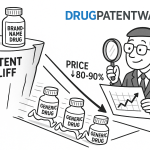
The first generic applicant to file a substantially complete ANDA with a Paragraph IV certification on all listed patents earns 180-day exclusivity if it either wins on the merits or reaches a court-recognized patent judgment. During that window, FDA cannot approve any subsequent ANDA for the same drug. The practical result is a duopoly: the brand and the first generic, typically pricing at 20% to 40% below the brand initially, before multiple generics enter and drive prices to 80% to 90% below brand levels.
For a drug with $2 billion in annual U.S. sales, the first generic might capture 40% market share during the 180-day window at a price 30% below brand. That translates to roughly $160 million in net revenue across six months for a product that cost maybe $25 million to develop and litigate. The asymmetric return profile is why sophisticated generic manufacturers, including Teva, Mylan (now Viatris), Apotex, and Dr. Reddy’s, invest aggressively in PIV filing and litigation capabilities. A single successful first-filing challenge against a blockbuster can fund an entire year of R&D and litigation across the rest of the portfolio.
The ‘forfeiture’ provisions added by the Medicare Modernization Act in 2003 can strip a first-filer of its exclusivity if it fails to market its product within prescribed timeframes or if the relevant patents are found invalid or not infringed in a court judgment obtained by a subsequent ANDA filer. Managing forfeiture risk is a distinct commercial and legal function at major generic companies, requiring close coordination between the legal team, the FDA regulatory affairs group, and the commercial launch planning team.
Key Takeaways: Part III
Hatch-Waxman’s financial architecture makes PIV litigation economically rational for every major blockbuster. The 45-day response clock demands that brand companies maintain standing litigation-readiness, not just a file of patents. Secondary formulation and device patents, as the Humira case demonstrates, often carry more commercial value in late life-cycle stages than the original compound patents. The 180-day first-filer exclusivity is a substantial asset in generic portfolio planning and should be factored into capital allocation decisions with explicit NPV modeling.
Part IV: BPCIA and Biologic Patent Strategy
The Structural Complexity of Biologic IP Protection
Biologics present IP protection challenges that have no equivalent in small-molecule pharmaceuticals. The active ingredient in a biologic — a monoclonal antibody, fusion protein, enzyme replacement therapy, or gene therapy vector — cannot be precisely characterized by molecular formula alone. Its therapeutic properties emerge from post-translational modifications, glycosylation patterns, higher-order structure, and the cellular system used to express it, all of which are products of the manufacturing process as much as the primary amino acid sequence. This inseparability of product and process is the structural basis for the BPCIA’s distinct approach to patent protection and the reason why process patents dominate biologic IP estates.
A major monoclonal antibody product typically carries patent protection across four categories. Composition-of-matter patents cover the antibody itself, defined by sequence, CDR structure, or binding characteristics. Manufacturing process patents cover cell line construction, fermentation conditions, purification sequences, and analytical methods. Formulation patents cover the liquid or lyophilized vehicle that keeps the protein stable over its shelf life. Method-of-use patents cover specific dosing regimens, patient populations, combination therapies, and disease indications developed through clinical programs.
Genentech’s bevacizumab (Avastin) patent estate illustrates the layered structure. The original anti-VEGF antibody patents were filed in the early 1990s. By the time FDA-approved bevacizumab biosimilars began reaching market in 2017 and 2018, Genentech had prosecuted additional patents covering the anti-VEGF Fab arm’s specific epitope mapping data, the humanization approach, and manufacturing process improvements developed over two decades of commercial production. Each of those secondary filings required potential biosimilar entrants to analyze non-infringement separately, effectively increasing the due diligence burden and the cost of entry.
The BPCIA Patent Dance: Structure, Optionality, and Strategic Choices
The BPCIA’s information exchange process, codified at 42 U.S.C. Section 262(l), is structurally different from the Hatch-Waxman Orange Book system in ways that have significant strategic consequences. There is no statutory list equivalent to the Orange Book for biologics. Instead, the biosimilar applicant initiates a defined exchange sequence by providing the reference product sponsor with a copy of its biologics license application (BLA) and manufacturing information. The reference product sponsor then has 60 days to identify patents it believes could be infringed. The applicant responds with invalidity and non-infringement positions. The sponsor replies with its infringement contentions. The parties then negotiate which patents will be litigated in a first wave within 30 days.
The entire sequence is largely optional for the biosimilar applicant. Amgen v. Sandoz (Supreme Court 2017) resolved the central optionality question by ruling that biosimilar applicants are not required to participate in the information exchange, though forgoing it affects what notice requirements apply and can accelerate the reference product sponsor’s ability to seek a preliminary injunction. The practical consequence is that sophisticated biosimilar developers analyze the exchange optionality strategically, sometimes engaging fully to force the sponsor to commit to a first-wave patent list and reserve other patents for later, and sometimes bypassing the exchange to deny the sponsor pre-litigation discovery into their manufacturing process.
There is no automatic 30-month stay in the BPCIA. This is commercially significant. For biosimilar developers, it means that FDA approval can proceed while patent litigation is ongoing, enabling an at-risk launch if the biosimilar developer judges its non-infringement or invalidity position to be strong. The reference product sponsor’s remedy in that scenario is either a preliminary injunction or, if the final judgment is in their favor, damages from the at-risk commercial sales period. The at-risk launch calculus for biologics thus requires explicit probability-weighted modeling of injunction likelihood and potential damages exposure, both of which are substantially uncertain before Markman.
Biologic Life-Cycle Management: The Technology Roadmap
Brand biologic manufacturers deploy a technology roadmap for life-cycle management that is more capital-intensive than the small-molecule analog, but also more defensible because the science genuinely advances at each stage.
Device and administration route innovations are the most commercially impactful second-generation biologic IP. The transition from intravenous infusion to subcutaneous self-injection, executed by Roche for tocilizumab (Actemra) and by Janssen for infliximab through the development of Simponi, substantially extended the commercial life of those franchises while generating genuinely patient-beneficial innovations. The device IP covering autoinjectors, prefilled syringes, and wearable patch injectors is device-category IP, not drug-category IP, which means it requires separate prosecution strategy and is subject to different validity standards, including the medical device prior art universe.
Formulation stability innovations extending shelf life, enabling room-temperature storage, or eliminating reconstitution steps are scientifically non-trivial and frequently patentable with adequate comparative data. The IP value of a formulation that allows refrigerator-stable storage versus the prior frozen product depends on whether the stability profile was achieved through a genuinely inventive approach or through routine formulation screening, a question that becomes the core of validity disputes over these secondary filings.
Biosimilar interchangeability designation, established by the FDA’s guidance finalized in 2019 and updated in 2021, requires the biosimilar applicant to demonstrate through switching studies that alternating between the reference product and the biosimilar produces no greater immunogenicity or clinical risk than continuous use of the reference product. Interchangeability is commercially critical because it allows pharmacists in most states to substitute the biosimilar without prescriber sign-off. The reference product sponsor’s ability to delay interchangeability designation by raising manufacturing complexity arguments or commissioning independent immunogenicity studies has been used as a life-cycle management tool. It is not a patent strategy per se, but it operates in the same commercial register.
Biosimilar IP Valuation: What the Reference Product Sponsor Is Actually Defending
The IP estate of a reference biologic should be valued not at the whole product level but by stratifying exclusivity risk by patent layer. Compound patents, if still in force, typically carry the lowest invalidity risk but are the easiest to design around for a biosimilar developer who can demonstrate structural non-infringement through sequence differentiation. Process patents carry higher invalidity uncertainty but can be extremely hard to infringe-around if the biological expression system and purification sequence are broadly claimed and genuinely innovative. Formulation patents, particularly those protecting the dominant commercial formulation, may be the highest commercial-value IP in the estate because a biosimilar that cannot match the reference product’s device-delivered formulation faces a real commercial disadvantage regardless of structural equivalence.
For an institutional investor building a biologic revenue model, the key due diligence question is: at which patent layer is the first significant challenge likely to succeed, and what is the revenue impact of biosimilar entry at that point? A biologic whose compound patent expires in two years but whose subcutaneous formulation patent runs seven years longer, backed by a strong invalidity defense, deserves a materially different revenue ramp-down assumption than one whose entire patent estate is concentrated in a single compound patent family.
Key Takeaways: Part IV
Biologic IP protection is multi-layered by necessity, not by choice, because the product and the process are inseparable. The BPCIA’s optional patent dance creates asymmetric information dynamics that both sponsors and biosimilar applicants exploit strategically. Biosimilar interchangeability designation is a commercial extension mechanism worth modeling in biologic revenue projections. IP valuation for biologics must stratify by patent layer and quantify exclusivity risk independently for each ring.
Part V: The Litigator’s Playbook — Innovator Strategy
Pre-Litigation Preparation: The Intelligence Infrastructure
The strategic asymmetry between a prepared brand and a reactive one is largest in the pre-litigation phase. A company that identifies a likely Paragraph IV filer six months before the notice letter arrives, models the challenger’s probable non-infringement and invalidity arguments based on their ANDA application type and formulation capabilities, and pre-selects outside counsel and technical expert witnesses is in a fundamentally different position from one that reads the notice letter for the first time on the day it arrives.
Competitive intelligence infrastructure for IP purposes covers several data streams. ANDA filings, which are not publicly disclosed but whose existence can be inferred from FDA activity, patent certification databases, and biosimilar BLA filings, are the primary leading indicator. Clinical trial registries, particularly ClinicalTrials.gov, are underused as an early warning system. A generic company conducting a bioequivalence study is, by definition, far advanced in its ANDA preparation. The IND for that bioequivalence study, filed 18 to 24 months before the anticipated ANDA submission, is a visible data point if the IP team knows where to look.
Specialized patent intelligence platforms, including DrugPatentWatch, provide integrated views of patent listings, ANDA paragraph certification history, litigation dockets, and PTAB proceedings across specific drug products. The practical value of these services is in aggregating signals that, individually, require hours of manual database searching to compile. An IP analyst can, in minutes, identify which generic companies have already filed PIV certifications on related molecules in the same therapeutic class, which outside law firms are active in that space, and which expert witnesses have recently testified in analogous Markman proceedings. That context shapes everything from the litigation budget forecast to the claim construction brief strategy.
The Markman Hearing: Winning Before Trial
Claim construction is, with some frequency, the last meaningful event before settlement. A Markman ruling that interprets key patent claim terms broadly tends to increase infringement exposure for the generic and validity exposure for the brand. A narrow construction typically reduces infringement but helps the brand against invalidity attack. Judges in patent-heavy districts like Delaware have issued thousands of Markman orders, and their individual interpretive methodologies, reliance on intrinsic versus extrinsic evidence, treatment of specification examples, and application of disclaimer doctrine, are knowable in advance through careful opinion analysis.
The preparation for a Markman hearing starts at claim drafting and continues through prosecution. By the time the hearing approaches, it involves constructing a detailed claim construction chart, briefing the judge on technical background accessible to a non-scientist, and presenting the court with a coherent narrative about what the inventors actually invented and why their chosen language reflects that scope. Technical tutorials, now standard practice in complex pharma cases, serve as the advocate’s opportunity to frame the interpretive baseline before a single disputed term is argued.
The intrinsic record, meaning the patent specification, prosecution history, and related family members, controls claim construction under Phillips v. AWH (Federal Circuit 2005). Extrinsic evidence, including expert testimony and technical dictionaries, is permissible but secondary. The practical implication for both sides is that prior art, dictionary definitions, and expert opinions about industry usage matter less than what the patent document itself says and what was argued before the USPTO. Coaching a technical expert witness to opine on claim construction meaning in ways that contradict a clear specification statement is a strategy that tends to backfire with experienced judges who have read the file wrapper.
Proving Infringement: The Literal and Equivalents Frameworks
Literal infringement requires that every element of at least one asserted claim be present in the accused product, exactly as the claim language specifies. For drug product claims, this is often a straightforward structural chemistry question: does the generic’s formulation contain the claimed polymer at the claimed concentration range? The challenge arises when the generic has engineered around a specific claimed element. A formulation patent claiming HPMC as the release-controlling polymer at 15% to 25% w/w may be literally avoided by the generic who uses HPMC at 12% supplemented with HEC. The brand’s response is the doctrine of equivalents.
Infringement under the doctrine of equivalents requires showing that the accused element performs substantially the same function, in substantially the same way, to achieve substantially the same result — the classic ‘function-way-result’ test from Graver Tank (Supreme Court 1950). The prosecution history estoppel analysis under Festo determines whether this doctrine is available for each potentially equivalent element. When estoppel bars the equivalents argument entirely, the brand must either find literal infringement or accept that its patent does not reach the accused product.
For biologic reference product sponsors, proving infringement of process patents against a biosimilar developer presents a distinct evidentiary challenge. The process is typically performed in the biosimilar developer’s manufacturing facilities, often overseas, and is not directly observable. Section 295 of the Patent Act creates a burden shift: if the patentee can establish that the accused infringer was reasonably likely to have used the patented process and the patentee made a reasonable effort to obtain proof of infringement, the court may order the accused infringer to prove they did not use the patented process. Using the BPCIA information exchange to obtain manufacturing data is one mechanism for gathering process infringement evidence. Seeking it through Section 295 discovery in district court is another.
Defending Validity: Obviousness Under KSR and Secondary Considerations
The most litigated validity issue in pharmaceutical patent disputes is obviousness under 35 U.S.C. Section 103. Post-KSR International v. Teleflex (Supreme Court 2007), the analysis has moved away from a rigid ‘teaching-suggestion-motivation’ test toward a more flexible, common-sense inquiry that considers whether a skilled artisan would have had a reasonable expectation of success in combining prior art references to reach the claimed invention. KSR’s emphasis on predictable combinations and ‘obvious to try’ arguments has made polymorph, enantiomer, and formulation patents substantially harder to defend when the prior art discloses the starting materials and the technique for reaching them is routine.
The most effective defense tool against an obviousness challenge is secondary considerations evidence, known in some circuits as ‘objective indicia of non-obviousness.’ Commercial success is probative when there is a nexus between the claimed invention and the commercial performance — the drug sold because it had properties covered by the patent, not because of the brand’s marketing spend. Unexpected results are frequently dispositive for formulation patents: if a controlled-release matrix produces a pharmacokinetic profile that a skilled formulator would not have predicted from known release kinetics models, that unpredictability is evidence of inventive step. Long-felt need, documented by failed prior attempts in the published literature, is powerful evidence that the solution was not obvious even if it appears straightforward in retrospect.
Collecting and preserving this evidence requires foresight. A company that has detailed laboratory notebooks documenting failed prior formulation attempts, internal R&D reports characterizing unexpected bioavailability data, and contemporaneous market research establishing that the therapeutic need was unmet before the innovation, will have far better secondary considerations evidence at trial than one that relied on the final patent specification as its only documentation.
Investment Strategy Note: A pending Paragraph IV case where the brand has strong, well-documented secondary considerations evidence should be risk-adjusted differently from one where the patent’s obviousness defense depends solely on legal argument about prior art gaps. Secondary considerations are outcome-predictive variables that analysts can assess through patent prosecution history review and R&D documentation requests during diligence.
Part VI: The Challenger’s Playbook — Generic and Biosimilar Strategy
Freedom-to-Operate Analysis as the Foundation of the Challenge Strategy
A serious Paragraph IV challenge begins 18 to 36 months before the ANDA is filed, not when the notice letter is drafted. The FTO analysis is not a binary ‘infringe or not infringe’ assessment. It is a structured mapping of every patent in the brand’s portfolio against the proposed generic product and process, generating a risk matrix that grades each patent by infringement likelihood, validity strength, and commercial importance.
The output of this analysis drives every subsequent decision. Patents assessed as likely invalid and likely infringed become IPR candidates. Patents assessed as likely valid but arguably not infringed by the proposed product drive formulation design choices. Patents assessed as highly likely valid and highly likely infringed either trigger a design-around effort or a decision to seek a license rather than litigate. The FTO matrix is a live document that updates as prosecution history, PTAB decisions, and parallel litigation in other cases develop the relevant legal landscape.
The prior art search that underlies the validity analysis should reach beyond U.S. and EPO patent databases. Relevant prior art for pharmaceutical patents appears in peer-reviewed journals, conference proceedings, symposium abstracts, and Ph.D. dissertations that are systematically underrepresented in automated patent search tools. The discovery of a 1987 journal article describing a structurally related compound with similar activity, or a 1995 conference abstract characterizing a polymorph form with comparable stability, can convert what appeared to be a strong patent into a vulnerable one. FTO teams at serious generic companies retain Ph.D. medicinal chemists and formulation scientists with domain expertise in the relevant drug class to conduct searches that go significantly deeper than algorithmic coverage.
Invalidity Theories: Building the Scientific Case
Anticipation under 35 U.S.C. Section 102 requires that a single prior art reference disclose every element of the claimed invention. In pharmaceutical cases, this typically requires finding a reference that specifically describes either the same compound or the same formulation with all claimed components. Anticipation arguments are generally narrower but stronger than obviousness arguments because a single clean reference is harder to design around in cross-examination than an obviousness combination that requires inferring a motivation to combine.
Obviousness arguments for pharmaceutical patent challenges frequently rely on the ‘lead compound’ analysis framework. The challenger identifies prior art compounds structurally related to the claimed API, argues that a skilled chemist would have selected one of these as a ‘lead compound’ for optimization, and then demonstrates that the claimed compound would have been reached by applying known synthetic and optimization techniques with a reasonable expectation of success. The brand’s response to the lead compound framework typically focuses on either disputing the selection of the proposed lead (arguing the prior art suggested other candidates equally or more strongly) or arguing that the specific modifications required to reach the claimed compound were not predictable from the art. This expert-on-expert battle over scientific prediction and medicinal chemistry intuition is the factual core of most pharmaceutical obviousness trials.
Lack of written description and lack of enablement challenges are most productive for biologic patents with broad genus claims that were filed at an early stage of antibody or protein characterization research. If a patent claims an antibody that binds VEGF with a specific affinity without disclosing more than one or two example sequences, the challenger may argue that the specification does not enable a skilled scientist to make and use the full scope of antibodies encompassing the claim without undue experimentation. The Federal Circuit’s Biogen v. Mylan (2021) decision, invalidating a patent on dimethyl fumarate for lack of written description, reflects the court’s tightening scrutiny of broad functional claims in biological contexts.
Design-Around Engineering: Non-Infringement as Competitive Advantage
The design-around is the generic and biosimilar developer’s most elegant offensive tool. Instead of challenging a valid patent on technical legal grounds, the developer engineers a product that achieves equivalent therapeutic performance through a mechanism or formulation that falls outside the patent claims. A successful design-around converts a legal fight into a scientific one, where the developer’s formulation expertise rather than its litigation budget determines the outcome.
For oral solid-dose formulations, design-arounds typically involve substituting different release-controlling polymers, changing excipient ratios to fall outside specifically claimed ranges, or altering the manufacturing process to produce a different physical structure while maintaining bioequivalence. A controlled-release formulation patent claiming a specific osmotic pump mechanism can be designed around by developing a matrix-based formulation that achieves the same extended-release profile through a different mechanism, provided the resulting product meets bioequivalence criteria.
For biologics, the design-around concept is more complex because the structural characterization of a biosimilar is inherently constrained by the need to demonstrate biosimilarity to the reference product. However, there is room to engineer around formulation patents by developing alternative stabilizing excipient systems, around device patents by using different delivery mechanisms, and around process patents by employing cell lines, expression systems, or purification sequences that are demonstrably outside the claimed process steps.
The Markman hearing is also a strategic design-around opportunity for challengers. If the court construes a key claim term narrowly as a result of arguments the challenger makes in its Markman brief, the challenger may find itself with more non-infringement room than it had at the start of the case, enabling a pivot from a validity-focused to a non-infringement-focused trial strategy.
Key Takeaways: Part VI
FTO analysis is not litigation preparation. It is product development strategy, and it should begin years before ANDA filing. Prior art searches must go beyond automated patent databases to capture journal and conference literature. Design-around engineering is a competitive advantage that reduces litigation risk while preserving market entry prospects. Validity challenges at the PTAB, calibrated against district court estoppel risk, should be part of every serious PIV challenger’s playbook.
Part VII: PTAB Inter Partes Review — The Two-Front War
IPR as a Parallel Invalidity Forum: Institutional Mechanics
The America Invents Act of 2011 created the Patent Trial and Appeal Board as an administrative tribunal within the USPTO with authority to conduct adjudicative proceedings for post-grant patent challenges. The inter partes review proceeding, governed by 35 U.S.C. Sections 311 to 319, allows a third party to petition for review of an issued patent’s validity based on prior art consisting of patents or printed publications. The PTAB applies a ‘preponderance of the evidence’ standard for unpatentability, in contrast to the ‘clear and convincing evidence’ standard that governs validity challenges in district court under 35 U.S.C. Section 282.
The institution decision, made within three months of the petition filing date, requires the PTAB to find that the petitioner has demonstrated a ‘reasonable likelihood’ of prevailing on at least one challenged claim. Institution rates across all technologies have historically run between 60% and 70% of petitions filed, though pharmaceutical patent IPRs, particularly those targeting formulation and method-of-use patents, have seen somewhat higher institution rates in recent years.
Once instituted, the trial proceeds through a discovery period, oral argument, and a final written decision within 12 months of institution (with limited extensions). PTAB administrative patent judges, who hold advanced technical degrees and have deep prosecution and litigation experience, bring a different analytical perspective to claim validity than generalist district court judges. This expertise can cut both ways: APJs may be more receptive to technically sophisticated obviousness arguments that a generalist judge might find confusing, but they are also less likely to be persuaded by superficially appealing claim construction games.
The NHK-Fintiv Framework: Discretionary Denial and Its Commercial Impact
The PTAB’s authority to deny institution as a matter of discretion, even when the petition clears the ‘reasonable likelihood’ threshold on the merits, has become one of the most consequential and contested aspects of PTAB practice. The Apple v. Fintiv framework, elaborated in a series of precedential PTAB orders beginning in 2020, directs the Board to consider six factors when a parallel district court proceeding is pending, including the proximity of the trial date, the extent to which the district court case and IPR proceedings overlap, the relationship between the petitioner and defendant, and the filer’s diligence in filing the IPR.
For pharmaceutical challengers, the Fintiv framework creates a timing dilemma. Filing an IPR petition early maximizes the probability of institution before a district court trial date is set and the Fintiv factors weigh against institution. But filing early may mean the petition is based on a less complete analysis of the prosecution history and prior art than would be possible after district court discovery. The balancing act between early filing and petition quality is a case-by-case judgment requiring close coordination between PTAB counsel and district court counsel.
The USPTO’s 2022 interim guidance on Fintiv, issued by the Biden administration, and subsequent modifications under the post-2024 policy environment, have added further uncertainty to discretionary denial doctrine. IP teams at both brand and generic companies should maintain current awareness of the evolving PTAB institutional policy as it materially affects strategy for any pending or anticipated IPR petition.
Estoppel Architecture: What You Say at the PTAB Can Close Doors in Court
The estoppel provision of 35 U.S.C. Section 315(e)(2) is the most significant structural constraint on IPR strategy. If an IPR petitioner fails to raise a ground of invalidity that it raised or reasonably could have raised in the IPR, it is estopped from asserting that ground in a subsequent district court proceeding, ITC investigation, or another USPTO proceeding. The scope of ‘reasonably could have raised’ has been interpreted broadly by most courts to include any ground that was based on prior art known to the petitioner at the time of the IPR.
The estoppel architecture demands that the generic challenger make deliberate, informed choices about which invalidity theories to advance at the PTAB. A challenger with a strong non-obviousness argument based on a rare scientific journal article and a separate ‘on-sale bar’ argument based on evidence that the inventor commercially sold the compound before the critical date faces a choice. The on-sale bar argument cannot be raised in an IPR (IPRs are limited to prior art patents and printed publications under Section 311(b)). The journal article-based obviousness can be raised. Filing the IPR on the journal article argument, if unsuccessful, creates estoppel that bars all prior art-based invalidity grounds that could have been raised at the PTAB. Preserving the on-sale bar for district court is rational but requires not filing the IPR at all, or filing it only on grounds that the petitioner is confident will succeed.
Post-Grant Review as a Broader Invalidity Weapon
Post-grant review under 35 U.S.C. Sections 321 to 329 allows challenges on any ground of invalidity, including Section 101 patent eligibility, Section 112 written description and enablement, and prior public use, in addition to the prior art grounds available in IPR. The narrow time window, PGR must be filed within nine months of patent issuance, limits its use to recently granted patents.
For pharmaceutical challengers monitoring a brand’s Orange Book listings, PGR petitions on newly issued secondary patents (formulation, method-of-use, device combination) filed within nine months of grant can be powerful tools for early invalidity resolution. A PGR that invalidates a formulation patent before the ANDA is even filed effectively eliminates that patent from the Hatch-Waxman calculation, reducing both litigation complexity and the brand’s potential stay-triggering arsenal.
Investment Strategy Note: When a PTAB IPR is instituted on a key revenue-generating pharmaceutical patent, historical data from the USPTO supports the following rough probability distribution: approximately 40% of instituted IPR petitions result in all challenged claims being cancelled, approximately 30% result in some claims cancelled and some confirmed, and approximately 30% result in all challenged claims being confirmed. These base rates, adjusted for technology class, the strength of the prior art, and the claim breadth at issue, provide a Bayesian prior for adjusting patent exclusivity probability estimates in DCF models.
Part VIII: Global Patent Litigation Strategy
The Jurisdictional Mosaic: U.S., Europe, and Asia
A pharmaceutical patent covering an important drug is economically relevant in perhaps 15 to 20 major markets. The legal regimes governing that patent in each market are distinct, and a litigation result in one jurisdiction is not binding in another. Managing this mosaic requires explicit prioritization: which jurisdictions are commercially most important, which offer the most patent-holder-favorable legal frameworks, and which are likely to see challenges that could create adverse precedent affecting other jurisdictions.
The United States remains the single most important market for patent litigation outcomes because of its market size, its damages regime (which allows for lost profits or reasonable royalty recovery from commercial infringement), and the financial incentives built into Hatch-Waxman that make U.S. PIV challenges both inevitable and high-stakes. The District of Delaware and the District of New Jersey together handle the majority of Hatch-Waxman cases, and both have developed specialized local patent rules, experienced patent judges, and a body of precedent that enables more predictable litigation management than in less patent-active districts.
The European patent landscape has been transformed by the Unified Patent Court, which became operational in June 2023 following years of political delay. The UPC provides a single forum for litigation across 17 EU member states (as of mid-2024, with additional states expected to join). A UPC judgment on infringement or validity applies in all participating states simultaneously, dramatically raising the stakes of both victories and defeats. The UPC’s Court of First Instance has divisions in several cities, with the Paris and Munich central division handling revocation actions and the local divisions in individual member states handling infringement claims.
For pharmaceutical patentees, the UPC creates a genuine strategic decision at patent filing: whether to opt out a European patent from UPC jurisdiction, preserving the old national-court-by-national-court litigation system, or to allow it to fall under UPC jurisdiction. Opting out protects against a UPC-wide revocation finding but foregoes the efficiency of a single UPC-wide injunction. The opt-out election is irrevocable, requiring a forward-looking judgment about where the balance of advantage lies for each specific patent family. High-value patents with strong prosecution histories and robust claim construction arguments may benefit from UPC jurisdiction if the patentee is confident in a strong infringement finding. Patents with validity vulnerabilities may warrant opt-out to avoid a single adverse decision wiping them across the entire EU simultaneously.
European Bifurcation and the Injunction Gap
Before the UPC’s operation, patent litigation in Germany operated under a bifurcated system in which infringement proceedings before the regional civil courts (Landgerichte) and validity proceedings before the Federal Patent Court (Bundespatentgericht) ran separately and on different timelines. German infringement courts typically move much faster than validity proceedings, creating a scenario in which a patentee could obtain an injunction against generic or biosimilar sales before a validity decision was reached. This ‘injunction gap’ was a powerful commercial tool for patent holders operating in Germany.
The UPC’s rules provide for a ‘bifurcation’ option under Article 33 of the UPC Agreement, but the Court’s developing practice has generally favored keeping infringement and validity in the same proceedings, reducing the classic injunction gap risk. Early UPC decisions suggest the court is inclined to grant preliminary injunctions in pharmaceutical cases where the patentee demonstrates a high likelihood of success on validity and infringement, though the standard is still developing through its case law.
India, China, and the Emerging Market Dimension
India’s patent system is specifically relevant to pharmaceutical patent strategy because of two structural features. Section 3(d) of the Patents Act 1970, as amended in 2005, bars patent protection for new forms of known substances unless they demonstrate ‘enhanced efficacy.’ Polymorphs, enantiomers, and combinations of known compounds face higher patentability barriers in India than in the U.S. or Europe. Novartis AG v. Union of India (Supreme Court 2013), rejecting Novartis’s patent on the beta-crystalline form of imatinib mesylate (Gleevec), established that Section 3(d) imposes a substantive efficacy improvement requirement, not merely a novelty and obviousness test. Global innovators with secondary pharmaceutical patents should model the Indian patent outcome separately rather than assuming U.S. or EPO patent success translates to India.
China’s patent system has undergone rapid development since the 2021 Patent Law amendments, which introduced a linkage system analogous (though not identical) to Hatch-Waxman, IP-specialized courts in Beijing, Shanghai, and Guangzhou, and enhanced damages provisions including punitive damages for willful infringement up to five times the reasonable compensation. China’s ‘patent linkage’ system, promulgated under the Implementing Measures for Drug Marketing Authorization Holder Patent Resolution, requires generic applicants to declare their patent certification status and provides a nine-month window for the patentee to file an infringement suit and obtain a stay of generic approval. This structural parallel to Hatch-Waxman makes China an increasingly important jurisdiction for active pharmaceutical patent litigation strategy, not merely a jurisdiction for defensive IP filing.
Key Takeaways: Part VIII
Global pharmaceutical patent strategy requires jurisdiction-by-jurisdiction analysis of both legal framework and commercial importance. The UPC has fundamentally changed European patent risk, creating both new centralized opportunities for infringement enforcement and new centralized vulnerability to invalidity findings. India’s Section 3(d) requires explicit modeling for secondary pharmaceutical patents. China’s developing patent linkage system merits active litigation strategy integration into global product defense planning.
Part IX: Settlement Economics, Antitrust Constraints, and Authorized Generics
The Financial Logic of Settlement
The observable fact that between 70% and 80% of Hatch-Waxman patent cases settle before a merits judgment reflects a rational economic calculation on both sides, not weakness or accommodation. A brand company facing a 30% probability of total loss at trial, where loss means generic entry three to five years ahead of natural patent expiry, faces an expected value of early generic entry that may be higher than the NPV cost of a negotiated entry date one to two years before patent expiry. The generic challenger facing a 60% probability of winning at the PTAB but a 40% probability of losing and facing an at-risk launch damages award may prefer a certain entry date with licensed market access to a binary outcome gamble.
Settlement structures in Hatch-Waxman cases take several commercially legitimate forms. An agreed-upon entry date, earlier than patent expiry but later than would occur without litigation, gives the brand a defined exclusivity period and the generic a certain entry date, eliminating litigation risk on both sides. A brand-supply authorized generic arrangement, under which the brand supplies its own product in generic form to the first-filing challenger, gives the challenger branded-quality economics while allowing the brand to share in the generic market revenue it would otherwise lose entirely. A royalty-bearing license, structured at an arm’s-length rate reflecting the parties’ relative litigation risk positions, converts the patent’s exclusivity value into a negotiated cash flow stream.
Reverse Payments, FTC v. Actavis, and the Antitrust Boundary
The Supreme Court’s 2013 decision in FTC v. Actavis established that reverse payment settlements, where the brand company pays the generic challenger to abandon or delay its patent challenge, can constitute an antitrust violation under the rule of reason and are not automatically shielded from antitrust scrutiny by the scope of the patent. Actavis involved a $30 million annual payment by Solvay to Watson Pharmaceuticals in exchange for Watson agreeing not to market a generic version of Androgel for a defined period. The Court held that the FTC could challenge this arrangement under Section 1 of the Sherman Act, with the size of the payment serving as evidence of the value the brand company placed on avoiding competition.
The practical consequence of Actavis for settlement structuring is that any settlement term that functions as payment from brand to generic, including non-cash value transfers such as reverse-royalty arrangements, co-promotion agreements, supply contracts at above-market prices, or agreements not to market an authorized generic during the first-filer’s 180-day exclusivity window, requires antitrust risk assessment. The FTC maintains active oversight of pharmaceutical patent settlements and receives copies under the Medicare Modernization Act’s reporting requirements. The enforcement risk is not theoretical. Several post-Actavis consent decrees and civil settlements have been reached between the FTC and pharmaceutical companies over settlement structures the agency viewed as de facto reverse payments.
The operationally safe settlement is one where the brand receives full patent term protection (i.e., no pre-expiry entry) or an entry date that reflects a genuine, litigation risk-adjusted compromise and where no cash or material non-cash value flows from brand to generic beyond reasonable cost-sharing or arms-length commercial terms.
Investment Strategy Note: From an investor standpoint, a brand company that enters into a reverse payment settlement has effectively disclosed that it perceives its patent as commercially valuable enough to pay for its continuation but vulnerable enough to require payment for defense. That combination, high commercial value plus patent vulnerability, is exactly the risk profile that should be reflected in a haircut to the full exclusivity revenue projection.
Part X: Emerging Frontiers — Cell/Gene Therapy IP, AI in Litigation, and Personalized Medicine Patents
Cell and Gene Therapy Patent Complexity
CAR-T therapies, AAV gene therapies, and ex vivo gene editing approaches present patent law with structural problems it has not fully resolved. A CAR-T product like tisagenlecleucel (Kymriah) involves a patient’s own T cells collected by leukapheresis, genetically modified with a vector encoding a CD19-targeted chimeric antigen receptor, expanded in culture, and reinfused. The ‘product’ is unique to each patient batch. The patent claims that matter commercially cover the CAR construct, the vector design, the manufacturing process, the transduction method, and the method of treating the patient.
The method-of-treatment patents in CAR-T raise a novel infringement question: who infringes the method? If the treatment center, not the manufacturer, performs the final steps of the patented process inside the patient, the treatment center may be the direct infringer and the manufacturer the indirect (induced or contributory) infringer. The induced infringement theory, which requires knowledge of the patent and intent to induce infringement as established in Global-Tech Appliances v. SEB SA (Supreme Court 2011), applies when the manufacturer’s instructions and technical support to the treatment center can be characterized as intentional inducement of the treatment protocol.
Gene therapy IP adds the further complexity of natural product patent eligibility under 35 U.S.C. Section 101, as clarified by the Supreme Court in Association for Molecular Pathology v. Myriad Genetics (2013). Naturally occurring gene sequences are not patent-eligible. A viral vector carrying a corrective gene copy may be eligible if the vector construct is sufficiently modified from the naturally occurring sequence to constitute a non-natural composition of matter. The claim drafting and prosecution strategy for gene therapy IP requires careful navigation between eligibility and sufficient claim breadth to provide meaningful commercial protection.
For IP teams at companies developing or acquiring cell/gene therapy assets, the standard due diligence framework for patent validity and infringement analysis is necessary but insufficient. The FTO analysis must also address freedom to use background IP in the foundational technology stack: CRISPr-Cas9 base editing patents (the Broad Institute and UC Berkeley patent family dispute has cost tens of millions in legal fees and is a cautionary lesson in field-of-use licensing complexity), AAV serotype and capsid patents, and lentiviral vector design IP. Licensing costs for foundational cell/gene therapy IP can run to mid-single-digit percentage royalty stacks that materially affect the commercial economics of a therapy with $500,000-plus per-patient pricing.
AI-Powered Litigation Analytics: Capabilities and Limitations
Machine learning tools applied to pharmaceutical patent litigation data can now produce statistically grounded predictions of claim construction outcomes, institution rates at PTAB by technology class and judge panel composition, and settlement probability as a function of case age and procedural posture. Lex Machina, Docket Navigator, and specialized patent analytics platforms aggregate and model this data at scale.
The practical utility of these tools is highest in two applications. First, judge-specific analytics: in patent-heavy districts like Delaware, where a relatively small number of judges collectively decide thousands of patent cases, prior Markman rulings and trial outcomes for each judge constitute a meaningful dataset for predicting how disputed claim terms are likely to be construed. Second, expert witness analytics: tracking the prior testimony record of expert witnesses across multiple cases, including their own prior published positions and prior deposition testimony, gives litigation counsel detailed preparation material and allows early identification of potential inconsistencies in the expert’s positions.
The limitations are equally important to flag. Litigation outcome prediction models are backward-looking and may not adequately reflect recent doctrinal shifts. The Federal Circuit’s patent eligibility jurisprudence has been in flux since Mayo, Alice, and Myriad, and the agency-specific PTAB policy shifts under successive USPTO Directors have produced discontinuities in institution rate data that reduce the predictive value of models trained on pre-shift data. AI tools support, but do not replace, experienced litigation judgment.
Personalized Medicine and the Future of Method-of-Use IP
Companion diagnostic patents, which cover the method of selecting patients for treatment based on a biomarker test result, represent one of the most commercially important categories of pharmaceutical IP being generated today. The method of treating NSCLC patients with an EGFR mutation using gefitinib, the method of treating HER2-positive breast cancer with trastuzumab — these method-of-use claims are what gave Herceptin’s label exclusivity commercial durability well past the antibody compound patent.
As precision medicine advances, the diagnostic-therapeutic co-development model is generating increasingly specific patient-selection patents that are both highly valuable and legally complex. A patent claiming ‘treating a patient who tests positive for biomarker X with compound Y’ is a method-of-use patent where infringement requires proving that physicians are inducing the patented use by following the prescribing label. If the FDA requires the companion diagnostic as a condition of approval, the label itself becomes the inducement document, strengthening the infringement case. If the diagnostic is recommended but not required, the infringement theory becomes more complex, relying on prescriber prescribing behavior data and market research to establish that induced infringement is occurring at scale.
The patent eligibility question for companion diagnostic claims under Section 101 remains an open circuit split risk. Claims that closely parallel the ‘observe a natural phenomenon, apply a conventional treatment’ structure invalidated in Mayo Collaborative Services v. Prometheus Laboratories (Supreme Court 2012) are vulnerable. Prosecution and claim drafting for companion diagnostic IP requires careful structural differentiation from the Mayo pattern, typically by framing the claims around the specific diagnostic methodology and its combination with specific treatment regimens rather than around the natural biomarker relationship itself.
Part XI: End-to-End Settlement Strategy and Case Resolution
When to Fight, When to Settle, and How to Sequence the Analysis
Every pharmaceutical patent dispute should be subject to a formal, regularly updated litigation risk assessment. This is not a one-time exercise at case initiation. It is a living analytical document that recalibrates after every major case event: Markman order, PTAB institution or denial, fact discovery close, expert report exchange, and any dispositive motion ruling.
The risk assessment framework quantifies three variables: probability of winning on infringement, probability of surviving validity challenges, and the commercial value differential between winning and losing. These variables interact multiplicatively: a 70% probability of proving infringement and a 60% probability of surviving validity translates to a 42% probability of full success on both issues. The commercial value at stake in that 42% scenario, compared to the certain cost of continued litigation and the value of a negotiated settlement, produces an expected value calculation that can objectively drive the settlement decision.
Key inflection points that typically shift settlement dynamics: a Markman order that construes claims narrowly (increases validity survival probability but decreases infringement probability, net effect depends on the specific claim terms); PTAB institution of an IPR petition (signals patent vulnerability, shifts negotiating leverage toward challenger); approach of the 30-month stay expiration with no trial date set (creates urgency for the brand, which needs either a judgment or a preliminary injunction to maintain exclusivity); and a large damages award in a related case involving the same technology (raises stakes for both sides).
Key Takeaways: Part XI
Settlement analysis is a quantitative discipline, not a negotiating instinct. A formal probability-weighted commercial value model should drive settlement timing and structure decisions. Major case events are natural recalibration triggers. Antitrust constraints, particularly the Actavis framework, must be integrated into every settlement structure assessment from the beginning, not after the commercial terms are agreed.
Conclusion: IP Strategy as Competitive Advantage
Pharmaceutical patent disputes are not legal events that happen to companies. They are predictable, financially quantifiable consequences of the R&D and commercialization decisions companies make over the full life of a drug program. The companies that consistently win these disputes, or resolve them on favorable commercial terms, are the ones that treat patent strategy as a continuous, capital-intensive business function rather than a reactive legal service.
The determinants of success span the drug’s entire life: claim drafting that anticipates Markman attacks, prosecution history management that avoids creating estoppel vulnerabilities, Orange Book listing decisions that preserve stay rights, life-cycle management that builds genuine innovation around the core compound, competitive intelligence infrastructure that provides early warning of challenges, and litigation execution across district courts, the PTAB, and international forums. Each of these functions requires different expertise, but they must operate as a coordinated system, governed by a shared model of patent value and exclusivity risk.
The financial stakes are large enough, and the legal frameworks complex enough, that the difference between a good IP strategy and a mediocre one can translate directly to billions of dollars in enterprise value. For portfolio managers and institutional investors, patent exclusivity is not a soft qualitative factor in drug company analysis. It is a quantifiable, modifiable asset position whose risks and duration can be modeled with increasing precision as the legal and scientific record develops. Treating it as such is what separates analytical advantage from consensus.
Master Key Takeaways
Patent exclusivity has a discrete NPV that must be actively modeled in every capital allocation and M&A diligence context, not treated as a binary on/off date. The 45-day Hatch-Waxman response window demands pre-built litigation readiness, including pre-selected outside counsel and identified technical experts, before any notice letter arrives. The Humira case proves that secondary formulation and device IP, not core compound patents, often determines the actual commercial exclusivity duration for blockbuster biologics. PTAB IPR institution rates of 60% to 70%, with subsequent claims cancellation in roughly 70% of instituted proceedings, are the baseline probability inputs for any patent validity risk model. The Markman hearing is frequently the case’s dispositive event, and its outcome depends heavily on prosecution history decisions made during patent prosecution, years before litigation. Secondary considerations evidence, including unexpected results, commercial success with nexus, and long-felt unmet need, are the strongest validity defense tools and must be collected and preserved throughout the R&D process, not reconstructed retroactively for trial. BPCIA patent dance optionality creates strategic asymmetries that both biosimilar developers and reference product sponsors can exploit through deliberate sequencing choices. Global patent strategy requires explicit modeling of each major jurisdiction’s legal framework, including India’s Section 3(d) barrier for secondary patents, China’s developing patent linkage system, and the UPC’s new centralized EU litigation risk. Reverse payment settlement structures carry meaningful antitrust exposure under the Actavis framework and require explicit risk assessment before any non-cash-value transfer is structured. The emerging cell/gene therapy IP landscape, including CAR-T method-of-use claims, gene therapy eligibility, and companion diagnostic Section 101 risk, requires prosecution and FTO strategies that are not yet settled by case law and demand active legal innovation.
Frequently Asked Questions
What is a Paragraph IV certification and why does it trigger litigation?
A Paragraph IV (PIV) certification is a statement filed by a generic drug applicant in an Abbreviated New Drug Application declaring that a listed Orange Book patent is either invalid, unenforceable, or will not be infringed by the proposed generic product. Under 21 U.S.C. Section 355(j)(2)(A)(vii)(IV), this filing is defined by statute as an act of patent infringement, giving the innovator company the right to sue immediately even though no generic product has been sold. If the innovator sues within 45 days of receiving the PIV notice, FDA approval of the generic is automatically stayed for up to 30 months, providing the litigants time to resolve the dispute before generic entry occurs.
How does an inter partes review (IPR) at the PTAB differ from a district court validity challenge?
An IPR is an administrative proceeding before the USPTO’s Patent Trial and Appeal Board, limited to invalidity challenges based on prior art patents and printed publications. The standard for invalidation is preponderance of the evidence, compared to clear and convincing evidence in district court, where patents are presumed valid. IPR proceedings are designed to conclude within 18 months of institution and are generally less expensive than district court trials. The primary trade-off for the petitioner is the estoppel risk: losing an IPR grounds precludes raising those same or ‘reasonably could have raised’ grounds in subsequent district court proceedings.
What makes a patent thicket strategically different from owning a single strong patent?
A patent thicket is a portfolio of overlapping patents covering different aspects of a drug product, including the compound, formulations, methods of use, manufacturing processes, and device delivery components. Each patent in the thicket has a different claim scope, different prosecution history, and different validity vulnerabilities. A challenger seeking market entry must analyze and challenge multiple patents simultaneously, substantially increasing its litigation cost and risk. Even if the challenger invalidates the core compound patent, surviving formulation or method-of-use patents may still block market entry. The strategic value of the thicket is in this multiplication of litigation risk, not in the individual strength of any single patent.
What triggers FTC antitrust scrutiny of a patent settlement?
The FTC v. Actavis (Supreme Court 2013) rule of reason analysis applies when a brand company makes a reverse payment to a generic challenger, defined broadly as any payment or non-cash value transfer from the brand to the generic in connection with the generic agreeing to delay market entry. This includes cash payments, above-market supply agreements, co-promotion arrangements, and agreements not to market an authorized generic during the first-filer’s 180-day exclusivity window. The size of the reverse payment is treated as an indicator of the brand’s perceived patent weakness. Settlements that involve only a generic entry date without any value transfer from brand to generic do not trigger Actavis scrutiny under current law.
How does the BPCIA ‘patent dance’ differ from the Hatch-Waxman notice letter process?
Hatch-Waxman relies on a public Orange Book listing system and requires a formal PIV notice letter when a generic applicant certifies against a listed patent. The BPCIA’s patent dance is a confidential, structured bilateral exchange of the biosimilar’s application and manufacturing data, followed by patent identification and position papers, designed to narrow the litigation issues before any suit is filed. The dance is largely optional for the biosimilar applicant under Amgen v. Sandoz, and there is no automatic stay of biosimilar approval comparable to Hatch-Waxman’s 30-month stay. The BPCIA framework is newer, has less developed case law, and involves a more complex, multi-step process that creates more strategic optionality than the Hatch-Waxman system.
What Section 101 patent eligibility risks apply to companion diagnostic method-of-use claims?
Following the Supreme Court’s Mayo Collaborative Services v. Prometheus Laboratories decision (2012), method claims that amount to ‘observe a natural phenomenon, then apply a conventional treatment’ are patent-ineligible as directed to a law of nature without a meaningful inventive concept. Companion diagnostic claims that tie patient selection purely to the presence of a natural biomarker, without a specific diagnostic methodology or treatment protocol that adds an inventive concept beyond the natural relationship, face Section 101 invalidity risk. Claim drafting that specifies the diagnostic assay method, the specific threshold values used for patient selection, and the particular treatment regimen in detail, rather than claiming the natural biomarker relationship abstractly, is the current best practice for preserving eligibility while achieving meaningful commercial protection.
All figures cited in this analysis reflect publicly reported data and published academic and regulatory sources. This document is for informational purposes only and does not constitute legal or financial advice.