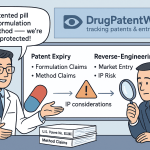
Reverse engineering a branded drug is not simply a chemistry exercise. It is the opening move in a patent litigation chess game that can determine whether a company captures hundreds of millions in first-filer exclusivity or gets blocked by a secondary patent covering a specific polymorphic form, a particle size range, or an excipient ratio that no one spotted during formulation development.
The generic drug industry generated approximately $258 billion in U.S. savings in 2023 alone, according to the Association for Accessible Medicines, and generics accounted for 90% of all U.S. prescriptions dispensed. The commercial pressure to enter markets at or immediately after loss of exclusivity (LOE) is enormous. Yet the window between a successful Paragraph IV filing and actual commercial launch is crowded with technical, regulatory, and litigation risk, most of which originates in the deformulation process itself.
A Paragraph IV certification under 21 U.S.C. 355(j)(2)(A)(vii)(IV) asserts that the listed patents are either invalid or will not be infringed by the generic product. That assertion only holds up if the generic company has an airtight understanding of what it is making and why it does not infringe. Sloppy deformulation produces sloppy ANDA data, which produces either rejection letters from the FDA’s Office of Generic Drugs (OGD) or patent claims that the generic inadvertently reads on, triggering a 30-month stay and the full weight of a branded company’s litigation budget.
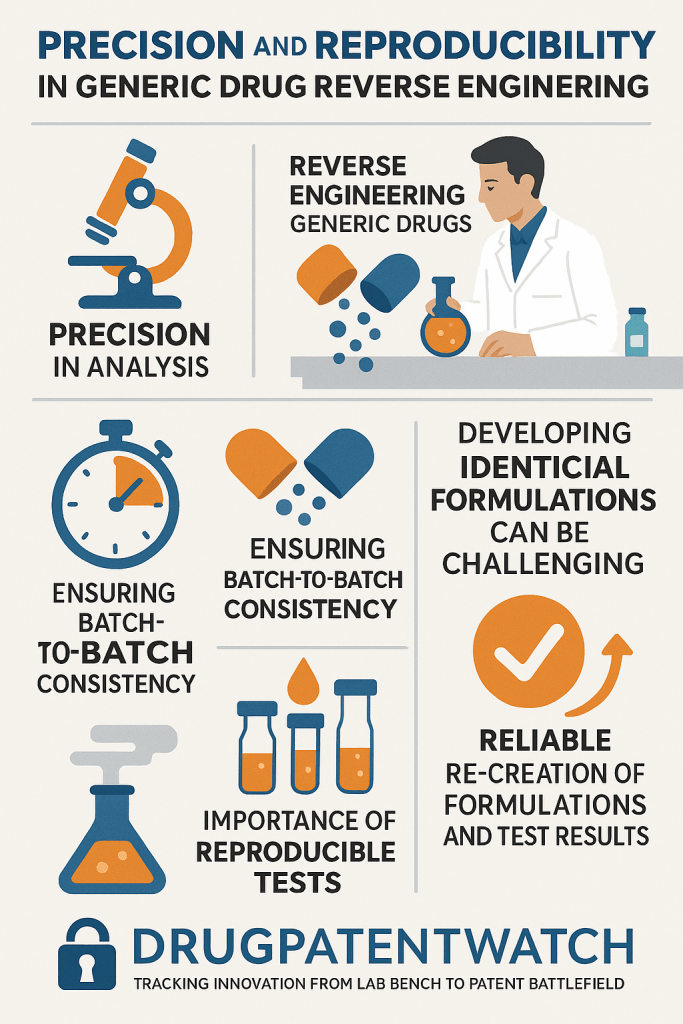
Precision and reproducibility in deformulation are not QA virtues. They are IP defense tools.
Key Takeaways: Deformulation as IP Strategy
Deformulation quality directly determines Paragraph IV defensibility. Companies that invest in thorough analytical characterization before filing can identify design-around opportunities for formulation patents covering excipient ratios, polymorphic forms, and particle size distributions. Companies that do not invest pay for it in FDA Complete Response Letters (CRLs), failed bioequivalence (BE) studies, and patent infringement findings.
2. Pharmaceutical Equivalence and Bioequivalence: The Regulatory Standard
Before any deformulation work begins, the team must be precise about what the regulatory endpoint actually requires. The FDA draws a clear distinction between two concepts that are often conflated.
Pharmaceutical equivalence means the generic contains the same active pharmaceutical ingredient in the same dosage form, the same route of administration, and the same labeled strength. It does not require identical excipients. The FDA permits excipient differences provided the generic can demonstrate that those differences do not compromise safety or performance.
Bioequivalence has a more specific statistical definition. Under 21 CFR 320.1, two products are bioequivalent when the rate and extent of absorption of the active ingredient do not show a statistically significant difference. In practice, the FDA requires that the 90% confidence interval for the ratio of the geometric means of Cmax and AUC for the generic versus the reference listed drug (RLD) falls within 80.00%-125.00%. For narrow therapeutic index (NTI) drugs such as warfarin, levothyroxine, or cyclosporine, the FDA tightens that window to 90.00%-111.11% for Cmax.
That statistical test is not a formality. A failed BE study costs $1-5 million and delays the ANDA by 12-24 months. Most BE failures trace back to formulation decisions made during development, which themselves trace back to deformulation data quality. If the team misjudges the excipient matrix or misidentifies the polymorphic form of the API, the resulting generic will have a different dissolution profile, a different absorption rate, and a predictably failed BE study.
The Reference Listed Drug and the Reference Standard
The deformulation always begins with the RLD, which is the specific product the FDA designates as the basis for ANDA submissions. The RLD is not always the innovator’s current commercial product. When a branded manufacturer discontinues the original formulation and reformulates with patent-extending changes, the FDA may retain the original as the RLD or designate a different product. Identifying which product is the current RLD and which Orange Book patents are listed against it is the first analytical and legal task, executed in parallel.
The FDA’s OGD also issues Product-Specific Guidances (PSGs) for complex drug products. These guidances specify the recommended BE approach, the recommended in vitro dissolution methodology, and sometimes acceptable excipient ranges. For any product with a PSG, the deformulation team must read it before picking up an analytical instrument, because the PSG may constrain formulation options in ways that make certain deformulation conclusions moot from a regulatory standpoint.
Key Takeaways: Bioequivalence as the North Star
Every analytical decision in deformulation should be traceable to its effect on dissolution, absorption, or pharmacokinetic performance. Characterization work that cannot be connected to a critical quality attribute (CQA) affecting BE is nice to have, not necessary to have. Teams that lose sight of this burn time on low-value analytical work while missing the excipient interaction that actually drives the BE outcome.
3. The Deformulation Workflow: Stage-by-Stage Technical Breakdown
A rigorous deformulation program runs across five discrete stages, each with defined deliverables and go/no-go criteria. The stages are not strictly sequential. API characterization and excipient screening often run in parallel, and formulation hypothesis testing frequently loops back to stage two when experimental results contradict the initial analytical model.
Stage 1: Competitive Intelligence and IP Landscape Mapping. Before the first tablet is dissolved, the IP team pulls every patent listed in the Orange Book for the RLD and maps each claim against known formulation parameters. This includes composition-of-matter patents on the API (which typically expire first), polymorph patents, formulation patents covering specific excipient types or ratios, process patents describing manufacturing methods, and method-of-use patents tying the formulation to specific patient populations or dosing regimens.
This IP map is the filter through which all deformulation data is subsequently interpreted. If a listed patent claims an excipient-to-API ratio of 2:1 to 4:1, the deformulation team is not trying to match that ratio. They are trying to determine whether the RLD actually uses it, and if so, to design around it.
Stage 2: Physical Characterization. The commercial RLD product is characterized before any extraction or dissolution. This includes visual inspection, weight uniformity across at least 20 units, hardness and friability testing for solid oral dosage forms, disintegration testing per USP <701>, and drug release profiling via USP Apparatus II at multiple pH conditions. For modified-release products, the dissolution profile at pH 1.2, 4.5, and 6.8 establishes the target release curve that the generic must match.
Stage 3: Qualitative Identification. Analytical techniques establish the identity of the API and all excipients. The core toolset is HPLC-MS/MS for API identity and purity, FTIR for functional group identification of excipients, XRPD for solid-state form determination, and DSC for thermal behavior characterization. For biologics and complex molecules, this stage expands substantially.
Stage 4: Quantitative Determination. Once components are identified, validated quantitative methods determine exact concentrations. For the API, this involves HPLC with a certified reference standard traceable to USP or Ph. Eur. For excipients, the analytical approach varies by excipient type. Polymers like HPMC or PVP are quantified by size-exclusion chromatography or gravimetric methods; lubricants like magnesium stearate are quantified by inductively coupled plasma optical emission spectrometry (ICP-OES) after acid digestion; and surfactants like sodium lauryl sulfate (SLS) are quantified by HPLC with charged aerosol detection (CAD).
Stage 5: Formulation Hypothesis and Verification. The deformulation data drives an initial prototype formulation. This prototype goes through bench-scale dissolution testing versus the RLD. Where the profiles do not match, the team adjusts individual excipient levels and re-tests. The criteria for dissolution profile similarity is the f2 similarity factor, where an f2 value of 50 or above (range 0-100) indicates sufficient similarity per FDA guidance. An f2 below 50 triggers formulation redesign and another deformulation review cycle.
Key Takeaways: Deformulation Workflow
The deformulation workflow is iterative, not linear. Companies that plan for two or three prototype cycles before achieving dissolution profile similarity set realistic timelines and budgets. Companies that plan for one cycle and discover a complex excipient interaction in the second typically absorb 6-12 months of unplanned delay before their first BE study.
4. API Identification and IP Valuation
Analytical Identification of the API
Unambiguous API identification requires orthogonal analytical confirmation. A single technique is not sufficient. The standard package for a small molecule API includes: proton and carbon NMR to confirm molecular structure, high-resolution mass spectrometry (HRMS) for exact mass determination and molecular formula confirmation, HPLC retention time comparison against a certified reference standard, and UV-Vis spectrophotometry for extinction coefficient verification. For chiral APIs, optical rotation measurement and chiral HPLC confirm stereochemical identity, which matters because enantiomers can have significantly different pharmacological and toxicological profiles.
Purity assessment by HPLC with UV detection at 210 nm (for broad sensitivity) and by 1H-qNMR (quantitative NMR) gives an absolute purity value not dependent on reference standard concentration accuracy. The ICH Q6A decision tree for new drug substances applies here by analogy for the API characterization package within the ANDA CMC section.
IP Valuation of the API Estate
The composition-of-matter patent on the API is the primary exclusivity mechanism. For small molecules, the basic compound patent typically runs 20 years from the earliest priority date, though Patent Term Extensions (PTEs) under 35 U.S.C. 156 can add up to 5 additional years for regulatory review time, and Pediatric Exclusivity adds 6 months. The effective market exclusivity period for a given drug thus depends on the priority date of the compound patent, the NDA approval date, the date of first commercial marketing, and whether any PTE or pediatric extension was granted.
A concrete example: if a compound patent was filed in 2005 and the NDA approved in 2012, the basic patent expires in 2025, but a PTE could extend it to 2030, and a subsequent pediatric exclusivity grant would push the earliest ANDA effective date to March 2031. That seven-year swing is entirely knowable from public records and is the single most important variable in a generic entry NPV calculation.
For portfolio managers building a pipeline, the compound patent expiry is the floor, not the ceiling, of the exclusivity analysis. The real work is mapping secondary patents on polymorphic forms, hydrates/solvates, and specific salt forms. These patents, which typically file 8-12 years after the compound patent, can independently block generic entry even after the compound patent expires. Separately, a generic company must analyze whether its specific synthetic route to the API infringes any process patents that the branded manufacturer holds.
Key Takeaways: API IP Valuation
The NPV of a generic program is directly tied to the accuracy of the LOE date forecast. Errors in LOE calculation of even 12 months translate to significant revenue misses, because first-filer 180-day exclusivity is the primary profit window for most small-molecule generics. An IP estate review that maps every Orange Book patent, every PTE application, and every pediatric exclusivity grant should precede any capital commitment to a deformulation program.
5. The Excipient Matrix: Composition, Function, and Patent Exposure
Why Excipients Are Not Inert
The term ‘inactive ingredient’ is a regulatory artifact, not a pharmacological statement. Excipients control drug release kinetics, bioavailability, chemical stability, physical stability, and patient acceptability. The FDA’s Inactive Ingredient Database lists over 1,000 approved excipients, but the specific excipients in any given branded product are chosen to produce a specific pharmacokinetic profile, and their identities and concentrations are proprietary information. Determining them is the heart of deformulation.
In modified-release (MR) formulations, the polymer matrix or membrane system is entirely responsible for the drug release rate. A hydrophilic matrix tablet using hydroxypropyl methylcellulose (HPMC) with a specific viscosity grade (K4M vs. K100M, for example) releases drug at fundamentally different rates. A reservoir system using ethylcellulose dispersion coated to a specific coating weight percentage has a dissolution profile determined by the coating weight, the plasticizer type, and the plasticizer concentration. None of this information appears on the label. All of it must be analytically determined.
For immediate-release products, excipients determine disintegration rate and dissolution behavior. The ratio of superdisintegrant (croscarmellose sodium, sodium starch glycolate, or crospovidone) to total tablet weight, the concentration of SLS as a wetting agent, and the particle size distribution of the API all interact to determine dissolution rate and ultimately Cmax in a BE study.
Systematic Excipient Identification
The excipient identification sequence follows a logical hierarchy based on functional role and analytical accessibility.
Fillers and binders are typically present at the highest concentrations (40-80% w/w of the tablet core) and are identifiable by FTIR against a reference library. Lactose monohydrate, microcrystalline cellulose (MCC), dibasic calcium phosphate dihydrate (DCPD), and mannitol each have distinct infrared absorption patterns. Quantification follows by HPLC with refractive index detection for monosaccharides and disaccharides, or by Karl Fischer titration for moisture-related quantification of lactose.
Disintegrants at 1-10% concentration are identified by FTIR and confirmed by swelling capacity testing. The specific grade of croscarmellose sodium (Ac-Di-Sol vs. generic equivalents) can affect swelling rate, so the generic company must qualify its excipient source carefully.
Lubricants, primarily magnesium stearate, are present at 0.25-2% w/w. ICP-OES after acid digestion quantifies magnesium directly, and the stearate content is confirmed by GC-MS of the fatty acid profile after saponification. Critically, the concentration and blending time of magnesium stearate are among the most impactful process parameters in tablet compression, and over-lubrication causes dissolution failures that look identical in isolation to API polymorph misidentification.
Coatings require separate analysis. The tablet is mechanically split or micro-sectioned, and the coating is sampled separately. Film-coating polymers (HPMC, polyvinyl alcohol, Eudragit grades) are identified by FTIR and quantified gravimetrically. Plasticizers (polyethylene glycol, triethyl citrate) are extracted and quantified by GC-MS or HPLC with UV detection.
Excipient Patents and the IP Thicket
Innovator companies routinely patent specific excipient combinations, concentration ranges, and preparation methods. These formulation patents can survive the compound patent by years and represent the primary mechanism for evergreening solid oral dosage forms. A classic pattern is the compound patent expiring, followed by a reformulation to an extended-release product covered by new formulation patents, combined with a clinical superiority claim or a new indication, effectively restarting the commercial lifecycle.
The generic company that identifies the excipient patent thicket during deformulation, rather than after ANDA filing, has design-around options. Using a different polymer system that produces a bioequivalent release profile without infringing the specific polymer composition claim is a common and commercially viable strategy. It requires more formulation development work, but it eliminates patent litigation risk entirely, which is strategically superior to filing a Paragraph IV and absorbing a 30-month stay.
Key Takeaways: Excipient Matrix Analysis
Excipient identification and quantification are not subordinate to API characterization. They are co-equal in determining BE outcome and patent exposure. The company that understands the complete excipient matrix before ANDA filing is positioned to defend its formulation choices under OGD review and in Hatch-Waxman litigation.
6. Precision in Analytical Chemistry: Method Validation to ICH Q2(R2)
Defining Precision in the Regulatory Context
ICH Q2(R2), the current guideline on validation of analytical procedures (revised 2022, adopted by FDA in 2024), defines precision through three sub-parameters. Repeatability measures variability within a single laboratory, a single analyst, and a single instrument over a short time interval, typically six replicate measurements at 100% of the nominal concentration. Intermediate precision measures variability within a single laboratory but across different days, different analysts, and different instrument systems. Reproducibility measures variability across different laboratories entirely and is the standard required before a method can be used in a multi-site manufacturing network.
For quantitative HPLC assay methods, the FDA expects repeatability %RSD below 2.0% for main component assays and below 10% for impurity methods at the reporting threshold level. These are not absolute regulatory cutoffs with bright-line enforcement, but deviations above them require scientific justification in the validation report.
Precision failure in a deformulation context is not limited to the assay method itself. It extends to sample preparation. The extraction efficiency of the API from the tablet matrix must be demonstrated to be complete (typically >98% recovery) and reproducible across different tablets from the same lot and across analysts. An extraction method that gives 95% recovery one day and 88% recovery the next produces apparent concentration variability that has nothing to do with the analytical instrument and everything to do with incomplete and variable API release from the excipient matrix during sample preparation.
Instrument Calibration and Qualification
All analytical instruments must be qualified before validation data is generated. Instrument qualification follows a four-phase IQ/OQ/PQ framework: Installation Qualification confirms that the instrument is installed correctly; Operational Qualification demonstrates that it operates within manufacturer specifications; Performance Qualification demonstrates that it performs consistently for its intended analytical application; and ongoing system suitability testing, performed at the start of each analytical run, confirms that the instrument remains qualified at the time of use.
For HPLC, system suitability tests per USP <621> require measurement of tailing factor (not greater than 2.0 for the main peak), theoretical plate count (minimum 2000 for most methods), and injection repeatability (%RSD not greater than 2.0% for five injections of the same standard). These parameters are logged with every run and are part of the ANDA CMC data package.
Mass spectrometers require mass axis calibration with certified calibrant mixtures traceable to NIST standards. For high-resolution instruments (Orbitrap, Q-TOF), mass accuracy should be confirmed below 5 ppm error for reference compounds before any unknown identification work. Drift in mass accuracy invalidates molecular formula assignments and can produce incorrect identification conclusions.
The Cost of Imprecision: A Practical Analysis
A failed BE study attributable to formulation inconsistency from imprecise analytical data costs, at minimum, the study conduct cost ($1-4 million for a standard single-dose two-way crossover in healthy volunteers), the 12-24 month delay to a reformulation and re-study cycle, and the potential loss of first-filer status if a competitor with better data files and reaches approval first. That calculus makes investment in rigorous method validation and instrument qualification straightforward from a financial standpoint, even without considering the regulatory credibility damage from a CRL.
Key Takeaways: Analytical Precision
Precision is a commercial risk metric, not just a scientific standard. Method validation packages that barely meet ICH Q2(R2) minimum requirements are harder to defend under OGD review and in litigation discovery than packages with substantial precision data across analysts, days, and instruments. Over-investing in validation data relative to minimum requirements is typically the lower-cost strategy when measured against the cost of a failed BE study or a CRL.
7. Reproducibility Across Sites: QbD, Design Space, and Method Transfer
Quality by Design as a Reproducibility Architecture
Quality by Design (QbD) is a systematic development framework codified in ICH Q8(R2) for drug product development and ICH Q11 for drug substance development. Its core premise is that quality cannot be reliably tested into a product; it must be designed in from the beginning. For generic drug deformulation and formulation development, QbD provides the conceptual architecture for building reproducibility into the process rather than hoping for it.
The QbD framework begins with defining the Quality Target Product Profile (QTPP), which captures the desired performance characteristics of the generic product: dosage form, route of administration, strength, pharmacokinetic performance target, and critical quality attributes (CQAs). CQAs for a solid oral dosage form typically include drug content uniformity, dissolution rate, residual moisture content, physical stability against polymorphic conversion, and chemical stability (degradation product profile).
From the QTPP, the development team identifies Critical Material Attributes (CMAs) of the raw materials and Critical Process Parameters (CPPs) that affect the CQAs. This cause-and-effect mapping is documented in an Ishikawa (fishbone) diagram and formally in an FMEA (Failure Mode and Effects Analysis) risk assessment. For a tablet containing a hydrophilic matrix polymer, the CMAs include the polymer viscosity grade and molecular weight distribution; the CPPs include granulation liquid addition rate, drying temperature and time, and compression force.
The relationship between CMAs, CPPs, and CQAs is characterized experimentally through Design of Experiments (DoE) studies. A properly designed DoE uses a fraction of the experimental runs that one-factor-at-a-time studies require while characterizing interaction effects between variables that OFAT cannot detect. The result is a mathematical model (typically a polynomial response surface) that predicts CQA values across ranges of CMAs and CPPs. This model defines the Design Space, which is the multidimensional combination of input variables that has been demonstrated to provide assurance of product quality. Operations within the Design Space are not regulatory changes and do not require prior approval.
The Reproducibility Dividend from Design Space
For a generic company with manufacturing at multiple sites, a well-characterized Design Space is a direct commercial asset. When a process operates within a validated Design Space, the manufacturer can demonstrate to FDA that site-to-site or equipment-to-equipment variability in CPPs does not materially affect product CQAs. This reduces the regulatory burden of site transfers and supports the multi-site manufacturing resilience that has become a procurement priority for large payers and hospital systems since the drug shortage crises of 2020-2022.
Companies without a Design Space approach operate under conventional process validation, which requires three full-scale validation batches at each site and a Prior Approval Supplement to FDA before commercial manufacture begins at any new site. The timeline for a PAS approval is 6-10 months. For a company facing supply disruption at a single site, that timeline is untenable. A Design Space-enabled process reduces the regulatory approval track to a Changes Being Effected in 30 Days (CBE-30) supplement, a substantially faster path.
Analytical Method Transfer: Protocol Requirements
When a deformulation-derived analytical method moves from the R&D laboratory to a quality control laboratory, either internal or at a contract manufacturing organization (CMO), a formal method transfer protocol is required. The FDA’s process validation guidance and USP <1224> provide the framework.
A complete method transfer protocol defines the method in full (instrument specifications, column specifications, mobile phase preparation, system suitability criteria, and sample preparation procedure), specifies the transfer experiments to be conducted (typically the same precision experiments as the original validation, run in parallel at both labs), establishes predefined acceptance criteria for the comparison, and defines the decision rules for pass/fail. Acceptance criteria are typically based on equivalence testing with confidence intervals rather than simple mean comparison, because equivalence testing provides a more rigorous demonstration that the method performs similarly at both sites.
Failed method transfers are among the most common causes of CMO relationship problems and unexpected manufacturing delays. The root causes are almost always inadequate method documentation (the transferring lab knew something about the method that was not written down) or column lot-to-lot variability that was acceptable within a single lab’s column inventory but becomes apparent when the receiving lab sources from a different lot.
Key Takeaways: QbD and Reproducibility
The Design Space is the reproducibility architecture that makes a generic program defensible across sites, transferable to CMOs, and scalable to commercial volumes without repeated regulatory submissions. Companies that build QbD documentation during development rather than retrospectively before ANDA submission complete the process in one-third the time with better data quality.
8. The Full Analytical Toolbox: Chromatography, Spectroscopy, and Solid-State Techniques
Chromatographic Methods
HPLC with UV detection at a wavelength specific to the API chromophore is the workhorse of quantitative analysis. For APIs without a strong chromophore in the UV-Vis range, charged aerosol detection (CAD) or evaporative light scattering detection (ELSD) provides universal quantification without requiring chromophore absorption. For trace impurity work at concentrations below 0.05%, HPLC-MS/MS provides the selectivity and sensitivity that UV detection cannot.
Ultra-high performance liquid chromatography (UHPLC) on sub-2-micron particle columns runs methods in 20-40% of the time required by conventional HPLC while maintaining or improving resolution. For high-throughput deformulation screening, UHPLC-MS/MS allows a full excipient screen across 12 samples in the time that conventional HPLC-UV would process two.
Gas chromatography with flame ionization detection (GC-FID) quantifies residual solvents per ICH Q3C limits. GC-MS with headspace sampling identifies and quantifies volatile impurities that may indicate manufacturing process contamination or degradation pathways. For fatty acid profiling of lipid-based excipients (glyceryl monooleate, Cremophor EL, PEG-castor oils), GC of fatty acid methyl esters (FAME) after transesterification gives a complete fatty acid distribution pattern that distinguishes between excipient grades and suppliers.
Ion chromatography (IC) with conductivity detection is the method of choice for inorganic counterions (sodium, potassium, chloride, sulfate) in salt forms of APIs and for excipients containing ionic functional groups. It is particularly valuable for characterizing buffer systems in parenteral formulations and in modified-release coatings where ionic strength affects membrane permeability.
Spectroscopic Methods
NMR remains the definitive technique for structural confirmation of unknown compounds. For deformulation work, 1H-NMR at 400 MHz or above provides molecular formula confirmation, and 13C-NMR with DEPT editing distinguishes CH, CH2, and CH3 carbons in the molecular framework. 2D NMR experiments (COSY, HSQC, HMBC) are reserved for novel impurities or degradation products where the connectivity is ambiguous. For absolute quantification without an external reference standard, 1H-qNMR using an internal standard of known purity (DMSO, maleic acid, or a NIST-certified compound) gives results that are directly traceable and not dependent on reference standard availability.
FTIR with attenuated total reflectance (ATR) sampling is non-destructive and requires no sample preparation for solid samples. The ATR crystal (diamond, germanium, or zinc selenide) contacts the sample directly, giving a spectrum in under two minutes. A reference library of 5,000+ pharmaceutical excipient spectra allows rapid identification of unknown solid components by library search. For mixture identification, partial least squares (PLS) multivariate analysis extracts component spectra from overlapping bands.
Raman spectroscopy, excited by a 785 nm or 1064 nm laser, complements FTIR by being particularly sensitive to nonpolar bonds (C=C, C-C) where FTIR is weak. Raman is the preferred technique for polymorphic form characterization in samples that are too fluorescent for UV-Raman or too water-sensitive for FTIR-ATR. Confocal Raman microscopy maps the spatial distribution of components across a tablet cross-section at 1-micron lateral resolution, revealing coating heterogeneity, API clustering, and excipient phase separation that bulk methods cannot detect.
Solid-State Characterization
X-ray powder diffraction (XRPD) is the primary technique for polymorphic form identification. The diffractogram is a fingerprint of the crystalline structure. Reference patterns for known polymorphs are in the Cambridge Structural Database (CSD), and Rietveld refinement of XRPD data provides quantitative phase composition when multiple crystalline forms are present simultaneously. Variable-temperature XRPD (VT-XRPD) tracks polymorphic conversions during heating and is essential for understanding the thermodynamic stability relationships between forms.
Differential scanning calorimetry (DSC) identifies thermal events (melting, crystallization, glass transition, desolvation) that correlate with physical form changes. For an API with two polymorphs, DSC distinguishes between them by their melting temperatures and heats of fusion. Modulated DSC (mDSC) separates reversible thermal events (glass transition, heat capacity changes) from non-reversible events (crystallization, decomposition) in a single experiment and is particularly useful for characterizing amorphous APIs and amorphous solid dispersions (ASDs).
Dynamic vapor sorption (DVS) measures moisture uptake as a function of relative humidity (RH). For hydrate-forming APIs and hygroscopic excipients, DVS data reveals the RH threshold at which the anhydrous form converts to the monohydrate or dihydrate. This threshold determines the packaging and storage conditions required to maintain physical form stability, and it is directly relevant to shelf-life specification setting.
Scanning electron microscopy (SEM) provides high-magnification visualization of particle morphology, surface texture, and coating integrity. SEM with energy-dispersive X-ray spectroscopy (EDS) maps the elemental composition across a sample surface, which distinguishes inorganic excipients (calcium phosphate, talc, titanium dioxide) from organic ones and detects heavy metal contamination from equipment wear.
Key Takeaways: Analytical Toolbox Selection
No single technique is sufficient for a complete deformulation. The analytical plan should specify which technique answers which question, and it should require orthogonal confirmation for every conclusion that affects the ANDA formulation choice. The selection of techniques is itself a risk management decision: under-tooling creates regulatory and IP blind spots, while over-tooling without a clear analytical question wastes resources and generates data that clutters the CMC section without adding regulatory value.
9. Polymorph Risk: Crystalline Form, IP Thickets, and Patent Exposure
What Polymorphs Are and Why They Matter
A polymorph is a solid crystalline phase of a given compound that has a different molecular packing arrangement from other solid phases of the same compound. Different polymorphs have different lattice energies, which produce different melting points, different solubilities, and different dissolution rates. Because dissolution rate directly affects Cmax and AUC in a BE study, using the wrong polymorphic form of an API is a reliable route to a failed BE study.
Ranitidine (formerly Zantac) is the textbook example of commercial polymorph exploitation. GlaxoSmithKline held patents on ranitidine hydrochloride Form 2, which has higher stability and processing advantages over Form 1. Generic companies were forced to either use Form 1 (with its physical stability challenges) or license Form 2. In the case of paroxetine, SmithKline Beecham’s patent on paroxetine hydrochloride hemihydrate (the stable commercial form) was litigated aggressively against generics attempting to use the anhydrous form, with mixed legal outcomes across jurisdictions.
Ritonavir’s 1998 withdrawal and reformulation as Lopinavir/ritonavir (Kaletra) after the spontaneous appearance of a more stable, less soluble polymorph (Form II) during manufacturing is the canonical example of polymorphic conversion risk in commercial production. Abbott could not manufacture Form I reliably once Form II nucleation events began occurring. The same risk exists in generic manufacturing if the API supplier’s crystallization process is not tightly controlled.
Polymorph IP Valuation: A Specific Patent Category
Polymorph patents are a specific and analytically verifiable category of secondary patents. They claim a particular crystalline form characterized by its XRPD pattern (d-spacings or two-theta values), its DSC melting point and heat of fusion, or both. Because these characterization data are measurable, the generic company can determine with high confidence whether its API uses the patented form or not.
The strategic options when a polymorph patent is identified are: use a different polymorph, if one exists with acceptable stability and solubility; challenge the patent’s validity (polymorph patents are vulnerable to obviousness challenges when the prior art disclosed the compound and a skilled formulator would have screened for polymorphs as routine practice); or license the patent.
Obviousness challenges against polymorph patents have had variable success. In Pfizer v. Apotex (Fed. Cir. 2007), the court held that amlodipine besylate Form I was obvious in view of prior art disclosing the compound and teaching routine polymorph screening. In Sanofi v. Watson (Fed. Cir. 2017), the court upheld a polymorph patent for clopidogrel bisulfate Form I as non-obvious because the prior art taught a different polymorphic form with different physical properties. The specific facts of each case, particularly the prior art landscape and what a skilled formulator would have done, determine the outcome.
For portfolio managers, polymorph patent risk is quantifiable. The XRPD pattern is either patented or it is not. The API supplier’s material either matches the patented form or it does not. Running XRPD on the API before committing to a supplier costs a few thousand dollars. Not running it and discovering a patent infringement problem during ANDA review costs orders of magnitude more.
Amorphous Solid Dispersions and the Evolving IP Landscape
For BCS Class II and IV APIs with poor aqueous solubility, amorphous solid dispersions (ASDs) are increasingly used in branded products to improve dissolution and bioavailability. An ASD is a molecular dispersion of the API in a polymer matrix (typically HPMC-AS, PVP-VA, or Eudragit L100-55) produced by hot-melt extrusion (HME) or spray drying. The amorphous API in an ASD has higher apparent solubility than its crystalline form, often by factors of 10-100.
ASD formulations present dual challenges for generic developers. First, the physical stability of the amorphous form must be confirmed: if the amorphous API crystallizes during storage, the dissolution advantage disappears. Second, the ASD patent landscape is dense. Patents cover the specific polymer-API combination, the weight ratio of polymer to API, the manufacturing process (HME vs. spray drying), the particle size of the final dispersion, and the downstream dosage form. A generic ASD must be bioequivalent to the branded ASD while navigating this patent thicket.
XRPD of an ASD shows no crystalline peaks (the amorphous halo only). DSC shows a glass transition temperature (Tg) for the polymer-API mixture rather than distinct melting events. The Tg of the ASD mixture is predicted by the Gordon-Taylor equation from the Tg values of the pure components and the drug loading. If the measured Tg matches the predicted value, the system is molecularly dispersed (a true ASD). If it does not, phase separation has occurred.
Key Takeaways: Polymorph Risk Management
Polymorph characterization should be completed before API supplier selection, not after. XRPD, DSC, and solubility comparison across potential polymorphic forms are inexpensive relative to the cost of a supplier change after ANDA submission. For products where the branded company has filed polymorph patents, a freedom-to-operate (FTO) opinion from IP counsel, informed by the full analytical characterization data, should be part of the go/no-go decision before development investment is committed.
10. Regulatory Pathways: ANDA Mechanics, CMC Requirements, and OGD Interaction
The ANDA Structure and CMC Data Requirements
An Abbreviated New Drug Application under 21 CFR 314 Subpart C contains five primary technical sections: the administrative section, the basis for ANDA approval (including the Paragraph certification), the human pharmacokinetic and bioavailability section, the labeling section, and the Chemistry, Manufacturing, and Controls (CMC) section. The CMC section is where deformulation data is operationalized.
The CMC section requires: a complete description of the drug product components (qualitative and quantitative composition); the manufacturing process with process controls and in-process tests; characterization of each excipient with a specification and a certificate of analysis from the excipient supplier; the drug product specification with justified limits for each test parameter; the validation protocols and data for the analytical methods used to test against the specification; a stability protocol and stability data supporting the proposed shelf life; and a description of the container closure system.
The quantitative composition table (21 CFR 314.50(d)(1)) lists every ingredient in the drug product, including coating components, with the amount per unit (mg or %) and the function of each ingredient. This table must match the deformulation data, must be internally consistent with the manufacturing process description, and must be supportable by the excipient characterization data. Any inconsistency between the composition table and the analytical data in the CMC section is a first-pass rejection trigger at OGD.
The Orange Book and Paragraph IV Mechanics
The Orange Book (Approved Drug Products with Therapeutic Equivalence Evaluations) lists, for each approved drug product, the patents that the branded company has certified to FDA as covering the drug substance, drug product, or method of use. A generic applicant filing an ANDA must certify with respect to each listed patent. A Paragraph I certification states that no patent information has been filed. Paragraph II certifies that the patent has expired. Paragraph III certifies that the generic will not enter the market until the patent expires. Paragraph IV certifies that the patent is invalid or will not be infringed.
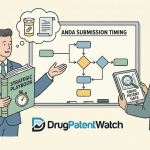
A Paragraph IV filing triggers a mandatory notification to the branded company and patent holder within 20 days of filing. If the branded company files a patent infringement lawsuit within 45 days of that notification, FDA is automatically prohibited from approving the ANDA for 30 months (the ’30-month stay’). This stay runs whether or not the lawsuit has merit. Its purpose is to give the court time to adjudicate the patent dispute before the generic enters the market.
The first ANDA applicant to file a substantially complete ANDA with a Paragraph IV certification earns 180-day exclusivity from either the date of the first commercial marketing of the generic or a court decision holding the patent invalid or not infringed. This exclusivity period, during which no other generic can receive final approval, is the primary commercial prize in the generic development game. The branded product’s price typically does not erode significantly during the exclusivity period. After multiple additional generics enter the market, prices drop rapidly, often to 10-20% of the brand price within 18 months of generic entry.
Product-Specific Guidances and Their Strategic Implications
FDA’s PSGs for complex products specify the recommended BE approach, often including a recommended in vitro dissolution method with specific apparatus, medium conditions, and acceptance criteria. For products where the PSG specifies an in vitro-in vivo correlation (IVIVC) approach, the deformulation data must support the development of a validated IVIVC model. This requires dissolution data at multiple pH conditions and, ideally, pharmacokinetic data from a deconvolution study to establish the in vivo absorption profile of the RLD.
For inhalation products (metered dose inhalers and dry powder inhalers), the PSG typically requires a comparative cascade impactor study characterizing the aerodynamic particle size distribution (APSD) of the generic versus the RLD at multiple flow rates. The deformulation of an MDI formulation must determine the propellant system, the surfactant or lubricant, the drug particle size, and the valve configuration. Each of these parameters is potentially patent-protected and each affects the APSD.
For transdermal products, PSGs typically require comparative in vitro drug release testing using a membrane diffusion cell (Franz cell) in addition to or instead of a standard BE study. The deformulation must identify the adhesive polymer, the drug reservoir concentration, the permeation enhancer system, and the rate-controlling membrane (for reservoir-type patches). Transdermal formulation patents are typically dense and recent, because reformulation from matrix-type to reservoir-type systems has been a common lifecycle management strategy.
OGD Interaction: Formal Meeting Requests and Pre-ANDA Meetings
The FDA’s OGD offers pre-ANDA meetings for complex products where the applicant has scientific questions about the proposed BE approach or CMC requirements. These meetings, requested through the CDER NextGen Portal, are available in three formats: Type A meetings (for urgent issues requiring immediate FDA action), Type B meetings (standard pre-ANDA meetings with a 90-day FDA response target), and Type C meetings (written responses to specific questions, with a 75-day response target).
Pre-ANDA meetings for complex generic products are strategically valuable. A company that resolves its BE design question before committing to a study avoids the single most expensive and time-consuming failure mode in generic development. The FDA’s written response to a pre-ANDA meeting constitutes an agreement on the BE approach, and while it is not a binding guarantee of approval, it substantially reduces the risk that the BE study design will be challenged during review.
Key Takeaways: Regulatory Mechanics
The ANDA CMC section must be internally consistent with the deformulation data. Discrepancies between the quantitative composition table, the analytical characterization data, and the dissolution specifications are immediate inspection flags at OGD. Companies that conduct a pre-submission CMC package review against the relevant PSG before filing consistently receive fewer information requests during review.
11. Complex Dosage Forms: Where Standard Deformulation Breaks Down
Modified-Release Oral Products
A standard immediate-release tablet deformulation uses a relatively tractable analytical problem: extract the API, identify the excipients, run dissolution, match the profile. Modified-release products collapse that tractability. The entire drug release mechanism is an engineered system where the rate of drug availability depends on the physical structure of the dosage form, and that structure is not directly measurable by any single technique.
Hydrophilic matrix tablets (Metformin ER, Metoprolol succinate ER, Diltiazem ER) release drug by erosion and diffusion of the polymer network. The key variables are the type and grade of HPMC (viscosity grade K4M vs. K100M), the weight fraction of HPMC in the tablet, the API particle size (which affects diffusion path length within the matrix), and the compression force (which affects pore structure and density). A deformulation that identifies the HPMC grade incorrectly by one viscosity category will produce a release profile that does not match the RLD, even if every other variable is correct.
Reservoir-coated multiparticulate systems (beads or pellets with ethylcellulose or Eudragit membrane coatings) are more complex still. Each bead is a rate-controlling unit, and the overall drug release profile of the capsule is the weighted average of the release from all beads. The bead coating thickness (usually 5-20% weight gain), the plasticizer type and concentration, and the pore former (typically PEG or water-soluble polymer at 10-40% of the coating weight) all determine release rate. Deformulating a multiparticulate requires micro-sectioning individual beads, cross-sectional SEM to measure coating thickness, micro-Raman spectroscopy to identify the coating polymer and plasticizer at the bead surface, and dissolution at multiple pH conditions to characterize the release mechanism.
Inhalation Products
Dry powder inhalers (DPIs) present the most analytically challenging deformulation problem in the generic drug industry. The active payload is typically a micronized API particle with a mass median aerodynamic diameter (MMAD) of 1-5 microns. The carrier is lactose with a specific particle size distribution (coarse carrier particles at 50-200 microns, sometimes with fine lactose fines at 1-5 microns added to compete with API for carrier surface sites and modulate aerosolization efficiency). The device is an integral part of the drug product: the same powder behaves differently in a Turbuhaler versus a Diskus versus an Ellipta device.
For DPI generics, the FDA requires not just pharmaceutical equivalence and BE but also device equivalence. The aerodynamic particle size distribution measured by next-generation impactor (NGI) at the recommended flow rate must be shown to match the RLD device. If the generic uses a different device design, the in vitro APSD data must be supported by clinical data demonstrating therapeutic equivalence.
Deformulating a DPI requires HPLC quantification of the API content, laser diffraction particle sizing of the API, SEM of the API and carrier particles to characterize surface morphology, XRPD of both API and carrier to confirm crystalline form, and NGI testing at multiple flow rates. The humidity sensitivity of the powder must be assessed by DVS, because DPI performance is strongly sensitive to moisture-induced particle agglomeration.
Biologics and the Limits of Reverse Engineering
For biologics, the conceptual framework of reverse engineering as applied to small molecules does not directly transfer. A biologic is not a defined chemical structure with a unique molecular formula. It is a heterogeneous population of glycoprotein molecules with variable glycosylation patterns, charge variants, aggregation states, and higher-order structural features. The biosimilar development pathway is governed by 351(k) of the Public Health Service Act, not by the ANDA pathway.
The analytical comparability exercise for biosimilars requires a comprehensive structural and functional characterization package: peptide mapping by LC-MS/MS to confirm primary sequence and disulfide bond connectivity, oligosaccharide mapping to characterize the N-glycan profile, SEC-HPLC to quantify aggregation and fragmentation, ion exchange chromatography to characterize charge heterogeneity, surface plasmon resonance or biolayer interferometry to measure binding kinetics to the target receptor and to Fc receptors, and cell-based potency assays. This package is substantially more extensive and expensive than small molecule deformulation.
The IP landscape for biologics is also qualitatively different. The compound patent concept barely applies because biologics are not small molecules covered by composition-of-matter claims in the conventional sense. Instead, the relevant patents cover manufacturing processes (cell line, fermentation conditions, purification steps), formulation compositions (buffer, pH, stabilizer system, surfactant), and device systems for combination products. The Biologics Price Competition and Innovation Act (BPCIA) biosimilar pathway includes its own patent dance mechanism, with provisions for a 12-year data exclusivity period from the reference product’s approval date that has no equivalent in the small molecule ANDA pathway.
Key Takeaways: Complex Dosage Forms
Complex dosage forms require formulation-specific analytical plans that go beyond the standard deformulation toolkit. The analytical investment for a modified-release oral product is 3-5 times greater than for an immediate-release product, and for an inhalation or topical product, the complexity increases by another order of magnitude. Companies that underprice this analytical work during project scoping deliver under-characterized ANDA packages that attract OGD information requests.
12. Emerging Technologies: High-Resolution MS, ssNMR, and In Silico Formulation Prediction
High-Resolution Mass Spectrometry in Deformulation
Orbitrap-based HRMS instruments with resolving power above 100,000 FWHM at m/z 200 have transformed impurity identification. Accurate mass measurements below 2 ppm error allow unambiguous molecular formula assignment for impurities at concentrations as low as 10 ppm in the drug substance. This capability is directly relevant to deformulation when the analytical team encounters an unknown peak that could be either an API degradation product, a process-related impurity from API synthesis, or an excipient-derived species.
Data-independent acquisition (DIA) methods on modern Orbitrap instruments fragment all ions across a wide m/z window simultaneously and store the full MS2 spectra for retrospective interrogation. Applied to drug product extracts, DIA-HRMS provides a comprehensive molecular inventory of the sample without requiring prior knowledge of which compounds are present. Combined with in silico fragmentation prediction tools (MetFrag, CFM-ID, SIRIUS), DIA-HRMS can propose structures for unknown peaks based on spectral matching alone.
Ion mobility spectrometry (IMS) coupled to HRMS (IMS-MS, commercially implemented as FAIMS or TIMS) adds a fourth dimension to characterization: molecular shape as encoded in the collision cross section (CCS). For isomeric compounds (positional isomers of API degradation products, for example) that co-elute in HPLC and have identical exact masses, IMS-MS can distinguish them by their different CCS values. This capability is relevant when the deformulation team is trying to distinguish a patent-protected polymorph-derived impurity from a non-infringing impurity with the same nominal mass.
Solid-State NMR
Solid-state NMR (ssNMR) characterizes the molecular environment of atoms in the solid state without requiring dissolution. 13C cross-polarization/magic angle spinning (CP/MAS) NMR resolves the distinct 13C environments of API molecules in different polymorphs, different hydration states, and different co-crystal forms. Because ssNMR is non-destructive and analyzes the intact solid sample, it can characterize API forms within a tablet matrix without the potential for form conversion that extraction and dissolution might introduce.
For ASD characterization, 13C ssNMR distinguishes molecularly dispersed API (amorphous signal only) from phase-separated crystalline API (sharp crystalline peaks superimposed on the amorphous background). The minimum detectable crystalline fraction by ssNMR is approximately 2-5% w/w, which is sensitive enough to detect incipient crystallization during stability studies before it manifests as a dissolution failure.
19F ssNMR is applicable to fluorinated APIs (which are common in modern medicinal chemistry) with high sensitivity and without interference from the excipient matrix, since fluorine is essentially absent from pharmaceutical excipients. 31P ssNMR is applicable to phosphate salts and phospholipid-based excipients. These heteroatom-selective ssNMR experiments provide cleaner data in complex matrices than 13C CP/MAS in cases where overlapping signals complicate interpretation.
In Silico Formulation Prediction
Computational approaches to formulation prediction are transitioning from research curiosities to practical tools that reduce the number of experimental iterations required to match the RLD dissolution profile. The principal categories are:
Physiologically based biopharmaceutics modeling (PBBM) simulates drug absorption from the gastrointestinal tract using mechanistic models of gastric emptying, intestinal transit, solubility-dissolution, permeability, and first-pass metabolism. The GastroPlus and Simcyp Simulator platforms are the two commercial PBBM tools with FDA regulatory acceptance. A PBBM model built from in vitro dissolution data, API solubility measurements, and in vitro permeability data (Caco-2 or PAMPA) can predict in vivo pharmacokinetic profiles and screen formulation candidates computationally before committing to an in vivo study. The FDA has accepted PBBM data as supporting evidence for BE in several biowaiver submissions.
Machine learning models trained on excipient-dissolution datasets from published literature and proprietary databases are beginning to predict the effect of excipient changes on dissolution profiles. These models are not yet sufficiently validated for regulatory submission without experimental confirmation, but they reduce the experimental search space by ranking candidate excipient combinations by predicted performance before bench-scale experimentation begins.
Molecular dynamics (MD) simulation at the atomistic level is used to study API-polymer interactions in ASDs, predicting whether a given polymer will stabilize the amorphous API or allow crystallization. MD calculations of the API-polymer interaction energy and the API diffusion coefficient within the polymer matrix provide mechanistic insight into ASD physical stability that complements empirical stability study data.
Continuous Manufacturing and Process Analytical Technology
Continuous manufacturing (CM) for solid oral dosage forms replaces discrete batch processing with integrated, continuously running unit operations: continuous feeding, blending, granulation (wet or dry), milling, and tablet compression. For generic companies, CM offers reduced batch-to-batch variability (because material properties are measured and controlled in real time rather than being tested in end-product), faster production scale-up (changing throughput means adjusting feed rates, not changing equipment), and reduced footprint.
Process Analytical Technology (PAT) is the enabling framework for CM. Near-infrared spectroscopy (NIR) at-line or in-line measures blend uniformity in real time, triggering automated feedback control if the API concentration in the blend falls outside target limits. The NIR calibration model must be built from reference HPLC assay data for the specific blend composition, and it must be validated for its predictive accuracy across the full Design Space.
Raman spectroscopy as a PAT tool monitors polymorphic form during milling and granulation, detecting form conversion events in real time. If the API has a processing-sensitive polymorph, this real-time monitoring prevents the production of non-conforming material that would not be detected until end-product dissolution testing.
Key Takeaways: Emerging Technologies
HRMS, ssNMR, PBBM, and CM are not future-state concepts for generic manufacturers. They are current competitive differentiators. Companies that have incorporated these tools into their deformulation and development workflows produce more comprehensive ANDA packages, make fewer formulation mistakes, and complete BE studies in fewer attempts. The capital and training investment is substantial, but the return is measurable in development timelines and regulatory outcomes.
13. Investment Strategy for Portfolio Managers
Evaluating Generic Pipeline Value: The Deformulation-to-LOE Matrix
Portfolio managers evaluating generic drug companies or licensing opportunities should assess pipeline value through a two-dimensional matrix: the technical complexity of the deformulation challenge on one axis, and the accuracy of the LOE date forecast on the other. High-complexity products with accurately forecast LOE dates represent the highest-risk, highest-reward opportunities. Low-complexity products with accurate LOE forecasts are lower risk but attract more competitors.
Technical complexity is a function of dosage form complexity (modified-release, inhaled, topical, or parenteral versus immediate-release oral), the number of listed Orange Book patents and their diversity of claim types, the presence of polymorph patents or ASD patents, and whether a PSG exists and specifies a clear BE approach. Products without a PSG require the generic company to propose and negotiate a BE approach with OGD, adding 1-2 years of regulatory uncertainty to the timeline.
LOE date accuracy depends on correctly identifying the compound patent expiry, all applicable PTEs (including whether the PTE application was filed correctly and on time), pediatric exclusivity grants, and whether any secondary patents have been listed in the Orange Book after the compound patent. Secondary patent listing in the Orange Book is a strategic decision by the branded company to extend the Paragraph IV trigger date, because generics must certify against all listed patents. A formulation patent listed 5 years after the compound patent, if listed before any ANDA is filed, forces the generic to certify against it.
M&A Implications of Deformulation Capability
In generic company M&A, deformulation capability is an undervalued operational asset. A company with a validated HPLC-MS/MS platform, a trained analytical chemistry team, and a QbD-enabled development process can move from RLD procurement to ANDA submission in 18-24 months for an immediate-release solid oral product and 30-36 months for a modified-release product. A company without that capability routinely runs 36-48 months to ANDA submission for simple products. That 12-18 month speed advantage, applied across a portfolio of 20 products in development, compounds into a sustained competitive position that is extremely difficult to replicate quickly.
IP valuation in generic company acquisition should include an explicit assessment of the pending ANDA portfolio’s deformulation quality. ANDAs filed with incomplete or imprecise CMC data packages carry a higher risk of receiving CRLs that delay approval by 12-24 months, which directly impairs the NPV of those pipeline assets. A pre-acquisition technical due diligence process that reviews a sample of pending ANDA CMC sections for internal consistency and method validation completeness is a standard practice at sophisticated acquirers and is increasingly required by investment bankers representing sellers.
The First-Filer Premium and Its Technical Prerequisites
The 180-day first-filer exclusivity period generates, on average, 30-40% gross margins on the generic product during the exclusivity window, versus 5-15% after exclusivity expires and multiple competitors enter. For a drug with $2 billion in annual branded sales, the first-filer exclusivity period is worth $200-400 million in incremental profit. That is the financial stake of being first to file a substantially complete ANDA with a Paragraph IV certification.
Being first to file a substantially complete ANDA requires completing a high-quality deformulation before the competition. It requires the analytical team to rapidly identify the quantitative composition, the polymorphic form, the dissolution mechanism, and any excipient patent exposure. Companies that have invested in UHPLC-HRMS platforms, ssNMR access (either in-house or via contract), and trained deformulation scientists consistently reach substantially complete ANDA submission faster than those relying on older analytical infrastructure.
The technical quality of the first-filed ANDA also matters for the 180-day exclusivity. An ANDA with a deficiency that results in a Complete Response Letter (CRL) can lose first-filer status if a subsequent filer receives tentative approval before the first filer resolves its CRL. Maintaining first-filer status requires not just filing first but filing a substantially complete, defensible package. That outcome is a direct function of deformulation and development quality.
Key Takeaways: Investment Perspective
The quality and speed of deformulation are measurable and predictive variables in generic drug pipeline NPV analysis. Portfolio managers who can assess deformulation capability, either through direct technical due diligence or by proxy metrics (first-filer rate, CRL rate, BE study success rate), have an informational advantage in evaluating generic drug company assets. Companies with documented QbD programs, validated HRMS and ssNMR capabilities, and OGD pre-ANDA meeting experience are systematically better investment candidates than those without, holding market and product selection constant.
14. Key Takeaways by Segment
For IP Teams
The deformulation process is the foundation of the Paragraph IV certification. Every analytical conclusion about the API polymorphic form, the excipient composition, and the manufacturing process has potential patent infringement implications. IP teams should be embedded in the deformulation program from the beginning, not consulted after the formulation is set. Orange Book patent mapping, FTO analysis, and design-around strategy should be concurrent with the analytical characterization work.
For R&D Leads
The ANDA CMC section is built from deformulation data. The quality of that section is a direct output of the precision and reproducibility of the analytical methods used. Method validation to ICH Q2(R2), with full intermediate precision data and a formal method transfer protocol to the QC lab, is not optional overhead. It is the data that sustains the CMC section under OGD review.
For Portfolio Managers
Pipeline NPV analysis for generic drug programs requires explicit assumptions about deformulation complexity, LOE date accuracy, BE study success probability, and OGD review timelines. All four of these variables are directly influenced by deformulation quality. Companies with demonstrably superior deformulation capability command pipeline NPV premiums that are analytically justified.
For Commercial and Business Development Teams
The first-filer premium is the primary commercial prize in the generic drug industry, and it is accessed by being first to file a substantially complete ANDA. The rate-limiting step in most programs is the deformulation and formulation development timeline. Commercial and BD teams that understand the technical prerequisites for first-filer status can set realistic launch timelines, accurately negotiate co-development agreements, and identify which pipeline products have genuine first-filer opportunity versus which ones are already contested.
15. Frequently Asked Questions {#faq}
What distinguishes deformulation from reverse engineering in a regulatory submission?
The terms overlap but carry different implications in context. Reverse engineering is the broader concept of understanding a product’s design from its output. Deformulation specifically refers to the qualitative and quantitative determination of a drug product’s composition, and it is the term used in FDA CMC guidance. In an ANDA, the composition data is presented as the result of deformulation work, but the term ‘deformulation’ itself does not typically appear in the submission; the data is presented as the justified quantitative composition supported by analytical characterization data.
How does f2 similarity factor testing connect deformulation to BE outcomes?
The f2 factor is calculated from the mean dissolution profiles of the test and reference products at multiple time points. An f2 value at or above 50 is the threshold for profile similarity. In practice, reaching f2 above 50 for a modified-release product requires that the generic’s excipient matrix produces the same release kinetics as the RLD across the full dissolution time course, which means the deformulation must have correctly identified the rate-controlling components. For NTI drugs, the FDA typically requires f2 above 50 at multiple pH conditions, making the deformulation precision requirement more stringent.
What happens to first-filer exclusivity if two companies file on the same day?
When two ANDAs with Paragraph IV certifications for the same product are filed on the same day, both companies share the 180-day exclusivity period. They each receive tentative approval and may both launch on the same date. The commercial result is a two-player duopoly during the exclusivity period, which still generates substantially better margins than the fully competitive market after exclusivity expires, but significantly dilutes the revenue relative to sole first-filer status.
Can a generic company use a different manufacturing process from the innovator and still get ANDA approval?
Yes. The ANDA requires demonstration that the generic is pharmaceutically equivalent and bioequivalent to the RLD. The manufacturing process used to make it is not required to be the same. The generic company must, however, validate its own process and demonstrate that it consistently produces a product meeting the approved specification. If the innovator holds process patents that cover the specific manufacturing method, the generic company must either design around those patents or certify against them with a Paragraph IV.
What is the difference between a 505(b)(2) application and an ANDA for a complex product?
A 505(b)(2) application is used for products that are related to an approved product but are not identical, such as a new formulation, a new route of administration, or a new combination of active ingredients. Unlike an ANDA, a 505(b)(2) allows the applicant to rely on published literature or FDA’s finding of safety and efficacy for the reference product while providing additional data to support the differences. For complex generic products where the applicant cannot demonstrate pharmaceutical equivalence to the RLD (for example, a liposomal formulation with a different lipid composition), the 505(b)(2) pathway may be available when the ANDA pathway is not. The 505(b)(2) pathway does not provide 180-day first-filer exclusivity.
How should a company evaluate the cost-effectiveness of a CRO versus in-house deformulation capability?
The decision depends on pipeline volume and product complexity. A company filing 5-10 ANDAs per year across standard oral solid dosage forms can often achieve lower per-project cost by partnering with a specialized analytical CRO for deformulation work, accessing instrument capability that would require $5-10 million in capital investment and 2-3 years to build in-house. A company filing 20+ ANDAs per year, or pursuing a complex product strategy (inhalation, topical, modified-release), typically achieves better outcomes with in-house capability: faster turnaround, better institutional knowledge of the company’s IP strategy, and tighter integration between deformulation, formulation development, and regulatory teams. The hybrid model, in-house capability for standard products with CRO surge capacity for complex characterization techniques (ssNMR, IMS-MS), is common and operationally rational.
Sources: Association for Accessible Medicines 2023 Access & Savings Report; FDA Guidance for Industry, Quality by Design for ANDAs (2011); ICH Q2(R2) Validation of Analytical Procedures (2022); ICH Q8(R2) Pharmaceutical Development; USP General Chapter <1224> Transfer of Analytical Procedures; 21 CFR 314 Subpart C; 21 U.S.C. 355(j); Pfizer v. Apotex, 480 F.3d 1348 (Fed. Cir. 2007); Sanofi v. Watson Laboratories, 875 F.3d 636 (Fed. Cir. 2017).