Section 1: The Fundamental Question of Patentability for Drug Combinations
1.1 Introduction: Beyond a Simple “Yes” – The Strategic Imperative of Combination Patents
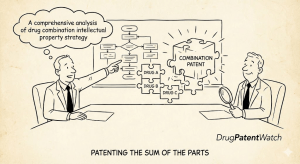
The question of whether a drug combination can be patented elicits a deceptively simple answer: yes. However, this affirmative response belies the profound complexity and strategic nuance involved in securing, defending, and monetizing such intellectual property. The true inquiry for pharmaceutical innovators, legal counsel, and investors is not one of mere possibility, but of strategic execution. Drug combinations, which involve the co-administration of two or more active pharmaceutical ingredients (APIs), represent a cornerstone of modern medicine, particularly in the treatment of complex, multifactorial diseases such as cancer, HIV/AIDS, and cardiovascular conditions.1 This therapeutic approach has transformed treatment paradigms, offering the potential for enhanced efficacy, reduced side effects, and delayed onset of drug resistance.5
The patenting of these combinations serves a dual purpose that is central to the biopharmaceutical business model. First, it provides the necessary market exclusivity to protect novel therapeutic advances, thereby incentivizing the immense research and development (R&D) investment required to bring them to market.1 Second, and of increasing importance, combination patents have become a critical tool for pharmaceutical lifecycle management (PLM). As the primary patents on blockbuster drugs expire, innovator companies strategically develop and patent new combinations—often pairing an existing drug with another agent—to extend market exclusivity, a practice sometimes referred to as “evergreening”.7
This report will demonstrate that securing a patent for a drug combination is a formidable challenge, defined by a central tension: the inherent difficulty of proving that a combination of known elements is non-obvious. This challenge has been significantly amplified since the U.S. Supreme Court’s landmark 2007 decision in KSR International Co. v. Teleflex Inc., which replaced a rigid, formulaic test for obviousness with a more flexible and expansive inquiry.10 Consequently, the path to patentability requires a sophisticated fusion of scientific innovation, rigorous data generation, and astute legal strategy, beginning long before a patent application is ever drafted.
1.2 The Legal Bedrock: Navigating the Core Requirements of 35 U.S.C. §101, §102, and §112
Before an inventor can even confront the primary challenge of non-obviousness, a patent application for a drug combination must first pass through a gauntlet of foundational legal requirements codified in Title 35 of the United States Code.10 These statutes govern subject matter eligibility (§ 101), novelty (§ 102), and the adequacy of the patent’s disclosure (§ 112). Failure to satisfy any one of these requirements is an absolute bar to patentability, regardless of the invention’s therapeutic merit or commercial potential. These are not mere procedural formalities; they are substantive hurdles that demand careful strategic consideration from the earliest stages of R&D.
The legal requirements of novelty and disclosure are not independent obstacles but are strategically interconnected. An attempt to overcome a novelty rejection by broadening a claim—for instance, by claiming an entire class of compounds instead of a specific one—can directly create a fatal vulnerability under the enablement or written description doctrines of § 112. For example, a patent examiner may reject a claim for “Drug A + Drug B” as lacking novelty because that specific combination was mentioned in a prior publication.10 To overcome this, the applicant might amend the claim to “A drug from Class X + Drug B.” While this new claim may be novel, if the application only provides data for Drug A, the examiner will likely reject the amended claim under § 112.10 The examiner’s position would be that the applicant has not enabled a person having ordinary skill in the art (PHOSITA) to know which of the hundreds of other drugs in Class X would work, nor has the applicant demonstrated possession of that broad invention at the time of filing. This dynamic illustrates that patent prosecution is a delicate balancing act; solving one problem can create another, necessitating a multi-layered and well-supported claiming strategy from the outset.
Furthermore, these foundational requirements act as a strategic filter, compelling innovators to define the true nature of their invention at an early stage. Is the core invention the specific ratio of the drugs, the novel formulation that makes the combination stable and effective, or the new therapeutic application for which the combination is used? Answering this question is not just a legal formality; it dictates the entire R&D and clinical trial strategy needed to generate the requisite supporting data. A company developing a combination of two old drugs must first define what is new to satisfy § 102. If the novelty lies in a specific ratio that demonstrates unexpected synergy, the R&D program must be designed to test various ratios to prove that the claimed one is uniquely effective. If the novelty is a new formulation that prevents a negative interaction between the APIs, the R&D must focus on formulation science and stability testing. If it is a new use, clinical trials must be designed for that new indication. Therefore, the legal requirements of § 102 and § 112 are not after-the-fact legal hoops but are strategic guideposts that should shape the scientific and clinical development plan from its inception.10
1.2.1 Subject Matter Eligibility (§ 101): Framing Combinations as Compositions and Methods
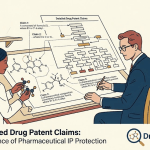
Under 35 U.S.C. § 101, a patent may be obtained for “any new and useful process, machine, manufacture, or composition of matter, or any new and useful improvement thereof.” Drug combinations comfortably fit within this framework, typically claimed under one of two statutory categories.10 They can be claimed as “compositions of matter” when the invention is the physical admixture of the APIs, often with specific excipients in a final dosage form.10 Alternatively, they can be claimed as a “process” (or method), most commonly as a “method of use” or “method of treatment,” which protects the act of administering the combination to treat a specific disease.10
While seemingly straightforward, subject matter eligibility can be complicated by judicial exceptions to § 101, which preclude the patenting of laws of nature, natural phenomena, and abstract ideas.12 These exceptions can pose a challenge, particularly for claims related to personalized medicine, where a combination therapy might be directed to a specific patient sub-population identified by a biomarker. A claim that merely recites a correlation between a biomarker and drug efficacy (a law of nature) would be ineligible. However, a claim directed to a practical application of that discovery, such as “A method of treating disease Z, comprising administering a therapeutically effective amount of Drug A and Drug B to a patient who has been identified as having biomarker X,” is generally considered patent-eligible because it applies the natural law within a concrete method of treatment.10
1.2.2 Novelty (§ 102): The Challenge of Combining Known Agents
The novelty requirement, codified in 35 U.S.C. § 102, is a fundamental pillar of patent law, mandating that an invention must be new.10 To be considered novel, the claimed invention cannot have been patented, described in a printed publication, or in public use, on sale, or otherwise available to the public before the effective filing date of the patent application.12 This body of existing knowledge is referred to as “prior art.” For a prior art reference to anticipate a claim and thus render it not novel, the reference must disclose, either expressly or inherently, each and every element of the claimed invention.
This requirement presents an immediate and significant hurdle for drug combinations composed of known APIs. A simple, broad claim such as “A composition comprising Drug A and Drug B” will almost certainly be rejected for lacking novelty if both Drug A and Drug B are individually known to the public, as the combination of these two components would be considered disclosed by the separate disclosures of each.10
To overcome this, innovators must draft claims with greater specificity, carving out a novel and previously undisclosed invention from the existing prior art. There are several well-established strategic pathways to achieve this:
Specific Ratios and Dosages: Novelty can be conferred by claiming a precise, previously undisclosed ratio or dosage amount of the APIs. For example, a claim to “a pharmaceutical composition comprising 10 mg of Drug A and 50 mg of Drug B” is novel if that specific combination and ratio has never been described before.10 This approach requires R&D to identify an optimal ratio that is not only new but also, as will be discussed, therapeutically advantageous.
New Formulations: A significant avenue for establishing novelty lies in creating a new formulation that enables or improves the combination. This can involve co-formulating the drugs with a unique set of excipients (inactive ingredients), creating a novel delivery system (e.g., an extended-release tablet, a transdermal patch), or developing a specific physical form (e.g., a specific polymorph or salt of one of the APIs) that improves the combination’s stability, bioavailability, or patient compliance.7
New Methods of Use: Even if the combination of Drug A and Drug B is known, a new method of using that combination can be novel and patentable. This could involve a claim to treat a different disease, a specific sub-population of patients (e.g., those with a particular genetic marker), or using a novel administration route that was not previously contemplated for the combination.10
A particularly difficult challenge to novelty in the U.S. is the doctrine of “inherency.” Under this doctrine, a prior art reference can be novelty-destroying even if it does not explicitly disclose a claimed feature, so long as that feature is a necessary and natural result of what is described in the reference.16 For example, if a prior publication described administering Drug A and Drug B together, a later claim to a method of using that combination to achieve a specific, newly discovered therapeutic benefit might be rejected as inherently anticipated, on the grounds that the benefit was a natural result of the previously disclosed administration, even if it was unappreciated at the time.10
1.2.3 Written Description & Enablement (§ 112): The Perils of Overly Broad Claims
The disclosure requirements of 35 U.S.C. § 112 serve as a critical check on the scope of patent protection, ensuring that the patent bargain—exclusivity in exchange for public disclosure—is upheld.17 This statute contains two key provisions:
Written Description: The patent’s specification must describe the invention in sufficient detail to reasonably convey to a PHOSITA that the inventor was in “possession” of the full scope of the claimed subject matter as of the filing date.10
Enablement: The specification must teach a PHOSITA how to make and use the full scope of the claimed invention without “undue experimentation”.10
For drug combinations, these requirements are particularly relevant in preventing innovators from claiming more than they have actually invented. An applicant cannot simply claim a broad genus of combinations while only describing and providing data for a single example. For instance, a claim to “a combination of a kinase inhibitor and an antibody for treating cancer” would likely be rejected for lack of written description and enablement if the specification only discloses one specific kinase inhibitor (e.g., imatinib) and one specific antibody (e.g., trastuzumab).10 To support such a broad claim, the application would need to provide a representative number of examples or describe common structural-functional relationships that would allow a PHOSITA to predict which members of the claimed classes would work together effectively—a very high bar to clear.10
The scrutiny on enablement has been significantly intensified by the Supreme Court’s 2023 decision in Amgen Inc. v. Sanofi. In that case, the Court invalidated patents for Amgen’s cholesterol drug, Repatha, because they claimed an entire class of antibodies by their function (binding to a specific protein and blocking it) but only disclosed a small number of examples. The Court found that the patent did not enable a skilled person to reliably create all the other antibodies covered by the broad functional claim without undue experimentation.12 This ruling has put a spotlight on enablement as a key vulnerability for many biologic patents and has direct implications for combination therapy patents that attempt to claim broad functional classes of drugs.
This legal reality necessitates a meticulous and forward-thinking approach to drafting the patent application. The specification should be rich with detail, describing numerous variations of the invention, including different drug derivatives, a range of tested dosing amounts and ratios, various formulations, and multiple methods of treatment.10 This not only provides the necessary support for reasonably broad claims but also creates a deep reservoir of narrower, dependent claims that can serve as fallback positions if the broader claims are successfully challenged during prosecution or in post-grant proceedings.
Section 2: The Crux of the Matter: Overcoming the Presumption of Obviousness
While an invention may be novel and adequately described, it is not patentable if it is deemed obvious. The non-obviousness requirement of 35 U.S.C. § 103 stands as the primary and most formidable battleground for drug combination patents. It is here that the fundamental tension between protecting genuine innovation and preventing the monopolization of predictable advancements is most sharply contested. For innovators, successfully navigating this challenge requires not only scientific ingenuity but also a deep understanding of the evolving legal standards that govern the obviousness inquiry.
The legal landscape of obviousness underwent a seismic shift with the Supreme Court’s KSR decision, which effectively inverted the strategic burden in patent prosecution. Before KSR, the burden was largely on the patent examiner to find an explicit “teaching, suggestion, or motivation” (TSM) in the prior art to combine known elements. This provided a relatively clear, albeit rigid, safe harbor for many inventions. Post-KSR, however, the combination of known elements for a known purpose is often presumed to be obvious, especially in predictable arts. This shift places the burden squarely on the applicant to affirmatively prove non-obviousness. A successful patent strategy can no longer be reactive, based on arguing that the examiner failed to find a TSM. Instead, it must be proactive, centered on building a robust case for non-obviousness from the earliest stages of R&D by designing experiments specifically to generate compelling evidence of unexpected and unpredictable results. The patent application, therefore, transforms from a mere description of an invention into a meticulously constructed vessel for this pre-planned, legally potent evidence.
This section will deconstruct the post-KSR obviousness standard, analyze its application to combination therapies through the lens of the Graham factors, and explore the significant threat posed by the “obvious to try” doctrine.
2.1 The Post-KSR Landscape: A More Flexible, and More Formidable, Standard
Prior to 2007, the U.S. Court of Appeals for the Federal Circuit had established the “Teaching-Suggestion-Motivation” (TSM) test as the primary framework for determining obviousness. This test required a patent examiner to identify some explicit or implicit teaching, suggestion, or motivation in the prior art that would have prompted a PHOSITA to combine the known elements to arrive at the claimed invention.12 While intended to guard against improper hindsight, the TSM test was often criticized as overly rigid and formalistic.
In its landmark decision in KSR International Co. v. Teleflex Inc., the Supreme Court unanimously rejected a rigid application of the TSM test. The Court held that the obviousness analysis should be more expansive and flexible, incorporating “common sense” and recognizing that innovation is often the result of predictable improvements and ordinary creativity.10 The
KSR decision empowers patent examiners and courts to find a patent claim obvious by combining elements from different prior art sources, even without an explicit suggestion to do so, if there was a known problem to be solved or a predictable solution.
For drug combinations, the implications of KSR are profound. It provides examiners with the legal authority to view the combination of two known drugs, each used for its known therapeutic purpose, as prima facie obvious.1 The burden of proof then shifts to the patent applicant to rebut this presumption of obviousness, typically by demonstrating that the combination yields unexpected or synergistic results.
2.2 Deconstructing 35 U.S.C. § 103: The Graham Factors in the Context of Combination Therapies
Despite the flexibility introduced by KSR, the foundational framework for any obviousness analysis remains the four-part factual inquiry set forth by the Supreme Court in Graham v. John Deere Co..18 Applying these factors to a drug combination provides the structured analysis required to build a case for non-obviousness.
Scope and Content of the Prior Art: This inquiry involves identifying all relevant prior art, including patents, scientific publications, and clinical trial data. For a combination of Drug A and Drug B to treat cancer, the prior art would include everything known about Drug A’s mechanism of action, efficacy, and safety; everything known about Drug B’s properties; and the state of the art in cancer treatment, including standard-of-care therapies and known biological pathways of the disease.
Differences Between the Prior Art and the Claims at Issue: The key here is to precisely define the invention. The invention is not Drug A or Drug B in isolation. It is the specific claimed combination, which may be defined by a novel dosage, a specific ratio, a unique formulation, or a new method of use. The differences are the specific limitations that confer novelty over the prior art.
Level of Ordinary Skill in the Pertinent Art (PHOSITA): The obviousness of an invention is judged from the perspective of a “person having ordinary skill in the art.” In the pharmaceutical field, the PHOSITA is a highly sophisticated individual, typically possessing an advanced degree (e.g., an M.D. or Ph.D.) along with several years of practical experience in the specific therapeutic area or scientific discipline, such as oncology or medicinal chemistry.22 This high level of skill means that a wider range of solutions may be considered “obvious” to the PHOSITA.
Secondary Considerations of Non-Obviousness: These objective indicia provide real-world evidence of the invention’s non-obvious nature and are critical for rebutting a prima facie case of obviousness. They serve as a crucial guard against hindsight bias. Key secondary considerations include commercial success, long-felt but unsolved needs, the failure of others to create the invention, and, most importantly for drug combinations, unexpected results.18
2.3 The “Obvious to Try” Doctrine: When a Finite Number of Predictable Solutions Becomes a Barrier
One of the most potent rationales for an obviousness rejection to emerge from the KSR decision is the “obvious to try” doctrine. This doctrine applies when there is a recognized problem or need, a finite number of identified and predictable potential solutions, and a reasonable expectation of success in pursuing those solutions.23 In such a scenario, the Court reasoned, the work of a skilled artisan is not true innovation but rather ordinary research and development.
This doctrine poses a direct threat to many combination therapy patents. An examiner might argue that, given a known disease, it would have been “obvious to try” combining two drugs that are both known to have some effect on that disease.25 The strategic counter-argument must focus on dismantling the premises of the doctrine. The innovator must demonstrate that:
The number of potential combinations was not finite and predictable, but vast and complex.
There was no “reasonable expectation of success.” This is often the most powerful argument in the pharmaceutical arts, given the high failure rates and inherent unpredictability of biological systems, where small changes in chemical structure or dose can lead to drastically different and unforeseen outcomes in efficacy or toxicity.24
The “obvious to try” doctrine creates a legal paradox within pharmaceutical science. The doctrine is triggered by “predictable solutions” with a “reasonable expectation of success”.23 Yet, pharmaceutical research is defined by its profound unpredictability, where minor modifications can yield dramatic and unforeseen biological consequences.26 The legal battleground, therefore, is the very definition of “predictability.” An examiner may argue that it was “obvious to try” a combination because the
method of combining the drugs is routine and predictable. The innovator must counter that while the process was predictable, the biological outcome was not. The thalidomide tragedy, where mirror-image molecules produced sedative effects versus severe birth defects, serves as a stark reminder of this principle.26 A successful patent strategy must therefore bifurcate the concept of predictability. It should concede the predictability of the methodological approach while marshaling overwhelming evidence for the unpredictability of the biological result, such as synergistic efficacy or an unexpected reduction in toxicity. This reframes the debate from “was it obvious to mix these things?” to “was there any reasonable basis to expect this specific, highly beneficial, and non-additive outcome?”. This explains why cases supported by strong “unexpected results” data can succeed, while those lacking such evidence are vulnerable to invalidation.27
The Federal Circuit’s decision in In re Kubin is instructive. In that case, the court applied the post-KSR “obvious to try” standard to a biotechnology invention, finding that a claim to an isolated DNA sequence was obvious. The prior art had identified the protein, provided a method for isolating its corresponding gene using a specific antibody, and established a motivation to do so. The court concluded that a PHOSITA would have had a reasonable expectation of success using these conventional techniques.24
Kubin signals that when the prior art provides a clear roadmap and the necessary tools are readily available, the resulting invention may be deemed obvious, even if the precise final product (e.g., the exact DNA sequence) was not previously known. This precedent has profound implications for combination therapies, suggesting that if the prior art provides a strong rationale to combine two specific drugs and the methods for doing so are routine, a patent may be difficult to obtain without powerful evidence of an unpredictable and unexpected outcome.
Section 3: The Scientific Proof of Invention: Demonstrating Unexpected Results
In the post-KSR era, the most effective strategy for rebutting a prima facie case of obviousness for a drug combination is to present compelling, quantitative evidence of unexpected results. An assertion that a combination is better is insufficient; the innovator must prove that the observed benefit was not merely an additive and predictable outcome, but rather a surprising and inventive leap. This section bridges the gap between the legal standard of non-obviousness and the scientific evidence required to satisfy it. It details the types of evidence that are persuasive to the United States Patent and Trademark Office (USPTO) and the courts, and the scientific rigor required to generate that evidence.
There is a clear hierarchy in the evidence used to argue non-obviousness. Hard, quantitative data demonstrating synergy or a dramatically improved safety profile constitutes Tier 1 evidence.10 Softer secondary considerations, such as the commercial success of the product or its satisfaction of a long-felt but unmet need, are Tier 2. A strategy that relies solely on Tier 2 evidence is inherently weak and unlikely to succeed. A successful prosecution or litigation strategy layers these forms of evidence. For instance, an applicant might present robust clinical data showing their combination is 20% more effective than the sum of its parts (Tier 1). They can then bolster this with evidence that the medical community has been searching for a more effective treatment for this condition for two decades (long-felt need) and that their product achieved $1 billion in sales in its first year (commercial success) (Tier 2).18 The Tier 1 data provides the technical proof of non-obviousness, while the Tier 2 evidence provides the real-world narrative context that makes the invention seem important and worthy of patent protection, rendering an examiner or judge more receptive to the core technical argument and helping to guard against the powerful influence of hindsight bias.
This evidentiary burden means that R&D programs must be strategically designed from their inception to generate the specific data required to prove non-obviousness. The legal team, identifying that the primary patentability risk is an “obvious to try” rejection, can advise the R&D team that the strongest rebuttal would be data showing an unexpected reduction in a specific, known side effect of one of the component drugs. Consequently, the preclinical and clinical trial protocols are explicitly designed to measure and quantify this specific side effect, with appropriate control arms for each individual drug. The resulting data is not an accidental byproduct of the research; it is a planned, strategic output designed from the start to be incorporated into the patent application.10 This approach transforms the relationship between the legal and R&D functions from a sequential hand-off to a deeply integrated, parallel process, where R&D becomes an engine for generating legally robust evidence.
3.1 Synergy as the Gold Standard: When 1 + 1 Equals 3
The most powerful and direct evidence of non-obviousness for a drug combination is synergy.10 Synergy is defined as a combined therapeutic effect that is greater than the simple additive effect of the individual components.6 It represents a quintessential “unexpected result” because it directly refutes the presumption that combining known elements will only yield predictable, additive outcomes. A mere qualitative assertion of synergy is insufficient for patent purposes; the effect must be rigorously and quantitatively demonstrated.10
3.1.1 Scientific Models for Quantifying Synergy
To transform scientific data into a compelling legal argument, innovators rely on established pharmacological models to quantify drug interactions. These models provide a mathematical framework for determining whether an observed effect is synergistic, additive, or antagonistic. The choice of model is a strategic decision, as each operates on different assumptions and may be more or less favorable depending on the data.6 The primary models fall into two categories:
Effect-Based Approaches: These methods compare the combined effect (EAB) to the effects of the individual drugs (EA and EB) at fixed doses.
Highest Single Agent (HSA): This model defines synergy as an effect greater than that of the most effective single agent (EAB>max(EA,EB)). While simple, it is considered the least stringent model and is most suitable when one drug is largely inactive. It often yields optimistic results because it does not account for the contribution of the less active drug.6
Response Additivity (Linear Interaction): This model assumes additivity is the simple sum of the individual effects (EA+EB). Synergy is demonstrated if EAB>EA+EB. Its primary limitation is the assumption of linear dose-effect curves, which is often not the case in pharmacology.6
Bliss Independence: This popular model assumes the drugs act independently through different mechanisms. The expected additive effect is calculated based on probabilities: Eexpected=EA+EB−(EA×EB). Synergy is present if the observed effect EAB is greater than Eexpected. This model is robust but requires knowledge of the drugs’ mechanisms of action, which may not always be fully understood.6
Dose-Effect-Based Approaches: These more sophisticated methods are considered the gold standard. They analyze the entire dose-response relationship to determine synergy.
Loewe Additivity and Isobologram Analysis: This is the most widely accepted model. It is based on the principle of dose equivalence. An isobologram is a graph that plots the doses of two drugs required to produce a specific level of effect. A straight line connecting the single-drug doses represents Loewe additivity. Data points for the combination that fall below this line indicate synergy, as a lower dose of each drug is needed to achieve the same effect. The Combination Index (CI) is a numerical representation of this analysis, where CI<1 indicates synergy, CI=1 indicates additivity, and CI>1 indicates antagonism.6 The Chou-Talalay method is a widely used computational approach based on the Loewe additivity model.6
Table 1: Scientific Models for Assessing Drug Synergy
Model Name
Core Concept
Evaluation Method/Formula
Key Limitations/Assumptions
Highest Single Agent (HSA)
The combined effect is greater than the most effective single drug.
Synergy if: EAB>max(EA,EB)
Does not account for the additive effect of both drugs; best for combinations where one drug is inactive; low threshold for synergy.6
Response Additivity
The combined effect is greater than the arithmetic sum of individual effects.
Synergy if: EAB>EA+EB
Assumes linear dose-effect curves, which is often not biologically accurate.6
Bliss Independence
Drugs act independently via different mechanisms; the combined effect is based on probabilities.
Expected effect: Eexp=EA+EB−(EA×EB). Synergy if EAB>Eexp.
Assumes independent mechanisms of action, which may be unknown; requires effects to be expressed as probabilities (0 to 1).6
Loewe Additivity
Based on dose equivalence; synergy occurs if lower doses of each drug are needed in combination to produce the same effect as the drugs alone.
Combination Index (CI): CI=Aa+Bb. Synergy if CI<1. (a, b = combo doses; A, B = single doses for same effect).
Considered the most rigorous model; requires extensive dose-response data; assumes drugs have similar mechanisms of action.6
3.1.2 Presenting Synergistic Data in a Patent Application
The patent application must serve as a legal and scientific treatise, clearly presenting the data that supports the claim of non-obviousness. This requires including side-by-side comparisons of the claimed combination against each individual component and against the predicted additive effect based on an appropriate scientific model.10 The data is often best presented graphically, using formats such as isobolograms or bar charts that visually demonstrate the supra-additive effect. The specification must explicitly state that the results are synergistic and explain why this outcome would have been unexpected to a PHOSITA.
3.2 Beyond Synergy: Leveraging Other Unexpected Results
While synergy is the gold standard, it is not the only form of evidence that can establish non-obviousness. The broader category of “unexpected results” encompasses any surprising therapeutic advantage that would not have been predicted by a PHOSITA based on the prior art.10
3.2.1 Enhanced Efficacy or Novel Mechanism
An unexpected result can manifest as a surprising degree of efficacy. This could be, for example, achieving a therapeutic effect at doses far lower than what would have been predicted, or demonstrating efficacy in a patient population that was previously resistant to treatment with the individual agents.10 A particularly compelling argument arises if the combination is shown to work through a novel biological mechanism of action that is distinct from the known mechanisms of the individual drugs. This suggests a fundamental, non-obvious biological interaction and provides strong evidence of an inventive step.10
3.2.2 Reduced Toxicity and Improved Safety Profiles
An equally powerful, and often more attainable, argument for non-obviousness is the demonstration of an improved safety profile.10 A combination that achieves the same or superior efficacy with significantly reduced side effects or lower toxicity represents a major and non-obvious therapeutic advance. This often occurs when the drugs can be combined at lower doses than are required for monotherapy, thereby avoiding dose-limiting toxicities while maintaining the desired therapeutic effect. For example, a patent for a doxorubicin combination was successfully defended by showing it did not stimulate cardiotoxic metabolites, a well-known and dangerous side effect of doxorubicin monotherapy.10 This type of data, which addresses a known problem with an unexpected solution, is exceptionally strong evidence of an inventive step.
3.3 The High Bar for Evidence: Commensurability and the Closest Prior Art
To be persuasive, evidence of unexpected results must meet two critical legal standards:
Commensurate in Scope: The experimental data must be commensurate with, or representative of, the full scope of the patent claim.10 For example, if a claim covers a combination of Drug A and Drug B in a weight ratio of 1:1 to 1:10, but the data only shows synergy at a 1:5 ratio, the claim may be rejected as overly broad. The evidence does not support the conclusion that the unexpected result would occur across the entire claimed range. To avoid this, innovators must either generate data across a representative range of ratios or narrow the claim to what is empirically supported.
Comparison to the Closest Prior Art: The unexpected results must be shown to be unexpected when compared with the closest prior art.36 It is not enough to show that a combination is better than either drug alone if the prior art already suggested that a similar combination would be effective. The applicant must provide a direct, side-by-side comparison to the most relevant existing technology and explain why the observed improvement would not have been predicted.
While the USPTO is generally lenient in allowing applicants to submit new data after filing through a declaration (e.g., under 37 C.F.R. § 1.132), this data must support an effect that was at least plausible from the application as originally filed. This is especially true at the EPO, which is much stricter about relying on post-filing data to establish an inventive step.5
Section 4: Global Patent Prosecution: A Comparative Strategy for the USPTO, EPO, and JPO
In today’s global pharmaceutical market, securing patent protection in a single country is insufficient. A robust intellectual property strategy must be international in scope, navigating the distinct and often conflicting legal standards of the world’s major patent offices. The three most critical jurisdictions are the United States Patent and Trademark Office (USPTO), the European Patent Office (EPO), and the Japan Patent Office (JPO). While harmonization efforts have aligned some procedures, fundamental differences remain in their approaches to patent eligibility, inventive step, disclosure requirements, and grace periods. A “one-size-fits-all” approach to patent drafting and prosecution is a recipe for failure; a successful global strategy must be bifurcated, tailored to the unique requirements of each office.
The combination of the EPO’s strict “no added matter” rule, its stringent requirement for the invention’s effect to be plausible from the application as filed, and its lack of a meaningful grace period creates a powerful strategic imperative known as the “Draft for Europe First” principle. This principle dictates that all foundational patent applications, including U.S. provisional applications, should be drafted to meet the EPO’s higher standards from the outset. For example, an inventor might publish a paper on a new combination therapy, creating a public disclosure. Within the next 12 months, they could file a U.S. patent application, which would be valid under the U.S. grace period.40 However, if they later attempt to file a corresponding application in Europe, the EPO would reject it because the public disclosure before the filing date constitutes an absolute bar to novelty.40 This single misstep could forfeit patent rights across the entire European market. Therefore, the optimal global strategy is to file the initial priority application
before any public disclosure and to ensure it contains sufficient experimental data to make the invention’s therapeutic effect plausible, thereby satisfying the EPO’s demanding requirements from day one. An application drafted to this high standard is readily portable to all major jurisdictions, whereas an application drafted only to meet the more lenient U.S. standards may be fatally flawed in Europe and Japan.
Furthermore, these divergent legal standards create significant asymmetries in global patent litigation. A patent that is strong and defensible in the United States may be vulnerable to challenge in Europe, and vice-versa. Consider a U.S. patent on a combination therapy that was granted based on a Rule 132 declaration containing post-filing data demonstrating synergy. A generic competitor wishing to enter the European market would recognize that the corresponding European patent is significantly weaker, as the EPO gives far less weight to such post-filing evidence.39 The competitor might then decide to launch their product “at risk” in Europe while avoiding the U.S. market. Alternatively, they could use the threat of an EPO opposition proceeding—a cost-effective post-grant challenge mechanism—as leverage to negotiate a more favorable settlement in a parallel U.S. litigation.41 This means that the strength of a global patent portfolio is not uniform; it has jurisdictional peaks and valleys that must be expertly navigated to manage global risk and execute a coherent commercialization strategy.
4.1 Methods of Treatment vs. Purpose-Limited Product Claims: The Fundamental Divide
One of the most stark differences between the U.S. and other major jurisdictions lies in the patentability of methods of medical treatment.
USPTO: The United States explicitly permits claims directed to methods of treating the human body. A typical claim format is: “A method of treating [disease], comprising administering to a subject in need thereof a therapeutically effective amount of a composition comprising Drug A and Drug B”.42
EPO & JPO: In contrast, both Europe and Japan prohibit the patenting of methods for treatment of the human or animal body by surgery or therapy as a matter of public policy and medical ethics.10 This is to ensure that medical practitioners are not hindered by patent infringement concerns when providing patient care.
The Strategic Workaround: To protect medical use inventions in these jurisdictions, patent law provides a specific, alternative claim format. The EPO allows “purpose-limited product claims.” For a first medical use of a known combination, the claim would be formatted as: “Composition comprising Drug A and Drug B for use as a medicament.” For a second or subsequent medical use, the claim must specify the new use: “Composition comprising Drug A and Drug B for use in the treatment of [new disease]”.5 This subtle but critical difference in claim language is determinative of patent eligibility in Europe and Japan.
4.2 Inventive Step: The EPO’s “Problem-Solution Approach” vs. the USPTO’s Framework
The approach to assessing non-obviousness, or “inventive step,” also varies significantly.
EPO: The EPO employs a highly structured, three-step methodology known as the “problem-solution approach”.40 This formalistic process involves:
Identifying the “closest prior art,” which is the single most relevant prior art document.
Determining the “objective technical problem” to be solved, based on the technical effect the invention achieves over the closest prior art.
Considering whether the skilled person, starting from the closest prior art and faced with the objective technical problem, would have arrived at the claimed invention in an obvious manner. This methodical approach generally leads to a more predictable, albeit often more rigorous, examination than in the U.S..41 The EPO also formally distinguishes between a true “combination” that produces a synergistic or unexpected technical effect and a mere “aggregation” of features that lacks an inventive step.35
JPO: Japan also utilizes a structured approach to assessing inventive step, which is similar in principle to the EPO’s. The JPO looks for advantageous effects that are unpredictable from the prior art. Evidence of synergistic or otherwise remarkable effects is a strong factor in supporting the existence of an inventive step.46
USPTO: As discussed in Section 2, the USPTO relies on the more flexible, case-law-driven framework established by Graham and KSR. This approach is less formulaic and can be less predictable than the EPO’s problem-solution methodology.40
4.3 The Use of Post-Filing Data: A Critical Strategic Divergence
The admissibility of experimental data generated after the patent application’s filing date is a critical point of divergence with major strategic implications.
USPTO: The USPTO is generally more lenient in this regard. Applicants can often submit new experimental data in a declaration (e.g., under 37 C.F.R. § 1.132) during prosecution to demonstrate unexpected results and rebut an obviousness rejection.39
EPO & JPO: These offices are significantly stricter. Post-filing data is generally only considered as evidence of an inventive step if the technical effect it purports to show was made “plausible” by the application as it was originally filed. An application that is purely speculative, containing no experimental data or a credible scientific theory to support its claims, is unlikely to be saved by evidence generated months or years later.5 This underscores the necessity of including robust supporting data in the initial patent filing.
4.4 The Grace Period Dilemma: A Trap for the Unwary
A grace period allows an inventor to file a patent application after their own public disclosure of the invention without that disclosure destroying the invention’s novelty.
USPTO & JPO: Both the United States and Japan provide a relatively broad 12-month grace period for an inventor’s own disclosures, such as publications or conference presentations.40
EPO: The European Patent Convention provides no meaningful grace period. Its six-month grace period is extremely narrow and applies only in two rare circumstances: an “evident abuse” in relation to the applicant (e.g., theft of the invention) or a disclosure at a handful of officially recognized international exhibitions. For all practical purposes, any non-confidential public disclosure of an invention made by or with the consent of the inventor before the priority filing date is an absolute bar to obtaining a patent at the EPO.40 This “absolute novelty” requirement is a critical difference that must be managed in any global patent strategy.
Table 2: Comparative Analysis of Patent Standards for Drug Combinations (USPTO vs. EPO vs. JPO)
Feature
United States (USPTO)
European Patent Office (EPO)
Japan Patent Office (JPO)
Methods of Treatment
Patentable as “method of treatment” claims.
Not patentable. Must be claimed as “Compound for use in treating…”
Not patentable for humans. Must use purpose-limited product claim format.
Inventive Step Standard
Flexible Graham/KSR framework. Common sense and “obvious to try” are key factors.
Highly structured “Problem-Solution Approach.” Focus on closest prior art and objective technical problem.
Structured approach. Focus on advantageous effects unpredictable from prior art.
Use of Post-Filing Data
Generally permissible to rebut obviousness (Rule 132 Declaration).
Highly restricted. Effect must be “plausible” from the application as filed.
Restricted. Effect must be supported by the original disclosure.
Grace Period
12-month grace period for inventor’s own public disclosures.
No meaningful grace period (“absolute novelty” standard).
12-month grace period for inventor’s own public disclosures.
Claim Interpretation
“Broadest Reasonable Interpretation” (BRI) during examination.
Claims must be clear and concise on their own; strict “no added matter” rule.
Strict support and clarity requirements; often requires more data in the application.
Section 5: The Strategic Application: Lifecycle Management and the “Picket Fence”
Beyond securing a foundational patent on a new drug combination, intellectual property serves a crucial long-term strategic function: pharmaceutical lifecycle management (PLM). Given that the effective patent life of a new drug—the period of market exclusivity after regulatory approval—is often only 7 to 12 years due to the lengthy R&D and approval process, companies employ sophisticated PLM strategies to maximize and extend the commercial life of their most valuable assets.9 Patenting new drug combinations is a central pillar of these strategies, often used to create a “second act” for a successful drug nearing the end of its initial patent term.
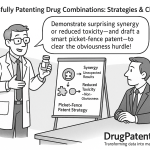
The overarching goal of PLM is to build a formidable barrier to generic and biosimilar competition. This is often achieved through the “picket fence” or “patent thicket” strategy, which involves securing a web of multiple, overlapping patents that cover not just the core invention but also every commercially relevant aspect of the product.9 For a drug combination, this multi-layered fortress of IP is designed to make it exceptionally difficult, time-consuming, and expensive for a competitor to “design around” the patent portfolio without infringing one or more claims.
5.1 Combination Patents as a Cornerstone of Lifecycle Management
One of the most effective PLM strategies is to develop and patent a new fixed-dose combination (FDC) product that pairs a company’s successful, but aging, drug with another complementary therapeutic agent.8 This approach offers several strategic advantages:
New Patent Protection: A novel and non-obvious FDC is a new invention and is eligible for a new 20-year patent term, independent of the patents on the individual components. This can extend market exclusivity for the franchise long after the original drug’s patent has expired.11
Improved Therapeutic Value: A well-designed FDC can offer significant clinical benefits, such as improved efficacy, a better safety profile, or enhanced patient compliance by simplifying a complex treatment regimen into a single pill.5 This creates a compelling reason for physicians to prescribe, and for payers to reimburse, the new combination product over impending generic versions of the original drug.
Product Hopping: This strategy, sometimes called “product switching,” involves actively transitioning the market from the original single-agent product to the new, patent-protected combination product before the original patent expires.53 By the time generic versions of the first drug launch, a significant portion of the market share has already “hopped” to the new product, which remains protected by its own patents.
5.2 Building the “Picket Fence”: A Multi-Layered Patent Strategy
A successful PLM strategy rarely relies on a single patent. Instead, it involves constructing a dense and overlapping “picket fence” of protection around the combination product. This involves filing a portfolio of patents with different claim types and expiration dates, creating multiple, independent barriers to competition.10 The “pickets” in this fence can include patents covering:
The Core API Combination: A composition of matter patent claiming the specific combination of the active ingredients, often at a precise ratio that has been shown to be synergistic or otherwise unexpectedly beneficial.10
Specific Formulations: Patents covering the final pharmaceutical formulation, including all the specific excipients, coatings, and delivery systems (e.g., an extended-release matrix, a specific nanoparticle formulation) that make the FDC stable and bioavailable.10
Specific Dosage Amounts and Regimens: Method of use patents claiming the administration of specific dosage strengths of the combination (e.g., a 10mg/50mg tablet) or a specific dosing schedule (e.g., “once daily”) that has been shown to be uniquely safe and effective.8
New Methods of Use (Indication Expansion): Patents covering the use of the combination to treat new medical indications discovered after the initial approval. This can open up new markets and create new layers of exclusivity.8
Associated Delivery Devices: For combination products that are not oral solids, such as injectables or inhalers, patents can be obtained on the device component itself (e.g., a proprietary autoinjector or a unique inhaler design).39
Manufacturing Processes: Patents covering a novel and non-obvious method of manufacturing the combination product, which can be particularly important for complex biologics.8
By strategically building this patent thicket, an innovator company can create a legal fortress that is much more difficult for a generic competitor to assail than a single patent on the original API would have been.
5.3 Navigating the Regulatory-IP Interface: The Role of Exclusivity
The strategic value of a patent portfolio is magnified by its interaction with regulatory exclusivities granted by agencies like the U.S. Food and Drug Administration (FDA). These are distinct from patents and provide an additional layer of market protection.57 Key regulatory exclusivities that can be leveraged in a PLM strategy include:
New Chemical Entity (NCE) Exclusivity: A five-year period of data exclusivity for drugs containing an active ingredient never before approved by the FDA. If a combination product includes a true NCE, it is eligible for this powerful protection.57
New Clinical Investigation Exclusivity: A three-year period of exclusivity granted for new drug applications (or supplements) that contain reports of new clinical investigations (other than bioavailability studies) that were essential to the approval. This is frequently granted for new FDCs, new formulations, or new indications, as they typically require new clinical trials to support their approval.57
Pediatric Exclusivity: An additional six months of exclusivity added to all existing patents and exclusivities for a drug if the sponsor conducts requested pediatric studies. This can be a highly valuable extension, particularly for a blockbuster drug with billions in annual sales.57
A sophisticated PLM strategy involves synchronizing the patenting plan with the regulatory strategy to layer these different forms of protection, maximizing the total period of market exclusivity and delaying the onset of generic competition for as long as possible.
Section 6: Economic and Competitive Landscape
The patenting of drug combinations has profound economic and competitive consequences, shaping the financial trajectory of pharmaceutical companies, influencing drug pricing and market access, and acting as a primary driver of both innovation and litigation. The temporary monopoly granted by a patent is the fundamental economic engine of the pharmaceutical industry, providing the incentive for companies to undertake the risky and extraordinarily expensive process of drug development, which can cost an average of $2.6 billion per approved drug.11 For drug combinations, this economic calculus is particularly complex, as they often represent both novel therapeutic advances and strategic tools to manage the lifecycle of existing products.
6.1 The “Patent Cliff” and the Economic Value of Combination Patents
The expiration of a foundational patent on a blockbuster drug is one of the most significant events in the pharmaceutical industry, often referred to as the “patent cliff.” This moment triggers the entry of low-cost generic competitors, leading to a rapid and dramatic erosion of the innovator’s revenue, often by 80-90% within the first year.50 Between 2023 and 2030, the industry faces a patent cliff of “tectonic magnitude,” with an estimated $200 billion to $300 billion in annual branded drug sales at risk globally.50
In this high-stakes environment, patents on new drug combinations serve as a critical tool to mitigate the financial impact of the patent cliff. By developing and patenting a new combination product, often an FDC, a company can create a next-generation therapy that extends the life of a valuable franchise.11 This strategy, a form of “evergreening,” allows the company to transition patients to the new, patent-protected product before the original drug faces generic competition, thereby preserving a significant portion of its revenue stream.52
The economic value created by this strategy can be substantial. Research indicates that successfully patenting a drug combination can increase the value of a drug franchise by up to 300%.60 This value is derived from the extended period of market exclusivity, which allows the innovator to maintain higher prices without generic competition. One study found that secondary patents, including those for combinations, delay generic entry by an average of three years per drug, costing U.S. consumers and payers an estimated $52.6 billion for a sample of 355 drugs due to prolonged monopoly pricing.61 While critics argue that this practice unduly extends monopolies and keeps drug prices high, pharmaceutical companies contend that it protects legitimate, incremental innovation and provides the necessary returns to fund future R&D.53
6.2 The Competitive Dynamics of Innovation and Litigation
The high financial stakes involved ensure that the landscape of combination drug patents is intensely competitive and litigious. The Hatch-Waxman Act of 1984 established the modern framework for generic drug approval and patent litigation in the U.S., creating a system that both encourages and structures these disputes.50
Paragraph IV Challenges: A generic company seeking to market its product before the innovator’s patents expire files an Abbreviated New Drug Application (ANDA) with a “Paragraph IV” certification. This certification asserts that the listed patents are invalid, unenforceable, or will not be infringed by the generic product.7 This filing is considered an act of patent infringement and typically triggers a lawsuit from the brand manufacturer.
The 30-Month Stay: If the brand company files suit within 45 days of receiving the Paragraph IV notice, the FDA is automatically barred from approving the generic’s ANDA for up to 30 months, or until the litigation is resolved, whichever comes first.50 This provides the innovator with a critical period to defend its patents while continuing to earn revenue from the product.
180-Day Exclusivity: As an incentive to challenge patents, the Hatch-Waxman Act grants the first generic company to file a successful Paragraph IV certification a 180-day period of marketing exclusivity, during which no other generic versions of the drug can be approved.50 This can be an extremely lucrative prize, creating a powerful incentive for generic firms to litigate.
This structured system ensures that patents on commercially successful drug combinations are almost certain to be challenged. Generic companies will conduct exhaustive prior art searches to find evidence that could invalidate the patent on grounds of novelty or, more commonly, obviousness.1 The strength of the innovator’s evidence of unexpected results, particularly synergy, is often the decisive factor in these legal battles.1
6.3 The Role of Patent Intelligence in Strategy and R&D
Given the complexity and high stakes of the competitive landscape, sophisticated patent intelligence has become an indispensable strategic tool. Specialized platforms and databases provide companies with the ability to monitor and analyze the global patent landscape in real-time, transforming patent data from a legal hurdle into a rich source of competitive, scientific, and commercial intelligence.65
Companies leverage patent intelligence platforms to:
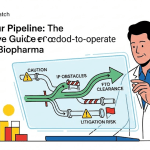
Conduct Prior Art and Freedom-to-Operate (FTO) Searches: Before investing heavily in R&D for a new combination, companies conduct thorough searches to ensure their proposed invention is novel and does not infringe on existing patents, thereby de-risking the development program.1
Map Competitor Portfolios and Strategies: By systematically analyzing a competitor’s patent filings, a company can deconstruct their “picket fence” strategy, understand their R&D priorities, and anticipate their future lifecycle management moves.39
Identify “White Space” Opportunities: Analysis of the patent landscape can reveal untapped therapeutic areas or technological approaches where there is less competitive activity, guiding R&D investment toward areas with a higher probability of success and a clearer path to market.67
Track Litigation and Predict Generic Entry: Monitoring Paragraph IV filings and ongoing patent litigation allows companies to anticipate the timing of generic entry with greater accuracy, which is critical for financial forecasting and strategic planning.64
Support Business Development and Licensing: A thorough understanding of the patent landscape is essential for due diligence in mergers, acquisitions, and licensing deals. It allows companies to accurately value a target’s IP assets and identify potential risks.65
In the modern pharmaceutical industry, the ability to effectively leverage patent intelligence is no longer a niche capability of the legal department but a core component of corporate strategy, informing decisions across R&D, business development, and commercial operations.
Section 7: Case Studies in Combination Patent Strategy
The theoretical principles of patent law and strategy are best understood through their application in the real world. This section examines several case studies that illustrate the successful prosecution, strategic litigation, and commercial impact of drug combination patents, as well as instances where such patents have failed to withstand legal challenges. These examples span different therapeutic areas and highlight the critical factors that determine the success or failure of a combination patent strategy.
7.1 Success Stories: Building Durable Franchises
7.1.1 Oncology: The Pertuzumab/Trastuzumab Combination (Perjeta®/Herceptin®)
The combination of pertuzumab and trastuzumab, developed by Genentech/Roche, represents a landmark success in oncology and a case study in building a robust patent portfolio around a combination therapy. Both antibodies target the HER2 receptor, which is overexpressed in certain types of breast cancer, but they bind to different epitopes and have complementary mechanisms of action.72 Trastuzumab (Herceptin) was the foundational therapy, but the addition of pertuzumab (Perjeta) was shown to provide a significant improvement in progression-free and overall survival for patients with HER2-positive metastatic breast cancer.73
The Inventive Concept: The non-obviousness of the combination was supported by the synergistic effect of dual HER2 blockade. While combining two HER2-targeting agents might seem logical in hindsight, the specific pairing of these two antibodies, which bind to distinct domains of the receptor, resulted in a more comprehensive and effective inhibition of HER2 signaling than either agent alone.72 This provided the “unexpected result” necessary to overcome an obviousness challenge.
The Patent Thicket: Genentech/Roche constructed a formidable patent thicket around this combination. This included not only patents on the individual antibodies but also a portfolio of secondary patents covering:
Methods of Treatment: Claims directed to the use of the combination, with or without chemotherapy agents like docetaxel, to treat HER2-positive breast cancer.75
Fixed-Dose Combinations: Patents on specific formulations, such as a fixed-dose subcutaneous co-formulation of pertuzumab and trastuzumab with hyaluronidase (marketed as Phesgo®), which improves patient convenience by reducing administration time from hours to minutes.72 These formulation patents cover the specific ratios, concentrations, and stabilizing agents that make the subcutaneous product viable.72
Market Impact and Lifecycle Management: This multi-layered patent strategy has successfully protected the franchise for many years. The core patent on the Phesgo® composition is not set to expire until 2025, with other patents in the portfolio extending even further, some to 2038.72 This has allowed Roche to maintain market exclusivity and transition patients to the more convenient, next-generation subcutaneous formulation, effectively managing the product lifecycle and defending against biosimilar competition.
7.1.2 Cardiovascular Disease: The Amlodipine/Atorvastatin Combination (Caduet®)
Caduet®, developed by Pfizer, was a pioneering fixed-dose combination product that combined amlodipine (a calcium channel blocker for treating high blood pressure, marketed by Pfizer as Norvasc®) and atorvastatin (an HMG-CoA reductase inhibitor for lowering cholesterol, marketed by Pfizer as Lipitor®) into a single pill.78 This combination was designed to treat patients with both hypertension and dyslipidemia, common co-morbidities in cardiovascular disease.
The Inventive Concept: The patentability of Caduet did not rely on a novel synergistic interaction between the two APIs in the traditional sense. Instead, the innovation lay in creating a stable, effective, and convenient single-pill formulation that addressed a significant unmet medical need: improving patient adherence to complex cardiovascular medication regimens.3 The challenge was formulating two chemically distinct molecules into a single, stable tablet, which represented a non-obvious formulation achievement.79
The Patent Portfolio: Pfizer secured a portfolio of patents for Caduet. The key patent, U.S. Patent No. 6,455,574, was titled “Therapeutic combination” and claimed the combination of amlodipine and atorvastatin.81 This was supported by patents covering the stable oral formulations of atorvastatin (Lipitor), such as U.S. Patent Nos. 5,686,104 and 6,126,971.81 This strategy protected both the concept of the combination and the specific formulation technology that made it possible.
Litigation and Generic Challenges: As a commercially successful product, Caduet faced numerous Paragraph IV challenges from generic manufacturers, including Mylan and Teva.81 Pfizer engaged in litigation to defend its patents. Ultimately, the last key patent covering the combination expired in August 2018, allowing for generic entry.81 Mylan, as a first-to-file challenger on certain strengths, was eligible for 180-day marketing exclusivity.82 The Caduet case illustrates the typical lifecycle of a successful combination product: innovation, commercial success, patent litigation, and eventual generic competition upon patent expiry.
7.2 Lessons from Failure: When Combination Patents Are Invalidated
Not all combination patents successfully withstand legal scrutiny. The grounds for invalidation often trace back to a failure to overcome the presumption of obviousness, particularly in the post-KSR era.
7.2.1 The “Obvious to Try” Challenge: The Invalidation of Teva’s Copaxone® Patents
The case of Teva’s Copaxone® (glatiramer acetate), a treatment for multiple sclerosis (MS), is a seminal example of a secondary patent on a new dosage regimen being invalidated for obviousness.12
The Invention and Strategy: The original Copaxone was a 20 mg daily injection. To extend the product’s lifecycle, Teva developed and patented a new formulation: a 40 mg injection administered only three times per week. Teva argued this was a significant, non-obvious invention that improved patient convenience and adherence.12 This was a classic “product hopping” strategy designed to move the market to the new, patent-protected version before the 20 mg product faced generic competition.
The Legal Challenge and Outcome: Generic challengers argued that the new dosing regimen was obvious. The courts agreed, invalidating Teva’s patents. The reasoning was grounded in common sense and the “obvious to try” doctrine. The court found that a PHOSITA (a clinician treating MS) would have been motivated to explore less frequent dosing regimens to improve patient adherence and reduce injection-site reactions, which were known issues with the daily injection. Experimenting with a higher dose administered less frequently was not deemed an inventive leap but rather a predictable path of optimization with a reasonable expectation of success.12
Key Learnings: The Copaxone case demonstrates that even a commercially successful product with billions in sales can have its secondary patents invalidated if the underlying invention is deemed a predictable improvement. It highlights the potency of the “obvious to try” argument against patents for new dosage regimens, especially when there are a limited number of known and predictable solutions to a recognized problem (e.g., improving patient convenience).12
7.2.2 Lack of Unexpected Results: The In re Couvaras Decision
The Federal Circuit’s decision in In re Couvaras provides a crucial lesson on the difference between discovering an unexpected mechanism of action and demonstrating an unexpected therapeutic result.38
The Invention: The patent application claimed a method of increasing the release of prostacyclin (a vasodilator) by co-administering two known antihypertensive agents, a GABA-a agonist and an angiotensin II receptor blocker (ARB). The applicant argued that this increased prostacyclin release was an unexpected mechanism and thus the invention was non-obvious.
The Legal Challenge and Outcome: The USPTO rejected the claims as obvious, and the Federal Circuit affirmed. The court found that combining two known antihypertensive drugs to treat hypertension was prima facie obvious. The applicant’s argument about the unexpected mechanism of action was unpersuasive because the ultimate result—lowering blood pressure—was entirely expected.
Key Learnings: This case clarifies that merely elucidating the biological mechanism by which a known combination of drugs achieves its expected therapeutic outcome is not sufficient to confer patentability. To overcome an obviousness rejection, the innovator must demonstrate an unexpected result or benefit, such as a synergistic reduction in blood pressure or a surprising decrease in side effects. In the absence of such an unexpected therapeutic benefit, reciting a newly discovered mechanism of action for a known use of known compounds is insufficient to overcome a prima facie case of obviousness.38
These case studies underscore a central theme: the patentability of a drug combination hinges on the innovator’s ability to provide clear, compelling, and scientifically rigorous evidence that the combination represents a true inventive leap, not merely a predictable and routine step in pharmaceutical development.
Section 8: Conclusion and Strategic Imperatives
The patenting of drug combinations stands as one of the most complex and strategically vital areas of modern intellectual property law. The answer to the foundational query, “Can you patent a drug combination?”, is a definitive yes, but this affirmation is merely the starting point of a long and arduous journey that demands a sophisticated integration of scientific innovation, regulatory acumen, and legal foresight. The temporary monopoly granted by a patent remains the primary economic incentive that fuels the high-risk, high-cost endeavor of pharmaceutical R&D. For combination therapies, which are increasingly central to treating complex diseases and managing product lifecycles, a robust patent strategy is not just an asset but a prerequisite for commercial viability.
The analysis presented in this report distills several critical strategic imperatives for any entity seeking to navigate this challenging landscape:
Proactive, Evidence-Driven R&D is Paramount: The post-KSR legal standard has fundamentally shifted the burden of proof in patent prosecution. The presumption of obviousness for combinations of known elements means that an innovator can no longer rely on the absence of a “teaching, suggestion, or motivation” in the prior art. Instead, the entire R&D program must be prospectively designed as an engine for generating the legally potent evidence needed to affirmatively prove non-obviousness. Clinical and preclinical studies must be meticulously designed from their inception to quantify and document unexpected results—whether it be true synergy, a superior safety profile, or enhanced efficacy. This transforms the patent application from a descriptive document into a persuasive, data-driven legal argument.
Mastering the Nuances of Non-Obviousness is the Core Challenge: While foundational requirements like novelty and enablement are critical gates, the ultimate battle for a combination patent is almost always fought on the grounds of obviousness under 35 U.S.C. § 103. Success requires a multi-faceted legal strategy that anticipates and preempts an “obvious to try” rejection. This involves framing the research problem not as a pursuit of a finite number of predictable solutions, but as an exploration into a vast and unpredictable biological landscape where success was not reasonably expected. The ability to distinguish between the predictability of a method and the unpredictability of a biological outcome is the central pillar of a successful argument.
A “Draft for Europe First” Global Strategy is Essential: The significant differences in patent law between the USPTO, EPO, and JPO—particularly regarding methods of treatment, inventive step standards, and the absolute novelty requirement in Europe—mandate a tailored global prosecution strategy. The most prudent and effective approach is to draft the initial priority application to meet the highest global standard, which is typically that of the EPO. By filing before any public disclosure and including sufficient data to establish plausibility from the outset, innovators create a foundational document that is robust and portable across all major jurisdictions, avoiding the catastrophic loss of rights that can result from a U.S.-centric approach.
The “Picket Fence” is a Tool for Durability and Lifecycle Management: A single patent is a single point of failure. A durable and defensible IP position for a valuable combination therapy is achieved by constructing a “patent thicket” or “picket fence”—a multi-layered portfolio of patents covering the core API combination, specific formulations, dosage regimens, new methods of use, and associated delivery devices. This strategy not only provides redundant layers of protection but is also a cornerstone of effective pharmaceutical lifecycle management, enabling companies to extend market exclusivity and defend valuable franchises against generic and biosimilar competition.
Patent Intelligence is a Non-Negotiable Strategic Asset: In an intensely competitive and litigious environment, navigating blind is a recipe for failure. The systematic use of patent intelligence platforms is no longer a luxury but a necessity for strategic decision-making. These tools enable companies to de-risk R&D by conducting thorough prior art and freedom-to-operate analyses, to map competitor strategies by dissecting their patent portfolios, to identify “white space” opportunities for innovation, and to anticipate the timing of generic entry by tracking litigation. Integrating patent intelligence into the core of corporate strategy—from the lab to the boardroom—is what separates market leaders from followers.
In conclusion, the patenting of drug combinations is a high-stakes endeavor where scientific discovery and legal strategy are inextricably linked. The companies that succeed will be those that recognize this synergy, embedding a deep understanding of patent law into the very fabric of their research and development process. They will generate not just new medicines, but the robust, quantitative evidence of non-obviousness required to protect them. By doing so, they can secure the market exclusivity necessary to recoup their investments, fuel the next wave of innovation, and ultimately, deliver new and improved therapeutic options to patients worldwide.
Identification of the factors that result in obviousness rulings for biotech patents: An updated analysis of the US Federal Circuit decisions after KSR, accessed August 18, 2025, https://pmc.ncbi.nlm.nih.gov/articles/PMC3981861/
The combination of trastuzumab and pertuzumab administered at approved doses may delay development of trastuzumab resistance by additively enhancing antibody-dependent cell-mediated cytotoxicity – PMC – PubMed Central, accessed August 18, 2025, https://pmc.ncbi.nlm.nih.gov/articles/PMC5058622/
CA3167799C – Combined use of pertuzumab, trastuzumab, and anthracycline-based chemotherapy for neoadjuvant therapy of early-stage her2-positive breast cancer – Google Patents, accessed August 18, 2025, https://patents.google.com/patent/CA3167799C/en
EP2070520A1 – Pharmaceutical composition comprising at least one active agent and a binder, which swells in an acidic media – Google Patents, accessed August 18, 2025, https://patents.google.com/patent/EP2070520A1/en