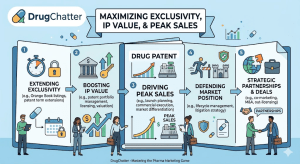
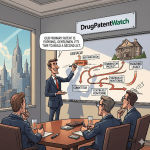
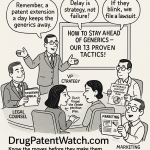
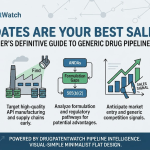
A patent does not generate revenue. A masterfully executed commercial strategy does. This guide breaks down exactly how pharmaceutical companies, biotech IP teams, portfolio managers, and R&D leads can extract maximum value from every day of patent-protected exclusivity, from pre-IND market shaping through post-LOE tail management.
The Tufts Center for the Study of Drug Development estimates the fully capitalized cost of bringing a new drug to market at approximately $2.6 billion when the cost of failures is accounted for. That figure makes the commercial question brutally clear: you get one on-patent window to recover that investment. How you spend that window determines whether you built a blockbuster or an expensive footnote.
Part I: The Patent as a Financial Instrument, Not Just a Legal Shield
Rethinking Patent Value: From Legal Defense to Core Commercial Asset
Most IP teams operate in a reactive mode, prosecuting applications, responding to inter partes review (IPR) petitions, and litigating Paragraph IV certifications. That posture leaves enormous value on the table. A drug’s patent portfolio is, in financial terms, the primary determinant of its enterprise value during the pre-LOE phase. Understanding why requires a brief detour into how analysts actually model pharmaceutical assets.
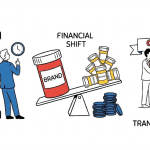
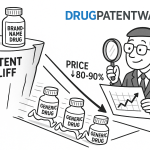
When a buyside analyst at a healthcare-focused fund builds a net present value (NPV) model for a marketed drug, the most sensitive input is rarely peak sales. It is the loss-of-exclusivity (LOE) date, because that date triggers the revenue erosion assumption. For a typical small-molecule drug facing brand-generic substitution, the standard generic erosion curve assumes 80-90% volume loss within twelve months of the first generic launch. A single additional year of exclusivity on a product with $3 billion in annual revenue is worth approximately $2-2.4 billion in additional gross margin at standard pharmaceutical margins, before tax effects. That number dwarfs most marketing budget line items, which is precisely why IP strategy must be treated as a revenue function, not a legal overhead.
IP Valuation Mechanics for Drug Assets
The conventional income approach to IP valuation uses a royalty relief method: estimate the royalty rate a third party would pay for a license to the patent, apply it to the projected revenue stream, and discount to present value at a risk-adjusted rate. For a composition-of-matter (COM) patent on a first-in-class oral small molecule in a large-volume indication, royalty relief rates typically fall between 8% and 15% of net sales, depending on therapeutic area margins and competitive intensity.
Method-of-use patents, by contrast, trade at lower royalty equivalents, roughly 3-6%, because they cover the application of a molecule rather than the molecule itself and are more susceptible to design-around strategies. Formulation patents occupy an intermediate tier. A polymorph or salt-form patent covering a more bioavailable version of an existing compound can command rates comparable to COM patents if the clinical differentiation is real and defensible; otherwise, they sit in the 4-8% range.
The practical implication is that not all patents in your Orange Book listing are equal commercial assets. The COM patent is the anchor. Everything else, the extended-release formulation patent, the auto-injector device patent, the pediatric dosing patent, the method-of-use patent for a new indication, layers on top. The commercial team should sit in IP portfolio review meetings with this royalty-rate framework in mind. Understanding which patents carry genuine enforcement and litigation risk versus which are primarily designed to complicate generic entry informs both the marketing narrative and the long-range forecast.
Key Takeaways: Part I
The COM patent is the primary revenue-generating IP asset. Method-of-use and formulation patents are real but secondary assets that are best understood in terms of their litigation deterrence value. Every IP strategy decision has a direct NPV consequence that commercial teams need to quantify. LOE date sensitivity, not peak sales sensitivity, typically drives the largest variance in pharmaceutical asset valuation models.
Part II: Pre-Launch Market Architecture
Phase 0 Market Shaping: The Three-Year Runway
A drug’s commercial trajectory is largely set before the NDA is filed. The companies that understand this allocate substantial resources to “Phase 0” marketing activities that run concurrent with Phase II and Phase III trials. These activities are unbranded and non-promotional, operating entirely within FDA’s rules on pre-approval communications.
Disease State Education and Epidemiological Framing
The goal here is not subtle manipulation. It is genuine education on a disease area where the science is evolving and where the current standard of care is demonstrably inadequate for a meaningful patient population. Before the approval of PCSK9 inhibitors evolocumab (Repatha, Amgen) and alirocumab (Praluent, Sanofi/Regeneron), both companies ran extensive unbranded campaigns focused on residual cardiovascular risk in high-risk patients already on maximally tolerated statin therapy. The campaigns cited published outcome data, highlighted LDL-C targets that current guidelines recommended but that statin monotherapy frequently failed to achieve, and made the scientific case for a new mechanism of action, without naming the mechanism.
When Repatha launched in 2015 with a wholesale acquisition cost of approximately $14,400 per year, the cardiologist audience had already been primed with the clinical rationale for why some patients needed more than a statin. The problem was access, but the clinical narrative was pre-built. Disease state education is infrastructure, not advertising.
The operational structure for this work involves three channels running in parallel. Continuing medical education (CME) grants are given to independent medical education providers who develop programs on the disease state. Medical Science Liaisons conduct one-on-one scientific exchange with high-prescribing specialists at academic medical centers and large community practices. Unbranded digital properties, typically condition-focused patient and physician websites, capture organic search traffic from both clinician and patient audiences.
The underlying SEO architecture of these unbranded properties deserves specific attention. Search volume analysis in a therapeutic area will typically reveal that disease-state terms (e.g., “treatment-resistant hypertension options,” “NASH treatment guidelines,” “ALK-positive NSCLC biomarker testing”) carry far higher search volume and lower competitive difficulty than branded drug terms pre-launch. Capturing this organic traffic with authoritative, medically reviewed content builds domain authority that the eventual branded property inherits through internal linking and strategic domain architecture.
KOL Mapping and Scientific Exchange: The Mechanics
The standard KOL tiering model divides thought leaders into national/international KOLs (Tier 1), regional influencers (Tier 2), and local champions (Tier 3). The mistake most companies make is pouring resources into Tier 1 engagement while neglecting the Tier 2 and Tier 3 physicians who are closer to actual prescribing decisions in community practice settings where the bulk of prescription volume originates.
Medical Science Liaison (MSL) teams handle Tier 1 and Tier 2 engagement. A PharmD, PhD, or MD-trained MSL conducts scientific exchange visits, responds to unsolicited requests for information, and attends major medical congresses to discuss trial data with investigators and specialists. The MSL’s role is explicitly non-promotional and must be operationally segregated from the commercial sales organization. MSLs report to Medical Affairs, not to the commercial team, and their compensation cannot be tied to sales metrics.
The strategic value of the MSL-KOL relationship compounds over time. An MSL who has been visiting a key cardiology department for two years before a drug’s approval, sharing Phase III data as it was presented at congresses and published in peer-reviewed journals, has built a relationship that translates into a KOL who prescribes early in the launch curve, speaks at company-sponsored symposia based on genuine clinical conviction, and publishes real-world case series that amplify the brand’s evidence base.
Early Payer Engagement and HEOR Study Design
Pre-approval information exchange (PIE), codified in FDA guidance issued in 2018, allows manufacturers to share certain pipeline drug information with formulary decision-makers before approval. The practical scope covers health technology assessments, budget impact models, and unapproved clinical trial data, provided it is accurate and non-misleading. Most large pharmacy benefit managers (PBMs), including Express Scripts, CVS Caremark, and OptumRx, have formal pre-approval processes through which manufacturers can initiate these conversations.
The critical strategic output of these early payer conversations is the Health Economics and Outcomes Research (HEOR) study agenda. Payers are increasingly sophisticated. They do not simply accept a company’s published cost-effectiveness model; they want study designs that will answer questions specific to their covered population, their formulary, and their therapeutic-area spend. An early conversation with a large commercial payer might reveal that they are primarily concerned about total cost of care in a specific comorbidity-heavy patient segment. That insight should directly inform the real-world evidence study agenda that the medical affairs team designs two years before launch.
HEOR study types that carry the most weight in formulary negotiations are retrospective database analyses using claims data (EHRs or insurance claims), prospective patient registries that capture outcomes and healthcare resource utilization, and, increasingly, health-related quality of life (HRQoL) studies using validated instruments like the EQ-5D. The budget impact model (BIM) is the most directly actionable document you can bring to a payer negotiation; it translates clinical benefit into a line-item impact on their drug spend budget.
The Target Product Profile as Commercial Architecture
The Target Product Profile (TPP) is the nexus document where clinical development, regulatory strategy, and commercial planning converge. In standard pharmaceutical development practice, the TPP is a living document maintained by the clinical team with input from regulatory. What it should be is a commercial contract: a statement of exactly what claims, patient populations, safety profile, and dosing conveniences the commercial team needs from the clinical program to compete and win in the target market.
Aligning Clinical Endpoints with Commercial Claims
The consequences of endpoint misalignment are severe and difficult to correct post-approval. A Phase III trial powered only for a composite primary endpoint, with no pre-specified co-primary or key secondary endpoint on a patient-reported outcome, may generate a statistically significant result that translates into a label claim that physicians find unconvincing. This is not a hypothetical scenario.
The CANVAS program for canagliflozin (Invokana, Janssen) reported a significant reduction in its composite cardiovascular endpoint, but the result was complicated by a signal for increased lower-extremity amputation risk that had not been anticipated in the TPP. The safety signal substantially complicated the commercial narrative and ultimately contributed to canagliflozin losing market share to empagliflozin (Jardiance, Boehringer Ingelheim/Eli Lilly), which had a cleaner Phase III readout. The TPP process, with genuine commercial input at the endpoint selection stage, is how you prevent that scenario.
The specific endpoints that drive commercial differentiation depend on therapeutic area, but across most disease categories, the commercial team should push for three things beyond the regulatory primary endpoint: a pre-specified key secondary that is a direct patient-reported or functional outcome, a subgroup analysis powered to demonstrate benefit in the highest-unmet-need patient segment, and a time-to-event analysis that allows for claims about speed of effect. Each of these generates a distinct label claim or a piece of scientific communication that the sales force and MSL team can use in clinical discussions.
Competitive Benchmarking in the TPP
The TPP should include a formal competitive benchmarking section that compares the aspirational profile to the approved labels of the two to three most directly competitive agents in the class. This is not speculative; it is the rigorous exercise of mapping what your drug needs to demonstrate in order to give physicians a clear reason to prescribe it. If the leading product in your space has a safety profile that causes class-related GI adverse events in roughly 15% of patients, and your mechanism is expected to carry lower GI liability, that delta needs to be captured in a pre-specified safety endpoint that allows for a favorable head-to-head safety comparison in the label or in scientific publications.
Patent Landscape Intelligence Before Launch
Competitive patent intelligence is a pre-launch function, not a reactive legal response. Understanding the full patent ecosystem in your therapeutic area before you launch gives the commercial team information it needs to build a durable competitive positioning.
The Five Layers of Competitive Patent Analysis
A thorough competitive patent analysis covers five distinct patent categories for each major competitor: composition-of-matter patents, formulation patents (extended-release, salt forms, polymorphs), delivery device patents (auto-injectors, prefilled syringes, inhalers), method-of-use patents (approved indications, patient subgroups, combination regimens), and manufacturing process patents. Each layer has different litigation risk and commercial relevance.
The composition-of-matter patent is the most valuable and the most frequently litigated. When a competitor’s COM patent expires or is invalidated, it opens generic entry for the original molecule. Formulation patents covering extended-release or other line extensions may survive the COM patent expiration and protect higher-margin branded formulations. Device patents are particularly relevant in biologics, where the auto-injector or pen delivery system can differentiate products with otherwise similar clinical profiles.
Platforms like DrugPatentWatch allow commercial and IP teams to pull comprehensive Orange Book patent listings, track Paragraph IV certification filings and subsequent litigation outcomes, and model expected LOE dates across the competitive landscape. The output of this analysis should directly inform the commercial strategy: if a key competitor’s COM patent expires in two years and their only protective formulation patent is a weak polymorph patent that has already been challenged, your marketing strategy should anticipate a competitive price collapse in their segment and pre-position your product’s clinical differentiation with payers and physicians who currently use their product.
White Space Identification Through Patent Mapping
Patent landscape mapping in early-stage disease areas sometimes reveals genuine white space: patient populations with significant unmet need that no competitive product has patent claims covering. This is particularly relevant in oncology, where molecular subtyping of patient populations is advancing faster than regulatory approvals and patent filings.
The ALK-positive non-small cell lung cancer space provides a useful historical example. When Pfizer’s crizotinib (Xalkori) was first approved in 2011 for ALK-positive NSCLC, it carried patent protection on the compound and on the companion diagnostic. Subsequent entrants including alectinib (Roche/Genentech) and brigatinib (Ariad, later Takeda) identified white space in ALK-inhibitor-resistant patients and in CNS penetration for patients with brain metastases. Both products gained approval specifically in the crizotinib-resistant setting, creating a protected competitive space through method-of-use patents that covered the specific patient subtype. White space analysis conducted pre-launch would have revealed this opportunity.
Key Takeaways: Part II
Pre-launch market shaping is infrastructure that earns returns over the full exclusivity period. The TPP is a commercial document that the marketing team must actively own, particularly at the endpoint selection stage. HEOR study design should be driven by payer insights gathered through PIE conversations at least two years before anticipated approval. Competitive patent landscape analysis should model all five patent layers for each major competitor and feed directly into positioning strategy and long-range forecasting.
Investment Strategy Note: Pre-Launch Phase
Portfolio managers tracking early-stage pharma assets should closely monitor the quality of a company’s pre-launch investment, specifically whether they have a Medical Affairs team with a functioning MSL infrastructure, an established HEOR team publishing disease burden studies, and evidence of early payer engagement. Companies that begin these activities at Phase II rather than waiting for Phase III readout consistently demonstrate faster uptake curves post-approval. Faster uptake translates directly into higher NPV at any given discount rate because more revenue is captured early in the exclusivity window when it is less discounted.
Part III: Launch Execution
Why the First Six Months Are Irreversible
Peak sales predictability from early launch trajectory is one of the most robust empirical patterns in pharmaceutical commercialization. Analysis of major drug launches across multiple therapeutic areas consistently shows that a drug’s relative market position at month six strongly predicts its position at peak. A slow start is structurally difficult to reverse because physician prescribing behavior is highly habitual. Once a physician adopts a prescribing pattern, changing it requires a clinical event, a new guideline update, or a sustained, high-frequency commercial intervention that is expensive to execute.
The implications are clear: the launch phase demands maximum resource deployment. Companies that phase in launch investment to manage quarterly earnings typically pay for it in lost peak sales that cannot be recovered.
Launch Readiness Metrics That Actually Matter
Commercial teams typically track “launch readiness” against a checklist: sales force training complete, promotional materials approved, speaker programs scheduled, samples available. Those are necessary conditions, not sufficient ones. The metrics that actually predict launch trajectory are more specific.
Formulary coverage at launch is the single most important access metric. A drug that launches with coverage for fewer than 50% of commercially insured lives is functionally constrained regardless of physician interest. Target formulary access, including favorable tier placement or, at minimum, prior authorization protocols that can be navigated efficiently, across the top five national commercial payers before launch. For Medicare Part D coverage, the timeline is longer because the annual plan design cycle means you may need to secure formulary inclusion in the prior year’s contracting cycle.
The second predictive metric is KOL-generated scientific communications. The number of congress presentations, peer-reviewed publications, and post-hoc analyses from pivotal trials available at launch determines how much independent, peer-to-peer scientific dissemination has occurred before the sales force makes its first call. Launches with multiple pre-planned publications in high-impact journals at or before approval date consistently outperform launches where the pivotal trial data sits in a single Phase III publication.
Value Proposition Architecture: More Than a Tagline
The core brand value proposition for a patented drug is not a tagline. It is a structured, evidence-grounded argument that answers the prescribing physician’s actual clinical decision process. That process is roughly: does this patient meet criteria for a new therapy? Which therapy fits best? What do I need to document and navigate to get it approved by the payer?
Your value proposition must address all three steps. It must specify which patients are the target, state the specific clinical benefit on endpoints the physician cares about, and acknowledge the access pathway rather than ignoring it.
Framing Efficacy Claims for Maximum Clinical Impact
FDA-approved labeling constrains what the sales force can say. But the label is a floor, not a ceiling, for scientific communication conducted by MSLs and in published literature. The commercial team should develop a “claims architecture” that maps label language to the broader scientific communication available in the literature, including mechanistic studies, biomarker subgroup analyses, and real-world database analyses that have been published independently.
For example, a drug approved for heart failure with reduced ejection fraction (HFrEF) might have label language showing a statistically significant reduction in a composite cardiovascular outcome endpoint. The published literature might also contain a pre-specified subgroup analysis showing particularly strong benefit in patients with type 2 diabetes and HFrEF, along with an independent mechanistic study suggesting the drug reduces NT-proBNP levels faster than competing agents. The MSL team can discuss all of this in response to physician-initiated scientific exchange. The sales team can reference the primary label claim and direct the physician to request an MSL visit for deeper scientific discussion. This stratified communication model maximizes the evidentiary footprint of the product without creating off-label promotion exposure.
Stakeholder-Specific Messaging: Payers Require a Different Language
The fatal error in launch messaging is presenting the same clinical narrative to payers that you present to physicians. Payers do not manage individual patients; they manage populations and budgets. A medical director at a large Blue Cross Blue Shield plan is not moved by a Kaplan-Meier curve showing a hazard ratio of 0.75 for cardiovascular events. What moves them is a budget impact model showing that for their 10,000 high-risk heart failure members, using your drug versus the current standard would reduce hospitalizations by a projected 850 events per year, at an average all-cause hospitalization cost of $18,000, generating a total healthcare system offset of $15.3 million against a drug cost increment of $9.2 million. That is a real payer conversation.
The HEOR team’s most important deliverables for launch are a validated budget impact model specific to the target payer population and a systematic review or meta-analysis positioning your drug’s clinical profile in the context of all available evidence in the therapeutic area. Both should be ready six months before anticipated approval to allow time for payer pre-submission review.
Salesforce Deployment and Channel Integration
The optimal sales force size for a specialty pharmaceutical launch is determined by target physician reach, call frequency assumptions, and the geography of prescriber concentration. The specialty pharmaceutical model differs fundamentally from primary care: rather than a large sales force making infrequent calls to a diffuse prescriber base, the goal is a concentrated, high-quality engagement program targeting the relatively small number of specialists who will account for the majority of prescription volume.
For an oncology drug with a narrow tumor type indication, 70-80% of total prescribing volume may originate from 500-700 treating oncologists nationwide. A sales force of 150-200 oncology account managers, supported by a medical affairs team of 40-60 MSLs, can reach that prescriber universe with sufficient call frequency to drive adoption. Contrast that with a primary care indication, where 50,000-80,000 prescribers may ultimately contribute volume, requiring a fundamentally different sales infrastructure.
Digital channel integration has made the specialty model more efficient. Approved email campaigns, virtual educational symposia, HCP-targeted digital advertising on platforms like Doceree and Epocrates, and data-driven “next best action” systems that personalize engagement based on individual physician prescribing behavior and channel preferences now supplement or partially replace in-person sales calls. The cost per meaningful engagement via optimized digital channels is roughly 40-60% lower than an in-person sales call. That efficiency gain is best deployed to extend reach into Tier 3 prescribers in geographies where in-person coverage is economically difficult.
Key Takeaways: Part III
Formulary access at launch is more important than physician awareness. A drug with excellent physician interest but poor formulary coverage will underperform a drug with moderate physician awareness and broad formulary inclusion. The “claims architecture” model, separating label-level commercial claims from MSL-accessible scientific communication, maximizes the evidentiary footprint within compliance constraints. Payer messaging requires a fundamentally different evidentiary framework than HCP messaging: budget impact and population-level outcomes, not individual patient-level clinical data.
Part IV: Life Cycle Management and Exclusivity Extension
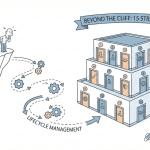
LCM Is Not Evergreening: The Critical Distinction
“Evergreening” has acquired a pejorative meaning in pharmaceutical policy debates, used to describe tactics designed to extend exclusivity without delivering genuine clinical value. The distinction between legitimate LCM and evergreening is not merely semantic; it has legal, regulatory, and commercial consequences.
Legitimate LCM generates real clinical benefit for a defined patient population. A once-daily extended-release formulation that reduces pill burden and demonstrably improves patient adherence is legitimate LCM. A pediatric formulation that enables appropriate dosing in children who currently receive off-label adult doses is legitimate LCM. A new indication for a patient population with no approved treatment options is legitimate LCM. Each of these generates new patents, new regulatory exclusivities, and new commercial opportunities, but they do so on the basis of genuine clinical development.
Evergreening, by contrast, refers to incremental formulation or salt-form changes that generate new patents without adding meaningful clinical differentiation, combined with aggressive marketing to shift the patient base from the original product to the new, still-protected version before generic entry. The practice has attracted FTC scrutiny, Congressional attention, and is increasingly a factor in payer formulary decision-making, where plans now sometimes explicitly prefer generics of the original molecule over branded reformulations they view as clinically equivalent.
The commercial implication: LCM strategy should be designed on the basis of genuine clinical differentiation first, patent extension second. A reformulation that you cannot demonstrate adds clinical value to a real patient population is a legal and reputational liability that outweighs any exclusivity extension benefit.
New Indication Development: The Highest-ROI LCM Investment
New indication approvals are the most valuable LCM investments because each approval resets a significant portion of the brand’s commercial potential. A drug approved in a 200,000-patient indication that gains a second approval in a 1,000,000-patient indication effectively becomes a different commercial asset.
AbbVie’s Humira: The Multi-Indication Playbook
AbbVie’s adalimumab (Humira) is the canonical example of new indication-driven LCM executed at scale. The anti-TNF biologic was first approved by FDA in December 2002 for rheumatoid arthritis. Over the subsequent fifteen years, AbbVie pursued eleven additional indications: psoriatic arthritis, ankylosing spondylitis, Crohn’s disease, plaque psoriasis, juvenile idiopathic arthritis, ulcerative colitis, non-radiographic axial spondyloarthritis, uveitis, pediatric Crohn’s disease, hidradenitis suppurativa, and pediatric plaque psoriasis.
Each indication generated a distinct patient population with its own prescribing specialist base (rheumatologists, gastroenterologists, dermatologists, ophthalmologists), its own HEOR evidence requirements, its own formulary access negotiations, and its own medical education infrastructure. The cumulative result was a product that generated $20.7 billion in global net revenues in 2022, nearly two decades after initial approval.
Humira’s IP valuation at the time of its peak revenues reflected this multi-indication portfolio. A drug with a single indication and a single COM patent might have been worth substantially less on an LOE-adjusted NPV basis than the actual product, which had a sprawling patent estate covering the compound, the formulation, the manufacturing process, the auto-injector device, and method-of-use claims for each of its eleven indications. This estate, combined with the “patent thicket” strategy that produced over 130 U.S. patents by the time Humira faced biosimilar competition, explains why biosimilar entry in the U.S. was delayed until 2023, seven years after European biosimilar competition began.
The investment strategy implication: when analyzing an early-stage biologic or immunology asset, the number of clinically plausible indication extensions is a meaningful valuation input. An anti-IL-17 or anti-IL-23 mechanism operating across multiple autoimmune conditions is structurally more valuable than a highly specific mechanism with a single, narrow indication, all else being equal.
Formulation Technology Roadmap for Extended Exclusivity
Extended-release formulation development follows a relatively predictable technology pathway for oral small molecules. The standard progression moves from immediate-release (IR) tablets or capsules as the initial approved formulation, to extended-release (ER) matrix tablets or reservoir-based capsules that allow once-daily dosing, to modified-release formulations targeting specific release profiles (delayed-release for gut-targeted delivery, pulse-release for chronopharmacological optimization), and ultimately to novel delivery platforms like mucoadhesive systems, abuse-deterrent formulations (particularly relevant for controlled substances), or fixed-dose combination products.
Each step in this progression involves genuine pharmaceutical development work, animal pharmacokinetic and toxicology studies, clinical bridging studies (typically a pharmacokinetic relative bioavailability study plus a clinical trial in the target population), a supplemental NDA or sNDA filing, and FDA review. The patent on each new formulation typically issues two to four years after initial development begins, with a 20-year term from filing date. If the original COM patent expires in year 15 of a drug’s commercial life and the ER formulation patent was filed in year 5, that formulation patent provides approximately ten additional years of protection for the reformulated product, assuming it survives any validity challenges.
For biologics, the formulation technology roadmap has additional complexity. The primary areas of formulation development include concentration increases to reduce injection volume, subcutaneous delivery development for drugs initially approved as intravenous infusions, citrate-free or low-tonicity formulations that reduce injection-site pain (a significant tolerability differentiator for auto-injected products), and prefilled syringe or auto-injector device development. Roche’s development of a subcutaneous formulation of trastuzumab (Herceptin), which was initially approved as an IV infusion, is a clear example: the subcutaneous version, co-formulated with Halozyme’s ENHANZE drug delivery technology, reduced administration time from 30-90 minutes to 2-5 minutes and generated separate patent protection on the formulation and delivery technology.
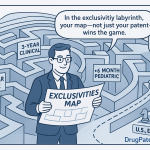
Regulatory Exclusivities: The Non-Patent Protection Layer
Patents and regulatory exclusivities are legally distinct. A drug can lose its primary COM patent while retaining significant regulatory exclusivity, and vice versa. Understanding the full exclusivity stack is essential for accurate LOE modeling.
New Chemical Entity (NCE) Exclusivity
FDA grants five years of data exclusivity to drugs containing active moieties never previously approved. During this period, FDA cannot accept an ANDA that references the innovator’s data, effectively preventing generic filings for five years post-approval regardless of patent status. For drugs with weak or absent COM patent protection, NCE exclusivity is the primary protection. The practical effect is that an ANDA can be filed in year four (one year early under the Hatch-Waxman framework, with the one-year early filing provision) and can reference NCE data after the five-year period expires.
Pediatric Exclusivity
The six-month pediatric exclusivity extension granted under the Best Pharmaceuticals for Children Act (BPCA) applies to all existing patents and regulatory exclusivities for a drug. On a product with $5 billion in annual revenue, six months of additional exclusivity has a net present value of approximately $1.5-2 billion at standard pharmaceutical margins, depending on discount rate assumptions. Pediatric studies are not optional for most drugs targeted at conditions that affect children; under PREA, FDA can mandate them. For drugs where pediatric studies are requested rather than mandated, the commercial calculus almost always favors conducting them.
Orphan Drug Exclusivity (ODE) as a Standalone Strategy
Seven years of market exclusivity for a rare disease indication is one of the most powerful exclusivity instruments available. ODE prevents FDA from approving the same drug for the same orphan indication for seven years from approval. For small-molecule drugs where the COM patent may be weak or approaching expiration, gaining an orphan indication can effectively extend the product’s protected commercial life.
Several companies have pursued orphan indication strategies not because the indication was their primary commercial target, but because the ODE provided a protected commercial beachhead that bought time to develop the broader indication. The ethical version of this strategy involves genuine development investment in the orphan population and a drug that actually works in that population. The problematic version, where a company prices an orphan indication aggressively primarily to exploit the exclusivity and does minimal clinical development, has attracted increasing regulatory and Congressional scrutiny.
Patent Term Extension Under Hatch-Waxman
Patent Term Extension (PTE) under 35 U.S.C. Section 156 restores a portion of the patent term consumed during FDA clinical review. The extension calculation is half the time in clinical testing after the IND filing date, plus the full time under FDA review after the NDA submission date, minus any time that was not “reasonably continuous” during FDA review. The total extension cannot exceed five years, and the extended patent life cannot extend beyond 14 years from the approval date. Only one patent per approved drug product is eligible for PTE.
The patent selection decision matters commercially. The most common choice is the primary COM patent, because it has the broadest claim scope and the most commercial relevance. But if the COM patent has a strong remaining term anyway (e.g., it was filed late in development), it may be more valuable to apply PTE to a formulation patent or method-of-use patent that would otherwise expire earlier. Companies should model this decision carefully, because the choice is irrevocable.
Key Takeaways: Part IV
New indication development is the highest-ROI LCM investment. Formulation development follows a predictable technology pathway that generates sequential patent protection if the clinical differentiation is genuine. Regulatory exclusivities (NCE, pediatric, orphan, PTE) layer on top of the patent estate and create LOE protection even when specific patents are challenged or expire. The full exclusivity stack must be modeled accurately for long-range revenue forecasting. ODE can function as a standalone commercial strategy for drugs with weak primary patent protection.
Investment Strategy Note: LCM Quality Assessment
When evaluating an on-patent pharmaceutical asset for investment, examine the depth of the LCM pipeline. A drug with three or more active sNDA filings or pivotal trials in new indications, a second-generation formulation with patent protection extending five or more years beyond the primary LOE, and a pediatric program generating six-month exclusivity extension has a materially different risk-adjusted NPV than a drug with a single approved indication and no LCM investment. The market frequently undervalues the NPV contribution of secondary indications and formulation patents, creating asymmetric opportunities.
Part V: Paragraph IV Litigation, Patent Thickets, and the Generic Entry Threat
How Paragraph IV Certifications Work in Commercial Practice
When a generic manufacturer files an ANDA with FDA, it must certify its position on each patent listed in the Orange Book for the reference listed drug (RLD). The Paragraph IV certification is the most commercially consequential option: it asserts that at least one listed patent is either invalid, unenforceable, or will not be infringed by the generic product. This certification triggers a precise legal clock.
Upon receiving notice of a Paragraph IV filing, the brand manufacturer has 45 days to sue the generic company for patent infringement in federal district court. If suit is filed within that window, the Hatch-Waxman Act automatically triggers a 30-month stay of FDA generic approval, during which FDA cannot approve the ANDA even if it is otherwise ready. If the case is not filed in the 45-day window, the 30-month stay does not arise, and FDA can approve the generic as soon as it is scientifically ready.
The first generic filer who successfully challenges a patent receives 180 days of generic marketing exclusivity, during which no other generic manufacturer can enter the market. This first-filer exclusivity is a powerful financial incentive that drives aggressive Paragraph IV certification strategies among large generic manufacturers like Teva, Viatris, and Sandoz.
The Commercial Intelligence Function of Paragraph IV Monitoring
Every Paragraph IV certification filed against your product is a material event that affects long-range revenue forecasting. Commercial teams should receive real-time notification of these filings, not just the legal team. The specific patents being challenged reveal the generic company’s legal theory: are they going after the COM patent’s validity, a formulation patent’s enforceability, or non-infringement of a method-of-use patent? The answer has direct implications for the probability of generic entry at different future dates.
DrugPatentWatch and similar services track Paragraph IV filings in near real-time and provide litigation case history that allows teams to assess the outcome probabilities for similar patent challenges in comparable cases. A COM patent that has been successfully defended in two prior Paragraph IV litigations carries different probability distribution than a polymorph patent with no prior litigation history and a narrow claim scope.
Patent Thicket Architecture and Its Enforcement Risks
A patent thicket strategy involves intentionally building a dense network of overlapping patents across multiple protection layers: compound, formulation, device, manufacturing process, and method of use. The Humira example is the most cited, with AbbVie accumulating over 130 U.S. patents. The commercial theory is that the complexity of challenging the full estate deters generic and biosimilar competition by making the litigation economics unfavorable.
The strategy carries real risks. The FTC has filed enforcement actions against patent settlements it characterized as anticompetitive. The Actavis Supreme Court decision (2013) established that reverse payment settlements, where a brand company pays a generic company to stay off the market, are subject to antitrust scrutiny under the rule of reason. More recently, Congressional legislation including the CREATES Act (2019) has created legal pathways for generic manufacturers to compel brand companies to provide samples needed for bioequivalence testing when the brand refuses to sell them.
The operational risk is that an aggressively built patent thicket can attract litigation, regulatory scrutiny, and reputational damage that erodes the commercial value it was intended to protect. The legal and commercial teams must jointly assess the defensive value of each patent in the thicket against the litigation exposure it may generate.
At-Risk Launch Scenarios and Commercial Contingency Planning
An at-risk launch occurs when a generic manufacturer launches its product despite unresolved patent litigation. The generic company is “at risk” of damages if the brand company ultimately prevails in court. At-risk launches happen when the generic company believes its chances of winning the patent case are high, or when the commercial opportunity is large enough to justify the legal risk.
The commercial team must model at-risk launch scenarios for every patent-challenged product. The key variables are: the probability of an at-risk launch based on the status of the litigation and public statements by the generic company; the speed of generic adoption if an at-risk launch occurs (typically faster in therapeutic areas with large PBM-managed market share where formulary substitution is automatic); and the probability and timing of a court injunction reversing the at-risk launch. Companies that have not modeled these scenarios are operationally unprepared when they occur.
Key Takeaways: Part V
Paragraph IV filings are commercial events, not just legal events, and must be tracked by both legal and commercial teams. The specific patents being challenged in a filing reveal the generic company’s legal theory, which has direct implications for LOE probability distributions. Patent thicket strategies deliver real exclusivity protection but carry antitrust and reputational risk that must be continuously assessed. At-risk launch contingency plans must be built in advance, with modeled revenue scenarios and formulary defense strategies ready to execute within days of a launch announcement.
Part VI: Real-World Evidence as a Post-Launch Commercial Asset
Why Payers No Longer Accept Phase III Data Alone
The RCT evidence base that gets a drug approved is, by design, generated in a selected patient population under controlled conditions. Inclusion and exclusion criteria eliminate the patients who are most complex: those with multiple comorbidities, those on polypharmacy regimens, older patients, patients from racial and ethnic minority groups historically underrepresented in trials. The patient population in the real-world formulary is not the patient population in the pivotal trial.
Payers and pharmacy benefit managers are sophisticated enough to know this, and they use it in formulary negotiations. A PBM medical director will tell you that your ATTR cardiomyopathy drug showed a significant reduction in cardiovascular outcomes in a trial where the median age was 74 and where patients with eGFR below 45 were excluded, but the PBM’s covered population with this diagnosis has a median age of 79 and 40% have eGFR below 45. What does the drug do in that population?
Real-world evidence (RWE) is the answer. Post-approval RWE studies using claims data from large commercial databases like IBM MarketScan, Optum, or IQVIA’s PharMetrics can generate effectiveness estimates in patient populations that look more like the actual treated population. These studies carry different methodological limitations than RCTs (primarily confounding and selection bias), but they address the payer’s specific question about their covered population.
RWE Study Prioritization: What Moves the Needle
Not all RWE studies are equal in their commercial impact. The highest-value RWE evidence addresses three questions: comparative effectiveness versus the most commonly used alternative in clinical practice (not necessarily the agent that was your head-to-head comparator in Phase III), healthcare resource utilization reduction (hospitalizations, emergency department visits, intensive care admissions), and medication adherence and its association with outcomes.
Comparative effectiveness studies using propensity score matching or other causal inference methods to control for confounding have the most scientific credibility and the most commercial force in payer negotiations. A retrospective database study using propensity-score-matched cohorts demonstrating a 22% reduction in heart failure hospitalizations with your drug versus the formulary-preferred alternative in a commercially insured population directly addresses the cost-effectiveness question payers care about.
Healthcare resource utilization studies are particularly powerful because they translate clinical benefit directly into dollar terms. Every reduced hospitalization has a specific cost that can be calculated from Medicare or commercial claims data. A well-constructed study that shows your drug reduces hospitalizations at a rate that offsets drug cost can shift the payer conversation from “your drug is expensive” to “your drug is cost-effective at its current price.”
Guideline Inclusion as a Commercial Milestone
Inclusion of a drug in major treatment guidelines from professional societies such as the American College of Cardiology, the American Diabetes Association, the National Comprehensive Cancer Network, or the European Society of Cardiology has commercial value that is difficult to overstate. Guideline recommendations function as a diffuse, peer-generated “permission” for physicians to prescribe and for payers to cover a drug. A Class I (strong) recommendation from the ACC/AHA is worth more to a cardiovascular drug’s long-term commercial trajectory than most discrete marketing campaigns.
Guidelines are updated based on published evidence. The most direct path to guideline inclusion is a large, well-designed outcomes trial with a clinically meaningful endpoint, published in a high-impact journal, followed by a systematic review and meta-analysis that places the trial in the context of all available evidence. The timeline from trial completion to guideline incorporation is typically two to four years. Companies should invest in the meta-analysis and independent guideline submission process as a formal commercial activity, not an incidental outcome of publication.
Key Takeaways: Part VI
RWE is not supplementary to Phase III data; it is a distinct evidence type that answers the specific questions payers ask about their covered populations. Comparative effectiveness studies using propensity-score methods and healthcare resource utilization analyses are the highest-value RWE investments. Guideline inclusion is a defined, achievable commercial milestone that requires active evidence generation and clinical publication investment.
Part VII: Pricing Strategy, Market Access, and the Formulary Battle
Value-Based Pricing in Practice
The theoretical framework of value-based pricing is well established. In practice, operationalizing it requires answering a specific technical question: what is the incremental value your drug delivers over the relevant comparator, and what is that value worth in dollar terms?
The cost-effectiveness threshold used by most U.S. commercial payers is not formally published, but analysis of coverage decisions by large PBMs and health systems suggests an implicit threshold somewhere between $100,000 and $200,000 per quality-adjusted life year (QALY) for most conditions, with higher thresholds for severe, life-threatening conditions and conditions affecting pediatric populations. The Institute for Clinical and Economic Review (ICER) publishes formal cost-effectiveness analyses that increasingly influence payer negotiations; brands whose ICER-calculated cost-effectiveness ratios exceed $150,000/QALY face materially more difficult formulary negotiations than those that fall below $100,000/QALY.
For portfolio managers, ICER reports issued before a drug’s commercial launch are a meaningful leading indicator of market access challenges. A negative ICER finding does not preclude commercial success, but it consistently correlates with higher prior authorization rates, more restrictive step therapy requirements, and higher patient cost-sharing at launch.
Price-to-Value Modeling Before WAC Setting
The wholesale acquisition cost (WAC) decision should be modeled against the cost-effectiveness threshold, the budget impact to target payers, and the precedent set by comparable drugs in the class. Setting WAC too high relative to clinical value triggers ICER scrutiny and formulary resistance. Setting it too low is irreversible in the short term and constrains gross-to-net spread that is needed for payer rebates and patient assistance programs.
The gross-to-net gap, the difference between WAC and what manufacturers actually receive after rebates to PBMs and copay assistance to patients, has expanded dramatically. For some products, particularly those in competitive therapeutic areas with high PBM market concentration, gross-to-net gaps reach 50-70%. This means that a drug with a WAC of $60,000 per year may generate net revenue of $25,000-35,000 per patient per year after rebates. Commercial teams and CFOs should model on a net revenue basis, not WAC, for forecast accuracy.
Navigating Prior Authorization and Step Therapy
Prior authorization (PA) and step therapy requirements impose access friction that directly reduces prescription volume. A patient who receives an initial prescription for a new drug and encounters a PA requirement that takes three to five business days to resolve will fill that prescription at a rate roughly 25-35% lower than a patient who faces no PA, based on industry adherence studies. Some patients never re-engage after the initial PA delay.
The commercial response has two components. The patient support program must include a hub services team capable of initiating, tracking, and following up on PA requests on behalf of the prescribing physician’s office. Physician offices, particularly community practices without dedicated prior authorization staff, will not attempt to navigate complex PA processes without active support. The second component is ongoing payer advocacy to reduce PA requirements for appropriate patient subpopulations where the clinical necessity is clear. This advocacy is most effective when supported by real-world adherence data showing that PA delays correlate with worse patient outcomes.
Key Takeaways: Part VII
Set WAC against a modeled cost-effectiveness threshold and payer budget impact, not just competitive benchmarking. Model revenue on a net basis after gross-to-net adjustments. PA and step therapy requirements have measurable impacts on prescription volume that justify the investment in robust hub services and payer advocacy functions. ICER reports issued before launch are a meaningful leading indicator of market access difficulty.
Part VIII: LOE Planning and the Post-Exclusivity Strategy
Building the End-of-Life Commercial Plan
Loss-of-exclusivity planning should begin no later than three years before the anticipated first generic entry date. The plan must address four distinct commercial questions: what is the authorized generic strategy, how will the sales and marketing infrastructure be right-sized, how will patient loyalty programs be managed, and what is the formulary defense strategy with payers.
Authorized Generic Economics
An authorized generic (AG) is the brand product sold under the generic molecule name, either by the brand company directly or through a licensed partner. The brand company retains full margin on AG units it manufactures, which typically carry margins similar to the branded product’s COGS, even when sold at a significant WAC discount to the branded price. The primary commercial logic is revenue capture: rather than allowing third-party generic manufacturers to capture 100% of the generic volume, the AG captures a meaningful share.
The AG’s competitive effect on other generic entrants is also commercially relevant. The first generic ANDA filer has 180 days of marketing exclusivity. If the AG launches simultaneously with the first generic, it competes directly during the 180-day exclusivity window, reducing the first filer’s revenue and potentially making the overall market economics less attractive to subsequent generic entrants. This can moderate the price erosion curve, preserving somewhat higher net prices for longer in the post-LOE period.
The decision to pursue an AG is not universally correct. In therapeutic areas where branded loyalty is low and pharmacist-driven substitution is automatic, the AG captures significant volume but may also accelerate the brand’s own volume decline by making it easier for payers to justify removing the brand from formulary entirely. The financial model must capture these second-order effects.
The Formulary Defense Strategy at LOE
Some brands pursue “authorized generic” partnerships with PBMs specifically to secure preferred formulary status post-LOE. In this arrangement, the brand company agrees to supply the PBM with an AG at a deeply discounted price, and in exchange, the PBM preferences the AG over third-party generics in their formulary. This extends the brand company’s revenue participation in the product category beyond the LOE date.
A more aggressive version of this strategy involves offering payers an exclusive contract for the AG in exchange for prior authorization requirements on third-party generics. This is legally complex territory; such arrangements have attracted antitrust scrutiny when they effectively prevent price competition rather than facilitate it.
Brand Equity After LOE: The Long Tail
Some therapeutic categories support meaningful branded revenue for years after generic entry. This is most common in conditions where patient inertia is high (chronic diseases with good tolerability where patients have been stable for years), where the brand has unique features that generics do not replicate (specific device, support program, patient community), or where physician confidence in the original molecule is driven by long-term outcomes data that the generic cannot brand.
The long-tail brand strategy requires a precise resource model. The sales force is typically reduced to a small, targeted team covering the highest-loyalty physicians. DTC spending is usually eliminated. The primary investment is in patient support programs that provide genuine, difficult-to-replicate value: 24/7 nurse support lines, patient monitoring programs, co-pay assistance. These programs are expensive to maintain but can preserve a meaningful loyal patient base at margins that justify the investment.
Pipeline Communication as LOE Mitigation
One underappreciated commercial strategy for LOE management is pipeline communication. When investors, physicians, and payers understand that a company’s next-generation asset is in late-stage development and may address the limitations of the current product, they view the LOE as a transition rather than a terminal event. A company with a clear successor molecule in Phase III trials, a next-generation biologic or small molecule built on the same mechanistic platform, faces less commercial disruption at LOE because its stakeholders are already engaging with the future portfolio.
This requires deliberate pipeline communication through investor relations, medical congress presence, and publications from Phase II or Phase III trials. The science must be real; manufactured pipeline excitement that does not survive scrutiny damages credibility more than the LOE itself.
Key Takeaways: Part VIII
LOE planning begins three years before anticipated first generic entry. The AG strategy requires modeling both direct revenue capture and second-order effects on brand LOE timing and payer formulary decisions. Brand long-tail strategy is viable in specific therapeutic categories but requires a precise, right-sized resource model. Pipeline communication is a legitimate LOE mitigation tool that works when the pipeline is genuine and the science is advanced enough to credibly engage stakeholders.
Part IX: Compliance Architecture for Pharmaceutical Marketing
The FDA’s OPDP and the On-Label Boundary
FDA’s Office of Prescription Drug Promotion (OPDP) issues Warning Letters and Untitled Letters to pharmaceutical companies for promotional violations. The most common violations fall into four categories: unsubstantiated superiority claims (claiming comparative advantage without adequate clinical evidence), omission of material risk information (particularly failure to communicate serious adverse events with sufficient prominence), false or misleading presentation of clinical data (including selective data presentation and cherry-picked endpoints), and off-label promotion.
Off-label promotion enforcement has evolved significantly since the Sorrell v. IMS Health Supreme Court decision (2011) and subsequent circuit court decisions that raised First Amendment challenges to FDA’s off-label promotion restrictions. The FDA’s current enforcement posture focuses on commercially motivated promotion of off-label uses rather than scientific exchange. The practical distinction that matters for commercial teams: a sales representative who discusses off-label uses in a detail call, or distributes materials about off-label uses, creates clear regulatory exposure. An MSL who discusses the same topic in response to a physician’s specific, unsolicited scientific question, and who documents the interaction accordingly, operates in the protected scientific exchange space.
Global Regulatory Variation in Promotion
EU member states ban DTC advertising for prescription drugs entirely. This eliminates one of the major U.S. commercial tactics but does not eliminate consumer-directed communications; unbranded disease awareness campaigns remain permissible and are widely used in European markets. The practical consequence is that European launch budgets allocate proportionally more to HCP-directed activities and to congress presence than U.S. budgets do.
Japan’s PMDA applies particularly strict rules to promotional materials. Promotional claims must align precisely with approved labeling, and Japanese regulatory authorities actively monitor promotional materials and issue guidance to companies whose materials they view as exceeding approved label claims. Companies launching in Japan require a dedicated regulatory review infrastructure for promotional materials that operates separately from the global regulatory team.
Key Takeaways: Part IX
OPDP enforcement concentrates on four violation categories: unsubstantiated superiority, risk omission, misleading data presentation, and off-label promotion. The commercial team must understand the functional distinction between sales force communications and MSL scientific exchange. Global markets require locally compliant promotional frameworks; EU and Japanese regulations diverge materially from U.S. rules and cannot be addressed by translating U.S. materials.
Conclusion: The Patent Window Is Fixed. What You Do With It Isn’t.
The 20-year patent term is a ceiling, not a floor. Most drugs enter the market having already consumed eight to twelve years of that term in clinical development and regulatory review, leaving eight to twelve years of commercial exclusivity. With PTE, pediatric exclusivity, and regulatory exclusivity layered on top, that number can stretch to fourteen to seventeen years from approval. But it doesn’t extend indefinitely.
The commercial and IP teams that treat this window as a single, undifferentiated period of branded sales miss the structural complexity that determines whether a product generates $500 million or $5 billion in cumulative revenue. The window has phases: the pre-launch infrastructure phase where market architecture is built, the launch acceleration phase where maximum resource deployment captures the steepest part of the adoption curve, the mid-cycle expansion phase where new indications and formulations extend the brand’s reach, and the LOE transition phase where the revenue stream is managed gracefully into the post-exclusivity period.
Every decision in this framework has an IP dimension. Every IP decision has a commercial dimension. The companies that extract the most value from their patent assets are the ones that collapsed the wall between their IP strategy and their commercial strategy, so that the two functions operate as a single, coordinated system rather than parallel siloes. That integration is the actual competitive advantage.
Frequently Asked Questions
Q: When should commercial teams start engaging with the TPP process?
Ideally at the IND stage, and no later than Phase II initiation. By Phase II, the clinical team is making concrete decisions about endpoints, patient populations, and comparators that will shape the label for the next decade. Commercial input at this stage, backed by physician and payer research on what matters to each stakeholder, is the highest-leverage intervention available to the marketing organization.
Q: How do you handle a fast-follower launch where the first-in-class product has strong brand equity?
The fast-follower positioning problem is solved by specificity, not by going head-to-head on the first-in-class product’s strongest claims. Identify the patient population where the first-in-class product underperforms: the patients with comorbidities that complicate its tolerability, the patients who need a dosing convenience the first-in-class product does not offer, the patients excluded from the first-in-class pivotal trial. Own that segment first, then expand.
Q: What is the most common failure mode in payer access strategy?
Pricing in advance of the HEOR evidence base. Companies sometimes set WAC at a level that implies a cost-effectiveness ratio their HEOR data cannot yet support, then spend 12-18 months fighting formulary restrictions while generating the RWE and cost-effectiveness data that would have justified the price at launch. The sequence matters: HEOR evidence should be ready at launch, not running parallel to it.
Q: How does a small-cap biotech without a commercial infrastructure approach launch?
Through targeted co-promotion or licensing partnerships for commercial rights in large markets, combined with maintaining direct commercial control in smaller specialty markets where a focused team can cover the prescribing universe efficiently. The co-promotion model requires careful contract structuring to ensure the partner’s incentive compensation aligns with your commercial objectives, particularly in markets where the partner has a competing or potentially competing asset.
Q: At what point is an authorized generic strategy clearly the right decision?
When the product has high gross margin, the patent estate has been substantially challenged such that multiple generic entrants are likely at LOE, and the company has manufacturing capacity to supply AG volume without disrupting its other product lines. When all three conditions are met, an AG is almost always NPV-positive relative to a pure brand-only strategy, because generic erosion is otherwise total and the AG captures revenue that would otherwise be zero.
All financial figures and case study data are drawn from publicly available sources including company annual reports, FDA Orange Book listings, published clinical trial data, and pharmaceutical industry research. For real-time patent expiration dates, Paragraph IV filing alerts, and competitive exclusivity modeling, DrugPatentWatch provides the most comprehensive commercial-grade database available.