A Practical Guide to Tracking Competitors’ R&D Pipelines Before They Make Headlines
The Intelligence Gap That Costs Billions
Every pharmaceutical executive knows the feeling. A competitor announces a phase 3 readout in an indication you have been developing for six years. The mechanism is different, the patient population overlaps, and the data are good enough to redefine the standard of care. Your commercial team scrambles to remodel market share projections. Your clinical team starts asking whether your compound can differentiate. Your business development team wonders whether they should have known sooner.
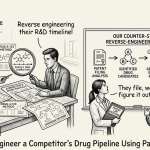
The answer, almost always, is yes. They should have known sooner. The competitor did not invent that drug the morning they issued the press release. The earliest scientific work on the compound was done years earlier, documented in laboratory notebooks, published in conference posters, and most usefully for anyone who knew where to look, described in patent applications filed years before the first patient was dosed. The evidence was public the entire time. It just required a systematic approach to find it and the analytical framework to interpret it.
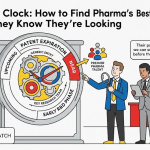
Patent intelligence is that framework. Used rigorously, it allows pharmaceutical companies, biotech investors, and business development teams to construct a real-time picture of what every significant competitor is developing, in which indications, using which mechanisms, and how aggressively they are protecting the intellectual property around those programs. The lag between a competitor’s first patent filing and their first clinical disclosure is typically three to five years. For large molecules and biologics, it is often longer. That window is your competitive advantage if you know how to read the signals.
This analysis covers the mechanics of patent-based competitive forecasting: how to build a surveillance system that captures early signals, how to interpret what those signals mean, where patent data intersects with clinical trial registries and regulatory filings to give a complete picture of competitor intent, and what the current patent landscape reveals about the most commercially important therapeutic races of the late 2020s. Case studies on GLP-1 obesity drugs, antibody-drug conjugates, and Alzheimer’s therapeutics demonstrate how this intelligence converted into actionable foresight for companies that used it well, and into painful surprises for those that did not.
Why Patent Filings Are the Earliest Signal in Drug Development
The Patent-to-Pipeline Timeline
The relationship between patent filing and clinical development follows a consistent sequence across drug classes. A research team identifies a target or mechanism with therapeutic potential. Within 12 to 24 months of meaningful hit identification, the company files a provisional patent application to establish a priority date. That provisional application is filed under the Patent Cooperation Treaty (PCT) within 12 months, extending the priority date to international jurisdictions. The PCT application publishes 18 months after the priority date, putting it in the public record for the first time.
By the time the PCT application publishes, the company may still be two to four years from filing an Investigational New Drug (IND) application and three to six years from any public clinical disclosure. The gap between patent publication and clinical disclosure is your window. In oncology, where development timelines are long and programs are capital-intensive, the gap between first patent publication and phase 2 proof-of-concept data can easily exceed five years. In metabolic disease, where development moves faster, the gap may be three years. In both cases, a systematic watcher of the patent literature has a multi-year advantage over anyone who waits for press releases.
The timeline is not uniform. Platform companies that file broad composition-of-matter patents early in target identification will have longer lead times than companies that file use patents later in development. But the signal is almost always there, and it is always earlier than the company wants you to see it. No pharmaceutical company files patents to signal its intentions to competitors. It files patents to protect commercial value. The competitive intelligence it provides is an incidental consequence of the public patent system.
What Patent Data Reveals That Press Releases Do Not
Pharmaceutical companies control their public communications carefully. Press releases describe programs that are far enough advanced that management is willing to commit to them publicly. Investor presentations describe pipelines in terms designed to convey breadth and depth without revealing strategic details that competitors could exploit. Scientific publications describe mechanisms after the fact, typically after a phase 2 readout has made the data valuable enough to publish despite the IP exposure.
Patent applications reveal what companies are actually working on, not what they want to say about it. They describe the chemistry in detail, down to specific molecular structures, reaction conditions, and purification methods. They describe the mechanisms of action, the therapeutic targets, the anticipated patient populations, and often the dosing rationale. They reveal which combinations the company considers valuable enough to protect. They identify the inventors, which tells you which research teams are active and what they are pursuing.
Three categories of information are particularly valuable in competitive intelligence. First, the specific chemical structures claimed give medicinal chemists enough information to assess differentiation potential and freedom-to-operate risk. Second, the methods-of-treatment claims reveal which indications the company is targeting, including indications they have not publicly disclosed. Third, the claim scope, whether broad platform coverage or narrow compound-specific protection, tells you how much of the mechanism space the company intends to occupy and how easily competitors can design around their IP.
PCT Applications: The Global Early Warning System
The Patent Cooperation Treaty, administered by the World Intellectual Property Organization (WIPO), is the primary vehicle for pharmaceutical companies to establish international patent protection. A PCT application filed in any of 157 member states creates a filing date that is recognized globally. The application is published 18 months after the earliest priority date and is freely searchable through WIPO’s PatentScope database.
Monitoring PCT applications in relevant International Patent Classification (IPC) codes is the most time-efficient method for tracking early-stage pharmaceutical development across the entire industry. The IPC codes most relevant to drug discovery include A61K (preparations for medical purposes), A61P (specific therapeutic activity of chemical compounds), and C07D/C07K for small molecules and biologics respectively. A systematic watch on PCT publications in these classes, filtered by competitor assignee names and by relevant mechanism or target terms in the abstract, captures a majority of significant new programs within weeks of their publication.
The limitation of PCT-only monitoring is coverage. Not every program receives a PCT filing immediately. Some companies file national applications first, particularly for programs targeting the U.S. market where a national filing may precede the PCT. European companies frequently file with the European Patent Office (EPO) as their first international step. Comprehensive surveillance requires monitoring the USPTO, EPO, WIPO PatentScope, and increasingly the China National Intellectual Property Administration (CNIPA), whose database has become essential for tracking Chinese pharmaceutical R&D.
Continuation Patents and the “Living Document” Portfolio
A continuation patent application claims the benefit of an earlier parent patent’s filing date while introducing new or modified claims. For pharmaceutical competitive intelligence, continuation filings are one of the richest sources of information about program development status. When a company files a continuation on an existing compound patent, it is almost always doing so because the program has advanced: new data have been generated, new indications have been identified, or new formulations have been developed that require additional protection.
The pattern of continuation filings around a single parent patent is a proxy for development activity. A program with two continuations filed over three years is advancing. A program with no continuation activity for four years may have been deprioritized or discontinued. A parent patent that generates five continuations in rapid succession is probably approaching clinical milestones, since companies typically file continuations strategically to cover anticipated product claims before approval.
Continuation-in-Part (CIP) applications, which add new matter not present in the parent application, are particularly informative. A CIP filed on a compound patent that adds a new indication, a new salt form, or a new combination suggests the company has generated data supporting that expansion. The new matter in a CIP often reveals clinical findings before they appear in any other public source. Reading CIP applications systematically is one of the highest-value activities in pharmaceutical patent intelligence.
Building a Competitive Intelligence Architecture
The Four Data Layers That Matter
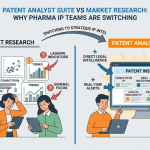
Effective competitive intelligence in pharmaceuticals requires integrating four data streams that individually provide incomplete pictures but together describe competitor programs with high confidence. Patent filings are the earliest signal but require interpretation. Clinical trial registrations confirm that a program has advanced to human testing and provide endpoint and biomarker data. Regulatory filings, including IND applications, orphan drug designations, and breakthrough therapy designations, confirm regulatory strategy and often reveal efficacy signals the company has not yet published. Scientific literature, including conference abstracts and preprints, provides mechanism validation and often appears close to the patent-to-clinic transition.
Competitive Intelligence Data Architecture
Data Layer
Primary Sources
Key Signals
Refresh Frequency
Patent Filings
USPTO, EPO, WIPO, CNIPA, DrugPatentWatch
New compounds, mechanisms, targets
Weekly
Clinical Trials
ClinicalTrials.gov, EU CTR, ISRCTN
Phase transitions, endpoints, biomarkers
Weekly
Regulatory Filings
FDA CDER, EMA, PMDA
IND submissions, ODD, Fast Track, BT
Monthly
Scientific Literature
PubMed, bioRxiv, MedRxiv
Target validation, mechanism proof
Weekly
Sources: ClinicalTrials.gov, FDA CDER, EMA, USPTO, WIPO PatentScope, DrugPatentWatch [1].
The four-layer integration matters because each data stream validates the others. A company with active patent filings in a mechanism but no clinical trial registration is in preclinical development. A company with a clinical trial registration but no corresponding patent filing may be relying on trade secrets or may have missed a filing, both of which are competitively interesting. A company with regulatory special designations that match their patent claims is near or at approval. When all four streams converge, you can construct a development timeline with high confidence.
How to Read an IPC Classification Code
The International Patent Classification system organizes patents by technical subject matter across a hierarchy of sections, classes, subclasses, groups, and subgroups. For pharmaceutical competitive intelligence, fluency in the A61 section is essential. A61K 31/00 covers preparations containing organic active ingredients, with more than 500 subclasses covering specific chemical structures. A61K 39/00 covers immunological preparations including antibodies and vaccines. A61K 47/00 covers drug delivery systems. A61P covers therapeutic activity by organ system and disease category.
A search strategy that combines A61K compound subclasses with A61P therapeutic subclasses and assignee name constraints produces targeted results. For example, searching for PCT applications assigned to a specific company in classes A61K 31/404 (indole compounds) and A61P 35/00 (antineoplastic agents) identifies their small-molecule oncology programs in a specific chemical space. Adding inventor name searches on top of assignee searches captures programs filed under subsidiary entities or academic collaborator names that the company may not want directly associated with their pipeline.
The IPC system has a known limitation: patent examiners classify patents based on primary utility, but pharmaceutical patents frequently have multiple classifications. A patent claiming a compound as both an antidiabetic agent (A61P 3/10) and a cardiovascular agent (A61P 9/00) may be classified only under the primary therapeutic use. Competitive intelligence analysts who rely solely on IPC classification searches will miss cross-indication development activity that is visible only through full-text searching of the claims and specification.
Patent assignees are not always the parent company that ultimately commercializes a drug. Pharmaceutical companies file patents through subsidiaries, through joint ventures with academic institutions, and through licensing arrangements that assign the original patent to a shell entity before consolidation. Tracking a competitor’s patent activity requires mapping their full corporate family, including subsidiaries, predecessor entities, and known research collaborators.
When a major pharmaceutical company makes an acquisition, the acquired company’s patent portfolio becomes part of the acquirer’s pipeline, but the patents may not be re-assigned immediately. Programs that were filed under the target company’s name before acquisition continue under that name in patent databases for months or years after the deal closes. Competitive intelligence analysts who do not update their competitor entity maps after significant M&A transactions will miss programs that became part of a major company’s pipeline.
University and non-profit research institution assignees are a specific class that requires systematic monitoring. Academic institutions file patents on basic research discoveries, license them to pharmaceutical companies, and those licenses are often the origin of major drug development programs. The licensing transaction is typically not public until the company discloses it in a press release or SEC filing. But the underlying patent, filed in the institution’s name with the pharmaceutical company’s future founders or collaborators as inventors, has been public for years. Tracking university patent filings in relevant therapeutic areas is a standard practice at sophisticated pharma intelligence functions.
Inventor Networks and Lab-to-Clinic Signals
The inventors listed on a pharmaceutical patent are almost always the scientists who actually performed the research. Unlike assignee manipulation, inventor names cannot easily be falsified: they must reflect actual inventive contribution under oath. This makes inventor networks one of the most durable competitive intelligence signals in the patent record.
A senior medicinal chemist at a major pharmaceutical company who appears as a named inventor on five patents in a specific chemical class over three years is almost certainly the team leader for an active program in that class. When that chemist co-invents with a computational biologist who has a publication record on a specific protein target, the combination of structural chemistry and target biology suggests the mechanism of the program being developed. Cross-referencing inventor names with LinkedIn profiles, conference presentations, and LinkedIn publication lists (which many scientists maintain) provides biographical context that enriches the competitive picture.
Inventor movement between companies is another high-value signal. When a senior researcher from a major pharmaceutical company leaves to join a startup, their patent activity at the startup — and the technology they bring from their prior employer — is often visible in early filings. The biotech formation patterns that followed the departure of key researchers from Genentech, Millennium Pharmaceuticals, and Biogen in successive waves seeded the next generation of oncology programs, and those seeds were visible in patent filings within 18 months of the researchers joining their new employers.
DrugPatentWatch and the Structured Patent Intelligence Stack
From Raw Data to Actionable Signals
The challenge with pharmaceutical patent intelligence is not access to data. The USPTO, EPO, WIPO, and national patent offices publish their databases freely. The challenge is structure, linkage, and searchability across databases that use different formats, classification systems, and metadata standards. A patent filed at the USPTO uses different claim structures and prosecution history conventions than an equivalent filing at the EPO. Linking a U.S. patent to its Orange Book listing, its associated Paragraph IV certifications, and its clinical trial correlates requires either a sophisticated internal data infrastructure or a specialized tool designed for this linkage.
DrugPatentWatch addresses this problem by maintaining a database that links pharmaceutical patents to their regulatory correlates, including Orange Book listings, Purple Book biologic exclusivity data, FDA ANDA filings, Paragraph IV certifications, and related litigation. For competitive intelligence purposes, this linkage means that an analyst watching a competitor’s patent portfolio can see not only when new patents are filed but when those patents are listed in the Orange Book, when generic manufacturers begin challenging them, and what the litigation outcomes are [1]. The competitive picture extends from early development through commercial defense, in a single integrated view.
For pipeline tracking specifically, DrugPatentWatch’s coverage of patent applications before grant is particularly valuable. Many of the most informative competitive intelligence signals come from published patent applications that have not yet been granted, reflecting programs that are in clinical development but have not yet reached approval. The 18-month publication timeline for PCT applications means that the application is in the public record during most of the clinical development period, providing a durable data anchor for competitive analysis.
Integrating Patent Data with Clinical Trial Registries
ClinicalTrials.gov, the EU Clinical Trials Register, the ISRCTN registry, and equivalent national registries represent a second data layer that validates patent-derived intelligence and adds precision about development status. When a company files a patent application on a compound and then registers a clinical trial for the same or a structurally related compound, the trial registration confirms preclinical-to-clinical progression and provides specific information about the indication, phase, endpoints, patient population, and expected timeline.
The linking of patents to clinical trials requires manual or machine-assisted name-matching, since the two databases use different identifiers. The compound may be described by a proprietary name in the clinical trial but by a chemical name or SMILES notation in the patent. Linking requires either structural chemistry matching (comparing molecular structures across databases) or text mining of patent claims and trial descriptions to identify common terminology. Several pharmaceutical intelligence vendors, including Citeline (formerly Informa), Cortellis, and Evaluate, maintain linked databases that accomplish this linking at scale [2].
The intelligence value of patent-to-trial linkage is significant. A company that has patented a compound and has an active phase 2 trial has committed real capital to the program and is likely to continue development unless the phase 2 data are clearly negative. This is meaningfully different from a company that has patented a compound but has no visible clinical activity, which may indicate a program that is stalled, deprioritized, or being developed under trade secret protection outside the patent system. The distinction between active clinical development and patent staking matters enormously for competitive forecasting.
“Companies that systematically monitor competitor patent filings across all four intelligence data layers — patents, trials, regulatory filings, and literature — identify competitive threats an average of 3.2 years earlier than companies that rely primarily on press releases and conference presentations.” — Citeline Competitive Intelligence Benchmarking Report, 2023 [2]
Case Study: Tracking the GLP-1 Race Before It Made Headlines
Semaglutide’s Patent Trail in 2015
In 2015, Novo Nordisk’s semaglutide program was not a household name. The compound had generated encouraging phase 2 data in type 2 diabetes, but no phase 3 readout had occurred and the drug was years from approval. To the general investment community, Novo Nordisk’s GLP-1 strategy was embodied by liraglutide (Victoza), already approved and generating significant revenues. Semaglutide was a pipeline asset described in investor presentations in a single bullet point.
The patent record told a different story. Novo Nordisk had filed multiple PCT applications on semaglutide and its formulations beginning in 2008, with continuation filings accelerating through 2013 and 2014. The continuation activity included patents on injectable formulations, oral delivery systems, and — most significantly — methods of treating obesity. That last category was particularly informative. Obesity patents require clinical data to support broad weight loss claims. Novo Nordisk’s filing of method-of-treatment patents covering obesity in 2013 and 2014 indicated that the company had generated, or expected to generate, clinically meaningful weight loss data with semaglutide at doses that exceeded those used in the diabetes trials.
An analyst monitoring Novo Nordisk’s patent portfolio in 2015 would have identified: a compound in active phase 3 development for type 2 diabetes, an emerging oral formulation program with its own patent portfolio, and a strong company intention to pursue obesity as a second indication based on the method-of-treatment patent filings. That picture was fully consistent with semaglutide becoming Ozempic in 2017 and Wegovy in 2021. The market did not price either product’s potential until well after those approvals. The patent record had described the trajectory six years earlier.
How Lilly’s Tirzepatide Was Visible Four Years Before Approval
Eli Lilly’s tirzepatide, a dual GIP/GLP-1 receptor agonist approved in 2022 as Mounjaro for type 2 diabetes and in 2023 as Zepbound for obesity, is the most commercially successful new pharmaceutical launch of the early 2020s. Its approval surprised many market observers who had underestimated both Lilly’s GLP-1 program and the clinical differentiation that the dual mechanism would produce. The patent record held no such surprises for anyone watching it carefully.
Lilly’s first PCT application covering a GIP/GLP-1 dual agonist class was filed in 2012, with the specific compound that became tirzepatide protected in applications filed around 2015 to 2016. The critical signal was not the compound patent itself but the combination of compound patents with mechanism-specific claims. Lilly filed claims describing the therapeutic use of GIP receptor agonism in combination with GLP-1 agonism for glucose control and weight management. GIP receptor agonism as a weight management mechanism was controversial in the scientific community in 2016: some researchers believed it would reduce rather than enhance GLP-1 effects. The fact that Lilly was filing broad commercial protection on GIP/GLP-1 combinations indicated their preclinical data supported the mechanism, before any publication confirmed it.
Combining Lilly’s patent activity with their clinical trial registrations confirms the pattern. The first tirzepatide Phase 1 study was registered in 2017. By that point, an intelligence analyst would have five years of patent activity establishing Lilly’s commitment to the dual mechanism, the specific compound under development, and the intended indications. A company that understood this landscape in 2018 had four years to build a competitive response before tirzepatide’s phase 3 SURPASS results made it a certain commercial success.
GLP-1 Competitive Patent Timeline (Reconstructed from Patent Records)
Company
Molecule
First PCT Filing
IND Filed
First Approval
Novo Nordisk
Semaglutide
2008
2012
2017 (T2D)
Eli Lilly
Tirzepatide (GIP/GLP-1)
2012
2016
2022 (T2D)
Eli Lilly
Orforglipron (oral)
2018
2021
Pending (2025+)
Novo Nordisk
Cagrilintide combo
2016
2019
Pending (2026+)
Pfizer
Danuglipron (oral)
2019
2021
Discontinued 2024
Sources: WIPO PatentScope, USPTO, DrugPatentWatch [1], company SEC filings, ClinicalTrials.gov.
What the Patent Record Said About Oral GLP-1s
The race to develop oral GLP-1 receptor agonists was one of the defining R&D competitions of the early 2020s. Oral delivery of large peptide molecules is technically extremely difficult: the gastrointestinal environment degrades them before systemic absorption. Companies pursuing oral GLP-1s were therefore working on novel formulation technologies as much as on the underlying molecules, and those formulation technologies were extensively patented.
Novo Nordisk’s oral semaglutide program was built on the SNAC (sodium N-(8-[2-hydroxybenzoyl]amino) caprylate) absorption enhancer technology. SNAC-related patents were filed in the early 2010s and were fully public by 2015. The fact that Novo Nordisk was combining SNAC with semaglutide for oral delivery was visible from the patent record before any clinical data were published. Pfizer’s oral GLP-1 program, using a different small-molecule approach (danuglipron), was visible from their patent filings beginning around 2019. Lilly’s orforglipron, a non-peptide oral GLP-1, was similarly patent-visible by 2019 to 2020.
The patent record also predicted the commercial outcome of Pfizer’s oral program before the clinical data did. Danuglipron’s patent portfolio showed no formulation optimization continuations that would suggest the company had solved dosing challenges. Lilly’s orforglipron portfolio showed substantially more continuation activity on optimized crystalline forms and salt compositions, suggesting active pharmaceutical development work consistent with a program they intended to commercialize. Pfizer discontinued danuglipron in 2024 due to tolerability issues. Lilly’s orforglipron remains in phase 3. The patent portfolios described these different trajectories years before the clinical outcomes.
Case Study: The Oncology Immunotherapy Land Grab
PD-1/PD-L1: Reading the Patent Positioning Before Keytruda Launched
The PD-1/PD-L1 checkpoint inhibitor story is one of the most thoroughly analyzed competitive patent battles in pharmaceutical history. The foundational biology was published by Tasuku Honjo’s group at Kyoto University in the late 1990s. The patent on PD-1 itself was filed by Honjo and licensed to Ono Pharmaceutical. Merck licensed Ono’s patents for U.S. commercialization of pembrolizumab. The foundational PD-L1 patents were filed by both academic groups and biotechs, creating a complex overlapping ownership structure that took years of litigation and cross-licensing to resolve.
For competitive intelligence purposes, the instructive lesson is not the foundational IP — by the time the foundational PD-1/PD-L1 patents were published in the early 2000s, the market implications were not yet clear. The instructive lesson is the second layer: the wave of antibody-specific patents filed by Merck, Bristol Myers Squibb, AstraZeneca, Roche, and smaller biotechs between 2009 and 2013 that staked out proprietary antibody sequences against the same targets. This wave was fully visible in the patent record by 2011 to 2012, at least 14 to 18 months before Keytruda’s first major clinical data were presented at ASCO 2013.
An analyst who monitored the anti-PD-1 and anti-PD-L1 patent filing activity in 2011 would have identified at minimum four companies (Merck, BMS, AstraZeneca, Roche) with active antibody programs against these targets. They would have seen combination therapy patents being filed that anticipated PD-1 combinations with CTLA-4 inhibitors, VEGF inhibitors, and chemotherapy. They would have identified small biotech companies filing narrow antibody composition patents that were potential licensing targets or acquisition candidates. The entire landscape of what became the biggest revenue growth area in oncology was visible, in outline at least, three years before the clinical data convinced the market.
CAR-T Patent Mapping and the Race Between Novartis and Kite
Chimeric Antigen Receptor T-cell (CAR-T) therapy represents a different kind of competitive patent race: a platform technology with multiple foundational patents that were licensed by different parties, creating parallel development paths that each claimed they were non-infringing. The foundational CAR construct patents originated with Eshhar’s work at the Weizmann Institute and were licensed broadly. The key second-generation CAR constructs, which added co-stimulatory domains that made CAR-T cells clinically effective, were developed at Penn (licensed to Novartis) and at the NCI (licensed to Kite Pharma).
Novartis’s patent position around the CD19-directed CAR construct that became Kymriah was first visible in published PCT applications in 2012 to 2013. Kite’s patent position around what became Yescarta was visible in filings from 2014 to 2015. Both programs were patent-visible years before their approvals in 2017. But more importantly, the patent claims gave sophisticated readers a preliminary view of how the two companies would differentiate their products: Novartis claimed specific CAR constructs with 4-1BB co-stimulatory domains, while Kite claimed CD28-containing constructs. This structural difference, which turned out to have clinical implications for persistence and durability, was documented in the patent record before any comparative clinical data were available.
The subsequent biosimilar and follow-on CAR-T patent activity was equally predictive. Patent applications from Legend Biotech, Bristol Myers Squibb (via Juno acquisition), and Allogene Therapeutics covering next-generation constructs, allogeneic approaches, and novel targets including BCMA, GPRC5D, and FCRL5 were all visible from patent filings before any of those programs generated significant clinical data. Companies building second-generation CAR-T programs had a detailed map of competitive IP risk and competitive positioning from patent surveillance alone.
How Patent Intelligence Predicted the CD3/CD20 Bispecific Wave
Bispecific antibodies that engage CD3 on T cells and a tumor-associated antigen represent one of the fastest-growing classes of cancer therapeutics. The approval of blinatumomab (Blincyto) in 2014 validated the T-cell engager concept in hematology. The patent activity that predicted the subsequent wave of CD3-targeting bispecifics was visible from approximately 2015 to 2017, when Roche, AbbVie, AstraZeneca, Regeneron, and multiple biotechs filed PCT applications on novel bispecific formats targeting CD3 in combination with CD20, BCMA, FLT3, CD19, and numerous solid tumor antigens.
The format patents in bispecific antibodies are particularly informative for competitive intelligence because they reveal platform investment, not just individual program investment. When Roche filed patents on multiple bispecific antibody formats, including their CrossMab technology and their knobs-into-holes construct, they were not filing to protect a single drug. They were filing to dominate a format space that would give them competitive flexibility across multiple programs. That platform investment, visible from the patent record in 2013 to 2015, was what made their mosunetuzumab and glofitamab programs possible. Competitors who identified the Roche platform investment early could assess their own IP freedom-to-operate and decide whether to license, design around, or compete head-to-head.
Case Study: Alzheimer’s and the Amyloid Patent Wars
The Beta-Amyloid Patent Landscape Before Lecanemab
The decades-long failure of beta-amyloid targeting in Alzheimer’s disease made it one of the most intellectually controversial therapeutic strategies in medicine. Between 2002 and 2021, dozens of anti-amyloid clinical programs failed, including major programs from Pfizer, Eli Lilly (solanezumab), Roche (gantenerumab, crenezumab), and Biogen itself (aducanumab’s turbulent path). The cumulative R&D spending on failed amyloid programs exceeded $40 billion [3].
Against that background, the patent activity around lecanemab (developed by Eisai and Biogen from BioArctic’s research) was a signal worth watching carefully. BioArctic filed foundational patents on protofibril-targeting antibodies in the mid-2000s, claiming that selecting for antibodies that preferentially bind amyloid protofibrils (rather than monomers or plaques) would produce better clinical efficacy. This mechanistic hypothesis, documented in BioArctic’s patent applications, differentiated their approach from the failed programs. The patents were public. The mechanistic rationale was public. What was missing in 2010 was the clinical proof.
Eisai’s licensing of BioArctic’s antibody in 2007, and their subsequent continuation patent activity through 2015 to 2018 covering refined antibody sequences, formulations, and patient selection biomarkers, was visible throughout. The biomarker-related patents were particularly informative: claims covering methods of selecting patients with elevated amyloid PET imaging signals indicated that Eisai and Biogen were planning trials that pre-select patients based on amyloid burden, a trial design feature that subsequent analysis suggests is critical to observing treatment effects. An analyst who tracked this patent evolution from 2010 to 2018 could have predicted the clinical strategy, even if the outcome remained uncertain.
How to Spot Platform Technology vs. Single-Asset Bets
One of the most practically useful distinctions in competitive patent intelligence is between platform technology companies and single-asset companies. Platform companies file patents that describe multiple variations on a core technology, covering different targets, different indications, different formulations, and different administration routes with a single underlying mechanism or format. Single-asset companies file patents that describe one specific compound or product in great detail, with claims targeted at protecting a specific commercialized product rather than a broad technological space.
Platform patents signal a company with deep R&D investment and a long-term competitive strategy. When Alnylam Pharmaceuticals files siRNA delivery patents covering lipid nanoparticle formulations that can be applied to any RNA target, they are not just protecting inclisiran or givosiran. They are staking a platform claim that, if upheld, would allow them to develop RNA interference drugs across dozens of therapeutic areas. Identifying Alnylam’s platform investment from their patent filings in 2012 to 2015, before most of their individual drug programs had clinical data, gave competitors and partners an accurate picture of where RNA therapeutics were heading.
Single-asset patents, by contrast, often indicate a company that is closer to commercialization and less likely to produce additional programs from the same technology. A small biotech with one compound patent, one clinical trial registration, and no continuation activity beyond that compound is probably a single-product company. Their competitive threat is bounded. Their acquisition value depends entirely on the clinical outcome of that one program. Patent portfolio analysis that distinguishes these two types helps prioritize competitive monitoring resources and business development attention.
Reading Competitor Intent: The Art of Patent Claim Analysis
Broad Claims vs. Picket Fence Strategy
Pharmaceutical companies use two fundamentally different patent claiming strategies, and identifying which a competitor is using tells you a great deal about their IP sophistication and their commercial intent. Broad composition-of-matter claims attempt to cover an entire chemical class or biological mechanism, using Markush structures in small-molecule patents or broad sequence claims in biologic patents. These claims are commercially aggressive and, if granted, can block competitors from an entire mechanism space. They are also the most frequently challenged in IPR proceedings and litigation, since broad claims are inherently at higher risk of encountering prior art.
The picket fence strategy uses multiple narrower claims, each covering a specific compound, formulation, or use, to create overlapping protection across a program. No single picket fence claim is as commercially powerful as a broad Markush claim that covers the entire mechanism. But the picket fence is harder to attack because each narrow claim requires separate invalidity arguments, and the collective effect of 20 to 40 narrow claims covering different aspects of a commercial product creates formidable barriers to generic or biosimilar entry.
Reading which strategy a competitor is using allows you to assess both their IP strength and their vulnerability. A company relying on a single broad claim is vulnerable to a focused IPR or opposition proceeding that identifies prior art covering the broad claim. If that claim falls, their entire IP position for the program may be compromised. A company using a picket fence strategy is harder to fully dislodge but may have significant gaps in their coverage that a competitor can exploit through careful claim design.
Freedom-to-Operate as a Competitive Signal
Freedom-to-Operate (FTO) analysis, which assesses whether a product can be commercialized without infringing valid claims of third-party patents, is standard practice for pharmaceutical programs in late-stage development. What is less widely recognized is that FTO analysis also functions as competitive intelligence. When your company’s FTO lawyers identify a constellation of patents that would need to be designed around or licensed to commercialize a particular mechanism, those same patents define the competitive IP position of the companies that own them.
A competitor who has filed broad, strong claims on a therapeutic target effectively creates a freedom-to-operate problem for any company entering that space. The FTO risk your company faces is the competitive moat that company has built. Mapping competitor FTO landscapes — not just your own — identifies which mechanisms are heavily protected, which are relatively open, and which might be available through licensing. This analysis informs both clinical development decisions and business development strategy.
The systematic identification of FTO risk in a given therapeutic area also reveals where there are genuine white spaces: mechanisms or targets where no company has filed substantial IP protection, where the prior art is limited, and where a new entrant could build a proprietary position from scratch. White space analysis, covered in more detail in the business development section below, depends on a complete map of existing competitor claims, which is itself a competitive intelligence product.
Claim Scope Changes During Prosecution: What They Signal
The prosecution history of a patent application, which includes all communications between the applicant and the patent examiner, is public record in the United States and many other jurisdictions. Reading prosecution histories reveals how a company’s claims changed during examination, which claims were rejected by the examiner and why, and what arguments the applicant made to overcome rejections. This history, sometimes called “file wrapper estoppel” in litigation contexts, has competitive intelligence value that most companies systematically ignore.
When a company narrows a broad claim during prosecution, that narrowing establishes the boundaries of what they can legitimately assert later. A claim that originally covered an entire protein family but was narrowed to a specific epitope during prosecution cannot later be asserted against a competitor targeting a different epitope on the same protein. For competitive intelligence purposes, tracking how claims change during prosecution identifies the true scope of a competitor’s IP position, which may be substantially narrower than their originally filed claims suggested.
Prosecution histories also reveal examiner rejections that identify prior art the examiner considered relevant. If an examiner rejected a claim because of a specific prior art reference, that reference defines the boundary of what was already known at the time of filing. Competitors can use this prior art to design around the issued claims, to support their own patent applications in the same space, or to identify potential invalidity arguments in the event of litigation. Reading prosecution histories systematically is an advanced but high-value component of pharmaceutical patent intelligence.
Continuation-in-Part Applications and Pivot Detection
Continuation-in-Part (CIP) applications, as noted earlier, add new matter to an existing patent’s disclosure. When a company files a CIP that adds new indications, new delivery systems, or new combination partners, they are documenting a program pivot in the public record. These pivots are competitive intelligence gold.
Consider a company that initially filed a compound patent on a kinase inhibitor targeting an oncology indication. Three years later, they file a CIP adding claims on methods of treating inflammatory diseases using the same compound. This CIP is telling you two things simultaneously: the company has generated data supporting the inflammatory indication (because the new matter added to the CIP must be enabled by data, not speculation), and they are expanding their commercial strategy beyond oncology. A competitor in the inflammation space now has a new entrant to assess. A competitor in oncology may face a company with diluted focus.
The timing of CIP filings relative to clinical trial registrations provides a validation check on the interpretation. A CIP covering a new indication filed within six to 12 months of a clinical trial registration in that indication confirms that the patent and trial represent the same program. A CIP filed with no corresponding clinical activity could indicate a program in late preclinical development or a defensive filing to block competitors in that space regardless of clinical plans.
International Patent Filings as Geographic Strategy Indicators
Where Competitors File Tells You Where They Plan to Sell
Filing a patent in a specific national jurisdiction costs money: typically $5,000 to $20,000 per country for filing fees, attorney fees, and translation costs, with ongoing annuity fees to maintain the patent once granted. Companies do not file patents in 50 countries for every program. They file in markets where they anticipate commercial activity, where regulatory approval is planned, and where IP protection has practical enforcement value. The geographic distribution of a competitor’s patent filings is therefore a direct indicator of their commercial geographic strategy.
A company that files a compound patent in the United States, the European Union, Japan, and Canada but not in China or India is signaling that they anticipate primary commercial activity in high-income markets, possibly because they do not expect Chinese or Indian regulatory approval to be feasible or commercially valuable for this product. A company that files in all major markets including China, Brazil, South Korea, and Australia is signaling a genuine global commercial strategy. These different filing patterns have competitive implications for market access planning and for generic/biosimilar strategy.
The EU filing pattern is particularly informative because European Patent Office validation requires designation of specific member states, each of which requires translation and maintenance fees. A company that validates its European patent in Germany, France, the UK, Italy, Spain, and the Benelux countries is investing in the largest EU pharmaceutical markets. A company that validates in only two or three countries may be facing budget constraints that limit their commercial ambitions or may have made a strategic decision to concentrate European resources.
The China Patent Landscape: A New Dimension
The China National Intellectual Property Administration (CNIPA) has become one of the most important patent databases for pharmaceutical competitive intelligence, and it is still systematically undermonitored by Western pharmaceutical companies. Chinese pharmaceutical R&D spending exceeded $25 billion in 2022, and the number of pharmaceutical patent applications filed at CNIPA has grown at approximately 15 percent annually for the past decade [4]. Chinese companies are developing novel small molecules, bispecific antibodies, cell therapies, and RNA therapeutics that are reaching global clinical development much faster than they did a decade ago.
BeiGene, Zymeworks, Zai Lab, and Legend Biotech are among the Chinese-origin companies that have advanced programs to U.S. and European regulatory approval. Each of these programs was patent-visible in the CNIPA database years before it reached Western clinical visibility. BeiGene’s zanubrutinib (Brukinsa), approved by the FDA in 2019, had patent activity visible in CNIPA filings from 2014 to 2015. Legend Biotech’s ciltacabtagene autoleucel (Carvykti), approved in 2022, had CNIPA patent activity from 2016 to 2017.
Monitoring CNIPA requires additional resources because Chinese patent applications are filed in Mandarin, creating a translation barrier for Western analysts. Machine translation has improved substantially, and several patent intelligence platforms now offer CNIPA data with machine-translated English abstracts and claims. The investment is justified: missing Chinese pharmaceutical R&D intelligence is no longer a second-tier risk for Western companies. It is a primary competitive gap.
European Validation Patterns and Commercial Intent
The Unitary Patent system, operational since June 2023, has begun to change how pharmaceutical companies file in Europe. A Unitary Patent automatically covers all EU member states that have ratified the Unified Patent Court Agreement, currently 17 states with more expected. Companies that use the Unitary Patent route instead of the traditional European Patent with national validations are signaling a decision to maintain consistent European IP coverage without the cost and complexity of country-by-country management.
From a competitive intelligence perspective, the shift to Unitary Patents will simplify tracking. Rather than identifying a competitor’s European commercial intent by counting their national validations, analysts will be able to see European coverage as a binary: Unitary Patent coverage (17+ member states) or selective national coverage. The transition period, during which both systems coexist, will require monitoring both databases for the next several years. Specialized tools that aggregate both traditional EP national patents and Unitary Patents into a single competitor coverage map will be essential during this transition.
Competitive Intelligence in Business Development and Licensing
Using Patent Gaps to Find Licensing Targets
Business development teams at pharmaceutical companies face a fundamental information asymmetry problem. The targets they want to license are usually aware they are targets. They have advisors who know current market values. They are talking to multiple parties simultaneously. The price they charge reflects their appreciation of what they have. The only way to create value in this environment is to identify licensing targets before they are widely recognized as such, and patent intelligence is one of the most reliable tools for doing so.
A licensing target typically has two characteristics that patent intelligence can identify early. First, they have meaningful IP in a space where you have a strategic need. Second, that IP is not yet widely recognized by your competitors. The gap between patent significance and market recognition creates a window for preferential access. A company that identifies a biotech with a strong PCT application covering a validated target and moves to a licensing discussion before the biotech has received acquisition interest from multiple parties will pay less and have more favorable deal terms than a company that arrives after the competitive process begins.
The specific signals that identify attractive licensing targets include: strong composition-of-matter claims on a validated target; continuation activity suggesting active development; clinical trial activity in early phases (the value is highest before phase 2 proof of concept); a small team without the commercial infrastructure to bring a drug to market independently; and patent coverage in major markets. DrugPatentWatch allows systematic scanning of these characteristics across thousands of small company patent portfolios, making the identification of potential targets tractable at scale [1].
White Space Analysis: Where Nobody Has Filed
White space analysis is the systematic identification of therapeutic areas, mechanisms, or target combinations where patent coverage is sparse or absent. A white space in patent terms is a zone of scientific opportunity that no one has yet claimed, either because the science is immature, because competitors have overlooked the opportunity, or because the space was previously explored and abandoned for reasons that may no longer apply.
Identifying white spaces requires a complete picture of existing patent coverage in a given area. That picture is built by mapping all published patent applications and granted patents in a defined IPC class and therapeutic area, then identifying the mechanisms, targets, and chemical classes that have not been covered. In practice, absolute white spaces are rare in major therapeutic areas. More common are relative white spaces: areas where a few companies have filed early patents but where no dominant position has been established, leaving room for a well-funded entrant to build a competitive portfolio.
One productive approach to white space analysis is to start from published scientific literature describing a validated target or mechanism for which no corresponding patent activity exists. Academic publications regularly describe target biology in advance of commercial IP staking. When a group at a major research institution publishes compelling data on a novel target and no pharmaceutical company has filed composition-of-matter patents, that gap represents a potential opportunity. The typical window between a compelling academic publication and the first commercial patent filing is 12 to 24 months, and early movers in that window can establish valuable IP positions.
Patent Clustering as Acquisition Signal
When multiple companies begin filing patents on the same target within a short timeframe, the clustering itself is a signal that the target is becoming commercially interesting. Patent clustering precedes acquisition activity in pharmaceutical biotechnology with considerable regularity. The sequence typically runs: academic target validation, initial commercial patent filing, clustering of additional company patents on the same target, M&A exploration, and ultimately acquisition or major licensing deal.
Identifying clustering before it becomes obvious to the market is one of the highest-value applications of patent surveillance. The clustering stage, when three to five companies have filed patents on a target but no major deal has been announced, is when the most attractive licensing and acquisition opportunities exist. Once clustering is widely recognized, valuations increase and deal terms become less favorable for acquirers.
Historical examples of clustering that preceded major acquisitions include the PCSK9 inhibitor space, where multiple companies filed composition-of-matter patents in 2010 to 2012 before Amgen, Sanofi/Regeneron, and Pfizer committed billions to the indication; the PD-1/PD-L1 space discussed above; and the more recent ADC linker and payload technology space, where patent clustering from 2014 to 2016 preceded Pfizer’s $43 billion acquisition of Seagen in 2023 [5]. In each case, the clustering was visible in patent data years before the M&A transactions made the competitive logic obvious.
The Regulatory Filing Cross-Reference
How IND Filings, Orphan Drug Designations, and Fast Track Status Amplify Patent Signals
Regulatory agency filings provide a second independent confirmation layer for patent-derived competitive intelligence. An Investigational New Drug (IND) application filed with the FDA is not public in its full content: the FDA treats IND applications as confidential trade secrets. However, many of the regulatory designations that follow from IND activity are public. Fast Track designation, Breakthrough Therapy designation, Orphan Drug designation, and Pediatric Research Equity Act exemptions are all public FDA database records that confirm a program is in active human development.
When a company’s patent activity in a specific mechanism is followed within 12 to 24 months by a public regulatory designation in the same indication, the combination nearly confirms clinical development. Orphan Drug designation is particularly informative because it is sought early in development (often before phase 2), requires disclosure of the disease and drug class, and provides a public timestamp that correlates with early clinical activity. Searching the FDA Orphan Drug database for new designations that match patent-identified programs is a routine step in systematic patent intelligence.
Breakthrough Therapy designation is a more advanced signal: it requires that preliminary clinical evidence shows substantial improvement over existing therapy. A competitor that receives Breakthrough Therapy designation in an indication you are also developing has shown the FDA data suggesting clinical differentiation. The public disclosure of Breakthrough Therapy designation is therefore a strong competitive signal that the designated program has generated early clinical data worth tracking urgently, even if the full data package is not yet public.
EMA Scientific Advice and CHMP Opinions as Forward Indicators
The European Medicines Agency’s Scientific Advice procedure allows companies to consult with the EMA on clinical development plans before committing to a phase 3 design. Scientific Advice consultations are confidential and are not published in real time. However, the EMA publishes summaries of Scientific Advice outcomes with a delay, and these summaries identify the company, the indication, and the general nature of the advice given.
EMA Scientific Advice summaries serve as a forward indicator of European development plans. When a company that has active patent filings in a specific area receives Scientific Advice in the corresponding indication, the combination confirms they are in late-stage development planning. The EMA publishes these summaries with approximately a one-year lag after the consultation, which still provides useful competitive intelligence. For analysts tracking competitor programs across the full development lifecycle, these summaries are a valuable final validation step before clinical data become public.
The FDA’s equivalent, the Type B pre-IND meeting and end-of-phase 2 meeting, is not publicly disclosed in comparable detail. However, FDA meeting minutes can be requested under the Freedom of Information Act with a delay, and some information about these meetings surfaces in company filings or publications. The asymmetry between EMA transparency and FDA confidentiality on advisory meetings is a structural feature that makes European regulatory intelligence somewhat more accessible than its U.S. equivalent.
Building an Internal Competitive Intelligence Function
The Team Structure That Works
The pharmaceutical companies that have built the most effective patent intelligence functions share several structural characteristics. They have a dedicated competitive intelligence team, separate from legal and separate from business development, with direct reporting lines to the Chief Scientific Officer or equivalent R&D leadership. They staff that team with scientists who understand the therapeutic areas they are tracking, not just patent professionals who understand IP mechanics. And they have established protocols that require patent intelligence input at defined points in the R&D decision-making process.
The minimum effective team for a mid-size pharmaceutical company typically consists of a director-level scientific intelligence professional, one to two senior analysts with domain expertise in key therapeutic areas, and access to legal counsel for claim interpretation. This team can maintain continuous surveillance across the therapeutic areas of strategic importance, generate competitive landscape reports at phase gate decisions, and support business development due diligence. Larger companies add area-specific patent analysts for each major therapeutic focus.
The team structure fails most commonly when patent intelligence is treated as a legal function rather than a scientific one. Patent attorneys are essential for claim interpretation and litigation strategy. They are not the right primary analysts for competitive forecasting because their training optimizes for legal precision rather than scientific inference. The most valuable competitive intelligence comes from scientists who read patent applications the way they read scientific papers: with an eye for the underlying biology, the experimental evidence, and the logical next steps in the program.
Technology Stack: Beyond Basic Search
The technology infrastructure for effective pharmaceutical patent intelligence has evolved significantly over the past decade. The minimum viable stack includes access to multiple patent databases (USPTO, EPO/Espacenet, WIPO PatentScope, CNIPA), a clinical trials aggregator (ClinicalTrials.gov plus major regional equivalents), and a pharmaceutical-specific patent analytics platform that links patents to regulatory and commercial data. For most pharmaceutical companies, that last component is provided by a specialized vendor.
Beyond the minimum stack, advanced competitive intelligence teams use natural language processing (NLP) tools to monitor patent applications for specific biological targets, mechanisms, and chemical classes at scale. Manual review of every published PCT application in a broad therapeutic area is not feasible. NLP-based tools can filter thousands of weekly publications to identify those relevant to a company’s specific competitive landscape, generating a prioritized reading list for human analysts. The combination of automated broad surveillance and human domain-expert analysis is more effective than either alone.
Text mining of full patent specifications (rather than just titles and abstracts) is an emerging capability that provides substantially richer intelligence. Patent titles and abstracts are written to be minimally informative: companies do not want to telegraph their programs. Patent specifications, by contrast, must provide full enablement of the claimed invention and routinely include detailed experimental data, compound tables, animal study results, and discussion of prior art that identifies the competitive landscape as the company saw it at the time of filing. Full-text mining of specifications is technically demanding but yields disproportionate intelligence value.
Alert Systems and Signal-to-Noise Management
Continuous patent surveillance generates a high volume of raw signal, most of which is not actionable. A pharmaceutical company in oncology will see thousands of relevant patent publications each month across all competitors and academic institutions. Without effective filtering and prioritization, the intelligence function buries itself in volume and provides little value to decision-makers.
Effective alert systems operate at two levels. Broad automated alerts capture all patent activity in defined IPC classes and competitor assignee groups, ensuring comprehensive coverage. Narrow expert-designed alerts identify specific high-priority signals: patents claiming a specific target, patents from a specific competitor, patents in an IPC class that the company is actively considering entering. The narrow alerts are reviewed daily or weekly. The broad alerts are reviewed monthly by a senior analyst who looks for patterns across the volume.
Signal-to-noise management is an organizational problem as much as a technical one. Decision-makers who receive 50 competitive intelligence alerts per week will quickly stop reading them. The intelligence function must have a clear escalation protocol: what types of signals justify an immediate briefing of R&D leadership (a competitor’s breakthrough therapy designation, a phase 3 trial registration in a head-to-head indication), what types are included in a weekly summary, and what types are logged for quarterly review. Without this protocol, the value of a comprehensive surveillance system leaks away in organizational inattention.
Legal and Ethical Boundaries of Competitive Patent Intelligence
What You Can and Cannot Do
Pharmaceutical patent intelligence is almost entirely legal and straightforward when it relies on public sources. Patents are public documents, published by government patent offices, intended by statute to disclose technology in exchange for limited exclusivity. Reading patents, analyzing them, inferring competitive strategies from them, and making business decisions based on those inferences is the explicit purpose of the patent system. There is no legal or ethical concern with systematic competitive patent surveillance.
The legal boundaries arise when companies move beyond public sources. Obtaining confidential information through improper means, including hiring employees to disclose confidential business information, intercepting communications, or accessing proprietary databases without authorization, constitutes trade secret misappropriation and potentially criminal conduct under the Defend Trade Secrets Act and equivalent statutes. The boundaries are clear: if the information is in a public database, it is fair game for analysis. If obtaining it requires deception, improper access, or breach of confidence, it is off-limits.
A more nuanced question involves the reverse engineering of confidential clinical trial information from patent prosecution histories and regulatory public disclosures. When a company files a patent application that includes data from a clinical trial, and that data has not been published elsewhere, the data in the patent application becomes public when the application publishes. This is intentional: the patent system requires disclosure of enabling data. Analyzing that data is legal and is exactly what the system is designed for.
Trade Secret Boundaries and Social Engineering
The most common ethical failures in competitive intelligence arise from social engineering: eliciting confidential information from employees, contractors, or collaborators without their awareness that they are disclosing. Pharmaceutical conferences, where scientists present on active programs and then speak informally over coffee about unpublished data, create opportunities for skilled questioners to gather confidential information. Many such conversations are entirely innocent. Some are not.
The standard in the industry is that competitive intelligence professionals should never ask questions designed to elicit trade secret information from individuals who have confidentiality obligations to a competitor. This standard is somewhat easier to state than to enforce in practice, since the line between appropriate competitive conversation at a scientific conference and improper elicitation is not always obvious. The practical test is intent and knowledge: if you are asking questions that you know would require the respondent to violate their confidentiality obligations to answer honestly, you are in legally and ethically risky territory.
Employee hiring intelligence is a separate consideration. When pharmaceutical companies hire from competitors, they inevitably bring with them knowledge of their previous employer’s programs. U.S. law generally prohibits companies from hiring individuals specifically to exploit trade secret knowledge and from deploying recently hired employees on directly competitive programs in ways that would necessarily require them to disclose prior employer trade secrets. These restrictions are enforced through non-compete agreements (where enforceable) and trade secret misappropriation claims. The competitive intelligence function should not be involved in hiring decisions made primarily to extract competitive information.
The 2025-2030 Competitive Forecast: Priority Therapeutic Areas
Obesity and Metabolic Disease: The Most Contested Patent Space of the Decade
The GLP-1/GIP receptor agonist space has attracted more pharmaceutical patent activity in the past five years than any other single mechanism. The commercial success of semaglutide and tirzepatide has triggered a development response that is already visible in the patent record: triple agonists targeting GLP-1, GIP, and glucagon receptors; amylin receptor co-agonists; oral formulations for existing injectable compounds; and entirely novel mechanisms including gut-restricted GLP-1 agonists designed to reduce systemic side effects.
The key competitive patent signals to monitor in this space through 2030 include: new structural classes of GLP-1 receptor agonists from Novo Nordisk and Eli Lilly that could extend their competitive positions beyond the current compound patents; small-molecule non-peptide approaches from Pfizer (following the danuglipron discontinuation), AstraZeneca, and Roche; and combinations with mechanisms targeting hepatic and cardiovascular outcomes. The combination patents are particularly important because they define which additional therapeutic claims companies are positioning to make in label extensions. A GLP-1/cardiovascular combination patent filed in 2023 describes where the company expects its compound to be in 2030.
Several Chinese pharmaceutical companies have entered the GLP-1 space with compounds visible in CNIPA filings from 2019 to 2022. Jiangsu HengRui, Scinai Immunotherapeutics, and Innovent Biologics have all published PCT applications on GLP-1 program variations. The commercial threat these companies pose to Western markets will depend on their ability to navigate FDA regulatory pathways, but their entry into the mechanism space is visible from patent surveillance and should inform competitive planning at Novo Nordisk and Lilly.
Oncology: The ADC Wave and Its Second-Generation Complications
Antibody-drug conjugates (ADCs) have emerged as the fastest-growing drug class in oncology, with multiple FDA approvals in the past three years and a pipeline that represents the largest concentration of oncology patent activity since checkpoint inhibitors. The commercial success of Enhertu (trastuzumab deruxtecan) in particular has demonstrated that ADCs can produce clinical outcomes competitive with established chemotherapy regimens, driving both investment and competitive intensity.
ADC Platform Patent Competitive Landscape
Company
ADC Platform
Patent Priority Date
Approved Product
Peak Revenue Est.
AstraZeneca/Daiichi Sankyo
DXd payload/linker
2013-2015
Enhertu (2019)
$5B+ (2026E)
Genentech/Roche
SMCC linker platform
2009-2011
Kadcyla (2013)
$2.2B (2023)
Pfizer/Seagen
vcMMAE platform
2003-2007
Adcetris (2011)
$0.9B (2022)
Gilead/Immunomedics
TROP-2 SN-38
2012-2014
Trodelvy (2020)
$1.1B (2023)
ImmunoGen
IMGN payload
2010-2013
Elahere (2022)
$0.5B (2023)
Sources: USPTO, WIPO PatentScope, DrugPatentWatch [1], company 10-K filings, IQVIA Institute [6].
The competitive intelligence priority in ADCs is the linker and payload technology rather than the target antibody. While antibody selection is competitively important, the ADC linker and payload are the components that most directly determine clinical differentiation: bystander killing effect, drug-to-antibody ratio, cleavability, and tolerability are all linker and payload characteristics that define clinical performance. Companies that have filed broad platform patents on specific linker-payload combinations will have competitive advantages across multiple target programs that rely on that platform.
The second-generation ADC patent activity visible from 2020 to 2024 includes novel payload classes beyond MMAE and DXd, bispecific ADC formats that combine two targeting antibodies with a cytotoxic payload, and immune-stimulating ADC formats (ISACs) that incorporate TLR agonists to engage innate immunity. Each of these classes has its own patent landscape, and companies that have staked positions in multiple classes will have options across the next decade of ADC development. Patent surveillance in ADC platform technologies is therefore one of the highest-value intelligence activities in oncology.
Neuroscience: The Post-Amyloid Landscape and What Comes Next
The approval of lecanemab (Leqembi) in 2023 validated amyloid targeting in Alzheimer’s but also raised the question of what comes after amyloid. The patent record provides a reasonably clear picture of what the industry is betting on. Tau-targeting programs, which attempt to block the spread of neurofibrillary tangles as a second Alzheimer’s mechanism, have active patent portfolios at Roche (semorinemab), Biogen/Eisai (AT-1501), and Johnson & Johnson (JNJ-63733657). Each of these programs was patent-visible years before clinical data established their development status.
Beyond Alzheimer’s, the neuroscience patent landscape shows concentrated activity in three areas that will define the competitive space of the late 2020s. Neuroinflammation, targeting TREM2, NLRP3, and other innate immune mechanisms in the brain, has attracted patent activity from AbbVie, Denali Therapeutics, and several biotech companies following academic target validation in 2015 to 2019. Synaptic transmission modulators, including AMPA receptor positive allosteric modulators and NMDA receptor modulators beyond ketamine, have active patent portfolios at several companies. And neurodegenerative disease biomarker patents, covering methods of selecting patients based on plasma or CSF phosphorylated tau, neurofilament light chain, and amyloid ratios, are being filed by both diagnostic companies and drug developers and will shape trial design in the coming decade.
The neuroscience space presents a specific challenge for competitive patent intelligence: many of the most advanced programs are built on academic foundation patents that have been licensed exclusively, creating a bifurcated landscape where the foundational IP belongs to a university and the commercial IP belongs to a pharmaceutical company that may not be publicly identified in the academic patent. Tracking university technology transfer offices’ licensing activity, in addition to the commercial patent portfolios, is therefore essential for comprehensive neuroscience competitive intelligence.
What Your Intelligence Function Should Do in the Next 90 Days
Conduct a Competitor Patent Audit in Your Primary Indication
The most immediate high-value activity for any pharmaceutical competitive intelligence function is a systematic audit of every major competitor’s patent portfolio in the company’s primary therapeutic area. That audit should cover the past five years of published applications, map the mechanisms and targets being claimed, identify the stage of development each program appears to be at based on continuation activity and clinical trial linkage, and assess the IP overlap with your own programs.
This audit will typically surface three to five competitive programs that are more advanced than the company’s commercial planning assumed, and an equivalent number that appear to have stalled or been discontinued. Both findings are actionable. The advanced programs may require acceleration or differentiation of your own development strategy. The stalled programs may be available for licensing or represent failed approaches that inform your own program design.
Set Up Automated Alerts on Competitor Assignee Names and Mechanism Keywords
Manual patent monitoring at scale is not sustainable. The practical foundation of continuous competitive intelligence is an automated alert system that identifies new patent publications from competitor assignees and from keyword searches on relevant mechanism terms within 48 to 72 hours of their public availability. The alert should cover the USPTO, EPO, and WIPO databases at minimum, with CNIPA coverage added for therapeutic areas where Chinese pharmaceutical development is active.
Alert design matters as much as alert coverage. An alert that returns 500 weekly results will be ignored. An alert that returns 20 high-confidence results from named competitors and validated mechanism keywords will be read. Investing one to two days in alert design, using a combination of assignee name lists and mechanism-specific controlled vocabulary, produces returns for years. Tools like DrugPatentWatch provide alert functionality with pharmaceutical-specific metadata that reduces the effort of translating raw patent data into competitive context [1].
Build a Patent Timeline for Your Five Most Important Competitive Programs
For each of the five competitor programs most relevant to your commercial planning, build a reconstructed patent timeline that documents the first filing date, the publication date, the continuation history, the clinical trial registration dates, and any regulatory designations. This timeline tells you when the program became visible, how its IP has evolved, and what its current development status is.
These timelines serve two purposes. First, they give your clinical and commercial teams accurate competitive development context that is typically more detailed and earlier than anything they would obtain from conference monitoring or press release tracking. Second, they establish a baseline against which future patent activity can be tracked, so that new filings by the competitor can be placed in the context of their established development trajectory rather than evaluated in isolation.
The construction of these five timelines, done rigorously, typically reveals intelligence gaps: competitor programs whose patent records imply a different development stage than your team assumed, or programs that appear in the patent record that your team was not aware of. Closing those gaps is the first return on investment from building a systematic patent intelligence capability.
Key Takeaways
The following points summarize the most actionable conclusions from this analysis:
• Patent applications publish 18 months after filing, typically two to five years before clinical data are publicly available. For pharmaceutical competitive intelligence, that gap is your strategic window. Companies that wait for press releases are reacting; companies that read patent applications are anticipating.
• The four-layer intelligence architecture — patent filings, clinical trial registrations, regulatory designations, and scientific literature — produces substantially better competitive forecasting than any single source alone. Each layer validates and enriches the others.
• Continuation patent activity is a proxy for development status. Programs with active continuation filing are advancing. Programs with no continuation activity for three or more years may have stalled. Continuation-in-Part applications that add new indications or delivery systems reveal program pivots before any other public source.
• The GLP-1, ADC, and Alzheimer’s case studies all demonstrate that the most commercially important pharmaceutical developments of the past decade were fully visible in patent records two to five years before the market priced them. Systematic patent surveillance would have provided competitive foresight in each case.
• CNIPA monitoring is no longer optional for pharmaceutical competitive intelligence. Chinese pharmaceutical companies are developing novel compounds across multiple therapeutic areas, with patent visibility in the CNIPA database that precedes Western clinical disclosure by three to five years, the same lead time as Western companies in their own patent systems.
• White space analysis, identifying areas where no dominant patent position exists, and patent clustering analysis, identifying targets where multiple companies are converging simultaneously, are the two highest-value applications of patent intelligence for business development and M&A strategy.
• Tools like DrugPatentWatch that link patent data to Orange Book listings, Paragraph IV certifications, clinical trial registrations, and regulatory exclusivity periods provide a consolidated view that makes systematic competitive intelligence tractable for teams without massive internal data infrastructure.
• The 2025-2030 competitive landscape in obesity, oncology ADCs, and neuroscience is already substantially visible in current patent filings. Companies that read that landscape now and build development strategy accordingly will have a material head start over those that wait for ASCO abstracts and FDA approvals.
FAQ
1. How do I identify when a competitor has started a new program before they announce it?
The first signal is almost always a PCT application published 18 months after the priority date. Set up automated alerts on the WIPO PatentScope database and the USPTO for the competitor’s full corporate family of assignee names, including subsidiaries and known research collaborators. When a new PCT application publishes with claims covering a compound class or mechanism you have not seen before from that company, that is your signal. Validate it by cross-referencing with IND activity (which you will not see in the public record until a regulatory designation is granted) and with inventor publication activity (check PubMed for papers from the same inventors in the same mechanism area around the same time). Two out of three confirmations — new PCT application, new regulatory designation, and inventor publication in the mechanism — constitutes a strong signal that a new program is in active development.
2. What is the practical difference between monitoring a company’s PCT filings and monitoring their national filings?
PCT applications are the most efficient monitoring vehicle for large pharmaceutical companies that protect their programs internationally. A single PCT application covers more than 150 countries and is searchable in one database (WIPO PatentScope). National-only filings, typically at the USPTO or EPO without a PCT application, are less common for major commercial programs but do occur, particularly for programs targeted exclusively at the U.S. or European market. The risk of PCT-only monitoring is missing national-only filings. The practical solution is to run parallel automated alerts on the USPTO and EPO in addition to WIPO, using the same assignee and keyword filters. The incremental volume is manageable, and the coverage is comprehensive. For Chinese companies specifically, CNIPA filings are often national-first and may not have corresponding PCT applications for several months after the priority date, making CNIPA monitoring non-substitutable.
3. How do you distinguish between defensive patent filings and filings that reflect genuine active development?
Defensive patent filings, which stake out IP positions in an area a company is not actively developing, are recognizable by several patterns. They typically have broad claims with minimal specific examples, because the company does not have detailed experimental data to support narrow enabling claims. They are rarely followed by continuations, because there is no advancing program generating new data to protect. They are not accompanied by clinical trial registrations or regulatory designations. And the named inventors are often from corporate patent departments rather than research scientists from the relevant therapeutic area. Active development programs, by contrast, show narrow enabling claims supported by detailed experimental data, rapid continuation activity as the program advances, eventually a clinical trial registration, and inventor names that match the company’s known research teams. When a patent application has broad claims, few examples, no continuation history, and no regulatory correlates, it is probably defensive. When it has narrow claims, detailed experimental data tables, active continuation history, and inventors with publication records in the mechanism, it is probably an active program.
4. What should a small biotech do with competitive patent intelligence that it cannot afford to act on at scale?
Small biotechs face resource constraints that make comprehensive competitive surveillance impractical. The high-value, low-cost approach is targeted depth over broad coverage. Identify the three to five specific competitors and five to ten specific mechanisms that are most directly relevant to your lead program. Set up automated alerts specifically for those companies and mechanisms, and review the resulting alerts weekly at the senior scientist level. This targeted approach costs a few hours per week but provides the intelligence that actually matters for small company decision-making: whether a partner or acquirer has an internal program in your space that would affect deal terms, whether a competitor is advancing toward the same indication faster than you expected, and whether your IP position overlaps with recently published competitor applications in ways that create FTO risk. You do not need comprehensive coverage of the entire industry. You need precise, current intelligence on the competitive dynamics that directly affect your clinical and business development decisions.
5. How reliable is patent-based competitive intelligence compared to primary intelligence gathered from key opinion leaders and conference presentations?
Patent-based intelligence and primary intelligence gather different types of information on different timescales, and both have systematic blind spots. Patent intelligence is earlier — it identifies programs before they reach clinical disclosure — but it provides no information about clinical performance. You can see from a patent application that a competitor is developing a compound against a specific target, but the patent tells you nothing about whether the compound is efficacious in humans. Primary intelligence from key opinion leaders and conference presentations is later — programs are typically in clinical development before KOLs are aware of them — but provides qualitative assessments of likely clinical performance that patents cannot. The most powerful competitive intelligence function combines both, using patent surveillance for early identification and clinical development tracking, and primary intelligence for qualitative assessment of clinical differentiation and commercial potential. Companies that rely exclusively on one method will systematically miss what the other method provides.
References
[1] DrugPatentWatch. (2024). Pharmaceutical patent intelligence and exclusivity database. https://www.drugpatentwatch.com
[3] Cummings, J., Lee, G., Ritter, A., Sabbagh, M., & Zhong, K. (2020). Alzheimer’s disease drug development pipeline: 2020. Alzheimer’s & Dementia: Translational Research & Clinical Interventions, 6(1), e12050. https://doi.org/10.1002/trc2.12050
[4] World Intellectual Property Organization. (2023). World intellectual property indicators 2023: Patent filings by field of technology. WIPO. https://www.wipo.int/edocs/pubdocs/en/wipo_pub_941_2023.pdf
[5] Pfizer Inc. (2023). Pfizer completes acquisition of Seagen. Pfizer Inc. press release, December 14, 2023. https://www.pfizer.com/news/press-release/press-release-detail/pfizer-completes-acquisition-seagen
[6] IQVIA Institute for Human Data Science. (2024). Global oncology trends 2024: Outlook to 2028. IQVIA. https://www.iqvia.com/insights/the-iqvia-institute/reports-and-publications/reports/global-oncology-trends-2024
[7] Dang, C., & Liu, Y. (2022). Pharmaceutical patent intelligence in competitive drug discovery: A systematic review. Drug Discovery Today, 27(8), 2282-2291. https://doi.org/10.1016/j.drudis.2022.05.004
[8] World Intellectual Property Organization. (2023). WIPO technology trends 2023: Pharmaceutical research and development. WIPO. https://www.wipo.int/edocs/pubdocs/en/wipo_pub_1055_2023.pdf
[9] Hegde, D., & Luo, H. (2018). Patent publication and the market for ideas. Management Science, 64(2), 652-672. https://doi.org/10.1287/mnsc.2016.2622
[10] Grabowski, H. G., Cockburn, I. M., & Long, G. (2006). The market for follow-on biologics: How will it evolve? Health Affairs, 25(5), 1291-1301. https://doi.org/10.1377/hlthaff.25.5.1291
[12] Cohen, W. M., Nelson, R. R., & Walsh, J. P. (2000). Protecting their intellectual assets: Appropriability conditions and why US manufacturing firms patent (or not). NBER Working Paper No. 7552. https://doi.org/10.3386/w7552