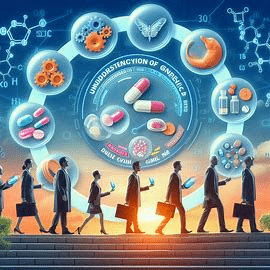
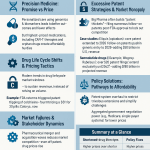
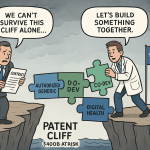
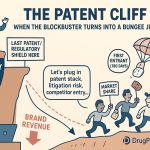
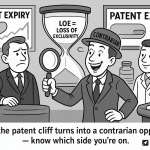
The pharmaceutical industry operates within a high-stakes environment where innovation, intellectual property protection, and market dynamics are intricately linked. Branded pharmaceutical companies face an inherent paradox: while patents are indispensable for incentivizing the colossal investments in research and development (R&D) of life-saving drugs, the effective market exclusivity period is significantly curtailed by lengthy regulatory processes. This challenge is compounded by an impending “patent cliff,” a wave of expiring blockbuster drug patents that threatens substantial revenue losses and intensifies generic competition.
In response, branded pharmaceutical firms have developed sophisticated post-expiration strategies. These include the strategic deployment of secondary patents, often creating “patent thickets” to extend market exclusivity and deter generic entry. The calculated use of authorized generics serves as a powerful tool to retain market share and influence pricing dynamics during generic competition. Furthermore, continuous innovation through new formulations and the discovery of novel therapeutic indications allows companies to access new market segments and extend product value. Beyond patent-driven maneuvers, robust market retention and brand loyalty programs are increasingly vital for sustaining profitability.
The complexity of these strategies necessitates advanced analytical capabilities. Leveraging patent data analytics and integrating artificial intelligence (AI) and machine learning (ML) is transforming the modeling of post-expiration scenarios. These technologies enable precise forecasting of generic entry, litigation outcomes, and asset valuation, making intellectual property (IP) a core component of financial and commercial strategy. The evolving regulatory landscape, particularly driven by the Hatch-Waxman Act and ongoing reform efforts, further shapes these dynamics, demanding continuous adaptation and a holistic approach to IP management. This report delves into these critical facets, providing a comprehensive framework for understanding and modeling branded pharmaceutical post-expiration strategies.
II. The Pharmaceutical Patent Landscape and Lifecycle Management
A. Understanding the Drug Lifecycle and the Role of Patent Protection
The journey of a pharmaceutical product from initial discovery to market availability is a protracted and arduous process, typically spanning several decades.1 This lifecycle broadly encompasses three stages: early development, commercialization, and eventual generic competition.1 The early development phase, characterized by drug discovery and preclinical testing, is fraught with immense financial risk and a high probability of failure. Historically, only a minuscule fraction, approximately 1 to 2 out of every 10,000 synthesized compounds, successfully navigates preclinical testing and rigorous clinical trials to ultimately receive therapeutic approval.1 This staggering failure rate underscores the perilous nature of pharmaceutical R&D.
Given these extraordinary risks and the substantial capital investment required—often spanning 5 to 15 years with clinical trial failure rates exceeding 90%—patent protection emerges as the foundational cornerstone of the pharmaceutical industry’s economic model.3 Pharmaceutical patents, typically granted for a period of 20 years from their filing date, confer market exclusivity upon the innovator.3 This temporary monopoly is designed to allow companies to recoup their colossal R&D expenditures and generate profits, thereby incentivizing the continuous creation of innovative, life-saving medications.3
However, a critical dynamic in this landscape is the discrepancy between the nominal 20-year patent term and the actual “effective patent life” for market exclusivity. Due to the extensive time consumed by clinical trials and the often-protracted regulatory approval processes, the effective period of market exclusivity averages a considerably shorter 12 to 14 years.7 This inherent tension, where patents are essential for funding innovation but the practical duration of market exclusivity is significantly curtailed, compels pharmaceutical companies to aggressively pursue sophisticated lifecycle management (LCM) strategies. These strategies are not merely optional but represent a fundamental requirement for financial viability and the ability to continue investing in future drug development. The industry’s reliance on these post-expiration strategies is therefore a direct consequence of this paradox, as companies strive to maximize returns within their limited windows of market exclusivity.
B. The “Patent Cliff” Phenomenon: Challenges and Financial Impact on Branded Pharma
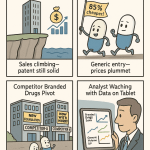
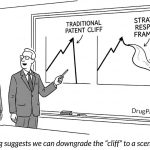
The pharmaceutical industry is currently confronting an unprecedented and accelerating phenomenon known as the “patent cliff.” This refers to the imminent expiration of patents on a substantial number of blockbuster drugs, threatening significant revenue losses across the sector. Projections indicate that between 2025 and 2030, an estimated $236 billion to $350 billion worth of high-revenue products will lose patent protection, exposing nearly 70 such drugs to intensified generic and biosimilar competition.8 Major pharmaceutical players, including Bristol-Myers Squibb, AbbVie, and Novartis, are particularly vulnerable to these impending expirations.8
The financial repercussions of patent expiration are often dramatic. Small-molecule drugs typically experience a precipitous market share reduction of up to 90% within months of generic entry.8 While biologics, due to their inherent complexity and manufacturing challenges, face a slightly slower but still substantial decline of 30% to 70% in the first year of biosimilar competition.8 Historical examples vividly illustrate this impact; Eli Lilly’s antidepressant Prozac, for instance, lost a staggering 73% of its share of new prescriptions within just two weeks following generic entry in 2001.11
Adding to these revenue pressures, the market advantage period for newly launched drugs is also shrinking.9 This is a direct consequence of rapid innovation and heated competition in key therapeutic areas. The time elapsed between the FDA approval of the first and second new molecular entity (NME) with the same mechanism of action has drastically decreased, from approximately eight years in the early 2000s to less than one year by 2020.9 This accelerated pace of innovation has, in turn, led to a decline in the leading product’s average market share within each class, falling from about 90% to approximately 70% over the past three decades.9 This trend reveals that the challenges extend beyond merely managing the expiration of existing patents; it signifies a fundamental shift in market dynamics where even novel innovations face quicker and more intense competition. Consequently, pharmaceutical companies are compelled to not only implement robust defensive post-expiration strategies but also fundamentally re-evaluate their R&D pipelines and commercialization models to adapt to shorter periods of market dominance. The industry-wide pressure for greater speed and agility across both R&D and commercialization is a direct outcome of this evolving landscape.
C. Strategic Imperative of Proactive Lifecycle Management (LCM)
In light of the significant challenges posed by the patent cliff and the accelerating pace of competition, proactive lifecycle management (LCM) has become a strategic imperative for branded pharmaceutical companies. LCM is not merely a reactive measure to impending patent expirations; it is a comprehensive, multi-faceted business strategy aimed at sustaining profitability and maintaining competitiveness in an increasingly crowded and dynamic marketplace.12 Effective LCM requires meticulous planning that commences years before the actual patent expiration date.13
The approach to LCM is holistic, encompassing a series of interconnected steps.14 These include conducting a thorough market analysis to understand competitive landscapes and emerging trends, rigorously evaluating current product performance and future potential, and developing robust strategies for lifecycle extension.14 Furthermore, it involves implementing sophisticated pricing and market access strategies, optimizing marketing and communication efforts to resonate with target audiences, and establishing mechanisms for continuous monitoring and adaptation to market changes.14
The overarching objective of LCM is to maximize a product’s value and maintain its market dominance throughout its commercial life.1 This involves legally protecting a company’s ability to enhance the safety and efficacy of the underlying drug, while simultaneously incentivizing further research into new forms or methods of treatment.2 A key aspect of successful LCM tactics is the strategic transfer of brand equity and existing prescriptions to follow-on or derivative products, such as reformulations or new delivery systems.11 This allows a company to sustain its franchise even as the original product faces generic competition.11
This comprehensive and forward-looking approach to LCM transcends mere product longevity. It is about fundamentally maximizing value throughout a drug’s commercial lifecycle, emphasizing the delivery of patient value and fostering brand loyalty as crucial differentiators against generic erosion.12 This integrated strategy is vital for ensuring long-term competitive advantage and continued investment in medical innovation.
III. Core Patent-Driven Post-Expiration Strategies
A. Secondary Patenting and “Evergreening”
Secondary patenting represents a cornerstone of post-expiration strategies in the pharmaceutical industry, involving the strategic acquisition of multiple patents on various aspects of a drug beyond the initial primary patent covering the active ingredient.4 This practice is a standard component of lifecycle management, with these patents encompassing alternative molecular forms, different formulations, dosages, compositions, and novel uses.4
Empirical evidence highlights the widespread prevalence of secondary claims, often exceeding the frequency of chemical compound patents for new molecular entities (NMEs).16 For instance, a significant majority of NMEs are associated with formulation patents (81%), method of treatment/use patents (83%), and patents on new forms of known substances, including Polymorphs, Isomers, Prodrugs, Esters, or Salts (PIPES) (51%).16 The proportion of drugs protected by secondary claims has also shown a notable increase over time; method of treatment claims, for example, rose from 61% in the 1985-1987 period to 95% in 2003-2005.16 These independent secondary patents are typically filed and issued later than primary patents, frequently after the drug has received FDA approval, which explicitly underscores their role in extending the overall exclusivity period.16 On average, secondary patents contribute an additional 4 to 5 years to the nominal patent term, and for drugs lacking a chemical compound patent, they can extend protection by as much as 9 to 11 years.16
The primary strategic intent behind secondary patenting is to prolong market exclusivity beyond the original 20-year term of the primary patent, a practice often critically referred to as “evergreening”.7 This strategy aims to create “patent thickets”—dense, overlapping networks of patents built around a single drug.7 These thickets serve as formidable barriers to generic entry by significantly increasing the cost and complexity of potential litigation for generic manufacturers.7 A clear correlation exists between higher drug sales and a greater propensity to obtain post-approval independent secondary patents, indicating a deliberate and calculated strategy by branded firms to extend their monopoly for more lucrative products.16 This reveals that secondary patenting is a sophisticated, multi-pronged intellectual property defense, designed to make generic entry economically and legally prohibitive. The criticism surrounding “evergreening” highlights the persistent tension between incentivizing pharmaceutical innovation and ensuring broad public access to affordable medicines.
The strategic role of secondary patents is further understood by examining their various types:
Formulation Patents: These legal protections are granted for the specific combinations and processes used to create pharmaceutical formulations, encompassing active ingredients, excipients, and preparation methods.20 Their strategic role is to safeguard innovations in how drugs are delivered, thereby improving efficacy, safety, or patient compliance.2 Excipients, which are inert substances, play a vital role within these formulations by enhancing drug stability, solubility, and bioavailability.20
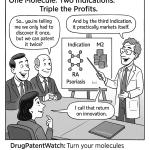
Method of Use Patents: These patents are granted for novel therapeutic uses discovered for existing drugs.2 For example, a drug initially approved for heart disease might be patented for a newly discovered application in treating cancer.2 Their strategic importance lies in extending market exclusivity by preventing generic competitors from marketing the drug for these specific new uses until the patent expires.23
Polymorph Patents: These protect different crystalline forms of a drug substance, which, despite having the same chemical composition, exhibit varying physical properties such as solubility and dissolution rates.17 Patenting new, stable, or more bioavailable polymorphs can provide additional intellectual property protection.2 However, securing these patents can be challenging, particularly in jurisdictions like India, where demonstration of “significant therapeutic efficacy” beyond routine discovery is often required.17
Dosage Regimen Patents: In certain jurisdictions, patents can be obtained for specific dosing schedules or treatment regimens utilizing the drug.2 This offers additional protection that extends beyond the core molecule itself.2
Process Patents (Methods of Manufacture): These patents safeguard innovative methods for manufacturing the drug or specific steps within the manufacturing process.2 They are strategically valuable for enhancing production efficiency or effectiveness.4
Combination Patents: These patents cover drugs that combine multiple active ingredients to create new therapies.4 They protect synergistic approaches aimed at managing complex diseases.4
Tertiary Patents: This category involves the strategic pairing of medical devices with an active ingredient that may be off-patent, specifically to prolong market exclusivity.7
The following table summarizes these key patent types and their strategic contributions to lifecycle management:
Table 1: Key Types of Pharmaceutical Patents and Their Strategic Role
Patent Type
Definition
Strategic Role in LCM/Post-Expiration
Composition of Matter
Protects the core active pharmaceutical ingredient (API) itself.
Grants initial market exclusivity for the novel chemical entity, foundational to recouping R&D costs.
Formulation
Protects unique combinations of ingredients, excipients, and preparation processes.
Extends exclusivity by improving drug delivery, efficacy, patient compliance, or stability, shifting market to new versions.
Method of Use
Protects novel therapeutic applications or specific ways of using a known drug.
Broadens market by covering new indications, preventing generic entry for these specific uses, and compensating for original market losses.
Polymorph
Protects different crystalline forms of a drug substance with distinct physical properties.
Provides additional IP protection and market barriers by identifying more stable or bioavailable forms, contributing to “evergreening.”
Process (Methods of Manufacture)
Protects innovative methods or steps within the drug manufacturing process.
Enhances efficiency, reduces costs, or ensures quality, creating proprietary production advantages that deter generic replication.
Combination
Protects drugs combining multiple active ingredients for new therapies.
Secures exclusivity for synergistic treatments, particularly for complex diseases, creating new patentable products.
Dosage Regimen
Protects specific dosing schedules or treatment regimens for a drug.
Offers additional protection by defining optimal administration, potentially improving patient outcomes and compliance.
Tertiary (Device-Drug Combination)
Involves using medical devices paired with an active ingredient, potentially off-patent.
Prolongs market exclusivity by creating a new, protected product that offers enhanced delivery or patient experience.
B. Authorized Generics (AGs)
Authorized generics (AGs) represent a sophisticated strategic instrument for branded pharmaceutical manufacturers in the post-expiration landscape. An AG is fundamentally an approved brand-name drug that is marketed without its traditional brand name on the label.27 It is essentially identical to its branded counterpart in terms of active ingredient, conditions of use, dosage form, strength, and route of administration, with only minor cosmetic differences such as color or marking.27
The strategic utility of AGs stems from their inherent marketing flexibility. An AG can be launched directly by the original brand-name drug company itself, or by another company that has secured explicit permission from the brand manufacturer.27 A crucial distinction in their regulatory pathway is that, unlike traditional generics which necessitate a separate Abbreviated New Drug Application (ANDA) approval process, an AG is marketed under the original brand-name drug’s existing New Drug Application (NDA).27 This unique regulatory status means AGs bypass the ANDA process, are inherently considered therapeutically equivalent to their brand-name counterparts, and are not listed in the FDA’s “Orange Book”.27 This regulatory advantage grants the brand manufacturer an “early-launch advantage,” allowing them to introduce a lower-priced, identical product into the market swiftly, sometimes even while the original patent remains active.27
The introduction of an AG significantly impacts market share and pricing dynamics, serving as both a robust defensive shield and a potent offensive weapon for brand manufacturers.27 Defensively, AGs enable the brand to retain a crucial portion of market share that would otherwise be entirely ceded to traditional generic competitors.27 Offensively, an AG is the
only generic product that can directly compete with a traditional generic during its lucrative 180-day exclusivity period.27 Data indicates that a substantial majority (73.9%) of authorized generics are launched within 30 days of a generic ANDA medication’s market entry.27 This deliberate tactic maximizes the brand’s competitive leverage and minimizes the first-filer’s exclusivity advantage.
The presence of an AG immediately introduces significant competition, leading to price reductions. Studies have shown that AGs are associated with retail prices that are 4% to 8% lower and wholesale prices that are 7% to 14% lower compared to scenarios without an AG during the exclusivity period.27 More recent data (2016-2023) indicates a 13% to 18% reduction in on-invoice prices paid by pharmacies for new generics when an authorized generic is available.27 The introduction of an AG creates a complex, dynamic three-way interaction involving the original brand-name drug, the authorized generic, and any traditional generic competitors. This dynamic often forces traditional generics to adopt a more aggressive pricing strategy from day one.27 This calculated maneuver to maintain significant market influence and profitability can significantly diminish the expected lifetime profits for independent generic firms, reducing their revenues by 40% to 52% during the 180-day exclusivity period and by 53% to 62% over the subsequent 30 months if AG competition persists.27 This effectively disincentivizes independent generic manufacturers from undertaking the costly and risky process of challenging patents, thereby highlighting a complex interplay of regulatory pathways and market manipulation that allows branded manufacturers to capture price-sensitive segments and dilute the first generic’s exclusivity advantage.
C. New Formulations and Indications
Innovation extending beyond the original molecule, particularly through new formulations and the discovery of novel indications, constitutes a powerful strategy for branded pharmaceutical companies to extend market exclusivity and maintain profitability post-patent expiration.
Innovation in Drug Delivery (New Formulations): Reformulation is a primary approach to extend market exclusivity by modifying the original drug to create new and improved versions that offer distinct advantages over the original and potential generic competitors.13 This can involve developing extended-release versions, creating entirely new dosage forms (e.g., transitioning from oral tablets to topical applications), improving taste or ease of administration to enhance patient compliance, or altering the drug’s composition to improve its stability, efficacy, or safety profile.2 Furthermore, the development of combination products, which integrate a drug with other complementary medications, can enhance overall efficacy, reduce side effects, and simplify treatment regimens for patients, thereby creating new patentable products.4
A notable illustration of successful reformulation is Eli Lilly’s strategy with its antidepressant, Prozac. Upon the expiration of Prozac’s patent, the company launched Prozac Weekly, a once-a-week formulation. This new version offered enhanced convenience to patients, providing a compelling reason for them to continue with the branded product rather than switching to generic fluoxetine. This enabled Eli Lilly to retain a significant portion of the market share despite the patent expiration on the original daily formulation.5 Similarly, Eli Lilly also patented a combination of Prozac with olanzapine, leading to the creation of Symbyax, which further extended its exclusivity.29
Discovery and Patenting of Novel Therapeutic Uses (New Indications): Identifying new therapeutic applications for existing drugs is another potent strategy for prolonging a drug’s commercial life. By conducting additional clinical trials to demonstrate efficacy in treating new conditions, pharmaceutical companies can secure new patents and market exclusivity periods specifically for these novel uses.2 This approach not only extends the patent life but also significantly broadens the potential market for the drug, sometimes opening entirely new therapeutic categories that can effectively compensate for revenue losses in the original indication after generic entry.13
An illustrative example is Eli Lilly’s Adcirca, initially approved for erectile dysfunction. Subsequent research revealed its utility for benign prostatic hypertrophy, leading to the development of a new dosing regimen and several additional years of commercial exclusivity for Cialis.29 These strategies fundamentally reposition the drug, creating new value propositions and accessing new market segments. This proactive innovation allows brands to strategically shift patient and provider loyalty to new, protected versions of their products, demonstrating a forward-looking approach to market evolution rather than simply defensive patenting.
D. Market Retention and Brand Loyalty Strategies
Beyond the legal and scientific maneuvers of patent extensions and product innovation, branded pharmaceutical companies increasingly rely on market-focused strategies to maintain profitability after patent expiration. These approaches leverage established brand recognition and patient loyalty to mitigate the inevitable transition to lower-cost generic alternatives.13
Targeted Marketing and Communication: As a drug enters the late stages of its lifecycle, marketing and communication efforts must evolve to sustain market presence and highlight the product’s continued value.14 This involves developing customized messaging tailored for different demographics, emphasizing specific indications or use cases, and proactively addressing common concerns or misconceptions about the branded product.13 Companies often adjust their marketing approach, shifting from strategies focused on maximizing pre-expiration sales to those designed to drive patient acquisition and retention through the loss of exclusivity period.13 These campaigns frequently underscore the reliability, consistent quality, and proven track record of the branded product in contrast to new generic entrants.13
Brand Loyalty Programs and Patient Services: Many pharmaceutical companies invest substantially in brand loyalty programs. These initiatives typically offer financial incentives such as discounts or copay assistance programs, often introduced 3-6 months before patent expiration to make the branded product’s out-of-pocket cost comparable to expected generic alternatives.13 Beyond financial aid, these programs may include patient support services, educational resources, or refill reminder systems designed to foster deeper relationships with patients.13 By creating value that extends beyond the medication itself, companies aim to build enduring patient relationships that can withstand the availability of lower-cost generic options.13
Strategic Market Segmentation: A critical element of post-expiration market assessment involves evaluating existing patient and provider loyalty, identifying specific market segments most likely to remain with the branded product, and understanding the price sensitivity across these different segments.13 Following generic entry, originator firms may strategically adjust their pricing to exercise price discrimination, targeting and exploiting market segments that are less price-sensitive, often influenced by insurance coverage.31 For medications where subtle formulation differences might impact patient response or clinical outcomes, companies actively educate physicians about potential variations in bioavailability or other factors that could influence a switch between branded and generic versions.13
These non-patent market retention strategies are becoming increasingly vital as patent protection weakens and generic entry becomes inevitable. They represent a shift towards a more holistic, patient- and physician-centric approach to post-expiration profitability, recognizing that price is not the sole determinant of choice. This proactive engagement aims to build enduring brand value and maintain market presence even in a competitive genericized environment.
The following table provides a snapshot of how major pharmaceutical companies have navigated patent expirations for some of their blockbuster drugs:
Table 3: Case Study Snapshot: Blockbuster Drugs and Post-Expiration Strategies
Drug Name
Company
Original Patent Expiry (Approx.)
Key Patent Strategy/Filings
Impact/Outcome
Humira
AbbVie
2016 (delayed to 2023 in US)
Extensive patent thicket (247 applications, 132 patents).7 Settlements with biosimilar companies to delay entry.32
Sales plummeted post-biosimilar entry (e.g., $21.24B in 2022 to $8.99B in 2024).33 Relied on new immunology drugs (Skyrizi, Rinvoq) for growth.33
Keytruda
Merck & Co.
2028
Over 129 patents sought, including for subcutaneous (SC) formulation.19 Ongoing litigation with Halozyme over SC formulation patents.36
Faces significant revenue risk ($29.5B sales in 2024).35 SC formulation aims to extend dominance and shield from biosimilars.33 Diversifying pipeline through acquisitions.35
Eliquis
Bristol Myers Squibb / Pfizer
2026 (BMS), 2028 (Pfizer)
Multiple US drug patents (e.g., US6967208 for API, US9326945 for formulations).38 Pediatric and New Patient Population exclusivities extending to 2028.38 Extensive European patent oppositions.38 Strong legal efforts to stall generics.33
Generated over $13B for BMS and $7.4B for Pfizer in 2024.33 Generic launch estimated Aug 2031 due to patents/exclusivities.38 Companies implementing cost-cutting measures.33
IV. Modeling Post-Expiration Strategies with Patent Data Analytics
A. The Power of Patent Data and Predictive Analytics
In the intricate ecosystem of the pharmaceutical industry, the strategic management of intellectual property, particularly drug patents, serves as both a protective shield and a vital revenue-generating asset.3 Stakeholders, including investors and pharmaceutical companies, can harness the wealth of drug patent data to make informed decisions, mitigate risks, and capitalize on emerging opportunities.3 By systematically analyzing patent lifecycles, litigation trends, regulatory landscapes, and market exclusivity periods, organizations can identify undervalued assets, anticipate generic competition, and effectively navigate the complex interplay between innovation incentives and market dynamics.3
The economic rationale underpinning this focus is clear: drugs protected by robust patents typically generate 80-90% of their lifetime revenue during their exclusivity periods.3 Conversely, average revenues plummet by 80-90% once generic drugs successfully enter the market.3 This stark financial reality underscores the critical need for sophisticated modeling capabilities.
Key Data Points for Predictive Modeling:
Several specific data points derived from patent filings and market intelligence are crucial for building predictive models of post-expiration strategies:
Patent Count: The total number of patents associated with a particular drug provides an initial measure of the breadth of its intellectual property protection.
Family Size: This metric refers to the number of related patents filed across various international jurisdictions. A larger family size, particularly ≥20 patents, has been shown to correlate with a 68% higher valuation, indicating a more robust and geographically diversified IP strategy.3
Forward Citations: The number of times a patent is cited in subsequent patents serves as an indicator of its foundational importance and influence. Each citation in later patents can increase a patent’s value by 3-5%.3
Claim Breadth: The scope of a patent’s claims, particularly independent claims covering multiple therapeutic uses (e.g., more than three), can significantly enhance its value, potentially adding a 22% premium to its valuation.3
Market Size: The potential market size and projected revenue for a drug are paramount considerations. Larger markets are significantly more likely to be associated with patent challenges, as the potential returns for generic manufacturers are higher.40
Analytical Frameworks for Valuation and Risk Assessment:
Sophisticated analytical frameworks are employed to integrate these data points into actionable strategic models:
Risk-Adjusted Net Present Value (rNPV) Framework: This widely used financial model incorporates patent-specific variables to project future revenues and development/commercialization costs. Crucially, it integrates probabilities of patent validity through time and a discount rate that reflects IP-related risks, providing a more realistic valuation of a drug’s potential.3
Predictive Models for Generic Challenges: Leveraging historical data, predictive models can forecast generic manufacturers’ patent challenges with impressive accuracy, often exceeding 80%.41 These models help direct limited resources for post-grant patent validity review and inform policy adjustments when generic competition is lacking, particularly for drugs with smaller market sizes that are systematically overlooked by challengers.41
This analytical approach represents a fundamental shift from traditional, qualitative intellectual property strategy to a data-driven, quantitative methodology. Companies can now leverage patent analytics to precisely forecast generic entry, anticipate litigation, accurately value assets, and optimize investment decisions. This integration elevates IP management to a core component of overall financial and commercial strategy, enabling more informed and proactive decision-making in a rapidly evolving market. The unevenness of generic competition across different market segments further underscores the necessity of such precise modeling to identify overlooked drug categories and address instances of persistently high prices.
B. Artificial Intelligence and Machine Learning in Pharmaceutical Patent Strategy
Artificial Intelligence (AI) and Machine Learning (ML) are rapidly transforming the entire drug development lifecycle, from the earliest stages of drug discovery through non-clinical development, clinical trials, manufacturing, and extending into post-market surveillance.1 This technological integration is not merely an efficiency gain but a fundamental shift towards more intelligent, data-driven IP management.
Applications Across the Drug Development Lifecycle:
Drug Discovery: AI is extensively utilized for identifying drug targets, rapidly screening and designing compounds, optimizing protein engineering, mining vast datasets for novel insights, and efficiently repurposing existing drugs for new indications.1 This can significantly shorten traditional development timelines, exemplified by Insilico Medicine’s 18-month timeline for a fibrosis drug, and substantially reduce R&D costs.45
Non-clinical Development: AI algorithms contribute to predicting drug efficacy and safety profiles, optimizing ADMET (absorption, distribution, metabolism, excretion, and toxicity) properties, and reducing the reliance on extensive animal testing by providing more accurate predictive models.44
Clinical Trials: AI optimizes patient recruitment and stratification, predicts trial outcomes, identifies potential issues early, and analyzes complex patient-reported outcomes (PROs) using Natural Language Processing (NLP).1 The development of Virtual Human Twins (VHTs) allows for the simulation of control groups, which can significantly accelerate trial timelines and reduce participant numbers.44
Post-Market Surveillance (Pharmacovigilance): In the post-authorization phase, AI is crucial for predicting adverse drug reactions (ADRs) and detecting safety signals from large, real-world datasets such as Electronic Health Records (EHRs) and insurance claims data, as demonstrated by the FDA’s Sentinel Initiative.44
Predictive Capabilities in Patent Strategy:
AI-driven patent analytics are enhancing the precision of patent strategy in several ways:
Litigation Outcomes and Generic Entry: Advanced AI models can predict litigation outcomes with high accuracy, such as forecasting ANDA (Abbreviated New Drug Application) challenge results with up to 89% accuracy by analyzing claim language.3 This capability also extends to predicting the timing of generic entry, allowing branded companies to prepare more effectively.
Strengthening Patent Applications: AI tools can actively assist in strengthening patent applications by generating numerous examples or “species” to support broader claims, thereby enhancing the patent’s robustness and defensibility.48
Challenges and Opportunities in AI-Assisted Patenting:
The integration of AI into drug discovery and patenting also presents unique legal and strategic challenges:
“Human Inventor” Requirement: A significant legal hurdle is the requirement for a human inventor. The USPTO and courts have affirmed that only natural persons can be inventors.48 This means that for an AI-assisted invention to be patentable, a human must demonstrate a “significant contribution to the conception of the claimed invention”.48 This contribution can involve designing, building, or training the AI system for a specific problem, or critically evaluating and selecting AI-generated outputs for further study.48 Companies are advised to maintain detailed records documenting human contributions throughout the discovery process.48
Establishing Inventive Step: Proving an inventive step for AI innovations varies by jurisdiction. The European Patent Office (EPO) requires demonstrating a “technical character” and inventive step through either “technical application” (AI serving a concrete technical purpose in biotech) or “technical implementation” (AI adapted to overcome hardware limitations).49 Similarly, China’s National Intellectual Property Administration (CNIPA) requires detailed disclosure of how the AI system is trained, the data used, and its tangible benefits to establish a clear technical solution.49 The increasing sophistication of AI also raises the standard for what is considered “obvious” in patent law, potentially making it harder to prove innovations are non-obvious and thus patentable.48
Patents vs. Trade Secrets: The detailed disclosure requirements for AI patents create a strategic tension, as core competitive advantages might be better protected as trade secrets.49 This decision is influenced by factors such as the value of proprietary training datasets, regulatory validation requirements, the rapid evolution of AI technology (making patents potentially obsolete by issuance), and the difficulty in detecting AI patent infringement.49 Often, a hybrid approach, combining patent protection for fundamental technical advances with trade secrets for sensitive data and implementation details, is adopted.49
The integration of AI and ML is revolutionizing drug development and patent strategy, allowing for more precise forecasting of generic entry and litigation outcomes, and even strengthening patent applications. The evolving regulatory landscape and the “human inventor” requirement highlight the need for careful documentation and strategic choices between patenting and trade secrets. This deep integration of AI is not merely an efficiency gain but a fundamental shift towards more intelligent, data-driven intellectual property management.
V. Regulatory and Legal Dynamics Influencing Post-Expiration Strategies
A. The Hatch-Waxman Act and its Impact on Generic Entry
The Drug Price Competition and Patent Term Restoration Act of 1984, commonly known as the Hatch-Waxman Act, fundamentally reshaped the pharmaceutical landscape in the United States. Its dual purpose was to incentivize innovation by extending patent terms and providing data exclusivity for branded drugs, while simultaneously facilitating the entry of generic drugs into the market through an abbreviated approval process.31
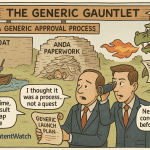
A key provision of the Act is the establishment of the Abbreviated New Drug Application (ANDA) process, which allows generic manufacturers to seek FDA approval by demonstrating bioequivalence to a previously approved pioneer drug, thereby bypassing the extensive and costly clinical trials for safety and efficacy.50 To encourage generic manufacturers to identify and challenge weak patents, Hatch-Waxman introduced a significant incentive: the first generic manufacturer to file for FDA approval with a Paragraph IV certification is entitled to 180 days of “generic exclusivity” upon market entry.28 During this period, other generic drug makers are prohibited from entering the market, offering a lucrative, albeit temporary, competitive advantage.51
A Paragraph IV certification is filed when a generic applicant asserts that an applicable patent listed in the FDA’s “Orange Book” is either invalid or will not be infringed by the proposed generic product.51 The filing of a Paragraph IV ANDA is considered an act of patent infringement, which typically triggers an automatic statutory stay of up to 30 months, blocking FDA approval of the generic drug while litigation is pending.51
However, the effectiveness of the 180-day exclusivity period in promoting competition has been a subject of considerable debate. Critics argue that the system has been exploited, often leading to “pay-for-delay” settlements where branded manufacturers pay generic companies to abandon their patent challenges and delay market entry.51 This practice keeps weak patents intact and prevents earlier market competition, undermining the Act’s original intent.51
Recent court decisions in 2024 and 2025 have continued to refine the interpretations of Hatch-Waxman provisions, influencing patent challenges, market exclusivities, and the pathway for generics:
Edwards Lifesciences v. Meril Life Sciences: This Federal Circuit decision broadly interpreted the Hatch-Waxman safe harbor provision (35 U.S.C. § 271(e)(1)), affirming its applicability to pre-approval activities “reasonably related” to FDA submissions, even if they have promotional aspects.52 This provides reassurance for innovators during early product development.
Salix Pharmaceuticals v. Norwich Pharmaceuticals: This case indicated that polymorph patents are not guaranteed nonobviousness, as a district court found polymorph patents obvious due to detailed prior art.52 It also set a precedent against generic attempts to modify ANDAs post-trial to remove infringing indications for earlier market entry.52
Amarin Pharma v. Hikma Pharmaceuticals: The Federal Circuit found that induced infringement could be plausibly pleaded based on a generic manufacturer’s label and public statements, even with a Section VIII carve-out.52 This decision, while limited to the motion to dismiss stage, highlights the ongoing scrutiny of “skinny labels.”
Allergan USA v. MSN Laboratories: This ruling clarified the 2023 In re Cellect decision, stating that obviousness-type double patenting (ODP) does not automatically invalidate a patent simply because it expires later than a reference patent, especially if the later expiration is due to Patent Term Adjustment (PTA).52
Astellas Pharma v. Sandoz: The court held that patent eligibility (under Section 101) cannot be considered sua sponte (on the court’s own initiative) as a ground for patent invalidity, reinforcing the principle of party presentation.52
Galderma Laboratories v. Lupin: This decision emphasized that in vitro testing and bioequivalence alone are generally insufficient to prove literal infringement or infringement under the doctrine of equivalents, underscoring the need for comprehensive evidence.52
Teva v. Amneal Pharmaceuticals: The court affirmed that patents listed in the Orange Book must claim the active ingredient of the approved drug, not just any component or device, limiting NDA holders’ ability to delay generic entry through improper listings.52
These legal developments demonstrate that the Hatch-Waxman Act, while intended to balance innovation and access, has created complex legal battlegrounds. The prevalence of Paragraph IV challenges and the strategic use of the 180-day exclusivity period by both branded and generic firms, often leading to settlements that delay competition, illustrate that the Act’s mechanisms are frequently exploited. These ongoing court decisions further refine these dynamics, requiring branded firms to continuously adapt their litigation and patenting strategies to maintain exclusivity.
B. Patent Thickets: Regulatory Scrutiny and Reform Efforts
Patent thickets, characterized as dense webs of overlapping patents covering a single drug, represent a significant strategic tool employed by branded pharmaceutical companies.7 While ostensibly designed to protect innovation, these thickets are viewed by critics as a systemic exploitation of intellectual property protections that prioritizes corporate profits over patient access and market competition.19 Their primary strategic objectives are to extend monopolies, significantly delay the entry of generic alternatives, and inflate drug prices.19
The anatomy of a patent thicket involves both primary patents, which cover core innovations like a drug’s active ingredient and typically grant a 20-year monopoly, and numerous secondary patents.19 These secondary patents target peripheral features such as dosage forms, manufacturing methods, or storage requirements, and are often filed years after FDA approval specifically to prolong exclusivity.19 For top-selling drugs, a substantial 66% of patent applications are submitted post-approval, highlighting this deliberate strategy.19
Notable examples illustrate the scale of these thickets:
Humira (AbbVie): AbbVie filed an astonishing 247 patent applications for Humira, ultimately possessing over 132 patents covering the drug, which effectively extended its U.S. exclusivity to 39 years.18 This strategy resulted in an estimated $47.5 million per day in revenue before biosimilar entry.19
Keytruda (Merck): Merck has sought 129 patents for Keytruda, including those for seemingly trivial changes like sterile packaging.19
Revlimid (Bristol Myers Squibb): The drug faced an 18-year litigation process that successfully blocked generics despite the expiration of primary patents.19
The economic and health impacts of patent thickets are substantial. They contribute to significant price inflation, with some drugs seeing over 300% price increases over two decades.19 This practice results in billions of dollars in excess healthcare costs annually, costing patients and healthcare systems billions.19 Furthermore, patent thickets restrict patient access to necessary medications, leading to situations where patients ration their drugs due to high costs.19 Critics also argue that these strategies stifle true innovation by diverting R&D resources towards “evergreening” existing drugs rather than developing novel therapies; indeed, 78% of new patents protect existing drugs.19
In response to these concerns, regulatory bodies and legislative efforts are increasingly scrutinizing patent thickets:
Patent Litigation Limits: Proposed bills, such as the Cornyn-Blumenthal bill, aim to cap lawsuits to one patent per thicket.19 The Federal Trade Commission (FTC) has also actively challenged over 100 improper Orange Book listings in 2024.19
Patent Quality Control: Collaborations between the USPTO and FDA are working to reject “obvious” secondary patents.19 Post-grant reviews have shown effectiveness, invalidating 38% of challenged pharmaceutical patents in 2024.19
Global Coordination: Proposals include implementing EU-style 8-year data exclusivity periods to prevent price disparities between the U.S. and the EU, where biosimilars often enter earlier.19
Patent thickets, while legal, are under increasing scrutiny for their role in delaying generic entry and inflating drug prices. The ongoing regulatory and legislative efforts to curb these practices reflect a societal push to rebalance intellectual property rights with public health needs, making this a critical area for future policy and legal developments.
C. Recent Patent Law Changes (2024-2025) and Future Trends
The legal and regulatory landscape governing pharmaceutical patents is dynamic, with significant changes and proposed reforms continually shaping post-expiration strategies. The years 2024 and 2025 are particularly noteworthy for several proposed legislative acts and ongoing court decisions that could profoundly impact patent enforcement and generic entry.
Three prominent legislative proposals are currently under consideration:
The PREVAIL Act (Promoting and Respecting Economically Vital American Innovation Leadership Act): This act aims to overhaul practices at the Patent Trial and Appeal Board (PTAB), proposing requirements for challenger standing and limitations on multiple petitions against the same patent.54 Opponents of PREVAIL express concerns that it could make challenging pharmaceutical patents more difficult, potentially leading to higher drug prices.54 The Act passed the Senate Judiciary Committee in November 2024 and has moved to the Senate for a full vote.54
PERA (Patent Eligibility Restoration Act): PERA seeks to eliminate all judicial exceptions to patent eligibility, particularly those established by the Mayo and Alice Supreme Court decisions.54 These exceptions have been criticized for being overly restrictive on medical diagnostics and computer-implemented innovations.54 By removing these limitations, PERA could broaden the scope of patentable subject matter, potentially benefiting certain medical innovations.54
RESTORE (Realizing Engineering, Science, and Technology Opportunities by Restoring Exclusive Patent Rights Act): This act aims to establish a rebuttable presumption that courts should grant permanent injunctions when patent infringement is found.54 This could strengthen the position of patent holders, including those in the pharmaceutical industry, by making it easier to secure injunctions against infringers.54 A hearing on RESTORE was held at the Senate Subcommittee on Intellectual Property in December 2025.54
Beyond legislative proposals, regulatory actions and market trends continue to influence the landscape. The FDA has been actively approving generic and biosimilar versions of key drugs. For instance, the first generic versions of Rivaroxaban (Xarelto) 2.5 mg tablets received FDA approval in March 2025.55 Similarly, multiple manufacturers have obtained FDA approval for generic Sacubitril/Valsartan (Entresto).55 Biosimilars for Denosumab (Prolia), such as Sandoz’s Jubbonti and Wyost, were approved in March 2024 and expected to launch in May 2025, with Samsung Bioepis’ biosimilars also receiving approval in February 2025.55
The Medicare Drug Price Negotiation program, established by the Inflation Reduction Act of 2022, is also set to impact pricing dynamics. Negotiated prices apply only to brand-name drugs without generic or biosimilar competition, meaning that if a generic or biosimilar is approved and marketed, the Centers for Medicare & Medicaid Services (CMS) can suspend or terminate the negotiation process for the brand-name drug.55 This policy could influence therapy selection for Medicare beneficiaries and prescribing trends, adding another layer of complexity to post-expiration strategies.
The legal landscape is not static, with ongoing legislative proposals and court decisions continually reshaping patent enforcement. These changes, particularly those impacting patent eligibility, PTAB practices, and injunctive relief, will necessitate continuous adaptation of pharmaceutical IP strategies. The increased regulatory scrutiny and policy interventions indicate a future where branded firms must navigate a more constrained environment, emphasizing the need for proactive legal and strategic planning.
VI. Conclusion
The branded pharmaceutical industry operates within a unique economic and regulatory framework, where the substantial risks and costs associated with drug development are offset by temporary market exclusivity granted through patents. However, the inherent paradox of a shorter “effective patent life” compared to the nominal patent term, coupled with the accelerating “patent cliff” and intensifying competition from generics and biosimilars, necessitates highly sophisticated and proactive post-expiration strategies.
The analysis reveals that branded pharmaceutical companies employ a multi-layered approach to sustain profitability and market presence beyond primary patent expiry. Secondary patenting, encompassing diverse types such as formulation, method of use, polymorph, and process patents, serves as a crucial defensive and offensive intellectual property strategy. These patents are strategically filed, often post-approval, to create “patent thickets” that significantly extend market exclusivity and deter generic entry by increasing the complexity and cost of litigation.
The strategic deployment of authorized generics represents another powerful tool, allowing branded manufacturers to retain market share and influence pricing dynamics during the critical 180-day generic exclusivity period. By introducing an identical, lower-priced version of their own product, companies can dilute the first generic’s advantage and disincentivize future generic challenges, thereby maintaining significant market influence.
Beyond legal and IP-centric maneuvers, continuous innovation through new formulations and the discovery of novel therapeutic indications is vital. These strategies fundamentally reposition drugs, create new value propositions, and open access to new market segments, compensating for revenue losses in original indications and shifting patient and provider loyalty to enhanced product versions. Complementing these product-centric strategies are robust market retention and brand loyalty initiatives, which leverage established brand recognition, patient support programs, and targeted marketing to differentiate the branded product and maintain market share in a genericized environment.
The increasing complexity of these strategies underscores the critical role of patent data analytics, artificial intelligence, and machine learning. These advanced technologies enable quantitative strategic modeling, allowing for precise forecasting of generic entry, litigation outcomes, and asset valuation. AI’s capabilities extend to strengthening patent applications and optimizing various stages of the drug development lifecycle, from discovery to post-market surveillance. However, the evolving regulatory landscape, marked by recent Hatch-Waxman Act court decisions and ongoing legislative proposals, presents continuous challenges that necessitate adaptive IP strategies.
Ultimately, navigating the post-expiration landscape requires branded pharmaceutical companies to adopt highly sophisticated, data-driven, and adaptive strategies that seamlessly integrate legal, scientific, and commercial approaches. Success in this evolving environment hinges on the ability to proactively manage intellectual property, innovate strategically, and maintain strong brand relationships, all while adapting to a dynamic regulatory framework that continually rebalances innovation incentives with public health needs and affordability.
Discuss How AI and ML Can Optimize Lifecycle Management Practices within Pharmaceutical Companies – YouTube, accessed July 26, 2025, https://www.youtube.com/watch?v=CwMiqFvKrIQ