Executive Framing: The Cost Problem That Waste Built {#executive-framing}
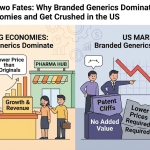
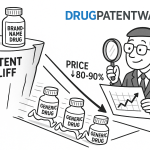
Generic drugs fill roughly nine out of every ten prescriptions dispensed in the United States. The industry that produces them operates on margins that make automotive manufacturing look lavish by comparison. The moment a branded drug loses its final patent protection, the economics collapse fast: entry of a second generic competitor typically halves the price from the originator level, and the cascade continues with each new filer. This is the industry’s foundational logic, and it has not changed since the Hatch-Waxman Act of 1984 created the Abbreviated New Drug Application (ANDA) pathway.
What has changed, and what most strategic plans still underweight, is the cost structure sitting inside manufacturing. The pharmaceutical industry generates waste at a scale that would be scandalous in almost any other sector. Its E-Factor, the mass of waste generated per kilogram of active pharmaceutical ingredient (API) produced, routinely runs between 25 and 100. In practice, this means a plant producing 1,000 kg of a finished API may be managing between 25,000 and 100,000 kg of waste streams, spent solvents, toxic byproducts, and solid residues. The global API waste burden runs to roughly 10 billion kilograms annually, with disposal costs estimated near $20 billion per year. Every dollar of that $20 billion sits inside Cost of Goods Sold (COGS). It is not externalized. It eats margin.
Separately, the industry’s carbon intensity is now under active regulatory scrutiny. Several credible analyses place pharmaceutical manufacturing’s emissions intensity at 55% above the automotive sector on a revenue-adjusted basis, driven primarily by energy consumption in synthesis, solvent recovery, and HVAC systems in contained manufacturing suites. The European Medicines Agency’s revised Environmental Risk Assessment (ERA) guideline, effective September 2024, has converted what was once a compliance checkbox into a substantive part of marketing authorization applications. The FDA’s Quality by Design (QbD) framework, while not labeled an environmental policy, functionally rewards the process outcomes that green chemistry delivers: tighter control, fewer out-of-spec batches, cleaner impurity profiles.
The thesis of this pillar page is direct: green chemistry is not corporate sustainability theater. It is a manufacturing efficiency strategy with documented, quantifiable ROI. For pharma/biotech IP teams, the most important implication is that well-designed green process patents can extend a product’s commercial advantage well beyond the API composition patent cliff. For R&D leads, the critical point is timing: the window to build a green process into a product’s DNA closes at ANDA submission, and reopening it afterward costs years and seven-figure validation budgets. For institutional investors, the question is which generic manufacturers are building durable COGS advantages through green process development and which are still running 1990s chemistry on borrowed time.
Part 1: The Foundational Architecture {#part-1}
The 12 Principles as an Operational Playbook {#12-principles}
Green chemistry as a formal discipline dates to Paul Anastas and John Warner’s 1998 text, which codified 12 principles for designing products and processes that reduce or eliminate hazardous substances. For anyone working outside academic chemistry, the framing that matters is operational: each principle is a lever that, when engaged, produces cost savings, risk reduction, or regulatory benefit, sometimes all three simultaneously.
The first principle, waste prevention, is the cornerstone. Every kilogram of byproduct, every liter of spent solvent, represents purchased raw material that was not converted into saleable product. The accounting logic is simple: waste is a double cost, paid once when the raw material is purchased and a second time when the waste is treated and disposed of.
Atom economy, developed by Barry Trost, goes beyond conventional yield calculations. A reaction can show 95% yield and still be atomically inefficient if the desired product represents only half the mass of the combined reactants. High atom economy means the company is paying for atoms that end up in the product, not in the waste stream.
The principle addressing less hazardous syntheses carries direct financial weight. Hazardous reagents require specialized handling equipment, containment systems, extensive PPE, higher insurance premiums, and specialized waste contracts. A single decision to replace titanium tetrachloride with a reaction-design workaround, as Pfizer did in sertraline manufacturing, eliminated hundreds of thousands of pounds of corrosive waste annually. That is not an environmental achievement. It is a cost engineering achievement.
Safer solvents and auxiliaries (Principle 5) may carry the largest single financial lever in pharmaceutical manufacturing. Solvents account for 80-90% of total mass in a typical non-aqueous API synthesis. Chlorinated hydrocarbons (dichloromethane, chloroform), ethers (THF, dioxane), and aromatic hydrocarbons (toluene, benzene) are collectively the dominant contributors to pharmaceutical industry E-Factors. They are toxic, flammable, environmentally persistent, and subject to accelerating regulatory restriction across both FDA and EMA jurisdictions. Their procurement, recovery, and disposal costs are substantial line items in any serious API budget.
Catalysis (Principle 9) addresses one of the most persistent sources of waste in pharmaceutical synthesis. Stoichiometric reagents, consumed in the reaction and ending up as waste, are the default in much classical organic chemistry. Catalysts, by contrast, can in principle be recovered and recycled indefinitely. The shift from stoichiometric oxidants, reductants, or Lewis acids to highly selective metal catalysts or biocatalysts can cut waste generation by orders of magnitude on a per-kilogram-of-product basis.
Real-time analysis for pollution prevention (Principle 11) links directly to the FDA’s Process Analytical Technology (PAT) initiative. In-process monitoring allows operators to maintain reaction conditions within defined optimal parameters, maximizing yield, minimizing byproduct formation, and catching deviations before they generate waste batches. PAT is not optional in modern regulatory submissions; it is expected.
The 12 principles operate as an interconnected system. A highly selective biocatalyst (Principle 9) typically runs in water at near-ambient conditions (Principles 5 and 6), generates dramatically less waste (Principle 1), and achieves higher atom economy (Principle 2) by avoiding protection/deprotection sequences (Principle 8). A single process improvement can trigger reductions across six or seven principles simultaneously.
Process Mass Intensity: The KPI That Changes Everything {#pmi}
The pharmaceutical industry has long used E-Factor (kg waste / kg product) as its primary green chemistry metric. The ACS Green Chemistry Institute Pharmaceutical Roundtable (GCIPR) has substantially moved the field toward Process Mass Intensity (PMI), defined as the total mass of all materials, including water, solvents, reagents, catalysts, and processing aids, used to produce one kilogram of API. PMI captures the full material burden of a process, including the water inputs that E-Factor can obscure.
The GCIPR has benchmarked PMI across the pharmaceutical industry and found that the average PMI for small-molecule drug synthesis sits between 100 and 200. A PMI of 100 means 100 kg of total material inputs to produce 1 kg of API. A PMI below 50 is considered strong performance. The atorvastatin intermediate process developed by Codexis achieved an E-Factor of 5.8 (excluding process water), implying a PMI well below industry average. Pfizer’s redesigned sertraline process achieved an E-Factor of approximately 8.
For process chemistry teams, PMI has a direct implication: it is the single metric that most reliably predicts long-run COGS performance. A process with PMI 150 will not compete on cost against a process with PMI 40, all else equal. For R&D leadership, the strategic directive is to track PMI as a primary KPI from the earliest stages of process development, not as a post-hoc compliance report.
The GCIPR has also proposed the Green Aspiration Level (GAL), a benchmarking concept that adjusts expected PMI for the inherent complexity of a given molecular transformation. This allows fairer comparison between simple generic APIs and complex chiral molecules, giving teams a target PMI adjusted for structural difficulty rather than a universal absolute standard.
The Generic Drug Lifecycle: Green Chemistry Overlay {#lifecycle}
The ANDA pathway created by Hatch-Waxman does not require a generic manufacturer to repeat the clinical trials that proved the brand drug’s safety and efficacy. It requires proof of bioequivalence: demonstration that the generic product delivers the same active ingredient to the systemic circulation at the same rate and extent as the Reference Listed Drug (RLD). This shifts the scientific and regulatory center of gravity entirely onto Chemistry, Manufacturing, and Controls (CMC), making API synthesis and formulation the primary arenas of competition.
The lifecycle runs through six stages, each presenting distinct opportunities and constraints for green chemistry integration.
Stage 1, market and patent analysis, sets the context for everything downstream. Competitive intelligence platforms like DrugPatentWatch provide patent expiration dates, potential patent term extensions via 505(b)(2) or Hatch-Waxman extensions, regulatory exclusivity stacks, and Orange Book litigation histories. A company that identifies a high-volume blockbuster API with a complex, high-PMI synthesis has identified a prime green chemistry opportunity: the product economics reward cost engineering, and the synthesis complexity means the green process advantage, once built, will be hard for competitors to replicate.
Stage 2, API process development, is the green chemistry epicenter. The choices made here, starting materials, solvent selection, catalyst type, number of synthetic steps, are largely locked in for the commercial life of the product. This is not a metaphor. It is a regulatory fact, and its implications for strategy are explored in detail in the next section.
Stage 3, analytical method development, offers a secondary but meaningful opportunity. Green analytical chemistry replaces acetonitrile-heavy HPLC methods with aqueous or ethanol-based alternatives, reduces sample volumes, and cuts solvent waste across quality control laboratories. For a large-volume product with hundreds of routine QC assays, the aggregate savings are material.
Stage 4, bioequivalence studies, is where a poorly controlled process kills product timelines. A green process, designed for selectivity and consistency, produces API with a cleaner, more reproducible impurity profile. BE failures are expensive to repeat and can cost six to eighteen months of market timing. A process-chemistry team that treats greenness as a proxy for process robustness has the right instinct. The two are functionally correlated.
Stage 5, scale-up and technology transfer, is where green technologies offer structural advantages that traditional batch chemistry cannot match. Continuous flow reactors scale by duration, not by vessel size, which compresses technology transfer timelines and reduces capital expenditure. A process built on flow chemistry modules transfers from kilogram-scale R&D to ton-scale manufacturing without rebuilding the reaction parameters from scratch.
Stage 6, ANDA submission, is the regulatory payoff. A low-PMI process with documented PAT controls and a clean impurity profile presents a lower overall risk profile to FDA reviewers. Under the FDA’s first-cycle approval metrics, where each cycle of review correspondence costs several months, a CMC section that anticipates regulatory concerns through rigorous process control data is a competitive weapon.
Regulatory Lock-In: Why the Development Window Is Non-Negotiable {#lock-in}
ICH Q11, the FDA-adopted international guideline on API development and manufacture, makes explicit that process changes become progressively more burdensome as a drug advances through development. By the time an ANDA is filed, the API synthesis route is effectively locked. Post-approval changes to the manufacturing process require a Prior Approval Supplement (PAS), which involves full process validation on commercial-scale batches, comparability studies to demonstrate the new process produces an identical or cleaner impurity profile, and FDA review before any product made by the new process can be distributed. This review can take 12 to 24 months. For a time-sensitive generic market entry, a PAS is often fatal to the commercial opportunity.
The strategic implication is absolute: the time to design a green process is before ANDA submission, during Stage 2 development. A company that launches on a high-PMI, high-waste process may successfully win early market entry, but it permanently cedes the manufacturing cost advantage to any competitor who takes the time to develop a cleaner process and files a PAS later, or who launches a competing ANDA on a greener route from the start.
The pressure to minimize development time is real. “Speed to filing” is a primary metric for most process development teams, and the temptation to accept an inefficient but proven synthetic route is understandable. The counter-argument is lifecycle economics. A product that retails at $0.30 per tablet with a 35% gross margin sits at a very different risk profile than one that can achieve $0.30 per tablet at 55% gross margin because its PMI is two-thirds lower. The difference is built in at Stage 2 and compounds over the entire commercial life of the product, which can span decades for high-volume generics.
Key Takeaways: Part 1
The three most actionable points from the foundational section are these. Process chemistry is the primary lever for long-term COGS performance in generics, not pricing or distribution. PMI should be treated as a primary development KPI alongside timeline. The development window between project initiation and ANDA submission is the only cost-effective moment to engineer greenness into a product, and it closes permanently at filing.
Part 2: The Green Toolbox: Technology Roadmaps {#part-2}
Biocatalysis: From Niche Tool to Industrial Platform {#biocatalysis}
Enzymes have been used in industrial chemistry for decades, primarily in food processing, textile manufacturing, and laundry detergent formulation. Their application in pharmaceutical API synthesis was historically constrained by two factors: the narrow substrate specificity of natural enzymes (which evolved to catalyze biological reactions, not synthetic drug intermediates) and their limited stability under industrial conditions (high solvent concentrations, elevated temperatures, acidic or basic pH). Both constraints have been substantially addressed by directed evolution and protein engineering.
The core advantage of biocatalysis from a green chemistry perspective is multi-dimensional. Enzymatic reactions proceed in water at near-ambient temperature and neutral pH, immediately addressing Principles 5, 6, and 12. Enzymes are extraordinarily selective: chemo-selective (reacting with one functional group while leaving others intact), regio-selective (distinguishing between identical functional groups at different positions on a molecule), and stereoselective (producing a single enantiomer from a racemic or prochiral starting material). This selectivity eliminates the need for protecting group strategies (Principle 8), which can add two to four synthetic steps per protected functional group and corresponding waste streams.
The pharmaceutical relevance of stereoselect ivity is direct. A large fraction of drug molecules are chiral, and regulatory agencies now require that the enantiomeric purity of chiral APIs be rigorously controlled. Traditional chemical resolution of racemates, where a chiral resolving agent separates the two enantiomers, is theoretically capped at 50% yield (half the racemate is the wrong enantiomer and becomes waste). Asymmetric synthesis using chiral metal catalysts is more efficient but often requires expensive precious metals (palladium, rhodium, ruthenium) and specialized ligands. A biocatalytic asymmetric reduction can achieve 99%+ enantiomeric excess in a single step, in water, at room temperature, with a catalyst that in principle costs a few dollars per kilogram of substrate once the enzyme is manufactured at scale.
Frances Arnold’s 2018 Nobel Prize in Chemistry for directed evolution formalized what industrial biotechnology had been doing pragmatically for two decades: using iterative rounds of genetic mutation and high-throughput screening to engineer enzymes for industrial performance. The technology roadmap for pharmaceutical biocatalysis now breaks into four generations of capability.
First-generation directed evolution (early 2000s) relied on random mutagenesis techniques, primarily error-prone PCR, to generate libraries of enzyme variants. Screening was labor-intensive. Improvements were incremental, typically 10 to 50-fold per campaign. This is the era that produced the Codexis atorvastatin enzyme campaign.
Second-generation approaches (mid-2000s through 2010s) introduced gene shuffling, recombination of DNA fragments from multiple parent enzymes to generate combinatorial diversity. This accelerated the discovery of improved variants and allowed engineers to combine beneficial mutations from separate lineages. The Codexis HHDH enzyme improvement from the atorvastatin campaign, which achieved a 4,000-fold productivity increase, combined multiple rounds of gene shuffling with rational design inputs.
Third-generation engineering (2015 through present) integrates computational protein design tools, including Rosetta and related structural modeling platforms, with experimental evolution. Rather than screening random variants, engineers model likely beneficial mutations computationally and test a smaller, higher-quality library. This cuts screening time from months to weeks for complex targets.
Fourth-generation capability, now entering commercial deployment, uses machine learning to predict which mutations will improve activity from sequence-activity datasets accumulated across thousands of previous evolution campaigns. Companies including Codexis (now part of Enanta Pharmaceuticals’ enzyme assets), Novozymes, and DSM Firmenich have built proprietary ML-driven evolution platforms that substantially reduce the number of experimental iterations required to reach commercial-grade enzyme performance.
The practical implication for a generic manufacturer assessing biocatalysis: the risk of enzyme engineering has fallen dramatically. A company contracting with a specialist CRO for enzyme development in 2025 faces a fundamentally lower technical risk than one that attempted the same project in 2005. The field has accumulated sufficient case studies, screening libraries, and computational tools that target enzyme performance is now a well-defined engineering problem rather than a scientific moonshot.
Key capabilities threshold for evaluating a biocatalysis partnership:
A commercial-grade enzyme campaign should demonstrate substrate loading above 100 g/L (too low substrate concentration means large solvent volumes, defeating the PMI objective), volumetric productivity above 500 g product per liter per day, and total turnover number (TTN) above 50,000 moles of product per mole of enzyme. Enzyme cost should be budgeted below $50 per kilogram of substrate processed at commercial scale, achievable through fermentation optimization and enzyme recycling.
Continuous Flow Chemistry: The Batch Killer {#flow-chemistry}
Batch processing has dominated pharmaceutical manufacturing since the industry’s inception. Batch reactors are intuitive, flexible, and well-characterized regulatorily. They are also thermally inefficient, difficult to control at large scale, and dangerous when handling highly reactive intermediates or energetic reactions.
Continuous flow chemistry processes reactions by passing reagents through networks of tubes, coils, or microreactor plates in an uninterrupted stream. The critical physical consequence is surface-area-to-volume ratio. A 10,000-liter batch reactor has a surface-to-volume ratio orders of magnitude lower than a tube with a 5-mm internal diameter. Heat generated by an exothermic reaction dissipates almost instantaneously in the tube, allowing precise temperature control without the risk of thermal runaway that has historically made highly energetic reactions off-limits at commercial scale.
The safety benefit is not incremental. Reactions that are categorically prohibitive in batch, including those involving diazomethane, fluorinating agents, azides, or peroxides, become manageable in flow because the volume of reactive material present at any moment is measured in milliliters, not thousands of liters. This opens entire classes of chemistry to industrial application, some of which are shorter, more atom-economical routes to complex APIs than the safer-but-longer traditional routes they replace.
Process control in flow is qualitatively superior to batch. In a large, imperfectly mixed batch reactor, temperature gradients and concentration gradients are unavoidable. These gradients drive off-target reactions, generate impurities, and create batch-to-batch variability. In a flow reactor, residence time (how long the reagents spend in the reaction zone) is set by flow rate and tube dimensions. Temperature is controlled by a surrounding heat exchanger with millisecond response. Reagent stoichiometry is controlled by pump ratios with sub-percent precision. The result is a narrower impurity profile, higher yield consistency, and a process that is significantly easier to validate to FDA standards.
Process intensification is the third major advantage. Flow systems are inherently modular. Multiple reaction steps, aqueous workup, inline extraction, and crystallization can be linked in a single continuous production line, converting a multi-day, multi-vessel batch process into a single automated operation that completes in hours. The manufacturing footprint shrinks. Capital expenditure per kilogram of product decreases. Labor requirements drop.
Continuous Flow Adoption Roadmap for Generic Manufacturers {#flow-roadmap}
Stage 1 (Feasibility, 6-12 months): Identify one high-volume product with a step involving hazardous intermediates or temperature-sensitive conditions. Commission lab-scale flow equipment (typically a system from Vapourtec, Syrris, or ThalesNano) to develop and optimize the reaction parameters. The objective is proof of concept and PMI measurement.
Stage 2 (Pilot Scale, 12-24 months): Transfer the flow process to a kilogram-scale pilot system. Demonstrate reproducibility across 10 to 20 consecutive production runs. Develop the analytical methods for in-line PAT monitoring. Prepare CMC data package for regulatory strategy assessment.
Stage 3 (Commercial Scale and Regulatory Filing, 24-48 months): Commission commercial-scale modular flow equipment. For a product under development (pre-ANDA), file the flow process in the original ANDA submission, eliminating post-approval change risk entirely. For a marketed product, assess PAS filing feasibility against the COGS savings projection.
Stage 4 (Platform Capability, 36+ months): Build internal flow chemistry expertise as a core R&D competency, able to design flow-first synthetic routes for all new development candidates. At this stage, flow capability is a competitive differentiator in product selection, enabling entry into chemically complex products that batch-only competitors cannot manufacture efficiently.
The Solvent Revolution: ACS GCIPR Frameworks and Commercial Alternatives {#solvents}
Solvents represent 80-90% of the total non-water mass in a typical API synthesis. The ACS GCIPR’s solvent selection guide, now in its third edition and widely adopted across the industry, ranks common solvents across a multi-dimensional scoring framework covering human health hazard, environmental hazard (persistence, bioaccumulation), safety (flammability, reactivity), lifecycle impacts, and supply chain sustainability. Solvents fall into four tiers: preferred, usable, undesirable, and problematic (effectively banned in new process development at member companies).
Dichloromethane sits in the problematic tier. It is classified as a probable human carcinogen, a Montreal Protocol-relevant ozone depleter in some jurisdictions, and a regulatory target in both the FDA’s ICH Q3C Class 2 solvent guidance (permitted daily exposure limit of 6 mg/day) and EMA’s stricter interpretation. A process designed around DCM creates three cost layers: procurement at premium prices due to handling requirements, energy-intensive recovery and recycling infrastructure, and residual solvent testing in every batch of finished API.
THF (tetrahydrofuran) is classified as undesirable. It forms explosive peroxides on storage, requires stabilizer addition (which then contaminates product streams), and its environmental persistence makes wastewater treatment complicated. Dioxane is in the problematic tier, classified as a Group 2B carcinogen by IARC.
The commercial replacement ecosystem has matured substantially since 2015. 2-Methyltetrahydrofuran (2-MeTHF), derived from agricultural furfural feedstocks, is a GCIPR-preferred solvent with comparable solvating properties to THF, superior water immiscibility (enabling straightforward aqueous workup), and better environmental profile. It is commercially available at industrial scale from multiple suppliers. Ethyl acetate, isopropyl acetate, and butyl acetate are preferred ester solvents with well-established manufacturing infrastructure. Cyclopentyl methyl ether (CPME) is gaining adoption as a preferred ether alternative to THF.
Water as a reaction solvent represents the highest-ambition green chemistry target. Organocatalytic reactions, biocatalytic transformations, and several metal-catalyzed cross-coupling reactions can be performed in aqueous media with appropriate surfactant systems (TPGS-750-M, developed in the Lipshutz group, is a commercial example). The Takeda TAK-954 synthesis redesign, discussed in detail in Part 3, achieved a 94% reduction in organic solvent consumption by transitioning the majority of synthetic steps to water-based conditions.
Supercritical carbon dioxide (scCO2) is the third major solvent alternative with growing pharmaceutical relevance. At conditions above 31.1°C and 73.8 bar, CO2 enters a supercritical state with liquid-like solvating power for non-polar compounds and gas-like diffusivity. Its primary pharmaceutical applications are extraction, purification, and controlled crystallization of APIs. The critical commercial advantage is that releasing pressure converts scCO2 back to a gas instantaneously, leaving product with no solvent residue, which eliminates residual solvent testing and simplifies the CMC package. Several commercial CDMOs now offer scCO2 processing at multi-kilogram scale.
Key Takeaways: Part 2
Biocatalysis, continuous flow chemistry, and solvent replacement are not independent initiatives. The highest-performance green processes combine all three: an enzymatic transformation conducted in water (or aqueous buffer) in a flow reactor with in-line PAT monitoring. The PMI achievable through this combination can be 10 to 20 times lower than a conventional batch process using standard organic solvents. For complex chiral molecules (the dominant category in specialty generics), biocatalysis eliminates the yield ceiling imposed by classical resolution and the precious metal costs associated with asymmetric hydrogenation.
Part 3: IP Valuation: Green Chemistry as a Patent Asset {#part-3}
How Green Process Patents Extend Commercial Life {#green-process-patents}
The conventional pharmaceutical patent estate for a small-molecule drug clusters around the API composition patent (protecting the molecule itself), formulation patents (covering specific delivery technologies), and method-of-use patents (covering specific indications). Generic manufacturers are well-versed in navigating this landscape through Paragraph IV certifications and Hatch-Waxman litigation.
What receives less systematic attention in the generic IP literature is the process patent: a patent covering the method of manufacturing an API rather than the API itself. Process patents are structurally different from composition patents in two important ways. First, they are non-blocking to generic manufacturers who develop independent synthetic routes, because a generic firm can use any non-infringing process to manufacture the same API. Second, they create a proprietary manufacturing advantage for the patent holder, because a competitor who independently develops a similar green process may infringe without realizing it.
Green process patents are increasingly valuable as IP assets for four specific reasons. They are typically filed after the API composition patent, adding years of post-cliff exclusivity over a specific manufacturing method. They are difficult for competitors to design around if they are based on a proprietary enzyme or catalyst, because the green technology itself may be covered by separate biological or catalyst patent families. They support premium pricing in tender markets where sustainability certifications are required, particularly in European national formularies and hospital procurement systems. They create freedom-to-operate (FTO) uncertainty for generic competitors developing their own routes, generating a deterrent effect even without active litigation.
The IP valuation methodology for green process patents differs from composition patent valuation. Rather than a patent cliff analysis, the relevant framework is technology valuation: discounted cash flow (DCF) analysis on the manufacturing cost delta between the green process and the next-best alternative, over the remaining patent term, with risk adjustments for generic process design-around probability.
For a high-volume generic API (production scale above 100 metric tons per year), a PMI reduction from 150 to 40 represents a material cost differential. At a rough solvent cost of $2 per kilogram and a waste disposal cost of $5 per kilogram, a PMI improvement of 110 translates to approximately $770 per kilogram of API in direct material and disposal savings alone, before accounting for energy, labor, and equipment amortization. Over a 20-year patent term on a product with 200 metric tons of annual API production, that represents over $154 million in cumulative manufacturing cost advantage, net present valued at a conservative 8% discount rate to roughly $65-80 million in IP asset value.
This framework is directly applicable to M&A due diligence in the generic sector, where process patent estates are frequently undervalued in target company assessments.
Case Study: Pfizer’s Sertraline (Zoloft) — IP Valuation and Process Patent Analysis {#sertraline}
Sertraline is the active ingredient in Zoloft, a selective serotonin reuptake inhibitor (SSRI) that was among the highest-revenue pharmaceuticals in history before its primary patents expired. At peak, Zoloft generated over $3 billion in annual sales in the United States alone. The API patent expired in 2006, opening the market to generic competition. By 2009, generics held over 90% of the sertraline market.
Pfizer’s 2002 Presidential Green Chemistry Challenge Award-winning process redesign is among the most thoroughly documented green chemistry case studies in the pharmaceutical literature. The original commercial process used a three-step sequence requiring four solvents (methylene chloride, THF, toluene, and hexane) and titanium tetrachloride (TiCl4) as the Lewis acid promoter for imine formation. TiCl4 is a highly corrosive, water-sensitive liquid that generates a large volume of solid TiO2 waste on aqueous quench.
The redesigned ‘combined’ process collapses the three-step sequence into a single operation in ethanol. The imine formation step no longer requires TiCl4; careful control of solubility conditions in ethanol drives the reaction to completion without a Lewis acid promoter. The elimination of TiCl4 alone removed approximately 310,000 pounds per year of corrosive reagent, preventing the downstream formation of 220,000 pounds per year of 50% NaOH waste, 330,000 pounds per year of 35% HCl waste, and 970,000 pounds per year of solid TiO2. Total hazardous materials eliminated: approximately 1.8 million pounds per year. Overall product yield doubled. Raw material use for key inputs dropped 20-60%.
The final process E-Factor was approximately 8. Industry average for a synthesis of comparable complexity is 50 to 100+.
IP Valuation Analysis: Sertraline Process Patents
Pfizer filed multiple process patents covering the ethanol-based combined synthesis. These patents had expiration dates extending beyond the API composition patents, providing manufacturing cost protection even after generic market entry was established. The key IP asset is not exclusivity over who can make sertraline (that door opened at composition patent expiry) but exclusivity over who can make sertraline using the most efficient known process.
A generic manufacturer who attempted to replicate the combined ethanol process without a license would infringe Pfizer’s process patents. This created a bifurcated market: generic manufacturers who licensed the process (capturing the cost advantage) and those who reverted to earlier, higher-cost routes (competing at a structural disadvantage). This is the practical IP value of green process patent ownership in the post-cliff generic market.
Estimated IP asset value of the sertraline process patent portfolio, using the DCF framework above, runs to $30-50 million over the patent term, based on the yield improvement and waste elimination benefits at commercial production scale, even discounting for eventual design-around by generic competitors.
Investment Strategy Note: For institutional investors evaluating Pfizer’s process chemistry pipeline, the sertraline case establishes a template. Any blockbuster approaching patent cliff where Pfizer or a competitor has filed a substantially redesigned process patent is a candidate for IP valuation analysis. The process patent extends the manufacturing cost moat beyond the composition cliff and can be licensed for royalty revenue across multiple generic manufacturers. This revenue stream appears in neither the API royalty analysis nor the litigation damage calculations that dominate traditional pharma patent analysis.
Case Study: Atorvastatin Intermediate — Codexis and the Biocatalysis IP Estate {#atorvastatin}
Atorvastatin is the active ingredient in Lipitor, which at its 2011 U.S. patent expiration was the best-selling drug in pharmaceutical history, with peak annual sales exceeding $10 billion. The patent cliff was among the most anticipated and studied in industry history. Pfizer’s API composition patent expired in November 2011 in the United States, immediately triggering one of the most rapid and substantial price collapses in generic drug history.
The synthesis of atorvastatin requires construction of a complex chiral side chain containing two chiral centers. The key intermediate is a chiral ethyl (R)-4-cyano-3-hydroxybutyrate (the hydroxynitrile compound). Traditional commercial synthesis relied on chemical resolution of the corresponding racemate, capping yield at a theoretical maximum of 50%, and required hydrogen bromide (corrosive, toxic) and strongly alkaline conditions for the cyanation step, generating substantial byproducts requiring high-vacuum fractional distillation.
Codexis (then a subsidiary of Shell, later independent) developed in partnership with a major atorvastatin manufacturer a two-step, three-enzyme biocatalytic process that accomplishes the same transformation in water at ambient temperature and neutral pH. Step one uses a ketoreductase (KRED) co-expressed with a glucose dehydrogenase (GDH) for NADPH cofactor recycling to reduce a chloroketone precursor with 99.5%+ enantiomeric excess. Step two uses an evolved halohydrin dehalogenase (HHDH) to replace the chlorine with a cyanide group under neutral pH conditions, something classical chemistry requires strongly alkaline conditions to achieve.
The critical engineering breakthrough was directed evolution of the HHDH enzyme. The wild-type HHDH had negligible activity on the target substrate under conditions compatible with industrial processing. Codexis’s gene-shuffling campaign improved volumetric productivity of the HHDH step by approximately 4,000-fold over wild-type. KRED productivity improved approximately 100-fold. The final process E-Factor was 5.8 (excluding process water), placing it among the most efficient pharmaceutical synthesis processes ever documented at commercial scale.
IP Valuation Analysis: Codexis Biocatalysis Patent Estate
Codexis built a substantial IP estate around its engineered enzyme variants for the atorvastatin intermediate. This estate includes patents covering the specific enzyme variants (protein sequence patents), the process for using them, and the directed evolution methodology applied to generate them. The protein sequence patents are particularly durable: they protect specific amino acid substitutions in the KRED and HHDH enzymes that confer industrial performance, and any competitor who independently engineers a high-performance HHDH for the same transformation risks infringing these sequence claims.
This IP architecture separated Codexis from a service provider into an IP licensor. Generic manufacturers entering the atorvastatin market after patent expiry had two options: develop a traditional chemical route (accepting the higher COGS and waste burden), license the Codexis biocatalytic process (paying royalties for lower COGS), or attempt independent enzyme engineering (accepting the development cost and FTO risk). Codexis licensed the technology to multiple generic manufacturers, generating royalty revenue from the IP portfolio across the post-cliff market.
The atorvastatin biocatalysis portfolio, at its peak commercial relevance, represented an estimated $40-70 million in cumulative licensing value, based on the manufacturing cost differential at atorvastatin’s global production scale (hundreds of metric tons per year across all manufacturers) and the royalty rates typical for pharmaceutical process technology licenses (typically 1-3% of net API sales or cost-of-production-based structures).
Investment Strategy Note: Codexis went public in 2010 and built its investor narrative substantially around enzyme engineering IP for pharmaceutical manufacturing. The atorvastatin case was a centerpiece of that narrative. For investors evaluating enzyme engineering companies, the relevant due diligence questions are: how many active pharmaceutical process licenses does the IP portfolio support, what is the average royalty term remaining, and how defensible are the sequence-level patent claims against competitive engineering campaigns? These questions are more precise than the platform-level assessments that dominate biotech analyst coverage of enzyme engineering companies.
Case Study: Tazobactam — Supply Chain IP and Flow Chemistry {#tazobactam}
Tazobactam is a beta-lactamase inhibitor co-formulated with the antibiotic piperacillin in Zosyn, one of the most widely used hospital antibiotics globally. The supply chain for tazobactam API was historically fragile, with manufacturing concentrated in a small number of facilities capable of handling the hazardous synthetic intermediates involved.
A collaboration between Pfizer process chemists and researchers at the National University of Singapore redesigned a key step in the tazobactam synthesis using continuous flow chemistry. The original batch process for the relevant intermediate involved a hazardous two-phase reaction sequence requiring careful temperature control to avoid decomposition of sensitive intermediates, large volumes of organic solvents, and extended reaction times that increased the risk window for side-product formation.
The flow chemistry redesign moved three steps into a single continuous sequence using water as the primary solvent. Hazardous intermediates, generated and consumed within the flow reactor in milliseconds at sub-milliliter volumes, were never accumulated at scale. The process demonstrated substantially enhanced supply chain reliability compared to the batch predecessor, specifically because the elimination of large-scale hazardous intermediate handling removed the primary shutdown risk for the manufacturing line.
IP Valuation Analysis: Tazobactam Flow Process
The tazobactam flow chemistry patents are strategically significant for reasons beyond the drug itself. They represent Pfizer’s assertion of process IP in the antibiotic generics market, a segment where thin margins had historically discouraged significant process R&D investment. By patenting a flow-based synthesis for a generic API, Pfizer created a manufacturing cost and supply chain reliability advantage that generic manufacturers using batch chemistry could not match without either licensing the process or making comparable flow chemistry investments.
The IP asset value here is most accurately framed as supply chain resilience premium rather than pure cost savings. Tazobactam shortages have occurred multiple times in the past decade, driven by manufacturing failures at batch facilities. A process that reduces the probability of supply disruption carries a premium in hospital formulary contracting and long-term supply agreements, where reliability guarantees command price premiums of 15-25% over spot market pricing.
Case Study: TAK-954 — Takeda’s Water-Based Synthesis and Exclusivity Positioning {#tak954}
TAK-954 is an investigational selective 5-HT4 receptor agonist developed by Takeda for gastrointestinal dysmotility disorders. In the course of development, Takeda’s process chemistry team published a second-generation synthesis that replaced the majority of organic solvents with water, achieving a 94% reduction in organic solvent consumption and increasing the overall yield from 35% to 56% compared to the first-generation route.
This case is instructive because it involves an innovator drug still in development, not a post-cliff generic. The decision to invest in green process development for a drug in clinical development reflects a shift in how innovator pharmaceutical companies are now thinking about process chemistry: not as a purely commercial-stage concern but as a development-stage competitive asset.
For Takeda, the water-based synthesis creates three distinct strategic advantages. The CMC package for regulatory submissions is cleaner, with fewer solvent residue concerns and a lower environmental risk assessment burden under EMA guidelines. The manufacturing cost per kilogram is substantially lower (56% yield versus 35%, plus 94% reduction in organic solvent inputs), which is relevant for a drug where the commercial price must compete against existing treatments. The process patents filed around the water-based synthesis will provide manufacturing exclusivity extending beyond the API composition patents, creating a period where Takeda can manufacture at lower cost than any generic entrant who must start from scratch on process development.
IP Valuation Analysis: TAK-954 Process Patents
TAK-954’s development-stage IP estate is early-stage by definition. Standard patent valuation methodology for a drug in clinical development applies probability-weighted NPV analysis, discounting the expected commercial value by the probability of regulatory approval (currently estimated at approximately 50% for drugs entering Phase 2, by indication class). The process patent IP value is a derivative of the commercial IP value: if TAK-954 reaches approval, the manufacturing process patents have substantial value both for Takeda’s own production economics and as potential licensing assets for authorized generic partnerships.
Key Takeaways: Part 3
Green process patents constitute a systematically undervalued asset class in pharmaceutical IP analysis. They extend manufacturing cost protection beyond the API composition patent cliff, generate licensing revenue across multiple generic manufacturers, and create FTO complexity that deters competitive process development. Standard pharma IP due diligence tools (Orange Book analysis, Paragraph IV litigation tracking) do not systematically capture process patent value. Analysts and IP teams who build process patent valuation into their frameworks will identify strategic assets that conventional methods miss.
Part 4: The Strategic Imperative: Market Advantage {#part-4}
The Economics of Green: Full-Lifecycle COGS Modeling {#economics}
The standard ROI analysis for a green chemistry investment compares the capital cost of new process equipment against the projected savings in waste disposal and solvent costs. This analysis consistently underestimates return because it captures only the most visible cost lines.
A complete lifecycle COGS model for green process investment incorporates seven cost categories.
Raw material costs decrease as yield improves and stoichiometric reagent use falls. For a product with 40% yield on the first-generation route and 65% yield on the green route, raw material cost per kilogram of API drops by roughly 38% before any other changes.
Solvent costs cover procurement, in-process recovery, and final disposal. For a process that drops solvent consumption by 70%, the combined procurement-recovery-disposal cost can fall by 50% or more, depending on the specific solvents eliminated and the recovery infrastructure required.
Energy costs decrease when reactions move from extreme temperatures (cryogenic cooling or high-pressure heating) to ambient conditions. The elimination of distillation steps for solvent recovery is particularly impactful: large-scale distillation is one of the most energy-intensive unit operations in pharmaceutical manufacturing.
Waste disposal costs are direct and quantifiable. At $5-20 per kilogram for hazardous waste disposal (depending on classification and jurisdiction), a 60% reduction in waste generation for a 500 metric ton per year product represents $1.5 to $6 million in annual savings before any other adjustments.
Regulatory compliance costs, including environmental permitting, safety audits, and reporting obligations, decrease as the hazard profile of the process declines.
Quality failure costs, including out-of-spec batch investigations, rework, and destroyed batches, decrease as process consistency improves. A green process with in-line PAT monitoring typically shows lower batch failure rates than the conventional batch process it replaces.
Insurance and liability costs are the most difficult to quantify but potentially the most significant. A major environmental release or manufacturing accident at a site using hazardous chemistry at scale carries costs that dwarf routine operational expenses: facility shutdown, remediation, litigation, and reputational damage. The actuarial value of not having this event, expressed as a reduction in risk-adjusted insurance premium or a lower cost of capital for the facility, belongs in any rigorous ROI analysis.
The aggregate effect across all seven categories typically places the full-lifecycle ROI of a well-executed green process redesign at 3 to 5 times the surface-level solvent-and-waste analysis. This is why green chemistry investment approvals that rely solely on solvent cost savings frequently fail to clear the hurdle rate, while projects evaluated against full lifecycle COGS reliably pass.
Regulatory Tailwinds: FDA QbD, ICH Q11, and EMA ERA Requirements {#regulatory}
The FDA’s Quality by Design framework, articulated across a series of ICH guidance documents (Q8 on pharmaceutical development, Q9 on risk management, Q10 on pharmaceutical quality systems, Q11 on API development), does not use the language of green chemistry. It uses the language of process understanding, design space, control strategy, and continuous process verification. These are functionally the same objectives.
A process developed under QbD principles has a defined design space, a multidimensional description of the ranges of input variables within which the process produces consistently acceptable output. Establishing a design space requires systematic process understanding, the kind of understanding that comes from PMI tracking, PAT implementation, and the kind of mechanistic investigation that green chemistry process development demands. The FDA rewards design space submissions with expanded regulatory flexibility: manufacturing changes within the design space do not require prior FDA approval, only notification. This is a material regulatory benefit for a green process that is well-characterized.
ICH Q11 specifically addresses changes to API manufacturing processes during development and post-approval. It defines a hierarchy of change categories and the associated regulatory reporting obligations. Understanding Q11 is essential for any process chemistry team considering a green redesign of a marketed product, because Q11 determines whether the redesign requires a PAS (most burdensome), a Changes Being Effected-30 (CBE-30) supplement, or an Annual Report (least burdensome). A change that alters the synthetic route but produces an API with an identical or improved impurity profile, supported by comprehensive process understanding data, has the best chance of qualifying for the lower-burden filing categories.
The EMA’s position is more explicit. The Pharmaceutical Strategy for Europe (2020) names the development of ‘greener medicines’ as a core objective. The revised ERA guideline (effective September 2024) requires applicants to conduct a Phase I environmental fate assessment for all new marketing authorization applications and Phase II risk assessment for substances where the Phase I screening indicates potential environmental risk. For APIs that are poorly biodegradable, persistent, or toxic to aquatic organisms, this can require extensive environmental fate data that adds time and cost to the application. A manufacturing process that generates lower API waste in effluent, through higher yield and cleaner purification, reduces the ERA risk profile and can strengthen the marketing authorization dossier.
The EMA has also begun accepting and reviewing applications under the ‘rolling review’ pathway for drugs addressing unmet needs, with early engagement on manufacturing process quality. Green process submissions that demonstrate high PMI efficiency and robust PAT controls have received favorable feedback in EMA scientific advice procedures, according to published case examples in the pharmaceutical regulatory literature.
The ACS GCIPR: Pre-Competitive Collaboration as Strategic Intelligence {#gcipr}
The American Chemical Society Green Chemistry Institute Pharmaceutical Roundtable was founded in the early 2000s, with Pfizer and Eli Lilly as anchor members. Its membership now spans virtually every major pharmaceutical company globally, including AstraZeneca, Bristol Myers Squibb, GSK, Merck, Novartis, Roche, and Sanofi, along with their API manufacturing partners and academic collaborators.
The GCIPR’s grant program has invested over $3.5 million since 2007 across 28 research projects (through its first decade alone), producing 73 peer-reviewed publications that are publicly available. The 2024 grant cycle targets five research areas: alternatives to halogenated solvents in medicinal chemistry, greener synthesis of complex peptides and oligonucleotides (an increasingly relevant category as GLP-1 agonists and antisense therapies expand the market), data science tools for predicting green process parameters, earth-abundant metal catalysis to replace precious metals, and biocatalytic routes to nitrogen heterocycles (a common structural motif in drugs that typically requires harsh classical chemistry).
These grant targets are a direct read on where the industry’s process chemistry pain points lie. An analysis of GCIPR grant history over the past decade shows that research funded in years 1-3 of a grant cycle typically appears as commercial process applications 5-8 years later. The 2024 oligonucleotide and peptide synthesis grants reflect the GLP-1 and RNA therapeutics manufacturing bottlenecks that are currently limiting commercial scale-up for drugs like semaglutide and its biosimilar/follow-on competitors.
The GCIPR also publishes and maintains practical tools including solvent selection guides, reagent guides, and streamlined life-cycle assessment methodologies. These are free and publicly available, representing a substantial knowledge asset for generic manufacturers with limited in-house green chemistry R&D capacity.
Investment Strategy for Institutional Analysts {#investment-strategy}
Three investment themes emerge from the green chemistry generic drug analysis.
The first is process chemistry competency as a durable moat. Generic manufacturers that have systematically built green process development capability, measurable by published PMI reduction data, biocatalysis partnerships, and flow chemistry infrastructure, have structurally lower COGS for complex APIs than competitors running conventional batch chemistry. This moat is durable because green process development requires capital, time, and specialized expertise that cannot be rapidly replicated. In an equity screen, look for companies with dedicated process chemistry R&D teams, published process improvement data in the primary literature, and CMC submissions that reference QbD design space development.
The second theme is enzyme engineering company IP. Codexis, Novozymes (now part of Novonesis after its 2023 merger with Chr. Hansen), and several private-stage companies including Arzeda and Arctoris have built substantial IP estates in pharmaceutical enzyme engineering. As the generic biosimilar market expands and as complex small-molecule APIs with chiral centers become a larger share of the generics pipeline, demand for engineered enzymes will increase. The relevant valuation metric is active pharmaceutical process licenses per dollar of enterprise value, adjusted for remaining patent term.
The third theme is green chemistry as a pricing premium driver in European tender markets. Several European national health systems (Germany, Netherlands, Sweden) have introduced sustainability criteria into drug procurement tenders, with scoring bonuses for products manufactured using documented green processes with low environmental impact profiles. This is a nascent but growing trend. Companies that can present ERA-compliant, low-PMI manufacturing processes will systematically outperform competitors in sustainability-scored tenders. The revenue premium is modest per tender (typically 2-5%), but across a large European generics portfolio, it compounds to material revenue differential.
Key Takeaways: Part 4
Full-lifecycle COGS modeling, rather than surface-level solvent-and-waste accounting, is the appropriate framework for evaluating green chemistry ROI. Regulatory trends in both the FDA and EMA are rewarding green process quality, and the EMA’s September 2024 ERA guideline revision has elevated environmental process performance from a background compliance concern to a front-of-dossier regulatory requirement. The GCIPR grant targets are a leading indicator of where commercial green chemistry applications will emerge in the next 5-8 years, giving analysts a forward-looking screen for technology investment.
Part 5: Barriers, Workarounds, and the AI-Powered Future {#part-5}
Why Adoption Lags Despite the ROI {#barriers}
A 2017 ACS benchmarking study of the global pharmaceutical supply chain found that 81% of generic and API manufacturers had no publicly stated commitment to green chemistry, and 43% used no green chemistry metrics to track process performance. The adoption gap is real, and understanding it is prerequisite to closing it.
The primary reported barrier is economic, but the mechanism is more subtle than simple cost. The upfront capital for a continuous flow installation (commercial-scale systems run $500,000 to $3 million depending on throughput) or a biocatalysis campaign (initial enzyme engineering contracts typically run $200,000 to $800,000) must be approved against projects with more certain near-term ROI. In a company where the process development budget competes with sales force investment or regulatory filing costs, the longer-horizon green chemistry investment reliably loses.
The second barrier is regulatory risk, specifically the fear that a novel green process will complicate the ANDA filing or trigger additional FDA questions. This fear is empirically overstated but psychologically dominant. CMC teams that have not worked with flow chemistry or biocatalysis tend to assume that regulators will be skeptical of novel processes, when the evidence from published approval histories suggests the opposite: well-characterized green processes with robust PAT data receive favorable review.
The third barrier is organizational incentive misalignment. Process development teams are measured on speed to filing. Manufacturing operations teams are measured on COGS and efficiency. These two teams make sequential decisions about the same process but are evaluated on different metrics across different time horizons. The development team that chooses a fast-to-develop but dirty process meets its metrics perfectly while imposing a permanent COGS penalty on the manufacturing organization. Without explicit cross-functional accountability structures, this misalignment persists.
The fourth barrier is infrastructure dependency. A company that designs its first flow chemistry process needs a supplier for the flow equipment, an engineering team to design the installation, validation protocols specific to flow manufacturing, and in-house expertise to troubleshoot. None of this exists if flow chemistry is new to the organization. The activation energy for the first project is high. Companies that have completed the first project find the second and third substantially cheaper and faster.
The most direct organizational solution is PMI governance: embedding process mass intensity as a mandatory reported metric for all development projects, visible to both process development and manufacturing leadership, from early development through commercial launch.
In practice, this means process development teams submit a PMI estimate with every stage-gate document from lead optimization forward. Stage-gate advancement criteria include PMI targets appropriate to the molecule’s structural complexity, using the GCIPR’s Green Aspiration Level framework as a benchmark. Projects that advance with high PMI values carry a documented risk flag and a remediation plan.
This is not a punitive system. It is an information system. It makes the long-term manufacturing cost implications of process chemistry choices visible at the moment those choices are made, aligning development team incentives with long-run organizational interests. Several large pharmaceutical companies, including AstraZeneca and GSK, have published descriptions of their internal green chemistry governance frameworks, providing models for organizations building these systems.
AI, Machine Learning, and Autonomous Synthesis {#ai-future}
Machine learning is changing pharmaceutical process chemistry in two distinct ways: accelerating discovery of novel synthetic routes and accelerating optimization of existing ones.
For route discovery, generative AI models trained on large reaction databases (Reaxys, SciFinder, USPTO reaction datasets) can propose novel retrosynthetic pathways for a given target molecule, rank them by predicted yield and estimated PMI, and identify which steps are likely to be rate-limiting or problematic. AstraZeneca’s published work on ML-assisted regioselectivity prediction, for example, allows process chemists to predict where a specific functional group transformation will occur on a complex molecule before running the reaction, reducing the number of experimental iterations required to find the optimal conditions.
For optimization, Bayesian optimization algorithms and neural network process models are now being applied to continuous flow reactor systems to optimize multiple process parameters simultaneously. Rather than varying one parameter at a time (a design of experiments approach that requires dozens of experiments), a Bayesian optimizer can find near-optimal conditions in 10 to 15 experimental runs by intelligently selecting the next experiment based on prior results. Several academic groups and companies including Pfizer (which has published on its use of the Olympus optimization platform) have deployed these systems in active process development.
The convergence that defines the next 10 years is the integration of AI-driven route design, robotic parallel synthesis platforms for experimental validation, and automated continuous flow systems for scale-up into what some groups are calling ‘self-driving laboratories.’ In this paradigm, an AI platform designs a green-by-design synthetic route, a robotic lab validates key steps at milligram scale, and the validated conditions are automatically transferred to a flow system for kilogram-scale production. The process chemist’s role shifts from bench execution to experimental design and system supervision.
Pfizer’s Groton site and AstraZeneca’s Gothenburg site have both published descriptions of early-stage self-driving laboratory infrastructure. Merck’s Automated Synthesis Laboratory has demonstrated end-to-end automated process optimization for multi-step organic syntheses. None of these systems are fully autonomous yet, but the capability trajectory is consistent: within 5-7 years, the first fully automated green process development campaigns for generic API synthesis are likely to reach commercial validation.
The implication for the generic industry is that process chemistry capability, which today requires a team of experienced chemists, will increasingly reside in platforms that can be accessed by smaller companies without building comparable in-house expertise. This democratizes green process development while simultaneously creating a new source of competitive differentiation for companies that own the AI training data and platform IP.
The Biosimilar and Complex Generic Extension {#biosimilars}
Green chemistry in biologics manufacturing and complex generics requires a distinct analytical frame. Biosimilar production involves cell culture, upstream fermentation, and downstream purification, none of which uses traditional organic synthesis. But the sustainability footprint is substantial: single-use plastic bioreactor bags generate enormous solid waste, cell culture media are resource-intensive to produce, and downstream purification (chromatography, ultrafiltration, diafiltration) consumes large volumes of buffer and water.
The green chemistry principles apply to biologics manufacturing through four specific interventions. First, chemically defined, animal-free cell culture media reduce batch-to-batch variability and eliminate the ethical and supply chain risks associated with animal-derived components. Second, perfusion-based continuous bioreactor processes, which maintain cells in steady-state production rather than cycling through batch growth phases, achieve higher volumetric productivity with lower media consumption per gram of protein. Third, downstream purification process intensification, including membrane-based continuous chromatography systems (multicolumn countercurrent solvent gradient purification, or MCSGP), reduces buffer consumption by 40-60% versus conventional batch column chromatography. Fourth, development of biodegradable or recyclable single-use bioprocess systems is an active engineering challenge with commercial solutions beginning to reach GMP-grade applications.
For long-acting injectable (LAI) generics, particularly PLGA microsphere formulations, solvent selection is a front-of-development concern. Traditional PLGA microsphere production uses DCM (dichloromethane) in the solvent evaporation process. The residual solvent specification for DCM in an injectable product is 60 ppm by ICH Q3C, making DCM a high-risk solvent choice that demands extensive drying and testing at every production lot. ScCO2 processing offers a clean alternative: CO2 extraction removes residual solvent without heating (protecting thermolabile APIs), leaves no solvent residue in the product, and produces microspheres with comparable size distribution and drug loading efficiency to DCM-based methods.
The complex generic pipeline, including nasal sprays, dry powder inhalers, and transdermal patches, presents solvent selection and formulation chemistry challenges where green alternatives are less well-developed than in standard oral solid dose manufacturing. This represents a near-term R&D opportunity for process chemistry groups willing to invest in the engineering work required to develop green manufacturing routes for next-generation complex generics.
Key Takeaways: Part 5
The barriers to green chemistry adoption are addressable. The most effective single intervention is PMI governance, embedded as a cross-functional development metric. The AI-driven future of pharmaceutical process chemistry will lower the activation energy for green route development, but companies that build internal green chemistry capabilities now will have the data and expertise to train and deploy these tools more effectively than those that wait. Biosimilar and complex generic manufacturing requires adapted green chemistry frameworks, but the core objectives, lower material intensity, cleaner process profiles, and more consistent product quality, are the same as in small-molecule API synthesis.
Key Takeaways by Segment {#key-takeaways}
For Pharma/Biotech IP Teams
Green process patents are systematically undervalued in standard pharmaceutical IP analysis. They sit outside the Orange Book framework, operate independently of API composition exclusivity, and extend manufacturing cost protection well beyond the patent cliff. IP teams should build process patent identification and valuation into every FTO analysis and M&A due diligence workflow. The Codexis/atorvastatin and Pfizer/sertraline case studies provide working templates for patent claim architecture and licensing structure.
For R&D Leads and Process Chemistry Teams
The development window between project initiation and ANDA submission is the only cost-effective moment to design greenness into a product. PMI should be a primary development KPI from the earliest synthetic route scouting stage. The biocatalysis and continuous flow technology ecosystems have matured to the point where both are routine commercial options, not experimental risks. Solvent selection should start with the ACS GCIPR guide as a minimum standard, with preferred solvents as the default and justification required for any undesirable-category solvent use.
For Institutional Investors
Three screening criteria identify generic manufacturers with durable green chemistry competitive advantages: published PMI data or process improvement case studies in the primary literature, documented biocatalysis or flow chemistry commercial deployments, and CMC submission histories showing first-cycle approval rates above industry average (approximately 50% for generics). Green chemistry capability is a COGS moat, measurable and durable. The AI-powered self-driving laboratory trajectory will accelerate the capability gap between leading and lagging manufacturers over the next decade.
For Regulatory Affairs Teams
The FDA QbD framework rewards process understanding with regulatory flexibility. A green process built on comprehensive design space data and robust PAT controls is not a regulatory risk; it is a first-cycle approval advantage. The EMA’s September 2024 ERA revision has made environmental process performance a substantive regulatory concern, not a background compliance requirement. ERA risk management now belongs in CMC strategy planning from Phase 2 onwards.
FAQ for Pharma IP and R&D Professionals {#faq}
How do green process patents relate to Paragraph IV certifications?
A Paragraph IV certification challenges patents listed in the FDA Orange Book, which covers composition, formulation, and method-of-use patents. Process patents are typically not listed in the Orange Book and therefore are not subject to the Paragraph IV challenge mechanism. A generic manufacturer who develops an independent synthetic route and files an ANDA does not need to certify against the innovator’s process patents. However, if the generic manufacturer’s route infringes the innovator’s process patents, the innovator can pursue infringement litigation outside the Hatch-Waxman framework, under standard patent infringement law. The key distinction: a Paragraph IV certification initiates a 30-month stay of ANDA approval, while a standard process patent infringement suit does not automatically stay the ANDA. This asymmetry makes process patent infringement litigation a different strategic tool than Orange Book patent litigation, and generic manufacturers who closely replicate a patented green process without independent route development face standard infringement risk rather than the predictable Hatch-Waxman litigation timeline.
What is the FDA’s current position on continuous flow chemistry in ANDA submissions?
The FDA has not issued a flow chemistry-specific guidance document for ANDA submissions, but it has approved multiple ANDAs for products manufactured by continuous flow processes. The CMC reviewer’s primary concern is process consistency and control, not manufacturing platform. A flow process submission should include: a clear description of the flow equipment design and operating parameters, residence time and temperature profiles for each reaction zone, PAT method validation for in-line analytical measurements, scale-up data demonstrating equivalent impurity profiles between lab-scale and commercial-scale flow production, and cleaning validation appropriate to the flow equipment design. The FDA’s Emerging Technology Program (ETP), established in 2014, provides a pre-submission consultation pathway for manufacturers introducing novel manufacturing technologies. Using the ETP for a first-in-class flow process submission is advisable and substantially reduces the risk of CMC review questions.
How does the EMA’s revised ERA guideline affect ANDA-equivalent applications in Europe?
European generic applications (Marketing Authorization Applications under the EMA’s generic procedure, or national equivalent procedures for non-centralized products) now require a Phase I ERA for all new applications. Phase I involves calculating the predicted environmental concentration (PEC) of the API in surface water and comparing it to an action limit. APIs where the PEC exceeds 0.01 micrograms per liter require a Phase II risk assessment, including ecotoxicological studies and fate studies. High-volume generic APIs with chronic or widespread use patterns routinely trigger Phase II requirements. A manufacturing process with a lower yield loss (less API wasted in production) and cleaner aqueous waste streams directly reduces the environmental burden attributable to manufacturing, which can improve the ERA risk profile, particularly in the Phase II manufacturing-site-specific risk assessment.
Can a generic manufacturer claim a green chemistry advantage in pricing negotiations with hospital procurement groups?
Yes, and this is increasingly commercially relevant in European markets. Several national health systems, including the Dutch MedMij and Swedish NT-council frameworks, have introduced sustainability scoring into medicine procurement evaluation criteria. Green manufacturing documentation, specifically ISO 14001 certification, published PMI data, EMA-compliant ERA submissions, and third-party carbon footprint assessments, can earn scoring advantages in these tenders. The revenue premium varies by tender structure and country, typically 2-5% above the standard reference price, but in large-volume hospital formulary contracts, this compounds to material revenue differences across a portfolio. The United States does not currently incorporate sustainability criteria into formulary or PBM contracting at a systematic level, though several large hospital group purchasing organizations (GPOs) have published sustainability purchasing commitments that may evolve into contractual criteria.
What is the most defensible way to structure a green process patent claim?
The strongest green process patent claims combine at least three of the following elements: a specific catalyst or enzyme variant (identified by sequence or structural features, not merely by function), the solvent or solvent-free conditions, the temperature and pressure operating range, the PMI or yield metrics achieved, and the specific impurity profile produced. Functional claims that describe the process purely by its outcome (‘a process for making compound X with enantiomeric excess greater than 99%’) are weaker because they encompass routes that have not yet been invented. Structural claims that identify specific enzymes, catalysts, or solvent combinations are narrower but harder to design around. The most commercially robust green process patent estate combines both: broad functional claims with narrower structural claims as dependent claims, creating a layered IP landscape that requires competitors to design around both the process objective and its specific implementation.
This page was prepared for pharmaceutical IP teams, R&D leads, and institutional investors. Data sources include published primary literature, FDA and EMA guidance documents, ACS GCIPR publications, and publicly available company filings. Financial estimates are illustrative and based on publicly reported production volumes and industry-standard cost benchmarks; they do not constitute investment advice.
Related Resources
DrugPatentWatch: Patent expiration data, Paragraph IV litigation tracking, Orange Book analysis
ACS GCIPR Solvent Selection Guide (free, available at acsgcipr.org)
ICH Q11 Guidance on Development and Manufacture of Drug Substances
EMA ERA Guideline (EMEA/CHMP/SWP/4447/00 Rev. 1)
FDA Emerging Technology Program (ETP) submission portal