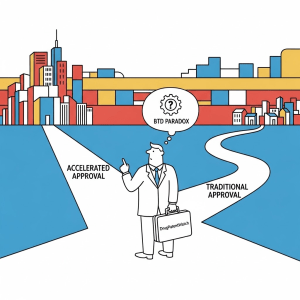
This report posits that the U.S. Food and Drug Administration’s (FDA) Breakthrough Therapy Designation (BTD) is not merely a regulatory accelerator but a fundamental catalyst that reshapes a drug’s entire intellectual property (IP) lifecycle and commercial trajectory. Its primary effect—shortening clinical development—creates a counterintuitive “paradox” where drugs may enjoy a longer and more profitable period of effective market exclusivity, even without qualifying for traditional patent term extensions. This dynamic necessitates a profound recalibration of corporate, IP, and commercial strategy, transforming BTD from a regulatory milestone into a central pillar of long-term value creation and competitive defense. For the seasoned biopharmaceutical executive and legal counsel, understanding and mastering this paradox is no longer optional; it is essential for securing market dominance in an era of accelerated innovation.
The analysis presented herein demonstrates that the BTD program is a double-edged sword of opportunity and risk. On one hand, it offers an unparalleled opportunity to de-risk development through intensive FDA collaboration, attract significant investment, and reach patients and revenue streams years ahead of schedule. On the other hand, the compressed timeline it enforces can leave unprepared companies with a truncated and vulnerable IP estate, exposing their most valuable assets to premature generic or biosimilar competition. The key to harnessing the opportunity while mitigating the risk lies in a paradigm shift from a sequential to a parallelized approach, where lifecycle management and the construction of a robust secondary patent estate begin not in Phase III, but at the earliest stages of clinical development.
The key findings of this report provide a strategic roadmap for navigating this new landscape:
BTD Systematically Alters the Patent Term Calculus: The BTD program shortens total clinical development times by an average of 2-3 years, with some analyses showing a 23% to 30% reduction in late-stage development.1 This directly disrupts the foundational logic of the Hatch-Waxman Act’s Patent Term Extension (PTE) provisions, which were designed to restore patent life lost during a lengthy regulatory review.5
The Paradox of Longer Effective Exclusivity: The accelerated timeline frequently results in a BTD-designated drug having a longer effective patent life (the time on market with patent protection) post-approval. While the drug may receive a smaller PTE award or be entirely ineligible due to the statutory 14-year post-approval cap, its actual on-patent market duration can be significantly longer than that of a standard-review drug that received a full PTE. This extended period of sole-source revenue is the core financial windfall of the BTD paradox.5
The “Dual-Shield” of BTD and Orphan Drug Exclusivity: There is a powerful and statistically significant correlation between BTD and Orphan Drug Exclusivity (ODE), with one analysis showing that 72% of BTD approvals between 2017 and 2022 were for orphan drugs.6 This creates a formidable “dual-shield” of market protection. The BTD-extended patent life provides the primary, offensive shield, while the 7-year non-patent ODE provides a secondary, defensive shield that runs concurrently and acts as an impermeable regulatory barrier to competition for the approved orphan indication.7
The Imperative of a “Front-Loaded” IP Strategy: To capitalize on BTD, companies must abandon traditional, sequential patenting strategies. A “front-loaded” and parallel IP strategy is required, where the R&D, clinical development, and patenting of a secondary estate—covering formulations, methods of use, combination therapies, and patient subpopulations—occurs concurrently with the accelerated pivotal trials.9 Failure to do so results in a powerful drug with a fragile and short-lived monopoly.
BTD as a Critical Competitive Intelligence Signal: A competitor’s public announcement of a BTD grant is a potent market signal that must trigger an immediate and deep competitive intelligence analysis.12 By scrutinizing their patent portfolio and the timing of their secondary patent filings, a company can accurately predict their long-term lifecycle management strategy, assess the strength of their IP fortress, and identify potential vulnerabilities or “white space” for its own R&D programs.14
This report serves as an actionable playbook for biopharmaceutical leadership. It moves beyond a descriptive summary of the BTD program to a prescriptive analysis of its strategic consequences. The following sections will deconstruct the regulatory framework, quantify the financial impact of the BTD paradox, outline advanced patent prosecution tactics tailored for accelerated timelines, and provide a framework for leveraging patent data as a competitive weapon. Through detailed analysis and real-world case studies of assets like Keytruda, Zolgensma, and Trikafta, this report will equip decision-makers with the nuanced understanding required to navigate the BTD landscape and secure a decisive competitive advantage. The central call to action is clear: BTD must be integrated as a core component of corporate, IP, and commercial strategy from the earliest stages of R&D, transforming it from a regulatory process into a powerful engine of sustained market leadership.
II. The Regulatory-IP Nexus: A Primer for Strategic Decision-Making
To master the strategic implications of Breakthrough Therapy Designation, one must first possess a granular understanding of the regulatory mechanics that drive its value. This section deconstructs the BTD program and its sibling expedited pathways, not as a simple regulatory checklist, but as a landscape of strategic choices. It further establishes the foundational framework of market protection—the interplay between patents and regulatory exclusivities—that forms the basis for all subsequent IP strategy.
Deconstructing Breakthrough Therapy Designation: Beyond the Basics
The BTD program was established by the Food and Drug Administration Safety and Innovation Act (FDASIA) in 2012 to expedite the development and review of drugs for serious conditions where preliminary clinical evidence indicates a substantial improvement over available therapies.17 While its intent is to bring transformative medicines to patients faster, its implementation creates a series of strategic levers for sponsors.
The Criteria as Strategic Levers
A drug candidate must meet two primary criteria to qualify for BTD: 1) it must be intended to treat a “serious or life-threatening disease or condition,” and 2) there must be “preliminary clinical evidence” indicating that it “may demonstrate substantial improvement over existing therapies on one or more clinically significant endpoints”.17
The term “serious condition” is generally well-understood, referring to diseases with significant morbidity or mortality rates.19 The strategic nuance lies in the second criterion. The phrase “preliminary clinical evidence” is a critical distinction from the Fast Track program, which can be granted based on nonclinical or mechanistic rationale.17 For BTD, human clinical data are required. This raises the evidentiary bar significantly but also provides the basis for the program’s enhanced benefits.
Defining “Substantial Improvement”
The determination of whether an improvement is “substantial” is a matter of FDA judgment, not a rigid statistical threshold. It depends on both the magnitude of the treatment effect and the importance of the clinical outcome.20 This subjectivity allows sponsors to build a compelling narrative around their data. The FDA guidance and subsequent practice have shown that “substantial improvement” can be demonstrated in several ways 19:
Superior Efficacy: Showing a large and clinically meaningful improvement on a primary endpoint, such as overall survival or progression-free survival in oncology, or a validated surrogate endpoint reasonably likely to predict clinical benefit.21
Improved Safety Profile: Demonstrating a significantly better safety or tolerability profile compared to an available therapy with similar efficacy, such as less dose-limiting toxicity for a cancer drug.21
Novel Mechanism of Action: Addressing an unmet medical need through a novel mechanism, particularly in a patient population with no other options.19
A “clinically significant endpoint” generally refers to an outcome that measures an effect on irreversible morbidity or mortality (IMM) or on symptoms that are serious consequences of the disease.21 This high standard reinforces that BTD is reserved for therapies with the potential for truly transformative patient impact.
The Criticality of Timing the Request
The timing of a BTD request is a pivotal strategic decision. The FDA explicitly encourages sponsors to submit their requests no later than the end-of-phase-2 (EOP2) meeting.17 The rationale is clear: the primary intent of BTD is to provide “timely advice and interactive communications” to help design the most efficient development program possible, including pivotal trials.17
Submitting a request at the EOP2 stage allows the sponsor to leverage the “all hands on deck” nature of BTD—including intensive guidance from senior FDA managers—to shape the design of Phase III trials.20 This can lead to more efficient trial designs, such as smaller patient cohorts or the use of adaptive designs, which can save years of time and tens of millions of dollars.1
Conversely, a BTD granted late in development, for example, based on top-line results from a completed pivotal trial, offers limited developmental advantages. While it still provides benefits like Priority Review eligibility and serves as a powerful commercial signal, the opportunity to optimize the clinical program has largely passed.24 This creates a strategic trade-off: an earlier request, based on less mature data, carries a higher risk of denial but offers a far greater reward if granted. A later request is safer but yields less strategic value. As of June 2024, the FDA had granted 587 of 1516 total requests, a success rate of approximately 39%, underscoring the high bar and the importance of a well-prepared application with compelling data.18
The Four Pillars of Market Protection: A Comparative IP Analysis
BTD does not exist in a vacuum. It is the most powerful of four distinct but interrelated expedited programs designed by the FDA. Understanding their differences is crucial for tailoring a regulatory strategy that aligns with a product’s specific data profile and commercial goals.
Table 1: Comparative Analysis of FDA Expedited Programs
Program
Data Requirement
Key Benefit
Impact on Development Timeline
Direct IP/Exclusivity Impact
Fast Track
Nonclinical or clinical data showing potential to address an unmet need 17
More frequent FDA communication; “Rolling Review” of NDA/BLA 22
Moderate acceleration, primarily through enhanced communication and review flexibility.
Indirect; can shorten review time, slightly preserving patent term.
Breakthrough Therapy (BTD)
Preliminary clinical data showing substantial improvement over available therapy 17
All Fast Track benefits plus intensive guidance from senior FDA managers on trial design 20
High acceleration; significantly shortens the entire pre-market clinical development phase by 2-3 years.1
Profound; shortens development time, leading to longer effective patent life post-approval (The BTD Paradox).
Accelerated Approval
Data on a surrogate endpoint reasonably likely to predict clinical benefit 23
Earlier market approval based on surrogate data; an approval pathway, not a designation.22
High acceleration of approval date, but requires post-market confirmatory trials.
Complex; earlier revenue generation but creates risk of withdrawal if benefit is not confirmed, impacting long-term IP value.
Priority Review
Data in final NDA/BLA showing significant improvement in safety or effectiveness 22
Shortens FDA review goal from 10 months to 6 months post-submission.22
Accelerates the final review stage only; no impact on clinical development time.
Minimal; shortens review by 4 months, preserving a small amount of patent term.
This strategic comparison reveals a clear hierarchy. Fast Track is an entry-level designation that opens the lines of communication. Priority Review provides a modest acceleration at the very end of the process. Accelerated Approval offers a high-risk, high-reward path to early market entry. BTD, however, is unique in its capacity to reshape the entire development journey. It is the only program designed to provide intensive, senior-level guidance to make the clinical program itself—the longest and most expensive part of development—more efficient.20 This fundamental difference is what gives rise to its profound impact on the IP landscape.
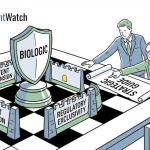
The Exclusivity Matrix: A Dual-Shield Framework
The commercial lifespan of a pharmaceutical product is protected by two distinct but overlapping shields: patents and regulatory exclusivities. A successful IP strategy must optimize both.
Patents (The Offensive Shield)
Patents are granted by the U.S. Patent and Trademark Office (USPTO) and provide the owner with the right to exclude others from making, using, selling, or importing the claimed invention for a term of 20 years from the earliest non-provisional filing date.9 This is the primary, proactive tool for establishing a market monopoly. However, because patents are typically filed early in development, a significant portion of this 20-year term is consumed by years of clinical trials and regulatory review, leaving an “effective patent life” of often only 8-12 years post-approval.9
Regulatory Exclusivities (The Defensive Shield)
Regulatory exclusivities are granted by the FDA upon a drug’s approval and are distinct from patents. They are statutory prohibitions that prevent the FDA from approving a competing generic (Abbreviated New Drug Application, or ANDA) or biosimilar application for a defined period, regardless of the patent status.28 This exclusivity acts as a critical defensive backstop, providing a guaranteed period of market protection even if the primary patents are challenged and invalidated. Key types include:
New Chemical Entity (NCE) Exclusivity: A five-year period of exclusivity for a drug containing an active moiety never before approved by the FDA. For the first four years, an ANDA cannot even be submitted, creating a strong barrier to early patent challenges.28
Orphan Drug Exclusivity (ODE): A seven-year period of market exclusivity granted to a drug approved to treat a designated rare disease or condition (affecting fewer than 200,000 people in the U.S.).7 This is a powerful incentive for development in commercially challenging areas.
Biologics Exclusivity: A twelve-year period of exclusivity for innovative biological products, providing a substantial period of protection against biosimilar competition under the Biologics Price Competition and Innovation Act (BPCIA).31
Pediatric Exclusivity: A six-month “bonus” period that can be added to all existing, applicable patents and regulatory exclusivities. It is granted as an incentive for conducting pediatric studies requested by the FDA.28 This is a highly valuable tool for extending the commercial life of a blockbuster drug.
The strategic imperative for any drug developer is to build a durable monopoly by maximizing the length and strength of both its patent estate and its regulatory exclusivities. As the following section will demonstrate, BTD fundamentally alters the balance and interplay between these two shields, creating new opportunities to extend a product’s profitable life.
III. The BTD Paradox: Recalculating Effective Patent Life and Market Value
The most significant, yet often misunderstood, IP implication of Breakthrough Therapy Designation lies in its paradoxical effect on a drug’s effective commercial lifespan. While the accelerated timeline it creates may reduce or eliminate a drug’s eligibility for a formal Patent Term Extension (PTE) under the Hatch-Waxman Act, it simultaneously generates a longer period of on-patent market exclusivity post-approval. This “BTD Paradox” represents a fundamental shift in the economics of drug development, turning regulatory speed into a direct and substantial financial windfall that must be central to any asset valuation or IP strategy.
The Hatch-Waxman Equation Under BTD: A New Calculus for Exclusivity
The Drug Price Competition and Patent Term Restoration Act of 1984, commonly known as the Hatch-Waxman Act, was a landmark compromise. It created an abbreviated pathway for generic drug approval while compensating innovators for the patent term eroded by the lengthy FDA regulatory review process.5
The Standard Model
Under standard conditions, PTE is calculated to restore a portion of the time spent in two distinct phases: the “testing phase” (from IND effective date to NDA/BLA submission) and the “approval phase” (from NDA/BLA submission to FDA approval).36 The formula is as follows:
PTE=21(Testing Phase)+(Approval Phase) 40
This calculated extension is subject to two critical statutory caps:
The 5-Year Maximum: The total extension cannot exceed five years.5
The 14-Year Cap: The total remaining patent term after the extension is added cannot be more than 14 years from the date of the product’s FDA approval.5
This 14-year cap is the linchpin of the BTD paradox. It was designed to provide a “reasonable” but not unlimited period of post-approval market exclusivity.40
The BTD Disruption
The BTD program fundamentally disrupts this model by attacking its core premise: that the regulatory process is inherently long. Multiple independent analyses have quantified this effect. One econometric study found that BTD shortens clinical development times by an average of 23%.1 Another analysis from the Department of Health and Human Services concluded that BTD lowers late-stage clinical development time by 30%.3 A study of cancer drugs found that BTD reduced the median clinical development time from 8.8 years to 5.6 years—a saving of 3.2 years.41 This dramatic reduction in “lost” time directly impacts the PTE calculation.
The Paradoxical Outcome
Because a BTD drug spends significantly less time in development, it arrives at the FDA for approval with more of its original 20-year patent term intact. When the 14-year cap is applied, this often means the drug is eligible for a much smaller PTE award, or none at all. An analysis in U.S. Pharmacist illustrates this perfectly: a standard drug might have less than 13 years of patent life left at approval and qualify for a 1.3-year extension to reach the 14-year cap. The same drug approved 3 years earlier via BTD might have 15.5 years of patent life remaining at approval, making it completely ineligible for any extension. However, this BTD drug will ultimately enjoy an additional 1.5 years of on-patent market time compared to its standard-review counterpart.5 The drug “loses” the PTE award but “wins” a far more valuable prize: a longer period of monopoly revenue.
From Regulatory Delay to Commercial Head Start: Quantifying the Financial Windfall
This extension of effective market exclusivity is not a trivial matter; it represents a massive financial advantage. The value can be quantified through both cost savings and increased revenue potential.
Modeling the Impact
The following hypothetical model, based on realistic timelines derived from the available data, provides a clear, quantitative demonstration of the BTD Paradox.
Table 2: Modeling the BTD Impact on Effective Market Exclusivity
Milestone / Calculation
Standard Review Drug
Breakthrough Therapy Drug
Strategic Implication
Patent Filing Date
Jan 1, 2020
Jan 1, 2020
Identical starting point for IP clock.
IND Effective Date
Jan 1, 2022
Jan 1, 2022
Clinical development begins.
NDA Submission Date
Jan 1, 2029
Jan 1, 2026
BTD drug completes trials 3 years faster.
FDA Approval Date
Jan 1, 2030
Jan 1, 2027
BTD drug reaches market 3 years earlier.
Total Development Time
8 years
5 years
BTD saves 3 years of R&D time and cost.
Original Patent Expiry
Jan 1, 2040
Jan 1, 2040
20-year term from filing.
Remaining Patent Life at Approval
10 years
13 years
BTD drug has 3 more years of patent life at launch.
Testing Phase Duration
2,557 days (7 years)
1,461 days (4 years)
Time from IND to NDA submission.
Approval Phase Duration
365 days (1 year)
365 days (1 year)
Time from NDA submission to approval.
Calculated PTE (Base)
1,643 days (4.5 years)
1,095 days (3.0 years)
Based on formula: ½(Testing) + (Approval).
Awarded PTE (14-Year Cap)
1,461 days (4.0 years)
365 days (1.0 year)
Capped to ensure total term ≤ 14 years post-approval.
Final Patent Expiry Date
Jan 1, 2044
Jan 1, 2041
The standard drug’s patent expires later on the calendar.
Total Years Marketed on Patent
14.0 years
14.0 years
Both hit the 14-year cap, but the BTD drug’s 14 years start earlier.
Effective Market Life End Date
Jan 1, 2044
Jan 1, 2041
De Facto Market Life Advantage
–
+3 Years of Revenue
The BTD drug generates revenue from 2027-2030 while the standard drug is still in development. The total monopoly period is the same, but the revenue period is shifted forward, dramatically increasing NPV.
Note: This model simplifies certain factors for clarity but accurately reflects the core mechanical and financial impact of the BTD paradox.
As the model illustrates, the BTD drug, despite receiving a smaller PTE, launches three years earlier. This “head start” is where the immense value is created. For a blockbuster drug, these three additional years of peak sales can translate into tens of billions of dollars in revenue that would have otherwise been lost to the patent cliff.42 Furthermore, the shortened R&D period yields significant cost savings. One study estimated that each month saved in Phase III trials is worth a median of $671,000, suggesting the BTD program could save a developer over $5 million in this phase alone, a conservative estimate that excludes earlier phases and the time value of money.1 The combination of reduced costs, earlier revenue generation, and a longer effective market life dramatically improves an asset’s net present value (NPV) and overall return on investment.
The Compounding Power of “Stacked” Exclusivities: The BTD/Orphan Drug Synergy
The value of BTD is further amplified when it is “stacked” with other forms of regulatory exclusivity, most notably Orphan Drug Exclusivity (ODE).
A High Correlation
There is a strong, logical connection between the criteria for BTD and ODE. A rare disease, by its nature, often represents a serious condition with a high unmet medical need, making it a prime candidate for both designations. This is borne out by the data: a Parexel analysis of novel drug approvals from 2017-2022 found that a remarkable 72% of all BTD approvals were for orphan drugs.6 This makes the BTD/ODE combination a common and powerful strategic pathway.
The Dual-Shield Strategy
When a drug receives both BTD and ODE, it benefits from a dual-shield of market protection:
The Patent Shield: The BTD-accelerated timeline extends the effective life of the patent portfolio, as demonstrated above.
The Regulatory Shield: The 7-year ODE provides an independent, non-patent-based market monopoly for the approved orphan indication.7 During this period, the FDA is barred from approving another sponsor’s application for the same drug for the same orphan use, unless the new drug is proven to be clinically superior. This provides a robust defense against competitors, even if the core patents are successfully challenged.
The Pediatric “Kicker”
The value of this stack can be further enhanced by securing pediatric exclusivity. By conducting pediatric studies requested by the FDA, a sponsor can earn an additional six months of exclusivity. Crucially, this 6-month bonus is added to all existing market protections, including both the patent term and the ODE period.28 This turns a 7-year ODE into a 7.5-year lock on the market for the orphan indication.
This “stacking” strategy—combining a BTD-extended patent life with a 7.5-year ODE—creates a multi-layered, prolonged, and exceptionally durable period of market dominance. For assets targeting rare diseases, this BTD-ODE-PED pathway represents the gold standard for maximizing commercial value and protecting an innovation from competitive encroachment.
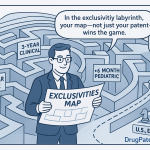
Table 3: The Exclusivity Stack: A Strategic Timetable
Exclusivity Type
Duration
Key Requirement
Stacking Interaction
New Chemical Entity (NCE)
5 Years
Approval of a drug with a novel active moiety.33
Runs concurrently with patents and other exclusivities. Forms the foundational layer of protection for novel small molecules.
Orphan Drug (ODE)
7 Years
Approval for a designated orphan indication (disease affecting <200,000 U.S. patients).8
Runs concurrently with NCE; the longest period applies for the orphan indication. Can be stacked with Pediatric Exclusivity.
Pediatric (PED)
+6 Months
Completion of pediatric studies in response to an FDA Written Request.29
The “Kicker”: Adds 6 months to all existing patents and exclusivities (NCE, ODE, Biologic, etc.).
Biologic
12 Years
Approval of a novel reference biologic product.31
The longest and strongest form of regulatory exclusivity. Can be stacked with Pediatric Exclusivity to create a 12.5-year term.
QIDP
+5 Years
Designation as a Qualified Infectious Disease Product under the GAIN Act.25
Directly adds 5 years to any NCE, ODE, or 3-year exclusivity the product also qualifies for, creating powerful incentives.
The strategic implication is clear: when evaluating a potential BTD candidate, the analysis must extend beyond the patent landscape to include a thorough assessment of its eligibility for these stackable regulatory exclusivities. An asset that qualifies for BTD, ODE, and potentially PED is not just a promising therapeutic; it is a potential fortress of long-term market exclusivity and a significantly more valuable commercial opportunity.
IV. Strategic Patent Prosecution for the BTD Timeline
The accelerated timeline imposed by Breakthrough Therapy Designation demands a fundamental re-engineering of a company’s patent prosecution strategy. The traditional, leisurely, and sequential approach to building an IP portfolio is rendered obsolete by a development program that can move from Phase I to market approval in just a few years. Success in this new paradigm requires a proactive, parallel-processed, and aggressive patent strategy that is “front-loaded” to the earliest stages of R&D. This involves accelerating patent examination, building a robust secondary patent estate concurrently with clinical development, and preparing the IP portfolio for the intense scrutiny that accompanies high-value transactions.
Front-Loading the IP Strategy: A Paradigm Shift to Parallel Processing
In a standard development timeline, a company has the luxury of the multi-year Phase III trial period to conduct further research into formulations, delivery methods, and secondary indications, leading to a staggered filing of lifecycle management patents.10 BTD obliterates this timeline, often allowing for approval based on compelling Phase II data, thereby truncating or eliminating Phase III entirely.5 This compression of time necessitates a radical shift in IP operations.
The Urgency of Early Filing
The strategy must pivot to filing provisional patent applications early and often. Inventions related to manufacturing processes, novel formulations, potential combination therapies, and biomarker-defined patient populations must be captured and protected as they emerge during preclinical and Phase I/II development. The use of provisional applications is key, as it establishes an early priority date at a lower cost, providing a 12-month window to gather more data before committing to a full non-provisional filing and starting the global patenting clock.45
Accelerating Examination
It is not enough to simply file early; the patents must also be granted quickly to provide enforceable rights at or near the time of product launch. A patent application that is still pending years after a BTD drug is on the market offers no protection against infringers. Sponsors must therefore actively manage the prosecution process to accelerate examination. Key tools include:
USPTO Track One Prioritized Examination: This program allows an applicant to pay a higher fee to have their application placed on a special, expedited track. The USPTO’s goal is to provide a final disposition (allowance or final rejection) within approximately 12 months of the application being granted prioritized status.46 This is an invaluable tool for ensuring that critical secondary patents are in force when needed.
Patent Prosecution Highway (PPH): The PPH is a network of agreements between international patent offices that allows an applicant to use a favorable examination result from one office (the “Office of Earlier Examination”) to accelerate prosecution in another. For example, if the European Patent Office (EPO) finds the claims of an application to be patentable, the applicant can request accelerated examination at the USPTO for the corresponding U.S. application.46 This is particularly useful for global biopharmaceutical companies seeking to build a harmonized international patent portfolio on an accelerated schedule.
Building the “BTD Thicket”: Claim Drafting for Durability and Longevity
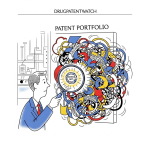
The foundational composition-of-matter patent on the active pharmaceutical ingredient (API) is the cornerstone of any pharmaceutical IP portfolio. However, in a BTD context where this primary patent’s effective life is altered, the strategic importance of the secondary patent estate—often called a “patent thicket”—is magnified.9 This dense, overlapping web of later-expiring patents is what provides the long-term durability of the franchise.
A Multi-Layered Portfolio
A sophisticated BTD patent strategy must involve the concurrent development and patenting of a wide array of inventions that surround the core molecule. This multi-layered portfolio should include patents with meticulously drafted claims covering:
Methods of Use: These claims protect the use of the drug to treat the specific disease and patient population for which BTD was granted. As the clinical program expands, new method-of-use patents should be filed for each new indication.9
Formulations: As soon as a lead formulation is identified, and as improved versions are developed (e.g., extended-release, subcutaneous, stabilized liquid), they must be patented. These patents can provide years of additional exclusivity after the composition-of-matter patent expires and are often more difficult for generic competitors to design around.9
Dosage and Regimens: The intensive FDA interaction afforded by BTD often leads to the optimization of dosing schedules to maximize efficacy and minimize toxicity. A specific, clinically validated dosing regimen can be a patentable invention and a powerful tool for differentiation.9
Combination Therapies: Many modern therapies, particularly in oncology, are used in combination. Patenting the use of the BTD drug with another specific agent creates a new layer of IP that can protect the franchise’s market share.9
Patient Subpopulations and Companion Diagnostics: BTD is frequently granted for targeted therapies that are effective in a specific, biomarker-defined patient population.41 Patents claiming the method of treating patients who have a particular genetic marker, often in conjunction with a patented companion diagnostic test, are a critical component of a personalized medicine IP strategy.
IP Due Diligence in a BTD World: Preparing for High-Stakes Transactions
A BTD grant acts as a powerful external validation of an asset’s clinical and commercial potential. One analysis found that for pre-commercial companies, a BTD announcement led to an average 6% increase in stock value, signaling strong investor confidence.50 This immediately makes the asset a prime target for licensing, partnership, or acquisition, which in turn invites an exceptionally rigorous IP due diligence process from potential partners or acquirers.51
BTD as a Value Multiplier
The accelerated timeline and de-risking provided by BTD significantly increase an asset’s valuation. A well-prepared company must have its IP house in perfect order to withstand the intense scrutiny that this higher valuation will attract. The due diligence process will go far beyond a simple check of patent expiration dates.
Critical Diligence Questions
Potential partners will dissect the IP portfolio, focusing on key areas of risk and strength 45:
Patent Validity and Enforceability: A deep analysis of the prosecution history of the core patents to identify any potential weaknesses or arguments that could be used by a future challenger. This includes a thorough review of all prior art cited by and against the application.
Freedom-to-Operate (FTO): A comprehensive FTO analysis is non-negotiable. The acquirer must be confident that the commercial product will not infringe on any third-party patents, which could lead to costly litigation or royalty payments that would erode the asset’s value.45
Chain of Title: Verification of a clean and undisputed chain of ownership for all IP assets is critical. Any ambiguity, particularly arising from collaborations with universities or previous employers of key inventors, can be a major red flag that delays or scuttles a deal.51
The Strength of the Secondary Estate: Sophisticated partners will pay as much attention to the secondary patents as to the primary composition-of-matter patent.11 They will assess the breadth, geographic coverage, and expected longevity of the patent thicket. A robust and well-architected secondary estate is viewed as a proxy for a sophisticated IP strategy and is a key driver of long-term value. It signals that the company is not just managing a single invention, but is strategically building a durable commercial franchise.
In essence, the BTD timeline forces a company to prepare for a late-stage IP due diligence process from the very beginning of development. The failure to anticipate these requirements and proactively build a clean, strong, and multi-layered IP portfolio can lead to a significant loss of value at the negotiating table, or even the failure of a transformative deal.
V. Competitive Intelligence: Weaponizing BTD and Patent Data
In the high-stakes environment of biopharmaceutical development, information is power. A competitor’s Breakthrough Therapy Designation is more than just a regulatory achievement; it is a rich source of actionable competitive intelligence (CI). By systematically monitoring BTD announcements and dissecting the associated patent portfolios, a company can decode a rival’s R&D pipeline, predict their long-term commercial strategy, and identify both threats and opportunities for its own programs. This transforms patent data from a defensive legal shield into an offensive strategic weapon.
Decoding Competitor Strategy with Patent Intelligence
The public announcement of a BTD grant should act as an immediate trigger for a company’s CI team to launch a deep-dive analysis of the competitor’s IP position for that asset.12 This process goes far beyond simply noting the expiration date of the primary patent.
Leveraging Intelligence Platforms
Modern CI relies on sophisticated tools that aggregate and analyze data from multiple sources. The FDA’s Orange Book is the foundational resource for approved small-molecule drugs in the U.S., providing a list of relevant patents and regulatory exclusivities.14 However, for a comprehensive and forward-looking analysis, specialized platforms like DrugPatentWatch are essential. These tools integrate data from the Orange Book, the USPTO, international patent offices, clinical trial registries, and court dockets to provide a 360-degree view of the competitive landscape.52
Using these platforms, a CI team can conduct several key analyses:
Patent Landscaping: This involves mapping the competitor’s entire patent portfolio related to the BTD asset. The goal is to visualize the scope and density of their “patent thicket”.16 This map can reveal the technological areas where their protection is strongest (e.g., specific formulations) and where it might be weaker.
Analyzing Claim Scope: A meticulous review of the patent claims is crucial. The claims define the legal boundaries of the invention.15 By understanding exactly what is and is not protected, a company can identify potential “white space”—areas of innovation that are not covered by the competitor’s patents. This can guide R&D efforts toward developing a non-infringing, “design-around” product or a next-generation therapy with unique, patentable features.55
Predicting Lifecycle Management Strategy: The timing and nature of a competitor’s secondary patent filings are a powerful indicator of their long-term commercial plans.16 For example:
A flurry of patent applications on subcutaneous formulations, filed shortly after the BTD is granted, signals a clear strategy to transition the market to a more convenient product before the primary patent on the intravenous version expires.
Multiple patent filings on combination therapies with other agents in their pipeline reveals their strategy for building a franchise and locking in their market position.
A lack of significant secondary patenting may indicate a less sophisticated IP strategy, a potential vulnerability that could be exploited.
BTD as a Market and Scientific Signal
A BTD grant reverberates beyond the regulatory and IP domains, sending powerful signals to financial markets, the scientific community, and the competitive landscape.
Financial Markets
For publicly traded, pre-commercial biotech companies, a BTD announcement is a major value-inflection point. One analysis by CAS found that such an announcement resulted in an average stock price increase of 6% (in excess of market returns) the following day.50 This reflects a strong vote of confidence from investors, who recognize that BTD not only accelerates the timeline to revenue but also significantly de-risks the asset by signaling the FDA’s belief in its transformative potential. This can make it easier for the company to raise capital on favorable terms to fund the now-accelerated development program.
Scientific Validation
BTD serves as a powerful validation of a novel biological target or mechanism of action. When the FDA designates a first-in-class drug as a breakthrough, it lends credibility to the underlying science, which can de-risk similar R&D programs at competing companies. Data shows that structurally novel drugs are more than twice as likely to receive BTD status as non-structurally novel drugs, highlighting that the program successfully identifies and rewards true innovation.50 Monitoring which targets and modalities are receiving BTDs can help a company validate its own R&D priorities or identify promising new areas for investment.
Assessing the Threat Level
Ultimately, the goal of this CI effort is to build a comprehensive assessment of the competitive threat posed by the rival’s BTD asset. This assessment should integrate three streams of intelligence:
The Clinical Data: How strong was the preliminary clinical evidence that supported the BTD? Was the effect size unprecedented? This determines the drug’s potential clinical and commercial dominance.
The Regulatory Pathway: What other expedited programs (e.g., Accelerated Approval, Orphan Drug Designation) does the asset have? A “stacked” set of designations indicates a faster and more protected path to market.
The IP Fortress: How robust, broad, and forward-looking is the competitor’s patent estate? A mature and multi-layered patent thicket signals a well-prepared competitor with a long-term vision for the franchise.
By combining these elements, a company can move beyond a reactive stance and formulate a proactive strategic response. This could involve accelerating a competing program, pivoting R&D resources to a different target, seeking to in-license a complementary asset, or preparing a legal strategy to challenge the competitor’s patents post-launch. The key is to use the BTD announcement not as an endpoint, but as the starting point for a cycle of continuous, data-driven competitive analysis.
VI. Case Studies in BTD-Driven IP Strategy
The theoretical principles of the BTD paradox and its associated IP strategies are best understood through their application in the real world. The following case studies of three transformative, BTD-designated drugs—Keytruda, Zolgensma, and Trikafta—provide a detailed illustration of how this regulatory designation has been leveraged to reshape markets, build formidable IP fortresses, and generate unprecedented commercial value. Each case offers a distinct blueprint for success and highlights the critical interplay between clinical innovation, regulatory acceleration, and strategic IP management.
Case Study 1: Keytruda (Pembrolizumab) – The Blockbuster Blueprint
Merck’s Keytruda is arguably the canonical example of how to leverage Breakthrough Therapy Designation to build a global oncology mega-franchise. Its trajectory demonstrates a masterful integration of clinical development, regulatory strategy, and a forward-looking, multi-layered IP strategy designed for decades of market dominance.
The BTD Catalyst
Keytruda’s journey was propelled by a series of timely BTDs. The first was granted in 2013 for advanced melanoma.56 This was quickly followed by another crucial BTD in October 2014 for patients with advanced non-small cell lung cancer (NSCLC).58 These designations, based on compelling early data from studies like KEYNOTE-001, allowed Merck to work closely with senior FDA officials to expedite a vast and ambitious clinical program.58 The result was a rapid succession of approvals, starting with melanoma in September 2014 and expanding at an astonishing pace.57 By 2017, Keytruda had achieved a landmark approval as the first “tissue-agnostic” cancer therapy, for any solid tumor with specific genetic features (MSI-H or dMMR), a testament to the flexibility afforded by the BTD pathway.62 Today, Keytruda has over 40 indications across more than 20 tumor types, a direct result of the accelerated development strategy enabled by its BTDs.64
The IP Fortress
Concurrent with its clinical and regulatory acceleration, Merck constructed one of the most extensive and sophisticated “patent thickets” in pharmaceutical history. An analysis by the Initiative for Medicines, Access & Knowledge (I-MAK) identified 129 patent applications related to Keytruda, with 53 granted as of their report.65 This IP fortress was built with a clear lifecycle management strategy in mind:
Post-Approval Patenting: A staggering 50% of the patent applications were filed after Keytruda’s initial FDA approval in 2014.66 This demonstrates a continuous, parallel process of innovation and patenting designed to extend protection long after the core patents expire.
A Multi-Layered Defense: The portfolio extends far beyond the patent on the pembrolizumab antibody itself. A full 74% of the patent applications cover secondary inventions, including methods of treating specific cancers, novel formulations, and combination therapies.66
Extending the Cliff: The key patents covering the antibody are set to expire in 2028, creating a much-discussed “patent cliff” for Merck.43 However, this secondary patent estate, with patents extending to 2036 and beyond, is Merck’s primary weapon to defend against biosimilar competition and manage the revenue decline.65 Key strategies include patenting a subcutaneous formulation of Keytruda, which would offer greater convenience and could be used to switch the market before 2028, and patenting its use in combination with other novel agents, such as Moderna’s personalized mRNA cancer vaccine.42
Strategic Takeaway
Keytruda is the blueprint for a modern, BTD-driven IP strategy. It illustrates how a series of BTDs can be used as a catalyst to accelerate a broad, franchise-building clinical program. This regulatory acceleration must be matched by a parallel, aggressive, and continuous secondary patenting strategy. The goal is not merely to protect the initial invention but to build a multi-decade fortress of overlapping IP rights that secures the asset’s commercial value long after the foundational patents have expired.
Case Study 2: Zolgensma (Onasemnogene Abeparvovec) – The Gene Therapy Paradigm
Novartis’s Zolgensma, a one-time gene therapy for spinal muscular atrophy (SMA), represents a different but equally powerful application of BTD-driven strategy. Its case highlights how “stacking” multiple regulatory designations can create an exceptionally strong commercial package for high-value, single-administration therapies, and how the BTD itself can become a central pillar of the pricing and market access narrative.
The “Stacked” Exclusivity Powerhouse
Zolgensma’s path to market was a masterclass in leveraging the full suite of FDA’s expedited programs. It was granted Fast Track, Breakthrough Therapy, and Priority Review designations, along with Orphan Drug Designation.69 This powerful combination compressed the development timeline and ensured the most rapid review possible. The clinical data was transformative, showing that treated infants were achieving motor milestones, such as sitting and walking, that were never seen in the natural history of the fatal disease.71 Upon its approval in May 2019, Zolgensma also received a Rare Pediatric Disease Priority Review Voucher. This voucher, which can be used to obtain priority review for a different drug, is a tradable asset that companies have sold for around $100 million, providing an immediate partial return on investment.69
IP & Pricing in a One-Time Therapy
The commercial model for a one-time, potentially curative therapy like Zolgensma is fundamentally different from that of a chronic medication. There is no long-term revenue stream from repeat prescriptions. The entire value of the innovation must be captured at the time of administration. This makes the period of market exclusivity absolutely critical. While patents provide the foundational IP, the 7-year Orphan Drug Exclusivity is arguably the most important shield, as it provides a durable, non-patent-based monopoly for the approved orphan indication.
The BTD and the dramatic clinical outcomes that underpinned it became the cornerstone of Novartis’s “value-based pricing” strategy. The company engaged in a sophisticated campaign to justify its unprecedented launch price of $2.125 million per dose.71 The argument, supported by commissioned health-economic analyses, was that a one-time cure, even at this price, was more cost-effective over a patient’s lifetime than the alternative, a chronic therapy like Biogen’s Spinraza, which cost hundreds of thousands of dollars per year for life.71 The “breakthrough” nature of the therapy was central to this narrative, allowing Novartis to frame the price not as a cost, but as a high-value investment. The strategy was successful; Zolgensma surpassed $1 billion in annual sales in its second full year and has generated over $6.4 billion in revenue through 2024.71
Strategic Takeaway
Zolgensma demonstrates how to strategically stack regulatory designations to create a powerful commercial launch package for a truly innovative, high-value therapy. In this model, BTD serves a dual purpose: it accelerates the path to market, and it provides the clinical and regulatory validation needed to support a premium, value-based pricing strategy. For companies developing curative gene therapies or other one-time treatments, the Zolgensma case provides a critical playbook for translating profound clinical benefit into a viable commercial model.
Case Study 3: Trikafta (Elexacaftor/Tezacaftor/Ivacaftor) – Transforming a Market and Defending the Franchise
Vertex’s Trikafta, a triple-combination therapy for cystic fibrosis (CF), showcases how BTD can be the capstone of a long-term, systematic R&D strategy, leading to a drug that completely dominates and redefines a therapeutic market. However, its immense success also illustrates the inevitable global IP and pricing challenges that follow such a transformation.
BTD as a Capstone
Vertex’s development of Trikafta was the culmination of a two-decade journey to treat the underlying cause of CF.74 The drug, which combines two CFTR correctors (elexacaftor, tezacaftor) and one potentiator (ivacaftor), was designed to be effective for the ~90% of CF patients with at least one copy of the F508del mutation.74 The clinical trial data was nothing short of spectacular, demonstrating unprecedented improvements in lung function (as measured by ppFEV1), sweat chloride levels, and reductions in pulmonary exacerbations.77
The FDA recognized the transformative potential of the data, granting Trikafta Breakthrough Therapy, Fast Track, and Priority Review designations.77 This resulted in one of the fastest reviews on record: the FDA approved Trikafta in October 2019, approximately three months after the application was submitted and well ahead of its March 2020 PDUFA goal date.74 The drug immediately became the standard of care, leading to massive commercial success, with global sales reaching $10.2 billion in 2024.79
The Global IP Challenge
This combination of transformative efficacy and a high price (over $300,000 per patient per year in the U.S.) has made Trikafta’s extensive IP portfolio a prime target for global challenges.75 Vertex holds numerous patents covering the active ingredients, formulations, and methods of use.83 However, patient advocacy groups and governments in several countries, including South Africa, Brazil, India, and Ukraine, have launched legal challenges against these patents.82
The core of their argument, as articulated in a lawsuit filed in South Africa, is that Vertex is engaging in “patent abuse” by failing to make its life-saving drug “available to the Republic on reasonable terms”.84 They are seeking “compulsory licenses,” a provision under WTO rules that allows governments to authorize the production of a patented product by a third party without the consent of the patent holder, in the interest of public health.82 These cases highlight the intense pressure that can be brought to bear on the IP of a highly effective but expensive BTD-designated drug, particularly in middle- and low-income countries.
Strategic Takeaway
Trikafta’s story provides two critical lessons. First, it shows how a long-term, scientifically driven R&D program can culminate in a BTD that unlocks rapid approval and complete market dominance. Second, and more importantly, it serves as a crucial warning that for such a transformative and high-priced drug, a legally robust patent portfolio is not enough. The IP strategy must be integrated with a sophisticated global market access, pricing, and public affairs strategy that is prepared to defend the value of the innovation not just in court, but in the court of public opinion and in negotiations with national governments. The future of IP protection for breakthrough medicines will increasingly be fought on this complex, multi-front battlefield.
VII. Conclusion: Strategic Imperatives and Future Outlook
The FDA’s Breakthrough Therapy Designation has fundamentally altered the landscape of pharmaceutical innovation, creating a new paradigm where regulatory speed, intellectual property strategy, and commercial success are inextricably linked. This report has demonstrated that BTD is far more than a mechanism for accelerating drug development; it is a strategic multiplier that can significantly enhance the value of a therapeutic asset. However, this value is not automatically conferred. It must be actively captured through a sophisticated, proactive, and integrated approach that recognizes the unique challenges and opportunities presented by a compressed development timeline. The “BTD Paradox”—whereby accelerated approval leads to a longer effective period of on-patent market exclusivity—is the central dynamic that must be mastered.
Synthesis of Findings
The analysis presented in this report converges on a single, overarching conclusion: BTD necessitates a complete recalibration of traditional biopharmaceutical strategy. The key findings underscore this imperative. First, the program’s proven ability to shorten clinical development by 2-3 years directly reshapes the economic calculus of the Hatch-Waxman Act, often rendering formal Patent Term Extensions less relevant while simultaneously delivering a more valuable outcome in the form of a longer post-approval monopoly. Second, the powerful synergy between BTD and regulatory exclusivities, particularly Orphan Drug Exclusivity, creates a “dual-shield” of protection that can secure a franchise for the better part of a decade. Third, this accelerated environment makes a robust, multi-layered secondary patent estate—the “patent thicket”—more critical than ever, but demands that its development be “front-loaded” and run in parallel with the core clinical program. Finally, the BTD designation itself has become a potent piece of competitive intelligence, a signal that can be used to decode rival strategies and identify market opportunities. The case studies of Keytruda, Zolgensma, and Trikafta provide tangible proof of these principles in action, each offering a distinct but powerful blueprint for leveraging BTD to achieve market dominance.
Actionable Recommendations for Leadership
For C-suite executives, heads of business development, and senior legal counsel, translating these findings into practice requires decisive action and a willingness to break down traditional organizational silos. The following five strategic imperatives provide a roadmap for maximizing the value of BTD assets:
Integrate IP into R&D from Day Zero: The decision to pursue BTD cannot be made in a regulatory vacuum. It must be a cross-functional strategic choice made with a full understanding of its profound IP consequences. The IP team must have a seat at the table from the earliest stages of preclinical and clinical planning to ensure that the regulatory strategy and the IP strategy are perfectly aligned. The question should not be “Can we get BTD?” but rather “If we get BTD, is our IP strategy prepared to capitalize on it?”
Adopt a Parallel Lifecycle Management Model: The traditional, sequential model of developing lifecycle innovations (new formulations, indications, combinations) during Phase III is obsolete for BTD candidates. Companies must commit the resources to invest in this R&D much earlier, running these programs concurrently with the pivotal trials for the primary indication. This requires a significant upfront investment but is the only way to build the durable patent thicket necessary to protect the franchise long-term.
Resource for Acceleration: A BTD is not a “fire-and-forget” designation. It initiates a period of intense, high-frequency interaction with the FDA that demands substantial internal resources.86 Regulatory, clinical, and CMC teams must be adequately staffed and empowered to respond rapidly to FDA guidance and meet accelerated timelines. Under-resourcing a BTD program is the surest way to squander its benefits and introduce value-destroying delays.
Weaponize Competitive Intelligence: Establish a formal, systematic process for monitoring the competitive landscape for BTD announcements. When a rival receives a designation, it must trigger an immediate, pre-planned competitive intelligence protocol. This protocol should include a deep-dive analysis of the competitor’s patent portfolio, clinical trial data, and public statements to build a predictive model of their long-term commercial and IP strategy. This proactive intelligence is the foundation of an effective competitive response.
Prepare for Global Scrutiny: As the Trikafta case demonstrates, a truly transformative and high-priced BTD drug will inevitably become a target for global patent and pricing challenges.82 A U.S.-centric IP strategy is no longer sufficient. The legal strategy must be part of a broader global plan that includes sophisticated market access, pricing, and government affairs components, prepared to articulate and defend the value of the innovation in diverse legal and political forums.
Future Outlook
The strategic dynamics described in this report are poised to become even more pronounced in the coming years. The principles of accelerated development are expanding, with similar programs for medical devices (Breakthrough Devices Program) and regenerative medicines (RMAT designation) gaining prominence.87 As science advances, particularly in the realms of cell and gene therapies, personalized medicine, and AI-driven drug discovery, the number of candidates eligible for BTD is likely to grow.50
The ability to navigate the complex interplay between accelerated regulatory pathways and strategic IP management will therefore become a core competency for successful biopharmaceutical companies. The “BTD Paradox” is not a temporary anomaly; it is a central feature of the modern innovation landscape. The organizations that thrive will be those that move beyond viewing BTD as a regulatory tactic and embrace it as a catalyst for a more integrated, forward-looking, and aggressive corporate strategy. Mastering this new paradigm will be the key to converting breakthrough science into durable market leadership.
Expedited Programs for Regenerative Medicine Therapies for Serious Conditions; Guidance for Industry – FDA, accessed August 20, 2025, https://www.fda.gov/media/120267/download