Generic drugs are foundational to global healthcare systems, providing essential, affordable medication to a vast patient population. In the United States, for instance, generics and biosimilars account for a remarkable 90% of all dispensed prescriptions while representing only 13% of total prescription drug spending. This widespread adoption has translated into substantial savings, accumulating to $3.1 trillion over the past decade, with $445 billion saved in 2023 alone.1 These medications are indispensable for improving patient access and affordability, serving as cost-effective alternatives to brand-name counterparts.1
Despite their immense value and widespread use, the generic drug development landscape is characterized by increasing complexity. Manufacturers face intricate regulatory demands, substantial development expenses, and intense market competition.6 In this challenging environment, strategic partnerships have become critically vital. They enable companies to pool resources, share expertise, mitigate risks, and accelerate the entry of affordable, high-quality medications into the market.6
A significant aspect of the generic drug market’s operation is the inherent tension between its immense value to healthcare systems and the economic pressures faced by its manufacturers. The very success of generics in driving down drug costs, often to discounts of up to 85% compared to brand-name drugs, creates an environment of razor-thin profit margins for the companies that develop and produce them.5 This economic reality transforms partnerships from a mere advantage into an essential strategy for survival and sustained profitability.6 Without optimized collaborations, the industry’s capacity to continue delivering these massive healthcare savings is compromised, potentially leading to supply chain instability and critical drug shortages.4
Ultimately, successful partnerships in this sector are built upon rigorous due diligence, clearly defined contractual agreements, effective governance structures, and continuous, transparent communication. Furthermore, embracing advanced technologies like Artificial Intelligence (AI) and advocating for global regulatory harmonization are crucial for navigating future complexities and ensuring long-term success. Proactive management of intellectual property (IP) and careful consideration of antitrust implications are also paramount to mitigate significant risks and sustain a competitive yet collaborative environment.
1. The Strategic Imperative of Generic Drugs and Partnerships
A generic drug is meticulously crafted to be identical to an already marketed brand-name medication across various critical parameters, including dosage form, safety, strength, route of administration, quality, performance characteristics, and intended use.13 These medications utilize the same active ingredients as their brand-name counterparts and function in an equivalent manner, thereby offering the same risks and benefits.13 The U.S. Food and Drug Administration (FDA) Generic Drugs Program undertakes a stringent review process, encompassing manufacturing plant inspections and post-market safety monitoring, to ensure that generic medicines consistently meet these rigorous standards.13 A core requirement for approval is the submission of an Abbreviated New Drug Application (ANDA), which must scientifically demonstrate that the generic medicine is bioequivalent to the brand-name drug it copies.3
The economic and public health impact of generic drugs is profound. They are significantly more cost-effective than their brand-name equivalents, often providing savings of up to 85%.3 This affordability is a primary catalyst for their widespread adoption, leading to substantial annual savings for healthcare systems and greatly enhancing patient access to essential treatments.1 Beyond cost, the increased availability of generic drugs, often through multiple manufacturers, plays a crucial role in stabilizing the pharmaceutical supply chain and mitigating the risks of drug shortages, thereby ensuring that patients consistently have access to necessary medications.4
Despite the perception that generic drug development is less arduous than innovator drug development, it remains a complex endeavor. While it typically requires less time and cost compared to developing an innovator product, generic development still involves substantial financial outlays, ranging from $2 million to $10 million, depending on the complexity of the drug.3 This process necessitates adherence to stringent regulatory requirements and the rigorous demonstration of bioequivalence.3
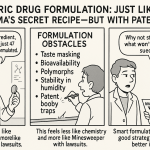
This inherent complexity and the persistent pressure on profit margins mean that generic developers cannot afford inefficiencies in their operations. Partnerships emerge as a primary mechanism to achieve the necessary cost-effectiveness and accelerate timelines.10 By pooling resources, expertise, and mitigating risks, collaborations facilitate faster and more efficient market entry.6 This is particularly critical for complex generics, which demand specialized knowledge and significant investment.6 Furthermore, these collaborations provide access to cutting-edge technology and specialized knowledge in formulation, manufacturing, and quality control, which collectively enhance the quality of generic medications and strengthen market competitiveness.6 Without such optimized partnerships, many generic products, especially those with higher complexity, might not be economically viable to develop, which would ultimately lead to reduced market competition and higher prices for consumers.
2. Diverse Partnership Models in Generic Drug Development
The generic pharmaceutical industry leverages a variety of partnership models, each offering distinct advantages for navigating the complex development and commercialization landscape. These collaborations are crucial for sharing burdens, accessing specialized capabilities, and accelerating market entry.
Contract Research Organizations (CROs)
Contract Research Organizations (CROs) offer outsourced drug development services that span the entire product lifecycle. Their capabilities include clinical trial management, regulatory support, data management, and pharmacovigilance.17 For generic manufacturers, CROs are invaluable partners, particularly for conducting bioequivalence studies and clinical trials more efficiently.7 The primary advantages of engaging CROs include significant flexibility and scalability, allowing sponsors to adjust services based on the specific needs, phase, or scope of a study. This adaptability helps companies reduce overheads and adhere to timelines.17 CROs bring deep, specialized expertise in various therapeutic areas, technologies, and global regulatory requirements, accelerating development timelines and ensuring compliance through their well-established processes, experienced staff, and global site networks.17
Contract Manufacturing Organizations (CMOs/CDMOs)
Contract Manufacturing Organizations (CMOs), often expanded to Contract Development and Manufacturing Organizations (CDMOs) to include development services, provide comprehensive solutions from drug formulation and production to packaging and distribution.19 These partnerships allow pharmaceutical companies to access external expertise, advanced infrastructure, and specialized technology without the substantial capital investment required to build and maintain their own manufacturing facilities.20 Key benefits include cost savings through economies of scale, unparalleled flexibility in scaling production volumes up or down based on market demand, and the ability for companies to concentrate their internal resources on core competencies such as research and development (R&D) and marketing.20 Reputable CMOs also ensure strict adherence to Good Manufacturing Practices (GMP) and international quality standards, thereby reducing regulatory risks and enhancing supply chain resilience through diversification and backup facilities.20 For generic developers, CMOs are essential for manufacturing bioequivalent products, especially complex dosage forms, injectables, and high-potent pharmaceuticals, ensuring consistent quality control in mass production.9
Licensing Agreements
Licensing agreements are legal contracts wherein a licensor grants a licensee specific rights to develop, commercialize, or sell pharmaceutical products under mutually agreed-upon terms and conditions.23
In-licensing involves a company acquiring rights to another entity’s product or technology. This approach offers several benefits, including shared financial burden, lower risk due to reliance on promising preclinical or clinical results, and access to innovative product candidates from smaller biotech companies without the need for a full acquisition.23 Notable examples include AstraZeneca in-licensing CMG901 and AbbVie in-licensing CUG252.23 Other instances involve Pfizer’s collaboration with the Medicines Patent Pool for COVID-19 antivirals and Novartis’s agreements with Ratio Therapeutics, Shanghai Argo, and PeptiDream.23
Out-licensing is the inverse, where a company grants rights to its product to another, typically in exchange for royalties or upfront fees.23
Authorized Generics represent a specific licensing strategy where brand-name companies license a subsidiary or another company to sell generic versions of their own patented drugs. This tactic is often employed to retain market share after patent expiry and directly compete with independent generic entrants.26 These authorized generics are chemically identical to the brand-name drug.28
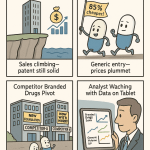
The strategic deployment of licensing agreements extends beyond merely facilitating generic market entry. They also serve as a crucial tool for innovator companies to manage the “patent cliff” and mitigate significant revenue loss as their proprietary drugs lose exclusivity.24 The practice of launching “authorized generics” illustrates how brand companies can proactively engage in the generic market, influencing competitive dynamics and pricing.26 This dual role of licensing underscores a complex competitive landscape where licensing can be both an offensive strategy for generic market penetration and a defensive strategy for brand protection, necessitating sophisticated patent intelligence and market analysis.29
Co-development and Co-commercialization Agreements
Co-development and co-commercialization agreements involve two or more entities collaborating to jointly develop and/or commercialize pharmaceutical products, integrating their proprietary technology, know-how, and intellectual property.31 Key features of these agreements include the joint undertaking of further IP development and shared responsibilities for regulatory approvals and commercialization.31 A critical aspect of these collaborations is addressing the ownership of newly developed intellectual property.32
The benefits of such agreements are substantial: they combine resources and significantly mitigate risks.33 Products developed through collaborative efforts are notably more likely to reach the market, with some analyses suggesting they are four times more successful.33 Furthermore, a licensor actively contributing to the development process is often entitled to greater financial remuneration than if they had passively granted a license.32 Examples include the Tarveda-SciClone co-development deal for PEN-866 32, the RareGen/Carelife USA collaboration for a pulmonary arterial hypertension generic 34, and the long-standing joint development of Eliquis by Pfizer and Bristol-Myers Squibb.23
Strategic Alliances and Joint Ventures
Strategic alliances represent agreements where two businesses pool resources, such as manufacturing capabilities, knowledge, technologies, or risks, to work on a specific project that benefits both parties and creates value.16 Joint ventures are a specific form of alliance where two or more parties combine their resources to complete a task, sharing in the resulting profits, losses, and liabilities.35 Common types of partnerships include general partnerships (GP), limited partnerships (LP), and limited liability partnerships (LLP).35 GPs are easy to form but offer no liability protection, while LPs involve at least one general partner with unlimited liability and limited partners with liability capped at their investment. LLPs provide limited liability to all partners.35
These alliances accelerate innovation, enhance supply chain security, provide valuable insights across the entire value chain, and offer access to unique capabilities and technologies.16 They are particularly effective for navigating regulatory complexities, managing costs, and accelerating the availability of medications.7 A notable example in the generic drug sector is the formation of wholesale buying consortia, such as Red Oak Sourcing (CVS Health and Cardinal Health), ClarusOne (Walgreens Boots Alliance and others), Ascent Health (Express Scripts/Cigna), Zinc (CVS Health), and McKesson OneStop (McKesson, Rite Aid, Walmart). These joint ventures aggregate purchasing power to exert significant downward pressure on drug prices and enhance generic purchasing capabilities.37 Collaborations between generic manufacturers and innovative companies also provide access to advanced technologies, leading to more efficient and cost-effective product development.7
The evolution of pharmaceutical collaborations from simple transactional outsourcing to deep strategic alliances highlights a fundamental shift in industry approach. Historically, outsourcing was primarily viewed as a cost-cutting measure. However, in recent decades, partnerships have transformed into robust strategic pillars, with tight relationships, shared culture, and strategic alignment becoming as crucial as technical capabilities.16 This transformation is driven by the increasing complexity and inherent risks in generic drug development. As generic products become more intricate, demanding specialized knowledge and substantial investment, a purely cost-cutting approach is insufficient. The emphasis on “shared culture” and “strategic fit” implies that successful generic partnerships now necessitate a higher degree of integration, mutual trust, and a long-term vision.16 This progression is fueled by the need to pool intangible assets like knowledge and expertise, rather than just tangible resources, to effectively tackle the development of harder-to-develop products and navigate complex regulatory pathways.10
3. Unlocking Value: Key Benefits of Optimized Partnerships
Optimized partnerships in the generic drug sector yield a multitude of benefits, addressing critical challenges and driving success across the development and commercialization lifecycle.
Accelerating Development Timelines and Market Entry
Collaborations significantly expedite the development process by enabling companies to leverage diverse expertise across various fields.10 Contract Research Organizations (CROs), with their established processes, experienced staff, and global site networks, are instrumental in accelerating trial start-up and completion.17 Similarly, Contract Manufacturing Organizations (CMOs) contribute to faster time-to-market by allowing pharmaceutical companies to concentrate their internal resources on research and development (R&D) while outsourcing production activities.20 The adoption of Model-Informed Drug Development (MIDD) approaches, often facilitated through partnerships, integrates data from preclinical and clinical studies to streamline clinical trial design, thereby reducing overall time and cost.41 Furthermore, regulatory initiatives like the FDA’s Generic Drug User Fee Amendments (GDUFA) program and its scientific research efforts are specifically designed to expand and accelerate patient access to generics, particularly complex ones, through advanced methods and more efficient approval pathways.15
Efficient Resource and Risk Sharing
Partnerships are fundamental to sharing the financial burden and inherent risks associated with clinical trials, regulatory submissions, and manufacturing processes.7 In-licensing, for instance, is highly beneficial as it distributes the financial burden of product development and reduces risk for the licensee by allowing deals based on promising preclinical or clinical results.23 Strategic alliances are particularly valuable for complex generics, as they facilitate the pooling of resources and provide essential risk-sharing mechanisms.10 Beyond internal operational risks, risk-sharing agreements are increasingly employed between payers and pharmaceutical companies, linking drug remuneration to real-world value and helping to diminish the impact on payers’ budgets.42
Risk sharing in generic partnerships extends beyond financial and clinical trial burdens to encompass critical operational and geopolitical vulnerabilities. The practice of diversifying production across multiple third-party manufacturers (CMOs) is a direct response to potential weaknesses in the global supply chain, such as those highlighted by quality issues in specific geographical regions or broader geopolitical challenges.21 This approach ensures a steady supply of drugs even during unforeseen events.21 This underscores that optimizing partnerships is not solely about maximizing profit or speed; it is fundamentally about building resilience into the generic drug supply chain, which is a critical public health imperative.15 The strategic benefit here lies not just in sharing the impact of a risk, but in proactively reducing the likelihood of supply disruptions.
Access to Specialized Expertise, Technologies, and Infrastructure
Collaborations provide generic manufacturers with access to cutting-edge technology and specialized knowledge in areas such as formulation, manufacturing, and quality control.6 CROs bring deep knowledge and extensive experience in specific therapeutic areas, advanced technologies, and navigating complex global regulations.17 Similarly, CMOs offer specialized expertise in regulatory requirements, formulation development, quality control, and various manufacturing techniques.20 This allows smaller biotech companies to benefit from the knowledge and infrastructure of experienced CDMOs, enabling them to concentrate on their core competencies, such as scientific research and drug marketing.16
Enhancing Product Quality and Supply Chain Resilience
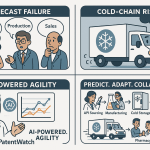
Collaborative efforts with research institutions and other companies are instrumental in improving the overall quality of generic medications.6 CMOs play a vital role in ensuring compliance with Good Manufacturing Practices (GMP) and other international quality standards.20 Innovations in manufacturing processes, such as continuous manufacturing and the implementation of process analytical technology (PAT), are critical for enhancing product consistency, reducing batch failures, and minimizing production variability.9 Furthermore, diversifying production across multiple third-party manufacturers (CMOs) helps to ensure a steady supply of drugs and mitigates risks stemming from supply chain disruptions.12 The increased competition fostered by the approval of multiple generic manufacturers for a single medicine also contributes to stabilizing the supply chain and reducing the likelihood of drug shortages.4
The pursuit of cost efficiency in generic drug development, rather than compromising quality, can actively drive quality improvements when executed through strategic partnerships. By outsourcing to specialized CMOs/CDMOs 20 or engaging CROs 17, generic companies gain access to advanced manufacturing technologies 9, rigorous quality control systems 9, and regulatory expertise 20 that might be prohibitively expensive to develop in-house. This approach enables economies of scale and specialized investments in quality infrastructure, which ultimately reduces the risk of costly errors, product recalls, and supply disruptions.9 Consequently, partnerships transform quality from a mere compliance burden into a competitive differentiator and a mechanism for achieving long-term cost savings.
Driving Cost Efficiencies and Improving Profitability
Partnerships are instrumental in reducing overall development and manufacturing costs, which can then translate into savings for consumers.11 CMOs, through their established production facilities and economies of scale, offer highly cost-effective production.20 In-licensing can significantly reduce a company’s R&D expenses and help distribute the burden of risk.23 The consolidation among drug buyers, including wholesale buying consortia, Pharmacy Benefit Managers (PBMs), and Group Purchasing Organizations (GPOs), allows them to exert substantial downward pressure on generic drug prices.37 This market dynamic necessitates that manufacturers find innovative ways to achieve efficiencies. By focusing on developing higher-value generics through innovative formulations or delivery systems, companies can differentiate their products, command premium prices, and improve overall profitability even in a competitive market.9
Table: Strategic Benefits of Generic Drug Partnerships
Benefit Category
Specific Examples/Metrics
Acceleration
CROs accelerate trial start-up and completion.17
Cost Efficiency
CMOs reduce production costs.20 In-licensing shares financial burden.23
Risk Mitigation
Sharing financial burden of clinical trials, regulatory submissions, manufacturing processes.7 Diversifying production for supply chain security.21
Access to Expertise/Resources
Access to cutting-edge technology and specialized knowledge.6
Quality & Resilience
Improved quality control through Process Analytical Technology (PAT) 9, Good Manufacturing Practices (GMP) compliance.20 Mitigation of shortages through diverse manufacturers.4
4. Navigating the Complexities: Challenges in Generic Drug Partnerships
While partnerships offer significant advantages, the generic drug development landscape is fraught with complexities that require careful navigation.
Regulatory Hurdles and the Global Landscape
Generic drug development mandates demonstrating bioequivalence to a Reference Listed Drug (RLD) through an Abbreviated New Drug Application (ANDA).13 This involves rigorous pharmacokinetic studies and dissolution testing to ensure the generic is therapeutically equivalent.14 Despite the FDA’s Generic Drug User Fee Amendments (GDUFA) program aiming to expedite reviews, the ANDA approval process can still be lengthy, typically taking 8-12 months, and potentially longer if deficiencies are identified.14
The global regulatory landscape adds another layer of complexity. Diverse approval processes and varying regulatory requirements across different countries pose significant challenges for manufacturers seeking international market entry.4 To address this, there are ongoing efforts to harmonize standards globally, streamline approval processes, and facilitate mutual recognition of inspections.4 The FDA-led Generic Drug Cluster serves as a crucial multi-country forum for scientific alignment and confidential information sharing among leading regulatory agencies worldwide.4 Furthermore, the development of “complex generics”—products that are harder to develop due to their intricate nature—requires expanded scientific research and specialized assessment methods, and the lack of consistent regulatory information and quality standards for Non-Biological Complex Products (NBCPs) presents additional risks.15
Intellectual Property Disputes and Litigation
The Hatch-Waxman Act of 1984 fundamentally reshaped the U.S. pharmaceutical industry by balancing incentives for innovator drug development (through patent term extensions and data exclusivity) with provisions for accelerated generic drug competition (via the ANDA pathway and 180-day exclusivity).49
A core mechanism within this framework is patent linkage, a system designed to prevent the marketing of generic drugs while the brand-name drug’s patent remains in effect, thereby safeguarding intellectual property rights.51 Generic companies can challenge these patents by filing a Paragraph IV certification with their ANDA, asserting that the listed patent is invalid, unenforceable, or will not be infringed by their generic product.51 This bold assertion is considered an “artificial act of patent infringement” under U.S. law, often initiating litigation.53
A critical provision is the 30-month stay: if a brand manufacturer files a patent infringement lawsuit within 45 days of receiving a Paragraph IV notice, the FDA is automatically barred from granting final approval to the generic drug for up to 30 months.51 This regulatory stay effectively extends market exclusivity for the brand, regardless of the ultimate validity of the challenged patent, providing significant procedural protection and allowing brand companies to maximize revenue from mature products.49
Conversely, the 180-day exclusivity period is a powerful incentive awarded to the first generic manufacturer to file a substantially complete ANDA with a Paragraph IV certification and successfully challenge the patent or reach a settlement.27 During this period, the FDA is prohibited from approving other generic versions of the same drug, creating a temporary duopoly and often leading to substantial “windfall profit” for the first generic entrant due to limited competition.49 However, this incentive can be undermined by “reverse payment” or “pay-for-delay” settlements, where the patentee “buys off” the first generic entrant, paying them to delay their market entry while still allowing them to retain the valuable 180-day exclusivity.49 These anticompetitive deals effectively block other generic drug competition and are a top priority for antitrust enforcement by agencies like the Federal Trade Commission (FTC), costing consumers and taxpayers billions annually.49
Data exclusivity further impacts generic entry. This is a period, for example, eight years in the European Union, during which generic competitors cannot rely on the originator’s clinical trial data for their own regulatory approval.56 This provision effectively lengthens the monopoly for the original drug, even if it is not protected by a patent, thereby impairing the availability of generic versions.57
The regulatory framework, while designed to foster a balance between innovation and competition, is frequently leveraged by brand companies through sophisticated IP strategies and legal maneuvers. The “artificial act of patent infringement” triggered by a Paragraph IV filing, while intended to incentivize challenges, simultaneously creates a significant and costly legal battleground, introducing immense uncertainty into generic development. This dynamic means that successful generic partnerships must not only master scientific and manufacturing challenges but also cultivate a highly adept legal and regulatory arm 14, transforming legal expertise into a core competitive advantage.
Table: Impact of Hatch-Waxman Act Provisions on Generic Entry
Provision
Mechanism/Purpose
Impact on Generic Entry/Market Dynamics
ANDA Pathway
Streamlined approval for generics without full clinical trials, proving bioequivalence.14
Accelerates generic entry post-patent expiry.27
30-Month Stay
Automatic delay of generic approval if brand sues within 45 days of Paragraph IV notice.51
Delays generic entry, extends brand exclusivity, regardless of patent validity.49
180-Day Exclusivity
Temporary monopoly for first-to-file Paragraph IV generic challenger.27
Incentivizes patent challenges, but can be “bought off” by brands (pay-for-delay).49 Leads to higher initial generic profits.49
Data Exclusivity
Period where generics cannot rely on innovator’s clinical trial data for regulatory approval.56
Lengthens brand monopoly, impairs generic availability, even for non-patentable drugs.57
Market Access Barriers and Pricing Pressures
Generic drug manufacturers face significant financial barriers, including the high costs associated with product formulation, quality assurance, and bioequivalence studies, which can limit the number of companies willing to enter a particular market.8 Complex distribution logistics and the necessity for long-term contracts with wholesalers also contribute to supply chain instability.8 The inherent “thin profit margins” in the generic drug market often lead to underinvestment in research and development, further restricting the availability of these affordable medications.8
A major challenge stems from the consolidation of drug buyers. Wholesale buying consortia, Pharmacy Benefit Managers (PBMs), and Group Purchasing Organizations (GPOs) have consolidated significantly, allowing them to exert immense downward pressure on drug prices, which directly impacts manufacturer profitability.37 Practices by intermediaries like PBMs, including a lack of transparency, “spread pricing” (where PBMs reimburse pharmacies one price while charging health plans a higher price and pocketing the difference), and contract clauses that prohibit pharmacists from advising patients on lower cash prices, contribute to billions in overpayments by patients and payers.58 This highlights that market access challenges for generics are not solely the responsibility of generic manufacturers; they are systemic, involving complex interactions across the entire pharmaceutical distribution chain.38 The “failures in the generic drug market” are often driven by entrenched practices that prioritize intermediary profits over patient affordability. Therefore, optimizing partnerships for market access requires broader, multi-stakeholder collaborations and advocacy for policy changes to promote transparency, competition, and equitable reimbursement models.8
Operational, Cultural, and Communication Integration Challenges
Collaborations, particularly those involving international partners, are susceptible to operational, cultural, and communication complexities. Cultural differences can significantly impact team dynamics and project outcomes, manifesting in varying communication styles (direct vs. indirect, high-context vs. low-context), attitudes towards hierarchy and authority, perceptions of time, risk tolerance, and expectations regarding work-life balance.62
Organizational cultures within pharmaceutical companies, often characterized by competitiveness, a strong emphasis on knowledge protection, and a focus on individual success, can inherently hinder effective collaboration and information sharing within partnerships.63 This can create difficulties in establishing a common information basis, leading to dysfunctional coordination.63 Communication breakdowns, often stemming from a lack of standardized procedures, unclear protocols, information overload, or insufficient feedback mechanisms, can result in costly errors and delays, with shift handovers being a particularly common challenge.64 Furthermore, alliance team members may experience loyalty conflicts, prioritizing the interests of their domestic organization over the shared goals of the partnership.63 The ambiguity of formal rules and the competition between differing informal rules from each partner can also impede the development of a truly collaborative culture.63
Antitrust Considerations in Collaborations
Antitrust laws, including the Sherman Act, the Clayton Act, and the Federal Trade Commission (FTC) Act, are designed to prohibit anti-competitive agreements, monopolization, and unfair business practices within the pharmaceutical industry.65
Joint Ventures, while a common and often procompetitive way for pharmaceutical companies to collaborate on R&D, manufacturing, or marketing, can raise antitrust concerns if they restrict competition, lead to collusion, facilitate sensitive information sharing, or result in exclusionary conduct.65
Patent Settlements between brand-name and generic drug manufacturers to resolve patent disputes, while common, can also raise antitrust issues if they include terms that restrict competition or unduly delay generic entry, particularly through “reverse payments”.65
Consolidation through mergers and acquisitions in the pharmaceutical market, especially among PBMs and GPOs, is under increasing scrutiny due to concerns about reduced competition and inflated drug prices.58
“Product Hopping” and “Evergreening” are tactics employed by brand companies, involving minor changes to products or obtaining additional patents on existing drugs, specifically to delay generic entry. These strategies are increasingly drawing antitrust scrutiny.27
The globalized and often fragmented generic drug supply chain, while offering cost advantages, inherently carries significant quality and stability risks.44 These vulnerabilities, exacerbated by the “razor-thin margins” 9 that can disincentivize investment in redundancy, compel governments 46 and industry players to pursue consolidation and strategic alliances.37 This drive is not merely about efficiency; it is fundamentally about national health security and ensuring consistent access to essential medicines. Partnerships, therefore, are increasingly driven by a need to build a more resilient and transparent supply chain, potentially favoring domestic or geographically diversified manufacturing, even if it impacts immediate cost savings.
Table: Generic Drug Regulatory Requirements Across Key Regions
Regulatory Body
Key Requirement/Process for Generics
Specific Nuances/Challenges
FDA (U.S.)
ANDA (Abbreviated New Drug Application) demonstrating bioequivalence.13 Must be same active ingredient, strength, dosage form, route, indications.13 Rigorous review, GDUFA goals.15
ANDS (Abbreviated New Drug Submission) proving pharmaceutical and bioequivalence.70 Reviews safety, efficacy, quality; manufacturing, packaging, labeling.70
Drug development process in 5 stages.70
PMDA (Japan)
Reviews equivalence (quality, efficacy, safety) based on documentation.72 Requires specifications, test methods, accelerated testing, bioequivalence studies.72 Allows different hydrate/crystalline forms of API.72
Re-examination period for original drugs (8 years).72 Prescription format changes to promote generic use.72
CDSCO (India)
Requires CDSCO License and Registration (Form 44).73 Evaluates safety, effectiveness, quality; requires clinical trial data and bioequivalence studies for generics.73 Follows Common Technical Document (CTD) format.74
Local clinical trials often required unless waived.74 Site inspections for GMP compliance.74
5. Strategies for Optimizing Partnership Success
Optimizing generic drug development partnerships requires a multifaceted approach that combines strategic foresight with meticulous execution across legal, operational, and technological domains.
Rigorous Due Diligence and Strategic Partner Selection
Thorough due diligence is paramount for quantifying risks, confirming value, and ensuring that a potential partnership aligns with strategic objectives.75 This process involves a systematic review of a target company’s patent portfolio to evaluate its legal standing, ownership, enforceability, and alignment with the buyer’s business goals.75 Key steps include defining strategic goals for the partnership, assembling a cross-functional team comprising patent attorneys, technical experts, and tax advisors, and creating a comprehensive inventory and categorization of intellectual property (IP) assets.75 It is essential to verify the chain of title and identify any encumbrances on IP, assess patent validity and enforceability through prior art analysis and maintenance fee verification, and conduct a Freedom-to-Operate (FTO) analysis to evaluate potential infringement risks.75 Reviewing the target’s litigation history is also a critical component.75
Best practices for effective due diligence include utilizing standardized checklists, leveraging technology such as AI tools for preliminary patent assessments, and fostering transparent collaboration with the target company to facilitate document retrieval and clarify ambiguities.75 Conducting a “pre-DD” can help identify critical “showstopper” issues early, saving significant time and expense.76 Strategic partner selection involves identifying entities with complementary expertise, infrastructure, and a strong strategic fit.16 Platforms like DrugPatentWatch are invaluable tools for this process, enabling companies to identify potential licensing opportunities by tracking patent expirations, litigation outcomes, and competitor portfolios.30 It also assists in assessing a potential partner’s IP portfolio breadth, depth, and litigation history, providing a comprehensive view of their capabilities and risks.30
Crafting Robust Contractual Agreements: Key Clauses and Best Practices
The foundation of any successful generic drug partnership lies in meticulously drafted contractual agreements that anticipate future contingencies and align with the goals of all parties involved.36
Essential clauses for these agreements include:
Scope of Work & Deliverables: Precisely defining the services and expected outcomes from the Contract Development and Manufacturing Organization (CDMO) or other partner.81
Roles & Responsibilities: Clearly delineating the duties of each party to prevent confusion and miscommunication throughout the collaboration.81
Intellectual Property (IP) Ownership & Rights: Explicitly clarifying the ownership of both existing IP and any new IP developed during the partnership, including patents, trademarks, and trade secrets. This also covers provisions for joint ownership and cross-licenses.31
Confidentiality & Non-Disclosure: Establishing strong agreements to protect sensitive information shared between partners.36
Payment Terms: Clearly stating pricing structures, payment schedules, and any applicable discounts, incentives, or milestone payments triggered by specific development or commercial achievements.23
Termination Clauses: Defining the conditions under which the contract can be terminated, specifying notice periods, and outlining any associated penalties.81
Dispute Resolution: Establishing clear processes for resolving disagreements, such as mediation, arbitration, or litigation, to ensure timely and efficient conflict resolution.81
Representations & Warranties: Standard boilerplate clauses that provide assurances about the accuracy of information and the legal standing of each party.36
Indemnity Clause: A promise by one party to protect the other from losses, costs, or legal implications arising from specific actions or events.36
Limitation of Liability: A clause that serves to limit a contracting party’s financial liability in the event of failure, non-performance, or breach of duties.36
Performance Obligations: Crucial for aligning incentives, these provisions may include development milestones, minimum royalty requirements, marketing commitments, and regulatory submission timelines.24
Best practices suggest that these agreements should be balanced, not unduly favoring one party.31 Consideration should also be given to outcome-based contracts, which tie remuneration to actual patient health outcomes or other agreed-upon results, further aligning partner incentives.36
Table: Essential Contractual Clauses for Generic Drug Development Partnerships
Clause Category
Specific Clauses
Scope & Responsibilities
Scope of Work & Deliverables 81
Roles & Responsibilities 81
Intellectual Property
IP Ownership & Rights 33
Confidentiality & Non-Disclosure 36
Financials
Payment Terms (Upfront, Milestones, Royalties) 23
Governance & Risk
Termination Conditions & Notice Periods 81
Dispute Resolution Mechanisms 81
Representations & Warranties 36
Indemnification 36
Limitation of Liability 36
Operational
Performance Obligations 24
Governing Law & Jurisdiction 82
Establishing Effective Governance and Communication Structures
Effective governance and communication are cornerstones of successful pharmaceutical partnerships, particularly given the inherent complexities and diverse organizational cultures involved. The Joint Steering Committee (JSC) typically serves as the senior-most governance body for an alliance, responsible for setting strategy, providing strategic guidance and oversight, endorsing or making key decisions, and serving as a point of escalation for unresolved issues.84 Research indicates that alliances with highly effective JSCs can achieve outcomes that are as much as 50% better than those with less effective governance.84
The responsibilities of a JSC include driving strategy to realize the intended value of the alliance, aligning on a “North Star” or strategic intent, and providing guidance to subcommittees and project teams.84 JSCs are also crucial for fostering a collaborative alliance culture, demonstrating leadership, and ensuring that critical decisions are made in a timely manner, maximizing value and supported by each partner’s internal governance.84 They play a vital role in preventing and resolving conflicts among various stakeholders whose priorities may differ.85
Clear communication protocols are essential in any team, but they become even more critical in multicultural settings.62 Establishing guidelines for communication frequency, preferred channels, and explicit expectations for deadlines can prevent misunderstandings.62 Encouraging active listening and requiring team members to ask for clarification or paraphrase what they have heard can bridge cultural gaps and prevent countless misunderstandings.62 The use of visual aids and written summaries further supports verbal communication, especially in high-context cultures where much is implied rather than explicitly stated.62
Increased transparency is a critical area for improvement in pharma-supplier relationships, involving clearly defined service-level agreements, transparent pricing models, and sharing pipeline development plans and future business needs with critical suppliers.40 Developing
Cultural Intelligence (CQ) within teams is also crucial for navigating global pharma collaborations. CQ involves understanding one’s own cultural biases, learning about other cultures, and adapting behavior appropriately.62 This is not merely a “soft skill” but a strategic necessity for mitigating significant operational risks and maximizing value from collaborations. The “gap between where [alliances] are formed and where they are performed” 63 highlights that strategic intent must translate into operational reality, which is often derailed by cultural misunderstandings or internal resistance to knowledge sharing. Therefore, investing in cultural intelligence, establishing clear communication protocols 62, and fostering a “one-team mindset” 84 are strategic imperatives for success.
Finally, leveraging technology integration, such as digital platforms, can significantly enhance communication, information sharing, and collaboration among teams across the organization, streamlining processes like shift handovers and project tracking.40
Leveraging Data and Competitive Intelligence for Informed Decisions
In the highly competitive generic drug market, data and competitive intelligence are indispensable for making informed strategic decisions. Patent intelligence, derived from systematically monitoring patent applications, serves as an early warning system for competitive threats. It provides unprecedented insights into competitor research directions, technological innovations, and potential market entries years before products reach the market.29 This intelligence allows companies to evaluate the potential impact of competitor innovations on existing product lines, assess freedom-to-operate constraints for pipeline products, identify opportunities for patent challenges or invalidation, and develop contingency plans for competitive product launches.29
Thorough market research and analytics are crucial for identifying prescription trends, unmet needs, and regional market differences.86 Leveraging data analytics enables precision in crafting competitive pricing strategies and securing formulary placement.86
DrugPatentWatch is a powerful platform that provides deep knowledge on pharmaceutical drugs, including patents, suppliers, generics, formulation information, litigation status, patent expirations, and clinical trials data.30 This tool is invaluable for identifying market entry opportunities, managing risks, and making informed investment decisions within the generic drug development sector.11 It facilitates competitive intelligence by allowing users to assess competitor patent portfolios, elucidate their R&D paths, and understand their strategic behaviors.29 The platform’s ability to track international patent portfolios, regulatory approvals, and market dynamics provides critical context for companies pursuing cross-border licensing opportunities.30
Fostering Innovation within Generic Drug Development
Innovation in the generic drug sector is increasingly focused on creating differentiated, higher-value products that offer improved efficacy, safety, or convenience compared to traditional generics.9 This can be achieved through novel formulations, advanced delivery systems, or optimized manufacturing processes.9
The development of complex generics, which inherently require specialized knowledge and significant investment, benefits immensely from the pooling of resources and risk-sharing facilitated by partnerships.10 The FDA actively supports scientific research into complex generics to expand and accelerate patient access.15
Model-Informed Drug Development (MIDD) is an approach that involves developing and applying exposure-based, biological, and statistical models derived from preclinical and clinical data to inform drug development and decision-making.41 MIDD is expected to help reduce overall time and cost for generic drug development, including complex generic products.41
Artificial Intelligence (AI) is increasingly integrated across the entire drug product lifecycle, from nonclinical and clinical phases to postmarketing surveillance and manufacturing.87 AI holds the potential to significantly mitigate formidable costs and time constraints traditionally associated with drug discovery and early-stage development, potentially reducing timelines by 50% in preclinical stages and substantially lowering overall development costs.88 Its applications include predicting drug toxicity and pharmacokinetic properties, optimizing clinical study design, automating administrative tasks such as patient recruitment and data entry, and streamlining regulatory submissions by integrating and analyzing diverse data sources.88 From a regulatory perspective, the FDA recognizes the increased use of AI and is actively developing a risk-based regulatory framework to promote innovation while safeguarding patient safety.87
AI’s role in generic drug development transcends simple cost reduction; it enables strategic differentiation. In a market characterized by “razor-thin profit margins” 9 and intense price competition 5, AI offers a pathway to develop “higher-value generics” 26 through optimized formulations, more efficient manufacturing processes 9, and faster regulatory approvals.88 This allows generic companies to evolve beyond being mere “copycats” to become innovators in their own right, creating products with improved clinical benefits 9 and potentially commanding better margins. Partnerships with AI vendors or companies possessing advanced AI capabilities 88 become a critical avenue for generic manufacturers to gain a sustainable competitive edge.
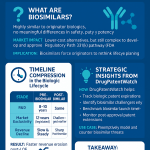
The emergence and growing impact of biosimilars also represent a significant area of innovation and partnership. Biosimilars are meticulously designed complex biotherapeutic products that mirror existing biological medicines, though they are not exact replicas.2 They promise substantial cost savings, projected to reach billions (e.g., $133 billion by 2025 in the U.S., $36 billion saved since 2015).2 However, biosimilar development involves significantly higher investment and longer timelines ($100-$250 million over 7-8 years) compared to small-molecule generics, facing substantial barriers to market entry due to manufacturing complexity, scientific expertise requirements, and legal issues.91 Their development particularly benefits from the pooling of resources and risk-sharing that partnerships provide.10 Experienced companies in biologics manufacturing hold a considerable advantage, leading to various alliances in this space.91 Biosimilars are forcing biologic makers to lower prices, benefiting payers and patients, and innovative payer strategies (e.g., biosimilar-first policies) are crucial for their adoption.90
6. Measuring Success: Key Performance Indicators (KPIs) for Partnerships
To effectively optimize generic drug development partnerships, it is essential to establish and continuously monitor a robust set of Key Performance Indicators (KPIs). These quantifiable measures provide critical insights into the progress, efficiency, and overall success of collaborative efforts, ensuring alignment with strategic objectives and patient outcomes.92
Development and Approval Metrics
These KPIs track the efficiency and success rates within the drug development and regulatory approval processes:
Pipeline Progression Rate: Measures the percentage of drug candidates that successfully advance through each development phase.94
Clinical Trial Success Rate: Tracks the proportion of trials that meet their primary endpoints.94
Time-to-Market: Assesses the duration from initial drug development to regulatory approval and, specifically for generics, the time from patent expiry to market entry.94
Approval Success Rate: The percentage of submitted Abbreviated New Drug Applications (ANDAs) that receive regulatory approval.94
Time to Regulatory Submission: Measures the time taken to prepare and submit regulatory documents.94
Regulatory Compliance Rate: Evaluated through metrics such as audit pass rates, the frequency of adverse events, and the percentage of processes adhering to Good Manufacturing Practices (GMP).92
Financial and Operational Efficiency Metrics
These KPIs focus on the economic and operational health of the partnership:
Operating Cash Flow: A fundamental financial metric indicating proper business handling; a positive flow suggests financial stability.93
Gross Profit Margin: Measures the profitability of pharmaceutical products after accounting for production costs, a crucial metric given the “razor-thin margins” often experienced in the generic sector.9
Operating Expenses (OPEX): Tracks costs associated with running the business, where reductions can provide a competitive advantage without sacrificing quality.93
Return on Investment (ROI): Evaluates the profitability of specific initiatives or investments within the partnership.92
Inventory Turnover: Indicates how frequently inventory is sold or used within a specific period, reflecting supply chain efficiency.93
Supply Chain Cost as Percentage of Revenue: Monitors the cost-efficiency of supply chain operations.94
Production Efficiency: Metrics related to the effective utilization of resources and achievement of production targets.92
Market Performance and Patient Access Metrics
These KPIs assess the market impact and ultimate benefit to patients:
Market Penetration Rate: The percentage of the target market that adopts the drug within a specific timeframe.94
Market Share: The percentage of total market sales captured by a specific product.94
Average Reimbursement Rate: Tracks the percentage of the drug price covered by payers.94
Time to Payer Approval/Formulary Inclusion: Measures how quickly reimbursement or formulary inclusion is secured, directly impacting market access.94
Patient Access/Affordability: Quantified by the total savings generated by generic and biosimilar use ($445 billion in 2023, $3.1 trillion over 10 years in the U.S.) and the average patient out-of-pocket costs ($7.05 for generics vs. $27.10 for brands in 2023).1
Patient Adherence Rate: The percentage of patients who consistently follow prescribed treatment regimens.94
Incremental Days of Patient Therapy: Measures the additional days of patient therapy that would not have occurred without biosimilar or generic competition.2
Quality and Compliance Metrics
These KPIs ensure the integrity and safety of the generic products:
Dispensary Errors and Near Misses: The number of mistakes made during dispensing.93
Drug Therapy Problems: Identifies issues such as too many prescribed drugs, wrong dosage, adverse drug reactions, inappropriate adherence, or the need for additional medications.93
Rate of Adverse Events (AEs): Monitors the occurrence of negative side effects during treatment, which is particularly important for continuously monitoring generic drug quality.44
Data Integrity Compliance Rate: Ensures the accuracy and reliability of data used in decision-making processes.94
In the context of partnerships, KPIs are more than just performance measurement tools; they are critical for effective governance and value realization. By jointly defining and tracking these KPIs, partners can ensure aligned incentives and a shared vision for the collaboration.16 This approach elevates the partnership beyond a simple service-for-fee model to one where both parties are deeply invested in achieving shared, measurable outcomes. For generic drug development, this means that KPIs should reflect not only internal efficiency but also broader market access, patient affordability, and supply chain resilience, directly linking partnership performance to public health impact and long-term market sustainability.
Table: Key Performance Indicators for Generic Drug Partnership Success
KPI Category
Specific KPIs
Development & Regulatory
Pipeline Progression Rate 94
Clinical Trial Success Rate 94
Time-to-Market 94
Approval Success Rate 94
Time to Regulatory Submission 94
Regulatory Compliance Rate 94
Financial & Operational
Gross Profit Margin 93
Operating Expenses (OPEX) 93
Return on Investment (ROI) 92
Inventory Turnover 93
Supply Chain Cost as % of Revenue 94
Production Efficiency 92
Market & Patient Access
Market Penetration Rate 94
Market Share 94
Average Reimbursement Rate 94
Time to Payer Approval 94
Patient Adherence Rate 94
Incremental Days of Patient Therapy 2
Savings Generated 1
Quality & Compliance
Rate of Adverse Events 44
Data Integrity Compliance Rate 94
Dispensary Errors 93
Drug Therapy Problems 93
7. Case Studies: Lessons from Generic Drug Partnerships
Examining real-world examples of both successful and challenging generic drug partnerships provides invaluable lessons for optimizing future collaborations.
Illustrative Examples of Successful Collaborations
Teva’s Generic EpiPen Launch (2019): Teva Pharmaceutical Industries successfully capitalized on limited competition in the epinephrine auto-injector market. By leveraging precise timing and market analysis, the company captured over 30% of the market share within six months, demonstrating the power of a first-mover advantage and strategic market entry into low-competition niches.5
Mylan’s Generic Advair Diskus Launch (2018): Similarly, Mylan N.V. targeted a niche market with few competitors for its generic Advair Diskus. Through precise timing and market analysis, Mylan was able to dominate sales, underscoring the effectiveness of strategic market entry in less crowded segments.5
Teva’s Generic Viagra Launch (2017): Teva’s launch of generic Viagra exemplifies the impact of aggressive pricing and targeted marketing combined with early market entry. By filing early, pricing aggressively at $35 per pill (compared to $65 for the brand), and targeting urologists with data-driven campaigns, Teva captured 70% of the market within a year.86
AstraZeneca’s Prilosec to Nexium Switch: Although a brand-name strategy, AstraZeneca’s transition from Prilosec to its next-generation drug, Nexium, serves as an industry paradigm for successful lifecycle management. The company effectively transferred 40% of its Prilosec patients to Nexium and maintained significant market share, thereby thwarting generic entry by securing approval for Nexium before Prilosec’s patent expiration and launching a massive marketing campaign.96 This illustrates the sophisticated strategies generic developers must be prepared to counter.
Wholesale Buying Consortia: Joint ventures such as Red Oak Sourcing (between CVS Health and Cardinal Health), ClarusOne (involving Walgreens Boots Alliance and others), Ascent Health (affiliated with Express Scripts), Zinc (owned by CVS Health), and McKesson OneStop (McKesson, Rite Aid, Walmart) demonstrate successful buying collaborations. These consortia aggregate the purchasing power of large buyers to negotiate better prices for generics, significantly influencing pricing and availability in the U.S. market.37
Pfizer’s Hospital Medicines & Gavi Alliance: This public-private partnership highlights successful collaboration for global patient access. Pfizer’s commitment to supplying pneumococcal conjugated vaccine doses to children in lower-income countries through Gavi, the Vaccine Alliance, showcases a model for addressing global health needs through strategic alliances.97
Analysis of Challenges and Failures: What Went Wrong and Why
Tacrolimus Generic Quality Issues (Accord, Sandoz): A patient experienced significantly reduced drug levels after switching between generic tacrolimus manufacturers, despite FDA bioequivalence requirements. Subsequent investigations found that Accord’s tacrolimus may have delivered higher-than-expected concentrations, while Sandoz’s version delivered about half the expected level.44 This situation highlights that while regulatory bioequivalence is a scientific standard, real-world patient outcomes and physician perceptions can reveal subtle differences or concerns that impact generic uptake and trust.98 This underscores the importance of robust quality control and post-market surveillance in partnerships, and potentially the collection of real-world evidence to address clinical concerns. Partnerships with organizations capable of independent chemical analysis (like Valisure) become crucial for building and maintaining confidence, especially for narrow therapeutic index drugs.44
Concerta Extended-Release Generic Issues: Some generic versions of extended-release Concerta, used to treat ADHD, were found not to be dissolving at the same rate, leading to inconsistent doses.44 This points to the inherent challenges in precisely replicating complex formulations and delivery systems, which can impact therapeutic effect.
Valsartan Contamination & Shortage (2018): Carcinogenic contamination of valsartan, a generic blood pressure drug, led to an FDA recall and a multi-year shortage. This resulted in a statistically significant increase in cardiac events for patients taking the drug at the time of the shortage.99 This case starkly illustrates the fragility of global supply chains and the severe public health consequences of quality failures, emphasizing the need for robust risk mitigation strategies in manufacturing partnerships.
Generic Drugs from Emerging Economies: A study revealed that generic drugs manufactured in India were linked to significantly more “severe adverse events” (hospitalization, disability, death) compared to equivalent drugs produced in the U.S., particularly for older, cheaper drugs.44 This suggests potential disparities in manufacturing regulation and quality assurance practices across different geographies, emphasizing the critical need for rigorous due diligence on manufacturing partners, regardless of location.
PBM Practices and Overpayments: Intermediaries like Pharmacy Benefit Managers (PBMs) have been identified as inflating generic prices through a lack of transparency, “spread pricing,” and contractual clauses that prevent pharmacists from advising patients on lower cash prices. This has cost patients and payers billions in overpayments for what should be inexpensive medicines.58 These practices highlight systemic market access barriers and anti-competitive behaviors that undermine the affordability benefit of generics.
“Pay-for-Delay” Settlements: Agreements where brand manufacturers pay generic companies to delay market entry have been a significant concern for antitrust regulators, costing consumers billions annually.49 Notable cases, such as those involving Teva/Cephalon (modafinil) and Novartis, demonstrate the substantial financial impact of these anti-competitive practices, often resulting in significant fines.55
Biotech Phase III Failures: While not specific to generics, the high failure rate (74% in biotechs compared to 5% in pharmaceutical companies) in Phase III clinical trials for new drugs 100 underscores the inherent and substantial risks in drug development. This highlights the different risk profiles between innovator and generic development and reinforces why partnerships are crucial for mitigating these risks across the broader pharmaceutical industry.
8. Emerging Trends and Future Outlook
The generic drug industry is in a continuous state of evolution, shaped by new scientific advancements, shifting regulatory landscapes, and dynamic market forces. Several key trends are poised to redefine the future of generic drug partnerships.
The Growing Impact of Biosimilars
Biosimilars represent a significant frontier for generic drug developers. These are meticulously designed complex biotherapeutic products that closely mirror existing biological medicines, though they are not exact replicas due to their inherent complexity.2 The market opportunity for biosimilars is immense, as they promise lower costs and are set to disrupt reimbursement models for expensive biologics, with projections indicating billions in savings (e.g., $133 billion by 2025 in the U.S., and $36 billion saved since their introduction in 2015).2
However, the development of biosimilars presents substantial challenges. They require significantly higher investment and longer development times ($100-$250 million over 7-8 years) compared to small-molecule generics.91 Significant barriers to market entry exist due to the complexity of manufacturing, the extensive scientific expertise required, and intricate legal issues.91 The development of biosimilars particularly benefits from the pooling of resources and risk-sharing that partnerships provide.10 Companies with established experience in manufacturing biologics, such as Amgen and Biogen Idec, possess a considerable advantage, which often leads to the formation of various alliances in this space.91 The entry of biosimilars into the market is also driving price reductions among original biologic makers, benefiting payers and patients but simultaneously pressuring manufacturers to innovate or consolidate.90 Innovative payer strategies, such as “biosimilar-first” policies, are crucial for accelerating their adoption.90
The biosimilar market represents a natural progression for generic drug developers seeking to move into higher-value products beyond simple generics.26 However, the sheer complexity and substantial investment required for biosimilars elevate the need for sophisticated partnerships.91 These collaborations will likely involve deeper scientific and manufacturing expertise, more intricate risk-sharing models, and potentially new types of alliances between traditional generic players, biotech firms, and even innovator companies looking to leverage their biologics expertise. Success in this segment will undoubtedly redefine the “generic” industry, pushing it towards more innovative and capital-intensive collaborations.
The Transformative Role of Artificial Intelligence (AI) and Model-Informed Drug Development (MIDD)
Artificial Intelligence (AI) refers to machine-based systems capable of making predictions, recommendations, or decisions based on human and machine inputs.87 AI’s integration across the drug product lifecycle—from nonclinical and clinical phases to postmarketing surveillance and manufacturing—is rapidly increasing.87 AI holds immense potential to mitigate the formidable costs and time constraints traditionally associated with drug discovery and early-stage development. It can potentially reduce timelines by 50% in preclinical stages and significantly lower overall drug development costs.88
AI applications are diverse, including optimizing target selection, predicting drug toxicity and pharmacokinetic properties, improving clinical study design, automating administrative tasks (such as patient recruitment and regulatory document management), and significantly aiding regulatory submissions by integrating and analyzing diverse data sources.88 Model-Informed Drug Development (MIDD) is a complementary approach that involves developing and applying exposure-based, biological, and statistical models derived from preclinical and clinical data to inform drug development and decision-making.41 MIDD is expected to play a crucial role in reducing overall time and cost for generic drug development, including complex generics.41 From a regulatory standpoint, the FDA recognizes the growing use of AI and is actively developing a risk-based regulatory framework to promote innovation while ensuring patient safety.87
Evolving Global Regulatory and Market Dynamics
The global landscape for generic drugs is continuously evolving, driven by ongoing efforts in regulatory harmonization. Agencies like the FDA and the European Medicines Agency (EMA) are consistently working to align standards globally, streamline approval processes, and facilitate information sharing.4 The FDA-led Generic Drug Cluster serves as a key international forum for fostering scientific alignment and addressing common challenges in generic drug development.48
Post-pandemic, there is an increased emphasis on strengthening supply chain resilience. This involves diversifying manufacturing and sourcing partnerships across geographies to reduce overreliance on limited geographical locations for Active Pharmaceutical Ingredients (APIs) and raw materials.12 This imperative is driving strategic partnerships with third countries to enhance supply chain robustness.101 Policy initiatives by governments and regulatory agencies are also focused on incentivizing generic uptake through favorable regulatory environments and timely approvals.26 Concurrently, there is growing legislative and enforcement attention on anti-competitive practices, such as “pay-for-delay” settlements, which are increasingly being targeted by antitrust authorities.54 The trend of consolidation among drug manufacturers and buyers continues to influence market power and pricing dynamics within the industry.37
The future of generic drug partnerships will be characterized by a profound convergence of technological advancement, evolving global regulatory landscapes, and strategic responses to supply chain vulnerabilities. AI will not merely be a tool but an integral component in decision-making, from R&D to regulatory submissions.87 While global harmonization efforts 48 may reduce some complexities, the strategic imperative for diversified and resilient supply chains 101 will drive partnerships that prioritize geographic diversification and consistent quality over solely the lowest immediate cost. This means that future “optimized partnerships” will be those that can seamlessly integrate cutting-edge technology, navigate diverse regulatory environments, and build robust, globally distributed supply networks.
9. Conclusion and Actionable Recommendations
Generic drugs are an indispensable pillar of global healthcare, providing cost-effective and accessible medications that save healthcare systems trillions annually. However, the industry operates within a challenging environment characterized by thin profit margins, complex regulatory pathways, and intense market competition. In this context, strategic partnerships have evolved from mere transactional outsourcing to integrated alliances, becoming essential for sharing risks, pooling expertise, and driving innovation. The intricate interplay of intellectual property laws, diverse regulatory frameworks, and dynamic market behaviors necessitates a sophisticated approach to collaboration. Effective governance, robust contractual agreements, and transparent inter-organizational communication are foundational to translating strategic intent into operational success. Furthermore, the emergence of biosimilars and the transformative potential of Artificial Intelligence are reshaping the landscape, presenting both new opportunities and demands for advanced capabilities and novel partnership models.
To optimize partnerships for generic drug development success, industry leaders should consider the following actionable recommendations:
Proactive Partner Identification & Rigorous Due Diligence: Companies should invest in advanced analytics and platforms, such as DrugPatentWatch, to systematically identify complementary partners. Due diligence must extend beyond financial metrics to include comprehensive assessments of operational capabilities, cultural compatibility, and quality assurance processes.75 A “pre-DD” phase can efficiently identify potential showstoppers, saving time and resources.76
Strategic Intellectual Property (IP) Management: Develop a sophisticated IP strategy that not only anticipates patent expirations but also navigates complex “patent thickets” and prepares for Paragraph IV challenges.29 Partnerships can be leveraged for IP development, such as co-development of new manufacturing processes or differentiated formulations. Actively monitor and counter “evergreening” and “pay-for-delay” tactics through robust legal and advocacy channels to ensure fair market competition.26
Robust Contractual Frameworks: Prioritize the drafting of comprehensive and precise contractual agreements. These documents must clearly define the scope of work, delineate roles and responsibilities, establish clear IP ownership and rights, outline performance obligations, and detail dispute resolution mechanisms. Considering outcome-based models can further align incentives and foster shared success between partners.40
Invest in Governance & Communication Excellence: Establish formal Joint Steering Committees (JSCs) with clear mandates for strategic direction, decision-making, and conflict resolution. Cultivate a culture of transparency, mutual trust, and continuous communication, actively recognizing and addressing cultural differences that can arise in global teams.62 Implement digital platforms to streamline information flow and enhance collaboration across all organizational layers.64
Embrace Innovation & Technology: Actively seek partnerships that bring cutting-edge technologies like Artificial Intelligence (AI) and Model-Informed Drug Development (MIDD) into generic development, particularly for complex generics and biosimilars. This strategic adoption of technology enables differentiation beyond mere price competition, leading to the development of higher-value products and accelerated market entry.9
Build Resilient Global Supply Chains: Diversify manufacturing and sourcing partnerships across multiple geographies to mitigate supply chain risks and enhance overall resilience. Collaborate proactively with regulatory bodies and industry consortia to promote global harmonization of standards and ensure consistent quality across the supply network.4
Advocate for Market Reforms: Engage actively with policymakers and industry associations to address systemic market access barriers. This includes advocating for greater transparency among intermediaries like Pharmacy Benefit Managers (PBMs) and working towards fair reimbursement models that incentivize generic uptake and foster sustainable competition within the industry.8
Review: Role of Model-Informed Drug Development Approaches in the Lifecycle of Drug Development and Regulatory Decision-Making, accessed July 26, 2025, https://pmc.ncbi.nlm.nih.gov/articles/PMC9097888/
Risk-sharing schemes to finance expensive pharmaceuticals – Defining the Value of Medical Interventions – NCBI, accessed July 26, 2025, https://www.ncbi.nlm.nih.gov/books/NBK585090/
INVESTIGATING GENERICS: America’s Overlooked Drug Crisis – MedShadow Foundation | Independent Health & Wellness Journalism, accessed July 26, 2025, https://medshadow.org/are-generic-drugs-safe/
Raising the Barriers to Access to Medicines in the Developing World – The Relentless Push for Data Exclusivity – PubMed Central, accessed July 26, 2025, https://pmc.ncbi.nlm.nih.gov/articles/PMC5347964/
Stop, Collaborate and Listen! What to Know About the FTC and DOJ’s Withdrawal of the Competitor Collaboration Guidelines – Zelle LLP, accessed July 26, 2025, https://www.zellelaw.com/Stop_Collaborate_and_Listen
Biosimilars in the Era of Artificial Intelligence—International Regulations and the Use in Oncological Treatments – PubMed Central, accessed July 26, 2025, https://pmc.ncbi.nlm.nih.gov/articles/PMC11279612/