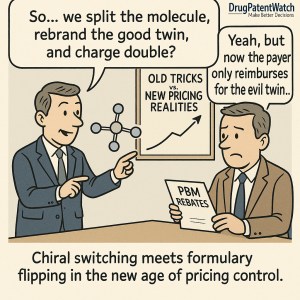
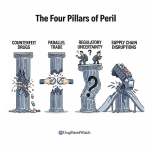
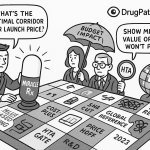
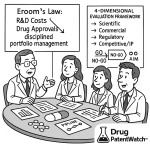
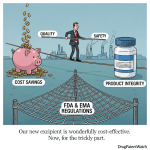
This report examines the contemporary relevance of chiral switching within the pharmaceutical industry, particularly in light of evolving global pricing controls. Historically, chiral switching served as a potent lifecycle management tool, primarily aimed at extending patent life and offering incremental improvements to drug profiles. However, the analysis presented herein indicates a significant diminution of its broad applicability for strategies focused predominantly on patent extension. Its viability today hinges almost entirely on the demonstration of substantial clinical superiority and a clear, quantifiable value proposition to healthcare systems, moving beyond mere incremental benefits.
The pharmaceutical landscape has undergone a profound transformation, shifting from a volume-based to a value-based paradigm. This shift has led to heightened scrutiny from Health Technology Assessment (HTA) bodies and payers, who now demand compelling evidence of superior patient outcomes and cost-effectiveness to justify premium pricing for new drugs. Consequently, any new chiral entity must present a robust value proposition that clearly differentiates it from its racemic predecessor and existing alternatives. In conclusion, while chiral switching is not entirely obsolete, its path forward is highly selective and fraught with significant challenges, requiring a fundamental re-evaluation of its strategic purpose within pharmaceutical development.
1. Introduction: Chiral Switching and the Evolving Pharmaceutical Landscape
1.1. Definition and Scientific Basis of Chiral Switching
Chiral switching involves the development of a single enantiomer from a racemic mixture, where one enantiomer typically exhibits superior pharmacological activity or a more favorable safety profile. Chirality, a fundamental concept in drug molecules, refers to the property of a molecule being non-superimposable on its mirror image, much like a left hand and a right hand. Often, only one of these “chiral twins” (enantiomers) is responsible for the desired therapeutic effect, while the other may be inactive, less active, or even contribute to adverse effects. The isolation and development of the more beneficial enantiomer aim to enhance the drug’s overall profile. Historically, this strategy played a crucial role in lifecycle management, allowing pharmaceutical companies to extend patent life and refine existing drug characteristics.
The inherent promise of “improved safety or efficacy,” often cited as the rationale for chiral switching, now faces critical examination under current pricing controls. In a value-based pricing environment, “better” is no longer a subjective claim or a marginal improvement; it must be quantifiable and demonstrate significant clinical value to warrant a premium price. This means the degree of improvement, rather than simply the existence of improvement, has become the decisive factor for market access and pricing. A minor enhancement, which might have sufficed for patent extension in previous eras, is now insufficient for market success, foreshadowing the considerable challenges that chiral switches encounter today.
1.2. Historical Context and Early Successes
In an earlier era, chiral switching proved to be a highly successful strategy for pharmaceutical companies. A classic illustration of this success is the development of esomeprazole (Nexium) from omeprazole. This chiral switch effectively extended the market dominance and revenue streams for the original drug, providing a significant period of exclusivity beyond the patent expiry of the racemic mixture.
The historical success of examples like esomeprazole highlights a past business environment where patent extension, coupled with even incremental improvements, constituted a sufficient commercial justification. This stands in stark contrast to the contemporary pharmaceutical landscape. A similar chiral switch today would likely not achieve the same level of success, or at least not without a substantially more compelling clinical differentiation. This observation underscores a fundamental shift in the pharmaceutical business model, where the “value” proposition, encompassing demonstrable patient benefits and cost-effectiveness, has largely superseded the “patent extension” proposition as the primary driver of market viability.
1.3. The Shift Towards Stricter Pharmaceutical Pricing Controls
The global pharmaceutical industry is currently operating under increasing pressure regarding drug pricing. This trend is driven by a confluence of factors, including spiraling healthcare costs, the demographic shift towards aging populations, and a growing societal demand for greater value from healthcare interventions. This new reality of stringent pricing controls fundamentally impacts the viability of drug development strategies, particularly those like chiral switching that historically relied on incremental innovation and patent protection. The subsequent sections will explore how this evolving pricing environment reshapes the strategic considerations for chiral switches.
2. The Global Pharmaceutical Pricing Control Scenario
2.1. Drivers of Pricing Control and Cost Containment
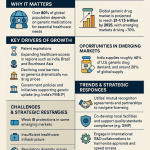
The intensification of pharmaceutical pricing controls is a direct response to several powerful macro-economic and societal pressures. Healthcare budget constraints represent a primary driver, as governments and healthcare systems grapple with finite resources and escalating demands. Concurrently, there is an increasing demand for demonstrable value and cost-effectiveness from new therapies, shifting the focus from simply approving drugs to ensuring they deliver tangible benefits commensurate with their cost. The global pharmaceutical market is fundamentally transforming from a volume-based to a value-based paradigm, where the perceived worth of a drug is increasingly tied to its outcomes. Furthermore, the pervasive influence of generic and biosimilar competition consistently drives down prices across all drug categories, including established therapies, intensifying pricing pressure across the board.
This combined pressure from budget constraints, the demand for value, and generic competition creates a challenging environment that disproportionately affects incremental innovations, a category into which many chiral switches fall. Budget constraints limit what payers can spend, while the demand for value dictates what they will spend, prioritizing only high-impact therapies. Generic competition, by providing cheaper alternatives, establishes a low price ceiling. These factors synergistically squeeze out drugs that offer only marginal improvements or primarily serve patent extension purposes. For chiral switches, this means the bar for innovation has been significantly raised for both market access and the ability to command a premium price.
2.2. Key Pharmaceutical Pricing Control Mechanisms
Governments and payers worldwide employ a diverse array of mechanisms to control pharmaceutical expenditures and ensure value for money. Understanding these mechanisms is crucial for assessing the viability of any new drug, including chiral switches.
Value-Based Pricing (VBP): VBP models represent a significant departure from traditional pricing approaches, linking drug prices directly to patient outcomes, real-world evidence, and demonstrated clinical benefit. Payers are increasingly demanding robust evidence of superior patient outcomes and cost-effectiveness to justify any premium pricing for new drugs. Real-world evidence (RWE), derived from routine clinical practice, is increasingly required by both regulatory bodies and payers to demonstrate the actual effectiveness and value of new therapies in diverse patient populations. For chiral switches, this means proving not just a technical improvement, but a tangible, measurable enhancement in patient health or healthcare efficiency.
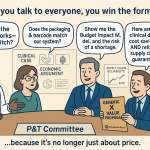
Health Technology Assessments (HTA): HTA bodies, such as NICE in the UK or CADTH in Canada, play a critical gatekeeping role. They rigorously evaluate the clinical and cost-effectiveness of new drugs before reimbursement decisions are made. Favorable HTA recommendations are often a prerequisite for a drug to be included on national formularies or reimbursed by public health systems. Market access hurdles, particularly those imposed by HTA bodies, represent significant challenges for both drug approvals and subsequent reimbursement. A chiral switch, even if granted regulatory approval, may fail to achieve widespread market access if it cannot pass HTA scrutiny on the grounds of value and cost-effectiveness.
Reference Pricing: This mechanism limits the maximum price of a drug by comparing it to prices of the same drug in other countries (external reference pricing) or to prices of therapeutically similar drugs within the same market (internal reference pricing). This approach significantly restricts the ability of pharmaceutical companies to set premium prices for new drugs, regardless of their perceived individual merit.
Tendering and Volume-Based Discounts: Many healthcare systems utilize tendering processes, where pharmaceutical companies bid to supply drugs at competitive prices. Additionally, there is an increasing demand for volume-based discounts, where larger purchases of a drug lead to lower per-unit costs. Both mechanisms further erode potential profit margins for pharmaceutical companies.
The following table summarizes these key mechanisms and their characteristics:
Table 1: Key Pharmaceutical Pricing Control Mechanisms and Their Characteristics
Mechanism Name
Description
Key Criteria for Evaluation
Impact on Drug Pricing/Market Access
Global Examples
Value-Based Pricing (VBP)
Links drug price to patient outcomes and demonstrated clinical benefit.
Recommendations often prerequisite for reimbursement; significant hurdle for incremental benefits.
NICE (UK), IQWiG (Germany), CADTH (Canada), HAS (France).
Reference Pricing
Sets drug prices based on prices in other countries (external) or for similar drugs (internal).
Prices of comparable drugs in reference countries or within therapeutic class.
Limits ability to set high premium prices; fosters price convergence.
Germany, France, Italy, Canada, Australia (external); many national formularies (internal).
Tendering & Volume-Based Discounts
Competitive bidding processes for drug supply; discounts based on purchase volume.
Lowest bid, supply reliability, ability to offer significant discounts.
Drives down prices, particularly for high-volume or off-patent drugs; reduces profit margins.
Many public procurement systems (e.g., EU, Latin America, Asia).
By detailing the “Key Criteria for Evaluation” for each mechanism, this table highlights the specific challenges a chiral switch would encounter under each system. This foundational understanding is crucial for appreciating the subsequent analysis of its viability.
3. Chiral Switching: Technical, Regulatory, and Commercial Considerations
3.1. Scientific Rationale and Regulatory Pathways
The scientific rationale underpinning chiral switching remains valid: to isolate and develop a single enantiomer that is more therapeutically active, safer, or possesses a superior pharmacological profile compared to its racemic mixture. This approach leverages existing knowledge about the racemic drug, potentially offering a more predictable development path.
From a regulatory standpoint, pathways for chiral switches can indeed be more efficient than those for entirely new chemical entities. In the United States, for instance, the 505(b)(2) pathway allows for reliance on existing safety and efficacy findings for the original racemic drug, thereby reducing the need for extensive preclinical and clinical studies. Similarly, some regulatory bodies offer expedited approval pathways for improved formulations or enantiomers, recognizing their potential benefits. This regulatory efficiency can translate into reduced development time and cost, presenting a clear advantage.
However, while regulatory pathways for chiral switches can be faster, this efficiency does not automatically guarantee market access or the ability to command a premium price in the current environment. Reduced R&D costs and quicker time to market are certainly beneficial, but they do not assure profitability or market success. The market access hurdles, particularly those imposed by HTA bodies and value-based pricing models, are distinct from regulatory approval processes and are increasingly stringent. This creates a potential disconnect: a drug can be approved efficiently, yet still struggle or fail to gain reimbursement at a profitable price. This observation highlights a significant shift in influence, where the power to determine market viability has increasingly moved from regulators to payers.
3.2. Historical Commercial Successes and Challenges
As previously discussed, the past saw significant commercial successes for chiral switches, exemplified by esomeprazole. In that era, patent extension, coupled with even modest improvements, was often sufficient to justify the investment and secure market dominance.
Despite these past successes, chiral switching has always presented inherent challenges. These include the significant, albeit potentially reduced, development costs associated with isolating and testing the single enantiomer, the inherent uncertainty of regulatory approval (even with expedited pathways, robust data is still required), and the persistent risk of achieving only limited market differentiation. These challenges, present even in more favorable historical contexts, are now amplified by the current pricing control environment.
3.3. Factors Influencing the Viability of a Chiral Switch Project
The viability of a chiral switch project today is determined by a confluence of critical factors, with a distinct shift in their relative importance:
Clinical Differentiation: This is arguably the most crucial factor. A chiral switch must offer significant clinical advantages over the racemic mixture or existing alternatives. This includes demonstrably improved efficacy, a superior safety profile (e.g., reduced side effects, lower toxicity), better patient compliance due to improved tolerability or dosing, or a reduction in drug-drug interactions. Without such clear and substantial benefits, justifying a premium price becomes exceedingly difficult.
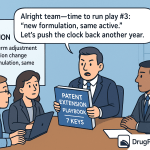
Patent Life: Historically, patent extension was a primary driver for pursuing chiral switches. However, the effectiveness of this strategy for securing market exclusivity and premium pricing is diminishing due to the pervasive influence of pricing controls. Even if a new patent is granted, the ability to capitalize on it with high prices is severely constrained.
Development Costs and Return on Investment (ROI): The balance between the investment required for development and the potential commercial returns is increasingly difficult to justify for innovations that offer only incremental benefits. New chiral switches face significant challenges in demonstrating superior value compared to their racemic counterparts, making the ROI calculation far more precarious.
The diminishing returns from patent extension, coupled with the imperative for “significant clinical advantages,” necessitate a fundamental re-evaluation of the purpose of chiral switching within pharmaceutical R&D portfolios. If patent extension is no longer the primary driver, the strategic rationale shifts. Chiral switching moves from being a primarily defensive lifecycle management strategy, aimed at protecting existing revenue streams, to a quasi-innovative strategy. In this new paradigm, a chiral switch must compete on par with genuinely novel therapies in terms of its ability to justify value. This means companies must apply the same rigorous value assessment to a chiral switch candidate as they would to a new chemical entity. The perception of chiral switching as “low-hanging fruit” is no longer valid. Companies are now compelled to be far more selective, pursuing chiral switches only when the isolated enantiomer offers a truly differentiated and clinically meaningful profile that can withstand intense HTA and payer scrutiny, rather than simply being “better enough.”
4. Interplay: Chiral Switching Under Pricing Scrutiny
4.1. Impact of Pricing Controls on Strategic Rationale
The emphasis on value-based pricing and rigorous HTA assessments directly challenges the traditional strategic rationale for chiral switching, which often relied on patent extension and incremental improvements. Without a demonstrable, significant improvement in patient outcomes or clear cost-effectiveness, achieving premium pricing for a chiral switch is largely unattainable. Payers are increasingly reluctant to pay premium prices for drugs that offer only incremental benefits. Consequently, the economic viability of chiral switching has been significantly reduced due to stringent pricing controls. Payers are demanding compelling evidence of superior patient outcomes and cost-effectiveness to justify any premium for new drugs.
This combined reluctance of payers to fund incremental benefits and the reduced economic viability creates a “value gap” for many potential chiral switches. If the development costs remain substantial, as indicated by historical challenges, but the potential for premium pricing is severely limited, the risk-reward profile for most chiral switch candidates becomes unfavorable. This forces pharmaceutical companies to either abandon many potential chiral switch projects or fundamentally rethink their development and market access strategies. The strategic focus shifts from “can we get it approved?” to the more challenging question of “can we get it reimbursed at a profitable price, given its demonstrable value?” This represents a critical strategic pivot for the industry.
4.2. Challenges Posed by Generic Competition
The intensifying speed and breadth of generic competition, even for the original racemic mixture, exerts immense downward pressure on the pricing of any subsequent chiral switch. Generic competition significantly impacts the pricing and market share of all drugs, including chiral switches once their patents expire. Payers frequently advocate for generic substitution, making it exceedingly difficult for a chiral switch to maintain market share or secure premium pricing unless it offers truly compelling advantages that clearly outweigh the cost savings offered by generic alternatives.
The dual pressure of generic competition on the original racemic drug and the demand for significant clinical value for the chiral switch creates a very narrow window for commercial success. If the racemic drug becomes generic, its price plummets. For a chiral switch to succeed in this scenario, it must justify a much higher price point against a very cheap generic alternative. This necessitates an exceptionally strong value proposition that extends far beyond mere incremental improvement. The clinical advantage of the chiral switch must be so profound that it unequivocally outweighs the cost savings associated with the generic racemic drug for payers. This significantly raises the bar for what constitutes a “successful” chiral switch, transforming it from a “better version” into a “clinically distinct and superior” product.
5. Case Studies and Market Dynamics
5.1. Examination of Recent Chiral Switch Examples
Despite the formidable challenges, some chiral switches have successfully navigated the current environment by demonstrating truly significant clinical differentiation. These examples serve to illustrate the specific criteria for success in today’s market.
Levocetirizine (from cetirizine): This chiral switch demonstrated an improved safety profile, notably less sedation, and enhanced efficacy compared to its racemic predecessor. These tangible benefits provided a clear value proposition to both patients and healthcare providers, contributing to its market success.
Escitalopram (from citalopram): Escitalopram exhibited improved tolerability and efficacy, which were key differentiators contributing to its market success. These improvements addressed patient needs and translated into a valuable clinical profile.
The success of levocetirizine and escitalopram underscores that “significant clinical advantage” is the only remaining viable pathway for chiral switch projects, sharply contrasting with the historical emphasis on patent extension. Both examples explicitly highlight “improved safety,” “less sedation,” “improved tolerability,” and “efficacy.” These are quantifiable, patient-centric benefits that translate into real-world value for payers, such as reduced adverse events and improved patient adherence. This reinforces the paradigm shift from a legal/patent strategy to a clinical/value strategy. It suggests that future successful chiral switches will be those that address unmet needs or significantly improve upon existing treatments in ways that are quantifiable and valuable to payers and patients, rather than simply offering marginal improvements. This sets a very high bar for future chiral switch candidates.
Conversely, numerous less successful chiral switches have failed to demonstrate sufficient value in the current pricing climate. These often include products that offered only marginal improvements in efficacy or safety, or those whose benefits were not deemed substantial enough to justify a premium price over the existing racemic or generic alternatives.
The following table provides a comparative overview of selected chiral switches:
Table 2: Selected Chiral Switches: Original Drug vs. Enantiomer
Justified premium through clear safety/efficacy benefits.
Citalopram
Escitalopram
Depression
1998 / 2002
Improved tolerability, enhanced efficacy
505(b)(2)
Strong market adoption, significant market share
Achieved premium pricing based on clinical differentiation.
(General Example)
(Hypothetical)
Various
(Recent)
Marginal efficacy/safety improvements
505(b)(2)
Limited market uptake, low sales
Faced significant HTA hurdles, unable to justify premium.
By including “Key Clinical Differentiators” and “Pricing Context,” this table serves as empirical evidence for the report’s central argument: only significant clinical value can justify market access and premium pricing for chiral switches today. It transforms the abstract concepts of HTA and value-based pricing into tangible realities through concrete examples.
5.2. Analysis of Market Trends and Investor Perspectives
The broader pharmaceutical market trend indicates a strong preference and investment focus on novel, first-in-class therapies rather than incremental innovations. Investment capital is increasingly directed towards breakthrough therapies and novel mechanisms of action, reflecting a desire for higher potential returns and less market competition.
This strong market and investor preference for “novel, first-in-class therapies” creates a significant competitive disadvantage for chiral switches, even those that offer some clinical benefit. Investors prioritize novel drugs because they typically offer higher potential for premium pricing, broader market exclusivity, and reduced competition from generics. Even if a chiral switch offers a commendable clinical improvement, it is often still perceived as an “incremental innovation” compared to a genuine breakthrough. This perception impacts funding decisions, company valuations, and internal strategic prioritization. Consequently, a potentially viable chiral switch might not receive funding or be prioritized within a company’s pipeline if more “novel” opportunities are available. This shifts the consideration from whether a chiral switch can succeed to whether it represents the best use of resources in a highly competitive and value-driven investment landscape. This forces companies to be extremely selective, perhaps only pursuing chiral switches that are “breakthroughs” in their own right within their specific therapeutic class.
6. Strategic Implications and Future Outlook
6.1. Recommendations for Pharmaceutical Companies
In light of the evolving pricing landscape, pharmaceutical companies must fundamentally adapt their approach to chiral switching:
Focus on Significant Clinical Advantages: Companies should only pursue chiral switches where the enantiomer offers truly substantial improvements in efficacy, safety, or patient experience that are quantifiable and clinically meaningful. Strategic recommendations for chiral switching must now focus on a clear value proposition, moving beyond reliance solely on patent extension.
Robust Value Proposition and RWE Generation: A clear, evidence-based value proposition must be developed from the earliest stages of development. This proposition needs to be supported by robust clinical data and, critically, by real-world evidence (RWE) to demonstrate superior outcomes and cost-effectiveness in real-world settings.
Early Engagement with Payers and HTAs: Proactive and early engagement with market access bodies and payers is essential. Understanding their evidence requirements, value thresholds, and reimbursement criteria from the outset can significantly de-risk development and enhance the chances of successful market access.
Beyond Patent Extension: Companies must abandon the strategy of pursuing chiral switches solely for patent extension. This approach is largely obsolete in the current pricing climate, as the market is no longer willing to pay a premium for such a limited benefit.
Strategic Portfolio Management: Chiral switching should be integrated into a broader portfolio strategy that balances true innovation with lifecycle management. However, the bar for lifecycle management strategies, including chiral switching, must be significantly heightened.
The shift in strategic recommendations from patent-driven to value-driven implies a fundamental change in the internal R&D decision-making process for chiral switches. “Focus on value” means rigorous early-stage assessment of clinical differentiation potential, not just chemical feasibility. It necessitates designing clinical trials to generate not only efficacy and safety data but also health economic outcomes and RWE. Furthermore, market access teams must be involved from Phase 1 of development, rather than just prior to launch. This transforms chiral switching from a relatively straightforward chemical and regulatory play into a complex, multi-disciplinary strategic endeavor that requires significant upfront investment in market access intelligence and clinical differentiation planning. Companies that fail to adapt this internal process will find their chiral switch projects increasingly unviable.
6.2. Policy Implications and Potential Regulatory Shifts
Policymakers face a constant challenge in balancing the need to incentivize pharmaceutical innovation with ensuring patient access and affordability. This inherent tension suggests that regulatory bodies might further refine their assessment of incremental innovations like chiral switches. If a chiral switch offers significant clinical value—for example, dramatically reduced side effects leading to better adherence and improved patient outcomes—it aligns with both the goal of innovation (improving patient care) and potentially affordability (by reducing downstream healthcare costs associated with adverse events). However, if a chiral switch offers only minimal benefit, it contributes to higher costs without commensurate value.
This situation could lead to a future where regulatory incentives, such as expedited approval pathways, are increasingly tied to demonstrable clinical significance rather than just technical improvement. Policymakers might introduce tiered review processes or reimbursement criteria that explicitly favor chiral switches with clear, patient-centric advantages, further marginalizing those pursued purely for patent reasons. This would formalize the market’s current demand for value into regulatory frameworks.
6.3. The Evolving Role of Chiral Switching
Chiral switching is not entirely obsolete, but its role has evolved into a highly specialized strategy. Its future viability lies in its capacity to deliver genuinely superior clinical outcomes that unequivocally justify its development costs and secure market access under stringent value-based frameworks.
The future role of chiral switching is less about “lifecycle management” in the traditional sense and more about “targeted therapeutic enhancement.” This implies a shift in its strategic positioning within a company. It moves from being a broad “patent extension” tool to a highly specific “problem-solving” tool. For instance, if a racemic drug has a severe dose-limiting side effect primarily attributable to one enantiomer, a chiral switch targeting the beneficial enantiomer could represent a highly valuable therapeutic enhancement, akin to a targeted innovation. This means companies will likely pursue chiral switches only in very specific, high-impact scenarios where a clear and quantifiable clinical problem can be solved by isolating the superior enantiomer. This positions chiral switching as a niche, high-value innovation strategy rather than a routine lifecycle management tactic.
7. Conclusion: Reassessing Relevance in Today’s Environment
The era of chiral switching as a widespread patent-extension strategy is largely concluded. The pharmaceutical industry has undergone a fundamental transformation, driven by escalating healthcare costs and a global imperative for demonstrable value. This shift has redefined the criteria for success for all drug development strategies.
Chiral switching is still relevant, but its relevance is now highly conditional and significantly narrowed. It remains a viable strategy only when it offers demonstrable, significant clinical advantages that translate into clear, quantifiable value for patients and healthcare systems. Such advantages must be compelling enough to justify premium pricing and withstand the rigorous scrutiny of Health Technology Assessment bodies and increasingly demanding payers. The industry’s intensified focus on true innovation, cost-effectiveness, and patient outcomes has fundamentally redefined the landscape. The future of chiral switching lies in its capacity to serve as a pathway for targeted, high-impact therapeutic improvements, rather than merely incremental gains or patent protection.