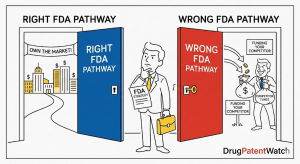
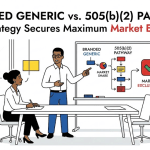
A forensic comparison of the 505(b)(2) and 505(j) regulatory strategies that separate profitable pharmaceutical launches from expensive cautionary tales.
The pharmaceutical development landscape is, at its core, a capital allocation problem. Every dollar a company commits to a drug candidate is a bet on a regulatory pathway that will determine how long that company controls the market, how much it spends getting there, and whether the return justifies the risk at all. Two pathways dominate that decision for companies developing non-novel drug products: the 505(b)(2) New Drug Application and the 505(j) Abbreviated New Drug Application (ANDA).
They are not equivalent strategies with interchangeable use cases. They are structurally different instruments that produce structurally different outcomes. One is designed to create new intellectual property on the back of existing science. The other is designed to commoditize existing products and drive prices toward marginal cost. Understanding the precise mechanics of each, and the strategic logic that governs choosing between them, is one of the most valuable competencies in pharmaceutical business development.
This article is a working guide to that decision. It covers the legal architecture of each pathway, the financial models that underlie them, the patent strategy that connects them to market exclusivity, and the competitive intelligence infrastructure companies use to execute on either path. It draws on publicly available FDA data, litigation records, and the kind of patent landscape analysis that platforms like DrugPatentWatch make accessible to anyone who knows what to ask.
Part One: The Legal Architecture
How the Hatch-Waxman Act Created Two Separate Industries
The Drug Price Competition and Patent Term Restoration Act of 1986, universally called Hatch-Waxman, is the foundational statute. Congress passed it to solve two simultaneous problems: brand pharmaceutical companies were losing effective patent life to regulatory review delays, and generic drug companies had no clear legal pathway to bring copies of approved drugs to market without re-running full clinical trials.
The solution was a structured compromise. Brand companies got patent term restoration (up to five years of additional exclusivity to compensate for FDA review time) and data exclusivity protections. Generic companies got the ANDA pathway: a streamlined application process that allows them to rely on the safety and efficacy data from the Reference Listed Drug (RLD) without generating new clinical evidence, as long as they can demonstrate bioequivalence.
What Congress probably did not fully anticipate was the third commercial category that would grow up between those two poles. The 505(b)(2) pathway, which technically predates Hatch-Waxman as a statutory provision but gained its commercial significance after 1984, allows applicants to rely partially on published literature or existing FDA findings of safety and efficacy while still filing an NDA, not an ANDA. The result is a hybrid product category that can claim the clinical innovation status of a branded drug while dramatically reducing the evidentiary burden of developing one from scratch.
Those three categories, full 505(b)(1) NDAs, 505(b)(2) NDAs, and 505(j) ANDAs, each have different exclusivity durations, different patent strategy requirements, and different competitive implications. Understanding Hatch-Waxman is understanding that these differences are not incidental. They are the deliberate architecture of the compromise.
Section 505(b)(2): The Statutory Text and What It Actually Means
The relevant text of 21 U.S.C. § 355(b)(2) is worth quoting directly in its operative part. An application filed under this section may contain reports of investigations of safety and efficacy for which the applicant does not hold the right of reference and reliance, or may rely on published literature, or on a previous finding of safety and efficacy for a listed drug.
In practice, this means a 505(b)(2) applicant is telling the FDA: “We are not claiming this is a completely novel chemical entity, but we have made some meaningful modification that we believe changes the risk-benefit profile in a clinically relevant way. We want to rely on what is already known about the parent compound, but we are making a distinct product that needs its own approval.”
The modifications that qualify for 505(b)(2) treatment cover a wide range. New formulations of approved drugs, including extended-release versions of immediate-release products, are the most common. New routes of administration, such as converting an oral drug to a transdermal patch or an intravenous formulation to a subcutaneous one, frequently take this route. New indications for already-approved drugs qualify, as do new dosage forms, new strengths, and new combinations of previously approved active ingredients. New chemical entities that have meaningful published literature on safety also qualify, though this use case is narrower.
The FDA’s own guidance documents specify that the agency will only accept 505(b)(2) reliance when the safety and efficacy data being relied upon are actually relevant to the product being approved. A company cannot file a 505(b)(2) for a new chemical entity that has no meaningful relationship to an approved drug simply to avoid conducting full clinical trials. The connection between the new product and the reference drug must be scientifically justified.
Section 505(j): The Abbreviated New Drug Application in Detail
The 505(j) ANDA pathway is built on a single foundational principle: if a drug’s active ingredient, dosage form, route of administration, strength, conditions of use, and labeling are the same as an already-approved Reference Listed Drug, then re-proving its safety and efficacy is scientifically unnecessary and economically wasteful. What matters instead is pharmaceutical equivalence and bioequivalence.
The pharmaceutical equivalence standard requires the generic to contain the same active ingredient in the same amount, in the same dosage form, and for the same route of administration as the RLD. Bioequivalence requires that the generic delivers the active ingredient to the systemic circulation at essentially the same rate and extent as the RLD, generally established through pharmacokinetic studies comparing area under the curve (AUC) and peak concentration (Cmax) measurements.
The FDA’s standard for bioequivalence is a 90% confidence interval of the test-to-reference ratio falling within 80%-125% for both AUC and Cmax. That range sounds wide, but it reflects the natural variability in human pharmacokinetic measurements. The standard has remained essentially stable since its formalization in the 1990s, though the FDA has issued product-specific guidance for drugs with narrow therapeutic indices that require tighter acceptance criteria.
What an ANDA applicant cannot do is change anything material about the product without triggering a requirement that transforms the application into something other than an ANDA. Any difference in active ingredient, strength, route, dosage form, or proposed indication requires either a suitability petition (for certain limited modifications) or a full or partial 505(b)(2) application. The bright line between 505(j) and 505(b)(2) is precisely this: does the product being developed match the RLD on the fundamental dimensions, or does it differ in some way that requires independent justification?
Part Two: The Patent Certification System That Drives Litigation
Orange Book Patents and the Four Certification Options
The Orange Book, formally titled “Approved Drug Products with Therapeutic Equivalence Evaluations,” is the FDA’s published list of approved drug products and the patents that protect them. Under Hatch-Waxman, brand companies are required to list in the Orange Book every patent that claims the drug or a method of using the drug that, if infringed, could reasonably be asserted against an ANDA or 505(b)(2) applicant.
Both ANDA and 505(b)(2) applicants must certify, for each patent listed in the Orange Book for their reference drug, one of four positions:
The Paragraph I certification states that no patent information has been filed with the FDA.
The Paragraph II certification states that the patent has expired.
The Paragraph III certification states that the applicant will wait for the patent to expire before marketing the product.
The Paragraph IV certification is the legally consequential one. It asserts that the patent is invalid or will not be infringed by the manufacture, use, or sale of the proposed product.
Filing a Paragraph IV certification is a statutory act of patent infringement. The moment a 505(j) or 505(b)(2) applicant files a Paragraph IV, they must notify the patent holder, who then has 45 days to file a patent infringement suit. If the patent holder sues within that window, the FDA imposes an automatic 30-month stay on final approval of the application, giving the patent holder time to litigate the issue before a generic or modified product enters the market.
The 30-month stay is one of the most powerful defensive weapons in a brand pharmaceutical company’s arsenal. It buys roughly two and a half years of additional exclusivity at the cost of a lawsuit that the brand may or may not ultimately win. Even if the brand loses the litigation, the 30 months may represent billions in sales that would not have been earned under a faster approval timeline.
180-Day Exclusivity: The Reward for First Filers
Congress built an incentive into the ANDA system to encourage generic companies to challenge weak or improper patents. That incentive is 180-day first-filer exclusivity. The first ANDA applicant to file a Paragraph IV certification against a given Orange Book patent earns 180 days during which the FDA cannot approve any other ANDA for the same drug.
The practical value of that exclusivity is immense. During those 180 days, the first-filer typically prices their generic at 20% to 30% below the brand price, capturing most of the brand’s volume without facing the full commodity pricing pressure that arrives when multiple generics enter simultaneously. FDA data shows that a single generic entrant typically captures 40% to 60% of market share, while the brand retains significant volume at higher prices. When five or more generics enter simultaneously, the average generic price drops to roughly 15% of the brand price.
This arithmetic explains why pharmaceutical companies spend significant resources analyzing which ANDA Paragraph IV filings have already been made. Tools like DrugPatentWatch provide exactly this kind of patent certification tracking, allowing companies to determine whether first-filer exclusivity has already been claimed for a given drug, which applicants have filed, and what the litigation history looks like. That intelligence directly determines whether a new ANDA filing has a pathway to the 180-day reward or will instead enter a crowded field with compressed margins.
The rules governing 180-day exclusivity changed meaningfully with the Medicare Modernization Act of 2003, which added forfeiture provisions. A first-filer forfeits the 180-day exclusivity if they fail to market within a specified period, enter into an agreement with the brand that triggers an antitrust violation under the FTC’s analysis, fail to obtain tentative approval within 30 months, withdraw their application, or lose the patent litigation on the merits. Those forfeiture conditions have generated substantial litigation of their own and have become a critical element of ANDA strategy.
The 505(b)(2) Patent Certification Obligation
A 505(b)(2) applicant faces the same patent certification obligation as an ANDA applicant with respect to Orange Book-listed patents for the Reference Listed Drug. But there is an additional layer of complexity: the 505(b)(2) product may itself generate new Orange Book-listed patents, which can then protect the product against subsequent 505(j) ANDA filers.
This is one of the central strategic advantages of the 505(b)(2) pathway. A company that takes an existing molecule and develops a new formulation can, if that formulation is inventive enough, obtain patents on the new formulation, the manufacturing process, or methods of using the new product. Those patents get listed in the Orange Book and trigger the 30-month stay and 180-day exclusivity protections for the 505(b)(2) product, just as they do for full NDAs.
The result is that a well-executed 505(b)(2) strategy can create a new protected franchise from an existing molecule, with market exclusivity comparable to a first-in-class product but at a fraction of the development cost. This is not a theoretical possibility. It is the business model of a substantial sector of the specialty pharmaceutical industry.
Part Three: Market Exclusivity Beyond Patents
Statutory Data Exclusivity Periods
Patent protection is not the only barrier to entry that FDA regulatory law provides. Hatch-Waxman created separate data exclusivity periods that run independently of any patent and that cannot be challenged through Paragraph IV certifications.
For products approved under the full 505(b)(1) NDA pathway, the data exclusivity period is five years for new chemical entities (NCEs). During that five-year period, the FDA cannot accept an ANDA or a 505(b)(2) application that references the NCE’s approval data. (A limited exception applies after four years if the generic applicant is filing a Paragraph IV certification.) For drugs that receive new clinical investigations exclusivity, the period is three years. This three-year exclusivity applies when approval of a new drug application rests on new clinical investigations conducted by or for the applicant.
The 505(b)(2) pathway intersects with these exclusivity rules in specific ways. A 505(b)(2) application for a new formulation, new indication, or new condition of use can qualify for three-year exclusivity if approval requires new clinical data. That exclusivity protects the specific change that the clinical data supported, not the underlying molecule. So a new extended-release formulation might get three years of exclusivity on that formulation specifically, even though the immediate-release formulation remains available as a reference for other 505(b)(2) or 505(j) applicants.
Pediatric Exclusivity: Six Additional Months Worth Billions
The Best Pharmaceuticals for Children Act created a six-month pediatric exclusivity extension that attaches to any existing patent or data exclusivity period when a company conducts requested pediatric studies. The FDA issues a written request for pediatric studies; if the company conducts those studies and submits the results, the six-month extension applies to all unexpired exclusivity periods, including any Orange Book-listed patents.
The financial value of pediatric exclusivity is straightforward to calculate and frequently enormous. For a drug generating $3 billion in annual U.S. sales, six additional months of exclusivity represents roughly $1.5 billion in revenue. The cost of conducting the requested pediatric studies might be $50 million to $100 million. Few investments in pharmaceutical development offer comparable returns, which is why pediatric exclusivity programs have become nearly universal among brand companies with high-revenue products approaching patent expiry.
The 505(b)(2) pathway offers access to pediatric exclusivity on the same terms as a full NDA. A company filing a 505(b)(2) for a new indication or formulation can receive a written request from the FDA to conduct pediatric studies and, if successful, earn the six-month extension. Given that 505(b)(2) products can achieve significant market positions, this exclusivity can be financially material.
Orphan Drug Designation and Exclusivity
The Orphan Drug Act created a separate exclusivity regime for drugs targeting rare diseases affecting fewer than 200,000 patients in the United States. Orphan drug designation provides seven years of market exclusivity upon approval, during which the FDA cannot approve the same drug for the same orphan indication. The exclusivity is condition-specific: approval of the same drug for a different orphan condition does not trigger exclusivity against a separate orphan indication.
For 505(b)(2) applicants, orphan drug designation is available on the same terms as for full NDA applicants. A company that identifies an orphan indication for a well-characterized existing molecule and invests in demonstrating efficacy in that population can obtain seven years of market exclusivity that no patent is required to support. The development cost is often substantially lower than for a novel compound, because the safety profile of the existing molecule is already established and the FDA review typically focuses on efficacy in the orphan population rather than comprehensive safety characterization.
The interaction between orphan exclusivity and the 505(b)(2) pathway has generated several commercially significant products. Colchicine provides a widely-cited example: URL Pharma conducted clinical trials on a drug that had been used for decades and obtained FDA approval for Colcrys under a 505(b)(2) application, securing three-year exclusivity and a period of market protection that generated substantial revenue from a molecule that had previously been unpatented and largely uncontrolled. The Colcrys situation subsequently triggered FDA policy reforms regarding unapproved marketed drugs, but it illustrates both the opportunity and the controversy that can attach to 505(b)(2) strategies built on old molecules.
Part Four: The Financial Models
Development Cost Comparison
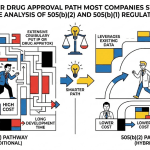
The cost differential between a full 505(b)(1) NDA, a 505(b)(2) NDA, and a 505(j) ANDA is not marginal. It is structural.
A full 505(b)(1) NDA for a new chemical entity requires Phase I safety studies, Phase II dose-finding trials, and Phase III pivotal efficacy trials in the target population. The total pre-clinical and clinical investment typically runs from $500 million to over $2 billion depending on therapeutic area, indication complexity, and trial size requirements. Oncology programs routinely exceed $1 billion; cardiovascular outcomes trials can cost more than $500 million for the pivotal study alone. These figures reflect both direct costs and the time value of capital deployed over development periods that frequently span 10 to 15 years.
A 505(b)(2) NDA compresses that investment substantially. The applicant can rely on existing safety and efficacy findings for the reference compound, typically limiting clinical requirements to bridging studies that demonstrate the product’s specific characteristics. For a new formulation of a well-characterized molecule, the clinical program might consist of bioavailability and pharmacokinetic studies plus perhaps one comparative efficacy study or a single indication-specific trial. Total development costs for a 505(b)(2) program typically run from $20 million to $100 million, though complex indications or novel routes of administration can push that figure higher. The development timeline generally runs three to six years from program initiation to NDA filing.
A 505(j) ANDA requires pharmaceutical development work (formulation, scale-up, stability testing), bioequivalence studies, and the full manufacturing quality package, but no clinical trials demonstrating safety or efficacy. Total development costs for a straightforward small-molecule ANDA typically run from $1 million to $5 million, with complex drug products such as inhalation therapies or transdermal systems costing $10 million to $50 million or more. Development timelines run two to four years for most products.
The FDA’s Generic Drug User Fee Act (GDUFA) fee structure reflects these differences. Fiscal year 2025 fees for a complete ANDA without prior approval from a Type II drug master file holder ran approximately $162,000. The NDA fee for a full application was over $3.7 million. The 505(b)(2) application falls under NDA fee structures.
Time to Market: What the FDA Clock Actually Shows
FDA review timelines differ materially across pathways. The FDA’s performance goals under PDUFA (Prescription Drug User Fee Act) for standard NDAs set a 12-month review target; priority review applications get a six-month target. First-cycle approval rates for NDAs average approximately 60%, meaning roughly 40% require a Complete Response Letter and additional work before approval.
ANDA review timelines have historically been much longer due to the volume of applications and backlogs accumulated before GDUFA established user fees and performance targets. The FDA’s backlog peaked at over 4,000 pending ANDAs in 2012. The GDUFA program significantly improved review times, with the FDA committing to review 90% of original ANDAs within 10 months of filing. Actual median review times have fluctuated with submission volumes and complex product categories.
The first-cycle approval rate for ANDAs has been a persistent challenge. The FDA’s own data shows that roughly 60% to 70% of ANDAs receive deficiencies on first review, primarily related to manufacturing quality, bioequivalence study design, or labeling issues. Companies that invest in pre-submission meetings with the FDA (available through the Generic Drug Related Programs) and rigorous manufacturing process development achieve meaningfully better first-cycle outcomes.
For 505(b)(2) applications, review timelines depend heavily on whether the application requires advisory committee review, whether clinical data are novel, and what the FDA’s familiarity with the underlying molecule is. Applications for well-characterized molecules with straightforward formulation changes can receive priority review if they address unmet medical needs, while standard review applications for less differentiated products may move more slowly.
Revenue Potential and Pricing Dynamics
The revenue models for 505(b)(2) and 505(j) products differ fundamentally in both magnitude and durability.
A successful 505(b)(2) product with meaningful differentiation, appropriate exclusivity, and effective commercial execution can achieve peak annual revenues of $100 million to $500 million or more for a specialty product. Some 505(b)(2) products have achieved blockbuster status. Allergan’s Namenda XR (memantine extended-release) and Shire’s Vyvanse represent different ends of the spectrum, but both demonstrate that reformulated and repositioned products can achieve commercial scale comparable to novel drugs. Pricing for 505(b)(2) products follows brand pharmaceutical conventions: negotiated contracts with PBMs, list prices that may be multiples of the underlying molecule’s commodity cost, and rebate structures that vary by payer segment.
A first-filer ANDA capturing 180-day exclusivity in a high-revenue generic market can generate significant short-term cash flows. A generic entering a market with $1 billion in branded sales, capturing 50% market share at 25% of the brand price, generates $125 million in revenue during the 180-day period. After exclusivity expires and additional competitors enter, pricing converges toward marginal cost of manufacturing, typically $10 million to $30 million in annual revenue for a single manufacturer in a competitive generic market.
The revenue persistence of a 505(b)(2) product generally exceeds that of a standard ANDA product by years, assuming the 505(b)(2) holder has maintained adequate patent and exclusivity protection. A company that establishes a 505(b)(2) product and consistently defends against Paragraph IV ANDA challenges can maintain market position for five to ten years post-approval. That durability justifies the higher development investment relative to an ANDA. <blockquote> “The 505(b)(2) pathway has become the dominant development strategy for specialty pharma companies. In fiscal year 2023, 505(b)(2) applications represented over 40% of NDA submissions to the FDA, up from less than 20% a decade earlier.” — FDA Center for Drug Evaluation and Research, NDA and BLA Calendar Year Approvals Report, 2023 [1] </blockquote>
Part Five: Strategic Decision Framework
When 505(b)(2) Is the Right Answer
The 505(b)(2) pathway is the right choice when a company has identified a modification to an existing molecule that creates clinically meaningful differentiation and supports a brand-style commercial model. There are four conditions that most reliably indicate a 505(b)(2) strategy will deliver superior returns.
The first is when the modification generates patentable intellectual property. The value of 505(b)(2) development rests largely on the company’s ability to protect the resulting product from generic competition through Orange Book-listed patents. Formulation patents, process patents, and method-of-treatment patents must be strategically layered to maximize the exclusivity window. A 505(b)(2) program that generates a product with no patentable features beyond a narrow period of data exclusivity is unlikely to justify the development investment over an ANDA.
The second condition is when there is genuine clinical differentiation that payers and physicians will recognize. A once-daily formulation of a twice-daily drug has real patient adherence value that prescribers understand and payers can sometimes accommodate. An abuse-deterrent formulation has safety advantages that generate formulary preference in managed care networks. A new route of administration that eliminates injections has patient satisfaction benefits. These are commercially exploitable differences. A formulation that is merely different, without demonstrable clinical advantage, will struggle to maintain premium pricing against generic competition.
The third condition is when the therapeutic category supports specialty pharmaceutical distribution and contracting. Some categories, including central nervous system disorders, oncology supportive care, and dermatology, have commercial infrastructure that allows 505(b)(2) products to compete on clinical differentiation. Categories with high generic substitution rates and PBM-driven formulary management are more challenging environments for 505(b)(2) products.
The fourth condition is when the target indication has patient population characteristics that support data exclusivity claims. A 505(b)(2) application for a new indication in a pediatric population, for example, can access pediatric exclusivity in addition to any three-year new clinical investigations exclusivity, potentially creating a multi-year protected period.
When 505(j) Is the Right Answer
The ANDA pathway is the right choice when a company is optimizing for capital efficiency, wants to capture a defined cash flow opportunity in an established market, or lacks the commercial infrastructure to support a branded specialty product.
The clearest signal for 505(j) is when the target product is a mature molecule with significant branded sales, patent expiry approaching or past, and limited opportunity for clinically meaningful modification. Generic companies that have built scale in manufacturing and distribution can earn attractive returns on ANDA programs even in competitive markets, because their cost of goods is substantially lower than specialty pharmaceutical companies and their commercial infrastructure (primarily through wholesalers and pharmacy chains) is already in place.
The 180-day exclusivity opportunity remains the most compelling financial case for aggressive ANDA filing. Companies that systematically analyze Orange Book patent expiries, identify drugs with approaching patent cliffs and limited secondary patent protection, and file first-to-file ANDAs with Paragraph IV certifications can build a pipeline of 180-day exclusivity opportunities that generates predictable cash flows year over year. This is the core business model of major generic pharmaceutical companies, and it requires sophisticated patent intelligence to execute.
The risk of the ANDA approach is concentrated in patent litigation. A Paragraph IV certification that triggers a 30-month stay and requires expensive patent litigation to resolve can consume $10 million to $30 million in legal costs over the course of a three-to-five-year trial. If the generic company loses, they lose both the litigation investment and potentially the opportunity to market the product for years. Companies need to be selective about which Paragraph IV challenges they pursue, concentrating resources on patents with genuine vulnerabilities rather than filing challenges indiscriminately.
The Hybrid Portfolio Strategy
Most sophisticated pharmaceutical companies do not choose exclusively between 505(b)(2) and 505(j). They run portfolios that use both, with each product strategy selected based on the specific opportunity.
A company might maintain a specialty pharmaceutical segment built on 505(b)(2) products while also operating a generics division that files ANDAs on mature molecules. The cash flows from the generics business can fund the higher-risk 505(b)(2) development programs. The 505(b)(2) products, when successful, generate the premium pricing and margin that justifies the company’s specialty commercial infrastructure.
The portfolio management challenge is preventing the two business models from competing for capital allocation at the expense of each other. The development timelines are different, the risk profiles are different, and the commercial requirements are different. Companies that try to run a hybrid strategy without genuinely separating the organizational capabilities tend to underinvest in one or the other.
Endo International, Mallinckrodt, and several other specialty/generic hybrid companies that encountered financial difficulties demonstrated that the hybrid model creates specific strategic tensions when product exclusivities erode simultaneously and the generics business is exposed to margin compression at the same time the specialty pipeline faces development setbacks. The model works when balanced; it creates fragility when the timing of exclusivity and development risk concentrates negative outcomes.
Part Six: Patent Landscape Analysis in Practice
Reading the Orange Book for Competitive Intelligence
The Orange Book is free, publicly available, and almost universally underutilized by the professionals who should be mining it daily. The database contains, for every approved drug product, the active ingredient, dosage form, route, strength, approval date, applicant, and every patent that the NDA holder has certified as qualifying for listing. For each patent, it shows the expiration date and whether any use code restrictions apply.
Reading the Orange Book strategically means treating it as a map of future competitive opportunities. Every drug approaching a patent cliff is a potential ANDA opportunity. Every drug with a patent expiry more than three to five years out is a potential 505(b)(2) opportunity, if the molecule has characteristics that support reformulation. Every drug with weak or narrow patent coverage relative to its commercial size is a potential Paragraph IV target.
The Orange Book does not tell you everything, though. It does not show you pending applications, it does not tell you about patents that the NDA holder chose not to list (or was not required to list, such as process patents), and it does not reveal the specific claims of the listed patents. For that level of analysis, you need to go to the full patent text.
DrugPatentWatch aggregates Orange Book data with full patent text, patent claims analysis, ANDA filing data, litigation records, and exclusivity status in a single platform. The practical value of that aggregation is significant: an analyst evaluating a potential ANDA target can, within an hour, determine which patents cover the product, when they expire, which applicants have already filed Paragraph IV certifications, whether any 30-month stays are currently running, whether first-filer exclusivity has been claimed, and what the litigation outcome history looks like for the relevant patent holder. That analysis, done manually against USPTO and FDA data, might take days.
Patent Clustering and the Evergreening Question
Patent clustering, often called “evergreening” in the critical literature, describes the practice of obtaining multiple patents covering different aspects of a single drug product to extend effective market exclusivity beyond the original composition-of-matter patent expiry. The practice is legal, common, and the subject of substantial policy debate.
A typical brand pharmaceutical company managing a high-revenue product will seek patents on the original molecule, any active metabolites or prodrugs, specific crystalline forms of the drug substance, specific formulations (particularly those that support new dosage forms or delivery mechanisms), manufacturing processes, and methods of treatment for specific patient populations or combinations with other drugs. Each of those patents can be listed in the Orange Book if it meets the statutory criteria, and each one requires a Paragraph IV certification and potentially a separate 30-month stay.
The data on patent clustering are clear. A 2019 analysis published in JAMA Internal Medicine found that 78% of drug products associated with new patent protections had no new active ingredients, meaning the patents extended exclusivity on existing molecules rather than protecting novel compounds [2]. The median number of patents per drug product has increased from approximately two in the 1980s to more than four today, and the gap between the original composition-of-matter patent expiry and the final Orange Book patent expiry has expanded accordingly.
For 505(j) ANDA applicants, patent clustering creates a more complex litigation environment. A company challenging a drug covered by eight Orange Book patents faces the possibility of eight separate Paragraph IV certifications, eight separate 45-day windows for suit, and potentially eight separate 30-month stays (though courts have generally limited the ability to stack multiple stays). The litigation complexity and cost rise with each additional patent. DrugPatentWatch’s patent landscape views allow ANDA applicants to assess the full scope of the patent barrier before committing to a development program.
For 505(b)(2) applicants, patent clustering on the reference drug can actually be an opportunity rather than a barrier. If the reference drug’s primary composition-of-matter patent has expired but secondary patents covering specific formulations remain, a 505(b)(2) applicant developing a new formulation is developing around those secondary patents anyway. The fact that the competitor’s formulation patents exist is evidence that the reformulation space has commercial value.
Skinny Labels and Carve-Outs
When a brand drug is approved for multiple indications and the Orange Book lists patents covering some indications but not others, ANDA applicants can pursue a “skinny label” strategy. The generic applicant files a Paragraph II or III certification against the patented indications (acknowledging the patent is valid and unexpired) while filing a Paragraph IV or no certification against the unpatented indication, and proposes a label that “carves out” the patented indications.
The skinny label strategy allows generic entry for the unpatented uses while avoiding infringement of the method-of-treatment patents covering patented indications. It has been commercially successful in several markets, including the antidepressant and antihypertensive categories.
The strategy is not without legal risk. The brand pharmaceutical company can argue that despite the label carve-out, the generic product will inevitably be used for the patented indications (known as “induced infringement”), particularly when the patented indication represents the dominant use of the drug. GSK v. Teva, a case involving carvedilol’s heart failure indication, resulted in liability for Teva under an induced infringement theory even with a carved-out label, generating significant uncertainty in the generic industry about the reliability of the skinny label defense. The Federal Circuit’s 2021 decision affirming that liability, and the subsequent denial of en banc review, has caused many generic companies to reassess the risk-benefit calculus of skinny label strategies for drugs with large patented indications [3].
Part Seven: FDA Review Mechanics in Detail
The 505(b)(2) Filing and Review Process
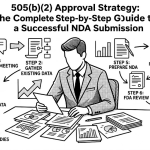
Filing a 505(b)(2) NDA requires the full CTD (Common Technical Document) format, including Quality (Module 3), Nonclinical (Module 4), and Clinical (Module 5) sections. The key distinction from a 505(b)(1) NDA is that Module 5 need not contain a complete clinical package. The applicant instead cites specific published studies or FDA findings for the elements they are relying on, includes bridging data to connect those prior findings to the new product, and provides whatever clinical data the FDA requires to satisfy itself about the differentiated aspects of the new product.
The FDA’s guidance on 505(b)(2) applications, including a series of guidance documents issued between 1999 and 2020, specifies the types of data generally required for different modification categories. For a new formulation of an approved drug, the FDA typically requires comparative bioavailability studies showing how the new formulation relates to the RLD, stability data, and labeling bridging. For a new indication, the FDA requires adequate and well-controlled clinical trials demonstrating efficacy and safety in the target population.
Pre-NDA meetings with the FDA, available through the Type B meeting request process, are particularly valuable for 505(b)(2) applications. These meetings allow the applicant to confirm with the FDA what data package is required for approval before committing to the full development investment. FDA feedback at pre-NDA meetings can prevent the kind of costly surprises that show up in Complete Response Letters after a full review cycle.
The FDA’s NDA review division assignment for 505(b)(2) applications follows the therapeutic category of the reference drug, not any special 505(b)(2)-specific review group. A 505(b)(2) for a new formulation of an antidepressant goes to the Division of Psychiatry, the same division that reviewed the original NDA. This matters because the review team’s familiarity with the reference drug can either accelerate or complicate the review, depending on what the previous approval history looks like.
The ANDA Filing and Review Process
An ANDA submission comprises three principal components: the pharmaceutical quality section demonstrating that the drug product meets all applicable compendial and specification requirements; the bioequivalence section containing the pivotal bioequivalence study results and protocol; and the labeling section showing that the proposed labeling matches the RLD labeling, with appropriate exclusions for any patent-protected elements.
The FDA’s Office of Generic Drugs (OGD) reviews ANDAs through a multi-disciplinary team process. Chemistry reviewers assess the drug substance and drug product quality submissions. Bioequivalence reviewers evaluate the study design, execution, and statistical analysis of the bioequivalence data. Labeling reviewers compare the proposed labeling against the current RLD label. Each reviewer can generate deficiencies independently, and the first Complete Response Letter to a deficient ANDA addresses all identified deficiencies across all review disciplines.
The pre-ANDA program, formalized under GDUFA II, allows applicants to request meetings with OGD before filing to discuss complex formulations, novel bioequivalence study designs, or other issues that could affect review outcome. Utilization of the pre-ANDA program has been associated with improved first-cycle approval rates for complex products.
The FDA also publishes product-specific guidances (PSGs) for the most commonly filed generic drug products, specifying the recommended bioequivalence approach, study design, and acceptance criteria for each product. PSGs reduce uncertainty for applicants developing generic versions of drugs with bioequivalence challenges. Currently, the FDA has published PSGs for hundreds of drug products, covering most of the major generic market opportunities. DrugPatentWatch links PSG availability to patent and exclusivity data, allowing companies to assess the full regulatory and IP picture for a potential ANDA candidate in one view.
Part Eight: Real-World Case Studies
505(b)(2) Successes: What Actually Worked
Suboxone Film (Buprenorphine/Naloxone): Reckitt Benckiser (now Indivior) converted the buprenorphine/naloxone combination from a sublingual tablet formulation to a sublingual film. The new formulation offered several advantages over tablets: reduced diversion risk because films could not be crushed as easily, faster dissolution, and better dosing precision. The company filed a 505(b)(2) application relying on the existing safety and efficacy data for the tablet formulation. FDA approved the film in 2010. The film formulation obtained multiple Orange Book-listed patents covering the film delivery technology and method of use. When generic versions of the original tablet formulation entered the market, Indivior had largely shifted patients to the film formulation, protecting its revenue base. Peak U.S. revenues for the film exceeded $1 billion annually [4].
Namenda XR (Memantine Extended-Release): Forest Laboratories (later acquired by Allergan) developed an extended-release formulation of memantine, approved as immediate-release Namenda. The 505(b)(2) application relied on the existing Namenda clinical database while adding comparative studies for the extended-release formulation. FDA approved Namenda XR in 2010 with a once-daily dosing profile versus twice-daily for the immediate-release. Forest obtained patents on the extended-release formulation that were listed in the Orange Book, and when the underlying memantine composition patent neared expiry, Forest attempted a “product hop” by withdrawing the immediate-release product to force patients and payers toward the still-protected extended-release. A court order reversed that withdrawal, but the strategic logic of using a 505(b)(2) extended-release formulation to extend market position was operationally sound [5].
Jublia (Efinaconazole Topical Solution): Valeant Pharmaceuticals (now Bausch Health) developed a topical antifungal solution for onychomycosis using an existing azole antifungal compound in a new topical formulation. The 505(b)(2) application relied on the class knowledge of azole antifungal activity while presenting clinical data specifically in the nail fungus indication. The product achieved substantial commercial success in the dermatology market with pricing that reflected specialty pharmaceutical contracting practices. The case illustrates that even when the active moiety is well-understood, a genuinely differentiated formulation for a condition with limited treatment alternatives can support a premium commercial model.
505(j) Successes: Where ANDA Economics Work
Teva’s Generic Provigil (Modafinil): Teva Pharmaceutical Industries was among the first ANDA filers for generic modafinil, Cephalon’s sleep disorder drug generating approximately $1.2 billion in annual U.S. sales at peak. The litigation over Cephalon’s Orange Book-listed patents resulted in a settlement in 2006 that the FTC later characterized as a “pay-for-delay” agreement, under which generic entry was delayed in exchange for Cephalon payments to the generic companies. The settlement and subsequent FTC enforcement action became the foundational case for FTC scrutiny of reverse payment settlements. But from a pure ANDA strategy perspective, the filing illustrated the cash flow potential of first-to-file on a high-revenue branded product [6].
Mylan’s EpiPen Generic: Mylan’s authorized generic strategy for the EpiPen epinephrine auto-injector, developed through an ANDA process after the base patents expired, demonstrated how ANDA strategy can both capture market share in an established market and expose a company to public scrutiny over pricing. The authorized generic, launched through Mylan’s subsidiary as part of the initial generic competition, generated significant revenue while the broader pricing controversy over the branded product generated Congressional hearings. The EpiPen situation is instructive about the commercial sensitivity of generic market entry in high-profile therapeutic categories.
Teva and Ranbaxy’s Generic Atorvastatin: The Paragraph IV litigation over Pfizer’s Lipitor (atorvastatin) patents, the world’s best-selling drug, generated the most commercially significant first-filer exclusivity ever contested. Teva ultimately earned 180-day exclusivity for generic atorvastatin and launched in November 2011 when the primary patent expired. The 180-day period for a drug with approximately $5 billion in U.S. annual sales generated revenue that, by most estimates, exceeded $1 billion for Teva in six months [7]. The Lipitor generic launch remains the definitive case study in 180-day exclusivity economics.
Part Nine: The Role of Competitive Intelligence
Patent Expiry Tracking as a Core Competency
The most systematically profitable generic pharmaceutical companies treat patent expiry tracking as an operational discipline rather than an ad hoc research exercise. They maintain rolling five-year and ten-year patent expiry calendars for the drugs in their development focus areas, updating those calendars continuously as new patents are listed, as litigation outcomes shift expected expiry dates, and as FDA decisions create or eliminate exclusivity periods.
The challenge is data quality and completeness. The Orange Book lists patents that NDA holders have submitted to the FDA, but patent listings can be untimely, incorrect, or strategically omitted. Secondary patents may not be listed at all if the NDA holder concludes they do not meet the statutory listing criteria. District court decisions can invalidate listed patents, removing them from Orange Book consideration. The patent expiry date for a given drug as shown in the Orange Book may differ materially from the date that the competitive field actually opens, because of ongoing litigation, patent term extension calculations, or regulatory exclusivity periods that run independently.
DrugPatentWatch addresses this complexity by maintaining curated patent expiry data that accounts for patent term adjustments, patent term extensions, and the current litigation status of Paragraph IV challenges. A drug company assessing a potential ANDA target can use the platform to see not just the nominal patent expiry date, but the litigation history, the status of any pending Paragraph IV challenges, and the exclusivity periods that run independently of the patents. That synthesis of FDA and USPTO data into a single actionable intelligence product represents genuine competitive advantage for the companies that use it systematically.
Freedom to Operate Analysis for 505(b)(2) Programs
A 505(b)(2) program requires not just understanding the Orange Book patents on the reference drug, but conducting a broader freedom-to-operate (FTO) analysis covering the full patent landscape around the target molecule and proposed formulation. The FTO analysis identifies patents that might be infringed by the manufacture, sale, or use of the 505(b)(2) product that are not Orange Book-listed and therefore do not create Hatch-Waxman automatic stay protections.
Process patents are the most common non-Orange-Book IP risk for 505(b)(2) programs. A company developing a new formulation of an existing molecule may need to use a synthesis or purification process that is covered by a valid patent held by the reference drug’s manufacturer or a third party. Those process patents do not require listing in the Orange Book (they do not claim the drug or a method of using it), but they can support infringement claims in district court outside the Hatch-Waxman framework.
Crystalline form patents present a similar challenge. If the reference drug’s manufacturer holds patents on specific crystalline polymorphs of the active ingredient, and the 505(b)(2) applicant needs to use one of those polymorphs to achieve the desired formulation performance, the applicant may need either a license or a non-infringing polymorph. The FTO analysis for crystalline forms requires access to the full patent landscape for the drug substance, not just the Orange Book listing.
Monitoring Competitor ANDA Pipeline Activity
For 505(b)(2) applicants protecting their market position, monitoring the ANDA landscape is a continuous competitive intelligence exercise. An NDA holder needs to know when the first Paragraph IV certification arrives against any of its Orange Book-listed patents, how many additional ANDA applicants are in the pipeline, and what the technical quality of those ANDA programs appears to be.
The Paragraph IV certification notification, which ANDA applicants must send directly to the NDA holder within 20 days of filing, provides the starting signal. The NDA holder then has 45 days to file suit. The content of the notice letter, which must include a detailed statement of the bases on which the applicant contends the patent is invalid or not infringed, provides the first look at the generic company’s legal theory. Experienced patent counsel read those notice letters carefully, because they reveal both the strength of the challenge and the specific formulations and processes the generic company intends to use.
Public records of ANDA filings, available through the FDA’s Paragraph IV certification database, show how many applicants have filed against a given drug without revealing the specific contents of the ANDA. DrugPatentWatch’s paragraph IV tracking tools consolidate these filings with patent and litigation status data, giving brand companies a real-time view of the competitive challenge queue for their products.
Part Ten: Regulatory Strategy Integration
Pre-Submission Strategies That Change Outcomes
The single most valuable pre-submission activity for both 505(b)(2) and ANDA programs is meaningful engagement with the FDA before the application is filed. For 505(b)(2) programs, this means requesting Type B meetings with the relevant NDA review division to confirm the data package required for approval. For ANDA programs, it means using the pre-ANDA meeting program for complex products and reviewing available product-specific guidances before finalizing study designs.
The economics of pre-submission engagement are asymmetric in favor of the applicant. A Type B meeting costs the company several months of planning time and perhaps $250,000 in regulatory consulting fees. A complete response letter following a failed review cycle can delay approval by 12 to 18 months and require additional clinical or manufacturing investment that might run $5 million to $50 million. The cost-benefit calculation favors extensive pre-submission engagement in almost every case.
The FDA’s pilot programs for enhanced review predictability, including the Real-Time Oncology Review pilot and various complex drug substance and product review initiatives, have demonstrated that the FDA is willing to engage more deeply with applicants during development when the product has significant public health importance. 505(b)(2) applicants targeting serious conditions with unmet medical needs should evaluate whether those expedited programs apply to their products, both for review timeline benefits and for the regulatory signal value that designation sends to potential partners and investors.
Labeling Strategy as Competitive Moat
The approved labeling for a drug product is simultaneously a regulatory requirement, a legal document, and a marketing instrument. For 505(b)(2) products, labeling strategy requires attention to three distinct objectives: securing language that supports the clinical differentiation the product offers, ensuring that the labeling does not inadvertently carve a pathway for ANDA applicants through narrow indication language, and protecting any Orange Book-listed patent method-of-use claims through sufficiently specific labeling.
The method-of-use patent listing in the Orange Book requires a Use Code that describes the specific use covered by the patent claim. ANDA applicants seeking to carve out the patented use must ensure their proposed labeling omits that use, and the FDA will evaluate whether the carve-out is scientifically permissible (i.e., whether a separate label without the patented indication is coherent and safe). NDA holders should work with Orange Book patent listings carefully to describe patent-protected uses in terms that make carve-out labeling difficult.
For 505(b)(2) applications, the label approved by the FDA becomes the foundational document for the product’s commercial model. Labeling that clearly describes the specific patient population benefit, the clinical data supporting the benefit, and any administration or monitoring advantages the formulation provides is worth significant commercial investment to secure. Regulatory counsel working on 505(b)(2) labeling should engage in parallel with medical affairs and commercial teams, not in sequence after the regulatory filing is complete.
Citizen Petitions: Defensive and Offensive Uses
The citizen petition process allows any person to petition the FDA to take a specific regulatory action. Brand pharmaceutical companies frequently file citizen petitions requesting that the FDA require additional safety or efficacy data from ANDA applicants, typically arguing that the generic product cannot be demonstrated bioequivalent to the RLD without additional studies beyond standard pharmacokinetic bioequivalence.
The FDA Amendments Act of 2007 restricted the ability to use citizen petitions as delay tactics by requiring the FDA to respond to citizen petitions within 150 days of filing, and specifically barring approval delays based on citizen petitions not filed before an NDA or ANDA is submitted. The FDA cannot delay approval of an ANDA past its otherwise-applicable date solely to complete review of a citizen petition.
Despite those restrictions, citizen petitions remain a meaningful tool. A legitimate petition raising genuine scientific issues about bioequivalence methodology or safety labeling can delay approval and require the FDA to address the issues raised before final approval. Generic companies and 505(b)(2) applicants should monitor citizen petition activity against their target products through the FDA’s petition database, which is publicly available and searchable.
Part Eleven: The Regulatory Arbitrage Thesis
Finding the Gap Between Protection and Exploitation
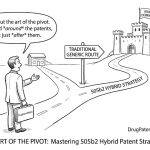
Strategic regulatory arbitrage in pharmaceutical development means identifying the space between what a molecule’s patent and data protection actually covers and what commercial opportunity remains accessible before, around, or after that protection. The 505(b)(2) pathway is specifically designed to occupy that space from the innovator’s perspective. The 505(j) pathway is designed to access the space after protection expires or can be challenged.
The most sophisticated participants in either pathway approach the selection not as a binary choice but as a function of where the target molecule is in its IP lifecycle and where the modification opportunity exists. A molecule in year three of an eight-year composition patent with a thin secondary patent portfolio is a candidate for either a 505(j) ANDA filing in year nine or a 505(b)(2) filing now that creates a new product with its own IP before the window closes. A molecule with 15 years of composition patent protection but a new formulation opportunity that the innovator has not pursued is a 505(b)(2) opportunity that creates independent IP without fighting the existing patent structure.
The arbitrage is not purely legal. It requires scientific assessment of whether a modification is achievable at commercially viable cost, clinical assessment of whether the modification creates value that the market will recognize, commercial assessment of whether the resulting product can be sold profitably given the competitive landscape, and financial assessment of whether the expected value of the program justifies the investment and risk.
Companies that execute this analysis systematically and at scale, building institutional knowledge of which molecule classes and modification types reliably generate approvable and commercially viable 505(b)(2) products, build durable competitive advantages. Specialty pharmaceutical companies including Jazz Pharmaceuticals, Supernus Pharmaceuticals, and Assertio Therapeutics have built their business models substantially on 505(b)(2) programs.
The Impact of FDA Policy Evolution on Pathway Selection
The FDA has not been a passive regulator in the 505(b)(2) and ANDA spaces. Policy changes over the past two decades have meaningfully shifted the economics and risk profiles of both pathways.
The FDA’s 2014 guidance on abuse-deterrent opioid formulations created a category of 505(b)(2) labeling that explicitly acknowledges abuse-deterrent properties and supports clinical differentiation claims [8]. That guidance made abuse-deterrent formulations a commercially viable 505(b)(2) opportunity, generating significant investment from companies including Purdue Pharma (OxyContin extended-release), Pfizer (Embeda), and Collegium Pharmaceutical (Xtampza ER). The subsequent opioid crisis scrutiny changed the commercial landscape for these products, but the regulatory framework for clinically differentiated controlled substances was established.
The FDA’s complex drug substance and drug product initiative, which focused resources on improving ANDA review quality and timelines for products including inhalation therapies, topical formulations, and transdermal systems, has affected the ANDA competitive landscape for complex generics. Products that previously faced review delays of five years or more due to bioequivalence assessment uncertainty have moved through the pipeline more predictably, increasing the number of generic competitors in complex product categories.
The FDA’s Project Orbis and other international collaboration programs have created opportunities for companies to pursue coordinated global regulatory strategies that use data from a single clinical program to support approvals in multiple jurisdictions. For 505(b)(2) applicants with international ambitions, a clinical package designed to meet FDA requirements may with appropriate planning also support EMA or Health Canada approval, reducing the total development cost for a product with global commercial potential.
Part Twelve: Investor and M&A Implications
Valuing 505(b)(2) vs. ANDA Pipeline Assets
From an investment perspective, 505(b)(2) and ANDA pipeline assets are fundamentally different instruments despite both being pharmaceutical development programs. Understanding that difference is essential for valuing companies with mixed portfolios, assessing acquisition targets, or underwriting royalty financing structures.
A 505(b)(2) pipeline asset is valued primarily on expected commercial peak sales, patent-protected market duration, probability of FDA approval, and time to approval. The discounted cash flow model for a 505(b)(2) product looks similar to a specialty pharmaceutical DCF, with risk adjustments for clinical failure, regulatory rejection, and competitive erosion. Key uncertainties include whether the clinical differentiation claim will hold up in the market, whether payers will accommodate the price premium, and whether Paragraph IV challenges will substantially erode the exclusivity window.
An ANDA pipeline asset is valued primarily on the size of the branded market being targeted, probability of first-to-file exclusivity, time to launch, and the competitive field that will exist after 180-day exclusivity expires. The DCF for an ANDA with 180-day exclusivity has a specific shape: large near-term cash flows during the exclusivity period followed by rapid attrition as additional generic competitors enter. The terminal value of most ANDA assets is low, because the long-term generic market is typically a commodity business with thin margins.
The M&A market for 505(b)(2) assets has been active over the past decade. Transactions including Allergan’s acquisition of Forest Laboratories, Jazz Pharmaceuticals’ acquisitions of specialty sleep and oncology products, and numerous royalty financing deals with companies like Royalty Pharma have created a robust secondary market for 505(b)(2) intellectual property. Buyers are typically paying for exclusivity duration, patent quality, and commercial execution track record, and they are using DrugPatentWatch and similar tools to conduct patent landscape due diligence before executing transactions.
The Litigation Risk Factor in Valuation
Patent litigation risk is systematically underweighted in many pharmaceutical investment models, in part because it is difficult to quantify and in part because many transactions are structured with litigation indemnities that transfer the risk to sellers. But for investors holding the underlying equity, litigation risk is real and can be material.
The cost of defending an Orange Book patent portfolio through multiple Paragraph IV challenges over a five-year exclusivity period can run $30 million to $100 million in legal fees. If the patent holder loses one or more challenges, market exclusivity erodes, revenue falls, and the DCF valuation supporting an acquisition price may not hold. Several specialty pharmaceutical companies, including Depomed (now Assertio), have experienced material revenue impact from unexpected patent litigation outcomes.
For ANDA investors, the risk runs in the other direction. A company that has committed significant development capital to an ANDA program and is relying on the 180-day exclusivity opportunity can lose that investment if the Paragraph IV litigation goes against them, if a subsequent filer obtains a favorable litigation outcome and triggers a forfeiture, or if the brand company’s product hop strategy moves the market away from the formulation the generic was designed to match.
Part Thirteen: Emerging Considerations
Biosimilars and the 351(k) Parallel
The Biologics Price Competition and Innovation Act of 2009 created the 351(k) biosimilar pathway, which is structurally analogous to the Hatch-Waxman framework for small molecules. The biosimilar pathway allows applicants to rely on the safety and efficacy data for a reference biologic product, demonstrating biosimilarity or interchangeability rather than bioequivalence. The exclusivity framework for biosimilars includes 12-year reference product exclusivity, one-year period of exclusivity for the first interchangeable biosimilar, and patent resolution procedures modeled on Hatch-Waxman.
Companies with expertise in 505(b)(2) or 505(j) strategy have applied those strategic frameworks to biosimilar development with mixed results. The scientific and regulatory complexity of demonstrating biosimilarity is substantially greater than demonstrating small-molecule bioequivalence, and the patent landscapes for biologic products are typically larger and more complex than for small molecules. But the strategic logic is analogous: the FDA framework for relying on an existing reference product creates opportunities that parallel the 505(b)(2) and 505(j) structures in small molecules.
The interchangeability designation, which allows pharmacists to substitute a biosimilar for the reference biologic without physician intervention, is the biosimilar analog of AB therapeutic equivalence rating for generic drugs. Products rated interchangeable capture meaningfully higher market share than non-interchangeable biosimilars, creating a commercial incentive structure that parallels the 180-day exclusivity incentive in the ANDA world.
Complex Drug Products and the 505(b)(2) Opportunity
Complex drug products, including liposomal formulations, nanoparticle systems, drug-device combination products, and locally-acting products with complex pharmacokinetics, represent a growing opportunity for 505(b)(2) development. These products are difficult to demonstrate bioequivalent to by conventional pharmacokinetic studies, meaning ANDA applicants face substantial scientific hurdles in demonstrating sameness. The FDA’s own guidance acknowledges that bioequivalence for complex products may require in vivo studies, in vitro testing using organ-specific models, or clinical endpoint studies rather than standard systemic bioequivalence assessments.
For 505(b)(2) developers, the complexity creates opportunity. A new liposomal formulation of an existing cytotoxic agent, for example, can establish a distinct clinical profile (different PK/PD, different toxicity profile, different administration requirements) that supports independent clinical development, brand-style pricing, and a patent portfolio covering the novel delivery system. The FDA’s approval of products like Vyxeos (liposomal daunorubicin and cytarabine) and Doxil (liposomal doxorubicin) demonstrated that complex reformulations of existing cancer drugs can generate approvable NDAs with significant clinical differentiation claims.
The 505(b)(2) Role in Drug Repurposing
Drug repurposing, identifying new therapeutic applications for approved molecules, is one of the most capital-efficient strategies in pharmaceutical development. The safety profile of an approved drug is already established, meaning Phase I trials can often be abbreviated or eliminated for a new indication. The mechanism of action is understood, providing rational basis for the new application. And the regulatory framework is clear: a new indication for an approved drug almost always proceeds through the 505(b)(2) pathway.
The financial returns from repurposing programs depend primarily on the size of the new indication, the availability of exclusivity (three-year new clinical investigations exclusivity for a new indication, seven years for an orphan indication), and the competitive landscape. Repurposing programs that identify small but well-defined patient populations where the drug has genuine efficacy and for which there are no good alternatives are the most commercially predictable. Repurposing into large primary care indications with existing generic alternatives is far less commercially attractive, because even with temporary exclusivity, the long-term market dynamics favor commodity pricing.
Academic research institutions and biotech companies have developed platform approaches to drug repurposing that systematically screen approved drug databases against disease targets, looking for mechanistic matches that suggest repurposing potential. The computational infrastructure for this analysis has improved dramatically with advances in structural biology and machine learning. Companies that combine those computational screening capabilities with experienced 505(b)(2) regulatory execution are positioned to generate a pipeline of repurposing-based 505(b)(2) programs with more predictable development timelines and lower clinical risk than novel drug development.
Part Fourteen: Practical Decision Guide
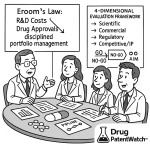
The Eight Questions That Determine Your Pathway
Companies evaluating whether a specific product opportunity should proceed as a 505(b)(2) or 505(j) program benefit from working through a structured decision sequence. The following questions frame that analysis:
What is the relationship between the proposed product and the reference drug? If the proposed product is pharmaceutically equivalent to an approved RLD, the 505(j) ANDA pathway is available and should be the starting point for economic analysis. If the proposed product differs in formulation, route, strength, or indication in a way that cannot be addressed through a suitability petition, the 505(b)(2) pathway is required.
What is the patent and exclusivity status of the reference drug? Review the Orange Book for all listed patents, their expiry dates, and any currently pending Paragraph IV challenges. Use DrugPatentWatch or equivalent patent intelligence tools to assess patent quality and litigation history. Determine whether any non-Orange Book IP creates freedom-to-operate issues.
Is there a first-filer exclusivity opportunity? Check whether any 505(j) applicant has already filed a Paragraph IV certification against the relevant patents. If yes, evaluate whether the scientific bases for challenge differ materially from what the first-filer is likely to argue, and whether the litigation timeline creates a viable opening.
What clinical differentiation is achievable? If proceeding with 505(b)(2), evaluate honestly whether the proposed modification creates a clinically meaningful benefit that prescribers will recognize and payers will accommodate. A formulation change that is pharmacologically identical to the original in all clinically relevant respects will struggle to maintain premium pricing against generic substitution.
What IP can the 505(b)(2) program generate? Engage patent counsel early in the formulation development process to identify patentable innovations in the formulation technology, delivery system, or method of use. The exclusivity value of a 505(b)(2) program is directly proportional to the quality and breadth of IP it generates.
What is the commercial infrastructure requirement? A 505(b)(2) specialty pharmaceutical product requires a commercial organization capable of detailing specialty physicians, contracting with managed care, and executing a branded launch. If that infrastructure is not in place or accessible through partnership, the commercial execution risk is material.
What is the capital availability for the program? 505(b)(2) programs require more capital than ANDA programs and take longer to generate returns. Ensure that the financial model accounts for the full development cost including clinical studies, regulatory fees, and patent prosecution, and that sufficient capital is available to complete the program without requiring dilutive financing at a critical stage.
What is the risk appetite and time horizon? ANDA programs generate cash flows faster and with lower clinical risk but produce less durable revenue. 505(b)(2) programs require larger upfront investment, take longer to generate returns, but produce revenues that persist longer when the program succeeds. The right answer depends on the company’s financial position, competitive strategy, and investor base expectations.
Key Takeaways
The 505(b)(2) and 505(j) pathways are not regulatory formalities. They are strategic architectures that determine market position, revenue durability, and competitive advantage for years after approval. Companies that treat pathway selection as an early-stage strategic decision, informed by rigorous patent landscape analysis, clinical differentiation assessment, and commercial execution planning, consistently outperform those that treat it as a late-stage regulatory technicality.
The 505(b)(2) pathway creates value by transforming existing science into new intellectual property. Its financial case depends on meaningful clinical differentiation, a defensible patent portfolio, and a commercial model that can support branded pricing. The pathway’s appeal is the combination of reduced development risk (because the underlying molecule’s safety is established) with brand pharmaceutical revenue potential (because the resulting product holds its own Orange Book protection). When those elements align, the return on development investment is exceptional.
The 505(j) ANDA pathway creates value by converting branded revenue into generic revenue at the moment patent protection expires or can be successfully challenged. First-to-file 180-day exclusivity remains the single best short-term return on investment in pharmaceutical development for products in established markets. The economic case for ANDA programs depends on patent intelligence quality: companies that identify the right targets, assess patent vulnerability accurately, and execute Paragraph IV challenges selectively build the most sustainable generic portfolios.
Patent landscape analysis is the foundational skill for both strategies. The Orange Book, supplemented by the kind of integrated patent and litigation intelligence that DrugPatentWatch provides, is the primary data source for identifying opportunities, assessing risks, and monitoring competitive threats. Companies that invest in systematic patent intelligence infrastructure and apply it consistently to development portfolio decisions outcompete those that rely on sporadic, deal-specific analysis.
The decision between 505(b)(2) and 505(j) should be made at the molecule identification stage, not after development work is underway. Retroactively redesigning a program to accommodate a different regulatory pathway is expensive and often impossible without restarting key activities. Building the regulatory strategy into the earliest stages of target selection and development planning is what separates companies that execute reliably from those that absorb avoidable costs.
The FDA’s regulatory framework is neither static nor neutral. Policy changes on abuse-deterrent formulations, complex drug bioequivalence, orphan designations, and pediatric exclusivity have materially shifted the economics of both pathways over the past decade. Companies that track FDA policy development and anticipate regulatory changes position themselves to enter categories before they become crowded and exit before policy shifts erode competitive advantages.
FAQ
Q1: Can a company convert an ongoing ANDA program into a 505(b)(2) application if they discover a meaningful formulation difference during development?
A. In theory, yes, but the practical complications are significant. Converting an ANDA to a 505(b)(2) application requires the company to demonstrate that the formulation difference is clinically meaningful and scientifically justifiable as a basis for a separate NDA-level approval. The FDA will expect a data package appropriate for the 505(b)(2) pathway, which may include additional clinical studies that were not planned or conducted during the ANDA development program. The regulatory and legal implications also differ: a 505(b)(2) applicant has different patent certification obligations, different exclusivity potential, and different commercial rights than an ANDA applicant. Companies that discover meaningful formulation differences during ANDA development should consult regulatory counsel immediately and evaluate the full strategic implications before deciding whether to convert, continue as an ANDA, or pause the program.
Q2: How does the FDA evaluate “reliance” in a 505(b)(2) application when the published literature supporting safety findings is old or methodologically limited by current standards?
A. The FDA’s position on older safety literature in 505(b)(2) applications is pragmatic rather than categorical. The agency evaluates whether the existing data are adequate to support the safety and efficacy conclusions being relied upon, taking into account current scientific standards and the specific modification being made. Old data may be adequate for well-characterized safety parameters but inadequate for newer endpoints or safety signals that post-date the original studies. In practice, a 505(b)(2) applicant relying on older literature should address in the application how the existing data supports its safety and efficacy conclusions, acknowledge any limitations in the data, and explain why those limitations do not undermine the reliance rationale. Type B pre-NDA meetings are the right forum to resolve FDA questions about adequacy of older literature before filing.
Q3: What happens to a first-filer’s 180-day exclusivity if the patent they challenged is listed as part of a patent settlement rather than invalidated or found non-infringed through litigation?
A. Patent settlements in Paragraph IV cases are subject to FTC scrutiny and specific statutory forfeiture provisions. Under the Medicare Modernization Act, a first-filer forfeits 180-day exclusivity if they enter a first-filer agreement with the NDA holder that triggers the commercial market failure trigger in the statute, or if the FTC or Attorney General determines the agreement constitutes a violation of antitrust laws. The Supreme Court’s decision in FTC v. Actavis (2013) established that reverse payment settlements, where the brand pays the generic to delay entry, are subject to rule-of-reason antitrust analysis rather than presumptive validity. Any settlement where the brand pays value to the generic to resolve a Paragraph IV challenge carries antitrust risk that must be evaluated carefully before the settlement is structured.
Q4: For a 505(b)(2) program targeting a new indication for an approved oncology drug, how should a company approach the interaction between three-year new clinical investigations exclusivity and any orphan drug designation?
A. Three-year new clinical investigations exclusivity and orphan drug exclusivity can coexist and apply to different aspects of the same product, but they have different scopes and durations. Three-year NCI exclusivity protects the specific change approved based on new clinical data, meaning it blocks ANDAs and 505(b)(2) applications for the same change for three years. Orphan drug exclusivity is seven years and blocks FDA approval of the same drug for the same orphan condition, regardless of whether the subsequent application is an ANDA, a 505(b)(2), or a full NDA. If the orphan indication is the indication being approved in the new 505(b)(2) application, both exclusivity types apply simultaneously, with the longer orphan exclusivity typically controlling. The company should obtain orphan designation as early as possible in development to establish the condition-specific exclusivity claim, and should design the clinical program to satisfy both the FDA’s requirements for the new indication approval and any additional requirements specific to the pediatric or adult orphan population.
Q5: How should a company use patent intelligence platforms like DrugPatentWatch to identify 505(b)(2) opportunities that the originator company has not yet pursued?
A. The systematic approach to identifying unclaimed 505(b)(2) opportunities involves three parallel analyses. First, screen for approved drugs with approaching primary patent expiries (within five to eight years) in therapeutic categories with limited alternative treatment options, filtering for molecules with known formulation challenges (poor solubility, short half-life, gastrointestinal tolerability issues, dosing frequency problems) that a new formulation could address. DrugPatentWatch’s patent expiry calendar and Orange Book integration allow this screening in days rather than weeks of manual research. Second, review the NDA holder’s secondary patent portfolio to identify whether they have pursued formulation patents: a company that has not invested in formulation IP for a high-revenue molecule despite an obvious reformulation opportunity may have internal strategic reasons, or may simply have not prioritized it. Third, search the published scientific literature for academic or early-stage clinical work on the molecule in formulation contexts that the approved product has not addressed. The intersection of a molecule with clear reformulation opportunity, an originator that has not pursued that opportunity, and published scientific support for the feasibility of the modification is the core definition of an unclaimed 505(b)(2) opportunity.
Sources
[1] U.S. Food and Drug Administration. (2023). NDA and BLA Calendar Year Approvals: FY 2023 Report. Center for Drug Evaluation and Research. https://www.fda.gov/media/drug-approvals-and-databases
[2] Feldman, R. (2018). May your drug price be ever green. Journal of Law and the Biosciences, 5(3), 590-647. https://doi.org/10.1093/jlb/lsy022
[3] GlaxoSmithKline LLC v. Teva Pharmaceuticals USA, Inc., 7 F.4th 1320 (Fed. Cir. 2021).
[5] New York v. Actavis, PLC, 787 F.3d 638 (2d Cir. 2015).
[6] Federal Trade Commission. (2010). Pay-for-Delay: How Drug Company Pay-Offs Cost Consumers Billions. FTC. https://www.ftc.gov/reports/pay-delay-how-drug-company-pay-offs-cost-consumers-billions
[8] U.S. Food and Drug Administration. (2015). Abuse-Deterrent Opioids: Evaluation and Labeling. Guidance for Industry. https://www.fda.gov/drugs/guidance-compliance-regulatory-information/guidances-drugs
[9] Drug Price Competition and Patent Term Restoration Act of 1984, Pub. L. No. 98-417, 98 Stat. 1585 (codified as amended at 21 U.S.C. § 355 and 35 U.S.C. §§ 156, 271, 282).
[10] Medicare Prescription Drug, Improvement, and Modernization Act of 2003, Pub. L. No. 108-173, 117 Stat. 2066.
[11] FTC v. Actavis, Inc., 570 U.S. 136 (2013).
[12] U.S. Food and Drug Administration. (2019). Applications Covered by Section 505(b)(2). Guidance for Industry. https://www.fda.gov/media/72419/download
[13] Grabowski, H., Long, G., Mortimer, R., & Boyo, A. (2016). Updated trends in US brand-name and generic drug competition. Journal of Medical Economics, 19(9), 836-844. https://doi.org/10.1080/13696998.2016.1176578
[14] Berndt, E. R., & Aitken, M. (2011). Brand loyalty, generic entry and price competition in pharmaceuticals in the quarter century after the 1984 Waxman-Hatch legislation. International Journal of the Economics of Business, 18(2), 177-201. https://doi.org/10.1080/13571516.2011.584420
[15] Carrier, M. A. (2017). Innovation for the 21st Century: Harnessing the Power of Intellectual Property and Antitrust Law. Oxford University Press.
[16] DrugPatentWatch. (2024). Patent Expiry and ANDA Filing Intelligence Database. DrugPatentWatch. https://www.drugpatentwatch.com
[17] U.S. Food and Drug Administration, Office of Generic Drugs. (2023). GDUFA Reauthorization Performance Goals and Program Enhancements Fiscal Years 2023-2027. FDA. https://www.fda.gov/media/160797/download