Introduction: The Generic Paradox – Navigating a World of Brutal Competition and Essential Value
The generic pharmaceutical industry operates at the heart of a fundamental paradox. On one hand, it is the bedrock of modern healthcare systems, an indispensable force for access and affordability. In the United States, generic drugs account for more than 90% of all prescriptions filled, yet they represent a mere fraction—around 18% to 20%—of the nation’s total pharmaceutical expenditure.1 This staggering efficiency generates hundreds of billions of dollars in savings, enabling broader patient access to life-saving and life-altering treatments that would otherwise be prohibitively expensive.5 The societal value created by the generic industry is, without question, immense.
On the other hand, for the companies competing within this arena, the landscape is a “brutal, high-stakes gauntlet”. The very market dynamics that create such profound societal benefit—intense competition, relentless downward price pressure, and ever-tightening quality standards—are the same forces that perpetually threaten the industry’s long-term sustainability. The golden era of simply replicating blockbuster oral tablets like Lipitor and launching them into a welcoming market is definitively over. Today’s environment is a chaotic whirlwind of interconnected challenges: collapsing profit margins, a complex and fragmented global regulatory maze, fragile and geopolitically vulnerable supply chains, and new, disruptive government policies that rewrite the rules of market entry. As David Gaugh, the Interim President and CEO of the Association for Accessible Medicines (AAM), starkly warned, “The sustainability of our industry remains fragile”.
This fragility demands a new strategic playbook. Survival and, more importantly, profitable growth in the modern generic market are no longer guaranteed by scale or speed alone. They depend on a deliberate, disciplined transformation—a journey from chaos to clarity. This report is designed to be the definitive roadmap for that journey. It is a strategic guide for business professionals and portfolio managers aiming to convert the overwhelming complexity of the current market into a source of tangible competitive advantage. We will move beyond simply identifying challenges and provide concrete frameworks, advanced analytical tools, and forward-looking strategies to streamline your generic drug portfolio, turning it from a source of risk and complexity into a resilient, focused, and powerful engine of value creation.
This comprehensive analysis is structured in four parts, mirroring the transformation process itself:
Deconstructing the Chaos: We begin with an unflinching examination of the market’s core challenges, dissecting the economic, regulatory, and supply chain forces that create a state of perpetual turmoil for many generic companies.
The Search for Clarity: Next, we transition from problems to solutions, outlining the data-driven methodologies and strategic approaches required to identify, analyze, and select the right high-value product opportunities in a crowded field.
Forging Order: With the right targets identified, we provide the essential frameworks for actively managing the portfolio. This includes systematic product rationalization, advanced financial modeling, and the implementation of a holistic KPI dashboard to impose strategic order and focus.
Beyond the Horizon: Finally, we look to the future, exploring the emerging trends and advanced strategies—from complex generics and biosimilars to Artificial Intelligence and Digital Therapeutics—that will be essential for future-proofing the portfolio and securing sustained market leadership.
The path from chaos to clarity is not simple, but it is achievable. It requires moving beyond reactive, opportunistic decision-making toward a proactive, strategic, and holistic approach to portfolio management. For those who master this transition, the rewards will be significant: enhanced profitability, reduced risk, and a sustainable leadership position in an industry that remains, and will always remain, essential to global health.
Part I: Deconstructing the Chaos – The Modern Generic Drug Landscape
Before one can forge order, one must first understand the nature of the chaos. The modern generic drug market is not defined by a single challenge but by a confluence of intense, interconnected pressures that have fundamentally altered the industry’s risk-reward calculus. This section provides an unflinching analysis of these forces, dissecting the economic erosion, regulatory hurdles, and supply chain vulnerabilities that portfolio managers must navigate daily.
Chapter 1: The Economics of Erosion – Pricing Pressures, Policy Impacts, and Margin Compression
At the very core of the generic industry’s “chaos” lies a brutal economic reality: the relentless and predictable erosion of price. The moment a generic drug enters the market, it begins a precipitous race to the bottom, a dynamic that has become so severe it threatens the viability of producing many essential medicines. This chapter explores the mechanics of this price erosion, the powerful market and policy forces that accelerate it, and the profound impact it has on portfolio strategy.
The Vicious Cycle of Price Erosion
The value proposition of a generic drug is its affordability, a benefit delivered through competition. However, the intensity of this competition has created a pricing death spiral. The decline is not gradual; it is a cliff. Data consistently shows that with the entry of just a single generic competitor, the price of a drug is slashed by 30% to 39% compared to the brand.8 This is just the beginning. As more manufacturers enter the fray, the floor gives way.
With six or more generics in the market, the average manufacturer price falls by a staggering 95% for most drugs. This extreme level of price erosion means that for many mature products, particularly simple oral solids, margins become “razor-thin or non-existent,” making continued production economically unsustainable for all but the most scaled and cost-efficient manufacturers.
This dynamic creates a vicious cycle. As prices plummet, manufacturers with higher overhead costs—perhaps due to more robust quality systems or less scale—are forced to exit the market.9 This consolidation continues until only a handful of low-cost producers remain. While this appears to be a hyper-efficient market, it is, in fact, a market that is actively dismantling its own resilience. When a minor disruption hits one of the few remaining suppliers, such as a temporary plant shutdown for quality remediation, there is often no redundant capacity left in the system to pick up the slack. The result is a drug shortage, a direct consequence of a market structure that has priced resilience out of existence.8 The data in Table 1 illustrates this stark reality.
Table 1: The Economics of Generic Entry – Price vs. Competition
Number of Generic Competitors
Approximate Price Reduction vs. Brand Price
Strategic Implication for Portfolio Managers
1
30% – 39%
The “first generic” window offers the highest potential margins. A key target for Paragraph IV challengers.
Intense competition. Margins begin to compress severely. Market becomes challenging for higher-cost producers.
6-10+
80% – 95%
Commoditized market. Margins are razor-thin or negative. Only the most efficient, high-volume manufacturers can sustain profitability. High risk of market exits and drug shortages.
Source: Data synthesized from 8
The Buyer’s Gauntlet: The Power of Consolidation
The downward pressure on prices is not solely a function of manufacturer competition; it is massively amplified by the consolidated power of the buyers. Over the past two decades, the landscape of drug purchasing in the United States has been transformed by the rise of powerful group purchasing organizations (GPOs), pharmacy benefit managers (PBMs), and wholesale buying consortia.9 These entities aggregate the purchasing power of thousands of hospitals, pharmacies, and insurance plans, giving them enormous leverage in negotiations with generic manufacturers.9 For a generic company, gaining access to a major GPO’s formulary is essential for achieving volume, but it comes at the cost of steep discounts and rebates that further compress already thin margins. This structural power imbalance puts generic firms in a perpetual defensive crouch, forced to accept terms that are often dictated to them.
The Policy Hammer: The Inflation Reduction Act (IRA) and Its Unintended Consequences
While market forces have long driven down prices, recent government policy has introduced a new, disruptive element into the equation. The Inflation Reduction Act (IRA) of 2022, while designed to lower drug costs for Medicare beneficiaries, is having profound and potentially unintended consequences for the generic drug industry.
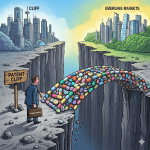
The IRA’s core mechanism is the Medicare Drug Price Negotiation Program, which allows the government to set a “Maximum Fair Price” (MFP) for certain high-cost drugs, primarily small molecules, nine years after their initial approval. This fundamentally alters the financial calculus for generic entry. Historically, the “patent cliff” represented a sharp drop from a high brand price to a low generic price, creating a large and attractive profit opportunity for the first generic entrants.14 The IRA transforms this cliff into a “patent slope.” By negotiating the brand price down
before patent expiry, the law dramatically shrinks the potential revenue pool available to a future generic competitor. The incentive to invest millions in a risky patent challenge is severely diminished if the prize at the end is merely the small gap between an already-reduced MFP and an even lower generic price.3
This creates a dangerous paradox. A policy intended to increase affordability may inadvertently protect brand monopolies post-patent expiry by deterring the very generic competition that has historically been the most powerful driver of price reduction. Portfolio managers must now conduct a “policy-adjusted ROI,” layering the risk of a drug being selected for IRA negotiation onto their financial models. This adds a profound new layer of uncertainty and may drive investment away from small-molecule drugs toward biologics, which have a longer, 13-year window before they are negotiation-eligible, or away from IRA-targeted therapeutic areas altogether.
Global Pricing Pressures and Brand Defense
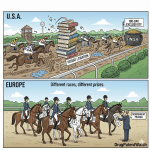
This economic squeeze is a global phenomenon. In Europe, for example, generic prices have fallen by approximately 8% over the last decade, a period during which overall consumer prices rose by 30%. Government policies such as reference pricing, which sets reimbursement levels based on the price of the cheapest drug in a therapeutic class, further cap generic profitability.
Compounding these pressures are the sophisticated defense strategies employed by brand-name manufacturers to delay generic entry. Tactics like “pay-for-delay” settlements, where a brand company pays a generic manufacturer to delay the launch of its product, and “product hopping,” where a brand makes a minor change to a drug’s formulation to secure a new patent and force patients to switch, create additional legal and commercial hurdles that add cost and uncertainty for generic challengers.18 The economic landscape for generics is, therefore, a battlefield where they are assailed from all sides: by competitors, by powerful buyers, by government policy, and by the strategic defenses of the brands they seek to challenge.
Chapter 2: The Global Regulatory Maze – Navigating a Patchwork of International Requirements
For many outside the industry, the path to market for a generic drug appears simple: prove it’s the same as the brand and launch. The reality is a far more complex and perilous journey through a global regulatory maze. While the Abbreviated New Drug Application (ANDA) in the U.S. and similar pathways in other regions do bypass the need for costly and lengthy new clinical trials, they present their own formidable set of challenges.21 Navigating this maze successfully requires more than just a competent regulatory team; it demands a sophisticated, forward-looking global strategy that is deeply integrated with portfolio selection.
The ANDA is Just the Beginning: Divergent Global Pathways
A central challenge for any generic company with global ambitions is the lack of true regulatory harmonization. While major agencies like the U.S. Food and Drug Administration (FDA) and the European Medicines Agency (EMA) share the same overarching goal of ensuring safe and effective medicines, their specific data requirements, review processes, and timelines can differ significantly. This creates a complex operational puzzle.
The devil, as always, is in the details. The agencies may have different requirements for the pivotal bioequivalence (BE) studies that form the scientific core of a generic application. For instance, they may demand different study conditions (e.g., fasting versus fed states), mandate the use of a different reference listed drug (RLD) that must be sourced locally, or require different statistical analyses, particularly for highly variable drugs. This is not an academic curiosity; these differences have profound business implications. They can prevent a company from using a single, efficient global development program, forcing it to conduct separate, duplicative studies for different regions. A multi-year delay in a major market like Europe can completely upend a product’s business case, as the U.S. market may already be saturated and unprofitable by the time EU approval is finally secured.
The GDUFA Effect: A Double-Edged Sword
In the United States, the regulatory landscape was reshaped by the Generic Drug User Fee Amendments (GDUFA). Enacted to address a growing backlog of unreviewed applications, GDUFA authorized the FDA to collect fees from generic manufacturers to fund the hiring of more reviewers and modernize the review process.8 On one hand, this has helped to speed up review times, with GDUFA goals now aiming for a 10-month standard review cycle.8
On the other hand, GDUFA has been a double-edged sword. The introduction of substantial user fees—now running into the six and seven figures for an application—has significantly raised the financial bar for market entry. Companies can no longer afford to file applications for marginal products. This has forced a more disciplined and selective approach to portfolio management. Every potential product must now be rigorously vetted to ensure it has a high probability of technical and regulatory success and a sufficient market size to justify the significant upfront regulatory investment.
The Nitrosamine Crisis: A Paradigm-Shifting Quality Event
The chaos of the regulatory environment is not static; new challenges can emerge suddenly and with portfolio-wide implications. The nitrosamine impurity (NDSRI) crisis serves as a powerful case study. The discovery that these potential carcinogens could form in certain drugs during manufacturing or storage sent shockwaves through the industry, forcing a massive, unanticipated quality review across entire product lines.
This crisis has added significant, often unbudgeted, costs for developing and validating highly sensitive analytical tests, re-validating manufacturing processes, and in some cases, completely reformulating products. The FDA has set a deadline of August 1, 2025, for companies to complete confirmatory testing and submit any required changes, placing immense pressure on the industry’s resources. For some products, the cost and complexity of mitigation have been so high that companies have simply chosen to discontinue them, directly contributing to drug shortages.
The nitrosamine crisis is more than a one-off event; it represents a paradigm shift in quality scrutiny. It has exposed the vulnerabilities in complex global supply chains, where impurities can originate from an API, an excipient, or the interaction of various components. For a portfolio manager, this introduces a new dimension of risk. A product’s viability is no longer just a function of its market and patent status; it is now also a function of its formulation’s chemical stability and the quality oversight of its entire supply chain. This event has effectively become a “portfolio stress test,” revealing underlying weaknesses in quality management systems and forcing a strategic re-evaluation of risk that extends far beyond the traditional commercial and legal domains.
The Slow March to Harmonization
While the dream of a single global generic application remains distant, there are slow movements toward international harmonization. Initiatives like the International Organization for Standardization’s (ISO) Identification of Medicinal Products (IDMP) standards aim to create a common language for submitting data to regulatory authorities. However, even this progress comes with a trade-off. While promising future alignment, these new standards are also expected to greatly increase the amount and type of data that must be submitted for each product, adding to the regulatory burden in the short to medium term. For the foreseeable future, portfolio managers must plan for a world of regulatory fragmentation, where success depends on the ability to expertly navigate a complex and ever-shifting patchwork of global requirements.
Chapter 3: The Fragile Supply Chain – Geopolitical Risks, API Dependencies, and Production Crises
For decades, the pharmaceutical industry’s global supply chain was hailed as a marvel of efficiency, a just-in-time system that relentlessly drove down costs. Today, that same system is widely recognized as a source of profound structural fragility and a primary contributor to the “chaos” defining the generic market. The pursuit of cost efficiency at all else has created a system dangerously dependent on a few geographic regions, vulnerable to geopolitical shocks, and lacking the resilience to withstand even minor disruptions. This is not a temporary “supply problem”; it is a long-term “production crisis”.
The Asia Dependency: A Highly Concentrated Risk
The modern pharmaceutical supply chain is built on a foundation of extreme geographic concentration, particularly in Asia. An estimated 80% of the world’s Active Pharmaceutical Ingredients (APIs)—the essential components that give medicines their therapeutic effect—are produced in China. This dependency is then compounded. India, which has become the pharmacy to the world, supplying nearly half of the generic drugs used in the United States, in turn sources up to 80% of its own raw materials and APIs from China.2
This creates a multi-layered, highly concentrated dependency that represents a systemic risk to global health. The vulnerability is most acute for certain classes of drugs. An estimated 90-95% of the sterile injectable generics used in U.S. hospitals and emergency rooms—the workhorse drugs of modern medicine—rely on raw materials or active substances from China and India. This means that the supply of critical medicines for cancer treatment, infections, and emergency care is contingent on a handful of factories located on the other side of the world.
The “Slender Trunk” Analogy and the Cisplatin Crisis
The structure of this supply chain is best understood through the powerful metaphor of a “tree with a slender trunk”. While there may be many branches at the top—numerous companies selling a finished generic drug—they all often connect back to the same slender trunk: a single or very small number of API suppliers. A problem at the base of this tree, whether a quality failure, a natural disaster, an export ban, or a geopolitical conflict, can cause the entire system to collapse.
This is not a theoretical risk. In 2023, the FDA shut down a single manufacturing plant in India, operated by Intas Pharmaceuticals, due to significant quality control failures, including the shredding and acid-dousing of documents. This single event had catastrophic consequences. The Intas plant was responsible for supplying approximately 50% of the U.S. demand for cisplatin, a cornerstone chemotherapy drug. The shutdown triggered a severe, nationwide shortage, forcing oncologists to ration care, delay treatments, and use less-effective alternatives, directly endangering the lives of cancer patients. The cisplatin crisis is a stark and tragic illustration of how the “efficient” global supply chain is, in reality, a fragile house of cards.
From Supply Problem to Production Crisis
The core issue is that decades of relentless price pressure from low-cost imports have systematically hollowed out the domestic manufacturing base in the United States and Europe. As U.S. and European plants became uncompetitive against state-subsidized industries in Asia, they were forced to close, eliminating not just factories but also critical infrastructure and a skilled workforce.2 This has created a dangerous “resilience gap.” In a crisis, there is no domestic capacity to quickly scale up production to offset a foreign disruption.
Building new pharmaceutical manufacturing capacity, especially for complex sterile injectables, is a monumental undertaking. It requires massive capital investment and takes at least three to five years to construct a new facility, followed by another one to two years for the rigorous process of regulatory approval and validation.2 This means there is a multi-year lag between the recognition of the supply chain crisis and the ability to meaningfully address it with new domestic production. During this period, the global healthcare system remains dangerously exposed.
Geopolitical Headwinds and the Threat of Tariffs
Layered on top of these structural vulnerabilities is a new wave of geopolitical risk. The rising threat of trade wars, tariffs, and “most-favored-nation” pricing proposals adds another dimension of uncertainty for portfolio managers.2 For generic manufacturers operating on razor-thin margins, the imposition of a significant tariff could make it economically unviable to continue supplying certain low-margin products to a market. This could force companies to withdraw products, further shrinking the pool of suppliers and exacerbating the risk of shortages.
The fragile supply chain is no longer an operational concern to be managed by logistics teams. It is a primary driver of portfolio risk and value. A portfolio manager must now assess each product not only on its market potential but also on the resilience of its supply chain. A product reliant on a single-source API from a geopolitically high-risk region carries a fundamentally different risk profile than one with a diversified, multi-region supply base. This has elevated supply chain strategy from a back-office function to a core pillar of competitive advantage and portfolio management.
Part II: The Search for Clarity – Strategic Portfolio Selection
Having dissected the multifaceted chaos of the modern generic market, the journey now pivots toward clarity. Forging a resilient and profitable portfolio is not a matter of chance; it is the result of a disciplined, data-driven, and strategically astute selection process. This section provides the essential frameworks for this process, moving from the art of identifying high-value opportunities in a crowded landscape to the science of navigating the patent and regulatory gauntlets required to bring them to market.
Chapter 4: The Art of the Hunt – Identifying High-Value Generic Candidates
In today’s hyper-competitive environment, the old strategy of simply targeting the largest blockbuster drugs upon patent expiry is a recipe for entering a commoditized, low-margin bloodbath. The search for clarity and value requires a more nuanced and surgical approach—the art of hunting for opportunities in the market’s “quiet corners” where competition is less fierce and profitability can be sustained.
Beyond the Blockbuster: The Lure of Low-Competition Markets
The most attractive generic opportunities often lie in what can be termed “low-competition markets.” These are therapeutic or product niches where significant barriers to entry deter the typical flood of competitors that follows a patent expiration. These barriers can take several forms:
Complex Manufacturing: Products that are difficult to manufacture, such as sterile injectables, long-acting depot injections, or transdermal patches, require specialized facilities, equipment, and expertise that not all companies possess.8
Difficult Formulations: Drugs with complex formulations, such as metered-dose inhalers or products with unique drug delivery systems, present significant technical challenges in demonstrating bioequivalence.22
Small Patient Populations: While counterintuitive, drugs for rare or orphan diseases can be highly lucrative. The smaller market size naturally deters mass entry, but the high medical need can support premium pricing and strong margins for the few companies that do enter.22
The financial rewards for successfully targeting these markets are compelling. With fewer manufacturers, the brutal price erosion seen in high-volume markets is significantly blunted. Instead of a race to the bottom, companies can maintain more stable, rational pricing, leading to robust and sustainable profit margins. Furthermore, with less competition, the need for aggressive marketing and sales efforts is reduced, lowering commercial costs and further enhancing profitability. Mylan’s successful 2018 launch of a generic version of the complex respiratory drug Advair Diskus is a prime example of this strategy in action; the company leveraged precise market analysis and its technical capabilities to target a niche with few competitors and dominate sales.
Data-Driven Prospecting: A Practical Guide
Identifying these quiet corners is not a matter of guesswork; it is a data-driven exercise. Portfolio managers can use a systematic approach to unearth these opportunities:
Start with the FDA’s Goldmine: The FDA biannually publishes a “List of Off-Patent, Off-Exclusivity Drugs without an Approved Generic.” This list is a prime hunting ground, providing a curated collection of products where no generic competition currently exists, often because of the very barriers to entry that make them attractive.
Analyze ANDA Approvals: For drugs that do have generic versions, a simple count of the number of approved Abbreviated New Drug Applications (ANDAs) can be a powerful indicator of competitive intensity. A drug with only one or two approved ANDAs suggests a low-competition environment with potential for a new entrant to capture significant share without triggering a price war.
Find the Market “Sweet Spot”: The ideal target often lies in a specific market size range. A market generating $50 million to $200 million in annual sales can be a sweet spot—large enough to be commercially attractive and generate significant profit, but small enough to avoid attracting the attention of every major player in the industry.
The First-to-File (FTF) Prize: The Ultimate Incentive
Within this strategic hunt, the ultimate prize for many is achieving “first-to-file” (FTF) status. Under the Hatch-Waxman Act, the first generic manufacturer to submit a substantially complete ANDA containing a patent challenge (a Paragraph IV certification) is eligible for a 180-day period of market exclusivity.25 During this six-month window, the FTF applicant is the
only generic on the market, allowing it to capture a significant share of the brand’s volume at a price point that, while a discount, is far higher than what will exist once full competition begins. This exclusivity period is the “brass ring” that provides the critical financial incentive for companies to undertake the expensive and risky process of patent litigation. It is a powerful mechanism that accelerates the availability of more affordable medicines for patients.
The modern hunt for generic candidates has evolved. It is no longer about chasing the biggest names but about finding the right combination of market size and complexity. The most attractive opportunities now lie at the intersection of a medium-sized market and high technical or regulatory hurdles. A product in this sweet spot is commercially viable but naturally defended against hyper-competition. This reality necessitates a fundamental alignment between portfolio strategy and corporate capability. A company built to mass-produce simple pills is not equipped to compete in this new landscape. Success requires deep, strategic investment in the R&D and manufacturing capabilities needed to tackle the complex products that define the future of the generic industry.
Chapter 5: Mastering the Patent Gauntlet – From Landscape Analysis to Paragraph IV
If identifying a promising market is the first step, navigating the intellectual property landscape is the second, and arguably more treacherous, part of the journey. In the pharmaceutical world, patents are not merely legal documents; they are strategic weapons, defensive fortresses, and, for the savvy generic competitor, a map to opportunity. Mastering the patent gauntlet requires transforming patent analysis from a reactive legal hurdle into a proactive, strategic GPS that guides portfolio decisions, identifies competitive vulnerabilities, and unlocks significant value.
Conducting a Strategic Patent Landscape Analysis (PLA)
A Patent Landscape Analysis (PLA) is a comprehensive, systematic analysis of all the patents and related intellectual property within a specific technology or drug area.32 It provides a bird’s-eye view of the competitive terrain, allowing a company to make informed decisions about where to invest, where to compete, and where to avoid. A thorough PLA involves several key steps:
Define the Scope: The process begins with a clear definition of the area of interest—a specific drug molecule, a therapeutic class, or a drug delivery technology.32
Collect the Data: Using comprehensive patent databases (such as those from the USPTO, EPO, and WIPO) and specialized patent analytics software, the team gathers all relevant patent documents. This is a critical step where breadth and accuracy are paramount.32
Analyze and Visualize: The collected data is then organized and analyzed to identify key trends and patterns. This includes identifying the key players (who owns the most patents?), patent filing trends over time (is the area heating up or cooling down?), geographic distribution (where are companies protecting their IP?), and technology clusters (what specific aspects of the technology are being patented?).32
Identify “Whitespace” and Vulnerabilities: The most strategic part of the analysis involves looking for what isn’t there. “Whitespace” refers to areas within the technology field with limited patent activity, which may represent opportunities for new innovation or design-arounds. Equally important is identifying vulnerabilities in the brand’s patent portfolio. This involves looking for patents with overly broad claims that could be challenged, searching for “prior art” that might invalidate the patent, or identifying patents that may be weak on the grounds of obviousness or lack of novelty.33
Leveraging Intelligence Platforms: The Role of DrugPatentWatch
Conducting a manual PLA is an immensely resource-intensive task. This is where specialized business intelligence platforms become indispensable. Tools like DrugPatentWatch are designed specifically for this purpose, providing fully integrated, searchable databases that consolidate critical information for pharmaceutical professionals.36 These platforms streamline the entire process by offering up-to-date information on patent status, expiration dates, patent litigation, Orange Book listings, API suppliers, and market dynamics all in one place.22 For a generic portfolio manager, using a service like
DrugPatentWatch is not a luxury; it is a necessity for efficiently identifying market entry opportunities, monitoring competitor activity, and making data-driven portfolio decisions.36
The Paragraph IV Challenge: A High-Stakes Strategic Bet
The insights from a PLA often lead to one of the most aggressive and high-stakes strategies in the generic industry: the Paragraph IV challenge. When filing an ANDA, a generic company must make a certification regarding the brand’s patents listed in the FDA’s Orange Book. A Paragraph IV certification is a declaration that the generic company believes the brand’s patent is either invalid, unenforceable, or will not be infringed by the generic product.20 This action is a direct legal challenge to the brand manufacturer and almost always triggers patent infringement litigation.
This is a high-risk, high-reward endeavor. The litigation is expensive and time-consuming. However, the prize for being the first to file a successful Paragraph IV challenge is the coveted 180-day period of market exclusivity.30 This exclusivity window, as discussed previously, is often the only way to generate a significant return on a generic product before the market becomes commoditized. In 2020 alone, generics that were launched following a successful patent challenge and subsequent 180-day exclusivity period saved the U.S. healthcare system nearly $20 billion.
Understanding the Patent Cliff Opportunity
The entire strategic context for this patent gauntlet is the “patent cliff.” This term describes the dramatic and steep drop in revenue that a branded drug experiences immediately upon losing patent protection and facing generic competition.14 It is not uncommon for a blockbuster drug to lose 80% to 90% of its sales within the first year of generic entry.14 For the brand company, this is a crisis to be managed. For the generic company, this cliff represents the fundamental market opportunity.
However, the strategy is no longer as simple as waiting for a single patent to expire. Brand companies now build complex “patent thickets”—dense, overlapping networks of secondary patents covering formulations, methods of use, and manufacturing processes—to extend their monopoly long after the primary compound patent has lapsed.46 This means a generic company cannot afford to wait passively. To secure the first-mover advantage and the 180-day exclusivity prize, it
must proactively dissect this patent thicket and strategically challenge the weaker patents. This transforms portfolio selection into a probabilistic game of legal and financial risk assessment. The decision to pursue a product is now an investment decision akin to venture capital, where the company is investing millions in legal fees against a calculated probability of success to unlock a multi-million dollar revenue stream. The generic companies that excel at this sophisticated, risk-adjusted analysis will be the ones who win in the modern patent gauntlet.
Chapter 6: The ANDA Blueprint – A Practical Guide to Regulatory Submission
Once a promising candidate has been identified and the patent landscape has been navigated, the focus shifts to the final gatekeeper: the regulatory agency. For generic drugs in the United States, this means successfully traversing the Abbreviated New Drug Application (ANDA) process. While it is “abbreviated” in that it does not require new, large-scale clinical trials for safety and efficacy, the process is nonetheless a rigorous, multi-step journey that demands meticulous preparation and scientific precision.48 A “right-the-first-time” submission is a major source of competitive advantage, as it directly impacts the speed-to-market, a critical determinant of a generic’s ultimate profitability.
Step 1: Pre-ANDA Preparation – Laying the Foundation
The vast majority of the work for a successful ANDA is done long before the application is ever submitted. This foundational stage is about building an unimpeachable scientific case for the generic’s equivalence to the brand.
Reference Listed Drug (RLD) Analysis: The entire process begins with the RLD, which is the specific brand-name drug product identified by the FDA as the standard against which all generic versions must be compared. The generic sponsor must meticulously analyze the RLD to ensure its proposed product matches in every critical aspect: the active ingredient(s), dosage form, strength, route of administration, and conditions of use.49
Bioequivalence (BE) Studies: This is the scientific cornerstone of the ANDA. The sponsor must conduct one or more BE studies to demonstrate that its generic drug is absorbed into the bloodstream at the same rate and to the same extent as the RLD. These studies, typically conducted in a small group of healthy volunteers, must be robustly designed and executed according to strict FDA guidelines, with meticulous documentation of the methodology and statistical analysis.8 Failure to demonstrate bioequivalence is an absolute barrier to approval.
Chemistry, Manufacturing, and Controls (CMC) Documentation: The sponsor must compile a comprehensive package of information detailing the drug’s chemistry, manufacturing, and control processes. This includes the qualitative and quantitative composition of the drug product, a detailed description of the manufacturing process and facilities, the controls used to ensure quality and purity, and stability data to support the proposed shelf life. This section must prove to the FDA that the generic can be manufactured consistently and to the highest quality standards.
Step 2: Assembling and Submitting the Application
With the scientific data in hand, the next step is to compile and submit the application.
Electronic Common Technical Document (eCTD): All application materials—forms, studies, and supporting documents—must be organized and submitted electronically in the eCTD format. This standardized structure facilitates a more efficient and thorough review by FDA officials.
GDUFA User Fees: As part of the GDUFA program, the sponsor must pay the applicable user fees at the time of submission. Failure to pay these substantial fees will prevent the application from being accepted for review.48
Step 3: The FDA Review Lifecycle – An Iterative Dialogue
The ANDA review process is not a one-way street but an iterative dialogue between the sponsor and the FDA.
Filing Review: Upon receipt, the FDA’s Division of Filing Review conducts an initial assessment to ensure the ANDA is sufficiently complete to be accepted for a full review.
Discipline Review: If accepted, the application is reviewed by multiple FDA disciplines, including teams focused on bioequivalence, labeling, and chemistry (CMC). During this phase, reviewers may send Information Requests (IRs) or Discipline Review Letters (DRLs) to the sponsor seeking clarification or additional data. Each of these requests adds time to the review clock.
Complete Response Letter (CRL): If, after all disciplines have completed their review, significant deficiencies remain that prevent approval, the FDA will issue a Complete Response Letter (CRL). A CRL is a formal communication that lists all of the deficiencies that the sponsor must address. The sponsor must then conduct the necessary work and submit a formal response, which triggers another round of review. Receiving a CRL can delay a project by many months, or even years, and is a major setback.
Step 4: The Decision – Final vs. Tentative Approval
Assuming all deficiencies are resolved, the FDA will issue one of two types of approval.
Final Approval (AP): This is the green light. Final approval is granted when the ANDA has met all scientific and regulatory requirements, and there are no unexpired patents or regulatory exclusivities blocking the generic from being marketed.
Tentative Approval (TA): This decision is given when the ANDA has met all the scientific requirements for approval, but there are still blocking patents or exclusivities in place. The application is approvable from a scientific standpoint, but the sponsor cannot legally market the drug until those barriers expire or are resolved. Once they are lifted, the FDA can convert the TA to a final approval.
Step 5: Post-Approval and Lifecycle Management
The regulatory journey does not end with approval. If a manufacturer wishes to make any changes to the drug product or its manufacturing process from what was originally approved, it must submit a supplement to its ANDA. These can range from minor changes that can be implemented immediately (a “Changes Being Effected-0” or CBE-0 supplement) to major changes that require prior FDA approval before implementation (a “Prior Approval Supplement” or PAS). This ensures the product remains safe, effective, and of high quality throughout its lifecycle.
The ANDA process is a clear demonstration that regulatory excellence is a powerful competitive weapon. Companies that invest in meticulous pre-submission preparation and cultivate a reputation for high-quality, complete submissions can minimize review cycles, avoid costly delays, and bring their products to market faster and more predictably. This speed and predictability are invaluable in the race for generic market share.
Part III: Forging Order – Frameworks for Portfolio Optimization & Rationalization
Identifying promising drug candidates is only half the battle. The true path from chaos to clarity lies in the disciplined, ongoing management of the entire portfolio. Many generic companies find themselves burdened by a legacy of past decisions—a bloated collection of low-margin products that drain resources, complicate manufacturing, and distract from more valuable opportunities. This section provides the core “how-to” frameworks for imposing strategic order. It details the imperative of product rationalization, introduces advanced financial tools for assessing profitability, and presents a holistic dashboard of KPIs to measure what truly matters.
Chapter 7: The Rationalization Imperative – A Framework for Culling and Focusing
In the relentless pursuit of new opportunities, generic drug portfolios can easily become bloated and inefficient. They accumulate a long “tail” of older, underperforming products that, while seemingly harmless, collectively create significant organizational drag. These products consume valuable resources, increase manufacturing complexity, tie up working capital in slow-moving inventory, and ultimately erode overall profitability.52 Actively and systematically rationalizing the product portfolio is therefore not just a periodic housekeeping task; it is a strategic imperative for unlocking capital, focus, and competitive advantage.
The Strategic Goals of Rationalization
Product rationalization is the disciplined business process of evaluating every product in the portfolio to make a clear, evidence-based decision to either invest, maintain, or divest/discontinue it.54 The primary goals of this process are to:
Remove Underperforming Products: Identify and eliminate SKUs that do not contribute meaningfully to revenue or profit, and whose performance does not justify the resources they consume.
Eliminate Duplication and Cannibalization: Cull redundant products that serve the same need, which can confuse customers and cannibalize sales from better-performing items.
Free Up Critical Resources: By discontinuing low-value products, companies can free up manufacturing capacity, supply chain attention, regulatory maintenance resources, and R&D talent to be reallocated to more promising, higher-value products.52
Reduce Complexity and Cost: Simplifying the portfolio directly leads to reduced operational complexity, lower inventory carrying costs, and more efficient manufacturing operations.52
A Practical Framework for Portfolio Rationalization
A successful rationalization effort is not based on intuition but on a structured, data-driven framework. The process, adapted for the pharmaceutical context, can be broken down into four key steps, as exemplified by companies like Dr. Reddy’s Laboratories, which initiated such a process to simplify its API portfolio and sharpen its focus on core products.
Table 2: Strategic Framework for Portfolio Rationalization
Step
Key Activities
Data/Metrics to Use
Strategic Question to Answer
1. Analyze & Collect Data
Gather comprehensive performance data for every product/SKU in the portfolio.
Which 20% of our products are generating 80% of our profit (the “head”)? Which products form the long, low-value “tail”?
3. Strategic Review
– Deep-dive analysis of the “tail” products. – Evaluate non-financial contributions.
– Customer concentration data – Portfolio synergy analysis (does it support a “head” product?) – Alignment with future corporate strategy
Which low-performing products have a hidden strategic value that justifies keeping them?
4. Decide & Execute
– Assign a clear disposition to every product. – Develop and implement an execution plan for discontinued products.
– “Invest/Grow” list – “Maintain/Harvest” list – “Divest/Discontinue” list
What is our final, focused portfolio, and what is the action plan to get there?
Source: Framework adapted from 52
The power of this framework lies in its ability to move the conversation from anecdotal to analytical. The Pareto analysis in Step 2 is particularly illuminating. Many managers are surprised to see just how few products form the profitable “head” of their assortment, and how long the tail of minimal contributors truly is.
However, the process cannot be purely mechanical. The strategic review in Step 3 is crucial. A product might be a low-seller but essential for maintaining a relationship with a key hospital system, or it might be a necessary component of a bundled offering that supports a high-performing product. The goal is not to cut indiscriminately but to make intentional, strategic choices.
Ultimately, product rationalization is a powerful tool for creating a virtuous cycle. It is not merely a cost-cutting exercise but a strategic reallocation of capital and focus. By continuously shedding low-value complexity, a company frees up an enormous amount of operational capacity and intellectual bandwidth. This liberated capacity can then be reinvested in the products that truly matter—dedicating more manufacturing time to a high-demand injectable, assigning more regulatory staff to accelerate a key filing, or focusing the commercial team on a high-margin new launch. A company that masters rationalization becomes leaner, more focused, and more formidable, sharpening its competitive edge against rivals who remain bogged down in the chaos of their own complexity.
Chapter 8: The Profitability Playbook – Advanced Financial Analysis for Generics
In the high-stakes, low-margin world of generic pharmaceuticals, relying on basic financial metrics like gross margin is akin to navigating a minefield with only a rough map. To achieve true clarity and make optimal investment decisions, portfolio managers must adopt a more sophisticated and nuanced financial playbook. This involves moving beyond surface-level profitability to a deeper understanding of R&D efficiency, the time value of money, and, most importantly, the quantification of risk.
Moving Beyond Simple Margins
While gross profit margin is a fundamental indicator of a product’s profitability, it is insufficient for the complex trade-offs inherent in generic portfolio management.57 A more advanced analysis is required to evaluate not just the return, but the efficiency with which that return is generated.
A key metric in this regard is the Return on Research Capital (RORC). This ratio, calculated by dividing the current year’s gross profit by the previous year’s total R&D expenditures, provides a powerful measure of how effectively a company is converting its R&D investment into profitable products. For companies pivoting toward more complex generics and biosimilars, where R&D costs are substantial, tracking RORC is essential for gauging the productivity of the innovation engine.
Conducting a Comprehensive Project-Level ROI Analysis
Every potential new product is an investment, and it must be evaluated with the same rigor as any other capital expenditure. This requires a comprehensive Return on Investment (ROI) analysis that goes far beyond a simple payback calculation.
Forecasting Costs: A realistic ROI model must capture all anticipated costs throughout the project lifecycle. This includes not only the obvious expenses like API sourcing and formulation development, but also the significant costs of bioequivalence studies, regulatory submission fees (GDUFA), manufacturing setup and validation, and, critically, potential legal expenses, which can be substantial for a Paragraph IV patent challenge.
Projecting Revenues: Revenue forecasting is equally complex. It must account for the expected market share capture rate, which is highly dependent on the order of entry. It also requires modeling a realistic price erosion curve over time, factoring in the likely number of competitors and the potential impact of an authorized generic launched by the brand company. Finally, for first-to-file opportunities, the model must accurately estimate the revenue generated during the 180-day exclusivity period.
Advanced Valuation Metrics for Strategic Decisions
To compare disparate projects with different timelines and cash flow patterns, portfolio managers must use valuation metrics that account for the time value of money.
Net Present Value (NPV): NPV is arguably the most important metric for project valuation. It calculates the present value of all future cash flows (both inflows and outflows) from a project, discounted at a specific rate (often the company’s cost of capital). A positive NPV indicates that the project is expected to generate value for the company. It allows for an apples-to-apples comparison of a project that generates $10 million in year two versus one that generates $12 million in year five.
Internal Rate of Return (IRR): IRR is the discount rate at which the NPV of a project equals zero. It represents the project’s expected percentage rate of return. A higher IRR is generally better, and it provides a useful metric for ranking and prioritizing competing investment opportunities.
The Imperative of Risk-Adjusted Profitability
Perhaps the most significant evolution in financial analysis for generics is the shift from deterministic forecasting to probabilistic, risk-adjusted modeling. The generic business is fraught with high-impact risks: a patent litigation could be lost, a regulatory approval could be delayed by a year, a key API supplier could fail a quality inspection, or an unexpected number of competitors could enter the market and decimate prices.8
A simple NPV calculation based on a single “most likely” forecast is dangerously misleading because it ignores this wide range of potential outcomes. A sophisticated approach uses techniques like Monte Carlo simulation to model these uncertainties. Instead of a single cost or revenue number, the model uses a probability distribution. For example, a Paragraph IV project’s outcome is modeled as having a 60% chance of success (leading to a large positive NPV) and a 40% chance of failure (leading to a negative NPV equal to the litigation costs). By running thousands of simulations, the output is not a single NPV, but a range of potential NPVs with associated probabilities.
This transforms the strategic conversation. The question is no longer “Which project has the highest NPV?” but rather, “Which project offers the best risk-adjusted return, and how does its risk profile align with our corporate risk tolerance?” A company might rationally choose a project with a slightly lower expected NPV but a much tighter, more predictable range of outcomes over a “bet-the-company” project with a higher potential reward but also a significant chance of catastrophic failure. This ability to accurately quantify and price risk is the hallmark of a mature and sophisticated portfolio management function.
Chapter 9: Measuring What Matters – A Dashboard of Essential KPIs for Portfolio Health
In the complex and fast-moving environment of the generic pharmaceutical industry, intuition and anecdotal evidence are insufficient for effective management. The old adage “what gets measured gets managed” is particularly true for portfolio strategy. To achieve clarity and maintain control, leadership needs a robust, balanced, and holistic framework of Key Performance Indicators (KPIs). A well-designed KPI dashboard transforms a sea of disconnected data points into a clear, at-a-glance view of the portfolio’s health, enabling proactive decision-making and aligning the entire organization around a common set of objectives.57
A Four-Quadrant Dashboard for a Balanced View
An effective KPI dashboard must provide a balanced perspective, preventing an over-focus on one area (like short-term financials) at the expense of others that are critical for long-term health (like R&D productivity or supply chain resilience). A four-quadrant approach provides this necessary balance.
Table 3: A KPI Dashboard for Generic Portfolio Management
Quadrant
Key Performance Indicator (KPI)
Definition / Formula
Why It Matters
Target Trend
Financial Health
Portfolio Gross Profit Margin
(Total Revenue – Total COGS) / Total Revenue
The primary measure of the portfolio’s overall profitability.
Increase / Stabilize
Cost of Goods Sold (COGS) %
Total COGS / Total Revenue
Tracks manufacturing and procurement efficiency; a key lever for margin improvement.
Decrease
Return on Research Capital (RORC)
Current Year Gross Profit / Previous Year R&D Spend
Measures the efficiency and productivity of R&D investments, crucial for complex generics.
Increase
Operating Cash Flow
Cash generated from core business operations.
A critical indicator of financial health and the ability to fund operations and investments.
Increase
Market & Commercial Performance
Market Share of Key Drugs
Company’s Product Sales / Total Market Sales for that Product
Tracks competitive position for high-value products in the portfolio.
Increase / Maintain
Price Erosion Rate (Actual vs. Forecast)
The rate at which a product’s price declines post-launch.
Measures the accuracy of forecasting and the intensity of competitive pressure.
Meet Forecast
New Product Launch Revenue
Revenue generated from products launched in the last 12-24 months.
Indicates the success of the R&D pipeline in delivering commercially viable products.
Increase
Generic Dispensing Rate
% of Prescriptions Dispensed as Generic vs. Brand
For a specific pharmacy or system, this shows uptake and acceptance of the generic.
Increase
R&D and Regulatory Excellence
Pipeline Strength (# of ANDAs Filed)
Total number of ANDAs submitted to the FDA per year.
A leading indicator of future growth potential and R&D pipeline activity.
Increase
Bioequivalence (BE) Study Success Rate
(# of Successful BE Studies / # of BE Studies Initiated) * 100
Measures the quality and effectiveness of the formulation and clinical development process.
Increase
Average ANDA Approval Time
Average time from ANDA submission to final FDA approval.
A key measure of regulatory efficiency and speed-to-market.
Decrease
First-Cycle Approval Rate
% of ANDAs Approved Without a Complete Response Letter (CRL)
A powerful indicator of submission quality and regulatory excellence.
Increase
Operational & Supply Chain Resilience
Inventory Turnover Rate
COGS / Average Inventory Value
Measures how efficiently inventory is being managed and sold.
Increase
API Sourcing Diversification
% of Products with a Qualified Second API Supplier
A critical measure of supply chain resilience and mitigation of single-source risk.
Increase
Manufacturing Capacity Utilization
Actual Output / Maximum Potential Output
Tracks the efficiency of manufacturing assets; helps in planning for future capacity needs.
Optimize
Drug Recall Frequency / Quality Audit Scores
Number of product recalls; scores from regulatory (e.g., FDA) inspections.
A direct measure of product quality and manufacturing compliance.
Decrease / Increase
Source: KPIs synthesized and adapted from 35
Implementing and Using the Dashboard
Creating the dashboard is only the first step. To make it a powerful management tool, companies must:
Establish Baselines: For each KPI, establish a baseline based on historical performance. This provides the context for all future measurements.
Set Clear Targets: Define clear, realistic targets for each KPI. What does “good” look like? The “Target Trend” column in the table provides a general direction.
Analyze Trends Over Time: The true value of a KPI is not in a single data point but in its trend over time. Is the BE study success rate improving? Is the average approval time decreasing? These trends tell the story of the portfolio’s health.60
Benchmark Against Competitors: Where possible, benchmark your performance against industry standards or key competitors. How does your COGS percentage or inventory turnover compare to best-in-class peers?.60
Drive Action: The ultimate purpose of the dashboard is to drive action. When a KPI is trending in the wrong direction, it should trigger diagnostic questions and a clear action plan. For example, a decreasing first-cycle approval rate should prompt a deep-dive review of the ANDA preparation process.
This KPI dashboard is the embodiment of clarity. It distills the immense complexity of the generic business into a structured, manageable, and actionable format. It provides a common language and a single source of truth that can align cross-functional teams—from Finance and R&D to Operations and Commercial—around a shared understanding of performance and a unified drive toward strategic goals.
Part IV: Beyond the Horizon – Future-Proofing Your Generic Portfolio
In an industry defined by constant change, surviving today is not enough. True leadership requires looking beyond the immediate horizon and future-proofing the portfolio against the trends that will define the market of tomorrow. The final section of this report explores the advanced strategies and disruptive forces that are reshaping the generic landscape. From escaping commoditization by moving up the value chain to harnessing the power of artificial intelligence and building unbreakable supply chains, these are the imperatives for securing a sustainable and profitable future.
Chapter 10: Escaping Commoditization – Moving Up the Value Chain with Complex Generics and Biosimilars
The most critical strategic pivot for any generic company seeking long-term viability is the deliberate move away from the hyper-competitive, commoditized market of simple oral solids and up the value chain toward higher-barrier, higher-value products. The relentless price erosion in the traditional generics space has made this shift not just an opportunity, but a necessity. The two most important pathways for this ascent are complex generics and biosimilars.
The Allure of Complexity
Complex generics are products that are not simple tablets or capsules. They include drug-device combinations like metered-dose inhalers, transdermal patches, and long-acting injectables, as well as products with complex formulations or routes of administration, such as topical creams and ophthalmic solutions.16 The strategic appeal of these products is straightforward: their complexity creates a natural and formidable barrier to entry.25
Developing a complex generic requires significant R&D investment, specialized manufacturing capabilities, and deep regulatory expertise to navigate the more challenging bioequivalence studies. This inherently limits the field of potential competitors. As a result, these markets are typically more rational, with more stable pricing and sustained profitability compared to their simple generic counterparts. Recognizing this, regulatory bodies like the FDA have actively encouraged their development through initiatives like the Competitive Generic Therapy (CGT) designation, which can provide additional market exclusivity.
The Biosimilar Frontier: A New Paradigm
An even more significant leap up the value chain is the entry into the biosimilar market. Biosimilars are highly similar, but not identical, versions of complex biologic drugs, which are manufactured in living systems.6 This distinction from chemically synthesized small-molecule generics is profound and carries immense strategic implications.
The Opportunity: Biologic drugs are among the most expensive medicines in the world, and the period between 2025 and 2030 will see a massive wave of patent expiries for blockbuster biologics, representing a multi-hundred-billion-dollar market opportunity for biosimilar competitors.15
Higher Barriers, Higher Rewards: The development of a biosimilar is a far more complex and expensive undertaking than for a traditional generic. It requires advanced biotechnology capabilities, extensive analytical testing to prove “high similarity” to the reference product, and often, comparative clinical studies. This creates a very high regulatory and financial “moat” around the market. The result is a much smaller pool of competitors and significantly less aggressive price erosion. While a small-molecule generic can see prices fall by 80-90%, biosimilar discounts are typically in the more modest range of 15-30%. This allows for much higher revenue potential and more sustainable margins.
Case Studies in Transformation: The Strategies of Teva and Sandoz
The strategic importance of this pivot is best illustrated by the actions of industry leaders. Facing the commoditization of their legacy businesses, both Teva and Sandoz have made decisive moves up the value chain.
Teva Pharmaceuticals: Once the world’s largest generic drug company, Teva has been executing a “Pivot to Growth” strategy. This involves a dual focus: sustaining its generics powerhouse by concentrating on complex generics and biosimilars, while simultaneously building a robust innovative medicines franchise with products like Austedo and Uzedy.13 This strategy aims to compensate for the decline of older products and position the company as a more diversified biopharma leader.68
Sandoz: After its spin-off from Novartis, Sandoz has doubled down on its position as a global leader in biosimilars.13 Recognizing the superior economics and more defensible market position of biosimilars, the company is investing heavily in its pipeline and manufacturing capabilities to capture a significant share of the upcoming wave of biologic patent expiries. This is a clear strategic choice to lead in the highest-value segment of the off-patent market.70
The shift to complex generics and biosimilars represents a fundamental transformation of a generic company’s identity. It requires evolving from a “fast follower” defined by manufacturing efficiency and regulatory speed to a “scientific innovator” defined by deep R&D expertise and clinical development capabilities. This blurs the traditional lines between “generic” and “branded” pharma, creating a new class of hybrid, high-science companies. For portfolio managers, this means the strategic allocation of capital is no longer just about funding ANDA filings; it’s about funding the scientific research, advanced manufacturing, and clinical programs necessary to compete and win in the most valuable and defensible markets of the future.
Chapter 11: The Digital Revolution – AI and Technology in Portfolio Management
As the pharmaceutical industry grapples with mounting complexity and the immense cost of development, Artificial Intelligence (AI) and Machine Learning (ML) are rapidly evolving from futuristic buzzwords into essential, practical tools for portfolio management. The core value of AI in this context is its ability to analyze vast, disparate datasets to identify patterns, predict outcomes, and ultimately de-risk the multi-billion-dollar decisions that define a portfolio’s success.6
AI as a De-risking Engine for Development and Selection
AI’s impact is being felt across the development lifecycle. In the early stages, AI algorithms can sift through massive biological and chemical databases—including genomic, proteomic, and clinical data—to identify novel drug targets, predict a molecule’s potential efficacy and toxicity, and even identify new uses for existing generic drugs (drug repurposing).74 This enables a more targeted and efficient approach to R&D, increasing the likelihood of success before expensive development begins.
However, the most profound impact for portfolio managers lies in AI’s application to strategic decision-making. AI-powered platforms are now capable of transforming the art of portfolio selection into a data-driven science. These systems can:
Accurately Assess Probability of Success: By integrating and analyzing immense datasets—spanning historical clinical trial outcomes, regulatory approval trends, patent litigation results, scientific publications, and market data—AI models can generate a more objective and accurate Probability of Technical and Regulatory Success (PTRS) for each drug candidate.72 This moves the assessment beyond human intuition and spreadsheet-based assumptions.
Enhance and Accelerate Decision-Making: This data-driven approach allows leadership to move away from “gut-feel” decisions. It provides a clear, analytical basis for comparing the risk-reward profiles of different projects, enabling teams to identify and terminate weaker candidates much earlier in the development process and strategically reallocate capital and resources to assets with a higher probability of success.72 As one expert noted, this shift allows companies to “decode protein complexity in minutes rather than months,” dramatically accelerating the decision-making cycle.
Automate Complex Analysis: AI tools can automate the time-consuming and often manual tasks of data gathering, integration, and analysis, freeing up portfolio management teams to focus on higher-level strategic thinking, scenario planning, and interpreting the results.
The Data Challenge and the Rise of the “Augmented” Manager
The power of any AI system is entirely dependent on the quality of the data it is fed. To be effective, the underlying data must be comprehensive, recent, harmonized, and integrated into a “unified source of truth”. For many organizations, building this data foundation is the most significant hurdle to AI adoption.
It is also crucial to understand that AI will not replace the portfolio manager. Instead, it will create a new class of “augmented” portfolio manager. The competitive advantage of the future will belong to those who can effectively partner with AI, using its powerful analytical outputs as a key input into a broader strategic decision-making process. The optimal approach will be a symbiosis of machine and human intelligence. The AI will provide the quantitative, data-driven, probabilistic assessment of a project’s potential. The human manager will then overlay this with qualitative context and strategic judgment: How does this project align with our long-term corporate strategy? What is the likely competitive reaction? Does this level of risk fit our corporate tolerance?
This evolution demands a new skill set. Top-tier portfolio managers will need to be not only skilled in finance and therapeutic science but also “data-literate,” with the ability to understand, interpret, and critically challenge the outputs of sophisticated AI models. This will create a talent gap in the industry, and the companies that can recruit, train, and empower these new augmented managers will be able to analyze more opportunities, make better-informed bets, and ultimately build more valuable and resilient portfolios.
Chapter 12: Building the Unbreakable Link – Forging a Resilient Supply Chain for Tomorrow
The recurring drug shortages and the near-catastrophic disruption caused by the COVID-19 pandemic have served as a brutal wake-up call for the pharmaceutical industry. The long-held strategy of optimizing supply chains for lowest possible cost has created a system that is efficient in times of stability but dangerously fragile in times of crisis. Future-proofing a generic portfolio now requires a fundamental strategic shift: from a narrow focus on cost to a more holistic and balanced focus on resilience. Building an unbreakable supply chain is no longer a competitive advantage; it is a prerequisite for survival.
From Cost-Focus to a Total Cost of Ownership (TCO) Model
The first step in building resilience is to change how cost is measured. The traditional approach of sourcing from the lowest-cost bidder, which led to the extreme concentration of manufacturing in Asia, fails to account for the immense hidden costs of disruption. A more sophisticated Total Cost of Ownership (TCO) model is needed. This model looks beyond the per-unit price and incorporates the costs associated with risk, including the potential financial impact of a supply disruption, the cost of holding safety stock, and the reputational damage from failing to supply the market. When viewed through a TCO lens, a slightly more expensive but highly reliable domestic or dual-source supplier often proves to be the more economically sound choice over the long term.
A Three-Step Strategy for Building Resilience
Based on expert recommendations, a practical, actionable strategy for rewiring the supply chain for resilience can be implemented in three decisive steps :
Assess and Map the Risk: The journey begins with a clear-eyed, end-to-end risk assessment of the entire product supply chain. This involves mapping every node, from the source of raw materials and APIs to the finished drug manufacturing sites and distribution centers. Companies must flag every instance of a single-source supplier and identify dependencies on politically or geographically high-risk regions like China and India. This assessment is not merely a diagnostic; it becomes the foundational blueprint for change.
Model Scenarios and Guide Decisions: With the vulnerabilities mapped, the next step is to use modern digital tools to understand their potential impact. Using AI-driven simulations and “digital twins”—virtual replicas of the physical supply chain—companies can model a wide range of “what-if” scenarios. What is the financial and operational impact of a 25% tariff on Chinese APIs? What happens if a key port is shut down for two weeks due to a natural disaster? How would a political export ban affect our top products? These data-driven simulations allow leadership to move beyond guesswork and make strategic decisions—such as where to build inventory, which suppliers to diversify, or which products to regionalize—grounded in robust analysis.
Identify and Close the Gaps: The final step is execution. Armed with the insights from the risk assessment and scenario modeling, the company must empower cross-functional teams to close the identified resilience gaps. This requires a clear, phased roadmap with strong governance and ownership. Key initiatives will typically include:
Dual-Sourcing Critical Materials: Actively qualifying and validating a second supplier for critical APIs and key starting materials, preferably in a different geographic region.
Regionalizing Production: Shifting the manufacturing of high-risk or critical products—like sterile injectables, vaccines, or essential medicines—closer to the end markets they serve.
Investing in Modern Manufacturing: Upgrading facilities with automation, continuous manufacturing, and digital quality control systems to improve efficiency, flexibility, and compliance.
The Role of Technology and Global Initiatives
Technology is a critical enabler of this transformation. AI and predictive analytics are revolutionizing demand forecasting, allowing for more accurate inventory management and reducing the risk of both shortages and excess stock.76 Meanwhile, technologies like blockchain, the Internet of Things (IoT), and smart packaging (using RFID and NFC tags) are providing unprecedented real-time visibility and traceability across the supply chain, as mandated by laws like the U.S. Drug Supply Chain Security Act (DSCSA).76
This internal push for resilience is being supported by external government initiatives. Programs like the EU’s Critical Medicines Alliance, India’s Production Linked Incentive (PLI) scheme, and various U.S. government efforts are beginning to provide the incentives and infrastructure needed to support the onshoring and diversification of pharmaceutical manufacturing.76 True resilience will require a coordinated effort, but for the individual portfolio manager, the mandate is clear: build a supply chain that is not just lean, but strong.
Chapter 13: The New Frontier – Differentiating with Digital Therapeutics (DTx)
In the relentless battle against commoditization, generic companies are constantly searching for new ways to differentiate their products beyond price. One of the most exciting and disruptive new frontiers is the field of Digital Therapeutics (DTx). By pairing a generic drug with a sophisticated software application, companies have the opportunity to create a “digitally augmented therapy” that offers value far beyond the pill itself, fundamentally changing the competitive dynamic.
What are Digital Therapeutics?
Digital Therapeutics are evidence-based, clinically evaluated software programs designed to treat, manage, or prevent a medical condition.81 Unlike general wellness apps, true DTx products must demonstrate their therapeutic impact through rigorous clinical evidence and are often subject to regulatory oversight as medical devices. They can deliver interventions like cognitive behavioral therapy, provide real-time feedback to patients, or guide them through complex treatment regimens.
The “Digitally Augmented Therapy” Strategy for Generics
For a generic company, the most powerful application of DTx is not as a standalone product, but as a companion to a specific drug. This “drug+DTx” combination creates a value-added therapeutic package that can transform a commoditized generic into a differentiated offering. This strategy provides several key benefits:
Powerful Differentiation: In a market where dozens of companies may offer the exact same molecule, a drug+DTx combination is a powerful differentiator. It allows a company to compete not just on price, but on the overall patient experience, the quality of support provided, and the real-world outcomes achieved.
Improved Medication Adherence: A major challenge in treating chronic diseases is poor medication adherence. DTx applications can significantly improve adherence by providing patients with reminders, educational content, and motivational support. This improved adherence leads to better clinical outcomes, which is a highly compelling value proposition for payers and healthcare providers who are increasingly focused on value-based care.80
Lifecycle Management and Value Preservation: A DTx companion can serve as a powerful lifecycle management tool. By adding demonstrable value to a branded drug before its patent expires, an originator can create a more “sticky” product that is harder for a simple generic to displace. Conversely, a generic company can use a DTx solution to “re-brand” its product, creating a premium offering that can command a higher price and defend against the steepest sales erosion when other generics enter the market.
Data Generation: The DTx component can collect valuable real-world data on patient behavior, treatment response, and outcomes. This data can be used to further refine the therapy, demonstrate its value to payers, and inform the development of future products.
Navigating an Emerging Landscape
The DTx field is still in its early stages, and significant challenges remain, particularly around securing consistent reimbursement from payers and achieving widespread adoption by providers. Many payers are still developing their frameworks for evaluating and covering these new technologies.
Despite these hurdles, major pharmaceutical companies are increasingly investing in and partnering on DTx initiatives, recognizing their potential to reshape the therapeutic landscape.80 For a forward-thinking generic company, DTx offers a strategic pathway to escape the price-only competition that defines the traditional market. It allows them to start competing on the basis of value, outcomes, and patient support—a domain traditionally owned by branded pharma. This represents a high-risk, high-reward strategic choice. It requires building or acquiring entirely new corporate capabilities in software development, data analytics, user experience design, and patient engagement. However, for those who can successfully navigate this new frontier, DTx provides a powerful tool to create truly differentiated products and leapfrog competitors who remain focused solely on the molecule.
Conclusion: The Path to Clarity and Sustained Leadership
The journey through the modern generic pharmaceutical landscape is, without question, a journey from chaos to clarity. The industry has evolved from a relatively straightforward model of replicating off-patent drugs to a profoundly complex ecosystem defined by brutal economic pressures, a fragmented global regulatory maze, and dangerously fragile supply chains. The old playbook, reliant on scale and speed alone, is no longer sufficient for sustained success. The chaos is real, but it is not insurmountable.
As this report has detailed, clarity is achieved not by chance, but by deliberate, strategic action. It is forged through the disciplined application of new frameworks, the adoption of advanced analytical tools, and a fundamental shift in mindset from reactive opportunism to proactive, holistic portfolio management. The future of the generic industry belongs not to the biggest or even the cheapest, but to the most strategic, the most agile, and the most resilient.
The path to clarity and sustained leadership is built upon three core pillars:
Strategic Selection: The foundation of a strong portfolio is the disciplined selection of the right assets. This means moving beyond the commoditized battlegrounds of simple oral solids and proactively identifying and pursuing higher-value, more complex, and less-contested product opportunities. It requires mastering the art of the hunt for low-competition niches and the science of navigating the patent gauntlet, transforming legal and regulatory analysis from a hurdle into a strategic weapon.
Operational Excellence: A portfolio of great products is worthless if they cannot be reliably and efficiently brought to market. This pillar demands the construction of truly resilient supply chains that balance cost with security, and the cultivation of best-in-class regulatory capabilities that ensure speedy and predictable market access. In the modern era, operational excellence is not just a source of efficiency; it is a profound competitive differentiator.
Continuous Optimization: A portfolio is a living entity that requires constant attention. This pillar is about the relentless pursuit of focus and efficiency. It involves employing rigorous financial analysis to ensure capital is allocated to the highest risk-adjusted returns, tracking a balanced dashboard of KPIs to monitor the portfolio’s health in real-time, and using systematic rationalization to continuously cull low-value complexity and reinvest resources in the products that truly drive value.
The challenges facing the generic industry are immense, but so are the opportunities. From the high-science frontier of biosimilars and the transformative potential of Artificial Intelligence to the value-added differentiation offered by Digital Therapeutics, the avenues for innovation and growth are abundant. For portfolio managers and business leaders, the mandate is clear. Embrace complexity, harness data, and execute with discipline. By moving from chaos to clarity, generic pharmaceutical companies can not only ensure their own profitability and sustainability but can continue to fulfill their essential mission: providing the world with access to affordable, high-quality medicines.
Key Takeaways
The Generic Business Model is Structurally Challenged: Intense price erosion (up to 95%), consolidated buyer power, and disruptive policies like the IRA have made the traditional high-volume, low-margin model for simple generics unsustainable. Survival requires a strategic pivot.
Move Up the Value Chain to Escape Commoditization: The primary strategy for long-term profitability is to shift the portfolio focus toward higher-barrier products like complex generics (injectables, inhalers) and biosimilars, which offer more rational competition and sustainable margins.
Product Rationalization is a Strategic Imperative: Actively and systematically culling the “long tail” of low-performing products is not just a cost-cutting measure; it is a critical strategy to free up capital, manufacturing capacity, and talent to reinvest in high-value, core products.
Supply Chain Resilience is a Competitive Weapon: The focus must shift from lowest cost to a Total Cost of Ownership (TCO) model. Investing in supply chain resilience through dual-sourcing, regionalization, and technology is essential for ensuring market supply and can become a major competitive advantage during disruptions.
Adopt Advanced, Risk-Adjusted Financial Analysis: Move beyond simple margin analysis to more sophisticated metrics like Return on Research Capital (RORC) and probabilistic Net Present Value (NPV) models that quantify and price risk (litigation, regulatory, market) to make better investment decisions.
Regulatory and Patent Strategy are Core to Value Creation: Navigating the global regulatory maze and the brand “patent thicket” are no longer downstream functions. Proactive, expert-level patent landscape analysis and a “right-the-first-time” regulatory submission strategy are key drivers of speed-to-market and profitability.
Technology is Reshaping the Landscape: Artificial Intelligence is becoming a critical tool for de-risking portfolio decisions by providing more accurate probability-of-success assessments. Digital Therapeutics (DTx) offer a new frontier for differentiating generic products by competing on value and outcomes, not just price.
A Balanced KPI Dashboard is Essential for Clarity: To manage complexity, companies must implement a holistic dashboard tracking financial, commercial, R&D, and operational KPIs. This provides a single source of truth to align the organization and drive data-driven decision-making.
Frequently Asked Questions (FAQ)
1. How has the Inflation Reduction Act (IRA) fundamentally changed the financial calculation for selecting new generic drug targets?
The IRA has transformed the traditional “patent cliff” into a more gradual “patent slope” for many high-value small-molecule drugs. Previously, a generic company’s potential profit was the large gap between the high pre-expiry brand price and the low generic price. The IRA’s Medicare Drug Price Negotiation Program can significantly lower the brand’s price before patent expiry by establishing a Maximum Fair Price (MFP). This dramatically shrinks the potential revenue pool for a future generic. Consequently, a portfolio manager’s financial model must now incorporate a new, major risk variable: the probability that a target drug will be selected for negotiation. This “policy-adjusted ROI” makes drugs susceptible to early negotiation less attractive, potentially deterring the investment needed for patent challenges and paradoxically reducing the very competition the healthcare system relies on for the lowest prices.
2. My company’s portfolio is filled with low-margin oral solids. What is the most critical first step in starting a product rationalization process?
The most critical first step is to conduct a data-driven Pareto analysis based on true profitability. This involves gathering data on not just revenue, but the gross profit generated by every single product or SKU in your portfolio. By ranking products from most to least profitable, you will almost certainly find that a small minority of products (e.g., 20%) are generating the vast majority of your profit (e.g., 80%). This analysis immediately provides an objective, data-backed list of the “long tail” of underperforming products that are the primary candidates for discontinuation. This moves the discussion away from subjective opinions and provides a clear, analytical foundation for the entire rationalization process.
3. What is the single biggest mistake companies make when trying to build a more resilient supply chain?
The single biggest mistake is continuing to make sourcing decisions based solely on the lowest per-unit cost while ignoring the broader Total Cost of Ownership (TCO). A low-cost API from a single supplier in a high-risk region may look good on a spreadsheet, but this view ignores the immense potential costs of disruption—lost sales, emergency air freight, regulatory penalties, and reputational damage when you cannot supply the market. A truly resilient strategy evaluates suppliers on a TCO basis, which includes factors like reliability, quality, and geographic diversification. Often, a slightly more expensive supplier in a stable region or having a qualified second source is far cheaper in the long run once the cost of risk is properly factored in.
4. Our company excels at manufacturing, but we struggle with long FDA review times. What is the key to accelerating the ANDA approval process?
The key to accelerating ANDA approval is adopting a “right-the-first-time” submission strategy. The biggest cause of delay in the FDA review process is the issuance of Information Requests (IRs) or a Complete Response Letter (CRL), which sends the application back to the sponsor for significant remediation. To avoid this, companies must invest heavily in pre-submission excellence. This means conducting flawless, robust bioequivalence studies that leave no room for questions; preparing meticulous, comprehensive CMC (Chemistry, Manufacturing, and Controls) documentation that anticipates reviewer scrutiny; and ensuring the application is perfectly formatted and complete upon initial submission. Regulatory excellence is a source of competitive advantage because it directly translates to faster speed-to-market.
5. How can a traditional generic company realistically enter the biosimilar market, given the high scientific and financial barriers?
Entering the biosimilar market requires a fundamental, long-term strategic commitment, as it is more akin to innovative drug development than traditional generic manufacturing. A realistic pathway often involves a phased approach:
Strategic Partnerships: Instead of building all capabilities from scratch, a company can partner with or license from a biotech firm that already has the core scientific expertise in cell line development and protein characterization. This de-risks the early, most scientifically intensive stages.
Focus on Core Competencies: The generic company can leverage its existing strengths in later-stage development, such as clinical trial management, navigating regulatory pathways, and, most importantly, large-scale manufacturing and commercialization.
Targeted Investment: Rather than attempting to build a broad pipeline, the company can make a focused bet on one or two biosimilars for blockbuster biologics that align with its existing therapeutic area knowledge. This approach allows a generic firm to enter the higher-value biosimilar space by combining its existing strengths with externally sourced scientific expertise, mitigating the immense risk of trying to build an entire biologics R&D organization from the ground up.
Patent landscape analysis—Contributing to the identification of technology trends and informing research and innovation funding policy – PubMed Central, accessed July 31, 2025, https://pmc.ncbi.nlm.nih.gov/articles/PMC10034625/
2025-2028 Draft Action Plan for Addressing Shortages of Medical Products and Critical Foods and Strengthening the Resilience of Medical Product and Critical Food Supply Chains – HHS ASPE, accessed July 31, 2025, https://aspe.hhs.gov/reports/draft-action-plan
Unlocking the potential of digital therapeutics: The need for consistent and granular inclusion in drug compendia for managed care – JMCP.org, accessed July 31, 2025, https://www.jmcp.org/doi/10.18553/jmcp.2024.30.11.1318