A technical deep-dive for IP counsel, 503B portfolio managers, brand lifecycle teams, and institutional investors tracking the $10.93B compounding market.
1. The Commercial Stakes: Why This Fight Is Worth $10.93 Billion
The compounding pharmacy market in the United States is no longer a niche cottage industry. Precedence Research pegs the market at $10.93 billion as of 2025, with the 503B outsourcing facility segment alone generating $1.65 billion in revenue. That is not rounding-error money. It is enough to threaten the revenue base of mid-tier branded drug franchises and to put blockbuster products, those with $1B+ annual sales, on the defensive in therapeutic categories they once owned outright.
The market splits structurally between two regulatory tiers. Traditional 503A pharmacies account for over 72.99% of total compounding revenue. Their products are patient-specific and their regulatory touchpoint is the state board of pharmacy, not the FDA. The 503B outsourcing facilities, the smaller segment by revenue but the sharper competitive edge, operate under Current Good Manufacturing Practice (CGMP), register with the FDA, and can produce drug batches at scale without individual patient prescriptions.
The commercial conflict is concentrated almost entirely in that 503B slice. A 503A pharmacy making a single bespoke capsule for one patient is a non-event for a brand manufacturer’s revenue model. A 503B facility pumping 10,000 sterile vials of a compounded semaglutide analogue into hospital and clinic channels is a direct market share threat. Understanding which tier you are dealing with, whether as a brand defender or as a compounder identifying opportunity, is the prerequisite for every analytical and legal move that follows.
The growth trajectory makes this more urgent by the year. The wider compounding pharmacy market is projected to grow at a CAGR of roughly 6.5% through 2030, driven by the structural tailwinds of an aging population, increased demand for personalized dosage forms, pediatric formulation needs, and the persistent gap between commercial drug supply and clinical demand exposed by recurring drug shortages. Each of those tailwinds is also a vector through which a compounder can enter a market a brand manufacturer thought was walled off by its patent estate.
2. The Two-Tier Regulatory Architecture: 503A vs. 503B
The regulatory framework governing compounding pharmacies today traces directly to a public health failure. The 2012 fungal meningitis outbreak, caused by contaminated methylprednisolone acetate injections from the New England Compounding Center (NECC) in Framingham, Massachusetts, killed 64 people and injured hundreds more. The NECC had been operating de facto as a sterile drug manufacturer while claiming the regulatory exemptions of a pharmacy. The loophole cost lives.
Congress responded with the Drug Quality and Security Act (DQSA) of 2013, which amended the Federal Food, Drug, and Cosmetic Act (FD&C Act) to create a two-tiered regulatory structure that is now the structural backbone of the entire compounding industry.
503A: Traditional Compounding Pharmacies
Section 503A governs traditional, patient-specific compounding. A 503A pharmacy must operate under a valid prescription from a licensed practitioner identifying a specific patient. The primary regulator is the relevant state board of pharmacy, not the FDA, though the agency retains authority for for-cause inspections. 503A facilities receive three critical exemptions from the FD&C Act: the new drug approval requirement under Section 505, the adequate-directions-for-use labeling requirement under Section 502(f)(1), and CGMP compliance under Section 501(a)(2)(B).
Instead of CGMP, 503A facilities must comply with quality standards set by the United States Pharmacopeia. General Chapter USP <795> governs non-sterile preparations. General Chapter USP <797> governs sterile preparations, including requirements for environmental monitoring, personnel training, beyond-use date (BUD) determination based on sterility testing and container-closure integrity, and facility design. The 2023 revision to USP <797> substantially tightened BUD requirements and added new categories for classified and unclassified preparations, raising the compliance bar across the 503A sector.
503B: Outsourcing Facilities
Section 503B created an entirely new category. Outsourcing facilities can compound sterile drugs without patient-specific prescriptions, producing large batches destined for hospital and clinic ‘office use.’ They must voluntarily register with the FDA, and that registration triggers full federal oversight. Critically, they are not exempt from CGMP. They must comply with 21 CFR Parts 210 and 211, the same quality systems regulations that apply to conventional drug manufacturers.
This includes process validation, stability protocols under ICH Q1A(R2) guidelines, raw material identity testing and supplier qualification, in-process controls, finished product release testing for sterility, potency and endotoxins, and an autonomous quality unit with authority to reject batches. The FDA conducts routine, risk-based surveillance inspections of registered 503B facilities and has issued Warning Letters, import alerts, and consent decrees to non-compliant operators.
The commercial implication of this structure is stark. The legislative intent behind 503B was to make large-scale sterile compounding safer. The unintended but predictable consequence was to institutionalize a class of near-manufacturer competitors. A 503B facility operating cleanly under CGMP can produce and distribute formulations of patented drugs at costs that undercut branded pricing by 60-80%, with the quality credibility that state-board-only oversight cannot provide for hospital formulary committees.
503A vs. 503B: Side-by-Side Reference
Feature
503A Traditional Pharmacy
503B Outsourcing Facility
Governing Statute
Section 503A FD&C Act
Section 503B FD&C Act
Primary Regulator
State Board of Pharmacy
U.S. FDA
Prescription Requirement
Required, patient-specific
Not required; office-use distribution permitted
Production Scale
Small-batch, patient-specific
Large-scale commercial batches
CGMP Compliance
Exempt; USP <795>/<797>
Required, 21 CFR Parts 210 & 211
FDA Registration
Not required
Required (voluntary registration)
Interstate Commerce
Permitted with state-law limitations
Permitted for registered office-use distribution
Quality Standard
USP Pharmacopeial Standards
CGMP + USP, FDA-inspected
Primary Distribution Channel
Patient home use
Hospitals, clinics, ASCs, physician offices
Commercial Threat Level to Brands
Low to moderate
High
Key Takeaways: Regulatory Architecture
The most commercially relevant fact is this: 503B registration is voluntary, but the competitive advantages it unlocks, principally the ability to distribute at scale without patient-specific prescriptions, come bundled with CGMP obligations that impose manufacturer-level quality costs. This creates a natural selection effect. 503B facilities that survive FDA scrutiny are, by definition, more sophisticated and better-resourced operators. They are not mom-and-pop pharmacies. They are specialized manufacturers with a regulatory arbitrage advantage over the branded drug companies they compete with directly.
3. The Pharmaceutical Patent Stack: Composition, Method, Formulation, and Polymorph Claims
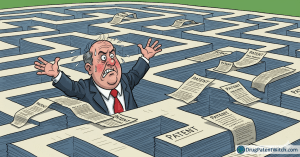
The word ‘patent’ is routinely used in the singular in mainstream pharmaceutical coverage. In practice, a single commercially successful drug product is almost never protected by a single patent. It sits beneath a deliberate, layered construction of multiple patent claims covering distinct legal objects, commonly called a ‘patent thicket.’ Understanding each layer is essential for anyone conducting a freedom-to-operate (FTO) analysis, a competitive landscape assessment, or a lifecycle management review.
Composition of Matter Patents
Composition of matter patents, covering the active pharmaceutical ingredient (API) itself as a novel chemical or biological entity, are the most valuable asset in the pharmaceutical patent stack. They are also the broadest and hardest to design around. A composition of matter patent on a small molecule typically covers not just the specific compound but structural analogues, prodrugs, and metabolites within the claimed genus. For a biologic, the equivalent is a sequence or structure patent on the therapeutic protein or antibody.
The USPTO issues composition of matter patents with a 20-year term from the filing date. Because compounds are typically patented early in the discovery process, often years before IND filing, a meaningful portion of that term evaporates during preclinical and clinical development. Hatch-Waxman’s Patent Term Extension (PTE) mechanism, codified at 35 U.S.C. 156, allows brand manufacturers to recover up to five years of patent term lost to FDA regulatory review, subject to a maximum of 14 years of remaining patent life after approval.
A composition of matter patent represents roughly 60-70% of a drug’s total IP asset value. When this patent expires without a valid extension, it is the structural trigger for generic and biosimilar entry, and in the compounding context, for large-scale 503B competition in formulations that are no longer ‘essentially a copy’ of an approved, patent-protected drug.
Method of Use Patents
Method of use patents cover the specific application of a compound to treat a defined disease or condition. They are filed to extend commercial protection into indications discovered after the API itself is patented, and they are the primary vehicle for evergreening. A manufacturer might secure composition of matter protection on a kinase inhibitor in year one, then file method-of-use patents on specific oncology indications years later as clinical data accumulates. Each new indication patent can extend the effective commercial exclusivity period for that specific use.
For compounders, method of use patents present a particular legal risk. Even if the API is off-patent, a physician prescribing a compounded version for a patented indication may create induced infringement liability for both the prescriber and the compounder. The question of whether a compounder ‘induces’ infringement by providing a drug that is then used for a patented indication, particularly when the compounder is unaware of the specific clinical use, remains an area of unsettled law.
Formulation Patents
Formulation patents cover the combination of an API with specific inactive ingredients (excipients), delivery systems, or dosage forms that produce a clinically or commercially superior product. These patents are the backbone of pharmaceutical product lifecycle management. A typical formulation patent covers a controlled-release coating technology that reduces dosing frequency from three times daily to once daily, an excipient combination that improves bioavailability, or a specific particle-size distribution that enables inhalation delivery.
Formulation patents typically have a weaker presumption of validity than composition of matter patents, because demonstrating non-obviousness for a new excipient combination is harder. They are, however, the patents most frequently cited in Paragraph IV certification challenges because their invalidation directly enables generic or compounded bioequivalent entry.
The ‘significantly different’ and ‘clinical difference’ standards in the 503A and 503B ‘essentially a copy’ rules, respectively, are designed precisely around formulation differences. A compounder who removes a dye from a tablet is making a formulation change. The legal question is whether that change constitutes a ‘significant difference’ under 503A rules or a ‘clinical difference’ under 503B rules, which protects the product from being categorized as a prohibited copy.
Polymorph Patents
Polymorph patents protect specific crystalline or amorphous solid-state forms of an API. Different polymorphs of the same compound can have distinct physical properties, including solubility, dissolution rate, stability, and compressibility, that affect bioavailability and manufacturability. Clopidogrel bisulfate (Plavix), atorvastatin calcium (Lipitor), and ranitidine hydrochloride (Zantac) have all been the subjects of high-profile polymorph patent disputes.
For compounders, polymorph patents create a specific hazard: using a salt form or polymorph of an API that differs from the approved form does not automatically provide patent-free operating room. If the alternative polymorph is covered by a separate patent, or if it is an unapproved form (as with semaglutide sodium versus the approved semaglutide base), the compounder faces both patent and regulatory exposure simultaneously.
The IP Valuation Framework: Estimating a Drug’s Total Patent Asset Value
For IP teams and analysts valuing a drug franchise’s IP estate, a systematic approach requires mapping each patent layer against its remaining term, its probability of surviving an IPR or Paragraph IV challenge, and the revenue stream it protects. A simplified model uses the following inputs:
Revenue at risk per patent layer = (Annual brand revenues in protected indication) x (Probability of successful defense) x (Remaining term in years) x (Discount rate adjustment for time value)
A composition of matter patent on a $5B/year drug with 8 years remaining and an 80% survival probability (post-challenge) carries an approximate undiscounted revenue-protection value of $32B, or roughly $20-24B on a risk-adjusted net present value basis at a 10-12% discount rate. Each subsidiary patent layer, method of use, formulation, polymorph, protects a smaller but still material slice of that total. The full patent thicket, when all layers are mapped and summed, represents the drug’s total IP valuation as a commercial asset.
4. FDA Exclusivities as IP Assets: NCE, ODE, Pediatric, and NCI Extensions
Separate from and parallel to patents, FDA-granted market exclusivities represent a distinct class of IP asset. They are not property rights in the traditional sense, they cannot be licensed, assigned, or enforced through an infringement suit. They are statutory entitlements that operate through the FDA approval process: the agency will not accept or will not approve competing applications during the exclusivity period.
New Chemical Entity Exclusivity
New Chemical Entity (NCE) exclusivity runs for five years from the date of an NDA approval for a drug containing an active ingredient never before approved. During the first four years of NCE exclusivity, the FDA will not even accept an ANDA or 505(b)(2) application referencing the brand. In year five, it may accept an application, but only one that includes a Paragraph IV patent certification, meaning the generic is prepared to litigate patent validity immediately.
NCE exclusivity is the most commercially valuable of the FDA exclusivities because it imposes an absolute bar on generic entry, even with a successful patent challenge, for at minimum four years post-approval. For compounders, NCE exclusivity does not create a legal bar on compounding per se, but it eliminates the ANDA pathway that would otherwise validate a generic’s bioequivalence, making the commercial case for large-scale compounded alternatives harder to establish on scientific grounds.
Orphan Drug Exclusivity
Orphan Drug Exclusivity (ODE) runs for seven years from approval and prevents the FDA from approving another sponsor’s application for the same drug for the same orphan indication. ODE applies to drugs treating diseases affecting fewer than 200,000 people in the U.S. and has been a primary vehicle for developing treatments for rare diseases.
The interplay between ODE and compounding is nuanced. A drug with ODE can still be compounded if there is a clinical need a patient can’t meet with the approved product. The ODE simply bars the FDA from approving another manufacturer’s version for the same indication. It does not bar a 503A pharmacy from compounding a patient-specific formulation, nor does it bar a 503B facility from doing so if the drug is on the shortage list or if a clinical difference exists.
New Clinical Investigation Exclusivity
Three years of exclusivity applies to an already-approved drug’s new indication, dosage form, or patient population, provided the approval was supported by new clinical studies conducted or sponsored by the applicant. This is the workhorse of evergreening. A manufacturer who runs a pediatric study for a new indication on an existing drug can secure three years of exclusivity for that specific use, even if the underlying compound has been approved for decades.
Pediatric Exclusivity
Pediatric exclusivity (PED) adds six months to all existing patents and exclusivities on a drug. It attaches when a manufacturer conducts FDA-requested pediatric studies under the Pediatric Research Equity Act (PREA) or the Best Pharmaceuticals for Children Act (BPCA). The six months accretes to the end of whatever patent or exclusivity otherwise expires last, extending total protection by half a year.
The aggregate effect of these exclusivity layers, stacked on top of a full patent thicket, is that the true window of legal, low-risk compounding opportunity for a given drug is almost always materially later than the date a casual scan of the primary composition of matter patent would suggest. An analyst relying solely on the primary patent expiration date to time a compounding market entry, or a brand manager projecting generic competition, is working with incomplete data.
5. The Hatch-Waxman Framework and Its Compounding Blind Spot
The Drug Price Competition and Patent Term Restoration Act of 1984, the Hatch-Waxman Act, is the constitutional charter of generic pharmaceutical competition. It created the Abbreviated New Drug Application (ANDA) pathway, allowing generic manufacturers to rely on the brand’s safety and efficacy data by demonstrating bioequivalence rather than repeating full clinical trials. Over 90% of U.S. prescriptions are now filled with generic drugs, a direct consequence of Hatch-Waxman’s ANDA mechanism.
The Act established the Orange Book as the official register of patents and exclusivities protecting approved drugs. Any patent the brand manufacturer wants protected from generic challenge must be listed in the Orange Book within 30 days of approval (for patents already held) or within 30 days of grant (for patents issued post-approval). Failure to list a patent in the Orange Book is a waiver of the right to sue for infringement during the Hatch-Waxman patent-certification process.
When a generic manufacturer files an ANDA, it must certify one of four positions on each Orange Book-listed patent. A Paragraph I certification states the patent has not been listed. Paragraph II certifies the patent has expired. Paragraph III certifies the generic will wait until the patent expires. Paragraph IV, the most commercially aggressive and legally consequential, certifies that the listed patent is invalid, unenforceable, or will not be infringed by the generic product.
A Paragraph IV filing triggers a 45-day window during which the patent holder can sue for infringement and automatically receive a 30-month stay of ANDA approval, keeping the generic off the market while the litigation proceeds. The first ANDA filer with a Paragraph IV certification earns 180 days of generic marketing exclusivity upon entry, a powerful financial incentive that shapes the timing of generic entry strategies.
The compounding blind spot in this framework is structural and intentional. The Hatch-Waxman Act was written for manufacturers, not pharmacies. A compounding pharmacy is not filing an ANDA. It is not seeking FDA approval for its product at all; it claims exemption from the approval requirement. There is no paragraph certification mechanism for compounders. There is no 30-month stay. There is no Orange Book process that a compounder triggers or that a brand manufacturer can use to automatically delay a compounder’s entry into the market.
This absence cuts both ways. The brand manufacturer cannot use the Hatch-Waxman litigation machinery, the automatic stay, the 45-day window, the paragraph certification process, to interdict a compounder’s market entry. The compounder, in turn, gets none of Hatch-Waxman’s procedural protections, including the 180-day generic exclusivity that could give it a first-mover advantage over other compounders. The result is a parallel and largely uncoordinated legal battleground where both sides must use litigation tools, primarily patent infringement suits, Lanham Act claims, and state unfair competition statutes, that were not originally designed for this conflict.
6. The Core Legal Schism: When FDA Approval and Patent Rights Diverge
The foundational problem is this: compliance with FDA regulations provides no immunity from U.S. patent law. The two federal regimes, the FD&C Act as amended by the DQSA, and the U.S. Patent Act at Title 35 of the U.S. Code, operate in parallel with different missions and no cross-reference mechanism for compounding.
When the FDA places a drug on the official shortage list under 21 U.S.C. 356c, it creates a regulatory green light for compounders to produce copies of the scarce drug under Section 503A or 503B of the FD&C Act. The FDA has been explicit about this: during a declared shortage, the ‘essentially a copy’ prohibition is suspended for compounders meeting the applicable conditions. The agency may further exercise enforcement discretion, meaning it will not take regulatory action against compliant compounders even if technical violations exist.
What the FDA cannot do, and what no FDA official has claimed the authority to do, is grant immunity from the patent holder’s rights under 35 U.S.C. 271. A patent holder’s right to exclude others from making, using, or selling a patented invention runs against the world. There is no shortage exception in the Patent Act. There is no public health carve-out. Courts examining the intersection of FDA shortage policy and patent rights have consistently held that the FDA’s regulatory actions cannot displace a private party’s patent rights.
The legal analysis firm Axinn, Veltrop & Harkrider summarized the position clearly in its review of the tirzepatide litigation: the FDA’s exercise of enforcement discretion is an administrative decision about the agency’s own resources, not a determination about patent rights. The FDA and the U.S. Patent and Trademark Office are different agencies with different statutory mandates, and neither can bind the other on questions within the other’s jurisdiction.
This misalignment is not an oversight by Congress. It reflects the fundamental structural tension between two entirely legitimate federal policy objectives. The FD&C Act exists to protect and promote public health, which in a shortage context means maximizing patient access to drugs in short supply. The Patent Act exists to incentivize private innovation by guaranteeing the inventor a limited but real commercial monopoly. When those two objectives point in opposite directions, as they do during a shortage of a patented blockbuster drug, the law provides no neat resolution. That resolution is left to courts, case by case, with compounders and brand manufacturers as the combatants.
7. ‘Essentially a Copy’: The Phrase That Decides Billion-Dollar Disputes
The phrase ‘essentially a copy’ in the FD&C Act is the primary regulatory lever the FDA uses to distinguish legitimate compounding from unauthorized drug manufacturing. The definition differs meaningfully between 503A and 503B facilities, and the standard is stricter for the larger-scale 503B operators.
The 503A Standard: ‘Commercially Available’ and ‘Significant Difference’
For a 503A pharmacy, a compounded drug is ‘essentially a copy’ of a commercially available product if it has the same API, and the same or an ‘easily substitutable’ dosage strength, and uses the same route of administration. The FDA’s guidance defines ‘similar’ dosage strength as within 10% of the commercial product’s strength, and ‘easily substitutable’ as a dose achievable by splitting or combining available commercial units.
The critical escape valve for 503A pharmacies is the ‘significant difference’ exception. A compounded drug is not a prohibited copy if a prescribing practitioner makes an individualized determination that the change from the commercial product produces a clinically significant difference for a specific patient, and that determination is documented on the prescription.
The FDA’s guidance is specific about what qualifies: a different dosage form required because the patient cannot swallow solid oral dosage forms, removal of a non-medicinal excipient to which the patient is allergic, or adjustment to a specific dosage strength not available commercially and not achievable by splitting commercial units. The guidance is equally specific about what does not qualify: a lower cost for the patient is explicitly not a significant difference, and a compounder citing price as the rationale for a 503A compounded copy is operating outside the law.
In practice, the ‘significant difference’ standard creates a documentation-dependent legal defense. A 503A pharmacy whose prescription files contain clear, patient-specific notations from licensed prescribers is in a meaningfully different legal position than one whose records contain boilerplate or vague rationales.
The 503B Standard: ‘Identical or Nearly Identical’ and ‘Clinical Difference’
The 503B standard is materially stricter. A 503B outsourcing facility’s compounded drug is ‘essentially a copy’ if it is ‘identical or nearly identical’ to an FDA-approved drug product. The FDA interprets ‘identical or nearly identical’ to include not just the same API, route, and dosage form, but also the same inactive ingredients or excipients, to the extent that excipient information is publicly available.
Two exceptions apply. If the approved drug appears on the FDA’s current drug shortage list at the time of compounding and distribution, the 503B facility may compound that drug. The product is not treated as a prohibited copy. The second exception applies when the compounded product contains the same API as an approved product but differs in a way that produces a ‘clinical difference’ for an identified patient population, documented by the prescriber.
The word ‘clinical’ in the 503B standard versus ‘significant’ in the 503A standard reflects the differing operational contexts. A 503B facility is producing for populations of patients, not single individuals. Its ‘clinical difference’ rationale must therefore be defensible at the population level, not just the individual level.
The Strategic Use of These Standards in Litigation
For brand manufacturers, the ‘essentially a copy’ rules are not just regulatory text. They are a litigation tool. A manufacturer can file a Citizen Petition with the FDA arguing that a compounder’s claimed exception is pretextual, triggering an FDA inquiry that creates regulatory uncertainty around the competitor’s product and serves as evidence in a parallel private lawsuit. The manufacturer’s legal team can depose the compounder’s pharmacy staff on how the ‘significant difference’ or ‘clinical difference’ determinations were made, looking for documentation gaps or institutional patterns that suggest the exception is applied routinely rather than patient-by-patient. Systemic application of an exception destroys the individual patient basis on which the exception legally rests.
8. Drug Shortages as a Litigation Catalyst: The GLP-1 Case Study
Drug shortages are a structural feature of the U.S. pharmaceutical supply chain, not an anomaly. The American Society of Health-System Pharmacists (ASHP) tracked over 300 active drug shortages as of 2024. The average shortage duration is approximately three years. The Senate Homeland Security and Governmental Affairs Committee’s 2023 report on drug shortages documented that the crisis disproportionately affects sterile injectables, oncology supportive care drugs, and anesthesia agents, categories where manufacturing concentration and thin profit margins create acute vulnerability.
When the shortages involve off-patent generics, the compounding response is straightforward and largely commercially inconsequential for brand manufacturers. The legal conflict ignites when a patented, high-revenue product enters shortage, because at that point the FDA’s shortage mechanism hands compounders a regulatory license to produce a direct substitute for a commercially valuable, patent-protected product.
No recent episode illustrates this dynamic more viscerally than the GLP-1 agonist shortage of 2022-2024.
Novo Nordisk and Semaglutide: IP Valuation Under Siege
Semaglutide is the active ingredient in Ozempic (subcutaneous injection for Type 2 diabetes), Wegovy (higher-dose subcutaneous injection for obesity), and Rybelsus (oral tablet for Type 2 diabetes). As of 2024, these three products combined generated approximately $13.9 billion in annual global revenue for Novo Nordisk, making semaglutide one of the top five grossing pharmaceutical franchises in the world.
The IP estate protecting semaglutide is multi-layered. The core composition of matter patent on semaglutide, US 9,457,066, is scheduled to expire in 2033 in the U.S., though this is subject to any PTE application. Novo Nordisk holds additional Orange Book-listed patents on the specific formulations used in Ozempic and Wegovy, including patents on the pharmaceutical compositions containing semaglutide with specific excipients, and patents on the pen-delivery device and injection system. The Orange Book listing for Ozempic contains over 20 patent entries, covering APIs, formulations, and devices, with expiration dates ranging into the mid-2030s.
When the FDA placed semaglutide on its drug shortage list in 2022, compound pharmacies, predominantly 503B outsourcing facilities, began producing large-scale batches of compounded semaglutide. The critical regulatory and legal issue that emerged immediately concerned the form of semaglutide being used. Novo Nordisk’s approved products use semaglutide in its base form. Many compounders were sourcing semaglutide sodium or semaglutide acetate, which are salt forms of the molecule not approved by the FDA, not listed in the Orange Book, and not covered by the specific formulation patents on the approved products in the same way.
From a patent standpoint, this salt-form distinction is double-edged. Using semaglutide sodium might avoid some formulation claims that specifically recite the base form, but it also means the compounder is producing an unapproved API with no clinical data on equivalence to the approved drug, creating distinct safety and regulatory exposure. The FDA’s own communications in 2023 and 2024 specifically warned patients and providers that compounded versions using unapproved salt forms were not the same as approved semaglutide and had been associated with adverse events, including hospitalizations due to dosing errors.
Novo Nordisk’s litigation strategy did not initially lead with patent infringement. Instead, the company sent cease-and-desist letters and filed trademark infringement and false advertising claims under the Lanham Act against medical spas, online platforms, and compounders using ‘Ozempic’ and ‘Wegovy’ branding for compounded products. Simultaneously, Novo Nordisk pursued FDA engagement, supporting the agency’s decision-making process for removing semaglutide from the shortage list as production normalized.
When the FDA moved to remove semaglutide from the shortage list in 2024, the OFA challenged the determination. The agency maintained its position, and the federal courts deferred to the FDA’s expertise in making shortage determinations. The regulatory green light for compounders narrowed, but did not fully close, as the FDA established a wind-down period allowing existing patient relationships to continue briefly.
The total IP asset value at stake in the semaglutide dispute is not merely the $13.9B in current annual revenues. It is the net present value of those revenues through the 2033 primary patent expiration and beyond, discounted for the probability of earlier loss through successful Paragraph IV challenges by generic entrants or through compounding-driven market erosion. At a 10% discount rate, a 9-year revenue stream of $13.9B annually (holding revenue flat, a conservative assumption given GLP-1 market growth projections) yields an undiscounted total of $125.1B. Even a 5% compounding-driven revenue erosion, $695M annually, represents material shareholder value destruction.
Eli Lilly and Tirzepatide: The Mounjaro/Zepbound Patent Thicket
Tirzepatide, Eli Lilly’s dual GIP/GLP-1 receptor agonist, is approved as Mounjaro for Type 2 diabetes and Zepbound for obesity management. Lilly reported tirzepatide revenues of approximately $5.2 billion in 2023, with projections tracking toward $20B+ annually by 2026-2027 as Zepbound’s obesity indication scales.
The tirzepatide patent thicket is substantially more complex than semaglutide’s, reflecting tirzepatide’s dual-mechanism design. The primary composition of matter patent covers tirzepatide’s unique peptide structure, a 39-amino-acid molecule that simultaneously activates both the GLP-1 receptor and the GIP receptor, a mechanism of action with no structural equivalent among earlier GLP-1 agonists like semaglutide or liraglutide. This structural novelty is commercially valuable precisely because it makes design-around strategies more difficult. Orange Book listings for Mounjaro include patents on the tirzepatide peptide itself, formulation patents covering the specific excipients and buffering agents in the injectable solution, and device patents on the single-dose pen delivery system. Primary composition of matter protection extends into the early-to-mid 2030s.
The shortage context for tirzepatide followed semaglutide’s by approximately 12 months, with the FDA adding tirzepatide to the shortage list as Zepbound’s approval in late 2023 created demand that Lilly’s manufacturing capacity could not immediately satisfy. Compounders entered the tirzepatide market rapidly. Eli Lilly’s response was aggressive and multi-front: trademark enforcement against the use of ‘Mounjaro’ and ‘Zepbound’ branding for compounded products, false advertising claims targeting wellness clinics and telehealth platforms making misleading comparisons between compounded tirzepatide and approved products, and direct engagement with the FDA to advance the timeline for removing tirzepatide from the shortage list.
The litigation specifically spawned a procedural battle over the shortage removal itself. The Outsourcing Facilities Association sued the FDA in federal court, arguing that removing tirzepatide from the shortage list without formal notice-and-comment rulemaking violated the Administrative Procedure Act (APA). The federal district court ultimately ruled against the OFA, holding that the FDA’s shortage determinations are the type of informal adjudicative decisions committed to agency expertise that courts do not typically subject to APA notice-and-comment requirements. The ruling preserved the FDA’s practical ability to manage the shortage list dynamically, a result that matters enormously for brand manufacturers because it means the regulatory window for compounding can be closed without procedural delay once supply recovers.
9. Landmark Litigation: Precedents Every IP Team Must Know
Thompson v. Western States Medical Center (2002)
The 1997 Food and Drug Administration Modernization Act (FDAMA) attempted to draw a clean line between pharmacies and manufacturers by restricting how compounders could advertise. The specific restrictions prohibited pharmacists from advertising the compounding of any particular drug, class, or type of drug by name, relying on the theory that advertising at scale was evidence of manufacturing intent rather than patient-responsive practice.
A group of compounding pharmacies challenged the FDAMA advertising restrictions on First Amendment grounds. In 2002, the Supreme Court, in a 5-4 decision authored by Justice Sandra Day O’Connor, applied the Central Hudson test for commercial speech restrictions and struck down the advertising ban. The government’s interest in preventing pharmacies from becoming de facto manufacturers was legitimate, the Court found, but the broad prohibition on advertising was more extensive than necessary. Less-restrictive means, specifically the ‘essentially a copy’ prohibition and prescription requirements, could serve the same regulatory objective without suppressing speech.
The holding has two operational implications for the current landscape. First, compounding pharmacies have a constitutional right to advertise their services, including specific drug formulations, subject to truth-in-advertising requirements. Second, the FDA cannot use speech restrictions as a proxy for manufacturing status. The agency’s toolkit for distinguishing compounding from manufacturing must rest on conduct-based rules, the ‘essentially a copy’ standard, prescription requirements, and scale limitations, not on who is allowed to speak or what they may say.
Allergan v. Imprimis Pharmaceuticals: The Lanham Act Playbook
In August 2017, Allergan Inc. filed a complaint in the Central District of California against Imprimis Pharmaceuticals, a 503A outsourcing pharmacy that had built a business model explicitly targeting Allergan’s ophthalmic franchise. Imprimis was marketing compounded ophthalmic formulations, including a combination anti-inflammatory/antibiotic drop for post-cataract surgery patients, and most threateningly, a dye-free formulation for dry eye disease that positioned it as a lower-cost alternative to Allergan’s Restasis, then generating approximately $1.4 billion in annual U.S. revenues.
Allergan’s complaint did not lead with patent infringement. It could not, because the patents most directly at issue, including the cyclosporine formulation patents protecting Restasis, were simultaneously under challenge in inter partes review (IPR) proceedings that the Patent Trial and Appeal Board would later use to invalidate key claims. Instead, Allergan filed claims under Section 43(a) of the Lanham Act for false advertising and unfair competition, arguing that Imprimis made materially false statements about the regulatory status and clinical equivalence of its compounded products.
The novel legal theory was that by operating as a de facto drug manufacturer, Imprimis was impliedly representing its products as compliant with FDA regulations applicable to compounders, when in fact the company was allegedly violating those regulations. By violating the FD&C Act, Allergan argued, Imprimis was making a false statement actionable under the Lanham Act. This theory asked a federal jury to effectively adjudicate FD&C Act compliance as a predicate for Lanham Act liability, a creative but legally complex argument.
The jury’s May 2019 verdict was instructive in its specifics. The jury found that Imprimis had made some false statements in its advertising. However, damages were assessed at $48,500, against the $7M-plus that Allergan sought, and the jury awarded zero profit disgorgement. Imprimis’s post-verdict statement, delivered by CEO Mark Baum, explicitly framed the outcome as a validation of the compounding pharmacy’s role in providing affordable alternatives to branded products.
For IP counsel, the Allergan v. Imprimis outcome distills to several actionable lessons. The Lanham Act is viable as a vehicle for attacking a compounder’s market position, but its damages potential against a smaller, pharmacy-classified operator is structurally limited. Juries respond poorly to large-corporation-versus-smaller-pharmacy framing when the smaller company’s narrative is patient access and affordability. The greater value of the lawsuit may be in the reputational and resource costs it imposes on the defendant, which for a $48,500-damages defendant were almost certainly far larger than the judgment itself.
Zyla Life Sciences v. Wells Pharma of Houston: Implied Preemption as a Shield
The doctrine of implied preemption holds that in some circumstances, a comprehensive federal regulatory scheme displaces state-law claims that are effectively attempts to privately enforce federal law. In Zyla Life Sciences v. Wells Pharma of Houston, a federal district court in the Southern District of Texas applied this doctrine to dismiss a pharmaceutical manufacturer’s state-law unfair competition and tortious interference claims against a compounding pharmacy.
The court found that Zyla’s state-law claims were, at their core, attempts to use the Texas courts to enforce FD&C Act requirements against the compounder, specifically the prohibition on compounding ‘essentially a copy’ of a commercial drug. Because the FD&C Act does not provide a private right of action, a litigant cannot accomplish through state tort law what the statute explicitly withholds. Allowing the claims to proceed would impose standards on the compounder beyond what the federal law requires and would create a private enforcement regime for a statute designed to be enforced by the FDA alone.
The preemption holding in Zyla is a meaningful defense tool for compounders. It closes off the avenue of state tort claims (unfair competition, tortious interference, unjust enrichment) as vehicles for de facto FD&C Act enforcement. Brand manufacturers seeking to challenge a compounder must either find genuinely viable federal claims, patent infringement or Lanham Act claims with truth-in-advertising substance, or they must petition the FDA to take regulatory action, which removes the matter from the brand’s direct control.
Outsourcing Facilities Association v. FDA: Challenging the Shortage List
When the FDA moved to remove tirzepatide from its drug shortage list in early 2024, the Outsourcing Facilities Association filed suit in federal court, arguing the removal decision was arbitrary and required formal APA notice-and-comment rulemaking. The case presented a direct question about the scope of the FDA’s authority to manage the shortage list through informal agency adjudication.
The federal district court ruled for the FDA. The agency’s shortage determinations are factual and scientific assessments of supply and demand within the FDA’s core expertise, the court held. They do not set binding policy applicable beyond the specific drug and specific period under review, which is the type of ‘legislative’ or ‘substantive’ rulemaking that requires notice-and-comment. The FDA may adjust the list through its internal processes, and judicial review of those determinations applies the deferential ‘arbitrary and capricious’ standard of the APA.
The practical consequence for brand manufacturers is favorable: the FDA can remove a patented drug from the shortage list, and thus close the regulatory window for compounding, without a lengthy rulemaking process that a compounding trade association could use to delay removal for months or years.
10. The Innovator’s Full Litigation Playbook
Brand manufacturers defending a patented franchise from compounder competition now deploy a coordinated multi-front strategy that integrates regulatory engagement, trademark enforcement, false advertising claims, and, selectively, direct patent litigation.
Phase 1: Intelligence and Threat Assessment
The first step is systematic monitoring of 503B outsourcing facility registrations and product offerings. The FDA’s publicly available database of registered outsourcing facilities, combined with subscription-based patent and regulatory intelligence platforms, provides the raw data. The key intelligence questions are: which 503B facilities are actively compounding products that contain the same API as your protected franchise? What clinical indications are the prescribers using for the compounded versions? Are any of those compounded products being marketed with branding, claims of equivalence, or implied FDA approval status that could support a Lanham Act claim?
Phase 2: Regulatory Engagement
The brand manufacturer’s regulatory affairs team should maintain an active dialogue with the FDA Division of Drug Information and the relevant therapeutic division. When a shortage designation covers a patented drug, filing a Citizen Petition explaining why the shortage has been resolved, why supply is now adequate, or why specific compounders are not meeting the 503B quality standards for the product can accelerate the FDA’s reconsideration of the shortage designation. The FDA receives and publishes Citizen Petitions and must respond within 180 days, so this is not a mechanism for rapid response, but it creates a public regulatory record that supports the manufacturer’s narrative in parallel litigation.
Phase 3: Trademark and False Advertising Enforcement
Once the intelligence picture identifies specific compounders using brand trademarks or making false advertising claims, cease-and-desist letters from trademark counsel are a rapid and low-cost first response. Cease-and-desist compliance is often high because smaller compounders and the wellness clinics distributing their products do not want to absorb even the cost of defending a trademark suit. For those who do not comply, a Lanham Act complaint in federal court, accompanied by a request for a temporary restraining order and preliminary injunction, is the next step. Injunctions based on trademark infringement are more readily available than those based on patent claims because trademark confusion is more directly observable by a court.
Phase 4: Direct Patent Litigation (Selective)
Patent infringement suits against compounders are most viable when the compounder is a well-resourced 503B facility producing at significant commercial scale, when the composition of matter or formulation patents at issue are strong and unlikely to be successfully challenged in IPR, and when the damages exposure is large enough to justify the litigation cost. Against smaller operators, the ratio of litigation cost to recoverable damages makes patent suits less attractive. Against large 503B operators with established hospital distribution channels, a patent infringement case with a well-drafted preliminary injunction motion can be a decisive market intervention.
Phase 5: Patent Term Management and Lifecycle Extension
Proactively, the brand’s IP team should be filing additional patents covering improved formulations, combination products, new delivery systems, and newly discovered indications throughout the product’s commercial life, not just at launch. Each new valid patent adds another layer to the thicket that a compounder must navigate and creates additional Orange Book-listed claims that would need to be addressed before any future ANDA-based generic entry.
11. The Compounder’s Legal Defense Architecture
For 503A and 503B compounding facilities, survival in an environment of aggressive brand-manufacturer litigation depends on building a defense architecture before the lawsuit arrives.
Regulatory Compliance as the Primary Shield
The most powerful single defense a compounder has is an unimpeachable CGMP compliance record, for 503B facilities, or a clean USP <797>/<795> compliance record and state board standing for 503A pharmacies. Every FDA 483 observation, every Warning Letter, every state board citation is ammunition for a brand manufacturer’s litigation narrative. A facility that operates with manufacturing-grade quality controls, robust SOPs, a functioning quality management system, and a record of passing FDA inspections with few or no observations presents a litigation target that is far harder to characterize as a public safety risk.
Freedom-to-Operate Diligence
Before launching any new compounded formulation that overlaps with a commercially available, potentially patented product, the legal team should conduct or commission a formal FTO analysis. A full FTO report maps all patents potentially covering the proposed product, assesses the claims construction for each relevant claim, evaluates the strength and estimated validity of each patent, and produces a legal opinion on the risk of infringement and the probability of successfully challenging relevant patents if sued.
Documentation Discipline
The ‘significant difference’ (503A) and ‘clinical difference’ (503B) documentation on each prescription or standing order is a legal record. Training pharmacy staff and prescribers on what constitutes legally adequate documentation of these exceptions is operational IP management. A compounder whose documentation consistently reflects genuine patient-specific clinical rationales is in a materially better legal position than one whose ‘significant difference’ notations are form-letter boilerplate.
Implied Preemption and Choice of Forum
Compounders sued under state-law theories should immediately evaluate the Zyla preemption defense. If the manufacturer’s state claims are functionally an attempt to enforce the FD&C Act, a motion to dismiss on preemption grounds is a threshold defense that, if successful, eliminates the state-law case before discovery begins. Choice of federal forum, through removal if the suit is filed in state court, also allows access to federal judges who may be more familiar with the preemption doctrine.
12. Freedom-to-Operate Analysis: A Step-by-Step Protocol for 503B Facilities
A structured FTO protocol for a 503B facility considering a new product program should proceed through the following analytical steps, each of which generates a documented record that can be used defensively in subsequent litigation.
Step 1: API and Molecule Identification
Identify the API by its INN (International Nonproprietary Name), CAS number, and chemical structure. Run a CAS-number-linked patent search in USPTO PatFT, Espacenet, and the FDA’s Orange Book. Note all patents with composition claims on the specific molecule or close structural analogues.
Step 2: Expiration Mapping
For each identified patent, calculate the current expiration date accounting for any PTE or terminal disclaimer. The primary composition of matter patent’s expiration is the first critical date. Map all secondary patents (formulation, method of use, polymorph, device) and their respective expiration dates. The result is a ‘cliff chart’ showing when each layer of protection expires.
Step 3: Exclusivity Overlay
Cross-reference the Orange Book for all FDA exclusivities associated with the reference listed drug. Note NCE, ODE, NCI, and pediatric exclusivity expiration dates. The effective entry date for a risk-free compounding program is the latest of the primary patent expiration and the last FDA exclusivity expiration.
Step 4: Claims Construction
For patents with remaining terms that could cover the proposed compounded product, conduct a claims construction analysis. Do the relevant patent claims cover the specific API form the facility plans to use? Do formulation claims cover the specific excipients and concentrations in the planned formulation? Do method-of-use claims cover the indications the prescribers are likely to write?
Step 5: Validity Assessment
For patents that appear to cover the proposed product based on claims construction, assess the probability of validity. Has the patent survived any IPR challenge? Are there known prior art references that a challenger could use to argue obviousness or lack of novelty? Is the patent listed on the FDA’s Patent Certification Decisions database with any Paragraph IV challenge history?
Step 6: Risk Stratification
Classify the FTO risk as low (primary composition of matter expired, no viable formulation or method-of-use patents covering the planned product), moderate (composition patent expired, active secondary patents with moderate validity, limited damages exposure), or high (composition patent active, strong formulation patents, high revenues at risk for brand manufacturer creating strong litigation incentive). Proceed to product development only in low-risk categories without explicit board-level risk acceptance and litigation reserve.
Step 7: Ongoing Monitoring
Patent landscapes change. New patents are granted. IPR proceedings conclude. Shortage designations are added and removed. The FTO assessment must be a living document, refreshed at minimum annually and upon any material change in the patent or regulatory landscape. Automated patent monitoring through tools like DrugPatentWatch alerts can flag new patent grants or litigation events in real time.
13. FDA Enforcement Data as a Commercial Weapon
The FDA’s enforcement actions against compounding pharmacies, including FDA Form 483 inspectional observations, Warning Letters, import alerts, and consent decrees, are publicly available documents on the FDA website. They represent the agency’s official, detailed findings about a specific facility’s quality and compliance failures, with the credibility of a federal regulatory determination.
For brand manufacturers, this public enforcement record is a litigation resource. In Allergan v. Imprimis, Allergan explicitly cited and incorporated allegations derived from or consistent with FDA compliance concerns about Imprimis’s operations. A manufacturer whose legal team systematically tracks FDA enforcement actions against competing compounders builds a portfolio of potential ‘Exhibit A’ materials that can be deployed in a Lanham Act or unfair competition case to support the patient safety narrative.
The FDA’s enforcement priorities in the compounding space, based on an analysis of Warning Letters issued from 2018-2024, cluster around insanitary conditions in sterile compounding environments (the most common and most serious category), failure to conduct adequate sterility testing and end-product release testing, inadequate beyond-use date determinations unsupported by stability data, non-compliance with USP <797> for 503A facilities, and CGMP deviations for 503B facilities including process validation failures and inadequate quality units.
What does not appear on this list is patent infringement. The FDA does not investigate or cite compounders for violating a brand manufacturer’s patents. This confirms that the IP enforcement function belongs entirely to the patent holder and the courts.
For compounders, the enforcement data serves a defensive analytical purpose. Reviewing Warning Letters and 483 forms issued to facilities similar to your own identifies the most common compliance gaps before an FDA inspector finds them in your facility. A proactive gap assessment against the FDA’s published inspection findings, conducted by qualified regulatory consultants, is risk management with a high return on investment relative to the cost of a Warning Letter or a consent decree.
14. Technology Roadmap: Robotics, Nanoencapsulation, and 3D-Printed Pharmaceuticals
The compounding pharmacy of the current decade is incorporating technologies that, within the next 5-10 years, will fundamentally alter the economics of pharmaceutical manufacturing and the legal frameworks built around it.
Robotics and Automated Aseptic Processing
The 2023 USP <797> revisions raised the bar for sterile compounding quality, particularly for hazardous drugs and preparations with longer beyond-use dates. In response, 503B facilities are investing in isolator technology, restricted-access barrier systems (RABS), and automated aseptic filling lines. These robotic systems, originally developed for pharmaceutical manufacturers, produce compounded sterile preparations with contamination rates measured in parts per million and environmental monitoring profiles that often exceed USP <797> requirements.
The IP implications of automated compounding systems are emerging but not yet fully resolved. A compounding pharmacy using a robotic system licensed from an equipment manufacturer may be subject to constraints on what drugs and formulations it can process under the license terms. A brand manufacturer may eventually seek to patent not just the drug product but the specific combination of drug product and automated preparation system, creating a new category of formulation-plus-process patent that covers the clinical setting as much as the manufacturing facility.
Nanoencapsulation and Advanced Drug Delivery
Nanoencapsulation, the embedding of APIs within nanoparticles of lipid, polymer, or inorganic matrix material, can substantially improve the bioavailability, stability, and targeted delivery of poorly soluble compounds. Several large 503B facilities have begun developing compounded formulations using nanoencapsulation technology for APIs that have poor oral bioavailability in their conventional forms.
This creates a novel IP dynamic. A brand manufacturer may hold patents on a specific nanoencapsulation approach for its API. A compounder using a different nanoparticle system to achieve similar bioavailability improvement with the same API presents a complex FTO question: does the method-of-use patent on the clinical outcome (improved bioavailability) cover both the brand’s specific system and the compounder’s alternative? The claim construction and doctrine of equivalents analysis in this context will require specialized patent counsel with both pharmaceutical and nanotechnology expertise.
3D Printing of Pharmaceuticals: A Structural Disruption
The FDA approved the first 3D-printed tablet, Spritam (levetiracetam) from Aprecia Pharmaceuticals, in 2015. The technology at issue was ZipDose, a rapid-dissolve layer-by-layer printing process that allows high drug-load tablets to dissolve nearly instantaneously in the mouth, relevant for epilepsy patients who need rapid dosing and have difficulty swallowing. This approval demonstrated that 3D-printed pharmaceuticals can satisfy the FDA’s safety and efficacy standards.
The implications for compounding are transformative. In a near-term scenario, 503A pharmacies could use 3D printing to produce patient-specific tablets with precise, individualized doses on demand, without the stability and beyond-use-date limitations of traditionally compounded solutions or suspensions. The personalization possible with 3D printing, including dose, release profile, dosage form geometry, and multi-drug combination in a single print, aligns precisely with the clinical rationale that justifies compounding under the FD&C Act.
In a medium-term scenario, 503B outsourcing facilities could use 3D printing for batch production of formulations with complex release profiles that are not achievable through conventional tablet compression, competing directly with extended-release branded formulations. This would directly challenge the commercial basis of formulation patents, because a 3D printer can produce a controlled-release profile without using the patented excipient matrix or coating system that a brand manufacturer’s formulation patent specifically covers.
The IP question that 3D printing forces is fundamental: what, exactly, is being patented? If the valuable invention is not the physical tablet but the digital file specifying the drug’s geometry and dose, the applicable IP protection may shift from product patents to software patents or trade secrets. The manufacturing act, ‘printing’ a drug, occurs in the pharmacy, potentially outside the reach of a product patent that covers only the finished commercial dosage form. Courts and the USPTO have not yet resolved these questions in the pharmaceutical context, and the resolution will reshape the economics of pharmaceutical IP for decades.
15. The Patent Exception Debate: International Precedents and the U.S. Outlook
Several countries have enacted explicit statutory exceptions to patent infringement for pharmacy compounding. Australia’s Patents Act contains a compounding exception that allows a pharmacist to prepare a product that would otherwise infringe a patent, without liability, provided the preparation is done on a genuine patient-specific prescription basis. The Netherlands, Belgium, and several other EU member states have similar compounding exceptions, reflecting a policy judgment that the social benefit of patient-specific medication access outweighs the minimal commercial harm to the patent holder from prescription-by-prescription compounding.
The U.S. currently has no equivalent statutory exception. The scope of the experimental use defense, a judicially created doctrine that provides limited immunity for research and experimentation, is narrow and clearly does not extend to commercial-scale compounding for direct patient supply.
The American Bar Association’s Health Law Section has published analysis on the viability of a U.S. compounding patent exception, concluding that the legal basis for such an exception would require explicit congressional action because the Patent Act’s text does not support a judicially implied exception for non-experimental compounding. Proposal of such legislation faces the combined lobbying opposition of PhRMA and BIO, organizations that spent a combined $60M+ on lobbying in 2023. Passage in the current Congress, where pharmaceutical pricing legislation has failed repeatedly despite bipartisan rhetorical support, is unlikely.
The more probable pathway to practical accommodation is not legislative but administrative and judicial. The FDA’s enforcement discretion during shortage periods provides a de facto partial exception from regulatory consequences, even without altering patent liability. Federal courts handling injunction requests against compounders during shortage periods may increasingly weigh the public health hardship as a factor in the preliminary injunction balance-of-harms analysis, making it harder for a brand manufacturer to obtain a preliminary injunction that would immediately cut off patient access to a compounded product while litigation proceeds. This does not eliminate patent liability, but it delays the practical enforcement of patent rights in contexts where courts are uncomfortable with the access consequences.
16. Investment Strategy for Institutional Analysts
Evaluating Brand Manufacturer Exposure to Compounding Competition
For portfolio managers holding or evaluating positions in branded pharmaceutical companies, the key analytical variables are: the drug’s therapeutic category (GLP-1 agonists, anti-infectives, hormones, ophthalmic drugs, and oncology supportive care agents have the highest historical compounding penetration rates), the strength and remaining term of the primary composition of matter patent, the frequency and severity of drug shortages in the therapeutic category, and the manufacturer’s litigation track record against compounders.
A brand with a composition of matter patent expiring in less than 5 years, a history of shortage designations, and a Lanham Act litigation record that ended in low or zero damages is a brand with structurally weakened IP protection against compounding competition. Discount the revenue model accordingly.
Evaluating 503B Outsourcing Facilities as Acquisition Targets
Private equity and strategic acquirers have been active in the 503B sector. Valuing a 503B facility requires a compliance-adjusted DCF. The EBITDA multiple appropriate to a 503B facility should be risk-discounted based on: the proportion of revenues derived from products with active composition of matter patents (high-risk revenue), the facility’s FDA inspection history (Warning Letters, consent decrees, or recent 483s with repeat observations represent significant downward adjusters), and the concentration risk of revenues in a single product or product category.
A 503B facility generating 60%+ of revenues from compounded versions of a single patented blockbuster drug, during a shortage period, should be modeled with a scenario in which that revenue disappears within 18-24 months as the shortage resolves and the patent holder pursues litigation. The terminal value in that scenario may approach zero for the drug-specific revenue stream.
The Shortage Duration as a Revenue Duration Proxy
For compounders, the commercial opportunity of a shortage is co-extensive with the shortage’s duration. ASHP data shows average shortage durations of approximately three years, with high variance by therapeutic category. GLP-1 shortages proved shorter than average as Novo Nordisk and Eli Lilly invested aggressively in manufacturing capacity expansion. Analysts should model revenue duration for compounders based on historical shortage duration data for the specific therapeutic category, adjusted for the brand manufacturer’s disclosed capital expenditure in manufacturing expansion.
The 3D Printing Option Value
Publicly traded companies with material positions in pharmaceutical 3D printing, including Aprecia Pharmaceuticals and the manufacturing subsidiaries of several CDMO groups, carry option value on the technology disruption thesis. This option value is currently difficult to quantify because the regulatory framework for large-scale 3D-printed compounded pharmaceuticals has not been established. Long-dated call positions on companies with IP estates in pharmaceutical 3D printing, particularly those combining process patents with proprietary digital formulation libraries, represent asymmetric exposure to a technology shift that could materially revalue the entire pharmaceutical manufacturing supply chain within 7-10 years.
17. Key Takeaways by Segment
Key Takeaways: Regulatory Architecture The 503A/503B distinction is not academic. It is the single most important variable in any competitive threat assessment. 503A pharmacies are patient-specific operators with limited commercial scale. 503B facilities are near-manufacturers with CGMP compliance and hospital distribution access. They require the same analytical treatment as a generic ANDA filer in any brand franchise defense model.
Key Takeaways: Patent and Exclusivity Analysis No drug’s IP protection is adequately described by its primary patent expiration date. A complete analysis maps composition of matter, method-of-use, formulation, and polymorph patents alongside all FDA exclusivities, calculates the risk-adjusted value of each layer, and identifies the true earliest window for low-risk compounding or generic entry.
Key Takeaways: The Legal Schism FDA regulatory compliance provides no immunity from patent infringement liability. This is not a legal technicality. It is a structural feature of the U.S. legal framework that creates operational risk for every compounder and strategic opportunity for every brand manufacturer. Legal strategy must account for both regimes simultaneously.
Key Takeaways: The GLP-1 Case Study The semaglutide and tirzepatide sagas define the current state of the art in both innovator defense and compounder offense. The lesson for innovators is that trademark and false advertising claims, grounded in patient safety narratives and bolstered by FDA communications, are more effective than patent infringement as opening litigation moves. The lesson for compounders is that salt-form API sourcing creates regulatory exposure that undermines both the safety narrative and the patent work-around strategy.
Key Takeaways: Investment Analysis The compounding market’s growth is not uniformly distributed. It concentrates in therapeutic categories with chronic shortage histories, high commercial prices for approved drugs, and patient populations with documented unmet formulation needs. Investors should model shortage-dependent revenues with explicit duration assumptions, discount EBITDA multiples for patented-product revenue concentration, and assign positive option value to companies with positions in pharmaceutical 3D printing.
18. FAQ: Technical Questions Answered
Q: Does the experimental use defense protect a 503B facility compounding a patented drug?
No. The experimental use defense as recognized in U.S. federal courts, narrowly described in Madey v. Duke University (Fed. Cir. 2002), covers non-commercial research and experimentation. A 503B facility producing compounded drugs for commercial distribution to hospitals and clinics is engaged in commercial activity, regardless of the patient benefit involved. The defense does not apply.
Q: Can a compounder use an API sourced from a non-U.S. manufacturer without infringing a U.S. patent?
The importation of a product made outside the U.S. that embodies a U.S. patent claim constitutes infringement under 35 U.S.C. 271(g) if the product is imported into the U.S. for commercial use. A compounder importing an API manufactured overseas to compound a product for U.S. distribution may be infringing the relevant U.S. composition of matter patent through the importation act alone, even if no manufacture occurs on U.S. soil.
Q: What is the legal status of a compounded drug’s bioequivalence to the reference listed drug?
Compounded drugs are not required to demonstrate bioequivalence to an approved reference listed drug and have not done so. They are not generics. A compounded version of semaglutide is not the same as Ozempic, legally or analytically. It has not completed the FDA’s ANDA review or any other bioequivalence demonstration. This distinction matters for payer coverage decisions, hospital formulary review, and patient informed consent, as well as in litigation over false advertising claims that imply clinical equivalence.
Q: How does inter partes review (IPR) at the Patent Trial and Appeal Board (PTAB) intersect with compounding pharmacy strategy?
A 503B facility with sufficient resources could petition the PTAB for an IPR of a patent it believes is blocking its market. IPR provides a faster, cheaper alternative to district court patent litigation for challenging patent validity on grounds of prior art. The petitioner does not need to be a defendant in infringement litigation to file an IPR petition. A compounder that successfully invalidates a key composition of matter or formulation patent through IPR removes the IP barrier to its product line permanently, benefiting not just itself but all other potential compounders and generic entrants. This makes IPR filings a potential competitive intelligence signal: a petition by a compounder against a specific patent reveals both the compounder’s product intentions and its assessment of the patent’s weakness.
Q: How should a hospital pharmacy committee evaluate a 503B supplier’s product when the equivalent approved drug is available?
The analysis has four components. First, is the 503B product legally permissible? The hospital’s legal counsel should confirm that the drug is either on the FDA shortage list, that the compounded version contains a clinical difference documented by the prescribers, or that the approved product is not commercially available. Second, does the 503B supplier have a clean FDA inspection record? Third, does the supplier’s certificate of analysis include sterility testing, potency results, and endotoxin data for the specific lot being purchased? Fourth, has the hospital’s risk management team assessed the liability exposure of using a non-FDA-approved compounded product in the event of an adverse outcome? All four questions require documented answers before a formulary decision.
This analysis is for informational purposes only and does not constitute legal advice. Organizations facing patent infringement claims, litigation, or regulatory action should consult qualified IP counsel and regulatory experts.