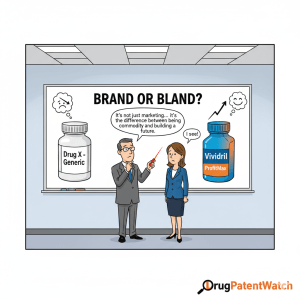
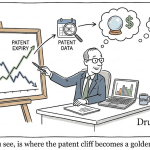
The question sounds deceptively simple: should you put a brand name on your generic drug? In practice, it is one of the most consequential commercial decisions a pharmaceutical executive makes, and the companies that answer it correctly are separating themselves from a competitive field that grows more brutal with every patent expiration.
This is not a branding exercise. It is a capital allocation decision, an IP strategy question, a manufacturing commitment, and a regulatory bet—all compressed into a single go/no-go choice that will define your product’s commercial trajectory for the next decade. Get it right, and you build a durable revenue stream that outlasts the commoditization wave. Get it wrong, and you pour marketing dollars into a product that still races straight to the bottom on price.
The generic pharmaceutical industry saved the U.S. healthcare system an estimated $445 billion in 2023 alone [1]. That number is both a validation of the industry’s value and a measure of the relentless pricing pressure that makes unbranded generic manufacturing, for most molecules in most markets, a game that rewards only the biggest and most cost-efficient players. Everyone else needs a different strategy.
This article is that strategy, rendered in numbers and case law and competitive mechanics. It covers every variable that should enter your decision: the economics of price erosion, the architecture of patent thickets, the psychology of prescribers and patients, the regulatory mechanics of ANDA filings, the commercial models of companies that have succeeded, and the cautionary anatomy of those that have failed. It draws on patent data from DrugPatentWatch, clinical literature, FDA guidance, and real-world market outcomes to give you a framework that works in boardrooms and business development meetings alike.
Part One: The Economics That Make This Decision Urgent
The Patent Cliff Is Not a Cliff Anymore
The pharmaceutical industry spent decades using the term ‘patent cliff’ to describe the moment a blockbuster drug lost its exclusivity. The metaphor implied a sudden, dramatic drop—one definitive moment when branded revenues collapsed and generic competition flooded the market. The term was always a simplification, but it was at least directionally accurate when patent portfolios were simpler and regulatory timelines were more predictable.
Today, the metaphor requires updating. Innovator companies have become expert at constructing layered intellectual property portfolios—filing secondary patents on formulations, dosage forms, manufacturing processes, polymorphs, and methods of use—that extend de facto exclusivity well beyond the primary composition-of-matter patent. The result, as DrugPatentWatch and others have documented, is less a cliff than a gradual slope, eroding over years as each successive patent challenge is fought, settled, or expired. The business consequence is the same: branded revenues eventually collapse. But the timing is harder to predict, the legal costs are higher, and the window of generic exclusivity—which is where the real money is—has become harder to capture cleanly [2].
What has not changed is the magnitude of the transition. Over $200 billion in annual branded drug sales are expected to lose exclusivity between 2025 and 2030 [3]. That represents a substantial opportunity for generic developers. The question is whether those developers can capture and retain value from that opportunity, or whether they simply serve as a conduit for rapid price compression that ultimately benefits payers and patients at the expense of manufacturer margins.
The Price Erosion Curve: A Quantitative Case for Action
The price erosion that follows generic entry is well-documented and follows a predictable pattern. With the entry of the first generic competitor, the price of the equivalent branded product drops by 30% to 39% [4]. That initial drop is steep, but the product is still commercially viable. The problem is what comes next.
With two generic competitors in the market, prices fall by 50% to 54% relative to the original brand price. With three to five competitors, they fall 60% to 79%. When six or more manufacturers are competing for the same molecule, average manufacturer prices can decline by 80% to 95% [4]. At that point, only companies with massive scale, vertically integrated supply chains, and rock-bottom manufacturing costs can produce profitably. Everyone else is either losing money on the product or exiting the market. <blockquote> ‘With six or more generic competitors on the market, the average manufacturer price can fall by a staggering 95% compared to the original brand price.’ — DrugPatentWatch analysis of generic market entry dynamics [4] </blockquote>
This is not a hypothetical risk. It is a structural feature of the generic pharmaceutical market, one that makes the decision to brand a generic something other than a marketing preference. It is, at root, a survival strategy for companies that cannot compete purely on manufacturing cost.
The European market tells a similar story. Generic prices across Europe fell approximately 8% over the last decade, even as overall consumer prices rose by 30% [4]. The only way to escape this dynamic is to build a product that cannot be reduced purely to price—which is precisely what branding is designed to accomplish.
Why Scale Alone Does Not Save You
The instinctive response to price erosion is to scale up—to produce more volume at lower unit cost and accept thinner margins in exchange for market dominance. A handful of large generic manufacturers have pursued this model successfully: Teva, Mylan (now Viatris), Sun Pharma, and a small number of others have achieved the scale needed to compete on cost.
But scale is not accessible to most generic companies, and even for those that achieve it, it creates its own vulnerabilities. A company that competes purely on cost in a commoditized market has no moat. Any manufacturer with access to cheaper API sources, lower-cost labor markets, or more efficient processes can undercut them. The company becomes a price-taker rather than a price-setter.
The companies that have built durable, profitable generic businesses have done so by creating product differentiation that persists even after exclusivity ends. Branded generics are the most accessible and commercially proven form of that differentiation. They do not require a new active ingredient, a new clinical trial program, or a fundamentally new manufacturing process. They require a strategic decision made at the right moment in the product lifecycle, backed by data on IP, market structure, and patient behavior.
Part Two: What You Are Actually Selling
The Three-Archetype Map of Post-Patent Pharma
Before deciding whether to brand a generic, you need a clear map of the competitive terrain. Three distinct product archetypes compete in post-patent pharmaceutical markets, each with different economics, regulatory pathways, and strategic implications.
Traditional unbranded generics are bioequivalent copies of brand-name drugs, approved through the FDA’s Abbreviated New Drug Application process [5]. They must contain the same active ingredients in the same strength and dosage form as the reference listed drug. They can differ in inactive ingredients—fillers, binders, dyes, and coatings—which matters for certain patient populations and therapeutic categories. Their value proposition is price. Nothing else. The moment they lose price advantage, they have no value proposition.
Authorized generics occupy a legally distinct and commercially peculiar position. They are exact copies of the brand-name drug, including both active and inactive ingredients, produced by or licensed by the original manufacturer [6]. They do not require ANDA approval; the manufacturer notifies the FDA under the existing New Drug Application and launches. Because they are not listed in the FDA’s Orange Book, they do not interact with the 180-day exclusivity period in the same way traditional generics do—which makes them a powerful strategic weapon for innovator companies looking to dilute the profitability of the first generic challenger [7].
Branded generics are ANDA-approved products given a proprietary, trademarked name [8]. They contain the same active ingredients as the reference listed drug but may differ in inactive ingredients. They are priced at a discount to the innovator brand—typically 20% to 30%—but at a premium to unbranded generics. That pricing position reflects a deliberate value proposition: quality assurance, brand trust, and consistency for prescribers and patients who are not willing to purchase the cheapest available option but are also not willing to pay full brand prices.
The choice between these archetypes is not permanent, and sophisticated players often operate across all three. Teva, for example, has historically sold both authorized generics (under licensing arrangements with innovators) and its own ANDA-approved products under both branded and unbranded strategies, depending on the molecule and market. The key is knowing which archetype fits which product at which stage of its commercial life.
Bioequivalence: What the Regulations Say and What Patients Experience
The FDA’s bioequivalence standard requires that a generic drug deliver the same amount of active ingredient into a patient’s bloodstream in the same amount of time as the reference brand. Specifically, the 90% confidence interval for two pharmacokinetic parameters—maximum blood concentration (Cmax) and total exposure over time (AUC, or Area Under the Curve)—must fall within 80% to 125% of the brand’s values [9]. To achieve this confidence interval in practice, the actual variance in performance is typically less than 5%.
This is a rigorous standard. The FDA’s position, stated clearly in its guidance documents, is that bioequivalence is clinically sufficient for most drugs [10]. That position is well-supported by decades of pharmacokinetic data and real-world outcomes research. Generic drugs work. The science is clear.
And yet, a persistent gap between regulatory certainty and patient perception creates a market opening that branded generics are designed to exploit. Research consistently shows that patients apply ‘you get what you pay for’ logic to medications, with many believing that a cheaper drug must be of inferior quality [11]. A 2019 study found that patients who were switched from brand to generic medications without adequate counseling showed measurably higher rates of non-adherence and reported side effects—even when the clinical profiles of the products were identical [12].
This is not irrational behavior. Patients are doing what humans do with any product category where quality is difficult to observe directly: they use price as a proxy for quality. When a pharmacist hands someone a white oval pill instead of the familiar blue round pill they have taken for three years, the visual difference alone can trigger anxiety. That anxiety can manifest as reported side effects, reduced adherence, and eventually, poorer health outcomes.
For a generic manufacturer, this psychological dynamic is a problem when you sell an unbranded product and a competitive advantage when you sell a branded one. A branded generic gives patients and prescribers a stable, recognizable product identity that persists across refills and across pharmacy switches. That consistency has real value, and it commands a price premium.
Which Therapeutic Categories Reward Branding
Not every generic molecule is a branding candidate. The decision depends heavily on therapeutic category, patient population, dosing complexity, and the nature of the physician-patient relationship.
Chronic disease states are the strongest candidates. Medications for hypertension, diabetes, depression, epilepsy, and thyroid disorders are taken daily for years or decades. Patients develop familiarity with their medication’s appearance and effects, and any change—even a change to a bioequivalent product—can create anxiety or confusion that reduces adherence. Physicians managing these patients often prefer to control what product their patients receive, and a branded generic gives them the prescriptive precision to do that.
Narrow therapeutic index drugs warrant particular attention. For products like warfarin, levothyroxine, lithium, and certain anticonvulsants, the difference between a therapeutic and a toxic dose is small. Minor variations between generic products—within the FDA’s permitted bioequivalence range—can have clinical consequences for individual patients. The FDA maintains a list of drugs where substitution requires additional clinical monitoring, and prescribers managing these patients are often willing to specify a branded product to ensure consistency across refills [9].
Pediatric formulations represent another natural fit. Parents and caregivers managing chronic conditions in children place high value on product consistency. A branded pediatric suspension or chewable tablet offers the kind of reliability that supports both adherence and caregiver confidence. The visual and taste consistency of a branded product is a commercial advantage that unbranded generics cannot easily replicate.
Psychiatric medications require particular sensitivity. Non-adherence is a major clinical problem in psychiatry, and any disruption to a patient’s medication routine—including a switch to a visually different generic—can trigger anxiety about efficacy or safety. This creates strong demand for branded products among both prescribers and patients.
Acute care and short-course therapies, by contrast, are weaker branding candidates. A patient taking a 10-day antibiotic course does not develop brand loyalty to their cephalosporin. A branded antibiotic in a crowded generic field will struggle to justify its price premium at the pharmacy counter, where payers and pharmacy benefit managers are aggressively substituting to the lowest-cost equivalent.
Part Three: The IP Landscape as a Business Intelligence Problem
Deconstructing the Patent Thicket
Innovator pharmaceutical companies are not passive observers of the patent expiration process. They actively manage their IP portfolios to extend commercial exclusivity, deploying a range of legal and regulatory tools to build what the antitrust and IP literature calls a ‘patent thicket’—a dense web of overlapping secondary patents that must be navigated before a generic competitor can enter the market [13].
The primary composition-of-matter patent, which covers the active ingredient itself, is typically the first to expire and the hardest to challenge. But by the time that patent approaches expiration, the innovator company has usually filed multiple secondary patents covering specific formulations, delivery systems, dosage forms, manufacturing processes, crystalline polymorphs, methods of use, and metabolites. Each of these patents can independently block generic entry, and collectively they can extend de facto exclusivity by years.
The financial asymmetry of this system is striking. A secondary patent can cost as little as $25,000 to obtain, yet challenging it in administrative proceedings—through an Inter Partes Review at the Patent Trial and Appeal Board, for example—can cost a generic company upward of $800,000. A full district court litigation can cost tens of millions [13]. This cost asymmetry is a structural feature of the system that favors innovators, and it is one reason why patent thickets remain an effective exclusivity extension tool even for patents of questionable validity.
Using Patent Data as a Strategic Weapon
This is where patent intelligence platforms become a genuine competitive differentiator rather than a compliance tool. DrugPatentWatch provides systematic, structured access to the Orange Book patent listings, ANDA filing data, Paragraph IV certification records, patent litigation histories, and patent expiration dates for virtually every regulated drug in the U.S. market. For a generic developer building a branded strategy, this data answers the questions that matter most before capital is committed.
Which secondary patents are actually weak—filed late, with narrow claims, or covering features that your formulation does not use? Which have already been challenged and invalidated in proceedings involving other generic filers? Which patents have expiration dates that, once mapped against your development timeline, create a natural launch window? Which molecules have patent landscapes that are already clear, eliminating the litigation risk entirely?
These are not questions that legal counsel alone can answer efficiently. They require systematic data analysis across patent databases, litigation records, and regulatory filings—exactly the kind of structured intelligence that DrugPatentWatch’s platform delivers. Converting that data into a decision on whether to brand a generic is a quantitative exercise: the expected cost of IP clearance, discounted by litigation probability, weighed against the projected revenue premium of a branded versus unbranded launch.
For a molecule where the IP landscape is clear and the market is already crowded with unbranded generics, branding may add 15 to 20 percentage points of gross margin while requiring a marketing investment that can be recouped in 18 months. For a molecule where multiple secondary patents remain active and Paragraph IV challenges are required, the calculus changes significantly—but the potential reward of capturing the 180-day exclusivity period may more than justify the investment.
The Paragraph IV Chess Match
The Hatch-Waxman Act, passed in 1984, established the foundational framework for generic drug competition in the United States. Its most consequential provision for commercial strategy is the Paragraph IV certification, which allows a generic applicant to assert in its ANDA that a listed Orange Book patent is either invalid or will not be infringed by the generic product [14].
The first company to file a Paragraph IV certification against a listed patent—and to successfully defend that certification through litigation or settlement—receives 180 days of market exclusivity. During that window, no other ANDA-approved generic can enter the market. The financial value of this exclusivity period depends on the drug’s market size, but for major products it can reach hundreds of millions of dollars.
This creates a specific strategic question for a generic developer: should you pursue the Paragraph IV path to capture exclusivity, and if you capture it, should you use that 180-day window to launch under a brand or without one?
The answer depends on several variables. What is the likely response from the innovator? Major companies routinely counter first-to-file Paragraph IV challenges by launching their own authorized generic simultaneously, which immediately splits the market and dilutes the first filer’s exclusivity premium. If you anticipate this move—and data from DrugPatentWatch’s patent litigation tracking can help you assess the probability based on the innovator’s historical behavior—you need to plan for a market that is split from day one.
In that environment, a branded product may hold its own better than an unbranded one. An authorized generic is chemically identical to the original brand; it effectively competes as a brand. An unbranded generic competing against both the authorized generic and the original brand is fighting a two-front price war. A branded generic occupies a distinct position, offering an identity that neither the brand nor the authorized generic matches exactly.
The economics are not simple, but they favor branding in markets where authorized generic response is likely and where the therapeutic category supports prescriber-level brand preference.
Part Four: The Regulatory Architecture of the Branded Generic
The ANDA Process: Not Simple, Just Abbreviated
The FDA uses the word ‘abbreviated’ deliberately. An Abbreviated New Drug Application does not require the sponsor to generate new safety and efficacy data—the agency relies on its prior finding for the reference listed drug [5]. But the application is still a complex regulatory submission that requires demonstration of pharmaceutical equivalence, bioequivalence, and manufacturing compliance.
Pharmaceutical equivalence means the generic product contains the same active ingredient in the same dosage form and route of administration, at the same or comparable dosage strength. Bioequivalence, as discussed earlier, requires pharmacokinetic studies demonstrating that the generic delivers the same amount of drug into systemic circulation within the FDA’s defined tolerance range. Manufacturing compliance requires that the production facility meets Current Good Manufacturing Practice (cGMP) standards, which the FDA verifies through facility inspection [5].
For most molecules, this is a well-understood regulatory pathway with predictable timelines. The average time from ANDA submission to approval has shortened considerably over the past decade, in part due to the Generic Drug User Fee Act (GDUFA), which imposed fee-for-service timelines on FDA review. First-cycle approval rates have also improved, meaning that well-prepared submissions reach the market faster.
For a branded generic strategy, the ANDA timeline matters for two reasons. First, it determines when you can actually launch and begin building the brand. Second, it affects your competitive positioning: if multiple companies file ANDAs for the same molecule around the same time, the first to reach approval—assuming no Paragraph IV exclusivity is at play—will have a head start in establishing brand presence in the market.
Naming a Generic: The Trademark Dimension
When you brand a generic, you are creating a new proprietary name that sits on top of the generic name. The brand name must be approved by the FDA as part of the labeling review, and it must not be confusable with any other drug name in a way that could lead to prescribing or dispensing errors—the so-called ‘look-alike, sound-alike’ problem that causes medication errors.
The FDA’s Division of Medication Error Prevention and Analysis reviews proposed brand names for confusion risk before approval. This means your branding strategy begins before you choose a name: it requires research into the existing drug name landscape to identify names that are both commercially compelling and regulatorily acceptable. A name that fails FDA review delays your launch and forces you to restart the naming process. The cost of that delay, in a market where first-mover advantage matters, is real.
Trademark registration adds another layer. Your brand name must be available for registration in the markets where you intend to sell, which requires a clearance search across both pharmaceutical-specific databases and broader trademark registers. In the U.S., registration with the United States Patent and Trademark Office (USPTO) provides the legal foundation for brand protection and enforcement. In international markets, the complexity multiplies: many countries have separate brand name approval requirements, and a name that is available in the U.S. may be registered to another company in Europe or Asia.
This infrastructure investment—legal, regulatory, and commercial—is part of the cost that must be included in any ROI model for a branded generic strategy. It is not prohibitive, but it is real, and it distinguishes a genuine branding program from the exercise of simply adding a name to a package.
Labeling Strategy and Therapeutic Substitution
One dimension of branded generic strategy that receives insufficient attention in business case analyses is the labeling and formulary positioning question. When a prescriber writes a branded generic by name, does the pharmacist have the legal authority to substitute an unbranded generic in its place?
The answer is both legally and commercially important. In the U.S., therapeutic substitution—replacing one drug with another that is therapeutically similar but not bioequivalent—requires prescriber consent. But automatic substitution of generic equivalents is permitted in most states unless the prescriber writes ‘dispense as written’ or its equivalent. If your branded generic is classified as therapeutically equivalent to an unbranded competitor in the FDA’s Orange Book, the pharmacist may substitute it without prescriber input.
This substitution risk is one reason why some branded generic strategies focus on formulation differentiation—developing a product with distinct inactive ingredients, a different delivery mechanism, or a modified release profile that can be positioned as not directly substitutable. This approach blurs the line between a branded generic and a value-added new drug application (NDA) product, but it can provide a more durable commercial position.
For products where substitution is likely, the marketing strategy must compensate. Prescriber education about the importance of specifying the branded product—particularly for narrow therapeutic index drugs, pediatric formulations, or products where patient-specific factors make formulation consistency clinically relevant—is a critical component of protecting market share.
Part Five: Market Structure and Competitive Positioning
Where Branded Generics Win
The branded generic market is not uniform. It consists of distinct competitive sub-markets, each with different characteristics, entry requirements, and margin profiles. Understanding where branded generics win requires mapping these sub-markets explicitly.
Emerging markets are the most obviously favorable terrain. In markets across South Asia, Southeast Asia, Latin America, the Middle East, and Africa, branded generics dominate because the infrastructure for unbranded generic substitution—robust pharmacy benefit management, transparent formulary structures, and strong price-based payer incentives—is either absent or underdeveloped. Physicians in these markets often prescribe by brand name rather than by generic name, and patients develop loyalty to recognizable products. Companies like Dr. Reddy’s Laboratories and Sun Pharmaceutical built global-scale businesses on exactly this foundation, using branded generic portfolios in emerging markets to generate the cash flows that funded their moves into regulated markets [8].
The global branded generics market was valued at approximately $240.75 billion in 2022 and is projected to reach $375.95 billion by 2030, growing at a compound annual growth rate of 5.7% [8]. That growth is concentrated in these emerging market regions, where population growth, increasing chronic disease burden, and expanding pharmaceutical access are creating demand for affordable branded products.
Regulated markets—complex product segments are also strong branded generic territory. In the U.S. and Europe, straightforward oral solid generics face immediate price pressure from established generic competition, pharmacy benefit management systems that aggressively drive formulary substitution, and payers that explicitly reward lowest-cost generic dispensing. Branding a standard tablet or capsule in this environment provides limited pricing power.
But complex dosage forms—injectables, inhalation products, transdermal patches, modified-release formulations, topicals with specific vehicle requirements—are different. These products require more sophisticated manufacturing, which limits competition. They often have formulation-specific bioequivalence requirements that make generic substitution legally and clinically more complicated. And they are prescribed in clinical settings where physician preference and product familiarity carry significant weight. A branded generic in these categories can sustain a meaningful price premium because the product itself is not simply a commodity.
Specialty pharmacy channels represent a third favorable environment. Specialty drugs—typically high-cost, biologically complex, or requiring special handling and patient support programs—are dispensed through specialty pharmacies that have much closer relationships with prescribers than retail pharmacies do. Brand recognition, manufacturer support programs, and patient services infrastructure matter significantly in this channel. A branded generic positioned in a specialty category can build a support ecosystem that unbranded competitors cannot easily replicate.
The Payer Dimension: PBMs, Formularies, and the Branded Generic’s Position
In the U.S. market, Pharmacy Benefit Managers (PBMs) are the dominant force in drug purchasing for the commercial insurance market. The three largest PBMs—CVS Caremark, Express Scripts (now part of Cigna), and OptumRx—collectively manage pharmaceutical benefits for the majority of commercially insured Americans. Their formulary decisions, rebate negotiations, and step therapy requirements shape what drugs patients actually receive and what prices manufacturers can realize.
For unbranded generic manufacturers, PBMs are largely irrelevant: generic drugs are dispensed at the lowest contracted price, with substitution driven by formulary tier placement and state substitution laws rather than manufacturer relationships. Unbranded generic manufacturers rarely negotiate rebates with PBMs at all [15].
For branded generic manufacturers, the PBM relationship is more complex. Branded generics occupy an unusual formulary position: they are priced above unbranded generics but below the originator brand, which means they are typically on a mid-tier formulary position that requires a patient co-pay higher than the generic tier but lower than the brand tier. Whether this positioning is commercially viable depends on patient co-pay sensitivity in the relevant therapeutic category and on whether prescribers will specify the branded product.
In markets where payers have significant control over formulary substitution, branded generic manufacturers need a clinical or commercial story that justifies their product’s formulary position. That story must be more than ‘it’s the same drug with a name on it.’ It needs to reference patient outcomes data, adherence rates, or patient support services that demonstrably reduce downstream healthcare costs. Some manufacturers have begun commissioning real-world evidence studies to build this case. For companies with the data to support it, this approach can secure favorable formulary positioning and protect against aggressive payer substitution pressure.
The Competitive Response to Watch For: Authorized Generics as a Defensive Weapon
If you are building a branded generic strategy for a molecule with significant market size, the innovator company’s likely response deserves careful analysis. The authorized generic has become one of the most effective tools in the innovator’s defensive arsenal.
The mechanics are well-documented. When the first ANDA filer enters the market under Paragraph IV exclusivity, the innovator can simultaneously launch an authorized generic—an exact copy of the brand, marketed under the generic name but manufactured by the brand company—through its existing NDA, without requiring FDA approval for the authorized generic itself [7]. The first generic’s 180-day exclusivity does not block authorized generics; that exclusivity only prevents other ANDA holders from marketing. The authorized generic enters immediately, splitting the market that the first filer was hoping to own alone.
A 2022 Health Affairs study found that authorized generics were launched in 28% of cases where Paragraph IV exclusivity was triggered in the U.S. market between 2010 and 2019 [7]. The impact on first-filer profitability is significant: the presence of an authorized generic reduces the first generic’s market share and revenues during the exclusivity period by a substantial margin, altering the ROI calculation for the Paragraph IV challenge that produced the exclusivity in the first place.
For a branded generic strategy, the authorized generic threat works differently than it does for an unbranded first-filer. An authorized generic competes as a brand—it is the brand drug, sold at a lower price. Against an authorized generic, a distinct branded generic with its own identity, its own physician and patient outreach, and its own support programs occupies a genuinely different commercial position. It is not simply competing on price with an identical product; it is offering a branded alternative that can build independent loyalty.
This dynamic means that for some molecules, a branded generic strategy is actually more resilient to authorized generic competition than an unbranded strategy would be.
Part Six: The Marketing Architecture for a Branded Generic
Why Branded Generic Marketing Looks Nothing Like Brand Marketing
Innovator pharmaceutical brands invest enormous sums in marketing. A major product launch from a large pharmaceutical company might include years of pre-launch physician education, direct-to-consumer advertising campaigns across television and digital channels, thousands of field sales representatives, extensive patient support programs, and speaker bureau programs that engage key opinion leaders. Total marketing expenditure for a major brand can run to hundreds of millions of dollars annually.
That model does not translate to branded generics. The economics are different, the competitive dynamics are different, and the margin profile is different. A branded generic that tries to replicate innovator marketing at scale will spend itself into insolvency before achieving the market penetration it needs to justify the investment.
The successful branded generic marketing model is leaner, more targeted, and more analytically rigorous. It identifies the specific physician segments and patient populations where brand preference is strongest, concentrates messaging on the value proposition that actually matters to those segments—consistency, reliability, clinical confidence—and builds support programs that deepen loyalty at a per-patient cost that fits within the product’s margin structure.
Physician targeting starts with prescriber-level data. Which physicians write the highest volumes of the relevant drug? Which of those physicians currently specify the originator brand rather than allowing generic substitution? Which have histories of brand loyalty in related therapeutic categories? These physicians are the primary target audience for a branded generic launch, because they have already demonstrated a preference for brand consistency that your product can capture.
Pharmacist relationships matter as much as physician relationships, and they are often underweighted in pharmaceutical marketing plans. The pharmacist is the last point of contact before the drug reaches the patient. In states where substitution is automatic, a pharmacist who understands and endorses your branded generic—who actively asks patients whether they want it by name—can drive significant volume. Building those relationships through continuing education, product quality communications, and pharmacist support programs is a cost-effective approach to protecting brand share.
Patient-facing programs have become increasingly important in chronic disease categories where adherence is a persistent problem. A branded generic that offers an adherence program—whether a mobile application that tracks dosing, a pharmacist support line, or a patient assistance program for those who cannot afford even the branded generic’s price—creates a service relationship that an unbranded competitor cannot easily match. A 2024 survey found that 60% of patients were more likely to choose a branded generic that offered a digital companion tool [16]. That is a significant and commercially actionable preference.
Digital Health Integration: The ‘Beyond the Pill’ Strategy
The concept of pairing a pharmaceutical product with a digital health tool has moved from a marketing novelty to a genuine commercial differentiator for some branded generic manufacturers. The logic is straightforward: if your product helps patients manage their condition more effectively—through better adherence tracking, symptom monitoring, or telehealth integration—you are not selling a pill anymore. You are selling a health management system that happens to include a pill. That is a harder value proposition to undercut on price alone.
This strategy is most credible in categories where adherence is a well-documented problem and where the clinical and economic consequences of non-adherence are significant. Diabetes management, asthma control, hypertension, and psychiatric medications are the obvious candidates. In these categories, an adherence app or a connected device can provide real-world evidence of clinical benefit—reduced hospitalizations, fewer emergency department visits, better HbA1c control—that both patients and payers value.
The commercial outcome can be material. One branded generic manufacturer in the respiratory category reportedly boosted sales of its asthma product by 30% after integrating the product with a telehealth partnership that provided prescribers with real-time adherence data [16]. Whether that specific case represents typical results is uncertain, but the directional evidence—that digital integration drives brand preference and adherence—is consistent across multiple studies.
The investment required is non-trivial. Developing and maintaining a digital health application, integrating it with pharmacy dispensing systems, and building the clinical and legal infrastructure to handle patient data responsibly requires both capital and organizational capability. But relative to a mass-market direct-to-consumer advertising campaign, it can deliver a better return on a per-engaged-patient basis—precisely because it is reaching the patients who are already taking the product and who represent the highest-value customers.
Pricing Strategy: The Critical Variable
The pricing decision for a branded generic is the most sensitive variable in the entire launch plan, and it is one that many companies get wrong in one of two directions. Price too high, and you alienate prescribers who see no reason to specify your product over an unbranded alternative that costs 50% less. Price too low, and you undermine the quality perception that the brand is supposed to convey, while also failing to generate the margins that justify the branding investment.
The conventional wisdom—pricing a branded generic at 20% to 30% below the originator brand—reflects real market data [8]. Products priced within this range have consistently outperformed those priced outside it in market share capture and margin sustainability. A study found that a branded generic priced 25% below the originator drug captured 40% of the market within 12 months of launch [16]. That is a powerful data point, though it needs to be interpreted in the context of the specific therapeutic category and competitive landscape.
The pricing decision should also account for the likely trajectory of unbranded generic prices over the product’s commercial life. If you expect five or six unbranded generics to enter the market within 24 months of your launch, you need to model what happens to your pricing premium as the unbranded floor drops. A product that is priced at 25% below the brand at launch may find itself priced at 2x the unbranded generic within three years. That margin relative to unbranded products can actually support stronger brand loyalty messaging—’our product is the premium option, and here’s what you get for the premium’—but it requires a marketing pivot that should be planned in advance rather than improvised.
Payer dynamics also bear directly on pricing. In therapeutic categories where payers actively manage generic substitution through co-pay differentials, a branded generic in a non-preferred tier may face significant patient out-of-pocket costs that undermine demand. Co-pay assistance programs can compensate for this in the commercial insurance market, but they do not work for government programs—Medicaid and Medicare—where co-pay assistance is not permitted. If government payers represent a significant portion of the relevant patient population, co-pay assistance cannot be the primary strategy for making your branded generic accessible.
Part Seven: Case Studies in Success and Failure
The Indian Pharma Model: Building Empires on Branded Generics
The most persuasive evidence for the commercial viability of the branded generic model comes from the Indian pharmaceutical industry, which built several of the world’s largest drug companies almost entirely on this foundation.
Dr. Reddy’s Laboratories, founded in 1984 in Hyderabad, built its initial scale entirely in the Indian domestic market through a portfolio of branded generics. The strategy was systematic: identify molecules losing patent protection globally, develop bioequivalent formulations optimized for Indian manufacturing conditions, launch under proprietary brand names with direct physician promotion, and build brand loyalty through quality consistency and physician education programs. The domestic branded generic business generated the cash flows that funded Dr. Reddy’s first forays into U.S. generic filings and eventually into the global generics business that it now operates across 20 countries [8].
Sun Pharmaceutical’s trajectory is similar. Sun’s founder, Dilip Shanghvi, began with a branded generic for psychiatry in 1983 and built a company that is now one of the five largest generic pharmaceutical companies in the world. The branded generic model gave Sun the margins to fund quality improvements, manufacturing scale-up, and the regulatory compliance infrastructure required for U.S. and European market entry. Today, Sun operates across both branded generics in emerging markets and complex unbranded generics in regulated markets—but the foundation was the branded model [8].
These cases are not simply historical artifacts. They demonstrate a replicable model: use branded generics in markets where the model works best to generate sustainable margins, use those margins to fund capability building for adjacent markets, and build a diversified portfolio that hedges against the price erosion risk in any single market segment.
The Teva Bupropion XL Failure: When Regulatory Approval Is Not Enough
Not every cautionary tale in branded generic strategy comes from a branding decision gone wrong. Some of the most important lessons come from failures to brand—or from the consequences of relying on regulatory approval alone without adequate attention to real-world patient experience.
In 2012, the FDA removed Teva’s version of bupropion XL (extended-release, 300mg) from the market following years of patient complaints about its clinical performance [17]. The product had received bioequivalence approval through the ANDA process. By the FDA’s regulatory standard, it was interchangeable with Wellbutrin XL, the originator brand. But patients taking the Teva product reported dramatically different experiences: reduced effectiveness, increased side effects, breakthrough symptoms of depression that had been controlled on the original brand.
The mechanism was ultimately traced to a dissolution profile that, while meeting the bioequivalence standard on approved in vitro tests, failed to replicate the originator’s drug release kinetics in real-world clinical use [17]. The regulatory standard had been satisfied; the clinical outcome had not been.
This failure carries multiple lessons for the branded generic strategy discussion. First, bioequivalence approval is a necessary but not sufficient condition for commercial success in categories where patients are attentive to their clinical response. Second, patient-reported outcomes and pharmacovigilance data are strategic assets, not just compliance obligations. Third, for critical-dose drugs—particularly psychiatric medications, anticonvulsants, and other products where patients are acutely aware of any change in clinical effect—brand identity and quality consistency messaging are not marketing embellishments. They are the product’s core value proposition.
A branded generic manufacturer that invests in post-market surveillance, that actively collects and responds to patient-reported outcome data, and that builds quality assurance messaging around real evidence rather than generic claims of ‘same active ingredient’ is building a competitive advantage that an unbranded competitor structurally cannot match.
The Cholesterol Market: A Branded Generic Master Class
The atorvastatin/Lipitor market provides one of the clearest illustrations of branded generic strategy in action. When Lipitor’s primary patent expired in November 2011, the resulting generic entry was among the largest single patent expiration events in pharmaceutical history. Within months, the price of atorvastatin had collapsed by more than 90%, and Pfizer’s branded revenues from the product fell precipitously.
Companies that captured and retained value in this market did so through differentiation. Pfizer itself launched an authorized generic immediately, limiting the first-filer’s exclusivity window. But in markets outside the U.S.—particularly in emerging markets where atorvastatin had not yet penetrated broadly—branded generic manufacturers were able to establish positions that held margins well above the rock-bottom prices prevailing in mature markets.
Closer analysis of U.S. market dynamics after Lipitor’s patent expiration reveals another pattern: while the commodity market for generic atorvastatin tablets collapsed in price as expected, branded versions in specialty channels—specifically, hospital formularies and specialty pharmacy networks—maintained price premiums by offering dosing consistency and manufacturer support programs that price-focused pharmacy benefit managers did not address.
The broader lesson is that no patent expiration creates a uniform market. Within any major molecule’s post-expiration landscape, sub-markets exist where branded differentiation can sustain margins. Identifying and targeting those sub-markets is a core analytical task before committing to a branded generic launch.
Market Consolidation Through M&A: Why Scale Players Acquire Branded Portfolios
The M&A history of the generic pharmaceutical industry provides indirect but powerful evidence for the value of branded generic portfolios. Major pharmaceutical companies have consistently valued branded generic assets at premium multiples when acquiring generic companies, and the rationale is not hard to understand: branded portfolios generate predictable, differentiated cash flows that are not directly correlated to commodity price movements.
Most M&A activity in the generic pharmaceutical sector involves small molecule generics, and deals are often aimed at building larger, more diverse portfolios rather than acquiring specific technologies [18]. But the premium paid for branded portfolios relative to unbranded ones is consistent across deal histories. An unbranded generic portfolio is valued on its revenue and margin against a price erosion curve that eventually drives margins to zero. A branded generic portfolio is valued on its brand equity, its prescriber relationships, and its ability to sustain above-commodity margins in specific therapeutic niches.
Sanofi’s acquisition of Zentiva in Central and Eastern European markets—a major branded generics operation—and Abbott’s creation of a distinct Established Products division (now Mylan’s emerging markets business, then Viatris, and now evolving again through divestiture strategies) both reflect this logic. Large pharmaceutical companies recognized that branded generics in the right markets are a durable asset class, worth owning at a premium to commodity generic portfolios.
Part Eight: The Decision Framework
The Eight Questions You Must Answer Before Branding
Given everything above—the market economics, the regulatory landscape, the competitive dynamics, and the commercial architecture—the decision to brand a generic should follow a structured analytical process. Eight questions anchor that process.
1. What is the competitive density at anticipated launch? How many ANDA applications have been filed for the molecule? How many generic manufacturers are expected to be on the market by the time you launch? If you expect six or more competitors within 12 months, the unbranded price will be below sustainable manufacturing cost for most companies. The only economically viable position in that market is a differentiated one.
2. What is the IP landscape? Use DrugPatentWatch’s patent analysis tools to map every Orange Book-listed patent, its expiration date, its claim scope, and its litigation history. Identify whether Paragraph IV challenges are active, pending, or completed. Determine whether any secondary patents covering your anticipated formulation are still active and whether they present litigation risk. This analysis is the foundation of your market entry timeline and your risk budget.
3. Is this a category where patient and prescriber brand preference exists? Review published data on adherence, therapeutic switching, and patient-reported outcomes for the relevant therapeutic category. Consult prescribing behavior databases to assess what proportion of prescriptions in the category are currently written as ‘dispense as written’ or by brand name. If physician and patient preference for specific products is measurable, branding will capture some of that preference. If the category is commodity-driven—where prescribers routinely allow generic substitution without clinical concern—branding provides less traction.
4. What is the realistic price premium and its durability? Model the price trajectory of unbranded generics over a five-year period, assuming a realistic competitive entry pattern. Calculate your branded generic’s price relative to the unbranded floor at each point. Determine whether the premium is sufficient to justify your marketing investment, regulatory costs, and trademark infrastructure at each stage of the product’s commercial life.
5. What is the payer environment? Determine the proportion of the patient population covered by commercial insurance, Medicaid, Medicare Part D, and other payer types. Assess whether payer formularies in this category are brand-exclusive, brand-preferred, or generic-mandatory. Estimate the co-pay differential between your branded product and the generic tier, and model the demand impact of that differential on your patient population.
6. Do you have a manufacturing quality story? A branded generic requires a quality narrative that goes beyond regulatory compliance. What manufacturing processes, quality control systems, or supply chain features does your product have that can be communicated as evidence of reliability? Do you manufacture in a facility with an impeccable FDA inspection history? Do you have process controls that deliver formulation consistency that exceeds the minimum regulatory requirement? If yes, these are marketing assets. If no, branding creates an expectation of quality that your operations must be able to meet.
7. What is the innovator’s likely response? Based on the innovator company’s history—their authorized generic track record, their litigation patterns, their lifecycle management strategies—what are they likely to do when your branded generic enters the market? Will they launch an authorized generic? Will they engage in patient assistance programs designed to retain patients on the originator brand? Will they file litigation that delays your launch? Each response has different implications for your launch strategy and financial projections.
8. What is the exit strategy? Every branded generic has a commercial lifecycle. At what point will the unbranded generic floor erode to a level where your branded premium is no longer defensible? What is your strategy at that point—exit the market, reduce price to maintain volume, or use the brand as an anchor for a next-generation formulation? Companies that plan the exit before the launch are better positioned than those that are caught off guard by price erosion that was, in retrospect, entirely predictable.
Building the Financial Model
A serious financial model for a branded generic launch incorporates four distinct revenue and cost scenarios: base case, upside, downside, and a commodity competitor response scenario.
The base case assumes moderate physician adoption, a stable branded price premium of 20% to 25% above the unbranded floor, and a marketing investment sufficient to establish brand recognition in the primary prescriber segment within 18 months of launch. It models the likely entry of five to eight unbranded competitors over a 36-month period and applies the price erosion curve from industry data.
The upside scenario assumes higher physician and patient adoption driven by strong brand messaging, successful PBM formulary positioning, and digital health integration that measurably improves adherence and supports real-world evidence generation. It assumes limited authorized generic response from the innovator and a slower-than-average unbranded competitor entry pattern.
The downside scenario assumes aggressive PBM substitution, authorized generic entry from the innovator within the first month of your launch, and rapid unbranded competitor entry that compresses the price floor faster than the base case projects. It tests the viability of your branded premium under maximum competitive pressure.
The commodity competitor response scenario specifically models the impact of a large, cost-focused unbranded competitor pricing aggressively below the prevailing floor to capture volume. This scenario tests the structural floor of your gross margin and determines whether your branded product can maintain positive unit economics under maximum price pressure.
Running these scenarios against your total addressable market, your anticipated market share trajectory, and your fixed and variable cost structure produces an expected IRR and NPV for the branded launch versus an unbranded launch. The difference in those figures is the quantified value of the branding decision—and it is the number that should drive the go/no-go choice.
Part Nine: Implementation — From Decision to Launch
The Pre-Launch Timeline
A branded generic launch is not a marketing campaign. It is a multi-functional program that requires coordination across regulatory affairs, manufacturing, legal, commercial, and market access teams, beginning at minimum 18 to 24 months before anticipated first commercial sale.
The regulatory track runs from ANDA submission through approval, with Paragraph IV certification and any resulting litigation running in parallel if required. The legal track covers trademark clearance, brand name registration, and patent landscape monitoring. The manufacturing track covers facility readiness, process validation, and supply chain qualification. The commercial track covers market research, pricing analysis, physician targeting, pharmacist engagement planning, and digital health infrastructure development if applicable.
These tracks are not sequential; they run in parallel, and dependencies between them must be managed explicitly. A delay in ANDA approval, for example, may require you to refresh your physician targeting data if prescribing patterns in the category have shifted in the interim. A litigation outcome that delays launch by 12 months may require you to revise your pricing model if additional unbranded competitors have entered the market during the delay.
A program management structure that integrates these tracks and maintains alignment on the commercial launch plan across functional teams is essential. Branded generic launches that fail commercially often do so not because the branding strategy was wrong but because the execution was fragmented—the regulatory team was not aligned with the commercial team on launch timing, or the manufacturing team was not ready to scale when approval arrived faster than expected.
The First 90 Days: Building Brand Presence
The first 90 days after launch are disproportionately important for a branded generic’s long-term commercial trajectory. Early prescriber adoption tends to be self-reinforcing: physicians who adopt a branded generic in the first few months of availability are more likely to continue specifying it and to influence colleagues’ prescribing patterns. Early pharmacy stocking decisions affect patient access and create the retail presence that drives patient awareness.
A targeted launch sequencing strategy—concentrating initial sales force activity on the highest-volume prescribers in the highest-value therapeutic sub-segments, then broadening to wider prescriber segments as brand recognition builds—produces better outcomes than a broad, diffuse launch that spreads marketing resources too thin to achieve meaningful prescriber penetration in any segment.
Formulary access should be secured before launch, not after it. If your branded generic requires formulary application submissions to hospital systems, health systems, or PBM networks, those applications need to be filed and in progress before commercial launch. A product that launches without formulary access in major health system channels will lose prescriptions to unbranded alternatives that are already on formulary, and regaining those prescriptions after the fact is significantly harder than securing formulary position in the first place.
Pharmacovigilance as a Brand Asset
Post-market surveillance is a regulatory requirement for all marketed drugs. For a branded generic, it is also a commercial strategy tool. Active collection, analysis, and transparent reporting of real-world safety and efficacy data—even when, especially when, that data shows the product performing consistently with the originator brand—builds the quality evidence base that sustains brand credibility over time.
The Teva bupropion XL failure discussed earlier was partly a failure of pharmacovigilance: patient complaints accumulated over years without triggering an adequate regulatory or commercial response. A manufacturer with a robust post-market surveillance program would have detected the signal earlier and either defended the product with data or proactively resolved the formulation issue before FDA action was required.
For a branded generic, every data point that demonstrates product quality, consistency, and real-world clinical performance is a marketing asset. Companies that build systems to collect and report this data systematically are building a durable evidentiary foundation for their brand claims that competitors cannot match without equivalent investment.
Part Ten: The Global Dimension
Regulatory Harmonization and Its Limits
The International Council for Harmonisation (ICH) has worked for decades to align pharmaceutical regulatory standards across the U.S., European Union, Japan, and other major markets. The result is a degree of harmonization in bioequivalence standards, quality requirements, and documentation formats that makes it easier to develop and file generic products across multiple markets from a single technical dossier.
This harmonization matters for branded generic strategy because it enables a company to develop a single formulation that meets regulatory requirements in multiple markets, then adapt the brand identity, pricing, and marketing strategy to local conditions. The manufacturing investment is shared; the commercial investment is differentiated.
But harmonization has limits. Regulatory data requirements for bioequivalence differ between markets. The European Medicines Agency (EMA) and the FDA do not have identical bioequivalence standards, and while their approaches are directionally similar, a bioequivalence study designed to meet FDA requirements may require supplemental work for EMA submission. Regional health authority requirements—ANVISA in Brazil, CDSCO in India, TGA in Australia, PMDA in Japan—each add their own requirements and timelines.
More importantly, formulary and market access structures differ dramatically across markets. A branded generic that succeeds in a U.S. specialty pharmacy channel because it offers an adherence program and real-world evidence data may need a completely different commercial model in Germany, where the AMNOG pricing negotiation framework applies to all drugs above a certain price, or in Japan, where the national health insurance pricing system sets reference prices that constrain branded premium potential.
Building an international branded generic strategy requires market-specific commercial analysis for each priority market, not a single global model applied uniformly. The companies that succeed globally—Dr. Reddy’s, Sun Pharma, Hikma in the Middle East and North Africa—do so because they have built local commercial capabilities, not because they have applied a universal template.
Emerging Markets: The Growth Engine
The commercial case for branded generics is strongest, and the data most consistent, in emerging pharmaceutical markets. In these markets—covering several billion potential patients across South Asia, Southeast Asia, sub-Saharan Africa, the Middle East, and Latin America—the conditions that make branded generics work are structurally embedded in the healthcare system.
Physician prescribing behavior is the most important factor. In markets where the pharmacy benefit management infrastructure is absent or nascent, physicians determine what drug a patient takes by writing a specific brand name on the prescription. Generic substitution at the pharmacy level is less automatic and less systematic than in the U.S. or Western Europe. A physician who knows and trusts a branded generic will write it by name, and the patient will receive that product.
This physician-level influence creates strong returns on targeted physician marketing—direct promotion, continuing medical education, speaker programs—that would be inefficient in markets where prescriber intent is overridden by formulary substitution. The marketing investment required per physician is lower in emerging markets, the prescribing influence of each targeted physician is higher, and the sustainable price premium above unbranded alternatives is larger.
The result is a margin profile that is, for many molecules in many emerging markets, substantially better than the same product could achieve in a mature regulated market. This is why large generic companies with emerging market operations consistently report higher margins on their branded portfolios than on their unbranded portfolios, even for molecules where the unbranded version has been off-patent for decades.
The supply chain dimension is also important. In markets with fragmented or unreliable distribution infrastructure, a branded product with a trusted manufacturer behind it has a quality assurance advantage over unknown unbranded competitors. Counterfeit drugs and substandard manufacturing are real problems in some emerging markets, and a well-recognized brand with a verifiable supply chain can command a quality premium that reflects genuine patient protection, not merely marketing differentiation.
Part Eleven: The Regulatory and Ethical Boundaries
What Branding Cannot Do
A branded generic strategy has clear limits, and understanding those limits is part of building a credible business case. Branding cannot substitute for actual product quality. It cannot compensate for bioequivalence deficiencies, manufacturing problems, or supply chain failures. A brand built on claims that cannot be substantiated with evidence will fail commercially when patient experience does not match the brand promise, and it will fail regulatorily when the FDA or foreign health authorities investigate the discrepancy.
Branding also cannot create therapeutic differentiation where none exists. A branded generic is approved on the basis of bioequivalence to the originator brand—it is, by definition, therapeutically equivalent. Marketing that implies clinical superiority to the originator brand or to unbranded generics, without supporting clinical evidence, crosses into prohibited comparative claims territory. The FDA’s Office of Prescription Drug Promotion monitors branded drug advertising, including branded generic advertising, for false or misleading claims. A promotional campaign that oversteps these boundaries risks warning letters, consent decrees, and the reputational damage that comes from a publicly documented violation.
The distinction between ‘this product is consistent and reliable’ (a legitimate quality claim, supportable by manufacturing data) and ‘this product works better than the generic’ (a therapeutic superiority claim, requiring clinical evidence that does not exist for a bioequivalent product) is one that marketing teams must understand clearly before finalizing promotional materials.
Antitrust Considerations in Branded Generic Strategy
The intersection of branded generic strategy and antitrust law requires attention in two specific areas.
First, pay-for-delay settlements—arrangements in which an innovator company pays a generic challenger to delay its market entry in exchange for dropping Paragraph IV litigation—have been scrutinized heavily by antitrust regulators and the courts. The Federal Trade Commission (FTC) has long challenged these settlements as anticompetitive, and the Supreme Court’s 2013 decision in FTC v. Actavis established that such agreements are subject to antitrust analysis under the rule of reason. A branded generic company that is also a generic challenger must ensure that any litigation settlement related to its Paragraph IV challenge does not create antitrust exposure.
Second, exclusive dealing arrangements with distributors, pharmacies, or health systems—which might be structured to preference a branded generic over unbranded competitors—require antitrust counsel review if they could be construed as foreclosing competition in a relevant market. A distribution arrangement that is legitimate in a competitive market might become problematic if it is structured in a way that prevents competing generics from reaching patients.
These are not esoteric legal risks. They are documented areas of regulatory and litigation risk that have produced significant penalties and operational disruptions for companies that did not manage them carefully. Building antitrust review into the commercial strategy development process, rather than treating it as a post-decision legal check, is the appropriate posture.
Part Twelve: The Future of Branded Generics
Biosimilars: The Next Branded Generic Frontier
The branded generic model is extending into the biologic space through biosimilars—products that are highly similar, though not identical, to originator biologic drugs. Biosimilars are to biologics what generics are to small molecule drugs, but the science is more complex, the manufacturing requirements are more demanding, the regulatory pathway is more expensive, and the IP landscape is typically even more layered than for small molecules.
The commercial strategy for biosimilars is evolving rapidly, and branding is a central component of that evolution. Unlike small molecule generics, biosimilars are not considered automatically interchangeable with their reference biologic in most markets. Prescriber substitution of a biosimilar for the originator biologic—or for another biosimilar—requires a deliberate prescribing decision in most regulatory environments. This means that biosimilar manufacturers must actively win prescriber adoption rather than relying on automatic formulary substitution. A strong brand identity, backed by clinical evidence of safety and efficacy in the relevant indication, is a significant commercial asset.
The pricing strategy for biosimilars also differs from small molecule generics. Because biosimilar development is expensive—total development costs for a biosimilar can run to $100 million to $250 million or more—and because automatic substitution is not universal, biosimilar pricing typically stays closer to the originator biologic (15% to 35% discount) rather than collapsing by 80% to 95% as small molecule generic prices do. This pricing structure makes a branded strategy both more necessary—you cannot compete on price alone—and more sustainable, since the margin available to support brand investment is larger.
The Digital Transformation of Generic Marketing
The integration of real-world evidence, digital health tools, and data analytics into branded generic marketing is accelerating. Companies that build the data infrastructure to generate and report real-world evidence of their product’s performance—adherence rates, clinical outcomes, adverse event profiles—are building a marketing capability that was not commercially viable a decade ago and is now a genuine differentiator.
Precision marketing capabilities, powered by physician-level prescribing data and patient-level outcome data (with appropriate privacy protections), allow branded generic manufacturers to target their marketing investments with a specificity that was previously unavailable to the commercial teams of mid-sized generic companies. Identifying the specific physicians whose prescribing behavior is most likely to shift in response to targeted promotion, and concentrating resources on those physicians, produces a better marketing ROI than broad-reach campaigns that do not discriminate by prescriber type.
The rise of telehealth platforms as distribution channels for chronic disease medications also creates new commercial opportunities for branded generics. A telehealth physician who prescribes a branded generic directly to a patient, with the prescription flowing to a partner pharmacy, can create a direct relationship between the manufacturer’s brand and the patient’s therapy that bypasses the formulary substitution mechanisms that erode branded generic share in traditional pharmacy channels.
Key Takeaways
The decision to brand a generic drug is a capital allocation question, not a marketing question. Answer it with data.
The generic commodity market is structurally unwinnable for most companies. When six or more manufacturers compete for the same molecule, prices fall by up to 95% and margins become non-existent. The only defensible position is differentiation.
Branded generics work best in five conditions: chronic disease states with high patient adherence sensitivity, narrow therapeutic index drugs where prescribers value formulation consistency, complex dosage forms with limited generic competition, emerging markets where physician prescribing drives patient drug selection, and specialty channels where manufacturer support programs carry commercial weight.
Patent intelligence is a prerequisite, not a supporting function. Before any branding decision, a complete IP landscape analysis—patent expiration dates, claim scope, litigation history, Paragraph IV status—must be completed using structured data platforms like DrugPatentWatch. This analysis defines your launch window, your litigation risk budget, and your competitive moat.
The authorized generic threat is real and must be modeled explicitly. Innovators launch authorized generics in approximately 28% of cases where Paragraph IV exclusivity is triggered. A branded generic strategy is generally more resilient to authorized generic competition than an unbranded strategy, but only if the brand has been built before the authorized generic enters.
Patient psychology is a legitimate commercial variable. The Teva bupropion XL failure demonstrates that regulatory approval does not guarantee clinical success. Patient-reported outcomes matter, and a branded product that invests in pharmacovigilance, adherence support, and real-world evidence generation is building brand credibility that an unbranded competitor cannot match.
Pricing at 20% to 30% below the originator brand is the commercially validated range. Products priced within this range consistently outperform those positioned outside it in market share capture and margin sustainability over a 12-month horizon.
Digital health integration is the next sustainable differentiator. Adherence programs, patient support apps, and telehealth partnerships create service relationships that insulate branded generics from price competition in ways that name recognition alone cannot.
The global opportunity is not uniform. Emerging markets—where physician prescribing drives patient drug selection and automatic generic substitution is limited—are the strongest commercial environment for branded generics and should anchor any global portfolio strategy.
FAQ
Q1: How does a company determine whether its specific molecule is a viable branded generic candidate, and what data should drive that assessment?
The molecule-level assessment combines four analytical streams. First, IP landscape analysis—available through platforms like DrugPatentWatch—determines the timing and complexity of generic entry. A molecule where the patent cliff is clear and the entry timing is predictable is a better branding candidate than one where litigation uncertainty makes the launch window impossible to define. Second, competitive density analysis estimates how many ANDA filers are likely to be on the market within 24 months of your anticipated launch, which determines the price floor you will be competing against. Third, therapeutic category analysis assesses whether prescribers in this space demonstrate brand preference behavior—whether they write products by brand name, specify ‘dispense as written,’ or express clinical concern about formulation switching. Fourth, patient population analysis examines adherence data, patient co-pay sensitivity, and the proportion of patients on government versus commercial insurance, which determines the ceiling on sustainable branded pricing and the viability of co-pay assistance programs.
Q2: Can a small or mid-sized generic company execute a branded generic strategy effectively, or does it require the scale of a major player?
Scale matters, but not as much as strategic focus. The most common mistake small and mid-sized generic companies make is attempting to brand in categories that require mass-market marketing investment to achieve meaningful physician reach. A focused branded generic strategy that targets two or three specific prescriber segments with demonstrable brand preference behavior, in a therapeutic category where physician relationships matter, can be executed effectively by a company with a modest field force. The critical capability is not scale; it is analytical discipline. A company that uses structured data—prescriber-level prescribing data, patient-level adherence data, IP landscape analysis from DrugPatentWatch—to identify the exact physicians, geographies, and formulary positions where its branded product has the highest probability of adoption can outperform a larger, less focused competitor. Several successful branded generic businesses have been built on portfolios of fewer than 20 products, each targeted with surgical precision.
Q3: What is the legal risk profile of a Paragraph IV challenge, and how should that risk be incorporated into a branded generic launch plan?
A Paragraph IV challenge initiates litigation under the Hatch-Waxman framework when the innovator files a complaint within 45 days of receiving the Paragraph IV certification notice. This triggers a 30-month stay on FDA approval of the ANDA, during which the litigation proceeds. If the generic company wins—demonstrating that the listed patent is invalid or not infringed—the ANDA can be approved after the stay expires. If the innovator wins, the generic cannot launch until the patent expires. The litigation cost for a Paragraph IV challenge runs from several million dollars for a straightforward single-patent case to tens of millions for complex, multi-patent litigation. The probability of success varies by patent type: composition-of-matter patents are harder to challenge than method-of-use or formulation patents. Any ROI model for a branded generic launch that involves a Paragraph IV challenge must explicitly model litigation cost as a probability-weighted expense, discount the launch timeline by the probability of stay extension, and assign a probability distribution to launch dates rather than assuming a single scenario.
Q4: How do payer dynamics differ between U.S. and European markets for branded generics, and which market is more favorable?
European payer dynamics are significantly more centralized and price-focused than in the U.S. Most European countries operate national health insurance systems that negotiate drug prices directly with manufacturers and actively drive generic substitution through reference pricing systems, which set the reimbursable price of a drug category at the level of the lowest-cost equivalent. In these systems, a branded generic that cannot demonstrate therapeutic superiority to unbranded alternatives will receive the same reference price as the cheapest generic, making the branded premium commercially unrealizable. Germany’s AMNOG framework, France’s early benefit assessment (ASMR) process, and England’s NICE appraisal system each add complexity that makes branded generic pricing harder to protect. The U.S. market, by contrast, has fragmented payer decision-making that creates more opportunities for branded premium positioning—in specialty channels, in therapeutic niches where formulary substitution is limited, and in patient populations where co-pay assistance can neutralize the price differential. The most commercially favorable environment for branded generics globally, however, is neither the U.S. nor Western Europe; it is emerging markets in South Asia, Southeast Asia, the Middle East, and Africa, where physician prescribing autonomy, limited PBM infrastructure, and patient brand recognition create conditions where branded generics consistently outperform unbranded alternatives on margin.
Q5: What is the long-term prognosis for the branded generic model as artificial intelligence and real-world evidence capabilities reshape pharmaceutical marketing?
The branded generic model will become more analytically sophisticated and more defensible as AI and real-world evidence capabilities mature. Currently, the primary competitive advantage of a branded generic is patient and prescriber psychology—trust, familiarity, and quality perception. These are real advantages, but they are hard to quantify and can erode over time. The companies that build the next generation of branded generic businesses will add an evidence layer on top of the psychological one: real-world evidence of adherence outcomes, AI-driven prescriber targeting that identifies adoption probability at the individual physician level, and digital health integrations that generate continuous data on patient health status. A branded generic backed by a real-world evidence program showing demonstrably better adherence rates than unbranded competitors—and the downstream health outcomes that better adherence produces—is making a fundamentally different commercial argument than one backed only by brand recognition. That argument is harder to undercut on price, harder for payers to dismiss, and harder for competitors to replicate without equivalent data infrastructure. The long-term advantage belongs to companies that treat branded generic strategy as a data science problem and invest accordingly.
Citations
[1] Association for Accessible Medicines. (2024). Generic drug savings in the U.S.: 2024 annual report. https://accessiblemeds.org/resources/blog/generic-drug-savings-us
[2] DrugPatentWatch. (2025, September 18). The new generic playbook: Turning patent data into competitive advantage with value-added drugs. https://www.drugpatentwatch.com/blog/the-new-generic-playbook-turning-patent-data-into-competitive-advantage-with-value-added-drugs/
[3] DrugPatentWatch. (2025, September 18). Innovative approaches to generic drug development: Case studies. https://www.drugpatentwatch.com/blog/innovative-approaches-to-generic-drug-development-case-studies/
[4] DrugPatentWatch. (2025, September 18). From chaos to clarity: Streamlining your generic drug portfolio. https://www.drugpatentwatch.com/blog/from-chaos-to-clarity-streamlining-your-generic-drug-portfolio/
[5] U.S. Food and Drug Administration. (2024). What is the approval process for generic drugs? https://www.fda.gov/drugs/generic-drugs/what-approval-process-generic-drugs
[6] GoodRx Health. (2025). Authorized generics: What you need to know. https://www.goodrx.com/drugs/medication-basics/what-are-authorized-generics
[7] Socal, M. P., Sharfstein, J. M., & Greene, J. A. (2023). Authorized generics in the US: Prevalence, characteristics, and timing, 2010–19. Health Affairs, 42(3). https://www.healthaffairs.org/doi/10.1377/hlthaff.2022.01677
[9] Canadian Drug Review (CDA-AMC). (2024). Similarities and differences between brand name and generic drugs. https://www.cda-amc.ca/similarities-and-differences-between-brand-name-and-generic-drugs
[10] Association for Accessible Medicines. (2024). What’s the difference between generics and brand-name drugs? https://accessiblemeds.org/resources/blog/whats-difference-between-generics-and-brand-name-drugs
[11] Vogler, S., & Zimmermann, N. (2019). Patient perceptions of generic drugs: Dispelling misconceptions. U.S. Pharmacist. https://www.uspharmacist.com/article/patient-perceptions-of-generic-drugs-dispelling-misconceptions
[12] Gagne, J. J., Choudhry, N. K., Kesselheim, A. S., Polinski, J. M., Hutchins, D., Matlin, O. S., Brennan, T. A., & Shrank, W. H. (2014). Potential clinical and economic impact of switching branded medications to generics. American Journal of Medicine, 127(12). https://pmc.ncbi.nlm.nih.gov/articles/PMC5417581/
[13] DrugPatentWatch. (2025, September 18). Optimizing your drug patent strategy: A comprehensive guide for pharmaceutical companies. https://www.drugpatentwatch.com/blog/optimizing-your-drug-patent-strategy-a-comprehensive-guide-for-pharmaceutical-companies/
[14] Center for Strategic and International Studies. (2024). RAI explainer: Generic drugs, property rights, and the Orange Book. https://www.csis.org/blogs/perspectives-innovation/rai-explainer-generic-drugs-property-rights-and-orange-book
[15] DrugPatentWatch. (2025, September 18). Mastering the generic gambit: A comprehensive playbook for a winning drug launch strategy. https://www.drugpatentwatch.com/blog/how-to-implement-a-successful-generic-drug-launch-strategy/
[16] DrugPatentWatch. (2025, September 18). Maximizing ROI with branded generics: A comprehensive guide. https://www.drugpatentwatch.com/blog/maximizing-roi-with-branded-generics-a-comprehensive-guide/
[17] Vice Media. (2024). My generic medications failed me. I’m not alone. https://www.vice.com/en/article/my-generic-medication-gave-me-constant-nosebleeds-im-not-alone/
[18] U.S. Department of Health and Human Services, Office of the Assistant Secretary for Planning and Evaluation. (2023). Mergers and acquisitions in pharmaceutical markets: Associations with market concentration, prices, drug quantity sold, and shortages. https://aspe.hhs.gov/sites/default/files/documents/ec5de77c72cff3abf802b5e9c6cc8ae4/aspe-pharma-ma-report.pdf