The pharmaceutical industry exists in a perpetual state of dynamic tension, a paradox where the very mechanisms designed to foster groundbreaking innovation often clash with the societal demand for equitable access to life-saving medications. This intricate dance between intellectual property rights, the economics of drug development, and public health imperatives forms the bedrock of strategic decision-making for business professionals across the pharmaceutical and healthcare sectors. Understanding this multifaceted landscape is not merely an academic exercise; it is a critical endeavor for those seeking to leverage market intelligence, anticipate regulatory shifts, and ultimately, gain a competitive advantage in a fiercely contested global arena.
The Pharmaceutical Paradox: Innovation’s Engine vs. Accessibility’s Barrier
At its core, the pharmaceutical industry grapples with a fundamental dilemma: how to incentivize the colossal investments and inherent risks associated with discovering and developing new drugs, while simultaneously ensuring that these vital treatments are accessible and affordable to all who need them. This tension is palpable, shaping everything from corporate strategy to national healthcare policy. It compels us to delve into the foundational elements of intellectual property and the economic realities that drive pharmaceutical pricing.
The Bedrock of Innovation: Understanding Pharmaceutical Patents
Patents stand as the cornerstone of pharmaceutical innovation, offering a temporary shield of exclusivity that allows companies to recoup the astronomical investments and navigate the significant risks embedded in the arduous journey of drug development. But what precisely do these patents safeguard, and how do they operate within the intricate ecosystem of drug discovery and commercialization?
Types of Pharmaceutical Patents: Composition of Matter, Method of Use, and Solid Forms
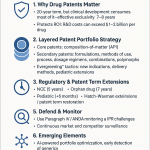
The intellectual property landscape in pharmaceuticals is far from monolithic; it is a layered defense, strategically constructed to maximize market exclusivity.
Composition of Matter Patents: These are widely regarded as the most coveted and valuable patents within the pharmaceutical realm. They secure exclusive rights to novel and unique combinations of ingredients or components, encompassing drugs, chemicals, and specific formulations. Such patents are indispensable for pharmaceutical companies, granting them proprietary control over their drug compositions for a defined period. For a composition of matter patent to be granted, it must satisfy stringent criteria: it must be genuinely novel, non-obvious to someone skilled in the field, and demonstrate practical utility. This rigorous vetting process ensures that only truly innovative combinations receive this powerful form of protection, fostering a competitive market while preventing trivial claims. In the lexicon of regulatory bodies like the FDA, these patents are commonly recognized as “drug substance” patents, often listed in the agency’s Orange Book.
Method of Use Patents: Distinct from protecting the compound itself, method of use patents grant legal protection for a specific way of utilizing an already known compound, drug, or product. Think of it as patenting a new instruction manual for an existing tool. These patents are strategically crucial in the pharmaceutical industry because they can cover novel therapeutic applications for existing drugs, thereby extending market exclusivity and fostering further research into new indications. By securing exclusive rights to these specific uses, companies can prevent competitors from marketing generic versions for those particular applications until the patent expires. This strategic maneuver can effectively prolong the commercial life of a product far beyond its original compound patent, creating a significant competitive advantage.
Solid Form Patents: A more specialized, yet increasingly vital, component of a comprehensive intellectual property strategy. Solid form patents protect particular solid-state configurations of a drug substance, such as polymorphs, crystalline or amorphous salts, and cocrystals. These patents are often filed after the initial composition of matter patent, serving as an additional layer of Orange Book listable protection. This staggered filing provides the potential for a later expiration date, thereby maximizing the patent term for drug substance patents. Consider the case of Farxiga®, where the crystal form patent is set to expire over nine years after its original composition of matter patents. In some instances, solid-form patents may constitute the only drug substance patents listed in the Orange Book for a product, as exemplified by Corlanor®. This strategy becomes particularly compelling in drug repurposing, where existing chemical entities are re-tasked for new indications; developing new polymorphs or salts can establish a new composition of matter estate and secure fresh Orange Book listings.
The pursuit of these diverse patent types, often in a sequential or layered manner, is not coincidental. It represents a deliberate strategic approach by pharmaceutical companies to maximize their period of market exclusivity and revenue generation. The initial composition of matter patent secures the core innovation, while subsequent method of use and solid form patents build additional protective layers. This proactive “defense-in-depth” IP strategy is a direct response to the economic realities of drug development, aiming to extend market control and delay generic competition. This layered patenting, a practice often referred to as “evergreening,” though not explicitly named as such in the immediate context, plays a significant role in determining how long a drug remains under monopoly protection, directly influencing its price and patient access.
The Patent Lifecycle: From Discovery to Expiration
The journey of a pharmaceutical patent is a lengthy one, beginning long before a drug ever reaches a patient. The standard patent term is uniformly set at 20 years from the date the patent application was filed . This 20-year minimum is a global standard, established for all World Trade Organization (WTO) member nations under the Agreement on Trade-Related Aspects of Intellectual Property Rights (TRIPS). However, this “statutory patent term” is a theoretical maximum, distinct from the “effective patent life”—the actual period during which a drug enjoys market exclusivity free from generic competition.
A substantial portion of this nominal 20-year term, often between 10 to 15 years, is consumed by the extensive preclinical and clinical trials, followed by the rigorous regulatory review process required by agencies like the Food and Drug Administration (FDA) before a drug can be legally marketed . This means that the average effective exclusivity period, from a drug’s market launch until generic alternatives become available, is typically much shorter, ranging from just 7 to 10 years . This erosion of effective patent life is not a minor detail; it is a fundamental economic reality of drug development. The inherent truncation of market exclusivity directly compels the pharmaceutical industry’s aggressive pursuit of patent extensions, secondary patents, and other strategic maneuvers. These actions are, in essence, a compensation mechanism for the substantial period during which the patented invention cannot be commercially exploited, directly linking the initial patent term to subsequent complex business and legal behaviors. As the 20-year patent term approaches its end, generic drug manufacturers typically begin preparing to enter the market with their versions of the drug. The expiration of these patents then paves the way for generics, which usually leads to a significant decrease in drug prices due to the introduction of competition.
Strategic Extensions: Patent Term Adjustments and Supplementary Protection Certificates
Recognizing the significant time lost during the lengthy regulatory approval process, governments have implemented mechanisms to compensate patent holders. In the United States, for instance, patent term extensions (PTEs) can add up to five years to a drug’s patent life . These extensions are designed to help companies maximize their return on the substantial investments made in research and development, acknowledging that a significant portion of the patent term is spent navigating regulatory hurdles rather than generating revenue .
Similarly, in Europe, Supplementary Protection Certificates (SPCs) serve a comparable purpose. These certificates extend patent protection for up to five years beyond the basic patent’s expiry, specifically to compensate for the time consumed during the regulatory approval process . These extensions are crucial for innovators, providing a vital window to recoup costs and reinvest in future research, thereby reinforcing the economic incentives that underpin pharmaceutical innovation.
Beyond Patents: The Role of Regulatory Exclusivities
While patents provide statutory protection for inventions, regulatory exclusivities granted by bodies like the FDA offer a distinct, yet complementary, layer of market protection. These exclusivities are not merely extensions of patent rights; they represent independent marketing rights that prevent the submission or effective approval of competitor drugs for a specified period, often running concurrently with or independently of patent status . This layered approach to market defense is a critical aspect of pharmaceutical strategy.
Hatch-Waxman Act: A Landmark in Balancing Innovation and Generic Competition
The Drug Price Competition and Patent Term Restoration Act of 1984, universally known as the Hatch-Waxman Act, was a watershed moment that fundamentally reshaped the U.S. pharmaceutical industry . Its primary objective was to strike a delicate balance: preserving incentives for brand-name pharmaceutical innovation while simultaneously fostering the growth of affordable generic drug competition .
The Act achieved this ambitious goal through three pivotal features:
Established an Abbreviated FDA Approval Process for Generic Drugs: Prior to Hatch-Waxman, generic manufacturers faced the onerous task of repeating the same extensive safety and efficacy tests required of original brand-name drugs. The Act streamlined this process, requiring generics only to demonstrate bioequivalence to the branded product and adherence to manufacturing standards . This significantly reduced the financial and time barriers that had previously hindered generic drug development, paving the way for a more competitive market.
Allowed Early Generic Manufacturer Application: A groundbreaking provision of the Act permitted generic manufacturers to apply for FDA approval and conduct their bioequivalence testing before the patent on an existing medication had expired . This foresight enabled generic companies to prepare for market entry well in advance of patent expiration, facilitating a much quicker introduction of generic alternatives once patent protection lapsed.
Provided a Structure for Patent Dispute Resolution: The Act introduced clear procedures for managing patent litigation involving generic pharmaceuticals. Crucially, it granted the first generic manufacturer to file an Abbreviated New Drug Application (ANDA) with a “Paragraph IV certification” (asserting that a listed patent is invalid or will not be infringed) a period of 180 days of market exclusivity . This incentive encouraged generic drug manufacturers to challenge questionable patents, thereby accelerating the availability of less expensive alternatives to the public.
The success of Hatch-Waxman is undeniable. Before its passage, only 35% of top-selling pharmaceutical drugs faced generic competition; today, that number exceeds 80%. Furthermore, generic prescriptions, which once accounted for only 19% of all prescriptions, now exceed 90%. This increased availability of generic drugs has translated into tremendous savings for American consumers, estimated at over $3.1 trillion since the Act’s inception, including a staggering $445 billion in 2023 alone. The Act has also played a role in slowing increases in drug prices relative to overall healthcare costs, with drug prices increasing 10% between 2010 and 2020, compared to over 30% for overall healthcare costs.
Despite its monumental success in promoting generic competition and affordability, the Hatch-Waxman Act, like any complex legislation, has led to certain unintended consequences. These consequences reveal how pharmaceutical companies adapt to regulatory frameworks, often exploiting legal nuances to maintain market exclusivity. For instance, the Act inadvertently contributed to a slowdown in the development of truly novel small-molecule products, as companies shifted their focus towards reformulations of existing drugs . This strategic pivot, often a response to impending patent expirations, allows companies to secure longer-running patents at a lower developmental cost compared to developing an entirely new molecular entity. The practice of brand-name manufacturers launching their own “authorized generic” versions concurrently with the first generic, often through contractual agreements, directly competes with the first generic’s exclusivity period, thereby diminishing its financial benefit and potentially discouraging generic manufacturers from challenging patents. Furthermore, some branded manufacturers engage in “pay-for-delay” agreements with generic manufacturers to delay generic launch, a practice viewed as anticompetitive by many, though affirmed as legal by some court rulings. These behaviors underscore a dynamic cat-and-mouse game within the pharmaceutical market, where legal frameworks become battlegrounds for maintaining market dominance.
Key Exclusivities: NCE, Orphan Drug, Pediatric, and 180-Day Exclusivity
Beyond the broad framework of Hatch-Waxman, several specific regulatory exclusivities provide targeted market protection, each designed to achieve particular policy objectives. It is crucial to understand that these exclusivities are distinct from patents and can run concurrently or independently .
New Chemical Entity (NCE) Exclusivity (5 years): This exclusivity is granted to a drug that contains no active moiety (the part of the molecule responsible for its pharmacological activity) that has been previously approved by the FDA. Its purpose is to provide a period of market protection for genuinely novel drugs. This exclusivity runs from the time of the New Drug Application (NDA) approval and bars the FDA from accepting for review most Abbreviated New Drug Applications (ANDAs) or 505(b)(2) applications (applications for drugs related to previously approved ones) for a drug containing the same active moiety for five years. If an ANDA or 505(b)(2) application is submitted with a “Paragraph IV certification” (a challenge to a listed patent), the bar is for four years. This provides a significant market advantage to the innovator drug, delaying generic entry.
Orphan Drug Exclusivity (ODE) (7 years): Designed to stimulate research and development for treatments of rare diseases or conditions—those affecting fewer than 200,000 people in the U.S., or more if there’s no reasonable expectation of recovering development costs . This exclusivity is granted upon approval of the NDA or Biologics License Application (BLA) and bars the FDA from approving any other application for the same drug for the same orphan disease or condition for seven years. This substantial period of market protection is a powerful incentive, encouraging pharmaceutical companies to invest in therapies for conditions that might otherwise be commercially unviable.
Pediatric Exclusivity (6 months): This exclusivity grants an additional six months of market protection at the end of existing patents and/or exclusivities for a sponsor’s drug products containing the active moiety . It is awarded when the sponsor has conducted and submitted pediatric studies on the active moiety in response to a Written Request from the FDA. The aim is to encourage drug manufacturers to conduct research on how their medications affect children, recognizing that pediatric populations often have different needs and responses to drugs than adults. This additional six months can be added to five-year, three-year, or orphan exclusivity periods, providing a valuable financial incentive for pediatric research.
180-Day Exclusivity: This exclusivity is granted to the first generic applicant who challenges a listed patent by filing a Paragraph IV certification, asserting that the brand-name drug’s patent is either invalid, unenforceable, or will not be infringed by the generic product . This provision, a cornerstone of the Hatch-Waxman Act, incentivizes generic drug manufacturers to challenge questionable patents, thereby potentially speeding up the availability of more affordable generic drugs. The 180-day exclusivity period begins either from the date the sponsor begins commercial marketing of the generic drug product or from the date of a court decision finding the patent invalid, unenforceable, or not infringed, whichever occurs first. In certain circumstances, the recipient of this exclusivity may be the sole marketer of a generic competitor to the innovator product for this period, providing a significant competitive advantage.
These regulatory exclusivities, while distinct from patents, collectively form a complex “layered approach” to market defense. Successful market protection for a pharmaceutical product is rarely achieved through a single 20-year patent alone; rather, it is through a strategic combination of various intellectual property rights and regulatory incentives. This means that even if a primary patent is nearing expiration, other exclusivities or secondary patents could still block generic entry, delaying competition and maintaining higher prices. For business professionals, particularly those in competitive intelligence and market forecasting, understanding this intricate interplay is paramount. Platforms like DrugPatentWatch, which provide data on both patents and regulatory statuses, become indispensable tools for navigating this complex landscape and identifying true market entry opportunities.
Table 1 provides a concise overview of key pharmaceutical patent types and their strategic implications, while Table 2 details major regulatory exclusivities and their durations.
Table 1: Key Pharmaceutical Patent Types and Their Strategic Implications
Patent Type
What it Protects
Standard Duration/Filing Timing
Strategic Value/Purpose
Composition of Matter
New chemical compounds, active ingredients, or specific formulations
20 years from filing; typically filed early in R&D
Most valuable; secures exclusive rights to core drug composition; foundational IP
Method of Use
Specific new therapeutic applications for known compounds or drugs
20 years from filing; often filed later for new indications
Extends market exclusivity for existing drugs; incentivizes R&D for new uses
Solid Form
Specific solid-state configurations (polymorphs, salts, cocrystals) of a drug substance
20 years from filing; typically filed after initial composition of matter patent
Provides additional layer of protection; potential for later expiration date; valuable for drug repurposing
Table 2: Overview of Major Regulatory Exclusivities and Their Durations
Exclusivity Type
Purpose
Duration
Key Impact/Mechanism
New Chemical Entity (NCE)
Protects truly novel drugs with no previously approved active moiety
5 years from NDA approval
Bars FDA from accepting most generic applications for 5 years (4 years if patent challenged)
Orphan Drug Exclusivity (ODE)
Incentivizes R&D for treatments of rare diseases
7 years from NDA/BLA approval
Bars FDA approval of other applications for the same drug for the same orphan condition
Pediatric Exclusivity (PED)
Encourages pediatric studies for existing drugs
Adds 6 months to existing patents/exclusivities
Extends market protection for innovator drug when pediatric studies are submitted in response to FDA request
180-Day Exclusivity
Incentivizes first generic applicant to challenge a listed patent
180 days
Grants market exclusivity to the first generic applicant to file a Paragraph IV certification, upon commercial marketing or court decision
The Economics of Drug Development: Unpacking the Price Tag
The persistent public debate surrounding the high cost of prescription drugs often overlooks the intricate economic realities that underpin these prices. It is a complex narrative woven from colossal research and development expenditures, intricate manufacturing processes, and a multi-layered distribution system. For any business professional navigating the pharmaceutical landscape, comprehending these economic fundamentals is not merely insightful; it is essential for strategic foresight and competitive positioning.
The Staggering Costs of Research and Development
Developing a new drug is not simply expensive; it is an undertaking fraught with immense financial risk and prolonged uncertainty, where success is the rare exception rather than the norm.
From Lab Bench to Patient Bedside: The Lengthy and Risky Journey
The journey to bring a new pharmaceutical product to market is “extraordinarily capital-intensive and time-consuming” . The financial outlays are staggering, with estimated costs ranging from $300 million to $4.5 billion for a single drug. Some comprehensive analyses suggest that the “total ecosystem investment” per successful drug approval can even exceed $5 billion. This figure encompasses not just the direct costs of a successful drug but also the broader investments across the entire biopharmaceutical ecosystem.
The timelines are equally daunting, often spanning 5 to 15 years from initial discovery to market launch . The clinical phase alone, where drugs are tested in human subjects, averages approximately 95 months (nearly eight years) and accounts for a significant 69% of overall R&D costs. This lengthy process begins in research laboratories, where scientists may screen thousands of compounds or focus on specific molecular targets, gradually narrowing down the list to a few promising candidates for preclinical testing. This initial phase acts as a “tough filter,” with the vast majority of drug candidates failing to progress to human trials.
The sheer magnitude of these R&D costs, particularly when factoring in the high rates of failure, creates an undeniable economic imperative for pharmaceutical companies to seek substantial returns on their successful products. Without the protection afforded by patents, it would be exceedingly difficult for companies to recover these investments, as competitors could easily produce and sell generic versions at a fraction of the cost, having bypassed the initial, high-risk R&D phase. This fundamental economic reality directly translates into the high drug prices observed during periods of market exclusivity, as these prices must not only cover the direct costs of the successful drug but also subsidize the extensive portfolio of failed research projects. This forms the very core of the innovation-access trade-off: high prices are argued as necessary to fund future R&D, and conversely, insufficient returns could diminish the incentive for new drug development .
The High Price of Failure: Accounting for Attrition Rates
A critical, yet often overlooked, component of the high R&D cost is the exceptionally high rate of failure. “Nearly 90% of drug candidates entering clinical trials do not ultimately reach the market”. This stark reality means that the cost of developing a single successful drug must effectively absorb the financial burden of numerous failed projects.
To illustrate this, one study estimated the mean out-of-pocket cost of developing a new drug at approximately $172.7 million (in 2018 dollars). However, this figure dramatically increased to $515.8 million when the costs of failures were included, and further still to $879.3 million when both drug development failure and the cost of capital were factored in. This demonstrates how accounting for failures can inflate the estimated cost per successful drug by a factor of five. The grim statistics continue: only about three out of every ten pharmaceutical products ultimately generate after-tax returns that exceed their average, after-tax R&D costs. Indeed, “only one in several thousand compounds investigated ever makes it through the full development process to gain approval” from regulatory bodies like the FDA. The vast majority of R&D projects falter due to issues related to safety, efficacy, or commercial viability.
This inherent risk and high attrition rate compel pharmaceutical companies to price their successful innovations at a premium during their period of market exclusivity. The profits generated from these few successful drugs must not only cover their own development but also cross-subsidize the extensive portfolio of research failures. This economic model is what drives the industry’s pursuit of robust patent protection and strategic market defense.
An interesting trend emerging in the R&D landscape is the increasing reliance on Contract Research Organizations (CROs) and Contract Development and Manufacturing Organizations (CDMOs). From 2014 to 2022, spending on CROs and CDMOs increased by approximately 13% annually, outpacing the 8% annual growth in overall R&D spending. This outsourcing trend is projected to accelerate, with CRO and CDMO spending potentially more than doubling the 2014 total within the next four years. This shift suggests a strategic move towards specialization and external partnerships within the pharmaceutical R&D ecosystem. While this can potentially reduce internal fixed costs and accelerate specific phases of development, it also introduces new complexities in managing external collaborations, intellectual property, and quality control. This evolving model could lead to a more fragmented R&D landscape, necessitating sophisticated competitive intelligence to track innovation across multiple entities and partnerships.
Manufacturing, Distribution, and the Hidden Costs of Delivery
Beyond the colossal R&D investments, the journey of a drug from the production line to the patient’s hand involves a complex and multi-tiered web of manufacturing, logistics, and distribution, all of which contribute significantly to the final price.
Deconstructing Production Expenses: Direct, Indirect, and Overhead
Manufacturing costs constitute a “substantial portion” of a pharmaceutical company’s overall expenses. The process of product costing meticulously calculates all associated expenditures, broadly categorized into direct costs and indirect costs.
Direct Material Costs: These are the most straightforward components, encompassing the raw materials essential for drug formulation. This includes the active pharmaceutical ingredients (APIs) and excipients (inactive ingredients that facilitate drug delivery or stability). The cost is determined by the quantity of raw material needed per kilogram of output (known as “stage cost contribution”) and the specific cost per unit of material. Excipients, though inactive, can contribute significantly to the overall material cost.
Direct Labor Costs: These are the expenses incurred by paying the salaries of employees directly involved in the manufacturing process. These are typically variable costs, fluctuating with production volume. Labor costs are calculated based on gross wage rates, annual payroll, and hourly direct labor costs, reflecting the time and effort required to manufacture each batch.
Manufacturing Overheads: This category includes all indirect costs associated with the production process, such as factory rent, utilities, equipment depreciation, and quality control expenses. These overheads can be particularly challenging to track accurately, especially in continuous processing environments with longer production campaigns that span days, weeks, or even months. The complexity is further compounded by reworked batches or lots, where additional costs for starting materials, labor, and machine hours must be meticulously accounted for. Inefficiencies stemming from improper procedures in day-to-day operations can significantly impact these costs and overall profitability. For instance, high-performance pharmaceutical companies report approximately 3% rework products, significantly lower than the average of 8% for other companies, highlighting the impact of operational efficiency on cost. Gaining clarity on true costs in such dynamic environments often requires extensive data crunching and robust data capture discipline.
Navigating the Supply Chain: Procurement, Logistics, and Market Markups
The journey of a drug from the factory gate to the patient’s medicine cabinet is fraught with additional expenses, often referred to as “hidden costs,” which can dramatically inflate the final price. Pharmaceutical procurement involves “far more expenses than just the manufacturer’s price tag,” with these hidden costs potentially “more than doubl[ing] the final price of medications”. These additional expenses create significant barriers to access and strain healthcare budgets globally. According to research by the World Health Organization (WHO), hidden costs can increase the price of essential medicines by an average of 68.6% across surveyed countries, creating a compounding effect throughout the supply chain.
These hidden costs manifest from various sources:
Government-Imposed Costs: These include a myriad of fees and taxes levied by governmental bodies. Examples include import tariffs (e.g., Tanzania’s 10% import tariff significantly contributes to its 74.3% total markup on pharmaceutical products), port charges, clearance fees, pre-shipment inspections, pharmacy board fees, and various value-added taxes (VAT) at federal and state levels (e.g., Armenia’s 20% VAT contributes substantially to its 87.5% total markup). Data from nine countries revealed that total hidden costs from government policies can range from 48% to 87.5%. Even seemingly small fees, such as a 1% port charge on a $5 million pharmaceutical order, translate to $50,000 in additional costs.
Procurement Process Inefficiencies: Beyond government levies, the procurement process itself can generate substantial hidden costs. Suboptimal quantification methods often lead to either over-purchasing (resulting in waste and expiry) or under-purchasing (necessitating costly emergency orders). Tendering approaches and program overheads also contribute to the final cost. While quality control is an essential, non-negotiable cost, it must be optimized to prevent unnecessary expenditure.
Distribution Chain Intermediaries: Once a drug leaves the manufacturer, it embarks on a journey through a complex network of intermediaries, each adding their own markup. For every $100 spent at retail pharmacies, approximately $17 compensates for direct production costs, $41 accrues to the manufacturer (with $15 of that as net profit), and a substantial $41 accrues to the intermediaries in the distribution system: wholesalers, pharmacies, Pharmacy Benefit Managers (PBMs), and insurers. This means that more than $1 in every $5 spent on prescription drugs goes towards the profits of firms within the pharmaceutical distribution system.
A noteworthy observation within this distribution chain is the divergence in gross profit margins between branded and generic drugs. Manufacturers typically command higher gross profit margins for branded drugs, reflecting their R&D investments and market exclusivity. Conversely, intermediaries, such as pharmacies, tend to have significantly higher gross profit margins for generic drugs. This dynamic suggests a complex financial ecosystem where the incentives for various stakeholders are not always aligned with overall cost reduction. While intermediaries may benefit from the volume of generic sales, their higher percentage margins on these products mean they also have a vested interest in maintaining a certain price point, even for off-patent medications. This intricate web of financial incentives and markups contributes to the opacity of drug pricing and highlights why efforts to reduce costs must extend beyond just the manufacturer’s price.
The significant “hidden costs” within the pharmaceutical supply chain, often imposed by government policies and procurement inefficiencies, create a systemic barrier to affordability that extends far beyond manufacturer pricing. This makes drug access a multi-faceted problem that cannot be solved by focusing solely on a single point in the value chain. These structural costs “create significant barriers to access and straining healthcare budgets worldwide”. This implies that effective strategies to lower drug prices must encompass not only manufacturer pricing but also a comprehensive re-evaluation of the entire supply chain, including streamlining procurement processes and reconsidering government-imposed fees, to truly enhance affordability. For businesses, this suggests that optimizing procurement and inventory management strategies, such as strategic sourcing and vendor-managed inventory (VMI), can yield substantial cost savings .
Market Power and Pricing Strategies: How Drugs Get Their Price
The determination of a pharmaceutical product’s price is rarely a simple calculation based on production costs. Instead, it is a highly strategic decision, profoundly influenced by the market power wielded by the innovator, the perceived value of the treatment, the competitive landscape, and the overarching structure of the healthcare system in which the drug is sold.
The Monopoly Advantage: Patent Protection and Price-Setting Power
The temporary monopoly conferred by patents is the primary mechanism through which pharmaceutical companies gain substantial market power, enabling them to set premium prices for their innovative products. Patents grant inventors exclusive rights to sell a newly developed drug for a specified period, typically 20 years from the date of patent application filing. This exclusivity is a powerful tool, allowing the patent holder to prevent competitors from copying their unique formulations and entering the market.
The consequence of this temporary monopoly is profound: “Due to the monopoly resulting from patents, pharmaceutical companies can almost set the prices as they wish”. This “price-setting power” is a direct and inherent feature of the patent system. Intellectual property rights are fundamentally justified as necessary to allow manufacturers to recoup the “substantial costs in research and development”. However, this very exclusivity can enable rights holders to charge “higher-than-competitive prices” for a period of time. The economic rationale is clear: drugs protected by strong patents generate a disproportionate 80-90% of their lifetime revenue during these exclusivity periods.
The “monopoly resulting from patents” is not merely a legal right; it is a fundamental economic lever that dramatically shifts market dynamics from competitive pricing towards a system where the innovator dictates terms. This creates an inherent conflict with the public health objective of affordability. Patents, while designed to promote innovation by rewarding invention, are an exception in a free-market economy. The considerable power conferred by a patent, if unchecked, can lead to “abuses, to prohibitive pricing or even barriers to progress”. This underscores the persistent challenge for policymakers: how to grant sufficient monopoly power to incentivize the risky and expensive R&D process without simultaneously enabling “abuses of the dominant position to manipulate the market”. This tension is precisely why discussions surrounding price controls, compulsory licensing, and comprehensive patent reform remain central to the pharmaceutical policy debate.
Diverse Pricing Models: Value-Based, Cost-Plus, and Competitive Approaches
Pharmaceutical companies employ a spectrum of pricing strategies, each tailored to specific market conditions, product characteristics, and strategic objectives.
Value-Based Pricing: This model represents a significant paradigm shift, moving away from traditional cost-plus approaches to anchor a drug’s price to its perceived effectiveness and the tangible benefits it delivers to patients and the broader healthcare system . It fundamentally transforms the transaction from paying for a product to paying for results, with reimbursement directly tied to real-world performance metrics. For example, Novartis’s agreement with U.S. insurers for Kymriah, a CAR-T therapy, exemplifies this approach: the company receives full payment only when patients respond to treatment within a specified timeframe. Similarly, Spark Therapeutics implemented an outcomes-based model for Luxturna, a gene therapy, with rebates linked to efficacy measures over extended periods. This strategy demands robust statistical modeling to quantify clinical benefits, quality of life improvements, and economic outcomes, often incorporating complex mathematical frameworks for payment calculation .
The shift towards value-based pricing models, while intuitively appealing for aligning cost with outcomes, introduces considerable complexity in data collection, measurement, and negotiation. It moves pricing from a straightforward calculation to a sophisticated, data-driven negotiation. Implementing this model requires significant investment in advanced data analytics, real-world evidence (RWE) generation, and cross-functional collaboration among biostatisticians, health economists, and market access specialists . This means pharmaceutical companies and payers must build new capabilities to succeed in this environment, transforming pricing into a continuous, evidence-driven process.
Cost-Plus Pricing: This is a relatively straightforward and transparent approach to drug pricing. In this model, the price is determined by summing up all the costs associated with producing the drug—including raw materials, manufacturing expenses, R&D investments, and regulatory approval costs—and then adding a consistent profit margin . This method is frequently favored by generic drug manufacturers, who do not bear the initial R&D burden of the innovator product. While it offers clarity and predictability for financial planning, cost-plus pricing has limitations in the dynamic, value-driven pharmaceutical industry. A drug priced solely on cost might be overvalued relative to its competitors or undervalued relative to its therapeutic benefits, potentially hindering market access or limiting adoption. Mark Cuban’s Cost-Plus Drug Company offers a radical example of this transparency, applying a fixed 15% markup plus pharmacy fees to wholesale acquisition costs for generic medications, which has demonstrated potential savings of 50-90% for consumers on many common drugs.
Competitive-Based Pricing: This strategy involves setting a drug’s price in alignment with what competitors charge for similar products already on the market . This approach is particularly common for smaller to medium-sized pharmaceutical companies or for drugs entering a market with established therapeutic alternatives.
Tiered Pricing Models: These models establish different price points for a drug based on statistically significant market segmentation variables. They have proven particularly effective in global markets characterized by diverse economic conditions. A comprehensive analysis by the WHO found that properly implemented tiered pricing strategies expanded patient access by up to 31% while successfully maintaining revenue objectives. These models often utilize cluster analysis to identify homogeneous market segments, followed by price elasticity modeling and optimization algorithms to determine ideal price points.
Bundling of Products and Services: A strategic approach that involves combining a drug with complementary services or therapies to create a more compelling value proposition that transcends simple price comparisons. Multivariate analysis has shown that bundled offerings can achieve 22% higher formulary placement rates and 17% improved patient adherence metrics. This strategy leverages the idea that the combined value of the bundle is greater than the sum of its individual components, often due to reduced transaction costs, improved clinical outcomes, and enhanced patient experience.
The Influence of Healthcare Systems and Insurance Models
The structural design of a nation’s healthcare system and the prevailing insurance models within it exert a profound influence on drug pricing, reimbursement rates, and ultimately, patient access.
Single-Payer vs. Multi-Payer Systems: Impact on Negotiation and Reimbursement
The fundamental difference in purchasing power between single-payer and multi-payer healthcare systems has a direct and significant impact on drug prices.
Single-Payer Models: Systems characterized by a single, dominant payer (typically the government) possess considerably more negotiating leverage with pharmaceutical companies due to their immense market share . This centralized bargaining power often translates into lower drug prices. Analyses of national and statewide single-payer proposals over the past three decades consistently predict net savings, primarily driven by “simplified billing and lower drug costs”. For instance, 19 out of 22 economic models projected net savings in the first year of implementation, averaging 3.5% of total healthcare spending, with all models predicting savings by the tenth year. The most substantial savings were consistently found in plans that effectively lowered drug costs.
Multi-Payer Systems (e.g., United States): In contrast, systems like that of the U.S., with their fragmented landscape of multiple private insurers, Medicare, and Medicaid, exhibit dispersed negotiation power. This fragmentation limits the ability of any single payer to exert significant pressure on drug prices. Consequently, the U.S. generally faces “substantially higher costs for prescription drugs, particularly for brand-name medications,” when compared to other member countries of the Organisation for Economic Co-operation and Development (OECD) .
Within multi-payer systems, cost-sharing arrangements such as copayments, deductibles, and coinsurance directly impact the out-of-pocket expenses borne by patients. High cost-sharing has been empirically linked to reduced patient adherence to prescribed medications, as individuals may forgo or ration treatments due to financial barriers.
The fragmented nature of multi-payer healthcare systems, particularly in the U.S., significantly diminishes collective bargaining power, leading to higher drug prices compared to single-payer systems. This creates a complex web of misaligned incentives among various intermediaries. The U.S. system, by its very design, lacks the unified purchasing power that could effectively drive down prices. The multiple layers of negotiation and profit-taking by Pharmacy Benefit Managers (PBMs), wholesalers, and pharmacies (where over $1 in every $5 spent on prescription drugs accrues to distribution system firms ) create an opaque system where true net prices are difficult to ascertain and control. This suggests that policy interventions aimed at reducing drug prices in multi-payer systems must either centralize negotiation (as seen with the Inflation Reduction Act for Medicare) or increase transparency and regulate intermediary incentives to ensure that savings are genuinely passed on to patients and payers.
The Role of Pharmacy Benefit Managers (PBMs) in the Pricing Ecosystem
Pharmacy Benefit Managers (PBMs) are pivotal, yet often controversial, intermediaries in the U.S. pharmaceutical supply chain. They manage prescription drug benefits on behalf of health insurers, large employers, and other payers . Their influence on drug prices and patient access is primarily exerted through two key mechanisms: negotiating drug manufacturer rebates and managing formularies.
Negotiating Drug Manufacturer Rebates and Discounts: PBMs leverage their substantial purchasing power, representing millions of covered lives, to negotiate rebates and other discounts directly with drug manufacturers. These negotiations are a major factor in determining the net prices that insurers ultimately pay for drugs. While the theoretical premise is that PBMs help control drug costs, their financial incentives can create a complex dynamic. PBMs often receive a share of the rebates they negotiate. This structure has led to debate about whether PBMs should be compelled to pass through a larger portion of these savings to insurers and, consequently, to patients in the form of lower premiums and reduced cost-sharing. Critics argue that the retention of a portion of these rebates by PBMs can create a “perverse incentive” to favor higher-priced drugs that offer larger rebates, even if therapeutically equivalent, lower-cost alternatives exist. This means that even if a cheaper, equally effective drug is available, it might be excluded or placed on a higher-cost tier if it doesn’t offer the PBM a sufficiently favorable rebate.
Formulary Management: PBMs are responsible for developing and maintaining formularies—lists of prescription drugs covered by the insurance plans they manage. The design of these formularies directly impacts patient access to medications, as it dictates which drugs are covered and at what cost-sharing levels. Formularies often feature multiple tiers for different drug types, such as generic, preferred brand-name, nonpreferred brand-name, and specialty drugs, with varying patient out-of-pocket costs for each tier. During formulary development, PBMs negotiate rebates with manufacturers, and these rebates are frequently contingent on securing a specific tier for the covered drug. Recent evidence indicates that PBMs and manufacturers negotiate rebates that are tied to excluding lower-cost competitor drugs from the formulary, placing them on a high cost-sharing tier, or subjecting them to utilization management rules like prior authorization or step therapy. While negotiating additional rebates can theoretically lower overall drug spending, this practice can, in effect, create an incentive for PBMs to restrict access to high-quality, therapeutically equivalent alternatives that might be cheaper for both the payer and the patient, if those alternatives do not provide the PBM with a comparable financial benefit.
The “perverse incentive” inherent in PBM rebate negotiations is a critical point of contention and a target for reform. This mechanism highlights how financial incentives within the complex pharmaceutical supply chain can inadvertently contribute to higher drug prices and restrict patient choice, even when the stated goal is cost containment.
The Societal Impact: High Prices, Patient Access, and Public Health
The economic realities of drug development and the strategic pricing decisions made by pharmaceutical companies are not confined to financial spreadsheets; they ripple outward, creating profound consequences that directly affect individual patients, strain national healthcare budgets, and ultimately, impact the fabric of public health.
Barriers to Access: Medication Non-Adherence and Financial Toxicity
High drug prices are not an abstract economic issue; they translate directly into tangible barriers to care and impose significant financial burdens on patients and their families. For many years, surveys have consistently shown that the high cost of healthcare is a major financial worry for U.S. families, influencing their decisions about insurance coverage and seeking necessary care. Nearly half of U.S. adults report difficulty affording healthcare costs, and a quarter have experienced problems paying for healthcare in the past year.
Medication Non-Adherence: The most immediate and alarming consequence of high drug prices is medication non-adherence. The cost of prescription drugs actively prevents many individuals from filling their prescriptions as prescribed. Approximately one in five adults (21%) in the U.S. report not filling a prescription due to cost, while a similar proportion (23%) opted for over-the-counter alternatives instead. Even more concerning, about one in seven adults admit to cutting pills in half or skipping doses of medicine in the last year because of the expense. These actions, driven purely by financial constraints, can carry “serious health risks,” undermining the efficacy of prescribed treatments and potentially leading to worsened health outcomes.
Financial Toxicity: Beyond direct health impacts, high drug prices contribute significantly to “financial toxicity,” a term describing the severe financial strain experienced by patients dueled to medical costs. In 2022, approximately four in ten adults (41%) in the U.S. reported having debt due to medical or dental bills, including debts owed to credit cards, collection agencies, family, and friends. This burden disproportionately affects vulnerable populations, including Black and Hispanic adults, women, and parents. The inability to afford prescribed medications can have devastating consequences: it is estimated that more than 1.1 million Medicare patients alone could die over the next decade because they cannot afford their prescribed medications. Physicians themselves report that Medicare patients are often “overwhelmed” by drug costs, leading healthcare providers and their staff to spend increasing amounts of time helping patients navigate these financial challenges.
The direct link between high drug prices and patient non-adherence or rationing creates a public health crisis that fundamentally undermines the very purpose of pharmaceutical innovation. Life-saving treatments, developed through billions of dollars in R&D, become inaccessible luxuries for many. This is not merely a financial issue; it directly impacts patient outcomes, leading to increased morbidity and mortality. The grim statistic regarding Medicare patients’ potential deaths due to unaffordable medications is a stark illustration of this profound societal challenge. This situation raises profound ethical questions about the balance between rewarding innovation and ensuring fundamental human rights to health, placing immense pressure on policymakers to intervene and find solutions that prioritize public health alongside market incentives.
Strain on Healthcare Budgets and Hospital Resources
The financial burden of high drug prices extends far beyond individual patients, placing immense and escalating pressure on national healthcare budgets and the operational capacity of hospitals and healthcare systems. Hospitals, as major purchasers of drugs for patient care, find themselves increasingly squeezed by the rising costs of medicines and the complexities of managing drug shortages.
As drug prices continue their upward trajectory, hospitals are forced to allocate a larger share of their finite resources to acquiring costly medications and securing alternative therapies during shortages. This diversion of funds means fewer resources are available for other critical operational needs, such as staffing, purchasing essential medical supplies, and investing in infrastructure improvements. The numbers paint a stark picture: in 2023, the median annual price for new drugs soared to $300,000, representing a staggering 35% increase from the previous year. Furthermore, a recent report found that between 2022 and 2023, prices for nearly 2,000 drugs increased faster than the rate of general inflation, with an average price hike of 15.2% .
Compounding the challenge of rising prices is the persistent issue of drug shortages. In 2023, drug shortages reached a decade high, with an average of 301 drugs in shortage per quarter, a 13% increase from the previous year. Over 99% of hospital and health system pharmacists reported experiencing drug shortages in 2023, with 85% describing the severity as critically or moderately impactful. Managing these shortages is not only a logistical nightmare but also a significant financial drain, adding up to 20% to hospitals’ drug expenses. This additional cost stems from the need to expend extra staff time to find, procure, and administer alternative drugs, renegotiate contracts, and provide additional training to ensure medication safety with substitute therapies. Alarmingly, generic drugs, which are typically the more affordable options, are estimated to account for as much as 83% of these shortages, primarily due to a lack of incentives for manufacturers to produce low-margin medications.
The dual challenge of escalating drug prices and persistent drug shortages creates a compounding crisis for healthcare systems. It forces hospitals to divert critical resources from core services, potentially compromising the overall quality and accessibility of patient care. Hospitals are consuming an ever-larger share of their finite resources on drugs, meaning less capital is available for essential investments in personnel, equipment, and other patient care needs. The administrative and clinical burden of finding alternative suppliers, renegotiating contracts, and retraining staff due to shortages represents a significant drain on operational efficiency. The fact that generic drugs, intended to be the affordable backbone of medication access, constitute the majority of shortages due to insufficient market incentives reveals a critical systemic failure. This highlights a profound vulnerability in drug access and public health preparedness, underscoring the urgent need for policies that ensure a stable supply of essential, low-cost medications.
The Promise of Generics: Price Reduction and Market Transformation
Generic drugs are often championed as the primary, most effective solution to the challenge of high drug prices, offering a clear pathway to affordability and broader patient access once patent protection for a brand-name drug expires.
Once the patent on an innovator drug expires, other manufacturers are legally free to step in and produce their own generic versions. These generic versions are typically “far cheaper” than their in-patent branded counterparts. The reason for this significant price differential is straightforward: generic manufacturing is a highly competitive business, and generic companies do not bear the immense research and development (R&D) costs associated with the original drug’s discovery and approval. This allows them to price their products much lower while still achieving profitability.
The impact of generic entry on drug prices is dramatic and well-documented. Generics generally cost anywhere from 30% to 80% less than their branded equivalents. The level of price reduction is directly correlated with the number of generic competitors entering the market. When the number of generic manufacturers for a specific drug reaches four, the savings off the branded price can exceed 70%. With as many as 16 manufacturers competing, the savings typically approach an impressive 90%. For instance, the average price of physician-administered drugs declined by between 38% and 48% following patent expiration, while oral drugs saw a more modest, but still significant, 25% decline.
Beyond price reduction, generic entry often leads to a substantial increase in sales volume, consistent with basic economic principles of price elasticity of demand. In the United States, generic medications play a critical role in cost containment: they account for approximately 90% of the total drug volume dispensed, yet represent only about 18% of total drug spending. This quantitative disparity underscores their immense contribution to making healthcare more affordable for millions of Americans.
While generic entry is a powerful driver of price reduction, the degree and speed of price erosion are highly dependent on the number of generic competitors. This suggests that policies should focus on facilitating robust multi-competitor generic markets rather than just initial generic entry. The “first generic” often enjoys a period of “180-day market duopoly” with the originator, during which profitability remains high and prices experience only modest reductions due to limited competition. Significant price drops, where the full cost-saving potential is realized, typically occur only when multiple competitors (e.g., three to five, or six or more) enter the market. This implies that simply having a generic available is not sufficient; the market needs to mature with several entrants to achieve the most substantial price reductions. Therefore, policies should not only incentivize the first generic (e.g., through 180-day exclusivity) but also actively work to remove barriers for subsequent generic entrants, such as scrutinizing secondary patents more strictly, preventing “pay-for-delay” agreements, and ensuring efficient regulatory pathways for all bioequivalent products.
Table 3 provides a quantitative look at the average price reduction following generic entry, illustrating the powerful impact of competition.
Table 3: Average Price Reduction Post-Generic Entry: A Quantitative Look
Number of Generic Competitors
Average Price Reduction Compared to Brand (%)
Additional Notes
2
54%
3-5
15-40% (additional savings)
Additional savings observed after the first generic enters
6+
95%
10+
70-80%
Observed after 3 years post-generic entry
Policy Interventions and Reform Initiatives: Shaping the Landscape
Governments and international bodies are in a constant state of evolution, grappling with the complex challenge of balancing pharmaceutical innovation with the imperative of accessibility. This ongoing effort manifests in a diverse array of policy interventions and reform initiatives, each representing a delicate calibration between incentivizing groundbreaking research and ensuring public health.
The Hatch-Waxman Legacy: Streamlining Generics and Managing Litigation
As previously explored, the Hatch-Waxman Act of 1984 stands as a monumental piece of legislation that fundamentally reshaped the pharmaceutical industry. It successfully streamlined the generic drug approval process and established a structured framework for managing patent disputes . By allowing generic manufacturers to apply for FDA approval and conduct bioequivalence testing even before a brand-name patent expired, the Act significantly accelerated the availability of affordable generic alternatives . Its success is undeniable, having saved American consumers trillions of dollars since its inception.
Unintended Consequences: Product Hopping and Authorized Generics
Despite its successes, the implementation of the Hatch-Waxman Act has revealed certain complexities and, indeed, unintended consequences. These consequences highlight how pharmaceutical companies, in their pursuit of market exclusivity, can adapt to regulatory frameworks and exploit legal nuances to maintain their market position.
One significant, yet perhaps unforeseen, outcome has been a discernible slowdown in the development of truly novel small-molecule products . Instead, there has been a strategic shift in focus towards reformulations of existing drugs . For instance, in 2007, only 19 new products received FDA approval, marking the lowest number of approvals since 1983. This trend may be driven by a confluence of factors, including concerns that new drugs sometimes do more harm than good, a perceived lack of significant new pipeline products in the small-molecule arena, and a strategic emphasis on reformulations that can extend patents at a lower developmental cost compared to discovering entirely new molecular entities.
This strategic pivot often manifests as “Product Hopping.” This tactic involves making minor modifications to existing drugs—such as changes in formulation (e.g., extended-release versions), dosage, or route of administration—and then patenting these changes to effectively prolong the drug’s monopoly . The core of product hopping involves a brand manufacturer reformulating a product in a way that makes the generic non-substitutable, while simultaneously encouraging healthcare providers and patients to switch prescriptions to the reformulated version. This behavior, critics argue, “only makes sense by harming rivals”. Notable examples include AstraZeneca’s strategic switch from Prilosec to Nexium, Reckitt’s transition from Suboxone tablets to a sublingual film, and Forest’s move from twice-daily immediate-release (IR) Namenda to a once-daily extended-release (XR) version. In these cases, the companies aggressively promoted the new formulation while simultaneously withdrawing or de-emphasizing the original, even if the new version offered minimal therapeutic advantage.
Another consequence is the practice of “Authorized Generics.” This occurs when brand-name manufacturers launch their own generic versions of a product concurrently with the first independent generic entrant . This is often facilitated by contractual agreements with the generic manufacturer. While seemingly pro-competitive, this practice directly competes with the “first generic’s” 180-day market exclusivity, diminishing its financial benefit and potentially discouraging generic manufacturers from undertaking the costly and risky process of challenging patents in the first place .
Finally, some branded manufacturers engage in “Pay-for-Delay Agreements.” These are contractual arrangements where an innovator company pays a generic manufacturer to delay the launch of its generic version. These agreements have faced strong opposition from managed care organizations, consumer groups, and the Federal Trade Commission (FTC), who view them as anticompetitive. However, some court rulings have affirmed the legality of such agreements, suggesting that this practice is likely to persist.
The “unintended consequences” of Hatch-Waxman, particularly product hopping and authorized generics, reveal how pharmaceutical companies adapt to regulatory frameworks, often exploiting legal loopholes to maintain market exclusivity. This dynamic shifts the industry’s focus from purely novel innovation to strategic lifecycle management. This industry response demonstrates a form of regulatory arbitrage—a calculated effort to leverage the letter of the law to achieve commercial goals that may run counter to the spirit of promoting robust competition. This indicates that simply creating a generic pathway is insufficient; the system requires continuous monitoring and adaptation to prevent new forms of anti-competitive behavior. It also raises a critical question about the quality of innovation being incentivized. If R&D resources are diverted to “minor modifications” and “reformulations” rather than “breakthrough discoveries” , is the patent system truly fulfilling its constitutional purpose of promoting progress? This fuels the ongoing debate over patentability criteria and the very definition of “true innovation.”
Global Harmonization and Flexibilities: The TRIPS Agreement
The Agreement on Trade-Related Aspects of Intellectual Property Rights (TRIPS), which came into force in 1995 as part of the World Trade Organization (WTO) agreements, fundamentally reshaped the landscape of global pharmaceutical patenting. Prior to TRIPS, many developing countries had “weak protection” for pharmaceutical patents, allowing them to develop low-priced copies of medicines through reverse engineering without the permission of patent holders . TRIPS mandated a significant change, obliging all WTO member states to grant patents on drugs for a period of 20 years . This agreement represented a substantial victory for pharmaceutical giants, allowing them to sell new patented products at high prices globally. It established a “minimum standard of protection” for intellectual property rights worldwide.
Compulsory Licensing and Parallel Imports: Tools for Access
Despite its strong patent provisions, the TRIPS Agreement includes crucial “flexibilities” designed to safeguard public health and ensure access to affordable medication . The Doha Declaration on the TRIPS Agreement and Public Health in November 2001 further clarified and reaffirmed these flexibilities, emphasizing that TRIPS “can and should be interpreted and implemented in a manner supportive of WTO Members’ right to protect public health and, in particular, to promote access to medicines for all” .
Compulsory Licensing: This flexibility allows a government to authorize a third party (e.g., a generic manufacturer) to use a patented invention, such as a pharmaceutical product, without the consent of the patent holder . This is typically granted under specific circumstances, often in cases of national emergency or other circumstances of extreme urgency, such as public health crises . The patent holder usually receives “adequate compensation” for the use of their patent. Compulsory licensing has been employed by various countries to address public health needs. For instance, Brazil, Thailand, and Israel have issued compulsory licenses for antiretroviral drugs and lopinavir/ritonavir to combat HIV/AIDS and COVID-19 crises, respectively. In Brazil, the threat of issuing a compulsory license for efavirenz led Merck to lower its price, and a similar credible threat against Abbott Laboratories for lopinavir/ritonavir resulted in a significant price reduction, though still higher than generic versions obtained through compulsory licensing. While compulsory licensing can be effective in suppressing drug prices, its potential impact on stifling innovation remains a subject of debate.
Parallel Imports: This refers to the practice of importing genuine, patent-protected products that have been legitimately marketed by the patent owner in one country into another country without the patent owner’s direct approval. This typically occurs when there are significant price differences for the same goods across different national markets, which is often the case for pharmaceuticals . The TRIPS Agreement is “neutral” on parallel imports, explicitly stating that none of its provisions can be used to address the legal principle of “exhaustion of intellectual property rights” . This neutrality grants WTO members the flexibility to determine whether to permit parallel importation of patented products, including drugs, under their national laws. This allows, for example, the purchase of generic drugs in a low-price market (e.g., a developing country) and their re-sale in a high-price market (e.g., a developed country).
While TRIPS mandated global patent protection, the “flexibilities” like compulsory licensing and parallel imports are critical mechanisms for countries to balance innovation incentives with public health needs, particularly in low- and middle-income countries (LMICs). However, the practical utilization of these flexibilities is often limited due to political and economic pressures. Despite the legal right to employ these measures, “weaker states are reluctant to risk sanctions imposed upon them by powerful pharmaceutical firms and their even more powerful governments”. This suggests that the legal framework alone is insufficient to ensure equitable access; geopolitical and economic power imbalances often hinder the practical application of these flexibilities. This creates a significant challenge for global health equity. While countries like India and Brazil have successfully utilized these flexibilities, demonstrating their potential , the broader reluctance means that the intended balance of TRIPS is frequently not achieved, perpetuating high drug prices in many LMICs. This underscores the ongoing need for international support and reduced pressure on countries that choose to exercise these public health safeguards.
The Inflation Reduction Act (IRA): A New Era of Price Negotiation in the U.S.
The Inflation Reduction Act (IRA) of 2022 represents a landmark legislative shift in U.S. drug pricing policy, introducing direct price negotiation for certain high-cost drugs under Medicare. This move signals a significant departure from the previously largely unregulated market for patented drugs in the U.S.
The IRA mandates that the Secretary of Health and Human Services (HHS) negotiate prices with drug companies for selected drugs covered under Medicare Part D (the outpatient prescription drug benefit, starting in 2026) and Medicare Part B (which covers physician-administered drugs, starting in 2028) . Beyond negotiation, the Act also requires drug manufacturers to pay Medicare a rebate if their prices for certain drugs rise faster than the rate of inflation.
In a significant step towards implementation, the Centers for Medicare & Medicaid Services (CMS) announced negotiated prices for the first 10 Medicare Part D drugs in August 2024, with these new prices slated to take effect in 2026 . The impact of these initial negotiations has been notable: for instance, Eliquis saw a price discount of -31.63%, Jardiance -17.30%, and Xarelto -22.55%. For 2027, an additional 15 Medicare Part D drugs have been selected for price negotiation.
Drugs eligible for negotiation under the IRA must meet specific criteria: they must be single-source brand-name drugs or biological products without therapeutically equivalent generic or biosimilar alternatives that are approved or licensed. Furthermore, small-molecule drugs must be at least 7 years past their FDA approval date, and biologics must be at least 11 years past their FDA licensure date, as of the date the list of selected drugs is published. Certain types of drugs are excluded from negotiation, such as those designated for only one rare disease or condition (orphan drug exclusion).
Initial Impacts and Future Implications for Innovation
The IRA’s introduction of direct price negotiation is projected to yield substantial savings. The first round of negotiations alone is estimated to save approximately $18.6 billion through 2033 for the federal government and Medicare patients, averaging $2.3 billion per year.
The implementation of the IRA has ignited a fervent debate regarding its potential implications for pharmaceutical innovation. Proponents of the Act argue that it will save money with “minimal threat to drug innovation” , asserting that high drug prices are not always directly correlated with R&D investment. However, critics contend that the IRA’s pricing policies “could disrupt this delicate balance” of intellectual property incentives. Some studies and industry groups argue that even modest decreases in drug prices could lead to reductions in R&D expenditures and, consequently, fewer new drugs entering the market . The Congressional Budget Office (CBO), for example, estimated that the IRA could lead to 9% fewer new drugs entering the market over a 30-year period. This concern centers on the idea that reduced profitability from negotiated prices will diminish the financial incentive for companies to invest in high-risk, long-term research projects.
The IRA represents a fundamental shift in U.S. drug pricing, moving from a largely unregulated market to one with direct government negotiation. This change will likely trigger significant strategic adjustments by pharmaceutical companies that extend beyond just pricing. Companies will be compelled to fundamentally “rethink their road to approval” and “recalibrate” their strategies in response to this new “policy turbulence”. This could manifest in various ways: companies might prioritize the development of drugs that are exempt from negotiation (e.g., certain orphan drugs), or they might accelerate development timelines to launch products before they become eligible for negotiation. It also means that pharmaceutical firms will need to optimize their intellectual property protections to maximize the period before negotiation provisions take effect. The debate about whether the IRA will “stunt innovation” is paramount, as a shift in R&D focus away from areas prone to negotiation could lead to a less diverse pipeline of new drugs, potentially impacting public health priorities in the long run. For business professionals, understanding these strategic shifts is critical for pipeline management, investment decisions, and accurate market forecasting.
Table 4 provides a glimpse into the initial impact of IRA price negotiations on selected Medicare drugs.
Table 4: Initial Impact of IRA Price Negotiations on Selected Medicare Drugs (2026)
Company
Drug Name
IRA Price Discount (%)
Disease Indication (Primary)
Bristol Myers Squibb + Pfizer
Eliquis
-31.63%
Blood clots (anticoagulant)
Eli Lilly + Boehringer Ingelheim
Jardiance
-17.30%
Type 2 diabetes, heart failure, chronic kidney disease
Johnson & Johnson
Xarelto
-22.55%
Blood clots (anticoagulant)
Merck
Januvia
Negotiated (not specified)
Type 2 diabetes
AstraZeneca
Farxiga
Negotiated (not specified)
Type 2 diabetes, heart failure, chronic kidney disease
Note: Specific discount percentages for Januvia, Farxiga, Entresto, Enbrel, and Stelara were not explicitly provided in the source, only that they were among the 10 drugs selected for negotiation and had price increases in January 2024 prior to the negotiated prices taking effect in 2026 . The discounts shown are for the first three drugs where percentages were available.
Addressing Patent Abuse: Thickets, Evergreening, and Reform Proposals
The strategic deployment of patents, while essential for incentivizing innovation, can sometimes cross a line into what critics term “patent abuse.” These practices, which include the creation of “patent thickets” and “evergreening,” are designed to delay competition and inflate prices, thereby sparking widespread calls for comprehensive patent reform.
Patent Thickets: A Web of Exclusivity
Patent thickets are defined as “dense webs of overlapping patents on single drugs”. Pharmaceutical companies strategically file dozens, or even hundreds, of secondary patents on minor modifications to existing drugs. These modifications can include changes to dosage forms, manufacturing methods, or storage requirements . The primary objective of creating such thickets is to extend market exclusivity beyond the original patent term and to deter generic entry . For top-selling drugs, a significant 66% of patent applications are submitted post-approval, indicating a focus on extending existing monopolies rather than protecting initial breakthroughs.
The impact of patent thickets is substantial: they effectively delay competition, thereby keeping drug prices artificially high for extended periods . A prominent example is AbbVie’s Humira, which was the world’s best-selling drug for years. AbbVie amassed over 100 secondary patents on Humira, a strategy that delayed the entry of U.S. biosimilars until 2023, five years after they became available in Europe. This delay alone is estimated to have extracted approximately $80 billion from American consumers. For generic manufacturers, challenging these extensive thickets can be an incredibly costly and time-consuming endeavor, potentially costing millions of dollars per drug in litigation expenses.
Evergreening: Prolonging the Monopoly
Evergreening is a related, yet distinct, strategy aimed at extending market exclusivity beyond the expiration of the original patent . This is achieved by securing new, secondary patents on slight modifications of an existing drug, such as new formulations, uses, dosages, or methods of delivery. Critics argue that evergreening “exploits legal loopholes to delay generic entry, inflate drug prices, and undermine access to affordable medicines,” particularly in developing countries. Data suggests that a significant proportion—78%—of new patents protect existing drugs rather than genuinely novel therapies.
The practice of evergreening is highly controversial. Proponents argue that these practices represent legitimate and incremental innovation, reflecting ongoing investment in research and improvements in drug safety, delivery, or effectiveness. They contend that such modifications can enhance patient experience or clinical outcomes. Conversely, critics argue that evergreening stifles true innovation by redirecting R&D focus from breakthrough discoveries towards “profit-maximizing tweaks”. This debate highlights a fundamental philosophical divide within the industry: is every patentable modification a true innovation deserving of extended monopoly, or is it a strategic maneuver to maintain market dominance?
Legislative Debates: The PREVAIL Act and Patentability Criteria Reform
The contentious nature of patent thickets and evergreening has spurred significant legislative debate and calls for reform.
The PREVAIL Act: This proposed legislation (e.g., S. 4734, S. 2140) aims to significantly alter the landscape of patent challenges, particularly those brought through the Patent Trial and Appeal Board (PTAB) . Critics of the PREVAIL Act argue that it would “hinder patent challenges” and effectively “shield dubious patents” by limiting who can bring a challenge to only those who have already been sued for infringement . This, they contend, would extend monopolies and increase costs for consumers . The PTAB, established as a mechanism to reconsider and potentially invalidate already issued patents, has a 70% claim rejection rate, with many cases settling, which proponents argue demonstrates its effectiveness in clearing “patent thickets” and paving the way for generics . The PREVAIL Act’s proposed changes are viewed by critics as a direct attack on this crucial mechanism for promoting competition.
Patentability Criteria Reform: Beyond specific legislative proposals, there is an ongoing, broader debate about what constitutes patent-eligible subject matter, particularly concerning “laws of nature, natural phenomena, and abstract ideas” . A series of U.S. Supreme Court decisions (e.g., the Alice/Mayo framework) in the 2010s significantly restricted the types of inventions considered patentable, with a notable impact on the biotechnology industry, particularly concerning diagnostic methods and personalized medicine.
Proposals to Expand Patentability: Some legislative proposals, such as the Restoring America’s Leadership in Innovation Act (RALIA) and the Patent Eligibility Restoration Act (PERA), aim to abrogate the Alice/Mayo framework and expand patentability. RALIA, for instance, seeks to significantly broaden patent eligibility, while PERA would retain statutory categories but introduce a “specific and practical utility” requirement, among other changes. These proposals are often supported by those who believe the current restrictions stifle innovation.
Proposals to Restrict Patentability: Conversely, others advocate for reforms that would restrict patentability, particularly for minor modifications. Proposals include limiting continuation and divisional patent applications (repeated filings on minor changes that cumulatively extend exclusivity) and regulating patent linkage and data exclusivity to prevent regulatory approvals from being unduly tied to patent status. India’s Patents Act, for example, explicitly prohibits the patenting of new forms of known substances unless they demonstrate “enhanced efficacy” . Policymakers are actively considering “reining in patent abuses” by strengthening administrative processes like Inter Partes Review (IPR) to challenge weak patents and coordinating more closely with regulatory agencies like the FDA to ensure accurate information and to assess whether minor modifications truly deserve new patent protection.
The concept of “patent abuse” is highly contentious, reflecting a fundamental philosophical divide between those who prioritize robust intellectual property protection as the engine of innovation and those who prioritize public access and affordability. This inherent disagreement makes meaningful reform politically challenging. One perspective views patents as “weaponized to deter competition and extract rents” , while the opposing view sees them as “essential to fostering innovation”. This “continuing divide” often leads to legislative stalemates or incremental changes rather than comprehensive reform. For business professionals, this means operating within a highly uncertain regulatory environment where the rules of the game are constantly being debated and redefined. Consequently, intellectual property strategy must be robust enough to withstand legal challenges from both competitors and public interest groups.
Furthermore, the disparity in patenting standards and enforcement across different jurisdictions (e.g., India versus the U.S. and European Union) creates global market inefficiencies. Generics, for instance, are often available years earlier in Europe than in the U.S. due to these differences. This highlights the potential for “patent tourism” or strategic market entry decisions based on the strength of intellectual property regimes rather than purely therapeutic value. This fragmentation incentivizes pharmaceutical companies to prioritize markets with stronger IP protection and higher pricing potential, potentially leading to the neglect of markets where access is paramount but profits are lower. This dynamic underscores the ongoing international debate about a “race to the bottom” in IP protection versus a “race to the top” in innovation.
Strategic Imperatives: Turning Patent Data into Competitive Advantage
In this complex, rapidly evolving landscape, merely understanding the intricacies of patents and pricing is no longer sufficient. Forward-thinking pharmaceutical and business professionals must proactively leverage patent data and embrace innovative models to not only navigate challenges but also to forge a distinct competitive advantage.
Leveraging Competitive Intelligence: Insights from Patent Databases
Patent data, often viewed as a purely legal domain, is in fact a rich mine of competitive intelligence. It offers an unparalleled window into competitor strategies, their R&D pipelines, and emerging market opportunities.
Monitoring Competitor R&D Pipelines and Market Entry Opportunities
Systematic monitoring and analysis of patent documents provide “unprecedented insights into competitor research directions, technological innovations, and potential market entries years before products reach the market”. This is possible because patent applications are typically published approximately 18 months after filing, creating a valuable “early warning system for competitive threats”. By diligently tracking new patent filings in specific therapeutic areas of interest, organizations can detect emerging competitive products well before they enter clinical trials or receive regulatory approval.
This intelligence is invaluable for informing a company’s own R&D investments, allowing for the strategic redirection of resources towards more promising or less crowded therapeutic areas. It also facilitates more accurate forecasting of market dynamics and competitive landscapes, enabling proactive strategic planning. Companies can evaluate the potential impact of competitor innovations on their existing product lines, assess “freedom-to-operate” constraints for their own pipeline products, and develop contingency plans for market entry by competitive products.
Platforms like DrugPatentWatch serve as indispensable tools in this endeavor. DrugPatentWatch provides a fully integrated database of drug patents and other critical information, including details on litigation, tentative approvals, patent expirations, clinical trials, and Paragraph IV challenges. Its global coverage, spanning over 130 countries, offers a comprehensive view of the biopharmaceutical landscape. This platform is particularly useful for branded pharmaceutical global business intelligence and forecasting, generic drug and API manufacturing portfolio management, and healthcare payer formulary and budget management. It allows businesses to identify market entry opportunities, conduct sector landscaping and due diligence, and set up daily email alert watch lists, providing actionable intelligence for better decision-making.
Identifying Patent Challenges and Freedom-to-Operate
Beyond tracking new innovations, patent research is crucial for identifying potential infringement risks and avoiding costly litigation. It enables companies to proactively “assess freedom-to-operate constraints for pipeline products” and to “identify patent challenges or invalidation opportunities” related to competitor patents. Understanding the patent landscape allows a company to ensure that its own innovations do not inadvertently infringe on existing patents, thereby mitigating significant legal risks.
The strategic importance of patent challenges cannot be overstated. The Hatch-Waxman Act, for instance, incentivizes generic manufacturers to challenge listed patents through the “Paragraph IV certification” process, granting the first successful challenger 180 days of market exclusivity . This provision is designed to encourage generic companies to dispute questionable patents, potentially accelerating the availability of more affordable medications. DrugPatentWatch facilitates this by enabling users to perform patent challenge and generic searches, providing critical data for these strategic decisions. However, it is noteworthy that nearly half of all new drugs are unlikely to face a patent challenge from a generic competitor, often due to low market size. This reveals “policy gaps in which unchecked patent quality and high prices persist,” highlighting areas where market mechanisms alone may not be sufficient to drive competition.
Proactive and systematic patent intelligence, facilitated by advanced platforms such as DrugPatentWatch, has evolved from a niche legal function into a core strategic imperative for pharmaceutical companies. This transformation allows organizations to optimize R&D investments, mitigate legal risks, and identify lucrative market opportunities. It shifts patent monitoring from a reactive compliance task to a proactive competitive intelligence tool, enabling companies to “make informed decisions about their own R&D investments, potentially redirecting resources to more promising or less crowded therapeutic areas”. This focus on “enhancing competitive positioning” and “strategic decision-making” is paramount. Ultimately, companies that “systematically incorporate patent analytics into their decision frameworks gain three strategic advantages: early identification of under/overvalued assets, risk mitigation through probabilistic modeling of litigation and regulatory outcomes, and alpha generation by anticipating market shifts from patent cliffs and genericization waves”. This suggests that competitive intelligence, particularly through the astute analysis of patent data, is becoming a key differentiator for sustained success in the pharmaceutical industry.
Embracing Innovative Models: Beyond Traditional Patents
The traditional patent-driven model of pharmaceutical innovation, while historically effective, is facing increasing scrutiny due to its perceived contributions to high drug prices and access disparities. This has spurred a growing exploration and adoption of alternative and complementary approaches designed to foster innovation while simultaneously improving affordability and accessibility.
The Rise of Open Science and Collaborative R&D
Open science, an umbrella term encompassing various strategies like collaboration, data sharing, crowdsourcing, and open-source initiatives, is increasingly being embraced within the biomedical research field . This shift is a direct response to rising R&D costs and a reduced output of truly novel drugs . The core aim of open science is to “speed up early-stage research and reduce overall R&D costs” by enabling researchers and organizations to collaborate “without the restraints of intellectual property” that often characterize traditional proprietary models .
Public-private partnerships (PPPs) are becoming a staple in biopharmaceutical R&D, bringing together the unique strengths and resources of public institutions, academic labs, and private companies . These collaborations are particularly vital for addressing unmet health needs that may be ignored by purely private investors or poorly served by proprietary development incentives, such as treatments for rare, pediatric, and tropical diseases, antimicrobial-resistant pathogens, and emerging viruses with pandemic potential. Organizations like DNDi (Drugs for Neglected Diseases initiative) exemplify this model, driving R&D based on patient needs rather than solely on profits, and promoting the broadest possible sharing of research knowledge and data . Governments can further incentivize this model by offering “stronger and longer regulatory exclusivities to sponsors who forgo patents and trade secrets and openly disclose data and outcomes during development”.
Real-World Evidence (RWE) in Pricing and Market Access
Real-World Evidence (RWE), derived from Real-World Data (RWD) collected in non-controlled settings—such as electronic health records, insurance claims data, patient registries, and data from wearables—is rapidly becoming a central determinant in drug pricing and market access decisions . While randomized controlled trials (RCTs) remain the gold standard for regulatory approval, they often have strict inclusion criteria that limit their applicability to diverse patient populations in everyday clinical practice .
In response, health authorities and payers are increasingly demanding RWE to provide proof that drugs perform effectively in real-world use. RWE has become the “backbone of value-based pricing,” as it offers insights into a drug’s “meaningful clinical and economic outcomes post-launch” . It provides answers to critical questions that RCTs may not fully address, such as whether a drug reduces hospitalizations, if patient adherence is realistic, and how it compares with existing therapies . RWE informs assumptions on drug adherence over time, variations in care pathways, and comorbidity management, thereby supporting comparative effectiveness and economic evaluation . Pharmaceutical companies that strategically integrate RWE into their commercialization plans can gain faster market access and achieve stronger pricing power, as it provides a more comprehensive picture of a drug’s value to patients and healthcare systems . Furthermore, RWD has been shown to reduce pharmaceutical R&D costs by revolutionizing the strategic planning of clinical trials, allowing for the identification and selection of trial sites based on actual patient demographics and infrastructural capabilities .
The Transformative Potential of AI and Machine Learning in Pharma
Artificial intelligence (AI) and machine learning (ML) are not merely incremental improvements; they are “revolutionizing drug discovery and development,” leading to a new wave of innovation and patents. AI algorithms can identify potential drug candidates and predict their effects with unprecedented speed and accuracy compared to traditional methods. Patents in this emerging area often focus on the algorithms, processes, and methodologies that enable these technological advancements.
In the realm of pricing, AI and ML algorithms are transforming decision-making by analyzing vast datasets that span clinical trials, real-world evidence, competitive landscapes, and payer policies. These technologies enable pharmaceutical companies to identify optimal price points across different markets, patient segments, and therapeutic categories with remarkable precision. For example, Roivant Sciences has implemented machine learning models that factor in over 50 variables to optimize launch pricing, resulting in 15-20% more accurate revenue projections compared to traditional methods. AI is pivotal in reducing barriers in early drug discovery stages, shortening timelines, and ultimately enhancing success rates throughout the R&D pipeline. It empowers teams to “work smarter and faster,” accelerating the pace of medical advancements.
The growing adoption of open science, Real-World Evidence (RWE), and AI/Machine Learning signifies a fundamental shift in the pharmaceutical industry’s approach to innovation. This movement is towards more collaborative, data-driven, and outcome-focused models that hold the potential to redefine the delicate balance between innovation and access. This is not simply about acquiring new tools; it represents a new philosophy of drug development. Open science challenges the traditional proprietary model, RWE shifts the focus from controlled trial efficacy to demonstrated real-world value, and AI promises to accelerate the entire process. These are “innovative approaches” that are “reshaping healthcare outcomes”. If successfully integrated, these models could address some of the core tensions inherent in the pharmaceutical paradox. For instance, open science could significantly reduce R&D costs by promoting knowledge sharing, RWE could provide a robust basis for justifying prices based on actual patient benefit, and AI could dramatically accelerate drug discovery, potentially shortening the time to market and increasing the effective patent life for truly novel drugs. This collective evolution could lead to a future where innovation is less reliant on prolonged monopolies and more on efficiency, collaboration, and demonstrated value to patients and healthcare systems.
Key Takeaways
The Enduring Patent Paradox: Pharmaceutical patents are indispensable for incentivizing the immense, risky R&D investment required for new drugs. However, the resulting temporary monopolies inevitably lead to high prices, creating a persistent tension with public health goals of affordability and access. This fundamental conflict remains at the heart of industry and policy debates.
Beyond the Statutory Term: The actual market exclusivity of a drug is often significantly shorter than its nominal 20-year patent term due to the protracted development and regulatory approval processes. This economic reality compels pharmaceutical companies to employ sophisticated, layered intellectual property strategies, including secondary patents and regulatory exclusivities, to maximize their return on investment and extend market control.
Hatch-Waxman’s Complex Legacy: While the Hatch-Waxman Act dramatically increased generic competition and generated trillions in savings, it also inadvertently fostered strategic behaviors such as “product hopping” and the launch of “authorized generics.” These tactics allow brand-name companies to exploit legal nuances to delay generic entry and maintain market share, underscoring the need for continuous regulatory adaptation and vigilance against anti-competitive practices.
Global Access and TRIPS Flexibilities: The TRIPS Agreement established global patent standards but crucially included flexibilities like compulsory licensing and parallel imports, intended to safeguard public health. However, geopolitical and economic pressures often limit their practical application, contributing to significant global disparities in drug prices and access, particularly in low- and middle-income countries.
The IRA as a Policy Catalyst: The Inflation Reduction Act marks a pivotal shift in U.S. drug pricing policy by introducing direct Medicare price negotiation. This legislative change will necessitate fundamental re-evaluations of R&D pipelines, market entry strategies, and pricing models by pharmaceutical companies, with ongoing debate surrounding its long-term impact on the pace and nature of innovation.
The Contested Terrain of Patent Abuse: Practices like “patent thicketing” and “evergreening” are highly contentious, raising critical questions about the quality of innovation being incentivized and whether the patent system is being exploited for profit maximization over genuine progress. Legislative proposals and debates over patentability criteria reflect a deep ideological divide on how best to balance intellectual property protection with the broader public interest.
The Strategic Value of Data and New Models: Strategic competitive intelligence, particularly leveraging comprehensive patent databases like DrugPatentWatch, is crucial for identifying market opportunities, assessing competitive threats, and mitigating risks. Furthermore, emerging models such as open science, the increasing reliance on real-world evidence (RWE), and the transformative power of AI and Machine Learning are poised to reshape drug development and pricing. These innovative approaches offer the potential to foster innovation more efficiently and align drug value more closely with patient outcomes, providing a path beyond traditional patent-centric strategies.
Frequently Asked Questions (FAQs)
How do pharmaceutical companies justify high drug prices given the public health need for affordability? Pharmaceutical companies primarily justify high drug prices by citing the immense costs and high failure rates associated with research and development (R&D). Developing a new drug can cost billions of dollars and take over a decade, with nearly 90% of drug candidates failing in clinical trials . Patents grant a temporary monopoly, allowing companies to recoup these investments and fund future innovation . Without sufficient profits, they argue, the incentive to undertake such risky and expensive ventures would diminish, leading to fewer new life-saving treatments .
What is “evergreening” in pharmaceutical patents, and why is it so controversial? “Evergreening” is a strategy employed by pharmaceutical companies to extend the market exclusivity of their drugs beyond the expiration of the original patent . This is typically achieved by securing secondary patents on minor modifications to existing drugs, such as new formulations, uses, dosages, or delivery methods, rather than genuinely novel chemical entities . It is controversial because critics argue it exploits legal loopholes to delay generic entry, inflate drug prices, and undermine access to affordable medicines, potentially shifting R&D focus from breakthrough discoveries to “profit-maximizing tweaks” . Proponents, however, argue it represents legitimate incremental innovation and reflects ongoing investment in product improvements.
How does the Hatch-Waxman Act balance innovation and generic competition, and what are its unintended consequences? The Hatch-Waxman Act (1984) aimed to balance pharmaceutical innovation with generic competition by streamlining generic drug approval (requiring only bioequivalence, not full trials) and allowing generic manufacturers to prepare for market entry before patent expiry . It also established a framework for patent dispute resolution and incentivized the “first generic” with 180 days of market exclusivity . While highly successful in increasing generic availability and saving consumers trillions , it led to unintended consequences. These include a slowdown in truly new small-molecule drug development, a focus on reformulations (product hopping), and brand-name companies launching “authorized generics” or engaging in “pay-for-delay” agreements, all of which can delay generic competition and maintain high prices .
What role do Pharmacy Benefit Managers (PBMs) play in drug pricing, and how do they impact patient access? Pharmacy Benefit Managers (PBMs) are intermediaries that manage prescription drug benefits for health insurers and other payers . They influence drug prices by negotiating rebates and discounts directly with drug manufacturers and by managing formularies (lists of covered drugs) . While PBMs leverage purchasing power to secure discounts, their financial incentives can be misaligned with overall cost reduction. For example, they may receive a share of rebates, potentially incentivizing them to favor higher-priced drugs that offer larger rebates, or to exclude cheaper, therapeutically equivalent alternatives from formularies if those alternatives don’t provide favorable rebates. This directly impacts patient access by dictating which drugs are covered and at what cost-sharing tiers.
How is Real-World Evidence (RWE) changing drug pricing and market access strategies in the pharmaceutical industry? Real-World Evidence (RWE), derived from data collected in non-controlled settings (e.g., electronic health records, insurance claims, wearables), is increasingly becoming a core determinant of drug pricing and market access . Beyond traditional clinical trial data, payers and health authorities now demand RWE to prove a drug’s performance in everyday use and its “meaningful clinical and economic outcomes post-launch” . RWE supports value-based pricing models, informing assumptions on adherence, care pathways, and cost-effectiveness . Companies that strategically integrate RWE into their commercialization plans can gain faster market access and stronger pricing power, as it provides a more comprehensive picture of a drug’s value to patients and healthcare systems . RWD has also been shown to reduce pharmaceutical R&D costs by optimizing clinical trial planning .
Medicine procurement and the use of flexibilities in the Agreement on Trade-Related Aspects of Intellectual Property Rights, 2001–2016, accessed July 24, 2025, https://pmc.ncbi.nlm.nih.gov/articles/PMC5840629/
Journal of International Economic Law (2002) 849–860 – PATENTS, INNOVATION AND ACCESS TO NEW – Duke University, accessed July 24, 2025, https://fds.duke.edu/db/attachment/169
Economic Theories About the Costs and Benefits of Patents – Intellectual Property Rights and the Dissemination of Research Tools in Molecular Biology – NCBI, accessed July 24, 2025, https://www.ncbi.nlm.nih.gov/books/NBK233535/
Healthcare Payer Perspectives on the Assessment and Pricing of Oncology Multi-Indication Products: Evidence from Nine OECD Countries – PubMed Central, accessed July 24, 2025, https://pmc.ncbi.nlm.nih.gov/articles/PMC10333146/