Introduction: The Unseen Engine of Modern Healthcare
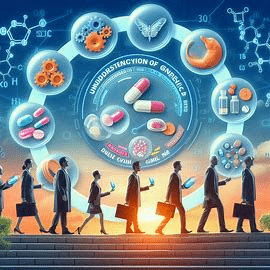
Imagine a high-stakes poker game where the ante is millions of dollars in research and development, the cards are patent filings and clinical data, and a single winning hand can grant you access to a billion-dollar market previously held by a single player. This isn’t a scene from a corporate thriller; it’s the daily reality of the generic drug industry. This is a world built on a delicate, and often contentious, balance between rewarding innovation and ensuring affordable access to medicine. It’s an ecosystem where scientific precision, legal acumen, and commercial strategy converge in a relentless race against time.
For many, the term “generic drug” conjures a simple image: a cheaper, no-frills version of a familiar brand-name medication. While true on the surface, this view belies the immense complexity and strategic depth that define the generic drug lifecycle. This journey—from identifying a brand-name drug’s expiring patent to placing a bioequivalent alternative on the pharmacy shelf—is a gauntlet of scientific reverse-engineering, rigorous regulatory scrutiny, and high-stakes legal battles. It is a process that has fundamentally reshaped the economics of healthcare.
The impact of this industry is nothing short of staggering. In the United States, generic drugs account for over 90% of all prescriptions filled, yet they represent less than 18% of the total prescription drug expenditure.1 This incredible disparity is the result of a powerful competitive force that drives down prices and creates massive savings. In 2022 alone, the use of generic and biosimilar medicines saved the U.S. healthcare system an astonishing $408 billion. Over the past decade, that figure swells to more than $2.9 trillion in savings for patients, employers, and taxpayers.2 These aren’t just numbers on a balance sheet; they represent expanded access to life-saving treatments, reduced financial burden on families managing chronic illness, and increased sustainability for the entire healthcare system.
But how does this engine of affordability actually work? What are the precise steps, strategic decisions, and market forces that allow a generic drug to move from a concept to a cornerstone of patient care? How can your organization navigate this intricate lifecycle to not only contribute to these savings but also capture significant market value in one of the most competitive industries on the planet?
This report is designed to be your comprehensive roadmap. We will deconstruct the entire generic drug lifecycle, moving chronologically from the foundational legal framework that makes it all possible, through the labyrinth of development and regulatory approval, into the courtroom dramas of patent litigation, and finally, onto the battlefield of the commercial market. We will explore the scientific bedrock of bioequivalence, the strategic art of the patent challenge, the operational complexities of manufacturing and supply chain management, and the dynamic tactics of a successful market launch.
Our journey will be guided by a central theme: turning information into advantage. We will consistently connect each stage of the lifecycle to the actionable business intelligence required to make informed decisions, mitigate risk, and capitalize on opportunities. Whether you are in portfolio management, research and development, regulatory affairs, or commercial strategy, this report will provide the nuanced understanding needed to transform patent data, regulatory knowledge, and market dynamics into a decisive competitive edge. Let’s begin by examining the legislative blueprint that started it all.
Section 1: The Blueprint for Competition – Deconstructing the Hatch-Waxman Act
A Landmark Compromise: Balancing Innovation and Accessibility
To truly grasp the modern generic drug industry, we must first travel back to the landscape of the early 1980s. It was a world where the path to market for a generic drug was, for all practical purposes, a dead end. The regulatory framework at the time demanded that any new drug, generic or not, undergo a full battery of expensive and time-consuming clinical trials to independently prove its safety and efficacy. This created a formidable barrier. Why would a company spend millions of dollars and years of effort to replicate studies that had already been done, all for a product that would inevitably sell at a fraction of the original’s price? The economics simply didn’t work. As a result, very few generic drugs were available, and brand-name manufacturers enjoyed extended monopolies long after their patents had expired, keeping drug prices high and access limited.
This all changed in 1984 with the passage of a revolutionary piece of legislation: the Drug Price Competition and Patent Term Restoration Act, more famously known as the Hatch-Waxman Act.6 Named for its bipartisan sponsors, Senator Orrin Hatch of Utah and Representative Henry Waxman of California, the Act was a masterful political compromise—a grand bargain designed to fundamentally reshape the pharmaceutical market by balancing the competing interests of innovator (brand-name) and generic drug companies.
The results were transformative. Before the Hatch-Waxman Act, generics accounted for a mere 19% of prescriptions filled in the U.S. Today, that number has skyrocketed to over 90%, a direct testament to the Act’s success in fostering a competitive marketplace.
The genius of the Hatch-Waxman Act lies in its creation of a market-making mechanism. It didn’t just introduce a new regulation; it engineered an entirely new market with predictable rules and powerful, counterbalancing incentives. For the generic industry, it created a streamlined, economically viable pathway to approval. For the innovator industry, it provided new protections to ensure that the massive investments required for true research and development would remain commercially attractive. This dual-incentive structure is not merely a historical footnote; it is the fundamental operating system that governs competition in the pharmaceutical industry to this day. Understanding its core components is the first step in mastering the generic drug lifecycle.
Key Provisions and Their Strategic Implications
The Hatch-Waxman Act is not a single rule but a carefully constructed framework of interconnected provisions. Each piece plays a critical role in defining the timeline, risks, and rewards of generic drug development. For the strategic decision-maker, understanding how these gears mesh is essential for predicting market events and identifying competitive opportunities.
The Abbreviated New Drug Application (ANDA) Pathway
The absolute cornerstone of the Act is the creation of the Abbreviated New Drug Application, or ANDA, pathway, codified under section 505(j) of the Federal Food, Drug, and Cosmetic (FD&C) Act.6 This was the game-changer. The ANDA process allows a generic manufacturer to submit an application for approval without conducting its own costly and ethically redundant clinical trials to establish safety and effectiveness.
Instead, the generic company can rely on the FDA’s previous finding that the innovator’s product—known as the Reference Listed Drug, or RLD—is safe and effective.6 The “abbreviated” nature of the application refers to this very omission. The generic firm’s primary scientific burden is no longer to re-prove the drug works, but to prove that its version is
bioequivalent to the RLD—a concept we will explore in great detail in Section 3. This provision single-handedly slashed the cost and time required to bring a generic to market, making it an economically viable enterprise for the first time.
Patent Term Restoration and Market Exclusivity for Innovators
Of course, a bargain requires two sides. To secure the support of the innovator industry, the Hatch-Waxman Act offered significant new protections. The first was Patent Term Restoration. A brand-name company invests years and, today, billions of dollars in R&D long before a drug is ever approved by the FDA.13 However, the 20-year clock on a patent starts ticking from the date of invention, not the date of market launch. This means a significant portion of a patent’s life can be consumed by the lengthy clinical trial and regulatory review process. The Act allows brand-name companies to apply to have a portion of this lost time restored to their patent term, extending their period of market monopoly.9
In addition to patent restoration, the Act codified various periods of market exclusivity, which are separate from patents. These exclusivities act as a regulatory barrier, preventing the FDA from approving a generic application for a set period, regardless of the patent status. A key example is the five-year New Chemical Entity (NCE) exclusivity, which provides a guaranteed five-year market lock for drugs containing an active ingredient never before approved by the FDA. These provisions reassured innovator companies that their R&D investments would be protected, preserving the incentive for future drug discovery.
The “Safe Harbor” Provision
One of the most strategically important, yet often overlooked, provisions of the Act is the “safe harbor” clause. This provision creates a crucial exemption from patent infringement laws. It allows a generic company to use a patented invention—the brand-name drug—for activities “reasonably related to the development and submission of information” to the FDA.
In practical terms, this means a generic company can legally begin the process of reverse-engineering the RLD, developing its own formulation, and conducting the necessary bioequivalence studies before the brand’s patents expire. Without this safe harbor, such activities would constitute patent infringement, and generic development could only begin after the last patent had lapsed. This would create a significant delay between patent expiry and the actual market entry of a generic competitor. The safe harbor ensures that generic companies can have their ANDAs prepared and, in many cases, already under review at the FDA, positioning them to launch on or very near the day the brand’s patent protection ends.
The Orange Book and Patent Certifications
To make this entire system work, a central, transparent repository of information was needed. The Hatch-Waxman Act led to the formalization of the FDA’s publication, “Approved Drug Products with Therapeutic Equivalence Evaluations,” now universally known as the Orange Book.6 The Orange Book is the official register of all FDA-approved drugs, their approval status, and their therapeutic equivalence ratings.
Crucially, the Act requires brand-name companies to list the patents that they believe cover their drug product or its approved method of use in the Orange Book. When a generic company files an ANDA, it must review this list and make a certification for each patent listed for the RLD. This certification is a legal declaration of the generic company’s position regarding that patent. While there are several types of certifications, the most consequential is the “Paragraph IV” certification, which asserts that the brand’s patent is invalid, unenforceable, or will not be infringed by the generic product. This sets the stage for the high-stakes patent litigation that has become a hallmark of the industry, a topic we will dissect in Section 4.
The interplay of these provisions creates a remarkably predictable timeline for competition, which is a goldmine for strategic analysis. The patent term restoration data allows analysts to forecast the final, adjusted patent expiry date with a high degree of accuracy. The Orange Book provides a clear, public checklist of the specific patent hurdles a generic must overcome. The ANDA pathway defines the regulatory process and its average duration. And the safe harbor provision allows all the preparatory work to be done in parallel, not in sequence. By integrating these distinct data streams, a savvy analyst can construct a sophisticated timeline model for any given drug, predicting the earliest possible window for generic entry. This predictive power is the very foundation of modern pharmaceutical portfolio management and competitive intelligence.
Feature
Brand-Name Drug (NDA)
Generic Drug (ANDA)
Primary Goal
Establish Safety & Efficacy
Establish Bioequivalence
Regulatory Application
New Drug Application (NDA)
Abbreviated New Drug Application (ANDA)
Key Studies Required
Preclinical (Animal), Clinical (Phase I, II, III)
Bioequivalence (BE) Studies
Average Development Time
10-15 years 13
3-4 years
Average Development Cost
Billions of dollars 13
$2-10 million
Reliance on Prior Data
None (generates its own)
Relies on FDA’s findings for the RLD 6
Key Legislation
PDUFA
Hatch-Waxman Act, GDUFA 6
This stark contrast in investment versus reward is precisely what makes the generic industry both incredibly attractive and fiercely competitive. It is a model built on leveraging the massive upfront investment of innovators, a dynamic made possible entirely by the framework of the Hatch-Waxman Act.
Section 2: The Pre-Market Gauntlet – From Opportunity Identification to Regulatory Submission
The lifecycle of a generic drug does not begin in a laboratory with beakers and chemical compounds. It begins in the world of data, with market analysis, patent law, and strategic forecasting. The decisions made at this initial stage—choosing which drug to pursue—are arguably the most critical in the entire process. A well-chosen target can lead to years of profitable revenue; a poorly chosen one can result in millions of dollars wasted on R&D and legal fees with no path to market. This pre-market gauntlet is where competitive advantage is first forged.
The Hunt for Gold: Strategic Product Selection
The process of selecting a generic drug candidate is a sophisticated exercise in risk management and opportunity assessment. Successful companies employ a multi-layered analytical approach, looking far beyond a simple patent expiration date to build a comprehensive business case for each potential product.
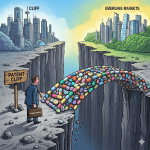
Decoding the Patent Cliff
At the heart of generic product selection is the concept of the “patent cliff”—the date on which a brand-name drug loses its patent protection, opening the door to generic competition.20 Anticipating these cliffs is the primary driver of the entire industry. A drug’s patent life is typically 20 years from the date of the patent’s invention, but due to the lengthy development and regulatory approval process, the effective market life before generic entry is often closer to 13 to 14 years.1
However, the analysis is rarely as simple as looking at a single patent. Brand-name companies employ sophisticated lifecycle management strategies to extend their monopolies, often building a “thicket” of patents around their products. These can include:
Composition of Matter Patents: The core patent protecting the active molecule itself. This is typically the strongest and most important patent.
Formulation Patents: Patents covering the specific combination of active and inactive ingredients, or the drug’s delivery system (e.g., an extended-release tablet).
Method of Use Patents: Patents covering the use of the drug to treat a specific disease or condition.
Polymorph Patents: Patents on specific crystalline forms of the active ingredient, which can have different physical properties.
A generic company must navigate this entire patent estate, determining which patents are relevant, when they expire, and which might be vulnerable to a legal challenge. This requires deep legal expertise and constant monitoring of the patent landscape.
Leveraging Competitive Intelligence Tools
In today’s data-driven environment, successful generic firms do not perform this analysis in a vacuum. They rely on sophisticated business intelligence platforms to aggregate and analyze the vast amounts of data needed to make strategic decisions. This is where a service like DrugPatentWatch becomes an indispensable tool.
Rather than manually tracking patent filings and court dockets, a company can use a platform like DrugPatentWatch to gain immediate, actionable intelligence. These tools provide a comprehensive, integrated database covering U.S. and international patents, patent expiration dates, potential patent term extensions, and regulatory exclusivities.22 More than just a data repository, they offer strategic insights by tracking ongoing litigation, identifying which companies are filing Paragraph IV challenges against which products, and even providing information on potential Active Pharmaceutical Ingredient (API) suppliers.22
This level of intelligence allows a portfolio manager to move beyond simple patent-watching. They can identify high-potential molecules with favorable patent landscapes, assess the likely number of competitors for a given drug, analyze the past success rates of those competitors in litigation, and make highly informed decisions about where to allocate precious R&D and legal resources. It transforms the product selection process from a reactive exercise into a proactive, data-driven strategy.
Market Analysis and Commercial Viability
A favorable patent situation is necessary, but not sufficient. The commercial case must also be compelling. A generic company will conduct a thorough market analysis, considering factors such as:
Market Size: What are the annual sales of the brand-name drug? A blockbuster drug with billions in sales is a far more attractive target than a niche product.20
Competition: How many other generic companies are likely to enter the market? The first generic to launch (the “first-to-file”) captures the highest profits; by the time the fifth or sixth generic enters, prices have often plummeted by over 90%, making the market unattractive.
Manufacturing Complexity: Is the drug a simple oral tablet or a complex injectable or inhaled product? Higher complexity means higher development costs and fewer potential competitors, which can preserve profit margins for those who succeed.26
Reimbursement Landscape: How is the drug covered by insurance and pharmacy benefit managers (PBMs)? A drug with favorable reimbursement is more likely to be substituted for the brand, ensuring rapid uptake.
It is crucial to understand that not all patent expiries represent equal opportunities. A simple patent expiry date is merely the starting point of the analysis. The true strategic insight comes from layering these different data sets. For instance, recent research confirms that market value is the single most significant predictor of whether a brand-name drug will face a patent challenge. A drug with a small market, even with an expiring patent, is unlikely to attract the investment needed for generic development and potential litigation. Conversely, a blockbuster drug is almost guaranteed to face a flurry of challenges from companies racing to be the “first-to-file” and secure the lucrative 180-day exclusivity period.
This understanding dictates strategy. For a blockbuster, the entire game is about speed and legal aggression to be first. For a smaller or more complex drug, the strategy might be to be the only company to successfully develop a generic, creating a durable and profitable niche monopoly. This nuanced approach, informed by comprehensive competitive intelligence, is what separates the most successful generic portfolios from the rest.
The Science of Replication: Generic Drug Development
Once a target product has been selected, the focus shifts from the boardroom to the laboratory. The goal of generic R&D is, in essence, a highly sophisticated form of reverse-engineering. The scientific team must create a product that is therapeutically equivalent to the RLD, meaning it delivers the same clinical benefit and has the same safety profile. This involves a series of meticulous scientific steps.
Reverse-Engineering the Formulation (De-formulation)
The first and most fundamental challenge is to replicate the performance of the RLD, often without access to the innovator’s proprietary formulation details or manufacturing processes. The generic product must have the same active pharmaceutical ingredient (API), the same dosage form (e.g., tablet, capsule, cream), the same strength (e.g., 10 mg), and the same route of administration (e.g., oral, topical) as the RLD.17
Where things get tricky is with the inactive ingredients, or excipients. These are the substances—such as binders, fillers, and coatings—that help form the tablet, control the drug’s release, and ensure its stability. While the API must be identical, the Hatch-Waxman Act allows for differences in excipients, provided they are safe and do not affect the drug’s performance.17 This flexibility is necessary, but it creates a significant formulation challenge. Scientists must select a combination of excipients that will make their product behave identically to the RLD in the human body, a process that requires deep expertise in pharmaceutical sciences and can involve extensive experimentation.
Analytical Method Development and Validation
Parallel to formulation development, the analytical chemistry team works to create and validate a battery of tests that will be used to assess the drug’s quality at every stage. These robust analytical methods are essential for testing the drug’s identity, purity, quality, strength, and stability.20 They ensure that the product meets all regulatory specifications and, crucially, that quality is consistent from one manufacturing batch to the next.
Every method developed must itself be validated to prove that it is accurate, precise, and reliable. This validation process is governed by strict international guidelines, such as the ICH Q2(R1) guidance, which sets the standards for analytical procedure validation. These validated methods become the backbone of the company’s quality control system.
Stability Testing
A drug product is not a static entity; it can degrade over time when exposed to heat, light, or humidity. Therefore, generic manufacturers must conduct rigorous stability studies to establish the product’s shelf life and appropriate storage conditions.25 These studies involve storing the drug product under various controlled conditions for extended periods (often months or years) and periodically testing it with the validated analytical methods to ensure it still meets all quality specifications. The data from these studies are a critical component of the regulatory submission and are required to prove that the generic product is at least as stable as its brand-name counterpart.
The Gateway to Market: Mastering the ANDA Submission Process
After years of strategic planning and intensive laboratory work, the culmination of the pre-market phase is the submission of the Abbreviated New Drug Application (ANDA) to the FDA. This comprehensive document is the formal request for approval to market the generic drug. Mastering the intricacies of the ANDA process is a critical competency for any generic company, as a well-prepared submission can shorten the time to market, while a flawed one can lead to costly delays.
Anatomy of an ANDA
The ANDA is a massive compilation of data and documentation, meticulously organized to demonstrate to the FDA that the proposed generic drug is a safe, effective, and high-quality substitute for the RLD. The key components of a complete ANDA submission include 11:
Application Forms: This includes the primary application form (Form FDA 356h) and other administrative documents like the Generic Drug User Fee cover sheet.11
Chemistry, Manufacturing, and Controls (CMC): This is one of the most substantial sections of the ANDA. It provides exhaustive detail about the drug product’s composition, the source and quality of the API and excipients, the entire manufacturing process, the quality control measures in place, and the stability data supporting the proposed shelf life.18
Bioequivalence Data: This section contains the full results and analysis of the bioequivalence studies that were conducted to prove the generic’s therapeutic equivalence to the RLD. This data is the scientific lynchpin of the entire application.18
Proposed Labeling: The submission must include the proposed labeling for the generic drug, which includes the package insert for healthcare professionals and any patient-facing information. With very few exceptions (such as omitting a patented use), the generic’s labeling must be identical to the RLD’s currently approved labeling.18
Patent Certifications: As discussed previously, the ANDA must include the applicant’s certification regarding each patent listed in the Orange Book for the RLD, setting the stage for potential litigation.
The FDA Review Cycle: From Submission to Decision
Once the ANDA is compiled, it is submitted electronically to the FDA’s Center for Drug Evaluation and Research (CDER) via the agency’s Electronic Submissions Gateway (ESG).11 From there, it enters a multi-phase review process that is both rigorous and lengthy.10
Filing Review: Upon receipt, the FDA conducts an initial administrative review to ensure the application is complete and properly formatted. If it passes this check, it is officially “filed,” and the substantive review begins.
Substantive Review: Teams of FDA scientists—including chemists, pharmacologists, and medical officers—conduct a deep-dive review of the entire application. The CMC section is scrutinized to ensure manufacturing and quality control are adequate. The bioequivalence data is audited to confirm the scientific and statistical validity of the studies. The labeling is compared meticulously against the RLD’s labeling.
Facility Inspections: The FDA will typically inspect the manufacturing facilities for both the finished drug product and the API to ensure they are in compliance with Current Good Manufacturing Practices (cGMP).
Communication and Response: Throughout the review, the FDA may send Information Requests (IRs) to the applicant to ask for clarification or additional data. If the FDA identifies significant deficiencies, it will issue a Complete Response Letter (CRL), which details the issues that must be resolved before the application can be approved. The applicant must then amend their ANDA to address these deficiencies, which can add significant time to the approval process.
Final Decision: If the application successfully navigates all stages of the review, the FDA will issue an approval letter, granting the company the right to market the generic drug (pending the resolution of any patent or exclusivity issues).
This entire process is time-consuming. From initial submission to final approval, the average ANDA review can take around 30 months, although this can be expedited for priority drugs, such as those needed to address a drug shortage.10
Common Deficiencies and How to Avoid Them
Given the length of the review cycle, any delay can have significant commercial consequences. The FDA’s “Good ANDA Submission Practices” guidance highlights several common, recurring deficiencies that can lead to a CRL or a refusal to receive the application in the first place. Strategically, avoiding these pitfalls is a low-hanging fruit for accelerating time to market. Key problem areas include:
Patent and Exclusivity Issues: Failing to properly certify all listed patents, or failing to provide timely notification to the FDA and the brand company about legal actions, can halt the review process.
Labeling Discrepancies: Any inconsistency between the proposed generic label and the RLD’s label, no matter how small, will be flagged. Submitting draft labels that don’t accurately represent the final printed format is another common error.
Product Quality (CMC) Deficiencies: This is a major source of delays. Common issues include insufficient information on the API starting material, an incomplete description of the manufacturing process, inadequate justification for impurity specifications, and failure to properly validate analytical methods.
Bioequivalence Deficiencies: Incomplete reporting of bioanalytical study data, failing to justify any deviations from the FDA’s product-specific guidances, and missing documentation (like IRB approval forms) are frequent problems.
The frequency of these deficiencies reveals a critical truth: the ANDA is far more than a simple regulatory filing. It is a strategic document that serves as the ultimate testament to a company’s scientific rigor, manufacturing competence, and regulatory diligence. The FDA isn’t just checking boxes; it is conducting a deep audit of the applicant’s fundamental understanding of its own product and process. A deficiency in the impurity profile, for example, isn’t just a missing piece of paper; it signals a potential lack of control over the manufacturing process. A poorly justified patent certification isn’t just a legal oversight; it’s a flawed market entry strategy.
Therefore, a high-quality ANDA that achieves a “first-cycle approval” (an approval without a CRL) is a powerful competitive weapon. It demonstrates operational excellence to potential partners and investors, and most importantly, it shaves months or even years off the time to market. In a race where every day of sales counts, avoiding these common pitfalls through meticulous preparation is a critical strategic imperative.
Section 3: The Cornerstone of Equivalence – Proving Sameness Through Bioequivalence
At the very heart of the generic drug approval process lies a single, powerful scientific principle: bioequivalence. It is the bedrock upon which the entire abbreviated regulatory pathway is built. If a generic company can scientifically prove that its product is bioequivalent to the brand-name drug, the FDA can infer that it will also be therapeutically equivalent—that is, it will produce the same clinical effect and have the same safety profile when used under the conditions specified in the label. Mastering the science and statistics of bioequivalence (BE) is non-negotiable for any company seeking to compete in the generic space.
Bioequivalence 101: The Scientific Foundation of Generic Approval
So, what exactly is bioequivalence? The official FDA definition is “the absence of a significant difference in the rate and extent to which the active ingredient or active moiety in pharmaceutical equivalents or pharmaceutical alternatives becomes available at the site of drug action when administered at the same molar dose under similar conditions in an appropriately designed study”.34
Let’s break that down. In simpler terms, a BE study aims to prove that the generic drug gets the same amount of active ingredient into the bloodstream over the same period of time as the brand-name drug. If it can do that, it’s reasonable to assume it will work in the same way. This is typically demonstrated by conducting a clinical study, usually in a small group of 24 to 36 healthy volunteers, who take both the generic and the brand-name drug on separate occasions.
Key Pharmacokinetic (PK) Parameters
To measure the drug’s journey into the bloodstream, scientists focus on a few key pharmacokinetic (PK) parameters, which are calculated from the concentration of the drug measured in blood samples taken over time. The “holy trinity” of these parameters for BE studies includes 34:
Cmax (Maximum Concentration): This is the highest concentration the drug reaches in the bloodstream. It is the primary measure of the rate of drug absorption.
AUC (Area Under the Curve): This represents the total exposure to the drug over time, calculated from the plasma concentration-time curve. It is the primary measure of the extent of drug absorption. Two specific AUC measures are typically used: AUC0−t (exposure up to the last measurement time) and AUC0−∞ (total exposure extrapolated to infinity).
Tmax (Time to Maximum Concentration): This is the time it takes for the drug to reach its peak concentration, Cmax. While it is reported, it is not typically used in the primary statistical analysis for BE.
The Statistical Hurdle: The 80-125% Rule
Proving bioequivalence isn’t about showing that the average Cmax and AUC for the generic and brand are identical. Due to natural human biological variability, that would be impossible. Instead, the standard is based on statistical confidence.
The FDA requires that the 90% confidence interval for the geometric mean ratio (Test Product / Reference Product) for both Cmax and AUC must fall entirely within the acceptance limits of 80.00% to 125.00%.28
This is a stringent statistical test. A confidence interval is a range of values that is likely to contain the true population mean ratio. A 90% confidence interval means that we are 90% confident that the true ratio lies within that range. For a generic to be approved, the entire range of this interval must be contained within the 80% to 125% window. This ensures that any difference between the generic and the brand is not clinically significant. This statistical assessment is typically performed using a procedure known as the two one-sided tests (TOST).37
The Cornerstone of Generic Approval
The Next Frontier: Demonstrating Bioequivalence for Complex Generics
While conducting a BE study for a simple immediate-release oral tablet is a relatively straightforward, well-established process, the landscape becomes vastly more complicated for what the FDA terms “complex generics.” These are products that are harder to develop due to their complex active ingredients, formulations, routes of delivery, or their nature as a drug-device combination product.27 Because of these challenges, complex drugs often face less generic competition, making them a key focus of the FDA’s Drug Competition Action Plan, which aims to streamline their approval pathway.43
For these products, a standard PK study in healthy volunteers may not be sufficient or even relevant to prove therapeutic equivalence. The FDA has therefore developed a “weight-of-evidence” approach, often requiring a combination of different types of studies, which are detailed in product-specific guidances (PSGs). Let’s explore the challenges and requirements for three major categories of complex generics.
Topical Products (Creams, Ointments, Gels)
Topical products are designed to work locally on or in the skin, and they often have very low systemic absorption. This makes traditional blood-based PK studies largely irrelevant for demonstrating BE.40 How can you prove two creams are the same if you can’t measure the drug in the blood? The FDA’s approach relies on a multi-pronged strategy to demonstrate that the generic formulation is so similar to the brand that it can be expected to perform identically.
Formulation Sameness (Q1/Q2/Q3): The first step is a deep characterization of the formulation itself. A generic product that is qualitatively the same (Q1 – same inactive ingredients) and quantitatively the same (Q2 – same amounts of inactive ingredients within ±5%) as the RLD has a much simpler path to demonstrating BE.46 Beyond the list of ingredients, the FDA requires a demonstration of physicochemical and structural sameness (Q3). This involves a battery of sophisticated tests to compare attributes like rheology (flow properties), particle or globule size distribution, and the arrangement of matter within the product (e.g., phase states in an emulsion).48 The goal is to prove that the microstructure of the generic is identical to the brand’s.
In Vitro Studies: To assess performance, the FDA relies on in vitro (laboratory-based) methods. In Vitro Release Testing (IVRT) measures the rate at which the drug is released from the formulation through a synthetic membrane. In Vitro Permeation Testing (IVPT) goes a step further, measuring the rate at which the drug permeates through excised human skin in a diffusion cell. These tests provide crucial data on the drug’s availability at the skin surface.47
Clinical Endpoint Studies: For some topical products, particularly those that are not Q1/Q2 the same as the RLD, the FDA may still require a comparative clinical endpoint bioequivalence study. This is a full-scale clinical trial conducted in patients with the target disease (e.g., herpes labialis, psoriasis), where the clinical outcome (e.g., time to healing) is measured and compared between the generic, the brand, and a placebo.46
Case Study in Practice: Acyclovir Topical Cream
The FDA’s product-specific guidance for Acyclovir 5% Cream provides a perfect illustration of this tiered approach.46 The guidance outlines multiple options for demonstrating bioequivalence. If a generic applicant can demonstrate that their product is Q1/Q2 the same as the RLD and that it matches on all Q3 attributes, they may be able to rely on in vitro studies like IVRT and IVPT to prove BE. However, if the formulation differs, the guidance recommends a more burdensome path: a bioequivalence study with a clinical endpoint in patients with recurrent herpes labialis, comparing the generic product to both the RLD and a placebo cream. This demonstrates the FDA’s flexible, risk-based approach to complex topical generics.
Inhaled Products (MDIs, DPIs)
Orally inhaled and nasal drug products (OINDPs) are among the most complex generics to develop. The product is not just the drug formulation but an integrated drug-device combination. The device’s performance is just as critical as the formulation’s properties in delivering the right dose to the right place in the lungs. Furthermore, because these drugs act locally in the airways, systemic PK studies are often insensitive to potentially significant differences in regional lung deposition.54
Therefore, demonstrating BE for inhaled products requires a comprehensive battery of in vitro and in vivo tests:
In Vitro Equivalence: This is the foundation of the BE demonstration. The FDA requires extensive in vitro testing to prove that the generic product’s delivered dose and aerosol properties are equivalent to the brand’s. Key tests include Single Actuation Content (SAC), which measures the dose delivered per puff, and Aerodynamic Particle Size Distribution (APSD), which characterizes the size of the aerosol particles that determine where in the lung the drug will deposit. These tests must be performed at multiple flow rates to simulate different patient inhalation efforts and at different points in the inhaler’s life (beginning, middle, and end).57
In Vivo Studies: Even with extensive in vitro data, the FDA often requires in vivo studies to address any remaining uncertainty. The options can include:
Pharmacokinetic (PK) Studies: A traditional BE study measuring drug concentration in the blood. While not a direct measure of lung deposition, it can provide supportive evidence of comparable total systemic exposure.
Pharmacodynamic (PD) Studies: For some drugs like bronchodilators, a PD study can be used. This involves measuring a physiological response (e.g., improvement in lung function, or FEV1) in patients over time and comparing the response curves between the generic and the brand.
Comparative Clinical Endpoint BE Studies: In the most complex cases, a large-scale clinical trial in asthmatic or COPD patients may be required to demonstrate equivalent efficacy and safety over a period of weeks or months.58
Case Study in Practice: Fluticasone Propionate/Salmeterol Inhalation Powder
The PSG for the generic version of Advair Diskus, a widely used combination product for asthma and COPD, showcases this complexity.58 The guidance provides applicants with multiple potential pathways to demonstrate BE. One option involves a suite of highly detailed in vitro studies (SAC, APSD, etc.) combined with a PK study in healthy volunteers. An alternative option involves a different set of in vitro studies paired with a large and expensive comparative clinical endpoint study in patients. This optionality allows manufacturers to choose the development path that best fits their technical capabilities and risk tolerance, but it underscores the immense scientific and financial investment required to bring a complex inhaled generic to market.
Transdermal Patches (TDDS)
Transdermal drug delivery systems (TDDS), or patches, present their own unique set of challenges. A patch is designed to deliver a drug through the skin into the bloodstream at a controlled rate over an extended period (often several days). Therefore, BE is not just about the total amount of drug delivered; it’s about the rate of delivery, the patch’s ability to stick to the skin, and its potential to cause skin irritation.63
To gain approval, a generic patch must typically pass a trifecta of in vivo studies:
Pharmacokinetic (PK) Studies: These are the core BE studies. Because patches are designed for long-term use, both a single-dose PK study (to characterize the initial application) and a multiple-dose, steady-state PK study (to characterize performance after repeated applications) are often required. These studies measure Cmax and AUC to ensure the rate and extent of absorption are equivalent to the brand.
Adhesion Studies: A patch that doesn’t stick properly won’t deliver the correct dose. Therefore, applicants must conduct a comparative adhesion study to prove that their generic patch’s adhesion is non-inferior to the RLD’s. During the PK studies, trained technicians assess the adhesion of each patch at multiple time points using a standardized scoring scale (e.g., a 0-4 scale, where 0 is ≥90% adhered and 4 is completely detached).63 The statistical analysis must show that the generic’s adhesion performance is at least as good as the brand’s.
Skin Irritation and Sensitization Studies: The materials and adhesives used in a patch can cause skin reactions. Applicants must conduct a comparative study to demonstrate that their product is no more irritating or sensitizing than the RLD. This typically involves applying the patches to healthy volunteers and having dermatologists score the level of skin irritation (e.g., redness, swelling) over time.63
Case Study in Practice: Fentanyl Transdermal System
The Fentanyl patch, a potent opioid for chronic pain, is a prime example of a high-risk, complex TDDS. The product-specific guidance and prescribing information emphasize the critical importance of controlled delivery, proper adhesion, and patient safety to avoid potentially fatal overdoses.66 Any generic version must undergo the full battery of rigorous BE testing—including single-dose and steady-state PK studies, a robust adhesion assessment, and a skin irritation/sensitization study—to ensure it is a safe and effective substitute.
A fascinating and pragmatic evolution in BE testing has been the development of Reference-Scaled Average Bioequivalence (RSABE). Certain drugs are inherently “highly variable,” meaning that even when the same person takes the same dose of the same brand-name drug on two different occasions, their measured PK parameters (Cmax and AUC) can vary significantly (typically defined as a within-subject coefficient of variation >30%). For these drugs, the high biological “noise” can make it statistically impossible to meet the standard 80-125% BE limits, even if the generic product is, for all intents and purposes, identical to the brand. This statistical quirk would require impractically large and expensive clinical trials, effectively creating an insurmountable barrier to generic development for an entire class of drugs.
Recognizing this, regulatory agencies like the FDA developed the RSABE approach.70 This is not a loosening of standards but a more sophisticated statistical method. Instead of using fixed 80-125% limits, RSABE allows the acceptance criteria to
scale or widen based on the measured variability of the reference drug itself within the study. In essence, the generic is graded on a curve set by the brand. This requires a more complex, replicate study design (where subjects receive the reference product multiple times), but it provides a scientifically sound and achievable pathway for demonstrating BE for highly variable drugs. For a strategic planner, awareness of the RSABE pathway is critical. It can transform a drug that might otherwise be deemed “undevelopable” due to high variability into a viable generic opportunity, potentially opening up new market segments that competitors who are less familiar with advanced regulatory science might overlook.
Section 4: The Patent Challenge – High-Stakes Litigation and the Race for Exclusivity
If bioequivalence is the scientific heart of the generic lifecycle, the patent challenge is its legal and commercial soul. It is where the careful balance of the Hatch-Waxman Act is put to the test in a high-stakes confrontation between the innovator and the challenger. For a generic company, this is not merely a legal hurdle; it is the most aggressive and potentially the most lucrative strategic maneuver available. It is a calculated gamble that can shave years off the time to market and generate hundreds of millions of dollars in revenue.
The Paragraph IV Certification: A Declaration of War
As we established in Section 1, when a generic company files an ANDA, it must provide a certification for each patent listed in the Orange Book for the brand-name drug it seeks to copy. While several certification options exist (e.g., stating the patent has expired or that the generic will wait to launch until it does), the most significant is the Paragraph IV certification.
A Paragraph IV certification is a bold declaration to the FDA and the brand-name company. The generic applicant formally asserts that it believes the listed patent is either invalid, unenforceable, or will not be infringed by the manufacture or sale of its proposed generic product.15 This is not a passive statement; under U.S. law, it is considered an artificial act of patent infringement, designed specifically to create a legal basis for a lawsuit before the generic drug is even on the market.
The mechanics of this process are highly structured and time-sensitive:
Filing and Notification: The generic company submits its ANDA to the FDA containing the Paragraph IV certification. Once the FDA acknowledges the application, the generic company must send a detailed notice letter to the brand-name company (the NDA holder) and the patent owner, explaining the basis for its certification.
The 45-Day Clock: Upon receiving the notice letter, the brand-name company has a critical 45-day window to respond by filing a patent infringement lawsuit against the generic applicant.
The 30-Month Stay: If a lawsuit is filed within that 45-day period, it triggers an automatic 30-month stay of FDA approval for the ANDA.9 This provision is a key part of the Hatch-Waxman compromise. It prevents the generic from launching “at-risk” while the patent dispute is being resolved in court, giving the brand company approximately two and a half years of continued market exclusivity to litigate its patent rights. This stay period can translate directly into hundreds of millions, or even billions, of dollars in protected revenue for the innovator.
The Golden Ticket: The 180-Day Exclusivity Period
So, why would a generic company intentionally invite a costly lawsuit and a 30-month delay in its approval? The answer lies in the grand prize offered by the Hatch-Waxman Act: 180 days of generic market exclusivity.15
The law states that the first generic applicant to submit a “substantially complete” ANDA containing a Paragraph IV certification is eligible for this 180-day period of marketing exclusivity. If this “first-to-file” (FTF) applicant successfully defends against the brand’s lawsuit (either by winning in court or reaching a settlement that allows market entry), it is granted a golden six-month window.
During this 180-day period, the FTF generic is the only generic version of the drug allowed on the market. The FDA is barred from approving any subsequent ANDAs for the same drug until the exclusivity period expires. This creates a temporary duopoly between the brand-name drug and the single FTF generic.
The strategic value of this exclusivity is immense. The FTF generic does not have to compete on price with a dozen other generics. Instead, it can price its product at a modest discount to the brand—often just 15-25% lower—and still rapidly capture a majority of the market share from the high-priced innovator.16 This allows the FTF to reap substantial revenues and profit margins before the market becomes fully commoditized upon the entry of multiple other generic players. For a blockbuster drug, this six-month head start can be worth hundreds of millions of dollars, more than justifying the initial cost and risk of the litigation.
Case Study: The Challenge That Started It All – Barr Labs vs. Eli Lilly (Prozac)
The transformative power of the 180-day exclusivity is best illustrated by the seminal case that arguably created the modern, aggressive patent-challenge model. In the 1990s, Barr Laboratories identified Eli Lilly’s blockbuster antidepressant, Prozac (fluoxetine), as a prime target. In 1996, Barr filed an ANDA with a Paragraph IV certification, challenging Lilly’s patents.
After five years of intense litigation, a court of appeals ruled in Barr’s favor in 2000. When Barr launched its generic fluoxetine in August 2001, the impact was immediate and dramatic:
Within the first month, Prozac lost 46% of its prescriptions to Barr’s generic.
By the end of Barr’s six-month exclusivity period, Prozac had lost 82% of its prescriptions.
During its monopoly on generic fluoxetine sales in the last quarter of 2001, Barr’s gross profit margin nearly doubled, jumping to 28.7% from 16.8% the previous year.
The company’s stock price surged over 35% when the favorable court decision was announced.
The Prozac case was a watershed moment. It demonstrated to the entire industry that a well-executed Paragraph IV strategy could be a company-making event. It proved that no brand, no matter how large, was immune to a patent challenge, and it cemented the 180-day exclusivity as the most coveted prize in the generic pharmaceutical world.
Navigating the Litigation Minefield: Trends and Success Rates
While the potential rewards are enormous, embarking on a Paragraph IV challenge is a high-risk, high-cost endeavor. The litigation itself can be a multi-year, multi-million-dollar battle against a well-funded innovator company that has every incentive to defend its monopoly. Understanding the statistical realities and evolving trends of this litigation is crucial for any company considering this path.
The data reveals a fascinating and complex picture. The number of first-to-file lawsuits has been on a steady incline for years, indicating the enduring appeal of the 180-day exclusivity incentive. One study found that the overall “success rate” for generic challengers is a surprisingly high 76%.74 However, this number is misleading if taken at face value. The same study found that when cases actually go to trial and a verdict is reached, the generic win rate is much closer to a coin toss, at around 48%.
The large gap between the overall success rate and the trial win rate is explained by one critical factor: settlements. A significant portion of Paragraph IV cases do not end with a judge’s ruling but with a negotiated settlement between the brand and generic companies. More recent data from 2024 reinforces this, showing that while innovator companies prevailed in court 20% of the time and generics only 2%, a full 39% of all resolved cases ended in a settlement.77
This highlights a crucial strategic point. While the public narrative often focuses on courtroom victories, a settlement is frequently the most desirable outcome for a generic company. A settlement eliminates the profound uncertainty and staggering expense of seeing a multi-year litigation through to its conclusion. It replaces the binary risk of a “win-or-lose” verdict with a contractually agreed-upon market entry date. This certainty is immensely valuable. It allows the generic company to de-risk the entire venture and meticulously plan its manufacturing scale-up, supply chain logistics, and commercial launch with a firm date on the calendar. For a publicly traded company, this predictability can be worth as much as a courtroom win. Therefore, the primary objective of a Paragraph IV challenge is often not to defeat the brand company in court, but to build a legal case strong enough to force a favorable settlement.
The litigation landscape is also in constant flux. Brand companies are not static targets; they actively adapt their strategies to fend off challenges. They often respond to a Paragraph IV filing by listing additional patents for the drug in the Orange Book, particularly “continuation patents,” which are statistically more likely to be litigated and are associated with delays in generic entry. This creates a multi-front war where the generic must constantly re-evaluate the patent landscape.
Furthermore, the regulatory and legal environment itself is evolving. In 2024 and 2025, several key trends are shaping the future of Hatch-Waxman litigation. The Federal Trade Commission (FTC) has become much more aggressive in challenging what it deems “junk” or improperly listed patents in the Orange Book, putting pressure on brand companies to remove patents that may not meet the statutory listing requirements. There is also increased scrutiny of “patent thickets”—the practice of building a dense web of overlapping patents to deter generic entry. Legal arguments around “skinny labels” (where a generic carves out a patented use from its label) and the standards for proving induced infringement are also being actively litigated and refined by the courts.80 This dynamic environment requires that a generic company’s legal and competitive intelligence functions are not just reactive, but are constantly looking ahead to anticipate the brand’s next move and the shifting legal goalposts.
Metric
2020
2021
2022
2023
2024
Trend
Total P-IV ANDA Lawsuits Filed
(Data Varies)
(Data Varies)
(Data Varies)
259
312
Increasing
% ANDAs Resulting in Litigation
High
High
High
High
High
Consistently High
Litigation Outcome – Generic Win (Trial)
Low
Low
Low
Low
2%
Stagnant/Low
Litigation Outcome – Brand Win (Trial)
(Data Varies)
(Data Varies)
(Data Varies)
(Data Varies)
20%
Brand Favored
Litigation Outcome – Settlement
(Data Varies)
(Data Varies)
(Data Varies)
50%
39%
High but Decreasing
% of ‘Eligible’ ANDAs for 180-Day Exclusivity
~45%
~45%
~48%
~50%
~45%
Relatively Stable
Avg. Time to Resolution (Months)
~24-36
~24-36
~24-36
~24-36
~24-36
Stable
This data-driven view moves beyond a single, simplistic “success rate.” It paints a picture of a legal arena where outright victory in court is rare for the challenger, but achieving a strategic resolution through settlement is common. The slight decrease in settlements from 2023 to 2024 could signal a hardening of positions, perhaps influenced by increased antitrust scrutiny or the changing economics brought on by the Inflation Reduction Act. For a strategist, tracking these granular metrics year-over-year is essential for calibrating the risks and potential rewards of embarking on a multi-million-dollar patent challenge.
Section 5: From Lab to Market – The Manufacturing and Supply Chain Imperative
A successful bioequivalence study and a favorable legal outcome are monumental achievements in the generic drug lifecycle. However, they are ultimately meaningless if the company cannot manufacture the product reliably, consistently, at commercial scale, and in full compliance with stringent regulatory standards. The transition from the controlled environment of the R&D laboratory to the high-volume world of commercial manufacturing is a critical and often underestimated challenge. This is where the theoretical science of drug development meets the practical engineering of industrial production.
Scaling the Summit: From Lab Bench to Commercial Production
The process of scaling up production is not as simple as using a larger beaker. It is a complex, multi-stage endeavor that requires meticulous planning, validation, and control to ensure that the product made in a 1,000-liter reactor has the exact same quality attributes as the one made in a 1-liter flask. The FDA’s lifecycle approach to manufacturing is built on the principle of ensuring quality is designed into the process and maintained throughout.
The Three Stages of Process Validation
Process validation is the documented evidence that provides a high degree of assurance that a specific manufacturing process will consistently produce a product meeting its pre-determined specifications and quality attributes.84 The FDA outlines a three-stage lifecycle approach:
Stage 1: Process Design: This stage occurs during R&D and scale-up. The goal is to build a deep understanding of the manufacturing process. Scientists and engineers use tools like Design of Experiments (DoE) to identify the Critical Process Parameters (CPPs)—such as mixing speed, temperature, or compression force—that have a significant impact on the product’s Critical Quality Attributes (CQAs), like dissolution rate or impurity levels. This knowledge is used to define the commercial manufacturing process and establish a robust control strategy.84
Stage 2: Process Qualification: This is where the designed process is formally evaluated to confirm its capability for reproducible commercial manufacturing. This stage has two key components. First is the design of the facility and qualification of utilities and equipment, ensuring that the physical plant, water systems, air handling, and all manufacturing equipment are suitable for their intended use and perform correctly. The second, and most critical, component is Process Performance Qualification (PPQ). During PPQ, the company manufactures a number of commercial-scale batches (typically three) under the normal operating conditions specified in the protocol. These batches are subjected to a higher level of in-process monitoring and finished product testing to prove that the process is consistent and delivers a quality product. A successful PPQ is required before any commercial distribution of the drug can begin.84
Stage 3: Continued Process Verification: Validation does not end after the PPQ batches are successful. Stage 3 is an ongoing program during routine commercial production to collect and analyze process data. This ensures that the process remains in a state of control over the long term. Statistical process control (SPC) charts are often used to monitor CPPs and CQAs, allowing manufacturers to detect any undesired process variability or drift over time and take corrective action before it results in a batch failure.84
The Art of the Hand-Off: Technology Transfer
In many cases, the team that develops a drug in the lab is not the same team, or even at the same location, that will manufacture it commercially. The process of formally transferring the product and process knowledge from the “sending unit” (e.g., R&D) to the “receiving unit” (e.g., a manufacturing plant or a Contract Development and Manufacturing Organization, or CDMO) is known as technology transfer.89
A successful technology transfer is a project in itself, requiring a structured approach and meticulous documentation. Best practices include 89:
A Detailed Tech Transfer Protocol: This document serves as the master plan, outlining the scope, objectives, responsibilities of each party, and the specific knowledge and processes to be transferred.
Clear and Frequent Communication: Open lines of communication between the sending and receiving teams are essential to resolve issues and ensure alignment.
A Technical Gap Analysis: A formal risk assessment is conducted to identify any differences in equipment, procedures, or capabilities between the two sites. A mitigation plan is then developed to address these gaps.
Robust Documentation: Every aspect of the process, from analytical methods to equipment operating parameters, must be thoroughly documented to ensure the receiving unit can replicate the process exactly.
Failure to manage technology transfer effectively can lead to significant delays, batch failures, and regulatory complications, ultimately jeopardizing a timely market launch.
Building Quality In: Quality by Design (QbD) for Generics
A more advanced and highly encouraged approach to pharmaceutical development and manufacturing is Quality by Design (QbD). Championed by the FDA and international regulators, QbD is a systematic, science- and risk-based framework that aims to build quality into the product and process from the very beginning, rather than relying on testing the final product to ensure its quality.93
The core elements of a QbD approach include:
Quality Target Product Profile (QTPP): This begins with the end in mind. The QTPP is a prospective summary of the quality characteristics of a drug product that ideally will be achieved to ensure the desired quality, taking into account safety and efficacy. For a generic, the QTPP is largely defined by the RLD.94
Critical Quality Attributes (CQAs): Based on the QTPP, the team identifies the physical, chemical, biological, or microbiological attributes of the product that must be controlled within a specific limit or range to ensure the desired product quality. Examples include the dissolution rate of a tablet or the particle size of an inhaled drug.97
Risk Assessment and Identification of Critical Parameters: Through risk assessment tools (like Failure Mode and Effects Analysis) and experimentation (like Design of Experiments), the team identifies the Critical Material Attributes (CMAs) of the raw materials and the Critical Process Parameters (CPPs) of the manufacturing process that have a significant impact on the CQAs.98
Design Space: The culmination of this work is the establishment of a “Design Space.” This is the multidimensional combination and interaction of input variables (e.g., material attributes) and process parameters that have been demonstrated to provide assurance of quality. Working within the approved design space is not considered a change by regulators, providing the manufacturer with operational flexibility to manage variability without needing to file post-approval changes.94
A powerful example of QbD in action for a generic product is provided by the Generic Pharmaceutical Association’s (GPhA) case study on a fictional immediate-release tablet, “Acetriptan”. The case study walks through the process of defining the QTPP based on the brand-name drug, conducting a risk assessment to identify that the API’s particle size is a critical attribute due to its low solubility, and then using experimental design to define a design space for the manufacturing process (e.g., blending and compression) that ensures the final tablets will meet their critical dissolution CQA.
The Global Lifeline: API Sourcing and Supply Chain Resilience
While internal manufacturing processes are critical, a generic company’s success is equally dependent on its external supply chain, particularly the sourcing of its most important raw material: the Active Pharmaceutical Ingredient (API). The global API supply chain is both a critical enabler of low-cost medicines and a significant source of risk.
The Gatekeepers: Qualifying and Managing API Suppliers
Most generic companies do not manufacture their own APIs; they source them from specialized manufacturers around the world. The process of selecting, qualifying, and managing these suppliers is a critical quality and risk-management function.100 A rigorous due diligence process is essential and typically involves several stages:
Preliminary Assessment: The process starts with a broad search and initial screening of potential suppliers based on their reputation, experience, and cost-effectiveness.
Document Review: A deep dive into the supplier’s regulatory documentation is performed. This includes a thorough review of the API’s Drug Master File (DMF), a confidential submission to the FDA that details the chemistry, manufacturing, and controls of the API. The review focuses on the synthetic route, impurity profile, and stability data.
Sample Analysis: The generic company obtains samples (typically from at least three commercial-scale batches) from promising suppliers and conducts its own comprehensive analytical testing to verify the API’s quality, purity, and physical properties (such as polymorphism and particle size distribution).
Facility Audit: The Quality Assurance team conducts an audit of the API manufacturing facility, either onsite or remotely. The audit assesses the facility’s compliance with cGMP, the robustness of its quality management system, and its procedures for handling deviations, change control, and investigations.
Only after a supplier has successfully passed all these stages are they approved and added to the company’s qualified supplier list.
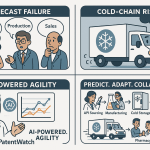
The Achilles’ Heel: Supply Chain Vulnerabilities
The modern pharmaceutical supply chain is a marvel of global logistics, but it is also inherently fragile. The intense and relentless price pressure that defines the generic market has driven manufacturers to seek the lowest possible costs for both API and finished product manufacturing. This has led to a massive geographic concentration of the supply chain.
The statistics are stark. Over 80% of the world’s API supply is now manufactured in just two countries: China and India. The U.S., for example, imports nearly half of its finished generic drugs from India, which in turn relies on China for up to 90% of the key chemical starting materials needed to produce those APIs.
This extreme concentration creates profound vulnerabilities. The entire global supply of essential medicines can be disrupted by a single point of failure, whether it’s a geopolitical event like a trade war or tariff imposition, a natural disaster, or a localized public health crisis.103 The result of these disruptions is a growing crisis of drug shortages, which are currently at their highest level in over a decade.102 These shortages are not mere inconveniences; they lead to delayed treatments, medication errors, and significant financial costs for the healthcare system.
This reveals a fundamental paradox at the heart of the generic drug industry. The very economic model that makes generics a success story for healthcare affordability—the drive for the lowest possible cost—is the direct cause of its greatest operational threat: a brittle, high-risk global supply chain. This is not an accidental outcome; it is a direct causal link. For a strategic leader in the pharmaceutical industry, this means that supply chain resilience can no longer be treated as a simple logistical function. It must be elevated to a key strategic priority. Investing in diversifying suppliers, qualifying alternative manufacturing sites, and even exploring more expensive domestic or “near-shoring” manufacturing options is no longer just a cost; it is a crucial risk mitigation strategy against catastrophic supply failures that can erase a product’s profitability and, more importantly, endanger patient care.
Section 6: The Market Launch – Commercialization and Competitive Warfare
Securing FDA approval and establishing a robust manufacturing process are monumental hurdles, but they only get a generic drug to the starting line. The final, and arguably most dynamic, phase of the lifecycle is the commercial launch. This is where the product enters the marketplace and confronts the fierce realities of price competition, payer negotiations, and the strategic countermoves of the brand-name incumbent. A successful launch is a masterclass in timing, pricing, and market access strategy.
Hitting the Ground Running: Crafting a Winning Launch Strategy
The notion that a generic drug sells itself simply by being cheaper is a dangerous oversimplification. A successful launch requires a carefully orchestrated, multi-pronged strategy designed to achieve rapid market penetration and maximize revenue in the critical window before widespread competition erodes profitability.21
The Pricing Predicament
Pricing is the most visible and critical element of the launch strategy. The approach depends heavily on the competitive context.
First-to-File (FTF) Pricing: The company with 180-day exclusivity has the most pricing power. The strategy is not to be the cheapest possible, but to price at a significant discount to the brand (e.g., 15-25% less) that is attractive enough for payers to switch, while still capturing a substantial margin. This is the most profitable period in a generic’s life.
Penetration Pricing: For generics launching into a market that already has competitors (or for the FTF after exclusivity ends), the strategy often shifts to aggressive penetration pricing. The goal is to set a low price to quickly gain market share from both the brand and other existing generics.
Value-Based Pricing for Complex Generics: For higher-value or complex generics that offer an improvement over existing generics (e.g., a more convenient delivery system), companies may employ a more nuanced pricing strategy that commands a premium over standard generics, justified by the added value.
Securing Market Access and Distribution
A great price is useless if patients can’t access the drug. Securing market access is a critical pre-launch activity that involves negotiating with the key gatekeepers of the U.S. healthcare system:
Payers and Pharmacy Benefit Managers (PBMs): Generic companies work with PBMs and insurance companies to get their product placed on the formulary, the list of drugs covered by a health plan. The goal is to secure a preferred tier, often with a low patient co-payment, which strongly incentivizes pharmacists to dispense and patients to accept the generic over the brand.4 PBMs play a crucial role in driving generic utilization, which stands at 97% when a generic is available.
Wholesalers and Distributors: Establishing agreements with major drug wholesalers (like McKesson, Cardinal Health, and AmerisourceBergen) is essential to ensure the product is physically available in pharmacies across the country.
Pharmacy Chains: Large retail pharmacy chains like CVS and Walgreens are major customers. Securing contracts and ensuring they stock the product is key to a successful launch. Offering incentives like discounts or co-marketing can help secure prominent shelf space.
Marketing in a “Me-Too” World
While generic companies don’t engage in the large-scale direct-to-consumer advertising common for brand-name drugs, marketing still plays a vital role. The target audience is different: pharmacists, physicians, and payers. The goal is to build trust and awareness, ensuring that when a prescription for the brand-name drug is written, the generic is the one that gets dispensed.
Strategies include creating brand equity even for the generic company (e.g., being known for quality and reliability), driving patient acquisition through programs that make it easy to switch, and using digital marketing to target prescribers.21 A data-driven digital campaign targeting cardiologists, for example, was shown to boost the uptake of a generic atorvastatin by 25%.
The Inevitable Cascade: Price Erosion and Market Maturation
The defining economic characteristic of the generic drug lifecycle is the rapid and dramatic erosion of price as more competitors enter the market. This process is predictable and relentless, and it fundamentally shapes the long-term strategy of every generic company.
The data on price erosion is stark and consistent. The entry of the first generic competitor creates the initial price drop, but the real pressure begins when the 180-day exclusivity period ends and the floodgates open.
The economic lifecycle of a generic drug is therefore one of compressed profitability. The vast majority of a product’s profit potential is captured in the early stages, particularly by the first-to-file generic during its 180-day exclusivity period. Once multiple competitors enter, the product quickly transforms from a high-value asset into a low-margin commodity, where profitability depends almost entirely on manufacturing scale and operational efficiency.
This economic reality creates a powerful strategic imperative that drives the entire industry. It is no longer sustainable for companies to survive by simply launching a series of simple, oral solid generics. The window of profitability is too short, and the competition is too intense. This relentless pressure is the primary force pushing companies up the value chain. It compels them to invest in the development of “higher-value generics” with improved formulations or delivery systems and to tackle the immense scientific and regulatory challenges of “complex generics”.19 For these more difficult-to-make products, the higher barriers to entry naturally limit the number of competitors, preserving profit margins for a longer period. The price erosion cascade is not just a market phenomenon; it is the engine of innovation in the generic space.
The Brand’s Counter-Attack: Navigating Competitive Tactics
Brand-name companies do not simply stand by and watch their market share evaporate. They employ a range of sophisticated legal and commercial strategies designed to delay or disrupt generic entry and maximize their product’s revenue before the patent cliff. A generic company’s launch plan must anticipate and navigate these countermoves.
“Pay-for-Delay” and Other Settlement Tactics
One of the most controversial tactics is the “reverse payment” or “pay-for-delay” settlement. In this scenario, as part of a patent litigation settlement, the brand-name company pays the generic challenger to delay the launch of its product until a later, agreed-upon date.112 These agreements have come under intense scrutiny from the Federal Trade Commission (FTC) and the courts as being potentially anticompetitive, as they keep a lower-cost alternative off the market, forcing patients and payers to continue paying the higher brand price.
The Authorized Generic (AG) Gambit
A more subtle and complex competitive tool is the authorized generic (AG). An AG is a prescription drug that is identical to the brand-name product—produced under the same New Drug Application (NDA)—but marketed as a generic, typically through a subsidiary or a partner company.
The strategic power of the AG lies in its timing. Because it is not an ANDA product, an AG is not blocked by the first-to-file’s 180-day exclusivity. This means an AG is the only generic competitor that the FTF challenger can face during its highly profitable exclusivity period.115 By launching an AG, the brand company can immediately enter the generic market, compete directly with the FTF on price, and retain a significant portion of the market share and revenue that would have otherwise gone entirely to the challenger. This tactic effectively dilutes the value of the 180-day exclusivity, sometimes substantially.
From a public health perspective, the launch of an AG is beneficial. Studies have shown that when an AG is present during the exclusivity period, the initial price of the generic drug is 13-18% lower than when the FTF is the sole generic on the market, leading to greater savings for the healthcare system.116
“No-Authorized-Generic” Agreements
The strategic utility of the AG has evolved. Brand companies have realized that the threat of launching an AG is a powerful bargaining chip in patent litigation settlements. A brand company can offer the FTF challenger a “no-authorized-generic” agreement—a promise not to launch an AG during the 180-day exclusivity period—in exchange for the generic agreeing to a later market entry date.115
This type of agreement is a form of reverse payment and is particularly harmful to consumers. It harms them once by delaying the initial entry of any generic competition, and it harms them a second time by ensuring that when the generic finally does launch, there is no AG to create price competition during the exclusivity period.115 Recent research has shown that the frequency of AG launches has declined markedly in recent years, a trend that may be partly explained by the increasing prevalence of these “no-AG” clauses in patent settlements.116
This dynamic creates a fascinating paradox. The authorized generic is a double-edged sword. When launched, it is a pro-competitive tool that lowers prices. However, its potential use as a bargaining chip to delay competition means that its very existence can be used in an anti-competitive manner. For a generic strategist evaluating a potential Paragraph IV challenge, this creates a complex risk calculation. The potential value of the 180-day exclusivity must be heavily discounted by the probability of either facing direct competition from an AG or being induced to accept a delayed launch date to avoid one. This calculation is central to the decision of whether to commit to a costly patent challenge in the first place.
Number of Generic Manufacturers in Market
Average Price Reduction vs. Brand Price (AMP)
Strategic Implication
1 (First-to-File Exclusivity)
39% 1
Highest margin period; premium pricing relative to other generics.
2
54% 1
Significant price drop; often occurs if an AG is launched or exclusivity is shared.
3
~60%
Approaching commoditization; margins begin to shrink rapidly.
4
79%
Intense price competition.
6 or more
>95% 1
Fully commoditized market; profitability relies on manufacturing scale and efficiency.
This table tells the economic story of the generic lifecycle in stark numbers. It demonstrates that the financial value of a generic product is overwhelmingly front-loaded. A delay of even a few months, which allows a second or third competitor to enter the market simultaneously, can decimate the financial case for a product. This reality is what fuels the high-risk, high-reward strategy of the Paragraph IV challenge and underscores the critical importance of a flawlessly executed, timely market launch.
Section 7: The Future of Generics – Navigating New Frontiers and Headwinds
The generic drug industry, for all its success, is not static. It is an industry in constant evolution, shaped by scientific advancements, shifting regulatory landscapes, and new economic pressures. The traditional model of reverse-engineering simple small-molecule drugs is maturing, and the future of the industry will be defined by its ability to navigate a series of new frontiers and significant headwinds. Companies that can adapt to these changes will thrive, while those that cling to the old model may find themselves left behind.
Beyond Small Molecules: The Rise of Biosimilars
Perhaps the most significant evolution in the off-patent market is the rise of biosimilars. For decades, the generic industry has focused on small-molecule drugs—chemically synthesized compounds like atorvastatin or metformin. However, many of the most important and expensive drugs today are biologics—large, complex molecules like monoclonal antibodies that are produced in living cells.
A biosimilar is a biologic drug that is “highly similar” to an already-approved brand-name biologic (the “reference product”) and has “no clinically meaningful differences” in terms of safety, purity, and potency.121 They are the “generic” equivalent for the world of biologics, but the science and regulation are far more complex.
The BPCIA and the 351(k) Pathway
Recognizing the need for a competitive pathway for biologics, the U.S. Congress passed the Biologics Price Competition and Innovation Act (BPCIA) in 2010. This legislation created an abbreviated approval pathway for biosimilars, housed under section 351(k) of the Public Health Service Act.122 Much like the Hatch-Waxman Act did for small-molecule generics, the BPCIA allows a biosimilar developer to leverage the FDA’s prior finding of safety and effectiveness for the reference product, avoiding the need for a full suite of duplicative clinical trials.
However, there are key differences. Proving “biosimilarity” is a much higher scientific bar than proving “bioequivalence.” It requires extensive analytical studies to demonstrate structural and functional similarity at the molecular level. The BPCIA also provides a longer period of market exclusivity for the innovator biologic—12 years from the date of first licensure, compared to the typical 5 years for a new small-molecule drug.
The Biosimilar “Patent Dance”
The BPCIA also introduced a unique and highly complex framework for resolving patent disputes before a biosimilar launch, colloquially known as the “patent dance”.122 This is a multi-step, timed process of information exchange between the biosimilar applicant and the reference product sponsor. The dance is designed to identify the relevant patents and narrow the scope of potential litigation before a lawsuit is even filed.
The steps involve the biosimilar applicant providing its confidential application to the sponsor, followed by both parties exchanging lists of patents they believe could be infringed. The process continues with detailed legal arguments and negotiations, all on a strict statutory timeline that can take up to eight months to complete. A key strategic element is that the Supreme Court has ruled that engaging in the patent dance is optional.125 A biosimilar applicant can choose to bypass the dance, but this has significant legal consequences, often ceding control over the timing and scope of the initial lawsuit to the brand-name company. This creates a complex set of strategic choices for both sides.
Market Trends and Future Outlook (2024-2025)
The biosimilar market is poised for explosive growth. After a slow start, the number of approvals and launches has accelerated dramatically, with a record number of biosimilars approved by the FDA in 2024.128 The market is projected to grow from approximately $35 billion in 2025 to over $72 billion by 2035, with some forecasts predicting an even faster growth rate.130
The opportunity is massive. Over the next decade, from 2025 to 2034, 118 biologic drugs with combined annual sales of $232 billion are expected to lose their patent protection. However, a significant challenge remains. An IQVIA report highlights a “biosimilar void,” noting that as of mid-2024, there were no publicly disclosed biosimilar development programs for 106 of these 118 biologics. This is often due to the extreme manufacturing complexity, the high cost of development, or smaller market sizes for niche products. This suggests that while the opportunity is vast, the benefits of biosimilar competition may not be realized for all eligible biologics without further policy incentives or technological breakthroughs.
The New Economic Reality: The Inflation Reduction Act (IRA)
A new and potentially disruptive force has entered the pharmaceutical landscape: the Inflation Reduction Act (IRA) of 2022. While its primary goal is to lower drug costs for Medicare beneficiaries, its Medicare Drug Price Negotiation Program could have profound and potentially unintended consequences for the entire generic and biosimilar ecosystem.1
The traditional generic business model is built on the “patent cliff.” A generic launches against a brand-name drug with a high price, creating a large price differential and a significant revenue opportunity. The IRA’s negotiation program fundamentally alters this dynamic by eroding the cliff before the generic can even launch. It allows Medicare to negotiate a “Maximum Fair Price” (MFP) for some of the highest-spending drugs before their patents expire. This has several critical impacts:
Reduced Incentive for Generic Entry: By lowering the brand’s price through negotiation, the IRA shrinks the potential market size and profit margin for a future generic competitor. A drug with a lower price is a less attractive target for the costly R&D and high-risk patent litigation required for generic entry.
Shift Away from Small Molecules: The IRA’s timeline for negotiation eligibility is shorter for small-molecule drugs (eligible 9 years after approval) than for biologics (13 years after approval). This legislative quirk may accelerate the existing industry trend of shifting R&D investment away from innovative small molecules and toward biologics. In the long run, fewer new small-molecule drugs means fewer future opportunities for the generic industry.
Market Access Challenges: The IRA includes provisions that can guarantee formulary coverage for the brand-name drug even after its price has been negotiated. This could make it more difficult for a newly launched generic or biosimilar to gain preferred status with payers, potentially slowing its uptake.
The long-term consequence of the IRA could be a dampening of the very competitive forces it seeks to leverage. By reducing the financial reward for challenging patents and bringing generics to market, the law may inadvertently lead to less generic competition for top-selling drugs. This is a critical, and perhaps unintended, consequence that strategic planners across the industry must now factor into their long-range forecasts.
The Digital Revolution: Industry 4.0 in Generic Manufacturing
In a market defined by relentless price pressure and razor-thin margins, operational efficiency is not just a goal; it is a prerequisite for survival. The next wave of competitive advantage in the generic industry will likely come from the adoption of Industry 4.0 technologies—the integration of advanced digital tools to create “smart factories”.134
Key technologies poised to transform generic manufacturing include:
Artificial Intelligence (AI) and Machine Learning (ML): AI algorithms are already being used to accelerate drug discovery and optimize clinical trials.136 In manufacturing, AI can be used to analyze vast amounts of production data to predict equipment failures before they happen (predictive maintenance), optimize production schedules, and streamline complex global supply chains, reducing costs and preventing disruptions.135
Continuous Manufacturing (CM): The traditional pharmaceutical manufacturing model is based on discrete “batches.” CM represents a paradigm shift to a continuous, uninterrupted flow process. This technology can significantly increase efficiency, improve product quality and consistency, reduce the physical footprint of a manufacturing plant, and help prevent the drug shortages that often plague the industry.19
Internet of Things (IoT) and Advanced Analytics: By embedding sensors (IoT) throughout the manufacturing line, companies can collect real-time data on every critical process parameter. Advanced analytics platforms can then monitor this data stream, providing unprecedented visibility into the process and enabling real-time quality assurance and control.
These technologies are not just futuristic concepts; they are becoming essential tools for competitive differentiation. In a commoditized market, the manufacturer with the lowest cost of goods sold and the most reliable and resilient supply chain will win. Industry 4.0 is the key enabler of that advantage.
The Sustainability Question: The Long-Term Viability of the Generic Model
The generic drug business model has been an unqualified success for healthcare systems, but its own long-term sustainability is facing significant pressure. The combination of relentless price erosion, rising operational and regulatory costs, increasing manufacturing complexity, and the fragility of global supply chains is creating an economic environment that is becoming unsustainable for many manufacturers.1
This is particularly true for older, high-volume, low-margin products like sterile injectable drugs, which are frequently the subject of drug shortages. When the price of a drug falls so low that it becomes unprofitable to produce, manufacturers may simply exit the market, leaving only one or two suppliers and creating a brittle supply chain vulnerable to disruption.1
In response to these pressures, the industry is strategically evolving. The most forward-thinking companies are adapting by:
Moving Up the Value Chain: Shifting their focus from simple, commoditized generics to more complex products and biosimilars, where higher barriers to entry can protect margins.
Diversifying Portfolios: Some large generic companies are diversifying into developing their own innovative, branded products to create new revenue streams not subject to the same price pressures.
Investing in Technology: Aggressively adopting Industry 4.0 technologies to drive down costs, improve quality, and create a more resilient and efficient manufacturing and supply chain network.
The generic industry of the future will likely look very different from that of the past. It will be more technologically advanced, more focused on complex and high-value products, and more strategic in its approach to navigating a global landscape of immense opportunity and significant risk.
Conclusion: The Enduring Value and Evolving Strategy of Generic Pharmaceuticals
The journey of a generic drug, from a flicker of opportunity on a patent lawyer’s screen to a staple on the pharmacy shelf, is one of the great unsung sagas of modern healthcare. It is a lifecycle defined by a unique and powerful symbiosis of science, law, and commerce. The foundational genius of the Hatch-Waxman Act was not merely in creating a pathway for cheaper medicines, but in engineering a competitive, predictable, and sustainable market that has delivered trillions of dollars in value to society.
As we have traced this lifecycle, a clear narrative emerges. This is an industry where success is not accidental; it is meticulously engineered. It begins with a strategic, data-driven hunt for the right product opportunities, leveraging sophisticated competitive intelligence to navigate a complex patent landscape. It proceeds through a gauntlet of scientific reverse-engineering, where the challenge is not to invent, but to replicate performance with absolute precision. This scientific endeavor is anchored by the principle of bioequivalence—a rigorous standard that serves as the bedrock of regulatory trust and public confidence.
Yet, scientific competence alone is not enough. The generic lifecycle is punctuated by high-stakes legal confrontations, where the Paragraph IV patent challenge stands as a testament to the industry’s aggressive pursuit of market access. The race for the 180-day exclusivity period is a calculated, multi-million-dollar gamble that has defined the competitive dynamics of the industry for decades. And beyond the courtroom, success hinges on the operational mastery of manufacturing and supply chain logistics—the ability to scale production flawlessly and navigate a global network fraught with economic and geopolitical risk.
The path is undeniably fraught with challenges. Relentless price erosion, the rising complexity of new medicines, a fragile global supply chain, and a shifting regulatory and economic landscape all exert immense pressure on the traditional generic business model. However, the industry is not static. It is adapting, evolving, and innovating. The future of generics lies in mastering the complexity of biosimilars, leveraging the transformative power of Industry 4.0 technologies, and building more resilient and sustainable supply chains.
For the business professionals and pharmaceutical leaders navigating this world, the key is to recognize the lifecycle not as a linear series of tasks, but as an integrated strategic continuum. A decision made in portfolio selection has direct consequences on the legal strategy; the choice of an API supplier impacts manufacturing stability; the quality of an ANDA submission dictates the speed of market entry. The companies that will lead the next era of the generic industry will be those that master this interplay—those that can seamlessly integrate scientific excellence, regulatory savvy, legal foresight, and commercial agility. They will be the ones who continue to fulfill the ultimate promise of the generic drug: ensuring that life-saving and life-enhancing medicines are accessible and affordable for all.
Key Takeaways
The Hatch-Waxman Act is the Operating System: The 1984 Act created the modern generic industry by establishing the ANDA pathway, which lowers entry barriers, while also providing patent term extensions and exclusivities to innovators, creating a balanced, competitive market.
Product Selection is a Strategic Hunt: The generic lifecycle begins with intensive market and patent analysis. Success depends on identifying drugs with significant market value and a navigable patent landscape, often using competitive intelligence tools like DrugPatentWatch to make informed portfolio decisions.
Bioequivalence is the Scientific Cornerstone: Proving a generic drug has the same rate and extent of absorption (Cmax and AUC) as the brand-name drug is the fundamental requirement for approval. For complex generics (topical, inhaled, transdermal), this requires a “weight-of-evidence” approach using multiple in vitro and in vivo studies.
The Paragraph IV Challenge is a High-Stakes Gamble for a Golden Ticket: Filing a Paragraph IV certification to challenge a brand’s patent is the most aggressive path to market. While it triggers costly litigation, a successful outcome for the “first-to-file” applicant results in a highly lucrative 180-day period of market exclusivity.
Price Erosion is Inevitable and Drives Strategy: The entry of multiple generic competitors leads to rapid and severe price declines, with prices often falling by over 95%. This economic reality forces companies to be highly efficient and to innovate by moving into more complex, higher-value products with fewer competitors.
Manufacturing and Supply Chain are Critical Vulnerabilities: The intense price pressure on generics has led to a concentration of manufacturing and API sourcing in Asia, creating a fragile global supply chain prone to disruptions and drug shortages. Building supply chain resilience is a key strategic imperative.
The Future is Complex and Digital: The industry is evolving beyond simple pills. Growth will come from biosimilars, which have their own unique regulatory pathway (BPCIA) and “patent dance.” At the same time, Industry 4.0 technologies like AI and continuous manufacturing are becoming essential tools to improve efficiency and maintain competitiveness in a low-margin environment.
The Inflation Reduction Act (IRA) is a Potential Disruptor: The IRA’s Medicare price negotiation program may fundamentally alter the generic business model by lowering brand-name drug prices before patent expiry, thereby reducing the financial incentive for generic companies to challenge patents and enter the market.
Frequently Asked Questions (FAQ)
1. Why are generic drugs so much cheaper if they are the “same” as the brand-name drug?
Generic drugs are cheaper primarily because their manufacturers do not have to bear the enormous costs of initial drug discovery and development. A brand-name company spends, on average, 10-15 years and billions of dollars on research, preclinical studies, and large-scale clinical trials (Phase I, II, and III) to prove a new drug is safe and effective.13 In contrast, the Hatch-Waxman Act allows generic manufacturers to use an abbreviated approval pathway (the ANDA). They don’t need to repeat these extensive clinical trials; they only need to conduct much smaller, shorter, and less expensive bioequivalence studies to prove their product performs the same way in the body as the brand-name drug.6 By avoiding these massive upfront R&D costs, and with multiple companies often competing on price for the same generic, the final cost to the consumer can be 80-85% lower than the brand.141
2. What is the strategic difference between a Paragraph III and a Paragraph IV patent certification in an ANDA?
The choice between a Paragraph III and a Paragraph IV certification is a fundamental strategic decision. A Paragraph III certification is a passive approach. The generic company states that it will not launch its product until the brand’s patent listed in the Orange Book has expired. This is a low-risk, low-reward strategy; it avoids litigation but means the company must wait, often for years, to enter the market, by which time other, more aggressive competitors may have already launched. A Paragraph IV certification is an active, high-risk, high-reward strategy. The generic company challenges the brand’s patent, asserting it is invalid, unenforceable, or not infringed.16 This almost always triggers a costly patent lawsuit and a 30-month stay of FDA approval.9 However, if the challenger is the first to file and is successful, they are rewarded with a 180-day period of market exclusivity, which can be immensely profitable. The Paragraph IV pathway is for companies seeking to enter the market years ahead of patent expiry and capture the significant value of being the first generic competitor.
3. What makes a “complex generic” so difficult to develop compared to a simple tablet?
A simple oral tablet is designed to dissolve in the stomach and be absorbed systemically into the bloodstream, which can be readily measured with a standard pharmacokinetic (PK) study. Complex generics are difficult because their delivery mechanism or formulation makes this simple measurement insufficient to prove therapeutic equivalence.42 For example:
Topical Creams: Act locally on the skin, with minimal blood absorption. Equivalence depends on the formulation’s physical structure (Q3 properties) and its ability to release the drug into the skin, requiring specialized in vitro tests (IVRT/IVPT) or even clinical trials in patients.
Inhaled Products: These are drug-device combinations. The device’s design is as critical as the drug formulation in delivering the correct particle size to the correct region of the lung. A simple blood test cannot confirm this, so it requires a battery of complex in vitro aerosol tests (e.g., APSD) and often PK, PD, or clinical endpoint studies.54
Long-Acting Injectables: These are designed to release a drug slowly over weeks or months. Proving the release profile is identical requires long, complex, and expensive PK studies. These challenges mean development is more costly, timelines are longer, and the regulatory pathway is more uncertain, which is why complex drugs face less generic competition.
4. What is an “authorized generic,” and is it good or bad for competition?
An authorized generic (AG) is a brand-name drug that is marketed without the brand name on its label, sold at a generic price by the brand company itself or a partner. Its role in competition is complex and can be seen as a double-edged sword.
Pro-Competitive Aspect: An AG is the only generic that can compete with a “first-to-file” (FTF) generic during its 180-day exclusivity period. When an AG is launched, it creates immediate two-player competition, which drives down initial generic prices by an estimated 13-18%, benefiting payers and patients.116
Anti-Competitive Aspect: The threat of launching an AG gives the brand company a powerful bargaining chip. In patent settlement negotiations, the brand can promise the FTF challenger that it will not launch an AG in exchange for the generic agreeing to delay its market entry. This “no-authorized-generic” agreement is a valuable form of payment that can lead to anti-competitive “pay-for-delay” outcomes, harming consumers by keeping generics off the market longer.115 Recent trends show a decline in AG launches, suggesting their use as a bargaining tool may be increasing.
5. How is the rise of biosimilars different from the traditional generic drug market?
While both provide lower-cost alternatives to brand-name drugs, the biosimilar market differs from the traditional generic market in several key ways:
Molecular Complexity: Generics are identical, small, chemically synthesized molecules. Biologics are large, complex proteins made in living cells, so a biosimilar can only be “highly similar,” not an exact identical copy.
Development and Approval: Proving “biosimilarity” is far more complex and expensive than proving “bioequivalence.” It requires extensive analytical characterization to demonstrate structural and functional similarity, and often requires animal studies and larger clinical trials, making the development cost significantly higher than for a small-molecule generic.123
Regulatory Framework: Biosimilars are governed by the Biologics Price Competition and Innovation Act (BPCIA), not the Hatch-Waxman Act. This includes a longer 12-year market exclusivity for the brand biologic and a unique, optional “patent dance” for resolving patent disputes.122
Market Dynamics: Because of the high development costs and manufacturing complexity, the biosimilar market is expected to have fewer competitors for each reference product. This means that price erosion, while significant, will likely be less steep than the >95% drops seen in the small-molecule generic market.
Physicochemical and Structural (Q3) Characterization of Topical Drug Products Submitted in ANDAs – FDA, accessed July 28, 2025, https://www.fda.gov/media/162471/download
FYs 2013-2017 Regulatory Science Report: Locally-Acting Orally Inhaled and Nasal Drug Products | FDA, accessed July 28, 2025, https://www.fda.gov/media/111304/download
Innovating on Inhaled Bioequivalence: A Critical Analysis of the Current Limitations, Potential Solutions and Stakeholders of the Process – PubMed Central, accessed July 28, 2025, https://pmc.ncbi.nlm.nih.gov/articles/PMC8309038/
International Guidelines for Bioequivalence of Locally Acting Orally Inhaled Drug Products: Similarities and Differences – PMC, accessed July 28, 2025, https://pmc.ncbi.nlm.nih.gov/articles/PMC4406956/
Implementation of a Reference-Scaled Average Bioequivalence Approach for Highly Variable Generic Drug Products by the US Food and Drug Administration – PMC, accessed July 28, 2025, https://pmc.ncbi.nlm.nih.gov/articles/PMC3475857/
Unlocking Generic Market Access: A Retrospective Analysis of USFDA Paragraph IV Filings (2020-2024) – PubMed, accessed July 28, 2025, https://pubmed.ncbi.nlm.nih.gov/40660052/
The Potential of Artificial Intelligence in Pharmaceutical Innovation: From Drug Discovery to Clinical Trials – PMC – PubMed Central, accessed July 28, 2025, https://pmc.ncbi.nlm.nih.gov/articles/PMC12195710/
Innovative Strategies in Generic Drug Development: The Role of Polymorph, Amorphous, Pseudopolymorph, and Cocrystal Solid Forms | Crystal Growth & Design – ACS Publications, accessed July 28, 2025, https://pubs.acs.org/doi/10.1021/acs.cgd.4c01558
INVESTIGATING GENERICS: America’s Overlooked Drug Crisis – MedShadow Foundation | Independent Health & Wellness Journalism, accessed July 28, 2025, https://medshadow.org/are-generic-drugs-safe/
The Effect of Price Caps on Advertising to Physicians: Evidence from the 340b Drug Pricing Program | NBER, accessed July 28, 2025, https://www.nber.org/papers/w32249
Environmental Sustainability Strategy of Active Pharmaceutical Ingredient Manufacturing: A Perspective from the American Chemical Society Green Chemistry Institute Pharmaceutical Roundtable, accessed July 28, 2025, https://pubs.acs.org/doi/10.1021/acssuschemeng.5c01094
Ensuring Sustainability in Pharmaceutical Care: A Retrospective Analysis of Administrative Databases on the Utilization, Costs, and Switching Patterns of Biological Therapies in the Agency for Health Protection of the Metropolitan Area of Milan – PMC, accessed July 28, 2025, https://pmc.ncbi.nlm.nih.gov/articles/PMC12030644/
A Framework for Using Cost-effectiveness Analysis to Support Pricing and Reimbursement Decisions for New Pharmaceuticals in a Context of Evolving Treatments, Prices, and Evidence – PMC, accessed July 28, 2025, https://pmc.ncbi.nlm.nih.gov/articles/PMC12227514/