As of July 16, 2026, FDA lists 354 pediatric exclusivity determinations. They cover 321 approved active moieties. [1] Each determination adds six months to protections that already exist. [2] None of them adds a day to a protection that fails. [2]
That gap is where runway math goes wrong. A team wins the extension. It moves the loss-of-exclusivity date six months to the right in the board deck. Then nobody asks which date a generic or biosimilar company can use in practice.
This article shows where the six months holds and where it does not. Each point rests on the statute, an FDA document, a court record, or a company filing. We label every calculation as analysis. We also name the limits of the data.
The Short Answer: What Pediatric Exclusivity Adds and What It Does Not
What does pediatric exclusivity do?
Pediatric exclusivity is a six-month add-on. FDA grants it after a sponsor completes pediatric studies that FDA named in a Written Request. [3] The add-on attaches to the end of listed patents and to 5-year, 3-year, and orphan exclusivity. [4]
It does not extend the patent term. It extends the period in which FDA cannot approve a generic application. [5]
The Five Findings That Matter
Finding 1. FDA reports 354 pediatric exclusivity determinations, 321 active moieties, and 336 approved drugs as of July 16, 2026. [1] Analysis: this is 33 more determinations than active moieties, or 10.3 percent more.
Finding 2. When a generic applicant files a Paragraph IV certification, the statute extends the approval block only if a court finds the patent valid and infringed. [2]
Finding 3. FDA must decide within 180 days after it receives the study reports. [2] The extension does not apply if the decision comes later than nine months before the protection expires. [2] Analysis: if FDA uses all 180 days, a sponsor must file the reports about 15 months before the expiry date to meet the nine-month cut-off.
Finding 4. A settlement can set an entry date that falls before the extension ends. AstraZeneca licensed a Seroquel XR generic entry for November 1, 2016. [13] AstraZeneca gave November 2017 as the end of the pediatric period. [10] Analysis: the license date is about 12 months earlier.
Finding 5. For a biologic, the extension attaches to the 12-year exclusivity period and not to patents. [22] Humira received FDA approval on December 31, 2002. [24] A US adalimumab biosimilar launched in January 2023. [25] Analysis: the 12-year date and the launch are 97 months apart.
How Does Pediatric Exclusivity Work Under Section 505A?
Congress wrote the rules for small-molecule drugs in Section 505A of the Federal Food, Drug, and Cosmetic Act. The current text of 21 U.S.C. 355a has no sunset provision. [2] The Food and Drug Administration Safety and Innovation Act, signed on July 9, 2012, made the Best Pharmaceuticals for Children Act permanent. [29]
What is a Written Request, and why is it not exclusivity?
A Written Request is an FDA document. It lists the pediatric studies that FDA wants. A sponsor can ask FDA to issue one. FDA may issue it, but FDA does not have to. [3]
The request grants nothing. The sponsor must run the studies and submit the reports after it receives the request. The sponsor must also meet the timeframe in the request. [3]
A Written Request is easy to mistake for the prize. The statute treats it as the start of a test. FDA grants the exclusivity only if the studies pass that test.
How long does FDA have to decide?
FDA must act not later than 180 days after the sponsor submits the study reports. [2] FDA must decide whether the studies ‘fairly respond to the written request.’ [2]
FDA can say no. We cover a documented denial for Amgen’s Sensipar below. [18][19]
Does a literature review earn pediatric exclusivity?
No. FDA states that a compilation of existing pediatric literature does not qualify. [3] A sponsor that changes the studies must get an amended Written Request before it submits the reports. Otherwise the sponsor does not qualify. [3]
What does the six-month extension attach to?
Which patents and exclusivities get the six months?
For a listed patent with a Paragraph II or III certification, the period in which FDA cannot approve a generic application runs until six months after the patent expires. [2] For 5-year and 3-year exclusivity, the statute adds six months to the exclusivity period. [2]
For a drug with orphan designation, the seven-year orphan period becomes seven years and six months. [2] FDA describes the add-on as taking on the character of the protection that it attaches to. [4]
Does it cover every dosage form and every indication?
Yes, for the same active moiety and the same applicant. FDA says the exclusivity ‘attaches to all the applicant’s formulations, dosage forms, and indications.’ [3] It is not tied to approval of a pediatric label change. [3]
The grant is specific to the sponsor. FDA states that it applies only to applications that the named sponsor holds. [1]
Does pediatric exclusivity extend the patent term?
No. The extension changes the FDA approval bar and leaves the patent term unchanged. [5] Courts have written this into approval dates. In 2009 the District of Delaware ruled that November 11, 2009 was the earliest effective date for a Prevacid generic approval. That is the day after pediatric exclusivity on the ‘098 patent ended. [7]
Which Four Dates Should a Board Slide Separate?
The framework in this section is our own. It is not an FDA or industry classification. We built it to show why one ‘LOE date’ on a slide hides four different questions.
Date
Definition
Where to verify it
A. Statutory expiry date
The day a patent or exclusivity period ends, including any patent term extension
Orange Book listings [4]
B. Pediatric-adjusted approval bar
Six months after date A, for protections that carry the extension
Orange Book entry with the *PED suffix [6]
C. Entry-right date
A court-ordered approval date or a licensed entry date from a settlement
Court orders, company filings [7][13]
D. Launch date
The day a competitor ships product
Company announcements [12]
How does the Orange Book show pediatric exclusivity?
The Orange Book shows the extension as a suffix on the protection that it extends. For Corlanor (ivabradine), the new chemical entity exclusivity entry reads ‘NCE *PED’ and runs to October 15, 2020. [6]
DrugPatentWatch, which compiles Orange Book patent and exclusivity data, makes the same point in its guide to the Orange Book. The guide says the extension is ‘not listed as a standalone exclusivity’ and that generic developers ‘sometimes miss this and project an entry date that is six months too early.’ [28] The brand-side error runs the other way. It adds six months to every date on the slide.
Which date sets the revenue model?
Analysis: effective runway ends on the earliest day on which a competitor holds two things. It must hold FDA approval, and it must hold a legal right to sell. Date B can supply the first condition. Date C can supply the second. The model should use the earlier of the two.
Date A matters only when neither B nor C comes first. A slide that shows date A plus six months is correct for one case only. In that case no later patent exists, no settlement exists, and no court has ruled against the patent.
Why Does the Six Months Give Less Runway Than Boards Expect? Five Leaks
The taxonomy below is original to this article. It groups the documented ways in which the six months fails to become six months of sales. Each leak has at least one case from a primary or near-primary source.
Leak 1: Does the extension survive a Paragraph IV challenge?
It survives only if the patent survives. For a patent with a Paragraph IV certification, the statute extends the approval block only if the court determines that the patent is valid and would be infringed. [2]
The Paragraph II and III cases are different. There the extension attaches to the patent date without a court finding. [2] A brand team that treats all patents alike will mis-model any patent that a generic company has challenged.
Mylan v. Thompson: what happens when the brand wins
Mylan v. Thompson, 389 F.3d 1272 (D.C. Cir. 2004), concerned Duragesic, ALZA’s fentanyl patch. [9] FDA gave final approval to Mylan’s generic on November 21, 2003. [9]
ALZA sued Mylan 46 days after it received notice. That was outside the 45-day window, so no automatic 30-month stay applied. [9] A Vermont federal court later found the patent valid and infringed. It barred any approval effective before the patent expired. [9]
FDA then converted Mylan’s approval to tentative and applied six months of pediatric exclusivity to ALZA. [9] The D.C. Circuit affirmed on November 30, 2004. [9]
The case shows the rule in the brand’s favor. The court finding made the six months available. Without the finding, the statute would not have supplied it.
Norvasc: what happens when the challenger wins
U.S. Patent No. 4,879,303 for Norvasc expired on March 25, 2007, and pediatric exclusivity attached to it. [5] On April 18, 2007, FDA issued a letter decision on the question. FDA said that an ANDA applicant that won its Paragraph IV litigation would not be blocked once the court mandate issued. [5]
The ‘303 patent was later delisted from the Orange Book. [5] Analysis: six months after March 25, 2007 is September 25, 2007. A model that used that date assumed that the patent would hold. The challenger’s court win removed the basis for it.
Leak 2: What if FDA decides too late?
The extension is lost if the decision comes too late. The statute says FDA shall not extend the period if the determination is made later than nine months before the period expires. [2]
How early must a sponsor submit the study reports?
Analysis: FDA has up to 180 days to decide. [2] Nine months plus 180 days is about 15 months. If FDA uses all of its time, the sponsor must submit complete reports about 15 months before the protection expires.
The 15-month figure is our calculation from two statutory periods. It is not an FDA planning rule. A sponsor that finishes studies late can lose the six months without any dispute over the science.
Corlanor: a timing question at the margin
FDA approved Corlanor (ivabradine) under NDA 206143 on April 15, 2015. The five-year new chemical entity exclusivity was due to end on April 15, 2020. [6] FDA granted pediatric exclusivity close to April 15, 2019, the first date on which a generic firm could submit an ANDA with a Paragraph IV certification. [6]
FDA moved the NCE entry to October 15, 2020. The Orange Book entry reads ‘NCE *PED.’ [6] The FDA Law Blog calls the timing question ‘a case of first impression.’ [6]
The lesson is practical. Timing rules around the extension have edges that agencies and courts have not fully tested. A board should not assume that a late grant will receive generous treatment.
Leak 3: Can a settlement end the runway before the extension starts?
Yes. A licensed entry date can fall before date A, and it can fall long before date B. AstraZeneca’s Seroquel XR is the documented case.
In an announcement on March 13, 2012, AstraZeneca said that the Seroquel XR formulation patent expires in May 2017 and that the pediatric exclusivity ends in November 2017. [10] On October 5, 2011, AstraZeneca had announced a settlement with Accord Healthcare and Intas. It licensed Accord to enter the US market on November 1, 2016, or earlier in certain circumstances. [13]
Analysis: November 1, 2016 is about six months before the May 2017 patent date. It is about 12 months before the November 2017 pediatric date. A board slide that showed November 2017 would have overstated the protected period by about a year.
Leak 4: Can FDA deny the extension after the studies are complete?
Yes. Amgen’s Sensipar (cinacalcet) shows it. Amgen said it had complied with FDA’s requests for pediatric studies. FDA denied the six months anyway. Amgen sued in May 2017. [18]
In late January 2018, the judge ruled that FDA ‘may have acted inconsistently’ and ordered FDA to explain its reasoning. [18] Amgen’s main claim was that the denial conflicted with FDA’s grant of pediatric exclusivity to Johnson & Johnson’s Ortho Tri-Cyclen. [19]
In February 2018, the U.S. District Court for the District of Columbia ruled for FDA. The court said that FDA had given a reasoned and reasonable basis for distinguishing the Ortho Tri-Cyclen precedent. [19] A Bernstein analyst quoted in the report said that FDA would convert pending ANDAs to final approvals on March 8, 2018, unless a court ordered otherwise. [19]
The same report notes that Amgen listed a formulation patent that expires in 2026 and sued the generic filers in December 2017. [19] The Sensipar case shows that completed studies do not guarantee the grant.
Leak 5: What if a later patent decides the date, not the extension?
The extension can end on schedule while a later, challenged patent decides the real date. Novartis’s Entresto (sacubitril/valsartan) is a recent case.
The ‘659 combination patent was due to expire on July 15, 2025. The Delaware court had struck it down in 2023, and that ruling was on appeal. [30] On June 30, 2025, Bloomberg Law reported that July 15 was the date on which the pediatric exclusivity tied to a different patent than the ‘918 patent expired. [20] It also reported that FDA approval of MSN’s generic could be delayed until November 2026 if the court granted Novartis’s motion by that date. [20]
The ‘918 patent runs until November 2026. [30] On July 14, 2025, the District of Delaware denied Novartis an injunction. [21] The Federal Circuit granted a short-term injunction, then denied Novartis’s motion and lifted it on July 22, 2025. [21]
Analysis: from July 15, 2025 to November 2026 is about 16 months. A challenged patent controlled that period. The six-month extension on the earlier patent did not.
What Does Patent Expiration Plus Six Months Look Like in Documented Cases?
The table lists cases for which we found both the pre-extension date and the post-extension date in a source. Day counts are our calculations from those dates.
Drug
Protection
Date A
Date B or outcome
Source
Flomax (tamsulosin)
US 4,703,063
October 27, 2009
April 27, 2010 (182 days later, analysis)
[8]
Norvasc (amlodipine)
US 4,879,303
March 25, 2007
Extension attached; challenger win removed the block (April 18, 2007 FDA letter)
[5]
Corlanor (ivabradine)
NCE exclusivity
April 15, 2020
October 15, 2020 (NCE *PED)
[6]
Seroquel (quetiapine IR)
Active ingredient patent
September 2011
March 26, 2012; generic launch March 27, 2012
[10][12]
Seroquel XR
Formulation patent
May 2017
November 2017; licensed entry November 1, 2016
[10][13]
Flomax: exactly six months
The only Orange Book-listed Flomax patent, U.S. Patent No. 4,703,063, expired on October 27, 2009. [8] The pediatric exclusivity expired on April 27, 2010. [8] Analysis: that is 182 days, or six calendar months.
Flomax is the clean case. One patent, no challenge that changed the date, and a six-month add-on.
Seroquel IR: the extension ended and generics launched the next day
AstraZeneca said that the Seroquel active ingredient patent expired in September 2011 and that pediatric exclusivity would expire on March 26, 2012. [10] Dr. Reddy’s launched a generic Seroquel tablet in the US market on March 27, 2012. [12] Dr. Reddy’s cited US sales of about $4.6 billion for the brand in the twelve months to December 2011. [12]
AstraZeneca had asked a court to bar FDA from approving generic quetiapine until December 2, 2012. It based the request on regulatory exclusivity for clinical trial data on the hyperglycemia warning. [10] A US court denied the request for a preliminary injunction, according to a report dated April 3, 2012. [11]
Analysis: December 2, 2012 is 250 days after March 27, 2012. AstraZeneca argued for a runway that was 250 days longer than the one that held. The pediatric date was the effective end.
Prevacid, Protonix, and Vigamox: courts set approval dates after the extension
Federal district courts set generic approval dates after the extension ended. The rule comes from the interaction of the patent statute and Section 505A. [7]
Prevacid (lansoprazole): the District of Delaware ruled in November 2009 that November 11, 2009 was the earliest effective date. This was the day after pediatric exclusivity on the ‘098 patent ended. [7]
Vigamox (moxifloxacin): the District of Delaware, on August 5, 2010, ordered no ANDA approval until March 30, 2020. [7]
Protonix (pantoprazole): the District of New Jersey, in about August 2010, ordered approval no earlier than January 20, 2011. This was the first day after pediatric exclusivity on the ‘579 patent. [7]
The three orders show that courts treat the extension as part of the date. A brand that wins an infringement case gets an order that already includes the six months. [7]
Pediatric Exclusivity for Biologics: Why 12 Years Plus Six Months Rarely Moves the Biosimilar Date
How does pediatric exclusivity work for biologics?
For a biologic, pediatric exclusivity comes from Section 351(m) of the Public Health Service Act. It operates next to the 12-year reference product exclusivity period. FDA must first issue a Written Request. [22] The six months does not depend on approval of a pediatric indication. [22]
It does not extend patents. A law-firm review states that pediatric exclusivities ‘do not formally extend the term of any patent rights.’ [22] Congress gave biologics 12 years of exclusivity, and pediatric research is the only way to extend that period. [23]
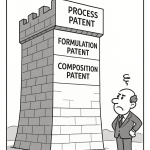
Therefore the six months attaches to the 12-year date. A biologic whose patents run past that date gets nothing from the extension where the patents control.
Humira: 97 months between the 12-year date and US biosimilar entry
Abbott announced FDA approval of Humira (adalimumab) for rheumatoid arthritis on December 31, 2002. [24] Analysis: 12 years from that date is December 31, 2014. Six more months would reach June 30, 2015, if the product had earned the extension.
Amgen’s Amjevita launched in the United States in January 2023. [25] Settlement agreements with AbbVie kept the biosimilars off the US market until 2023. [25] Amgen’s deal gave it six months on the market before other adalimumab biosimilars could launch. [25]
Analysis: from December 31, 2014 to January 31, 2023 is 97 months. From June 30, 2015 it is 91 months. The gap is more than seven years in both cases. Patent settlements, not the exclusivity clock, set the date.
What the Humira calculation does not show
We do not claim that Humira earned a pediatric extension. We found no source that says so. The calculation shows scale. A six-month change to the 12-year date moves a date that was already about eight years from the real entry date.
We also use the approval announcement date as the date of first licensure. A reader who needs an exact exclusivity date should check the FDA Purple Book entry.
What Is the Six Months Worth? Published Economics of Pediatric Exclusivity
What did the 2007 Duke study find?
Li and colleagues studied nine drugs that had earned pediatric exclusivity. Net economic return ranged from a loss of $8.9 million to a gain of $507.9 million. [15] A trade-press report of the study gives the median as $134,265,456. [16]
What did the 2018 JAMA Internal Medicine study find?
Sinha and colleagues studied 54 drugs that received pediatric exclusivity between September 27, 2007 and December 31, 2012. [14] The 141 trials enrolled 20,240 children. [14]
Among the 48 drugs with available financial data, the median net return was $176.0 million (interquartile range, $47.0 million to $404.1 million). The median ratio of net return to cost of investment was 680 percent. (Sinha et al., JAMA Internal Medicine, 2018) [14]
The median cost of the trials was $36.4 million. [14] Thirty-one drugs (57 percent) showed safety and efficacy in children. [14] Twenty-nine drugs (54 percent) received extended indications, three (6 percent) received new indications, and 16 (30 percent) gained new safety information. [14]
The authors also wrote: ‘The costs to consumers have been high, exceeding the estimated costs of investment for conducting the trials.’ [14]
Analysis: the range is wide. The upper quartile boundary of $404.1 million is 8.6 times the lower quartile boundary of $47.0 million. A single median return hides that spread. A board should not apply the median to its own product.
Analysis: the 54 drugs cover about 5.3 years, or about 10 drugs a year. A separate count of FDA’s document found 6 awards in 2013, 6 in 2014, and 9 in 2015. [17] The two counts use different methods. We do not compare them as a trend.
Scenario analysis: what is six months worth for a hypothetical product?
The scenarios below use one assumption set. The product is hypothetical. It has US net sales of $1.2 billion a year, which is $100 million a month. Sales stay flat. The model ignores price erosion, partial generic share, and costs. The figures are arithmetic, not a forecast.
Scenario
Runway versus board plan
Sales effect versus plan
A. Extension holds
0 months
$0
B. Extension lost
6 months shorter
$600 million lower
C. Licensed entry 12 months before date B
12 months shorter
$1.2 billion lower
Scenario A: the extension holds
The plan adds six months to date A. The patent is not challenged, or the court rules for the brand, as in Duragesic. [9] The plan and the outcome match.
Scenario B: the extension is lost
A Paragraph IV challenger wins, as the Norvasc letter decision allowed. [5] Or FDA denies the extension, as it did for Sensipar. [19] The plan counted six months that never existed.
Scenario C: the licensed date comes first
A settlement sets entry 12 months before date B. This is the Seroquel XR pattern. [10][13] The loss is the six months that the extension was meant to add, plus the six months between a licensed date and the patent date.
What the scenarios show
Scenario C is twice as large as scenario B under the same assumptions. The extension is a small term in a larger set of dates. The slide should show all four dates from the framework above.
What Changed in 2026 for Pediatric and Orphan Runway?
How does the 2026 appropriations law change orphan exclusivity?
President Trump signed the Mikaela Naylon Give Kids a Chance Act on February 3, 2026, as part of the Consolidated Appropriations Act of 2026. [26] The law codifies FDA’s view that seven-year orphan exclusivity covers only the approved indication. It reverses the Eleventh Circuit’s decision in Catalyst Pharmaceuticals v. Becerra. [26]
The statute now refers to the ‘same approved use or indication within’ the rare disease. The change took effect immediately. It applies regardless of when a drug was designated or approved. [26]
Orphan exclusivity carries the pediatric add-on. A seven-year period becomes seven years and six months. [2] A narrower orphan period gives the add-on less to attach to. We found no change to the six-month extension itself in the summary that we reviewed. [26]
What changed for priority review vouchers and PREA?
FDA can now grant rare pediatric disease priority review vouchers until September 30, 2029. [26] The law also lets FDA impose civil penalties for a lack of due diligence in meeting Pediatric Research Equity Act requirements. Penalties can reach $250,000 per violation, with a cap of $1 million per proceeding. Escalating penalties for ongoing violations can reach $10 million in total. [26]
These items do not change date B. They change the cost and risk of the pediatric program that earns it.
What Happens If the Studies Finish Late?
The Written Request sets a timeframe. A sponsor that misses it risks the whole six months. FDA lists meeting the timeframe in the request as part of the test for qualification. [3]
The statute also covers the case where pediatric studies have not arrived by the date in the Written Request. FDA then refers the drug or makes an assessment, depending on the patent and exclusivity status of the product. [2] The sponsor loses control of the outcome at that point.
Can a sponsor amend the timeframe?
Yes. FDA says that the timeframe can be amended. [3] Analysis: an amendment helps only if it is in place before the study reports go in. FDA states that a sponsor whose studies depart from the request does not qualify unless FDA first amends the request. [3]
A finance team should ask for the amendment date, not only the study completion date. The first shows that FDA agreed to the change. The second shows only that the work ended.
How Did the Rules Reach Their Current Form?
FDA’s own newsletter traces pediatric exclusivity to Section 505A, which came from the Food and Drug Administration Modernization Act of 1997. [4] The newsletter also cites the Best Pharmaceuticals for Children Act as a legal basis. [4]
The 2012 Safety and Innovation Act, signed on July 9, 2012, made the program permanent. [29] The 2026 appropriations law did not, in the summary that we reviewed, change the six-month extension. It did change orphan exclusivity scope and the cost of pediatric compliance. [26]
The incentive is now permanent. [2][29] A brand team can plan for it in every portfolio review. It should also test every date that depends on it.
Methodology: How We Built the Cases and Calculations
What data did we use?
We used the statute (2023 edition on govinfo.gov), FDA web pages and guidance, one D.C. Circuit opinion, company announcements, published studies, and trade and legal reports. [1][2][3][9] The FDA totals are the figures on FDA’s pediatric exclusivity page as of July 16, 2026. [1]
How did we select and calculate?
We included a case only when a source gave the dates that we needed. We did not draw a random sample. We counted each drug once. We computed day and month counts with calendar arithmetic and labeled each result as analysis.
What are the limits?
We took the FDA totals from the page and did not recompute them from FDA’s list file.
Several cases rely on legal blogs and trade reports. Where a court order or FDA letter exists, a reader should check it.
The statute text is the 2023 edition. Later amendments can change it.
Orange Book dates change. Check the current entry before you rely on a date.
What This Means for Brand Manufacturers
What should a board slide show instead of one LOE date?
It should show the four dates from the framework: expiry, pediatric-adjusted approval bar, entry-right date, and expected launch. Each date needs a source and a status. A confirmed date, an estimate, and a projection are different things.
What should the team check before it counts the six months?
Does FDA’s grant exist, or only a Written Request? [3]
Is any patent under a Paragraph IV challenge? If so, the extension depends on a court finding. [2]
Did the determination come at least nine months before the protection expires? [2]
Does any settlement license an earlier entry date? [13]
What This Means for Generic and Biosimilar Developers
A generic developer has the same four dates to read, in the other direction. A date that omits the six months is too early. DrugPatentWatch warns about this error in its Orange Book guide. [28]
A Paragraph IV win can remove the extension for that patent. The Norvasc letter decision shows the path. [5] A waiver from the NDA sponsor is another path, and a final court decision of invalidity or non-infringement is a third. A successful Orange Book delisting is a fourth. [5]
Developers must also watch the 180-day period. The statute extends a 180-day exclusivity period by the amount that it overlaps with the six-month exclusivity period. [2]
How Do You Audit a Runway Date with DrugPatentWatch and FDA Records?
DrugPatentWatch publishes guides that explain how to track patent expiry and exclusivity windows from the Orange Book. [27] Use it to collect the patent and exclusivity dates for a drug in one place. Then confirm each date in the primary record.
List every Orange Book patent and exclusivity for the product, with the *PED suffix where it appears. [6]
Check FDA’s pediatric exclusivity page to confirm that a determination exists for the sponsor. [1]
Search court dockets for Paragraph IV litigation on each listed patent. [2]
Read company filings for settlement entry dates. [13]
Rebuild the four dates and use the earliest date on which a competitor can hold approval and a right to sell.
DrugPatentWatch is a starting point, not a substitute for the FDA record or a court order.
Key Takeaways
FDA lists 354 pediatric exclusivity determinations for 321 active moieties as of July 16, 2026. [1]
The extension adds six months to protections that exist. It does not extend patent terms. [2][5]
For a Paragraph IV patent, the extension applies only if a court finds the patent valid and infringed. [2]
A determination made later than nine months before expiry loses the extension. [2]
FDA denied the extension for Sensipar, and the District of Columbia court upheld the denial in 2018. [19]
Seroquel XR had a licensed entry date about 12 months before its pediatric date (analysis). [10][13]
For biologics, the extension attaches to the 12-year period and not to patents. [22]
The median net return for 48 drugs was $176.0 million, with a wide range. [14]
FAQ
Does pediatric exclusivity apply to over-the-counter drugs?
Yes, for over-the-counter drugs that are the subject of approved NDAs. [3]
Must FDA approve a pediatric supplement before it grants exclusivity?
No. FDA says that compliance with the Written Request is the deciding factor. [3]
Who can get a Written Request?
The NDA applicant receives it if an NDA exists. Otherwise the IND holder receives it. An applicant can also ask FDA to issue one. [3]
How does pediatric exclusivity interact with 180-day generic exclusivity?
The statute extends the 180-day period by the length of its overlap with the six-month period. [2]
Is the pediatric exclusivity program permanent?
The current statute has no sunset provision. [2] The 2012 FDA Safety and Innovation Act made the Best Pharmaceuticals for Children Act permanent. [29]
Does a licensee or partner receive the extension?
FDA states that the exclusivity applies only to applications that the named sponsor holds. [1] Check which entity holds each application.
How many products receive pediatric exclusivity each year?
One count of FDA’s document shows 6 awards in 2013, 6 in 2014, and 9 in 2015. [17] The 54 drugs in the 2018 study over about 5.3 years average about 10 a year (analysis). [14]
How much is pediatric exclusivity worth?
The median net return was $176.0 million for 48 drugs in a 2018 study, and the quartile range was $47.0 million to $404.1 million. [14]
Can a biologic earn more than one six-month extension?
FDA may issue multiple Written Requests, and each could earn another six months. A 2020 review said that FDA had apparently not done so for a single biologic. [22]
What changed in 2026?
The February 3, 2026 law narrowed orphan exclusivity to the approved use or indication, extended the rare pediatric disease voucher program to September 30, 2029, and added PREA penalties. [26]
References
U.S. Food and Drug Administration. (2026, July 16). Pediatric exclusivity granted. https://www.fda.gov/drugs/development-resources/pediatric-exclusivity-granted
Pediatric studies of drugs, 21 U.S.C. § 355a (2023). U.S. Government Publishing Office. https://www.govinfo.gov/content/pkg/USCODE-2023-title21/html/USCODE-2023-title21-chap9-subchapV-partA-sec355a.htm
U.S. Food and Drug Administration. (2022, March 1). Qualifying for pediatric exclusivity under Section 505A of the Federal Food, Drug, and Cosmetic Act: Frequently asked questions. https://www.fda.gov/drugs/development-resources/qualifying-pediatric-exclusivity-under-section-505a-federal-food-drug-and-cosmetic-act-frequently
U.S. Food and Drug Administration, CDER Small Business and Industry Assistance. (2015, May 19). Patents and exclusivity. https://fda.gov/media/92548/download
FDA Law Blog. (2015, July). Pediatric exclusivity: Amazingly powerful, essentially ironclad . . . and often overlooked. Hyman, Phelps & McNamara, P.C. https://www.thefdalawblog.com/2015/07/pediatric-exclusivity-amazingly-powerful-essentially-ironclad-and-often-overlooked/
FDA Law Blog. (2019, April). When is a period not a period? The curious case of ivabradine and pediatric exclusivity. Hyman, Phelps & McNamara, P.C. https://www.thefdalawblog.com/2019/04/when-is-a-period-not-a-period-the-curious-case-of-ivabradine-and-pediatric-exclusivity/
Karst, K. R. (2010, August 18). Patent expiration, pediatric exclusivity, and generic drug approval: Some interesting tensions between . . . FDA Law Blog. https://www.thefdalawblog.com/2010/08/patent-expiration-pediatric-exclusivity-and-generic-drug-approval-some-interesting-tensions-between/
FDA Law Blog. (2010, October 12). Generic LIPITOR: The brass ring of all brass rings for 180-day exclusivity; How will exclusivity resolve? Hyman, Phelps & McNamara, P.C. https://www.thefdalawblog.com/2010/10/generic-lipitor-the-brass-ring-of-all-brass-rings-for-180-day-exclusivity-how-will-exclusivity-resol/
Mylan Laboratories Inc. v. Thompson, 389 F.3d 1272 (D.C. Cir. 2004). https://media.cadc.uscourts.gov/opinions/docs/2004/11/04-5296a.pdf
AstraZeneca. (2012, March 13). AstraZeneca files lawsuit against the FDA for decision regarding quetiapine product labelling and exclusivity [Press release]. https://www.astrazeneca.com/media-centre/press-releases/2012/AstraZeneca-files-against-the-fda-for-decision-on-quetiapine-13032012.html
BioPharm International. (2012, April 3). Court dismisses AstraZeneca’s FDA lawsuit. https://www.biopharminternational.com/view/court-dismisses-astrazenecas-fda-lawsuit
Dr. Reddy’s Laboratories. (2012, March 28). Press release: Launch of generic Seroquel tablets in the US. https://drreddys.com/media/press-releases/mar28-2012.html
FiercePharma. (2011, October 5). AstraZeneca enters into a settlement agreement with Accord Healthcare Inc. and Intas. https://www.fiercepharma.com/pharma/astrazeneca-enters-into-a-settlement-agreement-accord-healthcare-inc-and-intas
Sinha, M. S., Najafzadeh, M., Rajasingh, E. K., Love, J., & Kesselheim, A. S. (2018). Labeling changes and costs for clinical trials performed under the US Food and Drug Administration pediatric exclusivity extension, 2007 to 2012. JAMA Internal Medicine, 178(11), 1458-1466. https://doi.org/10.1001/jamainternmed.2018.3933
Li, J. S., Eisenstein, E. L., Grabowski, H. G., Reid, E. D., Mangum, B., Schulman, K. A., Goldsmith, J. V., Murphy, M. D., Califf, R. M., & Benjamin, D. K. (2007). Economic return of clinical trials performed under the pediatric exclusivity program. JAMA, 297(5), 480-488. https://doi.org/10.1001/jama.297.5.480
MDedge. Exclusivity program has mixed economic results. https://mdedge.com/content/exclusivity-program-has-mixed-economic-results
Pollock, B. (2016, January 13). Guess how many applications received pediatric exclusivity in 2015. Lachman Consultants. https://www.lachmanconsultants.com/2016/01/guess-how-many-applications-received-pediatric-exclusivity-in-2015/
STAT. (2018, January 30). FDA, Amgen pediatric exclusivity. https://www.statnews.com/pharmalot/2018/01/30/fda-amgen-pediatric-exclusivity/
Regulatory Affairs Professionals Society. (2018, February 21). DC district court rules in favor of FDA in Amgen pediatric exclusivity case. https://www.raps.org/resource/dc-district-court-rules-in-favor-of-fda-in-amgen-p.html
Bloomberg Law. (2025, June 30). MSN says Novartis recycles arguments to delay generic Entresto. https://news.bloomberglaw.com/ip-law/msn-says-novartis-recycles-arguments-to-delay-generic-entresto
ip fray. (2025, July 23). U.S. appeals court revokes Novartis short-term injunction in Entresto patent dispute against MSN. https://ipfray.com/u-s-appeals-court-revokes-novartis-short-term-injunction-in-entresto-patent-dispute-against-msn/
Morrison & Foerster. (2020, September 9). Pediatric exclusivity for biologics. https://lifesciences.mofo.com/topics/pediatric-exclusivity-for-biologics
Center for Biosimilars. (2017, February 21). Biosimilars Council urges Supreme Court to reject 6-month exclusivity for biologics. https://www.centerforbiosimilars.com/view/biosimilars-council-urges-supreme-court-to-reject-6month-exclusivity-for-biologics-
American Journal of Managed Care. (2023, January 31). First Humira biosimilar Amjevita launches in the United States. https://ajmc.com/view/first-humira-biosimilar-amjevita-launches-in-the-united-states
Hogan Lovells. (2026). Important updates for orphan disease and pediatric drug development. https://hlc.com/en/publications/important-updates-for-orphan-disease-and-pediatric-drug-development
DrugPatentWatch. (2026, February 28). Win the patent cliff: How to track patent expiry and exclusivity windows using the FDA Orange Book. https://www.drugpatentwatch.com/blog/win-the-patent-cliff-how-to-track-patent-expiry-and-exclusivity-windows-using-the-fda-orange-book/
DrugPatentWatch. (2026, May 4). The FDA Orange Book decoded: How generic drug makers find, time, and win market entry. https://www.drugpatentwatch.com/blog/the-fda-orange-book-decoded-how-generic-drug-makers-find-time-and-win-market-entry/
Jones Day. (2012, July). Review of the Food and Drug Administration Safety and Innovation Act of 2012. https://www.jonesday.com/en/insights/2012/07/review-of-the-food-and-drug-administration-safety-and-innovation-act-of-2012
Pharmaphorum. (2024, August 13). Judge rebuffs Novartis bid to block generic Entresto. https://pharmaphorum.com/news/judge-rebuffs-novartis-bid-block-generic-entresto