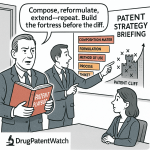
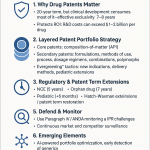
The pharmaceutical industry, a crucible of innovation and immense investment, hinges on the strategic deployment of intellectual property. This playbook aims to distill the complex world of drug patents into an actionable framework for business professionals, offering insights that transcend mere legal compliance to forge a formidable competitive advantage.
I. The Strategic Imperative: Why Patent Fortification Matters
The pharmaceutical landscape is defined by a relentless pursuit of innovation, where breakthroughs promise improved patient outcomes but demand colossal investments. In this high-stakes arena, patents are not merely legal documents; they are the very bedrock of business models, dictating market exclusivity, driving investment, and ultimately shaping the availability of life-saving medicines.
A. Beyond Legalities: Patents as Business Assets
For far too long, patent strategy has been relegated to the legal department, viewed as a necessary but often opaque compliance function. This perspective, however, fundamentally misunderstands the strategic power of intellectual property in the pharmaceutical sector. A patent is a legal device granting an inventor market exclusivity over a new invention or medication, allowing the patent holder to prevent others from commercially using the invention for a defined period, typically 20 years from the earliest filing date.2 This exclusivity translates directly into substantial economic rewards, providing a temporary monopoly that is critical for recouping the immense research and development (R&D) costs.2 Without robust patent protection, the billions invested in R&D would be impossible to recover, stifling future innovation.1
This fundamental economic mechanism, where patent protection acts as the engine, clarifies why the public debate around drug pricing often focuses on the “monopoly” aspect of patents. This temporary monopoly is, in fact, a necessary incentive to recoup the staggering costs of R&D and to fund future innovation. Weakening patent protection without alternative robust incentive mechanisms could inadvertently stifle the very innovation it seeks to make more accessible. Patents, therefore, serve as tangible assets that provide companies with the freedom to operate and maintain ownership over the drugs they develop. This indicates a dual function of patents: they are both a shield, protecting one’s own innovation, and a sword, preventing others from infringing. The freedom to operate aspect, often overlooked, is crucial for strategic planning, as it de-risks a company’s R&D pipeline and commercialization efforts.
B. The High Stakes of Pharmaceutical Innovation
The pharmaceutical industry is unique in its R&D intensity. Bringing a new drug to market can take over a decade and cost billions of dollars.7 This lengthy and expensive development process significantly reduces the effective market exclusivity period of a patent to an average of 7-10 years by the time regulatory approval is secured.1 This inherent tension between the need for temporary monopoly to incentivize R&D and societal expectations for affordable medicines is a constant challenge.
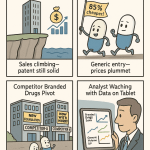
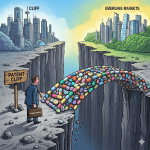
The impending “patent cliff,” where multiple blockbuster drugs are set to lose exclusivity, threatens over $230 billion in revenue in the US market alone over the next five years. This seismic shift underscores the urgent need for sophisticated patent strategies that safeguard long-term growth. This phenomenon is not merely a financial event; it compels companies to “rethink revenue strategies, pipeline investments, and lifecycle management”. Patent expiration, while a significant threat, also acts as a powerful catalyst for strategic re-evaluation and diversification. The loss of exclusivity leads to significant revenue decline, which in turn forces pharmaceutical companies to adopt more sophisticated lifecycle management, R&D diversification, and merger and acquisition (M&A) strategies to ensure long-term sustainability. It represents a cyclical pressure point driving continuous strategic evolution within the industry.
C. Navigating the IP Landscape: A Proactive Approach
In this dynamic environment, a reactive approach to patent management is a recipe for disaster. Instead, pharmaceutical companies must adopt a proactive, strategic mindset, integrating patent considerations into every stage of the drug development lifecycle. This involves not just filing patents, but building a diverse and layered patent portfolio, continuously monitoring competitor activities, and adapting to evolving legal and regulatory frameworks globally.1 As one expert describes, “A well-constructed patent portfolio is like a chess game. Each patent is a piece on the board, strategically placed to defend your product and block competitors’ moves”. This strategic foresight is what transforms patent data into a potent competitive advantage.
The multifaceted importance of patents is evident in their various roles, which extend beyond simple legal protection to encompass critical business functions.
Table 1: The Dual Role of Pharmaceutical Patents
Role
Explanation/Impact
Relevant Snippet IDs
Incentive for R&D
Patents provide the economic reward necessary to justify billions in R&D investment for new drug development, given high costs and failure rates.
1
Market Exclusivity
Grants a temporary monopoly, allowing the patent holder to prevent others from making, using, or selling the invention for a defined period.
2
Asset for Investment
A strong patent portfolio attracts investors, signaling protected innovation and a clear path to profitability, and can serve as collateral.
7
Competitive Barrier
Prevents competitors from developing and marketing similar products, securing market share for the patent holder.
1
Freedom to Operate
Secures a company’s own IP space, allowing them to confidently develop and commercialize their products without infringing others’ patents.
1
II. Foundational Pillars of Pharmaceutical Patent Protection
To effectively wield patents as strategic assets, one must first grasp the fundamental types of protection available and how they interlace to form a robust intellectual property fortress. This involves understanding both the diverse categories of patents and the complementary role of regulatory exclusivities.
A. Understanding Core Patent Types and Their Strategic Utility
A single drug is rarely protected by a single patent. Instead, pharmaceutical companies construct a multi-layered “web of protection” or “patent thicket” using various patent types, each serving a distinct strategic purpose.1 This intricate legal landscape acts as a formidable barrier against generic competition.1 This layering strategy is a direct response to the industry’s inherent challenges: long R&D cycles, high costs, and the inevitability of generic competition. It demonstrates a sophisticated understanding that no single patent can withstand all challenges, and thus, a multi-pronged defense is essential for long-term market exclusivity and revenue generation. It also implies that companies with weaker initial compound patents must rely heavily on these secondary patents.
Table 3: Key Pharmaceutical Patent Types and Their Strategic Application
Patent Type
Definition/What it covers
Strategic Utility
Examples
Relevant Snippet IDs
Composition of Matter
Covers the active pharmaceutical ingredient (API) itself, the core chemical compound.
Core protection; broadest competitive advantage.
Original drug compound.
1
Formulation
Protects new ways a drug is prepared or delivered, including inactive ingredients and dosage forms.
1. Composition of Matter Patents: The Crown Jewels
These are arguably the most fundamental and valuable patents in the pharmaceutical industry, covering the active pharmaceutical ingredient (API) itself.1 They grant exclusive rights to the core chemical compound, preventing others from manufacturing, using, or selling it.2 Securing a strong composition of matter patent provides the broadest competitive advantage and is the initial cornerstone of a drug’s market exclusivity. This foundational patent is typically pursued early in the discovery phase, laying the groundwork for a drug’s commercial viability.
2. Formulation and Delivery Patents: Enhancing Patient Experience
Beyond the active compound, patents can protect new ways a drug is prepared or delivered. These “formulation patents” cover specific compositions, including inactive ingredients, and methods that enhance efficacy, stability, or patient compliance.1 Examples include sustained-release formulations, such as Lilly’s once-weekly Prozac (Fluoxetine) and Bristol-Myers Squibb’s extended-release Glucophage XR (Metformin hydrochloride).2 These formulations promote patient compliance through reduced dosing or ease of use, or they may exhibit improved therapeutic outcomes or more favorable side-effect profiles. Similarly, new routes of administration for known drugs, like GSK’s intranasal delivery for the migraine treatment Imitrex (Sumatriptan), can also secure additional patent protection.2 These innovations not only improve patient experience but also offer additional layers of patent protection, extending market exclusivity even as the original compound patent nears expiration.2
3. Method of Use and Indication Patents: Unlocking New Value
These patents protect novel therapeutic uses discovered for existing drugs or reformulations.1 A drug initially approved for one condition might later be patented for treating a different disease, significantly expanding its market potential and extending its commercial lifespan.1 For instance, Merck originally developed and patented finasteride as a treatment for benign prostate enlargement (marketed as Proscar). Additional patent protection and FDA approval were later sought when a new use for finasteride – treating male pattern baldness – was identified, leading to the brand Propecia. Similarly, Lilly secured protection for a new medical use of fluoxetine (originally Prozac) in the treatment of pre-menstrual dysphoric disorder (PMDD), marketing it as Sarafem. GSK also obtained additional patent protection for bupropion (originally an antidepressant) for its new indication in smoking cessation, marketed as Zyban. These strategies unlock new value from existing compounds and create fresh exclusivity windows.
4. Process and Polymorph Patents: Manufacturing and Material Advantages
Process patents protect innovative methods for manufacturing a drug or specific steps within the production process, such as unique purification methods, novel catalyst usage, or particular crystallization techniques.3 These patents are essential for protecting proprietary manufacturing techniques that can be critical to a drug’s efficacy and safety, creating barriers to entry for competitors. Polymorph patents, on the other hand, cover different crystalline structures of a chemical compound that share the same chemical composition but exhibit varied physical properties, like solubility or bioavailability.1 In some jurisdictions, patenting polymorphs requires demonstrating “significantly enhanced efficacy,” specifically “therapeutic efficacy,” over known polymorphs. These nuanced patents provide additional layers of protection, safeguarding proprietary manufacturing techniques or material advantages.
B. The Complementary Power of Regulatory Exclusivities
Beyond traditional patents granted by the U.S. Patent and Trademark Office (USPTO), pharmaceutical products may also qualify for periods of “regulatory exclusivity” granted by the Food and Drug Administration (FDA).4 These exclusivities are distinct from patents, operating independently, and can sometimes extend market protection even after patent expiration.4 They are designed to balance innovation incentives with public access to generic drugs. These exclusivities are not granted by the patent office but by the FDA, based on regulatory milestones (e.g., New Chemical Entity approval, pediatric studies, orphan drug designation). This means companies can strategically pursue certain R&D pathways (e.g., orphan diseases, pediatric trials) not just for medical benefit, but also to gain additional, non-patent-based market protection. This is a powerful incentive mechanism that can significantly impact a drug’s commercial lifespan, effectively acting as “bonus miles” on top of patent protection.
Table 2: Patents vs. Regulatory Exclusivities: A Comparative Overview
Feature
Patents
Regulatory Exclusivities
Relevant Snippet IDs
Granting Authority
U.S. Patent and Trademark Office (USPTO)
Food & Drug Administration (FDA)
4
Legal Basis
Patent law (e.g., Title 35 U.S.C.)
FDA law (e.g., Hatch-Waxman Act, BPCIA)
4
Purpose
Incentivize creation of new technologies across various fields.
Balance pharmaceutical innovation with generic competition.
4
Specificity
Not specific to pharmaceuticals; available for any “process, machine, manufacture, or composition of matter.”
Specific to pharmaceutical products.
4
Requirements
Invention must be new, useful, nonobvious, and sufficiently disclosed.
Completion of FDA regulatory process for a particular drug or biologic.
4
Term
Generally 20 years from application filing date; can be modified for delays.
Variable, ranging from 6 months to 12 years, depending on drug type and approvals.
4
Effect
Prevents third parties from making, using, selling, or importing the invention without permission.
Prevents FDA from accepting/approving competitor drugs based on reference product data.
2
Enforcement
Enforced by the patentee, typically through infringement lawsuit.
Enforced by the FDA.
4
1. Hatch-Waxman Act: Shaping the Generic Landscape
The Drug Price Competition and Patent Term Restoration Act of 1984, commonly known as the Hatch-Waxman Act, revolutionized the generic drug industry in the United States.4 It established an abbreviated new drug application (ANDA) pathway for generics, allowing them to demonstrate bioequivalence to a reference brand-name drug rather than conducting their own full clinical trials, thereby relying on the brand’s safety and efficacy data.26 In return for this streamlined approval process, the Act provides crucial incentives for innovator companies, including:
Data Exclusivity: A new chemical entity (NCE) may receive 5 years of data exclusivity, during which the FDA cannot approve a generic version based on the innovator’s data.24 This provides market exclusivity for the drug innovator outside of any patent rights.
Patent Term Extension (PTE): This provision compensates innovators for time lost during the lengthy regulatory review process. It can add up to 5 years to a patent’s life, capped at 14 years post-approval, ensuring that regulatory delays do not unduly consume the effective patent life.6
Pediatric Exclusivity: An additional 6 months of exclusivity can be added to all existing patents and exclusivities on an active moiety if studies are conducted in pediatric populations, which both extends market protection and increases medical knowledge about drug effects in children.5
The Hatch-Waxman Act also strategically incentivizes generic challenges through the “Paragraph IV certification” process. This allows a generic applicant to assert that a brand’s listed patent is invalid or will not be infringed. If the generic company is the first to file such a certification and prevails in the subsequent lawsuit, that generic company is granted a period of market exclusivity of 180 days.24 This creates a powerful incentive for generic companies to actively analyze the Orange Book, identify “weak patents” , and be the “first-to-file” a Paragraph IV certification. This turns the Orange Book into a dynamic battleground where generic companies are actively seeking vulnerabilities in the brand’s patent fortress, making competitive intelligence crucial for both sides.
2. Biologics Price Competition and Innovation Act (BPCIA): The Biosimilar Pathway
Enacted in 2010 as part of the Affordable Care Act, the BPCIA created a regulatory pathway for the approval of biosimilars, analogous to Hatch-Waxman for small-molecule generics.4 Biologics, which are complex medicines derived from biological sources (e.g., living cell cultures), are regulated differently by the FDA than chemically synthesized drugs.4 The BPCIA provides a 12-year FDA market exclusivity period for reference branded biologics, preventing the FDA from approving a biosimilar until this period has passed.31 This exclusivity aims to incentivize the substantial R&D investments required for novel biologics, given their high development costs and complexity.
Despite this regulatory exclusivity, patent disputes between reference product manufacturers and biosimilar manufacturers can still delay market entry.31 The BPCIA includes a specific “patent dance” procedure for resolving these disputes, which involves a structured exchange of patent information and contentions between the innovator and biosimilar applicant. This process, while complex, aims to facilitate early resolution of patent issues before biosimilar launch. The predictability of these processes, while leading to frequent litigation, allows both brand and generic companies to develop highly specialized legal and business strategies around these frameworks. It means that litigation is an expected part of the commercial lifecycle, not an unforeseen event. Companies can and must plan for these challenges from the outset, integrating legal defense into their overall patent strategy.
III. Crafting Patent Strategy Across the Drug Development Lifecycle
A truly effective patent strategy is not an afterthought but an integral thread woven throughout the entire drug development lifecycle. From the nascent stages of discovery to the complex dance of clinical trials and regulatory approval, every decision has profound implications for a drug’s eventual market exclusivity and commercial success.
A. Early-Stage Innovation: Filing for Future Dominance
The race for innovation in pharmaceuticals is often won or lost at the earliest stages. The principle of “first-to-file” in many jurisdictions, including the US, means that securing an early priority date is paramount, regardless of who invented it first.1 This makes proactive patent filing a critical early-stage imperative. This requires a shift from a purely scientific discovery mindset to one where patent considerations are embedded in the very design of research. This is a call for “patentability by design” – integrating IP considerations into the earliest scientific and strategic planning, rather than treating patenting as a separate, later-stage legal exercise. It suggests that R&D success is not just about scientific breakthrough but also about its patentable capture, impacting resource allocation and project prioritization.
1. The “First-to-File” Advantage and Provisional Patents
Filing early is not just about beating competitors to the punch; it’s about establishing a robust foundation for future protection. Public disclosure, even in casual conversations or during clinical trials, can compromise the patentability of an invention by destroying its novelty.1 Without novelty, the opportunity to secure patent rights evaporates. Provisional patent applications offer a cost-effective head start, allowing companies to secure an early filing date while still refining their technology.1 This provides a crucial 12-month window to develop the invention further before filing a more comprehensive non-provisional application.3 This strategic timing is vital for maximizing the effective patent term, as the 20-year clock starts ticking from the application date, often long before market approval.1 Delaying patent protection can also deter potential licensing partners or investors, as a weak or non-existent patent position signals increased risk.13
2. Documenting Innovation: The Bedrock of Patentability
Meticulous documentation is the unsung hero of early-stage patent strategy. Every phase of the development process, from initial research hypotheses to experimental results and modifications, must be exhaustively documented in detailed lab notebooks.3 This comprehensive record is crucial for proving an invention’s uniqueness, utility, and non-obviousness, and for defending against potential challenges to validity.35 It forms the evidentiary backbone of any robust patent application. Maintaining detailed records of all R&D activities, including dated and witnessed lab notes, experiment results, and methodological changes, establishes a strong foundation for patent claims.
B. Clinical Development: Strategic Timing and Data Protection
The lengthy and resource-intensive clinical trial phase presents unique patent challenges and opportunities. Decisions made during this period can significantly impact the scope and duration of patent protection.
1. Balancing Disclosure and Protection During Trials
Clinical trials inherently involve public disclosure of an invention’s details. This creates a delicate balance: while data from trials is essential to demonstrate utility and support patent claims, premature or uncontrolled disclosure can jeopardize novelty.19 A common misconception is that only fully developed products qualify for patent protection; however, patents can be filed on processes, methods, and specific formulations even before trials begin. For many clinical trial-related inventions, delaying patent filing until after Phase II trials begin can maximize patent term while minimizing the risk of invalidation due to public use. Phase I trials, focused on safety, typically do not generate efficacy data sufficient to constitute “public use” that would invalidate a patent. However, Phase II trials, which begin to assess efficacy, can generate such data. Strict confidentiality agreements with investigators and careful control over information shared with participants are essential.
The timing of patent filing during clinical trials is a critical strategic decision. Filing too early means less data to support broad claims and a shorter effective patent life.21 Filing too late risks public use invalidation. The “sweet spot” is after sufficient efficacy data is generated (Phase II) but before widespread public dissemination, illustrating a sophisticated balance between scientific progress and IP protection. This requires close collaboration between legal, R&D, and clinical teams.
2. Patenting Clinical Trial-Related Inventions
Beyond the core compound, clinical trials often uncover new patentable inventions. These can include novel formulations, new methods of administration, or even new indications for the drug.1 For instance, if a drug’s formulation changes between Phase II and Phase III trials, new patent applications may be warranted, potentially extending protection based on the Phase III data. This continuous innovation throughout development allows for the strategic expansion of the patent portfolio, creating additional layers of protection around the evolving product.3 This also includes patenting novel and non-obvious extended invention types such as solid-state salt screens, polymorphs, new dosage forms, companion diagnostics, intermediates and metabolites, improved bioavailability, controlled release mechanisms, and new dosage regimens.
C. Regulatory Approval and Patent Listing: The Gateway to Market
Obtaining regulatory approval (e.g., FDA approval in the US) is the ultimate gateway to commercialization. This phase is inextricably linked with patent strategy, as patent information must be submitted to regulatory bodies for listing in official compendiums like the FDA’s Orange Book.6
Timely and accurate submission of patent information is critical, as it directly impacts the ability to trigger statutory stays against generic competitors under acts like Hatch-Waxman.24 Patents can be issued or expire at any time, regardless of a drug’s approval status, but regulatory exclusivity attaches upon approval. Aligning patent filing strategies with regulatory approval pathways ensures that resources are focused on drug candidates with protected market exclusivity, enhancing their commercial viability and attracting investment. The FDA’s Orange Book is not just a public registry; it is a critical legal and strategic tool. For brand companies, it serves as a map of their patent fortress, indicating which patents will likely be challenged. For generic companies, it acts as a target list, identifying opportunities for market entry. The statutory linkage between Abbreviated New Drug Application (ANDA) filings and patent litigation means that the Orange Book becomes a central hub for competitive intelligence and litigation planning, making patent disputes a predictable and integral part of the pharmaceutical business model.
Table 4: Strategic Patent Filing Timelines Across Drug Development
Development Phase
Key Patenting Activities
Strategic Considerations/Risks
Relevant Snippet IDs
Discovery & Preclinical
File provisional patents for core compounds, initial methods of use, and key intermediates. Document all R&D thoroughly.
Establish early priority date (“first-to-file”). Prevent loss of novelty from early disclosures. Maximize effective patent term.
1
Phase I Clinical
Refine provisional applications into non-provisional filings. Consider patents on initial formulations or manufacturing processes.
Phase I data (safety) typically doesn’t constitute “public use” for invalidation. Timing of non-provisional filing within 12 months of provisional.
3
Phase II Clinical
File patents on new formulations (e.g., extended-release), new routes of administration, or new indications discovered.
Delay filing until after Phase II starts to maximize patent term and leverage efficacy data. Risk of public use invalidation if too late.
9
Phase III Clinical
File patents on further refined formulations, specific dosage regimens, or new indications confirmed by efficacy data.
File before Phase III starts if invention hasn’t changed significantly from Phase II. Consider Phase III data for new claims if invention evolves.
21
Regulatory Approval
Submit all relevant patent information to regulatory bodies (e.g., FDA’s Orange Book). Pursue Patent Term Extensions (PTEs).
Ensure timely and accurate patent listing to trigger statutory stays against generics. Maximize PTEs to compensate for regulatory review time.
6
IV. Maximizing Market Exclusivity: Lifecycle Management and Beyond
The specter of the “patent cliff” looms large over pharmaceutical companies, threatening to erode billions in revenue as blockbuster drugs lose exclusivity.9 To counter this, sophisticated lifecycle management strategies, often involving “evergreening,” become paramount for prolonging market exclusivity and sustaining profitability.1
A. The Art of Evergreening: Techniques for Prolonged Protection
“Evergreening” refers to a set of legal and business strategies designed to extend a drug’s protection beyond its initial patent term.3 While controversial, often criticized for delaying generic entry and inflating drug prices 22, proponents argue it reflects legitimate incremental innovation and continued investment in R&D. This practice involves obtaining multiple patents on different aspects of a single drug, creating a “patent thicket” with staggered expiration dates.1 This reveals a fundamental tension in the pharmaceutical IP system. While evergreening can be seen as an anti-competitive tactic that harms consumers by delaying affordable generics, it is simultaneously presented as a vital strategy for innovator companies to remain financially viable and continue investing in new R&D. This suggests that the “art” of evergreening lies in navigating this ethical and economic tightrope, seeking to extend exclusivity through meaningful innovation rather than “trivial reasons”.22
Table 5: Key Evergreening Techniques and Examples
Technique
Description
Strategic Benefit
Examples
Relevant Snippet IDs
New Formulations & Delivery Methods
Patenting new ways a drug is prepared or administered (e.g., extended-release, intranasal, sustained-release).
Discovering and patenting novel therapeutic uses for an existing drug or new combinations of existing drugs.
Market expansion to new patient populations/diseases; fresh exclusivity windows.
Bupropion (antidepressant to smoking cessation – Zyban); Fluoxetine (Prozac to PMDD – Sarafem).
1
Chiral Switches & Metabolite Patents
Patenting single enantiomers (chiral switches) or active metabolites of a drug.
Superior clinical efficacy/bioavailability; extended market control through nuanced chemical distinctions.
AstraZeneca’s Prilosec (omeprazole) to Nexium (esomeprazole).
1
Polymorph Patents
Protecting different crystalline forms of a chemical compound that have varied physical properties.
Improved drug properties (e.g., solubility); additional layer of protection, especially if enhanced efficacy is shown.
Various crystalline forms of APIs.
1
1. New Formulations and Delivery Methods: A Second Wind for Blockbusters
One of the most common and effective evergreening techniques involves developing and patenting new formulations or delivery methods for known compounds.1 These new versions often offer clinical advantages such as reduced dosing frequency, improved side-effect profiles, or enhanced patient compliance. Examples include Lilly’s development and patenting of a once-weekly, sustained-release Fluoxetine formulation for Prozac when its original patent faced expiration.2 Similarly, Bristol-Myers Squibb obtained patent protection and FDA approval for its extended-release formulation of the diabetes drug Glucophage (Metformin hydrochloride), marketed as Glucophage XR, which permits once-daily dosing for type II diabetics.2 GSK also extended Imitrex’s protection by developing and patenting intranasal delivery formulations for the migraine treatment Sumatriptan.2 These innovations not only improve patient experience but also establish new patent-protected products that can shift market share from the original formulation, thereby maintaining revenue even as the original patent faces generic competition.9
2. New Indications and Combination Therapies: Expanding Therapeutic Horizons
Discovering and patenting new therapeutic uses or indications for an existing drug is another powerful evergreening strategy.1 This can significantly expand a drug’s market potential by targeting new patient populations or diseases. For instance, bupropion, initially an antidepressant, was successfully repurposed and patented as a smoking cessation aid (marketed as Zyban), adding substantial peak sales.9 Similarly, Lilly sought to minimize losses from the expiration of the Prozac patent by obtaining a patent and FDA approval for a new medical use of fluoxetine in the treatment of pre-menstrual dysphoric disorder (PMDD), marketed as Sarafem. Patenting new fixed-dose combinations of existing drugs can also create fresh exclusivity windows.1 The success of these strategies often hinges on robust clinical programs to establish clear efficacy in the new indication, rather than relying on minimal evidence.
3. Chiral Switches and Metabolite Patents: Subtle Yet Powerful Shifts
More subtle, yet equally strategic, evergreening techniques include patenting different crystalline forms (polymorphs) or single enantiomers (chiral switches) of a drug.1 AstraZeneca’s transition from Prilosec (omeprazole) to Nexium (esomeprazole) is a classic example of a successful chiral switch. The basic patent for Prilosec, a blockbuster acid-reflux drug, expired in 2002. AstraZeneca then synthesized esomeprazole, the single (S)-enantiomer of omeprazole, which exhibited superior clinical efficacy and better bioavailability. This allowed AstraZeneca to maintain leadership in the PPI market and extend exclusivity, preserving billions in annual sales.9 Additionally, protecting the active metabolites of a drug can provide further layers of exclusivity.1 These nuanced approaches can be highly effective in extending market control.
B. Navigating the Patent Cliff: Mitigating Revenue Erosion
The “patent cliff” is a recurring challenge for pharmaceutical companies, representing a significant financial threat as major drugs lose exclusivity.9 This phenomenon typically erodes 80-90% of a brand’s revenue within 18 months of generic entry.9 This is not just about survival; it is about forcing a fundamental re-evaluation of the entire business model. The impending loss of exclusivity acts as a powerful external pressure that compels companies to aggressively pursue M&A (acquiring early-stage biotechs), diversify R&D, and implement advanced lifecycle management techniques. This drives strategic evolution and potentially fosters new forms of innovation, such as niche therapies and personalized medicine.
1. The Financial Tsunami: Understanding the Impact
The financial implications of patent expiration are dramatic and swift. Generic competition leads to immediate market share erosion and steep price declines, often reducing prices by 38-48% for physician-administered medications and approximately 25% for oral formulations. This pricing pressure intensifies as additional generic competitors enter the market, further compressing margins. The US market alone is projected to lose over $230 billion due to upcoming patent expirations between 2025 and 2030.10 Major drugs like Merck’s Keytruda and Johnson & Johnson’s Darzalex/Faspro are set to lose US exclusivity by 2029, facing significant revenue declines.10 Keytruda, for example, accounted for 40% of Merck’s pharmaceutical sales in 2023, underscoring the magnitude of potential revenue impact. Bristol Myers Squibb (BMS) is also forecast to be particularly affected by the patent cliff, with its blockbuster drugs Eliquis and Opdivo losing exclusivity.
Table 6: Major Upcoming Patent Cliffs and Projected Revenue Impact
Drug Name
Manufacturer
Original Patent Expiration
Extended Protection Until (if applicable)
Therapy Area
Projected Revenue at Risk/Impact
Relevant Snippet IDs
Keytruda (pembrolizumab)
Merck & Co.
2028
N/A
Oncology
Projected decline from $33.7B (2028) to $27.4B (2029) [19% decline]
10
Darzalex/Faspro (daratumumab and hyaluronidase-fihj)
Johnson & Johnson
2029
N/A
Oncology
Contributes to US market loss of over $230B by 2030
10
Eliquis (apixaban)
Bristol Myers Squibb
N/A (losing exclusivity soon)
N/A
Anticoagulant
Significant dent to BMS’s financial outlook
42
Opdivo (nivolumab)
Bristol Myers Squibb
N/A (losing exclusivity soon)
N/A
Immunotherapy
Significant dent to BMS’s financial outlook
42
Humira (adalimumab)
AbbVie
2016
2034 (U.S., via thickets)
Anti-inflammatory
$18.6B (2022 US sales), at risk of steady decline post-2023 biosimilar entry
18
Stelara (ustekinumab)
Johnson & Johnson
N/A (losing exclusivity soon)
N/A
Immune disease treatment
Major drug facing upcoming patent cliff
Eylea (aflibercept)
Regeneron
N/A (losing exclusivity soon)
N/A
Eye treatment
Major drug facing upcoming patent cliff
2. Proactive Mitigation Strategies: From Pipeline to Portfolio
Effective navigation of a patent cliff requires a multi-pronged, proactive strategy initiated years before expiry.9
Early Portfolio Analysis: Regular patent portfolio reviews are essential to identify vulnerabilities and opportunities.3 Proactive monitoring of ANDA filings through platforms like DrugPatentWatch provides an early warning system for impending generic threats.9 This allows companies to prepare robust defense mechanisms and make informed decisions about their R&D investments, potentially redirecting resources to more promising or less crowded therapeutic areas.
Pipeline Diversification: Companies must build a robust pipeline of new products to replace or supplement revenue from expiring patents.10 This can involve acquiring early-stage biotechs developing promising therapies or increasing R&D investment in high-unmet-need areas.10 A diversified product pipeline is not only a shield against financial shock but also an indicator to investors that the company is future-focused.
Authorized Generics: Launching an authorized generic version of their own product through a subsidiary allows brand companies to capture a portion of the generic market and maintain some brand presence, softening the revenue cliff.9 An authorized generic is chemically identical to the brand-name drug but marketed without the brand name, often allowing the innovator to retain some market share and revenue.
Pricing and Contracting: Aggressive pricing and contracting strategies, including value-based pricing and patient assistance programs, can help maintain market share even after generic entry.
Continuous Innovation: Beyond evergreening, continuous R&D and filing continuation patents for incremental innovations help maintain a competitive edge and expand on current patents.3 This ensures that companies can maintain a competitive edge and protect their revenue streams for as long as possible.
V. Leveraging Patent Data for Unrivaled Competitive Advantage
In the pharmaceutical industry, information is power, and patent data is a goldmine. Transforming raw patent filings into strategic intelligence is no longer optional; it is a fundamental requirement for maintaining a competitive edge and making data-driven R&D and commercial decisions.
A. Patent Landscape Analysis: Unveiling Opportunities and Threats
A thorough patent landscape analysis (PLA) is akin to using a GPS for an innovation journey. It goes far beyond simply identifying potential patent conflicts; it is about understanding the broader ecosystem of a drug, mapping out existing intellectual property, and anticipating future trends.3 This is a powerful causal relationship: public patent filings provide early visibility into R&D and market trends, enabling proactive strategic adjustments. It transforms patent data from a legal record into a critical competitive intelligence tool, a “crystal ball” that helps predict future market dynamics and inform R&D investment decisions. This is why specialized platforms are so valuable.
Table 7: Benefits and Steps of Patent Landscape Analysis for Competitive Intelligence
Benefit
Explanation
Step
Relevant Snippet IDs
Identifying Key Players
Reveals major stakeholders and innovators in a field, crucial for partnerships, collaborations, or identifying competitors.
Define Area of Interest; Identify Key Players.
3
Unveiling Technology Trends
Analyzing patent activity over time helps pinpoint emerging technologies, shifts in R&D focus, and new modalities.
1. Identifying Key Players and Emerging Technologies
Patent landscape analysis helps identify major stakeholders, innovators, and their R&D focus within a specific field.3 By analyzing patenting activity over time, companies can pinpoint emerging technology trends, shifts in target selection, and new modalities gaining traction (e.g., from small molecules to biologics).45 This foresight is invaluable for guiding internal R&D efforts and anticipating the competitive landscape.3 It provides early signals of shifting research priorities, such as new target classes appearing in competitor filings, increasing investment in specific technological approaches, or the abandonment of previously active research areas.
2. Discovering White Space for Innovation
Perhaps one of the most exciting benefits of patent landscape analysis is its ability to uncover “white space” – areas with limited or no patent activity.3 These innovation gaps represent valuable opportunities for new inventions, strategic investments, or even collaborations, allowing companies to direct their R&D towards patentable and commercially viable areas.3 This is not just about avoiding infringement; it is about actively seeking uncontested territory. The absence of patents (white space) acts as a strategic north star, guiding R&D efforts towards areas where a company can establish a strong, unencumbered IP position, potentially leading to new blockbuster drugs or therapeutic categories. This shifts the focus from a purely defensive IP strategy to an offensive one.
B. Competitive Intelligence: Tracking R&D and Market Moves
Patent monitoring serves as an early warning system, providing a window into competitors’ R&D pipelines years before products reach the market.7 This proactive intelligence is critical for refining R&D strategy, assessing freedom-to-operate constraints, and developing contingency plans.
1. Monitoring Competitor Patent Filings and ANDA Submissions
Patent applications typically become public 18 months after filing, creating a predictable intelligence opportunity. By systematically tracking new filings, companies can gain insights into competitor research directions, technological innovations, and potential market entries. This allows for evaluating the potential impact of competitor innovations on existing product lines, assessing freedom-to-operate constraints for pipeline products, and identifying patent challenges or invalidation opportunities. Monitoring Abbreviated New Drug Application (ANDA) submissions, particularly Paragraph IV certifications, is crucial for branded companies to detect impending generic threats and initiate legal defense mechanisms.9 Proactive monitoring of ANDA filings through platforms like
Competitive intelligence derived from patent data allows companies to forecast market dynamics more accurately. This includes anticipating when generic or biosimilar versions of competitor drugs might enter the market, understanding potential price erosion, and preparing for shifts in market share.9 It enables timely adjustments to commercial strategies and pipeline investments. This continuous monitoring and periodic revisiting of the analysis to keep up with emerging technologies and new players describe a dynamic feedback loop: patent intelligence informs R&D and business strategy, which in turn leads to new innovations and patent filings, which then become part of the public record for competitors to analyze, and so on. This continuous cycle underscores the need for agile and adaptive patent strategies, not static plans.
C. The Indispensable Role of Platforms like DrugPatentWatch
Leveraging specialized platforms is essential for effective patent analytics. DrugPatentWatch is a leading global biopharmaceutical business intelligence platform that provides integrated access to drug patents, regulatory status, litigation data, patent expirations, and clinical trials information.44 It enables users to:
Perform freeform and dynamic searches across US and international patent data, including by pharmacology, drug patent expiration, application name, trade name, country, biologic license application, product ingredient, and dosage.
Track competitor R&D pipelines and identify market entry opportunities, including monitoring ANDA submissions (Paragraph IV certifications) and secondary patent grant rates in competitor portfolios.9
Conduct sector landscaping and due diligence, and set up daily email alerts for competitive monitoring.
Access information on patent expirations, generic suppliers, and future therapeutic indications through biopharmaceutical forecasting.
Utilize features like the small molecules dashboard to manage email alerts, view unapproved DESI drugs, and search for off-patent drugs by the number of sources.
Such platforms transform raw data into actionable intelligence, empowering business professionals to make informed decisions that drive competitive advantage.44
VI. Strategic Partnerships and Licensing in the IP Ecosystem
In an industry characterized by high costs, long development timelines, and increasing complexity, no single company can do it all. Strategic partnerships and licensing agreements have emerged as vital tools for pharmaceutical companies to expand their pipelines, share risks, monetize assets, and accelerate market entry.
A. In-Licensing: Accelerating Your Pipeline and Capabilities
In-licensing occurs when a company (the licensee) acquires rights from another company or institution (the licensor) to develop and commercialize their intellectual property, often involving upfront fees and royalties. This strategy is particularly advantageous for biotech companies and larger pharmaceutical firms seeking to:
Access Breakthrough Innovations: In-licensing provides a direct route to cutting-edge intellectual property, accelerating market entry for new drugs or healthcare solutions.50 For example, a pharmaceutical company might license a patented drug formulation from a research institution, bringing the drug to market faster and benefiting both parties financially.
Diversify R&D Pipelines: It allows companies to enter new therapeutic areas or expand their product range without starting from scratch, leveraging external expertise and innovation.50 This enables the incorporation of new drug candidates or vaccines, extending product development capabilities.
Share Risks and Costs: Licensing can help share the substantial financial burden and risks associated with R&D and regulatory compliance, especially for expensive clinical trials.50 The inherently high risk and cost of pharmaceutical R&D drive the adoption of licensing agreements as a strategic mechanism to distribute financial and development burdens, thereby making more projects viable and accelerating innovation. This is a critical business rationale behind many collaborations.
Successful in-licensing deals are often predicated on a clear understanding of the intellectual property’s value and careful due diligence.51 Genentech’s patent on recombinant DNA technology for insulin production was instrumental in securing funding and partnerships, leading to its eventual acquisition by Roche, exemplifying the power of in-licensed intellectual property. Similarly, Moderna’s strategic alliances with pharmaceutical giants like AstraZeneca have been crucial for the development and deployment of its mRNA technology.
B. Out-Licensing: Monetizing Underutilized Assets and Expanding Reach
Out-licensing involves a company (the licensor) granting rights to its own intellectual property, technologies, or drug compounds to another company (the licensee) for further development, manufacturing, marketing, or sale.50 This strategy is a powerful mechanism for:
Revenue Generation: It allows companies to monetize assets that may be underutilized internally or do not align with their core focus, generating revenue through upfront payments, milestone payments, and ongoing royalties.50 Amgen’s erythropoietin patent, licensed to various companies, generated substantial royalties, underpinning its financial stability.
Risk Mitigation: By transferring development and commercialization risks to a licensee, especially for resource-intensive and uncertain projects, companies can reduce their financial exposure.50
Market Expansion: Out-licensing enables companies to expand their reach into new geographic markets or therapeutic areas without needing direct commercial infrastructure.50
Focusing on Core Strengths: It allows companies to concentrate internal resources on core competencies (e.g., early-stage discovery) while external partners handle later development and commercialization.50 BioNTech, for example, out-licensed its mRNA platform to Pfizer for developing cancer vaccines, leveraging Pfizer’s commercialization capabilities. Licensing deals are not just about transferring intellectual property; they are about leveraging complementary capabilities. A small biotech might excel at early discovery but lack commercialization infrastructure, while a large pharmaceutical company has the resources but needs pipeline fillers. Licensing facilitates a symbiotic relationship where each partner fills a strategic gap for the other, optimizing the overall drug development and commercialization process.
Table 8: In-Licensing vs. Out-Licensing: Strategic Benefits
Feature
In-Licensing
Out-Licensing
Relevant Snippet IDs
Company Role
Licensee (acquires rights)
Licensor (grants rights)
50
Purpose
Access new technologies, diversify R&D pipeline, accelerate market entry.
Monetize assets, generate revenue, share risks, expand market reach without direct commercialization.
50
Key Benefits
Access to breakthrough innovations; extended product development capabilities; shared R&D/regulatory costs.
Reduces in-house expenditures; shares financial burden of development.
Mitigates risk by transferring development and commercialization risks to licensee.
50
C. Structuring Effective Licensing Deals: Beyond the Basics
The success of any licensing agreement hinges on meticulous structuring and negotiation. These are complex documents that define the boundaries of collaboration and protect the interests of both parties.50
Table 9: Key Components of a Pharmaceutical Patent Licensing Deal
Component
Key Considerations/Details
Examples
Relevant Snippet IDs
Scope of License
Defines rights granted: exclusivity (exclusive, non-exclusive, sole), geographical regions, fields of use, duration.
Exclusive rights for North America in oncology; Non-exclusive for drug delivery system.
$100,000 upfront; 5% of net sales royalties; $50,000 upon Phase II completion.
50
Performance Obligations
Licensee’s responsibilities: development timelines, production targets, marketing commitments, regulatory approvals.
Complete clinical trials by X date; achieve Y sales volume; obtain FDA approval.
IP Management
Patent maintenance responsibility, enforcement against infringement, handling improvements/modifications.
Licensor maintains patent; Licensee monitors for infringement; Improvements shared.
50
Confidentiality
Protection of proprietary information, research, and know-how.
Strict protocols for sharing preclinical data; non-disclosure of manufacturing processes.
50
Dispute Resolution
Mechanisms for addressing disagreements (mediation, arbitration, litigation).
Agreement requires mediation before formal legal action.
Due Diligence
Thorough evaluation of patent validity, market potential, financial stability, and legal risks.
Prior art searches; assessment of licensee’s commercialization capabilities.
51
1. Financial Terms: Royalties, Milestones, and Upfronts
The financial structure of a licensing deal is critical. It typically includes:
Upfront Fees: An initial payment made by the licensee to the licensor upon signing the agreement, providing immediate revenue to the licensor.50
Royalties: Ongoing payments to the licensor, usually a percentage of net sales of the licensed product, forming a continuous revenue stream.50
Milestone Payments: Payments triggered by the achievement of specific development or sales targets, incentivizing progress. In pharmaceuticals, these commonly include successful completion of preclinical or clinical trials (Phase I, II, III), obtaining regulatory approvals (e.g., FDA approval), or reaching specific sales volumes.50 These milestones serve a dual function. Firstly, they de-risk the financial commitment for the licensee by tying payments to tangible progress, rather than large upfront sums. Secondly, they act as performance incentives, ensuring the licensee is actively working to advance the product. For the licensor, they are “value triggers” that unlock greater financial returns as the asset matures and its risks diminish.
Negotiating fair and transparent terms, including royalty rates and scope, is crucial to prevent disputes. Minimum guarantees may also be included to ensure a baseline revenue for the licensor, regardless of sales performance.
2. Intellectual Property Management in Collaborative Agreements
Effective intellectual property management within licensing deals is paramount. This involves clearly defining:
Grant of Rights: Specifying the scope and exclusivity of the license (exclusive, non-exclusive, or sole), geographical regions, and fields of use.50 An exclusive license grants sole rights to the licensee within a specified field, territory, or period, often commanding higher fees but limiting the licensor’s ability to monetize through other licenses.50
Patent Maintenance: Clearly outlining who is responsible for paying maintenance fees and ensuring compliance with all legal requirements to keep the patent valid throughout the agreement’s term.
Enforcement and Infringement: Establishing how to defend against infringements and manage any legal disputes related to the patent. This often includes responsibilities for monitoring the market and initiating legal action.
Handling Improvements and Modifications: Specifying how any new discoveries or enhancements to the patented technology made during the agreement’s term will be managed, including ownership and licensing rights for these improvements.
Due diligence, involving a thorough evaluation of the patent portfolio, market potential, financial stability of partners, and potential legal risks, is essential for both parties before entering into any agreement.51
VII. Defending Your Patent Fortress: Litigation and Enforcement
In the high-stakes world of pharmaceutical patents, litigation is not an anomaly but an almost inevitable rite of passage. Protecting intellectual property often means defending it vigorously against challenges, particularly from generic and biosimilar manufacturers.
A. Understanding Paragraph IV Challenges: The Generic Gauntlet
The Hatch-Waxman Act, designed to balance innovation with generic competition, created a unique mechanism for generic companies to challenge brand-name drug patents: the Paragraph IV certification.25 When a generic manufacturer files an Abbreviated New Drug Application (ANDA) with a Paragraph IV certification, they assert that the brand’s patent is invalid, unenforceable, or will not be infringed by their generic product.27 This bold assertion is considered an “artificial act of patent infringement” under US law, triggering a potential lawsuit.
Upon receiving a Paragraph IV notice letter, the brand manufacturer has 45 days to initiate a patent infringement lawsuit. If they do, an automatic 30-month regulatory stay is triggered, during which the FDA generally cannot grant final approval to the generic application.26 This stay provides brand companies with crucial time to defend their patents and manage the transition to generic competition. The first generic company to file a Paragraph IV certification and prevail in litigation is often granted 180 days of market exclusivity, creating a powerful incentive for early challenges.24 The act of filing a patent infringement lawsuit, even if the patent is ultimately found invalid or not infringed, triggers a statutory stay that delays generic entry, thereby extending brand revenue. This reveals that for brand companies, litigation can be a strategic tool for revenue generation through delay, irrespective of the ultimate legal outcome.
B. The Dynamics of Pharmaceutical Patent Litigation
Pharmaceutical patent litigation is notoriously complex, resource-intensive, and often protracted. Cases typically revolve around challenging a patent’s validity (e.g., based on novelty, non-obviousness, or prior art) or arguing non-infringement.26
Validity Challenges: Generic firms frequently challenge the validity of “weaker” secondary patents (e.g., formulation or method-of-use patents), which are often filed later in the development process and may be more susceptible to invalidation than core active ingredient patents.26 The strength of a patent thicket is often determined by its weakest, most peripheral patents. Generic companies do not need to invalidate all patents; challenging and invalidating a few key “weaker” secondary patents can open the door for market entry. This emphasizes the importance of quality over quantity in patent portfolio management and the need for rigorous validity assessments for all patents, not just the core ones.
Litigation Outcomes: Settlements that allow generic entry prior to patent expiry are a prevalent outcome, given the substantial risks of an unfavorable court decision that could adversely affect a company’s market valuation.26 From 2016-2020, infringement suits triggered by Paragraph IV certifications delayed generics by an average of 22 months. However, antitrust scrutiny of “reverse payment” settlements (where the brand pays the generic to delay entry) necessitates careful structuring to ensure compliance with antitrust laws.9 This highlights that pharmaceutical patent litigation is less about a clear “win or lose” and more about strategic risk management. Companies often opt for settlements to gain certainty and control over generic entry dates, even if it means sacrificing some exclusivity, rather than facing the unpredictable and potentially devastating outcome of a full court battle. This implies a pragmatic approach where business continuity and market stability often outweigh the pursuit of absolute legal victory.
Parallel Proceedings: Patent challenges can occur in multiple forums, including district courts and the Patent Trial and Appeal Board (PTAB) through Inter Partes Reviews (IPRs).28 PTAB proceedings offer a faster and cheaper route, with a high invalidation rate (60-70% of claims). What happens in one forum can significantly influence proceedings in another, requiring a unified legal strategy.
Maintained leadership in PPI market; extended exclusivity for billions in sales.
Well-executed evergreening (meaningful innovation + commercial strategy) can effectively transfer loyalty and extend market control.
2
AbbVie’s Humira
Extensive patent thicket (100+ patents, many duplicative); strategic settlements.
Extended exclusivity until 2034 in U.S.; biosimilar launches expedited via settlements.
Patent thickets provide significant leverage in negotiations, even if they don’t prevent generic entry entirely.
17
Lilly’s Prozac
New sustained-release formulation; new method of use (PMDD).
Minimized revenue losses; extended market protection for the compound.
Continuous innovation and patenting of new formulations and indications are crucial for lifecycle management.
2
Purdue Pharma’s OxyContin
Development of abuse-deterrent formulations.
Extended patent life until 2030 for new formulations.
Innovation addressing safety/public health concerns can yield significant patent extensions.
Pfizer’s Lyrica
Multiple patent extensions based on new medical uses.
Extended protection until 2018 in U.S., 2017 in UK.
Discovering and patenting new indications can significantly prolong a drug’s commercial lifespan.
AstraZeneca’s Prilosec/Nexium: AstraZeneca successfully navigated the patent cliff for Prilosec (omeprazole), a blockbuster acid-reflux drug whose basic patent expired in 2002, by developing and strategically marketing Nexium (esomeprazole), its single-enantiomer version.9 Despite the original omeprazole being protected by a substantial “patent thicket” of 40 patents, the chiral switch to esomeprazole, which exhibited superior clinical efficacy and bioavailability, allowed AstraZeneca to maintain leadership in the proton-pump inhibitor (PPI) market and extend exclusivity.9 This case exemplifies how a well-executed evergreening strategy, combined with aggressive commercial tactics, can effectively transfer consumer loyalty and maintain monopoly prices.
AbbVie’s Humira: Humira (adalimumab), one of the world’s best-selling drugs, was fiercely protected by AbbVie through an extensive “patent thicket” comprising over 100 patents, many of which were duplicative.17 While this strategy significantly extended AbbVie’s exclusivity, it also led to numerous patent settlements that allowed biosimilar manufacturers to expedite their launches years before the last patent expired. This case highlights the power of patent thickets as a negotiation tool, even if they do not always prevent generic entry entirely. The sheer volume of patents creates a “numbers game” and massive leverage for brand companies in patent litigation.
Lilly’s Prozac: Facing the expiration of its patent for the blockbuster antidepressant drug Prozac (fluoxetine), Lilly developed and obtained patent protection for a once-weekly, sustained-release formulation.2 Additionally, Lilly sought to minimize its losses by obtaining a patent and FDA approval for a new medical use of fluoxetine in the treatment of pre-menstrual dysphoric disorder (PMDD), marketing it as Sarafem. These strategies helped minimize revenue losses and extend market protection for the compound.2
These cases underscore that even with robust patent portfolios, the outcome of litigation is never guaranteed. Strategic settlements, continuous innovation, and a deep understanding of regulatory nuances are often as critical as the strength of the patents themselves.
VIII. Global Patent Strategy: Navigating Diverse Jurisdictions
The pharmaceutical market is inherently global, and so too must be its patent strategy. Navigating the diverse and often rapidly evolving intellectual property landscapes across different jurisdictions is a complex but essential undertaking for any company seeking worldwide market access and protection.
A. International Filing Considerations: PCT and Regional Approaches
Securing patent protection globally requires a well-thought-out international filing strategy. The Patent Cooperation Treaty (PCT) offers a streamlined procedure for seeking patent protection simultaneously in a large number of countries.3 This “PCT route” provides a cost-effective way to establish priority rights and buys innovators time (typically up to 30 or 31 months from the priority date) to decide in which specific PCT member countries they wish to pursue national patent applications.35
Beyond the PCT, companies must consider direct national or regional filings (e.g., with the European Patent Office, EPO) based on their primary target markets and commercial activity.35 Biotech patent regulations can vary significantly across countries, making it crucial to engage local patent attorneys who can provide invaluable insights into specific jurisdictional nuances. A global protection plan must determine where patent coverage is needed based on target markets, ensuring broad protection across key markets rather than being limited to a single jurisdiction.13 The disparate evolution in global patent laws suggests a “global race for exclusivity,” where pharmaceutical companies must strategically choose jurisdictions for early filings or market approvals to maximize their overall patent term and revenue. This implies a form of “regulatory arbitrage” where companies optimize their global strategy based on the most favorable IP regimes, potentially influencing where R&D and manufacturing are concentrated.
B. Recent Regulatory Shifts: EU, China, and India
The global intellectual property landscape is not static; it is constantly reshaped by legislative reforms and policy initiatives in major pharmaceutical markets. Staying abreast of these changes is critical for adapting global patent strategies.
Table 12: Recent Global Patent Law Changes and Their Impact
Jurisdiction
Key Change/Reform
Effective Date/Status
Impact on Innovator Pharma Companies
Impact on Generic/Biosimilar Companies
Relevant Snippet IDs
European Union (EU)
Proposed reduction of regulatory exclusivity periods (e.g., market exclusivity from 2 to 1 year); new incentives for EU-wide supply or unmet needs.
Expected 2028
Reduced overall regulatory exclusivity; increased reliance on strong patent monopolies for extended protection.
Increased risk of earlier generic/biosimilar entry.
62
China
Introduction of Pharmaceutical Patent Term Compensation (PTC) system (max 5 years, capped at 14 years effective post-approval).
January 20, 2024
Offsets regulatory delays; improves profitability; incentivizes R&D; requires China to be first country of approval for eligibility.
Delays generic entry for compensated drugs; requires monitoring of extension status.
66
India
Reduced Request for Examination (RFE) timeline (48 to 31 months); simplified foreign application disclosure; reduced “working statement” frequency (annual to triennial); streamlined opposition procedures.
Reduced visibility for compulsory licenses; potential for arbitrary rejection of oppositions; increased barriers to generic production.
70
1. European Union: Balancing Innovation and Access
The European Union is undergoing significant pharmaceutical law reform, aiming to balance innovation with medicine availability, accessibility, and affordability.62 Recent proposals from the Council of the European Union (June 2025) aim to revise the regulatory exclusivity framework, potentially reducing the overall duration of regulatory exclusivity for innovator companies.62
Reduced Exclusivity: The standard data protection period of eight years is maintained, but market exclusivity may be reduced to one year (from two years).62
Incentives for Supply/Unmet Needs: Additional exclusivity (e.g., 12 months) can be gained if drugs are launched and continuously supplied in all 27 member states within two years, or if they address unmet medical needs or new orphan indications.62 For orphan medicinal products, the standard 10-year exclusivity remains, but separate 10-year periods for new orphan indications are scaled back, replaced by extensions of the initial period.62
Impact: These changes, expected to be effective by 2028, could increase the risk of earlier generic/biosimilar entry in Europe.62 This makes patent monopolies even more critical for innovator companies to secure additional, conditional periods of exclusivity, as they will need to obtain those extra days, weeks, months, and even years of protection to their patent monopolies.62
2. China: Evolving IP Landscape and Compensation Systems
China has emerged as an increasingly important jurisdiction for pharmaceutical patent protection. Major changes to its patent law, effective January 2024, introduced a pharmaceutical patent term compensation system.
Patent Term Compensation (PTC): This system is designed to offset delays in regulatory approval for new drug launches. It offers a maximum compensation period of five years, with the effective patent term after market approval capped at 14 years. This revision aims to address the shortening of market exclusivity periods due to lengthy development and approval processes, helping restore a portion of the lost exclusivity and delaying generic entry for a limited period. As a result, it improves the prospects for profitability despite the risks and costs of drug development and supports more stable returns on investment, ultimately motivating pharmaceutical companies to continue pursuing new drug research and innovation.
Scope: PTC applies to new drug products, methods of preparing drugs, and medical uses.
Challenges for Foreign Companies: A key structural requirement for PTC eligibility is that China must be the first country in the world to approve the drug. This makes it generally difficult for foreign companies to benefit from the system as it stands. However, this creates a strategic dilemma for global pharmaceutical companies. To benefit from China’s PTC, they might need to prioritize China for initial drug approval, which could alter their traditional global launch sequences and R&D strategies. This is a powerful incentive for re-evaluating China’s role from merely a sales market to a strategic development and regulatory hub.
3. India: Amendments and Global South Implications
India’s patent landscape is also evolving, with 2024 amendments to its patent rules.70
Accelerated Examination: The timeline for Request for Examination (RFE) has been reduced from 48 months to 31 months from the earliest priority date or filing date.70 This change aims to accelerate patent prosecution and align with faster patent timelines seen in jurisdictions like the US and Europe, directly benefiting patent holders by enabling earlier grant of rights and enforcement.
Simplified Procedures: Amendments simplify the submission of information about corresponding foreign applications, requiring it only once within three months from the issuance of the First Examination Report (FER).70 The frequency of filing “working statements” (Form 27), which declare whether a patented invention has been commercially used in India, has been reduced from annually to every three years.70 While easing administrative burden for patentees, this reduces visibility for generic manufacturers or third parties seeking compulsory licenses.70
Opposition Procedures: Amendments streamline timelines for pre-grant and post-grant opposition procedures, aiming to avoid excessive delays and misuse of the system. However, critics argue new rules grant arbitrary power to patent controllers to directly reject oppositions even without listening to the petitioner’s side, potentially facilitating the granting of patents on known medicines with minor alterations. This highlights the persistent global debate between incentivizing pharmaceutical innovation (through stronger intellectual property) and ensuring access to affordable medicines (often through generic competition). India’s amendments, while potentially beneficial for innovators, are seen by some as a step back for public health, indicating that national patent policies are deeply intertwined with broader socio-economic goals and can have significant geopolitical implications for drug access worldwide.
IX. Ethical Considerations and the Future of Pharmaceutical IP
The pharmaceutical patent system, while a critical driver of innovation, is not without its ethical complexities and public scrutiny. Balancing the need to incentivize costly R&D with the imperative of ensuring affordable access to life-saving medicines is a constant challenge that shapes both current policies and future directions.
A. Balancing Innovation, Access, and Public Good
The very nature of pharmaceutical patents creates a fundamental tension: they grant a temporary monopoly to incentivize the colossal R&D expenditures required for medical breakthroughs, but this exclusivity inherently leads to high drug prices during the patent-protected period. This tension often fuels public debate, with concerns raised about practices like “evergreening” and “patent thickets” unduly extending exclusivity and keeping drug prices high.4 This frames pharmaceutical patents as part of a larger “social contract.” Society grants a temporary monopoly (exclusive rights) in exchange for the public disclosure of the invention and the promise of future innovation and new medicines. The ongoing debate and regulatory reforms (like in the EU and India) reflect society’s continuous re-evaluation of whether this contract is being fulfilled equitably, forcing pharmaceutical companies to consider their broader societal impact beyond pure profit.
The Incentive Argument: Pharmaceutical manufacturers argue that strong intellectual property rights are essential to recoup substantial R&D costs and to encourage the creation of new, life-saving therapies.1 Without the prospect of a return on investment, the high failure rates and long development timelines would make drug discovery economically unfeasible.8 Patents are assumed to help in gaining access to financing as a prerequisite for local R&D activities that address local needs.
The Access Argument: Critics contend that aggressive patenting practices can stifle competition, delay generic entry, and deny patients access to affordable medicines.4 Ethical challenges also arise, particularly concerning the patentability of biotechnological inventions or the impact of high drug prices on public health. For example, a congressional investigation revealed that for the top 12 best-selling drugs, pharmaceutical companies obtained over 600 patents, providing a cumulative total of nearly 300 years of market exclusivity, with Humira alone protected by 166 patents.
Striking a Balance: The goal of regulatory frameworks like Hatch-Waxman and BPCIA is precisely to strike this balance between promoting innovation and enabling generic competition.24 Strategies like patent pooling for essential medicines or voluntary licensing in developing countries can help achieve this balance.
Table 13: Ethical Considerations in Pharmaceutical Patent Strategy
Ethical Issue
Stakeholder Perspective
Relevant Snippet IDs
High Drug Prices
Innovator Pharma: Necessary to recoup R&D costs and incentivize future innovation. Patients/Public: Barrier to access, creates affordability issues.
Innovator Pharma: Reflects continuous R&D and product improvement. Critics: Artificially extends monopolies on minor modifications, not true innovation.
1
Patent Thickets
Innovator Pharma: Creates robust “web of protection” for complex drugs. Critics: Dense, duplicative patents create insurmountable barriers, leading to “patent gaming.”
1
Balancing Profit vs. Public Health
All Stakeholders: A constant tension; regulatory frameworks attempt to find equilibrium.
1
B. Emerging Trends in Pharmaceutical IP: AI, Personalized Medicine, and Beyond
The future of pharmaceutical intellectual property will be shaped by disruptive technological advancements and evolving healthcare paradigms.
Artificial Intelligence (AI) in Drug Discovery: AI and machine learning are revolutionizing R&D by enabling data-driven decision-making, identifying new opportunities, and accelerating drug discovery. This raises complex questions about intellectual property ownership: who gets the patent when an AI designs a drug?. This is not just a technical question but a fundamental legal and ethical challenge to existing intellectual property frameworks. AI’s increasing role will disrupt traditional notions of inventorship and patentability. This will necessitate the development of new intellectual property strategies that address AI-generated inventions, data ownership, and the patenting of algorithms themselves. It is a new frontier for intellectual property law, where established principles may need significant adaptation to keep pace with technological advancement.
Personalized/Precision Medicine: This field, which tailors treatments to individual patient characteristics, presents unique intellectual property challenges and opportunities. Patent strategies will need to adapt to protect highly specific therapies, companion diagnostics, and novel delivery platforms.8 This indicates a strategic shift in what constitutes “patentable value” in pharmaceuticals. As medicine becomes more personalized and integrated with technology, the intellectual property focus will broaden from primarily protecting chemical compounds to encompassing entire “solutions” – including diagnostic tools, delivery devices, software, and data-driven treatment protocols. This requires a more holistic and interdisciplinary approach to intellectual property strategy.
Digital Health Solutions: As digital health technologies become more integrated into patient care, intellectual property protection will extend beyond chemical compounds to cover software, data analytics platforms, and digital therapeutics.
Environmental Sustainability: The EU’s pharmaceutical reform, for instance, also aims to promote higher environmental standards. This may lead to new patentable innovations in sustainable manufacturing processes or environmentally friendly drug formulations.
Global Harmonization vs. Divergence: While there is a trend towards some harmonization (e.g., China aligning its Patent Term Compensation with global standards ), significant divergences remain (e.g., India’s stance on compulsory licensing 70). Future intellectual property strategies must anticipate and adapt to this complex global tapestry of regulations.
The pharmaceutical intellectual property landscape is a dynamic ecosystem, constantly evolving in response to scientific breakthroughs, market pressures, and societal expectations. Business professionals must remain agile, informed, and ethically grounded to navigate these complexities and ensure long-term success.
Table 14: Emerging IP Trends and Their Strategic Implications for Pharma
Emerging Trend
Description
IP Challenges/Opportunities
Strategic Implications for Pharma Companies
Relevant Snippet IDs
AI in Drug Discovery
Use of AI/ML to accelerate drug discovery, identify targets, and design compounds.
Challenges: Inventorship of AI-generated inventions, patentability of algorithms/data. Opportunities: Faster R&D, new patentable discoveries.
Develop IP strategies for AI-generated inventions; invest in AI-driven R&D; consider data ownership.
Personalized/Precision Medicine
Tailoring treatments to individual patient characteristics based on genetic, biomarker, or other data.
Challenges: Protecting highly specific therapies, companion diagnostics, data privacy. Opportunities: Niche markets, high-value IP.
Focus on patenting specific patient subgroups, diagnostic methods, and integrated solutions; acquire early-stage biotechs in this area.
8
Digital Health Solutions
Integration of software, mobile apps, and data platforms into patient care and drug delivery.
Challenges: Patenting software, data security, regulatory compliance for digital therapeutics. Opportunities: New revenue streams, enhanced patient engagement.
Expand IP portfolios to include software and digital platforms; collaborate with tech companies.
Environmental Sustainability
Growing focus on eco-friendly manufacturing processes and drug formulations.
Challenges: Balancing cost with green innovation. Opportunities: Patenting sustainable processes, new “green” formulations.
Invest in sustainable R&D; seek patents for environmentally friendly innovations.
Global IP Divergence
Varying and sometimes conflicting patent/exclusivity laws across major jurisdictions (EU, China, India).
Challenges: Complex international filing, increased litigation risk, market access hurdles. Opportunities: “Regulatory arbitrage” for optimal exclusivity.
Develop highly nuanced global filing strategies; monitor international law changes; engage local IP experts.
62
X. Key Takeaways
The journey through the pharmaceutical patent landscape reveals a complex, dynamic, and high-stakes environment where intellectual property is far more than a legal formality. It is the very foundation upon which innovation is built, investments are secured, and market leadership is maintained. For business professionals, transforming patent data into competitive advantage hinges on a multi-faceted, proactive, and globally-aware strategy.
Patents are Economic Imperatives, Not Just Legal Instruments: The colossal R&D investments in pharmaceutical innovation necessitate robust patent protection to ensure profitability and continued breakthroughs. Without market exclusivity, the economic model for drug development would collapse.
Lifecycle Management is Non-Negotiable: The “patent cliff” is a persistent threat. Strategic evergreening through new formulations, indications, and delivery methods, coupled with continuous innovation and pipeline diversification, are essential for extending product lifespans and mitigating revenue erosion.
Competitive Intelligence Fuels Strategic Decisions: Leveraging patent landscape analysis and monitoring tools like DrugPatentWatch provides a “crystal ball” into competitor R&D, market entries, and white space opportunities, enabling proactive strategic adjustments.
Partnerships are Power Multipliers: In-licensing and out-licensing are vital mechanisms for sharing risks and costs, expanding pipelines, monetizing underutilized assets, and leveraging complementary capabilities in a capital-intensive industry.
Litigation is a Strategic Tool: Patent litigation, particularly Paragraph IV challenges, is an inherent part of the pharmaceutical business model. Understanding its dynamics, including the potential for regulatory stays and strategic settlements, is crucial for both brand and generic companies.
Global IP is a Patchwork, Not a Blanket: Diverse and evolving patent laws across jurisdictions (e.g., EU, China, India) demand a nuanced global filing strategy that adapts to regional incentives and challenges, impacting everything from R&D location to market access.
Ethical Considerations are Paramount: The tension between incentivizing innovation and ensuring affordable access to medicines is a constant. Future intellectual property strategies must navigate this “social contract,” considering the broader societal impact alongside commercial objectives.
The Future is Disrupted by AI: Emerging technologies like AI will fundamentally reshape inventorship and patentability, requiring agile adaptation of intellectual property frameworks and strategic thinking.
XI. Frequently Asked Questions
1. How does the “effective patent life” differ from the statutory 20-year patent term, and why is this distinction critical for pharmaceutical companies?
The statutory patent term is generally 20 years from the date of filing.1 However, the “effective patent life” for pharmaceutical products is significantly shorter, typically averaging 7-10 years, due to the lengthy and mandatory clinical trials and regulatory approval processes (e.g., FDA review) that consume a substantial portion of the 20-year period before a drug can even reach the market.1 This distinction is critical because it represents the actual period of market exclusivity during which the innovator company can recoup its multi-billion dollar R&D investment and generate profits.1 Strategies like Patent Term Extensions (PTE) under the Hatch-Waxman Act are designed to partially restore some of this lost time, but the shortened effective life underscores the immense pressure on pharmaceutical companies to maximize revenue during this limited window and necessitates aggressive lifecycle management strategies.9
2. What are “patent thickets” and “evergreening” in the pharmaceutical context, and what are the differing perspectives on their use?
“Patent thickets” refer to a dense web of multiple, often overlapping, patents filed around a single drug or therapeutic area, creating multiple layers of protection.1 “Evergreening” is the broader strategy of extending a drug’s market exclusivity beyond its initial patent term by obtaining additional patents, often on minor modifications like new formulations, uses, or delivery methods.3
Proponents (innovator companies) argue that these practices reflect legitimate incremental innovation, continuous R&D investment, and efforts to improve patient outcomes (e.g., better formulations, new indications). They are seen as necessary to recoup massive R&D costs and fund future drug discovery.1
Critics (generic manufacturers, patient advocacy groups, policymakers) contend that these strategies are primarily anti-competitive, designed to artificially extend monopolies, delay generic entry, and keep drug prices high without significant therapeutic benefits.4 They argue it diverts resources from truly novel innovations.
3. How do regulatory exclusivities, such as those under the Hatch-Waxman Act and BPCIA, complement or differ from traditional patent protection for drugs?
Both regulatory exclusivities and patents grant periods of market exclusivity, but they are legally distinct and operate differently.4
Patents are granted by patent offices (e.g., USPTO) for new, useful, and non-obvious inventions across various fields, typically lasting 20 years from filing.4 They prevent others from making, using, or selling the patented invention.2
Regulatory Exclusivities are granted by regulatory bodies (e.g., FDA) specifically for pharmaceutical products upon approval, based on statutory requirements (e.g., New Chemical Entity, Orphan Drug, Pediatric studies).4 Their terms vary (e.g., 5 years for NCE, 7 years for Orphan Drug, 12 years for biologics) and they prevent the FDA from approving competitor drugs for a defined period.4
The key difference is that patents are a property right enforceable through litigation, while exclusivities are administrative prohibitions on FDA approval. They can run concurrently or sequentially, and a drug may have one, both, or neither.23 Exclusivities can provide additional market protection even after patents expire.4
4. What is the strategic importance of conducting a comprehensive patent landscape analysis (PLA) for a pharmaceutical company?
A comprehensive Patent Landscape Analysis (PLA) is strategically vital for pharmaceutical companies as it provides a holistic view of the intellectual property environment, moving beyond simple infringement checks.3 Its importance lies in:
Identifying Key Players and Competitor Strategies: Understanding who holds patents and what their R&D focus is, revealing potential partners or competitive threats.3
Unveiling Technology Trends: Pinpointing emerging technologies and shifts in research priorities, guiding internal R&D efforts.45
Discovering “White Space” for Innovation: Identifying areas with limited or no patent activity, presenting valuable opportunities for new, unencumbered inventions and investments.3
Mitigating Risks: Assessing potential infringement risks and guiding patenting, licensing, or design-around strategies.3
In essence, PLA transforms raw patent data into actionable competitive intelligence, enabling data-driven R&D decisions and strategic market positioning.7
5. How are recent changes in patent laws in major global markets (e.g., EU, China, India) impacting the global patent strategies of pharmaceutical companies?
Recent patent law changes globally are creating a dynamic and often diverging intellectual property landscape, forcing pharmaceutical companies to adapt their global strategies:
European Union (EU): Proposals to reduce regulatory exclusivity periods (e.g., from 2 years market exclusivity to 1 year, with incentives for EU-wide supply or unmet needs) could lead to earlier generic/biosimilar entry.62 This increases reliance on strong underlying patent monopolies and strategic use of conditional extensions.62
China: The introduction of a pharmaceutical patent term compensation system (PTC) offers up to 5 years of extension for regulatory delays, capped at 14 years post-approval.66 However, eligibility often requires China to be the first country of approval, prompting companies to re-evaluate China as a strategic R&D and regulatory filing hub, not just a sales market.
India: Amendments in 2024 aim to accelerate patent examination and simplify procedures, aligning with global standards. However, concerns exist that some changes (e.g., reduced frequency of working statements, potential for arbitrary rejection of oppositions) may make it harder for generics to challenge patents, potentially threatening access to affordable medicines in India and the Global South. These shifts necessitate continuous monitoring, strategic jurisdictional choices, and agile adaptation of global patent portfolios to maximize protection and revenue.
XII. References
: The National Center for Biotechnology Information (NCBI) – “Pharmaceutical patent strategy definition”
: DrugPatentWatch – “Optimizing Your Drug Patent Strategy: A Comprehensive Guide for Pharmaceutical Companies”
: Congress.gov – “Difference between general patent law and pharmaceutical patent law”
: ALS.net – “Difference between general patent law and pharmaceutical patent law”
: European Pharmaceutical Review – “Next drug patent cliff to challenge Big Pharma strategy”
: The American Journal of Health Economics – “Unique challenges pharmaceutical patent strategy”
: Torrey Pines Law – “Pharmaceutical Lifecycle Management”
: American Journal of Managed Care (AJMC) – “Opportunities pharmaceutical patent strategy drug development lifecycle”
: PatentPC – “Key Steps for Patenting Innovative Pharmaceutical Products”
: PatentPC – “Strategies for Patenting Biotechnology Drug Development”
: Smithfield Times – “Why Patent Strategy Matters Before You Start Clinical Trials”
: DrugPatentWatch – “Filing Strategies for Maximizing Pharma Patents”
: Mintz – “Why Pharma Companies Should File Patents Later In The R&D Process”
: PatentPC – “Patent Consideration for Drug Regulatory Approval”
: The Actuary Magazine – “Pharmaceutical Patent Regulation in the United States”
: NatLawReview – “2024 Hatch-Waxman Year in Review”
: Investors in Healthcare – “EU regulatory exclusivity changes: the increasing importance of patent monopolies for pharma”
: JD Supra – “Life Sciences Law Update Key developments for pharma and medical device companies in EU and Germany, France, UK, Italy and Spain in Q2/2025”
: Asia IP – “China introduces pharmaceutical patent term compensation system”
: KWM – “Enforcing Medical-Use Patents in China – Challenges and Insights”
: Copperpod IP – “Patent Litigation in India After the 2024 Amendments: A Step Towards Global IP Standards?”
: Morgan Lewis – “2024 Amendments to India’s Patent Rules: Unlocking Cross-Border IP Opportunities”
: DrugPatentWatch – “Key Strategies for Successfully Challenging a Drug Patent”
: IPWatchdog – “Pharma Playbook: What Practitioners Can Learn from Early UPC Litigation”
: The American Journal of Health Economics – “Pharmaceutical Patent Challenges: Company Strategies and Litigation Outcomes”
: Illinois Law – “STAT quotes Sherkow on pharmaceutical patents”
: Asia IP – “China introduces pharmaceutical patent term compensation system”
: KWM – “Enforcing Medical-Use Patents in China – Challenges and Insights”
: Copperpod IP – “Patent Litigation in India After the 2024 Amendments: A Step Towards Global IP Standards?”
: Morgan Lewis – “2024 Amendments to India’s Patent Rules: Unlocking Cross-Border IP Opportunities”
: PMC – “Pharmaceutical Patent Litigation and the Emerging Biosimilars: A Conversation with Kevin M. Nelson, JD”
: PatentPC – “The Impact of Recent Patent Licensing Cases on the Industry”
: Dechert – “IAM Special Report: New Dawn for Life Sciences IP Strategy”
: Adragos Pharma – “Successful Out-Licensing in Pharma: Best Practices”
: Biopharma Advantage – “Guide to Out-Licensing in Pharma & Biotech”
Pharmaceutical Patent Disputes: Generic Entry for Small-Molecule Drugs Under the Hatch-Waxman Act | Congress.gov, accessed July 23, 2025, https://www.congress.gov/crs-product/IF13028