Every pharmaceutical analyst knows when the compound patent expires. It is on the Bloomberg terminal, in the 10-K, in every equity research note. What most models underweight is everything that happens between that date and the moment a generic or biosimilar actually captures meaningful volume. That gap, routinely measured in years and sometimes in a decade, is the product of secondary patent strategy.
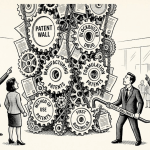
Secondary patents cover formulations, crystalline forms, active metabolites, and specific therapeutic uses. They are filed later than the compound patent, expire later, and are harder to dismiss as a monolithic block. A drug with six secondary patents listed in the Orange Book is not six times harder to challenge than a drug with one. It is harder in a different way: the aggregate legal cost, the multiplied 30-month stay exposure, and the settlement dynamics collectively push commercial generic entry dates far past what any single expiry date would suggest.
Between 2025 and 2030, the pharmaceutical industry faces what analysts at IQVIA have estimated as $180 billion to $220 billion in cumulative revenue exposed to loss of exclusivity. The actual revenue that flows through the LOE event depends almost entirely on how deep the secondary patent portfolio is, how well it was prosecuted, and how successfully it survives challenge. This article builds a complete operational map of that process.
Data infrastructure for this analysis has improved significantly. DrugPatentWatch aggregates Orange Book listings, patent term extension records, Paragraph IV certification histories, inter partes review outcomes, and litigation case data into a single structured platform. The kind of patent-by-patent analysis described throughout this piece relies on that type of comprehensive, current data, not on nominal expiry dates scraped from annual reports.
Why the Compound Patent Expiry Date Is the Wrong Number to Model
What the 20-Year Patent Term Actually Delivers in Commercial Life
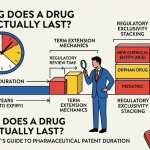
A pharmaceutical compound patent files on the day the molecule is synthesized or claimed, often years before a drug enters clinical trials. The 20-year term under 35 U.S.C. § 154 begins at filing, not at approval. The average time from initial IND filing to FDA approval for a new molecular entity runs approximately 10 to 12 years. Add two to four years of preclinical work before the IND, and the compound patent’s commercial window before it expires may be as short as six to eight years from NDA approval.
Patent term extension under 35 U.S.C. § 156 restores some of that time. The extension equals half the clinical testing period plus the full regulatory review period, capped so the total post-approval term does not exceed 14 years. For a drug that spent three years in clinical trials and two years in FDA review, the maximum extension would be 3.5 years (half of three years plus two years), subject to the 14-year post-approval cap. Extensions are available on one patent per NDA, and that patent is almost always the compound patent.
The arithmetic matters for modeling. If a compound patent files in 2000, the drug is approved in 2012, and a five-year extension brings the expiry to 2025, you have 13 years of commercial patent life. That is the headline number in most models. But if formulation patents filed in 2010 expire in 2030, and method-of-use patents covering a second indication filed in 2015 expire in 2035, the effective exclusivity runway is 23 years from approval, not 13.
How Secondary Patent Filings Shift the Real LOE Date for Branded Drugs
The gap between nominal LOE (compound patent expiry plus extension) and effective LOE (commercial generic entry at scale) is the single most common source of error in drug valuation models. Analysts consistently underestimate effective LOE for drugs with deep secondary portfolios, and consistently overestimate it for drugs whose secondary patents are weak or already challenged.
The 2021 Eliquis (apixaban) situation is instructive. Bristol-Myers Squibb and Pfizer’s compound patent on apixaban was set to expire in late 2026 with term extension, and several generic manufacturers filed Paragraph IVs in 2019 and 2020. A series of formulation and method-of-use patents listed in the Orange Book triggered automatic 30-month stays. The litigation produced settlements with Teva, Mylan (now Viatris), and others that, depending on the specific settlement terms, set early entry dates in the 2026 to 2028 range for authorized or at-risk generic launches. The secondary patents were not individually impenetrable, but the combination of stays and settlement negotiation extended commercial exclusivity well past what the compound patent alone would have delivered.
Contrast that with Pfizer’s Norvasc (amlodipine besylate). The Federal Circuit’s 2007 invalidation of the amlodipine besylate salt form patent in Pfizer v. Apotex accelerated generic entry and cost Pfizer hundreds of millions in revenue it had counted on. The secondary patent (a salt form, a close analog of the polymorph category) failed, and the LOE came earlier than the IP portfolio had promised.
Revenue at Risk: What LOE Actually Costs a Branded Drug Company
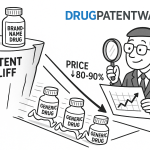
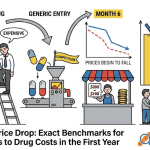
Loss of exclusivity events for top-selling drugs produce revenue declines that are both steep and rapid. Within 12 months of first generic entry for a typical oral solid-dosage small molecule, branded market share measured by prescription volume falls to below 20% in competitive market conditions. Within 24 months, it often falls below 10%. Branded revenue falls further because the brand typically maintains pricing while losing volume, meaning absolute dollar revenue may fall 70% to 85% even before the brand reprices.
The scale of specific LOE events calibrates the stakes:
Prozac (fluoxetine): Generic entry in 2001 cost Eli Lilly approximately $2.4 billion in annual U.S. revenue within the first year of competition.
Lipitor (atorvastatin): Pfizer’s revenue from Lipitor fell from approximately $5.6 billion in the U.S. in 2011 to under $2 billion in 2012, the year generic entry began in November 2011.
Plavix (clopidogrel): BMS and Sanofi lost approximately $6 billion in combined global revenues within two years of patent expiry in 2012.
Humira (adalimumab): U.S. biosimilar launches beginning in January 2023 generated price and volume pressure, with branded adalimumab losing meaningful market share in the second half of 2023 as formulary dynamics shifted.
For drugs currently in the $3 billion to $10 billion annual revenue range facing LOE between 2026 and 2030, the secondary patent portfolio is the primary variable determining how much of that revenue base survives intact through the transition period.
Formulation Patents: Why Controlled-Release IP Outlasts the Compound
The Mechanics of a Formulation Patent Claim and Why Claim Scope Determines Commercial Value
A formulation patent claims a specific pharmaceutical composition. Its commercial value tracks the breadth of its claims and the difficulty of designing around them without compromising bioequivalence. The broadest formulation claims cover any combination of the API with a class of excipients achieving a specified functional result, such as ‘a controlled-release tablet comprising opioid analgesic and a hydrophilic polymer matrix releasing between 70% and 90% of the active ingredient over 12 hours in simulated intestinal fluid.’ Such a claim is difficult to design around because the functional result, the release profile, is the only specifically constrained variable.
Narrow structural claims, by contrast, specify exact ratios and components: ’15 mg to 25 mg hydroxypropyl methylcellulose K100M, 10 mg to 20 mg lactose monohydrate.’ A generic using ethyl cellulose instead of HPMC may not literally infringe, and the prosecution history estoppel doctrine limits doctrine-of-equivalents arguments if the applicant amended claims during examination to distinguish prior art formulations using different polymers.
The commercial question, then, is whether the formulation patent’s claim scope is narrow enough to be defensible as novel and non-obvious (avoiding rejection during prosecution and invalidity in litigation) while remaining broad enough that a bioequivalent generic product cannot be made without infringing. This is a tight window, and it explains why formulation patents have lower survival rates in contested Paragraph IV litigation than compound patents.
Extended-Release Drug Formulation Patents: OxyContin, Concerta, and Ambien CR
Extended-release (ER) formulation patents have been among the most commercially valuable and most frequently litigated secondary patents in the U.S. market. The three cases that defined the commercial and legal landscape across a decade each illuminate different aspects of ER patent risk.
Purdue Pharma’s OxyContin (oxycodone hydrochloride controlled release) held formulation patents on its polymer-matrix release mechanism. Oxycodone itself was off-patent. Paragraph IV challenges from Endo, Teva, and others triggered sustained litigation. Purdue ultimately settled with generic entry scheduled for 2004, providing the challengers with authorized generic licenses. The formulation patents provided approximately six years of exclusivity over the underlying compound’s patent expiry date, worth billions in cumulative revenue, but they did not hold to term under litigation pressure.
Alza Corporation (acquired by Johnson & Johnson) held the OROS osmotic pump patents for Concerta (methylphenidate hydrochloride extended release). The OROS technology used a semipermeable membrane and an osmotic core to push drug through a laser-drilled orifice at a controlled rate. This mechanical specificity made the OROS patents structurally narrow but technically distinctive: a competitor could not replicate the clinical profile using conventional polymer matrix technology without also replicating the osmotic architecture. Watson Pharmaceuticals filed an ANDA that was initially rejected on bioequivalence grounds before ultimately being approved with a different formulation. The OROS patents provided Concerta with substantially longer effective exclusivity than the methylphenidate compound patent would have delivered.
Sanofi’s Ambien CR (zolpidem tartrate extended release) used a bilayer tablet technology combining immediate-release and extended-release layers to extend sleep duration. The formulation patents on this architecture ran years past the underlying zolpidem compound expiry. Paragraph IV challenges led to settlements that pushed generic entry into 2012. The bilayer approach, by combining two distinct release kinetics in a single unit dose, was defensible as non-obvious against prior art showing simple matrix or osmotic systems, which had not been combined in the same tablet configuration for this class of hypnotic agent.
Injectable and Biologic Formulation Patents: How Lyophilization and pH Buffering Build Exclusivity
For injectable and biologic products, formulation patents cover lyophilization (freeze-drying) conditions, reconstitution media, pH buffering systems, surfactant concentrations, and protein stabilization excipients. These are not trivial technical details. An unstable biologic formulation generates aggregates, fragments, or oxidized species that fail potency and purity specifications. The specific combination of excipients that stabilizes a given monoclonal antibody at a target concentration and temperature is often genuinely non-obvious and developed through years of formulation research.
Roche/Genentech’s trastuzumab (Herceptin) formulation patents covered specific polysorbate 20 concentrations, histidine buffer systems, and sucrose stabilizers that maintained antibody integrity at refrigerated storage conditions over a two-year shelf life. When biosimilar developers sought to formulate their own versions, they needed to develop independently stable formulations that achieved comparable clinical performance without infringing Roche’s specific excipient claims. Several biosimilar developers used polysorbate 80 instead of 20 or trehalose instead of sucrose, achieving bioequivalent stability profiles while sidestepping the specific formulation claims. The design-around was possible, but it required formulation development work comparable in scope to what Roche had originally done.
Subcutaneous formulation patents for biologics initially dosed intravenously represent a significant and commercially distinct secondary patent category. Converting a biologic from IV to subcutaneous delivery requires co-formulation with recombinant human hyaluronidase (rHuPH20, Halozyme’s ENHANZE technology) or other permeation enhancers, along with higher-concentration formulation work. Roche/Genentech holds subcutaneous formulation patents on SC trastuzumab (Herceptin SC, Phesgo) and SC pertuzumab that run approximately eight to ten years past the core antibody patents. These SC formulations also have separate clinical data packages supporting distinct Orange Book listings, meaning biosimilar developers seeking to market a subcutaneous formulation must navigate a separate secondary patent layer from the IV product patents.
Formulation Patent Survival Rates in Paragraph IV Litigation: Data Analysis
Empirical analysis of Hatch-Waxman litigation outcomes from 2000 to 2022 shows formulation patents with a contested win rate of approximately 40% to 50% for claims that go to trial, compared to 55% to 65% for compound patents in the same dataset. The differential reflects the depth of prior art for controlled-release and excipient technology versus the more idiosyncratic novelty base for new molecular entities.
A 2020 study published in the Journal of Law and the Biosciences analyzing 228 Hatch-Waxman cases found that formulation patent claims were invalidated on obviousness grounds at nearly twice the rate of compound patents. Non-infringement arguments succeeded in approximately 30% of contested formulation patent cases, reflecting the design-around opportunities available when claims are structurally specific. The combined effect is that an originator relying on formulation patent protection alone, without method-of-use or other secondary layers, faces a materially higher LOE risk than the nominal patent expiry date suggests.
The commercial implication is direct: formulation patents provide the most value when they are part of a thicket rather than a standalone defense, and when they cover a formulation that delivers a clinically meaningful improvement that physicians and formulary committees can articulate. A formulation that achieves once-daily dosing in a class where twice-daily was standard has commercial stickiness independent of its IP status. Prescriber inertia and formulary preference delay generic uptake even after generic entry, extending the effective commercial exclusivity window beyond the legal expiry.
Formulation Patent Strategy for GLP-1 Drugs: Semaglutide, Tirzepatide, and the Next Wave
Novo Nordisk’s semaglutide (Ozempic, Wegovy, Rybelsus) and Eli Lilly’s tirzepatide (Mounjaro, Zepbound) are the most commercially significant drugs of the current decade, and their secondary patent portfolios are already shaping the competitive landscape for the 2030s.
Semaglutide’s compound patents cover the GLP-1 analog peptide sequence and its C18 fatty diacid attachment. Novo Nordisk has filed secondary patents on the oral tablet formulation of semaglutide (Rybelsus), which required development of a sodium N-(8-[2-hydroxybenzoyl]amino)caprylate (SNAC) absorption enhancer to enable oral bioavailability for what is otherwise a peptide that degrades rapidly in the GI tract. The SNAC co-formulation technology is itself separately patented, with Emisphere Technologies (now part of Novo Nordisk) holding foundational intellectual property on the carrier molecule. The patent estate covering oral semaglutide combines Novo Nordisk’s compound and formulation patents with underlying SNAC technology patents in a layered structure that generic developers will need to navigate carefully.
Subcutaneous injection device patents for GLP-1 drugs provide an additional secondary layer. The prefilled pen injectors used for weekly semaglutide injection (FlexTouch, OzempicPen) are covered by device patents that are Orange Book-listed separately from the drug formulation patents. A generic developer seeking approval for an injectable semaglutide product must either design a non-infringing delivery device or challenge the device patents via Paragraph IV certification.
Tirzepatide’s formulation complexity, as a dual GLP-1/GIP receptor agonist peptide, creates formulation patent opportunities similar to semaglutide but with additional stabilization challenges at higher concentration formulations used in obesity dosing (2.5 mg to 15 mg weekly). Eli Lilly has pursued formulation patents on tirzepatide pH, buffer composition, and the excipient combinations that maintain peptide integrity at the target concentration over refrigerated shelf life. These patents, if issued with defensible claim scope, extend commercial protection for Mounjaro and Zepbound into the mid-2030s.
What Makes GLP-1 Manufacturing Difficult for Generic Entrants
GLP-1 analogs present manufacturing barriers that compound the difficulty of generic entry beyond patent protection alone. Semaglutide is a 31-amino-acid peptide with a complex fatty acid side chain that must be attached via a specific conjugation chemistry. The synthesis requires solid-phase peptide synthesis (SPPS) at scale followed by purification steps to remove deletion sequences and other synthesis byproducts, then fatty acid conjugation under controlled conditions. Yields at each step are imperfect, and aggregate purity specifications are tight.
The manufacturing complexity means that even after compound and secondary patents expire, the number of manufacturers capable of producing commercial-scale semaglutide with the required purity profile is small. This is not a typical small-molecule API synthesis that any of dozens of Indian or Chinese generic API manufacturers can replicate with modest capital investment. The capital cost for GLP-1 API manufacturing capacity, combined with the technical expertise required, creates an economic moat that extends beyond the legal IP barrier.
This manufacturing complexity factor is increasingly integrated into LOE analysis for complex peptides, oligonucleotides (like inclisiran), and polymer-drug conjugates. The effective LOE date for these products reflects not just patent expiry but the lag time between patent expiry and the availability of a competing product at commercial scale and competitive price. For analysts modeling the GLP-1 LOE event in the early 2030s, the manufacturing moat argument suggests that even after the compound patents expire, Novo Nordisk and Eli Lilly will retain meaningful market share advantages for two to four years past the legal IP expiry.
Method-of-Use Patents: When the Indication Is the Moat
How Method-of-Use Patents Are Listed in the Orange Book and Why Indication Coverage Matters
A method-of-use patent covers a specific therapeutic application: treating a disease, dosing at a specific interval, or using a drug in a defined patient population. Its commercial value in the secondary patent structure is determined primarily by whether FDA has approved the drug for the specific use covered by the patent claim. Only method-of-use patents covering approved indications can be listed in the Orange Book and trigger the 30-month stay mechanism under Hatch-Waxman.
When a drug has multiple approved indications and method-of-use patents covering some but not all of them, ANDA filers can use skinny labels to seek approval only for the non-patented indications. The Orange Book-listed method-of-use patents generate Paragraph IV certification requirements and potential litigation for those indications, but a generic with a properly carved-out label has a legal path to market for the unpatented uses. The commercial calculus then turns on what fraction of total prescriptions the patented indication represents.
For a cardiovascular drug where the patented indication represents 15% of prescriptions, a skinny-label generic entering on the non-patented indications captures 85% of the market immediately. The method-of-use patent provides modest commercial protection. For an oncology drug where the patented indication represents 60% of prescriptions by value, the skinny-label restriction is commercially significant, and the method-of-use patent effectively protects the majority of the revenue stream.
Why Keytruda’s Patent Expiry Matters for Merck Investors
Pembrolizumab (Keytruda) generated approximately $25 billion in global revenue in 2023, making it the best-selling drug in the world. Its primary compound patents covering the humanized anti-PD-1 antibody structure begin expiring in the late 2020s, with the U.S. compound patent expiry expected around 2028. Merck’s secondary patent portfolio for Keytruda extends across dozens of method-of-use patents covering individual tumor types, biomarker-selected populations, combination regimens, and treatment-line specifications.
The method-of-use patent landscape for pembrolizumab includes patents on its use in non-small cell lung cancer (NSCLC) with PD-L1 tumor proportion score (TPS) of 50% or greater, its use in NSCLC in combination with carboplatin-pemetrexed chemotherapy regardless of PD-L1 expression, its use in melanoma as adjuvant therapy in stage III disease post-resection, and dozens of additional indication-specific claims that collectively cover most of the clinical uses driving its $25 billion revenue base. Each of these method-of-use patents has a distinct expiry date, ranging from the early 2030s to the mid-2030s for the most recently filed indication expansions.
For Merck investors, the relevant analytical question is not when the core compound patent expires. It is: for which indications does Merck hold method-of-use patents that will withstand biosimilar challenge, and which indications will fall to skinny-label biosimilar competition shortly after compound patent expiry? A biosimilar pembrolizumab with a skinny label excluding the most commercially important indications is commercially limited even if it captures all the unprotected indication prescriptions.
Merck is also building its next-generation immune checkpoint franchise through subcutaneous pembrolizumab formulation development (MK-3475A, in late-stage trials), which if approved would create a new Orange Book-listed product with its own secondary patent portfolio running into the 2040s. The product switch strategy, analogous to AstraZeneca’s Nexium play, is designed to shift prescriber preference to the new protected format before biosimilar competition on the IV product arrives.
How Bristol-Myers Squibb Defended Opdivo Against Patent Challenges
Nivolumab (Opdivo) generated approximately $9 billion in global revenues in 2023, anchored by its approvals in NSCLC, renal cell carcinoma, hepatocellular carcinoma, colorectal cancer (dMMR/MSI-H), and several additional tumor types. BMS holds a core compound patent covering the fully human IgG4 anti-PD-1 antibody, with additional patents covering specific amino acid sequence variants, the specific IgG4 subclass modification that reduces effector function, and manufacturing process patents on cell line, purification, and formulation.
The most commercially important method-of-use patents for nivolumab cover its combination with ipilimumab (Yervoy) in first-line NSCLC, melanoma, and renal cell carcinoma. These combination method-of-use patents expire in the late 2030s for the most recently filed indication expansions. A biosimilar nivolumab entering market on a skinny label that excludes the nivolumab plus ipilimumab combination uses would miss a commercially significant portion of the franchise’s revenue.
BMS also holds patents on specific nivolumab dosing regimens: the flat 480 mg every four weeks dosing approved in 2018, which replaced the original weight-based dosing schedule. The every-four-week flat dosing was a clinically driven change, but it also generated method-of-use patent filings covering the specific dose and schedule. These dosing regimen patents, while narrower in scope than indication patents, add another layer to the secondary portfolio that biosimilar developers need to address.
The GlaxoSmithKline v. Teva Decision: What Skinny Labels Cannot Protect Against
The Federal Circuit’s 2021 decision in GlaxoSmithKline LLC v. Teva Pharmaceuticals USA changed the risk calculus for method-of-use patent exposure under skinny-label strategies in ways that the generic industry has not fully absorbed.
The case involved Coreg (carvedilol), a beta-blocker approved for heart failure, hypertension, and post-MI left ventricular dysfunction. GSK held a method-of-use patent (U.S. Patent 4,503,067’s successor, specifically the ‘000 patent) covering treatment of congestive heart failure with carvedilol. Teva’s skinny label excluded the heart failure indication, retaining only hypertension and post-MI indications. Nevertheless, GSK argued that Teva’s communications to the market, including press releases describing carvedilol as a widely used heart failure drug and promotional materials that did not clearly delineate the carve-out, effectively induced physicians to prescribe Teva’s product for the patented heart failure indication.
The 2-1 Federal Circuit majority found sufficient evidence of induced infringement under 35 U.S.C. § 271(b) based on those communications, despite the carve-out on the label itself. The practical impact on generic manufacturers is that a skinny label is necessary but not sufficient to avoid method-of-use patent liability. Every promotional statement, press release, and sales material mentioning the drug’s clinical history must be reviewed for statements that reference patented indications, even in passing descriptive contexts.
The decision created a compliance cost that smaller generic manufacturers may find disproportionately burdensome. It also increased the value of method-of-use patents for originators with drugs that have multiple indications, particularly where the patented indication is the drug’s primary historical use and the most natural context for physician communication about the product.
Indication-Stacking Strategy: How AbbVie Extended Humira Across Indications
AbbVie’s indication expansion strategy for adalimumab (Humira) produced a method-of-use patent portfolio covering 14 approved indications, including rheumatoid arthritis, psoriatic arthritis, ankylosing spondylitis, Crohn’s disease, ulcerative colitis, plaque psoriasis, juvenile idiopathic arthritis, hidradenitis suppurativa, and uveitis. Each new indication approval supported a fresh method-of-use patent filing with a later expiry date than the preceding indication’s patent.
The commercial structure this created was layered: biosimilar developers seeking to compete across the full adalimumab indication set needed to address indication-specific method-of-use patents with expiry dates ranging from the mid-2020s to the mid-2030s. A biosimilar with a skinny label covering only rheumatoid arthritis and excluding the GI indications (Crohn’s, ulcerative colitis) would miss a commercially significant patient population. The indication-stacking patent strategy made the skinny-label design-around commercially expensive even if it was legally available.
All major adalimumab biosimilar developers, including Amgen, AstraZeneca/Samsung Bioepis, Pfizer, Boehringer Ingelheim, Fresenius Kabi, and Coherus BioSciences, ultimately settled with AbbVie through patent license agreements that granted access to the full indication set in exchange for delayed entry dates (January 2023 for Amgen’s Amjevita) and royalty obligations during a transition period. The settlements preserved the economic value of the method-of-use patent portfolio without any of those patents being tested to a final adjudication on validity.
Orphan Drug Indication Patents: The Eculizumab and Ravulizumab Model
Alexion Pharmaceuticals (now part of AstraZeneca) built one of the most commercially successful indication-stacking strategies in biologics around complement pathway inhibition. Eculizumab (Soliris), a C5 complement inhibitor, was approved first for paroxysmal nocturnal hemoglobinuria (PNH) in 2007, then for atypical hemolytic uremic syndrome (aHUS) in 2011, then for generalized myasthenia gravis (gMG) in 2017, and then for neuromyelitis optica spectrum disorder (NMOSD) in 2019. Each new indication carried orphan drug exclusivity (seven years from approval) and method-of-use patent filings specific to that indication.
The combination of orphan drug exclusivity and method-of-use patents meant that a biosimilar eculizumab achieving approval for PNH could not automatically market for aHUS, gMG, or NMOSD without addressing the indication-specific exclusivities and patents separately. Amgen’s biosimilar eculizumab (AMG 439) and Samsung Bioepis’s SB17 pursued comprehensive indication coverage but faced the full multi-indication IP barrier. Alexion’s 2019 launch of ravulizumab (Ultomiris), a half-life-extended C5 inhibitor with eight-week dosing versus eculizumab’s two-week schedule, provided a commercially superior product with its own compound and method-of-use patent protection running into the late 2030s. The product transition strategy, funded by eculizumab revenues, set up a multi-decade commercial franchise from a single biological target.
Polymorph Patents: The Most Legally Fragile Secondary Protection and Why Companies Still Use Them
What Is a Pharmaceutical Polymorph and How Many Forms Can a Single Drug Compound Have?
A polymorph is a distinct crystalline arrangement of a molecular compound. Two polymorphs of the same compound have identical chemical composition and covalent structure but different three-dimensional packing geometries in the solid state. The differences in packing produce measurably different physical properties: melting point, solubility, dissolution rate, physical stability under humidity and temperature stress, flowability in tablet manufacturing, and compressibility.
The number of polymorphs a given compound can form ranges from one to over 50. Ritonavir, the HIV protease inhibitor, famously produced a previously unknown, less-soluble polymorph (Form II) during commercial manufacture in 1998, causing Abbott to temporarily withdraw Norvir capsules from the market because the new form failed to achieve adequate bioavailability. The event had no patent significance in the traditional sense (Abbott was the originator), but it demonstrated vividly that pharmaceutical solid-state chemistry can produce commercially catastrophic surprises that no amount of preclinical polymorph screening fully prevents.
For patent purposes, the key attributes of a polymorph are novelty (has this specific crystalline form been previously described, including in prior art that may not have explicitly identified it as a polymorph?) and non-obviousness (would a skilled formulation scientist have been motivated to look for this specific form with a reasonable expectation of finding it?). The first question is increasingly difficult to answer cleanly because high-throughput crystallization screening technology has become routine, and any compound with commercial significance is likely to have been screened exhaustively by both the originator and competitors before patent filings are challenged in litigation.
AstraZeneca’s Nexium Patent Thicket: How Polymorph IP Extended Esomeprazole Exclusivity
The Nexium (esomeprazole magnesium) patent story is the archetype for polymorph-and-enantiomer-based exclusivity extension in pharmaceutical history. Omeprazole (Prilosec) was the racemic mixture of the S and R enantiomers of a substituted benzimidazole proton pump inhibitor. Its compound patents began expiring in the early 2000s. AstraZeneca developed esomeprazole, the pure S-enantiomer, and obtained a separate compound patent on the pure enantiomer (arguing it was distinct from the racemate in both structure and clinical performance).
Beyond the enantiomer compound patent, AstraZeneca obtained additional IP on specific polymorph forms of esomeprazole magnesium. The trihydrate form of esomeprazole magnesium, which is the form used in Nexium capsule formulation, was covered by polymorph patents listed in the Orange Book. When ANDA filers challenged the Nexium patent portfolio beginning in the early 2000s, they faced compound patent, polymorph patent, and formulation patent claims in combination.
The litigation settlement landscape extended Nexium’s commercial exclusivity past the nominal 2014 expiry of the enantiomer compound patent. Nexium generated approximately $6.3 billion in U.S. revenues in 2012 and remained the second-best-selling drug globally as late as 2013. AstraZeneca’s parallel direct-to-consumer campaign, which established Nexium’s ‘purple pill’ identity independently of its IP status, helped sustain brand loyalty and maintain branded market share through the eventual generic entry in 2015. The transition from Prilosec to Nexium is the standard industry case study for combining IP strategy with commercial execution to maximize the value of an LOE transition.
Post-KSR Polymorph Patent Obviousness: How the 2007 Supreme Court Ruling Changed the Calculus
KSR International Co. v. Teleflex Inc. (2007) rejected the rigid ‘teaching-suggestion-motivation’ test for patent obviousness and substituted a more flexible analysis that asks whether a skilled practitioner would have had reason to combine known elements to achieve the claimed result. For polymorph patents, the post-KSR environment has been challenging.
The Federal Circuit’s application of KSR to polymorph cases asks: is routine crystallization screening of a known compound ‘routine’ in a way that makes any polymorph found by such screening obvious? The PTAB has been willing to say yes in many cases, reasoning that if the prior art established motivation to screen for polymorphs (commercial scale-up needs, stability concerns) and the result was achieved by routine methods, the polymorph lacks non-obvious inventive character.
The counter-argument, which sometimes succeeds, focuses on unexpected properties. If the claimed polymorph has dissolution or stability properties that were not predictable from the structure and that are meaningfully better than available prior art forms, that unexpected result is a secondary consideration that can overcome a prima facie obviousness case. The prosecution strategy therefore requires generating systematic comparative data before filing, not just characterizing the new form but documenting what it does better than every known prior art form under conditions relevant to pharmaceutical use.
In the decade following KSR, the PTAB instituted IPR proceedings against pharmaceutical polymorph patents at rates that exceeded district court invalidity findings, leading several pharmaceutical companies to restructure their polymorph patent claim strategies. Dependent claims with specific unexpected property limitations became increasingly important as the backstop against invalidity even if broader independent claims were vulnerable.
Rotigotine and the Polymorph Manufacturing Crisis: What Patent Strategy Cannot Fix
Schwarz Pharma’s rotigotine transdermal patch (Neupro), approved for Parkinson’s disease in Europe in 2006 and the U.S. in 2007, was withdrawn from both markets in 2008 when a previously unknown polymorph crystallized within the patch matrix, causing the product to become cloudy, lose adhesion, and fail dose delivery specifications. The new polymorph (Form II) of rotigotine was less soluble than the original Form I, and under storage conditions it spontaneously transformed from the amorphous or Form I state, reducing bioavailability.
The commercial damage was severe: Schwarz Pharma issued a voluntary recall and Neupro was off the U.S. market for three years while UCB (which had acquired Schwarz) reformulated the product to stabilize the amorphous form and prevent crystalline transformation. The polymorph problem here was not a litigation issue but a manufacturing reality: the physical chemistry of the active form failed commercially at scale.
For patent strategy, the Neupro case illustrates that polymorph discovery during commercial development is not always a patent opportunity. It can be a manufacturing liability. Companies that file polymorph patents on forms identified during routine manufacturing QC may be creating a secondary IP layer, but they are also acknowledging the existence of a problematic alternative solid state that could cause exactly the kind of commercial disruption that Neupro experienced.
Clopidogrel Bisulfate Polymorph Litigation: When the Enantiomer Carries the Weight
Sanofi-Aventis’s clopidogrel (Plavix) is the most commercially significant case study for secondary patent survival in major Paragraph IV litigation. Plavix generated approximately $9 billion in combined U.S. revenues for BMS and Sanofi in its peak years. The compound patent on the R-enantiomer of clopidogrel bisulfate was challenged by Apotex via Paragraph IV in what became Sanofi-Synthelabo v. Apotex, Inc. (Federal Circuit, 2008).
The core secondary patent at issue was the enantiomer patent, which covered the pure R-form of clopidogrel as distinct from the racemate in the prior art (Sanofi’s French patent on the racemate). Apotex argued the enantiomer was obvious given the known racemate and standard resolution techniques available in the art. Sanofi countered with evidence that the unexpected pharmacological superiority of the R-form (substantially greater antiplatelet activity with substantially lower toxicity than the S-form) constituted secondary evidence of non-obviousness.
The Federal Circuit upheld the enantiomer patent, crediting Sanofi’s unexpected results evidence. The decision delivered billions in protected revenue and validated the strategic importance of documenting unexpected properties before and during patent prosecution, not as an afterthought during litigation preparation. The Plavix outcome set the standard template for enantiomer and polymorph patent prosecution strategy: comparative efficacy and safety data must be generated early, documented carefully, and incorporated into the prosecution record in anticipation of post-KSR obviousness challenges.
India’s Section 3(d) and Its Impact on Global Polymorph Patent Strategy
Section 3(d) of India’s Patents Act (1970, as amended in 2005) directly targets pharmaceutical polymorph and salt form patents by requiring applicants to demonstrate ‘enhanced efficacy’ compared to the previously known form. The Supreme Court of India’s 2013 ruling in Novartis AG v. Union of India applied this standard to deny Novartis a patent on the beta-crystalline polymorph of imatinib mesylate (Glivec/Gleevec), finding that improved physical stability was not equivalent to enhanced therapeutic efficacy as required by the statute.
The Novartis India case creates a directly bifurcated global IP landscape for polymorph-protected drugs. The same polymorph patent valid and enforceable in the U.S. and EU is unenforceable in India, where Natco Pharma, Cipla, Sun Pharma, and other Indian manufacturers produce generic imatinib and other formerly polymorph-protected compounds for both domestic and export markets. The Indian government’s compulsory licensing framework, used for sorafenib (Nexavar) in 2012, provides an additional mechanism for overriding patent protection in public health contexts.
For global LOE modeling, India’s Section 3(d) creates a geographic segmentation: a drug’s effective LOE in India may precede its U.S. LOE by five to ten years when the U.S. exclusivity runway is primarily polymorph-dependent. This has supply chain implications for multi-market generic competition, since Indian API manufacturers can legally produce generic versions of compounds where only polymorph protection remains, potentially supplying API to markets where the polymorph is also unprotected (developing markets, export jurisdictions) even while the U.S. compound protection holds.
Metabolite Patents: Protecting the Pharmacologically Active Form
Active Metabolites vs. Inactive Metabolites: Why the Distinction Determines Patent Value
Not every drug metabolite is worth patenting. The commercial and legal value of a metabolite patent depends on whether the metabolite contributes meaningfully to the drug’s pharmacological effect and whether it can be separately claimed as a novel compound.
An active metabolite is one that retains pharmacological activity comparable to or greater than the parent compound. In prodrug design, the administered compound has little or no direct activity and the metabolite is the primary therapeutic agent. Lisdexamfetamine is inactive; its cleavage product, d-amphetamine, is the active molecule. In other cases, the parent drug is active but one or more metabolites contribute meaningfully to the overall pharmacodynamic profile. Hydroxychloroquine’s metabolite desethylchloroquine has immunomodulatory activity independent of the parent compound, though hydroxychloroquine itself is also active.
An inactive metabolite that serves primarily as a clearance pathway has no pharmacological relevance and no basis for a patent that would provide meaningful commercial protection. The distinction between active and inactive metabolites at the time of initial drug development is not always obvious, particularly for compounds with multiple metabolic pathways, which is why comprehensive metabolic profiling in Phase I clinical trials is a prerequisite for informed metabolite patent strategy.
Terfenadine to Fexofenadine: The Commercial Value of a Metabolite Switch
Hoechst Marion Roussel’s terfenadine (Seldane) was the first non-sedating antihistamine to achieve blockbuster status, reaching $1 billion in annual U.S. revenues in the mid-1990s. Its commercial undoing was cardiac safety: terfenadine is metabolized primarily by CYP3A4, and in patients taking CYP3A4 inhibitors (ketoconazole, erythromycin, grapefruit juice at high doses), terfenadine plasma concentrations rose to levels that blocked cardiac hERG potassium channels, causing QT interval prolongation and potentially fatal ventricular arrhythmias (torsades de pointes).
The FDA issued black box warnings and eventually required withdrawal of terfenadine from the U.S. market in 1998. By that point, Hoechst had already developed and obtained FDA approval for fexofenadine (Allegra), the primary active carboxylic acid metabolite of terfenadine. Fexofenadine is not itself substantially metabolized by CYP3A4 and does not block hERG channels at therapeutic plasma concentrations. It preserved the antihistamine efficacy of terfenadine without the cardiac safety liability.
Critically, Hoechst held compound patents on fexofenadine as a separate chemical entity, distinct from terfenadine. These patents ran through 2013 in the U.S. (with extensions). The commercial transition from terfenadine to fexofenadine, driven by regulatory necessity, was simultaneously an IP transition that provided 15 additional years of compound patent protection for what was functionally the same antihistamine target. The metabolite strategy here was not primarily a post-hoc secondary patent play but a proactive drug development decision that created new IP from an existing clinical program.
Prodrug Patent Strategy: How Lisdexamfetamine, Oseltamivir, and Tenofovir Alafenamide Extend Exclusivity
Prodrug patents represent metabolite IP in its most commercially intentional form. The prodrug is a distinct chemical entity from the pharmacologically active molecule, carries its own compound patent, and typically delivers a clinical or pharmacokinetic advantage over the active molecule that makes it genuinely non-obvious as an invention.
Shire’s lisdexamfetamine (Vyvanse) converted d-amphetamine, a Schedule II controlled substance with generic competition, into a therapeutically equivalent but abuse-deterrent prodrug with its own compound patent protection. The prodrug is cleaved in the gut to release d-amphetamine, but the slow enzymatic cleavage creates a controlled-release pharmacokinetic profile and eliminates the dose-dumping risk associated with extracting and injecting amphetamine salts. Shire’s compound patent on lisdexamfetamine, filed in the early 2000s, ran through 2023 in the U.S. with patent term extension. The drug generated approximately $2.5 billion in U.S. revenues at its peak. Generic entry occurred in 2023, but Shire (by then part of Takeda) had retained brand revenues for years after amphetamine salts (Adderall) had long been generic.
Gilead Sciences applied a similar prodrug strategy to tenofovir. The original tenofovir compound, tenofovir disoproxil fumarate (TDF, Viread/Truvada), was highly active against HIV and hepatitis B. Gilead subsequently developed tenofovir alafenamide (TAF), a phosphonamidate prodrug of tenofovir that achieves substantially higher intracellular drug concentrations in lymphocytes and hepatocytes at substantially lower plasma exposures. The lower plasma tenofovir exposure translates directly to reduced renal and bone toxicity. TAF is incorporated into Genvoya, Descovy, Biktarvy, and Vemlidy.
The TAF prodrug patents, filed in the early 2010s, expire in the mid-2030s. They effectively transferred Gilead’s HIV franchise from TDF-containing products with near-term generic exposure to TAF-containing products with decade-plus secondary patent protection. The clinical differentiation (renal and bone safety data in long-term studies) provides the non-obviousness basis and also provides prescriber preference that sustains TAF franchise revenues beyond the legal patent protection.
Roche’s oseltamivir (Tamiflu) used a different prodrug rationale. Oseltamivir is an ethyl ester prodrug of oseltamivir carboxylate, the active neuraminidase inhibitor. The ester prodrug form achieves sufficient oral bioavailability for the active carboxylate, which is poorly absorbed orally due to its charged form at physiological pH. Roche’s compound patent on oseltamivir covered the prodrug form. Gilead Sciences held foundational patents on the neuraminidase inhibitor carboxylate structure and licensed to Roche for commercial development. The Roche-Gilead royalty arrangement on Tamiflu generated controversy during the 2009 H1N1 pandemic, when governments globally stockpiled oseltamivir and Gilead’s royalty income from those purchases became publicly scrutinized.
Mayo v. Prometheus and Section 101 Eligibility Risk for Metabolite Patents
The Supreme Court’s 2012 decision in Mayo Collaborative Services v. Prometheus Laboratories created persistent uncertainty about the patent eligibility of certain metabolite-related claims. Prometheus held patents covering the correlation between thiopurine metabolite concentrations (6-thioguanine nucleotides and 6-methylmercaptopurine) in blood and the likelihood of efficacy or toxicity in autoimmune disease patients. The Court held these claims unpatentable under 35 U.S.C. § 101 as claims to laws of nature. Measuring a metabolite and acting on what the measurement reveals was, in the Court’s view, insufficient additional step to transform a natural correlation into a patent-eligible invention.
The Mayo decision’s scope is bounded for pharmaceutical secondary patent purposes. A composition-of-matter claim to a metabolite compound itself, a specific molecular structure with defined therapeutic utility, is not a claim to a natural correlation. It is a claim to a specific chemical entity, and § 101 challenges to such claims generally fail post-Alice/Mayo because the compound’s structure and utility provide sufficient additional limitations beyond any natural phenomenon.
Where metabolite patents carry § 101 risk is in method claims tied to measuring metabolite levels or correlating metabolite exposure to clinical outcomes. ‘A method of treating inflammatory bowel disease comprising administering thiopurine and monitoring 6-thioguanine nucleotide levels’ has potentially more § 101 exposure than ‘a pharmaceutical composition comprising the compound fexofenadine.’ Pharmaceutical company patent counsel have generally restructured metabolite method claims post-Mayo to include more specific therapeutic step limitations beyond the measurement correlation, though the line between an eligible method with specific therapeutic steps and an ineligible correlation remains contested in district court and Federal Circuit case law.
Metabolite Patent Prosecution: How to Document Unexpected Properties Before Filing
Effective metabolite patent prosecution requires generating comparative pharmacokinetic and pharmacodynamic data before filing that documents the metabolite’s properties relative to the parent compound and any known structural analogs. For prodrug patents, the data package should show: (1) the metabolic cleavage pathway and rate in human systems, (2) the pharmacokinetic profile of both the prodrug and active metabolite at clinically relevant doses, (3) any pharmacokinetic advantages over direct administration of the active compound (extended half-life, improved tissue distribution, reduced systemic toxicity), and (4) any evidence of non-obviousness such as unexpected potency, selectivity, or safety improvements.
The prosecution strategy for a metabolite patent follows the same unexpected-results template as polymorph patents, because the primary invalidity challenge is obviousness: a skilled medicinal chemist would have known that the parent compound generates a specific metabolite through known metabolic pathways, so claiming the metabolite requires showing that its properties were not predictable. Documented unexpected results in the specification substantially strengthen the non-obviousness case against post-KSR validity challenges.
Patent Thickets: How the Four Patent Types Combine to Create the Most Durable Exclusivity
Why AbbVie’s Humira Patent Strategy Lasted So Long
The Humira (adalimumab) patent thicket is the industry’s most-studied example of secondary patent strategy at commercial scale. AbbVie accumulated approximately 130 issued U.S. patents related to adalimumab, of which over 90% were issued after the drug was first approved in 2002. This is not a pattern of protecting a pre-existing invention with post-hoc documentation. It is a systematic, decades-long program of incremental innovation, clinical development, and IP filing across every aspect of the product.
The thicket’s architecture covered seven distinct IP categories. Compound patents covered the fully human anti-TNF monoclonal antibody, its CDR sequences, and antibody fragments with TNF-binding activity. Manufacturing process patents covered cell line development (Chinese hamster ovary cell expression systems), fermentation conditions, purification by protein A chromatography, and viral inactivation steps. Formulation patents covered the citrate-free high-concentration subcutaneous formulation introduced with Humira Pen in 2012, which reduced injection site pain and became the primary commercial formulation. Method-of-use patents covered each of the 14 approved indications. Device patents covered the autoinjector pen design features. Dosing regimen patents covered specific loading and maintenance dose schedules used in current clinical practice. Antibody engineering patents covered the IgG1 constant region modifications that optimize antibody-dependent cell-mediated cytotoxicity.
The settlement strategy with biosimilar developers, which AbbVie completed with all major challengers by 2022, demonstrates the economic logic of the thicket. AbbVie did not need every patent to hold to trial. It needed the aggregate cost and risk of challenging every patent to exceed the cost of settling. With 130 patents requiring individual analysis, IPR petition, or Paragraph IV certification, the litigation cost per biosimilar developer to fully clear the thicket would have been estimated at $50 million to $100 million over four to six years of proceedings. Settlement with a royalty license and a delayed entry date is rational from both sides at those cost levels, regardless of the actual underlying validity of individual patents.
Key Humira Biosimilar Settlement Terms Explained
AbbVie’s settlement agreements with biosimilar developers were confidential in their specific royalty terms, but the basic structure was disclosed: each biosimilar developer received a patent license granting them the right to launch in the United States beginning on specified dates in exchange for royalty payments on U.S. biosimilar revenues. The royalty structure meant that AbbVie retained a revenue participation in the biosimilar market even after competitive entry, partially offsetting the branded revenue decline.
Amgen’s Amjevita received the earliest U.S. entry date (January 2023) under its settlement, followed by other biosimilar developers with staggered entry dates through mid-2023. Biosimilars launched into the U.S. market under this structured entry agreement, with each developer already knowing that multiple competitors would be launching in the same six-month window, eliminating first-mover advantage for any single biosimilar. The simultaneous multi-biosimilar launch drove price competition more rapidly than a sequential entry pattern would have, accelerating AbbVie’s branded revenue erosion.
The royalty obligations negotiated in these settlements represent an ongoing revenue stream for AbbVie that flows through the transition period. At U.S. adalimumab biosimilar revenues of approximately $2 billion in 2023 across all biosimilars (at significantly discounted prices), a 5% to 10% royalty rate would deliver $100 million to $200 million annually to AbbVie from the biosimilar market. This is modest relative to the $10 billion in U.S. branded revenues Humira was generating in 2022, but it illustrates that patent portfolio settlement strategy can convert exclusivity value into ongoing royalty income rather than abrupt revenue loss.
How Patent Thickets Delay Biosimilar Entry: The Mechanism Explained
A patent thicket delays biosimilar entry through three distinct mechanisms operating simultaneously. The first is litigation cost multiplication. Each patent in the thicket requires a separate invalidity analysis, a separate IPR petition or Paragraph IV certification, and potentially separate district court litigation. A thicket of 20 independently challengeable patents requires either 20 parallel legal proceedings or a decision to leave some patents unchallenged. Unchallenged patents become infringement risks that biosimilar developers carry on their balance sheets.
The second mechanism is 30-month stay stacking. Each Paragraph IV certification against an Orange Book-listed patent can trigger a 30-month stay if the originator files an infringement suit within 45 days. A product with five Orange Book-listed secondary patents can generate five potential 30-month stay periods, though courts and the FDA have developed practices that limit overlapping stays for the same ANDA. Nevertheless, the cumulative delay from stays triggered by secondary patents can extend ANDA review timelines by one to three years beyond the compound patent’s litigation alone.
The third mechanism is settlement leverage. A biosimilar developer negotiating an entry date with an originator holding 130 patents is in a different negotiating position than one facing a single compound patent challenge. The originator has more leverage to negotiate later entry dates and royalty obligations because the cost asymmetry favors the party holding the larger patent portfolio, even accounting for the uncertainty of any individual patent’s validity.
Revenue figures approximate; patent expiry dates subject to ongoing litigation and PTE determinations. Compound patent expiries reflect U.S. patents with term extension where applicable. LOE risk ranges reflect estimated range from compound patent expiry to expected clearing of key secondary patents.
How Paragraph IV Litigation Changes Drug Valuation: Investor Framework
A Paragraph IV certification filed against a branded drug’s Orange Book patents is one of the most commercially significant events in pharmaceutical IP, and it is underweighted in most sell-side models at the time of filing. The model assumption that a drug’s full secondary patent portfolio will hold to term systematically overstates expected revenues. The market tends to update quickly once a Paragraph IV is filed and a 30-month stay triggered, because at that point the LOE timeline becomes contested and the binary patent expiry assumption is replaced by a probability distribution over possible outcomes.
The correct analytical framework at the time of a Paragraph IV filing is: (1) assess the number and strength of Orange Book-listed secondary patents that the challenger has certified against, (2) estimate the probability that each patent survives litigation based on claim breadth, prior art availability, and the specific challenger’s litigation track record, (3) model the expected generic entry date as a probability-weighted average over the range of possible outcomes from immediate design-around entry to full-term protection, and (4) adjust revenue forecasts and valuation accordingly.
DrugPatentWatch provides litigation outcome histories that allow this probability calibration. A secondary patent that has already survived Paragraph IV challenge by two different generic manufacturers in completed litigation carries a higher survival probability than an unchallenged patent of similar technical character. An IPR petition granted by the PTAB, which signals that the Board found at least a reasonable likelihood of invalidity at institution, shifts the probability distribution materially toward earlier generic entry.
IPR Strategy: The Generic Manufacturer’s Fastest Path Around Secondary Patents
When Inter Partes Review Is More Effective Than ANDA Litigation for Secondary Patent Challenges
The choice between inter partes review at the PTAB and Paragraph IV ANDA litigation for challenging a secondary patent is a strategic decision with materially different risk, cost, and timeline profiles. IPR has distinct advantages for secondary patents specifically.
The PTAB applies a preponderance of evidence standard for invalidity, compared to the clear and convincing evidence standard in district court. For polymorph patents with strong obviousness arguments but not irrefutable prior art, this standard difference can be determinative. The same prior art combination that fails to clearly and convincingly establish obviousness at district court may meet the preponderance threshold at the PTAB, particularly when PTAB judges have chemistry expertise that enables them to evaluate the technical depth of the prior art more accurately than a generalist jury.
The 12-month statutory timeline from IPR institution to final written decision is substantially faster than district court ANDA litigation, which typically runs 24 to 36 months from complaint filing to trial verdict. For a generic developer targeting a drug with four secondary patents and expecting to file ANDA shortly, staggering IPR challenges against secondary patents before ANDA filing, and Paragraph IV certifications against remaining patents at ANDA filing, can create parallel invalidity proceedings that collectively accelerate clearance of the secondary portfolio.
IPR also does not trigger the 30-month stay mechanism that ANDA Paragraph IV certifications do. An IPR proceeding runs concurrently with FDA review of an ANDA without delaying ANDA approval, assuming the ANDA is otherwise approvable. If the IPR succeeds in canceling secondary patent claims, the generic developer enters market post-IPR with those claims extinguished without ever having been subject to the stay.
PTAB Win Rates for Pharmaceutical Secondary Patents: Polymorph, Formulation, and Method-of-Use
Analysis of PTAB IPR outcomes for pharmaceutical patents from 2012 to 2023 shows differentiated invalidity rates across secondary patent categories. For polymorph and salt form patents, PTAB institution rates have historically exceeded 65%, and of instituted proceedings, claim cancellation rates (full or partial) run approximately 70% to 80%. The combination produces an overall invalidity rate for challenged pharmaceutical polymorph patents at the PTAB of approximately 45% to 55%, substantially higher than district court invalidity rates for similar patents.
For formulation patents, PTAB institution and invalidity rates are somewhat lower, approximately 55% to 65% institution rate and 60% to 70% cancellation rate among instituted proceedings, reflecting the greater technical specificity possible in well-drafted formulation claims and the more complex prior art analysis required. Method-of-use patents at the PTAB have lower challenge rates, partly because IPR is limited to § 102 and § 103 prior art grounds and cannot address § 101 eligibility issues. Method-of-use patents often involve combinations of known compounds with known diseases, and the prior art case for obviousness can be strong, but drafting an IPR petition that meets the PTAB’s institution threshold on written description and novelty grounds alone requires high-quality prior art.
Key Ongoing Secondary Patent Litigation to Watch in 2025 Through 2027
Several ongoing secondary patent disputes involve the drugs and IP categories central to this analysis, and their outcomes will shape the LOE timelines for major revenue franchises.
The apixaban (Eliquis) litigation, involving Paragraph IV challenges from Teva, Mylan/Viatris, and others against BMS/Pfizer’s formulation and method-of-use Orange Book patents, settled across most challengers, but the settlement terms and authorized generic structures set the effective generic entry structure for a drug generating nearly $20 billion annually. Post-settlement monitoring of whether authorized generic competition materializes before branded patent expiry is relevant for modeling the BMS and Pfizer 2026 revenue impact.
Dupixent (dupilumab) secondary patents covering its use in chronic obstructive pulmonary disease (COPD) with type 2 inflammation phenotype, a new approval from 2023, extend the method-of-use portfolio with patents expiring in the mid-2030s. These COPD method-of-use patents are the most recently filed and are not yet subject to meaningful Paragraph IV challenge history. COPD represents a significant incremental patient population for dupilumab, and the method-of-use patents covering this indication will drive LOE analysis for the drug’s COPD revenue contribution through the 2030s.
The ibrutinib (Imbruvica) secondary patent landscape includes polymorph patents on ibrutinib’s crystalline forms and method-of-use patents on its use in CLL, MCL, and Waldenstrom macroglobulinemia. AbbVie and J&J’s compound patent expired approximately in late 2026, but secondary patent litigation is ongoing. The outcome of these secondary patent disputes will determine whether generic ibrutinib achieves full market penetration in 2027 or whether secondary IP barriers push meaningful competition later.
Regulatory Exclusivity as a Secondary Patent Complement: How FDA Programs Stack With IP
How Three-Year Clinical Investigation Exclusivity Extends Formulation and Indication Protection
When an NDA holder submits a supplemental NDA with new clinical investigations essential to approval, the FDA grants three years of exclusivity for the new use, dose, or indication covered by those studies. This exclusivity blocks the FDA from approving an ANDA or 505(b)(2) application for the specific change covered by the sNDA for three years from approval.
Three-year exclusivity complements secondary patents by providing a regulatory layer that is independent of patent challenge. A generic developer who invalidates a formulation patent covering an extended-release version of a drug still cannot obtain FDA approval for that ER formulation if the originator’s ER sNDA carries three-year exclusivity. The regulatory exclusivity is not challengeable through Paragraph IV because it does not derive from a patent; it is a separate statutory entitlement that runs concurrently with or consecutively to patent protection.
The combination of three-year clinical exclusivity and a formulation patent creates a two-barrier system. The generic developer must first wait for the exclusivity period to expire (or demonstrate the studies claimed by the originator were not ‘essential’ to approval, a narrow exception) before FDA approval can issue, and must separately challenge the formulation patent via Paragraph IV litigation or design around it. For ER formulations approved with new clinical data demonstrating efficacy and pharmacokinetic advantages over the immediate-release version, the combination of regulatory exclusivity and formulation patent coverage provides four to eight years of combined protection from the sNDA approval date.
Orphan Drug Exclusivity and Method-of-Use Patent Interaction in Rare Disease Drugs
Orphan drug exclusivity provides seven years of protection beginning from FDA approval of the orphan indication. When an originator holds both orphan drug exclusivity and method-of-use patents on an orphan indication, the two systems can create a runway that extends well past what either system alone would provide.
The seven-year orphan exclusivity blocks FDA approval of any same-drug application for the same indication (the ‘same drug’ definition being a complex inquiry for biologics involving molecular similarity analysis). A method-of-use patent covering the orphan indication can run beyond the seven-year exclusivity period, providing continued IP-based protection after the regulatory exclusivity expires. For a drug approved for an orphan indication in 2020 with seven years of exclusivity (to 2027) and a method-of-use patent on that indication expiring in 2035, the combined exclusivity runway runs 15 years from approval.
Spark Therapeutics’ voretigene neparvovec (Luxturna), the first FDA-approved gene therapy for a genetic disease (RPE65 mutation-associated retinal dystrophy), holds orphan drug exclusivity plus compound and method-of-use patents on RPE65 treatment. The seven-year orphan exclusivity expired in 2024 (from 2017 approval), but compound and manufacturing patents extend protection further. For rare disease gene therapies with small patient populations and limited generic developer interest, however, the question of whether competitive entry will actually occur even after exclusivity ends is relevant to the commercial forecast.
Pediatric Exclusivity: The Six-Month Extender That Applies to All Listed Patents
Pediatric exclusivity under the Best Pharmaceuticals for Children Act adds six months to any Orange Book-listed patent and any regulatory exclusivity period for NDA holders who complete FDA-requested pediatric studies. The extension is automatic upon FDA determination that the required studies were conducted. It applies to every patent listed in the Orange Book for the NDA, not just to the compound patent.
For a drug with five Orange Book-listed secondary patents, each expiring at different dates, pediatric exclusivity adds six months to every one of them. If those patents would otherwise have expired between 2027 and 2033, pediatric exclusivity pushes each expiry date six months forward, creating a rolling extension effect across the secondary portfolio. The aggregate commercial value of six months of additional exclusivity on a $5 billion annual revenue drug is approximately $2.5 billion, making pediatric studies a high-return investment independent of any clinical rationale for studying the drug in children.
What Happens Financially After Loss of Exclusivity: Revenue Modeling and Portfolio Strategy
Generic Entry Dynamics: How Quickly Revenue Falls After LOE for Different Drug Categories
The speed and depth of revenue erosion after LOE varies by drug category, delivery complexity, and the number of generic entrants. For standard oral solid-dosage small molecules with multiple generic entrants, the typical branded revenue trajectory after LOE follows a steep decline curve: 50% to 70% volume loss in the first six months post-generic entry, 80% to 90% loss within 12 months, and price declines of 60% to 80% within 24 months as generic price competition intensifies. Branded revenue (price times remaining branded volume) typically falls 75% to 90% within two years.
Complex dosage forms, including extended-release formulations, modified-release injectables, and transdermal patches, show slower initial erosion. FDA bioequivalence requirements for complex dosage forms are more demanding, and the number of generic developers willing and able to meet those requirements is smaller. First-wave generic entry for complex ER formulations often involves only one or two generic competitors rather than the five to ten that enter immediately in simple oral solid markets. The slower competitive entry pace extends the revenue half-life of the branded product, which is one commercial rationale for formulation patent defense even when it ultimately fails.
Biologics and biosimilars show the slowest LOE dynamics, reflecting formulary inertia, physician familiarity with the reference product, and the structural barriers of biosimilar interchangeability designation. Non-interchangeable biosimilars require explicit prescriber decision to substitute at the dispensing level in most states, which is a different dynamic from the automatic generic substitution that applies to small-molecule drugs under state drug substitution laws. AbbVie’s Humira maintained approximately 40% of adalimumab prescription volume six months after January 2023 biosimilar launches in the U.S. market, partly due to this substitution asymmetry.
What Investors Are Watching: Secondary Patent Portfolio Risk in Pharma Equity Models
For institutional investors and sell-side analysts, secondary patent portfolio assessment has moved from a qualitative footnote in equity research to a quantitative input in pipeline valuation models. The key questions investors need answered are: which Orange Book-listed secondary patents have been challenged, which are expected to be challenged, what are their estimated validity probabilities, and what is the probability-weighted expected generic entry date.
Fund managers at biotech-focused hedge funds have built internal patent monitoring capabilities that track PTAB petition filings, Paragraph IV certification notices, and district court complaint filings in real time against their portfolio holdings. For a long position in a branded pharmaceutical company with a significant LOE event in the three-to-five-year range, secondary patent challenge activity is a leading indicator of the timing and severity of that LOE event. A Paragraph IV certification against the last remaining secondary patent on a drug’s Orange Book list is a near-term commercial signal that deserves position-level review.
The risk assessment model investors should apply to secondary patents distinguishes between expected value and variance. A single strong formulation patent with a 70% survival probability provides more expected exclusivity value than three weak polymorph patents each with a 30% survival probability, even if the nominal combined term of the three weak patents is longer. Variance matters because the downside of all three weak patents failing simultaneously is earlier-than-modeled LOE, which creates a larger negative revenue surprise than a single patent failure from the stronger position.
Revenue at Risk: Which Drugs Have the Most Exposed Revenue Between 2026 and 2030
The cumulative revenue at risk from LOE events between 2026 and 2030 for the top 20 revenue-generating drugs facing exclusivity expiration in that window is estimated at approximately $120 billion to $150 billion in U.S. revenues alone, based on current revenue trajectories and expected LOE timing. The specific distribution of that exposure across secondary patent types determines how much of it is recoverable through secondary IP protection.
Apixaban (Eliquis) at approximately $10 billion in annual U.S. revenues has compound patent expiry in late 2026. The secondary patent litigation has largely settled, defining the commercial entry window for generics. Revenue at risk is substantially certain from 2027 onward for BMS and Pfizer.
Ibrutinib (Imbruvica) with compound patent expiry around late 2026 and secondary patents under challenge represents approximately $2.5 billion in annual U.S. revenue at risk. The secondary patent outcome determines whether generic ibrutinib competes across all approved indications from 2027 or whether indication-specific protection persists to 2029 or 2030.
Pembrolizumab (Keytruda) at $25 billion global revenues is the largest single LOE event in pharmaceutical history when it arrives, but the secondary patent portfolio provides indication-by-indication protection that may distribute the revenue impact over a six-to-eight-year window rather than concentrating it at a single compound patent expiry date.
Pipeline Replacement Risk: How Companies Manage the Post-LOE Revenue Gap
Secondary patent strategy buys time, but it does not solve the pipeline replacement problem. A company that relies entirely on secondary patent protection to delay LOE without simultaneously developing next-generation assets will face an eventually undefended revenue cliff. The strategic value of secondary patents is that they provide time and cash flow for pipeline investment, not that they indefinitely defer the need for it.
AstraZeneca’s management of the Nexium LOE provides the instructive model. AstraZeneca used Nexium’s extended secondary patent-protected revenue runway to invest in the biologics oncology pipeline, specifically the antibody programs that produced osimertinib (Tagrisso), durvalumab (Imfinzi), and the ADC program that produced trastuzumab deruxtecan (Enhertu via collaboration with Daiichi Sankyo). Tagrisso alone generates approximately $5 billion annually. The secondary patent time bought for Nexium funded the pipeline that replaced it.
Companies that do not make this investment during the secondary patent exclusivity window face the Prozac problem: the LOE event arrives without sufficient new assets in the late-stage pipeline to offset the revenue loss, and the company enters a period of revenue contraction and financial restructuring that can last three to five years.
Common Investor Questions About Drug Patent Expiry and Secondary IP
How Do I Find Out Which Secondary Patents Protect a Specific Drug?
The Orange Book is the primary source for U.S. secondary patent listings. The FDA publishes and updates the Orange Book continuously, and searching by NDA number or drug name shows all currently listed patents with their expiry dates. DrugPatentWatch enhances this data by adding litigation histories, Paragraph IV certification records, PTAB petition filings, and claim-level analysis that identifies what each patent actually covers and how it has fared in challenge proceedings.
For biologics, the Purple Book (FDA’s reference product interchangeability database) provides exclusivity information but does not list individual patents. Biologic patent portfolios must be researched separately through USPTO patent databases, using the originator’s name as assignee and the drug’s INN as a keyword. The Biologics Price Competition and Innovation Act (BPCIA) patent dance process, under which reference product sponsors and biosimilar applicants exchange patent lists and engage in negotiated litigation, generates some public patent information but is significantly less systematized than the Orange Book mechanism.
What Is the Difference Between Patent Term Extension and Regulatory Exclusivity?
Patent term extension under 35 U.S.C. § 156 extends the term of a single patent (almost always the compound patent) to compensate for regulatory review time. It is available for a maximum extension that restores half the clinical testing period plus the full regulatory review period, capped to keep post-approval patent life at or below 14 years. It is a USPTO-administered patent right extension.
Regulatory exclusivity is an FDA-administered marketing exclusivity that prevents FDA from approving competing applications for a defined period. It operates independently of any patent. NCE exclusivity (five years), orphan drug exclusivity (seven years), and biologics exclusivity (12 years) all derive from the FDA’s statutory authority, not from patent law. A drug can have regulatory exclusivity with no patents, and a drug can have patents with no regulatory exclusivity (for example, a reformulation of an existing compound approved via 505(b)(2) with three-year clinical exclusivity but no compound patent protection).
Can a Drug Company File Secondary Patents After Its Drug Is Already on the Market?
Yes, and this is routine practice. Secondary patents are typically filed during the commercial phase of a drug’s life, based on formulation improvements developed post-launch, new indications discovered through ongoing clinical research, manufacturing process improvements, or new delivery systems. AbbVie’s Humira, as noted, had over 90% of its patents filed after the drug’s 2002 approval. Post-launch patent filing is specifically permitted and is the basis of lifecycle management strategy.
The constraint is that post-approval innovations must still meet the statutory requirements of novelty and non-obviousness at the time of filing. A formulation improvement that was obvious to develop at the time of original launch may not be patentable if challenged as obvious based on prior art available at the time of development. The later the filing, the more extensive the prior art landscape, which can make post-launch secondary patents more vulnerable to obviousness challenges than earlier filings.
Key Takeaways
The compound patent expiry date is the starting point of LOE analysis, not the endpoint. Effective LOE for drugs with mature secondary patent portfolios is typically two to eight years later than the compound patent expiry, depending on thicket depth, patent quality, and litigation dynamics.
Formulation patents provide the most commercially reliable secondary protection when they cover clinically differentiated formulations, are coupled with regulatory exclusivity from sNDA approval, and carry documented comparative data that makes them defensible against obviousness challenges.
Method-of-use patents are most commercially powerful for biologics with multiple indications, where the skinny-label design-around is commercially limiting and GlaxoSmithKline v. Teva has made skinny-label execution riskier for generic developers.
Polymorph patents carry the highest invalidity risk of the four secondary patent types, particularly post-KSR at the PTAB. Their commercial value derives primarily from litigation delay and settlement leverage rather than assured protection to term.
Metabolite and prodrug patents provide some of the most durable secondary protection when the metabolite or prodrug represents a genuine clinical advance over the parent compound, as demonstrated by fexofenadine, lisdexamfetamine, and tenofovir alafenamide.
Patent thickets multiply the legal cost and strategic difficulty of competitive entry beyond any single patent’s individual merits. The Humira settlement structure, distributing entry across multiple biosimilar developers at staggered dates in exchange for royalties, is the modern template for thicket-based exclusivity monetization.
IPR at the PTAB provides generic manufacturers and biosimilar developers with a faster, technically more favorable forum for secondary patent invalidity challenges than district court litigation, and should be integrated into any competitive entry strategy for thicket-protected drugs.
GLP-1 drug portfolios, including semaglutide and tirzepatide, combine compound patents, formulation patents (including oral delivery and subcutaneous device patents), and method-of-use patents with genuine manufacturing complexity barriers that extend the effective competitive moat beyond legal IP protection alone.
India’s Section 3(d) creates geographic IP bifurcation for polymorph and salt form patents, with Indian manufacturers legally able to produce and export generic versions of drugs where only polymorph protection remains in the target market. Global LOE models must account for this segmentation.
The secondary patent portfolio’s ultimate commercial function is buying time for pipeline investment. Companies that use that time to develop next-generation assets, as AstraZeneca did with Nexium’s revenue runway, convert secondary patent exclusivity into long-term franchise value. Companies that do not face a compounded problem when the secondary protection eventually fails.
Frequently Asked Questions
What is the difference between loss of exclusivity and patent expiry for a pharmaceutical drug?
Patent expiry and loss of exclusivity are not the same date for most commercially significant drugs. Patent expiry refers to the date a specific patent’s term ends. Loss of exclusivity is the date when meaningful generic or biosimilar competition actually enters the market at commercial scale. For drugs with secondary patent portfolios, LOE typically lags nominal patent expiry by two to eight years. For drugs facing active LOE litigation, LOE can precede all patent expiries if a generic wins an invalidity ruling and launches at risk before all appeals are resolved.
How does the 30-month stay work in Paragraph IV ANDA litigation, and how does it apply to secondary patents?
When an ANDA filer submits a Paragraph IV certification asserting that an Orange Book-listed patent is invalid or will not be infringed, the NDA holder has 45 days to file a patent infringement suit. If it does, the FDA is automatically prohibited from approving the ANDA for 30 months from the date the NDA holder received the Paragraph IV notice, or until a court decision, whichever comes first. This 30-month stay applies to each Paragraph IV certification separately. A drug with four Orange Book-listed secondary patents can in theory generate four separate Paragraph IV certifications and four potential 30-month stay periods, though as a practical matter courts have consolidated related proceedings and the FDA has refined its policies on overlapping stays.
Can a generic manufacturer challenge a secondary patent through IPR without filing an ANDA?
Yes. An IPR petition can be filed by any party with standing at any time after a patent issues, and does not require filing an ANDA. Generic manufacturers regularly file IPR petitions against secondary pharmaceutical patents independently of or in parallel with ANDA proceedings. A successful IPR that cancels secondary patent claims eliminates those claims across all potential infringers, not just the petitioner. This means one generic manufacturer’s successful IPR challenge benefits all other generic entrants as well, creating a public goods dynamic in secondary patent invalidity challenges.
What is authorized generic competition and how does it relate to secondary patent settlements?
An authorized generic is a generic version of a branded drug marketed by the NDA holder or through a license from the NDA holder, sold as a generic at generic prices. Authorized generic agreements are frequently a component of Paragraph IV settlement structures. The originator may grant the settling generic manufacturer the right to market an authorized generic before the patent expiry date, while retaining the brand product’s commercial positioning. The authorized generic earns revenue for the originator in the generic market segment and simultaneously erodes the 180-day exclusivity premium that the first Paragraph IV filer would otherwise exclusively enjoy, reducing the economic incentive for third-party generic developers to enter the market and potentially deterring additional challenges to the remaining secondary patents.
How do biosimilar interchangeability designations affect secondary patent strategy for biologic drugs?
An interchangeable biosimilar designation from the FDA allows pharmacists to substitute the biosimilar for the reference biologic without prescriber intervention, analogous to generic substitution for small molecules. Most biosimilars currently on the U.S. market are not designated interchangeable, meaning that substitution requires explicit prescriber action. This non-interchangeability creates a structural barrier to automatic market penetration that compounds the legal IP barriers of the secondary patent portfolio. An originator holding secondary patents on a biologic benefits from both the legal protection and the formulary/prescribing inertia that non-interchangeability creates, making the combined commercial moat substantially deeper than either factor alone.
What is the BPCIA patent dance and how does it differ from the Hatch-Waxman paragraph IV process for biosimilars?
The Biologics Price Competition and Innovation Act (BPCIA) patent dance is a statutorily defined exchange of patent information between a reference product sponsor and a biosimilar applicant. Unlike Hatch-Waxman, which lists patents in the Orange Book and requires all generic applicants to certify to them, the BPCIA requires the biosimilar applicant to provide its aBLA application to the reference product sponsor and the sponsor to identify all patents it believes could be infringed. The parties then negotiate which patents to litigate immediately and which to defer. The process is litigation-intensive, and the Supreme Court’s 2017 decision in Sandoz Inc. v. Amgen Inc. clarified that the patent dance is optional for the biosimilar developer. The BPCIA lacks the bright-line 30-month stay mechanism of Hatch-Waxman, making biosimilar litigation timelines less predictable than ANDA litigation timelines.
Which drug has the most Orange Book-listed secondary patents in the United States?
The number of Orange Book-listed patents per NDA varies widely and changes frequently as new patents issue and old ones expire. Adalimumab (Humira, NDA 125057) and lenalidomide (Revlimid, NDA 021880) have historically been among the most heavily listed NDAs. For current counts by NDA, DrugPatentWatch provides real-time Orange Book data that includes active listings, expiry dates, and challenge histories. The raw count of Orange Book-listed patents is less commercially meaningful than the expiry dates and claim types of the listed patents; a single strong formulation patent expiring in 2033 may provide more commercial value than five weak polymorph patents expiring between 2026 and 2028.
How does Section 3(d) of the Indian Patents Act affect global access to secondary-patent-protected drugs?
Section 3(d) prohibits patent grants in India on new polymorphs, salts, esters, and other new forms of known compounds unless the applicant demonstrates enhanced therapeutic efficacy compared to the known form. Because many secondary pharmaceutical patents in the U.S. cover precisely these forms without clinical efficacy improvement, Section 3(d) creates a systematic gap between U.S. secondary patent protection and Indian patent protection. Indian generic manufacturers can legally produce and sell these forms in India, and can export to other markets where the originator holds no secondary patent protection or where secondary patents have also expired. The practical result is that some drugs face generic competition from Indian manufacturers in developing markets years before U.S. or EU generic entry, affecting global pricing and access dynamics.
What is the commercial impact when a secondary patent is invalidated at the PTAB through IPR?
PTAB invalidation of a secondary patent through IPR cancels the challenged claims, removing them from the Orange Book and eliminating them as a basis for new infringement suits. If the invalidated patent was the primary remaining IP barrier to generic entry, IPR invalidation can trigger commercial launch of the ANDA holder’s product if FDA approval has already been obtained or is pending. The generic developer who filed the winning IPR petition benefits immediately through first-to-market advantage in a market that the originator had expected to defend longer. The stock market typically prices a PTAB institution decision (signaling likelihood of invalidation) into the originator’s equity with a LOE risk discount, and a final written decision canceling claims produces an additional correction toward earlier LOE modeling.
How do royalty-bearing patent licenses affect the economics of biosimilar launches?
When a biosimilar developer settles secondary patent litigation through a royalty-bearing license, the royalty is a direct cost that reduces the gross margin on biosimilar revenues. Typical royalty rates in undisclosed pharmaceutical settlements are estimated at 3% to 10% of net revenues, though publicly disclosed rates are rare. At a 5% royalty on biosimilar net revenues that are already discounted 40% to 60% below reference product list prices, the royalty reduces what is already a thin commercial margin. For smaller biosimilar developers without other revenue offsets, royalty burdens from secondary patent settlements can make biosimilar launch economics borderline, particularly in competitive markets where multiple biosimilars compete simultaneously and drive prices further. This economic reality has caused some biosimilar developers to prioritize IPR challenges to eliminate royalty obligations rather than accepting settlement terms that encumber future revenues indefinitely.
References
Feldman, R. (2018). May your drug price be evergreen. Journal of Law and the Biosciences, 5(3), 590-647. https://doi.org/10.1093/jlb/lsy022
Hemphill, C. S., & Sampat, B. N. (2012). Evergreening, patent challenges, and effective market life in pharmaceuticals. Journal of Health Economics, 31(2), 327-339. https://doi.org/10.1016/j.jhealeco.2012.01.004
Kesselheim, A. S., Avorn, J., & Sarpatwari, A. (2016). The high cost of prescription drugs in the United States. JAMA, 316(8), 858-871. https://doi.org/10.1001/jama.2016.11237
FTC v. Actavis, Inc., 570 U.S. 136 (2013).
KSR International Co. v. Teleflex Inc., 550 U.S. 398 (2007).
GlaxoSmithKline LLC v. Teva Pharmaceuticals USA, Inc., 7 F.4th 1320 (Fed. Cir. 2021).
Mayo Collaborative Services v. Prometheus Laboratories, Inc., 566 U.S. 66 (2012).
Novartis AG v. Union of India, Civil Appeal No. 2706-2716 of 2013 (Supreme Court of India, 2013).
Pfizer Inc. v. Apotex Inc., 480 F.3d 1348 (Fed. Cir. 2007).
Sanofi-Synthelabo v. Apotex, Inc., 550 F.3d 1075 (Fed. Cir. 2008).
Warner-Lambert Co LLC v. Actavis Group PTC EHF [2018] UKSC 56.
Sandoz Inc. v. Amgen Inc., 582 U.S. 1 (2017).
Grabowski, H., Long, G., & Mortimer, R. (2014). Recent trends in brand-name and generic drug competition. Journal of Medical Economics, 17(3), 207-214. https://doi.org/10.3111/13696998.2014.877456
Carrier, M. A. (2009). Innovation for the 21st century: Harnessing the power of intellectual property and antitrust law. Oxford University Press.
U.S. Food and Drug Administration. (2024). Approved drug products with therapeutic equivalence evaluations (Orange Book), 44th ed. https://www.accessdata.fda.gov/scripts/cder/ob/
DrugPatentWatch. (2025). The patent playbook: A strategic guide to M&A and in-licensing targeting in the pharmaceutical industry. https://www.drugpatentwatch.com/blog/the-patent-playbook-a-strategic-guide-to-ma-and-in-licensing-targeting-in-the-pharmaceutical-industry/
Wouters, O. J., McKee, M., & Luyten, J. (2020). Estimated research and development investment needed to bring a new medicine to market, 2009-2018. JAMA, 323(9), 844-853. https://doi.org/10.1001/jama.2020.1166
Rome, B. N., Egilman, A. C., & Kesselheim, A. S. (2022). Trends in prescription drug launch prices and subsequent price changes. JAMA, 327(21), 2145-2153. https://doi.org/10.1001/jama.2022.7492