This report provides a comprehensive primer on drug patents, emphasizing their indispensable role as strategic assets in the pharmaceutical and biotech industries. It delves into the foundational aspects of patent law, navigates complex global legal frameworks, and offers actionable considerations on leveraging patent data to secure and maintain competitive advantage. Furthermore, it analyzes critical industry trends, including the “patent cliff,” the transformative impact of Artificial Intelligence (AI) on drug discovery and patenting, and the ongoing efforts towards global patent harmonization. By understanding these dynamics and utilizing advanced analytics tools, businesses can proactively manage their intellectual property portfolios, drive innovation, and sustain market leadership in a rapidly evolving landscape.
I. Foundations of Drug Patents: Definition, Lifecycle, and Types
A. What is a Drug Patent? Purpose and Economic Significance
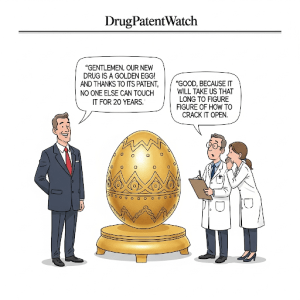
A drug patent represents a critical form of intellectual property protection granted to pharmaceutical companies. It provides exclusive rights to manufacture, market, and sell a specific medication within a defined jurisdiction for a limited period.1 This temporary monopoly is fundamental to the pharmaceutical business model, enabling companies to recoup the substantial investments required for extensive research and development (R&D).1 Beyond revenue protection, patents encourage the disclosure of scientific discoveries that might otherwise remain trade secrets, foster knowledge sharing across the research community, and establish clear legal frameworks for licensing and collaboration.1
The economic imperative driving patent protection in pharmaceuticals is profound. The development of a new drug is an exceptionally expensive and time-consuming endeavor, often spanning over a decade and costing billions of dollars per drug.3 For example, studies indicate R&D costs can range from $161 million to $4.5 billion per drug, with the U.S. pharmaceutical industry alone investing $83 billion in R&D in 2019.4 Without robust patent protection, competitors could immediately replicate successful drugs without incurring these enormous R&D costs, thereby significantly undermining innovation incentives and making it nearly impossible for innovators to recover their investments.1 Patents are thus considered the “lifeblood” of pharmaceutical innovation and revenue, serving as indispensable strategic assets that empower companies to establish and maintain a dominant competitive position.3 A strong patent portfolio is also crucial for attracting and securing vital investment, as it provides assurance to investors regarding potential market exclusivity and profitability.3 This fundamental economic engine of the innovator pharmaceutical industry functions as an “Innovation-Exclusivity-Reinvestment Cycle,” where massive R&D investment is protected by patents, leading to market exclusivity, high revenues, and subsequent reinvestment into further innovation.6
A critical consideration for pharmaceutical businesses is the inherent tension within the patent system. While the system is often framed as a “societal bargain”—temporary market exclusivity in exchange for developing new treatments and publicly disclosing inventions 1—this exchange can lead to significant challenges. The exclusivity granted by patents often results in higher drug prices, which can potentially limit public access to essential medications.7 This dynamic is underscored by statements from industry executives, such as a former Bayer CEO acknowledging that a drug was developed “for Western patients who can afford this product,” revealing the commercial realities that shape drug development and access.9 This situation highlights that while patents undeniably incentivize innovation 1, the immediate consequence of high prices for life-saving treatments raises significant societal and ethical concerns, frequently leading to calls for policy interventions aimed at balancing innovation with affordability.10 Businesses must navigate this complex environment, considering not only the legal defensibility of their intellectual property but also their corporate social responsibility and the potential for evolving public policy debates.
Furthermore, the strategic utility of patents extends beyond merely recouping R&D costs. Patents serve as powerful instruments for attracting and securing investment. They are often viewed as tangible assets that provide a clear pathway to future profitability and market dominance, making them fundamental for generating future capital and enabling overall business expansion.3 For emerging pharmaceutical and biotech companies, building a robust and strategically managed patent portfolio early in their development is not just about protecting an invention; it is a critical component of their financial viability and growth strategy. Such a portfolio signals a clear competitive advantage and a predictable revenue stream to potential investors, which is essential for attracting the necessary funding to advance drug candidates through lengthy and costly development phases.
B. The Drug Development and Patent Lifecycle: From Filing to Market Exclusivity
The standard patent term is 20 years from the filing date of the patent application.1 However, a crucial aspect for drug patents is that this “patent clock” begins ticking early in the drug development process, often during initial discovery or the commencement of first clinical trials.1 The journey from patent filing to market entry is extensive, encompassing preclinical research, Phase I-III clinical trials, and the rigorous regulatory review and approval process by bodies like the FDA.1 This protracted timeline significantly consumes the initial 20-year patent term; on average, drugs typically enjoy only about 12-14 years of effective market exclusivity.1 In some instances, a drug may have less than five years of patent life remaining by the time it finally reaches the market.12 The regulatory review period itself is divided into a “testing phase” (from the Investigational New Drug (IND) effective date to New Drug Application (NDA) submission) and an “approval phase” (from NDA submission to FDA approval), with clinical trials alone often requiring six to seven years or more.1
To partially compensate for the patent protection time lost during this lengthy regulatory review process, mechanisms such as Patent Term Extensions (PTEs) are available.1 In the U.S., the maximum extension allowed is five years, provided that the extension does not result in a total remaining patent term exceeding fourteen years from the date of regulatory approval.1 These extensions are typically granted to the primary, core patent covering the active ingredient of the drug.13
Beyond patent protection, the U.S. system grants various regulatory exclusivities upon drug approval, which are distinct from and not added to the patent life, but provide additional periods of market protection.2 These include:
Orphan Drug Exclusivity (ODE): Provides 7 years of exclusivity for drugs designated for treating rare diseases, incentivizing development for smaller patient populations.2
New Chemical Exclusivity (NCE): Grants 5 years of exclusivity for drug products containing a new chemical entity, preventing the FDA from accepting competing applications for that period.2
“Other” Exclusivity: Offers 3 years of exclusivity for a “change” to an approved drug, such as a new formulation or method of use, if new clinical investigations are required for approval.2
Pediatric Exclusivity (PED): Adds 6 months to existing patents and/or exclusivity periods when a sponsor conducts and submits pediatric studies in response to an FDA Written Request, encouraging research into drug use in children.2
180-Day Exclusivity: A significant incentive under the Drug Price Competition and Patent Term Restoration Act of 1984, commonly known as the Hatch-Waxman Act.14 This exclusivity is granted to the “first” generic applicant who successfully challenges a listed brand-name patent through a Paragraph IV certification.2 This provides a 180-day period during which the FDA will not approve subsequent generic applications for the same product, effectively creating a temporary duopoly between the brand and the first generic manufacturer.16 This period is often the most profitable phase of a generic product’s lifecycle, accounting for a substantial portion of the generic manufacturer’s return on investment.16
The Hatch-Waxman Act represents a deliberate legal framework that orchestrates a strategic interplay between innovator and generic companies. This legislation, formally titled the Drug Price Competition and Patent Term Restoration Act of 1984, was a grand legislative compromise designed to both encourage pharmaceutical innovation through patent protection and promote generic competition to make medications more affordable.13 It explicitly balances innovator protection, primarily through PTEs, with an expedited pathway for generics via the Abbreviated New Drug Application (ANDA) process.13 The 180-day exclusivity is a direct and powerful incentive for generic companies to proactively challenge brand patents through Paragraph IV certifications, which assert that a patent is invalid, unenforceable, or will not be infringed by the generic product.15 This mechanism creates a legally sanctioned competitive dynamic where generic firms are rewarded for undertaking the “costly and risky endeavor” of patent challenges, often leading to earlier market entry for lower-cost generics.15 For both brand and generic pharmaceutical companies, navigating the U.S. market requires a deep understanding of these legal incentives and their strategic implications. Brand companies must anticipate and prepare for Paragraph IV challenges and the associated automatic 30-month FDA approval stays that can be triggered by patent infringement litigation.14 Generic companies, conversely, strategically aim to be the “first-to-file” to capture the lucrative 180-day exclusivity, which significantly impacts their early market share and profitability.15 This legal framework directly dictates market entry timing, pricing strategies, and competitive dynamics.
A comprehensive IP strategy for innovator companies extends beyond securing a primary compound patent, as the cumulative effect of exclusivities and extensions creates a complex, multi-layered protection strategy. Beyond the nominal 20-year patent term and the partial restoration offered by PTEs, innovators strategically layer various regulatory exclusivities such as NCE, ODE, and Pediatric Exclusivity.2 This multi-faceted approach, combined with the strategic pursuit of secondary patents, constructs a comprehensive “web of protection” around a drug.17 Evidence suggests that a significant majority of drugs that obtain PTEs continue their monopolies well past the expiration of those extensions, often by relying on these secondary patents.13 This demonstrates that companies are not merely recovering lost time but actively building successive layers of intellectual property protection. This practice, often referred to as “evergreening,” is a core strategic objective aimed at maximizing the overall period of market exclusivity and mitigating the impact of the “patent cliff”.4 It involves filing for new patents on secondary features of a pharmaceutical as earlier patents expire, such as new formulations, delivery methods, or methods of use.11 This strategic layering provides a multi-layered defense that is difficult for competitors to navigate around, ensuring prolonged market dominance and revenue streams.4
Table 1: Drug Patent Lifecycle and Exclusivity Periods (US Focus)
Event
Typical Timeframe from Patent Application Filing (Years)
Description/Significance
Associated Exclusivities/Extensions
Patent Application Filing
0
20-year patent term begins.1
Initial Discovery/Clinical Trials Start
0-2
Early R&D and drug candidate identification.
Investigational New Drug (IND) Effective Date
2-4
Clinical trials begin after FDA review of IND.1
New Drug Application (NDA) Submission
8-10
Formal regulatory review process by FDA begins.1
FDA Approval & Market Launch
10-12
Drug receives regulatory approval and is commercialized.1
Patent Term Extension (PTE) (up to 5 years, max 14 years post-approval) 1
New Chemical Entity (NCE) Exclusivity (5 years from approval) 2
Orphan Drug Exclusivity (ODE) (7 years from approval) 2
“Other” Exclusivity (3 years from approval for new clinical investigations) 2
Pediatric Exclusivity (PED) (+6 months added to existing patents/exclusivity) 2
Effective Market Exclusivity End
12-14
Average period of market exclusivity for drugs.1
Patent Expiration (Nominal)
20
Original 20-year patent term concludes.1
First Generic Entry
12-14.5 (post-filing)
Generic competition begins, often following Paragraph IV challenge.
180-Day Exclusivity for first generic filer 2
C. Types of Drug Patents and Strategic Portfolio Development
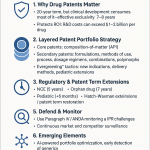
Pharmaceutical companies typically employ sophisticated strategies to maximize market exclusivity beyond the basic compound patent, often through “patent layering” and comprehensive portfolio development.1 This involves securing multiple patents covering various aspects of a drug, creating a robust “patent thicket” that deters generic competition and extends market dominance.11
The key types of drug patents include:
Composition of Matter Patents: These are foundational and cover the core chemical compound, or active pharmaceutical ingredient (API), itself.1 They protect new and unique combinations of materials, ensuring exclusive rights to proprietary drug compositions for a set period.7 For a composition of matter patent to be granted, it must meet stringent criteria: it must be novel (not previously disclosed), non-obvious (not an obvious development to someone skilled in the field), and useful (having practical utility).7 These patents are critical for protecting the interests of pharmaceutical companies by securing exclusive rights to their proprietary drug compositions.7
Formulation Patents: These patents protect specific drug compositions, including the active ingredients, excipients (inert substances), and the method of preparation.1 They are crucial for safeguarding innovations in how drugs are formulated and delivered, enhancing stability, solubility, and bioavailability.22 For a new formulation of a known drug to be patentable, it must be novel and demonstrate an inventive step, typically by providing a technical effect or advantage over existing formulations.17 Examples include sustained-release formulations that reduce dosing frequency, such as AstraZeneca’s Seroquel XR or Bristol-Myers Squibb’s Glucophage XR, which provided valuable additional exclusivity.17
Method-of-Use Patents: These legal protections are granted for a specific way of using a known compound, drug, or product.1 They are crucial in the pharmaceutical industry as they can cover novel applications of existing drugs, thereby extending market exclusivity and encouraging further R&D in drug therapies.25 For instance, a drug initially approved for one condition might later be patented for treating a different disease.17 GlaxoSmithKline (GSK) obtained additional patent protection for its migraine treatment, Imitrex, by developing and patenting formulations for intranasal delivery.17 These patents prevent competitors from marketing generic versions of the drug for those specific uses until the patent expires.25
Manufacturing Process Patents: These patents cover unique production methods and proprietary manufacturing techniques that can be critical to a drug’s efficacy and safety.1 Developing and patenting novel manufacturing processes provides an additional layer of protection and creates barriers to entry for competitors.26
Polymorph Patents: These cover different crystalline forms of the same chemical compound, which can have distinct physical properties affecting drug stability, solubility, and bioavailability.1
Stereoselectivity/Chiral Switches: This strategy involves patenting a single enantiomer (mirror-image molecule) derived from a racemic mixture (equal mixture of enantiomers) for which a company already holds a patent.24 This allows companies to remarket the drug under a new patent, extending market exclusivity.24
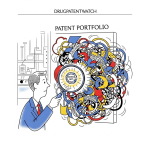
The strategic imperative for pharmaceutical companies lies in pursuing a multi-layered patent strategy to create a comprehensive “web of protection”.17 This approach, often termed “patent thicketing,” involves listing numerous, overlapping patents on the same pharmaceutical, which can deter competition due to the risk of infringement and the high cost of patent litigation.11 This strategy allows companies to extend their monopoly well beyond the initial compound patent expiration.19 For instance, Pfizer’s Lipitor was protected by over 20 patents covering various aspects, allowing exclusivity for over 14 years after the initial compound patent expired.19 This deliberate strategic choice enables pharmaceutical companies to construct a formidable barrier to entry for generics.17
II. Strategic Insights for Businesses: Leveraging Patent Data for Competitive Advantage
A. Patent Landscape Analysis and Competitive Intelligence
Patent data holds immense strategic value for businesses that can effectively extract and utilize it.27 Beyond merely protecting intellectual property, patents represent one of the richest sources of competitive and technological intelligence available.27 They not only disclose specific innovations but also reveal a company’s R&D priorities, technological strengths, and even their future direction.27 By leveraging patent data strategically, businesses can gain critical perspectives into the broader competitive landscape, identify emerging technological trends, and even anticipate potential industry disruptions.27 This makes patent data a vital tool for business decision-making, extending beyond just securing protection for individual innovations.27
Competitive intelligence in the pharmaceutical sector aims to provide insights into market dynamics, inform strategic decisions, and ultimately enhance revenue.28 Patent landscape analysis is a core component of this. It enables companies to:
Uncover Opportunities and Threats: By analyzing patent filings, businesses can identify technological trends and advancements, staying updated with innovations and adjusting R&D strategies accordingly.29 This helps in identifying white spaces for innovation and repurposing opportunities.6
Monitor Rivals and Market Shifts: Patent data provides a factual basis for evaluating competitors’ R&D efforts, technological strengths, and future market moves.27 Tracking changes in competitors’ clinical trial data and FDA applications offers a deep understanding of their development milestones and strategic plans.28 This allows companies to anticipate market shifts and identify potential threats or opportunities early, leading to timely adjustments in their patent strategy.3
Prioritize R&D and Optimize Resource Utilization: Competitive intelligence helps in tracking industry failures, preventing companies from repeating errors, and saving precious resources.28 It also keeps healthcare companies updated on breakthrough therapies and trials, guiding their drug development plans and ensuring optimal resource allocation.28 Automated competitive intelligence processes can deliver actionable insights to R&D teams promptly, ensuring commercial success.28
The true value of patent data lies in transforming raw information into actionable insights that can inform key business decisions.27 Patent filings include detailed descriptions of inventions, technical diagrams, and claims that specify the scope of the innovation, providing a wealth of information for understanding competitors and guiding R&D investments.27 While raw patent data can be overwhelming due to the thousands of daily filings, patent analytics tools are essential for processing large volumes of data efficiently.27 These tools use advanced algorithms to identify trends, patterns, and relationships that might not be immediately obvious.27 For instance, analyzing a competitor’s patent filing rate in a specific technology area can indicate the intensity of their R&D efforts or the imminent launch of a new product line, informing a company’s own product development decisions.27 Patent analytics can also highlight the evolution of technologies over time, allowing businesses to anticipate technological shifts and strategically position themselves to capitalize on emerging opportunities.27
B. Strategic Patent Licensing and Partnerships
Patent data plays a crucial role in identifying and facilitating strategic patent licensing and partnerships within the pharmaceutical and biotech industries. Licensing agreements, enabled by patents, can generate additional revenue streams, particularly valuable for smaller pharmaceutical companies that may lack the resources for full commercialization.6
Key ways patent data informs these strategies include:
Identifying Potential Collaborators and Acquisition Targets: Patent databases allow businesses to track the work of specific researchers or companies, identifying potential collaborators or acquisition targets.30 A strong patent portfolio is a magnet for investors and can be used as collateral in financing arrangements, making a company an attractive investment opportunity.3
Assessing Patent Portfolios for Due Diligence: In mergers and acquisitions (M&A) and licensing deals, patents often represent a cornerstone of a target company’s value.31 Thorough patent due diligence, which involves a systematic review of a target company’s patent portfolio, is critical to accurately assess risks, validate ownership, and maximize the strategic value of acquired intellectual property.31 This process verifies ownership, assesses patent validity and enforceability, identifies infringement risks, and ensures alignment with the buyer’s strategic goals.31 For biotech, this includes scrutinizing licenses and agreements for restrictive clauses, assessing pending applications, evaluating trade secret protection, and conducting freedom-to-operate (FTO) analyses to avoid infringing third-party IP rights.32 Dealmaking in the pharmaceutical and life sciences sector remains robust, driven by scientific progress and upcoming drug approvals.33
Leveraging Technology for Dealmaking: Patent data platforms and AI tools can help identify unmet needs, untapped market opportunities, and potential partners.34 They provide real-time business and market intelligence to steer portfolios and maximize ROI.34 This integrated approach allows companies to uncover relationships between entities, gain competitor insights, and identify emerging trends, which are invaluable for driving strategic partnerships and accelerating growth.35 The economics of drug licensing deals between pharmaceutical and biotech companies have changed substantially, making informed data analysis even more critical.36
C. Patent Defense and Enforcement Strategies
In the fiercely competitive pharmaceutical industry, securing and enforcing patents is crucial for recouping the massive investments required to bring a new drug to market.11 With billions of dollars at stake, drug companies employ innovative strategies to maximize patent protection and fend off generic competition.
Key strategies for patent defense and enforcement include:
Building a Multi-Layered Patent Portfolio (Patent Thickets): A common tactic is creating a “patent thicket” around a blockbuster drug.11 This involves obtaining multiple patents covering various aspects of the drug, such as its compound, formulation, manufacturing process, and methods of use.11 This approach extends market exclusivity well beyond the initial patent expiration.19 For example, Pfizer’s Lipitor was protected by over 20 patents, allowing for more than 14 years of exclusivity after the initial compound patent expired.19
Evergreening Through Incremental Innovation: “Evergreening” involves obtaining follow-on patents for incremental innovations related to an existing drug.11 These can include new formulations (e.g., extended-release versions like AstraZeneca’s Nexium from Prilosec, or once-weekly Prozac formulation by Eli Lilly), new dosage forms, delivery methods (e.g., intranasal Imitrex by GSK), or even new therapeutic uses.11 This allows companies to effectively “reset the patent clock” and maintain market exclusivity for years after the original patent expires.19 While controversial, this practice can significantly prolong market exclusivity and maintain monopoly prices.4
Strategic Patent Litigation and Enforcement: Patent infringement is the unauthorized creation or sale of a product that matches one or more claims in an active patent.37 The patent owner has the legal right to exclude others from making, using, offering for sale, or selling the invention.37 In the pharmaceutical sector, patent litigation is more the rule than the exception, with billions in shareholder value often hinging on a single court decision.39
Responding to Paragraph IV Challenges: The Hatch-Waxman Act provides a framework for generic drug approval and patent litigation.14 When a generic manufacturer files an Abbreviated New Drug Application (ANDA) with a Paragraph IV certification, asserting that a brand-name patent is invalid or not infringed, it triggers a 45-day window for the brand-name company to sue, initiating a 30-month stay of FDA approval for the generic.10 Brand companies must be prepared for this complex and costly legal battle, which typically revolves around arguments of patent invalidity or non-infringement.16
Leveraging PTAB Proceedings: The Patent Trial and Appeal Board (PTAB) offers faster and cheaper avenues for challenging patents via Inter Partes Review (IPR), with a high success rate (60-70% of claims invalidated).10 Combining IPR with district court litigation can pressure patent holders.10
Strategic Settlements: Settlements can expedite market entry for generics while avoiding litigation risks, often involving early entry agreements or, controversially, “reverse payments” (pay-for-delay).10 Such settlements must comply with antitrust laws.10
Exploiting Regulatory and Legal Loopholes: This can include challenging improper Orange Book listings (e.g., manufacturing patents) to remove 30-month stays or collaborating with brand-name firms to launch authorized generics during litigation.10
Optimizing Litigation Venues and Tactics: Filing in favorable jurisdictions (e.g., Delaware, known for judges with pharma expertise) and utilizing expert witnesses are key tactical considerations.10 Coordinating parallel global challenges can also be effective.10
Industry Examples: Notable patent infringement cases in the pharmaceutical industry include Eli Lilly and Company v. Teva Parenteral Medicines, Inc., where the Federal Circuit upheld Lilly’s patent for a method of administering a chemotherapy drug, finding Teva’s proposed generic would induce infringement.37 Another significant case was Idenix Pharmaceuticals LLC v. Gilead Sciences Inc., where Idenix won over $2.54 billion for infringement related to Hepatitis C drugs, marking one of the largest patent infringement damages in history.38 Centocor v. Abbott Laboratories also resulted in a $1.67 billion award for infringement related to Humira.38 These cases underscore the high stakes and critical importance of patent protection in the pharmaceutical industry.38
III. Industry Trends and Future Landscape
A. The “Patent Cliff” and Generic/Biosimilar Market Entry
The expiration of a patented drug, often referred to as the “patent cliff,” marks a pivotal moment in the lifecycle of medicinal products, triggering profound changes across healthcare markets worldwide.17 As exclusivity protections dissolve, generic and biosimilar competition intensifies, fundamentally altering pricing structures, market dynamics, and corporate strategies.40
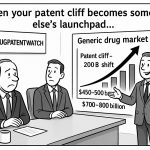
Impact on Innovator Companies: Patent expiration typically results in significant revenue contraction for innovator companies.40 This is due to immediate and profound competition from generic manufacturers who can produce bioequivalent versions at substantially lower prices, eroding market share.40 The revenue reduction can be dramatic and swift, especially for blockbuster medications that previously generated billions in annual sales.40 Post-patent expiration, drug prices typically decrease by 38% to 48% for physician-administered medications and approximately 25% for oral formulations, with prices declining further as more generic competitors enter the market, sometimes reaching as little as 10-20% of the original branded price.40 Industry analysts project significant revenue at risk due to upcoming patent expirations; for instance, an estimated $200 billion in revenue is at risk in the coming five years.40 Projections indicate that nearly 50 products will lose patent protections from 2023 through the end of 2025, eroding aggregate sales from $162.8 billion in 2025 to $67 billion in 2029.41 Top drugs facing loss of exclusivity in the U.S. in 2025 include Stelara, Eylea, Prolia, and Xgeva.42
Benefits of Generic/Biosimilar Entry: The entry of generics and biosimilars significantly benefits patients and healthcare systems by enhancing affordability and access to essential treatments.18 Generic medicines, which are bioequivalent to branded drugs, enter the market at lower price points.18 The first generic can reduce drug costs by 39%, with further reductions as more competitors enter, potentially exceeding 95% once six generics are available.15 In the U.S., generics account for 90% of prescriptions but only 22% of drug costs, saving the healthcare system an estimated $1.67 trillion.44
Challenges for Generic/Biosimilar Entry: Navigating the complex patent landscape is crucial for generic manufacturers.18 This includes detailed patent analysis to identify active and expired patents, including supplementary patents.18 Generic manufacturers may need to challenge remaining patents in court, which can be risky but may lead to quicker market entry if successful.18 The introduction of biosimilars, while offering affordable alternatives, has led to a surge in patent litigation, as originator companies seek to protect their intellectual property rights.43 The complexity of biologic manufacturing allows originator developers to build extensive patent portfolios, leading to litigation and settlement outcomes that contribute to longer market launch delays for biosimilar developers.45 For instance, a higher proportion of composition, API, and treatment patents correlated with longer market launch delays for biosimilars.45
Strategic Responses by Innovators: Pharmaceutical companies employ diverse strategies to navigate the challenges of patent expiration, broadly categorized into prevention, innovation, extraction, and adaptation.40 This includes applying for additional patents on formulations, delivery methods, or combinations with other drugs (“evergreening”).18 They may also focus on optimizing revenue during the final years of exclusivity and transforming business models post-exclusivity, such as transitioning to over-the-counter sales or diversifying into generic production.40
B. Impact of Artificial Intelligence (AI) on Drug Patenting and IP Strategy
Artificial Intelligence (AI) is rapidly transforming drug discovery, significantly impacting patenting and intellectual property (IP) strategy in the pharmaceutical industry.46 By analyzing vast datasets, predicting molecular interactions, and optimizing clinical trials, AI can substantially shorten the traditional 10-15 year drug development timeline and reduce costs, which often range from $1 billion to $2 billion.47
Challenges to Patentability:
Inventorship: A key challenge is determining inventorship. U.S. law currently requires an “individual” (a natural person) to make a “significant contribution to the conception of the claimed invention”.46 AI needs to be assisting, not creating, the invention.46 The U.S. Patent and Trademark Office (USPTO) guidelines emphasize that human contributions, such as designing or training an AI system for a specific problem, providing specific prompts, or making significant contributions to the AI’s output (e.g., evaluating AI-generated candidates), are necessary for inventorship.46 The Thaler v. Vidal case affirmed that only natural persons can be inventors under U.S. law.46 Companies must maintain detailed records documenting human contributions throughout the discovery process.46
Non-Obviousness: AI access has raised the standard for what is considered “obvious” in patent law.46 With AI, the “level of skill in the art” has increased, making it potentially harder to prove innovations are non-obvious and therefore patentable.46
Patent Eligibility: AI-related inventions often involve algorithms, which risk being classified as abstract ideas under U.S. law.47 USPTO guidance emphasizes that claims must integrate these ideas into practical applications or demonstrate technical improvements to be patent-eligible.47
Disclosure and “Black Box” Nature: Patents require sufficient detail to enable a skilled person to practice the invention without undue experimentation.47 AI’s “black box” nature, where the decision-making process can be opaque, complicates meeting these disclosure requirements.47
Opportunities for Strengthening Patent Applications:
Enhanced Patent Applications: AI can generate thousands of examples or “species” to include in patent applications, supporting broader claims and significantly enhancing the application’s strength.6 This allows for more comprehensive coverage than traditional methods.46
Optimizing Discovery and Development: AI can accelerate target identification, design novel molecules, and optimize clinical trials, leading to faster and more accurate identification of promising drug candidates.47 For example, Insilico Medicine achieved an 18-month timeline for a fibrosis drug, a significant reduction from the traditional decade-plus process.47
Strategic IP Planning: AI and big data enable real-time assessment of patent filing trends across technologies and geographies, guiding strategic IP planning and forecasting future technology movements.48
Evolving Regulatory Landscape: The FDA and NIH are increasingly incorporating New Approach Methodologies (NAMs) and AI into regulatory review.49 The FDA Modernization Act 2.0 eliminated the requirement for animal testing prior to clinical trials, authorizing validated alternatives.49 The NIH is shifting grant opportunities away from exclusive reliance on animal studies, prioritizing human-based research technologies and AI.49 The FDA’s draft guidance introduces a risk-based approach for evaluating AI tools in regulatory submissions, requiring disclosure of model architecture, training data, and governance protocols.49 This regulatory shift reinforces the utility of AI platforms and supports broader adoption across pharmaceutical R&D pipelines.49
Implications for IP Strategy: The emergence of AI-generated prior art is a key concern, as machine learning outputs may enter the public domain via publications or data repositories.49 To mitigate this, early-stage innovators may consider front-loading patent filings for novel algorithms, data processing workflows, and NAM-integrated systems.49 Compartmentalized IP strategies are important, where proprietary elements are isolated from disclosed content, and claims to tools enabling such separation should be considered.49
C. Global Patent Harmonization Efforts
Global harmonization in patent practices refers to the effort to standardize the procedures, laws, and regulations governing patents across different jurisdictions.50 This movement is driven by the need to reduce complexity, improve efficiency, and foster international cooperation in protecting intellectual property.50
Benefits of Harmonization:
Simplified Patent Filing: Harmonization aims to simplify the patent filing process, allowing inventors to file a single patent application recognized across multiple jurisdictions, reducing duplicative filings and administrative overhead.51 The Patent Cooperation Treaty (PCT) is a prime example, providing a unified procedure for filing patents in multiple countries.50
Enhanced Patent Quality and Examination: Common criteria and practices among patent offices lead to higher-quality patents and more consistent examination standards, reducing the risk of disputes.51 Work-sharing programs like the Patent Prosecution Highway (PPH) enable patent offices to leverage each other’s examination results, speeding up the process.50
Reduced Costs and Delays: Divergent patent systems create complexities, leading to increased legal fees, administrative burdens, and litigation risks, which often translate into higher drug prices.52 Harmonization aims to reduce these costs and delays.51
Increased Collaboration and Innovation: A harmonized system could foster greater cross-border collaboration, potentially leading to faster and more diverse drug development as companies combine strengths to address complex health challenges.52
Challenges and Considerations:
Divergent Legal Nuances: Despite harmonization efforts, significant differences persist between patent systems in regions like the U.S., Europe, and Japan.53 For example, therapeutic methods are patentable in the U.S. but not in Japan or Europe.53 Japan also lacks explicit data or marketing exclusivity legislation akin to the U.S. or EU.55
Balancing Innovation and Access: A critical challenge is creating a harmonized system that encourages innovation while ensuring medications remain affordable and accessible, especially in low- and middle-income countries.52 Harmonized patents must not become a barrier to essential medicines.52
Role of Compulsory Licensing: International agreements like the TRIPS (Trade-Related Aspects of Intellectual Property Rights) Agreement set minimum standards for IP protection, including a 20-year patent term.56 However, TRIPS has faced criticism for potentially hindering access to affordable essential medications in developing nations.56 The Doha Declaration on TRIPS and Public Health affirmed governments’ sovereign right to protect public health, clarifying rights to use TRIPS safeguards like compulsory licensing and parallel imports.56 Compulsory licensing allows governments to authorize third parties to produce patented drugs without the patent holder’s consent, particularly in national emergencies, provided appropriate remuneration is guaranteed.52 The EU has established an emergency compulsory licensing framework, though critics note limitations such as exemptions for trade secrets.58
EU Regulatory Exclusivity Changes: Recent proposals in the EU aim to significantly amend rules regarding regulatory data exclusivity and market protection.59 The “8+2+1” regime currently provides eight years of data protection, followed by two years of market exclusivity, with an additional year for new therapeutic indications.59 New proposals may reduce market exclusivity to one year, with incentives for extensions if certain criteria are met, such as addressing unmet medical needs or achieving broad distribution across member states.59 For Orphan Medicinal Products (OMPs), the standard 10-year market exclusivity remains, but separate 10-year exclusivity periods for new indications are being scaled back, potentially leading to a single period of up to 12 years.59 These changes could increase the risk of earlier generic/biosimilar entry onto the European market.59
D. Patent Challenges and Strategies in Personalized Medicine and Gene Therapy
Personalized medicine, also known as precision medicine, involves creating treatments and drugs based on an individual’s genetic, environmental, and lifestyle factors, offering a more targeted approach than traditional “one-size-fits-all” treatments.61 The field of gene therapy presents unique challenges and opportunities in intellectual property.62
Complexity of Patenting Genetic-Based Treatments: One of the primary challenges is the intricate nature of these treatments, which often involve complex biotechnological processes and a deep understanding of genetic interactions.61 This complexity can make it difficult to meet the traditional patent requirements of novelty, non-obviousness, and utility.61 Proving novelty is challenging due to the vast existing genetic research, and demonstrating non-obviousness for treatments building on known genetic information is complex.61
Patent Eligibility of Genetic Information: The legal landscape regarding the patentability of genes and genetic sequences is complex and varies by jurisdiction.61 In some regions, naturally occurring genetic sequences cannot be patented, raising questions about how to protect biopharmaceutical innovations based on these sequences.61 Landmark cases, such as Association for Molecular Pathology v. Myriad Genetics in the U.S., have significantly impacted what is considered patentable in genetics.61 In Japan, methods of human treatment or diagnosis are not patentable.54
Strategies for Gene Therapy Patenting:
Identifying Patentable Aspects: A strong patent application requires clearly defining the novel aspects of the gene therapy innovation, how it differs from existing treatments, and its potential applications.62
Navigating the Application Process: This involves drafting a comprehensive patent application, conducting thorough prior art searches, and effectively communicating the novelty and utility of the innovation to patent examiners.62 The application should clearly demonstrate novelty, utility, and non-obviousness, supported by robust scientific evidence.62
Addressing Rapidly Evolving Science: The fast-paced evolution of gene therapy technology necessitates staying informed about the latest scientific advancements and adjusting patent strategy accordingly to maintain the relevance and strength of patents.62
IV. Turning Patent Data into Competitive Advantage
A. Utilizing Public Databases and Commercial Platforms for Patent Analysis
Leveraging patent data for competitive advantage requires effective utilization of both public databases and commercial patent analysis platforms. By searching through patent databases, businesses can identify potential competitors, discover new research directions, avoid costly infringement lawsuits, and find potential licensing opportunities.30
Public Databases:
USPTO (United States Patent and Trademark Office): The go-to source for U.S. patents and patent applications, offering user-friendly search options from keyword to classification-based queries.30
EPO (European Patent Office) – Espacenet: Provides access to over 140 million patent documents globally, invaluable for international searches, often including machine translations.30
WIPO (World Intellectual Property Organization) – PATENTSCOPE: Offers a global perspective on patent filings, particularly useful for searching international patent applications filed under the Patent Cooperation Treaty (PCT).30
Pat-INFORMED: A WIPO initiative in partnership with pharmaceutical companies, providing easy access to medicine patent information by International Nonproprietary Name (INN), especially for key patents on small-molecule products in therapeutic areas like HIV/AIDS, cardiovascular diseases, and oncology.63 It also facilitates inquiries directly with participating companies for procurement purposes.63
FDA Orange Book: Lists approved drugs and their corresponding patents in the U.S., essential for generic drug approval.2
MedsPaL (Medicines Patents and Licenses Database): Sources data primarily from public records and complements Pat-INFORMED.63
Other national databases include Health Canada’s Patent Register and the Korean Ministry of Food and Drug Safety’s Green Book.63
Commercial Patent Analysis Platforms: These platforms offer advanced features that turn raw patent data into actionable insights, providing a significant competitive edge.27
PatSnap Synapse: An AI-powered biopharma intelligence platform that integrates data from over 98K+ drugs, 46K+ targets, 16M+ scientific patents, and 1.1M+ clinical trials.34 It offers AI-enriched search, end-to-end discovery tools, and features for R&D acceleration, business development, competitive intelligence, and IP management.34 PatSnap helps identify unmet needs, track competitors, plan portfolios, map market landscapes, and drive strategic partnerships.34
Derwent Innovation (Clarivate): Provides enhanced global patent data, descriptive invention summaries, and advanced keyword search technology.64 It helps patent professionals make faster, more confident patentability, freedom-to-operate (FTO), and validity decisions.64 Features include correlated patent litigation case data from over 140 jurisdictions and reliable legal status data for informed FTO decisions.64 Derwent AI Search helps prioritize relevant records, saving time in evaluation.64
LexisNexis TotalPatent One: Offers comprehensive, up-to-date, and relevant results from a vast online collection of enhanced first-level patent data, including over 115 million documents.65 It provides full-text patent data in multiple languages, searchable bibliographic information, legal status, and patent families.66 It is designed for professionals in legal, risk management, and corporate markets, helping them form well-informed IP decisions and reduce the risk of missing critical patent data.65
Best Practices for Analysis: Effective patent searching involves starting broad and then narrowing the focus, using multiple databases, keeping detailed records, staying up-to-date, collaborating with experts, and considering the global picture.30 It also involves looking beyond patents to scientific literature, clinical trial databases, and regulatory filings.30 Advanced techniques include chemical structure searches (exact, substructure, similarity) using IUPAC names, CAS numbers, or structural formulas.30 Analyzing patent claims, which define the legal boundaries of an invention, is crucial for determining potential infringement or freedom to operate.30
B. Strategic Implications for R&D Prioritization and Market Entry
Patent data and competitive intelligence are instrumental in shaping R&D prioritization and optimizing market entry strategies for pharmaceutical and biotech companies.
Informing R&D Prioritization:
Identifying White Spaces: Patent landscape analysis helps identify technological “white spaces” or underserved needs in the market that a new formulation or drug could address.6 This can guide R&D investments towards areas with less competition and higher potential for differentiation.29
Learning from Failures: Competitive intelligence programs track industry failures, preventing companies from making the same errors in drug development and saving precious resources.28
Adapting to Trends: Monitoring competitors’ development milestones, clinical trial data, and FDA applications provides insights into their plans, allowing for real-time adjustments to R&D strategies.28 For instance, if a particular excipient is gaining popularity, patenting a new formulation incorporating it in a novel way could be advantageous.23
AI’s Role: AI-powered tools provide a forward-thinking and predictive approach to analyze future moves of competitors, enabling companies to forecast drug deadlines and adjust production processes.28 AI can also help in identifying new research directions and avoiding costly infringement.30
Optimizing Market Entry:
Timing of Patent Filings: Strategic timing of patent filings is paramount.17 Filing too early can mean a significant portion of the 20-year patent lifespan expires before market entry due to lengthy approval processes.67 Conversely, filing too late risks being preempted by a competitor.17 Provisional patent applications offer a cost-effective head start, securing an early priority date while allowing for refinement.17
Navigating Patent Expirations: For generic manufacturers, understanding when patents expire on key drugs unlocks lucrative opportunities to introduce cost-effective alternatives.68 This involves meticulous planning to ensure the product meets regulatory requirements and enters the market at an optimal time to maximize impact before other generics flood in.68
Leveraging 180-Day Exclusivity: For generic companies, being the first to file a Paragraph IV certification to challenge a brand patent is a powerful incentive, granting 180 days of market exclusivity.15 This period often represents the most profitable phase for the generic, allowing them to capture significant market share at moderately discounted prices.16
Strategic Use of Secondary Patents: Innovator companies strategically use secondary patents (e.g., formulations, methods of use) to prolong market exclusivity and maintain monopoly prices well beyond the initial patent period.4 This practice can delay the entry of more affordable generic alternatives.4 A significant majority (72%) of patent applications for top-grossing drugs are filed after FDA approval, with two-thirds covering aspects other than the active ingredient, contributing to patent thickets and delaying generic competition.4 This demonstrates how companies proactively manage their IP to extend market power.
V. Conclusions and Recommendations
The pharmaceutical patent system is a complex, dynamic ecosystem, serving as the fundamental engine for innovation in the industry while simultaneously balancing societal needs for affordable access to medicines. This report highlights several key conclusions and offers recommendations for businesses seeking to transform patent data into competitive advantage.
Key Conclusions:
Patents as Indispensable Strategic Assets: Drug patents are far more than mere legal protections; they are critical strategic assets that underpin R&D investment recovery, drive revenue, and secure competitive advantage. Their role extends to attracting and securing vital investment, making them central to a company’s financial viability and growth trajectory.
The Codified Competitive Dance: The U.S. Hatch-Waxman Act exemplifies a deliberately structured legal framework that incentivizes a strategic interplay between innovator and generic companies. This framework, through mechanisms like Patent Term Extensions and 180-day exclusivity, dictates market entry timing, pricing strategies, and competitive dynamics, requiring sophisticated legal and business acumen from all players.
Multi-Layered Protection is Paramount: A robust IP strategy for innovator companies necessitates a comprehensive, multi-layered approach. Beyond the core compound patent, strategically pursuing and managing a diverse portfolio of secondary patents (e.g., formulation, method-of-use) and leveraging all available regulatory exclusivities (e.g., NCE, ODE, Pediatric Exclusivity) is essential for maximizing market exclusivity and mitigating the impact of the “patent cliff.” This “evergreening” is a core strategic objective.
Data-Driven IP Management is Non-Negotiable: The sheer volume and complexity of patent information demand advanced analytical capabilities. Utilizing public databases and commercial AI-powered platforms is crucial for conducting comprehensive patent landscape analyses, gaining competitive intelligence, identifying white spaces for innovation, and optimizing R&D prioritization and market entry strategies.
Evolving Legal and Technological Landscapes: The pharmaceutical patent environment is in constant flux, driven by technological advancements like AI and ongoing global harmonization efforts. AI presents both challenges (e.g., inventorship, non-obviousness) and opportunities (e.g., enhanced patent applications, accelerated discovery). Global harmonization seeks to streamline processes but must carefully balance innovation incentives with public health access, particularly concerning compulsory licensing.
Recommendations for Businesses:
Proactive and Integrated IP Strategy: Companies should adopt a holistic IP strategy that is deeply integrated with their core business objectives, R&D pipeline, and market access plans. This involves early and strategic patent filing, continuous portfolio development, and a clear understanding of how each patent type contributes to a comprehensive “web of protection.”
Invest in Advanced Patent Analytics: To truly leverage patent data, businesses must invest in and effectively utilize advanced patent analytics tools and platforms. These technologies are essential for transforming raw data into actionable intelligence, enabling real-time competitive monitoring, R&D prioritization, and informed decision-making regarding licensing, partnerships, and M&A.
Master Lifecycle Management and Evergreening: Innovator companies should develop sophisticated lifecycle management strategies to maximize the effective patent life of their products. This includes systematically pursuing secondary patents and leveraging all available regulatory exclusivities to extend market exclusivity and mitigate the financial impact of patent expirations.
Prepare for and Engage in Patent Litigation: Given the high stakes, both innovator and generic companies must be prepared for potential patent litigation. This involves building robust, defensible patent portfolios, understanding the nuances of Paragraph IV challenges, and strategically utilizing legal avenues like PTAB proceedings and settlement negotiations.
Monitor and Adapt to Regulatory and Technological Shifts: The IP landscape is dynamic. Businesses must continuously monitor evolving legal frameworks (e.g., EU Pharma Package, TRIPS interpretations), technological advancements (e.g., AI in drug discovery), and their implications for patentability and market access. Adapting IP strategies to these changes is crucial for long-term competitiveness and compliance.
Embrace Ethical Considerations: While patents are vital for commercial success, companies should also consider the broader societal context of drug pricing and access. Proactive engagement in discussions around affordability and public health can help navigate the inherent tensions in the patent system and build long-term stakeholder trust.