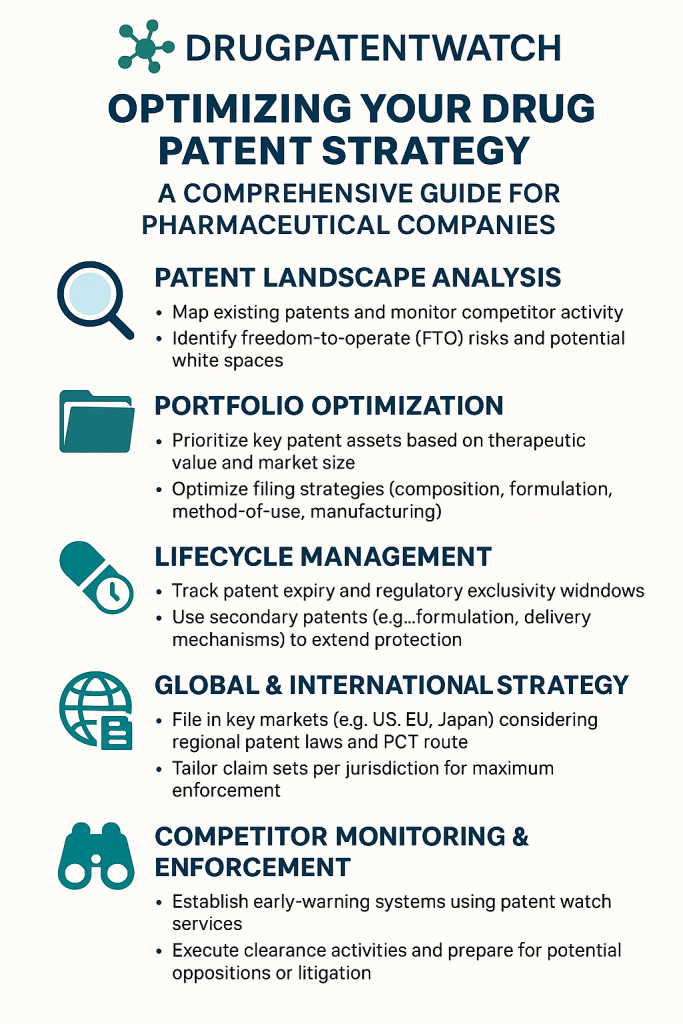
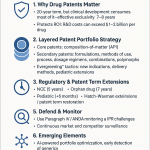
The pharmaceutical industry operates at the nexus of groundbreaking scientific discovery and immense financial investment. At its core, the ability to bring life-saving medications to patients hinges on a robust and meticulously managed patent strategy. This report delves into the intricate world of drug patenting, outlining its foundational importance, the diverse types of protection available, and the critical lifecycle management techniques employed by pharmaceutical companies. It further explores the complex regulatory landscapes in major markets, the challenges posed by generic and biosimilar competition, and the transformative impact of emerging technologies like Artificial Intelligence. Ultimately, this guide provides a comprehensive framework for pharmaceutical companies to not only navigate but also strategically leverage their intellectual property assets to ensure sustained innovation, market leadership, and long-term growth.
II. The Strategic Imperative of Drug Patents
Pharmaceutical patents are more than mere legal documents; they are the fundamental pillars upon which the entire drug development ecosystem is constructed. Their strategic significance for pharmaceutical companies is profound, directly enabling innovation, securing essential investment, and ensuring commercial viability.
Why Patents are the Backbone of Pharmaceutical Innovation and Investment
Patents are consistently recognized as the “backbone of medical innovation” 1 and the “cornerstone of pharmaceutical innovation”.2 This foundational role stems from their capacity to grant “exclusive rights to produce and sell their innovation for a specified time, typically 20 years from the filing date”.1 This exclusivity is indispensable for recouping the substantial investments inherent in research and clinical trials.1 Drug development is a notoriously expensive and time-consuming endeavor, often spanning over a decade and costing billions of dollars to bring a new drug to market.4 Without the promise of market exclusivity, the financial incentive to undertake such high-risk, high-investment ventures would be severely diminished, potentially stifling the development of new therapies.
Patents function as “tangible assets that grant freedom to operate and provide exclusivity”.5 This ownership over developed medications is critical for navigating the intensely competitive pharmaceutical landscape.5 A strong patent portfolio acts as a magnet for investment, as patents can be “worth millions of dollars” 5 and offer a “clear path to profitability for investors”.5 They serve as a crucial “insurance policy” for investors, signaling a protected market opportunity that can yield a significant return on substantial capital.6 Beyond the financial aspects, patents cultivate a culture of innovation by ensuring that “researchers and developers can reap the rewards of their creative and groundbreaking work”.5 This incentivizes continuous research and development, pushing the boundaries of scientific possibility.5 Furthermore, patents prevent unauthorized replication, acting as a shield against competitors who might seek to copy and sell inventions without undertaking the same rigorous research and testing processes.5 While patents establish a temporary monopoly, they also paradoxically “help promote competition” by incentivizing companies to continually innovate to stay ahead in the market.5
The foundational role of patents establishes a distinctive economic model within the pharmaceutical sector, one that seeks to balance the critical need for innovation incentives with broader societal demands for public access to medicines. The repeated emphasis on patents as the “backbone” and “cornerstone” for recovering “vast costs” and “billions of dollars” in R&D underscores the absolute necessity of exclusivity for pharmaceutical companies to remain financially viable and continue investing in new drug development.1 This financial imperative is particularly pronounced given the “high-risk, high-reward nature” of precision medicine research and development, where only a fraction of drug candidates ultimately succeed.6 Without the assurance of a temporary monopoly, the substantial financial incentive to undertake such massive R&D efforts would simply not exist.6 This creates an inherent tension within the pharmaceutical industry: society grants temporary monopolies to incentivize R&D, which in turn leads to higher prices for a period, but ultimately facilitates the creation of new, often life-saving, medications. This tension represents a core societal and policy debate that frames all aspects of drug patent strategy.
Moreover, patents are not merely legal protections; they function as critical financial instruments that de-risk investment in a highly uncertain industry. This makes a robust patent strategy a fundamental component of a company’s financial and business development planning. The observation that patents “attract investment due to potentially being worth millions of dollars” 5 and serve as a “layer of security” 5 highlights their role in providing a “clear path to profitability for investors”.5 The well-documented “high costs and risks associated with drug development” 5 are mitigated by patents, which signal a “protected market opportunity” capable of yielding a significant return on substantial capital.6 This direct causal link between strong patent protection and the willingness of investors to fund innovation is paramount.6 Consequently, patent strategy in the pharmaceutical sector extends far beyond the legal department. It is a fundamental element influencing decisions on which drug candidates to pursue, how to structure R&D investments, and how to finance development. A well-articulated patent strategy is essential for attracting venture capital and other forms of investment, particularly for startups and smaller firms.4
III. Understanding the Landscape of Pharmaceutical Patents
A comprehensive drug patent strategy commences with a thorough understanding of the various types of patents available and their distinct roles in protecting pharmaceutical innovations throughout their lifecycle.
Types of Drug Patents
A patent is formally defined as “an official document securing the exclusive right to make, use, or sell an invention to its inventor for a defined period”.7 In the pharmaceutical sector, this protection manifests in several critical forms:
Base/Product Patents: These represent the foundational patents, covering the “core active ingredient or protein sequence/DNA that make up a medicine”.8 They are arguably “the most common in the pharmaceutical sector” and are “crucial for safeguarding active ingredients and formulations of new drugs,” providing the inventor with a competitive edge in the marketplace.1
Secondary/Derivative Patents: These patents cover “derivative compounds that are inherent within the base patent” 8 and are vital for strategic lifecycle management. They can include:
Different Crystalline and Substantially Pure Forms (Polymorphs) and Enantiomers: These variations of the active ingredient may offer improved stability or bioavailability.8
Formulations: Protecting unique combinations of ingredients in a drug, including special carriers, delivery mechanisms, or packaging that optimize drug performance, such as time-release capsules or novel delivery systems.1
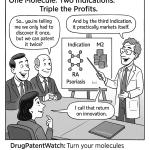
Methods of Use/New Indications: Safeguarding specific uses of a known product, or the discovery of “new therapeutic uses for existing drugs”.1 This encourages repurposing and optimizing existing pharmaceutical products.1
Changes in Strength or Dosage; New Dosing Route; Combinations with Other Drugs: These modifications to an existing drug can also be patented.8
Combination Patents: Specifically designed for drugs that combine multiple active ingredients to create a new therapy, which can be particularly beneficial in treating complex diseases.1
Process Patents: These patents are focused on protecting the “method of producing a specific pharmaceutical product rather than the product itself”.1 They cover innovative manufacturing procedures or chemical processes, allowing companies to operate exclusive production methods that may enhance the efficiency and effectiveness of producing pharmaceutical compounds.1
Tertiary Patents: These involve “using medical devices paired with an active ingredient that may be off patent to prolong market exclusivity”.8
The Drug Patent Lifecycle: From Filing to Expiration
The journey of a drug patent begins long before a medicine reaches the market. Typically, drug patents are granted for a term of 20 years from the date of filing.1 This 20-year clock commences “as soon as the patent is filed, which often occurs early in the development process” 3, frequently during the initial discovery phase or preclinical work.14
However, the path from patent filing to market availability is arduous. Before a drug can be commercialized, it must undergo rigorous clinical trials and receive approval from regulatory bodies such as the Food and Drug Administration (FDA) in the United States.3 This extensive process “can take several years, eating into the patent’s lifespan”.3 Consequently, the “effective patent life” – the actual time a drug is on the market under patent protection – is often “much shorter than 20 years”.3 On average, drugs typically enjoy about “12-14 years of market exclusivity”.3
The distinction between primary and secondary patents is fundamental to strategic lifecycle management, enabling prolonged market exclusivity beyond the initial 20-year term, which is significantly eroded by the lengthy drug development process. The patent term of 20 years from filing, as detailed in various sources 3, is considerably shortened in practice. The “effective patent life” for market exclusivity is typically much less, averaging 12-14 years, due to the extensive time consumed by clinical trials and regulatory approvals.3 This inherent time erosion creates a critical need for pharmaceutical companies to implement strategies that extend market exclusivity. This means companies cannot simply rely on a single, initial patent for their core active ingredient. To maximize the return on their substantial R&D investments, they must proactively pursue a “multi-layered shield” of protection.10 This involves continuous R&D focused not only on novel compounds but also on incremental improvements, new applications, and delivery mechanisms for existing drugs. These secondary and tertiary patents, often referred to as “evergreening” 3, are not merely minor innovations; they are essential strategic tools for prolonging market exclusivity and maintaining profitability in a highly competitive and time-constrained industry. This proactive approach is crucial to counteract the inherent time erosion of a patent’s market life.
The variety of patent types available reflects the multi-faceted nature of pharmaceutical innovation, indicating that a comprehensive patent strategy must protect innovations across the entire drug development and commercialization continuum, not solely the active pharmaceutical ingredient. The detailed breakdown of patent types, including Product, Process, Use, Formulation, and Combination patents 1, illustrates that innovation in the pharmaceutical industry extends far beyond the initial discovery of a new chemical entity. It encompasses improvements in manufacturing efficiency, the identification of new therapeutic indications for existing drugs, and advancements in drug delivery systems that can enhance efficacy, safety, or patient compliance.1 A truly optimized patent strategy must therefore be holistic and systematic. Companies should not limit their focus to only securing the “base patent” but should continuously identify and protect innovations throughout the drug’s lifecycle. This systematic approach, securing patents on “a wide array of innovations related to their drug” 10, creates a “dense and overlapping network of protection” 10—often termed a “patent thicket”.2 This multi-faceted approach makes it significantly more challenging and costly for generic competitors to enter the market, thereby strengthening the innovator’s market position.
Table 1: Key Pharmaceutical Patent Types and Strategic Applications
Patent Type
What it Protects
Strategic Importance/Application
Relevant Snippet IDs
Product/Base Patent
Core active ingredient or protein sequence/DNA
Foundational exclusivity; competitive edge for new drugs
1
Secondary Patent (Polymorphs/Enantiomers)
Different crystalline structures or stereoisomers of API
Improved stability, bioavailability, or manufacturing; extends exclusivity
8
Secondary Patent (Formulations)
Unique combinations of ingredients, carriers, delivery mechanisms, packaging
Innovative manufacturing procedures or chemical processes
Operational efficiency; cost reduction; barrier to entry for competitors
1
Combination Patent
Multiple active ingredients combined for new therapy
Synergistic treatments for complex diseases; new therapeutic options
1
Tertiary Patent
Medical devices paired with active ingredients (potentially off-patent)
Prolongs market exclusivity for mature products; new delivery paradigms
8
IV. Maximizing Patent Life and Market Exclusivity
Given the substantial investment in drug development and the inherent erosion of patent life during regulatory approval, pharmaceutical companies employ sophisticated strategies to extend market exclusivity. These include statutory extensions, strategic “evergreening” through secondary patents, and leveraging regulatory exclusivities.
Patent Term Extensions (PTE) and Patent Term Adjustments (PTA) in the US
In the United States, two primary mechanisms exist to compensate patent holders for delays in the patenting and approval process:
Patent Term Extension (PTE): This mechanism allows for the restoration of patent term lost due to regulatory delays.16 Owners of patents on certain human and veterinary drugs, additives, and medical devices can seek to restore some of the time lost while awaiting premarket government approval from a regulatory agency.16 PTE can add up to five years to a drug’s patent life 3, though the total effective market exclusivity is capped at 14 years from the date of product approval.14 The Hatch-Waxman Act, formally known as the Drug Price Competition and Patent Term Restoration Act of 1984, specifically allows drug companies to request a single extension to their core patent to account for time lost during the market approval process.14
Patent Term Adjustment (PTA): This tool mitigates the loss of patent term due to delays caused by the United States Patent & Trademark Office (USPTO) during the patent prosecution process, rather than delays attributable to the applicant.16 PTA may be applied to each patent in a family 16 and is calculated by subtracting any applicant-caused delay from the number of days of USPTO delay.16 Both PTA and PTE are designed to allow patent owners to theoretically enjoy the full 20-year patent term from the time of first non-provisional filing.17
Lifecycle Management and “Evergreening” Strategies
“Evergreening” refers to the strategy employed by pharmaceutical companies to extend the market exclusivity of their drugs beyond the expiration of the original patent.3 This is frequently achieved by securing “secondary patents on minor modifications”.9 While critics contend that evergreening exploits legal loopholes to delay generic entry and inflate prices, the industry defends it as a legitimate means of encouraging incremental innovation.9
Common tactics employed in evergreening include:
Developing and Patenting New Formulations: This involves creating improved versions such as extended-release formulations, fixed-dose combinations, or alternative delivery systems.3 These can secure new patents while offering tangible benefits to patients, such as enhanced efficacy or convenience.21
New Indications (New Uses): Discovering novel therapeutic uses for existing drugs and patenting these new methods of use.1
Different Dosages or Methods of Administration: Patenting changes in strength, dosage, or new dosing routes.8
Polymorphs or Isomers: Patenting different crystalline structures or stereoisomers of the active pharmaceutical ingredient (API) that may offer improved stability or bioavailability.9
Combinations with Other Drugs: Patenting new therapies that combine multiple active ingredients.1
Manufacturing Processes: Protecting innovative methods for producing the drug.1
These tactics contribute to the creation of “patent thickets,” which are “dense webs of overlapping patents” 2 around a single drug. This multi-layered defense 10 acts as a formidable barrier, deterring or significantly delaying generic competition by increasing the cost and complexity of litigation.10 For instance, AbbVie filed over 100 patents for Humira, effectively extending its market exclusivity for over two decades.9 Similarly, Amgen built a substantial patent thicket around Enbrel, extending its monopoly beyond 30 years.22 The impact of secondary patents can be significant, providing an average of six to seven additional years of patent protection.19 A study revealed that 78% of new patents listed in FDA records were for existing drugs, often focused on top-selling “blockbuster” medications.19
Regulatory Exclusivities
Distinct from patents, regulatory exclusivities are granted by regulatory bodies (e.g., FDA in the US, EMA in Europe) upon approval of a drug product, provided statutory requirements are met.12 These exclusivities are governed by different statutes than patents and may or may not run concurrently or cover the same aspects of the drug product.12
US Exclusivities 12:
New Chemical Entity Exclusivity (NCE): 5 years for drugs containing a new active moiety not previously approved.
Orphan Drug Exclusivity (ODE): 7 years for drugs designated to treat rare diseases or conditions.13
Pediatric Exclusivity (PED): An additional 6 months added to existing patents and exclusivities if pediatric studies are conducted.13 This exclusivity does not stand alone but attaches to existing protection.12
New Clinical Investigation Exclusivity: 3 years for new indications for existing drugs or other significant clinical investigations.
Generating Antibiotic Incentives Now (GAIN) Exclusivity: 5 years added to certain exclusivities for qualified infectious disease products.
Patent Challenge (PC) / Competitive Generic Therapy (CGT): 180 days of exclusivity for Abbreviated New Drug Applications (ANDAs).12
EU Exclusivities 13:
Regulatory Data Protection (RDP): Currently 8 years, during which generic or biosimilar manufacturers cannot use the innovator’s clinical trial data for their own marketing authorization application (MAA).23
Market Exclusivity: Follows RDP, currently 2 (or possibly 3) years, during which a competitor cannot launch a rival product.23 The current regime is often referred to as “8+2+1”.23 Recent proposals (2024-2025) aim to reduce baseline RDP and market exclusivity, with conditional extensions (e.g., 12 months for significant new indications, 6 months for unmet medical need, 6 months for comparative clinical trials, 2 years for broad EU launch).23 The European Parliament proposed an overall RDP cap at 8.5 years.23
Orphan Market Exclusivity (OME): Currently 10 years, extendable by two years if a pediatric investigation plan is completed.13 Proposed changes include a baseline of 9 years, with additional 12-month extensions for new therapeutic indications for different orphan conditions.23
New Methods of Use/Reformulations: Can receive 10 years of exclusivity under the European Medicines Agency (EMA).13
Pediatric Exclusivity: An additional six months can be obtained under the EMA.13
The interplay between statutory patent term extensions/adjustments and distinct regulatory exclusivities creates a complex, multi-layered protection system that pharmaceutical companies must strategically navigate to maximize their effective market exclusivity. Patents and exclusivities are distinct legal concepts, governed by different statutes, and may not always run concurrently or cover the same aspects of a drug product.12 Patent Term Extension (PTE) and Patent Term Adjustment (PTA) directly compensate for delays in the patent prosecution and regulatory approval processes, effectively restoring lost patent term.16 In contrast, regulatory exclusivities are distinct statutory grants that prevent generic entry based on regulatory data, irrespective of the patent status.12 For example, a drug could lose patent protection but still retain market exclusivity due to Orphan Drug Exclusivity. A truly optimized patent strategy therefore requires a deep understanding of both patent law and regulatory law. Companies must strategically time their patent filings 4 to maximize the 20-year term and proactively pursue all available regulatory exclusivities, such as conducting pediatric studies to secure the 6-month extension.12 This holistic approach ensures the longest possible period of market exclusivity, which is the true measure of a drug’s protected commercial life.3 This also implies that intellectual property and regulatory affairs departments within pharmaceutical companies must be tightly integrated in their strategic planning and execution.
“Evergreening” through secondary patents, while often criticized for extending monopolies and impacting drug prices, is an economically rational and deeply ingrained strategy for pharmaceutical companies to mitigate the severe financial impact of the “patent cliff” and ensure return on investment. Multiple sources describe evergreening as the practice of securing “secondary patents on minor modifications” 9 such as new formulations, uses, or delivery methods. It has been noted that 78% of new patents in FDA records were for existing drugs, and these secondary patents can extend monopoly by about three years on average.19 This practice directly counters the “patent cliff” phenomenon 27, where a drug can lose up to 80% of its revenue within the first year of generic competition.21 Given the billions of dollars invested in R&D 4, maximizing returns on successful drugs is a financial imperative. Evergreening, therefore, is a core “lifecycle management” strategy 21 that allows companies to continue generating revenue from established products. Despite significant criticism from public health advocates and regulators 9, evergreening represents a continuous investment in incremental innovation.9 Pharmaceutical companies must carefully weigh the legal and reputational risks associated with aggressive evergreening tactics, such as creating “patent thickets” that stifle competition 2, against the undeniable financial necessity to extend market exclusivity. This highlights the ongoing, complex tension between incentivizing innovation and ensuring affordable public access to medicines, a tension that continues to drive policy debates and legal challenges globally.
Table 2: Common Patent Extension Strategies and Their Impact
Strategy Type
Mechanism/Purpose
Typical Duration/Impact
Key Considerations/Conditions
Relevant Snippet IDs
Patent Term Extension (PTE)
Compensates for regulatory review time lost (e.g., FDA approval)
Up to 5 years added (max 14 years effective life from approval)
Single extension for core patent; specific regulatory delays
3
Patent Term Adjustment (PTA)
Mitigates term lost due to USPTO delays during prosecution
Variable days added; can be applied to each patent in a family
USPTO-caused delays, not applicant delays
16
Pediatric Exclusivity (US)
Incentivizes pediatric studies for existing drugs
6 months added to all existing patents/exclusivities
Attaches to existing exclusivity; requires pediatric data
12
Orphan Drug Exclusivity (ODE) (US)
Incentivizes development of drugs for rare diseases
7 years of market exclusivity
Specific disease designation; FDA approval for orphan indication
12
New Chemical Entity Exclusivity (NCE) (US)
Protects drugs with a new active moiety not previously approved
5 years of market exclusivity
Applies to truly novel active ingredients
12
New Clinical Investigation Exclusivity (US)
Protects new indications, dosage forms, or other significant clinical studies
3 years of market exclusivity
Requires new clinical studies; for existing approved drugs
12
Regulatory Data Protection (RDP) (EU)
Protects innovator’s clinical trial data from generic use
8 years (current); proposed 6+2+X years (modulated)
Prevents generic MAA filing based on innovator data
23
Orphan Market Exclusivity (OME) (EU)
Protects orphan medicinal products in the EU
10 years (current); proposed 9+X years (modulated)
Specific orphan designation; can be extended with pediatric plan
13
Evergreening (Secondary Patents)
Extends market monopoly via minor modifications (e.g., formulations, new uses, polymorphs)
3-7+ additional years on average
Requires incremental innovation; often forms “patent thickets”
9
V. Navigating the Complex Regulatory and Competitive Environment
The pharmaceutical industry operates within a highly regulated and intensely competitive landscape. Understanding and strategically navigating key regulatory frameworks, particularly in major markets like the US and EU, and anticipating competitive maneuvers are paramount for a successful patent strategy.
The Hatch-Waxman Act and Generic Competition (US)
The Hatch-Waxman Act, formally known as the Drug Price Competition and Patent Term Restoration Act of 1984, fundamentally reshaped the drug market in the United States.18 Its primary objective was to “decrease the barriers to enter into the market for generic drugs while maintaining incentives for researching new drugs”.29 This was achieved by creating an “expedited pathway for generics to enter the market” through Abbreviated New Drug Applications (ANDAs).18
A crucial provision within Hatch-Waxman is the 180-day exclusivity incentive, designed to encourage generic manufacturers to challenge brand drug patents.30 The “first Abbreviated New Drug Application (ANDA) filer with a patent challenge that successfully challenged a weak patent” is eligible for a 180-day marketing exclusivity period.30 During this period, the FDA is precluded from granting final approval to subsequent generic applicants.31 This incentive rewards generic manufacturers for undertaking the costly and risky endeavor of challenging brand patents.31 It is considered “critical to public health” as it accelerates generic entry and leads to significant price drops, benefiting patients and healthcare systems.21
Brand-name companies employ various counter-strategies to defend their market position:
30-month Stay: Upon receiving a Paragraph IV certification (where a generic asserts the brand patent is invalid, unenforceable, or not infringed), the brand-name company has 45 days to sue for infringement.32 If they do, this action automatically triggers a 30-month stay on the FDA’s approval of the generic application.10 This provides the brand a critical window to litigate its case without the immediate threat of generic competition.10
Authorized Generics: Brand companies may launch their own “authorized generic” versions of their branded drug, often before patent expiry or competitive generic entry.32 This strategy allows the brand to retain a higher portion of product value with relatively low implementation costs 33 and profit from patients migrating to generic alternatives.33
Product Hopping: This involves attempts by brands to replace drugs with patented variants (e.g., new formulations) just before patent expiry to switch patients to the new version and delay generic competition.32
The Hatch-Waxman Act, while intended to balance innovation and generic access, has inadvertently created a highly litigious and strategically complex environment where both brand and generic companies engage in sophisticated legal and market maneuvers. The Act’s provisions, particularly the Paragraph IV certification and the automatic 30-month stay 10, inherently link generic approval to patent litigation. This means that litigation is not an unfortunate side effect but a built-in feature of the US regulatory landscape, driving brand-generic conflict. The “blurring” of lines where innovator and generic companies “invade each other’s turf” 34 further intensifies this dynamic. For pharmaceutical companies, this means that patent litigation must be viewed not as a reactive measure to be avoided, but as a proactive, strategic component of their market defense and lifecycle management. It necessitates significant investment in legal expertise, robust competitive intelligence to anticipate generic challenges 32, and meticulous patent prosecution to build a strong “prosecution history”.10 The strategic use of authorized generics 33 and counter-strategies against product hopping 32 become essential tools in this high-stakes arena.
EU Regulatory Framework
The European Union has its own distinct set of regulations impacting pharmaceutical patent strategy:
Compulsory Licensing: The EU has finalized a framework granting the European Commission authority to issue compulsory licenses for pharmaceutical patents during “clearly defined emergencies”.25 This is conceived as a “measure of last resort,” to be implemented only after good-faith negotiations with patent holders have failed, and “appropriate remuneration” for the use of intellectual property is guaranteed.36 Critics, however, highlight significant limitations, such as the explicit exclusion of trade secrets, which may restrict the practical effectiveness of these emergency measures.36 The overarching aim is to balance respect for intellectual property rights, which incentivize pharmaceutical innovation, with the imperative to protect public health during crises.36
Regulatory Data Protection (RDP) and Market Exclusivity: As discussed in Section IV, the EU currently operates an “8+2+1” year regime for new medicinal products, comprising 8 years of regulatory data protection, 2 years of market exclusivity, and an additional 1 year for new therapeutic indications.23 Recent proposals (2024-2025) from the EU Council and Parliament aim to reduce baseline RDP and market exclusivity, with conditional extensions tied to public health benefits such as addressing unmet medical needs or broad EU launch.23
Patenting Medical Treatments: In contrast to the US, the European Patent Convention (EPC) generally “excludes from patentability methods for treating humans by therapy” (Art. 53(c) EPC).37 However, it does not prohibit patenting “products for use in such methods” (Art. 53(c), 54(4), 54(5) EPC).37 This distinction necessitates a different approach to claiming medical inventions in Europe compared to the US, where method claims are generally allowed.37
Recent EU regulatory changes, particularly the proposed reductions in data and market exclusivity and the framework for compulsory licensing, signal a policy shift towards prioritizing public health access and affordability. This may necessitate a re-evaluation of R&D investment strategies for innovators in Europe. The proposed reductions in baseline Regulatory Data Protection (RDP) and Orphan Market Exclusivity (OME) in the EU 23, coupled with the establishment of a framework for compulsory licensing during emergencies 25, are explicitly part of an “EU ‘pharma’ package” intended to “ensure supply of and access to safe, effective and affordable medicines”.24 This indicates a clear policy emphasis on public health and affordability, which could potentially come at the expense of traditional innovation incentives based solely on extended market exclusivity. Innovator pharmaceutical companies operating in or targeting the EU market may therefore need to adjust their R&D investment strategies. This could involve prioritizing drug candidates that are more likely to qualify for maximum exclusivity extensions (e.g., addressing unmet medical needs, conducting comparative clinical trials) or focusing R&D efforts on markets with more favorable intellectual property regimes. This also implies increased pressure on drug pricing and a potentially faster entry for generics and biosimilars in Europe, requiring companies to adapt their commercial and market entry strategies accordingly. The “practical implementation” of compulsory licensing, especially concerning trade secrets, will be crucial to monitor.36
Biosimilar Challenges and the “Patent Dance”
The advent of biosimilars has introduced a new layer of complexity to pharmaceutical patent strategy. In the US, the Biologics Price Competition and Innovation Act (BPCIA) of 2010 created a regulatory pathway for biosimilars, a decade after Europe approved its first biosimilar in 2006.38
A unique aspect of biosimilar challenges in the US is the “patent dance,” a complex, statutorily defined information exchange and litigation process between biosimilar drug makers and reference biologic sponsors.39 This intricate process involves a series of steps where the biosimilar applicant provides its application and manufacturing information, and the reference product sponsor lists potentially infringed patents, leading to claim-by-claim challenges and negotiations.39
Prolonged patent litigation and the “patent dance” have been significant hurdles for biosimilar market entry.38 Patents on method-of-use or formulation changes are often more vulnerable to design-around strategies, offering avenues for biosimilar developers to avoid infringement.39 Furthermore, the 180-day notification period for biosimilars has faced criticism for potentially extending the exclusivity period by requiring the biosimilar applicant to wait until regulatory approval before providing notice to the reference drug maker.39
Table 3: Comparison of Key US and EU Patent & Exclusivity Durations
Protection Type
US Duration/Conditions
EU Duration/Conditions (Current)
EU Duration/Conditions (Proposed 2024-2025)
Relevant Snippet IDs
Standard Patent Term
20 years from filing date
20 years from filing date
20 years from filing date
1
New Chemical Entity (NCE) Exclusivity / Regulatory Data Protection (RDP)
5 years (NCE)
8 years (RDP)
Baseline 6 years RDP; potential extensions up to 10 years total RDP (e.g., 0.5 yrs UMN, 0.5 yrs comparative trials, 1 yr new indication, 2 yrs broad EU launch); Parliament cap 8.5 years RDP
12
Orphan Drug Exclusivity (ODE) / Orphan Market Exclusivity (OME)
7 years (ODE)
10 years (OME); +2 years for pediatric plan
Baseline 9 years OME; +1 year for new orphan indication (can be twice); max 12 years total OME
12
Pediatric Exclusivity
6 months added to existing patents/exclusivities
6 months added to existing exclusivities
6 months added to existing exclusivities
12
New Clinical Investigation Exclusivity / New Methods of Use (EU)
3 years (New Clinical Investigation)
10 years (New Methods of Use)
10 years (New Methods of Use)
12
VI. Advanced Strategies for Patent Portfolio Optimization
Optimizing a drug patent portfolio is a continuous, proactive process that extends beyond initial patent filing. It involves strategic alignment with business goals, rigorous management, and leveraging intellectual property as a competitive and financial asset.
Aligning Patent Strategy with Business Goals
Patent portfolio optimization is “crucial for maintaining a strong market position and protecting your innovations”.40 It must be “aligned with business strategy” 40, as an “IP-aligned business strategy is key to your company’s growth and ongoing viability”.41 This involves identifying the core technologies, products, and markets critical to the business.40 The patent strategy should both protect current innovations and support future direction, mapping patents against existing product lines and emerging market opportunities.41
Identifying and Prioritizing High-Value Patents
It is important to recognize that “not all patents hold the same value”.40 High-value patents typically protect core technologies, generate significant licensing revenue, or provide a strong competitive advantage.40 Companies should establish systematic processes to capture, collect, and evaluate ideas and innovations from their R&D teams, documenting them with invention disclosure forms.41 These inventions should then be ranked using a codified rubric based on their strategic importance, potential return on investment, and alignment with long-term goals.41 This prioritization helps allocate resources effectively towards pursuing patent protection or product development.41
Active Portfolio Management: Audits, Pruning, and Maintenance
Regular Audits: These are essential for assessing the relevance, value, and performance of patents, ensuring that the portfolio remains aligned with business goals.40
Evaluating Relevance and Performance: During a patent audit, each patent’s relevance to current and future business strategy should be evaluated. Patents covering outdated technologies or no longer aligned with strategic goals might be candidates for abandonment or sale.40 Performance should also be assessed by analyzing factors such as market potential, licensing revenue, and litigation outcomes. High-performing patents are those that generate significant revenue or protect critical technologies.40
Pruning/Abandonment: Identifying non-essential or redundant patents that no longer serve business needs or have become too costly to maintain is crucial.40 Abandoning such patents can lead to significant savings in maintenance fees and legal costs.41
Monitoring: Continuous monitoring of patent statuses, key claims, and strategic value points is necessary.41 Ongoing market and competitive monitoring keeps the company aware of shifting conditions and emerging technologies, identifying “whitespace” for future innovation.41
Monetization Strategies: Licensing, Cross-Licensing, and Joint Ventures
Beyond direct market exclusivity, patents can be powerful assets for revenue generation and strategic collaboration:
Licensing: This involves the transfer of specific rights to use, produce, or sell a licensed product or technology.41
In-Licensing: A company (licensee) acquires rights from a licensor to develop and commercialize their intellectual property, often involving royalties or upfront fees.42 This is advantageous for biotech companies needing access to breakthrough innovations or patented products.42
Out-Licensing: A company (licensor) grants rights to a licensee, expanding their reach without direct commercialization and monetizing intellectual property for royalty payments.41 A notable example is PLIVA, which licensed its antibiotic Azithromycin to Pfizer, generating significant royalties that funded PLIVA’s expansion.44
Types of Licenses: These can be exclusive (only one licensee has rights), non-exclusive (multiple companies can license the same IP), or sole (licensor retains the right to use the technology themselves).42
Key Terms: Licensing agreements typically define license rights and exclusivity, duration, termination clauses, upfront fees, royalty payments, milestone payments, and confidentiality provisions.42
Cross-Licensing: This is a contractual arrangement where two or more parties grant each other licenses to use their respective intellectual property, often patents, in exchange for mutual benefits.45
Benefits: Cross-licensing facilitates the exchange of know-how, reduces R&D costs, and accelerates time-to-market.45 It can help companies avoid costly litigation 45, provide innovation freedom, and enhance competitiveness.45 Often, these agreements involve no monetary royalties exchanged.46 This approach is “increasingly prevalent in technology and pharmaceutical sectors”.45
Selling Non-Core Patents: Companies may also choose to sell patents that no longer align with their core business to generate immediate cash flow or support strategic initiatives.41
Defending Against Patent Challenges: Litigation Tactics, PTAB Proceedings, Competitive Intelligence
A robust patent strategy includes a strong defense against challenges. This involves proactively building an “impenetrable fortress” around intellectual property and anticipating threats before they materialize.10 It requires meticulous record-keeping, strategic patent prosecution, and a deep understanding of the competitive landscape.10
Key tactics for defense include:
Paragraph IV Certification: Generic manufacturers initiate challenges by filing an Abbreviated New Drug Application (ANDA) with a Paragraph IV certification, asserting that the brand patent is invalid, unenforceable, or not infringed.32 This tactic triggers a 45-day window for the brand-name company to sue, starting the litigation clock.32 A critical advantage for the first generic filer is the potential to gain 180-day exclusivity if successful.32
Validity Challenges: These focus on exposing flaws in the novelty, non-obviousness, or utility of a patent.32
Prior Art Analysis: Identifying existing publications or patents predating the invention is crucial.10 A thorough and ongoing search for relevant prior art is an essential defensive maneuver, allowing anticipation of challenger arguments and informed strategic decisions.10
Targeting Secondary Patents: Peripheral patents on formulations or methods of use are often “easier to invalidate than active-ingredient patents”.32
PTAB Proceedings: The Patent Trial and Appeal Board (PTAB) offers faster, cheaper challenges via Inter Partes Review (IPR).32 PTAB invalidates claims in approximately 60-70% of cases.32 These proceedings can be combined with district court litigation to pressure patent holders.32 Post-Grant Review (PGR) is a more comprehensive challenge that can be filed within nine months of a patent’s issuance.10
Strategic Settlements: Settlements can expedite market entry for generics while avoiding litigation risks.32 Early entry agreements are common.32 “Reverse payments,” where a brand pays a generic to delay entry, are controversial but legally permissible if deemed pro-competitive.32 Recent reports suggest that patent litigation settlements are “critically necessary to ensure prompt generic and biosimilar market entry”.47
Exploiting Regulatory and Legal Loopholes: This includes challenging improper Orange Book listings (e.g., manufacturing patents) to remove 30-month stays 32 and developing counterstrategies against “product hopping” by brand companies.32
Optimizing Litigation Venues and Tactics: This involves filing in favorable jurisdictions (e.g., Delaware, known for its pharmaceutical expertise), utilizing expert witnesses, and coordinating parallel global challenges.32
Patent portfolio optimization is a dynamic, ongoing process that requires continuous adaptation to market changes and competitive pressures, shifting from a static legal function to a strategic business imperative. The repeated emphasis on “continuous market monitoring” 41, “regular patent portfolio audits” 40, and “ongoing patent assessments” 41 indicates that a “set it and forget it” approach to intellectual property is ineffective. The pharmaceutical market is characterized by rapid innovation, aggressive generic competition 33, and the looming “patent cliff”.27 These external pressures mean that a static patent portfolio quickly loses value and relevance. Companies must “anticipate threats before they materialize” 10 and proactively manage their intellectual property assets. This necessitates that intellectual property management be deeply integrated with R&D, commercial, and legal teams, forming a cross-functional unit, sometimes referred to as a “generic task force”.34 It is about proactive “fortress building” 10 and strategic resource allocation 40 to ensure the portfolio remains valuable and defensible. This also implies a growing reliance on advanced data analytics and competitive intelligence tools to inform real-time strategic decisions and identify “whitespace” for future innovation.48
Licensing and cross-licensing strategies are becoming increasingly vital for pharmaceutical companies to leverage existing intellectual property, reduce R&D costs, and mitigate litigation risks, signaling a shift towards more collaborative and networked intellectual property strategies in the industry. The detailed benefits of various licensing types, such as leveraging innovation, accelerating development, and generating revenue 42, along with the advantages of cross-licensing in avoiding litigation, achieving cost savings, and fostering innovation freedom 45, underscore this trend. The astronomical cost and high risk of drug development 4 make it impractical for any single company to develop all necessary technologies or to operate entirely independently. Cross-licensing allows companies to “tap into a range of strategic benefits” 45 by sharing patent rights and avoiding the expense of “developing duplicate technologies”.45 This suggests a strategic evolution in the pharmaceutical industry towards more collaborative intellectual property models. Companies can gain access to complementary technologies 46, focus on their core competencies, and accelerate product development.45 This shifts the competitive dynamic from a purely adversarial “winner-take-all” approach to one that increasingly includes strategic partnerships and intellectual property exchange, particularly in areas with complex “patent thickets” or overlapping intellectual property rights. It also emphasizes the importance of clear communication and mutual trust in these relationships.45
Table 4: Strategic Approaches to Patent Portfolio Management
Strategy Area
Key Actions/Considerations
Benefits
Relevant Snippet IDs
Strategic Alignment
Map patents against existing product lines and emerging market opportunities; identify core technologies and markets
Sustained business growth; enhanced competitive advantage; ensures IP relevance
40
High-Value Patent Prioritization
Rank inventions based on strategic importance, ROI, and alignment with long-term goals; focus resources on core technologies
Efficient resource allocation; maximized return on IP investments; strong competitive position
40
Active Portfolio Management (Audits, Pruning, Maintenance)
Conduct regular relevance and performance audits; evaluate and abandon non-essential/redundant patents; continuously monitor patent statuses and market conditions
Reduced costs (maintenance fees); streamlined portfolio; awareness of market shifts and “whitespace” for innovation
Explore in-licensing for new technologies; out-license non-core IP for revenue; consider cross-licensing for mutual benefit; sell non-core patents for cash flow
Prepare for Paragraph IV challenges; utilize PTAB proceedings (IPR, PGR); conduct thorough prior art analysis; anticipate competitor strategies; optimize litigation venues
Deterrence of infringement; early entry opportunities for generics (for challengers); effective defense of market exclusivity; informed strategic decisions
10
VII. Addressing the “Patent Cliff” and Ensuring Sustainable Growth
The “patent cliff” represents one of the most significant challenges confronting pharmaceutical companies, necessitating robust proactive strategies to mitigate revenue loss and ensure long-term sustainable growth.
Impact of Patent Expirations on Revenue and Market Share
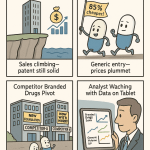
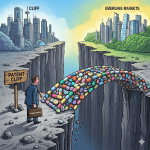
The “patent cliff” describes the “sharp drop in revenue a company experiences when patent protection for their product expires”.27 This phenomenon is particularly acute in the pharmaceutical sector when “blockbuster drugs come ‘off patent'”.28 The financial exposure is substantial, with approximately “$300 billion in annual revenue at risk through 2030” 27, as over 190 drugs, including 69 blockbusters, are projected to lose exclusivity.27
Upon patent expiration, a blockbuster drug can experience a dramatic market share erosion, losing “up to 80% of its revenue within the first year of facing generic or biosimilar competition”.21 This rapid decline is often accompanied by significant price drops, typically ranging from 38% to 48% for physician-administered medications and approximately 25% for oral formulations.21 Historical examples illustrate this impact: Eli Lilly’s antidepressant Prozac lost almost 70% of its market and $2.4 billion in annual U.S. sales after its patent expired in 2001.49 More recently, Merck’s Keytruda, which accounted for 40% of its pharmaceutical sales in 2023, faces significant financial exposure with its patent expiration in 2028.21 While biosimilars also introduce competition, their market entry and subsequent revenue decline for the originator might be slower compared to small-molecule generics, primarily due to complex manufacturing challenges and varying interchangeability regulations.28
Proactive Strategies to Mitigate Risk
To counter the profound impact of the patent cliff, pharmaceutical companies must implement a multi-faceted approach:
R&D Diversification: Companies are increasingly “shifting away from heavy reliance on blockbuster drugs” towards a “more diverse and innovation-driven model”.28 This includes investing in “niche therapies, including gene therapies, personalised medicine, and treatments for rare diseases”.28 By targeting specialized patient populations, companies can reduce their dependency on mass-market drugs while maintaining profitability.28
Operational Efficiency and Digital Transformation: It is “not enough to counter the patent cliff simply through the development of new drugs”.27 Companies need to “accelerate time-to-market while maintaining compliance and cutting costs”.27 This involves organizational restructuring, such as mergers and acquisitions (e.g., Pfizer’s purchase of Seagen) and spin-offs (e.g., J&J’s restructuring of its consumer health business into Kenvue).27 Streamlining R&D processes, accelerating clinical trials, and refining go-to-market strategies are crucial.28 Embracing digital solutions and modernizing processes, including artwork automation, AI, and automated quality checks, can lead to faster labeling creation, fewer errors, and accelerated approvals.27
Innovation Strategies: This involves developing “improved versions of existing products” 21, such as next-generation compounds with enhanced efficacy, reduced side effects, or more convenient dosing schedules.21 This aligns closely with the “evergreening” tactics discussed in Section IV.
Strategic Patenting: Systematically filing “multiple overlapping patents covering various aspects of their products” 21 is a widely employed technique. This creates a “multi-layered shield” or “patent thicket” 10, a proactive approach aimed at deterring or delaying generic competition.10
Authorized Generics: Brand-name companies can launch their own generic versions of their branded drug.33 This strategy allows them to “retain a higher portion of product value with relatively low implementation costs” 33 and profit directly from patients who migrate to a generic alternative.33
Case Studies in Patent Lifecycle Management and Defense
Examining specific instances of patent expiration and defense provides valuable insights into the real-world implications of these events and the effectiveness of various lifecycle management strategies.
Amgen’s Enbrel: This case stands as a prime example of successful patent defense and lifecycle management. Amgen built an “interlocking wall of intellectual property protection” or “patent thicket” around Enbrel, consisting of “dozens of patents”.22 By acquiring rights to a crucial manufacturing method and continuously filing patents, Amgen extended Enbrel’s monopoly for over 30 years, delaying biosimilar competition until 2029 despite FDA approval of biosimilars years earlier.22 This comprehensive strategy resulted in over $70 billion in sales.22
PLIVA’s Azithromycin: This case illustrates the power of initial core patenting followed by strategic licensing. PLIVA, a smaller company, discovered and patented the antibiotic Azithromycin worldwide.44 Recognizing its enormous potential, pharmaceutical multinational Pfizer Inc. licensed the drug, leading to its global commercialization (as Zithromax) and significant royalties for PLIVA, which funded its expansion in Europe and the United States.44 This demonstrates how even relatively smaller pharmaceutical companies can leverage intellectual property for global success through strategic partnerships.
The “patent cliff” is not merely a revenue loss event but a profound catalyst forcing fundamental shifts in pharmaceutical business models, R&D focus, and operational strategies, transforming a threat into an imperative for continuous innovation. The descriptions of the “patent cliff” as a “seismic shift” threatening billions in annual revenue and leading to substantial revenue loss upon generic entry 27 highlight the immense financial pressure on companies. This pressure compels them to look beyond just legal defense. They are forced to “reimagine workflows” 27, “optimize their drug development and launch strategies” 28, and fundamentally “shift away from heavy reliance on blockbuster drugs”.28 This means diversifying R&D into niche therapies 28, embracing digital transformation for operational efficiency 27, and continuously innovating on existing products.21 The patent cliff transforms from a singular challenge into an “invitation to innovate” 27 across the entire value chain. It drives companies to adopt more agile R&D, streamline operations, and develop comprehensive “lifecycle management programs” 21 that integrate patent strategy with broader business objectives. The strategic use of authorized generics 33 also demonstrates how companies can proactively manage market share even as primary patents expire, highlighting the need for a holistic approach to post-exclusivity market dynamics.
Successful patent defense against generic and biosimilar entry often involves a proactive “fortress building” strategy using multi-layered and overlapping patents, demonstrating that patent strength is increasingly measured by the breadth and depth of the entire portfolio, not just the core invention. The Amgen Enbrel case 22 serves as a compelling example of building a “patent thicket” with “dozens of patents” to extend exclusivity for over 30 years. This strategy directly addresses the threat of rapid revenue decline post-patent expiry.27 By creating numerous hurdles through secondary patents on formulations, methods of use, or polymorphs 10, companies can “deter or significantly delay generic competition” 10 and increase the cost and complexity of litigation for challengers.10 This underscores that for pharmaceutical companies, patent strategy must involve continuous investment in a broad and deep portfolio, where the collective strength of many patents provides a more robust defense than reliance on a single core invention.
VIII. The Evolving Landscape: AI, Global Harmonization, and Future Trends
The pharmaceutical patent landscape is in constant flux, shaped by technological advancements, evolving international cooperation, and dynamic legislative shifts. Strategic optimization requires a keen awareness of these emerging trends.
Artificial Intelligence (AI) and Patent Strategy
Artificial Intelligence (AI) is rapidly transforming drug discovery and development, presenting both significant opportunities and complex challenges for patent strategy. AI systems can accelerate preclinical phases, potentially reducing the time from target identification to preclinical candidate from 5–6 years to 2–3 years.50 Key applications of AI in drug discovery include target identification, virtual screening of chemical libraries, structure-activity relationship (SAR) modeling,
de novo drug design, optimization of drug candidates, and drug repurposing.52
However, the integration of AI raises critical questions regarding patentability:
Inventorship: Under US law, only natural persons can be inventors; AI must be “assisting, not creating” the invention.51 A human must provide a “significant contribution to the conception of the claimed invention”.51 The Thaler decision cemented this principle, rejecting patent applications listing an AI system as the sole inventor.51 Consequently, pharmaceutical companies using AI in drug discovery must maintain detailed records documenting human contributions throughout the process, as human judgment and expertise are crucial for establishing inventorship.51
Novelty and Non-Obviousness: AI’s access to vast datasets raises the standard for what is considered “obvious” in patent law, potentially making it harder to prove innovations are non-obvious and therefore patentable.53 AI systems trained on public databases may inadvertently replicate prior art.51 Conversely, AI’s “black box” nature can itself support non-obviousness if human researchers can articulate why the AI’s results were unpredictable or diverged from established relationships.51
Disclosure: Patenting AI-discovered drugs requires disclosing training methodologies and dataset details, which can create a dilemma for pharmaceutical companies that prefer to protect their AI algorithms as trade secrets.51
Beyond discovery, AI is also enhancing patent portfolio management:
AI-Powered Patent Searches: AI algorithms can analyze large datasets efficiently, identifying relevant patents and prior art with greater accuracy than traditional methods. Natural Language Processing (NLP) tools can understand the context and meaning of patent documents, improving the precision of search results and helping identify potential overlaps or avoid infringement.54
Predictive Analytics: AI can provide predictive analytics to inform patent strategy by analyzing historical patent data and market trends to forecast patent value, identify emerging technologies, and suggest optimal filing strategies.54
Patent Valuation and Scoring: Machine learning algorithms can assess the value of patents within a portfolio by evaluating factors such as citation frequency, market impact, and technological significance.54
Competitive Analysis: AI tools can enhance competitive analysis by monitoring patent filings, litigation, and market trends to understand competitors’ strategies and identify potential threats and opportunities.54
Overall, AI’s ability to analyze vast datasets, predict outcomes, and automate complex tasks offers significant advantages in strategic decision-making, efficiency gains, and accelerated drug development and portfolio management.50
The increasing integration of AI into drug discovery and development presents a dual challenge and opportunity for pharmaceutical patent strategy, requiring meticulous documentation of human inventorship and leveraging AI to strengthen patent claims, while navigating evolving patentability standards. AI’s ability to accelerate R&D is clear, but this also impacts the standard for “obviousness” in patent law.53 The critical need for human contribution to inventorship, as underscored by the
Thaler case 51, means that pharmaceutical companies must maintain detailed records of human judgment and expertise at every AI interaction point.51 Conversely, AI can actually strengthen patent applications by generating thousands of examples or “species” to support broader claims, enhancing the scope of protection.53 This evolving landscape requires companies to carefully consider the dilemma of protecting AI methodologies as trade secrets versus the disclosure requirements for patenting AI-discovered drugs.51
Global Patent Harmonization Initiatives
Patent harmonization is a concept aimed at creating a more unified and consistent global patent system by aligning patent laws and practices across different countries.55 The goal is to simplify the process of obtaining and enforcing patents internationally, reducing administrative burden, lowering costs, and enhancing the efficiency of the global patent system.55
Key initiatives promoting harmonization include the Paris Convention for the Protection of Industrial Property (1883), the Patent Cooperation Treaty (PCT), and the Agreement on Trade-Related Aspects of Intellectual Property Rights (TRIPS).55 These agreements have laid the groundwork for greater harmonization by providing frameworks for international cooperation and setting minimum standards for patent protection.
Benefits of harmonization include:
Simplified Patent Filing Process: Under a harmonized system, inventors can file a single patent application that is recognized and processed similarly across multiple jurisdictions, reducing duplicative filings and administrative overhead.55 The PCT system, for example, allows inventors to file an international application that covers multiple countries.55
Enhanced Patent Quality and Examination: Harmonization can lead to improved patent quality and more consistent examination standards, ensuring that patents granted in different countries are of similar scope and validity.55 Work-sharing programs like the Patent Prosecution Highway (PPH) enable patent offices to leverage each other’s examination results, speeding up the process and reducing duplication of efforts.55
Improved Cooperation: Harmonization fosters greater cooperation and information sharing between patent offices.56
Despite these efforts, persistent barriers remain. Some countries, such as China, Korea, and Taiwan, still require new drugs to be tested in subsets of their population or in separate studies before approval.57 India, Mexico, and Vietnam may require specific numbers of their nationals to participate in clinical trials.57 These discordant scientific requirements and national preferences can slow down the development and approval process.57
A notable initiative in this space is Pat-INFORMED, a unique partnership between the World Intellectual Property Organization (WIPO) and IFPMA (International Federation of Pharmaceutical Manufacturers & Associations).58 This free, open-access database provides patent information for approved medicines, helping procurement experts, particularly in low- and middle-income countries, to search the patent status of medicines and reduce the complexity surrounding patent information.58
Global patent harmonization initiatives, while aiming to streamline international patenting and improve efficiency, face persistent national barriers and policy divergences, necessitating a nuanced, country-specific approach within an overarching global IP strategy for pharmaceutical companies. The benefits of harmonization, such as simplified filing and enhanced examination quality 55, are clear. However, the continued existence of national requirements, such as local testing or specific national participation in clinical trials in various countries 57, highlights that a fully unified global system remains a distant goal. This means that despite harmonization efforts, pharmaceutical companies must still adopt a nuanced, country-specific approach to patenting and regulatory affairs. Their global intellectual property strategy must be flexible enough to adapt to these local requirements, while leveraging international treaties and initiatives like Pat-INFORMED 58 to streamline processes where possible.
Recent Legal and Policy Developments (2024-2025)
The legislative and regulatory landscape for pharmaceutical patents is dynamic, with significant developments in both the US and EU in 2024-2025:
United States: Several proposed acts in Congress in 2025 aim to make substantial changes to enforcing patent rights 59:
The PREVAIL Act: This act aims to overhaul current Patent Trial and Appeal Board (PTAB) practices by requiring standing for challengers and limiting multiple petitions against the same patent.59 Proponents argue these reforms will promote fair treatment of inventors and improve efficiency, while opponents fear it may make it harder to challenge pharmaceutical patents, potentially leading to higher drug prices.59
The Patent Eligibility Restoration Act (PERA): PERA seeks to eliminate all judicial exceptions to patent eligibility, particularly those created by the Mayo Collaborative Services v. Prometheus Laboratories, Inc. and Alice Corp. v. CLS Bank Int’l decisions.59 Proponents argue this will restore the United States’ “competitive edge,” while critics warn it could discourage pharmaceutical innovators from improving existing products.35
The Realizing Engineering, Science, and Technology Opportunities by Restoring Exclusive Patent Rights Act (RESTORE): RESTORE aims to establish a rebuttable presumption that courts should grant permanent injunctions when patent infringement is found.59 Proponents believe this will empower inventors, but critics argue it could give non-practicing entities significant leverage to extract settlements from businesses that produce goods.59
FTC/DOJ Scrutiny: The Federal Trade Commission (FTC) and Department of Justice (DOJ) have expressed renewed interest in scrutinizing pharmaceutical patent litigation settlements, despite reports suggesting these settlements are “critically necessary to ensure prompt generic and biosimilar market entry”.47 The FTC also intends to scrutinize Orange Book patents for signs of unfair competition.26
European Union:
Regulatory Exclusivity Changes: As discussed in Section IV, the EU has adopted proposals to revise its regulatory exclusivity framework, reducing the overall duration of regulatory data protection and market exclusivity for innovator pharmaceutical companies, albeit with conditional extensions.23
Compulsory Licensing Framework: The EU has finalized a centralized framework for compulsory licensing of pharmaceutical patents during health emergencies (discussed in Section V).25
Unitary Supplementary Protection Certificates (SPCs): Efforts are underway to harmonize patent protection throughout Europe through Unitary SPCs, aiming to streamline the process.25
The dynamic legislative and regulatory environment, particularly in the US and EU, indicates an ongoing tension between incentivizing pharmaceutical innovation and ensuring drug affordability and access. This requires pharmaceutical companies to proactively engage in policy advocacy and adapt their strategies to anticipated shifts. US legislative proposals like PREVAIL, PERA, and RESTORE, while aiming to balance inventor rights and promote efficiency, raise concerns about their potential impact on competition and drug prices.59 Simultaneously, EU changes, including reductions in exclusivity and the establishment of a compulsory licensing framework, represent a clear policy shift towards prioritizing public health access and affordability.23 This evolving landscape necessitates that pharmaceutical companies not only monitor these developments but also proactively engage in policy advocacy to shape future regulations. They must adapt their R&D and commercial strategies to align with these anticipated shifts, such as focusing on drug candidates that qualify for maximum exclusivity under new rules or preparing for earlier generic entry in certain markets.
IX. Conclusion: Strategic Imperatives for Future Success
Optimizing a drug patent strategy in the pharmaceutical industry is a continuous, multifaceted endeavor that is critical for innovation, investment, and market leadership. The industry operates within a unique economic model where robust patent protection is essential for recouping the billions of dollars invested in R&D, thereby fostering a culture of continuous scientific advancement.
To navigate this complex landscape effectively, pharmaceutical companies must adopt several strategic imperatives:
Embrace a Holistic, Multi-Layered Patent Strategy: Companies cannot rely solely on a single core patent. A comprehensive strategy involves securing a diverse portfolio of patents – including product, process, formulation, method of use, and combination patents – throughout the drug’s lifecycle. This “fortress building” approach, often leading to “patent thickets,” creates a formidable barrier to generic competition and maximizes the effective market exclusivity period.
Integrate Intellectual Property with Core Business Functions: Patent strategy is not confined to the legal department. It must be deeply integrated with R&D, commercial, and financial planning. Decisions on drug pipeline, investment, and market entry should be informed by a clear understanding of patentability, exclusivity, and competitive intelligence.
Invest in Advanced Competitive Intelligence and Data Analytics: Proactive monitoring of competitor patent filings, litigation, and market trends is essential. Leveraging AI-powered tools for patent searches, predictive analytics, and portfolio valuation can provide critical insights, identify “whitespace” for innovation, and enable faster, data-driven strategic adjustments.
Proactively Manage Patent Portfolios: Regular audits are vital to assess the relevance, value, and performance of patents. Companies should be prepared to prune non-essential or redundant patents to optimize resource allocation and focus on high-value assets.
Leverage Licensing and Cross-Licensing for Collaboration and Risk Mitigation: Given the high costs and risks of drug development, strategic partnerships through in-licensing, out-licensing, and cross-licensing agreements are increasingly important. These collaborations can provide access to complementary technologies, reduce R&D expenditures, accelerate time-to-market, and mitigate litigation risks.
Adapt to Evolving Regulatory Landscapes and Engage in Policy Advocacy: The dynamic legislative environments in major markets like the US and EU, characterized by shifts towards balancing innovation with affordability and access, necessitate continuous adaptation. Pharmaceutical companies must actively monitor proposed changes, engage in policy advocacy, and adjust their R&D and commercial strategies to align with new regulatory frameworks and potential shifts in exclusivity durations.
Strategically Integrate AI while Ensuring Human Inventorship: As AI becomes more integral to drug discovery, companies must meticulously document human contributions to AI-assisted inventions to meet inventorship requirements. Simultaneously, they should leverage AI’s capabilities to strengthen patent applications by generating robust data and navigating complex patentability standards.
Prioritize R&D Diversification and Operational Efficiency to Counter Patent Cliffs: The looming “patent cliff” compels a fundamental shift in business models. Diversifying R&D into niche therapies, accelerating time-to-market through streamlined processes, and embracing digital transformation are crucial to mitigate revenue loss and ensure sustainable growth beyond the exclusivity period of blockbuster drugs.
By embracing these strategic imperatives, pharmaceutical companies can not only protect their significant investments but also continue to drive the innovation necessary to develop the next generation of life-saving medicines, ensuring both commercial success and improved global health outcomes.
Introduction – International Regulatory Harmonization Amid Globalization of Drug Development – NCBI Bookshelf, accessed July 23, 2025, https://www.ncbi.nlm.nih.gov/books/NBK174222/