Bringing a new pharmaceutical drug to market is an endeavor of immense complexity and significant financial investment, often spanning over a decade and costing billions of dollars.1 Despite rigorous development processes, a substantial proportion—approximately two-thirds—of new drug launches fail to meet their initial sales expectations in their first year, often continuing to underperform in subsequent years.2 This report delineates the critical mistakes that frequently derail pharmaceutical drug launches, spanning strategic, operational, regulatory, and organizational domains. By understanding these pitfalls and their implications, pharmaceutical companies can adopt more robust, integrated strategies to enhance the likelihood of successful market entry and sustained patient benefit.
Strategic and Commercial Missteps
Confusing Launch with Commercialization
A prevalent error in the pharmaceutical industry is the misconception that “launch” is synonymous with “commercialization.” Many biopharmaceutical companies mistakenly treat commercialization strategy as a hurried, last-minute effort, often initiated only 18 months before the anticipated launch date.3 This perspective fundamentally misunderstands the scope of commercialization, which is an overarching philosophy that should permeate every stage of drug development and market strategy, running in parallel with and actively informing clinical development efforts.3 The actual launch planning, in this context, is merely the execution phase of a much broader and deeply integrated commercialization strategy.3
The consequences of this narrow view are severe. Treating commercialization as an afterthought inevitably leads to suboptimal market penetration, a failure to achieve anticipated revenue targets, and an inability to maximize value for all stakeholders, including patients, providers, and payers.3 A product, despite its scientific merit and regulatory approval, may struggle to gain traction if the market is not adequately prepared or if the company lacks a comprehensive readiness plan.3 To mitigate this, companies must integrate commercialization planning from the earliest stages of drug development, establishing a clear value proposition, brand identity, and messaging strategy well in advance of regulatory submission.4
Another critical mistake is the erroneous belief that strong scientific efficacy, successful clinical trial endpoints, and regulatory approval are sufficient for market success. The notion that “if you build it, they will come” does not apply to the biopharmaceutical sector.3 This “good data trap” can lead companies to underinvest in commercialization efforts, operating under the assumption that the product’s high quality alone will ensure high sales volume.2 While a lack of clinical efficacy accounts for a significant portion (40-50%) of drug development failures, even genuinely effective drugs can fail commercially if this assumption holds sway.6
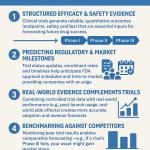
A profound implication of this error is the disconnect between clinical development and commercial viability. For instance, a groundbreaking drug may reach the market, but if the company cannot demonstrate an incremental benefit for patients compared to the existing standard of care, payers may refuse coverage.3 Without reimbursement, healthcare providers are unlikely to prescribe the drug, and patients cannot afford it out-of-pocket, leading to market failure.3 This situation highlights a critical need for cross-functional integration much earlier in the development lifecycle. Research and development teams must consider commercialization drivers, and commercial teams must understand the scientific data and its limitations. The intrinsic value of the science becomes moot if it cannot be translated into accessible and reimbursed patient benefits. This necessitates that clinical studies are designed not only to prove scientific efficacy for regulatory approval but also to collect data that payers can leverage to model patient and health economic benefits.3 Companies must proactively identify and address potential barriers to prescription and focus on rapidly maximizing early product exposure, meticulously monitoring launch uptake, and adjusting course as necessary.2
Inadequate Market Research and Competitive Intelligence
Relying on assumptions derived from past successes in existing markets or conducting perfunctory, one-time market research can be profoundly misleading for pharmaceutical companies entering new territories or launching innovative therapies.5 A comprehensive understanding of patient needs, the nuances of the competitive landscape, and the trajectory of future market trends is indispensable for informed decision-making at every stage of the launch process.7 Neglecting robust competitive intelligence means failing to anticipate competitor actions, understand evolving market dynamics, or identify genuine growth opportunities.8
The repercussions of inadequate market research are significant, potentially leading to an overestimation of demand, the launch of products that are misaligned with market needs, poor sales performance, and accumulating unsold inventory.5 In severe cases, such misjudgments can force a company to withdraw from a market, causing substantial damage to its global reputation and straining relationships with local stakeholders.5 Similarly, ignoring the strategies and activities of competitors can result in missed opportunities to capitalize on market gaps, the misallocation of valuable resources to areas with low potential, and ultimately, strategic decisions that undermine the launch’s success.7 A common reason for underperformance is the failure to effectively differentiate a new drug from existing treatments or competitor offerings, particularly in therapeutic areas with multiple established options.7
To mitigate these risks, companies should conduct detailed, ongoing market assessments utilizing both quantitative and qualitative data. This includes analyzing disease prevalence, current treatment methods, patient behavior, and economic factors.5 Engaging local stakeholders, such as regional physicians, hospitals, and distributors, is crucial for validating findings and refining product positioning.5 Implementing systematic information gathering and fostering cross-functional collaboration are essential for effective competitive intelligence.8 Leveraging advanced analytics and AI can help predict critical customer segments and competitive battlegrounds.8 Ultimately, success hinges on differentiating the customer experience, not solely the product itself.9
Poor Payer Activation and Reimbursement Strategy
Payer activation and reimbursement challenges are consistently identified as the most impactful factors on the success of a pharmaceutical product launch.10 A drug cannot effectively reach patients without swift and adequate coverage, and underestimating the time required to secure market access is a common misstep.10 This is particularly true for high-cost therapies, such as orphan drugs, where failing to account for country-specific Health Technology Assessment (HTA) requirements and stringent pricing controls can be a significant pitfall.12
Delays in obtaining access profoundly reduce healthcare professional (HCP) adoption.10 Payers may reject or restrict coverage due to uncertainty regarding long-term value, concerns about the budget impact relative to the patient population size, or issues of equity across therapeutic areas, even if the drug has received regulatory approval.12 A notable example is Sanofi’s Zaltrap, a colon cancer drug, which faced public refusal by oncologists due to its high price, forcing a significant price cut after launch, but not before substantial damage to public perception was incurred.14 This illustrates a fundamental shift in the pharmaceutical market access landscape: the “customer” is no longer solely the prescribing physician; it is increasingly the payer who dictates access and reimbursement. A drug’s clinical superiority is insufficient if its economic value proposition is not clearly articulated and accepted by payers. This necessitates a “payer-first” or “payer-integrated” approach to clinical trial design and commercial strategy, where health economic outcomes research (HEOR) and real-world evidence (RWE) are prioritized from early development to demonstrate value beyond mere clinical endpoints.3
To avoid these issues, companies should develop a comprehensive strategy that meticulously considers payer needs and pain points, utilizing reliable information gathered throughout the development process.10 It is crucial to define unmet needs and clinical differentiation during clinical development, ensuring that secondary endpoints relevant to payers are collected.10 Early engagement with HTA agencies is essential to understand their evidence requirements.12 Furthermore, developing flexible pricing models, such as risk-sharing or pay-for-performance agreements, and country-specific affordability solutions like tiered pricing or volume-based discounts, can address payer concerns and improve access.12 Managed Access Programs (MAPs) can also facilitate early patient access, even before full reimbursement is secured.12
Insufficient Healthcare Professional (HCP) and Patient Engagement
Even with regulatory approval and a scientifically sound product, inadequate market adoption by healthcare professionals (HCPs) and patients poses a significant challenge to launch success.10 Securing product adoption by HCPs requires precise segmentation, targeted messaging, and sustained omnichannel engagement.10 The landscape for HCP engagement has evolved, with traditional face-to-face interactions becoming more difficult, particularly in the post-COVID era.10 Moreover, underestimating or entirely overlooking patient perspectives can lead to misguided priorities in development and flawed engagement strategies.7
Without the confidence and active adoption of HCPs, patient onboarding and subsequent product uptake are severely hindered.10 A failure to thoroughly understand the patient journey—from symptom recognition to treatment and ongoing management—can result in ineffective patient engagement and adoption strategies, leading to lower adherence rates and missed market opportunities.7 Inadequate communication alone can account for a substantial portion (55%) of medication non-adherence.15 This signifies that the “last mile” of drug launch—getting the drug into the hands of patients and ensuring adherence—is as complex and critical as the research and development and regulatory approval phases. It demands a sophisticated, multi-channel engagement strategy that acknowledges the changing dynamics of HCP interaction and the paramount importance of patient education and support infrastructure.
To overcome these challenges, companies should identify the preferred channels for HCP engagement and develop reliable, meaningful content that provides targeted education.10 Building authentic relationships with key opinion leaders (KOLs) and other peers years before launch, through activities such as congress involvement and advocacy, is crucial and often an overlooked aspect.11 Direct communication with patients, with messaging customized to their specific needs, is equally vital.7 Prioritizing robust patient support programs can further enhance adoption and adherence.10
Operational and Supply Chain Pitfalls
Manufacturing Scale-Up and Quality Control Failures
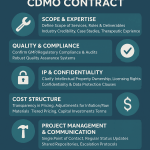
Ensuring consistent processes from laboratory-scale development to large-scale commercial production is a significant manufacturing challenge in the pharmaceutical industry.16 Variations in equipment, material properties, and process dynamics during scale-up can compromise product quality and yield.16 Furthermore, regulatory compliance, particularly adherence to Good Manufacturing Practices (GMP), becomes increasingly complex with increased production volumes.16 A critical vulnerability lies in quality control (QC) laboratories, which often lack the automation and digitization necessary to keep pace with modern manufacturing demands, frequently relying on manual data capture that is prone to errors and inefficiencies.17
Quality control issues can lead to substantial losses, as evidenced by millions of COVID-19 vaccine doses being lost due to such problems.17 Beyond product inconsistencies, inadequate documentation, insufficient personnel training, data integrity failures (violating ALCOA principles), a lack of robust change control, and poor Corrective and Preventive Action (CAPA) systems are common regulatory compliance mistakes.18 These deficiencies frequently result in FDA 483 observations, warning letters, and costly product recalls, estimated to cost the industry billions annually.18 A concrete example is Regeneron’s myeloma drug, linvoseltamab, which faced non-approval from the FDA due to identified flaws at a third-party fill/finish manufacturing facility, directly causing launch delays.20 This highlights a systemic underappreciation of the long-term, compounding costs associated with outdated QC infrastructure. While the initial investment in automation might appear substantial, the downstream financial and reputational costs of manual errors, investigations, regulatory non-compliance, and delayed launches far outweigh them. The “soft” benefits of automation, such as reduced errors, improved data integrity, and faster issue detection, are, in fact, hard financial and reputational advantages. This calls for a re-evaluation of investment criteria in QC, prioritizing risk reduction and long-term operational excellence over short-term labor cost savings.
To mitigate these manufacturing and quality control risks, companies must thoroughly understand fundamental processes and their impact on product characteristics, employing Process Analytical Technology (PAT) for real-time monitoring.16 A proactive approach to compliance includes early engagement with regulatory bodies, extensive documentation, and the adoption of Quality by Design (QbD) frameworks.16 Implementing strict good documentation practices, comprehensive and job-role-aligned training programs, robust data integrity measures (e.g., audit trails, controlled access), strong change control procedures, and effective CAPA systems are essential.18 Furthermore, investing in the automation of QC laboratories can significantly reduce operating risk and accelerate the delivery of medications to patients.17
Supply Chain Vulnerabilities and Disruptions
The process of scaling up pharmaceutical production places considerable strain on the supply chain, increasing the demand for raw materials, intermediates, and packaging.16 A significant vulnerability arises from over-reliance on single suppliers or specific geographic regions, which creates bottlenecks and increases susceptibility to disruptions.22 Regional variations in customs clearance processes, warehouse availability, and the requirements for temperature-controlled transportation also pose substantial challenges.5 Compounding these issues are growing cybersecurity threats to increasingly digital supply chains, which can have severe financial and operational impacts.22
Variability in material quality and persistent sourcing issues can disrupt manufacturing processes and lead to significant delays in production timelines.16 Delays at ports or improper handling of stored materials can result in regulatory non-compliance, jeopardize product availability, and damage a company’s credibility.5 Major disruptions, such as Hurricane Maria in Puerto Rico, have demonstrated how concentrated manufacturing can lead to widespread drug shortages, impacting patient care and delaying recovery efforts.22 Cyberattacks, like the NotPetya incident that cost Merck $870 million, can halt drug production and compromise sensitive data, resulting in massive financial losses.22 The financial implications of such delays are substantial, with a single day of launch delay estimated to cost approximately $800,000 in lost prescription sales.27 This underscores that a robust, diversified, and transparent supply chain is no longer merely an operational necessity; it is a strategic imperative and a potential competitive advantage. In an environment of increasing geopolitical instability, climate events, and cyber threats, companies that proactively invest in supply chain resilience—through multi-sourcing, geographic diversification, and advanced analytics for early warning systems—are better positioned to ensure consistent product availability, avoid costly launch delays and revenue losses, and build trust with healthcare providers and patients. This elevates supply chain management from a cost center to a critical value driver.
To mitigate these vulnerabilities, companies should conduct end-to-end supply chain mapping to identify critical risk areas.5 Diversifying suppliers and manufacturing locations is crucial for building resilience against regional disruptions and single points of failure.22 Collaborating with specialized third-party logistics providers who possess strong local networks is also recommended.5 Implementing robust contingency plans for customs disruptions, natural disasters, and geopolitical instability is essential.5 Strengthening vendor risk assessments and adopting advanced cybersecurity measures across the digital supply chain are paramount.22 Leveraging data analytics for accurate demand forecasting, optimized inventory management, and real-time traceability can further enhance supply chain resilience.28
Regulatory and Post-Market Oversight Errors
Regulatory Non-Compliance and Roadblocks
The pharmaceutical industry operates within a highly complex and continuously evolving regulatory landscape, characterized by varying rules and standards across different countries and regions.5 Common regulatory missteps include incomplete or inaccurate documentation, inadequate training and qualification of personnel, failures in data integrity, a lack of robust change control procedures, and deficient Corrective and Preventive Action (CAPA) systems.18 Furthermore, underestimating the importance of regional regulatory compliance, such as requirements for submitting dossiers in local languages, can create significant hurdles.5
These regulatory roadblocks and unexpected delays can profoundly impact launch success and financial forecasts.10 Non-compliance frequently leads to FDA 483 observations, warning letters, product recalls, and severe legal and financial repercussions.18 Such issues are a common cause of delays in drug approval processes.32 While regulatory compliance is often perceived as a bureaucratic burden, the evidence suggests that robust adherence to regulations, particularly in areas like data integrity and change control, is a prerequisite for operational agility and successful market entry. Companies that approach compliance as a reactive hurdle rather than an integrated, proactive system will face recurring delays and financial penalties. Cultivating a culture of quality and compliance throughout the organization enables smoother navigation of regulatory requirements, transforming the process from a “moving target” 31 into a more predictable pathway.
To mitigate these risks, companies must implement strict good documentation practices, establish comprehensive and role-aligned training programs, and enforce robust data integrity protocols adhering to ALCOA principles (Attributable, Legible, Contemporaneous, Original, and Accurate).18 Strong change control procedures and effective CAPA systems are also critical.18 Hiring regional regulatory experts early in expansion plans can help navigate country-specific demands and identify potential red flags.5 Staying updated with the constant evolution of regulatory changes through subscriptions to agency updates, attending conferences, and maintaining dedicated internal teams is also vital.18
Neglecting Robust Pharmacovigilance and Post-Market Surveillance
The drug development process does not conclude once a product receives market approval; continuous monitoring of its safety and efficacy is an ongoing requirement.1 While pre-approval clinical trials are rigorously regulated, they cannot anticipate all potential side effects due to their limited sample sizes and controlled environments.33 This makes robust post-marketing surveillance (PMS) essential for identifying and assessing adverse events that may only emerge with broader real-world use.33 Pharmacovigilance (PV), the science and activities related to detecting, assessing, understanding, and preventing adverse effects, should ideally be integrated as early as possible in a drug’s lifecycle.34
Failure to diligently monitor and identify adverse events post-launch can lead to severe public health consequences, including unforeseen side effects, product withdrawals (such as Rezulin due to hepatotoxicity), or significant restrictions on use (like fluoroquinolone antibiotics).21 Such outcomes not only pose risks to patient safety but also expose companies to costly product liability lawsuits and severe damage to their reputation and revenue streams.21 This highlights that post-market surveillance is not merely a regulatory obligation but functions as a continuous, real-world clinical trial. The diverse patient demographics, comorbidities, and polypharmacy interactions encountered in real-world settings mean that a drug’s true safety and efficacy profile continues to unfold after its initial launch.21 Companies that proactively invest in sophisticated PMS and PV systems gain a deeper, more accurate understanding of their drug’s performance, enabling timely risk mitigation, label updates, and potentially even identifying new indications, thereby transforming a regulatory requirement into a strategic asset for product lifecycle management and patient benefit.
To prevent these setbacks, companies must implement robust pharmacovigilance systems capable of detecting, assessing, understanding, and preventing adverse effects.34 This involves utilizing various approaches for PMS, including spontaneous reporting databases, prescription-event monitoring, electronic health records, and patient registries.33 Developing and rigorously adhering to comprehensive Risk Management Plans (RMPs) is crucial for identifying and minimizing potential risks associated with the drug product.34 Proactive engagement in signal detection analysis and systematic literature review is also vital.34 Furthermore, ensuring expedited and aggregate reporting of adverse events to regulatory agencies helps in identifying patterns and addressing safety concerns promptly.34
Organizational and Data Management Deficiencies
Underinvestment in Critical Support Functions and Program Management
A common oversight in pharmaceutical launch planning is the underinvestment in crucial “back office” functions such as Human Resources (HR), Information Technology (IT), legal, and finance.35 Simultaneously, the importance of strong, centralized program management is often neglected.35 The pharmaceutical industry also faces a significant talent shortage, particularly in specialized STEM and digital roles, exacerbating these internal capacity issues.31
Delaying the establishment and adequate resourcing of these support functions can lead to pervasive process inefficiencies that compound over time, potentially threatening launch timelines if critical staff cannot be hired and onboarded promptly.35 The absence of robust program management can result in cross-functional silos, hindering essential collaboration and the streamlined execution of tasks across different departments.35 To counteract these deficiencies, companies must ensure sufficient investment in all critical support functions well in advance of a product launch.35 Establishing a company-wide program management function, ideally reporting directly to executive leadership, is crucial for facilitating cross-functional alignment, managing interfaces between program teams and leadership, and ensuring accountability.35 Addressing the broader talent shortage through strategic recruitment, training, and development initiatives is also paramount.31
Flawed Forecasting and Underutilization of Data Analytics
Many pharmaceutical companies exhibit an excessive reliance on subjective expert judgment for market forecasting, often failing to adequately consider the value and accuracy of evidence-based models.7 There is a pervasive failure to leverage advanced analytics to fully comprehend how to effectively capture the market, leading to suboptimal strategies.14 This is a critical oversight, as data analytics is essential for improving decision-making processes and significantly reducing uncertainties throughout the entire drug development lifecycle.28
Inaccurate predictions stemming from flawed forecasting can lead to the misallocation of valuable financial resources, resulting in incorrect “go/no-go” decisions regarding product development and commercialization, ultimately eroding shareholder value.7 Overestimating anticipated demand can lead to the misappropriation of capital for excessive production and the accumulation of significant inventory waste, while underestimating demand can result in missed sales opportunities and damage to the company’s reputation due to product shortages.7 The absence of robust data sets can render launch plans outdated and ineffective.15 This demonstrates that data analytics is not a peripheral tool but the central nervous system for a successful drug launch. It transcends mere reporting of past performance to enable predictive insights across the entire value chain—from research and development (identifying promising candidates, optimizing trials) to manufacturing (process optimization, supply chain visibility) to commercialization (forecasting, market targeting, patient adherence). Companies that embed a data-driven culture and invest in advanced analytics tools will gain a significant competitive edge by making faster, more informed decisions and proactively mitigating risks.
To mitigate these forecasting and data utilization issues, companies should begin by clearly defining a specific problem and then employing analytics to understand competitive advantages and vulnerabilities.14 Utilizing strong, current market data is paramount, as historical data or analogues are often unreliable in the dynamic pharmaceutical market.14 Companies should employ advanced data analytics techniques to predict drug interactions, optimize dosages, improve clinical trial success rates, and anticipate clinical outcomes, patient responses, and market potential.28 Furthermore, analytics should be leveraged for supply chain optimization, demand forecasting, and inventory management to ensure product availability and efficiency.28
Intellectual Property Mismanagement
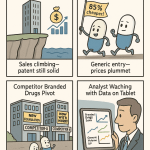
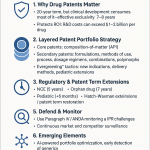
Intellectual property (IP) rights, particularly patents, are fundamental to the pharmaceutical industry, serving to protect groundbreaking innovations and enable companies to recoup the massive investments poured into research and development.31 Patents generally grant exclusive rights to make, use, sell, and import an invention for approximately 20 years.36 However, the landscape of IP presents significant challenges, including the proliferation of “patent thickets”—portfolios of numerous, overlapping patents that can deter competition—and the looming threat of the “patent cliff,” which refers to the expiration of patents on blockbuster drugs.31 Mismanagement of intellectual property often stems from a failure to strategically leverage patent data for comprehensive launch planning.
Strict IP protections, while fostering innovation, can also limit access to affordable medicines.31 Conversely, when patents expire, competition from generic drugs heats up, significantly shrinking market share and profits for the original innovators.31 A failure to continuously monitor patent pending data can lead to missed opportunities for market differentiation, expose companies to legal risks such as infringement, and result in poor market entry decisions.37 This demonstrates that IP strategy extends beyond merely legal defense; it functions as a dynamic commercial tool. Effective IP management involves continuous monitoring and strategic leveraging of patent data, including pending applications, to inform research and development pipeline decisions, anticipate competitive threats, identify market opportunities, and shape pricing and market access strategies. A proactive IP approach is crucial for sustained competitive advantage and long-term product viability, rather than simply defending existing assets.
To mitigate these risks, companies should leverage patent pending data as an early warning system for identifying potential competitors and emerging technologies.37 This data can help identify “white spaces”—areas with little patent activity but high market potential—presenting significant opportunities for innovation and market entry.37 Utilizing patent analytics to guide R&D direction, identify licensing opportunities, and assess the novelty of internal projects is also critical.37 Conducting comprehensive Freedom-to-Operate (FTO) analyses, which encompass both issued and pending patents, is essential for mitigating infringement risks early in product development.37 Furthermore, integrating patent data into pricing and reimbursement strategies can provide valuable insights into a drug’s uniqueness and potential generic competition.37
Case Studies of Pharmaceutical Drug Launch Failures
The following table illustrates real-world examples of pharmaceutical drug launches that encountered significant challenges or failed to meet expectations, highlighting the tangible consequences of the mistakes discussed in this report.
Oncologists publicly refused to prescribe; Sanofi slashed price by half; public perception damaged 14
Multaq (dronedarone)
Sanofi
2009
Safety Issues & Reimbursement Challenges 14
Linked to higher risk of liver, cardiovascular, and lung disease; low reimbursement rate and use restrictions in France; sales stagnated far below forecasts 14
Torcetrapib
Pfizer
N/A
Safety Issues (Unmanageable Toxicity) 38
Development halted due to unexpected mortality and cardiovascular incidents; patients died at higher rates 38
Relenza (zanamivir)
GlaxoSmithKline
N/A
Inadequate Market Research & Competitive Intelligence (Market Misjudgment) 38
Despite being effective and cheaper than competitor (Tamiflu), had limited approvals (flu treatment only, age restrictions); powder form caused respiratory problems; vastly underperformed sales forecasts 38
Exubera
Pfizer & Nektar Therapeutics
2006
Inadequate Market Research & Product Design 38
Large, cumbersome inhaler; linked to reduced lung function; captured only 1% of insulin market; Pfizer incurred $2.8 billion charge 38
Linvoseltamab
Regeneron
N/A
Manufacturing Scale-Up & Quality Control Failures 20
FDA non-approval due to flaws at a third-party fill/finish manufacturing facility, causing launch delays 20
Overarching Strategies for Successful Launches
To navigate the intricate landscape of pharmaceutical drug launches and mitigate the risks identified, companies must adopt a holistic and proactive strategic framework:
Embrace an Integrated Commercialization Mindset from Early Development: A fundamental shift from siloed operations to an integrated approach is essential. Commercial strategy must inform and run parallel with clinical development, ideally commencing 24-36 months prior to launch.3 This requires deep cross-functional collaboration from the outset, ensuring that market needs and payer requirements directly influence clinical trial design and data collection.3
Prioritize Robust Market Access and Value Demonstration: Developing comprehensive payer strategies and patient access programs early in the development process is critical.4 The focus must extend beyond clinical efficacy to demonstrating incremental and health economic benefits to secure favorable reimbursement outcomes.3 Proactive engagement with Health Technology Assessment (HTA) bodies and the exploration of flexible pricing models, such as risk-sharing or pay-for-performance agreements, are crucial for successful market entry and sustained access.12
Strengthen Operational Resilience and Quality Systems: Significant investment in manufacturing scale-up capabilities is necessary, ensuring process optimization, reproducibility, and strict adherence to regulatory compliance (GMP).16 Implementing robust quality control, comprehensive documentation, stringent change control, and effective CAPA systems is paramount to prevent costly errors and regulatory setbacks.17 Furthermore, diversifying supply chains and building comprehensive contingency plans are essential to mitigate disruptions from geopolitical events, natural disasters, or cybersecurity threats.5
Leverage Data Analytics and Competitive Intelligence: The strategic utilization of advanced analytics is vital for accurate forecasting, a deep understanding of market dynamics, and effective risk mitigation across the entire product lifecycle.7 Implementing systematic competitive intelligence processes enables companies to anticipate competitor moves, identify market gaps, and refine their strategic positioning.8
Foster Cross-Functional Collaboration and Strong Program Management: Breaking down organizational silos is imperative. This can be achieved by establishing strong, empowered program management functions that report directly to executive leadership, thereby facilitating cross-functional alignment and accountability.35 Ensuring that all relevant stakeholders, both internal and external partners, are involved and aligned from the initial kickoff meeting is crucial for seamless execution.11
Conclusion: Navigating the Future of Pharmaceutical Launches
The pharmaceutical drug launch landscape is characterized by increasing complexity, intense competition, and stringent regulatory oversight. Success in this environment hinges not merely on achieving scientific breakthroughs but on the meticulous avoidance of a range of critical mistakes that can undermine even the most promising therapies. As demonstrated, these pitfalls span strategic misalignments, operational vulnerabilities, regulatory non-compliance, and organizational deficiencies.
The analysis underscores that a holistic, integrated, and proactive approach is indispensable. This means embedding commercialization considerations into the earliest stages of drug development, prioritizing value demonstration to payers, building resilient supply chains and robust quality systems, and leveraging advanced data analytics and competitive intelligence as central strategic tools. Furthermore, fostering strong cross-functional collaboration and investing in robust program management are essential for seamless execution.
The lessons gleaned from past failures emphasize the continuous need for adaptation, data-driven decision-making, and an unwavering focus on ensuring patient access and delivering tangible value. By diligently addressing the critical mistakes outlined in this report, pharmaceutical companies can significantly enhance their chances of successfully bringing life-changing therapies to patients and achieving their full commercial potential in a dynamic global market.
Threats to Pharmaceutical Supply Chains The Public-Private Analytic Exchange Program Research Findings July 2018 – Washington Military Department, accessed July 25, 2025, https://mil.wa.gov/asset/5cefeb671410c