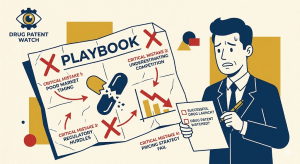
Roughly two-thirds of new drug launches miss their first-year sales forecasts, and a meaningful share of those products never recover commercial momentum in subsequent years. That statistic, sourced from McKinsey research on drug launch performance, deserves more than a footnote. It represents hundreds of billions of dollars in misallocated R&D spend, years of clinical development, and, at a patient level, delayed or denied access to therapies that regulators deemed safe and effective.
The conventional explanation blames external factors: competitive pressure, pricing headwinds, payer recalcitrance. Those factors are real, but they are predictable. The more accurate diagnosis is that most launch failures originate in decisions made three to five years before the drug ever reaches a formulary. Companies treat launch planning as a discrete event rather than a continuous process. They design pivotal trials for FDA approval, not for ICER scrutiny. They staff commercial teams 18 months out and call it preparation. They build supply chains optimized for Phase III quantities and discover, too late, that GMP-compliant scale-up requires a fundamentally different process.
The pharmaceutical launch failure rate has not meaningfully improved over the past two decades, even as the industry has accumulated more data, more sophisticated analytics tools, and more documented case studies of what goes wrong. The reason is structural: most organizations separate R&D, regulatory, market access, manufacturing, and commercial into siloed functions with misaligned incentive structures. Each function optimizes for its own objectives. Clinical teams optimize for statistical significance at the primary endpoint. Manufacturing optimizes for cost-per-unit. Commercial teams optimize for peak sales projections. No single function is accountable for the integrated outcome.
This pillar page is a technical reference for the practitioners who need to break that structure, and for the investors who need to assess whether a given company has broken it before committing capital.
2. Strategic and Commercial Missteps
2.1 Conflating Launch Execution with Commercialization Strategy
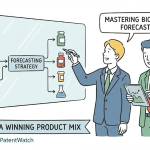
The most expensive category of launch mistake does not involve anything that happens at launch. It involves the decision, made years earlier, to treat commercialization as a downstream activity rather than a parallel one. A substantial proportion of biopharmaceutical companies initiate commercialization strategy only 18 months before the anticipated approval date. By that point, the clinical data package is locked, the label negotiation is underway, and the pricing architecture has been shaped by whatever HEOR data happened to be collected during Phase III, which is almost always insufficient for a compelling payer submission.
Commercialization strategy, correctly defined, is not a marketing plan. It is the set of decisions that determine whether a drug can be prescribed, reimbursed, and accessed at a price that makes economic sense for all parties. Those decisions span patient stratification, trial endpoint selection, real-world evidence study design, key opinion leader engagement timelines, manufacturing readiness, and payer communication. They need to begin at IND filing, or earlier.
The launch itself, meaning the actual date of commercial availability, is the execution phase of a strategy that should have been running in parallel with clinical development for years. When companies treat launch as the strategy rather than its execution, they arrive at approval day with a drug that has regulatory authorization but no credible value story for payers, no trained field force, and no patient identification infrastructure.
Key Takeaways:
Commercialization planning must begin at least 36 months before anticipated approval for a primary care indication, and 48 months for a specialty or rare disease product where HTA submissions and named patient programs require extended preparation. The commercial team needs to be reviewing Phase II data not for efficacy signals but for the health economic endpoints that payers will require. Clinical and commercial functions need a shared accountability structure, not a handoff relationship.
2.2 The ‘Good Data Trap’: When Efficacy Does Not Equal Revenue
Clinical efficacy accounts for roughly 40 to 50 percent of drug development failures, based on published attrition data. The corollary, which receives far less attention, is that good efficacy data does not guarantee commercial success. Several high-profile failures have involved drugs with genuine clinical merit that failed commercially because the manufacturer could not translate that merit into a reimbursable value proposition.
The mechanism is straightforward. Payers, whether a PBM, a national health system, or a hospital P&T committee, do not reimburse clinical trial endpoints. They reimburse incremental patient benefit relative to the existing standard of care, expressed in terms they can model: quality-adjusted life years, hospitalizations avoided, days of work missed, healthcare resource utilization. A drug that reduces tumor burden by 40 percent in a Phase III trial is scientifically impressive. If the comparator arm used an outdated regimen, or if the trial excluded the comorbid patients who populate the actual treatment population, payers will discount the data.
The commercial implication is that R&D teams must design trials with a dual objective: generate data sufficient for regulatory approval and generate data sufficient for payer submission. Those two objectives frequently diverge. Regulators want a clean, controlled population. Payers want a real-world-representative population with patient-reported outcomes, health resource utilization data, and long enough follow-up to model cost-effectiveness credibly. Companies that design trials primarily for regulatory approval and then attempt to retrofit a HEOR story onto the resulting dataset almost always fail the payer submission.
Sanofi’s Zaltrap (ziv-aflibercept), approved in 2012 for metastatic colorectal cancer, is the textbook case. The drug demonstrated efficacy in its pivotal trial, but Memorial Sloan Kettering oncologists published a pointed New York Times op-ed arguing that its price per progression-free life-year was roughly twice that of Avastin (bevacizumab), with no meaningful clinical differentiation. Sanofi cut the price by 50 percent within weeks, but the reputational damage was done. The underlying error was not the price itself; it was the failure to build a health economic case that could withstand scrutiny before launch.
IP Valuation Note: Zaltrap (Sanofi)
Zaltrap’s core intellectual property rested on composition-of-matter claims covering the VEGF Trap fusion protein construct, with additional method-of-treatment claims for colorectal indications. At launch, the primary compound patent was expected to provide exclusivity through approximately 2025 in the US market. The commercial failure did not immediately impair that IP value on paper, but the restricted uptake dramatically reduced the net present value of the exclusivity period. For analysts modeling patent-protected revenue streams, Zaltrap illustrates that the economic value of a composition-of-matter patent is conditional on achieving formulary access at a price sufficient to cover the cost of capital. A drug earning ten percent of forecast revenue generates ten percent of forecast patent value, regardless of its legal exclusivity duration.
Key Takeaways:
Every Phase II protocol decision is a payer submission decision made early. Secondary endpoints should include PROs (patient-reported outcomes) validated by ICER or EMA CHMP guidance, health resource utilization data, and where feasible, active comparator arms using the current standard of care rather than placebo. HEOR teams should be represented in protocol review committees, not consulted after database lock.
2.3 Inadequate Market Research and Competitive Intelligence
One-time, pre-launch market research is a relic. Disease landscapes evolve. Competitor pipelines advance. Prescriber habits shift. A market model built on data gathered 30 months before launch and not updated will produce a forecast that is wrong in ways that are difficult to diagnose until commercial performance is already disappointing.
The specific failure modes are several. Companies routinely overestimate the size of the treatable patient population by relying on diagnosed prevalence data rather than the narrower pool of patients who are actually tested, staged, and treatment-eligible. They underestimate competitor uptake by modeling only approved therapies and ignoring late-stage pipeline entrants who will reach the market within 18 months of their own drug. They fail to account for class-level prescriber fatigue in crowded therapeutic areas like checkpoint inhibitor oncology or the GLP-1 obesity space, where a me-too entry without a differentiated profile gets priced out of formularies regardless of its clinical merits.
Competitive intelligence in the pharmaceutical context is not simply tracking competitor trial results on ClinicalTrials.gov. It requires monitoring Paragraph IV certification filings against competitors’ Orange Book-listed patents, tracking IND applications to identify early-stage entrants, analyzing KOL publication patterns and advisory board memberships, and monitoring payer policy documents for formulary tier changes. Companies that treat competitive intelligence as a commercial function rather than an integrated R&D and IP function will discover threats too late to adjust clinical or pricing strategy.
The case of Relenza (zanamivir, GlaxoSmithKline) illustrates the market research failure mode cleanly. Despite entering the neuraminidase inhibitor market before Tamiflu (oseltamivir), and at a lower price point, Relenza captured a fraction of Tamiflu’s market share. The drug required inhalation using a device that caused bronchospasm in some patients, it was approved only for treatment and not prophylaxis, and it carried pediatric age restrictions that eliminated a substantial portion of the target population. Each of those limitations was knowable during development. The commercial failure was the downstream consequence of inadequate market research on patient and prescriber usability requirements during the product design phase.
Key Takeaways:
Market research must be a continuous process updated quarterly during the 24 months before launch and monthly in the six months preceding approval. The research program should cover diagnosed versus treated patient populations separately, payer formulary decision timelines, competitor pipeline milestones sourced from patent filings and clinical registries, and prescriber channel preferences segmented by specialty and practice setting.
Investment Strategy:
For institutional investors, the quality of a company’s competitive intelligence infrastructure is a direct proxy for forecast reliability. During due diligence, request the competitive landscape documents used to build commercial projections and cross-reference them against public patent filing data and trial registries. A company that cannot identify the three most advanced pipeline competitors by mechanism, trial phase, and estimated approval date for its lead indication is not ready to launch.
2.4 Payer Activation Failures and the Reimbursement Gap
Access delays kill launches more reliably than any other single factor, and the industry consistently underestimates how long the path from regulatory approval to meaningful formulary coverage actually takes. In the US, a drug approved by FDA will not achieve broad commercial insurance coverage until PBMs complete their formulary review cycle, which often runs on an annual schedule. For drugs approved outside that cycle, the wait for unrestricted coverage can be 12 to 18 months. In Europe, HTA submissions to bodies like NICE in the UK, the G-BA in Germany, or the HAS in France run on separate timelines from EMA approval and frequently result in restricted reimbursement or outright rejection pending additional real-world evidence.
For orphan drugs and high-cost specialty therapies, the access problem is more acute. Country-specific HTA processes demand evidence packages that go well beyond the pivotal trial data. NICE requires a cost-effectiveness model, typically using the QALY framework, benchmarked against a willingness-to-pay threshold of 20,000 to 30,000 pounds per QALY for standard therapies (a figure that can extend to 100,000 pounds for end-of-life treatments under the Cancer Drugs Fund). The G-BA’s AMNOG process requires comparative clinical benefit data against the ‘appropriate comparator therapy,’ which the G-BA defines, not the manufacturer. Getting that definition wrong, by designing a trial against a comparator the G-BA does not recognize, produces a dossier with no usable comparative data and a reimbursement negotiation starting from a position of weakness.
Managed Access Programs (MAPs) and early access schemes (the UK’s EAMS or France’s ATU/AAP mechanism) can bridge the gap between approval and full reimbursement, but they require their own operational infrastructure and carry their own pricing precedent risks. Price concessions made under early access schemes can anchor subsequent reimbursement negotiations in ways that compress the commercial opportunity for the full product lifecycle.
Key Takeaways:
Payer strategy is not a launch-phase activity. The HEOR evidence package that will support an ICER or NICE submission must be planned into the Phase III protocol. HTA agency scientific advice meetings, which are available in the UK, Germany, France, and at the EMA level through its parallel scientific advice procedure, should be completed before Phase III begins. Outcomes-based contracts (also called risk-sharing or performance-based agreements) are increasingly required by European payers for high-cost therapies; the infrastructure to track and report real-world outcomes under those contracts needs to be in place at launch, not built afterward.
Investment Strategy:
A drug’s net price under a risk-sharing agreement, after rebates, outcomes-based payments, and mandatory discounts under agreements like the German AMNOG rebate, can be 30 to 60 percent below the announced list price. Models that use list price as the revenue input for high-cost specialty therapies will overstate the actual revenue opportunity by a factor that can materially change a DCF valuation. Ask specifically for the net price assumption in any commercial forecast and the basis for that assumption.
2.5 Insufficient HCP and Patient Engagement Architecture
Regulatory approval and formulary coverage are necessary but not sufficient conditions for prescription uptake. A prescriber who has not been educated on a drug’s mechanism, dosing schedule, patient selection criteria, and adverse event management profile will default to a familiar alternative. In competitive therapeutic areas, inertia is the primary market share barrier, not clinical evidence.
HCP engagement has grown more complex since 2020. Physical detailing access has contracted across specialties and hospital systems. Many academic medical centers restrict commercial access to physicians through no-see policies or strict visit quotas. Digital and remote engagement channels have partially filled that gap but require different content formats, different call frequencies, and different metrics for measuring engagement quality. A field force optimized for in-person detailing in 2019 is not automatically effective in a hybrid engagement model.
The specific failure mode involves companies that segment their prescriber targets by specialty and decile ranking but do not adequately account for the institutional dynamics that govern prescribing behavior. In hospital formulary settings, a single pharmacy and therapeutics committee decision can determine which drugs are available to all physicians in that system. Winning that committee requires medical affairs engagement, HEOR data, and often a pharmacoeconomic analysis customized to that institution’s patient population and cost structure. A field force calling on individual physicians in a health system where the P&T committee has not approved the drug is calling on prescribers who cannot prescribe it.
Patient engagement has its own failure mode. The patient journey for most specialty indications involves a prolonged diagnostic odyssey before treatment initiation. For rare diseases, the average time from symptom onset to correct diagnosis runs to years. Companies that design patient support programs around the post-prescription phase and ignore the pre-diagnosis phase miss the opportunity to accelerate the diagnostic pathway through disease awareness programs, genetic testing support, and patient advocacy partnerships.
Inadequate communication is documented as a contributor to 55 percent of medication non-adherence. For therapies requiring complex administration, infusion scheduling, or prior authorization processes, patient support infrastructure is not a commercial enhancement; it is a clinical necessity.
Key Takeaways:
HCP engagement planning must account for institutional prescribing dynamics, not just individual physician targeting. Medical affairs must complete P&T committee education and formulary submission processes in parallel with commercial field force activation. Patient support programs require investment in the pre-diagnosis phase for rare and specialty indications, and must include prior authorization support, co-pay assistance, and nursing support for complex administration.
3. IP Valuation as a Core Launch Asset
3.1 Patent Portfolio Anatomy: Compound, Formulation, and Method Claims
A pharmaceutical patent portfolio is not monolithic. The composition-of-matter (COM) patent, which covers the active pharmaceutical ingredient itself, is the highest-value asset because it is the most difficult to design around. But COM patents are also the first to expire. The standard 20-year patent term, measured from the filing date, is eroded by the time required for IND preparation, clinical development, and FDA review. The effective market exclusivity period for a new molecular entity, after applying Patent Term Restoration under the Hatch-Waxman Act (up to 5 additional years, capped at 14 years of post-approval exclusivity), typically runs 10 to 12 years from approval.
Formulation patents cover specific delivery systems, dosage forms, or salt forms of the active ingredient. They are weaker than COM patents in litigation but still require a generic filer to make a Paragraph IV certification and successfully argue invalidity or non-infringement. Method-of-treatment patents cover specific therapeutic applications of the compound and are the last layer of protection but the most vulnerable to carve-out labeling by generic entrants (the ‘skinny label’ strategy).
A well-constructed pharmaceutical IP portfolio layers these claim types across staggered expiration dates, creating a defensive perimeter that extends effective exclusivity beyond the COM patent cliff. This is the structural basis of evergreening.
3.2 Evergreening Roadmaps: Tactics and Timelines
Evergreening is the systematic extension of market exclusivity for a successful drug through additional patent filings and regulatory exclusivity mechanisms. It is commercially rational, legally contested, and operationally complex. Understanding the full toolkit is essential for both the manufacturer planning a lifecycle management strategy and the analyst modeling the durability of a revenue stream.
The primary evergreening instruments, with their typical timelines and durations, are:
Extended-release (XR) or modified-release formulations: Filing a new NDA for a once-daily XR formulation of a twice-daily immediate-release drug generates a new approval and, with it, a new patent position on the formulation. The patent typically covers the delivery system rather than the active ingredient. Manufacturers often attempt to shift the market from IR to XR before the IR patent expires, using prescriber education and formulary positioning to establish XR as the standard of care. Generic entrants who file Paragraph IV certifications against the XR formulation must separately invalidate or design around the delivery system patents.
New salt forms or polymorph patents: A structurally distinct salt form of the same active ingredient (for example, the mesylate versus the hydrochloride salt) can support a new patent filing if the form demonstrates a novel clinical property. These patents are frequently challenged successfully in post-grant proceedings (IPR at the USPTO), but they delay generic entry while the challenge proceeds, sometimes by years.
Pediatric exclusivity: Filing for a Pediatric Use Marketing Authorization (PUMA) in Europe or a Pediatric Written Request in the US, and completing the required pediatric studies, generates six months of additional regulatory exclusivity attached to any unexpired patent. On a blockbuster drug generating $2 billion annually, six months is a $1 billion non-dilutive value creation exercise.
Orphan drug exclusivity: Obtaining an Orphan Drug Designation (ODD) for a specific rare disease subpopulation treated by the drug triggers seven years of market exclusivity in the US (ten years in the EU) against clinical equivalents. This mechanism is particularly powerful in oncology, where patient populations are often stratified by biomarker into subgroups that qualify for orphan designation.
New indication filings: A new NDA supplement for a second indication resets the 3-year new clinical investigation exclusivity clock for that indication, even if the drug’s original patents have expired. Competitors can market the original indication generically but cannot legally market the new indication during the exclusivity period.
Method-of-treatment patents for companion diagnostic use: As precision medicine expands, patents covering the combination of a drug with a specific diagnostic test (the companion diagnostic) can create a co-dependent exclusivity structure. A generic entrant who copies the drug molecule but cannot legally reference the companion diagnostic use is restricted to off-label use or must develop its own method claims.
A complete evergreening roadmap for a new molecular entity launching today should be mapped against a 20-year timeline, with each IP layer plotted against its filing date, grant date, expiration date, and vulnerability to IPR challenge or Paragraph IV litigation. The roadmap should also account for the Orange Book listing strategy, since only patents that are timely listed in the Orange Book trigger the 30-month stay against ANDA approval that accompanies a Paragraph IV certification.
3.3 Freedom-to-Operate Analysis and the Paragraph IV Landscape
A Freedom-to-Operate (FTO) analysis assesses whether the manufacture, use, or sale of a product would infringe third-party patents. In the pharmaceutical context, FTO analysis is not a one-time pre-launch exercise. It is a continuous monitoring obligation, because third-party patents issue on an ongoing basis and a patent that does not exist at the time of initial FTO analysis may issue later and cover the commercial product.
Paragraph IV filings are the pharmaceutical industry’s primary mechanism for challenging patent validity before generic market entry. When an ANDA applicant files a Paragraph IV certification, it is certifying that the patents listed in the Orange Book are invalid, unenforceable, or will not be infringed by the generic product. The brand manufacturer then has 45 days to file a patent infringement suit, which triggers an automatic 30-month stay on ANDA approval, giving the manufacturer time to litigate.
The strategic implications for launch planning are substantial. A company launching a drug whose Orange Book-listed patents are vulnerable to Paragraph IV challenge should assume that ANDA filers will file within months of brand approval. The first ANDA filer with a Paragraph IV certification earns 180 days of generic marketing exclusivity, a period during which it can capture substantial market share before subsequent generic entrants arrive. The brand manufacturer’s response options include: paying to settle the Paragraph IV litigation (subject to FTC scrutiny under the ‘reverse payment’ standard established in FTC v. Actavis), accelerating authorized generic entry through a licensing arrangement, or litigating through to judgment.
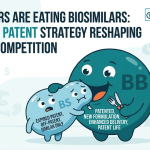
For biologics, the Biosimilar Price Competition and Innovation Act (BPCIA) created an analogous but more complex patent resolution framework, the so-called ‘patent dance,’ in which the biosimilar applicant and the reference product sponsor exchange information about the biosimilar’s manufacturing process and the reference product’s patent portfolio to identify patents at issue. The BPCIA provides a 12-year data exclusivity period for reference biologics (separate from patent protection) and a 4-year period during which no biosimilar application can be submitted.
Biosimilar interchangeability, the regulatory designation that allows pharmacists to substitute a biosimilar for the reference biologic without prescriber intervention (equivalent to the AB-rated generic substitution standard), requires additional switching studies demonstrating no clinically meaningful difference between alternating between the biosimilar and the reference product. Only interchangeable biosimilars can be automatically substituted at the pharmacy level; non-interchangeable biosimilars require a prescriber decision for each patient. This regulatory distinction has significant commercial implications: reference product sponsors have an incentive to design patient support programs and contract structures that discourage substitution, while biosimilar entrants have an incentive to invest in achieving the interchangeability designation.
3.4 Biologic Patent Thickets and Biosimilar Interchangeability Risk
AbbVie’s patent protection strategy for adalimumab (Humira) is the most-studied example of a pharmaceutical patent thicket. AbbVie built a portfolio of more than 130 US patents covering the compound, formulations, manufacturing processes, methods of treatment, and dosing regimens. Generic biosimilar entrants in the US faced the prospect of infringing one or more of those patents even if they designed around the composition-of-matter claims. AbbVie settled with multiple biosimilar applicants under agreements that delayed US entry while allowing earlier entry in Europe, where the patent thicket was thinner. The result was that US patients paid substantially higher prices for adalimumab for years after the compound’s core exclusivity expired.
For a company launching a biologic today, the lesson runs in both directions. A reference product sponsor building a lifecycle management strategy should document and file manufacturing process patents, device patents (covering auto-injectors and pen devices), and concentrated formulation patents systematically, beginning at IND and continuing through post-approval process improvements. Each additional patent layer requires a biosimilar entrant to conduct an FTO analysis and potentially file additional Paragraph IV-equivalent certifications under the BPCIA, increasing the cost and timeline of biosimilar development.
Conversely, a company developing a biosimilar must map the reference product’s complete patent landscape, including pending applications, before committing to a development program. A biosimilar development program that reaches the BLA stage and then discovers an unclearable manufacturing process patent has wasted hundreds of millions of dollars.
IP Valuation Framework for Biologics:
For analysts valuing a biologic’s patent portfolio, the relevant metric is not simply the expiration date of the primary compound patent but the ‘effective exclusivity horizon’: the date by which biosimilar interchangeability is achievable by a well-resourced competitor, accounting for the full patent thicket and the additional regulatory timeline for the interchangeability designation. That horizon, not the compound patent expiration date, is the correct input for revenue cliff modeling.
Key Takeaways:
IP strategy for biologics requires a three-layer approach covering compound and formulation patents, manufacturing process patents (which are particularly difficult for biosimilar applicants to design around because they require detailed knowledge of the reference product’s manufacturing process), and device patents. The Orange Book listing strategy for the device, if the biologic is delivered via a proprietary auto-injector, requires careful coordination with regulatory counsel. Device patent expiration timelines should be mapped separately from drug patent timelines in any IP portfolio valuation.
4. Operational and Supply Chain Pitfalls
4.1 Manufacturing Scale-Up Failures and GMP Non-Compliance
Manufacturing scale-up is where the physics of drug production clashes with the economics of drug launches. A process that works reliably at 100-liter batch scale in a GMP-compliant Phase III facility does not automatically transfer to 2,000-liter commercial-scale production. Shear forces, heat transfer coefficients, mixing dynamics, and dissolved oxygen profiles all change non-linearly with scale. For biologics, those physical changes can alter protein folding, glycosylation patterns, and aggregate formation in ways that affect both efficacy and immunogenicity.
Process Analytical Technology (PAT), as defined in FDA’s 2004 PAT guidance, provides a framework for real-time monitoring of critical quality attributes (CQAs) during manufacturing. PAT tools, including near-infrared spectroscopy, Raman spectroscopy, and inline particle size analysis, allow manufacturers to monitor the process as it runs rather than testing only the finished product. Quality by Design (QbD), outlined in ICH Q8(R2), goes further by defining a ‘design space’ of process parameters within which product quality is assured, giving manufacturers regulatory flexibility to adjust processes within that space without filing a prior approval supplement.
Companies that do not implement PAT and QbD during Phase III manufacturing development arrive at commercial launch with a process that is locked down by their approved application, with no ability to make adjustments without prior FDA approval. Process changes during commercial manufacturing, even minor ones like a change in raw material supplier or a change in mixing time, require a Chemistry, Manufacturing, and Controls (CMC) supplement that can take months to approve. Each process change that interrupts manufacturing continuity has a direct cost: at approximately $800,000 in lost prescription sales per day of supply disruption, a three-month manufacturing gap on a major product costs roughly $70 million.
Regeneron’s linvoseltamab experience illustrates the third-party CMC risk. The FDA issued a Complete Response Letter (CRL) for linvoseltamab in the multiple myeloma indication, citing deficiencies at a third-party fill/finish facility. The drug itself was not the problem; the manufacturing infrastructure was. Companies that rely on CDMOs for fill/finish operations must conduct thorough facility audits and must include CMO quality management systems within their own quality oversight framework, not treat them as external dependencies.
ALCOA Compliance and Data Integrity:
FDA 483 observations for data integrity failures have increased substantially over the past decade, as FDA has applied the ALCOA+ principles (Attributable, Legible, Contemporaneous, Original, Accurate, Complete, Consistent, Enduring, Available) more rigorously during GMP inspections. Manual data capture systems, paper batch records, and laboratory notebooks that lack audit trails are the most common sources of data integrity findings. A single critical data integrity observation can result in a Warning Letter that blocks approval of all pending applications from the affected facility, not just the specific product under review. For a company with multiple products in its pipeline manufactured at the same site, a data integrity Warning Letter is a portfolio-level risk event.
4.2 Quality Control Infrastructure Gaps
The QC laboratory is the bottleneck that many pharmaceutical manufacturers underinvest in until a regulatory inspection reveals the consequences. QC labs are responsible for release testing of in-process samples, finished product, raw materials, and packaging components. They generate the data that supports batch release decisions. They maintain the reference standards and calibration records that support regulatory submissions.
In many companies, QC labs run on manual workflows: paper-based sample registration, manual pipetting, paper logbooks for instrument calibration, and Excel spreadsheets for data compilation. Each manual step is a potential source of error and a potential data integrity observation. Automated Laboratory Information Management Systems (LIMS), connected to instruments via bidirectional interfaces, eliminate the transcription step and create automatic audit trails. The initial capital expenditure for LIMS implementation runs to several million dollars for a mid-size facility, but that cost is small relative to the cost of a single product recall or a facility-wide import alert.
Investment in QC automation also has a direct commercial benefit: faster release testing means faster batch release, which means shorter order-to-delivery cycles. For a product launching in multiple markets simultaneously, the ability to release a batch and ship within 48 hours of manufacturing completion versus 14 days has real commercial value, particularly in markets where wholesaler inventory management is tight.
4.3 Supply Chain Concentration Risk and Disruption Economics
The pharmaceutical supply chain has two fundamental vulnerabilities: geographic concentration of active pharmaceutical ingredient (API) manufacturing and single-source supplier dependency for critical raw materials. Roughly 80 percent of API manufacturing for US-marketed drugs relies on facilities in China or India, a concentration that creates systemic risk when geopolitical disruptions, regulatory shutdowns, or natural disasters affect those regions.
Hurricane Maria’s impact on Puerto Rico in 2017 created widespread drug shortages because approximately 50 percent of drugs sold in the US were manufactured on the island. The NotPetya cyberattack in 2017 cost Merck approximately $870 million, primarily because it disrupted manufacturing IT systems including the batch record management systems required for GMP-compliant production.
The financial calculus of supply chain resilience investment is straightforward. A second-source API supplier typically costs five to fifteen percent more per kilogram than the primary supplier, because the volume discount is split and the second supplier must be qualified and maintained at a cost. Against that, the cost of an API supply disruption at product launch, $800,000 per day in lost prescription revenue, plus the cost of emergency supply recovery including air freight, expedited manufacturing, and regulatory notification, exceeds the cost of dual sourcing within weeks.
Companies that defer supply chain investment until after launch on the grounds that the capital is needed for commercialization are making the same category of error as companies that defer commercialization planning until after clinical results. The cost savings are illusory; the risk is concentrated.
Key Takeaways:
Supply chain mapping, which traces the origin of every API, excipient, and packaging component back to its primary source, should be completed during Phase II manufacturing scale-up, not at approval. Dual sourcing for all critical materials should be in place before commercial launch. Cybersecurity assessments of manufacturing IT systems, including the interfaces between enterprise resource planning (ERP) systems, LIMS, and manufacturing execution systems (MES), should be conducted annually and findings remediated before launch.
Investment Strategy:
Analysts evaluating a company’s launch readiness should request the supply chain risk register and the dual-sourcing status for critical materials. A company with single-source API dependency at commercial launch is carrying an unquantified operational risk that could materialize as supply disruption at the worst possible moment. That risk should be reflected in any launch ramp assumptions in the financial model, particularly in the first 12 months.
5. Regulatory and Post-Market Oversight Errors
5.1 Regulatory Non-Compliance Roadblocks
The regulatory submission and approval process generates its own category of launch failures, separate from the clinical and commercial failures discussed above. These are operational failures: documentation deficiencies, data integrity lapses, inadequate training records, and change control gaps that are entirely within the company’s control and entirely preventable.
FDA 483 observations and Warning Letters are more frequently cited in Complete Response Letters than any other category of manufacturing deficiency. A CRL for a manufacturing issue does not simply delay the specific drug under review; it triggers a full facility review that can affect every product manufactured at that site. For a company with three products at different stages of development all manufactured at the same facility, a CRL for data integrity on the lead product effectively pauses the entire pipeline while remediation and re-inspection occur.
Regional regulatory complexity adds a layer that many companies underestimate. A dossier formatted for FDA submission cannot be directly filed with EMA without adaptation. EMA requires submission in the eCTD format with country-specific annexes for each EU member state. Some markets, including Japan and China, require local language sections of the dossier and often require clinical data from studies conducted in the local patient population. Companies that plan for a sequential regulatory strategy, filing in the US first and then adapting for other markets, lose 12 to 24 months of commercial exclusivity in those markets relative to companies that pursue simultaneous submissions.
5.2 Pharmacovigilance and Post-Market Surveillance as a Lifecycle Tool
Post-market surveillance is frequently treated as a regulatory compliance obligation rather than a strategic asset. That framing is wrong in two ways. It leads to underinvestment in PV infrastructure, and it causes companies to miss the commercial opportunities that post-market data creates.
On the compliance side: the FDA Adverse Event Reporting System (FAERS), EMA’s EudraVigilance database, and national PV databases in Japan, Canada, and other markets generate signal detection obligations that require dedicated pharmacovigilance staff, validated database systems, and expedited reporting timelines (15-day expedited reports for serious unexpected adverse drug reactions). A company that manages these obligations with an understaffed, manual process will generate late submissions, miss signals, and risk the regulatory consequences of both.
The consequence of missing a post-market safety signal is illustrated by the withdrawal of Rezulin (troglitazone, Warner-Lambert) for hepatotoxicity in 2000. The signal was present in the post-market data but was not acted on rapidly enough, and the resulting withdrawal eliminated the entire thiazolidinedione category from commercial consideration for years. For a company with a follow-on compound in the same class, the commercial damage from a predecessor’s PV failure is not theoretical.
The strategic asset dimension is less often discussed. Real-world evidence (RWE) generated through post-market studies, patient registries, and electronic health record databases provides the comparative effectiveness data that payers increasingly require to support continued reimbursement. A drug approved on the basis of a randomized controlled trial in a selected population may receive conditional reimbursement, with the payer requiring a real-world outcomes study as a condition of coverage renewal. Companies that have invested in a robust RWE infrastructure, including relationships with health system data partners and validated data collection systems, can complete those studies on the payer’s timeline rather than being forced to negotiate extensions or accept coverage restrictions.
Post-market data also creates the evidence base for new indication filings. A drug approved for a specific line of therapy in one cancer indication may generate signals in its post-market data supporting earlier-line use or use in a second tumor type. That signal, combined with a well-designed investigator-initiated study or a company-sponsored Phase II trial, can support a label expansion that extends the commercial lifecycle and resets regulatory exclusivity for the new indication.
Key Takeaways:
Pharmacovigilance infrastructure must be built and validated before first patient exposure in Phase I, not at product approval. The signal detection methodology should be documented in the PV master file and should include both quantitative methods (disproportionality analysis using the proportional reporting ratio) and clinical review protocols. RWE study designs for payer-required post-approval studies should be pre-specified in the risk management plan at submission, so that data collection can begin at launch rather than after the payer makes its coverage conditional.
6. Organizational and Data Management Deficiencies
6.1 Underinvestment in Program Management and Support Functions
A pharmaceutical company preparing for its first commercial launch is, in operational terms, a startup. It may have hundreds of scientists, a sophisticated R&D infrastructure, and a sophisticated regulatory affairs function. But it does not have commercial HR systems capable of onboarding a 200-person field force in 90 days, IT systems capable of managing customer relationship management (CRM) databases for 50,000 HCP targets, or finance systems capable of processing commercial invoicing, gross-to-net calculations, and managed care contract administration simultaneously.
The L.E.K. Consulting framework for launch scale-up identifies underinvestment in HR, IT, legal, and finance as a consistent risk factor, alongside the absence of a centralized program management function. These failures tend to compound: slow HR onboarding delays field force readiness, which delays HCP education, which delays prescribing, which delays revenue, which triggers a forecast revision that management is reluctant to make because the root cause, a structural organizational deficit, is not what they want to explain to investors.
Cross-functional silos are the organizational expression of this problem. When clinical development, regulatory affairs, market access, manufacturing, medical affairs, and commercial each report up to different functional heads with different accountability metrics, the integrating function that coordinates across all of them, program management, carries no real authority. Launch timelines slip because no single person has the authority and the information to make real-time trade-off decisions across functions.
Program management offices (PMOs) that report directly to the CEO or COO, with explicit accountability for launch timelines and cross-functional deliverables, consistently outperform distributed coordination models. The PMO should own the integrated launch plan, which is a single document that maps every function’s critical path activities to the commercial launch date and identifies dependencies between them.
6.2 Forecasting Methodology Failures and the Analytics Deficit
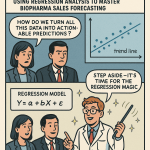
Pharmaceutical revenue forecasting is a field with a persistent accuracy problem. Consensus forecast errors of 30 to 50 percent in the first year of launch are documented across multiple therapeutic areas. The sources of those errors fall into several categories.
Expert-based forecasting, which relies on physician panels or analyst surveys to estimate market uptake, captures stated intent rather than actual prescribing behavior. Stated intent is systematically optimistic because respondents say what they intend to do rather than what they will do given formulary access delays, prior authorization requirements, patient co-pay burdens, and prescribing inertia. Analog-based forecasting, which models a new drug’s uptake trajectory against historical comparators, fails when the comparator was launched in a different competitive environment, at a different price point, or into a different access infrastructure.
The correct methodology combines several inputs: claims data analysis to establish baseline prescribing patterns and patient flow, patient-level longitudinal data to model treatment journey and switching behavior, formulary data to model access timing by payer, HCP-level targeting data to model field force reach and frequency, and macroeconomic inputs including gross-to-net discount assumptions by channel. Each of those data streams requires a specific vendor relationship, data processing infrastructure, and analytical capability that must be in place before the first forecast is built, typically 24 months before launch.
Demand sensing, the use of early prescription data (Rx data, typically available from IQVIA or Symphony Health within two weeks of launch) to update forecasts in real time, is the analytics function that separates companies that catch forecast errors early from those that discover them at the quarterly earnings call. Demand sensing requires pre-specified triggers and decision rules: if weekly Rx volume in month one is below X percent of plan, the response protocol (additional HCP targeting, payer contract renegotiation, DTC advertising spend, or price adjustment) must be defined and ready to execute.
Key Takeaways:
Forecasting models should be built with scenario structures that explicitly separate access-based demand (what the drug would sell if fully covered) from realized demand (what it actually sells given current formulary status). The gap between those two curves is the access barrier, and it should be monitored weekly during the launch period. Any forecast presented without a stated gross-to-net discount assumption, segmented by payer channel, is incomplete.
Investment Strategy:
For institutional investors evaluating a company’s launch projections, the first question is not the peak sales number but the Year 1 ramp assumption. A Year 1 uptake trajectory that assumes broad formulary coverage within six months for a specialty or biologic product is not credible. Specialty drugs routinely face 9 to 15 months of limited coverage before achieving broad formulary access. A model that does not reflect this will overstate Year 1 revenue and create a guidance miss that management will attribute to market conditions rather than modeling errors.
6.3 IP Mismanagement as a Commercial Risk
Pharmaceutical companies routinely manage IP as a legal function, delegating patent prosecution to outside counsel and patent monitoring to a small internal team. That model is structurally inadequate for the commercial challenge.
The commercial team needs patent data to answer questions that are not traditionally framed as IP questions: When will the first generic competitor be able to enter the market? Which competitors’ pipeline drugs are protected by patents that would block cross-licensing deals? Which therapeutic areas have ‘white spaces’ in the patent landscape where a new formulation or indication could establish a novel IP position? Those questions require integration of IP data with competitive intelligence, R&D pipeline data, and commercial strategy.
Patent pending data, meaning published applications that have not yet issued as granted patents, provides approximately 18 months of advance warning of competitors’ technology directions and commercial intentions. A company that monitors only issued patents is operating with a systematic information lag relative to competitors who monitor the application landscape as well.
The failure to list all eligible patents in the Orange Book on a timely basis is a specific, costly IP management error. Only patents listed in the Orange Book at the time of NDA approval trigger the 30-month stay when a generic filer submits a Paragraph IV certification. Patents issued after approval can be listed, but only patents that were identified and listed at the time of the ANDA filing trigger the stay. A company that delays listing a formulation patent because the internal IP team is backlogged loses the right to the 30-month litigation stay for that patent against ANDA filers who submitted before the listing.
Key Takeaways:
Patent portfolio management should be integrated into the commercial launch planning process, with a dedicated IP strategist embedded in the launch team. Orange Book listing decisions should be reviewed and confirmed by regulatory and IP counsel at the time of NDA submission and at each subsequent patent issuance. Patent monitoring, including both issued patents and published applications, should cover not only direct competitors but also formulation technology companies, CDMO partnerships, and academic institutions working in the relevant therapeutic area.
7. Case Studies: Named Failures, Dissected
The following cases are not cautionary anecdotes. They are documented failure sequences with identifiable decision points where a different choice would have produced a different outcome.
Zaltrap (ziv-aflibercept, Sanofi, approved 2012): The drug worked. The vascular endothelial growth factor trap mechanism was clinically sound and demonstrated survival benefit in the pivotal VELOUR trial for metastatic colorectal cancer. The failure was entirely commercial: Sanofi launched at a price approximately double that of bevacizumab (Avastin, Roche/Genentech), which was the standard combination partner for the FOLFOX regimen, without a health economic argument that could justify the differential. Memorial Sloan Kettering oncologists published a public refusal to prescribe in the New York Times, an event without precedent in recent pharmaceutical commercial history. Sanofi cut the price by 50 percent within two months. The core error was launching without a completed HEOR model and without pre-launch engagement with major academic oncology centers on the cost-effectiveness data. The patent portfolio for ziv-aflibercept covered the VEGF Trap construct through the mid-2020s; the IP value was intact but commercially stranded by the access failure.
Multaq (dronedarone, Sanofi, approved 2009): Multaq was positioned as a safer alternative to amiodarone for atrial fibrillation. The clinical differentiation story was plausible at launch. Post-market data then generated signals linking dronedarone to elevated rates of cardiovascular mortality in patients with permanent AF, as well as hepatotoxicity and pulmonary toxicity. The PALLAS trial, a post-marketing study required by FDA, was stopped early due to excess mortality. The French HAS restricted reimbursement; other European authorities tightened the label. Sales stagnated far below projections. The commercial lesson is that the post-market safety profile of a drug positioned on a safety differentiation claim must be rock-solid, because any safety signal in that population destroys the core value proposition instantly. The pharmacovigilance infrastructure must be capable of detecting those signals early enough to respond before the clinical data becomes public.
Exubera (inhaled insulin, Pfizer and Nektar Therapeutics, launched 2006, withdrawn 2007): Exubera represents a market research failure of near-total proportions. The concept of inhaled insulin had genuine patient appeal: eliminating injections for insulin-dependent diabetics. The execution destroyed the concept. The delivery device was the size of a tennis ball can and required a pre-dose lung function test. It was linked to a reduction in FEV1 (forced expiratory volume), a clinically significant finding in a patient population with elevated cardiovascular and pulmonary risk. It captured approximately one percent of the insulin market. Pfizer wrote off $2.8 billion. Nektar’s stock collapsed. The failure was entirely predictable from market research: usability testing of the device in a real-world diabetic patient population, before committing to clinical development, would have identified the practicality barriers that ultimately drove zero uptake. Pfizer’s IP position, which included formulation and device patents, was commercially worthless because no one would use the product.
Linvoseltamab (Regeneron): A bispecific antibody targeting BCMA and CD3 for multiple myeloma, linvoseltamab received a Complete Response Letter from FDA not because of efficacy or safety deficiencies but because of identified manufacturing deficiencies at a third-party fill/finish facility. The drug itself had demonstrated a 71 percent overall response rate in relapsed/refractory myeloma, a compelling efficacy signal in a competitive space. The manufacturing failure delayed a commercially significant launch in a high-value indication and allowed competitors with cleaner CMO relationships to advance their own myeloma programs. The lesson for CMO management: every fill/finish facility must be treated as a regulatory extension of the sponsor’s own operations, with equivalent oversight and audit frequency.
Relenza (zanamivir, GlaxoSmithKline): The neuraminidase inhibitor mechanism was sound. The drug was effective. But the delivery system required using a Rotadisk inhaler that was incompatible with patients who had any degree of bronchospasm or reactive airway disease, a significant population overlap with influenza patients who present with lower respiratory tract symptoms. FDA approved Relenza for treatment of uncomplicated influenza but refused the prophylaxis indication and added pediatric use restrictions. Tamiflu (oseltamivir), which launched as an oral capsule, dominated the market within two years. The IP position for zanamivir was strong, but the commercial exclusivity was economically irrelevant once the market concentrated on the oral alternative.
8. Technology Roadmaps: Biologics Launch and Evergreening Tactics
Biologic Launch Technology Roadmap
A biologic drug, whether a monoclonal antibody, fusion protein, or antibody-drug conjugate, requires a fundamentally different launch technology roadmap than a small molecule. The key differences are in manufacturing complexity, characterization requirements, immunogenicity monitoring, and the post-market surveillance requirements that stem from the inherent variability of protein therapeutics.
Pre-IND Phase (Years -8 to -5 before launch): Cell line development, upstream bioprocess development (bioreactor culture optimization, cell culture media selection), downstream purification process development (chromatography sequences, ultrafiltration/diafiltration). Formulation development to ensure protein stability under shipping and storage conditions. Initial characterization of the drug substance using analytical methods including size exclusion chromatography, ion exchange chromatography, mass spectrometry peptide mapping, and glycan analysis. These analytical methods become the commercial release specifications and must be validated to ICH Q2(R1) before the BLA submission.
Phase I to Phase II (Years -5 to -3): Clinical manufacturing scale-up from bench scale to 200-500 liter bioreactor scale. Comparability studies to demonstrate that the process changes associated with scale-up do not alter the drug’s quality attributes (ICH Q5E). Immunogenicity assay development, because anti-drug antibody (ADA) formation is a clinically significant risk for all protein therapeutics and must be characterized in Phase I. Beginning the post-translational modification characterization, particularly glycosylation pattern analysis, which is critical for both efficacy (glycosylation affects Fc-mediated effector function for antibodies) and immunogenicity risk.
Phase III and Pre-BLA (Years -3 to -1): Commercial-scale manufacturing at 2,000 to 20,000 liter bioreactor scale. Full process validation, including three consecutive process performance qualification (PPQ) batches at commercial scale, demonstrating that the process consistently produces drug meeting all specifications. Final analytical method validation. Stability studies to support the proposed shelf life, typically three years refrigerated for a liquid formulation. The BLA package requires the full characterization dataset, the process validation report, and stability data from primary packaging in the proposed commercial configuration.
Post-BLA (Launch and Beyond): Annual product reviews (APRs) comparing commercial lot quality attributes across all batches released in the year. Trending of ADA rates in the post-market patient population. RWE studies required by FDA as conditions of approval (often required for accelerated approval biologics). Manufacturing process improvement submissions (Prior Approval Supplements or Changes Being Effected supplements, depending on the scope of the change).
Evergreening Technology Roadmap for a Biologic
A biologic’s evergreening strategy is constrained by the biology of the molecule in ways that small molecule evergreening is not. You cannot simply make a new salt form of an antibody. But the biologic evergreening toolkit is still substantial.
Subcutaneous formulation development: Most biologics launch as intravenous infusions, which require administration in a healthcare setting. Developing a subcutaneous (SC) formulation, typically using hyaluronidase co-formulation to facilitate delivery of larger volumes subcutaneously, enables self-administration and removes the infusion center requirement. The SC formulation generates a new NDA supplement, new device patents covering the auto-injector, and a new regulatory exclusivity period for the new formulation. For products like trastuzumab (Herceptin) and rituximab (Rituxan/MabThera), SC formulations significantly extended the commercial lifecycle relative to the IV-only products.
Concentration increase: Higher-concentration formulations that allow a smaller injection volume improve patient convenience and can support reduced dosing frequency. A once-monthly high-concentration formulation replacing a twice-monthly lower-concentration formulation is a commercial and IP differentiation opportunity.
Biosimilar interchangeability defense: Investing in patient support infrastructure that makes switching away from the reference product inconvenient, including nurse support programs, auto-injector training, and outcomes tracking, delays real-world substitution even after biosimilar interchangeability is established.
Combination product development: Co-formulation of a biologic with a companion agent (for example, a checkpoint inhibitor with a CTLA-4 antibody, or an IL-17A antibody with an IL-17F antibody in a bispecific format) creates a new molecular entity with its own IP position and regulatory exclusivity, even if both components are separately available as generics or biosimilars.
9. Investment Strategy for Institutional Analysts
Assessing Launch Readiness as a Pre-Investment Due Diligence Framework
For institutional investors evaluating a biopharmaceutical company ahead of a major drug launch, the following framework identifies the key risk dimensions that determine whether a launch will hit or miss consensus forecasts.
IP Duration and Quality: What is the effective exclusivity horizon for the lead product, accounting for the full patent portfolio and any known Paragraph IV challenges? Is the Orange Book listing complete? Have Paragraph IV certifications already been filed, and if so, what is the litigation status? For biologics, what is the company’s strategy for defending against biosimilar interchangeability? A product with three years of effective exclusivity remaining at launch has a materially different risk profile than one with ten years.
Payer Access Timing: What is the realistic timeline to broad formulary coverage for the drug, accounting for PBM formulary review cycles and HTA submission timelines in major ex-US markets? Has the company completed the HEOR work required for an ICER or NICE submission, and what is the expected ICER ratio relative to the willingness-to-pay threshold? Access delays of 12 to 18 months in major markets compress the revenue ramp in ways that consensus models frequently fail to capture.
Manufacturing Readiness: Has the company completed three PPQ batches at commercial scale (for a biologic) or submitted the commercial manufacturing site for pre-approval inspection (PAI) by FDA? Are there outstanding manufacturing deficiencies from the FDA inspection, and have they been remediated? Does the company have dual-source API supply in place for critical materials?
Competitive Landscape Accuracy: Does the commercial model account for all pipeline competitors that will reach the market within 24 months of the drug’s anticipated launch? Has the company modeled a scenario in which a competitor achieves biosimilar interchangeability within 36 months of the reference product’s launch?
Forecasting Methodology Rigor: Does the Year 1 revenue forecast reflect realistic access timing, or does it assume broad coverage from month one? What gross-to-net discount assumption is embedded in the net revenue projection, and is it segmented by payer channel (commercial, Medicare Part D, Medicaid, 340B)?
Program Management Structure: Is there a centralized launch PMO with direct accountability to the CEO or COO? Does an integrated launch plan exist, with cross-functional milestones and named accountabilities? Has the company publicly disclosed any guidance on the timeline for specific regulatory submissions in ex-US markets?
10. Overarching Framework for Launch Readiness
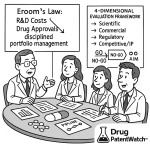
Successful pharmaceutical launches share a common structural feature: the integration of commercial, clinical, regulatory, manufacturing, and IP functions into a single accountable decision-making process beginning at least 36 months before the anticipated launch date.
The practical expression of that integration requires several specific organizational mechanisms. First, a commercial protocol review process in which market access and HEOR leaders participate in Phase II and Phase III protocol reviews, with standing authority to flag endpoints or comparators that will produce insufficient payer submission data. Second, a launch PMO that owns the integrated launch plan and reports directly to executive leadership, with cross-functional authority over milestone accountability. Third, an IP monitoring function that feeds patent landscape data into commercial forecasting models, not just into the legal team’s litigation calendar. Fourth, a supply chain risk function that maps dual-source status for critical materials and maintains a standing contingency plan for supply disruption scenarios.
None of these mechanisms requires extraordinary resources. They require organizational will to break the functional silos that generate the category of launch failure documented throughout this article. The companies that execute successfully against this framework are not uniformly the largest or the best-funded. They are the ones where the CEO treats a launch miss as a systems failure to be diagnosed and corrected, not as a market conditions problem to be explained away.
11. Key Takeaways by Segment
For R&D and Medical Affairs Leads:
Phase III protocol decisions are commercial decisions. Every endpoint, comparator selection, and patient population inclusion criterion generates data that will be used not only for regulatory review but for payer submission, formulary negotiation, and label expansion applications. HEOR, patient-reported outcomes, and health resource utilization data must be pre-specified in the Phase III protocol, not added post-hoc. Post-market commitment studies required as conditions of approval should be designed before BLA submission, and the operational infrastructure to execute them should be in place at launch.
For IP Teams:
The Orange Book listing strategy, the evergreening roadmap, and the FTO analysis against competitor patents are not independent workstreams. They need to be coordinated into a single IP lifecycle plan that maps the effective exclusivity horizon for each product in the portfolio. Patent pending monitoring should be conducted on a monthly cadence covering all relevant therapeutic areas, formulation technologies, and manufacturing approaches. Biosimilar interchangeability risk for biologics should be modeled as a timeline event in the revenue forecast, not as a distant contingency.
For Supply Chain and Manufacturing Leaders:
Dual-source supply for all critical materials is not optional. The cost of maintaining a second-source supplier relationship is quantifiable and bounded; the cost of a supply disruption at launch is potentially catastrophic. GMP compliance is a continuous obligation, not a pre-approval checkpoint. QC laboratory automation should be treated as a capital investment with a quantifiable risk reduction return, not as an overhead cost.
For Market Access and Payer Teams:
The payer submission requires evidence that does not exist in most pivotal trial datasets. The incremental cost-effectiveness ratio, the budget impact model, and the comparative effectiveness analysis relative to the payer’s preferred standard of care must be built from data that was planned into the trial from the beginning. Early scientific advice meetings with HTA agencies are available and should be used. Flexible pricing models, including outcomes-based contracts, should be designed and operationalized before launch, because payers will ask for them.
For Institutional Investors:
The quality of a pharmaceutical company’s launch execution is a leading indicator of its long-term commercial management capability. First-year launch performance sets the market share baseline that the drug will defend for the duration of its commercial life. A company that misses Year 1 consensus estimates by 30 percent rarely recovers to peak sales projections. Due diligence on a pre-launch asset must include direct assessment of payer access strategy, manufacturing readiness, IP portfolio durability, and forecast methodology rigor, not just the clinical efficacy data.
This article was prepared using publicly available data from FDA databases, published clinical literature, Orange Book records, and market research from IQVIA, McKinsey, and L.E.K. Consulting. It does not constitute investment advice. All financial projections cited represent general industry benchmarks rather than specific company guidance.
Copyright and Source: Original article published at DrugPatentWatch.com. This expanded analysis builds on that foundational content.