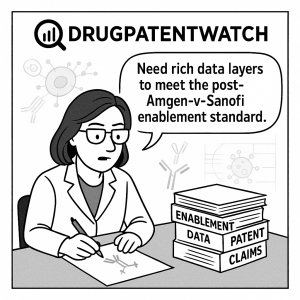
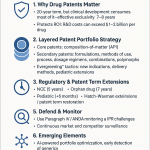
This report provides an exhaustive analysis of the legal, scientific, and commercial considerations for patenting biologic drugs. It addresses the fundamental differences between biologics and small-molecule drugs, the heightened patentability requirements under 35 U.S.C. § 112, the impact of landmark court decisions, and practical strategies for drafting robust patent applications. Key themes include the necessity of a data-rich specification to satisfy the post-Amgen v. Sanofi enablement standard, the strategic layering of patent claims to build a defensible portfolio, and navigating the complex interplay between patent law and the regulatory framework of the Biologics Price Competition and Innovation Act (BPCIA). The report concludes with forward-looking strategies for protecting next-generation therapies and addressing challenges posed by emerging technologies like AI.
Part I: The Biologic Frontier: Scientific Complexity and Economic Imperatives
1.1 Defining the Asset: The Fundamental Distinction Between Biologics and Small-Molecule Drugs
To comprehend the unique challenges of drafting patent applications for biologic drugs, one must first appreciate the profound scientific and regulatory distinctions that separate them from traditional, chemically synthesized small-molecule drugs. These differences are not merely academic; they form the bedrock upon which the entire legal and commercial framework for biologics is built.
Scientific and Regulatory Definitions
Biologic drugs, or biological products, are a diverse category of medicines derived from living sources, such as microorganisms, or plant and animal cells.1 This category includes vaccines, therapeutic proteins, monoclonal antibodies, gene therapies, and cell-based therapies.1 Both the U.S. Food and Drug Administration (FDA) and the European Medicines Agency (EMA) define them by their biological origin.2 In stark contrast, small-molecule drugs, like aspirin, are manufactured through chemical synthesis, resulting in well-characterized, stable compounds with a low molecular weight, typically less than 900 Daltons.3
Biologics are fundamentally larger and more complex. While a small molecule may consist of 20 to 100 atoms, a therapeutic protein can contain from 5,000 to 50,000 atoms.3 Their molecular weight can range from smaller peptides of 1 to less than 10 kilodaltons (kDa) to large monoclonal antibodies exceeding 10 kDa.3 This immense size and complexity mean that biologics often fold into unique three-dimensional structures that are integral to their biological activity.3
Complexity and Heterogeneity
The most critical distinction lies in the manufacturing process and its impact on the final product. Small-molecule drugs can be produced with exacting precision, resulting in batches that are chemically identical. Biologics, however, are produced in living systems, a process inherently subject to variability.2 Slight, unavoidable variations in the manufacturing process can lead to differences in the final product, such as altered glycosylation patterns (the attachment of sugar molecules to a protein). This creates a state of “micro-heterogeneity,” where even within a single batch, a population of similar, but not identical, molecules exists.2
This inherent heterogeneity makes biologics far more difficult to characterize than small molecules.2 Consequently, regulatory agencies recognize that it is impossible for a competing manufacturer to create an exact replica of an innovator biologic. This scientific reality is the reason for the distinction between a “generic” small-molecule drug (which is identical to the original) and a “biosimilar” (which is highly similar, with no clinically meaningful differences, but not identical).6 This fundamental inability to perfectly replicate a biologic is a central theme that permeates every aspect of its patenting and regulation.
Mechanism of Action and Administration
The structural complexity of biologics often allows for highly specific mechanisms of action. Many biologics, particularly monoclonal antibodies, are designed to bind with high specificity to a single target, such as a receptor on a cancer cell or a cytokine involved in an autoimmune response.1 This specificity can lead to greater efficacy and fewer off-target side effects compared to small molecules, which may interact with multiple targets throughout the body.3
Their large size and proteinaceous nature also dictate their route of administration. Biologics are generally not orally active, as they would be degraded in the digestive system. Therefore, they are typically administered via injection or intravenous infusion.1
Regulatory Framework
Reflecting these scientific differences, regulatory pathways for biologics are distinct from those for small molecules. In the United States, biologics are primarily regulated under the Public Health Service Act (PHSA) and require a Biologics License Application (BLA) for approval. Small molecules are regulated under the Federal Food, Drug, and Cosmetic Act (FD&C Act) and require a New Drug Application (NDA).8 Historically, some products that are now considered biologics (like insulin) were approved under the FD&C Act, but a transition mandated by the Biologics Price Competition and Innovation Act (BPCIA) moved these products to the PHSA framework as of March 2020.1 This regulatory bifurcation has significant consequences for patent litigation and market exclusivity, as will be discussed later.
Table 1: Biologic vs. Small-Molecule Drugs: A Comparative Analysis
Feature
Small-Molecule Drug
Biologic Drug
Source/Manufacturing
Chemical synthesis; consistent and reproducible.
Produced in or derived from living organisms (cells, bacteria, yeast); process-dependent variability.
Molecular Weight
Low (typically < 900 Daltons).
High (e.g., >10,000 Daltons for antibodies).
Structure
Simple, well-defined chemical structure.
Large, complex 3D structure (e.g., proteins, nucleic acids); often heterogeneous.
Characterization
Fully characterizable.
Difficult to fully characterize due to inherent heterogeneity (e.g., glycosylation).
Administration Route
Often oral, but also injectable, topical, etc.
Typically injectable or intravenous infusion.
Target Specificity
Can be broad, potentially leading to off-target effects.
Often highly specific to a single target.
U.S. Regulatory Act
Federal Food, Drug, and Cosmetic Act (FD&C Act).
Public Health Service Act (PHSA).
FDA Application
New Drug Application (NDA).
Biologics License Application (BLA).
Follow-On Product Term
Generic (identical copy).
Biosimilar (highly similar, not identical).
Data Exclusivity (U.S.)
5 years for a New Chemical Entity (NCE).
12 years for a reference product.
Data synthesized from sources: 1
1.2 The High Stakes of Innovation: The Economic Landscape of Biopharmaceutical R&D
The decision to pursue a biologic drug is an economic undertaking of immense scale and risk, a reality that directly shapes the aggressive intellectual property strategies employed by innovator companies. The patent application is not merely a legal document; it is the primary financial instrument designed to protect a multi-billion-dollar investment.
Market Dominance and Growth
Biologics represent the fastest-growing segment of the pharmaceutical market. In 2018, the global pharma market was split 69% small molecules and 31% biologics; by 2023, that split had shifted to 58% and 42%, respectively.7 With sales growing three times faster than small molecules, some analysts predict biologics will dominate the market by 2027 and reach sales of over $1 trillion by 2035.7 This explosive growth is fueled by their transformative impact on treating complex and chronic diseases, such as cancer, rheumatoid arthritis, and multiple sclerosis, where they are often the gold standard of care.1 The global biologics market was valued at nearly $300 billion in 2020 and is projected to exceed $567 billion by 2028.17
Investment and Cost of Development
This market potential comes at a staggering price. The biopharmaceutical industry is unparalleled in its R&D intensity, reinvesting, on average, six times more of its sales into R&D than other manufacturing sectors.18 Recent comprehensive studies show that U.S. biopharmaceutical companies invest over a third (34%) of their revenues into R&D, a figure substantially higher than previous estimates.19 In 2021 alone, global biopharmaceutical R&D investment totaled $276 billion.20
The journey from discovery to market is long, arduous, and fraught with failure. The average timeline spans 10 to 15 years.18 The capitalized cost of bringing a single new drug to market is estimated to be between $2.2 billion and $2.6 billion.18 This figure accounts for the high cost of the many promising candidates that fail during development; only about 12% of drugs that enter clinical trials ever receive FDA approval.18 The preclinical phase alone can take 3 to 6 years and cost hundreds of millions of dollars, while late-stage Phase III clinical trials can average $350 million and sometimes exceed $1 billion.22
The Role of U.S. Leadership
The United States stands as the undisputed global leader in this high-risk, high-reward enterprise. Nearly half of all global biopharmaceutical companies are headquartered in the U.S., and these companies are responsible for 55% of the world’s total biopharmaceutical R&D investment—nearly double the investment of all European companies combined.19 This R&D engine is a significant driver of the U.S. economy, directly supporting over 800,000 jobs and contributing $1.3 trillion in economic output.16 The strength of the U.S. intellectual property system is a critical factor in attracting and sustaining this level of investment.
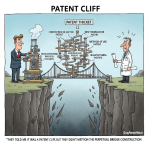
The unforgiving economics of biologic development—massive upfront costs, long timelines, and a high probability of failure—create a powerful imperative for innovator companies to secure the longest and most robust period of market exclusivity possible. This financial pressure is a primary driver behind the complex and often aggressive patenting strategies seen in the industry. A so-called “patent thicket”—a dense web of overlapping patents covering not just the active molecule but also its formulations, manufacturing methods, and uses—is a rational economic response to the need to protect a multi-billion-dollar asset. This strategy aims to mitigate the immense risk of a single patent being invalidated by creating a formidable barrier that increases the cost and uncertainty for any potential biosimilar competitor seeking to enter the market.25
1.3 The Symbiosis of Patents and Exclusivity: Dual Pillars of Protection
Protecting a biologic drug from competition relies on two distinct but complementary legal frameworks: patent protection and regulatory data exclusivity. Understanding the interplay between these two pillars is essential for developing a comprehensive lifecycle management strategy. While they often run in parallel, they are granted by different government bodies, for different reasons, and provide different forms of protection.32
The Quid Pro Quo of Patent Protection
A patent is a grant of a property right by the U.S. Patent and Trademark Office (USPTO). It gives the patent holder the exclusive right to make, use, sell, and import the claimed invention for a limited term, typically 20 years from the earliest effective filing date.32 This right to exclude is the reward for fulfilling the patent system’s fundamental bargain, or
quid pro quo: in exchange for this temporary monopoly, the inventor must provide a full, clear, and enabling public disclosure of the invention.25 This disclosure enriches the public knowledge base and allows others to build upon the invention after the patent expires. For biologics, patents can cover a wide range of inventions, including the composition of matter (e.g., the antibody’s amino acid sequence), methods of using the drug to treat a disease, specific formulations, and the complex processes used to manufacture it.32
Regulatory Data Exclusivity
Regulatory data exclusivity, by contrast, is a right granted by the FDA upon the approval of a new drug. It is not a right to exclude others from practicing an invention, but rather a right to prevent competitors from relying on the innovator’s costly and extensive preclinical and clinical trial data to gain their own marketing approval for a period of time.16
The Biologics Price Competition and Innovation Act (BPCIA) of 2009 established the modern framework for biologics exclusivity in the U.S. It grants an innovator reference product a 12-year period of data exclusivity from the date of its first licensure.15 During this time, the FDA may not approve a biosimilar application that references the innovator’s data. This provides a guaranteed floor of market protection, recognizing the immense investment required to generate the safety and efficacy data needed for a BLA.16 A biosimilar application can be submitted as early as four years after the reference product is licensed, but it cannot be made effective until the 12-year period has passed.15
Complementary but Independent Protections
It is crucial to recognize that patent term and data exclusivity are independent and run concurrently. The 12-year exclusivity clock starts on the day of FDA approval, regardless of when the relevant patents were filed or when they will expire.16 A scenario can easily arise where a biologic’s key composition of matter patent expires 15 years after its filing date, but the product still has several years of data exclusivity remaining. Conversely, a product’s data exclusivity might expire after 12 years, but it may still be protected by numerous later-filed patents on manufacturing or formulation that extend well beyond that date. An effective IP strategy for a biologic drug must therefore be a dual strategy, focused on both obtaining a robust and layered patent portfolio from the USPTO and maximizing the regulatory exclusivities available from the FDA.
Part II: The Pillars of Patentability: Navigating 35 U.S.C. § 112
While an invention must be novel, useful, and non-obvious to be patentable, the most significant hurdles for biologic drug patents lie within the disclosure requirements of 35 U.S.C. § 112(a). This section of the U.S. Patent Act mandates that the specification—the written part of the patent application—must meet three separate requirements: an adequate written description, an enabling disclosure, and the best mode for carrying out the invention.46 For biologics, the written description and enablement requirements are the primary battlegrounds where patent validity is contested. These doctrines function as two distinct but complementary gates against granting patents with claims that are broader than the inventor’s actual contribution to the art.
2.1 The Written Description Requirement: Proving “Possession” of the Invention
The first requirement of § 112(a) is that the specification must “contain a written description of the invention”.35 The U.S. Court of Appeals for the Federal Circuit, the primary appellate court for patent law, has interpreted this to mean that the specification must demonstrate to a person having ordinary skill in the art (PHOSITA) that the inventor was in “possession” of the claimed invention at the time the patent application was filed.25 This “possession” test serves to police priority, ensuring that applicants cannot later amend their claims to cover technology they did not invent until after their filing date.25
Application to Biologics
For a simple chemical compound, providing the chemical structure or name is typically sufficient to demonstrate possession.47 However, for a complex biologic, especially when an inventor seeks to claim a broad class or “genus” of molecules (e.g., all antibodies that bind to a specific target), the requirement becomes far more demanding. The Federal Circuit has established that possession of a claimed genus can be shown by providing either:
A representative number of species falling within the scope of the genus, or
A disclosure of common structural features shared by the members of the genus that distinguish them from other molecules.49
The critical takeaway from cases like Ariad Pharmaceuticals, Inc. v. Eli Lilly & Co. is that a purely functional definition—describing a molecule only by what it does (e.g., “a molecule that inhibits NF-κB activity”)—is generally insufficient to satisfy the written description requirement.46 The specification must provide a nexus between the claimed function and a disclosed structure. An applicant must describe the invention with sufficient particularity, using “words, structures, figures, diagrams, and formulas,” to show they have invented more than just an idea or a research plan; they have invented a tangible, defined molecule or class of molecules.25
The Role of Biological Deposits
In some cases, a biologic material, such as a unique cell line used to produce a monoclonal antibody, cannot be adequately described in writing to meet the disclosure requirements. In such situations, patent law allows for the deposit of the biological material in a recognized public depository, such as the American Type Culture Collection (ATCC).50 This deposit ensures that the public has access to the material needed to practice the invention after the patent expires. However, a deposit is not a substitute for a thorough written description. The specification must still describe the deposited material in as much detail as possible, as the patent examination proceeds solely on the basis of the written disclosure.25
2.2 The Enablement Requirement: Teaching a PHOSITA to Make and Use the Invention
The second, and increasingly critical, requirement of § 112(a) is that the specification must teach a PHOSITA “the manner and process of making and using” the invention.46 This is the core of the patent bargain: the inventor must provide a disclosure that is enabling, meaning it puts the public in possession of the invention.
The “Undue Experimentation” Standard
The legal test for enablement is whether a PHOSITA can practice the full scope of the claimed invention without “undue experimentation”.53 The law recognizes that some experimentation is often necessary in science, especially in complex fields. The key is whether the amount of experimentation required is reasonable and routine, or whether it would require inventive effort equivalent to a new research project.53
The Wands Factors
To provide a structured framework for this fact-intensive inquiry, the Federal Circuit in In re Wands articulated eight factors that courts and the USPTO should weigh to determine if experimentation is undue.47 These factors are not a rigid checklist but a set of guideposts for the overall analysis.
Table 2: The Wands Factors for Assessing Undue Experimentation
Factor
Description & Strategic Importance for Biologics
1. Breadth of the Claims
How broad are the claims? The broader the claim (e.g., claiming all antibodies that bind a target), the greater the enablement burden. This is a central issue in post-Amgen analysis.
2. Nature of the Invention
How complex and unpredictable is the technology? Biologics are considered a highly complex and unpredictable art, which inherently increases the enablement burden.
3. State of the Prior Art
What was known in the field at the time of filing? A well-developed prior art can fill in gaps in the disclosure, reducing the amount of detail needed in the specification.
4. Level of Skill in the Art
How skilled is the hypothetical PHOSITA? A higher level of ordinary skill means the PHOSITA can perform more complex tasks without explicit instruction, slightly lessening the disclosure burden.
5. Predictability of the Art
Can the outcomes of variations be reasonably predicted? This is a critical and often weak point for biologics, as small structural changes can have unpredictable effects on function. Drafters must provide evidence of a structure-function correlation to argue for predictability.
6. Amount of Guidance Presented
How much direction does the specification provide? The patent must provide a “roadmap,” not just a starting point and a goal. Detailed protocols, principles, and correlations are key.
7. Existence of Working Examples
Does the specification provide concrete, working examples? For biologics, multiple, diverse working examples are crucial to show the invention is not just a theory and to support the breadth of the claims.
8. Quantity of Experimentation Required
How much work is needed to practice the full scope of the invention? This is the ultimate question. The analysis considers whether the necessary work is merely routine screening or a complex, trial-and-error research project.
Data synthesized from sources: 47
The “Full Scope” Mandate
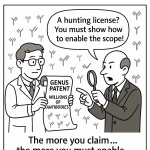
A cornerstone of enablement law, emphatically reaffirmed by the Supreme Court in Amgen v. Sanofi, is that the specification must enable the full scope of the claimed invention.37 If a patent claims an entire class of molecules, its disclosure must be sufficient to allow a PHOSITA to make and use the entire class, not just the specific examples provided in the patent.53 This principle, summed up by the maxim “the more one claims, the more one must enable,” places a heavy burden on applicants seeking broad protection for biologic inventions.37
The “unpredictability of the art” serves as a crucial multiplier in this analysis. In a highly predictable field, a single example might suffice to enable a broad claim. However, in the unpredictable world of biotechnology, where minor changes to an amino acid sequence can have drastic and unforeseen effects on a protein’s function, patent examiners and courts are deeply skeptical that a few examples can enable a vast, functionally-defined genus.49 This skepticism forces patent drafters to provide a wealth of data—more working examples, detailed structural information, and evidence of a reliable structure-function relationship—to convince a skeptical audience that their teaching is truly commensurate with their claims.
Part III: The Judicial Gauntlet: Landmark Cases and Their Strategic Impact
The modern landscape of biologic patenting has been sculpted by a series of landmark court decisions in both the United States and Europe. These rulings have defined the boundaries of patentable subject matter, clarified the stringent disclosure requirements under § 112, and established the frameworks for resolving disputes. A thorough understanding of this judicial history is not merely academic; it is essential for crafting patent applications that can withstand the intense scrutiny they will inevitably face.
3.1 Foundations of U.S. Biotech Patent Law: Defining Patentable Subject Matter
The eligibility of biological inventions for patent protection was not always a settled matter. A trio of Supreme Court cases established the foundational principles that govern what can—and cannot—be patented in the life sciences.
Diamond v. Chakrabarty (1980)
This seminal case addressed the fundamental question of whether life itself could be patented. The Supreme Court, in a 5-4 decision, held that a live, human-made microorganism—a bacterium genetically engineered to break down crude oil—was patentable subject matter under 35 U.S.C. § 101.62 The Court’s reasoning drew a crucial line between products of nature and human ingenuity. It stated that while naturally occurring phenomena are not patentable, an invention that has “markedly different characteristics from any found in nature and one having the potential for significant utility” qualifies as a patentable “manufacture” or “composition of matter”.64 The
Chakrabarty decision opened the floodgates for the biotechnology industry, providing the legal certainty needed to protect investments in genetic engineering and other emerging fields.62
Mayo v. Prometheus (2012) and AMP v. Myriad Genetics (2013)
More than three decades after Chakrabarty, a pair of unanimous Supreme Court decisions significantly curtailed the scope of patent-eligible subject matter, particularly in the realms of diagnostics and genetics.
Mayo Collaborative Services v. Prometheus Laboratories, Inc. invalidated patent claims covering a method for optimizing drug dosage by measuring metabolite levels in a patient’s blood.65 The Court found that the claims were directed to a law of nature—the correlation between metabolite levels and therapeutic efficacy—and that the additional steps of administering a drug and measuring the levels were merely conventional activities. The ruling established a two-step framework for § 101 analysis: first, determine if the claim is directed to a patent-ineligible concept (law of nature, natural phenomenon, or abstract idea); if so, second, ask whether the claim contains an “inventive concept” sufficient to transform it into a patent-eligible application of that concept.65 This decision cast a long shadow over the patentability of many diagnostic methods and personalized medicine claims.
Association for Molecular Pathology v. Myriad Genetics, Inc. addressed the patentability of human genes.63 Myriad Genetics had obtained patents on the isolated BRCA1 and BRCA2 genes, mutations in which are linked to a higher risk of breast and ovarian cancer. The Supreme Court held that isolated genomic DNA (gDNA) is a product of nature and therefore not patent-eligible, even though it had been excised from the chromosome.63 The Court reasoned that the crucial element—the genetic information encoded in the sequence—was not created by the inventor. However, the Court reached a different conclusion for complementary DNA (cDNA), a synthetic form of DNA created in a lab that omits non-coding regions (introns). Because cDNA is not naturally occurring, it was deemed patent-eligible subject matter.63 Myriad affirmed that merely isolating something from nature is not enough to make it patentable.
3.2 The Amgen v. Sanofi Revolution: The New Enablement Standard for Genus Claims
While Mayo and Myriad focused on patent eligibility under § 101, the 2023 Supreme Court decision in Amgen Inc. v. Sanofi brought the enablement requirement of § 112 to the forefront, with profound consequences for how broad claims for biologics must be written and supported. This decision represents the culmination of a long-developing judicial skepticism towards broad, functionally defined claims in the unpredictable arts.
Case Background
The dispute centered on Amgen’s patents for its cholesterol-lowering drug, Repatha. The patents did not claim only the specific antibody sequence of Repatha but instead claimed a broad “genus” of all antibodies that function in a particular way: (1) binding to a specific set of amino acid residues (the “sweet spot”) on the PCSK9 protein, and (2) blocking PCSK9 from binding to LDL receptors.37 This functional claiming strategy was designed to cover not only Amgen’s own drug but also its competitor Sanofi’s drug, Praluent, and potentially millions of other antibodies that could be developed in the future.38
The Unanimous Supreme Court Holding
In a unanimous opinion authored by Justice Gorsuch, the Supreme Court held that Amgen’s claims were invalid for failing to meet the enablement requirement.37 The Court found that Amgen’s specification, which described the amino acid sequences of 26 exemplary antibodies and provided two general methods for discovering others (a “roadmap” for screening and a “conservative substitution” approach), was insufficient to enable a PHOSITA to reliably make and use the full scope of the claimed genus without undue experimentation.38
The Court emphasized that because antibody science is “unpredictable,” a scientist could not know whether a particular amino acid sequence would perform the claimed function without extensive trial and error.61 Amgen’s proposed methods were dismissed as little more than “research assignments” that invited “painstaking experimentation” rather than providing a true enabling disclosure.37 The decision powerfully reaffirmed the principle that “the more one claims, the more one must enable”.37
Strategic Implications
The Amgen decision has been widely interpreted as rendering broad, functionally-defined genus claims for antibodies and other complex biologics practically impossible to obtain and enforce.57 The ruling forces innovators to tether their claims much more closely to the specific structures they have actually invented and characterized. To secure broad protection post-
Amgen, an applicant must provide a specification that either discloses a truly representative and diverse set of examples or identifies a common structural feature that reliably predicts function across the entire claimed genus. The decision signals a major shift, making enablement, rather than written description, the primary weapon for invalidating overly broad biologic patent claims and fundamentally altering the risk calculus for patent drafters and litigators.
3.3 A Comparative Perspective: The European Patent Framework
For companies operating in a global market, understanding the patent landscape in Europe is as critical as mastering U.S. law. The European Patent Office (EPO) and European courts operate under a different legal framework—the European Patent Convention (EPC) and the EU Biotechnology Directive—that has led to divergent outcomes on key issues.68
Key Cases and Doctrines
Howard Florey/Relaxin (EPO T 0272/95): In a decision that stands in direct contrast to the U.S. Myriad ruling, an EPO Opposition Division held that a claim to an isolated human gene (encoding the hormone relaxin) was not an unpatentable “discovery”.68 The reasoning was that the act of isolating the gene was a technical process that made it available for an “industrial application” (i.e., producing a therapeutic protein) for the first time. This focus on industrial applicability rather than the “product of nature” doctrine creates a more permissive environment in Europe for patenting isolated genes, provided a specific function is disclosed.68
Harvard/Oncomouse (EPO T 0019/90): This landmark case dealt with the EPC’s exclusion of inventions whose commercial exploitation would be contrary to “ordre public or morality”.70 In assessing the patentability of a mouse genetically engineered to be susceptible to cancer, the EPO developed a “utilitarian balancing test.” This test weighs the suffering of the animal against the potential medical benefit to humanity.68 In this case, the EPO concluded that the benefit of the Oncomouse for cancer research outweighed the animal’s suffering, and the patent was granted. This case established the framework for assessing the morality of animal-related biotech inventions in Europe.
Brüstle v. Greenpeace (CJEU C-34/10): The Court of Justice of the European Union (CJEU) interpreted the EU Biotech Directive’s prohibition on patenting “uses of human embryos for industrial or commercial purposes.” The court adopted a broad definition of “human embryo” and ruled that an invention is unpatentable if its practice requires the prior destruction of human embryos.68 This decision has had a significant chilling effect on the patenting of human embryonic stem cell technologies in Europe, a stark contrast to the U.S. where the primary legal challenges have been based on subject matter eligibility rather than morality.
Tomatoes/Broccoli Cases (EPO G2/12, G3/19): This long-running saga concerned the patentability of plants obtained through “essentially biological processes” like conventional breeding. After initially finding that the products of such processes could be patented, the EPO’s Enlarged Board of Appeal reversed course in 2020, holding that plants and animals exclusively obtained by such methods are not patentable, aligning the EPC with the intent of the EU Biotech Directive.68
This divergence between U.S. and European patent law is not trivial. It necessitates a bifurcated global patent strategy. For instance, a company developing a gene therapy may need to focus its U.S. application on synthetic cDNA and engineered vectors to avoid the Myriad “product of nature” problem, while its European application could claim the isolated human gene itself, provided it clearly articulates an industrial application and avoids any moral prohibitions.
Living, human-made microorganisms are patent-eligible subject matter.
Establishes the patentability of genetically modified biologics.
AMP v. Myriad Genetics (2013, U.S.)
Isolated human genes
Isolated genomic DNA is an unpatentable “product of nature.” Synthetic cDNA is patent-eligible.
Focus U.S. claims on non-naturally occurring compositions (cDNA, vectors, modified proteins).
Mayo v. Prometheus (2012, U.S.)
Diagnostic methods
Claims directed to a law of nature without an “inventive concept” are not patent-eligible.
Drafting diagnostic method claims requires integrating novel or unconventional steps beyond simply observing a natural correlation.
Amgen v. Sanofi (2023, U.S.)
Functionally claimed antibody genus
A specification must enable a PHOSITA to make and use the full scope of a claimed genus without undue experimentation. Broad functional claims for antibodies are highly vulnerable.
Prioritize structural limitations in claims. Support any functional language with extensive, representative examples and data showing a predictable structure-function relationship.
Howard Florey/Relaxin (EPO)
Isolated human gene
An isolated natural substance is patentable if obtained via a technical process and has a disclosed industrial application.
In Europe, claims to isolated genes are viable if a clear function and utility are described.
Harvard/Oncomouse (EPO)
Transgenic animal
Establishes a “utilitarian balancing test” (benefit to humanity vs. animal suffering) to assess morality of animal-related patents.
For animal-related inventions in Europe, the specification should articulate the significant medical or societal benefits.
Brüstle v. Greenpeace (CJEU)
Human embryonic stem cells
Inventions requiring the prior destruction of human embryos are unpatentable on moral grounds.
Avoid claims in Europe that are dependent on destructive embryonic stem cell derivation methods.
Data synthesized from sources: 60
Part IV: The Practitioner’s Playbook: Constructing a Defensible Patent Application
With a firm grasp of the scientific, economic, and legal context, the focus now shifts to the practical execution: building a patent application for a biologic drug that is not only grantable but also defensible against future challenges. This requires a multi-stage, forward-looking strategy that begins long before the first draft is written and continues throughout the product’s lifecycle.
4.1 Strategic Filing Pathways: Building the Portfolio Over Time
The initial filing decision is one of the most critical strategic choices an innovator will make. The chosen pathway will determine priority dates, disclosure deadlines, and the ability to pursue international protection.
Provisional Applications
For most biotech innovators, particularly startups, the patenting journey begins with a U.S. provisional patent application. This type of filing establishes an early priority date—critical in the U.S. “first-to-file” system—without the formal requirements and higher costs of a non-provisional application.72 It is not examined by the USPTO and expires after 12 months, by which time a corresponding non-provisional application must be filed to claim the benefit of the provisional’s filing date.74 This 12-month period provides a crucial window to gather additional data, refine the invention, and secure funding.75
However, the Amgen v. Sanofi decision has elevated the strategic importance of the provisional application from a simple placeholder to a foundational evidentiary document. A common and perilous mistake is to file a “thin” provisional with minimal data, intending to add the necessary supporting examples later.72 For a non-provisional claim to be entitled to the provisional’s priority date, the provisional’s disclosure must provide adequate written description and enablement for that claim.78 Given the heightened enablement standard for biologics, this means the provisional application itself must contain a substantial data package—including representative examples and structural details—to support the intended claim scope. Adding this data later would be considered “new matter,” and claims relying on it would lose the benefit of the early priority date, a potentially fatal flaw.
Patent Cooperation Treaty (PCT) Applications
For innovators seeking global protection, the Patent Cooperation Treaty (PCT) system is the standard pathway.79 By filing a single “international” PCT application within 12 months of the priority date (e.g., the provisional filing date), an applicant preserves the right to seek patent protection in over 150 member countries.79 The PCT process provides a standardized international search report and a written opinion on patentability, offering valuable early feedback on the invention’s strengths and weaknesses.79 Critically, it delays the substantial costs of entering the “national phase”—filing individual applications in each desired country or region—for up to 30 or 31 months from the priority date.79 This extended timeline allows companies to make more strategic decisions about where to invest in patent protection based on evolving clinical data and market analysis.
Continuation Practice
Continuation practice is a powerful tool in U.S. patent law for building a robust, multi-layered patent portfolio, often referred to as a “patent thicket”.83 By filing a continuing application before its “parent” application is either issued or abandoned, an applicant can keep the patent family alive and pursue different sets of claims based on the original disclosure.83 There are three main types:
Continuation: Used to pursue new or different claims (e.g., broader, narrower, or covering a different aspect) that are supported by the parent application’s specification.83
Divisional: Filed when the USPTO issues a “restriction requirement,” finding that the parent application claims more than one distinct invention. A divisional application pursues the non-elected invention(s).83
Continuation-in-Part (CIP): Adds new matter to the parent specification. However, claims directed to the new matter are only entitled to the filing date of the CIP, not the parent’s earlier priority date.83
This strategy allows innovators to adapt their patent protection over time. An initial patent might issue with narrow claims covering the lead clinical candidate, while a pending continuation application can be used years later to pursue claims that specifically read on a competitor’s product or a newly discovered clinical use, all based on the original disclosure.
4.2 Drafting the Specification for a Post-Amgen World
The specification is the single most important part of the patent application. It is the technical and legal foundation upon which the claims rest. In the wake of Amgen v. Sanofi, drafting a specification that can withstand enablement and written description challenges requires a meticulous, data-driven approach.
The Primacy of Data
A biologic patent application must be a fortress built on a foundation of data. It is not enough to describe a theoretical concept; the specification must prove the invention is real and works as described.85 This requires a comprehensive data package that includes:
Structural Data: Amino acid sequences of variable regions and all six CDRs for antibodies; nucleic acid sequences for vectors and gene therapies; and detailed information on post-translational modifications like glycosylation patterns where relevant.85
Functional Data: Quantitative data demonstrating the biologic’s activity, such as binding affinity (KD values), enzyme kinetics, receptor activation or inhibition (IC50 values), and in vitro and in vivo efficacy data from relevant disease models.85
Manufacturing Data: Details about the production process, including the host cell line, culture conditions, and purification protocols, which can be crucial for supporting process claims and demonstrating consistency.85
Satisfying Written Description and Enablement
To meet the heightened disclosure standards, the specification must be drafted with the “possession” and “full scope” tests firmly in mind.
Disclose Representative Species: For a genus claim, the specification must describe a sufficient number of diverse species to be representative of the entire class. For antibodies, this means providing the full sequence data for multiple antibodies that bind to different epitopes or have different functional properties.49
Provide a Predictive Roadmap: The specification must do more than provide a handful of examples and a general method for finding more. It must provide a true “roadmap” that teaches a PHOSITA how to reliably generate other members of the claimed genus.38 This could involve identifying a common structural motif that confers the desired function or providing detailed structure-activity relationship (SAR) data that makes the art more predictable.
Leverage Working and Prophetic Examples:Working examples, which describe experiments that have actually been performed, are the gold standard for demonstrating enablement and are essential.87 Prophetic examples, written in the present tense, describe how an experiment could be carried out and can be used to provide additional support and guidance, but they carry less weight than actual data.53 A well-drafted specification will use a combination of both.
4.3 Mastering the Art of the Claim: Balancing Breadth and Defensibility
The claims define the legal boundaries of the invention and are the focus of any infringement analysis.89 Drafting claims for a biologic requires a delicate balance between seeking broad protection to cover potential competitors and ensuring the claims are narrow enough to be fully supported by the specification under § 112.85
Claim Structure and Language
Patent claims have a specific structure, typically comprising a preamble, a transitional phrase, and a body.90 The choice of transitional phrase is critical:
“Comprising”: An open-ended term meaning “including but not limited to.” This is the broadest and most commonly used transition, as it does not exclude additional, unrecited elements.90
“Consisting of”: A closed-ended term that excludes any elements not explicitly recited. It provides the narrowest scope and is used when the invention is a precise combination of components.90
“Consisting essentially of”: A middle ground, allowing for the presence of unrecited elements as long as they do not materially affect the basic and novel characteristics of the invention.90
Key Claim Types for Biologics
A comprehensive patent strategy will employ a variety of claim types to create multiple layers of protection.
Composition of Matter Claims: These are the most valuable claims as they protect the biologic product itself, regardless of how it is made or used.40 Post- Amgen, these claims should be defined by their structure (e.g., amino acid or nucleic acid sequence) whenever possible.72 For an antibody, one might claim:
An isolated antibody comprising specific heavy and light chain variable region sequences.
An isolated antibody comprising a set of six specific CDR sequences.
An isolated nucleic acid molecule encoding the antibody.
Method of Use Claims: These claims protect a specific use of the biologic, such as a method of treating a particular disease.40 They are a powerful tool for lifecycle management, as new indications discovered years after initial approval can be protected with new method-of-use patents.39 An example would be: “A method of treating rheumatoid arthritis in a human subject, comprising administering to the subject a therapeutically effective amount of an antibody comprising…”
Manufacturing (Process) Claims: Given that the manufacturing process for a biologic is inextricably linked to the final product, process claims are exceptionally important.86 These can cover novel aspects of the production process, such as a specific host cell expression system, a unique purification step, or a method for achieving a particular glycosylation profile.72 These claims are often difficult for competitors to design around and are a major focus of BPCIA litigation.86
Layering Strategy
A sophisticated patent application will not rely on a single broad claim. Instead, it will include a hierarchy of claims, starting with a broad independent claim followed by a series of dependent claims that progressively narrow the scope by adding specific features or limitations.73 This provides valuable fallback positions; if the broad claim is invalidated during litigation, the narrower dependent claims may still survive.
4.4 Essential Technical Components
Beyond the specification and claims, biologic patent applications have unique technical requirements that are essential for compliance.
Sequence Listings
If a patent application discloses nucleotide or amino acid sequences that meet certain length thresholds (e.g., 10 or more nucleotides, or 4 or more amino acids), it must be accompanied by a formal “Sequence Listing”.96 As of July 1, 2022, the USPTO and all other WIPO member offices mandate the use of the new
WIPO Standard ST.26, which requires the listing to be submitted in an XML (eXtensible Markup Language) format.98 This replaces the previous ST.25 text-based format. The ST.26 standard is designed to harmonize sequence data across global patent offices and public databases, enabling more effective searching and data exchange.98 Each sequence is given a unique identifier (e.g., “SEQ ID NO: 1”), which is then used to refer to that sequence throughout the specification and claims.96
Biological Deposits
As previously mentioned, when a biological material central to the invention cannot be fully described or reproduced from the written text, a deposit of the material is required to satisfy § 112.25 The deposit must be made with an International Depository Authority (IDA) under the terms of the Budapest Treaty. This ensures the long-term viability and public accessibility of the material. The patent specification must refer to the deposit, including the name of the depository and the accession number assigned to the deposit.25
Table 4: Checklist for Drafting a Post-Amgen Specification
Specification Component
Key Action/Consideration
Rationale (Why this matters post-Amgen)
Title/Abstract
Accurately reflect the invention’s core structural and functional features.
Provides a clear, concise summary for examiners and the public.
Background
Clearly define the technical problem solved by the invention.
Establishes the context and unmet need, supporting the invention’s non-obviousness.
Detailed Description (General)
Draft as a “wellspring” document, disclosing multiple potential embodiments, formulations, and uses.
Provides the necessary support for filing future continuation applications to build a robust patent portfolio.
Detailed Description (Structural Support)
Disclose full amino acid/nucleic acid sequences for multiple, diverse examples (e.g., antibodies with different CDRs, binding to different epitopes).
Directly addresses the written description “possession” requirement and provides the structural anchor for functional claims. Amgen makes this non-negotiable.
Detailed Description (Functional Support)
Provide extensive quantitative data (e.g., binding affinities, IC50s, in vivo efficacy) for all disclosed examples.
Links the disclosed structures to the claimed function, building the case for enablement and demonstrating the invention’s utility.
Working Examples
Include numerous, detailed working examples that are representative of the full scope of the desired claims.
These are the strongest evidence of enablement. A lack of representative examples was a key failure for Amgen. They prove the invention is not just a theory.
Prophetic Examples
Use present-tense language to describe plausible, well-supported methods for creating additional embodiments.
Can supplement working examples to provide guidance, but cannot replace them. They help build the “roadmap” but are not the destination.
Sequence Listing
Comply with the WIPO ST.26 XML format. Ensure every disclosed sequence is accurately included and referenced.
A mandatory technical requirement. Failure to comply can result in delays or rejection.
Biological Deposit
If necessary, make a deposit with an IDA and correctly reference it in the specification.
Ensures enablement for materials that cannot be described in writing, providing a crucial fallback for complex biological inventions.
Data synthesized from sources: 25
Part V: The Competitive Arena: Advanced Strategies and Future Horizons
Securing a patent is only the beginning. The ultimate value of a biologic patent portfolio is determined by its ability to provide meaningful market exclusivity in a fiercely competitive and highly regulated environment. This requires navigating the complex BPCIA framework, anticipating and defending against challenges from biosimilar competitors, and adapting patent strategies to protect the next wave of therapeutic innovation.
5.1 Navigating the BPCIA Framework: The Intersection of Regulation and Patent Litigation
The Biologics Price Competition and Innovation Act of 2009 (BPCIA) fundamentally reshaped the competitive landscape for biologics in the United States. It created both a pathway for biosimilar competition and a unique set of rules for resolving the inevitable patent disputes that arise.16
The Biosimilar Pathway and 12-Year Exclusivity
The BPCIA created an abbreviated licensure pathway for biosimilars, allowing them to gain FDA approval by demonstrating high similarity to an already-approved innovator “reference product,” thereby leveraging the innovator’s extensive clinical trial data.41 To balance this benefit for competitors, the Act provides the innovator with a crucial 12-year period of regulatory data exclusivity, beginning on the date of the reference product’s first licensure.15 This exclusivity period provides a guaranteed baseline of market protection, regardless of the status of the innovator’s patent portfolio.
The “Patent Dance”
To manage the complex patent disputes inherent in this system, the BPCIA established a highly structured information exchange process, colloquially known as the “patent dance”.104 This multi-step, timeline-driven process begins after the FDA accepts a biosimilar application. Key steps include:
The biosimilar applicant provides its application (aBLA) and detailed manufacturing information to the reference product sponsor (RPS).41
The RPS provides a list of patents it believes could be infringed.
The biosimilar applicant responds with its arguments on non-infringement and invalidity.
The parties negotiate to arrive at a list of patents that will be litigated in an initial wave of litigation.104
In its 2017 decision in Sandoz v. Amgen, the Supreme Court held that a biosimilar applicant cannot be forced by federal law to participate in the patent dance.86 However, choosing to opt out carries significant strategic consequences. For example, it allows the RPS to immediately file an infringement suit on any patent it chooses, shifting control of the litigation to the innovator.104 The patent dance has inadvertently made manufacturing process patents some of the most powerful tools in an innovator’s arsenal. The requirement for the biosimilar applicant to disclose its confidential manufacturing process gives the innovator an unprecedented early look at a competitor’s methods, allowing for a precise and targeted assertion of its process patents—patents that are notoriously difficult to enforce in other industries where such discovery is not available until much later in litigation.86
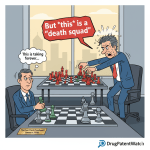
5.2 Confronting the “Patent Thicket”: Lessons from AbbVie’s Humira
No discussion of biologic patent strategy is complete without analyzing the case of AbbVie’s Humira (adalimumab), the canonical example of the “patent thicket” strategy.
Case Study
Humira, a monoclonal antibody for treating autoimmune diseases, became the world’s best-selling drug, with peak annual sales exceeding $20 billion.85 Its primary composition of matter patent was set to expire in the U.S. in 2016. To extend its market monopoly, AbbVie executed a masterful and aggressive IP strategy, building a dense web of over 130 patents.25 A vast majority of these were “secondary” patents, filed years after the drug was on the market, covering every conceivable aspect of the product: dozens of formulations, methods of manufacturing, and new methods of use for different indications.27
The Strategy and its Effect
This patent thicket presented an almost insurmountable barrier for biosimilar competitors. To launch their products, they would need to successfully invalidate or prove non-infringement for every single one of the asserted patents—a “bet-the-company” litigation effort with immense cost and risk.26 Faced with this daunting legal challenge, every major biosimilar manufacturer ultimately chose to settle with AbbVie.31 These settlements involved a global resolution of the patent disputes, typically allowing the biosimilar to launch in Europe shortly after the primary patent expired there (in 2018) in exchange for a delayed and staggered entry into the more lucrative U.S. market, starting in 2023.29 AbbVie’s strategy successfully extended its U.S. monopoly for Humira by nearly seven years beyond the life of its core patent.
Legal and Legislative Responses
The Humira case has become a flashpoint in the debate over drug pricing and patent law. While antitrust challenges against AbbVie’s strategy were ultimately dismissed, with courts finding that the conduct was protected petitioning activity under the Noerr-Pennington doctrine, the strategy has drawn intense criticism from policymakers and the public.29 This has led to proposals for legislative reform, such as the Affordable Prescriptions for Patients Act, which seeks to limit the number of patents an innovator can assert in BPCIA litigation (e.g., to 20 patents) to prevent the creation of such impenetrable thickets in the future.27
5.3 Patenting Next-Generation Therapeutics: Cell and Gene Therapies
The cutting edge of biotechnology—including Chimeric Antigen Receptor T-cell (CAR-T) therapies, gene therapies, and stem cell therapies—presents a new frontier of patenting challenges. These “living drugs” are often personalized to the patient and are defined as much by their complex manufacturing process as by their composition.88
Unique Challenges
Patenting these advanced therapy medicinal products (ATMPs) involves several unique hurdles. The therapies can be deemed “products of nature” if not sufficiently modified.121 The manufacturing process is often the invention itself, blurring the line between process and product.120 For autologous therapies, where a patient’s own cells are extracted, modified, and re-infused, defining the “product” that is being bought and sold can be complex.
Patent Landscape and FTO
The CAR-T field, in particular, has seen an exponential increase in patent filings over the last decade, creating a crowded and contentious landscape.125 Foundational patents on CAR constructs, co-stimulatory domains, and viral vectors are held by a mix of academic institutions and pioneering companies.125 For any new company entering this space, a thorough freedom-to-operate (FTO) analysis is not just advisable, it is a prerequisite for survival. This analysis must dissect a potential product into its component parts—the targeting domain, the vector, the cell processing method—and assess the patent risk for each.125 The high-stakes litigation in this area, such as the billion-dollar dispute between Juno and Kite (Gilead), underscores the value and risk associated with this IP.125
Strategic Imperatives
A successful IP strategy for cell and gene therapies must be multi-faceted. It requires filing claims on the composition of matter (e.g., the engineered cell, the nucleic acid construct), the methods of manufacturing (e.g., cell selection, transduction, and expansion protocols), and the methods of treatment.88 Innovators must also make a critical strategic decision about what to patent versus what to protect as a trade secret. While patents provide strong exclusionary rights, they require public disclosure. Certain proprietary manufacturing techniques and know-how might be better protected by being kept confidential as trade secrets, provided they are not easily reverse-engineered.120
5.4 The Rise of the Machines: AI in Biologic Discovery and Inventorship
The integration of artificial intelligence (AI) and machine learning into drug discovery is poised to disrupt not only the science of biologics but also the laws that protect them.129
Impact on Drug Discovery
AI platforms are accelerating the discovery process at an unprecedented rate. Systems like DeepMind’s AlphaFold2 can predict protein structures with incredible accuracy, while generative AI models can design novel antibodies or other therapeutic molecules de novo.130 AI is being used to identify new drug targets, optimize molecules for desired properties, and design more efficient clinical trials, potentially slashing development times and costs.130
Inventorship and Patentability
This technological leap raises fundamental questions for patent law. A core tenet of U.S. law, recently affirmed by the Federal Circuit in Thaler v. Vidal, is that an “inventor” must be a human being.129 An AI system cannot be named as an inventor on a patent. Therefore, for an AI-assisted discovery to be patentable, there must have been a “significant contribution” by a human to the conception of the invention.129 According to recent USPTO guidance, this could involve designing or training the AI for a specific problem or applying significant intellectual input to select and refine the AI’s output. Merely recognizing and appreciating the output of a general-purpose AI is not enough.129
The “Obviousness” Standard and Enablement
The rise of AI also has profound implications for the non-obviousness requirement. The standard for obviousness is judged from the perspective of a person of ordinary skill in the art. As AI tools become ubiquitous, the capabilities of this hypothetical skilled person are effectively augmented. An invention that would have been non-obvious to a human researcher might be considered obvious if an AI could have readily identified it, thus raising the bar for patentability.129
Conversely, AI may offer a powerful solution to the enablement challenges posed by Amgen v. Sanofi. Where human researchers can only produce and test a handful of examples, an AI system could potentially generate and computationally validate thousands or even millions of virtual examples of molecules that fall within a claimed genus. Including this AI-generated data in a patent application could provide the robust, representative support needed to enable a broader claim, turning AI from a patentability challenge into an enablement tool.129
The convergence of R&D, legal strategy, and corporate development is becoming more critical than ever. The heightened legal standards for patentability are forcing IP considerations to be integrated at the earliest stages of research. A company’s R&D plan must now be designed not only to find a clinically effective drug but also to generate the specific data package required to secure a commercially valuable patent in a post-Amgen world. Similarly, the crowded and complex patent landscapes for new technologies like CAR-T mean that freedom-to-operate and IP strategy are now key drivers of business development, influencing which scientific avenues are pursued and which M&A or licensing deals are necessary for a company to even begin its work. In this new era, the patent attorney is not just a scribe for an invention already made, but a core strategic partner in shaping the entire innovation lifecycle.
Conclusion and Strategic Recommendations
The patenting of biologic drugs exists at a complex and dynamic intersection of cutting-edge science, multi-billion-dollar economics, and rapidly evolving law. The inherent complexity of these large-molecule therapies—from their process-dependent manufacturing to their unpredictable structure-function relationships—creates a set of unique and formidable challenges for innovators seeking to protect their investments. The legal framework, shaped by decades of judicial interpretation and landmark legislation, demands a level of rigor and strategic foresight far exceeding that required for traditional small-molecule drugs.
The Supreme Court’s unanimous decision in Amgen v. Sanofi represents a watershed moment, solidifying a new, more stringent era for the enablement of biologic patents. The era of securing broad, functionally-defined genus claims based on a few representative examples is over. The mandate is now clear: the patent’s disclosure must be commensurate with the scope of its claims, a standard that places an immense evidentiary burden on innovators working in unpredictable fields.
Success in this demanding environment is not accidental. It requires a proactive, integrated, and multi-layered approach to intellectual property that is woven into the fabric of a company’s R&D and commercial strategy from day one. Based on the comprehensive analysis in this report, the following strategic recommendations are offered for practitioners and innovators in the biopharmaceutical space:
Prioritize Upfront Data Generation for a Foundational Provisional Application. The provisional patent application must be treated as the cornerstone of the entire patent estate. A “thin” filing is a critical vulnerability. Innovators must invest in generating a robust data package—including structural data for multiple, diverse exemplars and quantitative functional data—before filing the first application. This foundational document must contain sufficient detail to satisfy the written description and enablement requirements for the broadest claims envisioned for the entire product lifecycle.
Adopt a “Wellspring” Approach to Specification Drafting. The initial patent specification should be drafted not just to protect the immediate lead candidate but as a “wellspring” for future patent filings. It should strategically disclose alternative formulations, potential dosage regimens, details of the manufacturing process, and other foreseeable variations. This provides the necessary support to file a series of continuation applications over many years, allowing the patent portfolio to evolve with new clinical data and respond to competitor activities, thereby creating a legally sound “patent thicket.”
Embrace a “Structure-First” Claiming Strategy Post-Amgen. Patent claims for biologics should be anchored in structure whenever possible. For antibodies, this means focusing claims on specific sets of six CDRs or variable region sequences. While functional language can still be used to define the context or properties of these structures, purely functional claims are now exceptionally high-risk. A layered claiming strategy, with a hierarchy of claims moving from broad (but structurally supported) to narrow and specific, is essential to ensure that some measure of protection survives a validity challenge.
Elevate the Strategic Importance of Manufacturing Process Patents. In the context of the BPCIA patent dance, manufacturing process patents have become a primary strategic weapon. Innovators should meticulously document and patent every novel and non-obvious aspect of their manufacturing process, from the host cell line and vector constructs to culture conditions and purification protocols. These patents are often more difficult for biosimilar competitors to design around and can provide a powerful and durable layer of protection.
Develop a Bifurcated Global Filing Strategy. Recognize and adapt to the significant divergences between U.S. and European patent law. U.S. strategy must be tailored to overcome the “product of nature” doctrine under § 101 and the stringent enablement standard of § 112. European strategy should focus on demonstrating “industrial applicability” to distinguish an invention from a mere discovery, while carefully navigating the moral and public policy exclusions under the EPC. A one-size-fits-all approach to global patenting is destined to fail.
Integrate IP Strategy with R&D and Business Development from Inception. Intellectual property is no longer a downstream legal function but a core driver of corporate strategy. Freedom-to-operate analyses must inform early-stage research decisions to avoid entry into intractably crowded patent landscapes. The heightened data requirements for patentability must be incorporated into R&D project plans and budgets. In emerging fields like cell and gene therapy, IP due diligence is a primary driver of licensing and M&A activity, necessary to consolidate the rights needed to commercialize a product.
By embracing these principles, biopharmaceutical innovators can better navigate the formidable challenges of the current landscape, building patent portfolios that are not only defensible in court but also provide the durable market exclusivity necessary to justify the immense risks and costs of bringing new, life-saving biologic therapies to patients.
The Expiry of Humira® Market Exclusivity and the Entry of Adalimumab Biosimilars in Europe: An Overview of Pricing and National Policy Measures, accessed August 2, 2025, https://pmc.ncbi.nlm.nih.gov/articles/PMC7839249/