Executive Summary: The Russian Pharma Paradox – A Market of Contradictions
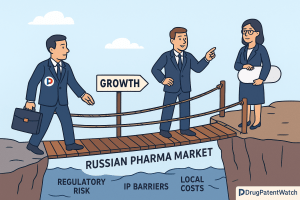
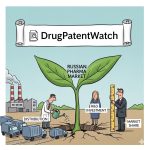
The Russian pharmaceutical market presents a formidable paradox to the global life sciences industry. It is a landscape of profound contradictions: a vast and growing market in its local currency, propelled by significant state investment and pressing public health needs, yet simultaneously cordoned off by geopolitical pressures, laden with intellectual property risks, and governed by an unwavering state doctrine of “technological sovereignty.” For any international firm, investor, or advisor contemplating entry or expansion, understanding this paradox is not merely an academic exercise—it is the fundamental prerequisite for survival and success.
The top-line numbers paint a bifurcated picture that is essential to grasp from the outset. In 2024, the market’s total value surged to an impressive 2.85 trillion roubles, marking a robust 10% increase over the previous year.1 Projections suggest this trajectory will continue, potentially exceeding 3.2 trillion roubles in the near term.1 However, when viewed through the lens of international currencies, this growth evaporates. In U.S. dollar terms, the market remained entirely flat at $30.9 billion, identical to 2023, while in euros, it experienced a slight contraction of 0.5% to 28.4 billion euros.1
This divergence is the single most important strategic data point for any external stakeholder. It signals far more than currency volatility; it represents a deliberate, state-engineered de-linking of the Russian pharmaceutical sector’s value from Western economic benchmarks. The state is actively cultivating an insulated ecosystem where value is created, measured, and reinvested in roubles, and where strategic alignment with national priorities trumps global market share. Companies that continue to measure their Russian success solely by the yardstick of repatriated U.S. dollar revenue will fundamentally misread the market and its opportunities.
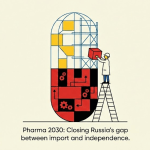
The core thesis of this report is that success in Russia is no longer a game of traditional market penetration. The old models of simple import-and-sell are obsolete. Today, the path to profitability is one of strategic alignment with the state’s ambitious “Pharma-2030” strategy. This is not a mere policy document; it is a declaration of economic and strategic intent aimed at achieving near-total self-sufficiency in critical medicines. In this new reality, localization is not an option—it is the non-negotiable price of admission. The pivotal question for any prospective entrant is no longer simply, “Can we sell our products in Russia?” but rather, “Can our business model, our technology, and our portfolio align with Russia’s national security objectives in healthcare?” This report provides the detailed, data-driven framework necessary to answer that question.
Deconstructing the Market Landscape: A Tale of Two Segments
To formulate a viable strategy, one must first dissect the intricate anatomy of the Russian pharmaceutical market. It is not a monolithic entity but a complex system composed of distinct segments, each with its own drivers, regulations, and growth dynamics. Understanding where capital is flowing, what influences purchasing decisions, and how the product mix is evolving is critical to identifying genuine opportunities and avoiding costly missteps. The market is fundamentally split between a dynamic, consumer-driven commercial segment and a state-controlled public procurement segment, each demanding a unique strategic approach.
Market Size and Growth Trajectory: The Rouble vs. Dollar Reality
The headline figures of the Russian pharmaceutical market demand careful interpretation. The market’s valuation reached 2.85 trillion roubles in 2024, a solid 10% increase over 2023, with some forecasts predicting it could reach 3.2 trillion roubles in the near future.1 This local-currency growth is substantial and indicates a vibrant internal economy for medicines. However, this narrative of expansion is heavily shaped by local economic factors, most notably a high drug inflation rate, which stood at
7.8% in 2024.1 This means a significant portion of the market’s value growth is attributable to rising prices rather than purely to increased volume or the introduction of innovative therapies.
When this rouble-denominated growth is translated into hard currencies, the picture changes dramatically. The market’s value in U.S. dollars held steady at $30.9 billion in 2024, showing zero growth from the previous year, while its value in euros actually decreased by 0.5% to 28.4 billion euros.1 This stark contrast underscores the impact of the rouble’s devaluation and highlights the risks for foreign companies focused on revenue repatriation. Forecasts for 2025 reflect this volatility, with projections ranging from
$24.5 billion to $25 billion, numbers that are heavily dependent on fluctuating exchange rates.3
This dynamic creates a complex strategic challenge. The state exercises stringent price controls over medicines included on the Vital and Essential Drugs List (EDL), which form the backbone of the government procurement system.6 In a high-inflation environment, this means that margins on high-volume, state-purchased drugs are perpetually under pressure. Growth in the state segment is therefore driven primarily by increased purchasing volume or the inclusion of new, higher-cost innovative treatments, not by price hikes on existing EDL products. This reality pushes the real opportunity for profitable growth toward the less-regulated commercial retail segment or into the development of innovative, non-EDL products that can command premium prices. Consequently, effective portfolio management—balancing high-volume, low-margin state-tender products with higher-margin commercial offerings—is paramount to financial success.
Segment Deep Dive: The Commercial Engine vs. The State Mandate
The Russian pharmaceutical market is best understood as two distinct, albeit interconnected, ecosystems: the commercially-driven retail sector and the policy-driven public procurement sector.
The Commercial (Retail) Segment
This is currently the larger and more vibrant part of the market. In 2024, the commercial segment was valued at 1.635 trillion roubles, having surged by an impressive 13.8% from the previous year.1 This growth was fueled by a combination of price inflation and a return to more typical seasonal purchasing patterns following the disruptions of the pandemic. While prescription drug consumption remained stable, sales of over-the-counter (OTC) products saw significant spikes, particularly during the cold and flu season.1
A particularly noteworthy sub-segment is e-commerce, which has become a major force in the retail landscape. In 2024, online pharmacy sales reached 283 billion roubles, capturing a significant 14% of the total pharmacy market.1 This channel is dominated by a few key players, with the online service Apteka.ru commanding a formidable
32% market share.1 The rise of e-commerce offers a more direct channel to consumers, but it also requires a sophisticated digital marketing and logistics strategy.
The Public Procurement (State) Segment
Constituting between 33% and 36% of the total market value, the public procurement segment is the primary instrument through which the government enacts its healthcare policy.2 This sector encompasses all state-funded purchases of medicines for hospitals and for various preferential drug provision (PDP) programs that supply subsidized medicines to specific patient populations.9
While the commercial sector drove overall market growth in 2024, the state segment is showing renewed momentum. In the first quarter of 2025, government procurement of medicines grew by a remarkable 15% year-over-year, reaching 261 billion roubles. This growth significantly outpaced the 8.4% expansion of the broader pharmacy market during the same period.9 This surge indicates a renewed government focus on stocking hospitals and funding reimbursement programs, making this segment a critical battleground. It is within this state-controlled arena that the government’s import substitution policies, such as the “Third Wheel” rule, are most rigorously applied, making localization an essential prerequisite for participation.
The table below provides a consolidated snapshot of the market’s structure and recent performance, synthesizing key data points to offer a clear overview for strategic planning.
Metric
2024 Value (RUB)
2024 Value (USD)
2024 Growth (%)
Q1 2025 Value (RUB)
Q1 2025 Growth (%)
Total Market
2.85 trillion
$30.9 billion
10.0%
–
–
Commercial (Retail) Segment
1.635 trillion
–
13.8%
553 billion
8.4%
E-commerce Sub-segment
283 billion
–
–
–
–
Public Procurement Segment
~940 billion
–
2.6%
261 billion
15.0%
Hospital Purchases
–
–
–
124 billion
16.0%
Preferential Drug Provision (PDP)
–
–
–
59 billion
4.9%
Regional Drug Provision (RDP)
185.6 billion
–
-7.4%
78 billion
23.0%
Data compiled from DSM Group, RNC Pharma, and government reports.1
Product Mix Analysis: The Dominance of Generics and Rise of Biosimilars
The composition of products sold in Russia reflects both the population’s needs and the government’s cost-containment priorities.
Prescription (Rx) vs. Over-the-Counter (OTC): The market is heavily weighted towards prescription drugs, which accounted for 63.3% of sales by value in recent years.10 The OTC segment, while smaller at approximately 36.7%, is highly dynamic and responsive to consumer marketing and seasonal health trends.1
Generics as the Foundation: Generics are the bedrock of the Russian pharmaceutical market. They represent a staggering 68.4% of all prescription sales by value, with their share by volume being even higher.10 This preference is driven by both government incentives aimed at reducing healthcare spending and a population that is highly price-sensitive.10 The Russian generics market is on a strong growth trajectory, with a projected compound annual growth rate (CAGR) of 9.1%, expected to reach a value of $14.3 billion by 2028.11
The Import Value-Volume Paradox: A critical feature of the market is the disparity between the value and volume of imported versus domestic drugs. In 2023, imported medicines accounted for 54.9% of the market’s value but only 31.4% of its volume in packages.8 Conversely, domestically produced or localized drugs made up 68.6% of the volume but only 45.1% of the value.8 This clearly illustrates Russia’s continued reliance on high-priced, innovative patented drugs from foreign manufacturers, even as its domestic industry churns out the vast majority of the pills consumed in the country. This very imbalance is what the “Pharma-2030” strategy is designed to correct.
Biosimilars: The Next Frontier: Within the generics space, biosimilars are identified as the most lucrative and fastest-growing segment.11 This growth is fueled by a confluence of factors: a government eager to find cheaper alternatives to expensive biologics, the expiration of patents on major biologic drugs, and the advanced R&D capabilities of domestic leaders like BIOCAD, which specialize in developing and manufacturing high-quality biologics.3
Dominant Therapeutic Areas: Where Need Meets Opportunity
The primary drivers of pharmaceutical demand in Russia are rooted in the country’s most pressing public health challenges, particularly the high prevalence of noncommunicable diseases.10 Demographic factors, including an aging population and lifestyle issues such as high rates of smoking and alcohol consumption, sustain strong demand in several key therapeutic areas.10
Cardiovascular Diseases: As a leading cause of mortality in Russia, this area commands a massive share of the pharmaceutical market. This is starkly evident in the list of best-selling drugs. In 2024, the top two products were cardiovascular therapies: Bayer’s anticoagulant “Xarelto” (rivaroxaban), with sales of 18.08 billion roubles, and Pfizer’s “Elikvis” (apixaban), with sales of 18.02 billion roubles.2
Oncology: Cancer treatment is a major national priority and a key focus of the “Health System” national project.13 It is also a strategic focus for Russia’s most innovative domestic companies, including BIOCAD and R-Pharm, which are actively developing both biosimilar and original oncology drugs.1
Immunology and Antivirals: This broad category, excluding HIV treatments, represents another significant area of spending. Sales of antiviral drugs grew by 21% in monetary terms in the first quarter of 2025.9
Other High-Priority Areas: Other diseases driving significant demand include HIV, diabetes, respiratory illnesses, and neurological disorders.10
An analysis of the top-10 best-selling drugs in 2024 provides a clear strategic roadmap for any company looking at the Russian market. Of the ten leading products by sales value, eight were produced by foreign companies.2 These specific products—including Xarelto, Elikvis, Nurofen, Edarbi, and Detralex—represent both a vulnerability for their parent companies and a prime opportunity for domestic manufacturers. This list effectively serves as a “hit list” for the government’s import substitution and localization efforts. Foreign patent holders for these blockbuster drugs face immense and growing pressure to localize their production, while Russian generic and biosimilar firms see a clear and lucrative pipeline for future development.
The “Pharma-2030” Strategy: The State as the Ultimate Stakeholder
It is impossible to overstate the importance of the “Strategy for the Development of the Pharmaceutical Industry until 2030,” commonly known as “Pharma-2030.” This is not merely a set of policy guidelines; it is the central organizing principle of the entire Russian pharmaceutical ecosystem. For any company operating in or considering entry into Russia, this strategy document is the master playbook. It outlines the government’s non-negotiable objectives, dictates the flow of state investment, and defines the rules of engagement for all market participants. Understanding its tenets is fundamental to aligning any business strategy with the political and economic realities of the market.
From “Pharma-2020” to “Pharma-2030”: The Evolution of a Doctrine
The “Pharma-2030” strategy is the successor to the highly influential “Pharma-2020” program, which was launched in 2009.16 The earlier strategy was remarkably successful in its primary goal of kick-starting domestic production and reducing the country’s overwhelming reliance on imports. It aimed to increase the share of domestically produced medicines to 75% of all drugs sold by 2020.10 While that ambitious target was not fully met, the program was a powerful catalyst. By 2024, the share of domestic drugs in the Russian market had exceeded
64% in volume, a dramatic increase from the 28.5% level before the strategy’s implementation.17
“Pharma-2030,” approved by the government in 2022, represents not just a continuation but a significant escalation of this doctrine.18 The focus has shifted from simple import substitution (e.g., local packaging of foreign-made drugs) to a more profound and challenging goal: achieving
technological sovereignty.1 The driving force behind this shift is national security. The government views over-reliance on foreign pharmaceuticals, especially from “unfriendly” countries, as a critical strategic vulnerability that must be eliminated.20 As Russian Minister of Health Mikhail Murashko has stated, “Drug security and providing citizens with affordable, effective, and high-quality medicines is a top priority of our work”.22
The Three Pillars of Pharmaceutical Sovereignty
The “Pharma-2030” strategy is built upon three core pillars, each with ambitious and explicit targets that are reshaping the competitive landscape.
Pillar 1: Aggressive Import Substitution and Full-Cycle Localization
The strategy moves beyond simply increasing the volume of drugs produced domestically. The new emphasis is on “full-cycle” production, meaning that all stages of manufacturing, from the synthesis of the active substance to the final dosage form, must occur within Russia or the Eurasian Economic Union (EAEU).18 The targets are aggressive and clear:
The overall share of Russian-made drugs in the domestic market, measured by value, must increase to almost 70% by 2030.18
For medicines on the government’s list of strategically important drugs, the target for full-cycle local production is 90% by 2030.16
Pillar 2: Onshoring Active Pharmaceutical Ingredient (API) Production
This is arguably the most challenging and critical pillar of the entire strategy. Russia’s pharmaceutical industry has a deeply entrenched vulnerability: it imports over 80% of the APIs required for drug manufacturing, with the vast majority sourced from China and India.8 This dependency is seen as the industry’s Achilles’ heel.1 “Pharma-2030” directly confronts this by prioritizing the development of domestic API synthesis and purification technologies.18 The goal is to build a robust domestic small-scale chemical industry capable of supplying the country’s most critical pharmaceutical needs, thereby closing the final loop in the quest for full sovereignty.18
Pillar 3: Fostering Domestic Innovation
The strategy signals a crucial long-term shift in focus from simply replicating foreign drugs (generics) to creating original, innovative Russian medicines.18 The government recognizes that true sovereignty requires not just manufacturing capability but also a world-class R&D ecosystem. To this end, the state is providing significant support through grants, tax incentives, and programs designed to foster collaboration between state-funded research institutions and private pharmaceutical companies.17 The aim is to build a pipeline of domestically developed drugs that can not only serve the Russian market but also compete globally, boosting the nation’s export potential.28
The following table translates these strategic pillars into a quantifiable scorecard, allowing stakeholders to track the government’s progress and anticipate future policy pressures.
Strategic Objective
Key Metric
2024 Status (Approx.)
2030 Target
Overall Domestic Market Share
% of Total Market Value
37% 26
~70% 18
Strategic Medicines Localization
% Full-Cycle Production
32.3% (Biotech) 30
90% 16
API Self-Sufficiency
% of Domestic Need
<20% 31
75% 31
Domestic Innovation
% Share of Original Russian Drugs
<2% 25
Not specified, but significant increase implied
Export Growth
Total Pharmaceutical Exports
~€391 million (2017) 32
Five-fold increase 21
Data compiled from various government strategy documents and industry analyses.18
The Levers of Implementation: Carrots and Sticks
The Russian government is not relying on market forces alone to achieve its “Pharma-2030” goals. It employs a powerful toolkit of incentives and disincentives—carrots and sticks—to steer the industry in the desired direction.
The Stick: Procurement Preferences (The “Third Wheel” Rule): This is the government’s most potent enforcement mechanism. Government Regulation No. 1289, often called the “Third Wheel” or “Third Man Out” rule, dictates that a public procurement tender for a drug on the EDL must reject all bids for foreign-made products if at least two bids for equivalent products manufactured within the Eurasian Economic Union (EAEU) are submitted.6 This single regulation effectively makes localization a non-negotiable requirement for any company wishing to compete in the large and growing public procurement market.
The Carrots: Financial Incentives and Support: The state offers a range of “carrots” to encourage domestic investment and localization. These include direct subsidies for R&D and manufacturing modernization, preferential tax treatment, and grants for research into high-priority therapeutic areas.17 For foreign companies, the government offers Special Investment Contracts (SPICs), which provide a package of benefits, including tax breaks and guaranteed access to state tenders, in exchange for significant, long-term investments in building local production facilities.20
The Accelerator: Simplified Registration: To give domestic products a further edge, the government has streamlined the registration procedures for new drugs developed and produced in Russia, allowing them to reach the market more quickly and respond faster to public health needs.17
The Regulatory Gauntlet: Gaining and Maintaining Market Access
Navigating Russia’s regulatory landscape is a formidable challenge, characterized by a complex bureaucracy, stringent local requirements, and a system that is being actively shaped to support the goals of “Pharma-2030.” For any foreign company, successfully traversing this gauntlet is a critical, resource-intensive step that can determine the success or failure of a market entry strategy. A misstep can lead to years of delays and significant financial losses.
The Drug Registration Maze: Rosminzdrav and Roszdravnadzor
The regulatory framework for pharmaceuticals in Russia is overseen by two principal bodies. The Ministry of Health of the Russian Federation (Rosminzdrav) is the primary authority, responsible for setting healthcare policy, managing the state registration of medicines, and approving clinical trials.8 Its subsidiary, the
Federal Service for Surveillance in Healthcare (Roszdravnadzor), acts as the primary enforcement and oversight agency. Roszdravnadzor is responsible for conducting inspections, monitoring drug quality and safety (pharmacovigilance), and ensuring compliance across the supply chain.8
The state registration process is a multi-stage, sequential undertaking that demands meticulous preparation and local expertise 1:
GMP Inspection: Before a registration dossier can even be considered, foreign manufacturing sites must be inspected and certified as compliant with Russian Good Manufacturing Practice (GMP) standards. This is a mandatory prerequisite.36
Preclinical and Clinical Trials: The dossier must contain comprehensive data from preclinical and clinical trials. Crucially, Russian regulations generally require that at least one local clinical trial be conducted within the Russian Federation, even for products that have been extensively studied and approved in other major markets like the U.S. or EU.39 This requirement represents a significant investment of both time and capital.
Dossier Submission and Expert Examination: A complete registration dossier, with all documentation translated into Russian and appropriately legalized (e.g., apostilled), is submitted to Rosminzdrav.37 The dossier then undergoes a rigorous expert examination by state-sanctioned scientific centers, which assess the product’s quality, efficacy, and risk-benefit ratio.35
Marketing Authorization: If the expert examination is successful, Rosminzdrav issues a Registration Certificate, granting marketing authorization. The standard timeline for this process, from submission to approval, is officially 160 working days, not including the time required for the clinical trials themselves or for responding to queries from the authorities.36 An accelerated procedure of approximately 90 days is available for certain high-priority categories, including orphan drugs, the first three generics of a particular molecule, and medicines intended exclusively for pediatric use.39
The requirement for a local clinical trial is more than just a scientific checkpoint; it functions as a strategic non-tariff barrier. This policy compels foreign companies to invest directly into the Russian healthcare and research ecosystem. It necessitates partnerships with local contract research organizations (CROs) and clinical investigators, thereby facilitating a transfer of knowledge and technology. Furthermore, it provides the Russian government with early, in-depth visibility into new and innovative drugs long before they reach the broader market. This creates a deliberate time-to-market asymmetry. While a foreign innovator might spend one to two years and significant capital conducting a local trial, a domestic company developing a generic or biosimilar can leverage simplified registration pathways to move much faster. This policy is explicitly designed to give domestic manufacturers a protected window to establish themselves before facing direct competition from more established foreign products. Therefore, planning for the local clinical trial must be a central pillar of any market entry strategy, not an afterthought.
Pricing and Reimbursement: The Power of the Essential Drugs List (EDL)
The Russian government exerts significant control over pharmaceutical pricing, particularly for medicines deemed critical to the public health system. The primary tool for this control is the List of Vital and Essential Drugs (Vital’yevyye i Neobkhodimyye Lekarstvennyye Preparaty, or VED), often referred to as the Essential Drugs List (EDL).7
Price Controls: For every drug included on the EDL, the government registers a maximum selling price for the manufacturer. This price serves as a ceiling, and all subsequent wholesale and retail mark-ups are also regulated.6 This system is designed to ensure the affordability of the most important medicines and prevent price gouging.
Gateway to Reimbursement: Gaining inclusion on the EDL is the crucial first step for a drug to be considered for inclusion in the state’s various reimbursement and procurement programs.6 Without EDL status, a product is largely confined to the private, out-of-pocket commercial market.
Reference Pricing for Generics: The pricing for generics and biosimilars added to the EDL is strictly regulated based on the price of the original, “referral” drug. For example, a new generic’s registered price typically cannot exceed 80% of the reference drug’s price, while a biosimilar’s price cannot exceed 90%.6 This ensures that the entry of generics translates directly into cost savings for the state.
Reimbursement Programs: Reimbursed medicines are provided to patients through a patchwork of federal and regional programs. These are often targeted at specific high-priority diseases (such as oncology, diabetes, HIV, and tuberculosis) or specific patient populations (such as disabled individuals or those with rare “orphan” diseases).6
The GMP Imperative: Your Ticket to the Market
Compliance with Good Manufacturing Practice (GMP) standards is a non-negotiable prerequisite for market access in Russia. Since January 2016, Russia has enforced its own national GMP regulations, which are based on but distinct from EU GMP guidelines.38
A Russian GMP certificate, issued by the State Institute of Drugs and Good Practices (SID&GP) following a physical inspection of the manufacturing site, is mandatory for all foreign manufacturers.28 This certificate is required not only for initial marketing authorization applications but also for renewals and for most variations to an existing registration dossier.38
Initially, the lengthy timeline for securing a GMP inspection and certificate created a significant bottleneck for foreign companies, giving a de facto advantage to local manufacturers who could use their manufacturing license as an alternative.38 While the process has been somewhat streamlined, with authorities now allowing for the parallel submission of the GMP inspection application and the drug registration dossier, the GMP inspection remains a critical, time-consuming, and resource-intensive hurdle that must be factored into any market entry timeline.38
The High-Stakes IP Environment: A Minefield for Innovators
For research-based pharmaceutical companies, whose business models are built on decades of protected innovation, Russia’s intellectual property (IP) environment represents perhaps the most significant and complex challenge. While the country has a formal legal framework for patent protection, the practical enforcement of these rights is subject to immense political and economic pressures. The state’s overarching strategic goals of promoting domestic industry, containing healthcare costs, and ensuring access to medicines often clash directly with the robust protection of foreign-held patents, creating a climate of legal uncertainty and high-stakes risk.
Patent Protection in Practice: A System Under Strain
On paper, Russia’s patent system is aligned with international standards. The country is a signatory to major IP treaties, and according to the Russian Federal Service for Intellectual Property (Rospatent), there are approximately 15,000 pharmaceutical patents currently in force.42 Patentable subject matter includes new chemical substances, pharmaceutical compositions, dosage forms, and methods of treatment, similar to other major jurisdictions.42
However, the reality on the ground is far more complicated. The system is under significant strain from the government’s industrial policy. The Federal Antimonopoly Service (FAS), in particular, has emerged as a powerful actor in the IP landscape. The FAS has actively taken on the role of challenging what it perceives as “patent evergreening”—the practice of obtaining secondary patents on minor modifications of existing drugs to extend market exclusivity—and has consistently advocated for measures that would favor the earlier entry of generic competitors.42
“The Russian pharmaceutical industry stands today as a formidable paradox: a market demonstrating robust growth in local currency, yet one shaped by profound geopolitical pressures and an unwavering state-led campaign for technological sovereignty. Valued at over 2.8 trillion roubles and projected to exceed 3 trillion, it is an arena of immense opportunity and equally significant complexity.”
— DrugPatentWatch, “Inside the Russian Pharma Industry: Key Players and Innovations” 1
The recent legal battle involving AstraZeneca’s blockbuster cancer drug, osimertinib (Tagrisso), serves as a stark case study of this inherent conflict. When the Russian generic company Axelpharm registered a generic version of the drug while AstraZeneca’s patent was still in force, the ensuing legal saga highlighted the system’s unpredictability. An initial court decision dismissed AstraZeneca’s patent infringement claims, prioritizing patient access to a more affordable cancer treatment—a ruling that aligned perfectly with the state’s import substitution agenda. AstraZeneca then appealed to the FAS, which, in a surprising turn, ruled in the originator’s favor, finding Axelpharm guilty of unfair competition and ordering it to cease sales. However, this victory was short-lived, as a Moscow Arbitration Court subsequently overturned the FAS’s ruling, once again siding with the generic manufacturer.43 This continuous back-and-forth illustrates the profound legal uncertainty and the deep-seated tension between upholding formal IP rights and advancing the state’s industrial policy.
The Specter of Compulsory Licensing and Government Use
The most significant threat to patent holders in Russia comes from legal mechanisms that allow the state to override patent rights under certain conditions.
Compulsory Licensing: The Civil Code of the Russian Federation contains provisions for compulsory licensing. Article 1362 allows a court to grant a license to a third party if a patent is deemed to be “not used or insufficiently used” by the patent holder, or if a “dependent patent” cannot be exploited without infringing on the original patent.44 This mechanism has been successfully used by Russian generic companies to gain access to patented drugs, as seen in the case where the generic firm Nativa was granted a compulsory license for Celgene’s cancer drug Lenalidomide.45
Government Use Decree: An even more potent tool is found in Article 1360 of the Civil Code, which grants the Russian government the right to authorize the use of any patented invention without the patent holder’s consent in cases of “extreme need” related to national defense and security or the protection of citizens’ lives and health.46 This provision was dramatically weaponized in March 2022, following the imposition of Western sanctions. The government issued a decree that effectively nullified compensation for patent use for patent holders from “unfriendly states”.46 This move essentially legalized the infringement of patents held by companies from the U.S., EU, UK, and other sanctioning countries, removing the last vestige of protection for their innovations.
These legal instruments are not merely theoretical risks or last-resort public health measures. They are being actively employed as strategic levers of industrial policy. The credible threat of having a patent forcibly licensed or used by the state without compensation creates a powerful incentive for foreign companies to engage in negotiations around localization and technology transfer. This creates a stark choice for innovators: either risk losing market exclusivity entirely or agree to a local production partnership that, while diluting profits, secures continued market access and aligns with the government’s strategic objectives. An IP strategy for Russia, therefore, cannot be purely legal; it must be deeply geopolitical, weighing the strategic importance of each asset against the risk of state intervention.
Using Patent Intelligence to Navigate the Minefield
In such a volatile and high-risk IP environment, proactive and granular patent intelligence is not a luxury—it is an essential tool for survival and strategic planning.
For Generic and Biosimilar Entrants: Success is predicated on identifying the optimal window for market entry. This requires meticulous tracking of patent expiry dates, litigation outcomes, and the status of any patent term extensions. Comprehensive databases and services like DrugPatentWatch are invaluable for this purpose. They provide detailed, country-specific intelligence, including estimated key patent expiration dates for major drugs in the Russian market. For example, data from DrugPatentWatch indicates that the key patent for Pfizer’s XALKORI (crizotinib) is estimated to expire in December 2025, while the patent for Novo Nordisk’s blockbuster OZEMPIC (semaglutide) is set to expire in March 2026.49 This type of intelligence allows generic firms to plan their R&D, manufacturing scale-up, and regulatory submissions to be ready to launch at the earliest possible moment.
For Innovator Companies: Patent intelligence is a critical defensive weapon. It allows originator companies to monitor the R&D and patenting activities of domestic competitors in Russia. The filing of a patent application by a Russian firm for a new crystalline form or formulation of an existing drug can serve as an early warning of an impending generic challenge.1 This enables the innovator to prepare a legal strategy, whether it involves litigation or a proactive offer of a licensing or localization partnership.
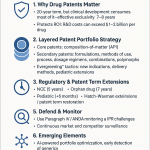
Furthermore, a deep understanding of the nuances of Russian patent law is crucial for maximizing the commercial lifespan of an innovative product. For instance, Russia offers Patent Term Extensions (PTEs) to compensate for regulatory delays, which can extend a patent’s life by up to five years. However, these extensions are typically only granted for claims covering the product itself (the active agent or composition) and not for claims related to methods of treatment or manufacturing processes.50 Strategically drafting patent applications with these local rules in mind can have a significant impact on a product’s long-term profitability.
The Competitive Arena: Domestic Champions and International Incumbents
The Russian pharmaceutical market is a fiercely contested arena where a new class of powerful domestic companies, fostered by state policy, is increasingly challenging the long-held dominance of international pharmaceutical giants. The competitive dynamics are no longer defined by a simple import-driven model but by a complex interplay of localization, state patronage, and strategic adaptation. Understanding the key players and their evolving strategies is essential to charting a course in this new landscape.
The Rise of the Russian Champions
The “Pharma-2030” strategy has been a powerful incubator for a cohort of domestic pharmaceutical companies. These are not the inefficient state-owned enterprises of the Soviet era; they are increasingly sophisticated, privately-owned or public-private entities that are the primary beneficiaries of the government’s push for sovereignty. They are rapidly expanding their manufacturing capabilities, mastering the production of complex generics and biosimilars, and in some cases, venturing into original drug discovery. Key players include:
Pharmstandard: The industrial behemoth of Russian pharma. As the country’s largest domestic manufacturer by sales, Pharmstandard’s core strength lies in its sheer scale and advanced manufacturing infrastructure. With a portfolio of over 400 products and an annual production capacity of 1.7 billion packages, it is a dominant force in the generics market.1 Crucially, its state-of-the-art facilities and deep understanding of the local regulatory environment have made it the go-to localization partner for major multinational corporations like Pfizer and Sanofi, enabling them to gain the “Made in Russia” status required for preferential access to the government procurement market.1
BIOCAD: The flag-bearer of Russian biotech innovation. BIOCAD has strategically positioned itself at the high-tech end of the market, focusing on the development and manufacturing of complex biosimilars and original biologic drugs.3 With a strong focus on high-value therapeutic areas like oncology and autoimmune diseases, the company has successfully launched biosimilars for blockbuster drugs like Rituxan, Avastin, and Herceptin.1 Its commitment to a full-cycle R&D process, from molecule discovery to commercial production, aligns perfectly with the innovation pillar of the “Pharma-2030” strategy, making it a key recipient of state support and a formidable competitor in the specialty pharma segment.1
R-Pharm: The quintessential state-aligned strategic player. Founded in 2001, R-Pharm has grown into a powerhouse by closely aligning its business strategy with the Russian government’s healthcare priorities.1 It is a major supplier to the state in critical areas like oncology, autoimmune diseases, and antivirals, and played a pivotal role in the manufacturing of the Sputnik V COVID-19 vaccine.1 Its vertically integrated model, which includes R&D, API manufacturing, and finished drug production, makes it a key instrument in the government’s quest for a self-sufficient pharmaceutical supply chain.1
Pharmasyntez: A leader in the government procurement sector. Pharmasyntez has carved out a dominant position in key segments of the state tender market. The company is a leading manufacturer and supplier of antineoplastic, anti-tuberculosis, and systemic antibiotic drugs for the public healthcare system, demonstrating how specialization in high-priority public health areas can be a highly effective strategy.53
International Players’ Evolving Playbook: The “Scale Back, Don’t Exit” Strategy
The geopolitical shifts since 2022 have forced international pharmaceutical companies to perform a delicate and complex balancing act. Faced with sanctions, logistical hurdles, and political pressure, most major Western multinational corporations (MNCs) have adopted a nuanced strategy of “scale back, don’t exit”.1 Citing their ethical and humanitarian obligation to continue supplying essential medicines to patients, they have avoided a full withdrawal from the market. However, their operational posture has changed dramatically.54
This strategy typically involves:
Halting all new capital investments and shelving plans for new manufacturing facilities or R&D centers.1
Suspending all non-essential commercial activities, including advertising, marketing, and promotional events.1
Ceasing the initiation of new clinical trials and stopping the enrollment of new patients in ongoing trials within Russia.54
The core of the new international playbook is to protect the substantial revenue streams from existing, high-value patented products through deep localization. This has become an imperative for survival, driven by the “Third Wheel” procurement rule. MNCs have pursued two primary models for localization:
Building and Owning (The Full Commitment Model): This high-investment, high-control strategy involves building proprietary, full-cycle manufacturing plants on Russian soil.
Case Study: AstraZeneca: In 2015, AstraZeneca made a significant commitment by investing $224 million to open a state-of-the-art manufacturing facility in the Kaluga region. This plant now produces over 30 of the company’s innovative drugs for oncology, cardiovascular, and respiratory diseases, representing the majority of its Russian portfolio.1
Case Study: Novartis: The Swiss giant embarked on an even more ambitious plan, committing $500 million to a multi-year investment strategy that includes the construction of a large-scale manufacturing plant in St. Petersburg, designed to produce up to 1.5 billion units of both innovative and generic medicines annually.1
Partnering and Outsourcing (The Flexible Model): This capital-light approach involves leveraging the existing infrastructure and expertise of Russian companies through joint ventures or contract manufacturing agreements.
Case Study: Pfizer: Pfizer has masterfully executed a partnership-driven strategy. It collaborates with Pharmstandard for the full-cycle manufacturing of key oncology drugs and entered into a joint venture with NovaMedica (a company with state-owned shareholders) to build a new sterile injectables plant, licensing the technology for over 30 essential medicines.1
Case Study: Sanofi: The French multinational employs a hybrid strategy. It operates its own modern insulin factory, Sanofi-Aventis Vostok, in the Orel region, while also partnering with the Russian biopharma firm Nanolek for the localized production of a complex five-component pediatric vaccine, a deal that involved a full technology transfer.1
The Distributor Ecosystem: The Gatekeepers of the Market
In a country as vast as Russia, with eleven time zones and a population spread across thousands of cities and towns, the distribution network is the lifeblood of the pharmaceutical market. It is exceedingly rare for manufacturers, whether domestic or foreign, to deal directly with the country’s more than 70,000 pharmacy outlets.10 Instead, the market is dominated by a handful of powerful national and regional distributors.
The leading players in this critical sector include Protek, Pulse, Katren, and R-Pharm (which is also a major manufacturer).10 These companies are far more than just logistics providers. They are powerful gatekeepers who control access to the pharmacy shelves. Their decisions on which products to stock, promote, and prioritize can make or break a product’s success. Building strong, trust-based relationships with the leadership of these key distribution firms is an absolutely essential component of any successful commercial strategy in Russia.
Operational Realities: The Logistical and Cultural Code
Beyond the high-level strategic considerations of market dynamics and government policy lies the complex, on-the-ground reality of operating in Russia. Success in this market requires not only a sound business plan but also the mastery of formidable logistical challenges and a nuanced understanding of a unique business culture. Overlooking these operational realities can quickly derail even the most well-conceived market entry strategy.
The Logistical Tightrope: From API to Pharmacy Shelf
The physical journey of a pharmaceutical product from its point of origin to a patient in a remote Russian city is a high-wire act fraught with complexity and risk.
Vast Distances and Infrastructure Gaps: Russia’s immense geography is the single greatest logistical challenge. Ensuring timely and secure delivery of medicines across a country that spans eleven time zones requires a sophisticated and resilient distribution network. While infrastructure in major cities like Moscow and St. Petersburg is modern, quality can vary significantly in more remote regions, posing risks to the integrity of sensitive products.59
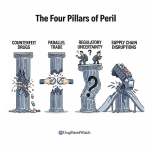
Critical API Import Dependency: As previously noted, the industry’s heavy reliance on imported APIs (over 80%) creates a significant supply chain vulnerability.8 The Russia-Ukraine conflict and subsequent sanctions have severely disrupted traditional logistics routes from Europe. This has forced manufacturers to re-route shipments, often leading to longer transit times, increased costs, and greater uncertainty.60 Any disruption at the source—for instance, a factory shutdown in China or an export restriction in India—can have an immediate and severe impact on domestic drug production in Russia.25
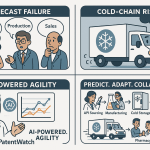
The Cold Chain Imperative: The global shift towards biologics, vaccines, and other temperature-sensitive medicines makes cold chain management a critical operational capability. Maintaining an unbroken, temperature-controlled environment from the manufacturing plant to the final point of administration is a major challenge in Russia’s diverse climate.61 A single failure in the cold chain—a technical fault in a refrigerator or a power outage during transit—can result in the loss of millions of dollars worth of product and, more importantly, can jeopardize patient safety.59 This requires significant investment in specialized packaging, temperature-controlled vehicles, and continuous monitoring systems.61
Customs and Regulatory Paperwork: Navigating Russian customs procedures is a notoriously complex and bureaucratic process. It involves a mountain of paperwork, strict adherence to specific import/export regulations, and the potential for significant delays.62 Furthermore, all product labeling and packaging must comply with detailed local regulations, including the mandatory use of the Russian language. This necessitates market-specific packaging operations, which adds considerable cost and complexity to inventory management for international firms.62
Cracking the Cultural Code: Navigating Russian Business
The cultural nuances of doing business in Russia are as important as the legal and regulatory frameworks. Western executives who attempt to apply a one-size-fits-all approach to negotiations and relationship management are likely to encounter significant friction and frustration.
The Primacy of Personal Relationships: Perhaps the most fundamental principle of Russian business culture is the importance of personal trust and long-term relationships, often referred to as svyazi. Business is often conducted with partners with whom a deep level of trust has been established over time.63 Face-to-face meetings are highly valued as they allow for the development of this personal rapport, which is often considered more binding than the fine print of a written contract.63 A deal is not merely a transaction; it is an extension of a relationship.
Hierarchical and Centralized Decision-Making: Russian corporate structures are typically far more hierarchical and top-down than their Western counterparts.63 The vast majority of important decisions are made by a single leader at the highest level of the organization. Subordinates are expected to execute directives with little discussion or questioning.63 For foreign negotiators, this means it is absolutely crucial to identify and gain access to the ultimate decision-maker. Spending weeks negotiating with mid-level managers who lack the authority to make final commitments is a common and costly mistake.
A Forceful and Formal Negotiation Style: The Russian approach to negotiation can be jarring for those accustomed to a collaborative, “win-win” style. Negotiations are often viewed as a “power game” where strength and resolve are highly valued.65 Russian negotiators may present a very tough, inflexible initial position and may be direct, even confrontational, in their communication.65 The concept of “victory” often implies that the other side has conceded more.65 Patience, perseverance, and formality are key. Bargaining or haggling can be seen as undignified, so well-researched, firm positions are more respected.65 Building a relationship of mutual respect is the necessary foundation for finding common ground.
Strategic Pathways to Market Entry and Growth
Synthesizing the complex market, political, and operational realities of the Russian pharmaceutical sector, it becomes clear that a successful entry or expansion strategy must be deliberate, risk-adjusted, and deeply aligned with the country’s long-term objectives. This final section provides an actionable framework for decision-making, outlining the primary entry models and a checklist for mitigating the most significant risks.
Choosing Your Entry Model: A Risk-Adjusted Framework
There is no single “best” way to enter the Russian market. The optimal choice depends on a company’s specific objectives, risk appetite, capital availability, and the strategic importance of its portfolio. The primary models can be compared across several key dimensions:
Table: Comparison of Market Entry Models in Russia
Entry Model
Capital Investment
Level of Control
IP Risk Exposure
Access to Public Market
Speed to Market
Direct Investment (Greenfield/Acquisition)
Very High
Full
High (Assets are on Russian soil)
Excellent (Confers “local” status)
Slow (3-5+ years)
Joint Venture (JV) with Local Partner
High
Shared
Medium (Shared risk, partner influence)
Very Good (Leverages partner’s access)
Medium (2-3 years)
Contract Manufacturing (CMO)
Low
Low (Operational control only)
Low (IP remains offshore)
Good (Product is “localized”)
Fast (1-2 years)
Licensing/Distribution Agreement
Very Low
None
Very Low (No physical presence)
Poor (Excluded by “Third Wheel” rule)
Very Fast (<1 year)
Direct Investment (e.g., AstraZeneca, Novartis): This model involves the highest commitment and risk but offers the greatest control and the most secure long-term access to the entire market, including lucrative government tenders. It is best suited for large MNCs with a portfolio of strategically important, high-value drugs who view Russia as a core long-term market.1
Joint Venture (e.g., Pfizer/NovaMedica): A JV can mitigate some of the risks of direct investment by leveraging a local partner’s political connections, regulatory expertise, and market knowledge. However, it requires ceding a degree of control and careful management of the partnership relationship.57
Contract Manufacturing (e.g., Roche/Pharmstandard): This is an increasingly popular capital-light model for achieving localization. It allows a foreign company to have its products manufactured or packaged by a Russian partner, thereby qualifying them as “local” for procurement purposes without the massive upfront cost of building a plant. This is an efficient way to gain market access, though it offers less control over production and supply chain.20
Licensing/Distribution Agreement: This is the lowest-risk, lowest-reward option. While it allows for rapid entry into the commercial retail market, it effectively shuts a company out of the state procurement segment due to the “Third Wheel” rule. It is most suitable for smaller companies, those with niche OTC products, or firms wishing to test the market before making a larger commitment.
The Localization Imperative: A Blueprint for Success
Regardless of the specific entry model chosen, a comprehensive and credible localization strategy is the cornerstone of success in modern Russia. The government’s definition of “local” has evolved and become stricter. Simple secondary packaging is no longer sufficient to gain the most significant preferences.
The clear trajectory is towards full-cycle localization, which the government defines as encompassing all stages of production, from the synthesis of the API to the finished dosage form, within the EAEU.20 Companies that demonstrate a willingness to engage in this level of technology transfer—whether through their own facilities or in partnership with a Russian firm—will be viewed most favorably by regulators and will be best positioned to secure long-term, high-volume government contracts.
A truly strategic approach to localization involves proactively aligning a company’s portfolio with the stated goals of “Pharma-2030.” This means identifying opportunities where your products or technology can help the Russian government solve its problems. This could involve:
Localizing the production of an innovative drug that can replace one of the top-selling foreign imports, offering the state a more secure and potentially more cost-effective supply.
Partnering with a Russian company to transfer the technology for producing a complex biosimilar for a high-cost biologic, directly addressing the government’s cost-containment and access objectives.
Investing in or co-developing API production capabilities with a local partner, tackling the industry’s most critical vulnerability head-on.
Risk Mitigation Framework: A Strategic Checklist
Operating in Russia requires a permanent posture of proactive risk management. The following checklist outlines key areas for mitigation:
Geopolitical and Supply Chain Risk: Avoid sole reliance on traditional European logistics corridors. Actively develop and diversify supply chains for APIs and finished goods through “friendly” or “neutral” countries, particularly India and China, which have become Russia’s largest sources of pharmaceutical imports.17 Build strategic inventory buffers to guard against sudden disruptions.
Intellectual Property Risk: Do not rely on patent protection alone. Conduct continuous and rigorous IP monitoring. Use sophisticated patent intelligence tools, such as those offered by DrugPatentWatch, to track the activities of potential generic competitors and to understand the patent landscape for key therapeutic areas.1 For high-value, strategically important assets, view a localization partnership not just as a market access tool, but as a defensive shield against the threat of compulsory licensing.
Regulatory Risk: Do not underestimate the complexity and length of the registration process. Engage experienced, reputable local regulatory consultants from the very beginning of the planning process. Build the time and significant cost of conducting local clinical trials into your base-case financial models and timelines.
Operational and Distribution Risk: Conduct thorough due diligence on potential local partners, especially distributors. Verify their cold chain capabilities, their geographic reach, and their reputation for compliance and reliability. Secure strong contractual agreements that clearly define responsibilities and quality standards.
Cultural Risk: Invest in high-quality cross-cultural training for all executives and negotiating teams who will engage with Russian partners. Prioritize the slow, deliberate process of building trust-based personal relationships with key stakeholders, both in business and government. Do not rush negotiations and be prepared for a more hierarchical and formal business environment.
Conclusion: A High-Risk, High-Reward Arena for the Strategically Aligned
The Russian pharmaceutical market is, without question, one of the most complex and challenging operating environments in the world today. It is a market that has fundamentally detached itself from the conventional rules of global commerce, charting its own course dictated by the imperatives of national security and technological sovereignty. For the unprepared or the strategically inflexible, it is a minefield of geopolitical, legal, and operational risks that can easily lead to significant financial and reputational damage.
Yet, to dismiss Russia as simply “un-investable” would be to overlook the substantial and unique opportunities that exist for those willing and able to adapt to its new reality. The demand for modern, effective medicines is immense and growing, driven by a large population with significant unmet health needs. The government, through its “Pharma-2030” strategy, is injecting vast resources into the healthcare system and creating powerful incentives for investment in local production and innovation. The market’s sheer scale, valued at nearly 3 trillion roubles, cannot be ignored.
Success in this high-risk, high-reward arena is no longer contingent on having a superior product alone. It demands a sophisticated, resilient, and deeply localized strategy that recognizes the Russian state as the most powerful and important stakeholder. The winning playbook involves a paradigm shift: from viewing Russia as an export destination to treating it as a distinct ecosystem in which to build a self-sustaining, rouble-denominated business. It requires aligning corporate strategy with national strategy, transforming from a foreign supplier into a committed local partner.
The future of the market will be defined by a fascinating competitive dynamic: the race between the newly empowered domestic champions striving to fill the “innovation vacuum” left by the pullback of Western R&D, and the remaining international incumbents who have made the strategic decision to commit to deep localization to defend their hard-won turf. For those who can master this complex game of strategic alignment, the rewards can be substantial and enduring. For those who cannot, the Russian pharma paradox will remain an unsolvable and unforgiving puzzle.
Key Takeaways
Dual-Currency Reality: The Russian market shows strong growth in local currency (roubles), driven by inflation and state spending, but is flat or declining in U.S. dollar/euro terms due to currency devaluation. Success must be measured within the rouble economy.
“Pharma-2030” is Law: The state’s strategy to achieve 70% domestic market share and 90% localization of strategic drugs is the single most important factor shaping the market. Alignment with this strategy is non-negotiable.
Localization is the Price of Admission: Due to procurement rules like the “Third Wheel” rule, local manufacturing (either direct or via a partner) is essential to access the large public procurement segment. Simple importation is a losing strategy for most prescription drugs.
IP is a Geopolitical Tool: Intellectual property rights are under pressure. The threat of compulsory licensing and government use decrees is a real and active lever used by the state to compel foreign companies to localize production and transfer technology.
Domestic Champions are Rising: Russian companies like Pharmstandard, BIOCAD, and R-Pharm are no longer just generic players. They are sophisticated, state-supported competitors rapidly gaining market share and moving into innovative R&D.
MNCs “Scale Back, Don’t Exit”: Most Western giants have halted new investments and R&D but continue to supply essential medicines, focusing their strategy on protecting existing revenue streams through deep localization partnerships or direct investment in manufacturing.
Operational Complexity is High: Navigating the vast geography, cold chain requirements, complex customs, and unique business culture requires significant local expertise and a long-term commitment to building relationships.
Frequently Asked Questions (FAQ)
1. What is the real-world impact of Russia’s 80% dependency on foreign APIs, and can the “Pharma-2030” goal of self-sufficiency be realistically achieved?
The 80% dependency on foreign Active Pharmaceutical Ingredients (APIs) is the most critical vulnerability of the Russian pharmaceutical industry. In the real world, this means that even for a drug that is “Made in Russia” (formulated and packaged locally), a supply chain disruption in China or India can bring production to a complete halt. This was seen during the early stages of the COVID-19 pandemic and remains a constant risk. Achieving the “Pharma-2030” goal of near self-sufficiency in APIs is extremely ambitious. It requires building a sophisticated small-scale chemical synthesis industry almost from scratch, a process that is capital-intensive (estimated at RUB 100-120 billion) and time-consuming (3-5 years for new facilities).25 While progress will be made in strategically vital areas like oncology and antibiotics, achieving broad self-sufficiency across all therapeutic areas by 2030 is unlikely. This creates a long-term opportunity for API suppliers from “friendly” countries, particularly India, to become even more integrated into the Russian supply chain.
2. For a foreign company that has already invested in a local manufacturing plant, what are the primary long-term risks beyond geopolitical tensions?
For a foreign company with physical assets in Russia, the primary long-term risks shift from market access to operational and strategic autonomy. The first risk is supply chain isolation, where obtaining specialized foreign-made manufacturing equipment, spare parts, and high-quality raw materials becomes increasingly difficult and costly due to sanctions and logistical hurdles.26 The second major risk is
“creeping expropriation” or forced partnerships. While outright nationalization is unlikely for most, the government could use regulatory pressure, tax audits, or other means to compel the foreign owner to sell a stake to a state-approved local partner, effectively turning a wholly-owned subsidiary into a joint venture where the Russian partner holds significant influence. Finally, there is the risk of an innovation blockade, where the local subsidiary is cut off from the parent company’s global R&D pipeline, preventing it from introducing new, next-generation products and causing it to fall behind domestic competitors who are actively innovating.
3. How does the “Bolar Provision” in Russian patent law affect generic entry strategies?
The “Bolar Provision,” established by Russian court precedent, is a critical factor for generic strategy. It allows generic manufacturers to conduct the necessary research and development, including manufacturing test batches of a drug and submitting them for regulatory approval, before the originator’s patent expires, without this activity being considered patent infringement.44 This is a significant advantage for generic companies, as it allows them to complete the lengthy registration process and be ready for immediate commercial launch the day after the patent expires. For originator companies, this means that the period of market exclusivity is sharply defined; there is no grace period after patent expiry. It makes proactive lifecycle management and the strategic use of eligible Patent Term Extensions (PTEs) even more critical to maximizing the value of an innovative asset.
4. With the rise of e-commerce pharmacies like Apteka.ru, is it possible for a foreign company to bypass traditional distributors and pursue a direct-to-consumer or direct-to-pharmacy model?
While the e-commerce channel, which now accounts for 14% of the retail market, appears to offer a more direct route to consumers, bypassing the powerful traditional distributors remains extremely difficult and risky for most foreign companies.1 The sheer scale of Russia makes physical logistics a monumental task. Dominant distributors like Protek and Katren have vast, established networks of warehouses and transportation that are difficult to replicate. Furthermore, these distributors have deep-rooted relationships with the tens of thousands of individual pharmacy chains and independent pharmacies. Attempting to build a direct-to-pharmacy network would be incredibly capital-intensive and would likely face significant resistance from the established players. A more viable strategy is to partner with these major distributors while developing a complementary and sophisticated digital marketing strategy that drives consumer demand specifically to the e-commerce platforms they supply.
5. Given the emphasis on generics and cost-containment, is there still a viable market for high-priced, innovative orphan drugs for rare diseases in Russia?
Yes, there is a viable, albeit complex, market for innovative orphan drugs. While the overall system is geared towards cost-containment, the Russian government also has specific federal programs dedicated to providing access to treatment for patients with rare and high-cost diseases, such as the “14 High-Cost Nosologies” program.2 The state recognizes that domestic companies currently lack the R&D capabilities to produce many of these highly specialized medicines, creating a continued, albeit niche, role for imports. For a foreign company with a breakthrough orphan drug, the strategy involves early and deep engagement with the Ministry of Health, patient advocacy groups, and key opinion leaders to demonstrate the drug’s clinical value and the economic benefits of treating the disease. Gaining inclusion in a state-funded reimbursement program is the ultimate goal. However, these products are also prime targets for future domestic development by companies like BIOCAD, so the window of import-driven opportunity may be limited.
The Government of the Russian Federation approved an action plan to implement the Strategy for the Development of the Pharmaceutical Industry of the Russian Federation for the period until 2030 (Order No. 753-r) – Konsu, accessed August 18, 2025, https://konsugroup.com/en/news/pharmaceutical-industry-strategic-plan-2030/
Analysis of Biopharmaceutical Manufacturing Localisation in Russia Considering the Country of Origin of Active Pharmaceutical Ingredients | Khalimova | Regulatory Research and Medicine Evaluation, accessed August 18, 2025, https://www.vedomostincesmp.ru/jour/article/view/597/0?locale=en_US
Russia`s leading pharmaceutical company committed to development and manufacture of advanced, high-quality, affordable medicines that meet the healthcare requirements and patients’ expectations. – Pharmstandard, accessed August 18, 2025, https://pharmstd.com/page_2.html