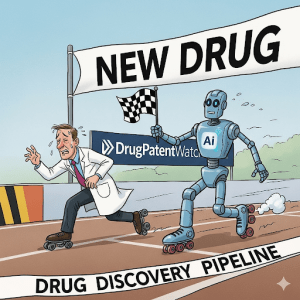
Let’s start with the clock. From the moment a promising biological target is identified in a lab to the day a new medicine reaches a patient, the calendar sheds, on average, 12 to 15 years . In complex fields like gene therapy, this timeline can stretch to an astonishing 30 years. Think about that. A discovery made today might not benefit patients until the 2040s. This protracted timeline is not just a measure of patience; it’s a primary driver of cost and risk.
Then, there’s the price tag. The figures are so large they almost lose meaning. Estimates for bringing a single New Molecular Entity (NME) to market vary, but even the most conservative median figures hover around $985 million. More widely cited analyses, which account for the cost of capital over the long development cycle, place the average cost at a staggering $2.6 billion to $2.8 billion . This isn’t just the out-of-pocket spending on labs and trials; it’s a capitalized cost that reflects the time value of money and the immense opportunity cost of investing billions in a high-risk, decade-plus venture. Every day of delay adds hundreds of thousands, if not millions, to this capitalized burden. The real enemy, then, isn’t just the direct expense—it’s time itself. Every year shaved off the development timeline doesn’t just save that year’s budget; it has an exponential impact by reducing the period over which these immense capital costs accumulate.
This brings us to the most daunting aspect of the paradox: the staggering rate of failure. The journey through the R&D pipeline is often called the “valley of death,” and for good reason. For every 5,000 to 10,000 compounds that show initial promise, only one will ultimately receive FDA approval. The overall likelihood of a drug that enters Phase I clinical trials ever reaching the market is a mere 7.9%. Put another way, more than 90% of all drugs that are promising enough to be tested in humans will fail .
This attrition is not evenly distributed. The pipeline is a gauntlet of specific, high-failure hurdles. While the transition from a submitted New Drug Application (NDA) to approval is high, at around 91%, the preceding stages are brutal. The success rate for Phase I, which primarily tests safety, is about 52%. Phase III, the large-scale efficacy trial, succeeds about 58% of the time. But the true bottleneck, the great chasm where promising science meets harsh biological reality, is Phase II. Here, where a drug’s efficacy is tested in patients for the first time, the success rate plummets to just 28.9%. This is the heart of the translational crisis—the profound and costly gap between our preclinical models and the complexities of human disease . We are making billion-dollar decisions to enter Phase III based on data from systems that, all too often, fail to predict what will happen in a real patient.
This is the paradox we face: a system of breathtaking scientific sophistication that is operationally inefficient and financially unsustainable. It’s a model that cries out for a new engine, a new way of thinking, and a new set of tools. That new engine is Artificial Intelligence.
The AI Revolution: A New Engine for Biomedical Innovation
For decades, drug discovery has operated on a largely reductionist, hypothesis-driven model. A researcher develops a hypothesis about a single protein’s role in a disease, and a multi-year, multi-million-dollar search begins for a molecule to modulate it. It’s an approach that has yielded incredible medicines, but it struggles mightily with the overwhelming complexity of human biology. A disease is rarely the result of a single faulty protein; it is a cascade of failures across an intricate, interconnected network of genes, proteins, and pathways. How can we possibly hope to understand, let alone fix, such a system with a one-target-at-a-time approach?
This is where Artificial Intelligence (AI) enters the scene, not as a futuristic buzzword, but as a fundamentally new paradigm for scientific discovery. AI is not a single technology; it is a suite of powerful computational tools perfectly suited to finding meaningful patterns within the kind of complexity that overwhelms human cognition. It marks a pivotal shift from hypothesis-driven research to data-driven discovery, from a reductionist view to a holistic, systems-level understanding of biology .
The fuel for this new engine is the data deluge of the 21st century. We are now capable of generating biological and chemical data at an unprecedented scale—from genomics and proteomics to electronic health records (EHRs) and the vast repository of published biomedical literature . This ocean of data is too vast for any human team to navigate, but it is the perfect training ground for AI.
At its core, AI in drug discovery relies on a few key technologies:
Machine Learning (ML): This is the foundational practice of using algorithms to parse data, learn from it, and then make a determination or prediction. This includes supervised learning, where models are trained on labeled data (e.g., “this compound binds to the target, this one doesn’t”) to predict outcomes for new data, and unsupervised learning, which finds hidden patterns and structures in unlabeled data (e.g., clustering patients into new disease subtypes based on their genomic profiles) .
Deep Learning (DL): A sophisticated subset of ML, deep learning uses multi-layered neural networks that mimic the architecture of the human brain. These networks, such as Convolutional Neural Networks (CNNs) and Recurrent Neural Networks (RNNs), are exceptionally good at finding intricate, non-linear patterns in complex data, making them ideal for tasks like interpreting 3D protein structures or “reading” the language of molecular sequences .
Generative AI: This is perhaps the most revolutionary leap. While traditional ML is used for prediction and classification, generative AI is used for creation. Models like Generative Adversarial Networks (GANs) and Variational Autoencoders (VAEs) can learn the fundamental rules of chemistry and biology from existing data and then generate designs for entirely new entities—such as novel drug molecules—that have never existed before .
This technological shift enables a move away from the “one target, one drug” philosophy. Instead of starting with a narrow hypothesis, an AI platform can integrate vast, multi-modal datasets—phenotypic data from cell imaging, ‘omics data from patient samples, clinical data from EHRs, and structural data from chemical libraries—to build a comprehensive, data-driven map of a disease . It can see the entire system, identifying the critical nodes and pathways that, if modulated, would have the greatest therapeutic effect. This is not just about making the old process faster; it is about enabling a fundamentally new and more powerful type of science. Companies that merely bolt AI onto their existing, siloed workflows will see only incremental gains. The true competitive advantage will belong to those who re-architect their entire R&D philosophy around this new, holistic paradigm.
The following table provides a high-level summary of how this new engine is poised to overhaul the traditional pipeline, offering a glimpse into the specific impacts we will explore in the chapters to come.
Stage
Traditional Timeline
Traditional Success Rate (Phase Transition)
AI-Accelerated Timeline (Estimate)
AI-Improved Success Rate (Hypothesis/Early Data)
Key AI Interventions
Target ID & Validation
2-3 years
N/A
< 1 year
N/A (Improves downstream success)
Genomic data mining, multi-omics analysis, literature NLP, pathway modeling
Hit-to-Lead
2-3 years
~85% (Lead Opt.)
< 1 year
>90%
AI-powered virtual screening, generative de novo design, predictive ADMET
Preclinical
3-6 years
~69%
1-3 years
>75%
Predictive toxicology, in silico PK/PD modeling, automated data analysis
Automated documentation generation, streamlined data submission
AI in Action: Supercharging the Early Discovery Pipeline
The early stages of drug discovery—from identifying a target to nominating a preclinical candidate—are a labyrinth of complex decisions, dead ends, and immense scientific challenges. This is where the foundation for a new medicine is laid, and it is also where the seeds of future failure are most often sown. Traditionally, this phase is a slow, sequential, and often inefficient process of trial and error. With the advent of AI, however, we are witnessing a radical transformation, turning this art form into a data-driven science of prediction and design.
Target Identification & Validation: From Hypothesis to High-Confidence Targets
Every drug development program begins with a single, critical decision: what is the target? Choosing the right biological target—the specific gene, protein, or pathway you intend to modulate—is the most important decision in the entire R&D process. A mistake here guarantees failure, no matter how brilliant the chemistry or how well-executed the clinical trials that follow. Historically, this has been a process fraught with uncertainty, often stemming from a poor understanding of the underlying disease mechanisms . AI is changing this by transforming target discovery from a process of educated guesswork into one of high-confidence, data-driven validation.
The core problem AI solves is complexity. AI algorithms can sift through mountains of disparate biological data—genomic sequences, proteomic analyses, transcriptomic profiles, and decades of published literature—to find the hidden connections between biological entities and disease states . Instead of relying on a single line of evidence, AI platforms build a comprehensive, multi-layered case for a target’s role in a disease, scoring and prioritizing candidates with an efficiency and scale that is simply beyond human capability.
A particularly powerful approach involves leveraging genomic and proteomic data. Machine learning models are exceptionally good at analyzing this information to pinpoint specific genes and proteins that are not just correlated with a disease, but are on its causal pathway. The strategic importance of this cannot be overstated. Analysis has shown that drug programs targeting proteins with direct genetic evidence of disease association are 80% more likely to succeed in clinical trials. This single statistic powerfully validates the data-driven approach: better targets lead to better outcomes.
The impact of this on timelines and costs is dramatic. In a compelling case study, the AI company Sonrai Analytics partnered with a global pharmaceutical firm struggling with target identification for prostate cancer. By deploying an AI platform to systematically search and analyze public proteomic databases, they were able to slash the target identification phase from 12 months down to just 5. The subsequent validation phase was cut from 25 months to 11. The net result was a 21-month acceleration of the program and over $1.5 million in cost savings.
This revolution in target discovery has been further catalyzed by groundbreaking technologies like DeepMind’s AlphaFold. For decades, determining the 3D structure of a protein—a critical step in assessing its “druggability”—was a painstaking experimental process. AlphaFold, a deep learning system, can now predict protein structures with near-experimental accuracy in a matter of minutes . This has opened up a vast new landscape of previously uncharacterized proteins as potential drug targets, providing the essential structural information needed to begin a rational drug design campaign.
Ultimately, the power of AI in this initial stage lies in its ability to de-risk the entire downstream pipeline at its inception. A significant portion of the 90% clinical failure rate can be traced back to a lack of efficacy, which is often a symptom of a poorly chosen target. By using multi-omics data to build causal models of disease biology, AI ensures that the immense resources of a drug program are focused on targets with the highest probability of therapeutic relevance. This represents a fundamental shift in R&D strategy. Investing heavily in front-end, AI-powered target validation is a highly leveraged bet that prevents the waste of hundreds of millions of dollars on programs that were destined to fail from day one. It’s about moving from a culture of managing failure to one of preventing it.
Hit Discovery & Lead Generation: Navigating Vast Chemical Universes
Once a high-confidence target has been validated, the hunt begins for a “hit”—a small molecule that can bind to the target and modulate its function. The traditional method for this is High-Throughput Screening (HTS), a brute-force approach where automated robotic systems physically test hundreds of thousands, or even millions, of compounds from a corporate library against the target. While a cornerstone of modern pharma, HTS is slow, enormously expensive, and limited by the chemical diversity of the physical library being screened.
The universe of potential drug-like molecules is astronomically vast, estimated to contain more than 1060 compounds—a number far greater than the number of atoms in the solar system . Screening a library of a few million compounds is like trying to find a single specific grain of sand on all the beaches of the world. What if the perfect molecule simply isn’t in your collection?
This is where AI-powered virtual screening is creating a paradigm shift. Instead of physically testing molecules, AI platforms can screen billions or even trillions of them in silico, using computational models to predict which ones are most likely to bind to the target . This fundamentally changes the economics of chemical exploration. It makes it feasible to search ultra-large virtual libraries that are completely inaccessible to physical HTS, dramatically increasing the odds of finding not just a hit, but a truly novel and potent one.
Several AI techniques are central to this process:
Quantitative Structure-Activity Relationship (QSAR) Models: For decades, chemists have known that a molecule’s structure dictates its function. QSAR modeling formalizes this relationship. Machine learning algorithms like Random Forest and Support Vector Machines (SVMs) are trained on datasets of known compounds and their measured activities. The model learns the intricate correlations between structural features (or “descriptors”) and biological activity, and can then predict the activity of new, untested molecules .
Deep Learning for Structural Interactions: More advanced deep learning models can go a step further. Convolutional Neural Networks (CNNs), famous for their application in image recognition, can be adapted to “see” the 3D geometry of a protein’s binding pocket and a potential ligand, predicting how well they will fit together. Recurrent Neural Networks (RNNs), which excel at processing sequential data, can interpret the linear text-based representations of molecules (known as SMILES strings) to predict their properties.
The results of this approach can be stunning. In a landmark study published in the Journal of Medicinal Chemistry, researchers used an AI-driven virtual screening strategy to find novel inhibitors for Sirtuin-1, a target implicated in aging and metabolic disease. From a virtual library of 2.6 million compounds, their AI platform preselected just 434 for laboratory testing—a mere 0.02% of the starting library. Subsequent in vitro validation of this tiny, AI-curated set confirmed nine chemically novel inhibitors. This represented a 12-fold higher hit rate than a previous, large-scale benchmark screening campaign against the same target.
This case study perfectly illustrates the strategic advantage. AI is not just about speed; it’s about intelligence and efficiency. It allows researchers to focus their precious time and resources on a small number of high-probability candidates, rather than boiling the ocean with brute-force screening. This shift from owning a physical library to having the computational power to navigate a virtual one democratizes hit discovery. A small biotech with a superior AI platform can now out-compete a large pharmaceutical company with a massive HTS infrastructure, leveling the playing field and placing a premium on computational expertise over capital-intensive robotics.
Generative AI: Designing Novel Therapeutics from Scratch
If virtual screening is about finding the needle in the haystack, generative AI is about designing a better needle from scratch. This is the cutting edge of AI in drug discovery, a technology that moves beyond mere prediction to intelligent creation. Instead of searching for an existing molecule that might fit a target, generative AI models can invent entirely new molecules, optimized from their very conception to have the ideal properties of a successful drug.
This process of de novo drug design represents a profound leap forward. Generative models, such as Generative Adversarial Networks (GANs) and Variational Autoencoders (VAEs), are trained on vast databases of known chemical structures and their associated biological activities . In doing so, they learn the fundamental “grammar” of chemistry—the rules of atomic bonding, stability, and drug-likeness. Once trained, they can be tasked with generating novel molecules that are tailored to a specific therapeutic goal, allowing scientists to explore regions of chemical space that have never been synthesized before.
The applications of this technology are transformative:
De Novo Design: At its most basic, generative AI can design a molecule to fit perfectly into the binding pocket of a disease-causing protein, creating a potent and highly selective inhibitor.
Lead Optimization: The journey from an initial “hit” to a “lead” and finally to a “clinical candidate” is a long and arduous process of iterative chemical modification. A chemist might tweak a molecule to improve its potency, only to find they’ve made it toxic or insoluble. Generative AI can break this cycle of trial and error. It can take a promising hit compound and suggest specific modifications to simultaneously improve multiple properties—enhancing potency while also improving solubility, reducing off-target effects, and ensuring the final molecule is readily synthesizable .
Drug Repurposing: Generative AI can also breathe new life into old drugs. By analyzing the predicted interactions of thousands of existing, approved drugs against a wide range of biological targets, AI can identify unexpected new uses, a process known as drug repurposing .
The most compelling proof of this technology’s power comes from Insilico Medicine. Using their end-to-end generative AI platform, they identified a novel target for Idiopathic Pulmonary Fibrosis (IPF), a devastating and progressive lung disease. Their generative chemistry engine then designed a novel small-molecule inhibitor for that target. The entire process, from target discovery to the nomination of a preclinical candidate, was completed in just 18 months—a fraction of the time it would take using traditional methods . That drug, now named Rentosertib, has since successfully completed a Phase I trial and, in a landmark achievement for the field, has reported positive safety and efficacy data from a Phase IIa clinical trial in IPF patients .
This success highlights the core advantage of generative AI: multi-parameter optimization. The true power of these models lies not just in their creativity, but in their ability to solve complex, multi-objective problems. They can be instructed to design a molecule that is not only potent against its target (Objective 1), but also has low predicted toxicity (Objective 2), high bioavailability (Objective 3), and is easy to synthesize (Objective 4). The AI navigates the vastness of chemical space to find elegant solutions that satisfy all of these constraints simultaneously. This collapses the slow, linear, and often frustrating stages of lead optimization into a single, highly efficient in silico design cycle. It changes the role of the medicinal chemist from a trial-and-error synthesizer to a strategic architect, guiding the AI and focusing their invaluable lab time on synthesizing only the most promising, pre-vetted, and holistically designed candidates.
Predictive Power: De-Risking Candidates with AI-Driven ADMET Forecasting
A brilliant molecule that perfectly inhibits its target is useless if the human body can’t absorb it, if it’s metabolized too quickly, or if it’s dangerously toxic. A huge number of drug candidates—by some estimates, around 40-45% of all clinical failures—die not because of a lack of efficacy, but because of poor ADMET properties: Absorption, Distribution, Metabolism, Excretion, and Toxicity. Traditionally, assessing these properties has relied on a series of slow, expensive, and often poorly predictive in vitro assays and animal studies conducted late in the preclinical phase .
AI is flipping this model on its head, establishing a “fail fast, fail cheap” paradigm by accurately predicting ADMET properties in silico, before a single gram of a compound is ever synthesized. This is achieved by training machine learning models on large, high-quality datasets of compounds with experimentally determined ADMET properties. The models learn the complex relationships between a molecule’s structure and its pharmacokinetic and toxicological profile .
Today, sophisticated platforms like Simulations Plus’s ADMET Predictor® offer suites of over 175 validated models that can predict a wide range of crucial properties with remarkable speed and accuracy. These include:
Absorption: Predicting aqueous solubility and permeability across intestinal cell models like Caco-2.
Distribution: Forecasting the extent to which a drug will bind to plasma proteins.
Metabolism: Predicting inhibition of key drug-metabolizing enzymes like the Cytochrome P450 (CYP) family.
Toxicity: Assessing the risk of critical safety liabilities, such as cardiac toxicity (hERG channel inhibition) or genotoxicity.
The accuracy of these predictions can be impressively high, with some studies reporting rates between 80% and 90%. This allows research teams to triage thousands of potential hit compounds at the earliest stages of discovery, immediately discarding those with a high probability of ADMET-related failure and focusing only on those with promising, drug-like profiles .
This capability fundamentally shifts safety and pharmacokinetic assessment from a reactive, experimental process to a proactive, predictive one. In the traditional pipeline, a company might invest months and millions of dollars optimizing a chemical series for potency, only to discover a fatal flaw in a late-stage toxicology study. With AI, these critical go/no-go criteria can be evaluated from day one. A molecule can be screened for potential hERG liability at the same time it is being screened for binding affinity.
This creates a powerful, virtuous cycle of learning. The insights from predictive ADMET models can be fed directly back into the generative design models. The AI learns not just how to design potent molecules, but how to design potent molecules that are also non-toxic, soluble, and metabolically stable. The integration of predictive ADMET into the earliest stages of discovery is no longer a luxury; it is an essential component of any modern, efficient R&D platform. It is the key enabler of the “fail fast, fail cheap” philosophy that is absolutely critical to improving the economic equation of the entire R&D pipeline.
Reimagining Clinical Development with Artificial Intelligence
If the preclinical phase is a labyrinth, the clinical development phase is a mountain. It is, by far, the longest, most expensive, and riskiest part of the entire drug development journey. This is where more than 90% of drugs fail, and where costs can spiral into the hundreds of millions of dollars per program . The challenges are immense: designing trials that can produce a clear answer, finding and enrolling the right patients, and managing the deluge of data generated. For years, these processes have been stubbornly resistant to modernization. Now, AI is poised to bring a data-driven revolution to this critical stage, offering the potential to design smarter trials, recruit patients with precision, and even predict outcomes before a study is complete.
Smarter Trials by Design: AI-Optimized Protocols and Digital Twins
A clinical trial is, at its heart, a scientific experiment. And like any experiment, its ability to yield a conclusive result depends entirely on its design. A poorly designed trial—one with the wrong endpoints, an inappropriate patient population, or an excessive burden on participants—is destined to fail, wasting millions of dollars and precious time. Conventional trial designs are often rigid and inefficient, leading to inconclusive results and costly protocol amendments. A single major amendment can add an estimated $535,000 in direct costs and cause a three-month delay.
AI offers a powerful toolkit for designing better, more efficient trials from the outset. By analyzing vast datasets of historical clinical trial information, AI algorithms can identify the design elements that correlate with success. They can simulate thousands of potential trial scenarios in silico, allowing researchers to select the most efficient protocol before the first patient is ever enrolled. Platforms like those developed by IQVIA can now digitize and analyze thousands of historical protocols to identify hidden drivers of complexity and patient burden, enabling sponsors to streamline their designs and reduce the risk of costly amendments.
Perhaps the most revolutionary innovation in AI-powered trial design is the concept of the “digital twin.” Pioneered by companies like Unlearn, this approach uses machine learning models trained on massive, longitudinal clinical datasets to create a highly accurate, patient-specific forecast of how an individual participant would likely progress if they were in the control (placebo) arm of a study, based solely on their baseline characteristics.
This is a game-changer. Instead of relying exclusively on a large, concurrently enrolled placebo group, a trial can be augmented with these digital twins. This allows sponsors to achieve the same statistical power with fewer patients, particularly in the control arm. The benefits are profound:
Faster Enrollment: Smaller trials are inherently faster to recruit.
Increased Efficiency: Fewer patients mean lower operational costs.
Ethical Advantages: It reduces the number of patients who must receive a placebo instead of a potentially beneficial investigational medicine.
This isn’t science fiction; it’s regulatory reality. The European Medicines Agency (EMA) has formally qualified this methodology for use in Phase II and III trials, and the FDA has confirmed that the approach is consistent with its current guidance.
This technology enables a fundamental shift from static to dynamic trials. AI allows for the implementation of adaptive trial designs, where protocols can be modified in real-time based on incoming data. For example, an AI model could detect that a certain dose is underperforming and recommend it be dropped mid-trial, reallocating patients to more promising dose arms. This makes it possible to answer more questions more efficiently within a single trial framework and is particularly valuable for rare disease research, where recruiting large numbers of patients is often impossible. The competitive advantage in clinical development is rapidly shifting. It no longer belongs to the company that can simply run the biggest trials, but to the one that can leverage data and AI to run the smartest ones.
Precision Recruitment: AI for Patient Stratification and Enrollment
One of the greatest operational hurdles in clinical research is finding and enrolling the right patients. It is a staggering statistic that 80% of all clinical trials fail to meet their enrollment targets on time, leading to costly delays that can jeopardize entire development programs. The process is often a manual, painstaking search through medical records, where critical information about a patient’s disease stage or specific subtype might be buried in unstructured physician’s notes. This challenge is compounded by a persistent lack of diversity in trials, which limits the generalizability of the results.
AI is providing a powerful solution to this chronic bottleneck. Using Natural Language Processing (NLP), a branch of AI that understands and interprets human language, these systems can read and comprehend millions of unstructured electronic health records (EHRs), pathology reports, and clinical notes in minutes . They can extract key data points and match patients to complex sets of inclusion and exclusion criteria with a speed and accuracy that no human team could ever hope to achieve.
Beyond simply finding patients faster, AI’s most profound impact is in finding the right patients through patient stratification. Many drugs that fail in large trials do so not because they are ineffective, but because they are only effective for a specific subset of patients who share a common biomarker or genetic profile. In a large, heterogeneous trial population, this positive signal from the “responders” is drowned out by the noise from the “non-responders,” leading to an overall result of “no effect” and a failed trial.
AI excels at identifying these subtle but critical patient subgroups. By integrating and analyzing multi-modal data—genomics, proteomics, imaging, and clinical history—machine learning models can uncover the hidden biomarkers that predict a patient’s likely response to a particular therapy . This allows for the design of smaller, more targeted “biomarker-enriched” trials that enroll only those patients who are most likely to benefit.
The impact of this approach is twofold. First, it dramatically increases the probability of a trial’s success. A drug that would have failed in a broad population can demonstrate clear efficacy in a precisely selected one. This is a direct antidote to the primary cause of the Phase II “valley of death.” Second, it is the very foundation of personalized medicine. It ensures that we are not just developing drugs, but developing the right drugs for the right patients. This strategy can even be used to rescue drugs that have previously failed in broader trials by identifying the specific subpopulation in which they are, in fact, effective.
McKinsey analysis indicates that AI-driven site selection can improve the identification of top-enrolling sites by 30-50% and accelerate overall patient enrollment by 10-20%. This is more than just an operational efficiency; it is a strategic imperative. The future of successful clinical development is inextricably linked to diagnostics. The most successful companies will be those that develop integrated strategies where the AI-driven diagnostic used for patient stratification is developed in lockstep with the therapeutic it is designed to support.
From Data to Foresight: Predicting Trial Outcomes with AI and Real-World Evidence
What if you could know the likely outcome of a multi-hundred-million-dollar Phase III trial before you even started it? This is the ultimate goal of predictive analytics in clinical development: to move from retrospective analysis to proactive foresight, avoiding catastrophic late-stage failures that can cripple a company.
This ambitious goal is now becoming a tangible reality. Researchers are developing sophisticated AI models, trained on vast repositories of historical clinical trial data and real-world evidence (RWE), that can predict the probability of a trial’s success with increasing accuracy.
A leading example of this is Project ALPHA, a collaboration between the MIT Laboratory for Financial Engineering and Informa Pharma Intelligence. The project’s researchers have built machine learning models that leverage the largest-ever set of clinical trial data, analyzing more than 140 different features for each trial—from the drug’s mechanism of action and the trial’s design to the sponsor’s track record. By identifying the complex patterns that correlate with success and failure, these models can generate a quantitative forecast of a new trial’s likely outcome.
As Andrew Lo, the project’s lead researcher, puts it, “It’s the difference between looking back at historical wins and losses to predict the outcome of a horse race versus handicapping the likely winner based on multiple factors like the horse’s pedigree, track record, temperament, the training regimen, the condition of the track, the jockey’s skill, and so on”.
A critical component of this predictive power is the integration of Real-World Evidence (RWE). RWE refers to data derived from sources outside of traditional clinical trials, such as EHRs, insurance claims data, and data from wearable devices. AI is essential for making sense of this messy, complex, and unstructured data. By analyzing RWE, companies can gain a much more realistic picture of how a disease progresses in the real world and how a drug might perform outside the highly controlled, artificial environment of a randomized controlled trial.
Of course, this approach is not without its challenges. The predictive accuracy of any AI model is only as good as the data it’s trained on, and real-world datasets can be notoriously biased and incomplete. Furthermore, the “black box” nature of some complex deep learning models can be a significant hurdle for regulatory acceptance, as it can be difficult to explain precisely how the model arrived at its prediction .
Despite these hurdles, AI-driven outcome prediction is rapidly evolving into a powerful new tool for strategic R&D portfolio management. Traditionally, decisions about which programs to advance, partner, or terminate have been based on a mix of scientific rationale, market analysis, and the qualitative judgment of senior leaders. AI introduces a new, rigorous layer of quantitative analysis. A development program can now be assigned a data-driven “Probability of Technical and Regulatory Success” (PTRS), allowing for a more objective and dynamic approach to capital allocation. This will change not only how R&D is managed internally, but how companies are valued externally. In the near future, a company’s ability to accurately forecast the success of its own pipeline will become a key performance indicator and a critical factor in the due diligence performed by investors and potential partners.
The AI Drug Discovery Ecosystem: Players, Partnerships, and Market Dynamics
The rise of AI has sparked the creation of a vibrant and dynamic new ecosystem at the intersection of technology and biotechnology. This is not a distant future; it’s a rapidly maturing landscape populated by a new breed of “TechBio” companies, funded by billions in venture capital, and increasingly intertwined with the R&D engines of Big Pharma. Understanding this ecosystem—its key players, its economic drivers, and its dominant business models—is essential for any leader looking to navigate and capitalize on this transformation.
Market Landscape: Sizing the Opportunity
The economic opportunity presented by AI in drug discovery is not just significant; it is explosive. The market is expanding at a blistering pace, reflecting a massive shift in R&D investment and a growing confidence in the technology’s ability to deliver on its promise.
Market size estimates vary depending on the methodology, but the trajectory is unanimously steep. Valued at between $1.9 billion and $3.0 billion in 2023, the global AI in drug discovery market is projected to soar over the next decade . Forecasts project the market will reach:
$7.94 billion by 2030, exhibiting a compound annual growth rate (CAGR) of 12.2% .
$11.93 billion by 2033, growing at a CAGR of 21.5%.
$16.52 billion by 2034, at a CAGR of 10.10% .
Some of the most aggressive forecasts project a CAGR approaching 30%, driven by a surge in investment from venture capital firms, pharmaceutical companies, and government agencies . To put this in perspective, this growth rate is significantly faster than that of the overall drug discovery market, which is expanding at a healthy but more modest CAGR of around 9.2%. This differential is a clear leading indicator of adoption; it shows that AI is capturing an ever-larger slice of the total R&D pie as companies actively reallocate their budgets from traditional, labor-intensive methods to more efficient, AI-driven approaches.
Geographically, North America is the undisputed epicenter of this revolution, commanding a dominant market share of over 56% . This leadership is fueled by a powerful confluence of factors: massive public and private R&D investment, a world-leading ecosystem of top-tier academic institutions and agile AI startups, deep pools of venture capital, and—critically—access to the large-scale clinical and molecular datasets needed to train accurate predictive models. While North America leads, the Asia-Pacific region is emerging as the fastest-growing market, driven by rapid technological adoption and increasing healthcare needs .
Within the market, certain segments stand out. Oncology is the largest therapeutic area, consistently accounting for over 21% of the market, reflecting the immense unmet need and biological complexity of cancer . Technologically, machine learning remains the dominant segment, forming the backbone of the predictive and analytical capabilities across the pipeline. This rapid market expansion is creating a self-reinforcing cycle: investment fuels technological breakthroughs, which lead to tangible successes (like drugs entering the clinic), which in turn attract even greater investment. For companies still on the sidelines, this trend represents a clear and present competitive threat. The window to be an early adopter is closing, and the risk of being left behind in a technology cycle that is compounding its advantages exponentially is growing every day.
The Players: A Guide to the AI-Native Biotech Landscape
The AI drug discovery landscape is populated by a diverse and growing cast of companies, each with its own unique technology, strategy, and business model. Broadly, these players can be categorized into two main groups: full-stack “TechBio” platforms aiming to become the next generation of integrated pharmaceutical companies, and specialized “AI-Tool” providers that focus on licensing their technology to partners.
This bifurcation reflects two distinct long-term strategies. The TechBio model is a high-risk, high-reward endeavor, shouldering the full cost and risk of clinical development with the goal of capturing the entire value of an approved drug. The AI-Tool model, on the other hand, is a lower-risk path that generates more predictable revenue through software licenses and milestone payments, but typically cedes the blockbuster upside to its pharmaceutical partners. This creates a complex ecosystem where a single Big Pharma company might license a tool from one player, enter a co-development partnership with another, and compete directly with a third. For any executive or investor, understanding this strategic divergence is critical to accurately valuing these companies and identifying the right opportunities for partnership or acquisition.
The table below provides a snapshot of some of the most prominent players shaping this competitive landscape.
Company
Core Technology Platform
Flagship Pipeline Asset / Key Milestone
Notable Partnership(s)
Primary Business Model
Insilico Medicine
End-to-end generative AI platform (Pharma.AI) for target ID, chemistry, and clinical trial prediction
Rentosertib (TNIK inhibitor for Idiopathic Pulmonary Fibrosis, Phase II complete with positive data)
Sanofi, Fosun Pharma, Pfizer
TechBio (Internal Pipeline Focus)
Recursion
Recursion OS: Integrates AI with massive-scale automated lab experiments to create “Maps of Biology”
Multiple assets in Phase I/II for oncology and rare diseases (e.g., REC-617 for CDK7)
Bayer, Roche, NVIDIA
TechBio (Internal Pipeline Focus)
Exscientia
Patient-centric AI platform for precision medicine, designing novel molecules with optimal properties
First AI-designed immuno-oncology drug (A2a antagonist) entered clinical trials
Sanofi, Bristol Myers Squibb
TechBio (Internal Pipeline & Partnerships)
BenevolentAI
AI-driven knowledge graph that integrates and reasons over vast biomedical data to find novel targets
BEN-8744 (PDE10 inhibitor for Ulcerative Colitis, Phase I) ; Identified baricitinib for COVID-19
AstraZeneca
TechBio (Internal Pipeline & Partnerships)
Schrödinger
Physics-based computational platform combined with machine learning for molecular simulation (e.g., FEP+)
Multiple proprietary assets in Phase I (SGR-1505, SGR-2921, SGR-3515)
Bristol Myers Squibb, Novartis, Otsuka
Platform/SaaS + Pipeline
Atomwise
Structure-based drug discovery using deep learning (AtomNet™) for virtual screening of ultra-large libraries
Focus on partnered programs; has demonstrated high success rates in hit identification across hundreds of targets
Sanofi, Bayer, Hansoh Pharma
Platform/Partnership Focus
Isomorphic Labs
Alphabet/Google DeepMind spinout leveraging AlphaFold for protein structure prediction and subsequent drug design
Preparing to launch first clinical trials for AI-developed oncology drugs
Novartis, Eli Lilly
TechBio (Internal Pipeline Focus)
The Power of Partnerships: Big Pharma Meets Agile AI
While the headlines often focus on the competition between established pharma giants and disruptive AI startups, the dominant operational model in the space is actually one of symbiosis. Cross-industry collaborations are not just a trend; they are the primary engine driving the market’s growth and the main mechanism by which this new technology is being integrated into the R&D mainstream .
The logic behind these partnerships is compelling. Big Pharma brings assets that AI startups desperately need:
Deep Domain Expertise: Decades of experience in drug development, clinical trial execution, and regulatory affairs.
Vast Proprietary Datasets: High-quality, curated data from decades of past preclinical experiments and clinical trials.
Scale and Infrastructure: The global resources needed to run large, expensive Phase III trials and commercialize a new drug.
Conversely, AI-native biotechs offer capabilities that Big Pharma is still building:
Cutting-Edge Technology: Agile, specialized, and highly focused AI platforms and computational expertise.
A New Discovery Paradigm: A data-first, hypothesis-agnostic culture that can challenge established R&D orthodoxies.
Speed: The ability to move from target to candidate at a pace that is often an order of magnitude faster than traditional internal processes.
This synergy has led to a wave of high-value collaborations, often involving staggering financial commitments. Deals like Sanofi’s potential $5.2 billion partnership with Exscientia or its $1.2 billion deal with Insilico Medicine are becoming increasingly common, demonstrating the immense value that pharmaceutical leaders are placing on these AI platforms .
In these partnerships, a new economy is emerging where data itself has become a currency as valuable as the algorithms that analyze it. An AI model is only as good as the data it is trained on, and Big Pharma is sitting on a treasure trove of proprietary data that is inaccessible to the public . The structure of these large deals is often designed not just to license a technology, but to grant the AI company secure access to the pharma partner’s data. This creates a powerful, exclusive feedback loop: the pharma company’s data improves the AI platform’s predictive power, which in turn generates better candidates for the pharma company’s pipeline. This creates a significant competitive moat. A new startup, regardless of the elegance of its algorithms, will struggle to match the performance of a model trained on a massive, proprietary dataset from a top-tier pharmaceutical company. For established pharma companies, this reframes their historical data archives from a sunk cost into a highly valuable strategic asset that can be leveraged and monetized through savvy AI partnerships. The ability to curate, structure, and securely deploy this data will be a key differentiator and a major source of competitive advantage in the coming decade.
Navigating the New Frontier: Strategic, Regulatory, and Ethical Imperatives
The successful integration of AI into the pharmaceutical R&D pipeline is not merely a technical challenge; it is a strategic, legal, and ethical one. As this powerful technology moves from the hypothetical to the practical, it forces us to confront fundamental questions about inventorship, competition, fairness, and oversight. For business leaders, navigating this new frontier requires more than just an investment in algorithms; it demands a sophisticated and proactive approach to intellectual property, competitive intelligence, ethical governance, and regulatory engagement. The companies that master these domains will be the ones that not only survive but thrive in the new era of AI-accelerated medicine.
Intellectual Property in the Age of AI: Navigating Patentability
As generative AI platforms become more autonomous in designing novel, effective drug candidates, they are running headlong into a century-old legal principle: an inventor must be a human being. This issue was brought to the forefront in the landmark case of Thaler v. Vidal, where the U.S. Court of Appeals for the Federal Circuit affirmed that under current U.S. patent law, an AI system cannot be named as an inventor .
This creates a critical legal and strategic challenge. If an AI system independently conceives of a novel molecule without sufficient human contribution, that molecule may not be patentable, rendering it commercially vulnerable. Recognizing this looming issue, the U.S. Patent and Trademark Office (USPTO) has issued guidance to clarify the standard. The guidance states that at least one “natural person” must have made a “significant contribution” to every claim in the patent application. To determine what constitutes a “significant contribution,” the USPTO advises using the Pannu factors, a legal test traditionally used to determine joint inventorship .
This legal standard necessitates a new operational discipline that could be termed “invention forensics.” A patent challenger could plausibly argue that a human scientist merely “pressed a button” while the AI performed all the truly inventive steps. To defend against such a challenge, a company must be able to produce a rigorous, auditable record of the human-AI interaction throughout the discovery process. This goes far beyond a standard lab notebook. It requires a system that logs:
The specific scientific problems and constraints defined by the human researchers.
The iterative process of human scientists guiding the AI, tweaking model parameters, and selecting specific avenues for exploration.
The scientific rationale behind the human decisions to prioritize certain AI-generated outputs over others.
The human insight that recognized the novelty and utility of the final, chosen candidate.
A company’s ability to protect its most valuable assets will now depend directly on the quality of this documentation. This means that intellectual property strategy can no longer be a downstream function handled by the legal department after a discovery is made. It must be woven into the very fabric of the R&D workflow and the design of the AI platforms themselves. The most valuable AI systems will be those that not only generate novel science but also meticulously facilitate and automate the process of documenting the human ingenuity that guides it.
The Competitive Edge: Leveraging Patent Intelligence with Tools like DrugPatentWatch
In this rapidly evolving, AI-driven landscape, staying ahead of the competition requires a new level of strategic intelligence. A competitor’s patent portfolio is no longer just a collection of legal documents; it is a detailed roadmap of their R&D strategy, a blueprint of their technological capabilities, and a signal of their future commercial ambitions. AI can be a powerful tool for deciphering these signals, but it needs high-quality, structured data to be effective.
This is where specialized competitive intelligence platforms become indispensable. Services like DrugPatentWatch provide the critical data infrastructure needed for this type of advanced analysis. They consolidate and integrate vast amounts of information on patents, ongoing litigation, clinical trial progress, regulatory statuses, and patent expiration timelines into a single, searchable database . This data is the fuel for a modern competitive intelligence (CI) engine.
By feeding this structured data into AI models, companies can transform their CI function from a reactive, report-generating unit into a proactive, predictive asset. Instead of just tracking what competitors have done, they can begin to predict what they will do next. For example, an AI model analyzing the data from a platform like DrugPatentWatch could:
Identify Emerging R&D Hotspots: By detecting a sudden cluster of patent filings from multiple competitors around a novel biological pathway, the AI can flag it as a new area of intense R&D focus.
Predict “Patent Thickets”: The system can analyze the complex web of overlapping patents around a blockbuster drug and predict the timing and intensity of the legal battles that will ensue upon its loss of exclusivity.
Uncover “White Spaces”: Perhaps most powerfully, AI can identify therapeutic areas with high unmet patient needs but relatively low patenting and clinical trial activity. This allows a company to proactively direct its own AI discovery platform toward these less crowded, high-opportunity areas before they become the next competitive battleground.
This creates a powerful synergy. The AI used for discovering new drugs must be informed by the intelligence gathered from the competitive landscape. It is a two-sided coin: one set of AI tools creates intellectual property, while another set of tools, powered by data from services like DrugPatentWatch, protects that IP and guides its strategic deployment in the marketplace.
The Ethical Compass: Addressing Bias, Transparency, and Accountability
The immense power of AI in medicine carries with it an equally immense ethical responsibility. As we delegate more decision-making to algorithms, we must proactively address the complex ethical challenges that arise to ensure that this technology serves humanity equitably and safely. Failure to do so is not just a compliance risk; it is a threat to the public trust that is the bedrock of the entire healthcare enterprise.
Several key ethical challenges demand our attention:
Algorithmic Bias: An AI model is a reflection of the data it was trained on. If the training data lacks diversity—for example, if it is primarily derived from patients of European ancestry—the resulting model may be less accurate for other populations. This can lead to the development of drugs that are less safe or effective for underrepresented groups, thereby exacerbating existing health disparities .
Transparency and Explainability: Many of the most powerful deep learning models operate as “black boxes.” Their internal decision-making processes are so complex that they are opaque even to their creators. This lack of transparency is a major problem in a high-stakes field like medicine. How can a regulator approve a drug, or a doctor prescribe it, if no one can fully explain how the AI selected that specific molecule? This undermines trust and complicates the scientific and regulatory validation process .
Data Privacy and Security: AI drug discovery is fueled by vast quantities of sensitive patient data, including genomic sequences and detailed health records. Protecting this data from breaches and ensuring that it is used with proper informed consent is a paramount ethical and legal obligation . High-profile data breaches, such as the one experienced by the genetic testing company 23andMe, underscore the very real risks involved.
Accountability: If an AI-driven process leads to a harmful outcome—for example, a clinical trial design that exposes patients to unnecessary risk—who is held responsible? Is it the AI developer, the pharmaceutical company that used the tool, the clinician who followed its recommendation, or the regulator who approved it? Establishing clear lines of accountability in a world of human-AI collaboration is a complex legal and ethical puzzle that we are only beginning to solve .
Addressing these challenges must be a core part of any AI strategy. This requires both technical solutions, such as the development of “Explainable AI” (XAI) techniques that can shed light on black box models, and robust governance frameworks, including diversity audits for all training datasets and the establishment of independent ethics oversight committees. This is not an optional add-on. A single high-profile failure caused by a biased or flawed algorithm could set the entire field back by years, eroding the trust of patients, physicians, and regulators. In this new landscape, companies that demonstrate a transparent and unwavering commitment to ethical AI will build a powerful “trust premium.” This will become a tangible competitive advantage, making them more attractive partners, smoothing their path through regulatory review, and fostering greater adoption of their life-saving innovations.
The Regulatory Gauntlet: Adapting to FDA and EMA Guidance
The pace of AI innovation is forcing regulatory agencies around the world to rethink their traditional, often rigid, frameworks for drug approval. Both the U.S. Food and Drug Administration (FDA) and the European Medicines Agency (EMA) are actively working to develop new, risk-based approaches that can accommodate the dynamic, learning nature of AI systems while still upholding their core mission of protecting public health .
The FDA has been particularly proactive, issuing a foundational discussion paper in May 2023 and, more significantly, a draft guidance document in January 2025 titled “Considerations for the Use of Artificial Intelligence to Support Regulatory Decision-Making for Drug and Biological Products”. This document signals the agency’s current thinking and highlights several key principles:
A Risk-Based Credibility Assessment: The FDA is proposing a framework where the level of regulatory scrutiny applied to an AI model depends on its specific “context of use” and the potential risk it poses to patients or trial integrity.
Data Integrity: There is a strong emphasis on the principles of ALCOA+ (Attributable, Legible, Contemporaneous, Original, Accurate, plus Complete, Consistent, Enduring, and Available), ensuring that the entire data pipeline used to train and run an AI model is robust and auditable.
Managing “Model Drift”: Regulators are keenly aware that an AI model’s performance can change over time as it is exposed to new data. The FDA expects companies to have plans in place for monitoring and managing this “drift” to ensure the model remains safe and effective throughout its lifecycle .
The EMA has echoed many of these themes in its own reflection papers, emphasizing a similar risk-based approach, the importance of human oversight, and adherence to Good Clinical Practice (GCP) guidelines for any AI systems used in clinical trials .
For the industry, this evolving regulatory landscape presents several formidable challenges:
Validation: How do you formally validate an adaptive algorithm that is designed to learn and change over time? Currently, regulators are most comfortable with “locked” models that are fixed at the time of validation, which can limit the potential of continuously learning systems.
Explainability: As mentioned, companies will bear the burden of explaining the logic behind their AI models’ outputs to regulators, a non-trivial task for complex “black box” systems.
Standardization: There is currently a lack of industry-wide standards for developing, validating, and documenting AI models for regulatory submission.
The sheer complexity of these challenges suggests that they cannot be solved by any single company in isolation. It is in the collective interest of the entire industry—pharmaceutical companies, AI developers, and academics—to engage in pre-competitive collaboration to establish these new standards. This could take the form of industry consortia that develop benchmark datasets for model validation, create open-source tools for explainability, and work directly with regulators to define what “Good Machine Learning Practice” (GMLP) looks like in the context of drug development. Companies should view this engagement not as a compliance burden, but as a strategic necessity. Those who actively help to write the new rules of the game will be the best positioned to play and win, creating a more predictable and efficient path to market for all.
“A recent study demonstrated that AI-discovered drugs in phase 1 clinical trials have a better success rate compared to traditionally discovered drugs, with estimates ranging from 80% to 90% for AI-developed drugs versus 40% to 65% for drugs discovered via traditional methods.”
— Association of Cancer Care Centers
The Road Ahead: The Future of AI-Accelerated Medicine
The era of AI in drug discovery is no longer a distant, hypothetical future. It is here. The transition from in silico promise to clinical reality is happening now, with a rapidly growing pipeline of AI-designed molecules entering human trials . Insilico Medicine’s Rentosertib has already demonstrated proof-of-concept in Phase II for a complex disease. Alphabet’s Isomorphic Labs, armed with the Nobel Prize-winning power of AlphaFold, is preparing to dose its first patients in oncology trials . And early data, while still preliminary, suggests that these AI-discovered drugs may have a significantly higher success rate in Phase I trials—80-90% versus a historical average of 40-65%—indicating that the predictive power of these platforms is already weeding out candidates with poor safety profiles before they ever reach a human .
Looking ahead, the trajectory of this transformation is clear. Industry experts and CEOs are increasingly confident, with some predicting that the first drugs developed entirely through AI could be approved and available to patients by 2030. Analysts at Morgan Stanley have forecast that, over the next decade, AI could be responsible for bringing an additional 50 novel therapies to market, representing a staggering $50 billion opportunity .
The long-term vision is even more breathtaking. We are on a path toward a future where:
AI models will be able to accurately simulate a drug’s full pharmacokinetic and pharmacodynamic profile in a virtual human using only early laboratory data—the “holy grail” that could dramatically reduce our reliance on animal testing .
“Digital twins” will become standard, allowing for highly personalized clinical trials where a new therapy’s effect on a virtual version of a patient is simulated before the real patient is ever dosed .
Ultimately, we may reach a state of true personalized medicine, where an AI system could design a bespoke therapy optimized for an individual’s unique metabolism and genetic makeup, potentially overnight.
However, the most profound impact of AI will not simply be in accelerating the development of drugs we are already familiar with. Its true, disruptive power lies in origination—the ability to create entirely new classes of therapies for diseases that have, until now, been considered “undruggable” or intractable.
AI is not just finding new keys for old locks; it is discovering new locks that we never knew existed. By building holistic, systems-level maps of complex diseases like Alzheimer’s, fibrosis, and rare genetic disorders, AI is uncovering novel biological targets that were invisible to traditional, reductionist methods . The combination of this novel target discovery with the creative power of de novo design will allow us to tackle the greatest medical challenges of our time, where the underlying biology has been too complex for our previous tools to unravel.
This is the ultimate promise of the AI revolution in medicine. It is a journey that will expand the entire therapeutic landscape, opening up new fronts in the fight against human disease. The companies that will lead this new era will be those that build their strategy not just around the efficiency gains of today, but around this long-term vision of using AI to enter new, high-unmet-need therapeutic areas that were previously beyond the reach of science. This is the path to true market disruption, and more importantly, to a future of unprecedented medical breakthroughs for patients around the world.
Key Takeaways
The Problem is Unsustainable: The traditional drug R&D pipeline is broken, defined by 12-15 year timelines, costs exceeding $2.6 billion per drug, and a failure rate of over 90%. AI is not just an improvement; it is a necessary solution to an existential crisis in pharmaceutical innovation.
AI’s Core Value is Speed and Prediction: AI’s primary impact comes from its ability to dramatically shorten R&D timelines and to predict failures earlier. By accelerating the preclinical phase and de-risking the transition into human trials, AI directly attacks the two biggest drivers of cost and failure.
It’s a Paradigm Shift, Not Just a Tool: The greatest value of AI comes from embracing a holistic, data-driven, systems-biology approach, rather than simply using it to speed up old, reductionist workflows. This requires a fundamental change in R&D culture and strategy.
Generative AI is the Game-Changer: The ability to design novel molecules (de novo) that are simultaneously optimized for multiple parameters (potency, safety, synthesizability) is collapsing the traditional, slow, and iterative process of lead optimization into a single, efficient in silico design cycle.
Clinical Trials are Being Reimagined: AI is transforming the most expensive phase of R&D through smarter trial design (digital twins, adaptive protocols), precision patient recruitment and stratification, and the ability to predict trial outcomes, significantly increasing the probability of success.
The Ecosystem is Driven by Partnerships: The dominant model is a symbiotic collaboration between Big Pharma (which provides data, scale, and clinical expertise) and agile AI-native biotechs (which provide cutting-edge technology). In this new economy, proprietary data is a key strategic asset.
New Strategic Challenges Emerge: The rise of AI creates new and complex challenges in intellectual property (proving human inventorship), ethics (addressing bias and ensuring transparency), and regulation (validating dynamic, learning systems for agencies like the FDA and EMA). Mastering these domains is now a critical component of R&D strategy.
The Future is Here: AI-designed drugs are no longer hypothetical; they are in human clinical trials now, with early data suggesting higher success rates. The first AI-designed drug is expected to reach the market by 2030, heralding a new era of accelerated medical innovation.
Frequently Asked Questions (FAQ)
1. Is AI going to replace human scientists in drug discovery?
No, AI is not a replacement for human intellect and creativity; it is an incredibly powerful amplifier. The most successful models of AI integration feature a “human-in-the-loop” framework, where AI handles the massive-scale data processing and pattern recognition, while human scientists provide the strategic direction, interpret the results, and make the critical scientific judgments. For example, a generative AI may propose 1,000 novel molecules, but it is the experienced medicinal chemist who will use their intuition and deep domain knowledge to select the 10 most promising candidates for synthesis. The role of the scientist is evolving from a hands-on experimenter to a strategic director of a human-AI discovery team.
2. How can a smaller biotech company compete with Big Pharma’s vast data resources for training AI models?
While Big Pharma’s proprietary datasets are a significant advantage, smaller companies can compete effectively through several strategies. First, they can focus on “data-rich” niches, such as rare genetic diseases where high-quality public genomic data is available. Second, they can pioneer novel experimental techniques, like Recursion’s use of automated cell imaging, to generate their own unique, high-quality, fit-for-purpose datasets at scale. Third, they can develop superior algorithms that are more data-efficient, able to extract more value from smaller datasets. Finally, they can pursue creative partnerships, such as collaborating with academic medical centers or patient advocacy groups to gain access to unique data cohorts.
3. What is the single biggest barrier to the widespread adoption of AI in drug discovery right now?
While technical and regulatory challenges exist, the single biggest barrier is often cultural and organizational. The traditional pharmaceutical R&D process is deeply siloed, with distinct departments for biology, chemistry, and clinical development. AI, however, thrives on the integration of data across these silos. Implementing AI effectively requires a fundamental shift to a more collaborative, cross-functional model where data scientists, biologists, chemists, and clinicians work together in integrated teams. This requires new organizational structures, new incentive systems, and a C-suite that is willing to champion a data-first culture, which can be a slow and difficult transformation for large, established organizations.
4. How does AI handle the challenge of “undruggable” targets?
The term “undruggable” typically refers to proteins that lack obvious, well-defined binding pockets for small molecules to fit into, such as transcription factors or certain protein-protein interactions. AI is tackling this in several ways. First, advanced protein structure prediction tools like AlphaFold can reveal previously unknown or “cryptic” pockets on a protein’s surface that might be targetable. Second, generative AI can design molecules with novel mechanisms of action beyond simple competitive inhibition, such as molecular glues or protein degraders, that don’t require a traditional binding pocket. Third, by analyzing entire biological pathways, AI can identify alternative “upstream” or “downstream” targets that are more druggable but can still achieve the desired therapeutic effect of modulating the “undruggable” protein.
5. With AI accelerating the discovery of new drug candidates, will the bottleneck just shift to another part of the pipeline, like manufacturing or regulatory review?
This is a valid concern and a likely outcome. As AI dramatically increases the number and speed of candidates entering development, it will place immense pressure on downstream processes. The bottleneck will likely shift to areas like preclinical toxicology studies, and Chemistry, Manufacturing, and Controls (CMC). However, AI is also being applied to these areas. AI models are being developed to predict toxicology more accurately, reducing the need for lengthy animal studies. AI is also being used to optimize manufacturing processes and streamline the generation of regulatory submission documents. The key will be to apply AI holistically across the entire value chain, not just in early discovery, to ensure that solving one bottleneck doesn’t simply create a new, more severe one further downstream.
Drug Development Challenges – Improving and Accelerating Therapeutic Development for Nervous System Disorders – NCBI Bookshelf, accessed August 2, 2025, https://www.ncbi.nlm.nih.gov/books/NBK195047/
A Survey of Generative AI for de novo Drug Design: New Frontiers in Molecule and Protein Generation – arXiv, accessed August 2, 2025, https://arxiv.org/html/2402.08703v1
AI-Powered Virtual Screening of Large Compound Libraries Leads to the Discovery of Novel Inhibitors of Sirtuin-1 – PubMed, accessed August 2, 2025, https://pubmed.ncbi.nlm.nih.gov/37499195/
The changing scenario of drug discovery using AI to deep learning: Recent advancement, success stories, collaborations, and challenges – PubMed, accessed August 2, 2025, https://pubmed.ncbi.nlm.nih.gov/39257717/
The Potential of Artificial Intelligence in Pharmaceutical Innovation: From Drug Discovery to Clinical Trials – MDPI, accessed August 2, 2025, https://www.mdpi.com/1424-8247/18/6/788