Introduction: The Two-Faced Molecule—Innovation or Intellectual Property Ploy?
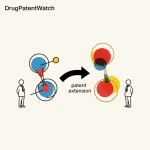
Imagine holding your left and right hands in front of you. They are perfect mirror images, identical in every component—a thumb, four fingers, a palm. Yet, they are not interchangeable. A left-handed glove will never fit comfortably on a right hand. This simple, intuitive concept of “handedness” is a profound reality at the molecular level, a property chemists call chirality.1 Many of the molecules that form the basis of modern medicine possess this quality. They exist as pairs of non-superimposable mirror images, known as enantiomers.3 For decades, many of these drugs were developed and sold as a 50:50 mixture of both “hands,” a formulation known as a racemate.2
This might seem like a minor chemical detail, but within the chiral environment of the human body, the consequences are immense. Our bodies, built from chiral amino acids and sugars, are exquisitely selective. Like a hand in a glove, one enantiomer of a drug might fit perfectly into a biological receptor to produce a desired therapeutic effect, while its mirror image might be inactive, less active, or, in the most tragic cases, dangerously toxic.4
This fundamental principle of stereochemistry is not just a scientific curiosity; it is the foundation of one of the most powerful, lucrative, and controversial strategies in the pharmaceutical industry: the chiral switch. Coined in 1999, the term describes the development and marketing of a single, active enantiomer from a previously approved racemic drug, often just as the patent on the original mixture is about to expire.7
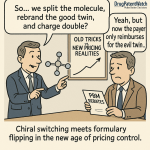
This report dissects the chiral switch from every critical angle, exploring its dual identity. Is it a scientifically justified endeavor to create safer, more effective medicines by isolating the “good hand” from the “bad” or inactive one? Or is it a shrewd business tactic—a form of “evergreening”—designed to reset the patent clock on a blockbuster drug, stifle generic competition, and protect billions in revenue?.9 The answer, as we will see, is rarely simple and often depends entirely on who you ask.
We will journey from the fundamental science of stereochemistry to the boardroom, the courtroom, and the pharmacy counter. Through deep-dive case studies of iconic drugs like Nexium®, Lexapro®, and Xyzal®, we will analyze the intricate interplay of science, marketing, patent law, and regulatory policy that defines the modern chiral switch. This report will equip you with the strategic insights needed to navigate this complex landscape and turn patent data into a competitive advantage. The core narrative of the chiral switch is a battle of perception. The innovator company’s success hinges on its ability to frame the switch as a significant clinical advancement, while challengers—generic firms, payers, and patient advocates—frame it as a marginal change for a major price increase. The marketing budget and strategy are often as important as the clinical data itself.
Section 1: The Science of Asymmetry—Why a Mirror Image Matters in Medicine
To grasp the strategic implications of the chiral switch, one must first understand the scientific principles that make it possible. The language of stereochemistry can be dense, but the core concepts are essential for any business professional seeking to understand this landscape. At its heart, it is a story of three-dimensional shapes and how they interact with the equally three-dimensional machinery of the human body.
Chirality 101 for the Business Professional
The journey begins with a few key definitions that form the vocabulary of chiral drug development.
Chirality and Enantiomers: A molecule is chiral (from the Greek cheir, meaning “hand”) if it cannot be superimposed on its mirror image through any combination of rotations or translations.1 These two non-superimposable mirror-image forms are called enantiomers.3 They possess the same chemical formula and the same physical properties in an achiral (non-handed) environment. However, they differ in one key physical characteristic: their ability to rotate the plane of polarized light. One enantiomer will rotate light to the right (dextrorotatory, designated as d or (+)) and the other to the left (levorotatory, designated as l or (-)).2 While this d/l nomenclature is now considered obsolete, it was the first method used to distinguish these molecular twins. The modern, unambiguous system for describing the absolute three-dimensional configuration of a chiral center is the Cahn-Ingold-Prelog (CIP) system, which assigns an R (rectus, right) or S (sinister, left) descriptor to each enantiomer.2
Racemates: Most traditional chemical synthesis methods are not stereoselective, meaning they produce both enantiomers in equal amounts. This 50:50 mixture of enantiomers is called a racemate or a racemic mixture.1 Because the equal and opposite optical rotations of the two enantiomers cancel each other out, a racemate is optically inactive. Historically, the majority of chiral drugs were developed and marketed as racemates because separating the enantiomers was technologically difficult and expensive.2 About 56% of drugs currently in use are chiral, and of those, nearly 90% have been marketed as racemates.
Eutomer vs. Distomer: The Hero and the Sidekick: In a biological system, the two enantiomers of a racemate are no longer identical. They are, for all practical purposes, two different drugs. To describe their different pharmacological roles, two crucial terms were coined:
The eutomer is the enantiomer that possesses the desired, greater physiological activity. It is the therapeutically active component of the racemate.3
The distomer is the other enantiomer, which may be less active, completely inactive, or even contribute to undesirable or toxic effects.3
The distomer is often referred to as “isomeric ballast”—an unnecessary chemical impurity that the body must metabolize and excrete without providing any therapeutic benefit. In the worst-case scenario, the distomer can be actively harmful. The most infamous example is thalidomide, where the (R)-enantiomer was an effective sedative, while the (S)-enantiomer was a potent teratogen responsible for causing severe birth defects.7 This tragic event served as a powerful catalyst, forcing the pharmaceutical world to recognize the profound importance of stereochemistry. The concept of the “distomer as isomeric ballast” is a powerful narrative tool for justifying a chiral switch. It reframes the racemate not as a single drug, but as a 50% pure drug combined with a 50% impurity. This simplifies the value proposition for regulators, physicians, and payers, shifting the debate from “is the new drug better?” to “why were we giving the impure version in the first place?”
Quantifying the Difference: The Eudysmic Ratio: The difference in activity between the two enantiomers can be quantified by the eudysmic ratio (ER). This is the ratio of the activity of the eutomer to the activity of the distomer.13 It is typically calculated by dividing a measure of potency, such as the half-maximal inhibitory concentration ( IC50) or effective concentration (EC50), of the eutomer by that of the distomer. A eudysmic ratio close to 1 indicates that both enantiomers are roughly equipotent. A high eudysmic ratio, however, signifies a large difference in activity and provides a strong scientific rationale for isolating the eutomer and developing it as a single-enantiomer drug. For example, (S)-propranolol has an ER of 130, meaning it is 130 times more active as a beta-blocker than its (R)-enantiomer. For citalopram, the S-enantiomer is over 100 times more potent than the R-enantiomer as an inhibitor of serotonin reuptake, providing a compelling case for its development as escitalopram.
The Body as a Chiral Selector: Pharmacokinetics and Pharmacodynamics in 3D
The reason enantiomers behave differently in the body is simple: the body itself is a chiral environment. It is constructed from chiral building blocks like L-amino acids and D-sugars, and its biological machinery—enzymes, receptors, transporters, and proteins—are complex, three-dimensional chiral structures.1 These biological targets act as “chiral selectors,” interacting preferentially with one enantiomer over the other, a phenomenon known as stereoselectivity. This stereoselectivity manifests across every stage of a drug’s journey through the body.
Pharmacodynamics (What the Drug Does to the Body): The therapeutic effect of a drug is typically initiated by its binding to a specific receptor or enzyme. This interaction is often analogized to a key fitting into a lock. For a chiral drug, the two enantiomers are like left- and right-handed keys. The target receptor, the lock, is also chiral. A three-point interaction model is often used to explain this specificity: the active enantiomer (the eutomer) can align perfectly with three binding points on the receptor, while its mirror image (the distomer) can only align with two, resulting in a much weaker or non-existent interaction.4 This difference in binding affinity directly translates to differences in potency and efficacy. For example, (S)-ibuprofen is over 100-fold more potent as an inhibitor of the cyclo-oxygenase I (COX-1) enzyme than (R)-ibuprofen.
Pharmacokinetics (What the Body Does to the Drug): The body’s handling of a drug—its Absorption, Distribution, Metabolism, and Excretion (ADME)—is also frequently stereoselective.6
Absorption and Distribution: After administration, drugs are absorbed into the bloodstream and distributed to various tissues. During this process, they often bind to plasma proteins like human serum albumin (HSA). This binding can be stereoselective. For instance, the (S)-enantiomer of the anticoagulant warfarin is bound more extensively to plasma proteins than the (R)-enantiomer. This is significant because only the unbound, or “free,” fraction of a drug is pharmacologically active and available for metabolism and excretion. Different binding affinities can therefore lead to different free drug concentrations and different distribution profiles for each enantiomer.
Metabolism: The liver is the primary site of drug metabolism, carried out by a family of enzymes known as cytochrome P450 (CYP450). These enzymes are chiral and can metabolize enantiomers at different rates or even via different pathways. For example, the (R)-enantiomer of the opioid methadone is metabolized by the CYP3A4 enzyme, whereas the (S)-enantiomer is metabolized by CYP2D6. This can lead to one enantiomer having a much longer half-life than the other, and it creates a more complex potential for drug-drug interactions, as other drugs may inhibit these enzymes differently.
Excretion: The final step of eliminating a drug from the body, typically via the kidneys, can also be stereoselective, affecting how quickly each enantiomer is cleared.
This complex interplay means that administering a racemate is not giving one drug; it is, in effect, a fixed-dose combination of two distinct pharmacological agents whose individual profiles must be understood to predict the overall therapeutic outcome.3 This scientific reality laid the groundwork for a profound shift in regulatory thinking and, consequently, in pharmaceutical business strategy.
Section 2: The Birth of a Strategy—From Scientific Curiosity to Blockbuster Tactic
The journey of the chiral switch from a niche scientific concept to a multi-billion-dollar business strategy was not a gradual evolution; it was catalyzed by a regulatory earthquake. The tragic legacy of thalidomide forced a reckoning within the pharmaceutical industry and its oversight bodies, culminating in a landmark policy decision in the early 1990s that would forever change the landscape of drug development. This new regulatory environment, designed to promote safer medicines, also inadvertently created the perfect commercial opportunity for innovator companies to extend the life of their most profitable products.
A Regulatory Awakening: The Thalidomide Shadow and the 1992 FDA Policy
For much of the 20th century, the development of racemic drugs was standard practice. The technological challenges and high costs associated with separating enantiomers meant that most companies were content to market 50:50 mixtures, often without fully investigating the properties of the individual components. This paradigm was shattered by the thalidomide disaster of the early 1960s. Marketed in Europe as a racemic sedative, it was discovered to cause catastrophic birth defects. Later research suggested that while the (R)-enantiomer was responsible for the desired sedative effect, the (S)-enantiomer was a potent teratogen.
Although the full story of thalidomide is more complex—the chiral center is unstable and the enantiomers rapidly interconvert in the body, meaning that administering the “safe” enantiomer alone would not have prevented the tragedy—the event became the ultimate cautionary tale. It seared into the collective consciousness of regulators and the public the idea that mirror-image molecules could have dramatically different biological effects, and that ignoring chirality was a risk that could no longer be taken.
This growing awareness culminated in a pivotal moment on May 1, 1992, when the U.S. Food and Drug Administration (FDA) issued its “Policy Statement for the Development of New Stereoisomeric Drugs”.12 This document fundamentally altered the calculus of chiral drug development. It did not outright ban the development of racemates, recognizing that in some cases (such as with ibuprofen, where the inactive R-enantiomer converts to the active S-enantiomer in the body), a racemate might be justified.9 However, the policy established a clear and strong preference for the development of single enantiomers.
The 1992 guidance required pharmaceutical companies to:
Characterize the pharmacokinetic and pharmacodynamic properties of each individual enantiomer.
Provide a scientific justification for developing a racemate instead of a single enantiomer.
Develop analytical methods to quantify each enantiomer in biological samples.
Consider the possibility of chiral inversion in vivo.25
This policy shift was soon echoed globally. The European Community (now the EMA) issued its own “Investigation of Chiral Active Substances” directive in 1994, and other regulatory bodies followed suit.12 The impact of these policies has been profound and lasting. Today, the development of a new racemic drug is the exception, not the rule. The EMA has not approved a new racemate since 2016, and the FDA now approves, on average, only one per year, typically for drugs where the stereocenter is irrelevant to the therapeutic activity or for older compounds with a long history of use.24
The Chiral Switch as a Tool for “Evergreening”
While the regulatory push towards single enantiomers was driven by a desire for better science and safer drugs, it had a powerful and perhaps unforeseen commercial consequence. It provided the perfect framework for a sophisticated business strategy known as the chiral switch. In 1999, chemists Israel Agranat and Haim Caner formally defined the term to describe the re-development of a single enantiomer from a drug that had already been approved and marketed as a racemate.7 This was not just a scientific re-engineering; it was a masterstroke of pharmaceutical
lifecycle management.
The chiral switch quickly became a cornerstone of the “evergreening” playbook. Evergreening refers to the collection of legal, commercial, and technological strategies that brand-name drug manufacturers use to extend the patent monopoly on their successful products, thereby delaying the entry of lower-cost generic competition.9 When the primary patent on a blockbuster racemic drug is nearing its expiration, the innovator company can file for a new patent on the purified, single eutomer. If successful, this new patent effectively “restarts the clock” on market exclusivity, creating a fresh period of monopoly pricing.30
The strategic allure of the chiral switch for an innovator company facing a patent cliff is immense:
Extended Market Exclusivity: The new patent on the single enantiomer provides a new lease on life for a profitable franchise, protecting it from the dramatic price erosion that follows generic entry.
A New Barrier to Entry: It forces generic competitors, who may have been preparing to launch a generic version of the racemate, to go back to the drawing board. They must now either challenge the new enantiomer patent in court or wait for it to expire, both of which are costly and time-consuming endeavors.
A Potentially Streamlined Regulatory Pathway: Because the parent racemate already has an extensive record of safety and efficacy, the regulatory path for the single enantiomer can sometimes be shorter and less expensive. Companies can often use data from the original drug to support the new application through “bridging studies,” reducing the need for a full slate of new clinical trials.9
The 1992 FDA policy, while created with scientific and safety goals in mind, inadvertently provided the regulatory legitimacy that made the chiral switch such a powerful commercial tool. By formally recognizing that single enantiomers could be considered distinct therapeutic entities from their parent racemates, the FDA gave innovator companies a powerful argument to take to the U.S. Patent and Trademark Office (USPTO). If the primary drug regulator viewed them as different, then they should also be considered patentably distinct inventions. This act of regulatory distinction was the key that unlocked the chiral switch’s potential as a blockbuster business strategy, perfectly blending scientific rationale with commercial imperative.
Section 3: The Anatomy of a Chiral Switch—Three Landmark Case Studies
The strategic theory of the chiral switch is best understood through the real-world application of the tactic. Three blockbuster drugs—Nexium®, Lexapro®, and Xyzal®—serve as landmark case studies. Each represents a different facet of the chiral switch playbook, demonstrating how varying degrees of clinical advantage, legal fortitude, and marketing genius can be combined to achieve commercial success. Together, they provide a comprehensive picture of how this strategy is executed, defended, and perceived in the high-stakes pharmaceutical market.
Case Study I: Nexium® (Esomeprazole)—The “Purple Pill” Legacy
The story of Nexium is arguably the most famous—and most controversial—chiral switch in history. It is a masterclass in lifecycle management, where a company facing the loss of its biggest revenue generator used a combination of incremental science, a formidable legal strategy, and brilliant marketing to successfully migrate an entire market to a new, patent-protected successor.
The Precedent: The Blockbuster Success of Prilosec® (Omeprazole)
To understand the motivation behind the Nexium switch, one must appreciate the sheer scale of Prilosec’s success. Launched by AstraZeneca, omeprazole (marketed as Prilosec® in the U.S. and Losec® elsewhere) was the first proton pump inhibitor (PPI) and revolutionized the treatment of acid-related disorders like gastroesophageal reflux disease (GERD). By the year 2000, it had become the world’s best-selling drug, with annual U.S. sales topping $6 billion. However, this revenue stream was facing an imminent threat: the primary patent protecting omeprazole was set to expire in 2001, opening the floodgates to a wave of low-cost generic competition.20 For AstraZeneca, protecting this franchise was not just a strategic goal; it was an existential necessity.
The Scientific Justification: A Matter of Metabolism
AstraZeneca’s scientific rationale for developing a single-enantiomer version of omeprazole was subtle. It was not based on a claim that one enantiomer was more potent at the target proton pump (a pharmacodynamic difference), but rather on how the body processed the two enantiomers (a pharmacokinetic difference). Omeprazole is a racemate, a 50:50 mixture of S-omeprazole and R-omeprazole. The S-enantiomer was given the generic name esomeprazole.30
The key difference lies in their metabolism. Both enantiomers are primarily metabolized in the liver by the enzyme CYP2C19. However, esomeprazole is cleared more slowly than R-omeprazole, resulting in a higher bioavailability and more consistent plasma concentrations from patient to patient.30 AstraZeneca-sponsored clinical trials argued that this pharmacokinetic advantage translated into a modest clinical benefit: a 40 mg dose of esomeprazole provided more effective acid control and led to significantly higher healing rates for erosive esophagitis at both 4 and 8 weeks compared to a 20 mg dose of omeprazole.34
This claim of superiority, however, has been a subject of intense debate. Several independent meta-analyses of clinical trials later concluded that while esomeprazole might offer a statistically significant advantage in some metrics, the clinical benefit was marginal at best, especially when comparing equal doses (e.g., 20 mg of esomeprazole vs. 20 mg of omeprazole). Critics argued that the small observed benefit did not justify the substantially higher cost of the new drug, framing the switch as being driven more by commercial interests than by a meaningful therapeutic advancement.37
The Patent Fortress and Legal Warfare
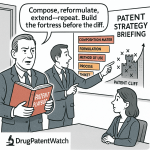
Anticipating legal challenges, AstraZeneca constructed a formidable “patent fortress” around its omeprazole franchise. This strategy, known as creating a patent thicket, involves surrounding a core composition of matter patent with dozens of secondary patents covering every conceivable aspect of the drug, including different formulations, manufacturing processes, methods of use, and, crucially, the single enantiomers.30 In the U.S. alone, omeprazole was protected by a thicket of 40 different patents.30
This legal arsenal was not just defensive; it was a proactive weapon. When generic manufacturers like Teva Pharmaceuticals, Ranbaxy, and Dr. Reddy’s Laboratories filed Abbreviated New Drug Applications (ANDAs) to market generic omeprazole, AstraZeneca launched aggressive patent infringement lawsuits.40 This legal maneuvering served a critical strategic purpose. The patent thicket wasn’t just about winning every case in court; it was about creating delays and uncertainty for competitors. The litigation process itself is lengthy and expensive, and under the Hatch-Waxman Act, a patent infringement lawsuit can trigger an automatic 30-month stay on the FDA’s approval of the generic drug. This legally-created delay was the crucial window of opportunity AstraZeneca needed to execute its market migration strategy.
The legal battles were fierce and complex. While AstraZeneca was largely successful in the U.S., its position was more tenuous in Europe, where the European Patent Office (EPO) revoked a key substance patent for Nexium in 2006 following a challenge from the German generics manufacturer Ratiopharm. The eventual settlements with generic companies often involved intricate terms, such as granting Teva a license to launch generic esomeprazole on a specific future date (May 27, 2014), which in turn drew scrutiny from antitrust regulators concerned about “pay-for-delay” agreements.40
Marketing a Successor: “The New Purple Pill”
With the legal strategy buying them precious time, AstraZeneca unleashed one of the most expensive and effective marketing campaigns in pharmaceutical history. The company spent a staggering $478 million on promotion in the U.S. in 2001 alone. The core of the strategy was to leverage the powerful brand equity of its predecessor. Prilosec had become famous as “the purple pill,” and AstraZeneca brilliantly capitalized on this by launching Nexium with the same distinctive purple color and branding it as “the new purple pill”.43
The campaign was a multi-pronged assault:
Direct-to-Consumer (DTC) Advertising: Massive television, print, and online advertising campaigns blanketed the airwaves and publications, carrying the simple, powerful message that “better is better”.
Physician Detailing: AstraZeneca quadrupled its U.S. sales force, ensuring that doctors were inundated with sales pitches arguing for Nexium’s superiority over Prilosec.
Patient Migration: The goal was to switch as many Prilosec users as possible to the new, patent-protected Nexium before generic omeprazole could enter the market and erode prices. The company offered free trials and rebranded its Prilosec websites to point to Nexium, seamlessly transferring consumer loyalty.38
The Financial Payoff: A Billion-Dollar Switch
The strategy was an unmitigated financial triumph. The seamless transfer of brand equity and market share from the old blockbuster to its successor was executed with remarkable precision.
Table 1: The Nexium® Effect: Revenue Transfer from Prilosec® to Nexium® (Annual Sales in USD Billions)
Year
Prilosec® Global Sales (Approx.)
Nexium® Global Sales (Approx.)
Combined Franchise Sales (Approx.)
2000
$6.1
$0.0
$6.1
2001
$5.7
$0.5
$6.2
2002
$4.6
$2.1
$6.7
2003
$3.7
$3.3
$7.0
2004
$2.7
$4.6
$7.3
2005
$1.9
$5.2
$7.1
2010
(Declined Significantly)
$5.6
>$5.6
(Note: Sales figures are compiled and estimated from multiple sources including company reports and market analyses for illustrative purposes).30
As the table illustrates, as Prilosec’s sales inevitably declined due to generic competition, Nexium’s sales soared, almost perfectly replacing the lost revenue. Between its launch in 2001 and 2005, Nexium netted AstraZeneca an estimated $14.4 billion.45 By 2010, Nexium’s U.S. sales alone were $5.63 billion, making it AstraZeneca’s new bestseller and cementing the chiral switch as one of the most successful lifecycle management strategies ever deployed. The higher price of Nexium meant that this revenue was generated even as the total number of prescriptions for the franchise may have shifted. One 2013 study estimated that in a single year, the switch generated an additional $1.5 million in revenue in the U.S. due to the price differential alone.
Case Study II: Lexapro® (Escitalopram)—The Efficacy Argument
If the Nexium story was a triumph of marketing and legal strategy over marginal clinical difference, the case of Lexapro® (escitalopram) represents a switch built on a much stronger scientific and clinical foundation. Forest Laboratories’ successor to its own blockbuster antidepressant, Celexa® (citalopram), was defended not primarily with branding, but with compelling data suggesting it was a genuinely more effective medicine.
The Clinical Case: A More Potent Antidepressant?
The scientific rationale for switching from citalopram to its single S-enantiomer, escitalopram, was powerful. Citalopram is a racemic mixture where the S-enantiomer is the eutomer, responsible for virtually all the therapeutic activity of inhibiting serotonin reuptake. The R-enantiomer is largely inactive, or as some preclinical studies suggested, may even slightly inhibit the binding of the S-enantiomer at the serotonin transporter.15 The eudysmic ratio is exceptionally high—around 167—meaning the S-enantiomer is 167 times more potent at its target than the R-enantiomer.
This stark difference in activity translated into clear clinical advantages. A large body of evidence from head-to-head clinical trials and subsequent meta-analyses consistently demonstrated that escitalopram was more effective than citalopram at therapeutically equivalent doses. Key findings included:
Superior Efficacy: Patients treated with escitalopram showed significantly higher response and remission rates compared to those treated with citalopram, an advantage that was particularly pronounced in patients with severe major depressive disorder (MDD).49
Faster Onset of Action: Escitalopram demonstrated a statistically significant separation from placebo as early as week 1 of treatment, whereas citalopram often took up to 6 weeks to show a significant effect, suggesting a more rapid onset of antidepressant action.48
Dose-Potency Advantage: Crucially, studies showed that a 10 mg dose of escitalopram was at least as effective as a 40 mg dose of citalopram.47 This finding powerfully supported the “isomeric ballast” argument: half the dose of the pure eutomer provided the same or better effect as a full dose of the racemate, implying that the R-enantiomer was indeed unnecessary baggage.
Navigating the Legal Gauntlet: Forest Labs v. IVAX
Despite the strong clinical data, the patent protecting escitalopram faced a formidable legal challenge from generic manufacturer IVAX Pharmaceuticals (later acquired by Teva). The case, Forest Laboratories, Inc. v. Ivax Pharmaceuticals, Inc., became a landmark decision in the field of chiral patent law, hinging on the critical patentability requirements of anticipation and obviousness.53
IVAX’s central argument was that the invention of substantially pure escitalopram was obvious. They pointed to a prior art publication, the “Smith reference,” which disclosed racemic citalopram and suggested that its therapeutic activity likely resided in one of its enantiomers. IVAX contended that for a person of ordinary skill in the art, it would have been “obvious to try” to separate the racemate to find the more active component.
Forest Laboratories’ legal strategy was masterful. They did not dispute that it would have been obvious to try to resolve the racemate. Instead, they focused their argument on whether there was a reasonable expectation of success. They presented a mountain of evidence to the court demonstrating that the actual process of separating the enantiomers of citalopram was extraordinarily difficult, unpredictable, and fraught with failure at the time the invention was made. This evidence included:
Testimony about the general unpredictability of chiral separation techniques like HPLC at the time.
Documented failed attempts by multiple teams of expert chemists, including Forest’s own inventor, Dr. Bogeso, who had tried and failed for years using conventional methods.
Evidence that the successful method, involving a novel diol intermediate, was a last resort that skilled chemists would have been hesitant to try due to a high risk of the molecule re-racemizing (converting back to the 50:50 mixture).
The court was convinced. It ruled that while the motivation to separate the enantiomers existed, the path to achieving that separation was not obvious. The significant uncertainty and the need for undue experimentation meant that the invention of pure escitalopram was non-obvious and therefore patentable.53 This case provides a critical legal playbook for defending a chiral switch patent. The victory was secured not by arguing that the
idea of a single enantiomer was novel, but by meticulously documenting the unpredictability and difficulty of the scientific process required to create it. This shifts the legal burden from the “what” to the “how,” establishing a powerful precedent that the journey of invention, if sufficiently arduous and inventive, can itself be the basis for patentability.
Commercial Strategy: Targeting the Prescriber
Unlike the massive DTC campaign for Nexium, Forest’s commercial strategy for Lexapro was more targeted towards healthcare professionals. The company focused on communicating the drug’s superior clinical data to physicians to convince them to prescribe it over Celexa and, eventually, its generic competitors.
This strategy, however, was not without controversy. Forest Laboratories faced numerous allegations of aggressive and improper marketing tactics. These included accusations of using kickback schemes to incentivize doctors to prescribe Lexapro and spending millions on physician lectures, meals, and other payments to promote the drug, particularly for off-label uses.55 The narrative pushed to prescribers was one of clear clinical superiority, a message that resonated in the market but was also allegedly supported by a powerful and controversial promotional machine.
Sales and Market Dynamics: The Inevitable Patent Cliff
The combination of strong clinical data, a legally robust patent, and an aggressive marketing strategy made Lexapro an enormous commercial success. It quickly replaced Celexa as Forest’s flagship product and became one of the most widely prescribed antidepressants in the world.
Table 2: The Lexapro® Lifecycle: Revenue and the Patent Cliff (Annual Sales in USD Billions)
Fiscal Year
Lexapro® Global Sales (Approx.)
Key Events
2003
$0.35
First full year on market
2004
$1.09
Becomes a blockbuster
2005
$1.61
Continued rapid growth
2006
$2.10
Sales exceed $2 billion
2011
$2.30
Peak sales year
2012
(Declined Sharply)
Patent expires (March 2012)
2013
< $0.1
Sales plummet post-generic entry
(Note: Sales figures are compiled and estimated from company financial reports and market analyses for illustrative purposes).57
Over its patent life, Lexapro generated an estimated $13.8 billion in revenue for Forest Laboratories, frequently accounting for more than half of the company’s total sales. In the quarter ending December 2011, just before patent expiry, the drug still brought in nearly $600 million.
The aftermath of patent expiration was swift and brutal. When the first generic version of escitalopram launched in March 2012, Lexapro’s sales fell off a cliff. Within the year, sales had plummeted by 97%, demonstrating the immense financial pressure that drives companies to pursue evergreening strategies like the chiral switch. The story of Lexapro’s lifecycle powerfully illustrates both the incredible value a successful chiral switch can create and the profound vulnerability that comes when its patent protection finally ends.
Case Study III: Xyzal® (Levocetirizine)—A More Contested Switch in the OTC Aisle
The third case study, levocetirizine (Xyzal®), offers a different but equally valuable lesson. It represents a chiral switch where the clinical advantages over the parent racemate, cetirizine (Zyrtec®), were highly contested. In the absence of a clear-cut efficacy or safety advantage, its commercial success was achieved not through overwhelming scientific data or legal dominance, but through a brilliantly executed marketing strategy that carved out a unique niche in a crowded over-the-counter (OTC) marketplace.
The Rationale and the Rebuttal
Cetirizine is a popular second-generation antihistamine sold as a racemate of levocetirizine (the R-enantiomer) and dextrocetirizine (the S-enantiomer). The pharmacological activity resides almost exclusively in levocetirizine, the eutomer, which acts as a potent antagonist at the histamine H1 receptor.62
The initial claims made to justify the chiral switch were that levocetirizine was two to four times more potent than racemic cetirizine and, importantly, offered a better side-effect profile with less sedation. Sedation, even if mild, is a significant concern for users of antihistamines, so a less-drowsy alternative would represent a meaningful clinical improvement.
However, these claims have been heavily debated. While some studies supported the claims, others found that levocetirizine and cetirizine had comparable clinical efficacy in treating conditions like chronic urticaria (hives).64 Meta-analyses investigating sedation have also yielded mixed results, with some suggesting levocetirizine has only modest sedative effects, not significantly different from other second-generation antihistamines.66 This lack of a definitive, compelling clinical advantage led many critics to argue that there was no strong rationale for prescribing or using the more expensive single-enantiomer Xyzal® over widely available, low-cost generic cetirizine.
Finding a Niche: The “Goodnight Allergies” Strategy
Facing a weak clinical differentiation story and a mature OTC allergy market dominated by entrenched giants like Zyrtec®, Claritin®, and Allegra®, the makers of Xyzal®, UCB and its co-marketing partner Sanofi, knew that a head-to-head battle on efficacy would be a losing proposition. Instead, they pivoted to a marketing strategy that was a masterclass in identifying and owning an unmet consumer need.68
Their research uncovered a key segment of the market that no other brand was speaking to: sleep-impacted allergy sufferers. These were consumers for whom allergies were not just a daytime nuisance of sneezing and watery eyes, but a nighttime affliction that disrupted sleep and ruined their energy and productivity the next day.
Based on this insight, they launched the “Goodnight Allergies” campaign. The strategy was to completely reframe the treatment paradigm. Instead of taking an allergy pill in the morning to deal with symptoms during the day, they urged consumers to take Xyzal® at night. The core message was that Xyzal® provides 24-hour relief that starts working while you sleep, so you can relieve nighttime allergy symptoms and “wake refreshed for a productive day”.68
To bring this message to life, they avoided the clichéd allergy advertising tropes of people frolicking in sunny fields. They created a unique and memorable brand mascot: Nigel the owl. The owl perfectly symbolized the campaign’s core tenets—nighttime and wisdom—encapsulated in the clever tagline, “Be wise all, take Xyzal at night”. Nigel became a charming and effective brand ambassador, communicating the unique value proposition across all channels and helping consumers remember the difficult-to-pronounce brand name. This brilliant pivot allowed Xyzal® to bypass the contentious “is it better?” debate and instead create a new conversation: “are you treating your allergies at the right time?”
Patent Landscape and Market Performance
Levocetirizine was first approved by the FDA as a prescription drug in 2007, protected by patents held by UCB.70 It made the switch to an OTC product in the U.S. in January 2017, entering the highly competitive consumer healthcare space.63
The targeted marketing strategy proved to be exceptionally effective. Despite being significantly outspent by its larger competitors, Xyzal’s® sales grew at more than twice the rate of the overall allergy category in the year following the campaign’s evolution in 2021-2022 (7.2% for Xyzal vs. 3.4% for the category). The campaign successfully met all its business and communication goals, dramatically increasing total awareness, consumer consideration, and brand love to all-time highs. The unique positioning resonated with consumers, demonstrating that a successful chiral switch does not always require a slam-dunk clinical advantage. When the scientific differentiation is marginal, a highly creative and targeted marketing strategy that addresses a specific, unmet patient need can be just as powerful in driving commercial success.
Section 4: The Strategic & Economic Implications of the Chiral Switch
The chiral switch is more than a scientific or legal maneuver; it is a strategic decision with profound and far-reaching implications that ripple across the entire healthcare ecosystem. It shapes corporate strategy, fuels litigation, influences prescribing habits, and directly impacts the budgets of healthcare systems and the wallets of patients. Understanding these broader consequences is crucial for any stakeholder seeking to navigate the complex pharmaceutical landscape. The entire chiral switch ecosystem—from R&D to litigation to marketing—is a reactive loop. The success of one switch (like Nexium) creates a financial incentive for more companies to try it. This, in turn, provokes a reaction from payers and patient advocates, leading to increased scrutiny. This scrutiny then forces the next wave of innovators to build a stronger clinical case (like Lexapro) or a more clever marketing case (like Xyzal) to succeed.
A Fractured Consensus: Perspectives from Across the Industry
The debate over the legitimacy of the chiral switch is fierce precisely because the stakes are so high. Depending on their position in the value chain, different stakeholders view the practice through vastly different lenses, leading to a fractured and often contentious discourse.
The Innovator’s View: From the perspective of brand-name pharmaceutical companies, the chiral switch is a form of legitimate, incremental innovation. They argue that the process of isolating, testing, and gaining regulatory approval for a single enantiomer requires significant R&D investment. The resulting product, they contend, often offers tangible benefits to patients, such as an improved safety profile (by removing a harmful or inactive distomer), a more predictable pharmacokinetic profile, reduced potential for drug-drug interactions, and a simplified dosing regimen.9 In this view, the new patent granted for the single enantiomer is a justified reward for this additional research, incentivizing companies to continue refining and improving their existing medicines.
The Generic Manufacturer’s View: Generic drug manufacturers and their advocates see the chiral switch in a much more cynical light. They often view it as a quintessential example of “evergreening”—a tactic designed not to meaningfully improve patient outcomes but to abuse the patent system to block competition.9 They point to cases where the clinical benefit of the switch is marginal or non-existent, yet the new enantiomer is priced at a significant premium over the racemate. From their perspective, this strategy stifles the free market competition that the patent system is designed to eventually allow, keeping drug prices artificially high and preventing patients from accessing more affordable generic alternatives.8
The Patient Advocate’s View: Patient advocacy groups, such as Patients For Affordable Drugs, are among the most vocal critics of evergreening strategies, including the chiral switch. They argue that these tactics prioritize corporate profits over the well-being of patients.75 When a company successfully switches the market to a new, expensive enantiomer just as a cheaper generic version of the original drug becomes available, patients and the healthcare system are forced to bear the financial burden. David Mitchell, founder of Patients For Affordable Drugs and a cancer patient himself, stated before the U.S. Senate that “too often drug companies abuse the current patent system, not to reward innovation, but to block competition that would lower prices as the patent laws intend”. These groups advocate for stricter patent examination standards and other legislative reforms to curb what they see as anti-competitive abuses that make essential medicines unaffordable.76
The Economic Ripple Effect on Healthcare Systems
The financial impact of a successful chiral switch on the broader healthcare system is undeniable. While the strategy is designed to protect revenue for the innovator, it almost invariably leads to increased overall drug expenditures for payers, including governments, insurance companies, and patients.
The dynamic is straightforward: upon the patent expiration of the racemic drug, multiple generic versions enter the market, and their price plummets, often by 80-90%. Simultaneously, the innovator company markets its new, patent-protected single-enantiomer drug at a premium price, often comparable to or even higher than the original racemate’s price before it went off-patent. The total cost to the healthcare system is a function of how effectively the innovator can persuade doctors and patients to use the new, expensive brand instead of the old, cheap generic.
The Nexium case is a stark example. In 2009, the UK’s National Health Service (NHS) spent £42 million on esomeprazole, even though it offered no significant clinical advantages over generic omeprazole and was 11 times more expensive. A study in Geneva, Switzerland, found that the prescribing of esomeprazole instead of generic omeprazole between 2000 and 2008 resulted in an additional cost of €5.2 million. These figures, multiplied across countless health systems and drugs, represent billions of dollars in additional spending that critics argue could be better used elsewhere.11
This controversy is at the heart of the modern debate over value-based pricing. Payers are no longer willing to accept new drugs at premium prices without clear evidence of superior outcomes. Chiral switches based on marginal or debatable clinical benefits are now prime targets for formulary restrictions, prior authorization requirements, and step-therapy protocols, where a patient must first try and fail on the cheaper generic racemate before being approved for the more expensive enantiomer.
Leveraging Patent Intelligence for Competitive Advantage
In this high-stakes, contentious environment, access to timely, accurate, and comprehensive patent and market intelligence is not a luxury; it is a fundamental requirement for strategic survival. Both innovator and generic firms operate in a state of constant vigilance, meticulously tracking the intellectual property landscape to anticipate threats and identify opportunities.
The Role of Strategic Data: The decision to pursue a chiral switch, and the strategy to challenge one, are both driven by data. Innovator companies must assess the strength of their potential enantiomer patent, the clinical data they can generate to support it, and the market dynamics they will face. Generic companies must analyze the same landscape to identify weaknesses in the innovator’s patent portfolio and decide which products represent the most promising targets for a patent challenge.
Anticipating the Next Switch: This is where specialized business intelligence platforms like DrugPatentWatch become indispensable tools. Such platforms provide a comprehensive, integrated database of pharmaceutical patents, regulatory statuses, litigation records, clinical trial data, and sales figures.81 For a strategist, this data is actionable intelligence:
Early Warning System: By monitoring the patent filings associated with a blockbuster racemic drug, analysts can detect the early signs of a chiral switch strategy, such as the filing of new patents specifically claiming a single enantiomer. This provides an early warning that allows a generic competitor to begin preparing its legal and development strategies years in advance.
Litigation Intelligence: Tracking Paragraph IV patent challenges and their outcomes, which is a key feature of services like DrugPatentWatch, allows companies to assess the litigation history of an innovator and the past successes of other patent challengers. This can help a generic firm develop a more effective legal strategy and even find confidential settlement terms from past cases to inform their approach.
Market Forecasting: Access to historical sales data, like that for Nexium and Lexapro, combined with patent expiration timelines, allows for more accurate forecasting of revenue events. Wholesalers and distributors can use this information to avoid being overstocked with a branded drug right before its patent expires, while payers can use it to anticipate future budgetary requirements.71
In essence, the “game” of the chiral switch is played on a field of intellectual property. The companies that have the clearest and most up-to-date map of that field are the ones most likely to win. Platforms that provide this critical patent intelligence are the cartographers of this modern pharmaceutical warfare, enabling companies to make smarter, data-driven decisions that can be worth billions of dollars.
Conclusion: The Future of the Chiral Switch in an Era of Scrutiny
The chiral switch, born from a confluence of scientific advancement, regulatory evolution, and commercial necessity, has undeniably been one of the most effective lifecycle management strategies in the history of the pharmaceutical industry. The case studies of Nexium® and Lexapro® demonstrate its power to preserve blockbuster franchises, generating tens of billions of dollars in revenue that would have otherwise been lost to generic competition. However, the very success of this strategy has sown the seeds of its own transformation. The golden age of the easy, commercially-driven chiral switch is likely over, giving way to a new era defined by heightened scrutiny and a much higher bar for success.
The landscape has fundamentally changed. Regulators, particularly in Europe, have become far more stringent, now demanding clear clinical benefits rather than just pharmacokinetic justifications.10 Payers and health systems, armed with sophisticated health technology assessments and a mandate to control costs, are increasingly unwilling to grant premium formulary status to switched drugs without compelling evidence of superior value. Prescribers are more aware of the economic implications of their choices, and patient advocacy groups have become powerful voices in the public debate, shining a harsh spotlight on any strategy perceived as “evergreening” at the expense of patients.75
This new environment does not mean the end of the chiral switch, but rather its evolution. Future successful switches will likely fall into one of two categories. The first will be those, like Lexapro®, that are underpinned by unambiguous and clinically meaningful improvements in efficacy or safety. The second will be those, like Xyzal®, that succeed not by claiming superiority on the same terms as the parent drug, but by employing brilliant marketing to identify and dominate a new, specific patient niche where it can offer a unique value proposition. Simply patenting an enantiomer and expecting the market to follow is a strategy destined for failure in the current climate.
As the chiral switch becomes a more challenging tactic to execute, the evergreening playbook will continue to evolve. Innovator companies are already focusing on other methods to extend patent life, such as developing new formulations (e.g., extended-release versions), patenting new methods of delivery, creating fixed-dose combination therapies, and securing patents for new therapeutic indications for existing drugs.29 The fundamental business imperative to maximize the value of an asset over its entire lifecycle remains unchanged; only the tactics will adapt to the shifting legal, regulatory, and commercial terrain.
Ultimately, the story of the chiral switch is a powerful and enduring lesson in the complex dynamics of the pharmaceutical industry. It serves as a stark reminder that commercial success is a function of not just scientific innovation, but also masterful legal strategy, aggressive and creative marketing, and a deep, nuanced understanding of the regulatory and reimbursement landscapes. For business professionals and strategists aiming to compete and win in this space, mastering the intricate interplay of these forces is—and will continue to be—the ultimate competitive advantage.
Key Takeaways
Science as the Foundation: The chiral switch is rooted in stereochemistry, the principle that mirror-image molecules (enantiomers) can have vastly different effects in the body. The therapeutically active enantiomer is the “eutomer,” while the less active or inactive one is the “distomer.” A high eudysmic ratio (potency difference) provides a strong scientific rationale for a switch.
A Dual-Purpose Strategy: The chiral switch is both a scientific tool to potentially create safer, more effective drugs and a powerful business strategy for “evergreening”—extending a drug’s patent monopoly to protect revenue from generic competition.
Regulatory Catalyst: The 1992 FDA policy on stereoisomeric drugs, enacted in the shadow of the thalidomide tragedy, created a strong preference for single-enantiomer drugs. This policy, intended to improve drug safety, inadvertently created the regulatory framework that made the chiral switch a viable commercial strategy.
Three Models of Success:
Nexium® (Esomeprazole): A masterclass in marketing and legal strategy. Success was driven by leveraging the “purple pill” brand of its predecessor and using a “patent thicket” to delay generics, despite only marginal clinical advantages over omeprazole.
Lexapro® (Escitalopram): A success built on a strong clinical efficacy argument. Escitalopram demonstrated clear superiority over citalopram, and its patent was successfully defended in court by proving the scientific process of isolating it was non-obvious and required inventive steps.
Xyzal® (Levocetirizine): A success achieved through clever marketing in the face of contested clinical benefits. The “Goodnight Allergies” campaign created and dominated a new market niche, bypassing a direct efficacy battle with generic cetirizine.
The Evergreening Controversy: The chiral switch is a central focus of the debate on drug pricing and patent abuse. Innovator companies defend it as legitimate incremental innovation, while generic manufacturers and patient advocates often criticize it as a tactic to maintain high prices and block affordable medicines.
The Bar is Higher Now: The era of the “easy” chiral switch is over. Increased scrutiny from regulators, payers, and the public means that future switches will require either compelling evidence of clinical superiority or a highly innovative marketing strategy to succeed.
The Importance of Patent Intelligence: Navigating this complex landscape requires sophisticated competitive intelligence. Platforms like DrugPatentWatch are essential for monitoring patent filings, tracking litigation, and forecasting market events, enabling both innovator and generic companies to make informed strategic decisions.
Frequently Asked Questions (FAQ)
1. What is the difference between a “chiral switch” and developing a new single-enantiomer drug from the start (de novo)?
A chiral switch specifically refers to the development of a single enantiomer from a drug that was already approved and marketed as a racemate (a 50:50 mixture). Developing a single-enantiomer drug de novo means that the single enantiomer is the first version of the drug brought to market; there was no pre-existing racemate on the market. Since the 1992 FDA policy, de novo development of single enantiomers has become the standard for new chiral molecules, making the chiral switch a lifecycle management strategy for older drugs that were originally approved as racemates.
2. Is a single enantiomer always better than a racemate?
Not necessarily. While there are many cases where the eutomer offers a clear advantage, there are exceptions. The classic example is ibuprofen. The (S)-enantiomer is the active form, but the inactive (R)-enantiomer undergoes in vivo chiral inversion, where the body converts about 60% of it into the active (S)-form.9 In this case, the (R)-enantiomer acts as a prodrug, and there is little therapeutic advantage to taking the pure (S)-enantiomer (dexibuprofen) over the cheaper racemic ibuprofen. In rare cases, like the diuretic indacrinone, the distomer actually has a beneficial effect (counteracting a side effect of the eutomer), making a specific, non-racemic mixture of the two potentially optimal.
3. How can a single enantiomer be patented if the racemic mixture is already known? Isn’t it obvious?
This is the central legal question in chiral switch litigation. A generic challenger will argue that once a racemate is known, separating it into its components is “obvious to try” for a skilled chemist. The innovator company must prove that the invention is non-obvious under 35 U.S.C. § 103.85 The landmark
Forest Labs v. IVAX case for Lexapro® established a key precedent. Forest won by demonstrating that even if it was obvious to try to separate the enantiomers, there was no reasonable expectation of success at the time. They proved that the process required significant, non-routine experimentation and was fraught with unpredictable challenges, thus meeting the standard for non-obviousness.53 Unexpectedly superior clinical properties of the single enantiomer can also be used to argue for non-obviousness.
4. What is a “patent thicket” and how does it relate to the chiral switch?
A “patent thicket” is a dense web of overlapping patents that a company builds around a single product. Instead of just patenting the active molecule, they file numerous secondary patents on different crystalline forms (polymorphs), formulations, methods of manufacturing, and methods of use.30 AstraZeneca’s strategy for Prilosec®/Nexium® is the classic example.30 A patent thicket is a powerful tool in a chiral switch strategy because it creates multiple legal hurdles for generic competitors. Even if a generic company can invalidate the main patent on the racemate, the innovator can sue them for infringing dozens of other patents, triggering legal delays and making the path to market incredibly expensive and uncertain. This buys the innovator the crucial time needed to switch the market to the new, single-enantiomer product.
5. As a business strategist, what is the single most important factor to consider when evaluating a potential chiral switch opportunity or threat?
The single most important factor is the strength of the value proposition relative to the existing standard of care (the soon-to-be-generic racemate). This value proposition is a composite of three key areas:
Clinical Differentiation: Is there a clear, demonstrable, and clinically meaningful advantage in efficacy or safety? (The Lexapro® model).
Marketing Differentiation: If the clinical advantage is marginal, is there a unique, unmet patient need that can be targeted with a compelling and creative marketing strategy? (The Xyzal® model).
Legal Durability: How strong is the intellectual property? Can the non-obviousness of the enantiomer patent be robustly defended against legal challenges? (The Forest v. IVAX lesson). A potential switch that is weak in all three areas is likely to fail. A switch that is exceptionally strong in at least one of these areas, and preferably more, has a high probability of commercial success.
Enantioselectivity in Drug Pharmacokinetics and Toxicity: Pharmacological Relevance and Analytical Methods – PMC – PubMed Central, accessed August 1, 2025, https://pmc.ncbi.nlm.nih.gov/articles/PMC8197169/
Esomeprazole provides improved acid control vs. omeprazole In patients with symptoms of gastro-oesophageal reflux disease – PubMed, accessed August 1, 2025, https://pubmed.ncbi.nlm.nih.gov/10886041/
Comparative study of omeprazole, lansoprazole, pantoprazole and esomeprazole for symptom relief in patients with reflux esophagitis – Baishideng Publishing Group, accessed August 1, 2025, https://www.wjgnet.com/1007-9327/full/v15/i8/990.htm
Comparative effectiveness and acceptability of the FDA-licensed proton pump inhibitors for erosive esophagitis: A PRISMA-compliant network meta-analysis – PMC, accessed August 1, 2025, https://pmc.ncbi.nlm.nih.gov/articles/PMC5626283/
[Escitalopram is more effective than citalopram for the treatment of severe major depressive disorder] – PubMed, accessed August 1, 2025, https://pubmed.ncbi.nlm.nih.gov/15107719/
Sedative Effects of Levocetirizine: A Systematic Review and Meta-Analysis of Randomized Controlled Studies – PubMed, accessed August 1, 2025, https://pubmed.ncbi.nlm.nih.gov/28070872/
Full article: Widened Scope of Drug Repurposing/Chiral Switches, Elements of Secondary Pharmaceuticals: The Quinine/Quinidine Case – Taylor & Francis Online, accessed August 1, 2025, https://www.tandfonline.com/doi/full/10.4155/fdd-2023-0006
FDA Approves Xyzal® (Levocetirizine Dihydrochloride) Oral Solution For The Relief Of Seasonal And Year Round Allergies and Chronic Idiopathic Urticaria – Sanofi US News, accessed August 1, 2025, https://www.news.sanofi.us/press-releases?item=118318