The pharmaceutical industry, a realm of profound scientific discovery and immense commercial potential, is also a battlefield of intense competition. For business professionals, navigating this landscape demands not just foresight, but a sophisticated understanding of drug portfolio evaluation and the intricate dance of branded, 505(b)(2), and generic competition. This report serves as a strategic compass, translating complex data into actionable intelligence to transform competitive threats into opportunities for market dominance.
The Pharmaceutical Chessboard: Navigating Portfolio Evaluation and Competitive Landscapes
The pharmaceutical industry operates as a high-stakes game where every strategic decision—from early-stage research to market launch and beyond—is subject to intense scrutiny. Organizations must meticulously evaluate their drug portfolios to ensure optimal investment in assets, effective risk mitigation, and strategic positioning for long-term success within an ever-evolving competitive environment.
The High Stakes of Drug Development: Why Strategic Portfolio Evaluation Matters
The journey from a nascent molecule to a marketable medicine is fraught with challenges, demanding colossal investments and enduring significant uncertainty. The critical importance of strategic portfolio evaluation extends beyond a mere advantage; it is an absolute necessity for survival and growth in this demanding sector.
The pharmaceutical landscape is characterized by a dynamic interplay of scientific breakthroughs, shifting regulatory paradigms, and intense market pressures. The industry is currently witnessing a surge in targeted therapies, biologics, and personalized medicine, which are fundamentally reshaping treatment models for complex conditions such as cancer, autoimmune diseases, and genetic disorders. This ongoing evolution means that strategies that proved effective in the past may no longer suffice for the challenges of tomorrow.
Given the substantial cost and inherent uncertainty associated with drug development—with estimates for the average cost per new drug ranging from less than $1 billion to over $2 billion, and only approximately 12% of drug candidates entering clinical trials ultimately gaining approval —proactive portfolio management becomes paramount. This involves more than simply managing a pipeline; it necessitates strategically aligning research and development (R&D) efforts with core business objectives and identified market needs. Such alignment ensures that finite resources are allocated to projects with the greatest potential for return on investment (ROI), thereby helping companies avoid the pitfalls of costly failures and capitalize on emerging opportunities. The increasing focus on complex, targeted therapies, such as CAR-T cell therapies and immuno-oncology treatments, reflects a strategic pivot in R&D investment towards high-impact, high-cost innovation, rather than solely pursuing broad-spectrum drugs. While these R&D costs continue to rise , the potential for higher returns and the ability to address significant unmet medical needs in these complex areas often justify the substantial investment, creating a cycle of high-risk, high-reward innovation. The direct relationship between high R&D costs and high attrition rates in clinical trials underscores the necessity of sophisticated portfolio evaluation. When billions of dollars are at stake for each drug and the probability of failure is high, companies must implement robust screening and selection processes to identify and discontinue projects that do not meet corporate goals, thereby optimizing resource allocation and mitigating financial risk. This direct cause-and-effect relationship highlights why rigorous evaluation is indispensable.
Mastering Drug Portfolio Evaluation: Methodologies for Strategic Insight
Effective portfolio evaluation transcends mere intuition; it is a rigorous, data-driven process that integrates quantitative models with qualitative assessments to construct a comprehensive understanding of a drug candidate’s potential.
Pharmaceutical companies employ sophisticated financial models to assess the viability of both R&D projects and existing products, providing a structured approach to investment decisions.
Net Present Value (NPV) and Internal Rate of Return (IRR) are foundational tools in this domain. These metrics are applied within rigorous assessment models to evaluate risk and return, enabling the elimination of projects that do not align with corporate objectives. They are instrumental in prioritizing projects that offer the highest potential ROI. The profitability index, particularly when calculated using NPV as the numerator and discounted investment cash flow as the denominator, proves highly useful for comparing the value of various developmental research projects, especially those exploring new therapeutic approaches. Hurdle rates, one of the oldest screening techniques, establish a predetermined minimum acceptable rate of return that a project must meet to be considered for investment.
These financial metrics provide a standardized framework for comparing diverse projects, empowering companies to make objective, data-driven decisions regarding the allocation of their limited capital . They are crucial for effective resource allocation and portfolio optimization, ensuring that investments are strategically aligned with financial objectives. The reliance on “rigorous but rigid” quantitative models like NPV and IRR suggests a potential tendency to overemphasize purely financial metrics, which might inadvertently overlook qualitative factors or emergent opportunities. If these models are too inflexible, they may struggle to adapt to the dynamic and uncertain nature of drug development, particularly for truly novel or breakthrough therapies where traditional financial projections are inherently challenging. This implies a need to balance these models with qualitative insights to capture the full strategic value, not just the immediate financial return. Furthermore, the use of hurdle rates and profitability indices indicates a strong financial gatekeeping mechanism. This could inadvertently disincentivize high-risk, high-reward projects, such as those for rare diseases, if their initial financial projections do not meet aggressive thresholds, despite their potentially high societal value. If hurdle rates are set excessively high, projects with longer development timelines or smaller initial market sizes—characteristics often associated with orphan drugs —might be rejected, even if they promise significant medical breakthroughs or long-term strategic value. This highlights an inherent tension between purely financial metrics and broader public health objectives.
Qualitative Assessments: Uncovering Market Niches and Strategic Alignment
Beyond the numerical analyses, a deep understanding of the market and strategic fit is indispensable for effective portfolio evaluation.
Thorough market niche analysis involves assessing existing products, identifying unmet medical needs, and pinpointing market gaps or niches for future R&D. This analytical process incorporates concepts of market segmentation and product differentiation to converge on a list of potential products. The EFPIA 2024 Pipeline Review underscores that innovation is increasingly directed towards addressing unmet needs, driven by factors such as an aging global population and the rise of antimicrobial resistance. Strategic alignment is equally vital, requiring that portfolio management aligns with a company’s core therapeutic areas and long-term business objectives. This ensures that all resources—financial, human, and time—are strategically allocated to maximize the likelihood of success, prioritizing projects with the highest potential ROI. Companies often specialize in a limited number of therapeutic areas to build deep expertise and streamline research efforts, thereby enhancing their chances of success within those focused domains.
Qualitative factors enable companies to identify where their innovation can yield the most significant impact and where they can cultivate a sustainable competitive advantage. This involves discerning “white spaces” in the market where competition is less intense and unmet needs are pronounced. The increasing focus on unmet medical needs represents a direct response to rising R&D costs and intensifying regulatory scrutiny. When drug development is expensive and risky, companies must maximize their chances of success and justify premium pricing. Targeting “unmet needs” increases the likelihood of receiving regulatory fast-track designations and potentially securing higher reimbursement rates, making the substantial R&D investment more palatable. This strategic shift moves the industry’s focus from developing “me-too” drugs to delivering truly innovative solutions. Despite the stated importance of patient-centric unmet need assessment , there remains “no standardized, patient-centric unmet need measure”. This gap between rhetoric and practical application suggests that resources could be misallocated, potentially leading to the development of products that do not genuinely address the most pressing patient needs. Such a disconnect could subsequently impact market acceptance and reimbursement outcomes. Addressing this challenge requires the industry to develop and adopt a standardized measure for unmet need.
Data-Driven Decision Making: Leveraging Metrics and Analytics
In today’s data-rich environment, sophisticated analytics are indispensable for effective portfolio management, providing the necessary quantitative foundation for informed decisions.
Key Performance Indicators (KPIs) for pipeline assessment offer a quantitative means to measure performance, cost, quality, and efficiency across R&D, manufacturing, marketing, and distribution functions. Specific examples include R&D expense per new drug developed, the average cost of drug failure, and the hit-to-lead rate. The FDA also emphasizes the importance of quality metrics to monitor product and process lifecycles, with the objective of achieving higher levels of safety, efficacy, and overall performance. The role of data standardization and business intelligence is crucial; business intelligence dashboards and advanced analytics enhance management capabilities, while data standardization is essential for maximizing technological investments. Companies leverage data to assess portfolio performance, identify market trends, and make informed decisions regarding which projects to advance and which to terminate.
KPIs provide a real-time pulse of the portfolio, enabling managers to monitor efficiency and identify issues promptly. Data standardization ensures that these metrics are comparable and reliable, feeding into robust business intelligence systems that drive strategic adjustments. The FDA’s increasing focus on quality metrics and their integration into risk-based inspection scheduling signals a shift towards a more proactive, data-driven regulatory oversight. If the FDA utilizes quality metrics to “improve prediction and possibly mitigation of future drug shortages” and “enhance FDA’s risk-based inspection scheduling” , it implies that robust internal Quality Management Systems (PQS) are not merely about compliance but also about gaining a regulatory advantage, such as fewer inspections. This creates a direct incentive for companies to invest in advanced quality metrics and data analytics. The critical impact of “proper metric measurement” on the “make or break quarter” for biotech stocks highlights a direct link between operational transparency and financial performance. Wall Street rigorously scrutinizes biotech performance; without proper metric measurement, companies “will not receive the kind of valuable insights needed to assess the performance of a pharmaceuticals business”. This directly impacts investor confidence and stock performance, establishing a strong financial imperative for robust KPI tracking and reporting.
Branded Drug Dominance: Sustaining Innovation and Market Leadership
For branded pharmaceutical companies, the challenge extends beyond mere innovation; it encompasses the imperative to sustain that innovation and defend their market stronghold against an onslaught of competition. This requires a sophisticated blend of scientific prowess, adept regulatory navigation, and strategic market maneuvers.
The Branded Drug Journey: From Discovery to NDA Approval
The path to bringing a new branded drug to market is a marathon, not a sprint, characterized by extensive research, rigorous testing, and demanding regulatory scrutiny.
Phases of Clinical Development and Regulatory Rigor
The journey commences with drug discovery and preclinical testing, involving animal studies to assess toxicity, safety, and initial efficacy . This is followed by three distinct phases of clinical trials:
Phase I: Involves a small group of healthy volunteers (typically 20-80, or patients in specific cases) to focus primarily on safety, identify common side effects, and determine how the drug is metabolized and excreted .
Phase II: Expands to a larger patient group (100-500 adult patients) to begin evaluating the drug’s effectiveness and optimal dosing, while continuing to monitor for side effects .
Phase III: Conducted on an even larger scale, involving hundreds to thousands of patients, this phase gathers substantial evidence of efficacy and safety required for FDA approval. These studies often explore different patient populations and dosages, and may investigate the drug’s use in combination with other therapies .
Each phase represents a critical gate, with increasing stakes and escalating costs. The FDA’s rigorous review process at each stage is designed to ensure the drug’s safety and efficacy, which is paramount for public trust and eventual market acceptance.
The New Drug Application (NDA) Pathway
Upon successful completion of clinical trials, the drug sponsor submits a New Drug Application (NDA) to the FDA. This comprehensive submission includes all animal and human data, detailed analyses of this data, and extensive information about the drug’s behavior in the body and its manufacturing process. The FDA then has 60 days to determine whether to formally file the NDA for review. The review process typically involves a thorough evaluation of the drug’s safety, effectiveness, and quality standards, along with inspections of the manufacturing facilities. This entire process, from initial discovery to final NDA approval, can span 10 to 15 years and incur costs ranging from hundreds of millions to billions of dollars.
The NDA is the culmination of years of dedicated effort and massive financial investment . Its approval signifies a drug’s readiness for market entry, but also marks the beginning of its commercial lifecycle and the onset of competitive challenges. The immense cost and time investment required for NDA development directly compel branded companies to aggressively pursue robust patent protection and sophisticated lifecycle management strategies. If companies are spending “hundreds of millions, if not billions, of dollars” and 10 to 15 years on a single drug, they are compelled to protect that investment. This creates a powerful incentive to maximize market exclusivity through patents and regulatory exclusivities and to extend the product’s commercial life beyond its initial patent expiry . The financial imperative acts as the fundamental driver behind many competitive strategies. The rising R&D costs, reaching an average of $2.23 billion per asset in 2024 , coupled with high attrition rates, mean that only a small fraction of drug candidates ultimately succeed. Deloitte attributes these rising R&D costs to “increases in trial times, more intricate and complex research areas, macroeconomic factors, tech advancements and high attrition rates”. This translates to a significantly higher barrier to entry for new drug development and intensifies the pressure to select the most promising candidates early, managing the pipeline with extreme precision. This situation necessitates “NextGen portfolio management” that can identify market “white spaces” and apply an “investor’s view to stage gate decisions” to optimize R&D spend.
Strategic Lifecycle Management: Extending Exclusivity and Value
Maximizing a branded drug’s value often means extending its commercial life well beyond its initial patent grant, a complex endeavor known as lifecycle management.
Patent Protection and Regulatory Exclusivities: The Pillars of Monopoly
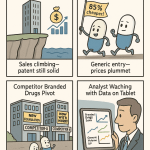
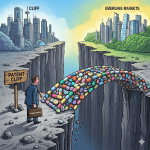
Patents form the bedrock of pharmaceutical profitability, granting exclusive rights to sell a drug, typically for 20 years from the filing date . However, the effective market exclusivity period is often considerably shorter, usually ranging from 7 to 12 years, due to the lengthy development and regulatory review times . This phenomenon, known as the “patent cliff,” can lead to a dramatic 80-90% revenue loss within a year of generic entry.
Beyond patents, the FDA grants various regulatory exclusivities that prevent the approval of competitor drugs for defined periods :
Orphan Drug Exclusivity (ODE): Provides 7 years of market exclusivity for drugs developed to treat rare diseases .
New Chemical Entity (NCE) Exclusivity: Grants 5 years of exclusivity for drugs containing a new active ingredient .
“Other” Exclusivity: Offers 3 years of exclusivity for certain changes to an approved drug, such as a new indication or dosage form, provided specific criteria are met.
Pediatric Exclusivity (PED): Adds an additional 6 months to existing patents and/or exclusivities if the sponsor conducts and submits pediatric studies on the active moiety in response to a Written Request from the FDA .
These exclusivities are crucial for extending market protection, often operating independently from patent terms. They incentivize innovation in specific areas, such as rare diseases and pediatric populations, and provide a critical window for companies to recoup their substantial R&D investments. The “patent cliff” phenomenon is a direct consequence of the fixed patent term and the lengthy drug development process. Patents are typically filed early in the R&D process , but the drug approval process itself takes many years. This means the effective commercial life of a drug under patent protection is significantly shorter than the nominal 20 years. When this shorter effective exclusivity period ends, the entry of generic competition inevitably leads to massive revenue loss , creating a predictable, albeit challenging, market dynamic. The existence of various regulatory exclusivities highlights a deliberate policy balance between incentivizing innovation and promoting generic competition. The FDA grants these exclusivities (e.g., NCE, Orphan, Pediatric) to reward specific types of R&D. This means companies can strategically pursue these designations to gain additional market protection, even if their core composition patent is nearing expiry, thereby extending their competitive advantage beyond the initial patent term.
Beyond the Patent: Innovative Lifecycle Extension Strategies
Companies actively pursue a range of strategies to extend product life and mitigate the financial impact of patent expiration.
These strategies often involve modifying the original drug to create new and improved versions that offer distinct advantages over the original formulation and potential generic competitors. Examples include developing extended-release versions (e.g., Eli Lilly’s Prozac Weekly, Bristol-Myers Squibb’s Glucophage XR), introducing new routes of administration (e.g., GlaxoSmithKline’s Imitrex intranasal), or securing new indications or uses for existing drugs (e.g., exploring off-label uses, conducting new clinical trials for promising applications) . Combination therapies, where an existing drug is combined with one or more other active ingredients, also represent a pathway to create new patentable products .
The term “evergreening” describes the practice of obtaining new patents on minor modifications, such as new formulations or dosage forms, primarily with the intent of extending market exclusivity . Another technique, known as “chiral switching,” involves separating enantiomers from a racemic mixture and patenting the isolated active isomer . While these practices are often controversial from a public policy perspective, they remain established strategies within the pharmaceutical industry . These strategies aim to shift patient and provider loyalty to newer, protected versions of the drug, effectively creating “patent thickets” that can delay generic entry and help maintain revenue streams. While these strategies aim to extend exclusivity, they frequently face public and regulatory scrutiny as “product hopping” . If a company withdraws an older product to compel a switch to a new, patented version (as seen with Namenda XR ), it can be perceived as anti-competitive “product hopping” , potentially leading to legal challenges and public backlash. This highlights the ethical and legal tightrope companies must navigate in lifecycle management. The success of lifecycle management, exemplified by AstraZeneca’s transition from Prilosec to Nexium , extends beyond merely prolonging a single product’s life; it often involves growing an entire therapeutic franchise. The Prilosec example demonstrates that a strategic switch to a new formulation (Nexium) can lead to significant sales for the new product and contribute to the growth of the overall therapeutic area. This indicates that lifecycle management should be viewed not only as a defensive measure but also as an opportunity for broader portfolio expansion and market leadership within a specific therapeutic category.
Market Access and Pricing Strategies for Branded Products
Securing market access and establishing optimal pricing are critical determinants of a branded drug’s commercial success.
Market access encompasses a range of strategies, policies, and negotiations designed to ensure that a pharmaceutical product is available and reimbursed within a specific market. This process includes obtaining regulatory approval, developing a robust reimbursement strategy through negotiations with payers, conducting Health Technology Assessments (HTA) to demonstrate the product’s economic value, and engaging proactively with various stakeholders, including healthcare professionals, patient advocacy groups, and payers. Pricing strategies necessitate early planning, continuous monitoring of legislative and regulatory reforms, and cross-functional collaboration across multiple disciplines within an organization. Companies must be prepared to justify their pricing strategies amidst increasing scrutiny from governments and insurance providers.
Even the most innovative drug will fail to achieve its full potential if it cannot reach patients at a sustainable price. Market access and pricing are intrinsically linked, demanding a profound understanding of healthcare systems, payer dynamics, and the economic value proposition of the drug. The intensifying pricing pressures from governments and insurers are compelling pharmaceutical companies to refine their market access and pricing models. As healthcare costs continue to rise globally, payers are demanding greater value. This pressure means companies can no longer simply set high prices; they must “justify their pricing strategies amidst this scrutiny” and align them with compelling economic evidence. This directly influences market access strategies, driving a shift towards value-based care models and outcomes-based contracts.
Anticipating the Patent Cliff: Proactive Measures for Revenue Protection
The “patent cliff” represents a stark reality for branded pharmaceutical companies, where revenue from previously protected blockbuster drugs can plummet by 80-90% within a year of patent expiration.
Proactive planning is essential to mitigate this impact, ideally commencing 4-5 years before the loss of exclusivity (LOE) for R&D-driven strategies, or 1-2 years for purely commercial strategies. Key strategies include: replenishing pipelines through internal R&D, licensing experimental therapies, or acquiring other drugmakers ; developing and launching authorized generics (AGs), which are identical to the original brand but sold at a lower price, to capture and maintain market share before competing generic products enter the market ; differentiating the brand based on quality and reliability ; leveraging brand loyalty programs, including offering copay assistance to reduce patient out-of-pocket expenses to levels comparable to expected generic competitors ; and continually refining the drug’s value proposition based on long-term safety data, real-world effectiveness, and cost-effectiveness compared to newer alternatives.
The patent cliff is not an unforeseen event; it is a predictable, forecasted challenge. Companies that prepare early and execute multi-faceted strategies are better positioned to weather this transition and maintain profitability. The increasing use of “authorized generics” (AGs) by branded manufacturers signifies a strategic evolution from purely defensive measures to an offensive approach for market share retention. Instead of passively losing market share to generics, branded companies are proactively launching their own identical, lower-priced versions (AGs) just before patent expiry. This enables them to “capture and maintain market share” and potentially influence the competitive landscape by becoming the first “generic” entrant, thereby mitigating the immediate impact of the patent cliff. This represents a subtle yet significant competitive maneuver. The “patent cliff” is also a major driver of merger and acquisition (M&A) activity within the pharmaceutical industry. As companies face significant revenue risks from impending patent expirations , they are compelled to “replenish their pipelines with new innovations or find alternative strategies to maintain growth”. This frequently translates into “acquiring smaller biotech firms to access innovative pipelines and expand their therapeutic portfolios”. This directly links the patent cliff to industry consolidation and strategic acquisitions.
The 505(b)(2) Pathway: A Hybrid Approach to Innovation and Competitive Edge
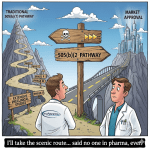
The 505(b)(2) New Drug Application (NDA) pathway stands as a strategic asset, offering a unique blend of innovation, efficiency, and market differentiation within the complex pharmaceutical landscape. It is often described as a “hybrid application”.
Decoding the 505(b)(2) NDA: A Bridge Between Novelty and Efficiency
This pathway, established by the Hatch-Waxman Amendments of 1984 , was specifically designed to avoid unnecessary duplication of studies already performed on a previously approved drug.
Leveraging Existing Data: The Core Principle
A 505(b)(2) NDA requires full safety and effectiveness reports, but its defining feature is the allowance for reliance on data not developed by the applicant . This can include published scientific literature or the FDA’s prior findings on a reference listed drug (RLD) . This strategic reliance on existing, publicly available, or previously reviewed data significantly accelerates the approval process and reduces development costs . It notably diminishes the necessity for duplicative preclinical and extensive clinical studies, which are typically the most time-consuming and resource-intensive components of traditional drug development.
Benefits: Reduced Risk, Lower Cost, Faster Time to Market
The 505(b)(2) pathway offers compelling advantages:
Reduced Risk: By building upon the established safety and efficacy profiles of previously approved drugs, the inherent risk associated with drug development is substantially lowered . This increased predictability enhances the probability of regulatory success and, consequently, successful market entry. Such predictability allows for more efficient and targeted allocation of resources, positioning this pathway as a compelling strategy for robust portfolio management and sustained growth within the pharmaceutical industry.
Lower Cost: By leveraging existing data and potentially circumventing the need to replicate extensive preclinical and Phase I-III clinical trials, development costs can be reduced by “up to 50% compared to traditional NDA routes” . Application fees can also be significantly lower, particularly if dedicated efficacy and safety trials are avoided, potentially saving millions.
Faster Time to Market: This streamlined approach can shave years off the traditional drug development timeline . In recent years, average review times for 505(b)(2) applications have reportedly dropped to just 10 months, with 60% of all approved NDAs utilizing this pathway.
The 505(b)(2) pathway represents a powerful mechanism for value creation, enabling companies to bring differentiated products to market more efficiently and with less uncertainty than a full NDA. The cost and time efficiencies of the 505(b)(2) pathway directly contribute to its attractiveness to investors. Lower development costs and faster time to market mean a quicker return on investment and reduced capital at risk, which are key drivers for investor confidence and funding. The 505(b)(2) pathway also blurs the lines between traditional brand-name and generic manufacturers. While traditional generics focus on producing exact copies (ANDA), the 505(b)(2) pathway allows for “meaningful modifications” and the creation of “differentiated products” . This enables generic companies to move beyond commoditized markets into more profitable, differentiated product spaces, adopting strategies traditionally associated with branded companies. This creates a new competitive dynamic where generic players can become innovators in their own right.
Ideal Candidates and Strategic Applications for 505(b)(2) Products
The strategic utility of the 505(b)(2) pathway lies in its versatility for various product types and market needs.
New Formulations, Indications, and Combination Products
Ideal candidates for the 505(b)(2) pathway include drugs with changes in dosage form (e.g., extended-release, oral films), strength, formulation, dosing regimen, or route of administration . New combination products or new indications for existing drugs also fit this pathway . Prodrugs of an existing drug are similarly suitable .
Addressing Unmet Needs and Differentiated Value Creation
This pathway is particularly valuable for creating “distinct new ‘drug product[s]’ that can qualify for its own market exclusivity”. It empowers companies to address specific unmet patient needs, such as difficulties in swallowing that can be resolved with oral films, and to carve out defensible market niches. The 505(b)(2) pathway is not intended for entirely novel chemical entities but rather for “smart innovation” that adds value to existing molecules, fostering differentiation without the full burden of de novo development. The ability of the 505(b)(2) pathway to address unmet needs suggests a mechanism for improving patient access to better-tailored therapies. If a drug has an established safety profile but a new formulation, such as an oral film for patients with swallowing difficulties, can improve patient compliance or safety , the 505(b)(2) pathway facilitates the faster market entry of this improved version. This aligns with public health goals by making existing treatments more accessible and effective for specific patient populations. The types of products ideal for the 505(b)(2) pathway—new dosage forms, indications, and combinations—are often the same modifications employed in branded lifecycle management strategies. This overlap suggests that branded companies can proactively utilize the 505(b)(2) pathway as a key tool within their lifecycle management strategy to introduce improved versions of their own drugs before or at patent expiry, thereby maintaining market share and extending exclusivity. This represents a powerful defensive and offensive maneuver.
Market Positioning: Competing Against Branded and Generic Rivals
A 505(b)(2) product occupies a unique market position, necessitating a distinct competitive strategy.
Securing Market Exclusivity and Premium Pricing
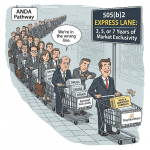
Unlike traditional generics, 505(b)(2) products can qualify for significant periods of market exclusivity, typically ranging from 3, 5, or 7 years, depending on the nature and scope of the innovation. This provides a crucial window during which the innovator can protect their investment and maximize their return. This potential for exclusivity allows for premium pricing, enabling companies to diverge from the intense price competition characteristic of the generic sector.
Navigating Intellectual Property Challenges
While relying on existing data, 505(b)(2) applications still face intellectual property (IP) challenges, particularly if they utilize data from a competitor’s product, which could lead to patent infringement disputes. Careful candidate assessment during the predevelopment phase is vital to minimize such risks and establish the product’s value proposition .
The ability to secure independent exclusivity and command higher prices positions 505(b)(2) products as distinct from commoditized generics, offering a compelling value proposition to both manufacturers and patients. However, this also means navigating a complex IP landscape. While the 505(b)(2) pathway offers “lower risk” due to its reliance on previously approved drugs , it simultaneously presents “Intellectual Property Challenges”. This indicates that while clinical risk is reduced because of the use of existing safety and efficacy data, the legal risk, particularly concerning patent infringement , can be substantial. Consequently, companies pursuing this pathway require strong legal and IP expertise in addition to their scientific and regulatory capabilities. The “lower risk” primarily pertains to clinical development, not necessarily the entire commercialization process. The “hybrid nature” of the 505(b)(2) pathway allows companies to “cultivate differentiated products” that are “neither entirely novel nor simply commoditized generics”. This creates a “strategic sweet spot” in the market, enabling companies to offer products perceived as improved versions of existing drugs, thereby justifying a higher price than generics, while avoiding the massive R&D costs and risks associated with developing truly novel drugs. This represents a powerful competitive positioning for companies seeking to innovate without incurring the full financial burden of de novo development.
Cost-Benefit Analysis and Investment Attractiveness of 505(b)(2) Development
The financial appeal of the 505(b)(2) pathway is a significant driver of its increasing adoption within the pharmaceutical industry.
Reduced Development Costs and Time
As previously noted, the 505(b)(2) pathway can reduce drug development costs by up to 50% compared to traditional NDA routes and offers a significantly faster route to market . Application fees can also be substantially lower, particularly if dedicated efficacy and safety trials are avoided, potentially resulting in millions of dollars in savings.
Potential for Market Exclusivity
The prospect of securing 3, 5, or 7 years of market exclusivity, such as orphan drug exclusivity, makes the 505(b)(2) pathway commercially attractive . This period of protection provides a crucial window for companies to recoup their investments and maximize profitability.
Risk Mitigation
Leveraging established safety and efficacy profiles of previously approved drugs significantly de-risks the development process, thereby increasing the probability of regulatory success and subsequent market entry . The 505(b)(2) pathway offers a compelling cost-benefit profile, providing a more predictable and financially viable route for product development and market entry. This is particularly appealing to generic companies seeking to differentiate their offerings . The lower cost and faster approval timeline for 505(b)(2) drugs directly contribute to their ability to be offered at “competitive prices” while remaining profitable. If development costs are significantly lower, the break-even point for a 505(b)(2) product is also reduced. This enables companies to price their differentiated product below the original branded drug but above traditional generics, effectively capturing a unique market segment and ensuring profitability even with a smaller market share compared to a blockbuster branded drug. Furthermore, the 505(b)(2) pathway serves as a strategic response to the increasing commoditization of the traditional generic market. “Vanilla generic programs are commoditized and fighting for pennies on bottles. In some cases, they are sold at a loss”. The 505(b)(2) pathway offers a way to escape this “race to the bottom” by enabling generic companies to create differentiated products with better margins and exclusivity, thus providing a more sustainable growth strategy.
Generic Competition: Capturing Market Share and Driving Affordability
Generic drugs form the backbone of affordable healthcare, yet the market for them is fiercely competitive, demanding precision, efficiency, and strategic foresight from manufacturers.
The Abbreviated New Drug Application (ANDA) Pathway: Streamlining Generic Entry
The Abbreviated New Drug Application (ANDA) pathway, established by the Hatch-Waxman Act of 1984, revolutionized generic drug access by streamlining the approval process .
Bioequivalence: The Cornerstone of Generic Approval
Unlike branded drugs, generics do not require extensive clinical trials to prove safety and efficacy . Instead, they must demonstrate bioequivalence to an already approved Reference Listed Drug (RLD) . This involves conducting single-dose comparison studies in healthy volunteers, measuring blood levels at multiple time points, and performing statistical analysis to confirm that key pharmacokinetic parameters (such as area under the curve (AUC) and maximum concentration (Cmax)) fall within 80-125% of the RLD’s values.
The Hatch-Waxman Act and 180-Day Exclusivity
This landmark legislation was designed to balance incentives for innovation with the promotion of generic drug access. A key incentive within this framework is the 180-day market exclusivity granted to the “first” generic applicant who successfully challenges a listed patent (via a Paragraph IV certification) . This temporary monopoly can be crucial for capturing significant market share and maximizing early profits .
The ANDA pathway significantly reduces the time and cost required for generic entry, thereby fostering competition and contributing to lower drug prices. The 180-day exclusivity is a powerful motivator for generic companies to challenge patents. The 180-day exclusivity for first-to-file generics directly incentivizes aggressive patent challenges through Paragraph IV certifications. The prospect of a temporary monopoly for 180 days represents a significant commercial advantage in a commoditized market. This financial incentive drives generic companies to actively seek out and challenge patents of branded drugs, which often leads to increased litigation but also results in faster generic entry and lower prices for consumers. This is a direct consequence of the Hatch-Waxman Act’s design. The efficiency of the ANDA process has led to a significant increase in generic dispensing rates, rising from 54% in 2002 to 92% in 2024. This widespread adoption of generics has resulted in substantial cost savings for healthcare systems and patients . This highlights the societal benefit of the ANDA pathway, directly linking regulatory efficiency to public health and economic outcomes.
Market Dynamics Post-Patent Expiry: Price Erosion and Volume Shifts
The moment a patent expires, the market dynamics for a branded drug fundamentally shift, leading to a rapid transformation of the competitive landscape.
Quantifying Revenue Decline and Market Share Impact
Price declines are substantial and rapid following generic entry. A single generic competitor can lead to a 39% price drop , while prices can plummet by 79% with four generic competitors. In markets with 10 or more competitors, prices can fall by 70-80% within three years . The market share of the branded drug can decline by 80% or more within the first year of generic entry . A notable example is Lipitor, whose annual revenue dropped from approximately $13 billion to under $3 billion within a few years after its patent expiration.
The “Generics Paradox” and Factors Influencing Adoption
While generic entry typically leads to significant price drops, some originator drugs have managed to maintain over 70% market share eight quarters after the first generic entry, and in certain cases, their prices have even increased. This phenomenon, often referred to as the “generics paradox,” is influenced by various factors, including physician and patient skepticism, the absence of mandatory substitution policies, and historical regulatory weaknesses.
The “patent cliff” is a well-documented phenomenon with severe financial implications for innovator companies. However, the extent of revenue erosion can vary, influenced by market-specific factors and the strategic responses of branded players. Despite massive price drops and market share erosion , the total revenue for a drug class can sometimes increase due to volume growth . This suggests that lower generic prices make the drug more accessible and affordable, leading to a significant increase in prescriptions and overall utilization . Thus, while the branded drug’s revenue may suffer, the overall market for the molecule expands, benefiting generic manufacturers and healthcare systems. This is a crucial distinction for accurate revenue forecasting. The varying impact of generic entry, exemplified by the “generics paradox” , underscores the importance of market-specific factors and the influence of non-price competition. If some branded drugs maintain a high market share despite generic entry , it indicates that factors beyond price—such as physician loyalty, patient perception of quality, marketing efforts, formulary placement, and the absence of mandatory substitution policies—play a significant role. This implies that generic companies cannot rely solely on low prices but must also consider differentiation and market access strategies to achieve sustained success.
Strategic Playbook for Generic Manufacturers: Achieving Market Leadership
In a market defined by intense price competition, generic manufacturers must employ astute strategies not merely to survive, but to thrive and achieve market leadership.
First-to-File Advantage and Paragraph IV Challenges
The 180-day exclusivity granted to the first generic applicant to successfully challenge a patent via a Paragraph IV certification is a powerful incentive . This temporary monopoly allows the first filer to capture significant market share and maximize early profits . Teva’s launch of a generic EpiPen in 2019 and Mylan’s 2018 launch of generic Advair Diskus exemplify how companies can capitalize on limited competition through precise timing and astute market analysis .
Differentiation in a Commoditized Market: Branded Generics and Specialty Generics
To stand out in a price-sensitive market, generic manufacturers employ differentiation strategies:
Branded Generics: These are bioequivalent medications marketed under a distinctive, trademarked name to enhance marketability and consumer recognition . The aim is to build brand loyalty and simplify communication between patients and prescribers, positioning these products at a price point between original brands and unbranded generics.
Specialty Generics: These target smaller patient populations with complex diseases, areas historically less penetrated by traditional generics due to their reliance on high utilization volumes. However, as prices for branded specialty drugs continue to soar, there is a growing impetus for generic entrants in this space .
Optimizing Production Costs and Supply Chain Efficiency
Given the inherently lower profit margins, generic manufacturers must rely on high-volume sales and relentless cost optimization . Key strategies include:
Diversifying Suppliers: Engaging with multiple suppliers across different geographical locations not only fosters competitive pricing but also enhances the resilience of the supply chain. This multi-sourcing approach provides manufacturers with greater leverage in negotiating prices and ensures a more stable supply of essential ingredients.
Long-Term Contracts and Bulk Purchasing: Establishing long-term agreements with reliable suppliers can lead to more favorable pricing and a more secure supply of raw materials, particularly active pharmaceutical ingredients (APIs), especially during periods of market instability.
Automation and Continuous Manufacturing: Transitioning from traditional batch processing to a continuous flow of materials through the manufacturing line can lead to substantial increases in efficiency, reduced downtime, and enhanced productivity.
Geographical Diversification of Production: Manufacturing in regions with lower operating expenses can be significantly more cost-effective compared to production in high-income countries.
Generic success hinges on a combination of speed to market, strategic differentiation beyond mere price, and relentless operational efficiency to maintain profitability in a high-volume, low-margin environment. Generic companies are increasingly diversifying beyond “vanilla generics” into branded generics and biosimilars . The intense price competition in traditional generics is driving companies like Sandoz, Viatris, and Teva to “diversify their assets by expanding into branded products, biosimilars, and other nontraditional markets”. This represents a strategic response to combat “deflationary pricing headwinds and stiff competition” , aiming for higher margins and more sustainable growth. The success of an unnamed Sudanese generic company highlights that “differentiation was a successful strategy… The most important differentiation aspect is the quality of the products. Other aspects include intense branding activities, high quality employees, excellent customer service, and friendly culture”. This demonstrates that even in a price-sensitive market, non-price factors such as trust, reputation, and service quality can drive market share and leadership, challenging the simplistic view that generics compete solely on cost.
Competitive Intelligence: Turning Patent Data into Strategic Advantage
In the pharmaceutical industry, knowledge is power, and competitive intelligence (CI) is the strategic weapon that transforms raw data into foresight, enabling companies to anticipate, react, and even shape the market.
The Imperative of Proactive Competitive Analysis in Pharma
The long development timelines, high failure rates, and stringent regulatory requirements inherent in the pharmaceutical industry make competitive intelligence particularly complex and crucial.
CI is defined as the systematic process of collecting, analyzing, and transforming information about rival companies into actionable intelligence . This intelligence informs critical decisions ranging from early R&D investments to late-stage commercial strategy development. It extends beyond basic market research, encompassing a multidimensional assessment of competitors’ R&D capabilities, pipeline assets, regulatory strategies, manufacturing capacities, commercial infrastructures, and even corporate cultures .
Proactive CI serves as a strategic cornerstone, enabling companies to identify unmet medical needs, design differentiated clinical development programs, and craft effective market access strategies. It is about discerning the future of innovation before it fully unfolds. Competitive intelligence in pharma has evolved significantly from basic tracking to sophisticated operations that leverage artificial intelligence (AI) and advanced analytics. The shift from “informal competitor tracking” in the 1990s to “sophisticated intelligence operations employing specialized professionals and advanced technologies” like AI and natural language processing (NLP) reflects a recognition of the increasing complexity and volume of data in the industry. This implies that companies not investing in advanced CI tools risk falling behind, as their competitors gain “unprecedented insights” into market dynamics. Effective CI is not merely about understanding competitors; it is also about informing internal R&D prioritization. If multiple competitors are pursuing similar mechanisms or targeting identical patient populations, “expected returns may diminish substantially”. CI helps R&D leaders “allocate their finite R&D resources toward areas with more favorable competitive dynamics” , guiding them away from crowded spaces and towards market “white spaces”. This directly impacts the efficiency and success rate of internal innovation.
Leveraging Patent Intelligence for R&D Pipeline Tracking
Patent data represents a rich source for competitive intelligence, offering early signals of competitor activity and strategic intent.
Early Warning Systems and Freedom-to-Operate Assessments
Patent applications typically become public 18 months after filing. Monitoring these filings provides an “early warning system” for competitive threats, allowing organizations to detect emerging competitive products years before they enter clinical trials or receive regulatory approval . This intelligence also aids in assessing “freedom-to-operate” constraints for a company’s own pipeline products, identifying potential intellectual property barriers.
Identifying Technology Trends and Market Opportunities
Patent activity often reveals shifts in target selection within therapeutic areas, the emergence of new modalities (e.g., a transition from small molecules to biologics), evolving approaches to addressing specific mechanisms of action, and the adoption of new formulation or delivery technologies. Conducting a gap analysis across the patent landscape can identify therapeutic targets or delivery approaches with limited patent coverage, thereby revealing “white space” opportunities for new development.
Patent intelligence provides a window into competitors’ R&D pipelines, enabling strategic decision-making and the redirection of resources to more promising areas. It is about anticipating the future of innovation before it fully materializes. The early identification of competitor R&D through patent filings directly enables proactive risk management and strategic adjustments. If a company can detect “emerging competitive products years before they enter clinical trials” , it can “evaluate the potential impact of competitor innovations on existing product lines” and “develop contingency plans for market entry”. This proactive stance allows for the redirection of resources and avoids costly late-stage surprises, directly mitigating competitive risk. Patent data can reveal not only what competitors are developing, but also how they intend to protect it and where they plan to commercialize it. The geographic scope of patent filings provides additional intelligence, as competitors typically seek protection only in markets where they anticipate commercial activity, thereby indicating their geographic intentions. This means that patent analysis extends beyond mere technology to reveal market strategy, informing international expansion plans and competitive market access strategies.
Tools for Competitive Foresight: The Power of DrugPatentWatch
Specialized platforms are essential for harnessing the vastness of patent data and transforming it into actionable intelligence.
Comprehensive Patent Data and Expiry Tracking
DrugPatentWatch provides in-depth knowledge on pharmaceutical drugs, encompassing patents, suppliers, generics, formulation details, litigation status, tentative approvals, and patent expirations. The platform tracks patent expiry dates and provides estimated generic entry dates across 134 countries.
Predictive Modeling and Competitor Profiling
The platform offers comprehensive business intelligence on biologic and small molecule drugs, drugs in development, prices, and patents, enabling informed business decisions. It assists in assessing “past successes of patent challengers and elucidating research paths of competitors”. DrugPatentWatch supports predictive modeling to forecast how competitive dynamics might evolve over long time horizons.
Tools like DrugPatentWatch are purpose-built to transform complex patent and regulatory data into actionable competitive intelligence, enabling companies to identify market entry opportunities, inform portfolio management, and anticipate competitive moves. The ability of DrugPatentWatch to track “tentatively approved generics” and “litigation status” provides a critical early warning for branded companies and a strategic advantage for generic companies. For branded companies, knowing about tentatively approved generics and ongoing litigation allows them to prepare for market entry and potential revenue erosion. For generic companies, this information helps identify “low-competition generic drug opportunities” and time their market entry to capitalize on the 180-day exclusivity. This directly links patent intelligence to revenue protection and growth strategies. The features of DrugPatentWatch, such as accurate chemical structure recognition, multilingual patent support, citation analysis, and quality assessment of patents, underscore the increasing sophistication required for competitive intelligence. Basic patent searches are no longer sufficient. The need for advanced tools that can analyze complex chemical structures, understand global patent coverage, and assess the quality and vulnerability of patents reflects the escalating complexity of the intellectual property landscape and the high stakes involved in competitive challenges.
Integrating Diverse Intelligence Sources for Holistic Insights
No single data source provides a complete picture; comprehensive competitive intelligence integrates multiple streams of information to create a holistic understanding.
This involves collecting data from a wide array of sources, including clinical trial registries, scientific publications, regulatory submissions, social media, general market reports, and direct customer feedback . It also includes continuously monitoring competitors’ product portfolios, pricing strategies, marketing campaigns, and market share movements. Tracking the activities and influence of Key Opinion Leaders (KOLs), as well as closely monitoring the clinical trial landscape, are also crucial components of this integrated approach.
A holistic approach to competitive intelligence provides a richer, more accurate understanding of the competitive environment, enabling more robust strategic planning and adaptive responses. Integrating diverse data sources leads to more robust and reliable revenue forecasts. Revenue forecasting models rely on multiple inputs, including physician-reported adoption, payer access, patient fill rates, and detailing reach. By integrating competitive intelligence from clinical trials, market access strategies, and marketing efforts, companies can create more accurate “share evaluation activities” and adjust projections for competitive scenarios . This multi-source approach reduces uncertainty in financial planning. The emphasis on “ethical practices” in competitive intelligence highlights the increasing importance of compliance and reputation in the pharmaceutical industry. While gathering intelligence is critical, it must be conducted within “clear ethical guidelines” to avoid “potential legal and ethical challenges”. This suggests that companies must invest not only in technology and talent for CI but also in robust ethical frameworks to maintain trust and avoid costly legal disputes or reputational damage.
The Future Landscape: Emerging Technologies and Regulatory Evolution
The pharmaceutical industry is on the cusp of a profound transformation, driven by the exponential impact of emerging technologies like Artificial Intelligence (AI) and a constantly evolving regulatory environment.
The Transformative Impact of AI and Data Science on Portfolio Management
Artificial Intelligence (AI) is no longer a futuristic concept but a fundamental tool reshaping drug discovery, development, and commercialization.
Accelerating Drug Discovery and Clinical Trials
AI-powered algorithms analyze vast datasets, including genomic, proteomic, and clinical data, to identify potential drug candidates, predict molecular interactions, and streamline preclinical research . Techniques such as virtual screening and molecular modeling accelerate the identification of promising drug candidates by computationally evaluating millions of compounds for their potential to interact with specific drug targets. In clinical trials, AI enhances efficiency through predictive analytics for patient recruitment, optimizing trial designs, and real-time monitoring of patient responses, potentially reducing trial timelines and costs . AI can even be utilized to replace placebo control groups with ‘digital twins’ of subjects for randomized clinical trials, allowing clinical teams to reduce control group sizes and minimize patient disruption.
Optimizing Risk Assessment and Resource Allocation
AI offers sophisticated capabilities for optimizing risk assessment and mitigation within pharmaceutical portfolio management. AI models can analyze a wide range of data, including historical project data, market trends, and competitive intelligence, to identify potential risks early in the drug development lifecycle . It enables scenario analysis and stress testing, allowing portfolio managers to understand the potential vulnerabilities of their portfolio under various simulated conditions, leading to more robust risk management strategies. Furthermore, AI enhances decision-making by providing actionable insights derived from the analysis of historical project outcomes and extensive market data, thereby improving strategic alignment and resource allocation by prioritizing projects with the highest potential ROI .
AI is poised to revolutionize pharmaceutical portfolio management by driving innovation, improving efficiency, and accelerating drug development, ultimately leading to better outcomes for patients. It transforms how work is conducted and decisions are made, enabling better predictions and faster actions. AI is also shifting the healthcare model from reactive to preventive care. By analyzing patient-specific biological markers, AI can tailor treatments to individual needs and “identify disease risks before symptoms emerge”. This implies a fundamental change in how pharmaceutical companies might develop and market drugs, moving towards solutions for early intervention and risk mitigation, potentially opening new market segments focused on health maintenance rather than just disease treatment. The “exponential impacts of AI” suggest that companies failing to embrace AI-driven decision-making risk falling behind. AI is described as a “fundamental tool driving efficiency, cost reduction and innovation”. This is not an optional technology but a competitive necessity. Companies that invest in “proprietary datasets and AI-native workflows” are expected to gain a competitive edge, creating a new divide in the industry between AI adopters and those who lag.
Navigating Evolving Regulatory Initiatives and Policies (2025-2030)
Regulatory landscapes are in a constant state of flux, profoundly impacting drug competition and market access within the pharmaceutical sector.
FDA’s Role in Promoting Competition (DCAP, GDUFA, BPCIA)
The U.S. Food and Drug Administration (FDA) plays a pivotal role in shaping the competitive environment through various initiatives:
Drug Competition Action Plan (DCAP): Launched in 2017, DCAP aims to encourage robust, timely market competition for generic drugs. Its objectives include streamlining standards for complex generics, closing loopholes exploited by brand-name companies to delay generic entry (“gaming”), and improving the overall generic drug approval process.
Generic Drug User Fee Amendments (GDUFA): GDUFA III (2022) seeks to maximize the efficiency and utility of each assessment cycle for generic drug applications. The FDA hosts annual public workshops to solicit input on generic drug science and research initiatives, with a focus on complex generics and new approaches that integrate evidence from empirical tests with computational modeling and simulation.
Biologics Price Competition and Innovation Act (BPCIA): Enacted to promote competition and reduce healthcare costs by creating a dedicated pathway for biosimilar approvals. This legislation ensures that biosimilars are highly similar to an FDA-approved biological reference product, with no clinically meaningful differences in safety, purity, and potency. Reference biologics typically enjoy 12 years of exclusivity . A record 18 biosimilar approvals in 2024 indicate continued growth in this segment .
Addressing Product Hopping and Market Access Challenges
Regulatory bodies are increasingly scrutinizing practices such as “product hopping,” where manufacturers introduce new formulations of a drug primarily to forestall generic competition . The Department of Justice (DOJ) and the Federal Trade Commission (FTC) are actively investigating anticompetitive behavior, including “pay-for-delay” settlements. Furthermore, pricing pressures from governments and insurers are intensifying globally, requiring companies to rigorously justify their pricing strategies amidst scrutiny .
Regulatory initiatives are actively shaping the competitive landscape, pushing for greater affordability and access, while simultaneously striving to balance incentives for innovation. Companies must remain vigilant and adapt proactively to these evolving guidelines. There is an ongoing tension between incentivizing innovation through patent and exclusivity protections and promoting affordability and access through generic and biosimilar competition. The Hatch-Waxman Act and the BPCIA were designed to balance these two objectives. However, ongoing efforts like DCAP and the scrutiny of “pay-for-delay” and “product hopping” indicate that this balance is constantly being re-evaluated, often leaning towards increasing competition to lower drug prices. This suggests a future where regulatory pressure on pricing and exclusivity will likely intensify. The FDA’s focus on “complex generics” and biosimilars signals a shift in generic market opportunities. As simpler small-molecule generics become commoditized, the FDA is actively working to streamline approval for more complex generics and biologics . This implies that generic and biosimilar manufacturers should strategically invest in R&D capabilities for these more challenging products, as they offer higher barriers to entry and potentially better margins. This represents a direct signal from regulators about future market growth areas.
Case Studies in Competitive Success: Lessons from the Pharmaceutical Frontlines
Examining real-world examples provides invaluable insights into effective competitive strategies within the pharmaceutical industry.
Branded Drugs That Mastered Loss of Exclusivity
Successfully navigating the “patent cliff” requires proactive, multi-faceted strategies that extend beyond mere legal defense.
Prozac Weekly (Eli Lilly): When the patent for the blockbuster antidepressant Prozac expired, Eli Lilly launched Prozac Weekly, a once-a-week sustained-release formulation. This new version offered added convenience to patients, providing a compelling reason for them to remain with the branded product rather than switching to generic fluoxetine, thereby helping the company retain a portion of its market share .
Humalog (Eli Lilly): Faced with impending patent expiration, Eli Lilly focused its strategy on tapping into patient attachment. The company emphasized the comfort and stability of their existing treatment regimen, with messaging highlighting the potential negative impact on adherence if patients switched to alternatives. This approach contributed to Humalog remaining a top-selling drug for Eli Lilly.
Viagra (Pfizer): After losing exclusivity, Pfizer undertook a strategic over-the-counter switching initiative and concurrently launched its own authorized generic, Sildenafil, at half the cost of the branded version. These maneuvers helped Pfizer maintain a leading position in the erectile dysfunction market.
Prilosec to Nexium (AstraZeneca): AstraZeneca proactively managed the transition of patients from its highly successful gastroesophageal reflux disease drug, Prilosec, to its newer product, Nexium, before Prilosec’s patent expired. This strategic “product hop” successfully shifted a significant portion of prescriptions, and notably, contributed to the growth of AstraZeneca’s overall Gastroenterology franchise.
These cases demonstrate that successful lifecycle management involves more than simply extending patents; it requires a deep understanding of patient needs, strategic product innovation (often leveraging principles similar to the 505(b)(2) pathway), and aggressive marketing to maintain brand loyalty and market share. Successful branded lifecycle management strategies often involve a combination of product-centric innovation (e.g., reformulation, new delivery systems) and patient-centric marketing (e.g., emphasizing convenience, adherence, and loyalty programs). Prozac Weekly (convenience ), Humalog (patient attachment ), and Narcan (ease of use ) all highlight product modifications that directly benefit the patient experience. Simultaneously, companies employ copay assistance and brand loyalty programs. This indicates that the most effective strategies address both the clinical and practical needs of patients, as well as their financial and emotional connection to the brand, creating a multi-layered defense against generic erosion. The continued success of “product hopping” examples, such as the transition from Prilosec to Nexium , despite regulatory scrutiny , suggests that the commercial benefits can, for some companies, outweigh the legal risks. Even with legal challenges (e.g., Namenda ) and legislative efforts to prohibit product hopping , companies persist in employing these tactics. This implies that the revenue retention achieved by successfully transitioning patients to a new formulation is so substantial that it justifies potential legal battles, highlighting a persistent tension between market strategy and regulatory intent.
Generic and 505(b)(2) Companies Achieving Market Dominance
Generic and 505(b)(2) companies achieve success through strategic market entry, differentiation, and operational excellence, often by identifying and capitalizing on specific market opportunities.
Teva Pharmaceutical Industries (Generic EpiPen): In 2019, Teva launched a generic EpiPen, capitalizing on limited competition in the epinephrine auto-injector market. Through precise timing and market analysis, which likely leveraged patent insights, Teva captured over 30% of the market within six months, generating significant profits .
Mylan (Generic Advair Diskus): Mylan’s 2018 launch of generic Advair Diskus targeted a niche with few competitors. The company utilized patent data and market analysis to time its entry effectively, enabling it to dominate sales in that segment .
Unnamed Sudanese Generic Company: This company achieved market leadership for over 10 years by differentiating itself through a reputation for high-quality products, being among the first in its region to gain US FDA and UK Medicines and Health Regulatory (MHRA) approval. Other contributing factors included intense branding activities, high-quality employees, excellent customer service, and a friendly corporate culture. This case underscores that quality and non-price factors are crucial for sustained generic success.
505(b)(2) Success Stories:
Emflaza (Deflazacort): Approved in 2017 via the 505(b)(2) pathway as a new molecular entity (NME) in the U.S. for Duchenne muscular dystrophy. Its orphan drug designation qualified it for 7-year orphan drug exclusivity. This approval formalized an existing treatment for a new market.
Narcan (Naloxone Nasal Spray): Approved in 2015, this nasal spray formulation of naloxone leveraged the 505(b)(2) pathway for a novel delivery system of an existing drug. It improved ease of use in emergencies and secured new patents for its delivery mechanism. This addressed a critical public health crisis with a differentiated product.
Zembrace SymTouch (Sumatriptan injection): Approved in 2016 via 505(b)(2), this prefilled, ready-to-use sumatriptan injection for migraines improved patient convenience over existing formulations and earned new patents for its delivery system.
These cases underscore that success for generics and 505(b)(2) products stems from a combination of strategic market entry, leveraging regulatory pathways for differentiation and exclusivity, and a relentless focus on quality and operational efficiency. Generic companies are increasingly focusing on “complex generics” and specialty drugs . As traditional generics become commoditized, the higher barriers to entry and potential for better margins in complex generics and specialty drugs make them attractive growth areas. Companies like Teva, Mylan, and Sandoz are dominating this space , indicating a strategic shift towards more sophisticated product portfolios to maintain leadership. The success of 505(b)(2) products like Narcan demonstrates how this pathway can align commercial success with public health needs. Narcan’s nasal spray formulation provided a critical improvement in ease of use for a public health crisis (opioid overdose). This shows that the 505(b)(2) pathway is not just a commercial shortcut but a mechanism for bringing clinically significant, differentiated improvements to patients more rapidly, creating both value for the company and societal benefit.
Key Takeaways: Actionable Insights for Pharmaceutical Business Professionals
The pharmaceutical landscape is a dynamic interplay of scientific innovation, regulatory frameworks, and intense market competition. For business professionals, translating this complexity into competitive advantage requires a multi-faceted approach.
Proactive Portfolio Management is Non-Negotiable: Embrace rigorous quantitative and qualitative evaluation methodologies from the earliest stages of R&D. Leverage Net Present Value (NPV), Internal Rate of Return (IRR), and profitability indices, but critically balance them with market niche analysis and unmet medical needs assessment to identify “white spaces” and strategically align resources.
Master the Art of Lifecycle Management: For branded products, patents and regulatory exclusivities are foundational, but true longevity comes from innovative lifecycle extension strategies. Proactively pursue reformulations, new indications, and combination therapies, often leveraging the 505(b)(2) pathway, to create differentiated products and extend market exclusivity well before the patent cliff.
Harness the Hybrid Power of 505(b)(2): Recognize the 505(b)(2) NDA as a strategic sweet spot. It offers a faster, less costly, and lower-risk route to market for differentiated products, allowing for independent market exclusivity. This pathway is ideal for generic companies seeking to move beyond commoditization and for branded companies to introduce improved versions of their own drugs.
Excel in Generic Market Dynamics: For generic manufacturers, speed to market (especially first-to-file with 180-day exclusivity) and relentless cost optimization are paramount. However, the power of differentiation through branded generics or by targeting complex generics and specialty markets should not be underestimated. Quality, customer service, and strategic partnerships can also drive market leadership.
Elevate Competitive Intelligence to a Core Competency: Implement sophisticated competitive intelligence operations that go beyond basic market research. Leverage patent intelligence as an early warning system for R&D pipelines, freedom-to-operate, and emerging technology trends. Utilize specialized tools like DrugPatentWatch to track patent expirations, litigation, and competitor activities, transforming raw data into predictive insights for strategic decision-making.
Embrace Emerging Technologies, Especially AI: Artificial Intelligence (AI) and data science are no longer optional; they are foundational for future success. Integrate AI into drug discovery, clinical trial optimization, risk assessment, and resource allocation to accelerate development, enhance decision-making, and gain a significant competitive edge.
Stay Agile in a Shifting Regulatory Environment: Continuously monitor and adapt to evolving regulatory initiatives (e.g., FDA’s Drug Competition Action Plan (DCAP), Generic Drug User Fee Amendments (GDUFA), Biologics Price Competition and Innovation Act (BPCIA)). Understand how these changes impact approval pathways, market access, and competitive dynamics. Proactive engagement with regulatory bodies and a robust compliance strategy are essential.
Frequently Asked Questions (FAQ)
1. How does the “patent cliff” specifically impact a branded pharmaceutical company’s revenue, and what are the immediate and long-term consequences?
The “patent cliff” refers to the sudden and dramatic revenue loss experienced by branded pharmaceutical companies when patents on their blockbuster medications expire, opening the market to generic competition. Immediately, revenue from these previously protected products can decline by 80-90% within a year of patent expiration. For example, Lipitor’s annual revenue dropped from approximately $13 billion to under $3 billion within a few years post-patent expiry. The immediate consequence is a severe financial shock, forcing companies to rapidly replenish their pipelines through R&D or acquisitions. Long-term, it fundamentally reshapes market dynamics, leading to substantial price reductions (e.g., 39% with one generic, 79% with four ) and a shift in market share towards lower-priced generics, impacting the company’s overall profitability and market valuation.
2. What are the primary differences in strategic positioning and market opportunity between a 505(b)(2) drug and a traditional generic (ANDA)?
A 505(b)(2) drug is a “hybrid application” that allows reliance on existing safety and efficacy data from a previously approved drug or published literature, but it introduces a modification (e.g., new dosage form, indication, combination) . This allows it to qualify for its own market exclusivity (3-7 years) and command premium pricing, positioning it as a differentiated product that addresses unmet needs. In contrast, a traditional generic (ANDA) is an exact bioequivalent copy of an already approved Reference Listed Drug (RLD), requiring no new clinical trials for safety/efficacy, only bioequivalence demonstration . Generics primarily compete on price and typically only receive 180-day exclusivity for the first filer . The market opportunity for 505(b)(2) lies in “smart innovation” and value creation beyond commoditization, while for generics, it is about high-volume, low-cost market penetration and affordability .
3. How can pharmaceutical companies effectively leverage patent intelligence from platforms like DrugPatentWatch to gain a competitive advantage in R&D and commercial strategy?
Pharmaceutical companies can leverage patent intelligence to gain a multi-faceted competitive advantage. Firstly, by systematically monitoring new patent filings (which become public 18 months after filing), companies can establish an “early warning system” for competitor R&D pipelines, identifying emerging products years before they enter clinical trials or receive regulatory approval. This foresight allows for proactive adjustments to internal R&D investments, redirecting resources to less crowded or more promising therapeutic areas. Secondly, patent analysis helps assess “freedom-to-operate” constraints for their own pipeline products and identify opportunities for patent challenges or invalidation. Thirdly, platforms like DrugPatentWatch provide comprehensive data on patent expirations, litigation status, and tentative generic approvals, enabling precise forecasting of market dynamics and the timing of generic entry. This informs lifecycle management strategies for branded drugs and market entry strategies for generics (e.g., identifying low-competition niches for first-to-file opportunities) . Finally, analyzing patent filing patterns, geographic scope, and claim breadth can reveal competitors’ strategic intentions, technological platforms, and potential acquisition targets.
4. What are the key strategies generic pharmaceutical companies employ to achieve market leadership beyond simply offering lower prices?
While lower prices are fundamental, leading generic companies employ several strategies to achieve market leadership. Firstly, securing first-to-file 180-day exclusivity through Paragraph IV patent challenges is crucial, providing a temporary monopoly to capture significant market share and profits . Secondly, they engage in differentiation strategies, such as launching “branded generics” with catchy names and marketing efforts to build recognition and loyalty, positioning them above unbranded generics . Thirdly, they increasingly target complex generics and specialty generics, which have higher barriers to entry, less competition, and potentially better margins . Fourthly, relentless optimization of production costs and supply chain efficiency is critical, achieved through diversifying suppliers, long-term contracts, automation, and continuous manufacturing processes. Finally, some successful generic companies differentiate through high product quality, excellent customer service, and intense branding activities, demonstrating that non-price factors can also drive market share and reputation.
5. How are emerging technologies, particularly Artificial Intelligence (AI), expected to reshape pharmaceutical portfolio evaluation and competitive strategy in the coming years (2025-2030)?
AI is poised to fundamentally reshape pharmaceutical portfolio evaluation and competitive strategy by driving efficiency, cost reduction, and innovation . In the coming years, key impacts are expected to include:
Accelerated Drug Discovery and Development: AI algorithms will continue to analyze vast datasets (genomics, proteomics, clinical trial results) to identify drug candidates, predict molecular interactions, and optimize clinical trial designs, significantly shortening development timelines and reducing costs .
Enhanced Decision-Making and Resource Allocation: AI will provide actionable insights from historical project outcomes and market data, enabling more precise strategic alignment and prioritization of drug candidates with the highest potential ROI . This includes optimizing risk assessment through scenario analysis and stress testing.
Advanced Competitive Intelligence: AI-driven analytics will extract deeper insights from patent filings, clinical trial registries, and regulatory submissions, providing more accurate predictive modeling of competitor moves, market shifts, and emerging technology trends .
Personalized and Preventive Medicine: AI will enable tailoring treatments to individual needs by analyzing patient-specific biological markers and shifting healthcare towards preventive care by identifying disease risks earlier.
Optimized Manufacturing and Supply Chain: AI will drive automation, real-time quality control, and predictive maintenance in manufacturing, improving scalability and resilience. Companies that invest in proprietary datasets and AI-native workflows are expected to gain a significant competitive edge, making AI a non-optional capability for future market leadership .