The contract development and manufacturing organization industry crossed $238 billion in global market value in 2024. By 2032, analysts project $465 billion, driven by a 9.0% CAGR — and that figure still understates the structural shift underway. CDMOs are no longer filling capacity gaps for Big Pharma’s overflow work. They are the primary innovation infrastructure for the hundreds of virtual and emerging biotech companies that produce the majority of novel molecular entities entering clinical trials each year.
This creates a specific problem. The sponsors most dependent on CDMO expertise are precisely those least equipped to evaluate it. A Series B-stage oncology company with a promising antibody-drug conjugate (ADC) knows it needs GMP manufacturing. It may not know it needs a CDMO with HPAPI-rated containment, a proprietary site-specific conjugation platform, and unified quality oversight across drug substance, linker-payload synthesis, and fill-finish — all under one MSA.
That mismatch between what a company thinks it needs and what its program actually requires costs money, time, and in some cases, the program itself.
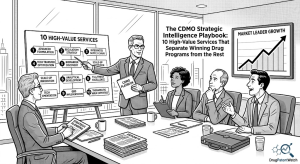
This pillar page covers the ten CDMO service categories where that gap is largest: areas where specialized capabilities create measurable IP value, compress regulatory timelines, and generate durable commercial moats. Each section includes the technical mechanics of the service, its IP and valuation implications, and an investment framework for analysts evaluating sponsors or CDMO platforms.
Section 1: Advanced Therapy Manufacturing — Cell and Gene Therapies
The Market Reality
The cell and gene therapy CDMO segment is projected to grow from $6.4 billion in 2024 to over $75 billion by 2034, a CAGR approaching 28%. That growth rate reflects not just rising demand but structural scarcity: there are fewer than 30 CDMOs globally with the validated viral vector manufacturing capacity to take a late-stage gene therapy program from Phase 2 through commercial launch.
The consequence is real. Multiple gene therapy sponsors have publicly cited manufacturing constraints as the primary bottleneck delaying IND filings and BLA submissions. For sponsors competing in CAR-T, AAV-based gene correction, or lentiviral vector programs, the CDMO decision is not a procurement question. It is the rate-limiting step in clinical and commercial execution.
Why the Process Is the Product — Technically
The FDA’s longstanding principle that ‘the process is the product’ reaches its most literal expression in cell and gene therapy. A change in the upstream expansion protocol for a CAR-T cell therapy — the culture media formulation, the activation bead-to-cell ratio, the cytokine cocktail — produces a cell product with a different phenotypic and functional profile. That change may affect in vivo persistence, cytokine release syndrome risk, and antitumor potency. It is, in regulatory terms, a comparability exercise requiring bridging data.
This is why a sponsor cannot simply transfer an academic-scale process to a CDMO and expect to scale it up without consequence. The process development choices made during CDMO-partnered development become woven into the product’s Critical Quality Attributes (CQAs) as defined in the CMC section of the IND. Changing those attributes post-filing triggers a comparability protocol and, in some cases, a partial repeat of clinical work.
The practical implication: selecting a CDMO for early-phase CGT work is effectively selecting a long-term process owner. A decision made at IND-enabling stage often persists through Phase 3 and BLA submission. Switching CDMOs mid-program carries tech transfer costs that DrugPatentWatch analysts estimate at $2M–$8M depending on process complexity, plus 12–18 months of schedule risk for re-validation.
Viral Vector Manufacturing: AAV vs. Lentivirus
Adeno-Associated Virus (AAV) platforms dominate in vivo gene therapy because of their established safety profile across multiple serotypes (AAV2, AAV5, AAV8, AAV9, AAVrh10). The manufacturing challenge is substantial. Classical triple transfection in HEK293T cells produces both full capsids (containing the therapeutic genome) and empty capsids (no genome, potentially immunogenic). Separating these requires either ultracentrifugation or affinity-based chromatography platforms. The ratio of full-to-empty capsids directly impacts dose and immunogenicity calculations, making it a key CQA subject to regulatory scrutiny.
Scalable suspension-based systems are displacing adherent processes at commercial scale. Thermo Fisher’s viral vector group, operating through its Brammer Bio acquisition, has validated suspension HEK293 platforms capable of producing high-titer AAV material in 2,000L+ bioreactors. AGC Biologics’ BravoAAV platform is built on a similar principle: a templated, optimized suspension process designed for rapid tech transfer with defined acceptance criteria at each milestone.
The IP landscape around AAV manufacturing is contested and commercially significant. Spark Therapeutics and the University of Pennsylvania hold foundational patents on several AAV serotypes. Encoded Therapeutics and Ultragenyx have pursued proprietary capsid engineering patents to circumvent those positions. A CDMO’s ability to manufacture multiple serotypes under a single validated platform has direct IP value for sponsors building diversified gene therapy portfolios.
Lentiviral vector (LVV) manufacturing for ex vivo cell therapies like CAR-T involves similar transfection-based upstream processes, but the downstream challenge is different. Lentivirus particles are physically fragile compared to AAV and must be purified under conditions that preserve infectious titer. The critical metric is functional titer — the number of infectious units per milliliter — rather than total particle count. Achieving consistent functional titer across GMP batches requires tight process control over temperature, pH, and shear stress during tangential flow filtration.
Thermo Fisher’s ProntoLVV platform and Ori Biotech’s closed, automated manufacturing platform both represent investments in solving the scale and reproducibility problem for lentiviral vector production. The cost per dose for CAR-T therapies remains a commercial barrier, and CDMOs that can demonstrate 30–50% reductions in cost of goods through process intensification are creating tangible value for their clients.
Autologous versus Allogeneic: Manufacturing Model Implications
Autologous programs require a manufacturing model that no other pharmaceutical segment demands: a personalized production run for each individual patient, with an unbroken chain of identity from leukapheresis to re-infusion. The standard vein-to-vein timeline for current CAR-T products runs 17–28 days. CDMOs operating autologous manufacturing suites must maintain the ability to run simultaneous, parallel patient-specific batches in segregated suites with independent environmental monitoring, equipment, and documentation.
The quality control burden is significant. Each patient batch must be released with full analytical characterization — potency assay, viability, sterility, endotoxin, identity confirmation — before the product can be shipped to the treating center. A failed release is not a routine batch rejection; it means a critically ill patient has no treatment available. That accountability transforms quality culture requirements.
Allogeneic programs offer scalability in theory but introduce immunological complexity. Engineering donor cells to reduce graft-versus-host disease potential — through knockout of endogenous TCR and HLA Class I expression, typically via CRISPR-Cas9 or TALENs — requires sophisticated gene editing platforms. CDMOs with in-house gene editing capabilities and validated analytical assays for off-target edits are positioned to support allogeneic programs more comprehensively than those that treat editing as a separate CRO service.
Catamaran Bio, Cellipont Bioservices (formerly PCT), and Hitachi Solutions (operating through its Apceth Biopharma acquisition) are among the CDMOs that have built dedicated allogeneic manufacturing infrastructure. The ability to produce clinical-grade allogeneic cell therapy from a master cell bank under a harmonized CMC strategy is a platform capability with both manufacturing and IP value.
IP Valuation: CGT Manufacturing Know-How as a Core Asset
A CDMO’s CGT manufacturing platform is not just a service offering. It is a patent portfolio, a collection of trade secrets, and a regulatory filing history. When analysts value CGT CDMOs, the defensible IP around proprietary cell line expansion protocols, novel viral vector purification processes, and validated closed-system automation platforms is a distinct asset class separate from equipment value or real estate.
For CGT sponsors, the relevant IP question is ownership structure. Contracts with full-service CGT CDMOs typically assign process improvements made during development back to the CDMO. Sponsors should negotiate carve-outs for innovations arising from their own compound-specific scientific direction. The alternative — a ‘background IP’ versus ‘foreground IP’ structure common in European collaborative agreements — provides cleaner ownership allocation and matters significantly at exit or licensing.
Key Takeaways: CGT Manufacturing
The CGT CDMO decision is a long-duration strategic commitment, not a spot-market manufacturing contract. The choice of upstream process architecture at IND stage determines the regulatory comparability burden through Phase 3. AAV-capable CDMOs with validated suspension processes and empty/full capsid separation analytics command premium pricing and slot allocations that are genuinely scarce. Sponsors should negotiate multi-year slot reservation agreements and inspect CDMO quality systems before an IND is filed, not after.
Investment Strategy: CGT CDMO Exposure
Institutional investors evaluating CGT platform companies should assess CDMO partnership depth as a commercial validation signal. A sponsor that has secured a multi-year manufacturing agreement with Lonza, Thermo Fisher/Patheon, or Samsung Biologics for a BLA-stage asset is signaling both clinical confidence and supply chain de-risking. The absence of a validated CDMO agreement for a program within 18 months of projected BLA filing is a material clinical execution risk that warrants discount in DCF models.
On the CDMO side, CGT-focused platform expansion through M&A — as seen with Thermo Fisher’s acquisition of Brammer Bio ($1.7B, 2019), Catalent’s acquisition of Masthercell ($315M, 2019), and Charles River Laboratories’ acquisition of Cognate BioServices ($875M, 2021) — reflects the market’s recognition that viral vector and cell therapy manufacturing capacity is a genuinely scarce asset with pricing power.
Section 2: Bioconjugation Excellence — ADC Manufacturing as an Integrated Discipline
The Market and the Manufacturing Gap
The global ADC market will exceed $20 billion by 2028. As of early 2026, the FDA has approved more than 15 ADCs, and the clinical pipeline contains more than 200 candidates at various stages. That pipeline is running ahead of the world’s GMP-grade ADC manufacturing capacity, particularly for HPAPIs rated at OELs below 1 microgram per cubic meter of air — the handling category required by most ADC payloads including maytansines, auristatins (MMAE/MMAF), calicheamicins, and PBD dimers.
This capacity constraint is not theoretical. Multiple clinical-stage ADC sponsors have reported IND delays, clinical supply disruptions, and pre-NDA timeline extensions that trace directly to CDMO slot availability or HPAPI containment inadequacies. For sponsors with Phase 2 or Phase 3 ADC programs targeting peak commercial launch in 2027–2029, the time to secure a validated CDMO with integrated mAb, linker-payload, and conjugation capabilities is now.
The Triple Integration Requirement
Producing an ADC at GMP scale requires three separate manufacturing competencies operating under a unified quality management system (QMS). CDMOs that manage only one or two of these and subcontract the rest introduce regulatory complexity and supply chain risk that can be devastating at BLA submission.
Monoclonal Antibody Drug Substance: The antibody component of an ADC is typically produced through standard fed-batch mammalian cell culture in CHO cell lines, followed by Protein A affinity chromatography and multi-step polishing purification. However, an ADC antibody differs from a standard therapeutic mAb in one critical respect: the conjugation process will chemically modify the antibody. This means the mAb drug substance specifications must account for downstream processing: free thiol content for thiol-reactive linkers, lysine accessibility for lysine-reactive chemistry, and monomer purity to minimize DAR heterogeneity.
Linker-Payload Synthesis: Cytotoxic payloads used in ADCs are orders of magnitude more potent than standard chemotherapy agents. MMAE, one of the most commonly used payloads, has an IC50 in the picomolar range against many cancer cell lines. Synthesizing these compounds and their associated linker chemistries under cGMP requires facilities engineered to OEL thresholds of 1 ng/m3 or lower. This means isolated manufacturing suites with negative pressure, continuous air monitoring, full-body PPE protocols, dedicated HVAC systems, and decontamination airlocks. Sigma-Aldrich’s SAFC division, Novatek International, and Lonza’s Visp, Switzerland facility are among the few sites globally with validated HPAPI synthesis capacity at commercial scale.
Bioconjugation and Drug Substance Purification: The conjugation reaction couples linker-payload to the antibody at specific sites. Two broad approaches dominate current clinical programs. Stochastic conjugation targets native lysine or cysteine residues, producing a heterogeneous mixture of DAR species (e.g., DAR 2, 4, 6, 8) that must be characterized and controlled within specification. Site-specific conjugation, using engineered cysteine residues, unnatural amino acid incorporation, or enzyme-mediated approaches like sortase or transglutaminase, produces a homogeneous, defined DAR product.
The trend in newer ADC programs is toward site-specific conjugation because homogeneous DAR produces more predictable PK/PD, reduced aggregation, and a cleaner regulatory package. CDMOs with proprietary site-specific platforms — Abzena’s ThioBridge, Synaffix’s GlycoConnect, or NBE-Therapeutics’ SMAC-technology — offer sponsors a differentiated technical pathway that also generates novel IP. The conjugation platform itself can be licensed or co-developed, and licensing fees from platform use appear as royalty income on CDMO financial statements.
DAR Heterogeneity: The Central Analytical and Manufacturing Problem
The drug-to-antibody ratio is the defining CQA for an ADC. At low DAR (0 or 2), the product is under-potent because too few payload molecules reach the tumor. At high DAR (8 or above), the product is over-modified, prone to aggregation, cleared rapidly from circulation, and potentially toxic to non-target tissues. The therapeutic sweet spot for most clinical ADCs is DAR 3–4 for stochastic products, with site-specific products targeting a defined DAR of 2 or 4.
Controlling DAR requires rigorous process control over conjugation conditions — reagent stoichiometry, pH, temperature, reaction time — and a validated analytical suite capable of distinguishing DAR species. HIC-HPLC (hydrophobic interaction chromatography) is the standard release method for DAR distribution. Mass spectrometry, particularly native MS and peptide mapping, provides the structural resolution required for batch characterization and comparability studies. A CDMO that lacks this analytical depth is not equipped to manage the regulatory risk of an ADC program.
IP Valuation: ADC Programs and CDMO Platform Leverage
ADC intellectual property is layered. A fully protected ADC program typically includes composition-of-matter patents on the antibody (often licensed from an originator or developed under a discovery program), patents on the linker-payload chemistry (often from a third party licensor such as ImmunoGen, Seattle Genetics/Seagen, or Synaffix), patents on the conjugation process, and method-of-treatment patents. Each layer represents a separate royalty stream in an out-license transaction.
For analysts valuing ADC pipeline assets, the royalty burden on a licensed linker-payload platform can consume 4–8% of net sales, compressing program NPV significantly. CDMOs with owned linker-payload technology offer sponsors the option to avoid these royalties by using a CDMO-developed conjugation approach, with appropriate IP carve-outs. This is a genuine differentiator and should be factored into CDMO partner selection for late-stage programs with blockbuster potential.
The Seagen/Pfizer acquisition ($43B, 2023) was in large part a transaction for ADC manufacturing know-how and validated clinical-stage process IP. The premium embedded in that deal reflects the market’s valuation of integrated ADC manufacturing capability.
Key Takeaways: ADC Manufacturing
ADC manufacturing cannot be separated into three independent procurement decisions. The conjugation reaction behavior is dependent on mAb drug substance quality, and the purification strategy is determined by conjugation chemistry. CDMOs that manage all three disciplines under a single QMS are the only partners appropriate for Phase 3 and commercial programs. The HPAPI containment requirement is a genuine capacity bottleneck that sponsors need to address 24–36 months before projected commercial launch.
Investment Strategy: ADC Programs and Integrated CDMO Value
Investors evaluating ADC sponsors should ask four specific questions about manufacturing: Has the CDMO been qualified for HPAPI containment at the required OEL? Is the site-specific or stochastic conjugation platform validated through at least one engineering run at clinical scale? Has the DAR control strategy been accepted by the FDA in a Type B meeting briefing document? And is the CDMO under a long-term supply agreement or is the sponsor operating on individual work orders?
At the CDMO level, the ADC capability build-out is an active M&A theme. Samsung Biologics’ 2023 acquisition of Biologics Safety Testing and its investment in ADC-specific fill-finish lines at its Incheon campus reflects a deliberate bet that ADC demand will sustain CDMO capacity pricing power through the decade. WuXi XDC, the ADC-specific spin-out from WuXi AppTec, represents another capital allocation signal: the market values ADC manufacturing as a distinct, premium asset.
Section 3: Next-Generation Drug Delivery — LNP Platforms and Nanomilling
The Bioavailability Problem at Scale
Between 40% and 70% of small molecule drug candidates in modern pipelines are classified as BCS Class II or Class IV — poorly water-soluble compounds that present low bioavailability without formulation intervention. The traditional approach to this problem has been to add surfactants, co-solvents, or switch to a salt form. These options work for moderately challenging molecules. For highly insoluble compounds, they are insufficient.
At the same time, the rise of nucleic acid therapeutics — mRNA, siRNA, antisense oligonucleotides, and CRISPR components — has created an entirely different delivery problem: these molecules are degraded within minutes in systemic circulation without a protective delivery vehicle. The COVID-19 vaccine programs demonstrated, at population scale, that Lipid Nanoparticle (LNP) platforms are a viable industrial solution to the nucleic acid delivery problem.
Both challenges point to the same conclusion: advanced delivery platform expertise is now a core CDMO service category, not a niche capability.
Lipid Nanoparticle Manufacturing: Platform Architecture and IP
An LNP is a self-assembled structure composed of four lipid components in a defined molar ratio. The ionizable lipid determines endosomal escape efficiency — its pKa must be low enough to be neutral at physiological pH (minimizing systemic toxicity) but become positively charged in the acidic endosome, facilitating membrane disruption and cargo release into the cytoplasm. PEGylated lipids control particle size and extend circulation half-life. Helper lipids (typically DSPC or DOPE) contribute bilayer structure. Cholesterol enhances membrane fluidity and stability.
The formulation development challenge is defining the specific ionizable lipid structure, the molar ratios of all four components, and the particle size target (typically 70–100 nm for systemic delivery) that maximize in vivo efficacy for a given nucleic acid cargo. This is not a trivial optimization problem. The ionizable lipid structure alone has a first-order impact on the organ distribution profile. ApoE-mediated hepatic uptake drives LNP accumulation in the liver, which is appropriate for hepatic targets but problematic for tumor or CNS targets. Modifying the PEG lipid molar fraction and adding targeting ligands can shift organ distribution, but each modification requires full in vivo PK/PD characterization.
Manufacturing process: LNP assembly is accomplished by rapidly mixing a lipid-in-ethanol solution with the aqueous nucleic acid cargo at a defined flow rate ratio. The rapid solvent exchange induces self-assembly. Microfluidic mixing systems — the NanoAssemblr platform from Precision NanoSystems (now Cytiva) is the industry standard in early development — achieve reproducible particle size and polydispersity across scale-up runs. For GMP production, large-scale mixing systems capable of producing hundreds of liters per batch are required, with inline process analytical technology (PAT) for real-time particle size monitoring.
IP landscape: The foundational LNP patents from Arbutus Biopharma cover ionizable lipid compositions used in the Moderna and BioNTech COVID-19 vaccines. The validity of those patents has been vigorously contested — Moderna’s $400 million litigation settlement with Arbutus in 2024 was a significant event — but the broad intellectual property around ionizable lipids remains a commercial risk for new entrants. CDMOs that have developed proprietary ionizable lipid libraries, like Fujifilm Diosynth Biotechnologies with its proprietary lipid platforms, offer sponsors a path to LNP delivery without infringing on Arbutus-descended IP. Sponsors should perform freedom-to-operate (FTO) analyses before committing to any ionizable lipid structure, and the CDMO partner’s IP position in this space should be evaluated as a core selection criterion.
Analytical characterization requirements for LNPs:
Particle size and polydispersity index (PDI) by dynamic light scattering (DLS)
Encapsulation efficiency by ribogreen or fluorescence-based assays (target > 85%)
Zeta potential for surface charge characterization
Nucleic acid integrity by gel electrophoresis or capillary electrophoresis
Residual ethanol and lipid concentrations
Endotoxin and bioburden for GMP lots
Nanomilling: Rescuing BCS Class II Small Molecules
Nanomilling reduces drug particles to the 100–500 nm range through mechanical attrition. The Noyes-Whitney equation describes why this works: dissolution rate is directly proportional to surface area. Reducing a particle from 10 microns to 200 nm increases surface area by a factor of 50, accelerating dissolution proportionally.
The process uses a bead mill (pearl mill) containing small polymer or ceramic media beads recirculating through a drug-in-suspension. Critical process parameters include bead size (typically 0.1–0.5 mm), agitator tip speed, temperature (elevated temperature increases milling efficiency but risks amorphous conversion), and drug-to-media mass ratio. The most common failure mode is Ostwald ripening — larger particles growing at the expense of smaller ones after milling ends. Preventing this requires a stabilizer system, typically combinations of cellulosic polymers (HPMC, PVP) and ionic surfactants (SDS, sodium deoxycholate) that adsorb to the particle surface and create a steric or electrostatic barrier to crystal growth.
Scale-up considerations: Lab-scale nanomilling runs on Dyno-Mill or Netzsch equipment at 100–500g scale. Commercial-scale production requires validation that the particle size distribution achieved at lab scale is reproducible at 50–200 kg batch sizes. This is not guaranteed — shear rate, temperature gradients, and suspension rheology all change with scale, and bead-to-drug contact time must be recalculated. CDMOs with genuine scale-up experience across multiple milled products (Ascendia Pharmaceuticals’ NanoSol platform, Nanoenabled Products’ continuous process) offer the empirical process development knowledge that internal development teams typically lack.
Formulation formats from nanosuspensions:
Oral solid dosage forms via spray drying or freeze drying of the nanosuspension followed by compression
Long-acting injectables (LAI) using aseptic nanomilling with terminal sterilization, relevant for antipsychotics, HIV antiretrovirals, and contraceptives
Ophthalmic suspensions for intraocular delivery of poorly soluble steroids or NSAIDs
The LAI application is particularly relevant for patent strategy. A poorly soluble small molecule reformulated as an injectable nanosuspension enabling weekly or monthly dosing is a defensible new formulation patent with 3-year NCE exclusivity potential under Hatch-Waxman, independent of the original compound patent.
Key Takeaways: Delivery Platform Services
LNP manufacturing requires front-end FTO analysis for ionizable lipid IP before formulation lock. The choice of lipid composition is a regulatory and IP decision, not just a formulation science decision. Nanomilling is not a single-step service: it requires a full formulation development program including stabilizer screening, scale-up validation, and format-specific downstream processing. CDMOs offering either platform as a stand-alone manufacturing service, without integrated formulation development, are providing only partial value.
Investment Strategy: Delivery Platform Leverage
For sponsors with BCS Class II candidates, nanomilling or amorphous solid dispersion technology can rescue programs that would otherwise fail bioavailability hurdles. This formulation IP is auditable in due diligence and adds 1–3 years of effective market exclusivity beyond the compound patent. For RNA-based therapeutic developers, the LNP IP stack should be listed explicitly in the IP section of investor presentations and IPO prospectuses, including FTO clearance status for the ionizable lipid structure used.
Section 4: The 505(b)(2) Fast-Track — Regulatory Strategy as a Manufacturing Service
The Pathway Mechanics
The 505(b)(2) NDA, established by the Hatch-Waxman Amendments of 1984, allows an applicant to rely on the FDA’s prior findings of safety and effectiveness for an approved reference drug, combined with bridging studies that justify the modification. This is not a generic pathway. A 505(b)(2) applicant is developing a distinct, improved product that requires its own clinical data package — but a package that can be substantially smaller than a full 505(b)(1) because the baseline safety profile of the drug class is already established.
Eligible products include reformulations with new dosage forms or delivery routes, new fixed-dose combinations of approved drugs, existing drugs repurposed for new indications with clinical data, and products using novel formulation technology to improve PK. The last category is where CDMO formulation expertise and 505(b)(2) regulatory strategy intersect most productively.
The Regulatory Strategy Layer CDMOs Provide
A CDMO with true 505(b)(2) competency does not begin its engagement at formulation development. It begins upstream, with competitive intelligence. The first step is identifying a reference listed drug (RLD) with a patent and exclusivity profile that permits a freedom-to-operate window for a 505(b)(2) product launch. Patents on the RLD, listed in the Orange Book, are subject to automatic 30-month stay provisions if Paragraph IV certifications are challenged. A 505(b)(2) sponsor certifying under Paragraph IV — asserting that listed patents are invalid, unenforceable, or not infringed by the new product — triggers litigation that must be factored into launch timeline modeling.
This is precisely where DrugPatentWatch data feeds into CDMO strategic planning. A platform like DrugPatentWatch allows a CDMO’s regulatory team to map the complete patent expiry landscape for a given RLD, including Orange Book-listed formulation patents, method-of-use patents, and any pending patent term extensions under 35 USC § 156. The identification of a defensible IP position — a modified product that does not infringe existing formulation patents — is itself a pre-development service of substantial value.
What a qualified 505(b)(2) CDMO delivers:
Pre-IND gap analysis comparing the proposed product’s clinical data requirements against the RLD’s published data package
Pre-IND meeting briefing document preparation, including the scientific bridge that links the proposed product’s PK to the RLD’s safety and efficacy data
Human PK bridging study design (often a single cross-over relative bioavailability study suffices for modified-release products)
CMC package development, including process validation and container-closure system selection compliant with FDA’s current pharmaceutical equivalence standards
Orange Book patent certification strategy, from Paragraph III (filing after patent expiry) to Paragraph IV (patent challenge)
Three-year NCE exclusivity strategy for new clinical investigation data
Exclusivity Stacking: The IP Value Creation Mechanism
The 505(b)(2) pathway creates new intellectual property through exclusivity stacking. A new formulation of an off-patent drug, if supported by new clinical investigations essential to approval, receives 3-year exclusivity. If the product treats a rare pediatric disease, it may be eligible for Priority Review Voucher (PRV) with a transferable market value of $100M–$150M in recent secondary market transactions. Orphan Drug Designation adds 7-year marketing exclusivity. A well-structured 505(b)(2) program can combine multiple exclusivity instruments on top of any new composition-of-matter patent on the modified formulation itself.
CDMOs that understand how to design a development program to maximize exclusivity layer stacking — identifying pediatric populations that support PedsOD Designations, filing method-of-treatment applications on the improved PK profile, and timing submissions relative to patent cliffs on competitor branded products — are providing regulatory strategy services with direct, measurable NPV impact.
Key Takeaways: 505(b)(2) Services
The 505(b)(2) pathway is not a formulation shortcut. It is a regulatory strategy executed through formulation, clinical, and CMC work under a defined legal framework. The strategic value of a CDMO partner in this space is front-loaded: competitive intelligence, patent landscape analysis, and pre-IND regulatory strategy determine program economics more than any downstream manufacturing efficiency. Sponsors should evaluate CDMO 505(b)(2) capabilities by reviewing their track record of successful pre-IND meetings, not just their formulation technology portfolio.
Investment Strategy: 505(b)(2) Pipeline Valuation
Analysts modeling 505(b)(2) assets should apply a probability-of-approval adjustment that reflects both the regulatory complexity of the bridging strategy and the patent litigation risk from Paragraph IV certifications. Historically, 505(b)(2) NDAs have a higher approval rate than standard NDAs — approximately 85–90% versus 80–85% — because the reference drug’s safety baseline removes a major uncertainty. The primary risk is the 30-month stay triggered by Paragraph IV litigation, which can delay launch by 2.5 years. A 505(b)(2) program with a robust FTO analysis and non-infringement opinion from qualified patent counsel should carry a lower litigation risk discount than one with unresolved Paragraph IV exposure.
Section 5: Human Factors Engineering for Combination Products
The Regulatory Requirement and Commercial Imperative
A drug-device combination product — an autoinjector, a prefilled syringe, an inhaler, an on-body patch injector — must demonstrate, before approval, that representative users can use it correctly without training errors that cause harm. The FDA’s human factors program, codified in guidance documents published in 2016 and updated through 2022, requires a structured Human Factors Engineering (HFE) study as part of the 510(k) or BLA/NDA submission for the device component.
Failure to conduct an adequate HFE program is a top-ten reason for Complete Response Letters (CRLs) on combination product submissions. CDMOs with integrated HFE services eliminate a common CRL risk category.
HFE as Commercial Product Development
The regulatory compliance function of HFE is the floor, not the ceiling. A well-executed human factors program identifies use errors during formative studies — before the design is locked — and feeds those findings back into device design iteration. A poorly designed autoinjector produces user errors that translate into injection failures, dose waste, or patient injury. These are not just safety problems; they are commercial problems. An autoinjector that healthcare providers find difficult to train on, or that patients cannot reliably prime, creates patient adherence failure that erodes peak sales projections.
CDMOs offering HFE services provide formative study design, usability testing infrastructure (simulated use environments, video capture, think-aloud protocols), expert analysis of use-related risks, and summative validation study execution. The deliverable is an HFE report meeting FDA’s requirements under 21 CFR Part 4 and the associated device-specific guidance documents.
Key Takeaways: HFE Services
Combination product developers who initiate HFE studies in Phase 2, with an iterative device design program, have meaningfully lower CRL risk than those who treat HFE as a Phase 3 regulatory checkbox. The HFE report is a submission-critical document. CDMOs that can integrate device design iteration, formative usability studies, and summative validation testing into a single development program provide a genuine risk reduction service.
Section 6: Continuous Manufacturing Technology Transfer
The Regulatory and Economic Case
The FDA has actively encouraged continuous manufacturing (CM) for solid oral dosage forms since its 2019 guidance on the topic. The agency’s rationale is compelling: CM produces drug product in a single, integrated process — from API loading through granulation, blending, compression, and coating — rather than discrete batch operations. Real-time release testing (RTRt) using inline PAT replaces traditional end-of-batch testing, potentially accelerating product release by 3–5 days per batch.
Economically, continuous manufacturing offers 40–60% reductions in facility footprint, 20–30% reductions in energy consumption, and the elimination of hold steps between unit operations where degradation or contamination risk accumulates. For high-volume small molecule products, the cost of goods improvement is commercially material.
Tech Transfer Complexity
Moving from a batch manufacturing process to a continuous process, or transferring a continuous process from a development facility to a CDMO’s commercial line, is a technically demanding exercise. Scale-up behavior in continuous processes is not simply a matter of running the same process for longer. The residence time distribution in a continuous blending element changes with throughput rate. The risk of process upset during a steady-state run, and the disposition of material produced during the non-steady-state start-up period, must be addressed in the validation strategy.
CDMOs with established CM platforms — Continuus Pharmaceuticals’ integrated continuous manufacturing system, Lilly’s CM lines at Branchburg, Pfizer’s CM technology at Groton — have built validated process libraries and control strategies that sponsors can adapt rather than develop from scratch. The commercial value is accelerated process validation timelines: a CM tech transfer that might take 24 months if built internally can be executed in 12–15 months on an established CDMO platform.
Key Takeaways: Continuous Manufacturing
Sponsors in late Phase 2 with high-volume oral solid dosage form programs should evaluate CM as a commercial process strategy, not a post-approval optimization project. The agency alignment on CM, the PAT-enabled RTRt pathway, and the COGS advantages make it a commercially defensible manufacturing architecture. CDMOs with validated commercial-scale CM lines in relevant dosage form categories (direct compression, dry granulation, wet granulation) are a scarce resource.
Section 7: Advanced Analytical Characterization for Biologics
Why Characterization Is a Regulatory Deliverable, Not a Quality Check
Regulatory agencies do not approve biologics programs. They approve a defined manufacturing process that consistently produces a biological entity within a specified envelope of Critical Quality Attributes. The analytical characterization package submitted with a BLA is the evidence that the applicant understands what those attributes are and can measure them reliably across batches.
For standard mAbs, the core characterization requirements are well understood. For ADCs, biosimilars, bispecifics, and fusion proteins, the characterization requirements are more complex, and CDMOs that lack deep analytical infrastructure are a source of regulatory risk, not just a service gap.
The Orthogonal Method Requirement
FDA and EMA guidance on biologic characterization requires orthogonal analytical methods — multiple independent measurement techniques targeting the same quality attribute from different physical or chemical principles. A single HPLC method for aggregation detection is not sufficient; it must be complemented by DLS or analytical ultracentrifugation (AUC). A single bioassay for potency is not sufficient for all BLA submissions; multiple mechanisms of action may require multiple assays.
Key characterization technologies that distinguish advanced from commodity analytical labs:
Native Mass Spectrometry: Native MS preserves non-covalent interactions and allows direct measurement of intact biologic mass, non-covalent complex stoichiometry, and drug loading distributions (essential for ADCs and other conjugates). Instruments like the Waters Synapt XS and Bruker TimsTOF have made this technique accessible at CDMO analytical labs that previously relied entirely on denaturing MS.
Hydrogen-Deuterium Exchange Mass Spectrometry (HDX-MS): HDX-MS provides high-resolution structural comparability data for biosimilar programs. It measures the solvent accessibility of backbone amide bonds across the entire protein sequence, providing a fingerprint of higher-order structure that complements CD spectroscopy and DSC for comparability demonstrations.
Cryo-Electron Microscopy (cryo-EM): For large, complex biologics and cell therapy products, cryo-EM is increasingly accepted as a structural characterization tool. CDMOs with in-house cryo-EM access — still rare in the industry — can provide structural comparability data that was previously accessible only through academic collaborations.
Microfluidic Imaging Particle Analysis (MFI): Subvisible particle characterization is a critical stability attribute for injectable biologics. The FDA’s guidance on particles in injectable products requires a particle size and count profile between 1–100 microns. MFI provides both count and morphological data (translucency, aspect ratio) that allows differentiation of protein aggregates from silicone oil droplets from air bubbles — a critical distinction for root cause analysis of out-of-specification stability results.
IP Valuation: Analytical Platform as Regulatory Moat
A CDMO’s validated analytical method library is a proprietary asset. Transfer of validated analytical methods to a sponsor or alternate testing site is a complex, time-consuming process requiring method transfer studies, inter-laboratory qualification data, and regulatory notification. CDMOs that have developed, validated, and published (in regulatory filings) a suite of biologic characterization methods for a specific modality have a technical lock-in advantage. Switching analytical labs for a late-stage biologic program carries an 8–18 month method transfer timeline — effectively a switching cost that anchors long-term sponsor relationships.
Key Takeaways: Analytical Characterization
For biosimilar programs, advanced analytical characterization — particularly HDX-MS and native MS — is the primary tool for demonstrating structural and functional similarity in the FDA’s totality-of-evidence framework. Sponsors pursuing biosimilar interchangeability designation face the highest analytical characterization burden, as the interchangeability standard requires comprehensive PK/PD data and robust analytical comparability. CDMOs without these advanced analytical capabilities are not qualified partners for biosimilar interchangeability programs.
Section 8: Pharmaceutical Lifecycle Management and Evergreening
The Commercial and IP Architecture of PLM
Pharmaceutical lifecycle management (PLM) is the set of strategies that extend the commercial duration and defensibility of a drug franchise beyond the original compound patent expiry. The pejorative term ‘evergreening’ captures the most aggressive version: incremental patent filings that delay generic entry without material clinical benefit. The legitimate and commercially important version of PLM is building a franchise around a core molecule through formulation innovation, new indications, and delivery system upgrades that deliver genuine patient value and are defensible in Paragraph IV litigation.
The revenue stakes are large. A branded small molecule generating $2 billion in annual revenue that loses 85% of its market share to generics within 24 months of patent expiry — a standard LOE (loss of exclusivity) erosion curve — loses approximately $1.7 billion per year. A successful PLM strategy that delays meaningful generic penetration by 3–5 years adds $5–8 billion in NPV to the franchise at a 10% discount rate.
The Orange Book Patent Landscape as the PLM Playbook
Every patent listed in the FDA Orange Book for a branded drug product is a potential PLM instrument. The Orange Book lists three categories of patents:
Drug Substance (API) Patents: Composition-of-matter patents on the active molecule itself. These are the primary exclusivity barrier and are the main target of generic Paragraph IV challenges.
Drug Product (Formulation) Patents: Patents covering specific dosage forms, excipient combinations, controlled-release mechanisms, or delivery devices. These are filed later in development or post-approval and extend exclusivity beyond the API compound patent.
Method-of-Use Patents: Patents claiming specific treatment methods, dosing regimens, or patient populations. These can be listed in the Orange Book only if they claim an approved indication.
A CDMO with PLM expertise helps sponsors identify and execute the formulation innovation programs that generate new drug product patents worth filing, survive Paragraph IV challenges, and qualify for new statutory exclusivity periods. The service is equal parts science and patent strategy.
PLM Technology Roadmap: From Simple to Complex
Level 1 — Reformulation for Modified Release: Extended-release, delayed-release, or controlled-release formulations for existing immediate-release products. These generate formulation patents with potential 3-year exclusivity. Regulatory pathway: 505(b)(2) NDA. Timeline to market: 3–5 years from formulation development start. Example: converting a twice-daily IR product to a once-daily ER formulation with a validated in vitro/in vivo correlation (IVIVC) model supporting biowaiver potential for additional strengths.
Level 2 — New Delivery Route: Converting an oral product to a transdermal, subcutaneous, or pulmonary route of administration. This typically requires Phase 1 PK bridging and potentially Phase 2 data demonstrating comparable efficacy at the new exposure levels. Generates composition-of-matter patents on the new formulation and method-of-use patents on the new dosing route. Regulatory pathway: 505(b)(2) NDA with new clinical investigations, generating 3-year exclusivity.
Level 3 — Drug-Device Combination Upgrade: Transitioning a standard injectable to an autoinjector, wearable patch injector, or prefilled syringe with integrated device features. Generates device component IP, creates a premium SKU with superior patient adherence data, and anchors prescriber loyalty. Regulatory pathway: Combination product NDA/BLA with device 510(k) component. HFE program (Section 5) is integral to this pathway.
Level 4 — New Indication Expansion: Generating Phase 2 and Phase 3 data for a new clinical indication. This is the most resource-intensive PLM strategy but generates 3-year NCE exclusivity for the new indication data, adds new method-of-use patents, and — if the new indication is rare — may generate 7-year orphan drug exclusivity. The CDMO’s regulatory affairs team adds value by identifying pediatric study requirements that generate additional 6-month pediatric exclusivity under BPCA/PREA.
Level 5 — Next-Generation Biologics (Biobetter Strategy): For biologic franchise owners facing biosimilar entry, the PLM strategy shifts to developing a ‘biobetter’ — a molecule with enhanced PK, improved manufacturing process, or differentiated mechanism — that enters the market before the reference biologic’s biosimilar entry disrupts the franchise. CDMOs with both reference biologic manufacturing capability and process development expertise for engineered variants are uniquely positioned to execute this strategy.
IP Valuation: Modeling the PLM Patent Stack
A sophisticated Orange Book patent stack for a successful branded product might include 15–25 listed patents across API, formulation, device, and method-of-use categories, with expiry dates staggered from 2028 through 2040. Analysts modeling LOE erosion curves must resolve each patent layer: which patents are commercially relevant (i.e., actually infringed by the generic product), which are subject to pending Paragraph IV challenges, and which have already been adjudicated invalid.
DrugPatentWatch provides the full Orange Book patent map with litigation history, allowing analysts to identify the ‘last line of defense’ patent expiry — the date at which all Orange Book patents have either expired or been invalidated — versus the ‘first filing opportunity’ date for generic Paragraph IV filers. The spread between these two dates is the effective PLM window, and its value can be modeled as the area under the branded revenue curve between those two dates, discounted for generic entry probability.
Key Takeaways: Lifecycle Management Services
PLM is a multi-function discipline requiring integrated input from formulation science, clinical strategy, regulatory affairs, and patent law. A CDMO that offers PLM as a service must coordinate all four of these workstreams under a coherent asset strategy. The failure mode is a PLM patent that is technically valid but commercially indefensible because it claims a formulation attribute that generic manufacturers can design around without infringing. Sponsors should require a preliminary infringement and designaround analysis on any proposed PLM patent before committing development resources to the formulation program it protects.
Investment Strategy: Evergreening and Biosimilar Competition
Analysts evaluating branded pharma portfolios with patent cliffs in the 2026–2030 window should audit the PLM patent stack for each major asset. Key questions: Are Orange Book formulation patents novel and non-obvious, or are they incremental claims that a strong ANDA filer could successfully challenge under the obviousness standard of KSR v. Teleflex? Has the sponsor implemented a next-generation product strategy (biobetter, new delivery route) that will be commercially available before the reference product’s primary patent expiry? And has the CDMO partner been engaged on PLM formulation programs at least 5 years ahead of the patent cliff — the minimum lead time for a successful modified-release program to reach market?
Section 9: Sustainable Manufacturing and Green Chemistry
From ESG Compliance to Cost Structure
The pharmaceutical industry generates significantly more chemical waste per kilogram of active ingredient than most other manufacturing sectors, primarily because of the multi-step organic synthesis routes required for complex small molecules. The process mass intensity (PMI) — a metric defined as the total mass of materials used per unit mass of product — for a typical synthetic API averages 100–300, meaning 100–300 kg of materials are consumed to produce 1 kg of drug substance. Compared to bulk chemicals (PMI < 10) or food products, pharmaceutical manufacturing is extremely material-intensive.
CDMOs that have invested in green chemistry programs — process redesign to reduce PMI, solvent substitution to eliminate environmentally and occupationally hazardous materials, continuous flow chemistry to improve yield and reduce byproduct generation — offer sponsors both cost structure advantages and regulatory risk reduction. As EMA’s Environmental Risk Assessment requirements tighten and the EPA increases scrutiny of pharmaceutical manufacturing waste streams, the regulatory exposure from high-PMI processes is no longer a theoretical concern.
Green Chemistry Process Development
The twelve principles of green chemistry, as defined by Anastas and Warner, provide the framework for assessing process sustainability. For pharmaceutical CDMOs, the highest-impact applications are:
Catalytic Synthesis: Replacing stoichiometric reagents (e.g., chromium-based oxidants) with catalytic processes. Asymmetric catalysis using chiral metal complexes or organocatalysts eliminates the need for chiral resolution steps, reducing waste by 40–60% in programs requiring high enantiopurity.
Continuous Flow Chemistry: Performing reactions in flow reactors rather than stirred batch vessels enables better heat and mass transfer, improved safety for exothermic reactions, and higher space-time yields. Hazardous reactions — nitrations, azide chemistry, diazonium salt formation — that are unacceptably risky in batch at commercial scale become manageable in flow at defined residence times and temperatures.
Solvent Substitution and Recovery: Dipolar aprotic solvents (DMF, NMP, DMAc) are ubiquitous in pharmaceutical synthesis but are classified under REACH as substances of very high concern (SVHCs) due to reproductive toxicity. CDMOs that have validated alternative solvents (cyrene, DMSO, Sulfolane) for key synthetic transformations eliminate a growing regulatory risk and reduce waste disposal costs.
Key Takeaways: Sustainable Manufacturing
Green chemistry is not primarily an ESG storytelling exercise. For high-volume products on long-term commercial supply agreements, PMI reduction directly translates to COGS reduction. A 30% reduction in solvent consumption for a product using 500 metric tons of solvent annually represents millions in direct cost savings. CDMOs that integrate green chemistry at process development stage — rather than retrofitting commercial processes — build these savings into the product’s long-term cost structure.
Section 10: Integrated Clinical Trial Logistics
The Supply Chain as a Clinical Execution Risk
Clinical trial supply chain failures are more common than sponsors acknowledge publicly. Temperature excursions during shipment, customs clearance delays that breach material expiry, misrouted patient-specific kits in blinded crossover trials, and documentation errors that invalidate imported investigational medicinal product (IMP) batches are recurring events in multi-center global trials.
For standard small molecule tablets, these events are disruptive but manageable. For autologous CGT products, a supply chain failure is catastrophic: the dose was manufactured from that specific patient’s cells, cannot be replaced from inventory, and cannot be remade without repeating the entire 3–4 week manufacturing process. For a critically ill cancer patient, that delay has direct clinical consequences.
The Service Layer That Connects Manufacturing to Site
A CDMO offering integrated clinical trial logistics provides the infrastructure to manage IMP supply from the point of GMP release to the point of patient administration. The service components are:
Comparator and Ancillary Drug Procurement: Sourcing the reference drug, placebo, or combination partner required in the trial, including international sourcing for comparators not available in all trial countries, certificate of analysis verification, and import documentation.
Randomization and Label Management (RAMOS): Integrated interactive response technology (IRT/IVRS) systems that manage patient enrollment, randomization, kit assignment, and dose dispensing. A CDMO with in-house RAMOS capability eliminates a data interface layer between the IRT vendor and the CDMO’s labeling and distribution systems.
Temperature-Controlled Distribution: Refrigerated (+2°C to +8°C), frozen (-20°C or -80°C), and cryogenic (liquid nitrogen vapor phase, -150°C to -196°C) shipping networks with validated container systems and continuous temperature monitoring with real-time alert capabilities. For autologous CGT, the chain of identity documentation — linking the patient leukapheresis source material to the released drug product — must travel with the product and be verifiable at the clinical site before administration.
Clinical Site Qualification and Training: For complex dosage forms or patient-administered products, CDMOs with clinical site support staff reduce protocol deviations and user errors at the site level — a direct bridge to the HFE work described in Section 5.
IP Valuation: Logistics Infrastructure as Barrier to Entry
A CDMO’s validated cryogenic logistics network — contracted cryogenic shipper relationships, validated container qualifications, site delivery record in target clinical markets — is a genuine barrier to entry. Building this infrastructure from scratch requires 2–4 years and $50M–$100M in capital and operational expenditure. For autologous CGT sponsors, a CDMO with this capability pre-built is not competing on price. It is providing access to infrastructure that enables the trial to operate at all.
Key Takeaways: Clinical Logistics
Clinical supply chain risk management should be a scored criterion in CDMO selection, not an afterthought. Sponsors should require CDMOs to provide temperature monitoring data histories from reference shipments to trial country clinical sites, documentation of customs broker relationships in key import-restricted markets (Brazil, India, Russia, China), and incident histories for supply chain failures in the preceding 24 months.
Synthesis: The Integrated CDMO Partnership Model
The 10 services described in this report do not operate independently. The most commercially successful drug development programs treat CDMO partnerships as integrated platforms, not as discrete service procurement exercises.
An ADC sponsor building toward commercial launch needs simultaneously: viral vector or CHO cell line manufacturing expertise if the antibody was generated through a biologic platform (Section 1); HPAPI conjugation and integrated DAR control (Section 2); advanced analytical characterization for DAR heterogeneity and aggregation (Section 7); orphan drug regulatory strategy if the target indication is rare (Section 4); a combination product development program if the commercial format is a prefilled syringe with integrated safety device (Section 5); a PLM strategy to protect the commercial franchise against competitive ADC entry and potential biosimilar challenge to the mAb component post-patent (Section 8); and temperature-controlled clinical logistics for Phase 2 and 3 supply (Section 10).
That is seven of ten service categories engaged simultaneously for a single complex program. Managing them through seven separate CDMOs under seven separate MSAs creates coordination risk, quality system fragmentation, and IP ownership ambiguity. The strategic value of a CDMO platform that can integrate these capabilities — or a CDMO network with pre-established technology alliance agreements — is measurable in reduced program risk, compressed timelines, and cleaner IP ownership structures.
CDMO IP and Valuation Reference: Company-Level Analysis
Lonza Group (SIX: LONN)
Lonza’s CDMO revenues exceeded CHF 6.7 billion in 2023, with biologics manufacturing representing the largest segment. Its Ibex development and manufacturing platform at Visp, Switzerland is one of the most extensively validated HPAPI and bioconjugation sites in Western Europe. The Ibex platform’s IP includes validated continuous bioprocessing approaches for mAb production and a proprietary mammalian expression platform. At the CDMO level, Lonza’s valuation premium versus peers reflects both scale and the regulatory filing history embedded in its process development databases — a form of tacit IP that is genuinely difficult to replicate.
Samsung Biologics (KRX: 207940)
Samsung Biologics operates the world’s largest biomanufacturing campus by volume at its Incheon, South Korea site, with over 600,000L of bioreactor capacity across four plants. Its S-CHOice cell line platform and SAMBA (Samsung Advanced Multimodal Bioreactor) process development tools are proprietary assets. Samsung’s aggressive ADC infrastructure investment — dedicated conjugation suites, HPAPI-rated facilities — reflects a bet that ADC manufacturing will command premium pricing through 2030. Analysts should note that Samsung Biologics’ dominant asset is not just physical capacity but the regulatory submission history from its 400+ active client programs, which represents an information asset of first-order commercial significance.
WuXi Biologics (HKEX: 2269) and the BIOSECURE Act Risk
WuXi Biologics reported 20 facility expansion and technology announcement events in 2025 despite continuing U.S. legislative scrutiny under the BIOSECURE Act framework. The company’s Singapore and Irish manufacturing sites represent geographic diversification against U.S. market access risk. For sponsors currently contracted with WuXi Biologics, the BIOSECURE Act risk requires explicit scenario planning: if the legislation advances to restrict U.S. FDA approval of drugs manufactured by WuXi, what is the tech transfer timeline to an alternative site, what is the cost, and what is the schedule impact on a BLA submission? These are questions that CDMO risk committees should be modeling now, not in response to legislation that has already passed.
Thermo Fisher Scientific/Patheon (NYSE: TMO)
Thermo Fisher’s CDMO operations through its Patheon division represent one of the most geographically and modality-diverse manufacturing networks in the industry. Its 2025 acquisition of Solventum’s purification and filtration business adds a biologics purification capability that had been a relative weakness versus Lonza. Thermo Fisher’s dual role — as both a CDMO client (through its scientific instruments and consumables business) and a CDMO itself — creates an information advantage in understanding where technology investment is needed, but also creates potential conflict-of-interest considerations for smaller sponsors concerned about proprietary process information security.
Final Investment Framework: Scoring CDMO Partnerships
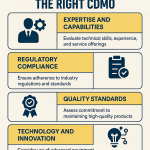
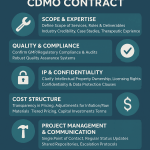
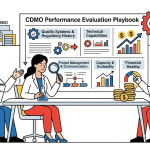
For institutional investors evaluating biopharma sponsors in due diligence, and for BD teams evaluating CDMO partners for multi-year agreements, the following scoring framework covers the service dimensions described in this report.
Technical Capability Depth (30 points): Does the CDMO have validated, commercial-scale capability in the specific service required — not aspirational capacity? Required evidence: regulatory filing history showing GMP batches produced under the relevant service at commercial scale, 483-free inspection history at the relevant site, and reference accounts from programs that have progressed through to NDA/BLA submission using that service.
IP Clarity and Ownership Structure (20 points): What is the ownership structure for process improvements? Does the CDMO’s standard MSA grant the CDMO a license to background IP on client molecules? Are there carve-outs for platform IP that the CDMO might deploy for competing clients? Has the CDMO published any patents on processes used in the client’s program that the client may now be inadvertently infringing?
Regulatory Intelligence Integration (20 points): Does the CDMO use patent expiry and regulatory exclusivity data — through platforms like DrugPatentWatch or equivalent — to inform strategic program decisions, or does it treat regulatory affairs as a filing exercise? The answer to this question separates CDMOs that add value in the development planning phase from those that add value only in execution.
Supply Chain Resilience (15 points): For programs with near-term commercial ambitions, what is the CDMO’s raw material sourcing redundancy for critical starting materials? Does the CDMO maintain qualified alternate suppliers for APIs, key excipients, or biologic starting materials? What is the site’s documented disaster recovery and business continuity plan, and when was it last tested?
Financial Stability (15 points): Is the CDMO financially stable enough to honor long-term supply commitments? CDMO financial distress — as seen with several mid-tier players following the 2021–2022 biotech funding contraction — is a direct clinical supply risk. Review CDMO audited financials, long-term debt obligations, and order backlog coverage ratios before signing a multi-year commercial supply agreement.
This analysis draws on publicly available data from DrugPatentWatch, IQVIA, FDA Orange Book records, SEC filings, and industry conference disclosures. Patent expiry dates and exclusivity periods referenced herein should be independently verified against current Orange Book listings before making clinical or investment decisions. Nothing in this report constitutes legal, regulatory, or investment advice.