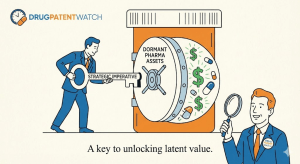
The traditional path of de novo drug discovery is often described as a grueling marathon, a journey characterized by astronomical costs, protracted timelines, and a staggering probability of failure. The process of bringing a new chemical entity (NCE) to market demands a monumental investment, with average costs frequently cited in the range of $2 to $3 billion over a period of 10 to 15 years.1 The odds are notoriously unforgiving; less than 10% of drugs that enter Phase I clinical trials ever receive regulatory approval, a testament to a brutally efficient system designed to weed out all but the most promising candidates.1 This reality has forced the industry into a state of strategic re-evaluation, where the search for innovation is no longer confined to the creation of new molecules but is increasingly focused on a smarter, faster, and more efficient alternative: drug repurposing. This approach, which re-imagines the value of existing medicines, is shifting from a practice of serendipitous discovery to a systematic, repeatable science—a strategic imperative for any firm seeking to mitigate risk and unlock hidden value.
The Genesis of a Problem: Why Drugs Disappear from the Market
The disappearance of a drug from the commercial landscape is a phenomenon that is often misunderstood by the public, who instinctively assume its withdrawal was due to a fundamental and irreparable safety flaw. While safety and efficacy are indeed decisive factors, a nuanced analysis reveals a far more complex tapestry of reasons for a drug’s discontinuation. Understanding this critical distinction is the first and most vital step for any business development or R&D team considering a revival project.
The Hard Truth: Failure is a Feature, Not a Bug
The pharmaceutical industry operates on a high-stakes, high-risk, high-reward model. The capital-intensive nature of de novo drug development means that a significant portion of the billions invested is expended on projects that ultimately fail. A staggering failure rate, estimated at 90-95% from Phase I to market, is simply a feature of this system, not a bug.4
Many of these failures are not due to a drug being fundamentally unsafe, but rather a lack of efficacy, which is often discovered late in the development process.5 The failure may also stem from inadequate target validation, where a promising preclinical finding simply does not translate into a meaningful clinical effect in humans.6 A drug may also possess poor
drug-like properties, such as a lack of bioavailability or a tendency to produce toxic byproducts, which can undermine a trial before it ever truly begins.6 The key takeaway from this brutal process is that the industry’s archives are filled with compounds that have cleared the most formidable early-stage hurdles—compounds that have a known safety profile in humans, yet were abandoned for reasons other than a catastrophic safety event.
Beyond Safety and Efficacy: The Business Case for Discontinuation
While severe adverse drug reactions (ADRs) are the most visible and widely reported reasons for withdrawal, they account for only a fraction of all discontinuations. Historically, about half of all drug withdrawals were linked to toxic events, with hepatotoxicity and cardiovascular toxicity being the most common reasons.9 The stories of Vioxx, withdrawn for its link to heart attacks, and Bextra, which caused severe skin conditions, are indelible examples of safety-driven failures that created immense legal and reputational damage.11 The case of Thalidomide, which caused thousands of severe birth defects, stands as perhaps the most transformative and tragic example of a safety-driven withdrawal, leading to a complete overhaul of regulatory processes.11
However, drug discontinuation can also be attributed to a multitude of non-safety issues. This includes manufacturing and quality control problems, such as contamination or mislabeling, which often lead to temporary recalls.13 The most intriguing and strategically important category of discontinuations, however, is driven by commercial and strategic considerations. A drug may be withdrawn due to a lack of demand, a company’s financial distress, or a strategic decision that the asset no longer fits the company’s core therapeutic priorities.16 This is where the true opportunities for revival lie. Tositumomab and Olaratumab are prime examples of drugs that were withdrawn from the US market for commercial reasons, citing a lack of demand, despite no new safety concerns.16 This fundamental distinction between a safety-driven and a commercially-driven drug discontinuation is the most critical starting point for any business professional. A drug with a catastrophic safety flaw is a toxic asset, often subject to immense liability and public backlash. A drug discontinued for commercial reasons, however, is a different beast entirely. It has already cleared the most formidable hurdle in drug development: it has a known human safety profile. The US Food and Drug Administration (FDA) has a specific process for determining if a drug was withdrawn for safety or effectiveness reasons, and this determination is a crucial piece of due diligence for any potential acquirer.19 The ability to identify, acquire, and formally revive these “commercially orphaned” assets is the core value proposition of a strategic repurposing initiative.
The Revivalist’s Playbook: Defining a New Era of Drug Development
Drug repurposing is rapidly evolving from a niche activity on the periphery of drug discovery to a core strategic pillar of modern pharmaceutical R&D. This is a fundamental paradigm shift away from building molecules from scratch (de novo) to intelligently leveraging the extensive, pre-existing knowledge base surrounding established drugs.1
A Paradigm Shift: From De Novo Discovery to Strategic Repurposing
The concept of repurposing is not new; for years, the industry has benefited from serendipitous discoveries. A classic example is sildenafil (Viagra), which was originally developed to treat angina but was famously repurposed for erectile dysfunction after an unexpected side effect was observed during clinical trials.21 The story of Thalidomide’s revival from a notorious tragedy to a therapeutic triumph is another powerful case study of this phenomenon.12 However, the field has matured significantly. With the advent of modern technologies, it has transitioned from a practice of “happy accidents” to a systematic, data-driven science powered by artificial intelligence (AI) and computational methods.4
The Compelling Trifecta: Cost, Time, and Risk Reduction
The business case for drug repurposing is built on a compelling trifecta of advantages that directly address the pain points of traditional drug development.
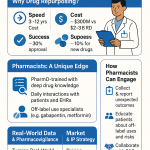
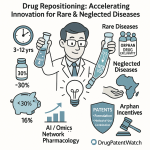
Reduced Cost: Repurposing can slash R&D expenses by an estimated 50-60%.1 The average cost to develop a repurposed drug is around $300 million, a stark contrast to the staggering $2 to $3 billion often required to bring a novel drug to market.1 This substantial cost reduction is attributable to the ability to bypass the most resource-intensive stages of development, such as extensive preclinical compound discovery and Phase I safety studies, given that existing safety and toxicity data are already available for the repurposed compound.3
Accelerated Timelines: Development timelines can be shortened significantly, typically ranging from 3 to 12 years for repurposed drugs, compared to 10 to 15 years for new chemical entities.1 This acceleration, which effectively shaves 5 to 7 years off the journey to market, is a game-changing advantage in a competitive landscape where time-to-market is paramount.1
Lower Risk of Failure: Perhaps the most profound advantage is the dramatically lower risk of failure. Repurposed drugs, by definition, have an established human safety profile. This pre-existing knowledge base drastically reduces the risk of failure due to safety concerns. Consequently, the approval rate for repurposed drugs that successfully complete Phase I trials can be as high as 30%, a notable improvement over the typical success rate of less than 10% for traditional de novo drug development.1
This quantifiable advantage fundamentally alters the investment calculus for pharmaceutical projects. In an era where venture capitalists and internal budget committees seek to de-risk investments, the “de-risking premium” associated with repurposed assets is invaluable.1 It is not merely about a lower dollar value but about a higher certainty of a positive outcome. This makes repurposing a more attractive and reliable investment avenue than the high-risk, long-shot bets of
de novo discovery, positioning it as a core component of modern drug development portfolios and a critical lever for sustainable growth.
Here is a comparative overview of the key features distinguishing traditional drug discovery from drug repurposing, highlighting the strategic advantages offered by the latter:
Feature
Traditional Drug Discovery
Drug Repurposing
Cost
>$2.5 billion 4
<$500 million (average $300 million) 4
Time-to-clinic
10–15 years 4
3–12 years (average 6 years) 4
Failure rate
90–95% 4
25–70% (up to 30% approval rate after Phase I) 4
Key Development Stages Bypassed
None 4
Preclinical discovery, extensive toxicology, often Phase I safety trials 4
Primary IP Protection
Composition of Matter & Method of Use Patents 4
Primarily Method of Use; sometimes Formulation/Combination Patents 4
Commercial Exclusivity (US)
5 years (New Chemical Entity) 4
3 years (New Use/Formulation) 4
A Masterclass in Repurposing: A Detailed Strategic Blueprint
Successfully reviving a discontinued drug requires a multifaceted and highly strategic approach. It’s a process that moves beyond a single discovery and into a full-scale business plan encompassing repositioning, reformulation, and strategic asset acquisition.
The Foundational Pillar: Repositioning for New Indications
Repositioning, the most common form of repurposing, involves the strategic application of an existing drug to a new disease or patient population.4 This can be a “soft” repurposing for a related indication (e.g., another type of cancer) or a “hard” repurposing for an entirely new condition (e.g., a cardiovascular drug for a neurological disorder).4 The key to success is moving beyond serendipity and adopting a modern, data-driven approach. Instead of waiting for a “happy accident,” modern methodologies use advanced computational models to identify non-obvious connections between a drug’s mechanism of action and an unmet medical need.4 This systematic approach is the engine of modern drug revival.
The Tactical Advantage: Reformulation for Market Re-entry
A drug may fail not because the active ingredient is ineffective, but because its delivery or formulation is sub-optimal for a new indication.8 Reformulating an existing drug can not only create a superior product but also secure new, robust intellectual property (IP) protections. This can involve creating an extended-release tablet, a transdermal patch, or a new combination product with another drug.1 This tactic provides a tactical advantage by creating a physical barrier to entry for competitors, as it patents a physical product, rather than just a method of use.
The Bold Stroke: Asset Acquisition as a Growth Engine
For many companies, the fastest path to a revived drug is through strategic asset acquisition. A corporate development team can conduct a “gap analysis” of their existing portfolio to identify areas of need and then actively search for discontinued or shelved compounds that fit their strategic priorities.29 This process is not a traditional M&A transaction; it is about acquiring a de-risked asset with a known human safety profile.
A prime example is the acquisition of INBRIJA and FAMPYRA by Merz Therapeutics from Acorda Therapeutics in a deal valued at $185 million.30 The transaction allowed Merz to immediately expand its neurology portfolio with existing, revenue-generating assets, a faster and more predictable path to market than internal development.30 For the acquiring company, this is not just about buying a product; it’s about buying a de-risked asset with a quantifiable “de-risking premium”.1 The due diligence for such an acquisition must go far beyond a traditional financial model and requires a forensic-level review of the drug’s full clinical and regulatory history to understand precisely why it was shelved. The business development team must quantify the value of a known safety profile, which represents a massive capital efficiency gain for the acquirer.1
The Economics of Revival: Financial Modeling and ROI Analysis
The revival of a discontinued drug is not just a scientific endeavor; it is a profound financial one. The compelling economics of this approach are a primary driver behind the significant growth in the drug repurposing market.
Quantifying the Opportunity: A Comparative Analysis of Development Costs and Timelines
The global drug repurposing market is on a trajectory of substantial growth, with projections indicating an expansion from approximately $34.98 billion in 2024 to $59.30 billion by 2034, representing a Compound Annual Growth Rate (CAGR) of 5.42%.4 North America holds the largest share of this market, driven by a rising demand for cost-effective therapies and a strong ecosystem for AI-driven discovery.3 This growth is fueled by the economic efficiencies of repurposing, as demonstrated by the stark contrast in development costs and timelines compared to
de novo discovery.3
Building a Robust Financial Model: From Risk-Adjusted NPV to Peak Sales Forecasting
Calculating the return on investment (ROI) for a repurposed drug requires a sophisticated financial model that accounts for the unique risks and advantages of this approach. While the basic ROI formula—$ \frac{(\text{Proceeds} – \text{Cost})}{\text{Cost}} $ —is the starting point, a robust financial model for a drug revival project must be a risk-adjusted Net Present Value (rNPV) model.33
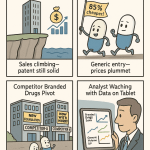
A key element of this model is the ability to project a “stepped” revenue stream.35 In a traditional drug model, revenue falls off a cliff when the primary patent expires. For a repurposed drug, however, a new, patent-protected indication can create a second revenue stream that extends the product’s commercial life. This requires a qualitative assessment of the IP strategy to inform quantitative assumptions in the model, as the strength of the IP is directly correlated with the financial value of the asset.35 The financial model for a repurposing project is not a one-size-fits-all solution; it is a nuanced reflection of the IP and regulatory strategies designed to de-risk the investment.
The “economic paradox” of repurposing generic drugs for common diseases is that while the initial R&D costs are significantly reduced, the lack of robust IP protection can undermine commercial viability.3 This explains the market’s intense focus on rare and orphan diseases, where an Orphan Drug Designation provides an enhanced ROI through 7-10 years of market exclusivity, premium reimbursement, and fee waivers.36 A savvy business leader understands that the financial success of a repurposing project is directly tied to the ability to secure a strong, defensible IP position, which must be modeled from the outset to justify the investment.
Navigating the Labyrinth: Intellectual Property and Regulatory Pathways
In the world of drug repurposing, the scientific discovery is only the first step. The far more intricate challenge—and the one that ultimately determines commercial success—is navigating the intellectual property (IP) labyrinth. Unlike a novel compound, where a strong composition-of-matter patent can create a 20-year fortress of exclusivity, a repurposed drug starts with an inherent vulnerability: the molecule itself is already known and often in the public domain.1 This reality forces a strategic shift away from protecting the
what (the compound) to protecting the how (the new application and its specific implementation).1
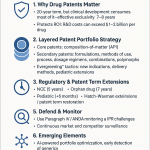
The IP Fortress: Crafting a Multi-Layered Patent Strategy
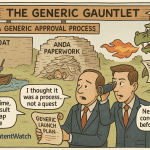
The primary and most fundamental tool in the repurposing IP arsenal is the method-of-use (MoU) patent. This legal instrument does not protect the drug itself but rather the specific method of using that drug to treat a new disease.1 However, this is often considered a weaker form of protection than a composition-of-matter patent due to the risk of “induced infringement” and the “skinny label” strategy. A generic company can sell the drug for its original, off-patent use with a “skinny label” that omits the new, patented indication, creating a “commercial leak” that undermines the brand’s revenue.28 This is not a theoretical problem; it is a tangible commercial risk that directly leads to costly litigation.
To fortify the IP position, companies can seek secondary patents on new formulations (e.g., an extended-release version) or new combinations with other drugs.1 These patents are generally more robust and create a physical barrier to entry for generic competitors. This practice, often referred to as “evergreening,” is a controversial but widely used strategy to extend a drug’s patent life.39 While critics argue it stifles generic competition and keeps prices high, supporters contend it incentivizes continuous innovation and allows companies to recoup their R&D costs. This practice is a key element of pharmaceutical lifecycle management and must be understood by any IP strategist.
The Regulatory Blueprint: The Strategic Value of the 505(b)(2) Pathway
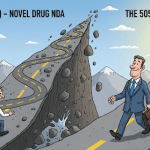
The 505(b)(2) New Drug Application (NDA) pathway is the regulatory lynchpin of drug repurposing in the US. Established by the Hatch-Waxman Amendments of 1984, this pathway streamlines the approval process by allowing a sponsor to rely on the FDA’s previous findings of safety and efficacy for a “reference listed drug” (RLD) or on published literature.1 This pathway provides a faster, less expensive route to approval and can qualify a product for up to three years of market exclusivity for a “new use,” a critical period for recouping investment.42
However, the 505(b)(2) pathway is not a simple form-filing exercise; it requires deep regulatory expertise to execute successfully.44 The sponsor must “build a bridge” between the existing data and their new product, and a single misstep can lead to failure.42 This is particularly true in light of recent policy changes, such as the Centers for Medicare & Medicaid Services (CMS) decision to assign unique billing and payment codes to 505(b)(2) products that are not therapeutically equivalent to their RLDs, adding a new layer of complexity to reimbursement that must be factored into the financial model from the outset.43
The Litigation Minefield: Induced Infringement and “Skinny Labels”
Induced infringement is the primary legal battleground for repurposed drugs. It requires a brand to prove that a generic actively and knowingly encouraged a physician or patient to use the drug in a patented manner.45 The “skinny label” is a generic’s primary defense, where they sell the drug with a label that explicitly excludes the patented use.38
The legal landscape is defined by landmark cases that have shaped this high-stakes game. The Eli Lilly vs. Teva case affirmed that inducing infringement requires a showing that a single actor (e.g., a physician) performs all steps of the patented method, while the more recent Novo Nordisk v. Mylan case reaffirmed that the generic’s label must clearly instruct users to perform the patented method, and mere foreseeability is not enough to prove intent.48 These rulings provide a clear playbook for both sides. For the brand, it means patent claims must be meticulously drafted to align with the FDA-approved label. For the generic, it means the skinny label strategy can be a viable defense, but it must be executed with extreme precision. The success of a drug revival project hinges on a nuanced understanding of current case law and the ability to build an IP strategy that can withstand the inevitable litigation.
“For the leaders and decision-makers in this industry, understanding and harnessing this transformation is not just an opportunity—it is an imperative for survival and growth.”
— Excerpt from The AI Catalyst: Transforming Drug Repurposing into a Strategic Powerhouse 25
The Data-Driven Catalyst: AI, Patent Intelligence, and Collaborative Models
Modern drug revival is a testament to the power of intelligence and collaboration. The days of relying on serendipity are over. The modern revivalist leverages technology and new business models to de-risk projects and fill critical gaps in the market.
The New Frontline: Leveraging AI to Find the Signal in the Noise
The field of drug repurposing is rapidly transitioning from a serendipitous science to a systematic, data-driven discipline, with AI and machine learning as the engines of this transformation.4 AI-powered platforms can sift through vast, heterogeneous datasets—including genomics, proteomics, and scientific literature—to identify non-obvious connections between drugs and diseases.21 This computational screening can identify promising drug candidates with greater precision and predictability, enabling researchers to focus resources where success is most likely.4
However, the biggest hurdle to AI-driven drug repurposing is not the technology, but the accessibility of the data. As one R&D executive noted, “The technology to find repurposing candidates is phenomenal; the bottleneck is data locked behind regulatory and commercial firewalls”.52 This includes data from internal call center logs, patient-reported outcomes, and physician off-label use that rarely reaches researchers.52 To unlock the full potential of AI, new governance and safe-harbor policies are needed to facilitate data sharing without eroding core markets.
The Intelligence Engine: Using Patent Data to Inform Strategy
In a world of constant change, access to real-time, actionable business intelligence is a competitive advantage. Patent analytics provides a strategic lens on the market, allowing companies to intelligently navigate the patent landscape, inform R&D decisions, and anticipate competitive moves.53 A service like
DrugPatentWatch allows IP, R&D, and business development teams to track patent expiration dates, monitor litigation (e.g., Paragraph IV challenges), and identify potential market entry opportunities.54 This intelligence is crucial for building a robust financial model and for conducting a thorough due diligence, as it allows for the qualitative assessment of a patent’s strength and the quantitative modeling of its value.35
A New Ecosystem: The Rise of Venture Philanthropy and Public-Private Partnerships
The “economic paradox” of repurposing—high costs for clinical trials with a low commercial return for off-patent drugs—has created a critical gap in the market.3 This gap is increasingly being filled by non-traditional funding models. Venture philanthropy, exemplified by the Foundation for Prader-Willi Research (FPWR), and public-private partnerships (PPPs) are actively funding clinical trials, particularly for rare diseases where the commercial incentive for a traditional pharma company is low.58 These models align capital behind high unmet medical needs, bridging the gap between a drug’s societal value and its commercial viability and ensuring that promising revival projects are not ignored.
Case Studies in Revival: Lessons from a Troubled Past to a Profitable Future
The history of medicine is replete with powerful examples of drug revival, each offering a unique set of lessons for the modern strategist.
Thalidomide: From a Notorious Tragedy to a Therapeutic Triumph
The Thalidomide story is the ultimate example of a drug revival. Originally marketed as a sedative in the 1950s, it was notoriously withdrawn in 1961 due to its teratogenic effects, which caused severe birth defects.8 Decades later, a physician serendipitously discovered its effectiveness against a painful complication of leprosy.8 Further research uncovered new mechanisms of action—specifically, its ability to inhibit the cytokine TNF-$ \alpha $ and its anti-angiogenic properties—which led to its successful repurposing for multiple myeloma.12 The story of Thalidomide proves that even a drug with a tragic history can be revived and become an irreplaceable agent in a new therapeutic area, provided its mechanisms of action are better understood.
Sildenafil: The Serendipitous Blockbuster
Sildenafil, the active ingredient in Viagra, was originally developed by Pfizer as a treatment for angina, a condition characterized by chest pain.21 During early clinical trials, researchers observed an unexpected and powerful side effect: it induced erections.62 Pfizer’s savvy business development team pivoted and pursued this new indication, leading to one of the most commercially successful drugs in history and forever changing the field of sexual medicine.22 The same molecule was later repurposed again for pulmonary arterial hypertension, a testament to the molecule’s versatility and the power of strategic re-evaluation.23
Other Notable Examples and Lessons Learned
The story of AZT offers another compelling example. Originally a failed cancer drug, it was swiftly repurposed during the HIV/AIDS crisis and became the first approved treatment for the condition.8 This effort advanced the drug from in vitro testing to clinical use in less than 3 years, underscoring the speed of the repurposing pathway.8 The lessons from these successes must be balanced with the lessons from failures. The stories of Vioxx and Bextra underscore the severe consequences of a fundamental safety flaw that was only discovered post-market.11 The withdrawal of Olaratumab highlights the risk of failure due to a lack of efficacy, even after initial accelerated approval.16 These examples serve as a constant reminder of the importance of robust due diligence, which must be a cornerstone of any revival strategy.
Key Takeaways
Drug repurposing is a strategic imperative, not a niche activity. It is a repeatable, data-driven process that fundamentally de-risks R&D and offers a faster, more cost-efficient pathway to market.
Not all discontinued drugs are equal. The most valuable assets are those withdrawn for commercial or strategic reasons, as they possess a known human safety profile—a massive capital efficiency gain that represents a critical sunk cost for the original developer.
IP is the primary determinant of commercial success. A sophisticated, multi-layered IP strategy built on method-of-use, formulation, and combination patents is essential to defend against generic competition and justify the investment in late-stage clinical trials.
The 505(b)(2) pathway is the core regulatory mechanism for revival projects, but it requires deep expertise to navigate the complex legal and practical hurdles, as a single misstep can lead to project failure.
Modern revival is powered by intelligence. The fusion of AI, computational biology, and patent data from platforms like DrugPatentWatch allows companies to move from serendipitous discoveries to systematic, predictable innovation.
New business models are emerging to address the “economic paradox” of repurposing. Venture philanthropy and public-private partnerships are bridging the funding gap for projects that have a high societal value but a low traditional commercial ROI, particularly in the rare disease space.
Frequently Asked Questions (FAQ)
Q1: Why are so many of the most prominent successful repurposing projects for rare diseases?
A: The economic model for repurposing generic drugs for common diseases is fundamentally challenging. The cost of running late-stage clinical trials can be significant, and the resulting intellectual property (a method-of-use patent) is often a weak form of protection that is difficult to enforce. This makes it challenging to recoup the investment. In contrast, repurposing for a rare disease often qualifies for an Orphan Drug Designation, which offers a powerful set of incentives: 7 years of market exclusivity, tax credits, and waived regulatory fees. This favorable regulatory and commercial landscape directly addresses the financial paradox, making these projects more attractive to investors and enabling a better return on investment.3
Q2: Can a generic drug be repurposed and protected, or is that a paradox?
A: It is a strategic paradox, but one with a clear path to resolution. The molecule is a generic, but the new use or a new formulation is not. While it is impossible to patent the generic molecule itself, it is possible to secure new method-of-use patents to protect the new indication. However, this IP is susceptible to “off-label” use by physicians who can prescribe the drug for a use not listed on its “skinny label.” The strongest strategy is to combine a method-of-use patent with a new formulation or combination patent, which can be protected more robustly. This legal “moat” can provide the necessary market exclusivity to justify the investment in clinical trials and protect the resulting revenue stream from immediate generic competition.1
Q3: How does AI help with drug repurposing, and what are its current limitations?
A: AI and machine learning have fundamentally transformed drug repurposing from a practice of serendipity to a repeatable scientific process. AI can analyze vast, unstructured datasets from clinical trials, genomics, and scientific literature to identify non-obvious connections between a drug’s mechanism of action and a new disease pathway. For example, AI can analyze gene expression signatures to find a drug that can reverse a pathological pattern. The primary limitation, however, is not the technology but data access. The most valuable data for finding new indications—physician off-label use and patient-reported outcomes—is often locked behind regulatory and commercial firewalls, preventing AI from reaching its full potential.21
Q4: What is the single biggest risk in a drug repurposing project?
A: The single biggest risk is not scientific failure but commercial failure due to a weak intellectual property position. While a repurposed drug has a known safety profile, its commercial success hinges on the ability to protect the new use from generic competition. A method-of-use patent, while essential, can be difficult to enforce against a generic that uses a “skinny label” to remove the patented use from its FDA-approved indication. The potential for costly, protracted induced infringement litigation, with no guarantee of success, can make or break a project, undermining its ROI and deterring investment from the outset.1
Q5: How can a small biotech company compete with Big Pharma in the repurposing space?
A: Small biotechs have a significant advantage in the repurposing space due to their agility and focus. They can acquire discontinued or shelved assets from large pharmaceutical companies that no longer fit their strategic priorities. Merz Therapeutics’ acquisition of INBRIJA from Acorda is a perfect example of this. Furthermore, smaller companies can form strategic partnerships with academic institutions or leverage non-profit funding models like venture philanthropy, which often finance clinical trials for rare diseases with a low traditional commercial ROI. This allows them to tap into external expertise and capital to advance a project that would otherwise be ignored.30
Drug reformulations and repositioning in the pharmaceutical industry and their impact on market access: regulatory implications – PMC – PubMed Central, accessed September 18, 2025, https://pmc.ncbi.nlm.nih.gov/articles/PMC4865781/
The Serendipitous Story of Sildenafil: An Unexpected Oral Therapy for Erectile Dysfunction., accessed September 18, 2025, https://go.drugbank.com/articles/A175732