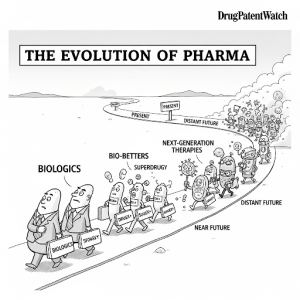
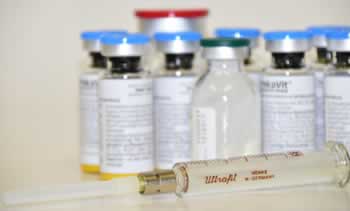
The biopharmaceutical sector is shifting its capital allocation toward living medicines. Biologics now represent nearly 50% of the industry’s total R&D pipeline. The global biologics market is on track to exceed $1 trillion by 2030. This growth comes from a transition toward therapies that use complex biological systems rather than simple chemical synthesis. Unlike small-molecule drugs, biologics are large molecules derived from human, animal, or microbial sources. This complexity creates high barriers to entry. It also changes how companies value their intellectual property (IP). For example, the IP estate for a drug like Humira (adalimumab) is a multi-billion dollar asset that AbbVie protected with over 130 patents. These ‘patent thickets’ are a standard part of the biologic lifecycle. Analysts must view these portfolios as primary drivers of corporate valuation. The emergence of bio-betters adds another layer to this strategy. A bio-better is an improved version of an existing biologic that offers superior efficacy or safety. This allows companies to extend market exclusivity and command premium pricing. Understanding these technical and legal nuances is critical for pharmaceutical investment.
Defining the Strategic Asset Class: Biologics, Biosimilars, and Bio-betters
Biologics: Large Molecules as Proprietary Moats
Biologics are the most complex drugs in modern medicine. They consist of proteins, nucleic acids, or living cells. Their size is vast. Aspirin has 21 atoms. A monoclonal antibody has over 25,000. Structural scale means the manufacturing process determines the final product. In this industry, the process is the product. If a company changes its cell culture media or fermentation temperature, the resulting molecule may function differently. This reality gives the original manufacturer an advantage. Competitors cannot copy the formula. They must replicate a living process. This technical difficulty acts as a natural moat that protects high margins.
Biosimilars: The High Cost of Similarity
A biosimilar is a biological product that is highly similar to a reference biologic. It has no clinically meaningful differences in safety or potency. Biosimilars do not use the same abbreviated pathway as generic small-molecule drugs. The FDA requires extensive analytical and clinical data to prove similarity. This makes development expensive. It costs between $100 million and $250 million to bring a biosimilar to market. For small-molecule generics, the cost is often less than $5 million. Because of these costs, biosimilars rarely see the 80% price drops common in the generic market. They typically offer a 20% to 30% discount. This pricing structure protects the revenue of the original innovator.
Bio-betters: Engineering Commercial and Clinical Superiority
Bio-betters are not copies. They are intentional improvements. A developer may modify a biologic to make it last longer in the body. They may use PEGylation to reduce dosing frequency. They may engineer a more precise binding mechanism. Because a bio-better is a new molecular entity, it requires a full regulatory approval process. This is more expensive than a biosimilar path but offers greater rewards. A successful bio-better receives its own 12-year period of regulatory exclusivity in the US. It also benefits from a new patent portfolio. This is an evergreening tactic. It allows a company to move patients from an old drug to an improved version before the old one loses patent protection.
IP Valuation: The Case of Amgen and Enbrel
Amgen’s Enbrel (etanercept) shows how IP valuation works for biologics. Enbrel was first approved in 1998. Through a series of secondary filings and submarine patents, Amgen has maintained exclusivity for over 25 years. The IP valuation of Enbrel remained a core component of Amgen’s market cap long after the original patents were expected to expire. For investors, this shows that the value of a biologic asset is tied to its legal resilience.
Key Takeaways
Biologics are living medicines where the manufacturing process is a protected asset.
Biosimilars face higher development costs and lower price erosion than chemical generics.
Bio-betters use clinical improvements to secure new periods of market exclusivity.
IP estates for blockbuster biologics include hundreds of patents to create thickets.
Investment Strategy
Institutional investors should prioritize companies with process-heavy patent portfolios. Look for developers who transition their patients to bio-betters at least three years before the primary patent expiration of the reference biologic. This strategy mitigates the patent cliff and stabilizes long-term cash flows.
The Evolution of Biologics: A Technology Roadmap from Extraction to Precision Synthesis
Phase 1: The Era of Biological Extraction
The history of biologics began with extraction. In the early 20th century, clinicians used insulin harvested from the pancreases of cows and pigs. This process was inefficient. It also caused allergic reactions because animal insulin is not identical to human insulin. The IP value during this era was low. There was little room for unique patent claims because the product was a natural extract. The focus was on supply chain rather than molecular engineering.
Phase 2: Recombinant DNA and the Rise of Biotech
The industry changed in the late 1970s. Researchers developed recombinant DNA technology. This allowed them to insert human genes into bacteria or yeast. These organisms then produced human proteins. Genentech used this method to create the first synthetic human insulin in 1982. This was a turning point for IP strategy. For the first time, companies could patent specific genetic sequences and engineered organisms. These foundational patents formed the basis of the modern biotech industry. They created high-value assets that were different from traditional chemicals.
Phase 3: Monoclonal Antibodies and Targeted Therapy
The next major shift occurred with monoclonal antibodies (mAbs). These are proteins designed to bind to specific targets in the body. They changed oncology and immunology. Drugs like Rituxan and Herceptin showed that biologics could be highly targeted. This precision led to a massive increase in commercial value. A single mAb can treat many conditions. Each condition has its own patent for a specific ‘method of use.’ This allows companies to build layers of protection around a single molecule.
Phase 4: Next-Generation Engineering and ADCs
The current phase of biologic evolution includes antibody-drug conjugates (ADCs) and bispecific antibodies. ADCs combine a targeting antibody with a powerful chemotherapy drug. This guided-missile approach improves efficacy while reducing side effects. Bispecific antibodies can bind to two different targets at the same time. These technologies are the foundation of modern bio-betters. They represent a high-density area of patent activity. Companies are filing patents on the linkers that connect the drugs and the specific payloads being delivered.
IP Valuation: Genentech’s Foundational Estate
Genentech’s early patents on recombinant technology were worth billions. They set the precedent that a biological process could be a proprietary asset. Today, companies like Seagen have built their entire valuation on ADC technology. The IP for the ADC platform itself is often more valuable than any single drug in the pipeline. This platform-based IP strategy provides recurring revenue through licensing.
Key Takeaways
Biologic technology has moved from simple extraction to complex molecular engineering.
Foundational patents in recombinant DNA created the multi-billion dollar biotech sector.
Monoclonal antibodies allow for method of use patents that extend commercial life.
Next-generation platforms like ADCs represent the current frontier of high-value IP.
Investment Strategy
Focus on companies that own platform technologies. A platform like an ADC linker or a specific cell-line engineering tool has more long-term value than a single-asset company. These platforms allow for the rapid development of multiple bio-betters. This creates a diversified portfolio of high-exclusivity products.
Key Takeaways
The biopharmaceutical industry is at a strategic inflection point, marked by a divergence in follow-on biologic strategies. While biosimilars are designed to compete on cost and market access through abbreviated regulatory pathways, bio-betters represent a fundamentally different, offensive strategy. By engineering clinical superiority over an existing biologic, bio-better developers can command premium pricing, secure new and robust patent estates, and proactively defend or capture market leadership, effectively neutralizing the threat of the patent cliff.
The global biologics market is a formidable and high-growth sector, with consensus forecasts projecting its value to exceed USD 1 trillion by 2030-2034.1 This expansion is overwhelmingly powered by the oncology and immunology sectors, which remain the most dominant and lucrative therapeutic areas. The high unmet medical need in these fields, combined with the precision of biologic therapies, ensures continued investment and commercial success.
The current wave of innovation is defined by next-generation therapeutic platforms that represent new paradigms in medicine, not just incremental improvements. Modalities such as Antibody-Drug Conjugates (ADCs), Bispecific Antibodies, CAR-T cell therapies, and RNA-based therapeutics are moving from the scientific frontier to the clinical mainstream. Their development pipelines are exceptionally robust and are attracting the lion’s share of venture capital and R&D investment, signaling a long-term strategic shift away from traditional monoclonal antibodies toward more complex and potent therapies.
Intellectual Property (IP) is the central pillar of the entire biologics business model. The strategic approach to IP has evolved significantly from securing a single composition-of-matter patent to the sophisticated construction of dense, multi-layered “patent thickets” and expansive “platform empires.” These strategies, which protect manufacturing processes, novel formulations, delivery devices, and new clinical indications, are essential for maximizing a product’s commercial lifespan and creating formidable barriers to entry for competitors.4
In this high-stakes environment, mastering patent intelligence has transitioned from a specialized legal function to a core competitive necessity for strategic decision-making. The systematic analysis of global patent and regulatory data, facilitated by specialized platforms like DrugPatentWatch, provides an indispensable early-warning system. It allows companies to de-risk R&D investments, anticipate competitor strategies, identify untapped “white space” opportunities, and make strategically sound decisions regarding portfolio management, licensing, and acquisitions.6
I. The Biologics Revolution: Redefining Modern Medicine
The 21st-century therapeutic landscape has been irrevocably transformed by the ascent of biological products, or biologics. These complex, large-molecule therapies have moved from the periphery of medicine to its very center, offering groundbreaking treatments for diseases that were once considered intractable. Their rise represents more than just a new class of drugs; it signifies a fundamental paradigm shift in our understanding of disease and our approach to intervention, moving from the blunt instruments of chemical synthesis to the precision tools of living systems. This section will establish the foundational context of this revolution, defining the key concepts that differentiate these therapies and tracing their historical arc from early discoveries to the modern era of biotechnology.
From Small Molecules to Living Therapies: The Fundamental Shift
For most of the 20th century, the pharmaceutical industry was built upon the foundation of small-molecule drugs. These therapies, synthesized through predictable chemical processes, are characterized by their relatively simple, well-defined structures and low molecular weights. A classic example is aspirin, a molecule composed of just 21 atoms.9 Their simplicity allows for exact replication, giving rise to the generic drug industry where the active ingredient of a generic is chemically identical to its brand-name counterpart.9
Biologics operate in a different universe of scale and complexity. They are not synthesized chemically but are produced in, or derived from, living organisms such as bacteria, yeast, or mammalian cell cultures.9 This biological origin results in molecules that are vastly larger and more intricate than their small-molecule cousins. For instance, the monoclonal antibody infliximab (Remicade), a biologic used to treat autoimmune diseases, is composed of over 18,000 atoms of carbon, hydrogen, and oxygen alone.9 This immense structural complexity means that biologics cannot be characterized as a single, uniform chemical entity but rather as a heterogeneous population of molecules with minor variations.
This inherent complexity has profound implications for manufacturing. The production of biologics is a multifaceted and sensitive process involving the culture of living cells, followed by a series of sophisticated purification steps. The final product is inextricably linked to the process used to create it, giving rise to the industry mantra, “the process is the product”.4 Even minor changes in the manufacturing environment—such as the cell line, culture media, or purification methods—can alter the final molecule’s structure and, consequently, its clinical performance, including its safety and efficacy.12 This reality makes the creation of an identical copy of a biologic a scientific impossibility, a fact that underpins the entire regulatory and competitive landscape of follow-on biologics.13 Furthermore, their delicate nature often requires special handling, such as refrigeration, and administration via injection or infusion rather than oral delivery.9
Defining the Core Concepts: Biologics, Biosimilars, and the Rise of ‘Bio-Betters’
Understanding the strategic landscape requires a precise lexicon. The terms biologics, biosimilars, and bio-betters describe distinct categories of products, each with a unique development path, regulatory status, and commercial strategy. The decision to pursue one path over another is the foundational determinant of a company’s entire approach to the market, shaping everything from R&D investment and clinical trial design to intellectual property strategy and market positioning.
Biologics
A biologic, or biological product, is a therapeutic preparation made from a variety of natural sources—human, animal, or microorganism. These products can be composed of proteins, sugars, nucleic acids (like DNA), or complex combinations of these substances. They also encompass living entities such as cells and tissues used in transplantation.9 The category is broad, including vaccines, gene therapies, recombinant proteins, and the commercially dominant class of monoclonal antibodies.10 These therapies have revolutionized the treatment of many severe and life-threatening diseases, particularly in oncology and immunology.10
Biosimilars
A biosimilar is a “follow-on biologic” that is developed to be highly similar to an already-approved originator biologic, known as the “reference product”.9 Due to the inherent variability of biological manufacturing, a biosimilar is not an exact replica in the way a generic drug is to a small-molecule brand. Instead, its manufacturer must demonstrate through extensive analytical, animal, and clinical studies that it has no clinically meaningful differences from the reference product in terms of safety, purity, and potency.9 The key strategic advantage of the biosimilar pathway is that it is an abbreviated regulatory process. In the United States, this is the 351(k) pathway established by the Biologics Price Competition and Innovation (BPCI) Act of 2009.10 This pathway allows developers to leverage the extensive clinical data of the reference product, significantly reducing the time and cost of development.10 The result is a product that offers comparable therapeutic outcomes at a lower price, intended to increase patient access and foster market competition.10
Bio-betters
The term ‘bio-better,’ also known as a ‘biosuperior,’ is a crucial marketplace and strategic concept, not a formal regulatory designation.17 A bio-better is a follow-on biologic that has been deliberately engineered to be superior to the originator product in one or more clinically relevant attributes.13 The goal is not similarity but improvement. This enhancement could manifest as greater efficacy, an improved safety profile with fewer side effects, reduced immunogenicity, a longer half-life that allows for less frequent dosing, or a more convenient route of administration (e.g., subcutaneous injection instead of intravenous infusion).13
Because bio-betters are intentionally different from the reference product, they are considered new molecular entities. Consequently, they cannot use the abbreviated biosimilar pathway. Instead, they must undergo the full, rigorous regulatory approval process for a new drug—the 351(a) Biologics License Application (BLA) pathway in the U.S..17 This requires a complete set of preclinical and clinical trials to independently establish safety and efficacy. While more costly and time-consuming than developing a biosimilar, this path offers a significant strategic reward: a successful bio-better can secure its own new patent portfolio and a fresh period of market exclusivity, allowing it to command a premium price and establish a new standard of care.22
A Brief History: From Insulin and Vaccines to Monoclonal Antibodies
The roots of biologics stretch back to the dawn of modern medicine. The earliest successes came in the late 19th and early 20th centuries with the development of vaccines by pioneers like Edward Jenner and Louis Pasteur, and serum-based therapies for diseases like diphtheria by Emil von Behring.15 These early products, derived from natural sources, established the principle of using biological substances to treat or prevent disease. The growing production of these agents, including vaccines and sera, led to the first major regulatory milestone in the United States, the Biologics Control Act of 1902, which mandated federal oversight of their quality and production.11
For much of the 20th century, progress was steady but incremental. A significant breakthrough occurred in 1921 with the discovery of insulin, which transformed diabetes from a fatal disease into a manageable condition.18 However, early insulin was extracted from the pancreases of pigs and cows, a difficult and inefficient process.24 The true revolution in biologics began in the 1970s with the advent of two transformative technologies.
First, the development of recombinant DNA technology allowed scientists to insert a human gene into a host organism, such as E. coli bacteria, and use it as a cellular factory to produce a human protein in large quantities.18 This breakthrough led to the FDA approval of the first recombinant human insulin in 1982, marking the beginning of the modern biotech era.18 This technology made possible the mass production of pure, human-identical proteins like insulin and growth hormone, overcoming the production bottlenecks of the past.
Second, in 1975, Georges Köhler and Cesar Milstein developed the hybridoma technique for producing monoclonal antibodies (mAbs), a discovery that earned them a Nobel Prize.24 This technology enabled the creation of large quantities of identical, highly specific antibodies that could be designed to target a single, specific antigen, such as a protein on the surface of a cancer cell. The first therapeutic mAb, muromonab-CD3, was approved in 1985 for preventing organ transplant rejection.24 In the decades since, mAbs have become the dominant class of biologics, forming the backbone of modern therapy for a vast range of cancers and autoimmune diseases.18
This explosion of innovation created a new commercial reality. As the patents on the first generation of blockbuster biologics began to approach their expiration, the need for a regulatory pathway for follow-on versions became apparent. This led to the passage of the BPCI Act in 2009, which created the legal framework for biosimilars in the U.S., setting the stage for the competitive landscape we see today.10
II. The Biologics Market Landscape: A Multi-Billion Dollar Arena
The commercial landscape for biologics is not merely a segment of the pharmaceutical industry; it is increasingly becoming the industry’s primary engine of growth and innovation. Characterized by blockbuster products generating tens of billions in annual revenue, intense competition, and a relentless pace of R&D, the biologics market is a high-stakes arena where scientific breakthroughs translate into significant commercial value. This section will quantify the scale of this opportunity, analyze the key products and corporate players that define the market, and explore the therapeutic areas where these powerful medicines are having the greatest impact.
Sizing the Opportunity: Current Market Valuations and Growth Projections to 2034
The global biologics market represents one of the most valuable and dynamic sectors in the global economy. Market analyses from multiple research firms converge on a staggering valuation for 2024, with estimates ranging from approximately USD 411 billion to USD 564 billion.2 This massive market is not static; it is expanding at a formidable pace. The consensus Compound Annual Growth Rate (CAGR) is projected to be between
8% and 10.5% over the next decade.1
This sustained, high-single-digit to low-double-digit growth trajectory places the biologics market on a path to surpass a valuation of USD 1 trillion between 2030 and 2034, with some forecasts projecting a market size as high as USD 1.38 trillion by that time.1 This remarkable expansion is not speculative; it is underpinned by powerful and enduring drivers: the rising global prevalence of chronic and complex diseases like cancer and autoimmune disorders, continuous and substantial investment in research and development by biopharmaceutical companies, and a robust pipeline of innovative therapies poised to enter the market.1
Geographically, North America stands as the undisputed leader, commanding over 43% to 47% of the global market share.1 The United States, in particular, is the epicenter of the biologics industry, a position attributable to several factors: high per capita healthcare spending, the presence of a majority of the world’s leading biopharmaceutical companies, a well-established and generally favorable reimbursement environment, and the world’s largest ecosystem for R&D investment.3 In fact, biologics already account for a significant portion—approximately 37%—of total drug spending in the U.S..1
The Blockbuster Brigade: Analysis of Top-Selling Biologic Drugs and the Companies Behind Them
The sheer scale of the biologics market is best understood by examining the performance of its leading products. The term “blockbuster,” once reserved for drugs surpassing USD 1 billion in annual sales, now seems inadequate for the titans of this sector. The current global best-selling drug is Merck’s immuno-oncology therapy, Keytruda (pembrolizumab), a monoclonal antibody that has transformed cancer treatment. In 2024, its sales are projected to reach nearly USD 29.5 billion, a figure that rivals the revenue of many Fortune 500 companies.31
Keytruda is not an outlier but the leader of a formidable brigade of biologic blockbusters. This elite group includes:
Eliquis (apixaban), a small molecule but often analyzed alongside biologics in market reports, co-marketed by Bristol Myers Squibb and Pfizer.
Ozempic (semaglutide), a GLP-1 receptor agonist from Novo Nordisk that has reshaped the treatment of diabetes and obesity.
Dupixent (dupilumab), a monoclonal antibody from Sanofi and Regeneron for autoimmune conditions, with 2024 sales reaching over USD 14 billion, a 22% increase from the previous year.31
Skyrizi (risankizumab), AbbVie’s immunology drug, which saw explosive growth of over 50% to reach USD 11.7 billion in sales.31
The immense revenues generated by these products are not merely accounting figures; they are the financial engine that powers the next wave of biopharmaceutical innovation. The high prices commanded by novel biologics are directly reinvested into the high-risk, high-cost R&D required to develop even more advanced platforms like cell and gene therapies.29 This creates a self-perpetuating cycle where today’s commercial success funds tomorrow’s scientific breakthroughs, continually raising the scientific and financial bar for market entry.
The competitive landscape is dominated by a cadre of global pharmaceutical giants, including AbbVie, Amgen, AstraZeneca, Pfizer, Roche (and its subsidiary Genentech), Merck, Sanofi, Johnson & Johnson, Novartis, and Eli Lilly.1 These companies possess the vast resources necessary for the discovery, development, manufacturing, and commercialization of these complex therapies.
At the same time, the market provides a cautionary tale in the form of Humira (adalimumab). Once the world’s top-selling drug, AbbVie’s immunology powerhouse saw its sales plummet by over 37% following the loss of patent exclusivity and the entry of multiple biosimilar competitors in the U.S. market.31 The Humira patent cliff is more than a single event; it is the industry’s most critical real-world case study. It starkly illustrates the existential threat posed by biosimilar competition and validates the absolute strategic necessity for robust lifecycle management, including the development of defensive “patent thickets” and offensive “bio-better” successors. Companies across the industry with their own blockbusters approaching patent expiry are actively implementing strategies learned from AbbVie’s experience to protect their flagship franchises.
Dominant Forces: Why Oncology and Immunology Lead the Charge
The biologics market’s growth is not uniform across all therapeutic areas. Two fields, oncology and immunology, stand out as the primary drivers of both clinical innovation and commercial value.
Oncology is the largest single segment, accounting for a commanding 28% to 45% of the total biologics market.1 This dominance is a direct result of the profound impact that biologics, particularly monoclonal antibodies, have had on cancer treatment. Therapies like Keytruda, Herceptin, and Avastin work by targeting specific molecules involved in cancer cell growth and survival or by harnessing the patient’s own immune system to fight the tumor. This targeted approach often leads to improved efficacy and fewer side effects compared to traditional chemotherapy, addressing a massive and persistent unmet medical need.2
Immunology, which encompasses the treatment of autoimmune diseases such as rheumatoid arthritis, psoriasis, Crohn’s disease, and atopic dermatitis, is the other major pillar of the biologics market. The success of drugs like Humira, and its next-generation successors like Skyrizi and Dupixent, demonstrates the power of biologics to modulate the dysregulated immune responses that drive these chronic and debilitating conditions.31
Underpinning the success in both of these fields is the monoclonal antibody (mAb) platform. mAbs are the dominant product type by a wide margin, representing an estimated 47% to 69% of the entire biologics market.3 Their remarkable success is due to their exquisite specificity, allowing them to bind to a single target with high affinity, and their versatility, which enables a wide range of therapeutic mechanisms, from blocking signaling pathways to delivering cytotoxic payloads directly to diseased cells.3
III. The Bio-Better Strategy: Engineering Superiority
In the high-stakes world of biopharmaceuticals, the expiration of a blockbuster drug’s patent portfolio represents both a threat and an opportunity. The threat comes from biosimilar competitors, poised to enter the market with lower-cost alternatives and erode the originator’s revenue stream. The opportunity, however, lies in a more sophisticated and offensive strategy: the development of a “bio-better.” This approach moves beyond mere replication and aims to create a new, clinically superior product that can not only defend a franchise but extend its leadership for another generation. This section will dissect the scientific principles and compelling commercial rationale behind the bio-better strategy, illustrating its power through real-world case studies.
Beyond Similarity: The Scientific Case for Improving on the Original
The fundamental premise of a bio-better is to leverage modern bioengineering techniques to deliberately modify an existing, successful biologic in ways that enhance its clinical performance.17 This is not a random process but a targeted effort to address known limitations of the original molecule, focusing on improving its pharmacokinetics (what the body does to the drug) and pharmacodynamics (what the drug does to the body).
One of the most common and successful strategies for creating a bio-better is to extend the drug’s half-life, thereby reducing the frequency of administration. A prime example of this is PEGylation, the process of attaching chains of a polymer called polyethylene glycol to the biologic molecule.39 This modification effectively increases the drug’s hydrodynamic size, which slows its clearance by the kidneys and protects it from enzymatic degradation.40 The clinical result is a drug that remains in the body for a longer period, allowing a dosing schedule to be changed from, for example, daily or weekly to bi-weekly or even monthly. This significant improvement in patient convenience and adherence is a powerful differentiator in the market.39
Other molecular engineering techniques aim to improve a drug’s direct therapeutic action or safety profile. These can include:
Glycoengineering: Altering the complex sugar molecules (glycans) attached to a protein. This can be used to enhance a monoclonal antibody’s ability to recruit immune cells to kill a target cell (a function known as antibody-dependent cell-mediated cytotoxicity, or ADCC).19
Amino Acid Sequence Modification: Making specific changes to the protein’s amino acid backbone to increase its binding affinity for its target, improve its stability, or reduce its potential to trigger an unwanted immune response (immunogenicity).13
Fusion Proteins: Fusing the active part of a biologic to another protein, such as the Fc region of an antibody, to leverage the antibody’s natural long half-life.40
Conjugation: Attaching a second active molecule, such as a potent chemotherapy drug, to a monoclonal antibody to create an Antibody-Drug Conjugate (ADC). This turns the antibody into a highly targeted delivery vehicle for a toxic payload.44
Through these and other advanced techniques, scientists can create a second-generation product that is demonstrably “better” than the original, offering tangible benefits to patients and prescribers.21
The Commercial Rationale: De-risked Development and Premium Market Positioning
The scientific advantages of a bio-better translate directly into a compelling business case that stands in stark contrast to that of a biosimilar. While a bio-better requires a greater upfront investment in R&D and clinical trials than a biosimilar, it offers a more attractive risk-reward profile and a more sustainable long-term market position.
A key advantage is de-risked development. Bio-betters are built upon the foundation of a reference biologic whose mechanism of action and clinical target have already been validated and proven successful.17 This eliminates the enormous risk and expense associated with early-stage discovery research for a completely novel drug, where the vast majority of candidates fail because the biological target proves to be invalid. With a bio-better, the primary development risk is shifted from “will it work?” to “can we make it work better?”—a significantly more manageable challenge.44
The strategic timing and intellectual property advantages are also profound. Unlike a biosimilar, which must wait for the reference product’s patents and regulatory exclusivities to expire, a bio-better can be developed and launched at any time.22 Because it is a new molecular entity, a successful bio-better can be protected by its own new patent portfolio, granting it a fresh 20-year period of patent life and its own period of regulatory data exclusivity.21
This strong IP position allows the bio-better to be positioned and priced as a premium, innovative product rather than a discounted alternative. By offering a clear clinical advantage over the originator biologic and its subsequent biosimilars, a bio-better can command a price equal to or even higher than the original drug.17 This strategy effectively transforms the existential threat of a patent cliff into a strategic opportunity for franchise renewal and continued market leadership.21
A Comparative Analysis of Biologics, Biosimilars, and Bio-Betters
The strategic differences between these three classes of products are fundamental to understanding the competitive dynamics of the biopharmaceutical industry. The following table provides a concise, side-by-side comparison of their key attributes.
Feature
Originator Biologic
Biosimilar
Bio-Better (Biosuperior)
Definition
A novel therapeutic derived from living organisms
Highly similar to an approved reference biologic
An improved version of an existing biologic
Goal
Establish a new treatment standard
Provide a lower-cost alternative
Offer superior clinical performance
Regulatory Pathway (U.S.)
Full BLA [351(a)]
Abbreviated BLA [351(k)]
Full BLA [351(a)] as a new drug
Development Risk
High (unproven target/mechanism)
Low (proven target/mechanism)
Moderate (proven target, unproven modification)
Development Cost
Very High
Lower
High (but lower than originator)
Intellectual Property
New patent portfolio
Cannot be patented; must navigate existing patents
New, independent patent portfolio is possible
Market Exclusivity
Full period of patent life + data exclusivity
None beyond what the market bears
New period of patent life + data exclusivity
Pricing Strategy
Premium
Discounted (vs. originator)
Premium (often higher than originator)
Launch Timing
N/A
Must wait for patent/exclusivity expiry
Can be launched at any time
Case Studies in Success: How Bio-betters Reshaped Their Markets
The theoretical advantages of the bio-better strategy are borne out by numerous real-world commercial successes where companies have effectively extended the life and value of their most important franchises.
Case Study 1: PEGylation and the Long-Acting Franchise Defense
The quintessential example of a successful bio-better is Amgen’s Neulasta (pegfilgrastim).40 Amgen’s original product, Neupogen (filgrastim), is a granulocyte colony-stimulating factor (G-CSF) used to prevent infections in cancer patients undergoing chemotherapy. However, it required daily injections. By applying PEGylation technology, Amgen created Neulasta, a long-acting version that only needs to be administered once per chemotherapy cycle.41 This dramatic improvement in convenience and patient compliance was a powerful clinical advantage. When Neupogen’s patents expired and biosimilars entered the market, Amgen had already successfully transitioned a significant portion of its patient base to the patent-protected Neulasta. The Neupogen biosimilars could only compete with Neupogen on price; they could not match the superior dosing schedule of Neulasta. This allowed Amgen to maintain market dominance and premium pricing in the G-CSF space for many more years.39 This strategy of “strategic cannibalization”—proactively migrating a patient base to a superior, patent-protected successor product before the original’s patent cliff—has become a textbook example of effective lifecycle management. Other successful examples of this approach include Roche’s
Mircera (a long-acting bio-better of Amgen’s erythropoietin drug, Epogen) and Biogen’s Plegridy (a PEGylated version of its multiple sclerosis drug, Avonex).40
Case Study 2: Antibody-Drug Conjugates as Next-Generation Bio-betters
Another powerful bio-better strategy involves using an existing monoclonal antibody as a targeting vehicle to deliver a second therapeutic agent. Roche/Genentech’s Kadcyla (ado-trastuzumab emtansine) is a bio-better of its own multi-billion dollar blockbuster, Herceptin (trastuzumab).41 Herceptin is highly effective at targeting HER2-positive breast cancer cells. Kadcyla takes this a step further by chemically linking Herceptin to a potent chemotherapy agent, DM1. The resulting ADC uses the Herceptin antibody to find the cancer cells and deliver the toxic payload directly inside them, increasing efficacy while reducing the systemic side effects of chemotherapy.45 Similarly, Roche’s
Gazyva (obinutuzumab) is a glycoengineered bio-better of its hematology drug Rituxan (rituximab), designed to have enhanced cytotoxicity and a different mechanism of action.41
Case Study 3: Innovation in Delivery and Formulation
Improvements do not always have to be at the molecular level. A change in the route of administration or formulation can also create a compelling bio-better. Celltrion’s Zymfentra (infliximab-dyyb) is a subcutaneous formulation of infliximab, a drug traditionally administered via a lengthy intravenous infusion in a hospital or clinic.46 By allowing patients to self-administer the drug at home, Zymfentra offers a massive improvement in convenience and quality of life. Because of this significant change, the FDA approved Zymfentra not as a biosimilar but as a novel drug with its own unique license, demonstrating that innovation in delivery can be just as valuable as innovation in molecular structure.46 Another example is
Genentech’s Susvimo, a tiny, refillable ocular implant that continuously delivers its anti-VEGF drug ranibizumab (Lucentis) to the eye, treating neovascular age-related macular degeneration for months at a time and eliminating the need for frequent, uncomfortable intravitreal injections.48
IV. Charting the Course: Navigating the Regulatory Maze
The strategic decision to develop a biosimilar versus a bio-better is inextricably linked to the regulatory pathway required for approval. These pathways, governed by agencies like the U.S. Food and Drug Administration (FDA) and the European Medicines Agency (EMA), are not mere administrative hurdles; they are fundamentally different frameworks that dictate development timelines, data requirements, costs, and ultimately, the competitive structure of the market. Understanding the nuances of these regulatory systems is paramount for any company seeking to compete in the biologics space.
Two Paths Diverged: The FDA’s 351(a) vs. 351(k) Pathways
In the United States, the Public Health Service Act provides two distinct licensure pathways for biological products. The choice between them is determined by the nature of the product being developed and forms the basis of its entire strategic plan.
The 351(a) Pathway: The Road for Innovators
The 351(a) pathway is the “stand-alone” Biologics License Application (BLA). This is the traditional, full approval route that must be taken by all novel, innovative biologics.16 Critically, this is also the pathway required for
bio-betters. Because a bio-better is intentionally modified to be different from and superior to its reference product, it is considered a new drug by the FDA.17 An applicant using the 351(a) pathway must submit a comprehensive data package containing a full complement of product-specific preclinical and clinical studies (Phase I, II, and III) to independently establish the product’s safety, purity, and potency for each intended indication.49 This is a long, arduous, and extremely expensive process, often taking over a decade and costing billions of dollars, but it is the price of innovation and the gateway to securing a new period of patent protection and market exclusivity.
The 351(k) Pathway: The Abbreviated Route for Biosimilars
The 351(k) pathway was created by the Biologics Price Competition and Innovation (BPCI) Act of 2009 specifically to provide an abbreviated licensure route for biosimilars.11 The goal of a 351(k) application is not to independently re-establish the safety and efficacy of the molecule, but to demonstrate “biosimilarity” to an FDA-approved reference product.16 This is achieved through a “totality-of-the-evidence” approach, which places a heavy emphasis on extensive and sophisticated analytical studies that compare the structural and functional attributes of the proposed biosimilar against the reference product.49 This analytical data is the foundation of the application and is supplemented by animal studies and targeted clinical studies (e.g., pharmacokinetic and pharmacodynamic comparisons) as needed to resolve any residual uncertainty.14
By allowing a biosimilar developer to rely on the FDA’s previous finding of safety and effectiveness for the reference product, the 351(k) pathway significantly reduces the scope and scale of required clinical trials. This abbreviated process leads to substantially lower development costs and a faster time to market compared to the 351(a) pathway, enabling the price competition that is the central goal of the legislation.10
Within the 351(k) framework, a developer can also seek an interchangeability designation. This requires additional clinical data demonstrating that the biosimilar can be expected to produce the same clinical result as the reference product in any given patient and that the risk of alternating or switching between the two products is no greater than using the reference product alone.49 An interchangeable biosimilar can be substituted for the reference product at the pharmacy level without the intervention of the prescribing physician, subject to state pharmacy laws, which can be a significant commercial advantage.10
The European Approach: The EMA Framework for Novel Biologics and Biosimilars
The European Union, through the European Medicines Agency (EMA), has been a pioneer in the regulation of follow-on biologics, establishing a framework for biosimilars several years before the U.S. and approving the first biosimilar product in 2006.42
The EMA’s approach to biosimilars is conceptually similar to the FDA’s. It requires a comprehensive comparability exercise to demonstrate that the proposed biosimilar is highly similar to the reference medicine in terms of quality, safety, and efficacy.53 This allows the biosimilar to leverage the reference product’s data and avoid the unnecessary repetition of large-scale clinical trials.53 A key operational feature of the EMA system is the
centralized procedure, whereby a single marketing authorization application is submitted to the EMA, and if successful, grants approval to market the product in all EU member states simultaneously.51
A notable point of divergence from the U.S. system lies in the concept of interchangeability. The EMA and the Heads of Medicines Agencies (HMA) have issued a scientific opinion stating that all biosimilars approved in the EU are considered interchangeable. This means a physician can confidently prescribe a biosimilar in place of the reference product or switch a patient from the reference product to a biosimilar (or between biosimilars of the same reference product).51 However, the authority to permit
automatic substitution at the pharmacy level (i.e., a pharmacist dispensing a biosimilar for a prescription written for the reference product without consulting the doctor) is not held by the EMA but is decided by the national health authorities of each individual member state.53
For bio-betters, the European pathway mirrors the logic of the U.S. system. As new, intentionally modified medicines, they are not eligible for the biosimilar pathway. Instead, they must be submitted as a full, stand-alone marketing authorization application under Article 8(3) of Directive 2001/83/EC, requiring a complete and independent dossier of quality, non-clinical, and clinical data.54
Why Bio-betters are “New Drugs”: The Implications for Clinical Trials and Data Requirements
The distinction between the regulatory pathways underscores a critical strategic point: a bio-better is, for all intents and purposes, a new drug. The decision to pursue a bio-better is a commitment to a full-scale drug development program.22 Because the product’s formulation, structure, or delivery has been intentionally modified, the developer cannot rely on the clinical data of the reference product to support its approval.13
The bio-better must be evaluated as an Investigational New Drug (IND) from the outset. This necessitates a complete clinical trial program, typically including:
Phase I trials: To assess safety, tolerability, and pharmacokinetics in a small group of healthy volunteers or patients.
Phase II trials: To evaluate efficacy and further assess safety in a larger group of patients with the target disease.
Phase III trials: Large-scale, pivotal studies to confirm efficacy, monitor side effects, and compare the drug to the current standard of care in a broad patient population.
This comprehensive data package must be generated for every clinical indication for which the bio-better seeks approval.43 While this represents a substantially higher investment of time and capital compared to the biosimilar path, it is the necessary price of innovation. The reward for successfully navigating this rigorous process is a product that is not just a copy but a potential new standard of care, supported by a fresh grant of market exclusivity and its own defensible intellectual property.22 This regulatory framework itself acts as a strategic moat. The high cost and complexity of the 351(a) pathway serve as a significant barrier to entry, filtering out all but the most well-resourced and scientifically advanced companies. In contrast, the more accessible 351(k) pathway is designed to encourage more competitors, leading to a market defined by intense price competition. Thus, the regulatory system implicitly creates two distinct competitive arenas: a high-margin, innovation-driven market for bio-betters, and a lower-margin, volume-driven market for biosimilars.
V. The Next Frontier: A Deep Dive into Advanced Therapeutic Platforms
The evolution of biologics is accelerating at an unprecedented rate, moving far beyond the foundational platform of monoclonal antibodies. A new frontier of therapeutic modalities is emerging from the world’s leading research laboratories and biotech companies, promising to treat diseases with a level of precision and efficacy previously unimaginable. These next-generation platforms—including targeted payloads like Antibody-Drug Conjugates and Bispecific Antibodies, “living drugs” like cell and gene therapies, and programmable medicines like RNA therapeutics—are not merely incremental improvements. They represent fundamental shifts in medical science and are the primary source for the bio-betters of tomorrow. This section provides a deep dive into the mechanisms, applications, and development pipelines of these revolutionary technologies.
Overview of Next-Generation Therapeutic Platforms
To navigate this complex and diverse landscape, it is helpful to first establish a framework. The following table provides a high-level summary of the key next-generation platforms, their core mechanisms of action, and their current stage of clinical and commercial development.
Platform
Mechanism of Action Summary
Key Clinical Applications
Development Stage
Antibody-Drug Conjugates (ADCs)
Monoclonal antibody targets a tumor antigen to deliver a potent cytotoxic payload directly to cancer cells.
Oncology (Breast, Lung, Hematologic Malignancies)
Commercial (multiple approvals), robust pipeline
Bispecific Antibodies
Engages two different targets simultaneously, e.g., bridging a T-cell to a tumor cell for targeted killing.
Oncology, Autoimmune Diseases, Ophthalmology
Commercial (multiple approvals), robust pipeline
CAR-T Cell Therapy
Patient’s T-cells are genetically engineered ex vivo to express a Chimeric Antigen Receptor (CAR) to target cancer.
Targeted Payloads: Antibody-Drug Conjugates (ADCs) and Bispecific Antibodies
This class of therapeutics enhances the functionality of traditional monoclonal antibodies by adding new capabilities, either by turning them into delivery vehicles or by enabling them to engage multiple targets at once.
ADCs: The “Magic Bullet” Concept Realized
Antibody-Drug Conjugates (ADCs) represent the modern realization of Paul Ehrlich’s century-old concept of a “magic bullet”—a therapy that could selectively target and destroy pathogens or diseased cells without harming the host.15 An ADC is a complex, three-part molecule:
A Monoclonal Antibody (mAb): This component is engineered to bind with high specificity to a tumor-associated antigen, a protein that is overexpressed on the surface of cancer cells relative to healthy cells.55
A Cytotoxic Payload: This is a highly potent “warhead,” often a chemotherapy agent that is too toxic to be administered systemically on its own.57
A Chemical Linker: This molecule stably connects the payload to the antibody while it circulates in the bloodstream, but is designed to release the payload once the ADC is inside the target cancer cell.55
The mechanism of action is elegant and powerful. After administration, the ADC circulates until the antibody component finds and binds to its target antigen on a cancer cell. The entire ADC-antigen complex is then internalized by the cell through endocytosis.55 Once inside, the linker is cleaved (either by enzymes or the acidic environment of the lysosome), releasing the potent cytotoxic payload directly at the site of action. This targeted delivery allows for a much higher concentration of the drug inside the tumor cell, leading to cell death while minimizing the collateral damage to healthy tissues that characterizes conventional chemotherapy.57 The ADC clinical pipeline is one of the most active in oncology, with over 100 novel ADCs in active trials and more than a dozen already approved by the FDA for treating a range of solid tumors and hematologic malignancies.61
Bispecifics: Engaging Two Targets for Synergistic Efficacy
While traditional mAbs are monospecific (binding to one target), Bispecific Antibodies (BsAbs) are engineered with two distinct binding domains, allowing them to simultaneously engage two different antigens or two different epitopes on the same antigen.64 This dual-targeting capability unlocks a variety of novel therapeutic mechanisms that are impossible to achieve with a single antibody.
The most prominent application of BsAbs is as T-cell Engagers (TCEs). These molecules are designed with one arm that binds to a tumor-associated antigen on a cancer cell and a second arm that binds to an activating receptor, typically CD3, on the surface of a cytotoxic T-cell.66 By physically bridging the cancer cell and the T-cell, the BsAb forces the formation of an immune synapse, activating the T-cell to release cytotoxic granules and kill the cancer cell, effectively redirecting the patient’s own immune system to attack the tumor.65
Other mechanisms of action for BsAbs include:
Dual Signaling Blockade: Simultaneously blocking two different signaling pathways that are critical for tumor growth and survival.66
Forcing Protein Complex Association: Bringing two proteins together that would not normally interact to trigger a desired biological effect.65
Improved Targeting: Requiring binding to two different antigens on the same cell to activate, thereby increasing specificity for cancer cells over healthy cells that may express only one of the antigens.
The clinical and commercial potential of BsAbs has been validated by a recent surge in approvals. Since the end of 2020, eleven new BsAbs have received regulatory approval, the vast majority of which are for cancer indications, establishing this platform as a major new pillar of immunotherapy.70
Living Drugs: The Dawn of Cell and Gene Therapies
Perhaps the most revolutionary advance in biologics is the development of therapies that are not just molecules, but living cells or genetic instructions designed to permanently or durably correct disease at its source.
CAR-T Cell Therapy
Chimeric Antigen Receptor (CAR) T-cell therapy is a highly personalized form of cancer immunotherapy that transforms a patient’s own immune cells into a targeted “living drug”.71 The complex process involves several steps:
Collection: T-cells are collected from the patient’s blood via a procedure called leukapheresis.73
Engineering: In a specialized manufacturing facility, the T-cells are genetically modified using a viral vector (typically a lentivirus) to introduce a new gene that codes for a CAR.72 This CAR is a synthetic receptor designed to recognize a specific antigen on the surface of the patient’s cancer cells (e.g., CD19 on B-cell malignancies).71
Expansion: The newly created CAR-T cells are grown and multiplied in the lab until they number in the hundreds of millions.71
Infusion: The patient undergoes a brief course of lymphodepleting chemotherapy to make space for the new cells, after which the expanded CAR-T cells are infused back into the patient’s bloodstream.74
Once infused, the CAR-T cells circulate throughout the body, and their engineered receptors allow them to identify, bind to, and launch a potent cytotoxic attack against any cancer cells expressing the target antigen. Furthermore, these cells can persist and multiply in the body for months or even years, providing long-term surveillance against cancer recurrence.71 This approach has demonstrated unprecedented rates of complete remission in patients with relapsed or refractory B-cell leukemias, lymphomas, and multiple myeloma, leading to multiple FDA-approved products like Kymriah, Yescarta, and Abecma.71
AAV Gene Therapy
Gene therapy aims to treat genetic diseases by introducing a correct copy of a faulty or missing gene into a patient’s cells.77 The most common and successful method for in vivo gene delivery is the use of an
Adeno-Associated Virus (AAV) as a vector.80 AAV is a small, non-pathogenic virus that has been engineered for therapeutic use by removing its own viral genes and replacing them with a human therapeutic gene.77
The mechanism involves administering the AAV vector, which then travels to the target tissue (e.g., muscle, liver, or retinal cells). The AAV binds to receptors on the cell surface and is taken into the cell, eventually traveling to the nucleus.82 Inside the nucleus, the viral capsid uncoats, releasing its single-stranded DNA payload. The cell’s own machinery then converts this into a stable, double-stranded episome—a circular piece of DNA that resides in the nucleus but does not integrate into the host chromosome. This episome serves as a durable template for the cell to transcribe the new gene and produce the functional protein that the patient was lacking.80 AAV gene therapy has led to groundbreaking, potentially curative treatments for rare monogenic disorders, with approved therapies like Zolgensma for spinal muscular atrophy and Luxturna for an inherited form of blindness.76
CRISPR-Based Therapies
While AAV gene therapy is a form of gene addition, therapies based on CRISPR (Clustered Regularly Interspaced Short Palindromic Repeats) technology represent the frontier of gene editing—the ability to make precise changes to the existing DNA sequence within a cell.83 The most widely used system, CRISPR-Cas9, functions like a pair of molecular scissors:
A guide RNA (gRNA) is designed to be complementary to a specific target DNA sequence in the genome.83
This gRNA is complexed with a Cas9 nuclease, an enzyme that cuts DNA.85
When introduced into a cell, the gRNA directs the Cas9 protein to the precise target site in the DNA.
The Cas9 protein then creates a double-strand break (DSB) at that specific location.83
The cell’s natural DNA repair machinery is then co-opted to achieve the desired edit. The non-homologous end joining (NHEJ) pathway, which is error-prone, can be used to “knock out” a gene by introducing small insertions or deletions that disrupt its function. Alternatively, if a DNA repair template is provided, the homology-directed repair (HDR) pathway can be used to “knock in” a new sequence or correct a pathogenic mutation.83 The first-ever CRISPR-based therapy,
Casgevy, was approved in late 2023 for treating sickle cell disease and beta-thalassemia by editing a patient’s own hematopoietic stem cells ex vivo to restore fetal hemoglobin production.24
These advanced platforms are not operating in isolation. A clear trend toward the convergence of platforms is creating what could be described as “bio-betters of bio-betters.” For instance, researchers are developing bispecific ADCs that can target two different tumor antigens, enhancing specificity and overcoming resistance mechanisms that might thwart a traditional ADC.61 Similarly, CRISPR technology is being used to engineer safer and more effective “armored” CAR-T cells that are resistant to the immunosuppressive tumor microenvironment. This combinatorial innovation is creating a new wave of highly sophisticated, multi-modal therapies, demonstrating an accelerating pace of progress in the field.
Harnessing the Messenger: The Power of RNA Therapeutics
A distinct but equally revolutionary category of next-generation biologics operates at the level of RNA, the intermediary molecule that translates the genetic code of DNA into the functional proteins of the cell. By targeting or utilizing RNA, these therapies can control gene expression with remarkable precision and versatility.
mRNA Technology
Messenger RNA (mRNA) therapeutics leverage the cell’s natural protein-making machinery to produce a therapeutic effect. The technology, which gained global prominence with the rapid development of COVID-19 vaccines, involves several key components:
In Vitro Transcription (IVT): A synthetic mRNA molecule is manufactured in a lab. This mRNA is designed to carry the genetic code for a specific protein of interest.89 The sequence is optimized with modified nucleosides (like 1-methylpseudouridine) to increase its stability and reduce its immunogenicity.91
Lipid Nanoparticle (LNP) Delivery: The fragile mRNA molecule is encapsulated within a protective bubble of lipids, called an LNP. This particle protects the mRNA from degradation in the bloodstream and facilitates its uptake into target cells.91
Cellular Translation: Once the LNP is taken up by a cell, it releases the mRNA into the cytoplasm. The cell’s own ribosomes then read the mRNA sequence and translate it into the encoded protein.90
The therapeutic application depends on the protein being produced. In vaccines, the mRNA encodes a viral antigen (like the SARS-CoV-2 spike protein), which stimulates a robust immune response.92 In other applications, the mRNA can encode a functional enzyme to replace a missing one in a rare metabolic disease, or even tumor-specific neoantigens to create a personalized cancer vaccine.94 The key advantages of mRNA technology are its speed of development—a new mRNA for a different protein can be designed and manufactured in weeks—and its transient nature, as the mRNA is naturally degraded by the cell after a short period, avoiding the risk of permanent genetic alteration.90 The clinical pipeline is expanding rapidly beyond vaccines into oncology, rare diseases, and regenerative medicine.94
siRNA Therapeutics
While mRNA therapy is about adding a message, small interfering RNA (siRNA) therapy is about silencing one. This technology harnesses a natural cellular process called RNA interference (RNAi) to specifically turn off the expression of a disease-causing gene.96 The mechanism is as follows:
A short, double-stranded siRNA molecule is synthesized to be perfectly complementary to the mRNA sequence of the target gene.96
This siRNA is introduced into the cell, often conjugated to a targeting ligand (like GalNAc, which directs it to the liver) to ensure delivery to the correct tissue.97
Inside the cell, the siRNA is loaded into a multi-protein complex called the RNA-Induced Silencing Complex (RISC).96
The RISC complex unwinds the siRNA, retaining one “guide” strand. This guide strand then directs the RISC complex to find and bind to its complementary target mRNA molecule.99
Once bound, the Argonaute-2 protein within the RISC complex acts as molecular scissors, cleaving the target mRNA. The cleaved mRNA is then rapidly degraded by the cell.96
By destroying the mRNA before it can be translated, siRNA therapy effectively prevents the production of the harmful protein. This approach is highly specific and potent, with a single siRNA molecule able to trigger the degradation of multiple mRNA targets.98 It has proven highly successful for treating diseases caused by the overproduction of a single, well-defined protein. Approved siRNA therapies include Patisiran for hereditary transthyretin amyloidosis, Givosiran for acute hepatic porphyria, and Inclisiran for lowering LDL cholesterol by silencing the PCSK9 gene.96
The rise of RNA and gene editing therapies represents a fundamental expansion of the therapeutic landscape. For decades, drug development was constrained to targeting proteins that were “druggable”—that is, possessing a binding pocket that a small molecule or antibody could interact with. Many disease-causing proteins lacked such features and were considered intractable. RNA and gene editing technologies bypass this limitation entirely. By targeting the mRNA or the DNA source code itself, these modalities make virtually any gene in the human genome a potential therapeutic target.100 This exponential expansion of the “druggable universe” is opening up vast new white spaces for therapeutic intervention and represents arguably the single greatest increase in therapeutic possibility in the history of medicine.
VI. The Strategic Imperative: Turning Patent Data into Competitive Advantage
In the biopharmaceutical industry, scientific innovation is only one part of the equation for success. The other, equally critical component is a sophisticated and forward-looking intellectual property (IP) strategy. The enormous cost, time, and risk inherent in developing a new biologic can only be justified by a period of market exclusivity that allows a company to recoup its investment and fund future research. In this context, patents are not merely legal instruments; they are the core strategic assets that underpin the entire business model. This section will explore the central role of IP in biopharma, the evolution of patent strategies, and how the systematic analysis of patent data has become an indispensable tool for gaining a decisive competitive advantage.
Intellectual Property as the Lifeblood of Biopharma Innovation
The journey of a biologic from a laboratory concept to an approved medicine is one of the most expensive and uncertain endeavors in any industry. The average cost to develop a new drug is frequently cited as exceeding USD 2.6 billion, a figure that accounts for the high rate of failure for candidates in clinical trials.4 This journey often takes more than a decade to complete.104
Robust intellectual property protection, primarily in the form of patents, is the essential mechanism that makes this high-risk investment viable.104 A patent grants the innovator a temporary monopoly, typically for 20 years from the filing date, to exclusively market their invention. This period of exclusivity is the “societal bargain” at the heart of the pharmaceutical industry: in exchange for undertaking the risk and expense of developing new medicines and disclosing the invention to the public, the innovator is given a chance to earn a return on their investment.104 Without this protection, competitors could simply reverse-engineer and replicate a successful drug without bearing any of the R&D costs, which would completely dismantle the economic incentive for innovation.103
For this reason, a strong patent portfolio is often described as the “lifeblood” of a biopharmaceutical company.104 It is not only a shield against competition but also a critical asset for attracting venture capital and securing partnerships, especially for smaller biotech firms whose primary value lies in their intellectual property.104
Building the Fortress: Patent Thickets and Lifecycle Management for Biologics
The strategy for protecting a blockbuster biologic has evolved far beyond obtaining a single composition-of-matter patent on the core molecule. Today, innovator companies engage in sophisticated lifecycle management, constructing a defensive “patent thicket”—a dense, overlapping, and multi-layered web of patents designed to protect the product from every conceivable angle and extend its commercial life for as long as possible.4
This patent fortress is built with several layers of protection:
Manufacturing Process Patents: Because “the process is the product” for biologics, patents covering the specific cell line, culture media, and purification steps are critically important and can create significant hurdles for biosimilar developers trying to demonstrate similarity.4
Formulation Patents: Patents can be obtained on the specific formulation of the drug, including the excipients used to ensure its stability, which can be difficult for a competitor to design around without affecting the product’s profile.107
Method of Use Patents: As a biologic is tested and approved for new clinical indications, companies file new patents covering the method of using the drug to treat each specific disease. This can extend exclusivity in certain patient populations even after the original composition-of-matter patent has expired.8
Delivery Device Patents: For biologics administered via autoinjectors or pre-filled syringes, patents on the delivery device itself can provide another layer of protection.
This strategy is particularly evident in the biologics space, where companies build “platform empires” around a single successful molecule. A prime example is trastuzumab (Herceptin), which was first approved in 1998. An analysis of its patent portfolio reveals that it is dominated not by early patents, but by hundreds of later patents covering its use in new indications (452 patents) and in combination with other therapies (354 patents), with significant patenting activity continuing well into the 2020s.5 This intricate web of IP makes the path for a biosimilar competitor a legal and scientific minefield, often leading to protracted and expensive litigation.4
Unlocking Competitive Intelligence with Patent Analytics
The very nature of the patent system—requiring public disclosure in exchange for exclusivity—creates an invaluable resource for competitive intelligence. Patent applications are typically published 18 months after filing, often years before a product enters pivotal clinical trials or any public announcement is made. This makes the patent database a powerful early-warning system and a treasure trove of strategic information for those who know how to analyze it.6
Strategic patent analysis allows a company to:
Map the Competitive Landscape: By analyzing who is filing patents in a specific therapeutic area or on a particular biological target, a company can identify its current and future competitors, understand their technological approaches, and assess the strength of their IP positions.109
Identify “White Space” Opportunities: A thorough analysis of the patent landscape can reveal areas with high unmet medical need but low patenting activity. This “white space” represents a strategic opportunity to innovate in a less crowded field, increasing the likelihood of securing a strong, defensible patent position and facing less competition down the road.6
De-risk R&D and Portfolio Management: Armed with a clear view of the competitive landscape, R&D leaders can make more informed decisions about which projects to advance and which to terminate. Investing resources in a “me-too” drug in a field already saturated with competitor patents is a high-risk, low-reward proposition. Conversely, directing R&D toward identified white spaces fundamentally de-risks the innovation process by aligning it with a clear path to market exclusivity.7 This “IP-first” approach, where patent strategy guides R&D rather than simply following it, represents a paradigm shift in modern biopharma strategy. It transforms the patent from a defensive legal shield into an offensive strategic compass that directs the entire innovation enterprise toward the most commercially promising opportunities.
Forecast Market Trends: A surge in patent filings around a new technology platform (like CRISPR or bispecific antibodies) or a novel biological target is a leading indicator of where the industry is investing and where the next therapeutic breakthroughs are likely to emerge.109
Leveraging Specialized Tools: The Role of Platforms like DrugPatentWatch
The sheer volume and complexity of global patent data make manual analysis an impossible task. The databases of the U.S. Patent and Trademark Office (USPTO), European Patent Office (EPO), and World Intellectual Property Organization (WIPO) contain tens of thousands of relevant documents.110 To transform this raw data into actionable intelligence, companies rely on specialized competitive intelligence platforms.
DrugPatentWatch is a leading example of a service dedicated to this purpose.111 Such platforms serve as a critical strategic hub by aggregating and integrating data from a multitude of disparate sources, including:
Global Patent Databases: Tracking new patent applications, grants, and legal status changes.
Regulatory Filings: Analyzing data from the FDA’s Orange Book (for small molecules) and Purple Book (for biologics), which list approved drugs and their associated patents and exclusivities.113
Clinical Trial Registries: Monitoring sites like ClinicalTrials.gov to link patent filings with active clinical development programs, providing insight into a competitor’s progress and timelines.8
Litigation and Legal Records: Tracking patent challenges, out-of-court settlements, and other legal proceedings that can impact a drug’s exclusivity period.112
By consolidating this information into a structured, searchable, and analyzable format, platforms like DrugPatentWatch empower strategic planners, business development teams, and IP lawyers to make faster, more informed decisions. They can efficiently identify patent expiration dates to plan for generic or biosimilar entry, monitor the pipelines of key competitors, benchmark development strategies, and identify potential M&A or licensing targets.7 In the modern biopharmaceutical landscape, the ability to effectively leverage this type of integrated patent intelligence is no longer an option—it is a fundamental requirement for survival and success.
VII. The Road Ahead: Investment, AI, and the Future of Biologic Innovation
The biologics revolution is far from over; in many ways, it is just beginning. The coming decade promises to be a period of even more rapid and profound transformation, driven by a confluence of powerful financial and technological forces. Sustained investment in next-generation platforms and the integration of artificial intelligence into every stage of the discovery and development process are set to accelerate the pace of innovation, bringing ever more sophisticated and personalized therapies to patients. This final section will examine the key trends that will shape the future of biologics.
Following the Money: Venture Capital and R&D Investment Trends
The financial health of the biotechnology sector is a key indicator of the future innovation pipeline. While public biotech markets have experienced periods of volatility, private investment, particularly from venture capital (VC), has remained remarkably strong. In 2022, early- and late-stage biotech start-ups secured over USD 22 billion in VC funding, a level that remains significantly elevated above pre-pandemic norms, with 2023 also showing a robust investment climate.116
This capital is not being spread evenly; it is flowing strategically toward the most promising and disruptive platform technologies. A substantial portion of recent investment has been directed at companies specializing in cell and gene therapies, a sector whose sales are projected to grow from over USD 3 billion in 2022 to more than USD 21 billion by 2026.116 This reflects a strong investor belief in the long-term, potentially curative value of these treatments.
The broader market for next-generation biologics—encompassing ADCs, bispecifics, and cell and gene therapies—is forecast to become a massive commercial category in its own right. Projections indicate this market segment will reach approximately USD 301 billion by 2034, expanding at a vigorous CAGR of over 10.5%.117 This powerful influx of capital is the fuel that will propel these advanced therapies through costly clinical trials and toward regulatory approval, ensuring a steady stream of innovation for years to come. The FDA itself is preparing for this wave, anticipating that it will be approving
10 to 20 new cell and gene therapy products every year by 2025.119
The AI Co-Pilot: How Artificial Intelligence is Accelerating Biologic Discovery
If investment is the fuel for innovation, then Artificial Intelligence (AI) and Machine Learning (ML) are the new engine components that are dramatically increasing its speed and efficiency. AI is rapidly moving from a buzzword to an indispensable tool in biopharmaceutical R&D, fundamentally reshaping the drug discovery and development process.120
AI’s impact is being felt across the R&D continuum:
Target Identification: AI algorithms can sift through vast and complex ‘omics’ datasets (genomics, proteomics, transcriptomics) to identify novel biological targets and pathways implicated in disease, uncovering opportunities that would be invisible to human researchers.116
Molecule Design: Generative AI can design and optimize novel biologic structures—from antibodies to RNA sequences—in silico, predicting their properties and biological activity before they are ever synthesized in a lab. This dramatically accelerates the iterative process of refining a drug candidate.121
Accelerated Timelines: The impact on development speed is profound. Biotech companies like Insilico Medicine and Standigm have publicly reported using their AI platforms to compress preclinical development timelines from the traditional 5-6 years to as little as 30 months.121
Improved Success Rates: Perhaps most importantly, AI appears to be helping researchers “pick winners” more effectively. Early data suggests that drug candidates discovered using AI have a significantly higher success rate in Phase 1 clinical trials—80% to 90%, compared to the historical average of 40% to 65% for traditionally discovered drugs.120 This ability to fail faster and cheaper, and to advance more promising candidates, has the potential to double R&D productivity.
Patent Intelligence: AI is also being deployed to analyze the vast landscape of patent and scientific literature, helping R&D teams identify competitive threats and strategic white spaces with unprecedented speed and scale.110
The integration of AI is not a future-state aspiration; it is happening now. Major pharmaceutical companies are increasingly forming partnerships with or acquiring AI-focused biotech firms to integrate these capabilities into their own discovery engines.120
Conclusion: Synthesizing Science, Regulation, and Strategy for Market Leadership
The future of biologics is a complex, dynamic, and extraordinarily promising landscape. The journey from the first recombinant proteins to the latest CRISPR-based gene editing therapies has been one of exponential scientific progress. The market has grown into a trillion-dollar enterprise, driven by therapies that have fundamentally altered the prognosis for patients with cancer, autoimmune disorders, and rare genetic diseases.
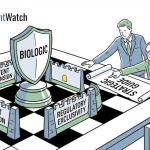
As this report has detailed, however, market leadership in this new era will not be determined by scientific prowess alone. The path forward is a three-dimensional chess game that requires the masterful integration of cutting-edge science, a deep understanding of complex global regulatory pathways, and a sophisticated, forward-looking intellectual property strategy.
The companies that will thrive will be those that embrace the bio-better mindset—a relentless focus on innovation and tangible clinical improvement, not just imitation. They will be the ones who not only develop but also converge the next-generation platforms, creating multi-modal therapies of unprecedented specificity and power. They will leverage AI as a core competency to accelerate their research and de-risk their pipelines. And, crucially, they will treat patent intelligence not as a legal backstop but as a strategic compass, using it to navigate the competitive terrain and guide their innovation toward the areas of greatest opportunity and unmet need. The future of biologics belongs to those who can successfully synthesize these three critical domains—science, regulation, and strategy—to translate breakthrough discoveries into patent-protected, market-leading medicines.
Frequently Asked Questions (FAQ)
1. What is the single biggest difference between a biosimilar and a bio-better?
The single biggest difference lies in their fundamental goal and regulatory pathway. A biosimilar aims to be “highly similar” to an existing biologic to provide a lower-cost alternative and competes on price. It uses an abbreviated regulatory pathway that leverages the original drug’s clinical data. A bio-better is intentionally engineered to be “superior” to the original biologic in some clinical aspect (e.g., less frequent dosing, higher efficacy). Because it is a new and different drug, it must go through the full, rigorous regulatory approval pathway with its own complete set of clinical trials.
2. Why would a company develop a bio-better of its own successful drug instead of just defending the original’s patents?
This is a proactive lifecycle management strategy often called “strategic cannibalization.” By creating a clinically superior version of their own blockbuster drug, a company can migrate patients to the new, patent-protected product before the original’s patents expire. This effectively makes their own original product obsolete and neutralizes the future threat from biosimilars, which would be forced to compete with a now-inferior product. It allows the company to extend its franchise leadership and maintain premium pricing for another patent cycle.
3. Are next-generation therapies like CAR-T and gene therapy considered “bio-betters”?
In a broader sense, yes. While the term “bio-better” is most often used to describe an improved version of a specific existing drug (like a long-acting version of an antibody), the entire field of next-generation therapies is built on the principle of being “better” than previous therapeutic standards. A CAR-T therapy, for example, is designed to be a superior treatment option for certain cancers compared to conventional chemotherapy or even monoclonal antibodies. Furthermore, as these platforms mature, we are seeing the development of “bio-betters of bio-betters”—for example, a next-generation CAR-T cell engineered with CRISPR to be safer or more persistent than the first-generation CAR-T therapies.
4. How does analyzing patent data help a company decide which diseases to target for R&D?
Analyzing patent data allows a company to map the entire competitive and technological landscape for a given disease. This analysis can reveal which biological targets are already heavily patented by competitors, indicating a crowded and high-risk area for investment. Conversely, it can identify “white space”—therapeutic areas or biological targets with high unmet patient need but relatively little patent activity. By identifying this white space first, a company can strategically direct its R&D resources toward opportunities where it is more likely to make a novel discovery and build a strong, defensible patent position, thereby maximizing the potential return on its R&D investment.
5. What is the biggest challenge facing the future growth of the biologics market?
While scientific and regulatory hurdles exist, the biggest overarching challenge is the tension between the high cost of innovation and healthcare system affordability. The development of increasingly complex and personalized biologics, such as cell and gene therapies, comes with extremely high manufacturing costs and price tags, sometimes exceeding millions of dollars per patient. Navigating the reimbursement and market access landscape for these transformative but expensive therapies will be a critical challenge for developers, payers, and policymakers, requiring innovative payment models to ensure that these breakthrough treatments can reach the patients who need them.
A Systematic Review of U.S. Biosimilar Approvals: What Evidence Does the FDA Require and How Are Manufacturers Responding?, accessed August 20, 2025, https://pmc.ncbi.nlm.nih.gov/articles/PMC10398206/