Section 1: The 505(b)(2) Value Proposition: Pricing from a Position of Incremental Innovation
The process of determining the optimal price for a pharmaceutical product approved via the 505(b)(2) pathway is a complex strategic exercise that begins long before a launch price is finalized. Unlike a novel 505(b)(1) New Chemical Entity (NCE) or a commoditized 505(j) generic, a 505(b)(2) product occupies a unique middle ground. Its intrinsic value, and therefore its pricing potential, is derived directly from a specific, measurable, and clinically meaningful improvement upon a known and trusted active moiety. The pricing strategy must, therefore, be anchored in a profound understanding of this incremental innovation. The potential to command a premium price is directly proportional to the clinical, humanistic, and economic significance of the product’s differentiation from its Reference Listed Drug (RLD) and the existing standard of care. This initial section deconstructs the 505(b)(2) pathway as a strategic commercial tool and establishes the foundational link between the nature of the product’s improvement and its ultimate pricing power.
1.1. Decoding the 505(b)(2) Pathway: A Hybrid Strategic Tool
The 505(b)(2) pathway is a distinct type of New Drug Application (NDA) established by the Drug Price Competition and Patent Term Restoration Act of 1984, commonly known as the Hatch-Waxman Amendments.1 Its defining characteristic is that it contains full reports of safety and effectiveness, but allows the applicant to rely, at least in part, on investigations that were not conducted by or for them and for which they do not have a right of reference.1 This means a sponsor can leverage a vast body of existing data, including the U.S. Food and Drug Administration’s (FDA) own prior findings of safety and effectiveness for a previously approved drug—the Reference Listed Drug (RLD)—or data from published scientific literature.6
This unique structure has led to the 505(b)(2) application being frequently described as a “hybrid,” ingeniously blending elements of a full 505(b)(1) NDA and a 505(j) Abbreviated New Drug Application (ANDA) for generics.1 The original legislative intent was to create an efficient regulatory route that would foster clinically significant improvements to existing medicines by avoiding the unnecessary, costly, and time-consuming duplication of research that had already been performed on the RLD.1
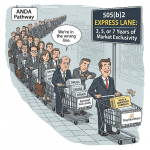
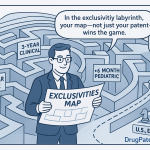
From a commercial standpoint, this hybrid model translates into a powerful strategic instrument. It offers a development path with substantially lower costs, reduced risk, and accelerated timelines when compared to a traditional 505(b)(1) NDA for a novel compound.1 Development costs can be reduced by up to 50% compared to traditional routes.12 Simultaneously, it provides the opportunity to secure valuable periods of market exclusivity—typically three, five, or seven years, depending on the nature of the innovation and the data submitted—a crucial commercial advantage unavailable to standard 505(j) generics, which are generally limited to 180 days of exclusivity for the first filer.2
The cornerstone of a successful 505(b)(2) application is the establishment of a “scientific bridge.” This consists of new, sponsor-conducted studies that scientifically link the proposed new product to the RLD.11 This bridge justifies the sponsor’s reliance on the RLD’s safety and efficacy data by demonstrating that any modifications made—such as changes to the formulation or route of administration—do not negatively affect the product’s performance. The nature of this bridge varies; for a minor formulation change, a comparative pharmacokinetic (PK) or bioavailability study might suffice, whereas a new route of administration could require more extensive bridging data.1 The complexity of this required bridge is a primary determinant of the overall development cost and timeline.
1.2. Quantifying the “Improvement”: Tying Innovation to Pricing Potential
The 505(b)(2) pathway is not a monolithic route; it accommodates a wide spectrum of innovation, from relatively minor tweaks to substantial clinical advancements. An effective pricing strategy must be calibrated to the product’s specific position on this spectrum. The pathway is ideally suited for a range of modifications, including changes in dosage form, strength, formulation, dosing regimen, or route of administration; the development of new therapeutic indications for an existing drug; the creation of new fixed-dose combination products; or the engineering of prodrugs.1 Each type of modification carries a distinct value proposition that must be clearly articulated and supported by evidence to justify its price point to payers and providers.
New Formulation or Dosage Form: Modifications such as creating an extended-release version of an immediate-release drug, developing a liquid formulation for patients with dysphagia, or providing a ready-to-use injectable solution that eliminates complex reconstitution steps in a hospital pharmacy are common 505(b)(2) strategies. The value proposition for these products is centered on tangible benefits like improved patient adherence, greater convenience for patients or healthcare providers, and enhanced safety profiles (e.g., by removing an excipient associated with hypersensitivity reactions).14 For example, a once-weekly oral drug may significantly improve compliance compared to a daily therapy, particularly for chronic conditions where adherence is a known challenge.23 A price premium for such a product is justified by demonstrating that improved adherence leads to better long-term clinical outcomes and a reduction in overall healthcare resource utilization (HCRU), such as fewer hospitalizations or emergency room visits.
New Route of Administration (RoA): Changing how a drug is delivered—for instance, from an oral tablet to a long-acting injectable or a transdermal patch—can solve significant clinical problems. This strategy is particularly valuable for patient populations where adherence is a primary barrier to effective treatment, such as in schizophrenia or substance use disorders.13 A new RoA can also be used to bypass first-pass metabolism, improve bioavailability, or enable administration to patients who are unable to take oral medications. Because these modifications often address a clear and significant unmet medical need, they can support a substantial price premium over the oral RLD.11
New Indication (Repurposing): The 505(b)(2) pathway is an efficient vehicle for drug repurposing—taking a drug approved for one disease and gaining approval for a new, unrelated therapeutic use. In this scenario, the value is determined entirely by the unmet need, competitive landscape, and standard of care within the new indication. The pricing strategy is therefore benchmarked against the prevailing therapies for the new indication, not against the price of the RLD in its original, often unrelated, market.2
New Combination Product: This strategy involves creating a fixed-dose combination (FDC) of two or more previously approved active ingredients into a single pill. The primary value driver is typically improved patient convenience and adherence by reducing the daily pill burden.13 The pricing is often strategically set at a slight discount to the sum of the list prices of the individual components but at a premium to the cost of either component taken alone.
The 505(b)(2) pathway should not be viewed merely as a regulatory shortcut but as a strategic value-creation engine. It provides a framework for transforming known, often commoditized, molecules into differentiated, commercially protected assets. The pathway’s structure—leveraging existing data to lower development risk while creating a new and improved “drug product” with its own market exclusivity 1—means its fundamental commercial function is to generate a distinct asset, not just a less expensive copy. Consequently, the pricing strategy must be anchored in the “value-add” of the innovation. It is, as some have noted, a “powerful avenue for value creation” that allows companies to address previously unmet patient needs.7
This reality places immense importance on the pre-development “Candidate Assessment” phase. This initial evaluation, which must rigorously assess a potential product’s scientific, medical, and commercial viability, is the single most critical determinant of its ultimate pricing potential.1 The commercial viability assessment must directly address questions such as, “Is there a viable market for the product?”, “What is needed to ensure reimbursement?”, and “What is the optimal pricing strategy?”.2 This means that pricing cannot be an afterthought addressed only after regulatory approval. It must be a central consideration from the very inception of the project. If the proposed “improvement” does not translate into a compelling answer to these fundamental commercial and medical questions, it will fail to support a favorable price, no matter how elegant the regulatory execution. The pricing strategy must therefore begin at the earliest stage, ensuring that the target product profile is fully aligned with both regulatory requirements and, crucially, the demands of the market and the perspectives of payers.2
Feature
505(b)(1) NDA
505(b)(2) NDA
505(j) ANDA
Purpose
Approval for a completely new drug product, typically a New Chemical Entity (NCE).
Approval for a modified version of a previously approved drug, creating a new, differentiated product.
Approval for a generic version of a previously approved drug (the RLD).
Data Requirements
Full preclinical and clinical data package generated by or for the sponsor.
Full safety and effectiveness reports, but relies in part on existing data (RLD findings, literature) plus new “bridging” studies.
Bioequivalence data demonstrating sameness to the RLD. No new clinical trials for safety/efficacy are required.
Typical Innovation Scope
High (novel molecule, new mechanism of action).
Moderate (incremental but often clinically meaningful improvements, e.g., new formulation, RoA, indication).
Low to None (a bioequivalent copy of the RLD).
Development Cost
Highest (can exceed $1 billion).
Moderate (significantly less than 505(b)(1) but more than 505(j)).
Lowest.
Development Timeline
Longest (can take up to 15 years).
Moderate (often faster than 505(b)(1) due to fewer required studies).
Shortest.
Market Exclusivity Potential
5-year NCE, 7-year Orphan Drug, 3-year New Clinical Investigation.
3-year New Clinical Investigation, 5-year NCE (in some cases), 7-year Orphan Drug.
180-day exclusivity for the first-to-file generic challenger.
Pricing Power
Highest, based on the value of breakthrough innovation.
Moderate to High, based on the value of the incremental improvement and competitive landscape.
Lowest, driven by intense price competition.
Table 1: Comparative Analysis of FDA Approval Pathways. This table synthesizes data from multiple sources to provide a strategic overview of the three primary small-molecule drug approval pathways, highlighting the unique position of the 505(b)(2) route.1
Section 2: The Competitive Gauntlet: Triangulating Price Against the RLD, Generics, and Market Analogs
The optimal price for a 505(b)(2) therapeutic is not determined in isolation. It is forged in the crucible of a complex and dynamic competitive environment. A rigorous and continuous competitive intelligence process is therefore essential to define a defensible pricing corridor. This analysis must begin during the earliest stages of candidate assessment and be updated throughout the development lifecycle to reflect evolving market conditions. The price of a 505(b)(2) product is a direct strategic response to the pricing, market performance, and payer perception of its key comparators: the original Reference Listed Drug (RLD), the low-cost generic alternatives, and other analogous “branded generic” or incrementally innovative products.
2.1. The Reference Listed Drug (RLD) Anchor: Establishing the Value Ceiling
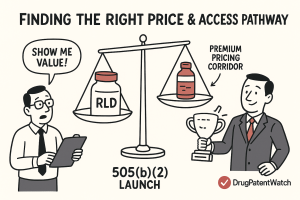
The foundational step in any 505(b)(2) pricing analysis is a comprehensive assessment of the RLD that the new product references.11 The RLD serves as the primary clinical and economic benchmark against which the 505(b)(2) product will be judged by payers and providers. This analysis establishes the practical “value ceiling” for the new product; payers will be inherently reluctant to reimburse a 505(b)(2) product at a significant premium to the net price of the RLD unless a compelling case for superior value can be made. This requires a multi-faceted investigation utilizing sophisticated competitive intelligence tools and databases, such as those provided by DrugPatentWatch, which are designed to track these exact market dynamics.11
The framework for RLD analysis should include:
Pricing and Rebate History: It is critical to look beyond the RLD’s list price, or Wholesale Acquisition Cost (WAC). The analysis must track the WAC over time to understand the manufacturer’s pricing strategy but, more importantly, it must seek to estimate the RLD’s net price after accounting for all rebates and discounts provided to payers and PBMs. This net price represents the true cost to the healthcare system and is the most relevant pricing anchor.
Market Share and Sales Trajectory: A thorough review of historical sales data is necessary to understand the RLD’s commercial lifecycle, including its market penetration at launch, its peak sales performance, and its current market share in the face of any existing competition.27 This provides context for the size of the market opportunity and the RLD’s established position within it.
Payer Coverage and Formulary Status: The analysis must map how major national and regional payers, as well as the largest PBMs, have managed the RLD on their formularies. Key questions include: Is the RLD typically a preferred or non-preferred brand? What utilization management tools, such as prior authorizations or step-therapy protocols, are commonly applied? Understanding the RLD’s access landscape provides a blueprint for the challenges and opportunities the 505(b)(2) product will face.
Patent and Exclusivity Landscape: A meticulous review of the FDA’s Orange Book and other patent databases is required to identify all relevant patents and regulatory exclusivities protecting the RLD.19 This analysis is crucial for accurately predicting the timing of generic entry, which fundamentally alters the competitive and pricing landscape.
2.2. The Generic Erosion Threat: Defining the Price Floor
The presence, or impending arrival, of generic versions of the RLD’s active ingredient creates a powerful downward pressure on price and establishes the effective price floor for the 505(b)(2) product. The value proposition of the 505(b)(2) must be sufficiently strong and clearly articulated to justify a price that is significantly above this generic floor.
The competitive analysis must therefore include:
Mapping the Generic Landscape: Identify all current generic manufacturers for the RLD’s active moiety and analyze their respective market shares and pricing strategies.31 The number of generic competitors is a key variable; the market dynamics with one or two generics are vastly different from a fully commoditized market with numerous players.
Modeling the Price Decay Curve: The entry of generic competition triggers a predictable and often rapid price collapse for the molecule. Studies have shown that prices can plummet by 80% to 95% once six or more generic competitors have entered the market.31 The 505(b)(2) pricing strategy must be developed with a clear understanding of where the RLD is on this price decay curve at the time of the 505(b)(2) launch.
Identifying Strategic Opportunities: In some cases, the 505(b)(2) pathway can be used as a tool to strategically navigate the generic landscape. For example, a 505(b)(2) application is not subject to the 180-day marketing exclusivity granted to the first generic ANDA filer. This can allow a 505(b)(2) product to launch into a market that still has relatively high prices, before the full wave of generic competition and its associated price erosion begins.10 This creates a temporary but potentially lucrative pricing window that must be factored into the launch strategy.
2.3. Market Analog Analysis: Learning from “Branded Generics” and Incremental Innovations
While the RLD and its generics define the upper and lower bounds of the pricing corridor, the most insightful intelligence for positioning a 505(b)(2) product often comes from analyzing market analogs. This involves studying the commercial performance, pricing strategies, and payer reception of other 505(b)(2) products or similarly differentiated “branded generics,” particularly those within the same or adjacent therapeutic classes. This analysis provides a real-world test of payer and provider willingness to pay a premium for specific types of incremental value.
This analysis should focus on:
Identifying Relevant Analogs: The key is to find products with a similar value proposition. For example, if the new product is a long-acting injectable, its most relevant analogs are other LAIs in its therapeutic area, not just its oral RLD. If it is a ready-to-use formulation for hospital use, its analogs are other products that offered similar workflow and safety benefits.
Deconstructing Payer Response to Analogs: A deep dive into the formulary history of these analogs is critical. How did payers react at launch? Did they grant preferred status, or did they relegate the product to a non-preferred tier with high patient cost-sharing? What level of price premium over the RLD or generics were they ultimately willing to accept, and what level of rebate was likely required to secure that access?
Understanding the 505(b)(2) “Pricing Paradox”: A critical finding from recent market analysis, particularly in the oncology space, is the existence of a “pricing paradox.” Contrary to the expectation that these products might offer cost savings, many 505(b)(2)s have been launched and sustained prices that are significantly higher than their reference agents, even in the presence of generic competition.33 This phenomenon is central to understanding the modern pricing potential of 505(b)(2)s. It demonstrates that under the right circumstances—typically involving a tangible benefit in a provider-administered setting and a unique reimbursement code—payers and providers are willing to accept and reimburse a premium price for incremental innovation.
The synthesis of these three analytical streams—RLD, generic, and analog—reveals that the optimal price for a 505(b)(2) is not a single point but rather a strategic position within a corridor. This corridor is defined by the RLD’s net price as a practical ceiling and the generic net price as a hard floor. The product’s specific position within this corridor is determined entirely by the perceived and evidence-backed value of its differentiation. A product with a robust and compelling value story, supported by strong clinical and economic data, can command a price near the ceiling. A product with weaker, less clinically meaningful differentiation will inevitably be pushed down toward the floor by payer pressure.
This reality means that competitive intelligence for a 505(b)(2) launch is fundamentally more complex than for either an NCE or a standard generic. It requires a “triangulation” approach that simultaneously models the dynamics of three distinct competitor types. The strategy must account for competition against the RLD based on clinical differentiation, competition against generics based on price-value trade-offs, and competition against other “branded-generics” or 505(b)(2)s based on the relative value of incremental innovation.10 This multi-faceted analysis demands sophisticated tools and a holistic market view, as it must track branded pipelines, predict generic entry, and monitor the evolving landscape of 505(b)(2) activity.18
Section 3: Navigating the Payer Labyrinth: Reimbursement, Formularies, and the J-Code Revolution
Securing FDA approval for a 505(b)(2) therapeutic is a necessary but insufficient condition for commercial success. The ultimate gatekeepers to market access and revenue are the payers and Pharmacy Benefit Managers (PBMs) who control formularies and reimbursement. The U.S. payer landscape is the most dynamic and critical variable in shaping a 505(b)(2) pricing strategy. A recent and profound shift in reimbursement policy by the Centers for Medicare & Medicaid Services (CMS) has fundamentally altered the commercial calculus for these products, creating a strategic bifurcation that must be understood and navigated from the earliest stages of development.
3.1. Payer & PBM Psychology: Beyond FDA Approval
It is a foundational principle of market access that payers do not consider FDA approval as a mandate for coverage.37 Instead, they view regulatory approval as the entry ticket to a rigorous, independent evaluation process. Payers and the PBMs that serve them are driven by the dual objectives of managing their drug spend and ensuring positive health outcomes for their covered populations. For any new drug, but especially for a premium-priced 505(b)(2) entering a market with established, lower-cost alternatives, payers begin with a fundamental question: “What is the unique value of this product to our plan and our members?”.37
Payers increasingly demand evidence of long-term value that goes beyond the data required for regulatory approval.38 Their evaluation process involves a meticulous scrutiny of the product’s clinical data, safety profile, and dosing regimen. They seek to understand if the touted improvement over the RLD is clinically meaningful and necessary, whether it addresses a genuine unmet need for a specific patient sub-population, and how it compares to all available therapeutic options, including low-cost generics.37 Payers are progressively more focused on “hard” economic outcomes, such as a demonstrable reduction in healthcare resource utilization (HCRU), with decreased hospitalizations and emergency room visits being the most compelling forms of evidence.39
PBMs act as powerful and often opaque intermediaries in this process. They manage prescription drug benefits for over 289 million Americans and wield enormous influence through their core functions: negotiating rebates with manufacturers, designing and managing formularies, and contracting with pharmacy networks.41 Their business models, which can include retaining a portion of negotiated rebates and profiting from “spread pricing,” create complex incentives that do not always align with achieving the lowest net cost for the system.43 Successfully navigating this environment requires a sophisticated strategy for demonstrating value and negotiating access.
3.2. The J-Code Revolution: A Strategic Bifurcation
Perhaps the single most significant commercial development for 505(b)(2) products in the last decade has been the evolution of CMS policy regarding their reimbursement coding. This policy shift has effectively created two distinct commercialization pathways, transforming the pricing calculus from one of competitive constraint to one of value-based opportunity.
The Pre-2022 Paradigm: Historically, CMS and other payers typically grouped 505(b)(2) products under the same Healthcare Common Procedure Coding System (HCPCS) J-code as their RLD and its corresponding generics.47 This practice treated the 505(b)(2) as a “multisource” generic for reimbursement purposes, meaning its payment was blended with that of low-cost alternatives. This bundling severely constrained the pricing power of 505(b)(2) products, as providers had little incentive to use a higher-cost product when reimbursement was based on an average price heavily influenced by cheap generics.
The 2022 CMS Policy Shift: In 2022, following a complaint filed by a pharmaceutical company, CMS re-evaluated its policy in light of the Social Security Act’s definition of a “sole-source” drug.47 The agency ruled that 505(b)(2) products that are not rated as therapeutically equivalent (TE) to their RLD in the FDA’s Orange Book should be considered “sole-source” drugs.47 Consequently, effective January 1, 2023, CMS began assigning unique, product-specific J-codes to these non-TE 505(b)(2) products.
This seemingly administrative change has profound strategic implications. It uncouples the reimbursement of a non-TE 505(b)(2) from the price of generics. With its own J-code, the product is reimbursed based on its own unique Average Sales Price (ASP), typically at a rate of ASP plus 6% in the Medicare Part B setting.48 This policy shift is the primary enabler of the “pricing paradox” observed in markets like oncology, where 505(b)(2)s with unique J-codes have sustained prices at massive premiums to their RLDs.33 The pricing conversation with payers is no longer, “Why should we pay more than the generic for a drug in the same reimbursement bucket?” but rather, “Is the incremental clinical benefit of your unique, sole-source product worth its specific price?”
This policy has effectively bifurcated the commercialization strategy for 505(b)(2) products into two distinct paths 18:
Path A: The “Branded Generic” Strategy: The manufacturer actively seeks a Therapeutic Equivalence (TE) rating from the FDA (e.g., an “AB” rating), which designates the product as substitutable for the RLD at the pharmacy level. If granted, the product will likely share a J-code with the RLD and its generics. The commercial strategy then becomes volume-driven, competing on price, contracting, and leveraging substitutability to gain market share from both the brand and other generics. This path may be appropriate for products with more modest differentiation where market penetration is the primary objective.55
Path B: The “Differentiated Brand” Strategy: The manufacturer either does not seek or is not granted a TE rating. The product is treated as a non-substitutable, sole-source drug and is assigned its own unique J-code. This allows the manufacturer to implement a value-based pricing strategy, setting a premium price that reflects the product’s unique clinical benefits and is insulated from the direct price erosion of the generic market. This strategy is appropriate for products with a strong, evidence-backed value proposition that offers a clear improvement over existing options.
The decision of whether to seek a TE rating is no longer a simple regulatory classification; it is a pivotal, early-stage commercial strategy decision. The FDA does not automatically evaluate 505(b)(2)s for therapeutic equivalence; the manufacturer must typically request it.47 With Congress now mandating a 180-day review timeline for such requests, manufacturers have greater certainty in planning their approach.51 This choice between the two paths must be made early in the development process, as it dictates the entire evidence generation, market access, and commercialization plan. A “Differentiated Brand” strategy necessitates a significantly more robust Health Economics and Outcomes Research (HEOR) package to justify its premium price to payers, while a “Branded Generic” strategy may focus more on ensuring manufacturing scale and supply chain efficiency to compete on cost.
3.3. Formulary Strategy & The AMCP Dossier
Regardless of the chosen path, proactive and strategic engagement with payers is non-negotiable. This process should begin early in development, well before launch, to understand payer evidence requirements and value drivers.2 The primary tool for communicating a product’s value proposition to payers in the U.S. is the AMCP Format for Formulary Submissions, commonly known as the AMCP dossier.57
This dossier is a comprehensive document that synthesizes all available clinical and economic evidence for a product. For a 505(b)(2) therapeutic, the dossier must be meticulously crafted to:
Clearly articulate the product’s value proposition and how its specific modifications translate into meaningful benefits for patients and the healthcare system.
Present the clinical evidence from both the sponsor-conducted bridging studies and any pivotal trials.
Include robust economic models, such as budget impact and cost-effectiveness analyses, that quantify the product’s financial implications for a payer’s specific population (as detailed in Section 4).58
The ultimate goal of this engagement is to secure a favorable formulary position—ideally on a preferred tier with minimal utilization management restrictions like prior authorizations or step edits. Achieving this status, particularly for a premium-priced product, almost always involves a negotiation with payers and PBMs over rebates. The final price and rebate strategy must balance the desire for a high list price with the need to provide sufficient discounts to ensure broad patient access.
Strategic Factor
Path A: Seek TE Rating (“Branded Generic”)
Path B: Forgo TE Rating (“Differentiated Brand”)
Reimbursement Mechanism
Likely shares a multi-source HCPCS (J-code) with RLD and generics. Reimbursement based on a blended ASP.
Assigned a unique, single-source HCPCS (J-code). Reimbursement based on the product’s own ASP.
Pricing Strategy
Competitor-based. Priced at a modest premium to generics but a discount to the RLD to drive volume and substitution.
Value-based. Priced at a premium to the RLD and generics, justified by the incremental clinical and economic benefit.
Key Payer Objection
“Why should we cover this when a cheaper generic is available and substitutable?”
“Your product is too expensive. Prove that its incremental benefit is worth the significant cost premium.”
Required Evidence Package
Focus on bioequivalence, manufacturing reliability, and supply chain. Clinical differentiation story is secondary.
Focus on robust HEOR data: budget impact models, cost-effectiveness analyses, and evidence of reduced HCRU.
Typical Market Exclusivity
Relies on 3-year new clinical investigation exclusivity to protect the specific modification.
Relies on 3, 5, or 7-year exclusivity combined with the commercial protection of a unique J-code.
Competitive Vulnerability
Highly vulnerable to generic price erosion and formulary exclusion if rebates are not competitive.
Less vulnerable to direct generic price competition but highly vulnerable to payer rejection if value is not proven.
Ideal Product Profile
A product with a modest, convenience-oriented improvement where gaining rapid market share via substitution is the primary goal.
A product with a significant, clinically meaningful improvement that addresses a clear unmet need (e.g., improved safety, adherence in a high-risk population).
Table 2: The 505(b)(2) J-Code Strategy Decision Matrix. This table presents an actionable framework for making the critical strategic choice between pursuing a TE rating or a unique J-code, outlining the commercial trade-offs of each path.18
Section 4: Constructing the Pricing Model: A Hybrid Approach for a Hybrid Product
Having established the product’s intrinsic value proposition, analyzed the competitive landscape, and understood the payer and reimbursement dynamics, the next step is to synthesize these inputs into a concrete pricing model. Given the hybrid nature of a 505(b)(2) product—part established molecule, part novel innovation—the optimal pricing model is itself a hybrid. It strategically blends the aspirational, evidence-based principles of Value-Based Pricing (VBP) with the pragmatic, market-driven realities of Competitor-Based Pricing. This integrated framework allows for the determination of a launch price that is both justifiable to payers and competitive in the marketplace.
4.1. The Foundational Pricing Models
Three foundational pricing models provide the theoretical toolkit for this process. While only two are directly applicable to a 505(b)(2) launch, understanding all three is crucial for strategic context.
Value-Based Pricing (VBP): VBP is the predominant paradigm for pricing innovative medicines. It links a drug’s price directly to the clinical, humanistic, and economic value it provides to patients, providers, and the healthcare system.31 This value is a function of improved efficacy, enhanced safety, better quality of life (QoL), and potential cost-offsets in other areas of healthcare, such as reduced hospitalizations.31 For a 505(b)(2) product, the application of VBP is focused on quantifying the incremental value of its specific modification over the existing standard of care (i.e., the RLD and/or its generic versions).
Competitor-Based Pricing: This pragmatic approach involves setting a price by benchmarking it against existing therapies in the same therapeutic class.31 As detailed in Section 2, this model is essential for defining the “guardrails” or the pricing corridor for a 505(b)(2) product. The net price of the RLD serves as the ceiling, while the net price of generics serves as the floor. The 505(b)(2) product’s price must be positioned strategically within these bounds.
Cost-Plus Pricing: This model calculates a price by adding a predetermined profit markup to the cost of goods sold.31 While simple and transparent, this model is almost never used for innovative or differentiated branded pharmaceuticals because the manufacturing cost is typically a very small fraction of the final price, and the model fails to capture the value of the innovation or the significant investment in research and development.31 Its primary relevance in the context of a 505(b)(2) launch is that it is the model often used by generic manufacturers and disruptive market entrants, thus highlighting the extreme downward price pressure at the floor of the competitive market.31
4.2. A Hybrid Pricing Framework for 505(b)(2)s
The optimal pricing process for a 505(b)(2) therapeutic involves a disciplined, multi-step framework that integrates value demonstration with competitive positioning. For a 505(b)(2) product, Health Economics and Outcomes Research (HEOR) is not a post-launch marketing activity; it is a pre-launch imperative that generates the primary currency used in all price and access negotiations.
Step 1: Anchor with Value—The HEOR Imperative. The process must begin by building a robust, evidence-based value story. This requires a comprehensive HEOR plan that is designed and initiated early in the product’s development lifecycle, often in parallel with the pivotal clinical and bridging studies.2
Identify Quantifiable Value Drivers: Based on the product’s specific modification, the HEOR plan must identify the key value drivers that are most meaningful to payers. These often include improved patient adherence, fewer or less severe side effects, reduced administration time for providers, and, most importantly, downstream cost-offsets.
Generate Core HEOR Evidence: The HEOR plan must be designed to generate a portfolio of evidence to support the value proposition. The most critical evidence types for U.S. payers include:
Budget Impact Models (BIMs): This is a mandatory component of any formulary submission. A BIM projects the net financial impact of adding the new drug to a payer’s formulary over a one- to three-year period. It must account for the drug’s acquisition cost, any offsetting medical savings (e.g., fewer hospitalizations), and the expected uptake and displacement of existing therapies.
Cost-Effectiveness Analyses (CEAs): While more influential in single-payer systems, CEAs are increasingly used by U.S. payers and value assessment bodies like the Institute for Clinical and Economic Review (ICER) to evaluate a drug’s value. A CEA compares the product’s cost per clinical outcome (e.g., cost per Quality-Adjusted Life-Year, or QALY, gained) against the standard of care.62 This analysis helps to frame the price in terms of health economic value.
Healthcare Resource Utilization (HCRU) Data: This is often the most compelling evidence for payers. Data that demonstrates a direct and statistically significant reduction in other medical costs—especially expensive events like hospital admissions, re-admissions, and emergency room visits—provides a clear and tangible justification for a premium price.40
Real-World Evidence (RWE): While often generated post-launch, plans to collect RWE should be part of the initial HEOR strategy. Payers highly value RWE because it demonstrates how a product performs in actual clinical practice, outside the controlled environment of a clinical trial.39
Step 2: Constrain with Comparators. The quantitative value story developed in Step 1 must then be contextualized within the competitive pricing corridor established in Section 2. The price point suggested by the value-based analysis is tested against the market realities of the RLD’s net price and the generic floor. A 505(b)(2) product with a powerful value proposition supported by strong HEOR data (e.g., a long-acting injectable that is proven to reduce hospitalizations by 50%) can confidently command a price near or even above the RLD’s net price. Conversely, a product with weaker differentiation (e.g., a new flavor of an oral liquid) will be forced by payer pressure to a price point much closer to the generic floor.
Step 3: Pressure-Test with Payer Research. The final step before setting the launch price is to conduct formal, quantitative, and qualitative market research with key decision-makers from national and regional payers and PBMs. This research typically involves presenting the product’s target product profile, the full clinical and HEOR value story, and testing reactions to several potential price points. The goal is to gauge payers’ willingness to grant favorable access (e.g., preferred formulary tier, no prior authorization) at each price point and to understand the likely rebate requirements needed to achieve specific access goals. This direct feedback is invaluable for refining the final WAC price and developing a gross-to-net financial model that accurately forecasts revenue.
This hybrid approach ensures that the final price is not based on a single dimension but is instead a strategically optimized decision. It is anchored in a defensible, evidence-based value proposition while remaining grounded in the pragmatic realities of the competitive and reimbursement landscape. The entire process hinges on the recognition that for a premium-priced 505(b)(2) product, the HEOR evidence package is as critical to commercial success as the clinical data package is to regulatory approval.
Section 5: Case Studies in 505(b)(2) Commercialization: Lessons from the Field
Applying the strategic framework to real-world examples provides invaluable insight into how these principles translate into commercial success or failure. The following case studies deconstruct the launch strategies of several notable 505(b)(2) products, illustrating the critical interplay between the value proposition, competitive positioning, and the payer reimbursement environment.
5.1. The Long-Acting Injectable Play: Sublocade® & Vivitrol® in Addiction Treatment
The development of long-acting injectable (LAI) formulations for addiction treatment represents a classic and highly successful application of the 505(b)(2) pathway.
Product and RLD: Sublocade® (buprenorphine extended-release) is a once-monthly subcutaneous injectable that references oral buprenorphine formulations like Suboxone®. Vivitrol® (naltrexone for extended-release injectable suspension) is a once-monthly intramuscular injectable that references oral naltrexone.
Value Proposition: The core value proposition for both products is a dramatic improvement in patient adherence, a primary driver of treatment failure and relapse in the challenging populations with opioid use disorder (OUD) and alcohol use disorder (AUD).22 By replacing the need for daily oral dosing with a monthly injection administered by a healthcare provider, these LAIs ensure continuous therapeutic coverage, reduce the risk of missed doses, and eliminate the potential for diversion of oral medications.22 This directly addresses a significant unmet clinical need.
Pricing and Market Access Strategy: Both products were launched with a clear “Differentiated Brand” strategy (Path B). They are priced at a significant premium to their oral counterparts, with Vivitrol’s list price around $1,000-$1,500 per monthly dose and Sublocade’s at approximately $2,117 per dose.67 Neither is therapeutically equivalent to the oral forms, and both are reimbursed under unique J-codes. Their market access strategy relies heavily on demonstrating value beyond the pill. This involves extensive education for providers and addiction specialists, robust patient support programs including co-pay assistance to mitigate out-of-pocket costs, and direct engagement with payers and health systems.69 The commercial argument focuses on the total cost of care, positioning the high upfront cost of the LAI as a sound investment that can be offset by preventing costly relapses, hospitalizations, and involvement with the criminal justice system. Indivior’s commercial strategy for Sublocade, for instance, explicitly targets organized health systems and correctional facilities, environments where the value of guaranteed medication adherence is exceptionally high.74
5.2. The LAI Antipsychotic: Perseris® in Schizophrenia
The case of Perseris® illustrates how payers evaluate a 505(b)(2) product when other, similar formulations already exist in the market.
Product and RLD: Perseris® (risperidone) is a once-monthly subcutaneous LAI for the treatment of schizophrenia. It was approved via the 505(b)(2) pathway, referencing oral risperidone (Risperdal®).75
Value Proposition: Similar to the addiction LAIs, the primary value of Perseris is improved adherence compared to daily oral medication. It also offers a subcutaneous route of administration, which can be more convenient than the intramuscular injection required for the other risperidone LAI, Risperdal Consta®.77
Pricing and Payer Reception: Perseris was priced at a premium to oral risperidone but within the established range of other existing LAI antipsychotics.78 However, this case highlights a crucial payer principle. In their review, health technology assessment bodies like Canada’s CADTH noted that while Perseris was effective compared to placebo, there was no direct head-to-head evidence demonstrating its superiority over other available LAIs.79 Consequently, they recommended that Perseris should be reimbursed only if its price did not exceed that of the least costly LAI alternative. This demonstrates that payers benchmark a new 505(b)(2) formulation not just against its oral RLD, but more critically, against other formulations that offer the same core benefit (in this case, the benefit of long-acting administration).
5.3. The Oncology “Price Paradox”: Bendeka® and Pemfexy®
These two products are prime examples of how the “Differentiated Brand” strategy, enabled by the unique J-code policy, can lead to extraordinary pricing outcomes in a provider-administered setting.
Product and RLD: Bendeka® (bendamustine) is a 505(b)(2) version of Treanda®, and Pemfexy® (pemetrexed) is a 505(b)(2) version of Alimta®. Both are used in oncology.
Value Proposition: The differentiation for these products is not in superior efficacy but in formulation and administration. Bendeka was developed as a ready-to-use, low-volume (50 mL) liquid formulation that can be infused over 10 minutes. This contrasts with Treanda, which required a lengthy and complex reconstitution process and was infused in a larger volume (500 mL) over a longer period.80 These changes offered significant benefits in terms of patient convenience, reduced chair time in infusion centers, and improved safety for pharmacy staff handling the cytotoxic agent. Pemfexy offered a similar benefit as a ready-to-dilute formulation.
Pricing Strategy: These cases exemplify the “pricing paradox.” Despite the availability of low-cost generics for both Treanda and Alimta, Bendeka and Pemfexy were launched and have sustained prices at massive premiums. Analysis of Medicare reimbursement data shows that at their peak, Bendeka’s price reached 459% of its reference drug’s price, and Pemfexy’s reached an astonishing 2055%.33 This strategy was commercially viable for two key reasons. First, both products secured unique J-codes, allowing them to be reimbursed as distinct, sole-source brands under Medicare Part B. Second, their value proposition resonated strongly with the “call point”—oncology practices and hospital infusion centers. The benefits of safety, efficiency, and workflow simplification were directly experienced by the providers and their staff, who are also involved in the procurement and billing process. The predictable reimbursement offered by a unique J-code, combined with the tangible operational benefits, created a powerful incentive for adoption despite the high price.
These cases reveal a critical insight: the success of a premium pricing strategy for a 505(b)(2) product is highly dependent on the site of care and the reimbursement pathway. Products administered by specialists in controlled settings like infusion centers or clinics, and reimbursed under the medical benefit (e.g., Medicare Part B), have a much higher probability of sustaining a premium price. In these settings, the provider is a key customer who directly experiences the product’s benefits, and the unique J-code provides a clear and profitable reimbursement path. In contrast, a product dispensed through a retail pharmacy and reimbursed under the pharmacy benefit (e.g., Medicare Part D) faces a different set of pressures. Here, the PBM is the dominant decision-maker, and their formularies are heavily driven by net cost and rebates. In the retail channel, a premium-priced 505(b)(2) would face immense pressure to offer substantial rebates to gain preferred status over a cheap generic, making a “Differentiated Brand” strategy far more challenging to execute.
Section 6: The Optimal Price Framework: Synthesis and Strategic Recommendations
Determining the optimal price for a 505(b)(2) medicine is not a singular event but an integrated strategic process that must span the entire development lifecycle. The framework detailed in the preceding sections—anchoring in the value of the improvement, triangulating against the competitive landscape, and navigating the payer labyrinth—must be operationalized into a cohesive roadmap. This final section synthesizes these elements into a step-by-step, actionable framework and provides overarching strategic recommendations for any organization seeking to commercialize a 505(b)(2) therapeutic.
6.1. The Integrated Pricing & Market Access Roadmap (Pre-IND to Launch)
A disciplined, phase-gated approach is essential to ensure that commercial, regulatory, and clinical strategies are fully aligned from inception to launch.
Phase 1: Candidate Assessment (Pre-IND) This is the most critical phase, where the foundation for commercial success is laid.
Define the Value Proposition: The process must begin with a clear, honest, and rigorous articulation of the product’s incremental benefit. What specific, quantifiable clinical or economic problem does the proposed modification solve for patients, providers, or the healthcare system?.4
Conduct Initial Competitive Triangulation: Perform a high-level but thorough analysis of the RLD’s market, the anticipated timing and impact of generic entry, and relevant market analogs. This initial assessment will establish a preliminary pricing corridor and inform the early financial models for the project.
Make the Strategic J-Code Decision: Based on the strength of the initial value proposition and the nature of the competitive landscape, the team must make a preliminary decision on which commercial path to pursue: the “Branded Generic” strategy (seeking a TE rating) or the “Differentiated Brand” strategy (forgoing a TE rating to secure a unique J-code). This decision is paramount as it will dictate the entire subsequent development and evidence-generation strategy.
Develop the Target Product Profile (TPP) and Initial HEOR Plan: Create a formal TPP that outlines the desired clinical, safety, and formulation attributes of the product. In parallel, develop an initial HEOR plan designed to generate the specific evidence needed to support the value proposition and the chosen J-code strategy.
Phase 2: Clinical Development & Payer Engagement (IND to NDA) This phase is about executing the plan and refining the strategy based on emerging data and market feedback.
Execute Bridging and Pivotal Studies: Conduct the necessary clinical studies to establish the “scientific bridge” to the RLD for regulatory approval, as well as any additional trials required to substantiate the key claims of the value proposition.
Execute HEOR Studies: Concurrently with clinical development, execute the HEOR studies outlined in the initial plan. This includes building the budget impact model (BIM), conducting cost-effectiveness analyses (CEAs), and collecting data on potential HCRU offsets.
Conduct Payer Research: As clinical and economic data become available, conduct formal market research with payers and PBMs. This involves testing the TPP, the value messages, and the supporting data to refine the pricing model, forecast potential formulary access, and estimate rebate requirements.
Develop the AMCP Dossier: Begin compiling the AMCP dossier, populating it with the emerging clinical and economic evidence. This should be a living document that is continuously updated throughout this phase.
Phase 3: Launch Preparation & Execution (NDA Submission to Launch) This phase focuses on finalizing the commercial strategy and preparing the market for the product’s entry.
Finalize Price and Rebate Strategy: Based on the final data package and the feedback from payer research, set the final Wholesale Acquisition Cost (WAC) price. Develop a detailed rebate strategy that outlines the target discounts for different levels of formulary access.
Submit for J-Code: Prepare and submit the application for a HCPCS J-code to CMS, ensuring the application is fully aligned with the chosen TE strategy and supported by the necessary documentation.
Deploy Commercial and Medical Affairs Teams: In the pre-launch period, deploy field teams to begin educating providers and key opinion leaders on the product’s clinical profile and value. Upon approval, the market access team will engage payers with the final AMCP dossier to negotiate formulary placement and reimbursement. Simultaneously, roll out any planned patient support and co-pay assistance programs to facilitate uptake.
6.2. Final Strategic Recommendations
Four overarching principles should guide any organization’s approach to pricing and commercializing a 505(b)(2) asset:
Price the Improvement, Not the Molecule. The fundamental basis for a 505(b)(2) product’s price is the value of its incremental benefit. A “me-too” modification that offers little meaningful clinical differentiation will not be able to sustain a premium price, especially in a market with low-cost generic alternatives. The investment in development must be proportional to the commercial value of the problem being solved.
The J-Code is Destiny. In the current U.S. reimbursement environment, the decision of whether to pursue a unique J-code by forgoing a TE rating is the single most critical commercial choice. This decision dictates the product’s pricing potential, its competitive positioning, and the entire evidence package required for success. It must be made consciously, strategically, and early in the development process, and it must be supported by a commensurate investment in the HEOR data needed to justify a “Differentiated Brand” strategy.
Integrate Commercial, Regulatory, and Clinical from Day One. The traditional, siloed approach to drug development—where clinical and regulatory teams secure approval and then “hand off” the product to the commercial team—is a recipe for failure with a 505(b)(2) product. Commercial viability, the regulatory pathway, and the clinical trial design are inextricably linked.81 These functions must be integrated into a single, cohesive team from the earliest stages of candidate assessment to ensure that the product being developed is one that the market will actually value and reimburse.
Assume Nothing, Test Everything. Do not assume that payers or providers will intuitively understand or value a product’s differentiation. Every element of the value proposition must be supported by credible evidence and must be rigorously tested with payers throughout the development process. This iterative feedback loop is essential for ensuring that the final price is aligned with the market’s true willingness to pay. FDA approval is merely the starting line, not the finish line, on the long journey to commercial success.
Draft Guidance for Industry: Determining Whether to Submit an ANDA or 505(b)(2) Application – FDA, accessed August 9, 2025, https://www.fda.gov/media/108475/download
Review of Drugs Approved via the 505(b)(2) Pathway: Uncovering Drug Development Trends and Regulatory Requirements – PubMed, accessed August 9, 2025, https://pubmed.ncbi.nlm.nih.gov/32008242/
Understanding 505(b)(2) drug purchasing patterns within a home infusion and specialty pharmacy group purchasing organization: An osteoporosis case study, accessed August 9, 2025, https://naspnet.org/wp-content/uploads/2022/12/26-2022.pdf
Drug pricing models, no ‘one-size-fits-all’ approach: a systematic review and critical evaluation of pricing models in an evolving pharmaceutical landscape, accessed August 9, 2025, https://pmc.ncbi.nlm.nih.gov/articles/PMC12126323/