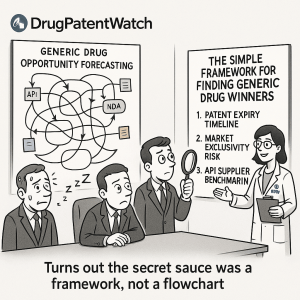
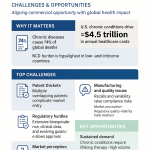
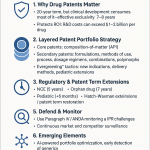
Identifying successful generic drug opportunities in a dynamic and competitive market requires a structured and multi-faceted approach. This report presents a simple yet robust framework built upon four critical pillars: Patent Intelligence, Regulatory Acumen, Strategic Market Entry, and Operational Excellence. The effective interplay of these elements is paramount for navigating the complexities of the generic pharmaceutical landscape and achieving sustainable profitability and market leadership. The analysis underscores the necessity of proactive patent monitoring, efficient regulatory navigation, rapid and strategic market entry, and robust operational capabilities to capitalize on generic opportunities. Success in this sector extends beyond mere cost-effectiveness; it demands a comprehensive strategy that addresses intellectual property, regulatory pathways, competitive dynamics, and supply chain resilience.
1. Introduction: The Strategic Imperative of Generic Drugs
The pharmaceutical industry is a cornerstone of global healthcare, and within it, generic drugs play an increasingly vital role. These medications are not merely cheaper alternatives; they are fundamental to healthcare system sustainability and patient access worldwide.
1.1 The Role of Generics in Healthcare Cost Containment and Accessibility
Generic drugs are designed to be therapeutically equivalent to their brand-name counterparts, possessing the same active ingredients, strength, dosage form, route of administration, quality, performance characteristics, and intended use.1 Their primary distinction lies in their significantly lower cost, typically ranging from 20% to 90% less expensive than branded medications.2 This affordability is a crucial mechanism for reducing healthcare expenditure and broadening patient access to essential medicines.3
The economic impact of generics is substantial. In the United States alone, generic and biosimilar drugs contributed to savings of $445 billion in 2023, accumulating over $2.9 trillion in savings over the past decade.3 Despite accounting for approximately 90% of prescriptions dispensed in the U.S., these medications represent only about 17.5% of total prescription drug spending.3 This disproportionate ratio highlights a profound societal value: generics are not simply a “cheap alternative” but a foundational component of public health infrastructure. Their widespread adoption ensures that a vast majority of patients can access necessary treatments for chronic diseases, such as cardiovascular conditions, diabetes, and cancer, thereby alleviating significant financial burdens on individuals and healthcare systems.7 Governments globally actively champion the use of generic drugs through various initiatives, including incentives for prescribing and policies that encourage pharmacists to offer generic alternatives, further solidifying their role in cost containment and improved accessibility.5
1.2 Overview of the Generic Drug Market Size and Growth Projections
The global generic drug market is experiencing robust expansion, driven by a confluence of factors. Projections indicate a significant increase from $435.3 billion in 2023 to $655.8 billion by 2028, reflecting a Compound Annual Growth Rate (CAGR) of 8.5%.5 Other analyses forecast the market size to reach approximately USD 728.64 billion by 2034, with a CAGR of 5.04% from 2025-2034 11, or even USD 775.61 billion by 2033, at a CAGR of 5.25% from 2025-2033.10
This impressive growth trajectory is primarily fueled by the impending expiration of patents on numerous blockbuster brand-name drugs, a phenomenon often termed the “patent cliff”.5 The increasing global demand for affordable healthcare solutions, coupled with proactive government initiatives promoting generic drug utilization, further propels this expansion.5 Specific therapeutic areas, such as oncology, are anticipated to witness remarkable growth, with a projected CAGR of 6.6% due to the rising prevalence of cancer worldwide.7 This sustained demand for cost-effective treatments positions the generic drug market as a critical and expanding sector within the broader pharmaceutical industry.
2. Pillar 1: Patent Intelligence and Opportunity Identification
The strategic identification of generic drug opportunities fundamentally begins with a meticulous analysis of the intellectual property landscape. Navigating this complex domain is the first critical step toward market success.
2.1 Decoding Patent Expiry and Market Exclusivity
The expiration of a brand-name drug’s patent serves as the primary catalyst for generic market entry.1 This event, frequently referred to as the “patent cliff,” unlocks substantial opportunities for generic manufacturers to introduce more affordable versions of existing medications, thereby driving down prices and enhancing accessibility for patients.5 Typically, patents grant a 20-year period of market exclusivity from their filing date, allowing innovator companies to recover their considerable research and development investments.4 However, the strategic timing of patent filings and the utilization of mechanisms like Supplementary Protection Certificates (SPCs) in certain regions can extend this effective patent life, maximizing the innovator’s return on investment.13
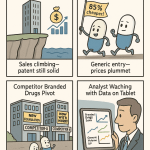
The entry of generic competitors profoundly impacts drug pricing. For instance, the introduction of just two generic competitors can lead to a significant price reduction of 54% compared to the brand-name product.14 This price erosion intensifies with increased competition, with prices potentially declining by as much as 95% when six or more generic competitors are present in the market.14 This steep decline in prices underscores the critical importance of early market entry for generic manufacturers to capture a substantial initial market share before the market becomes highly commoditized.
The concept of a “patent cliff” is not always a straightforward, singular event. Brand-name companies frequently employ sophisticated strategies, such as creating “patent thickets”—a dense web of numerous patents covering various aspects of a drug—or securing “add-on patents” for minor modifications or manufacturing processes.15 These tactics are designed to extend their market monopoly well beyond the expiration of the primary patent, delaying generic entry. This complex intellectual property landscape means that a generic drug winner must not merely identify the initial patent expiry date but must meticulously analyze the entire patent portfolio of the reference drug. This comprehensive approach is essential for identifying all relevant patents, assessing their validity, and anticipating potential litigation. This proactive intellectual property analysis allows companies to pinpoint “cleaner” opportunities or to strategically prepare for the inevitable legal challenges that often accompany high-value generic targets.
The following table illustrates the dramatic effect of generic competition on drug pricing:
Number of Generic Competitors
Average Price Reduction Compared to Brand (%)
2
54%
3-5
15-40% (additional savings after first generic)
6+
95%
10+
70-80% (after 3 years)
This data visually represents the direct financial impact of generic entry, providing a clear understanding of the competitive dynamics and the rapid price erosion that occurs. For strategic decision-makers, this information is crucial for accurate market sizing, revenue projections, and emphasizing the urgency of achieving first-mover advantage. It reinforces why precise timing and a thorough understanding of the competitive landscape are paramount in this industry.
The foundation of generic drug approval and associated litigation in the United States is the Drug Price Competition and Patent Term Restoration Act of 1984, widely known as the Hatch-Waxman Act.2 This landmark legislation was instrumental in creating an efficient pathway for generic drug approvals, streamlining the process by exempting generic manufacturers from repeating the extensive and costly preclinical and clinical trials required for original brand-name drugs.2 Simultaneously, it aimed to balance incentives for pharmaceutical innovation with the public interest in affordable medication access.
A key mechanism within Hatch-Waxman is the Paragraph IV certification. When a generic manufacturer files an Abbreviated New Drug Application (ANDA), they must include one of four certifications for each patent listed in the FDA’s Orange Book for the reference listed drug.17 A Paragraph IV certification asserts that the brand’s patent is either invalid, unenforceable, or will not be infringed by the generic product.16 Filing such a certification is legally considered an act of patent infringement, which then grants the patent holder a 45-day window to initiate a lawsuit against the generic applicant.16 If litigation is commenced within this period, the FDA automatically imposes a 30-month stay on the generic product’s ANDA approval.16 This stay effectively extends the brand-name drug’s market exclusivity while the patent dispute proceeds through the courts.16
The 30-month stay carries significant strategic implications. It guarantees brand manufacturers continued exclusivity during the litigation period, irrespective of the lawsuit’s eventual outcome, thereby creating a strong incentive for them to initiate litigation against Paragraph IV challengers, even in cases with uncertain legal prospects.17 For generic manufacturers, meticulously planning for this 30-month period is essential for their market entry timelines. Many generic companies strategically submit their ANDAs well in advance of patent expiration, specifically to accommodate this potential litigation period, positioning themselves for market entry promptly once key patents expire or litigation concludes favorably.17 The stay can be terminated earlier if a court rules that the challenged patents are invalid or not infringed.17
A particularly lucrative aspect of Paragraph IV challenges is the 180-day marketing exclusivity granted to the “first ANDA applicant” to successfully challenge a brand-name drug’s patent.17 This exclusivity creates a temporary duopoly, allowing the first generic entrant to share the market with the brand-name product for a limited period before other generic competitors can enter.19 This mechanism is designed to incentivize patent challenges and accelerate generic availability, but it also establishes a powerful first-mover advantage that can extend well beyond the initial exclusivity period.19 It is not uncommon for multiple generic companies to file on the same day to share the potential benefits of this exclusivity.17
Therefore, for generic drug winners, patent litigation is not merely a risk to be avoided but a calculated strategic investment. Companies are not just defending against infringement claims; they are actively pursuing a temporary monopoly that can yield substantial initial market capture. The significant market share advantage enjoyed by first movers underscores this perspective.19 This approach necessitates robust legal teams with specialized expertise in Hatch-Waxman litigation, meticulous document management, and a strategic willingness to engage in complex legal battles, potentially including challenging patent validity through Inter Partes Reviews (IPRs).16 The decision to pursue a Paragraph IV certification is a high-stakes one, carefully balancing the benefits of potential earlier market entry against the associated litigation costs and risks.17 Competitive intelligence platforms, such as DrugPatentWatch, are invaluable tools in this process, providing comprehensive databases of drug patents, generic entry opportunities, and detailed patent litigation information, enabling companies to identify market entry opportunities and track competitor activity effectively.17
3. Pillar 2: Regulatory Acumen and Efficient Approval
Efficiently navigating the complex regulatory pathways is a non-negotiable requirement for bringing generic drugs to market successfully. This pillar focuses on mastering the approval processes in key markets.
3.1 The Abbreviated New Drug Application (ANDA) Process (US FDA)
In the United States, the primary regulatory pathway for generic drug approval is the Abbreviated New Drug Application (ANDA) process, overseen by the Food and Drug Administration (FDA).14 This process is “abbreviated” because it allows generic manufacturers to gain approval without duplicating the extensive and costly preclinical (animal) and clinical (human) trials that were necessary for the approval of the original brand-name drug.2 This streamlined approach is a cornerstone of the generic drug model, enabling faster and more cost-effective market entry.
To secure FDA approval, an ANDA applicant must provide compelling data demonstrating that their generic drug is therapeutically equivalent to an already approved Reference Listed Drug (RLD).17 This equivalence must be established across several critical parameters, including identical active ingredients, strength, dosage form, route of administration, conditions of use, and labeling (with minor permissible differences).1
The cornerstone of ANDA approval is the demonstration of bioequivalence.1 This involves conducting pharmacokinetic studies, typically in healthy volunteers, to compare the rate and extent of absorption of the generic drug with that of the RLD.1 Key pharmacokinetic parameters, such as Cmax (maximum concentration), Tmax (time to maximum concentration), and AUC (area under the curve), are assessed. For a generic drug to be considered bioequivalent, the mean Cmax and AUC must generally fall within a 90% confidence interval of 80% to 125% of the RLD’s values.2
The ANDA submission process itself demands thorough preparation. Once compiled, the application is submitted electronically to the FDA’s Center for Drug Evaluation and Research (CDER).18 The FDA then conducts a multi-phase review, meticulously assessing the bioequivalence and safety data, verifying labeling compliance with the RLD, and performing inspections of manufacturing facilities to ensure adherence to quality assurance standards.14
The typical review timeline for a standard ANDA is approximately 30 months.18 However, this period can be extended, particularly for more complex generic drugs or if the application requires multiple review cycles to address identified deficiencies.14 Applications for priority generics, such as those addressing drug shortages or unmet medical needs, may qualify for expedited review pathways.18
While the ANDA process is designed to be “abbreviated” by foregoing extensive clinical trials, the bioequivalence requirement is far from simplistic, especially for complex generic formulations.23 The permissible 80-125% range for Cmax and AUC, while statistically sound, can still allow for a degree of variability. Some experts have raised concerns that this range might permit differences that could be clinically relevant when patients are switched between different generic versions of a medication, particularly for drugs with narrow therapeutic windows.24 This highlights that “bioequivalence” is a statistical concept with nuanced real-world clinical implications. Therefore, generic drug winners must strive for robust bioequivalence, potentially aiming for tighter ranges than the minimum regulatory requirement, to ensure consistent patient outcomes and foster greater trust among healthcare providers. This is especially vital for complex formulations where even minor variations can have significant clinical consequences.23 This ongoing discussion also underscores the continuous scrutiny and evolution of generic drug quality and interchangeability standards.
3.2 Global Regulatory Pathways (Europe EMA and Other Regions)
Beyond the United States, generic drug manufacturers must navigate diverse regulatory landscapes to achieve global market access. The European Medicines Agency (EMA) plays a central role in assessing applications for generic medicines within the European Union.25 Generic or hybrid medicinal products that are already centrally authorized in the EU automatically gain access to the EMA’s centralized procedure for generic approval.25 For products initially authorized via national, Mutual Recognition Procedure (MRP), or Decentralized Procedure (DCP) routes, access to the centralized procedure can be granted upon applicant request if the medicinal product demonstrates “significant therapeutic, scientific or technical innovation” or if its Union authorization is deemed to be in the “interest of patients at Union level”.25
In addition to the centralized procedure, national regulatory pathways exist within Europe. For instance, the Medicines and Healthcare products Regulatory Agency (MHRA) in the UK typically has an approval timeline of approximately 150 days under its national procedure.2 Other European procedures include the mutual recognition procedure, where an authorization granted in one EU member state can be recognized by others, and the decentralized procedure, which allows for simultaneous authorization in multiple member states for medicines not yet authorized in the EU.14 The EMA defines a generic medicinal product as one having the same qualitative and quantitative composition in active substance(s), the same pharmaceutical form, and demonstrated bioequivalence with the reference product through appropriate bioavailability studies.25
Proactive engagement with regulatory bodies is a common best practice across regions. Applicants are often encouraged to notify the EMA of their intention to submit an application 6-18 months in advance.25 Similarly, the FDA offers pre-ANDA meetings to address questions and concerns early in the development and application preparation processes, which can significantly streamline the review.27
3.3 Best Practices for Efficient Multi-Market Regulatory Submissions
To optimize regulatory submissions for generic drug approvals across multiple markets, companies must adopt strategic approaches that simultaneously align with diverse regulatory requirements and maximize efficiency.
A foundational step is the development of a comprehensive Global Regulatory Plan (GRP). This plan should integrate regional requirements, business objectives, and lifecycle management considerations.28 It meticulously outlines target markets, their specific submission timelines, and any product-specific guidance, such as FDA Product-Specific Guidances (PSGs) or expedited pathways like the FDA’s Competitive Generic Therapy (CGT) designation.28 Cross-functional collaboration, involving regional experts in regulatory affairs, quality assurance, and clinical development, is crucial to address jurisdictional nuances from the earliest stages.28
Harmonization and mutual recognition are key to minimizing redundancies. Companies should align their submissions with International Council for Harmonisation (ICH) guidelines to reduce discrepancies between the FDA, EMA, and other agencies.28 This includes consistently using the electronic Common Technical Document (eCTD) format and leveraging mutual recognition agreements for Good Manufacturing Practice (GMP) inspections.28 Participation in regulatory convergence initiatives, such as the FDA’s pre-ANDA meetings and the EU’s decentralized procedures, can further synchronize data requirements.28
The adoption of advanced submission technologies significantly enhances efficiency. Regulatory software solutions can automate document formatting for eCTD compliance, track submission statuses across multiple regions in real-time, and centralize document repositories for seamless cross-team access.28 Robotic Process Automation (RPA) can be deployed for repetitive tasks like metadata tagging and validation checks, further streamlining the process.11
Proactive regulatory engagement is another critical best practice. Requesting scientific advice from agencies like the FDA and EMA through pre-submission consultations can clarify complex bioequivalence study designs or Chemistry, Manufacturing, and Controls (CMC) requirements upfront, thereby preventing costly delays later in the review process.27 Conducting thorough gap analyses to identify regional differences in labeling requirements, stability testing protocols, and excipient acceptability criteria is also vital for smooth multi-market submissions.28
Finally, efficient documentation practices are paramount. Developing a master dossier with region-agnostic modules (e.g., quality data) and then adapting region-specific sections (e.g., Module 1) allows for modular content reuse and parallel authoring, significantly reducing revisions and accelerating the overall process.28 By integrating these strategies, companies can substantially reduce average approval timelines, potentially from over 30 months to under 18 months for priority markets.28
The complexity and time-consuming nature of regulatory approvals are well-documented challenges within the generic drug industry.5 However, the emphasis on these best practices, including harmonized guidelines, advanced technologies, and proactive engagement, underscores a crucial point: regulatory compliance is not merely a hurdle but a significant area for strategic advantage. Companies that can navigate these frameworks more efficiently, for example, by reducing approval timelines, gain a considerable competitive edge. This means that generic drug winners are those that regard regulatory affairs not as a bureaucratic necessity but as a strategic function. Investing in regulatory intelligence tools, fostering robust cross-functional collaboration, and adopting digital submission platforms allows these companies to accelerate market entry, which is particularly critical in a market where early entry translates into substantial commercial benefits.19 This operational agility in regulatory processes directly contributes to overall commercial success.
4. Pillar 3: Strategic Market Entry and Competitive Differentiation
Maximizing market impact upon entry and effectively differentiating in a highly competitive landscape are crucial for generic drug winners. This pillar outlines the strategies for achieving these objectives.
4.1 First-Mover Advantage
The timing of market entry is arguably the most critical factor for success in the generic drug industry.19 Research consistently demonstrates that the first generic drug to enter the market after patent expiration enjoys substantial and enduring advantages over subsequent entrants.19 This “first-mover advantage” can translate into capturing up to 90% of the market share, a lead that can persist for years and establish a significant competitive edge in an increasingly crowded marketplace.19 A notable example is the first generic version of atorvastatin (Lipitor), which captured over 70% of the genericized market within months of its launch.19
Several factors contribute to this pronounced first-mover advantage:
Purchasing Patterns: Generic drug selection often occurs at an institutional level, where pharmacies and wholesale distributors make stocking decisions. The first generic available naturally becomes the default choice for these purchasers, simplifying their procurement processes.19
Contractual Relationships: Early entrants are able to establish supply agreements and secure favorable formulary positions with payers and distributors. These established relationships create structural barriers that make it significantly more challenging for later entrants to gain market traction.19
Patient Behavior: Patients frequently develop a comfort and confidence with a particular generic medication based on its appearance, packaging, and initial brand association. This familiarity often leads to a reluctance to switch to different generic versions of the same drug, reinforcing the first mover’s market position.19
Physician Behavior: Similarly, healthcare providers develop familiarity and trust with specific generic products through their initial prescribing experiences. This creates cognitive defaults that influence their subsequent prescribing decisions. Research indicates that physicians incur “search and persuasion costs” when evaluating alternative generic options, contributing to an inertia that benefits established first movers.19
In terms of pricing, the initial generic entrant typically launches at a price point 20-30% below the brand-name product.19 This strategy immediately delivers value to payers and patients while allowing the first manufacturer to maintain healthy profit margins. As additional competitors enter the market, prices generally decline progressively, with the most significant drops occurring once three or more generics become available.19
The data explicitly shows that the first generic entrant can capture a substantial market share, and this advantage is amplified if they launch even a month earlier than competitors.19 This is not merely about being
first, but about dominating the market because of that initial entry. The underlying reasons—such as wholesaler and pharmacy defaults, established contracts, and patient/physician inertia—act as powerful, self-reinforcing mechanisms. This creates a “winner-take-most” dynamic within the generic market. Consequently, companies must prioritize strategies that enable the earliest possible entry, even if such strategies involve higher initial legal or development costs (e.g., through Paragraph IV litigation). Success in this arena is not simply about having an approved generic but about being the first to effectively commercialize it, thereby translating regulatory approval into a dominant market share. This necessitates highly efficient launch teams and comprehensive pre-market preparation to capitalize on this critical window of opportunity.
4.2 Differentiation Strategies for Generic Manufacturers
In a generic drug market characterized by intense competition and susceptibility to commoditization, differentiation becomes a crucial strategic imperative.5 While the core generic business model is based on bioequivalence and lower prices 6, successful manufacturers are increasingly exploring ways to stand out.
One significant strategy involves developing higher-value or complex generics.31 Unlike traditional generics, these products offer improved efficacy, safety, or convenience through innovative formulations, drug-device combinations, or sophisticated delivery systems.5 While complex generics may require more extensive bioequivalence studies or even additional clinical trials for regulatory approval 23, their advanced nature often allows them to command a premium price and attract a broader customer base.31 This represents a strategic evolution from a pure “me-too” approach to a “me-better” philosophy within the generic space.
Generic manufacturers must also be adept at combating brand-name strategies designed to delay generic market entry. Brand companies frequently employ tactics such as obtaining additional patents (known as “product hopping”), engaging in “reverse-payment” or “pay-for-delay” settlements, and restricting access to drug samples for generic development.31 Generic manufacturers must develop proactive counter-strategies, including challenging weak patents and seeking regulatory support to overcome these barriers.31
Although the generic drug segment typically prioritizes economic pricing over extensive promotional efforts 6,
effective marketing strategies can still provide a competitive edge.31 This may involve building brand equity, driving patient acquisition and retention, and leveraging patient programs like copay cards.31 Some brand-name manufacturers also choose to create over-the-counter (OTC) formulations of their branded products after patent expiry to retain market volume and customer loyalty.31
Finally, collaboration and partnerships offer significant benefits. Generic manufacturers can engage in joint research and development, manufacturing agreements, and distribution partnerships with other companies, regulatory agencies, and healthcare organizations to expand their market reach, share risks, and enhance capabilities.31
The generic market, while growing, is characterized by intense price competition and a tendency towards commoditization.5 This environment makes it challenging for new entrants to compete solely on the basis of simple generics.34 However, the increasing focus on “higher-value generics” and “complex generics” signals a strategic pathway to mitigate these pressures.23 These products, with their sophisticated formulations or delivery systems, often face fewer direct competitors and can command better profit margins. This indicates a fundamental shift in the industry, moving beyond simply replicating existing drugs to innovating within the generic space. For generic drug winners, future success will increasingly depend on their ability to identify and develop these more specialized, technically challenging generic products or biosimilars.30 This requires significant investment in R&D capabilities for complex formulations and a deeper understanding of unmet patient needs or market gaps that traditional generics cannot address. This strategic evolution also implies a greater need for sophisticated market segmentation and targeting to identify and serve these niche opportunities.35
5. Pillar 4: Operational Excellence and Risk Mitigation
Sustained success in the generic drug market hinges on a robust operational backbone, encompassing stringent manufacturing standards, resilient supply chains, and proactive risk mitigation strategies.
5.1 Manufacturing and Quality Control
Adherence to Good Manufacturing Practices (GMP) is an absolute prerequisite throughout the generic drug development and manufacturing lifecycle.1 GMP standards ensure that drugs are consistently produced and controlled according to rigorous quality parameters, safeguarding patient safety and product efficacy.1 Regulatory bodies, such as the FDA, routinely conduct inspections of manufacturing facilities to verify compliance with these critical standards.14
Beyond mere compliance, the adoption of Quality by Design (QbD) principles represents a proactive and systematic approach to pharmaceutical development.38 Unlike traditional methods that focus primarily on end-product testing, QbD emphasizes building quality directly into the product design and manufacturing process from the outset.38 This involves a deep understanding and control of Critical Quality Attributes (CQAs)—the measurable characteristics that define a product’s performance—and Critical Process Parameters (CPPs)—the variables that influence the manufacturing process.38 Implementing QbD offers numerous advantages, including enhanced manufacturing efficiency, consistent product quality and efficacy, reduced production costs, minimized batch failures, and potentially less intensive regulatory oversight due to a more robust and scientifically understood process.39
Despite these advancements, the generic drug industry faces inherent challenges related to manufacturing complexity and quality issues. Complex generic formulations, in particular, demand precise control over active ingredients and excipients, posing significant manufacturing hurdles.23 Instances of quality issues can severely damage a manufacturer’s reputation and erode confidence among healthcare providers and patients.5 Furthermore, increased regulatory scrutiny in recent years has led to notable setbacks for several major players in the market.5
While GMP is a non-negotiable regulatory requirement, the strategic adoption of Quality by Design (QbD) and the documented impact of “quality issues” on reputation suggest that quality transcends mere compliance.5 QbD’s direct benefits, such as reduced costs, less process downtime, improved consistency, and a faster time to market, position it as a strategic investment rather than just an operational expense.39 The escalating regulatory scrutiny further elevates quality from a checkbox activity to a foundational competitive differentiator. Generic drug winners will distinguish themselves not only by competitive pricing but also by an unwavering commitment to superior quality, proactively embedding it through QbD and robust quality management systems. This approach fosters trust with healthcare providers and patients, effectively mitigates regulatory risks, and contributes significantly to long-term supply chain stability, which is particularly crucial given the persistent problem of drug shortages.40
5.2 Supply Chain Resilience
Drug shortages represent a significant and persistent concern within the healthcare system, disproportionately affecting generic medications.40 Data indicates that between 2013 and Q1 2024, a notable 37% of approved generic drugs had not yet launched, and it often takes over four years for 70% of generics to reach the market, directly contributing to these shortages.41 Alarmingly, for drugs currently on the shortage list, 62% have approved generics, yet 84% of these have at least one unlaunched product, and 21% have no generics launched at all.42
The generic drug supply chain is inherently vulnerable to disruptions stemming from various factors, including a heavy reliance on offshore manufacturing, intermittent ingredient shortages, and limitations in manufacturing capacity.30 Furthermore, intense price competition within the generic market can drive manufacturing costs to unsustainably low levels, potentially forcing existing manufacturers out of the market and deterring new entrants. This dynamic exacerbates the problem of drug shortages, particularly for low-cost, off-patent drugs where the market price offers insufficient incentive for new supply.44
To enhance supply chain optimization and resilience, several strategic approaches are imperative:
Diversification of Supply: This involves implementing multi-source sourcing models for raw materials and Active Pharmaceutical Ingredients (APIs), alongside a strategic balance of domestic and diversified foreign sourcing to reduce single-point dependencies.43
Material Availability and Visibility: Ensuring real-time visibility across the entire value chain is critical for tracking material availability, managing inventory effectively, and guaranteeing consistent stock levels.43
Smart Logistics: Implementing advanced logistics solutions, such as cold chain monitoring and lot and batch level traceability, is crucial for maintaining regulatory compliance and ensuring product integrity throughout distribution.43
Advanced Manufacturing Technologies (AMTs): While AMTs, such as continuous manufacturing, present challenges for generic drug production due to their fast turnover and large portfolio nature, they are recognized as potential solutions to prevent quality-related shortages and enhance manufacturing robustness.45 Government incentives may be necessary to encourage broader adoption of these technologies within the generic sector.45
Improved Processes and Data Analytics: Enhancing internal processes, including pipeline and development management, capacity planning, and production scheduling, through better data analytics and predictive modeling, can significantly improve supply chain responsiveness and strategic decision-making.43
The generic drug market presents a paradox: its success in driving down prices, which is highly beneficial for healthcare costs, can inadvertently create supply instability.4 This intense price competition often leads to “razor-thin margins,” which can force manufacturers out of the market or deter new entrants.44 This, in turn, directly contributes to critical drug shortages.40 The system, designed to promote affordability, inadvertently creates vulnerabilities in supply. Therefore, generic drug winners must strategically balance aggressive pricing with a robust commitment to supply chain resilience. This necessitates investments in multi-sourcing, resilient quality systems, and potentially increasing domestic manufacturing capabilities, even if these measures impact short-term margins.40 Policymakers also have a crucial role in establishing incentives that promote supply chain resilience to ensure the long-term availability of essential generic medicines.44
5.3 Navigating Market Entry Barriers and Pricing Pressures
The pharmaceutical industry, including its generic segment, is characterized by significant barriers to entry.34 These include the inherent difficulties and time required to achieve FDA approval, the substantial research and development costs (even for bioequivalence studies), and the pervasive challenges posed by intellectual property protections.30 Furthermore, the need for advanced manufacturing capabilities and strict compliance with Good Manufacturing Practices (GMP) demands considerable capital investment, which can be prohibitive for new companies.34
Once in the market, generic manufacturers face intense price competition and commoditization.5 This competitive environment drives prices down and squeezes profit margins, particularly as more competitors enter a market for a specific drug.4
Brand defense strategies are another formidable barrier. Brand-name companies actively employ various tactics to delay generic market entry. These include obtaining additional patents on minor modifications or new uses (“product hopping”), engaging in “pay-for-delay” or “reverse-payment” settlements with generic manufacturers, and restricting access to drug samples necessary for bioequivalence testing.32 Such tactics significantly increase the time and cost associated with generic market entry.
Moreover, the market dynamics are influenced by the emergence of large buying groups and Pharmacy Benefit Managers (PBMs). These entities negotiate on behalf of their members, which can make it challenging for generic manufacturers to negotiate favorable prices and maintain market share.30 A key distinction is that, unlike the brand drug market where PBMs negotiate rebates, generic manufacturers rarely, if ever, engage in such rebate negotiations.49 This difference in reimbursement methodologies further impacts generic pricing control.49
The market’s intense price competition and inherent commoditization make it challenging for new entrants to succeed solely by offering simple generics.5 However, the growing emphasis on “higher-value generics” and “complex generics” signals a strategic pathway to mitigate these pressures.23 These products, characterized by sophisticated formulations or unique delivery systems, typically face fewer competitors and can command better margins. This suggests a strategic imperative for generic drug winners to pivot towards more specialized, technically challenging generic products or biosimilars.30 While this requires significant investment in R&D and manufacturing capabilities for these complex products, it offers a crucial refuge from the severe price erosion prevalent in simple generic markets. This approach represents a strategy of identifying and capitalizing on “blue oceans” within the broader generic landscape.
6. Conclusion: Building a Winning Generic Drug Portfolio
Sustained success in the generic pharmaceutical market is not a matter of chance but the result of a deliberate, integrated strategy built upon core competencies in intellectual property, regulatory affairs, market dynamics, and operational execution. The framework presented herein provides a roadmap for identifying and capitalizing on high-potential generic drug opportunities.
6.1 Synthesizing the Framework’s Pillars into Actionable Steps
To consistently identify and launch generic drug winners, organizations must adopt a holistic and proactive approach:
Proactive Patent Intelligence: Continuously monitor patent expiration dates and meticulously analyze the entire patent landscape of target drugs, including any “patent thickets” or “add-on patents” employed by brand manufacturers. Strategically prepare for Paragraph IV challenges to secure early market entry and the potential for 180-day marketing exclusivity. Leverage advanced competitive intelligence platforms, such as DrugPatentWatch, for real-time data and actionable insights into competitor activities and patent statuses.
Efficient Regulatory Navigation: Develop deep in-house regulatory affairs expertise, particularly concerning the nuances of both US (FDA ANDA) and international (EMA) pathways. Implement best practices for multi-market submissions, including adhering to harmonized guidelines (e.g., ICH), utilizing advanced digital submission tools (e.g., eCTD software, RPA), and engaging proactively with health authorities through pre-submission consultations to expedite approvals and minimize delays.
Strategic Market Entry: Prioritize opportunities that allow for a first-to-market advantage, especially those amenable to a first-to-file Paragraph IV certification, to capture dominant initial market share. Develop differentiated products, with a particular focus on complex generics, to command better pricing and mitigate the effects of market commoditization. Be prepared with robust counter-strategies to effectively combat brand-name companies’ tactics designed to delay generic entry.
Operational Resilience: Invest in robust manufacturing quality systems by implementing Quality by Design (QbD) principles across all production processes to ensure consistent product quality, efficiency, and reduced batch failures. Build resilient supply chains through strategic multi-sourcing of raw materials and APIs, ensuring real-time visibility across the entire value chain, and implementing smart logistics. Proactively address potential drug shortages through diversification and strategic inventory management to ensure consistent supply and build lasting market trust.
6.2 Future Outlook for the Generic Drug Market
The generic drug market is poised for significant and sustained growth in the coming years. A primary driver will be the continued wave of patent expirations, with numerous high-revenue branded drugs losing their protection between 2025 and 2030, unlocking over $150 billion in market potential.9 This ensures a steady pipeline of opportunities for generic manufacturers.10
The impact of artificial intelligence (AI) and other advanced technologies is expected to be transformative. AI-powered tools are projected to revolutionize clinical development, optimize trial designs, and illuminate hidden insights within market data, thereby driving efficiency and fostering innovation across the generic industry.10 Robotic Process Automation (RPA) is already being utilized for high-volume R&D and production activities, streamlining operations.11
A persistent focus on affordability and access will continue to shape the market. Governments and healthcare systems globally will intensify their efforts to reduce drug prices and increase patient access, reinforcing the demand for cost-effective generics.5 This includes ongoing initiatives aimed at reducing out-of-pocket costs for patients.50
However, the industry will also continue to face notable challenges and necessitate adaptation. These include intense competition, sustained pricing pressures, complex regulatory hurdles, and inherent supply chain vulnerabilities.5 The development of complex generics and biosimilars, while offering significant opportunities, will also present unique technical and regulatory challenges.30
There is a growing trend towards increased domestic manufacturing and greater transparency within the supply chain. A push to bring more generic manufacturing back to countries like the U.S. aims to reduce reliance on overseas suppliers, enhance quality control, and improve supply predictability.40 Increased transparency across the entire supply chain, from raw material producers to end-purchasers, is also anticipated to foster resilience.40
Finally, while generic prices have historically experienced steep declines with increased competition, some experts anticipate a stabilization of generic costs over time.40 This suggests that there may be a floor to how much lower prices can go, potentially influencing future profitability models.
In this evolving landscape, generic drug winners will need to move beyond simply pursuing every patent expiry. They must strategically assess where they possess a distinct competitive advantage, whether it stems from superior manufacturing capabilities, regulatory agility, legal prowess, or the ability to develop complex generics. This necessitates a more disciplined portfolio strategy, focusing resources on areas where they can truly differentiate and sustain profitability, rather than entering highly commoditized segments where margins are unsustainable. This also implies a greater emphasis on strategic mergers and acquisitions and licensing deals to build and maintain leading portfolios.53
6.3 Key Recommendations for Identifying and Capitalizing on Generic Drug Opportunities
To thrive in the competitive generic pharmaceutical market, the following recommendations are crucial:
Invest in Advanced Patent and Competitive Intelligence: Implement sophisticated tools and engage expert analysis to comprehensively map the patent landscape of target drugs. This includes identifying all relevant patents, particularly “add-on” patents, and continuously tracking competitor strategies to anticipate market moves and litigation.
Cultivate Regulatory Expertise and Agility: Develop robust in-house regulatory affairs capabilities with in-depth knowledge of both US (FDA ANDA) and international (EMA) regulatory pathways. Embrace digital tools and proactive engagement with regulatory bodies to streamline submissions, accelerate approvals, and maintain a competitive edge in time-to-market.
Prioritize First-to-Market Strategies: Focus resources on opportunities where a first-to-file Paragraph IV certification is feasible, leveraging the potential for 180-day marketing exclusivity. Build rapid launch capabilities and efficient commercialization teams to capitalize on the significant initial market share advantages.
Strategically Differentiate with Complex Generics: Shift strategic focus towards developing “higher-value” or complex generic products that offer unique formulations, drug-device combinations, or advanced delivery systems. This differentiation provides a crucial competitive advantage beyond simple price competition and can command better margins.
Strengthen Operational Foundations: Implement Quality by Design (QbD) principles across all manufacturing processes to ensure consistent product quality, enhance efficiency, and reduce operational risks. Build resilient supply chains through multi-sourcing, real-time visibility, and strategic inventory management to mitigate the impact of drug shortages and ensure consistent product supply.
Foster Strategic Partnerships and Collaborations: Actively seek out joint ventures, R&D collaborations, and distribution agreements with other companies, regulatory agencies, and healthcare organizations. Such partnerships can expand market reach, share development risks, and enhance overall capabilities.
Adapt to Evolving Market Dynamics: Continuously monitor emerging market trends, technological advancements (e.g., AI in drug development), and policy changes (e.g., drug pricing regulations, trade tariffs). This vigilance allows for proactive adaptation of business models and the identification of new opportunities, particularly in high-growth emerging markets.