1. Why the Patent Portfolio Is the Real Balance Sheet
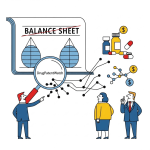
A company’s income statement tells you what it earned last quarter. Its pipeline tells you what it hopes to test over the next decade. Its patent portfolio tells you what it owns today, legally, defensibly, and with cash-flow consequences that dwarf any single clinical readout.
The entire business model of the innovative pharmaceutical industry rests on one statutory bargain. Drug development takes 10 to 15 years and, depending on the asset class, $1 billion to $3 billion in fully capitalized costs when accounting for the cost of failure across programs. In exchange for disclosing that invention publicly, governments grant a temporary exclusive right: 20 years from the patent’s priority filing date. After that exclusivity window closes, competitors may copy the molecule, formulation, or method freely. The bargain is explicit. Innovators get a temporary monopoly; society gets the invention.
For most of that 20-year term, the drug is still in development or regulatory review. The result: a typical novel chemical entity (NCE) reaches commercial launch with roughly 8 to 12 years of effective patent life remaining. A biologic may fare better, but the Biologics Price Competition and Innovation Act (BPCIA), along with the Inflation Reduction Act’s (IRA) new negotiation timelines, is actively compressing even that window.
The financial consequences are binary and enormous. During exclusivity, a blockbuster drug generating $5 billion in annual U.S. revenue faces no structural pricing pressure from generics or biosimilars. The day that exclusivity ends, that revenue line can drop 80% within 18 months. No other sector produces predictable, legally defined, calendar-datable revenue collapses of this magnitude. That predictability is both the risk and the opportunity.
Between 2025 and 2030, drugs representing an estimated $236 billion to $350 billion in combined global revenue are scheduled to lose U.S. patent protection. That figure includes Keytruda (pembrolizumab, Merck, ~$29.5 billion in 2023 revenues) facing its first meaningful patent pressure around 2028, Eliquis (apixaban, BMS/Pfizer, ~$12 billion in U.S. sales) with generic entry already litigated, and a cohort of immunology and oncology biologics entering the BPCIA patent dance for the first time.
Investors who treat the patent portfolio as a legal formality rather than a financial instrument will consistently misprice these assets. The goal of this report is to correct that.
Key Takeaways: Section 1
Patent exclusivity, not brand loyalty or manufacturing scale, is the primary driver of pharmaceutical pricing power.
Effective patent life after commercial launch is typically 8 to 12 years for small molecules, often less once the IRA’s small-molecule negotiation timeline (9 years post-launch) is factored in.
The 2025-2030 patent cliff represents the largest single-cohort revenue transition in the industry’s history.
Investors who model patent expiry with precision have a structural informational edge over those relying on sell-side consensus estimates.
2. The Anatomy of a Pharmaceutical Patent: Claims, Scope, and Billion-Dollar Linguistic Details
The Three Statutory Requirements
Every U.S. patent, to withstand validity challenges, must satisfy three requirements under 35 U.S.C.: novelty (the invention cannot have been publicly disclosed before the priority date), utility (it must have a practical use), and non-obviousness (it cannot be an obvious modification of existing knowledge to a person of ordinary skill in the relevant art, or POSITA).
Non-obviousness is the requirement that drives the most litigation. The ‘obvious to try’ doctrine, sharpened by the Supreme Court in KSR International Co. v. Teleflex Inc. (2007), held that combining known elements using known methods to yield predictable results is obvious, even if no one tried the combination before. That ruling has made composition of matter patents on formulation variants and salt forms substantially more vulnerable to invalidity arguments than they were in the pre-KSR era.
Specification vs. Claims: The Property Lines of IP
A patent application has two operative sections. The specification describes the invention in enough technical detail for a POSITA to make and use it. This is the ‘how-to’ manual and it sets the outer boundary of what the claims can cover. The claims are the legally operative property lines.
Claim language is not decorative. Three transitional phrases carry materially different legal weight:
‘Comprising’ is open-ended. A claim for a formulation comprising compounds A, B, and C covers any product containing those three components, regardless of what else it contains. This is the default for maximum protection.
‘Consisting essentially of’ is partially open. It covers formulations with A, B, and C plus additional components that do not materially affect the basic and novel properties. This is a middle ground.
‘Consisting of’ is closed. It covers only the exact combination listed. A competitor can design around it by adding any non-essential fourth ingredient.
The choice between these terms has produced verdict differences measured in billions of dollars. In Pfizer’s Celebrex (celecoxib) litigation, the precise scope of formulation claims determined whether competitors’ products fell inside or outside the protected territory. Investors should read the actual claim language, not just the patent number.
Dependent vs. Independent Claims
A patent typically contains several independent claims, each covering the invention from a distinct angle (the compound itself, a method of use, a formulation), and a set of dependent claims that add further limitations to each independent claim. If an independent claim is found invalid, its dependent claims fall with it. If a dependent claim is found valid, it provides narrower but surviving protection. Evaluating a patent’s robustness requires mapping this hierarchy, not simply counting the total number of claims.
Key Takeaways: Section 2
The KSR standard has materially weakened the presumptive validity of incremental composition patents, especially polymorph, salt, and prodrug variants.
‘Comprising’ vs. ‘consisting of’ is not stylistic. It determines whether a competitor can design around a patent for the cost of adding one excipient.
Reading actual claim language, not just expiration dates, is a prerequisite for accurate IP valuation.
3. The Exclusivity Stack: Building and Reading a Patent Thicket
Composition of Matter: The Crown Jewel
Composition of matter (COM) patents protect the novel active pharmaceutical ingredient (API) or biologic molecule itself, independent of how it’s manufactured or in which indication it is used. A COM patent in force means that no competitor can sell any product containing that molecule in any form. This is the strongest possible protection.
For early-stage biotech companies, the scope and remaining term of the COM patent is often the single largest component of enterprise value. A startup with a promising Phase II oncology asset and 15 years of COM exclusivity remaining has a fundamentally different risk-adjusted NPV than one with the same asset and 5 years remaining. Patent attorneys, business development teams, and investors all need this number.
The Secondary Patent Roster
Because the 20-year patent term starts at filing, and filing typically precedes FDA approval by a decade or more, innovators rely on secondary patents to extend effective commercial exclusivity. These are not loopholes. They are the deliberate, expected mechanism the Hatch-Waxman system accounts for. The relevant categories:
Method-of-use patents cover specific therapeutic applications. If a drug approved for rheumatoid arthritis is later found effective for psoriatic arthritis, a new method-of-use patent covers that indication and resets the competitive timeline for that label. These are listable in the Orange Book only when the label covers the protected use.
Formulation patents cover the physical form of the final drug product. Extended-release mechanisms, nanoparticle carriers, liposomal encapsulations, and co-crystal forms that improve bioavailability or tolerability are all patentable. These patents are frequently the primary litigation battleground in PIV challenges because they are often the last line of defense after COM expiry.
Dosage regimen patents protect novel dosing schedules if the schedule produces a non-obvious clinical benefit. Once-weekly vs. daily dosing has been patented when a pharmacokinetic or pharmacodynamic advantage could be demonstrated.
Process patents protect manufacturing methods. They are not Orange Book-listable, so they do not trigger the Hatch-Waxman automatic 30-month stay. But they can still be asserted in district court if a generic uses the identical process. A generic company that clears all Orange Book-listed patents can still face a process patent infringement suit after launch.
Polymorph and salt form patents exploit the fact that the same API can crystallize into different three-dimensional structures with distinct physical properties affecting solubility, stability, and manufacturability. AstraZeneca’s extension of omeprazole into esomeprazole (Nexium) by patenting the S-enantiomer is the canonical example of this strategy.
Combination patents protect the use of two or more active agents together. These are commercially dominant in oncology and HIV, where combination therapy is standard of care. Gilead’s Biktarvy (bictegravir/emtricitabine/tenofovir alafenamide) is protected by a web of combination patents that layer on top of each component’s individual IP.
Non-Patent Regulatory Exclusivities: The Invisible Layer
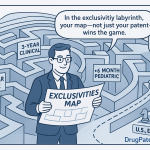
Patent analysis alone is incomplete. The FDA grants several data exclusivity protections that block generic or biosimilar applications regardless of patent status:
New Chemical Entity (NCE) exclusivity: 5 years of data exclusivity for drugs with a novel active moiety. During the last 4 years of NCE exclusivity, a generic may file an ANDA with a Paragraph IV certification but the application cannot be approved until NCE exclusivity ends.
New Clinical Investigation (NCI) exclusivity (also called 3-year exclusivity): 3 years for applications supported by new clinical studies essential to approval, such as new indications, new formulations, or new combinations.
Orphan Drug Exclusivity (ODE): 7 years of market exclusivity for drugs treating diseases with fewer than 200,000 U.S. patients. Unlike NCE exclusivity, ODE blocks any FDA approval for the same drug in the same orphan indication, even one not relying on the innovator’s data.
Pediatric Exclusivity (PED): A 6-month extension attached to any existing patents and exclusivities as a reward for conducting FDA-requested pediatric studies. This is additive. A drug with a patent expiring December 2026 and a PED award sees that expiry move to June 2027.
Qualified Infectious Disease Product (QIDP) exclusivity: 5-year extension added to other exclusivities for antibiotics and antifungals targeting qualifying pathogens.
The investor who models only patent expiration dates without mapping the full regulatory exclusivity stack will produce systematically early estimates for generic entry.
IP Valuation as a Core Asset: Methodologies
Treating a patent portfolio as a financial asset requires valuation. Three primary methodologies apply:
Cost approach: Totals the historical and estimated replacement cost of developing the protected IP. Useful for insurance and accounting purposes, rarely for investment decisions. It provides no insight into commercial value.
Market approach: Benchmarks the portfolio against comparable IP transactions. Licensing royalty databases, M&A deal multiples, and auction outcomes for similar patents provide the comparables. The primary limitation is data availability, since most pharmaceutical license agreements are confidential.
Income approach (rNPV): Projects the expected future cash flows attributable to the patent, discounts them by a risk-adjusted rate reflecting the probability that the cash flows materialize, and subtracts costs. This is the dominant method for pharmaceutical IP valuation. The key inputs are the peak revenue estimate for the protected drug, the patent-enabled revenue duration, the probability of clinical success (for pipeline assets), and the discount rate.
The rNPV is particularly sensitive to the patent life assumption. Extending a drug’s exclusivity by 2 years can add 15% to 25% to its NPV, depending on where those 2 years fall in the revenue growth curve. This explains why a single favorable Paragraph IV ruling, which may extend exclusivity by several years, can add $5 billion or more to a brand company’s market capitalization in a single session.
Key Takeaways: Section 3
The ‘exclusivity stack’ includes COM patents, secondary patents across five categories, and up to four distinct regulatory exclusivity types. Missing any layer produces an underestimate of exclusivity duration.
Non-patent exclusivities (ODE, PED, NCE) can extend effective market protection by 1 to 7 years beyond patent expiry.
rNPV is the standard valuation method. The patent life assumption is among the three most sensitive inputs. A 2-year extension can add $2 billion to $8 billion in NPV depending on peak sales.
4. The Intelligence Infrastructure: Orange Book, PTAB, PACER, and Commercial Databases
The FDA Orange Book: Structure, Limitations, and What It Actually Tells You
The Orange Book (formally, ‘Approved Drug Products with Therapeutic Equivalence Evaluations’) is the authoritative public registry of FDA-approved drugs along with their associated patents and exclusivities. Its current, strategic form dates from the Hatch-Waxman Act of 1984, which mandated that NDA holders list all patents claiming the drug substance, drug product, or method of using the drug for an approved indication.
What the Orange Book lists: drug substance patents (the API), drug product patents (the formulation), and method-of-use patents tied to approved label language. Each listed patent carries an expiration date and a use code describing which approved indication it covers.
What the Orange Book does not list: process patents, metabolite patents, packaging patents, or any patent not submitted by the NDA holder. This creates a structural blind spot. A generic manufacturer that secures FDA approval and believes it has cleared all Orange Book patents may still face a lawsuit asserting a non-listed process patent. That lawsuit does not trigger an automatic 30-month stay, but it can still result in an injunction or damages.
Orange Book listings are also subject to strategic manipulation. Brand companies can list patents aggressively, listing weak or questionably relevant patents to force a generic into a PIV challenge it might otherwise not bother with. The FTC has challenged improper listings, and the FDA has the authority to require delisting under certain circumstances, but enforcement is slow and inconsistent.
Therapeutic Equivalence (TE) Codes are a frequently misunderstood but commercially critical output of the Orange Book. A rating of AB means the FDA considers the generic therapeutically equivalent to the brand, enabling automatic pharmacist substitution in states with substitution laws (which is essentially all states). An A-rated generic does not need physician authorization to be dispensed in place of the brand. This AB rating is what triggers the explosive, rapid market share loss that characterizes a patent cliff for small molecules.
The Purple Book: Biologics Reference
The Purple Book is the FDA’s equivalent registry for licensed biologics and their reference products. It lists the reference biologic (the innovator product), any biosimilars or interchangeable biosimilars that have been licensed, and their exclusivity information. Unlike the Orange Book, the Purple Book does not list specific patents. The BPCIA handles biologic patent disputes through a separate, negotiated ‘patent dance’ process described in Section 12.
A biosimilar designated as ‘interchangeable’ can be substituted by a pharmacist without physician intervention, analogous to an AB-rated generic. As of 2024, Civica Rx’s interchangeable filgrastim and Hadlima (adalimumab-bwwd, approved as interchangeable with Humira) represent early practical examples. Interchangeability status is a significant commercial accelerator and should factor into any biosimilar market share model.
USPTO, PTAB, and PACER: The Litigation Intelligence Layer
The U.S. Patent and Trademark Office database allows direct access to patent prosecution histories (the ‘file wrapper’), which records every communication between the applicant and the patent examiner. Reading prosecution history reveals the arguments the applicant made to secure allowance. If the examiner rejected a broad claim and the applicant narrowed it to obtain allowance, that narrowing may limit the patent’s scope through the doctrine of prosecution history estoppel. Competitors can exploit this estoppel to argue their product does not infringe even if it appears similar.
The Patent Trial and Appeal Board (PTAB) maintains a public database of all IPR, Post-Grant Review (PGR), and Covered Business Method (CBM) petition filings. Tracking IPR institution decisions and final written decisions in real time is essential for any investor in a company facing PTAB challenges.
The Public Access to Court Electronic Records (PACER) system provides access to all federal district court filings. For pharmaceutical patent litigation, the critical venues are the District of Delaware, the District of New Jersey, and the Southern District of New York, which together handle the large majority of Hatch-Waxman cases. Markman hearings (claim construction hearings where the judge defines the meaning of disputed claim terms), summary judgment motions, and trial transcripts are all available through PACER and provide real-time intelligence on case trajectory.
Commercial Intelligence Platforms
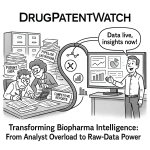
Manual assembly of Orange Book data, PACER dockets, PTAB filings, and FDA approval actions is prohibitively time-consuming. Commercial platforms such as DrugPatentWatch aggregate these data streams, overlay litigation tracking, patent expiry modeling, and ANDA filing intelligence, and provide alert systems for material events like new PIV filings or IPR institution decisions.
The investment thesis for such platforms is straightforward: the cost of a subscription is trivially small relative to the potential value of identifying a generic entry risk six months before the consensus, or confirming that a competitor’s Paragraph IV challenge is weaker than feared.
Global Patent Registries
U.S.-focused analysis is insufficient for multinational companies. The European Patent Office (EPO) grants patents covering up to 38 Contracting States, but enforcement is national. A single EPO patent, once validated in individual countries, can face country-by-country challenges. Canada’s Patented Medicine Prices Review Board and its patent linkage regulations, Japan’s pharmaceutical patent term extension system, and China’s newly strengthened patent linkage system (implemented in 2021) each carry distinct rules that affect global exclusivity modeling.
WIPO’s Pat-INFORMED database provides a global lookup of medicines to their patents by INN, covering participating jurisdictions. It is a useful starting point for assessing multi-market exposure but requires verification against national registries for precision.
Key Takeaways: Section 4
The Orange Book excludes process patents, which can still block or complicate generic entry post-clearance.
AB therapeutic equivalence rating is the commercial trigger for rapid brand revenue erosion through automatic substitution.
PTAB’s public filing database and PACER together provide a real-time litigation intelligence feed that consistently precedes formal news announcements.
Global patent modeling requires jurisdiction-by-jurisdiction analysis; EPO and U.S. exclusivity timelines frequently diverge.
5. Paragraph IV (PIV) Challenges: The Mechanics, the Money, and the Market Reaction
The Hatch-Waxman Framework
The Drug Price Competition and Patent Term Restoration Act of 1984 (Hatch-Waxman) established the modern generic drug approval pathway. It created the Abbreviated New Drug Application (ANDA), which allows generic applicants to reference an innovator’s clinical data rather than repeating full efficacy trials. In exchange for this shortcut, the Act established a framework for resolving patent disputes before generic launch.
An ANDA applicant must make a patent certification for each Orange Book-listed patent. The four options:
Paragraph I: No patents are listed.
Paragraph II: All listed patents have expired.
Paragraph III: The ANDA applicant agrees not to market until the listed patents expire.
Paragraph IV: At least one listed patent is invalid, unenforceable, or will not be infringed by the generic product.
A Paragraph IV filing is a declaration of patent war. The filer must send a detailed notice letter to both the NDA holder and the patent owner explaining the factual and legal basis for its non-infringement or invalidity argument.
The 30-Month Stay and Its Financial Consequences
If the NDA holder or patent owner files suit within 45 days of receiving the PIV notice letter, the FDA cannot grant final approval to the ANDA for 30 months from the date the notice was received, unless the court resolves the case earlier. This 30-month stay is the single most valuable procedural tool the Hatch-Waxman framework grants to innovators.
In dollar terms, 30 months of continued monopoly on a $5 billion drug represents roughly $12.5 billion in uncontested revenue. For a drug with 60% gross margins, that is $7.5 billion in gross profit that would otherwise have been competed away. This is why brand companies file suit within the 45-day window in virtually every case: the expected value of the 30-month stay dwarfs any conceivable litigation cost.
180-Day First-to-File Exclusivity
The first generic company to file a ‘substantially complete’ ANDA with a PIV certification earns 180 days of market exclusivity against all other ANDA filers. During this window, only the brand and the first-to-file (FTF) generic are on the market. The FTF generic typically prices at a 15% to 30% discount to the brand, capturing significant margin before full generic competition begins.
FTF exclusivity triggers and forfeiture conditions are complex. The 180-day exclusivity can be forfeited if the FTF filer fails to market within 75 days of a court decision upholding its ANDA or within 75 days of FDA approval. Multiple FTF filers can share the exclusivity if they file on the same day. For major drugs, the FTF race has drawn dozens of ANDA filers submitting on the same day, sometimes within minutes of a patent expiration announcement or after patent expiration occurs for certain Orange Book patents.
Settlement Economics and the ‘Pay-for-Delay’ Problem
Most PIV cases settle. The brand company provides the generic with an ‘authorized generic’ agreement, a royalty, a cash payment, or most importantly, an agreed-upon entry date. If that entry date is earlier than the patents’ nominal expiry, the brand pays. If later, the generic pays (or at minimum, accepts delayed revenue).
The FTC has litigated extensively against reverse-payment settlements (‘pay-for-delay’) where the brand transfers value to the generic in exchange for delayed entry. The Supreme Court’s 2013 FTC v. Actavis decision held that such payments can violate antitrust law and must be assessed under the rule of reason. Post-Actavis, the industry shifted to non-cash settlements (authorized generics, manufacturing deals, pipeline licensing) that are harder to characterize as reverse payments.
For investors, the critical piece of a settlement announcement is the generic entry date, not the narrative framing. A settlement announced as a ‘resolution of litigation’ that keeps generics out until 2038 on a drug whose patents expire in 2034 is a brand-favorable event worth potentially billions in present value. Axsome Therapeutics’ 2025 settlement with Teva on Auvelity (dextromethorphan/bupropion) illustrates this precisely: Teva agreed to stay out until at least 2038, Axsome’s stock surged more than 20% in one session, and over $1 billion in market capitalization was added on the announcement.
Who Actually Wins in Court?
One widely cited analysis showed generic companies winning about 76% of PIV challenges. That figure collapses under scrutiny because ‘winning’ in the analysis included settlements as generic wins. The subset of cases that actually went to trial showed a different picture. When litigated to a district court decision, brand companies won the majority. In the three districts handling the bulk of Hatch-Waxman cases (Delaware, New Jersey, SDNY), the generic win rate in litigated decisions was approximately 36%.
The implication for investors: do not assign high probability to a generic entry date simply because a PIV challenge has been filed. The challenge initiates a process; it does not determine an outcome. The strength of the brand’s patent claims, the district’s historical tendencies, and the specific invalidity or non-infringement arguments must all be assessed.
Market Reaction to PIV Events
Event studies on Hatch-Waxman litigation show that PIV-related announcements produce measurable, statistically significant stock price movements. Brand companies see approximately a 2.1% average positive return on winning a PIV case and a 2.4% negative return on losing. Generic challengers experience approximately a 3.1% gain on winning and a 1.6% loss on losing. The total financial value at stake averages $4.3 billion for the brand and $204 million for the generic per litigated drug.
These asymmetric magnitudes explain the behavioral patterns: brands spend heavily on IP defense because the downside of losing is catastrophic; generics take big swings because even modest probabilities of winning produce enormous expected returns.
Investment Strategy: PIV Events
Monitor DrugPatentWatch, SEC filings (10-Q, 8-K), and FDA ANDA database daily for new PIV filings against portfolio holdings.
When a PIV notice is received by a brand company, immediately calculate the 45-day deadline and watch for a lawsuit filing. Confirm the 30-month stay is triggered.
Model three scenarios for the PIV case: brand wins (no generic entry before patent expiry), settlement (generic entry at negotiated date), generic wins (entry at ANDA approval, potentially immediately). Assign probabilities based on district-specific litigation history, patent strength assessment, and any available PTAB record.
Treat settlement terms, not settlement headlines, as the material data point.
6. Inter Partes Review (IPR): The PTAB as a Second Battlefield
Mechanics and Procedure
The America Invents Act (2011) created the IPR proceeding as an administrative alternative to district court patent challenges. Any person who has not previously filed a civil action challenging the validity of a patent may petition the PTAB to review the patent’s claims on grounds of anticipation or obviousness based on prior art patents or printed publications.
The PTAB has 3 months from receipt of the petition to decide whether to institute the review. Institution requires a showing that there is ‘a reasonable likelihood that the petitioner would prevail with respect to at least one of the claims challenged.’ This is materially lower than the ‘clear and convincing evidence’ standard for invalidity in district court, where issued patents carry a presumption of validity.
Once instituted, the PTAB must issue a final written decision (FWD) within 12 months (extendable to 18). Total timeline from petition to FWD: approximately 18 months, compared to 30+ months for a district court trial and further years for appeals.
Statistics and Outcomes
Since 2012, approximately 67% of IPR petitions have been instituted. Of the claims that reach a final written decision, the PTAB has found a majority unpatentable in roughly 60% to 70% of cases. These numbers make the PTAB a formidable venue for challengers and a significant threat for innovators.
Pharmaceutical patents face somewhat higher survival rates than patents in technology sectors, partly because pharmaceutical claims tend to be narrower and more precisely written. But ‘somewhat higher’ does not mean ‘safe.’ AbbVie lost multiple Humira (adalimumab) patents at the PTAB despite its famously dense patent thicket.
Reverse Patent Trolling: The Hedge Fund Problem
A structural vulnerability in the IPR system is the absence of a standing requirement. Unlike in district court, an IPR petitioner does not need to be threatened with or accused of infringement. Any party can file a petition. This has enabled a strategy where hedge funds or other financial actors short a pharmaceutical company’s stock and then file an IPR against its key drug patents, exploiting any resulting stock decline. Kyle Bass’s Coalition for Affordable Drugs pursued this strategy aggressively in 2015 and 2016, targeting Acorda Therapeutics, Shire, and others.
The FTC studied these practices. Congress has debated legislative remedies. As of 2025, no standing requirement has been enacted for pharmaceutical IPRs. Investors should treat any IPR filing, regardless of the petitioner’s identity, as a credible validity threat that warrants immediate patent strength reassessment.
The ‘Estoppel Cliff’: Post-IPR Litigation Risk
A petitioner who participates in an IPR is estopped from asserting in subsequent district court litigation any ground for invalidity that was raised or reasonably could have been raised during the IPR. This estoppel runs against both the petitioner and any real party in interest. A generic company that files an IPR and loses at the PTAB is thereby barred from re-litigating those same invalidity grounds in the corresponding Hatch-Waxman suit, potentially strengthening the brand’s position significantly in any subsequent district court proceeding.
Key Takeaways: Section 6
IPR has a lower invalidity burden than district court. Institution rates are approximately 67%; unpatentability rates on instituted claims exceed 60%.
The 18-month resolution timeline means an IPR filing today could invalidate a key patent before a district court PIV case reaches trial.
Reverse patent trolling via IPR is a real phenomenon. Any IPR filing against a core patent should be treated as a material event regardless of petitioner identity.
Post-IPR estoppel can structurally advantage a brand that survives an IPR challenge in subsequent district court litigation.
7. At-Risk Launches: When Generics Bet Everything
An at-risk launch occurs when a generic company, having received FDA approval (often after winning at the district court level), launches its product before all patent appeals are exhausted. If the brand’s patent is ultimately upheld on appeal, the at-risk launcher faces liability for the brand’s lost profits, potentially trebled if the infringement is deemed willful.
The economics, counterintuitively, often favor at-risk entry. If a generic has already won at the district court level, the probability of the Federal Circuit reversing on appeal is historically below 30% for pharmaceutical patent cases. If the drug generates $300 million per month in generic revenues during the at-risk period, and the appeal takes 18 months, the expected revenue before any judgment is $5.4 billion. Even a 25% probability of losing and owing damages of $2 billion still yields a positive expected value.
This calculation explains why Ranbaxy launched atorvastatin at risk in November 2011 after winning at the district court level, despite ongoing appeals. The profits earned during the 180-day exclusivity window dwarfed subsequent settlements.
From a brand-investor perspective, an at-risk generic launch is the worst short-term outcome. Revenue erosion begins immediately, years before the litigation is resolved. The brand company should respond by assessing whether an injunction motion is viable, whether an authorized generic launch is prepared, and whether emergency contract renegotiations with PBMs can preserve formulary position.
Investment Strategy: At-Risk Launches
When a generic wins at district court and is expected to launch at risk, immediately reduce revenue estimates for the brand’s product to reflect the interim market share split.
Assess the brand’s appeals probability using district-specific reversal rates at the Federal Circuit. For Delaware, which handles most major Hatch-Waxman cases, the historical reversal rate is approximately 25% to 35%.
Monitor for authorized generic launches by the brand company, which dramatically affect the 180-day exclusivity window economics.
8. The Patent Cliff: Anatomy of a Revenue Collapse and How to Model It
Scale and Timeline
The patent cliff is not a metaphor. It is a measurable, calendar-datable revenue event with predictable mechanics. When a blockbuster drug’s last meaningful IP protection expires and generic competitors enter at scale, the erosion follows a consistent pattern. The number of generic entrants is the single most important variable.
With one generic entrant (typically the FTF 180-day exclusive generic), the brand typically loses 30% to 50% of its prescription volume within 12 months, while the generic prices at a 15% to 30% discount to the brand. The market during this 180-day window is a duopoly: brand plus FTF generic.
After the 180-day period, additional generics enter. With 4 or more generic entrants, the average generic price relative to the pre-generic brand price falls below 20%, and brand prescription volume falls to below 10% of prior share. This erosion is not speculative. It is the consistent, replicated outcome of small-molecule patent expiration in the U.S. market.
Blockbuster Examples With Revenue Data
Lipitor (atorvastatin, Pfizer) generated approximately $13 billion in peak annual global sales. Within 12 months of patent expiry in November 2011, Pfizer’s atorvastatin revenue fell by roughly 60%, even with aggressive defensive strategies. The total NPV destruction from the Lipitor cliff was in the range of $50 billion to $80 billion in brand equity.
Humira (adalimumab, AbbVie) peaked at approximately $21.2 billion in 2022 global sales. Its core U.S. composition of matter patent expired in 2016, but AbbVie’s patent thicket and biosimilar settlement agreements delayed U.S. biosimilar entry until January 2023. Even then, the ramp was slower than analogous small-molecule cliffs. By mid-2024, AbbVie’s U.S. Humira revenues were down approximately 35% year-over-year, while global revenues outside the U.S. had already eroded sharply in markets where biosimilar competition began earlier.
Keytruda (pembrolizumab, Merck) generated $29.5 billion in 2023 revenues, making it the world’s best-selling drug. Its primary U.S. COM patent expires in approximately 2028. Merck has filed for dozens of secondary patents on formulations, dosage regimens, combination therapies, and specific indications. Analysts modeling Keytruda’s post-2028 trajectory face the central question: how many of these secondary patents will survive PIV challenges and PTAB review, and for how long? Merck’s ability to sequence and defend these patents is the dominant uncertainty in its 5-year revenue forecast.
The Slope of the Cliff: Modeling Variables
Revenue erosion is not instantaneous. The slope depends on several computable variables:
Number of ANDA filers: Available from the FDA’s Paragraph IV Certifications database. More filers means faster erosion after the 180-day period.
FTF exclusivity status and identity: If the FTF filer is a well-capitalized major generic (Teva, Sandoz, Viatris), it will launch at scale on day one of exclusivity. A smaller filer may have manufacturing or supply constraints that moderate initial market impact.
Brand defensive strategies: Authorized generic (AG) launch, co-pay assistance programs, rebate contracts with PBMs, and patient support programs all dampen erosion speed. AbbVie’s rebate strategy for Humira effectively created a ‘rebate wall’ that kept many PBMs listing the brand preferentially over biosimilars during 2023.
Formulary access and PBM decisions: If major PBMs designate the generic as preferred and exclude the brand, erosion is rapid. If the brand secures preferred status through rebate agreements, it retains share despite higher list prices.
The Generic Paradox
Counterintuitively, brand list prices sometimes rise after generic entry. The mechanism: the brand loses price-sensitive patients to generics but retains a smaller, price-inelastic cohort, often patients with high co-pay coverage or specific clinical preferences. Maximizing revenue from this residual cohort justifies list price increases. This does not offset the total revenue decline, but it does change the shape of the revenue curve and affects gross margin calculations.
Key Takeaways: Section 8
Number of generic entrants is the primary variable in post-exclusivity revenue modeling. Map ANDA filers before modeling cliff slope.
The 180-day FTF exclusivity period should be modeled as a separate revenue phase, with the brand at approximately 50% to 70% of pre-cliff revenues and the FTF generic capturing the remainder.
AG launches by brand companies significantly compress the economic value of FTF exclusivity and reduce the incentive for generic challenges.
Biosimilar cliffs are slower than small-molecule cliffs. Model 30% to 50% erosion in year one for biologics, not the 80% to 90% typical of small molecules.
9. Evergreening and Product Lifecycle Roadmaps: Technology-by-Technology Playbooks
‘Evergreening’ is the term applied to strategies that extend IP exclusivity through incremental innovation. Critics frame it as gaming the system. In practice, it is the rational, legally sanctioned response to the economic reality that effective patent life after launch is insufficient to recover development costs on a standalone basis. The following section maps the major evergreening tactics by technology platform.
Small Molecule Evergreening Roadmap
For a typical small molecule, the lifecycle management sequence runs as follows:
Year 0 (Synthesis): File COM patent on the novel API. This is the foundational asset.
Year 2-4 (Preclinical): File polymorph and salt form patents if a crystalline variant shows superior physical properties. File process patents on synthetic routes if the manufacturing method provides a competitive advantage.
Year 5-8 (Clinical development): As Phase II data clarifies the optimal dose and dosing regimen, file dosage regimen patents. As formulation work matures, file formulation patents. Identify potential additional indications and initiate pre-pivotal studies to support future method-of-use filings.
Year 9-11 (Pre-launch): File product-specific combination patents if the drug is expected to be used in combination with standard-of-care agents. Submit Orange Book listings for all relevant patents.
Year 12-15 (Commercial): Monitor competitor patent filings for design-around attempts. Continue to file on newly identified indications. If FDA-requested pediatric studies are conducted, secure the 6-month PED extension. Evaluate whether a next-generation molecular entity (e.g., a prodrug, an active metabolite, or a more potent analog) warrants an independent COM filing.
Year 16-20 (Late exclusivity): Launch an authorized generic through a strategic partner to pre-empt FTF challenger economics. Negotiate settlement terms with PIV challengers that delay generic entry to the latest defensible date.
The cumulative effect of this sequence, fully executed, can extend effective exclusivity by 5 to 10 years beyond the original COM patent expiry. AstraZeneca’s transition from omeprazole (Prilosec, COM expiry 2001) to esomeprazole (Nexium, a patented single enantiomer) generated over $10 billion in additional revenues and delayed meaningful generic competition until 2014.
Biologic Evergreening Roadmap
Biologics are larger, more complex molecules (proteins, antibodies, gene therapies) produced in living cells. Their lifecycle management differs from small molecules in several important ways.
Patent thicket strategy: Because biologics are too complex to describe comprehensively in a single COM patent at the time of filing, protection must be built through a dense thicket of patents covering the sequence, glycosylation patterns, production cell lines, purification processes, formulation (especially pH, excipients, and protein concentration), administration devices, and methods of use across specific patient populations.
AbbVie’s Humira patent portfolio, which comprised more than 100 U.S. patents at its peak, is the archetype. The core polyethylene glycol-free formulation patent (U.S. Patent 8,889,135) expired in 2022, but formulation patents on the high-concentration, citrate-free formulation (which reduces injection site pain) provided additional exclusivity and served as the primary barrier to biosimilar interchangeability designations for several years.
Device and delivery system patents: Many biologics are delivered via proprietary autoinjectors or prefilled syringes. Patents on the delivery device can extend commercial exclusivity even after the biological molecule itself is off-patent. Amgen’s autoinjector patents for Enbrel and AbbVie’s pen device patents for Humira are examples.
Indication-stacking: As a biologic accumulates additional FDA-approved indications through supplemental BLAs, each new indication becomes the basis for additional method-of-use filings. Keytruda, approved in over 30 tumor types as of 2024, has method-of-use patents tied to specific biomarker criteria (e.g., PD-L1 expression levels, TMB-high status) and specific combination regimens that vary by tumor type. Each of these can be separately asserted against a biosimilar developer that seeks approval for the same indications.
Key Takeaways: Section 9
Evergreening is legally sanctioned and economically rational. Evaluating a company’s IP strategy requires assessing how actively it executes each stage of the lifecycle roadmap.
The COM-to-enantiomer transition (Prilosec to Nexium) and COM-to-metabolite transition are among the highest-value evergreening moves. They require a new clinical program but produce a new independent COM patent.
For biologics, device and delivery system patents provide a layer of exclusivity that does not require biological activity data to establish and is often overlooked in competitive analyses.
Indication-stacking through method-of-use patents is the most durable ongoing exclusivity mechanism for approved biologics. Each new indication effectively resets the patent warfare timeline for that use case.
10. Case Studies: IP Strategy in Action
Pfizer’s 180-Day War for Lipitor (2011-2012)
Pfizer’s response to Lipitor’s patent cliff set the template for modern brand company cliff management. The composition of matter patent on atorvastatin expired in November 2011. Ranbaxy (now part of Sun Pharma) held FTF exclusivity. Pfizer executed three simultaneous strategies.
First, the rebate offensive: Pfizer launched the ‘Lipitor for You’ co-pay assistance program, capping out-of-pocket costs for commercially insured patients at $4 per month, often less than the generic co-pay. Simultaneously, Pfizer offered PBMs and pharmacy chains a net price on branded Lipitor that was competitive with the generic after rebates. The result: many formularies kept branded Lipitor at preferred status for the first several months of generic availability.
Second, the authorized generic: Pfizer partnered with Watson Pharmaceuticals to launch an authorized generic (AG) of atorvastatin simultaneously with Ranbaxy’s generic. The AG competed directly for the 180-day exclusivity period, capturing a reported 70% of the generic-priced market and substantially reducing Ranbaxy’s FTF economic windfall.
Third, the supply chain: Pfizer ensured sufficient product supply of both the brand and the AG to prevent any pharmacy shortage that could accelerate the shift to competing generics.
The combined effect: Pfizer retained substantially more atorvastatin-related revenue during the 180-day window than analysts predicted. This case has since become required reading for brand companies approaching patent cliffs and for investors modeling the slope of revenue erosion.
Investment Strategy Note: When a large brand company with a substantial R&D budget faces a patent cliff, do not model a vertical revenue drop. Model a phased decline whose slope depends on the company’s commercial resources and strategic intent. Pfizer’s atorvastatin revenues did not reach near-zero until 18+ months after patent expiry.
Amgen’s Patent Thicket for Enbrel (2012-2029)
Enbrel’s (etanercept) primary U.S. COM patent expired in 2012. Amgen has prevented U.S. biosimilar entry until at least 2029, a 17-year extension of effective exclusivity achieved entirely through secondary patent strategy and litigation.
The core of Amgen’s defense was a set of manufacturing patents, including two patents licensed from Hoffmann-La Roche, covering cell culture processes for producing etanercept at commercial scale. Sandoz’s biosimilar Erelzi had received FDA approval in 2016. Amgen’s infringement lawsuit alleged that Sandoz’s manufacturing process infringed these licensed manufacturing patents.
After years of district court litigation and appeal, the Federal Circuit upheld Amgen’s manufacturing patents. The Supreme Court declined certiorari in 2020. Sandoz remains blocked from U.S. commercial launch as of 2025. Amgen’s additional Enbrel patents extend protection through approximately 2029.
The IP valuation consequence is staggering. Enbrel generated approximately $4.3 billion in U.S. revenues in 2022. Multiplied across the 17 years of post-COM-expiry exclusivity Amgen has achieved, the incremental NPV attributable to the secondary patent thicket exceeds $30 billion in cumulative revenue protection.
Investment Strategy Note: For any drug with COM patent expiry already past or imminent, the secondary patent analysis is the primary valuation driver. The Enbrel case establishes that manufacturing patents, even licensed ones, can provide durable commercial exclusivity in the absence of any compound-level protection.
AbbVie’s Humira Rebate Wall (2023-Present)
When Humira’s core U.S. COM patent expired in 2016 and its last major secondary formulation patent expired in 2022, AbbVie faced a biosimilar wave. Seven biosimilars launched in January 2023, including Sandoz’s Hyrimoz and Amgen’s Amjevita. Unlike small-molecule generics, these products could not be automatically substituted at pharmacy. Physicians had to actively prescribe, or PBMs had to designate, the biosimilar as preferred.
AbbVie deployed an aggressive rebate strategy, offering PBMs rebates large enough that keeping Humira on preferred formulary was economically superior to switching to a biosimilar. Express Scripts and CVS Caremark initially kept Humira as the preferred adalimumab. UnitedHealth’s OptumRx took a different approach, making a Humira biosimilar preferred in some plans.
The result through 2023: U.S. Humira volume fell approximately 35% year-over-year, but list price increased. Reported U.S. net revenue fell roughly 35% through the year. This was far shallower than analogous small-molecule patent cliffs, validating the rebate wall strategy’s effectiveness.
Investment Strategy Note: For branded biologics, the rate of biosimilar market share capture is not determined by patent expiry alone. It is determined by PBM contracting strategy, interchangeability designations, and the number of biosimilar entrants with competitive pricing. Model these variables explicitly. The first year of biosimilar competition for a biologic is not the last year of meaningful brand revenues.
Axsome vs. Teva: The Settlement as a Catalyst (2025)
In early 2025, Axsome Therapeutics settled its PIV litigation with Teva over Auvelity (dextromethorphan/bupropion HCl). Teva had filed an ANDA with PIV certifications against multiple Auvelity patents. The settlement prohibited Teva from launching its generic until at least 2038, with potential extension to 2039.
Axsome’s key Auvelity patents were understood by analysts to run to approximately 2035-2036. The settlement outcome therefore extended protected commercial exclusivity by 2 to 3 years beyond what the IP portfolio alone would have provided. Axsome’s stock moved up more than 20% on announcement day, adding over $1 billion to market capitalization.
This case illustrates a recurring but underappreciated dynamic: a settlement favorable to the brand can be worth more in present value terms than a clear court win, because it provides certainty. Litigation outcomes remain binary and subject to appeal. A settlement date is contractually binding.
11. Biosimilars: The BPCIA Patent Dance, rNPV Economics, and the 30/70 Erosion Rule
The BPCIA Patent Dance
The Biologics Price Competition and Innovation Act (BPCIA) created a separate pathway for biosimilar approval. Rather than the Orange Book mechanism and automatic 30-month stay of Hatch-Waxman, the BPCIA established an elaborate pre-litigation information exchange process known informally as the ‘patent dance.’
The sequence: within 20 days of the FDA accepting a biosimilar application for review, the biosimilar applicant must provide the reference product sponsor (the innovator) with a copy of its application and manufacturing information. The sponsor then has 60 days to identify patents it believes are infringed. The biosimilar applicant has 60 days to respond, stating whether it disputes infringement or validity. The parties negotiate a list of patents to litigate. If they cannot agree, the sponsor selects up to the greater of one patent or one-half the disputed list for immediate litigation. The remainder can be litigated only after the biosimilar launches.
This process produces a ‘first list’ litigation and a potential ‘second list’ litigation post-launch. The first list litigation is analogous to a PIV case but operates under different timing rules. The BPCIA also requires the biosimilar applicant to provide 180-day notice before commercial launch, allowing the reference product sponsor to seek a preliminary injunction.
Critically, the patent dance is not mandatory for the biosimilar applicant. The Supreme Court’s Sandoz v. Amgen (2017) decision held that a biosimilar applicant can choose not to participate in the patent dance, though doing so affects the timing of the sponsor’s patent litigation rights.
rNPV Economics for Biosimilar Development
Biosimilar development is not the low-cost generic equivalent. The full development program, including analytical characterization, comparative pharmacokinetic and pharmacodynamic studies, clinical immunogenicity data, and manufacturing scale-up, costs $100 million to $250 million and takes 6 to 8 years. Regulatory filing fees, legal costs for BPCIA patent litigation, and commercialization investment add substantially to this.
For a biosimilar to produce a positive NPV, analysts estimate it requires minimum peak U.S. market revenues of $250 million to $300 million. The key value drivers in rNPV models for biosimilars are: market entry timing (first or second entrant), market share capture (historically 15% to 30% at peak for each biosimilar), manufacturing cost advantage versus the reference product, and litigation outcome risk.
The Humira biosimilar market demonstrates these economics. Despite the large reference product market ($21 billion globally), the biosimilar developers have found U.S. market penetration slower than expected, depressing their rNPV assumptions. Companies that modeled U.S. market capture of 30%+ in year one have had to revise downward.
The 30/70 Erosion Rule for Biologics
For small-molecule patent cliffs, the conventional model assumes 80% to 90% brand prescription volume loss within 18 months. For biologics, the empirical data supports a slower erosion: 30% to 70% brand revenue loss over the first 24 months of biosimilar competition. Several factors contribute:
First, no automatic substitution without interchangeability. A pharmacist cannot substitute a biosimilar for a biologic without a separate interchangeable designation from the FDA (or state law). Prescriptions must be written for the biosimilar specifically, or the PBM must designate it as preferred.
Second, physician inertia. For patients stable on a biologic, physicians and patients are often reluctant to switch without clinical justification.
Third, rebate walls. As illustrated by Humira, aggressive rebating by the reference product sponsor can keep the brand on preferred formulary.
Fourth, supply and access. Early biosimilar entrants often lack the distribution infrastructure to guarantee uninterrupted supply, particularly for specialty drugs administered in infusion centers.
Five Core Biosimilar Competencies
Research published in the academic literature and validated by commercial market experience identifies five capabilities that separate commercially successful biosimilar developers from those that fail:
Analytical characterization: The scientific capability to demonstrate biosimilarity through highly sensitive structural characterization techniques. This is not simply chemistry; it requires protein characterization expertise that most generic companies do not have.
Large-scale biologic manufacturing: Producing a consistent biologic at commercial scale in a GMP-compliant facility. Capacity constraints have delayed multiple biosimilar launches post-approval.
Patent litigation expertise: BPCIA litigation involves complex technical and legal arguments. Companies without experienced life sciences patent litigation teams face substantial disadvantage.
Contracting and market access: Negotiating with PBMs and IDN formulary committees for preferred biosimilar positioning requires dedicated reimbursement and market access expertise.
Regulatory affairs for interchangeability: Pursuing an interchangeability designation requires additional switching studies. Companies that invest in this designation gain a pharmacist-substitutable product, materially accelerating market access.
Key Takeaways: Section 11
The BPCIA patent dance is optional for biosimilar applicants but affects the timing of litigation. Refusing to dance accelerates the timeline to judicial action.
Biosimilar rNPV requires minimum peak revenues of $250-300 million to be positive given development costs. Many programs do not meet this threshold.
The 30/70 rule: model 30% to 70% brand revenue erosion in the first two years of biosimilar competition, not the 80% to 90% applicable to small-molecule generics.
Interchangeability designation is the single highest-impact regulatory milestone for biosimilar commercial success in the U.S.
12. Integrating Patent Data Into Financial Models
Revenue Forecasting: Building the Step-Down
A pharma financial model that uses a single ‘patent expiry date’ as the switch from monopoly to commodity revenues will systematically underperform. The correct approach constructs a multi-phase revenue model:
Phase 1 (Pre-expiry): Full brand pricing with modest volume growth assumptions based on indication expansion or market share gains.
Phase 2 (PIV challenge period, 30-month stay in effect): No change to brand revenues. Model the scenario-weighted probability of earlier-than-expected generic entry if the brand loses at trial.
Phase 3 (FTF exclusivity, 180 days): Brand revenues at approximately 50% to 70% of Phase 1 levels, depending on the brand’s defensive strategies (co-pay programs, AG launch, rebates). FTF generic captures significant share at 15% to 30% discount.
Phase 4 (Full generic competition, post-FTF): Brand revenues at 10% to 20% of Phase 1 levels. AG revenues plus brand residual stabilize over time.
For biologics, Phase 3 and Phase 4 are compressed and slower, reflecting the dynamics in Section 11.
Adjusting rNPV with Patent Intelligence
For pipeline assets, the standard rNPV model uses industry-average probability of success (POS) rates by clinical phase. A more precise model adjusts the POS using IP intelligence:
If the program has a strong, recently filed, broad COM patent with more than 15 years of remaining life, hold or slightly increase the standard POS. The IP risk is low.
If the program has freedom-to-operate (FTO) concerns, because a competitor holds blocking patents on key mechanistic aspects, reduce the POS by a factor reflecting the probability that those blocking patents cannot be designed around or licensed. A material blocking patent risk warrants a 20% to 40% discount to the baseline POS.
If the program’s COM patent is weak (narrow claims, cited prior art, prosecution history estoppel), discount the projected revenue line to reflect the possibility of earlier-than-expected generic entry.
Quantitative Patent Quality Metrics
Forward citation count: The number of times a patent is cited by subsequently filed patents. High forward citation count indicates a foundational patent that competitors find difficult to circumvent. This is the most predictive single metric of patent commercial importance.
Patent family size: The number of jurisdictions where the same invention is protected. Large families indicate the applicant’s own assessment of global commercial importance. A patent family covering the U.S., EU major markets, Japan, China, and key emerging markets signals confidence in global commercial opportunity.
Claim scope score: Proprietary metrics developed by commercial analytics providers quantify the breadth of patent claims using NLP and machine learning. Wider claim scope corresponds to greater protection against design-arounds and tends to correlate with lower invalidity risk.
R&D spending to patent output ratio: Dividing annual R&D expenditure by the number of new COM patent filings in the same period provides a proxy for R&D productivity. A rising ratio (more spending per patent) suggests declining productivity. This metric, tracked over time, can identify companies whose R&D engines are becoming less effective before that deterioration shows up in clinical failure rates.
Valuation Multiples and Patent Portfolio Quality
Companies with patent portfolios that score highly on the above metrics, and that demonstrate proactive lifecycle management, command premium EV/EBITDA and P/E multiples relative to sector peers. The market prices in the duration and predictability of earnings streams. A company with 10 years of credible exclusivity on its top three products deserves a higher multiple than one with 3 years, all else equal.
Quantifying this premium: a company with a strong, well-defended portfolio might trade at 14-16x forward EBITDA versus 10-12x for a company with similar current earnings but a weaker patent position. The 2x to 4x multiple expansion attributable to patent duration is real, measurable, and frequently mispriced in the short term after patent events.
Key Takeaways: Section 12
Build four-phase revenue step-down models for every commercialized drug. Single-date cliff assumptions produce systematic forecast error.
Adjust pipeline rNPV POS estimates using FTO analysis and patent quality assessment. These are not qualitative adjustments; they are quantifiable probability discounts.
Forward citation count, patent family size, and claim scope scores are the three most actionable quantitative patent quality metrics for investment analysis.
Premium EV/EBITDA multiples are partly a function of patent portfolio quality and exclusivity duration. This is a measurable component of valuation that can be isolated.
13. The IRA’s Structural Disruption to Patent Economics
The Inflation Reduction Act (2022) introduced direct Medicare drug price negotiation, imposing a structural change on the economics of pharmaceutical innovation and IP strategy. Its most important feature for patent analysis is the asymmetric treatment of small molecules and biologics.
Under the IRA, a small-molecule drug becomes eligible for Medicare price negotiation 9 years after FDA approval (or market entry). A biologic becomes eligible 13 years after approval. This 4-year difference materially changes the relative attractiveness of each modality from a commercial exclusivity standpoint.
For a small molecule approved today, the effective period of unconstrained Medicare pricing is reduced from the historical effective patent life to a maximum of 9 years, regardless of remaining patent life. If a small molecule has a COM patent expiring in year 12, the IRA may force negotiated pricing in years 9 through 11 while patent protection still exists. This is a structural shortening of the high-pricing window independent of the patent clock.
For biologics, the 13-year threshold aligns more closely with historical effective patent life, reducing the IRA’s marginal impact on biologic IP economics relative to small molecules.
The investment implications are already visible. PhRMA’s annual analysis shows capital reallocation from small-molecule R&D toward biologics, RNA-based therapeutics, and cell and gene therapies in the post-IRA period. Companies with primarily small-molecule pipelines face lower projected peak revenues on future assets, compressing NPV models and potentially depressing valuations.
For patent strategy specifically, the IRA creates a new incentive to extend small-molecule exclusivity by any legal means available, since each additional year of patent-protected pricing before the negotiation clock reaches year 9 is now worth more than it was pre-IRA. Evergreening strategies will intensify.
Investment Strategy: IRA Adjustments
Reduce rNPV estimates for small-molecule pipeline assets by modeling negotiated Medicare prices beginning in year 9 post-launch. The discount to list price in negotiated pricing has averaged approximately 25% to 50% in the first negotiation cycles under the IRA.
For companies with mixed pipelines, increase the relative weight of biologic assets in valuation, reflecting the more favorable IRA treatment.
Monitor the outcome of legal challenges to the IRA’s negotiation provisions. Multiple pharmaceutical companies and industry groups have filed constitutional challenges. A successful challenge would reverse these adjustments.
14. AI and Next-Generation Patent Analytics
Natural language processing (NLP) and machine learning are changing how IP teams and investors analyze patent data. The core applications:
Automated claim scope analysis: NLP models trained on patent claim language can classify claim scope, identify prosecution history estoppel risks, and flag claims with high invalidity likelihood based on the breadth of prior art cited during examination. These tools reduce the time required for initial patent portfolio assessment from weeks to hours.
Semantic similarity detection: Machine learning models can identify patent applications that cover substantially similar inventions using semantic vector representations rather than keyword matching. This allows IP teams to identify competitors’ stealth patent filings before they publish (typically 18 months after filing) by detecting similarity to known company research directions.
Predictive litigation outcome modeling: Using historical case data, case-specific characteristics (district, judge, patent age, claim type, number of claims contested), and prior PTAB history, predictive models can assign probability distributions to litigation outcomes with performance measurably better than baseline estimates.
Patent landscape gap analysis (white space): Visualizing the patent landscape as a semantic map allows R&D teams to identify regions of scientific space with high therapeutic relevance but low patent density. These ‘white spaces’ are the preferred targets for new COM filings.
Citation network analysis: Mapping the forward and backward citation networks of a patent portfolio reveals which patents are foundational to the company’s technology platform and which are isolated. A patent with many downstream citations (i.e., many subsequent patents build on it) is both more valuable and more vulnerable to challenge.
These tools are increasingly available through commercial platforms. Investors who use providers with AI-enhanced patent analytics have access to objective patent quality scores that complement the traditional qualitative legal opinion.
15. The Investor Due Diligence Checklist
The following framework consolidates the analytical principles from this report into a structured due diligence process applicable to any pharmaceutical investment.
Portfolio Strength and Structure
Does the company’s commercial product portfolio have composition of matter patents with more than 7 years of effective remaining life? Does each major product have a documented and actively executed secondary patent lifecycle plan? What percentage of the portfolio’s revenue is within 3 years of losing primary IP protection? Is there documented evidence of proactive FTO analysis across the commercial portfolio?
Patent Quality Metrics
What is the average forward citation count for the portfolio’s core patents? Is the patent family size for top-3 revenue products consistent with global blockbuster potential? Has management conducted and disclosed patent claim scope assessments? Are third-party patent quality scores (from commercial analytics providers) available and do they align with management’s representations?
Litigation and Challenge Risk
How many active PIV challenges exist across the commercial portfolio? What is the company’s historical litigation win rate in litigated (not settled) cases? Are any IPR petitions currently pending at the PTAB against core portfolio patents? Does the company have a litigation reserve adequate to sustain multi-year defense of its key assets? Has any activist short seller or hedge fund filed IPR petitions?
Lifecycle Management Strategy
Does management have a credible, funded plan for each drug approaching patent cliff within 5 years? Is there evidence of formulation or indication-expansion investment consistent with the company’s own internal assessment of each drug’s lifecycle potential? Has the company executed authorized generic strategies in the past? If so, what were the outcomes?
Pipeline and M&A
Does the pipeline, on a risk-adjusted basis, contain sufficient NPV to offset projected cliff-related revenue losses within a 7-year horizon? Is the company’s M&A history one of value-creating IP acquisition (buying de-risked assets with strong IP) or dilutive deal-making?
IRA Exposure
What fraction of top-line revenues derive from small-molecule products subject to IRA negotiation within the next 5 years? Has the company disclosed an IRA impact analysis in recent 10-K or 10-Q filings? Does the pipeline tilt toward biologics or modalities with more favorable IRA treatment?
R&D Productivity Signal
Is R&D spending tracking with COM patent output or diverging? A company spending $3 billion on R&D with declining COM patent filing rates is a potential red flag. Triangulate reported pipeline depth with patent filing data from the USPTO.
16. Investment Strategy: Positioning Around Patent Events
The analytical framework in this report yields specific, actionable positioning strategies:
Long-brand, short-generic strategy around PIV filings: When a PIV challenge is filed against a brand with strong, well-cited COM patents, the stock often overreacts negatively. A position long on the brand, executed within days of the PIV notice disclosure, has historically produced positive risk-adjusted returns in cases where the brand’s patent ultimately survived. The 30-month stay provides a minimum holding period with protected revenues.
Post-IPR institution dislocation: When the PTAB institutes an IPR against a core drug patent, brand stock often drops sharply. If the underlying patent has characteristics predictive of survival at the PTAB (strong prosecution history, absence of a clear single-reference prior art reference, prior favorable PTAB outcomes for the same company), the post-institution dip may represent a mispriced entry point.
Settlement date extraction as a catalyst: Patent settlements are released with minimal analytical context. Most investors read the headline and move on. Investors who read the actual settlement agreement terms and extract the specific generic entry date can identify misvalued situations. A settlement allowing entry in 2040 on a drug with patents thought to expire in 2036 is a $3 billion to $5 billion NPV event for a $5 billion/year drug, but the market often takes days to fully price this in.
Biosimilar first-mover positioning: Identifying which biosimilar companies are most likely to achieve FDA interchangeability designation for a specific reference biologic, before that designation is announced, represents a defined catalyst trade. Interchangeability designations have historically moved stocks of biosimilar developers by 10% to 25%.
Patent cliff slope trade: Short the brand company before a patent cliff, but cover and potentially go long when the at-risk generic launch confirms the brand’s defensive strategy is stronger than modeled. AbbVie’s stock was widely shorted before the January 2023 Humira biosimilar launches. Investors who correctly anticipated the rebate wall effect and the slow biosimilar adoption covered their shorts early and captured significant gains as the erosion proved shallower than consensus.
17. Key Takeaways: Full Report Summary
The patent portfolio is the most important forward-looking financial asset on a pharmaceutical company’s balance sheet. The income statement shows last quarter; the patent portfolio shows the next decade.
The ‘exclusivity stack’ is not a single expiration date. It is a multi-layered structure of COM patents, secondary patents (method-of-use, formulation, polymorph, process, combination), and regulatory exclusivities (NCE, ODE, PED, QIDP). Accurately forecasting generic or biosimilar entry requires mapping every layer.
PIV challenges are the largest predictable litigation risk in any sector. The 30-month stay provides temporarily protected revenues worth billions on blockbusters. The FTF 180-day exclusivity provides enormous incentives for early generic entry. The settlement date, not the litigation headline, is the material data point.
IPR at the PTAB is faster, cheaper, and procedurally more favorable to challengers than district court. Any IPR institution decision against a core drug patent is a material event.
The patent cliff is a defined, calendar-datable revenue event. The slope of the cliff is a function of: number of ANDA filers, FTF exclusivity, brand defensive strategies (AG, rebates, co-pay assistance), and PBM contracting. Modelling these variables quantitatively produces significantly better revenue forecasts than simple on/off models.
Biologic patent cliffs are slower than small-molecule cliffs. The 30/70 erosion rule applies: model 30% to 70% brand revenue decline in the first 24 months of biosimilar competition.
The IRA has structurally shortened the effective high-pricing window for small molecules to 9 years post-launch. This compresses NPV for the majority of the current pipeline and will accelerate reallocation toward biologics and other IRA-advantaged modalities.
AI-enhanced patent analytics are reducing the information asymmetry between companies and investors. Investors with access to citation network analysis, semantic claim scope scoring, and predictive litigation models have a measurable analytical edge.
The due diligence checklist in Section 15 is a structured tool for converting these principles into a repeatable investment process.
18. Frequently Asked Questions
Q: How should I interpret a settlement in a PIV case? Does it mean the brand had a weak patent?
A: Not necessarily. Settlements reflect asymmetric stakes. The brand is defending a multi-billion dollar revenue stream. Even a 10% probability of losing is unacceptable when the downside is $30 billion in NPV. A settlement eliminates tail risk at a negotiated cost. The settlement entry date is the only number that matters analytically. If it is later than the consensus expectation for generic entry, the settlement is a net positive for the brand.
Q: Which is more dangerous for a brand company: a PIV challenge or an IPR?
A: They threaten different things on different timelines. A PIV challenge triggers the 30-month stay, providing 2.5 years of protected revenues. The case may take 5 to 7 years to fully resolve through appeals. An IPR resolves in 18 months under a lower invalidity standard. A drug patent invalidated at the PTAB provides no protection during the appeal period unless an injunction is granted, which is rare. For fast-growing blockbusters, an IPR filing is potentially the more acute near-term threat.
Q: Can I use the Orange Book alone to assess a drug’s remaining exclusivity?
A: No. The Orange Book captures only the patents the NDA holder chose to list and the regulatory exclusivities FDA grants. It does not capture unlisted process patents, international patent portfolios, or the full secondary patent thicket for drugs with complex IP structures. The Orange Book is the starting point for U.S. exclusivity analysis, not the conclusion.
Q: How does the IRA affect valuation models for pipeline assets?
A: For small molecules, reduce projected Medicare-segment revenues beginning in year 9 post-launch by applying a 25% to 50% discount to list price. Apply a higher discount if the drug targets conditions with predominantly elderly patient populations (high Medicare share). For biologics, apply the same adjustment beginning in year 13. Use sensitivity analysis to bracket the range of outcomes under different negotiation discount assumptions.
Q: For a biosimilar investment, what is the most important variable?
A: Entry timing, specifically whether the biosimilar will be among the first two entrants and whether it will achieve interchangeability designation. The NPV difference between being the first interchangeable biosimilar and being the fourth non-interchangeable entrant can exceed $500 million for a major reference biologic. This makes pre-launch regulatory milestones the dominant catalyst to monitor.
Data sourced from FDA Orange Book, PTAB, PACER, DrugPatentWatch, IQVIA, and published academic literature on pharmaceutical patent economics. All forward-looking statements reflect analytical assumptions, not guaranteed outcomes. This report does not constitute investment advice.