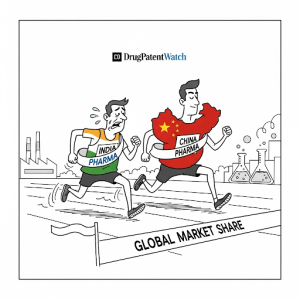
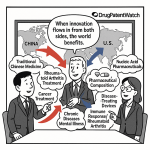
The global pharmaceutical sector is defined by a widening rift between the industrial models of India and China. India holds the title of the ‘Pharmacy of the World’ by producing 20% of the global supply of generic drugs by volume. This position relies on process engineering and a large base of manufacturing facilities. China has moved beyond this high-volume, low-margin model. The Chinese state has orchestrated a pivot toward an ‘Innovation Engine’ focused on high-value biologics and proprietary drug development. This shift creates a significant valuation gap. China is the second-largest pharmaceutical market by value globally, while India ranks 14th. The competition is no longer about manufacturing capacity. It is about the ownership of intellectual property (IP) and the ability to control the upstream supply chain.
Key Takeaways: The Value Divergence
India dominates volume but lags in value, accounting for 20% of global generics by volume but only a fraction of global pharmaceutical value.
China has transitioned from a manufacturing hub to an innovation leader, prioritizing Antibody-Drug Conjugates (ADCs) and GLP-1 agonists.
Intellectual property valuation is the primary driver of market cap growth for Chinese firms, while Indian firms face price erosion in commodity generics.
Supply chain dependency on Chinese Active Pharmaceutical Ingredients (APIs) remains a structural risk for Indian manufacturers.
The Volume-Value Paradox: Strategic Divergence in Global Pharma
The Indian pharmaceutical market has a valuation between $40 billion and $61 billion in 2024. Growth projections suggest the market could reach $130 billion by 2030, driven by an 11% compound annual growth rate. This expansion is tied to the rising demand for chronic disease treatments and the ‘China plus one’ supply chain diversification strategy. However, India’s success in generics has created a ceiling. The domestic industry is optimized for high-volume production of small-molecule drugs where margins are slim and competition is based on price.
China has a market valued at over $80 billion, with a focus on high-margin segments. The Chinese government uses policies like ‘Made in China 2025’ to subsidize the development of novel therapies. This state support has led to a surge in out-licensing deals. Chinese firms now regularly license their proprietary molecules to global pharmaceutical giants for multi-billion dollar milestone payments. For example, the valuation of an ADC patent portfolio in China is often ten times higher than a generic portfolio in India because the IP provides a 20-year window of exclusivity and high pricing power.
IP Valuation as a Core Asset
In the modern biotech landscape, the valuation of a company is the Net Present Value (NPV) of its patent life. A firm like Sun Pharmaceutical or Dr. Reddy’s in India derives value from its ability to navigate Paragraph IV filings and secure 180-day exclusivity periods. This is a tactical advantage. In contrast, Chinese firms like Jiangsu Hengrui or BeiGene build value through primary patents on new chemical entities (NCEs). An NCE patent is a core asset because it allows for global royalty streams. Indian firms are beginning to invest in biosimilars to capture higher value, but the technical barriers and the requirement for clinical trials make this a capital-intensive shift.
Technology Roadmap: From Generics to Biologics
Standard Generics: Low barrier to entry, price-sensitive, focused on process chemistry.
Complex Generics: Focus on difficult-to-make formulations like inhalers or injectables.
Biosimilars: Requires expertise in cell line development and protein characterization.
Novel Biologics: Focus on ADCs, gene therapies, and monoclonal antibodies.
Platform Technologies: Owning the underlying delivery system or mRNA platform to generate multiple drug candidates.
Key Takeaways: Market Positioning
Indian firms are experts in process innovation, reducing the cost of existing drugs.
Chinese firms are prioritizing product innovation, creating new therapeutic classes.
Market cap growth in China is driven by R&D breakthroughs, while in India it is driven by volume expansion.
The ‘Value Gap’ will continue to widen as biologics take a larger share of the global market.
Investment Strategy: Identifying IP Moats
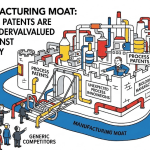
Analysts should prioritize firms that are moving from ‘process patents’ to ‘product patents.’ In India, companies with a high number of First-to-File (FTF) opportunities in the US market offer better short-term returns. However, long-term value lies in companies building ‘evergreening’ strategies through proprietary delivery systems or fixed-dose combinations that extend patent life. In China, the focus should be on firms with a robust pipeline of ADCs. These assets have high ‘interchangeability’ barriers, making them resistant to the price erosion seen in the small-molecule generic market.
The API Strategic Chokehold: Securing the Upstream Supply Chain
India’s pharmaceutical industry relies on China for 70% to 80% of its APIs and Key Starting Materials (KSMs). This dependency is a strategic vulnerability. For certain essential antibiotics like Penicillin, Streptomycin, and Amoxicillin, the reliance on China is near 100%. China has achieved this dominance through massive economies of scale, state subsidies, and lower environmental compliance costs. This allows Chinese API manufacturers to underprice Indian competitors, effectively hollowing out India’s domestic API production over the last two decades.
The technical bottleneck for India is the fermentation sector. Producing large-scale fermentation-based APIs requires consistent power, high water quality, and specific environmental controls that have historically been lacking. China’s ‘Bulk Drug Parks’ provide these utilities at subsidized rates. India is attempting to counter this with its own Production-Linked Incentive (PLI) schemes and the development of three major bulk drug parks. The goal is to reach ‘Atmanirbhar’ or self-reliance, but the technical gap in fermentation technology remains a hurdle.
IP Valuation of Manufacturing Processes
API manufacturing is often viewed as a commodity business, but the IP involved in ‘Green Chemistry’ or ‘Continuous Manufacturing’ is a valuable asset. Firms that develop proprietary catalysts or more efficient enzymatic processes can reduce production costs by 30%. This ‘Process IP’ is critical for maintaining margins in the face of Chinese competition. As global environmental, social, and governance (ESG) standards tighten, the value of ‘Clean API’ manufacturing processes will rise. Investors should look for companies that own patents on waste-reduction technologies in the synthesis of high-volume KSMs.
Technical Roadmap for API Autonomy
Import Substitution: Using PLI subsidies to start domestic production of the 53 most critical APIs.
Infrastructure Development: Building dedicated zones with shared effluent treatment plants and low-cost utilities.
Backward Integration: Large formulation players acquiring or building their own API plants to secure their supply chain.
Advanced Fermentation: Investing in synthetic biology to create more efficient microbial strains for antibiotic production.
Continuous Flow Chemistry: Moving away from batch processing to increase throughput and safety while reducing the physical footprint of plants.
Key Takeaways: Supply Chain Integrity
India is critically dependent on China for the building blocks of its most important medicines.
Fermentation technology is the primary technical barrier to Indian API self-sufficiency.
The PLI scheme is a necessary but long-term solution to a structural problem.
Control over KSMs is as important as owning the final drug patent for supply chain security.
The global pharmaceutical landscape is increasingly defined by the diverging trajectories of its two Asian titans: India and China. While India has rightfully earned the title of “Pharmacy of the World” through its unparalleled dominance in generic drug manufacturing, it is being decisively outpaced by China in the race for future pharmaceutical leadership. This report provides an exhaustive analysis of the structural, strategic, and policy factors underpinning this dynamic, concluding that China’s state-driven, innovation-focused strategy is creating a competitive gap that India’s current model is ill-equipped to close.
The core of the issue lies in a fundamental asymmetry of ambition and strategy. India’s success is rooted in a volume-driven, cost-effective generics model, making it the third-largest producer by volume but only the fourteenth by value. In stark contrast, China has executed a deliberate, state-mandated pivot from a low-cost manufacturing base to a global R&D and innovation powerhouse. This is reflected in the market dynamics: China’s pharmaceutical market is already substantially larger than India’s in value and is growing at a pace that widens this gap in absolute terms, driven by high-value biologics and patented medicines.
This analysis identifies three critical impediments holding India back:
Strategic Supply Chain Vulnerability: India’s entire pharmaceutical manufacturing prowess is built upon a fragile foundation—a critical dependency on China for approximately 70-80% of its Active Pharmaceutical Ingredients (APIs) and Key Starting Materials (KSMs). This is not merely a logistical challenge but a strategic chokehold, granting its primary competitor significant leverage and exposing India’s core industry to profound supply chain risks.
A Pervasive Innovation Deficit: China’s investment in research and development, both as a percentage of GDP and in absolute terms, dwarfs India’s by an order of magnitude. This financial gap is amplified by a more mature innovation ecosystem in China, fueled by national policies like “Made in China 2025,” a robust talent pipeline of returning scientists, deep venture capital pools, and a low cost of capital. India’s innovation efforts are hampered by a risk-averse culture, a fragmented policy approach, and structural barriers that disincentivize long-term, high-risk R&D.
Persistent Quality and Regulatory Hurdles: While India boasts the highest number of US FDA-approved plants outside the US, this is a vanity metric that masks a deeper challenge. Data reveals that Indian facilities have a higher rate of adverse inspection outcomes compared to other regions. High-profile product quality failures have tarnished its global reputation. Concurrently, China has strategically reformed its regulatory agency, the NMPA, into a competitive weapon, streamlining approvals for innovative drugs to attract global R&D and accelerate its ascent up the value chain.
The report concludes by examining the strategic outlook. The global “China+1” supply chain diversification trend presents a significant, once-in-a-generation opportunity for India. However, capitalizing on this shift requires more than being a low-cost alternative. It demands a fundamental transformation. To compete effectively, India must move beyond a reactive, import-substitution mindset and adopt a proactive, long-term national strategy focused on innovation, API self-sufficiency, and unimpeachable quality. This requires a concerted effort from both industry and policymakers to overhaul the innovation ecosystem, de-risk R&D investment, and build a brand synonymous not just with affordability, but with cutting-edge science and absolute reliability. Without such a strategic pivot, India risks solidifying its role as the world’s pharmacy while ceding the far more lucrative and powerful position as one of the world’s premier laboratories to China.
I. The Global Pharmaceutical Arena: A Tale of Two Titans
The contemporary narrative of the global pharmaceutical industry is increasingly shaped by the colossal scale and divergent ambitions of India and China. While both nations have emerged as indispensable players, their foundational business models, market structures, and strategic trajectories present a study in contrasts. India, the established “Pharmacy of the World,” has built its reputation on the mass production of affordable generic medicines. China, meanwhile, is executing a state-orchestrated transformation from a manufacturing hub into a formidable “Innovation Engine,” challenging the established global order. Understanding the quantitative and qualitative dimensions of this rivalry is essential to deciphering why India, despite its strengths, is struggling to outpace its northern neighbor.
A. Comparative Market Analysis: Sizing Up India and China
A granular look at market data reveals the sheer scale of the competitive landscape and introduces a central theme of this report: the paradox of volume versus value.
The Indian pharmaceutical market is a powerhouse of production, demonstrating robust growth. However, market size valuations for 2024 vary across different analytical reports, reflecting diverse methodologies and scopes. Estimates place the market’s value between USD 39.8 billion and USD 61.36 billion.1 Projections for the coming decade are similarly strong, with forecasts predicting a market size ranging from USD 63.7 billion to USD 174.3 billion by 2030-2033. This growth is expected to be driven by a Compound Annual Growth Rate (CAGR) between 8.1% and 11.32%.1 This expansion is fueled by a rising burden of chronic diseases, an aging population, and increased healthcare spending.1
China’s market, in contrast, operates on a different magnitude. In 2024, its pharmaceutical market was valued at approximately USD 80.4 billion, already significantly larger than even the most optimistic estimates for India.4 Projections show it reaching USD 126.6 billion by 2030, with a CAGR of around 7.8%.4 While this growth rate may appear slightly lower than some Indian forecasts, China’s larger base means its absolute growth in dollar terms is substantially greater. For instance, between 2018 and 2023, the Chinese market grew at an average of 5.4%, compared to India’s 9.9%; yet, the absolute expansion of the Chinese market was far more significant.5
This disparity is most starkly illustrated in the global rankings. India is the world’s third-largest producer of pharmaceuticals by volume, a testament to its manufacturing capacity.6 However, by value, it ranks a distant 14th globally.6 This gap is the clearest indicator of its focus on high-volume, low-margin generic drugs. China, conversely, is the second-largest pharmaceutical market in the world by value, second only to the United States, and its strategic initiatives are aimed at closing that gap.8 This fundamental difference in market positioning—India’s leadership in volume versus China’s dominance in value—is the starting point for understanding the competitive dynamics.
B. Foundational Business Models: India’s “Pharmacy of the World” vs. China’s “Innovation Engine”
The quantitative differences in market size are a direct reflection of two fundamentally different national strategies and industrial models.
India’s model as the “Pharmacy of the World” is the product of decades of cultivating process engineering excellence and cost-effective manufacturing. This has positioned it as the globe’s largest supplier of generic drugs, accounting for 20% of the global supply by volume, 40% of the U.S. generic drug market, and 25% of all medicines in the UK.3 The backbone of this model is an extensive infrastructure of over 262 US Food and Drug Administration (FDA) compliant plants—the highest number outside the US—and nearly 1,400 WHO-Good Manufacturing Practices (GMP) approved facilities.7 This industrial base, staffed by a skilled and cost-effective workforce, is adept at reverse-engineering and producing high-quality generics at a fraction of the cost of innovator drugs. This capability was historically nurtured by India’s 1970 Patent Act, which protected manufacturing processes but not the final products, thereby encouraging a focus on creating alternative, cost-effective production methods for existing drugs.11
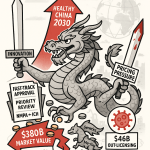
In contrast, China is executing a deliberate and state-mandated metamorphosis. It is rapidly transitioning from its former role as a low-cost manufacturing base to a global R&D and innovation powerhouse.12 Expert commentary from Indian pharma leaders highlights this pivot with stark clarity: China is no longer interested in competing in the “price war” of generics. Instead, it is aggressively investing in and out-licensing patented pharmaceuticals, biologics, and high-value, cutting-edge therapies like Antibody-Drug Conjugates (ADCs) and GLP-1 agonists for obesity.14 This strategic shift is not an organic market evolution; it is a core objective of national grand strategy, deeply embedded in sweeping policies like “Made in China 2025” and “Healthy China 2030,” which aim to establish Chinese dominance in critical high-tech sectors.16
C. Segment Deep Dive: Generics, Biologics, and High-Value Therapeutics
The divergence in business models is clearly visible in the composition and trajectory of key market segments.
Currently, conventional drugs (small molecules, primarily generics) constitute the largest market segment in both nations, accounting for 58.7% of the market in India and a nearly identical 58.53% in China in 2024.2 However, the future paths of this segment are diverging. India continues to deepen its specialization in generics, with the domestic market for chronic disease therapies growing to 38.1% of sales, indicating a strong, ongoing demand for affordable chronic care medications.1 China’s generics market, meanwhile, is undergoing significant reform aimed at eliminating substandard drugs, a process that is expected to consolidate the market and potentially slow its growth as the focus shifts to quality and innovation.12
The most lucrative and fastest-growing segment in both countries is biologics and biosimilars.1 Here, China’s strategic focus is yielding a significant lead. China’s biopharmaceutical market was projected to grow at a staggering 19.3% CAGR between 2015 and 2024, a rate far exceeding the global average, driven primarily by biologics and antibodies.18 India’s biosimilars market is also expanding rapidly, with a projected CAGR of 22% to reach a value of USD 12 billion by 2025, but it is growing from a smaller base and with less focus on novel biologics.1 The innovation gap is palpable: industry experts point out that China has around 20 ADC manufacturers, a cutting-edge class of cancer therapy, compared to just three in India.19
In vaccines, India holds a powerful position as the world’s leading manufacturer by volume, commanding a 60% global market share and supplying a majority of the vaccines for WHO programs like DPT and measles.6 This is a cornerstone of its “Pharmacy of the World” status. Yet, China is also making rapid advances in this sector. Its vaccine market was predicted to grow by nearly 22% between 2015 and 2024, more than double the expected global average, signaling its intent to challenge for leadership in this critical area as well.18
This detailed comparison of market structures reveals a critical dynamic. While India’s growth is impressive and its global role in generics is undeniable, it is largely optimizing a legacy model. China, on the other hand, is building a new one. The slightly higher CAGR forecasted for the Indian market in some reports is deceptive. China’s growth is occurring on a much larger value base and is concentrated in the high-margin, future-oriented segments of biologics and innovative drugs. This means that even with a slightly slower percentage growth, China’s absolute market expansion in dollar terms is far greater, and it is building a more sustainable, profitable, and strategically dominant long-term position. To truly “outpace” China, India cannot simply produce more generics; it must fundamentally shift its economic model toward capturing greater value.
Metric
India
China
Source Snippet(s)
Market Size 2024 (USD Billion)
$39.8 – $61.36
$80.4
1
Forecasted Market Size (by ~2030, USD Billion)
$63.7 – $130
$126.6
2
Forecasted CAGR (2025-2030/33)
8.1% – 11.32%
7.5% – 7.8%
1
Global Rank (by Volume)
3rd
1st/2nd (Implied)
6
Global Rank (by Value)
14th
2nd
6
Largest Market Segment (2024)
Conventional Drugs (Generics)
Conventional Drugs (Generics)
2
Fastest Growing Market Segment
Biologics & Biosimilars
Biologics & Biosimilars
1
II. The Foundation of Production: The Strategic Chokehold of APIs
The impressive edifice of India’s pharmaceutical industry—its vast network of factories supplying affordable medicines across the globe—stands on a precarious foundation. This foundation is composed of Active Pharmaceutical Ingredients (APIs) and their precursors, Key Starting Materials (KSMs), the essential building blocks of any drug. A deep analysis of the supply chain for these critical inputs reveals what is arguably the single greatest vulnerability for Indian pharma and a core reason it cannot realistically outpace China: a profound and strategic dependency on its primary competitor.
A. Quantifying the Dependency: India’s Reliance on Chinese APIs and KSMs
The scale of India’s reliance on China for these crucial raw materials is staggering. Multiple sources confirm that India imports 70-80% of its total API and KSM requirements from China.20 This dependency is not a recent phenomenon but the result of a long-term structural shift. In the early 1990s, China was a minor supplier, accounting for less than 1% of India’s bulk drug imports. However, following China’s entry into the WTO and India’s own market liberalization, imports from China accelerated dramatically. Between 2000 and 2007, they grew at a compound annual rate of nearly 40%, and by the 2020-21 fiscal year, China’s share of India’s bulk drug imports had soared to 68%.22
This dependency is not evenly distributed but is particularly acute in some of the most essential and widely used medicines, creating specific points of extreme vulnerability. For a range of common bulk drugs, China’s share of Indian imports is well over 90%. This includes critical medications such as Paracetamol (91% from China), Penicillin and its salts (95.8%), and Ibuprofen (95.2%).22 For certain drugs like Streptomycin and Sulphadimidine, and for many KSMs, the dependency is absolute, at 100%.22
Furthermore, for many important drugs, this reliance has worsened over time. In the case of the widely used antibiotic Amoxicillin, China’s share of Indian imports skyrocketed from just 17.2% in 2008-09 to a near-total 89.9% by 2019-20.22 This trend demonstrates a progressive erosion of India’s domestic manufacturing capacity for these foundational ingredients, ceding the entire lower end of the pharmaceutical value chain to its competitor.
B. China’s Supply Chain Dominance: A Strategy of Scale, Cost, and State Support
China’s overwhelming dominance in the API sector is not an accident of market forces; it is the outcome of a deliberate, long-term national industrial strategy. China stands as the world’s largest producer of pharmaceutical ingredients, with some estimates suggesting it controls as much as 80% of the entire global generic API supply chain.8 This position was achieved through a powerful combination of strategic advantages.
First, economies of scale are a primary driver. Chinese API manufacturers operate massive, state-of-the-art production facilities that dwarf those of most competitors, allowing them to spread fixed costs over immense volumes and achieve unparalleled production efficiency.23 This scale is supported by deep
vertical integration with China’s vast domestic chemical industry, providing seamless and low-cost access to the raw materials and intermediates needed for API synthesis.23
Second, a significant cost advantage has been instrumental. Historically, this was driven by lower labor, utility, and land costs. A World Bank study estimated that manufacturing APIs in China and India offered a cost advantage of around 40% compared to the US and Europe.24 While the wage gap is narrowing, China has maintained its edge through massive investments in automation and process efficiency.23
Third, and most importantly, this dominance is underwritten by unwavering state support. The Chinese government has consistently identified pharmaceutical manufacturing as a strategic priority in its five-year national plans.23 This translates into a raft of favorable policies, including subsidized loans, preferential tax treatment, government-funded infrastructure development in specialized pharmaceutical industrial zones, and historically, a more relaxed regulatory and environmental enforcement regime that lowered compliance costs.23 This concerted state action created an environment where Chinese manufacturers could systematically undercut global competitors and capture market share.
C. Strategic Implications: Vulnerability, Price Volatility, and the Quest for “Atmanirbhar” (Self-Reliance)
The consequences of this dependency are profound and multi-faceted. The most immediate is a critical strategic vulnerability. India’s entire pharmaceutical output, and by extension its status as the “Pharmacy of the World,” is susceptible to any disruption originating from China. A geopolitical conflict, a trade embargo, a domestic policy change in Beijing, or another public health crisis could sever the supply of essential APIs, leading to catastrophic drug shortages not only in India but in the dozens of countries, including the US and UK, that rely on Indian generics.21 This gives China a powerful, non-military lever of influence over global healthcare systems. As some analyses suggest, China can use its API dominance to strategically push downstream drugmakers out of the market, replacing them with its own domestic champions.25
The economic impact is also severe. The massive trade deficit in bulk drugs with China represents a continuous and significant outflow of capital from India to its chief competitor.22 This dependency is the Achilles’ heel of India’s pharmaceutical value proposition. The country’s ability to be a reliable, low-cost supplier of finished formulations is fundamentally undermined by the fact that the production of those formulations is contingent on a supply chain controlled by its main rival. This is not just a logistical weakness; it is a core strategic contradiction.
In response, the Indian government has launched ambitious initiatives aimed at achieving “Atmanirbhar,” or self-reliance, in the sector. These include Production-Linked Incentive (PLI) schemes, which provide financial subsidies for domestic manufacturing of critical APIs and KSMs, and the establishment of large-scale, dedicated bulk drug parks to create an ecosystem for API production.9 While these are necessary steps, experts caution that rebuilding a domestic API industry that has been hollowed out over two decades is a monumental task. It will likely take several years, significant investment, and potential tweaks to these programs before India can meaningfully reduce its import dependence and mitigate this critical strategic vulnerability.20
Widely used antibiotic; near-total reliance on a single source.
22
Penicillin / Salts
95.8%
Foundational antibiotic class; a cornerstone of modern medicine.
22
Ibuprofen
95.2%
One of the most common over-the-counter pain relievers globally.
22
Paracetamol
91.0%
Essential fever and pain reducer; high-volume, critical drug.
22
Amoxicillin
89.9% (up from 17.2% in 2008-09)
Key antibiotic; demonstrates a rapidly worsening dependency over a decade.
22
Rifampicin
97.3%
First-line treatment for tuberculosis, a major public health concern in India.
22
III. The Innovation Imperative: Diverging Paths in Research & Development
Beyond the foundational issue of API dependency, the most significant factor holding India back from outpacing China is the vast and widening chasm in innovation. While India has mastered the art of imitation, China is aggressively pursuing and funding the science of creation. This divergence is not merely a matter of corporate strategy but a reflection of starkly different national priorities, investment philosophies, and innovation ecosystems. The competition has shifted from the factory floor to the laboratory, and on this new battleground, India finds itself at a profound disadvantage.
A. The Investment Gap: A Comparative Analysis of R&D Expenditure
The disparity in financial commitment to research and development (R&D) is staggering and forms the bedrock of the innovation gap. China’s national R&D investment stands at approximately 2.4% of its GDP. In contrast, India’s investment languishes at less than 1%, with some estimates placing it as low as 0.67%.28
When translated into absolute monetary terms, this percentage difference becomes a colossal gap. Given the relative sizes of their economies, China’s R&D expenditure of roughly USD 445 billion is approximately 16 times higher than India’s USD 27.6 billion.28 This is not a gap; it is a different universe of financial commitment.
This national trend is mirrored at the corporate level. While leading Indian pharmaceutical companies like Sun Pharma report investing 6-8% of their global revenues in R&D, this expenditure is overwhelmingly directed towards developing complex generics, novel drug delivery systems, and biosimilars—essentially, incremental improvements and process innovations within their existing business model.21 This stands in sharp contrast to the R&D intensity of global innovator companies, which typically reinvest 14% to as high as 50% of their revenues into the high-risk, high-reward pursuit of discovering novel, first-in-class therapies.30 Chinese pharmaceutical firms, backed by state and private capital, are increasingly emulating this global innovator model, channeling billions into true discovery research.15
B. Policy as a Catalyst: “Made in China 2025” vs. India’s PLI Schemes
The investment gap is a direct consequence of two fundamentally different policy approaches. The competition is not just between companies, but between national strategies: India’s market-driven incrementalism versus China’s state-directed strategic leap.
China’s strategy is offensive and ambitious. Policies like “Made in China 2025” and “Healthy China 2030” are comprehensive, top-down industrial plans that explicitly target global leadership in strategic high-tech sectors, with biomedicine and high-performance medical devices identified as critical priorities.15 This is not just rhetoric; it is backed by massive state action. The government has committed hundreds of billions of dollars through direct funding, state-guided investment funds, low-interest loans, and tax breaks.17 The strategy involves building a network of national R&D centers, incentivizing the acquisition of foreign technology, and creating a domestic ecosystem designed to propel Chinese firms to the top of the global value chain.
India’s policy response, in comparison, has been largely defensive and reactive. The flagship Production-Linked Incentive (PLI) schemes are a prime example. Their stated goals are to enhance domestic manufacturing capabilities and, crucially, to reduce the import dependence on China for APIs and KSMs.9 While these are vital and necessary initiatives to address a critical vulnerability, their scope is tactical and focused on import substitution. They lack the grand-strategic, innovation-centric, and world-conquering ambition of China’s policies. The Indian government has made allocations for innovation, such as a ₹1,000 crore (approx. USD 120 million) fund to accelerate biotechnology innovation, but such figures are a rounding error compared to the scale of Chinese state investment.1 India is focused on fixing a problem in its existing supply chain, while China is focused on creating and dominating the supply chains of the future.
C. Ecosystems of Innovation: Talent, Academia-Industry Linkages, and Capital
Even if the financial investment were equal, India would still face deep-seated structural and cultural disadvantages in its innovation ecosystem.
Talent, Culture, and Academia: A recurring lament among Indian pharmaceutical leaders is the persistent “brain drain,” where India’s most brilliant scientific minds pursue careers in the West and rarely return to contribute to the domestic ecosystem.14 This is compounded by a cultural aversion to risk. The industry and society at large tend to celebrate only success while punishing failure—an environment antithetical to the very nature of scientific discovery, where failure is an inherent and necessary part of the process.14 This risk aversion is reflected in the career aspirations of top students. At India’s premier technology institutes (IITs), the entrepreneurial drive is overwhelmingly channeled into software, AI, fintech, and e-commerce, with virtually no startups emerging in the core chemical or pharmaceutical sciences.14
China has systematically addressed these challenges. It has created vibrant academic and industrial hubs that have successfully attracted thousands of its “sea turtles”—scientists and entrepreneurs returning from the US and Europe—to lead and collaborate on cutting-edge research.14 This has created a virtuous cycle of knowledge transfer and industry-academia linkage that is largely absent in India.
Capital and Investment: The financial ecosystem for innovation in China is far more mature and supportive. China has become the undisputed engine of biotech investment in the Asia-Pacific region, accounting for over 75% of all venture capital and private equity funding since 2019.34 This flood of capital is facilitated by a significantly lower cost of capital, estimated at around 3% in China versus 8% in India.14 This differential is a massive structural barrier for Indian biotech startups. Raising hundreds of millions of dollars for a high-risk R&D project with no guaranteed return on investment for over a decade is a formidable challenge in India’s financial environment, but it is becoming commonplace in China.
D. The Intellectual Property Landscape: Evolving Patent Regimes
The historical development of intellectual property (IP) law in both countries has shaped their current industrial mindsets. India’s 1970 Patent Act, by disallowing patents on pharmaceutical products, was the crucible in which its world-class generics industry was forged.11 While India became compliant with the WTO’s TRIPS agreement and introduced product patents in 2005, its law retains broad provisions for compulsory licensing, which allows the government to license patents to other companies without the patent holder’s consent under certain conditions, such as public health crises or unaffordable pricing. This legacy has ingrained a deep-seated focus on generics and created a degree of skepticism among global innovator companies.11
China, conversely, has strategically evolved its IP regime to align with its innovation ambitions. Having historically benefited from lax enforcement to build its manufacturing base, it is now aggressively strengthening IP protection.23 It offers robust regulatory data protection and periods of marketing exclusivity for innovative drugs, creating a secure and attractive environment for both domestic and foreign innovators.12 This shift in IP policy is a crucial enabler of its pivot from imitation to innovation, providing the legal and commercial certainty required for massive R&D investments to pay off.
The outcome of these diverging paths is evident in the ultimate measure of innovation: new drug approvals. Between 2019 and early 2024, six innovative drugs of Chinese origin received US FDA approval. In the same period, India achieved its first.28 This stark difference is the tangible result of the deep-seated gaps in investment, policy, and ecosystem maturity.
“Made in China 2025” / “Healthy China 2030” (Offensive/Strategic)
9
VC/PE Investment in Biotech (APAC Share)
~$5 Billion since 2018 (part of $20B Asia total)
>75% of APAC total since 2019
34
Cost of Capital (Approx.)
~8%
~3%
14
Talent Flow/Ecosystem
“Brain Drain” with limited return
“Sea Turtle” phenomenon; strong return of overseas talent
14
Innovative Drugs with US FDA Approval (2019-2024)
1
6
28
IV. Navigating the Gauntlet: A Comparative Analysis of Regulatory and Quality Landscapes
For any pharmaceutical product to succeed globally, it must navigate a complex gauntlet of domestic and international regulations. The efficiency, transparency, and rigor of a country’s regulatory system are critical determinants of its industry’s competitiveness. A comparative analysis of India’s Central Drugs Standard Control Organization (CDSCO) and China’s National Medical Products Administration (NMPA), along with their performance under the scrutiny of the US FDA, reveals another layer of challenges for India. While India’s manufacturing capacity is vast, issues with regulatory bottlenecks and quality perception act as a significant drag on its ambition to lead.
A. Domestic Oversight: The CDSCO vs. the NMPA
The regulatory bodies of India and China have evolved with different priorities, reflecting their respective national strategies.
India’s CDSCO operates within a framework that has been described by industry stakeholders as complex and prone to procedural delays. The system involves both central and state-level authorities, which can lead to overlapping jurisdictions and regulatory bottlenecks that impede the timely approval of new drugs.21 For instance, the regulation of medical devices was for a long time governed by the decades-old Drugs and Cosmetics Act of 1940, with comprehensive, device-specific rules only being implemented much more recently (IMDR 2017, amended 2020).38 This creates a challenging and sometimes unpredictable environment for companies looking to bring products to market quickly.
China’s NMPA, in stark contrast, has undergone a series of sweeping reforms designed to actively support and accelerate the country’s innovation agenda. The NMPA has transformed itself from a simple safety watchdog into a strategic enabler of the national pharmaceutical vision.40 It has implemented multiple
fast-track approval pathways for innovative drugs, particularly those for rare diseases, pediatric use, or that represent significant clinical advances.16 Critically, the NMPA has reformed its policies to allow for the use of data from overseas clinical trials in domestic registration applications.8 This single change dramatically reduces the time and cost for both multinational and domestic companies to launch new therapies in China, making it a highly attractive destination for global R&D and clinical trials.15
This divergence means that China’s regulatory environment is becoming a competitive advantage, pulling in investment and accelerating its move up the value chain. India’s regulatory framework, while robust in many areas, is often perceived as a hurdle to be overcome rather than a catalyst for innovation.
B. The Global Benchmark: Performance Under US FDA Scrutiny
The US FDA is the gold standard for global pharmaceutical regulation, and its inspections and enforcement actions provide an objective benchmark for comparing the quality systems of different countries. Both India and China are major focus areas for FDA’s foreign inspection program.41
While both countries’ manufacturers receive a high number of FDA Warning Letters, a crucial point of divergence emerges from the FDA’s own inspection outcome data.43 An FDA report to the US Congress analyzing inspection outcomes showed that
India had a lower percentage of acceptable outcomes (classified as “No Action Indicated” or “Voluntary Action Indicated”) compared to other major countries and regions.41 This means that, on a percentage basis, FDA inspectors find more serious issues in Indian facilities that warrant regulatory action.
This finding challenges the narrative that India’s primary strength is its sheer number of FDA-approved plants. While the number of facilities is indeed the highest outside the US, this data suggests a systemic issue with quality consistency across that large base. It points to a “wide but shallow” quality infrastructure, where many plants achieve certification but a significant portion struggle with sustained, day-to-day adherence to the highest global standards. This is a critical distinction, as global partners and importers are concerned with the reliability and consistency of the supply, not just the number of potential suppliers.
C. Quality Control and Global Perception
This statistical evidence of inconsistent compliance is amplified by high-profile quality failures that have severely damaged India’s global reputation. In recent years, incidents involving contaminated, Indian-made cough syrups have been linked to the tragic deaths of children in countries like Gambia, Uzbekistan, and Cameroon.21 Such events, regardless of the overall compliance rate of the industry, create a powerful and negative global perception, raising doubts about the safety and reliability of “Made in India” pharmaceuticals.21 These incidents have led to increased scrutiny from international bodies and product recalls, further tarnishing the industry’s image.
China has also faced its share of quality concerns, particularly in its legacy generics sector, which has been associated with questionable quality in the past.8 However, as part of its strategic pivot to innovation, the Chinese government is enforcing increasingly stringent quality standards to build global trust in its new, high-value products.10 Recurring themes in recent FDA warning letters to Chinese firms have centered on issues of data integrity—the reliability and truthfulness of the data submitted—which is a major focus for regulators.42 For India, the issues more frequently cited relate to fundamental deviations from Current Good Manufacturing Practices (cGMP) in the production process itself.21
Ultimately, the combination of a higher rate of adverse FDA inspection outcomes and devastating, high-profile quality failures creates a significant perception problem for India. It undermines the country’s core value proposition as a reliable supplier and presents a major obstacle to its ambition of global leadership.
Metric
India
China
Key Observations
Source Snippet(s)
Inspection Focus
High volume of inspections due to the large number of FDA-registered facilities.
Increasing inspection volume post-COVID, a high-priority country.
42
Inspection Outcomes
Has a lower percentage of acceptable outcomes compared to other regions.
Receives a high number of Warning Letters, similar to India.
41
Warning Letters / Import Alerts
Consistently among the highest recipients of FDA Warning Letters and Import Alerts.
Also a top recipient of Warning Letters; enforcement is increasing post-pandemic.
42
Primary Cited Violations (Common Themes)
Deviations from cGMP, sterility issues, inadequate quality control.
Data integrity failures, laboratory oversight issues, cGMP violations.
21
Global Perception Impact
Reputation damaged by high-profile product quality failures (e.g., contaminated syrups).
Legacy concerns over generic quality, but focus is shifting to building trust in innovative products.
10
V. Strategies for Global Dominance: Expansion, Mergers, and Acquisitions
A nation’s pharmaceutical strategy is vividly reflected in the global expansion activities of its leading companies. The nature, scale, and rationale behind their cross-border mergers, acquisitions (M&A), and partnerships reveal their core ambitions. An analysis of these corporate maneuvers shows India and China playing distinctly different games on the global stage. Indian firms have historically pursued M&A to buy access to established markets, while Chinese companies are now increasingly focused on selling their homegrown innovation and acquiring cutting-edge technology.
A. India’s Path to Globalization: Market-Access Driven M&A
For the past two decades, the primary global expansion strategy for major Indian pharmaceutical companies has been outbound M&A.45 The liberalization of India’s foreign direct investment policies in the 1990s and 2000s unleashed a wave of cross-border acquisitions by firms seeking to build a global footprint.46
The predominant motive behind these deals has been to gain market access. Indian firms have acquired companies in regulated markets, primarily the United States and Europe, to secure distribution channels, customer relationships, and a portfolio of approved generic drugs in those key geographies.46 This strategy allows them to leverage their cost-effective manufacturing base in India to compete in the world’s most lucrative pharmaceutical markets.
Landmark deals illustrate this pattern:
Lupin’s acquisition of GAVIS Pharmaceuticals in the US (2015) was a strategic move to expand its international footprint and product offerings in a key market.45
Sun Pharma’s historic acquisition of Ranbaxy Laboratories (2014) was a massive consolidation play that created the largest pharmaceutical company in India and the fifth-largest specialty generics company in the world, significantly strengthening its global presence.45
Torrent Pharma’s acquisitions of domestic businesses like Elder Pharma’s have been about consolidating its position in the Indian market and diversifying its therapeutic portfolio.29
While effective in building scale and global reach for their generics business, this M&A strategy is fundamentally about buying access to yesterday’s and today’s markets. It is a strategy of footprint expansion rather than one centered on acquiring novel R&D capabilities.
B. China’s New Playbook: High-Value Licensing and Innovation-led Acquisitions
As China’s pharmaceutical industry has pivoted to innovation, its global expansion strategy has undergone a radical transformation. Chinese firms are no longer just seeking to enter foreign markets; they are “going global” by monetizing their rapidly growing portfolio of innovative assets.49
The new dominant model is the high-value “license-out” deal. In this arrangement, Chinese biotech firms license the development and commercialization rights of their novel drug candidates to global pharmaceutical giants for specific regions or worldwide. The scale of this activity is breathtaking. In 2024, the combined value of China’s licensing-out deals surged to an estimated USD 46 billion.15 It is estimated that 30% of all new licensing deals signed by major global pharma companies now involve a Chinese biotech partner.15 This signifies a dramatic shift in perception: the world’s largest pharmaceutical companies are now turning to China as a primary source of innovation.
Alongside licensing, China’s M&A activity is increasingly innovation-led. Rather than just buying market share, Chinese firms and the global companies operating in China are acquiring cutting-edge science and technology platforms.
AstraZeneca’s USD 1.2 billion acquisition of Gracell Biotechnologies, a Chinese clinical-stage company, was driven by the desire to add Gracell’s advanced CAR-T cell therapy platform to its oncology pipeline.50
Fosun Pharma’s planned buyout of its subsidiary Henlius Biotech is a move to consolidate control over Henlius’s successful portfolio of innovative biologics and biosimilars.50
Jiangsu Hengrui, a domestic champion, signed a landmark deal potentially worth up to USD 6 billion to license its portfolio of GLP-1 assets for the booming global obesity market to a US-based company, a clear signal of the high value now placed on Chinese-developed innovation.15
This strategy reveals a profound shift in competitive positioning. India’s firms are largely buying their way into global markets. Chinese firms are now being sought out and acquired for the valuable intellectual property they have created.
C. Case Studies in Corporate Strategy
The contrasting strategies are embodied by the actions of their leading companies.
Sun Pharmaceutical, India’s largest drugmaker, represents the evolution of the Indian model. While still a global leader in generics, its strategic focus is now on building a portfolio of specialty products, particularly in areas like dermatology and oncology. Its global specialty sales have shown strong growth (around 17%), indicating a clear move up the value chain, though this is still largely based on marketing and commercializing products rather than discovering them from scratch.29
BeiGene, a leading Chinese biotech, exemplifies the new Chinese model. Its internally discovered cancer drug, Brukinsa (zanubrutinib), achieved a milestone of immense significance. In head-to-head clinical trials, it demonstrated superiority over a first-generation blockbuster drug, a rare feat. BeiGene then successfully navigated the complex regulatory and commercial pathways to launch Brukinsa and gain significant market share not just in China, but also in the United States and Europe.15 This proves that a Chinese company can now manage the entire pharmaceutical value chain—from initial discovery in its own labs to global commercialization—a capability that represents the pinnacle of pharmaceutical achievement. This success is built upon a robust domestic market that serves as a crucial springboard, allowing companies like BeiGene to generate substantial revenue, scale operations, and gain commercial experience at home before tackling the complexities of international markets.15
Year
Acquiring/Licensing Co. (Country)
Target Co./Asset (Country)
Deal Value (USD)
Strategic Rationale
Source Snippet(s)
2015
Lupin (India)
GAVIS Pharmaceuticals (USA)
$880 Million
Market Access: Gained a portfolio of approved generics and a manufacturing/R&D presence in the US market.
45
2014
Sun Pharma (India)
Ranbaxy Laboratories (India)
$4 Billion
Consolidation: Created a global generics powerhouse with an expanded international footprint and product portfolio.
45
2023
Jiangsu Hengrui (China)
(US Partner)
Up to $6 Billion
Innovation Monetization: Licensed out a portfolio of internally developed GLP-1 assets for the global obesity market.
15
2023
AstraZeneca (UK/Sweden)
Gracell Biotech (China)
$1.2 Billion
Technology Acquisition: Acquired a leading Chinese clinical-stage company for its innovative CAR-T cell therapy platform.
50
Ongoing
BeiGene (China)
(Global Markets)
(Multi-billion sales)
Global Commercialization: Successfully launched its own innovative cancer drug, Brukinsa, in the US and Europe, competing directly with Western blockbusters.
15
VI. Synthesis and Strategic Outlook: Charting India’s Path Forward
The preceding analysis paints a clear and challenging picture. While India’s pharmaceutical industry is a global force in its own right, it is being systematically outmaneuvered and outpaced by a more strategic, ambitious, and forward-looking China. The path to competitive parity requires a candid assessment of India’s core deficits and a bold, cohesive strategy to capitalize on emerging global opportunities. Simply continuing on the current trajectory will solidify India’s position as a high-volume manufacturer while ceding the future of pharmaceutical value creation to its rival.
A. Recap of Core Deficits: Synthesizing the Gaps
The multifaceted challenge facing Indian pharma can be synthesized into four interconnected deficits:
The API Chokehold: The foundational weakness remains India’s staggering 70-80% dependence on China for essential APIs and KSMs. This is not just a supply chain risk; it is a strategic liability that makes India’s entire industrial base vulnerable to the decisions of its primary competitor. It fundamentally undermines any claim to self-sufficiency or true global leadership.
The Innovation Chasm: A colossal gap in R&D investment, driven by divergent national policies, has created a deep chasm in innovative capacity. This is exacerbated by structural weaknesses in India’s ecosystem, including a risk-averse culture, a high cost of capital, and a “brain drain” of top scientific talent. China is not just spending more on R&D; it has built a superior system for translating that investment into tangible, high-value products.
The Quality Perception Problem: Despite possessing the world’s largest number of US FDA-approved facilities, India’s brand is tarnished by a higher rate of adverse inspection outcomes and recurring, high-profile quality failures. This perception of inconsistent quality is a significant handicap in a global market where trust and reliability are paramount.
The Strategic Lag: At the highest level, India’s approach has been tactical and reactive—focused on consolidating generics, defending market share, and plugging holes like the API dependency. China’s approach, embodied by “Made in China 2025,” is a long-term, proactive grand strategy aimed at nothing less than global dominance in the high-tech industries of the future.
B. The “China+1” Opportunity: A Window for India
Amid these challenges, a significant geopolitical tailwind has emerged in India’s favor. Growing trade tensions between the West and China, coupled with the supply chain disruptions exposed by the COVID-19 pandemic, have prompted global corporations to adopt a “China+1” strategy. This involves actively diversifying their manufacturing, sourcing, and investment away from an over-reliance on China to de-risk their operations.10
India is a natural and prime candidate to benefit from this strategic shift. Its established, large-scale manufacturing infrastructure, vast network of regulatory-compliant plants, skilled English-speaking workforce, and significant cost advantages (with some pharmaceutical services being 20% cheaper than in China) make it an attractive alternative.10 This trend presents a monumental opportunity for India to capture a larger share of global pharmaceutical manufacturing and investment, potentially allowing it to expand beyond its traditional focus on generics into more complex areas like contract development and manufacturing (CDMO) services for innovative drugs.36
However, it is crucial to recognize that “China+1” is an opportunity, not a guarantee. Global firms are seeking a resilient, reliable, and innovative alternative, not merely a cheaper version of their Chinese operations. If India presents itself as a low-cost generics hub that is itself dependent on China for raw materials and struggles with quality consistency, it will fail to capture the high-value end of this global diversification. To truly capitalize on this moment, India must address its structural weaknesses head-on.
C. Strategic Recommendations: A Roadmap to Competitive Parity
Outpacing China is not about copying its state-led model but about forging a uniquely Indian path that leverages its democratic and market-based strengths while decisively tackling its deficits. This requires a coordinated, multi-pronged approach from both industry and government.
For the Indian Pharmaceutical Industry:
Pivot to Niche Innovation: Instead of attempting to compete with China’s broad-based R&D blitz, Indian firms should focus their innovative efforts. This means building on existing strengths—such as complex generics, vaccines, and biosimilars—and investing deeply to become “best-in-class” or “first-in-class” in targeted therapeutic areas. The focus must shift from “me-too” generics to solving unmet medical needs.51
Forge a True Innovation Ecosystem: Corporate leaders must move beyond their factory gates and actively build a vibrant domestic ecosystem. This involves forging deep, meaningful, and long-term alliances with academic institutions, funding incubators, and partnering with domestic venture capital to create a pipeline of homegrown science. As leaders like Dr. Reddy’s G. V. Prasad have noted, embracing experimentation and not punishing failure is critical to this cultural shift.33
Embrace Smart Manufacturing: The industry must shed the legacy mindset that equates productivity with headcount. A massive push towards automation, AI-driven process control, and continuous manufacturing is essential. This will not only boost efficiency and reduce costs but, critically, will also enhance quality and consistency, directly addressing a key reputational weakness.14
Make Quality a National Mission: The industry, through its associations, must champion a national mission for unimpeachable quality. This means going beyond mere regulatory compliance to establish a “Made in India” brand that is synonymous with the highest global standards of safety and reliability, thereby erasing the perception gap.21
For Indian Policymakers:
Adopt an Offensive National Strategy: The government must move beyond the defensive, reactive PLI schemes. It needs to articulate a bold, long-term national vision—a “Pharma in India 2040″—that is as ambitious and comprehensive as “Made in China 2025.” This strategy must be explicitly focused on fostering innovation, not just on import substitution.
De-risk and Incentivize R&D: The most significant barrier to private R&D is financial risk. The government must address the high cost of capital and long gestation periods of drug discovery. This can be done through mechanisms like sovereign co-investment funds for biotech, R&D tax “super-credits,” and public-private partnerships that underwrite the early stages of high-risk research.14
Overhaul the Regulatory Framework: The CDSCO must be transformed from a perceived bottleneck into a globally benchmarked, efficient, and transparent enabler of innovation. This means adopting global best practices, establishing clear and rapid timelines for approvals (especially for innovative therapies), and becoming a partner in the innovation journey, much like China’s NMPA has done.35
Cultivate and Retain Talent: A national strategy is needed to reverse the “brain drain.” This involves creating prestigious fellowships, funding world-class research centers at Indian universities, and fostering a culture that celebrates scientific achievement and entrepreneurship, making scientists and innovators into national heroes.14
Ultimately, the challenge for India is not merely technical or financial; it is philosophical. It requires a fundamental shift in the national mindset—from being content as a cost-effective service provider to aspiring to become a strategic global leader in science and technology. The path is arduous, but the “China+1” moment provides a powerful catalyst for change. By addressing its deep-seated vulnerabilities and embracing a new paradigm of innovation and quality, the Indian pharmaceutical industry can not only secure its current position but also chart a course to true competitive parity on the global stage.
Cross-Border Acquisitions and Shareholders’ Wealth: The Case of the Indian Pharmaceutical Sector – MDPI, accessed August 5, 2025, https://www.mdpi.com/1911-8074/15/10/437