Section 1: The Imperative for a Paradigm Shift in Drug Development
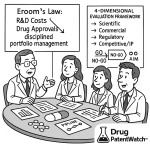
The modern biopharmaceutical industry stands at a critical juncture, defined by a paradox of unprecedented scientific advancement and unsustainable economic pressure. While our understanding of molecular biology has never been deeper, the process of translating this knowledge into new medicines has become progressively slower, more expensive, and fraught with failure. This systemic inefficiency, often termed “Eroom’s Law”—Moore’s Law in reverse—threatens the very foundation of therapeutic innovation.1 The traditional
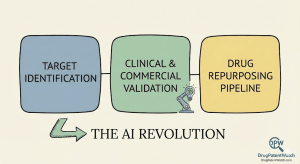
de novo drug development model is facing a moment of reckoning, compelling a strategic pivot towards more intelligent, data-driven paradigms. It is within this context that drug repurposing, supercharged by artificial intelligence (AI), has evolved from a peripheral tactic into a central pillar of modern research and development (R&D). This section will dissect the profound challenges of the conventional pipeline, trace the evolution of drug repurposing from serendipity to strategy, and establish AI as the catalyst that is fundamentally reshaping the landscape of therapeutic discovery.
1.1 Analyzing the Attrition Crisis: Deconstructing the Timelines, Costs, and Failure Rates of Traditional R&D
The traditional pathway for discovering and developing a new chemical entity (NCE) is a long, arduous, and punishing gauntlet. The metrics that define this process paint a stark picture of a model stretched to its breaking point.
The timeline from the initial identification of a promising biological target to the day a new medicine reaches a patient is, on average, a staggering 12 to 15 years.2 In particularly complex fields such as gene therapy, this timeline can extend to an astonishing 30 years.2 This protracted duration represents an enormous opportunity cost, delaying the delivery of potentially life-saving treatments to patients and locking up vast amounts of capital in long-term, high-risk projects.
The financial burden is equally daunting. The fully capitalized, risk-adjusted cost to bring a single new drug to market now exceeds $2 billion, with some analyses placing the figure closer to $2.8 billion.4 This immense capital requirement creates a formidable barrier to entry and concentrates innovation within a small number of large organizations capable of absorbing such costs.
Most sobering, however, is the staggering rate of attrition. For every 10,000 compounds initially screened, only a handful will ever reach human trials.4 Of those that do enter Phase I clinical testing, more than 90% will ultimately fail to gain regulatory approval.2 The overall likelihood of a drug candidate successfully navigating the clinical trial process from Phase I to market is a mere 7.9%.2 This brutal reality means that the vast majority of investment and scientific effort in drug development ends in failure.
While the final transition from a submitted New Drug Application (NDA) to regulatory approval is relatively high at around 91%, the preceding stages are where the vast majority of candidates are eliminated. The success rate for Phase I, which primarily assesses safety in a small group of healthy volunteers, is approximately 52%. Phase III, the large-scale efficacy trial that represents the largest single investment, succeeds about 58% of the time. The true bottleneck, however, the great chasm where promising science collides with harsh biological reality, is Phase II. It is in this stage, where a drug’s efficacy is tested in patients for the first time, that the success rate plummets to just 28.9%.2 This specific point of failure highlights a critical weakness in the traditional model: an insufficient understanding of a drug’s true efficacy and its interaction with heterogeneous patient populations before committing to massive, late-stage trials. It is precisely this gap—the prediction of efficacy and patient response—that presents the most significant opportunity for AI-driven intervention. The Phase II chasm is not just a statistical anomaly; it is the primary economic and scientific justification for a fundamental re-engineering of the drug development pipeline.
1.2 From Serendipity to Strategy: The Evolution of Drug Repurposing
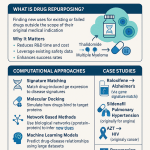
Drug repurposing, the practice of identifying new therapeutic uses for existing drugs, is not a new concept. For decades, the pharmaceutical industry has benefited from serendipitous discoveries, or “happy accidents,” that have transformed medicine. The classic example is Sildenafil, initially developed to treat angina, which was famously repurposed as Viagra for erectile dysfunction after an unexpected side effect was observed in clinical trials.4 Similarly, Thalidomide, a drug with a tragic history as a sedative for morning sickness, found redemption as a powerful treatment for leprosy and multiple myeloma.4
These compelling stories, however, represent a past where repurposing was largely opportunistic—a fortunate byproduct of clinical observation rather than a deliberate R&D strategy.4 The economic and scientific pressures detailed above have created a modern imperative to transform this art of chance into a science of intention. The industry can no longer afford to rely on serendipity. Instead, it must proactively and systematically mine the vast potential of the existing pharmacopeia.
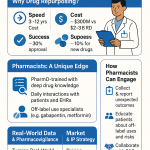
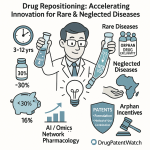
This strategic shift is driven by the clear and compelling advantages of the repurposing model. By starting with a compound that has already undergone extensive preclinical testing and, crucially, Phase I human safety trials, developers can often bypass the earliest, most time-consuming, and failure-prone stages of development. This can slash 5 to 7 years from the typical drug development timeline.9 Furthermore, because the safety profile is already well-established, the risk of failure due to unforeseen toxicity is dramatically reduced. This de-risking translates into a significantly higher probability of success; the approval rate for repurposed drugs is approximately 30%, nearly three times higher than the rate for novel compounds.10
1.3 The AI Catalyst: How Computational Power is Transforming Repurposing from an Art to a Data-Driven Science
While the strategic logic of repurposing is sound, its execution has historically been limited by the scale of human analysis. The true catalyst for elevating repurposing to a core pillar of R&D has been the advent of artificial intelligence. AI and machine learning (ML) provide the tools to systematically interrogate vast, complex, and previously disconnected biological and clinical datasets at a scale and speed that is simply beyond human capability.4 AI is the engine that transforms repurposing from a manual, hypothesis-limited process into a systematic, data-driven science.11
AI does not invent the concept of repurposing; it supercharges its execution by enhancing the three traditional repurposing playbooks 4:
The Drug-Centric Approach: Starting with a known molecule and searching for a new disease it can treat. AI can screen a single drug’s profile against thousands of disease models simultaneously.
The Disease-Centric Approach: Starting with an unmet medical need and scanning the entire universe of existing drugs to find a potential solution. AI can analyze the biological underpinnings of the disease and match them against the known mechanisms of thousands of drugs.
The Target-Centric Approach: Connecting disparate diseases through a shared biological target or pathway. AI excels at identifying these non-obvious biological connections across seemingly unrelated conditions.
Perhaps the most profound shift enabled by AI is the move from purely hypothesis-driven to data-driven discovery. Traditional approaches generally require a pre-existing biological rationale to investigate a potential drug-disease link. AI systems, however, can be turned loose on massive datasets, such as millions of electronic health records (EHRs) or genomic databases, to find statistically significant correlations between a drug and an unexpected positive outcome without any prior hypothesis.4 An AI might, for example, identify that patients taking a specific diabetes medication have a mysteriously lower incidence of a certain type of cancer, generating a novel, data-driven hypothesis that can then be investigated in the lab. This ability to uncover non-obvious relationships hidden within the data opens up entirely new and unpredictable avenues for therapeutic innovation. The integration of AI is not merely an incremental improvement; it is a paradigm shift that unlocks the immense hidden value within the medicines we have already created.
Stage
Traditional Timeline
Traditional Success Rate (Phase Transition)
AI-Accelerated Timeline (Estimate)
AI-Improved Success Rate (Hypothesis)
Target ID & Validation
2-3 years
N/A
< 1 year
N/A (Improves downstream success)
Hit-to-Lead
2-3 years
N/A
< 1 year
N/A
Preclinical
3-6 years
~69%
1-3 years
>75%
Phase I
~1 year
~52%
Unchanged
~80-90%
Phase II
~2 years
~29%
1-1.5 years
>50% (with stratification)
Phase III
2-4 years
~58%
1.5-3 years
>65%
Regulatory Review
1-2 years
~91%
0.5-1.5 years
>95%
Table 1: A comparative analysis of the traditional drug development pipeline versus an AI-accelerated model, illustrating potential improvements in timelines and success rates at each stage. Data synthesized from.2
Section 2: Deconstructing the AI-Powered Repurposing Engine: Core Methodologies and Data Modalities
To appreciate the transformative impact of AI on drug repurposing, it is essential to look under the hood at the core technologies that constitute the discovery engine. “AI” is not a monolithic entity but rather a suite of distinct yet interconnected methodologies, each playing a unique role in the pipeline. The power of this engine derives not from a single algorithm but from the synergistic integration of predictive and generative models fueled by vast, multi-modal datasets. This section will demystify the key components of this engine, from foundational machine learning techniques to the sophisticated data structures that form its knowledge backbone.
2.1 Machine Learning and Deep Learning Foundations
At the heart of AI-driven repurposing are machine learning (ML) and deep learning (DL) algorithms, which are trained to recognize complex patterns in biomedical data and make predictions about drug-disease relationships.11
Supervised Learning models are trained on datasets where the correct answer is already known (labeled data). For instance, a model can be trained on a database of compounds with known binding activity for a specific protein target, with each compound labeled as either “binds” or “does not bind.” The trained model can then predict the binding activity of new, unseen compounds. Common supervised learning algorithms used in repurposing include Support Vector Machines (SVMs), Random Forests (RF), k-Nearest Neighbors (kNN), and logistic regression.3 These methods are workhorses for tasks like predicting drug-target interactions (DTIs) and classifying drugs based on their chemical or biological properties.13
Unsupervised Learning models, in contrast, work with unlabeled data to discover hidden structures and patterns. These techniques are particularly valuable for hypothesis generation. For example, algorithms like K-means clustering or Principal Component Analysis (PCA) can be applied to patient genomic data to identify novel disease subtypes that were not previously recognized, allowing for more precise targeting of therapies.2
Deep Learning, a subfield of machine learning, utilizes multi-layered neural networks to learn intricate, non-linear patterns from vast and complex datasets. These architectures have proven exceptionally powerful for a range of drug discovery tasks 2:
Convolutional Neural Networks (CNNs): Originally famous for image recognition, CNNs are adept at processing grid-like data. In drug discovery, they are used to interpret the 3D structure of proteins, analyze molecular structures from 2D images, and predict binding affinities by treating the protein-ligand interaction space as a 3D image.2 The AtomNet platform from Atomwise is a pioneering example of applying CNNs to structure-based drug design.16
Recurrent Neural Networks (RNNs) and Long Short-Term Memory (LSTM) Networks: These architectures are designed to handle sequential data, making them ideal for interpreting the “language” of molecular sequences, such as SMILES strings (a textual representation of chemical structures), or analyzing time-series data like gene expression profiles over time.2
Graph Neural Networks (GNNs): Representing a major breakthrough, GNNs are specifically designed to learn from data structured as a graph or network. Since biology is fundamentally a network of interactions (genes, proteins, drugs), GNNs are uniquely suited to model these complex systems. They can analyze protein-protein interaction networks or drug-target networks to predict drug effects and identify repurposing candidates, capturing complex relationships that are lost when data is forced into a linear or grid-like format.11
2.2 The Rise of Generative AI
While the models above are primarily predictive, a newer class of Generative AI models is capable of creating novel content from scratch. This marks a significant shift from identifying existing candidates to designing ideal ones de novo.
Generative Adversarial Networks (GANs): A GAN consists of two dueling neural networks: a “generator” that creates new data samples (e.g., novel molecular structures) and a “discriminator” that tries to distinguish the synthetic data from real data. Through this adversarial process, the generator learns to produce increasingly realistic and viable molecules with desired pharmacological properties.6 GANs can also be used to generate synthetic drug-target interaction data to augment sparse datasets, improving the training of predictive models.
Variational Autoencoders (VAEs): VAEs learn a compressed, continuous representation of a dataset (e.g., a “chemical space” of known drugs). They can then sample from this learned space to generate new molecules that are similar to the input data but possess novel structures.19
Reinforcement Learning (RL): RL models can be used to optimize molecular structures. An RL “agent” can be tasked with modifying a molecule step-by-step (e.g., adding or changing an atom) to achieve a specific goal, such as maximizing binding affinity to a target protein while simultaneously minimizing predicted toxicity. The model receives “rewards” for positive changes and “penalties” for negative ones, learning an optimal design strategy over time.18
A concrete example of a generative pipeline is the “DrugPipe” framework, which is structured in two phases. In Phase 1, generative AI models are used to design potential ligands that are theoretically ideal for a specific protein’s binding pocket. In Phase 2, similarity-based search algorithms then scan databases of existing, approved drugs to find real-world compounds that most closely match the structure of the ideal, AI-generated ligands.21
2.3 The Knowledge Backbone: Data Integration and Knowledge Graphs
The sophisticated algorithms described above are only as powerful as the data they are trained on. The true breakthrough in modern AI platforms is not just the algorithms themselves, but their ability to learn from diverse, multi-modal data sources simultaneously. The challenge has shifted from dealing with “big data” to integrating “multi-modal data”—weaving together disparate strands of information into a cohesive, holistic view of biology.23
This Multi-Modal Data Integration is the core strength of modern AI platforms. Instead of relying on a single data type, they create a unified analytical framework that incorporates 11:
Multi-Omics Data: Genomics (DNA), transcriptomics (RNA expression), proteomics (proteins), and metabolomics (metabolites) provide a multi-layered view of cellular function and disease pathology.3
Chemical and Structural Data: Information on molecular structures, binding affinities from lab assays, and predictions from Quantitative Structure-Activity Relationship (QSAR) models.11
Clinical Data: Real-world evidence from Electronic Health Records (EHRs), outcomes from past clinical trials, and adverse event reporting databases provide crucial context on a drug’s effects in humans.11
Scientific Literature and Patents:Natural Language Processing (NLP) algorithms are used to “read” and extract information from millions of scientific publications, patents, and clinical trial reports, uncovering hidden relationships between drugs, genes, and diseases that would be impossible for a human to find manually.11
The critical infrastructure for organizing and integrating this vast and varied information is the Knowledge Graph (KG). A KG is a network-based data model that represents biomedical entities (such as drugs, proteins, genes, diseases, and pathways) as “nodes” and the relationships between them (such as ‘treats’, ‘interacts with’, ’causes’) as “edges”.3
KGs provide a structured, machine-readable representation of complex biological knowledge. Their true power lies in their ability to facilitate the discovery of inferred, non-obvious relationships. For example, a KG can reveal a potential repurposing opportunity by tracing a path: if Drug A is known to target Protein B, and Protein B is known to be involved in the pathway of Disease C, the graph structure makes the inferred hypothesis—that Drug A might treat Disease C—explicit and queryable.28
Furthermore, KGs are a direct response to the “black box” problem of many AI models. The paths traced through a graph to connect a drug to a disease can serve as a transparent and biologically plausible explanation for a prediction. This inherent explainability is crucial for gaining the trust of scientists, clinicians, and regulatory agencies, making KGs not just a data repository but a vital tool for validation and interpretation.29 The various AI methodologies do not operate in isolation; they form a synergistic ecosystem. NLP extracts unstructured knowledge from literature to enrich a structured KG. This KG then provides the relational data needed to train powerful GNNs to predict new links. Generative models can then design ideal molecules based on the GNN’s predictions, creating a virtuous cycle where each technology’s output becomes the input for the next, forming a powerful, integrated discovery engine.
All data types: omics, clinical, chemical, literature-derived relationships.
Generative AI
GANs, VAEs, Reinforcement Learning
De novo design of novel molecules with desired properties, generating synthetic data to augment training sets, optimizing lead compounds.
Known chemical structures, desired pharmacological properties (e.g., high affinity, low toxicity).
Table 2: A summary of the key AI methodologies employed in the drug repurposing pipeline, detailing their underlying technologies, primary functions, and the types of data they utilize.
Section 3: The End-to-End Pipeline: A Stage-by-Stage Analysis
The true power of the AI-driven repurposing engine is realized when its constituent technologies are applied systematically across the entire drug development pipeline. This section provides a stage-by-stage analysis of this modern workflow, tracing the journey of a repurposed drug from a computationally generated hypothesis to a clinical-stage asset. At each transition, AI acts as an accelerator and a de-risking agent, transforming the traditional linear process into a more dynamic and data-informed cycle.
3.1 Stage 1: Target Identification and Validation
Every drug development program begins with a single, critical decision: the selection of a biological target.2 Choosing the right gene, protein, or pathway to modulate is arguably the most important determinant of a program’s ultimate success. Traditionally a slow, lab-intensive process, target identification has been radically accelerated by AI’s ability to mine vast biological datasets for causal links to disease.
AI Interventions: AI platforms systematically analyze multiple streams of evidence to identify and prioritize targets. This includes mining large-scale genomic datasets, such as Genome-Wide Association Studies (GWAS), to find genetic variants strongly associated with a disease. For example, the Open Targets consortium uses a machine learning method called L2G (locus-to-gene) to score and prioritize the most likely causal genes at GWAS loci, leveraging the fact that drugs with genetic evidence supporting their target-disease association are far more likely to succeed.26 Beyond genomics, AI integrates multi-omics data (transcriptomics, proteomics) to construct comprehensive disease pathway models, identifying key nodes that could serve as effective intervention points.11 Simultaneously, NLP algorithms continuously scan the firehose of scientific literature and patents, flagging novel target-disease associations as they are published.2
Goal and Impact: The objective is to move beyond correlational evidence to identify targets that are truly on the causal pathway of a disease and are “druggable,” meaning they are accessible to and can be modulated by a small molecule or biologic. By automating and integrating these lines of evidence, AI can reduce the target identification and validation timeline from a traditional 2-3 years to less than one year, laying a much stronger, evidence-based foundation for the entire R&D program that follows.2
3.2 Stage 2: Candidate Identification and Prioritization (Hit-to-Lead)
Once a high-confidence target is validated, the search begins for an existing drug that can effectively modulate it. This is where AI’s capacity for high-throughput analysis transforms the discovery process, replacing the slow and expensive physical screening of compound libraries with rapid and comprehensive in silico evaluation.
AI Interventions: A diverse array of computational methods is deployed to identify and rank potential drug candidates:
In Silico Virtual Screening: AI models can screen digital libraries containing billions of chemical compounds against the 3D structure of a protein target in a matter of days or weeks.6 Platforms like Atomwise’s AtomNet use CNNs to predict the binding affinity of each molecule, prioritizing a small, manageable number of high-potential candidates for subsequent lab testing.32 This is orders of magnitude faster and more cost-effective than traditional high-throughput screening (HTS) in a wet lab.33
Predictive Modeling: For targets where a 3D structure is not available, other models can be used. QSAR models predict a molecule’s biological activity based on its chemical structure 13, while more advanced deep learning models like DeepDTA can predict drug-target binding affinity using only the protein’s amino acid sequence and the drug’s SMILES string.15
Network-Based Approaches: These methods operate on the principle of “guilt-by-association” within biological networks.12 They hypothesize that drugs targeting proteins that are “close” to disease-associated proteins in a protein-protein interaction (PPI) network are more likely to be effective. Algorithms calculate network proximity metrics, such as the shortest path between a drug’s targets and the set of disease genes, to score and rank repurposing candidates.34
Generative Design for Similarity Searching: As described in the “DrugPipe” model, generative AI can first design a theoretically ideal molecule for the target’s binding pocket. Then, similarity search algorithms can scan databases of approved drugs to find the existing compound that is most structurally or chemically similar to this ideal de novo ligand.21
3.3 Stage 3: Computational and Preclinical Validation
Before a drug candidate can be tested in humans, its pharmacological properties must be characterized and its potential for toxicity must be thoroughly assessed. AI enables a significant portion of this critical de-risking to occur in silico, allowing researchers to “fail fast and fail cheap” with computational models before committing to expensive and time-consuming animal studies.
AI Interventions:
Predictive ADMET: A major cause of drug failure is poor pharmacokinetic properties or unforeseen toxicity. AI models are trained on large datasets of known compounds to predict a candidate’s ADMET profile: its Absorption, Distribution, Metabolism, Excretion, and Toxicity. This allows for the early elimination of molecules that are likely to be toxic or have poor bioavailability, long before they enter animal testing.2 Companies like Ignota Labs have developed specialized platforms, such as SAFEPATH, that use deep learning to predict and explain safety issues.36
In Silico PK/PD Modeling: AI can be used to build computational models that simulate a drug’s pharmacokinetics (PK), or what the body does to the drug, and its pharmacodynamics (PD), or what the drug does to the body. These simulations can help predict optimal dosing regimens and therapeutic windows.2
Computational Validation: Before moving to the lab, the statistical robustness of the AI’s predictions is rigorously tested. Techniques such as Receiver Operating Characteristic (ROC) analysis and the calculation of the Area Under the ROC Curve (AUROC) are used to evaluate the accuracy of the predictive models, ensuring that the candidates being advanced have a high degree of computational evidence supporting them.14
Impact: The integration of these in silico validation steps can dramatically improve the efficiency of the preclinical phase. The timeline can be shortened from a traditional 3-6 years to 1-3 years, and the success rate of transitioning from preclinical to Phase I clinical trials can be improved from approximately 69% to over 75%.2
3.4 Stage 4: AI in Clinical Validation
AI’s influence extends beyond the discovery and preclinical phases and into the design and execution of human clinical trials. This is where AI has the potential to address the single greatest bottleneck in drug development: the high failure rate of Phase II efficacy trials.
AI Interventions:
Precision Patient Stratification: The “one-size-fits-all” approach to clinical trials is a primary driver of Phase II failures. A drug may be highly effective in a subset of patients but show no statistically significant benefit when averaged across a broad, heterogeneous population. AI excels at analyzing patient multi-omics data (e.g., genomics, transcriptomics) and clinical biomarker data to identify these responsive subgroups before the trial begins. This allows for the design of smaller, faster, and more targeted “biomarker-driven” trials with a much higher probability of success.2
Biomarker Discovery: AI models can sift through complex patient data to identify novel digital or molecular biomarkers that can predict a patient’s response to a drug or the progression of their disease. These biomarkers are essential for effective patient stratification.2
Adaptive Trial Design and Outcome Prediction: AI can facilitate the design of adaptive clinical trials, where parameters such as dosage or patient inclusion criteria can be modified based on interim data analysis. Furthermore, by integrating real-world evidence (RWE) from sources like EHRs, AI models can help predict patient outcomes and optimize trial logistics.2
Impact: The ability to precisely select the right patients for the right drug is transformative. It is hypothesized that AI-driven patient stratification alone could increase the success rate of Phase II trials from the current low of ~29% to over 50%.2 This not only salvages promising drugs that would have otherwise failed but also significantly reduces the cost and time of clinical development and reduces the number of patients who must receive a placebo.2
The traditional, linear progression of drug development is giving way to a more dynamic, cyclical process. This “lab-in-the-loop” model, enabled by AI, creates a continuous feedback mechanism between computational prediction and experimental validation.38 AI-generated hypotheses are tested in targeted lab experiments, and the results of those experiments are immediately fed back to retrain and refine the AI models.11 This iterative de-risking process blurs the rigid lines between discovery, preclinical, and clinical stages, creating a more integrated and efficient workflow that is designed to identify and eliminate potential failures at the earliest and cheapest possible point.
Section 4: From Silicon to Clinic: Landmark Case Studies in AI-Driven Repurposing
The theoretical promise of AI in drug repurposing is increasingly being substantiated by tangible, real-world successes. A growing number of case studies demonstrate how AI-driven platforms are not only accelerating discovery timelines but also generating novel, non-obvious therapeutic hypotheses that have progressed into clinical testing and, in some cases, regulatory approval. These examples provide the crucial proof-of-concept for the pipeline described previously, illustrating how different AI methodologies are being applied to solve complex biological challenges across a range of therapeutic areas.
4.1 Rapid Response: BenevolentAI’s Identification of Baricitinib for COVID-19
Perhaps the most prominent and timely success story for AI-driven repurposing emerged during the early, desperate days of the COVID-19 pandemic. The global crisis demanded a rapid identification of existing therapies that could be deployed against the novel coronavirus, a task for which AI was uniquely suited.
The AI Approach: In late January 2020, researchers at the London-based firm BenevolentAI leveraged their proprietary AI platform to address the pandemic.39 The platform’s core is a massive biomedical knowledge graph, which is continuously updated and enriched by NLP algorithms that mine the latest scientific literature. The researchers posed a sophisticated query: find an approved drug that could simultaneously inhibit viral entry and quell the hyper-inflammatory “cytokine storm” that was proving fatal in severe COVID-19 cases.41
The Hypothesis: The AI platform identified Baricitinib, a Janus kinase (JAK) 1/2 inhibitor approved for rheumatoid arthritis, as a top candidate. The AI-generated hypothesis was twofold and highly specific: 1) as a JAK inhibitor, Baricitinib would block the cytokine signaling pathways responsible for the inflammatory damage in the lungs; and 2) it would also inhibit numb-associated kinases (NAKs), specifically AAK1 and GAK, which are key regulators of endocytosis, the process SARS-CoV-2 uses to enter host cells.43 This dual-action mechanism, targeting both the virus and the host response, was a non-obvious insight that would have been difficult for human researchers to formulate so quickly.
The Outcome: This AI-driven prediction, published in The Lancet, spurred immediate action.39 Preclinical studies validated the AI’s mechanistic hypothesis, and the drug was rapidly advanced into major randomized controlled trials, including the NIAID-sponsored ACTT-2 and the CoV-BARRIER trial.41 These trials confirmed that Baricitinib, particularly in combination with Remdesivir, significantly reduced recovery time and mortality in hospitalized patients. This led to an Emergency Use Authorization (EUA) from the U.S. Food and Drug Administration (FDA) for the treatment of COVID-19.39 The entire arc, from computational hypothesis to clinical validation and regulatory action, occurred with unprecedented speed, showcasing AI’s power as a rapid response tool in a public health crisis.46
4.2 Tackling Neurological and Psychiatric Disorders
AI is also making significant inroads in some of the most challenging areas of medicine, including neurodegenerative and psychiatric disorders, where traditional drug development has seen limited success.
Ketamine for Substance Use Disorder: Researchers utilized an AI-based knowledge graph model to prioritize FDA-approved drugs for their potential efficacy in treating amphetamine-type stimulant use disorder (ATSUD) and cocaine use disorder (CUD).47 Among the top candidates, Ketamine, an anesthetic and antidepressant, emerged as a novel option. The AI model identified the modulation of the NMDA receptor as the critical underlying mechanism.47 To validate this computational hypothesis, the researchers then turned to real-world data, conducting a retrospective analysis of millions of electronic health records. Their analysis revealed that patients with CUD who had been administered Ketamine for other reasons (e.g., anesthesia) had significantly higher rates of remission from their substance use disorder.49 This powerful combination of AI-based prediction and EHR-based corroboration provided strong evidence for advancing Ketamine into clinical trials for this new indication.48
Efavirenz for Parkinson’s Disease: In another example, an AI-driven drug repositioning strategy was used to screen an extensive library of compounds for potential therapeutic agents against Parkinson’s disease (PD).50 The AI analysis highlighted Efavirenz, an antiretroviral drug used to treat HIV, as a promising candidate. Guided by the AI’s predictions, researchers conducted in-depth molecular investigations and uncovered a novel mechanism of action relevant to PD. They found that Efavirenz activates an enzyme called CYP46A1, which enhances cholesterol metabolism in the brain. This, in turn, was shown to mitigate the propagation of α-synuclein, the protein whose misfolding and aggregation is a key pathological hallmark of Parkinson’s disease.47 This case exemplifies how AI can move beyond simple prediction to generate deep, testable mechanistic insights that open entirely new therapeutic avenues.
4.3 Innovating in Oncology: A Combination Therapy for DIPG
One of AI’s most sophisticated applications is its ability to design novel combination therapies to overcome complex biological hurdles, a capability demonstrated in the fight against a devastating pediatric brain cancer.
The Challenge: Diffuse intrinsic pontine glioma (DIPG) is a universally fatal brain tumor in children, with no improvement in survival rates for over 50 years.52 A quarter of DIPG tumors are driven by a mutation in a gene called ACVR1. While a targeted drug, Vandetanib, can inhibit ACVR1, it is ineffective in practice because it cannot cross the blood-brain barrier in sufficient concentrations; it is actively pumped out of the brain by efflux transporters.53
The AI Solution: Researchers at The Institute of Cancer Research (ICR), London, collaborated with BenevolentAI to tackle this problem.53 They used BenevolentAI’s platform to search for an existing drug that could be combined with Vandetanib to solve the delivery issue. The AI system analyzed its knowledge graph and proposed a novel combination: Vandetanib plus Everolimus, an mTOR inhibitor. The AI’s hypothesis was that Everolimus would inhibit the transporter proteins responsible for ejecting Vandetanib from the brain, thereby allowing the targeted drug to reach a therapeutic concentration at the tumor site.52
The Outcome: Preclinical testing in mouse models of DIPG validated the AI’s prediction spectacularly. The combination therapy increased the concentration of Vandetanib in the brain by 56% and significantly extended survival compared to control treatments.53 Based on this strong preclinical rationale, the combination has been tested in a small cohort of four children with DIPG, and the team is now working to launch a full-scale clinical trial.54 This case is a landmark example of AI proposing a rational, mechanism-based drug combination that would not have been obvious to human researchers.
4.4 Pioneering Platforms: A Profile of Key Innovators
The successes above are driven by a growing ecosystem of innovative companies, each with a distinct technological philosophy. This diversity is a hallmark of a maturing field, showing that there is no single “best” approach to AI-driven discovery.
Recursion Pharmaceuticals: Recursion employs a unique, data-driven phenotypic screening platform. It combines automated wet-lab robotics with high-content imaging and machine learning. The system cultures human cells, induces a disease state, treats them with thousands of different drugs, and captures millions of high-resolution microscopy images. Deep neural networks then analyze these images to identify which drugs cause the diseased cells to revert to a healthy morphological phenotype.1 This agnostic, image-based approach does not require prior knowledge of a specific drug target. This platform led to the identification of a drug candidate for cerebral cavernous malformation (CCM), a rare hereditary stroke syndrome, which was among the first machine learning-discovered drugs to enter human clinical trials.1
Atomwise: A pioneer in the application of deep learning to structure-based drug design, Atomwise developed the AtomNet platform, which uses convolutional neural networks to predict the binding affinity of small molecules to protein targets.16 The platform can virtually screen trillions of synthesizable compounds with unprecedented speed and accuracy.57 In a widely cited early success, Atomwise used AtomNet to analyze existing medicines for activity against the Ebola virus, identifying two promising candidates in less than a day.58 The company’s internal pipeline includes an AI-driven, orally bioavailable TYK2 inhibitor for autoimmune diseases.57
Exscientia: This UK-based company developed the “Centaur Chemist” AI platform, which focuses on active learning and generative design to rapidly optimize molecules against specific design criteria. Exscientia achieved a major milestone in 2020 when DSP-1181, a novel molecule for obsessive-compulsive disorder (OCD) designed in partnership with Sumitomo Dainippon Pharma, became the first-ever AI-designed drug to enter human clinical trials. The exploratory research phase for this molecule was completed in less than 12 months, a fraction of the 4.5-year industry average.60
Insilico Medicine: Insilico is known for its end-to-end generative AI platforms that cover the entire discovery process, from target identification to molecule generation. In 2022, the company announced the start of Phase I trials for a treatment for idiopathic pulmonary fibrosis, notable for being the first drug with a novel target discovered by AI to be administered to a human, with the molecule also having been designed by AI.64
Company
Core AI Platform/Methodology
Landmark Repurposed/Discovered Drug
Indication
BenevolentAI
Biomedical Knowledge Graph, NLP, Causal Reasoning
Baricitinib (Repurposed)
COVID-19
Recursion
High-Content Phenotypic Screening, Computer Vision, ML
REC-994 (Repurposed)
Cerebral Cavernous Malformation
Atomwise
Structure-Based Deep Learning (AtomNet® CNN)
N/A (Ebola candidates identified)
Ebola Virus Disease
Exscientia
Generative AI, Active Learning (Centaur Chemist™)
DSP-1181 (Novel Design)
Obsessive-Compulsive Disorder
Insilico Medicine
End-to-End Generative AI (Target ID & Molecule Design)
INS018_055 (Novel Target & Design)
Idiopathic Pulmonary Fibrosis
Table 3: A profile of leading companies in the AI drug discovery and repurposing space, highlighting their core technological approach and a landmark success. Data synthesized from.1
Section 5: Navigating the Terrain: Challenges, Limitations, and Strategic Mitigations
While the potential of AI in drug repurposing is immense and its successes are growing, the path to widespread, seamless integration is paved with significant challenges. Acknowledging these hurdles is not a sign of pessimism but a prerequisite for developing robust and realistic strategies. For investors and industry leaders, understanding these limitations is as crucial as understanding the technology’s promise. This section provides a critical examination of the primary obstacles—from data integrity to model transparency—and outlines the strategic mitigations being developed to overcome them.
5.1 The Data Dilemma: Quality, Accessibility, and Bias
The performance of any AI system is fundamentally constrained by the quality and quantity of the data it is trained on. The “garbage in, garbage out” principle is acutely relevant in the complex domain of biomedicine, where data issues represent the most significant barrier to progress.
Data Quality and Integration: The ideal dataset for training a drug discovery AI is large, clean, well-curated, standardized, and comprehensive. The reality is often the opposite. Biomedical data is frequently fragmented across disconnected silos, stored in legacy IT systems, and plagued by inconsistencies, errors, and missing values.68 Integrating heterogeneous data types—such as genomic data from one lab, clinical data from an EHR system, and chemical data from a public database—is a monumental technical challenge, as these sources often lack standardized formats, taxonomies, and interoperability protocols.11 Without effective data quality management and governance, the risk of training AI models on flawed or incomplete data is high, which can lead to inaccurate predictions and wasted resources.70
Data Accessibility: Many of the most valuable datasets for drug repurposing are proprietary and not publicly available. This includes the detailed results of failed clinical trials, extensive compound libraries from pharmaceutical companies, and rich longitudinal patient data from healthcare systems.68 This lack of access to comprehensive, high-quality training data limits the predictive power and generalizability of AI models developed in the public domain.
Algorithmic Bias: AI models are not objective; they reflect the biases present in their training data. If historical research has disproportionately focused on certain protein families (e.g., kinases) or specific patient populations, an AI trained on this data will inherit and potentially amplify these biases.4 For example, a model trained on biased drug-target interaction databases may generate a high number of false positives for well-studied proteins while failing to identify opportunities for novel, understudied targets.13 Mitigating this requires conscious efforts to curate more balanced datasets and develop algorithms that can account for and correct statistical biases.
The primary bottleneck in AI drug discovery is thus shifting. In the early days, the main limitation was access to sufficient computational power. Today, with the commoditization of cloud computing and specialized hardware like GPUs and TPUs, the new competitive frontier is the ability to acquire, clean, standardize, and integrate high-quality, proprietary, multi-modal data. The companies that solve this fundamental data engineering and governance problem will possess a durable competitive advantage, as their models will be trained on superior fuel.
5.2 The “Black Box” Problem: The Critical Need for Explainable AI (XAI)
A second major hurdle is the inherent opacity of many advanced AI models. In a highly regulated and evidence-based field like medicine, a prediction without a clear rationale is of limited value.
Lack of Interpretability: Many of the most powerful deep learning models function as “black boxes,” making it difficult or impossible to understand the internal logic that leads from a given input to a specific output.11 Why did the model predict this particular drug would be effective for this disease? Which features in the data were most influential in its decision? Without answers to these questions, it is difficult to build trust in the system’s predictions.69
Regulatory and Clinical Skepticism: Regulators like the FDA and clinicians at the bedside require a clear, evidence-based, and biologically plausible mechanism of action before approving or prescribing a treatment. An AI-generated hypothesis that cannot be explained is unlikely to be pursued in the lab, funded for clinical trials, or adopted in clinical practice.11
The Promise of Explainable AI (XAI): Recognizing this critical barrier, a significant area of research is now focused on developing Explainable AI (XAI). The goal of XAI is to create systems that can justify their predictions in a way that is understandable to human experts. This includes techniques like visualizing a model’s decision-making pathways, conducting analyses to determine the importance of different input features, and, most promisingly, using inherently interpretable models from the outset.11 Knowledge graphs are a prime example of the latter; the path of nodes and edges that connects a drug to a disease provides a direct, transparent, and testable biological hypothesis.30
This need for transparency reveals that explainability is not merely a desirable technical feature but a core business and regulatory requirement. A prediction from a black box model may be scientifically interesting, but it is commercially inert. The most valuable and successful AI platforms will therefore be those that integrate explainability into their architecture from the ground up, transforming the AI from an opaque oracle into a collaborative scientific partner.
5.3 Computational and Financial Hurdles
While AI-driven repurposing offers significant cost savings compared to traditional R&D, the implementation of a cutting-edge AI platform is a substantial undertaking that requires significant investment in both technology and talent.
Infrastructure Costs: Training and deploying large-scale deep learning models is computationally intensive. It requires access to powerful hardware, such as clusters of Graphics Processing Units (GPUs) or Tensor Processing Units (TPUs), sophisticated software frameworks, and robust cloud computing infrastructure. These resources represent a significant capital and operational expense.1
The Interdisciplinary Talent Gap: A successful AI drug discovery program cannot be run solely by data scientists or by biologists. It requires the deep integration of expertise from multiple domains: biologists and chemists to frame the right questions and interpret the results, data scientists and ML engineers to build and train the models, and bioinformaticians to manage and process the data. Building and retaining these highly specialized, interdisciplinary teams and fostering a culture where they can collaborate effectively is a major organizational challenge.23
Section 6: The Commercial and Regulatory Framework: Realizing Value from Repurposed Assets
An AI-generated hypothesis, no matter how promising, holds no value until it can be translated into an approved therapy that reaches patients and generates a return on investment. The commercial viability of the entire AI repurposing paradigm hinges on a sophisticated understanding of the specialized regulatory pathways and intellectual property (IP) strategies that govern this unique space. For investors and strategic leaders, mastering this commercial and legal framework is as critical as understanding the underlying technology.
6.1 The 505(b)(2) Pathway: A Strategic Guide to the FDA’s Expedited Route
In the United States, the primary regulatory mechanism that makes drug repurposing commercially feasible is the 505(b)(2) New Drug Application (NDA) pathway. It is an intelligent, hybrid approach designed to encourage innovation for existing drugs without requiring the full, duplicative burden of a brand-new drug application.74
A Hybrid Approach: The 505(b)(2) pathway sits between a full 505(b)(1) NDA for a new chemical entity and a 505(j) Abbreviated New Drug Application (ANDA) for a generic copy.75 While it requires a complete report on the drug’s safety and effectiveness for the new indication, its defining feature is that it allows the applicant to rely on data they did not generate themselves.74
Leveraging Existing Data: A 505(b)(2) applicant can reference the FDA’s own previous findings of safety and/or efficacy for a previously approved drug (the “listed drug”). They can also incorporate data from the public domain, such as published scientific literature.75 This allows developers to build upon the vast body of existing knowledge about a drug, including its preclinical toxicology and Phase I safety data.
Benefits and Applications: By leveraging existing data, the 505(b)(2) pathway can dramatically reduce the number of new studies required for approval. In some cases, extensive preclinical programs and Phase I trials can be completely bypassed, allowing a direct progression to Phase II efficacy studies.75 This results in a significantly faster, less expensive, and de-risked route to market. The pathway is ideally suited for repurposed products, including drugs with new indications, changes in dosage form or strength, new routes of administration, or new combination products.75
Market Exclusivity: Critically for the business case, a drug approved via the 505(b)(2) pathway can be granted its own new period of market exclusivity, even if the original drug’s patents have expired. This exclusivity prevents generic competition for the new indication for a set period. The most common form is a 3-year exclusivity for a new use or formulation. If the new indication is for a rare disease, the drug may qualify for a 7-year Orphan Drug Exclusivity.9
6.2 Intellectual Property in a Post-Discovery World: Mastering the Repurposing IP Arsenal
Protecting a repurposed drug with intellectual property is a unique challenge. Since the active pharmaceutical ingredient (API) is already known and likely off-patent, a traditional “composition of matter” patent, which protects the molecule itself, is generally not available.77 The IP strategy must therefore pivot from protecting the
what (the compound) to protecting the how (its new, specific application).9
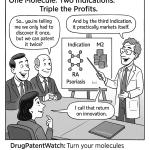
Method-of-Use (MoU) Patents: The cornerstone of the repurposing IP portfolio is the method-of-use (or method-of-treatment) patent. This legal instrument does not protect the drug itself but rather the specific, novel method of using that drug to treat the new disease.9 A typical claim would be structured as: “A method of treating Alzheimer’s disease, comprising administering a therapeutically effective amount of drug X.” While often considered a weaker form of protection than a composition patent, an MoU patent is essential as it creates an exclusive, protected market for the new indication.78
Strengthening the IP Moat: To build a more robust and defensible IP position, companies typically pursue a strategy of “fencing in” the new use with additional, secondary patents. This makes it more difficult for competitors to design around the core MoU patent or for physicians to prescribe a generic version “off-label.” Key strategies include 9:
Formulation Patents: Developing and patenting a new formulation of the drug, such as an extended-release version, a new dosage form (e.g., an oral film instead of a tablet), or a novel delivery system (e.g., nanoparticles for better brain penetration).
Combination Patents: Patenting a new combination of the repurposed drug with one or more other known drugs, particularly if the combination demonstrates synergistic effects.
Dosing Regimen Patents: If a specific, non-obvious dosing schedule is discovered to be critical for the drug’s efficacy and/or safety in the new indication, this regimen can be patented.
The regulatory and IP frameworks are not independent pillars but are deeply intertwined. The 505(b)(2) pathway makes repurposing feasible by lowering the R&D barrier, while a strong IP strategy makes it profitable by securing market exclusivity. A successful commercial strategy requires a dual mastery of both the regulatory science needed to navigate the FDA and the legal acumen to build a defensible IP moat around the new use. Furthermore, the ability of advanced AI to generate deep, non-obvious mechanistic hypotheses provides a much stronger foundation for a patent application. A claim based not just on a statistical correlation but on a novel, AI-discovered biological pathway is far more likely to meet the “non-obviousness” standard and withstand legal challenges, thus creating more valuable and durable intellectual property.
6.3 Market Dynamics: Quantifying the Economic Impact and Growth Trajectory
The strategic shift towards AI-driven repurposing is reflected in the strong growth and substantial economic potential of the market.
Market Size and Growth: The global drug repurposing market was valued at approximately $35 billion in 2024. It is projected to grow to nearly $60 billion by 2034, expanding at a Compound Annual Growth Rate (CAGR) of around 5.4%. North America currently holds the largest market share, at 47%.80
AI as a Key Driver: The increasing adoption of AI is cited as a primary catalyst for this market growth. AI is revolutionizing the field by accelerating the identification of candidates, reducing development costs, improving predictive accuracy, and enabling the integration of diverse data sources needed to uncover new therapeutic opportunities.80
Economic Value Proposition: The economic impact of AI in drug development is substantial. Conservative estimates suggest that AI could yield time and cost savings of at least 25-50% in the early, pre-clinical stages of discovery.81 According to one analysis by Morgan Stanley, even modest AI-driven improvements in early-stage success rates could result in an additional 50 novel therapies over a 10-year period, representing a market opportunity of more than $50 billion.64 The momentum is clear: it is estimated that by 2025, 30% of all new drugs and biologics will be discovered using AI-based technologies.81
Section 7: Conclusion: The Future Trajectory of AI in Pharmaceutical Innovation
The convergence of artificial intelligence and drug repurposing represents one of the most significant strategic shifts in the biopharmaceutical industry in decades. It has evolved from a theoretical possibility into a clinically and commercially validated paradigm that directly addresses the systemic crises of cost, time, and attrition plaguing traditional R&D. The journey from identifying a target to validating a candidate in the clinic is being fundamentally re-engineered, driven by the power of predictive algorithms, generative models, and the integration of vast, multi-modal datasets. While significant challenges related to data quality, model explainability, and regulatory adaptation remain, the trajectory is undeniable. The industry is moving towards a future where therapeutic innovation is more data-driven, more efficient, and more precise.
7.1 The Hybrid Future: Seamless Integration of “Lab-in-the-Loop” Validation
The future of drug discovery will not be a world where AI replaces human scientists, but one where it augments their capabilities in a seamless, synergistic partnership. The most effective and productive R&D models will be built around an iterative “lab-in-the-loop” framework.38 In this model, the rigid, linear pipeline is replaced by a continuous feedback cycle. AI platforms will generate high-confidence, testable hypotheses that guide targeted, efficient experiments in the wet lab. The data from these experiments will then be immediately fed back into the system to retrain, refine, and improve the AI models, leading to better predictions in the next cycle.11 This hybrid approach combines the unparalleled scale and speed of computation with the irreplaceable rigor of empirical science, creating a system that learns and improves over time, progressively de-risking the path to the clinic.
7.2 The Personalized Frontier: Patient-Specific Repurposing
The ultimate evolution of this paradigm is the shift from repurposing drugs for a broadly defined disease to repurposing drugs for an individual patient. The same AI technologies that identify drug-disease links can be focused on the unique biological context of a single person. By integrating an individual’s specific data—their genomic profile, the transcriptomics of their tumor, their clinical history from EHRs, and even real-time data from wearable sensors—AI models can predict which repurposed drug from the entire pharmacopeia is most likely to be effective for that specific patient.11 Platforms are already demonstrating the ability to predict with high accuracy whether an individual patient’s tumor sample will respond to a given drug, enabling a truly personalized approach to treatment selection.37 This convergence of AI, drug repurposing, and personalized medicine promises to make therapy more precise, enhance efficacy, and reduce adverse reactions, moving the industry towards a more patient-centric model of care.
7.3 Expert Opinion: A Synthesis and Strategic Recommendations
The evidence presented throughout this report leads to a clear conclusion: AI-driven drug repurposing is no longer an emerging trend but a core competency for the modern biopharmaceutical enterprise. The technologies being developed for repurposing—generative models, multi-modal data integration, predictive toxicology, and patient stratification—are the essential building blocks for the next frontier: true de novo drug design. Repurposing serves as the perfect training ground for these AI systems, providing vast amounts of existing data for training and allowing for faster validation cycles. The successes in repurposing are building the confidence, technology stack, and regulatory acceptance needed for the ultimate prize: designing entirely novel, optimized medicines in silico from the ground up.64
Furthermore, AI platforms will force a strategic re-evaluation of the pharmaceutical industry’s own “failed” assets. The archives of every major pharma company contain a graveyard of compounds that were proven safe in humans but were abandoned for lack of efficacy in their original indication.4 These compounds represent billions of dollars in sunk R&D costs. AI provides, for the first time, a scalable and cost-effective way to systematically screen this entire library of shelved assets against hundreds of new disease models, effectively transforming these historical liabilities into a massive, pre-screened, and de-risked asset library. This will undoubtedly spawn a new business model of “asset rescue,” unlocking immense value from within the industry’s own walls.
Based on this analysis, the following strategic recommendations are offered:
For Pharmaceutical R&D Leaders: The primary investment focus should shift from acquiring algorithms to building a world-class data infrastructure. Invest in robust data governance, standardization, and integration strategies to create the high-quality, multi-modal datasets that are the true fuel for AI. Foster deeply interdisciplinary teams that break down the traditional silos between biology, chemistry, and data science. Champion the adoption of the “lab-in-the-loop” model to create a culture of iterative, data-driven de-risking.
For Biotech Investors: When evaluating AI-driven companies, look beyond the hype of the platform’s predictive accuracy. The key differentiators for long-term value will be the quality and uniqueness of their proprietary data, the inherent explainability of their models, and the team’s demonstrated expertise in navigating the complex 505(b)(2) regulatory and intellectual property landscapes.
For Regulators and Policymakers: Continue to develop and clarify regulatory frameworks for the use of AI in drug development. Establishing clear standards for data quality, model validation, and explainability will be crucial to balancing the need for rapid innovation with the paramount importance of patient safety.11 Fostering an environment that encourages data sharing and open innovation will accelerate progress for all.
The integration of artificial intelligence into the drug repurposing pipeline is not merely an optimization of an old process; it is the beginning of a new era in therapeutic innovation. By transforming the economics of R&D and unlocking the hidden potential within our existing arsenal of medicines, this paradigm shift holds the promise of delivering more treatments to more patients, faster and more efficiently than ever before.
Generating Knowledge Graph Based Explanations for Drug Repurposing Predictions – CEUR-WS.org, accessed August 17, 2025, https://ceur-ws.org/Vol-3415/paper-3.pdf
Artificial intelligence-driven drug repositioning uncovers efavirenz as a modulator of α-synuclein propagation: Implications in Parkinson’s disease – PubMed, accessed August 17, 2025, https://pubmed.ncbi.nlm.nih.gov/38513596/