The global pharmaceutical export market, valued at over $850 billion, represents a landscape of immense opportunity and profound complexity.1 For companies seeking to expand their international footprint, success is no longer a function of simple arbitrage or incremental market entry. It demands a sophisticated, multi-dimensional, and fully integrated global strategy. This report provides a comprehensive playbook for pharmaceutical companies aiming not just to boost exports, but to achieve sustainable leadership in a rapidly evolving international arena.
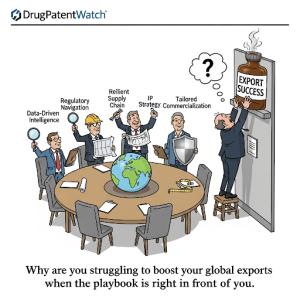
Five core pillars are identified as foundational for success. First, data-driven market intelligence must move beyond superficial metrics like GDP to a granular analysis of trade flows, disease burden, healthcare infrastructure, and regulatory maturity. Second, proactive regulatory navigation is required to transform the complex web of global compliance from a costly barrier into a source of competitive advantage. Third, a dynamic intellectual property strategy is essential to protect innovation, secure market exclusivity, and navigate the competitive threats posed by generics and biosimilars. Fourth, the development of a resilient, intelligent, and compliant supply chain is the operational backbone that underpins all global ambitions, especially with the rise of high-value biologics. Finally, highly tailored commercialization and market entry models are needed to address the unique characteristics of diverse markets, from the high-value, innovation-hungry economies to the high-volume, access-driven developing nations.
The strategic recommendations derived from this analysis are clear. Companies must aggressively diversify their product portfolios and geographic footprints to hedge against risk and capture varied growth opportunities. They must invest heavily in digital transformation, embedding artificial intelligence and blockchain into the core of their supply chain and forecasting operations. Building strategic partnerships to de-risk market entry, share costs, and access local expertise is no longer optional but essential. Finally, cultivating a global talent pool with deep cultural and regulatory intelligence is paramount to executing these complex strategies. The future of pharmaceutical export success lies in a fundamental shift: from a transactional model of selling products across borders to becoming a deeply embedded and indispensable partner in global healthcare ecosystems.
Section 1: The Global Pharmaceutical Trade Landscape: Mapping Opportunity and Risk
A successful export strategy begins with a deep and nuanced understanding of the global trade environment. This requires analyzing the macroeconomic context, identifying not only the largest markets but also the most strategically important nodes in the global value chain, and recognizing the shifting dynamics of competition.
1.1 Analysis of Global Trade Flows and Market Dynamics
The scale of the international pharmaceutical market is immense. In 2023, the global trade value of pharmaceutical products exceeded $805 billion, with some estimates placing the figure as high as $853 billion.1 This trade occurs within a total global pharmaceutical market valued at approximately $1.6 trillion in 2023, a figure projected to grow at a compound annual growth rate (CAGR) of between 4.71% and 5.96% to reach nearly $1.92 trillion by 2027.3 This sustained growth underscores the vast and expanding opportunities for export-oriented companies.
This trade is dominated by a concentrated group of nations, primarily in Europe, which function as global manufacturing and R&D powerhouses. In 2023, the top five exporters were:
Germany: 15% of world exports ($120 billion)
Switzerland: 12.2% ($99 billion)
USA: 11.2% ($90 billion)
Ireland: 8.88% ($71 billion)
Belgium: 7.5% ($60 billion) 1
On the import side, the United States stands as the world’s preeminent consumer, accounting for a staggering 21% of global pharmaceutical imports, valued at $177 billion in 2023.1 This makes the US the primary target for nearly all export strategies. Following the US are Germany ($74 billion), Switzerland ($58 billion), Belgium ($53 billion), and China ($43 billion).2
These figures reveal significant trade imbalances that point to deep global specializations. Countries like Ireland (+$78.7 billion), Germany (+$44 billion), and India (+$24 billion) run massive trade surpluses, cementing their roles as global production hubs.1 Conversely, the United States (-$70.1 billion), China (-$33.5 billion), and Japan (-$15 billion) have the largest trade deficits, signaling high domestic consumption and a structural reliance on imports.1 For some smaller nations, pharmaceutical exports are the lifeblood of their economies. In 2023, these products accounted for 33% of total exports for both Slovenia and Ireland, and 23% for Switzerland, demonstrating a profound integration of national industrial policy with the success of the pharmaceutical sector.1
A closer examination of these trade flows reveals a complex network of interdependence, where leading nations function not just as end-markets but as critical, interconnected hubs in a global value chain. The data shows that Germany, Switzerland, the US, and Belgium are simultaneously among the world’s largest exporters and importers.1 This apparent paradox is explained by massive intra-European and transatlantic flows that are too large to be for final consumption alone. For instance, Ireland exports $20 billion to the US and $13.2 billion to Belgium; Slovenia exports $15.2 billion to Switzerland; and Switzerland exports $30 billion to the US alongside $10.4 billion to Germany.2 This points to a highly specialized and geographically fragmented manufacturing process. Ireland, with its large surplus and favorable corporate tax environment, serves as a major hub for final formulation and manufacturing, often for US-based parent companies.5 Switzerland and Germany act as R&D powerhouses and producers of high-value Active Pharmaceutical Ingredients (APIs), which are then exported to countries like Ireland and Belgium for final processing and subsequent re-export. A successful export strategy must therefore be tailored to the specific role a country plays in this value chain—it may involve exporting APIs to Germany, partnering with a Belgian packager, or leveraging an Irish contract manufacturer for US market entry.
Strategic market selection requires looking beyond simple trade volumes to assess the unique characteristics and opportunities of different market archetypes.
Mature Markets (United States & Europe): The US remains the single most lucrative export destination. Its pharmaceutical market is projected to surpass $1 trillion by 2030, and it accounts for roughly 50% of global pharmaceutical sales revenue.3 Critically for innovators, the US market represented 64.4% of all sales of new medicines launched between 2016 and 2021, compared to just 16.8% for the top five European markets combined.6 Europe, while large, is more fragmented. A key opportunity here lies in generics, as the European market is estimated to be only 70% genericized by value, compared to 90% in the US, presenting significant room for expansion for cost-effective producers.7
Emerging Markets (BRIC & Beyond): These markets are the engines of future growth. From 2016-2021, the pharmaceutical markets in Brazil (11.7% growth), China (6.7%), and India (11.8%) significantly outpaced the average growth of the top 5 EU markets (5.8%).6 Companies like Novartis are aggressively targeting these regions to offset patent expirations and slowing growth in developed markets.8 Strategy in these regions must be highly nuanced, focusing on the needs of a rapidly expanding middle class, the prevalence of out-of-pocket spending, and significant unmet medical needs.9
A sophisticated framework for market prioritization is essential. This involves moving beyond basic economic indicators to a multi-factor analysis. The QuRATE framework—evaluating a market’s Quality, Regulation, Access, Talent, and Entrepreneurial innovation—provides a more holistic lens.7 This qualitative assessment must be combined with quantitative data on disease prevalence and healthcare system structure.10 For example, with global oncology spending projected to reach $370 billion by 2027, markets with a high cancer burden and an increasing capacity to pay for innovative treatments represent prime targets.4
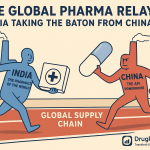
The growth trajectory within emerging markets is not monolithic; it is bifurcating into a high-value innovation track, led by China, and a high-volume, cost-sensitive track, led by India. This divergence requires fundamentally different export strategies. China is rapidly ascending the value chain, nearly matching Europe in originating new active substances and becoming a major importer of high-value US drugs, with imports valued at $9.89 billion in 2023.6 This signals a market that is hungry for novel, branded therapies. Consequently, multinational strategies, such as Amgen’s collaboration with BeiGene, are focused on bringing innovative oncology products to China’s massive market.12 In contrast, India’s export growth is driven by its established dominance in generics—supplying 40% of US generic demand—and a national strategy to expand into biosimilars and specialty generics.7 Its competitive advantage lies in high-quality, cost-effective manufacturing. This is reflected in the “China+1” sourcing strategy discussed by industry experts, which positions India as a key manufacturing alternative to China.7 Therefore, a company’s emerging market strategy must be segmented: for China, the approach centers on innovation, local clinical trials, and partnerships for market access; for India, the opportunity may lie in contract manufacturing, API sourcing, or direct competition in the generics space.
1.3 The Shifting Competitive Environment
The global competitive landscape is being reshaped by three powerful forces: the maturation of the generics industry, the eastward migration of R&D, and rising geopolitical tensions.
First, the rise of generics and biosimilars has introduced intense cost-based competition. India, often called the “pharmacy of the world,” supplies one in five generic drugs sold globally, and its pharmaceutical exports are projected to more than double from $27 billion in 2023 to $65 billion by 2030.7 This dynamic is fueled by the expiration of patents on numerous blockbuster drugs.14 The biosimilars market is following a similar trajectory, with Indian companies again positioning themselves as global leaders in this high-growth segment.15
Second, there is a clear and accelerating migration of economic and research activities from the traditional hubs in Europe and the US towards emerging economies, particularly in Asia.6 This is driven by a combination of rapid market growth, lower operational costs, and a burgeoning pool of scientific talent. In 2021, China nearly equaled Europe as an originator of new active substances launched on the world market, a stark indicator of this shifting balance of innovation.6
Finally, the landscape is increasingly influenced by geopolitical and trade policy pressures. The looming threat of new US tariffs on pharmaceutical products and ingredients has forced companies to urgently re-evaluate their supply chain dependencies, particularly on China.13 As Christophe Weber, CEO of Takeda, noted, the long-held belief in the fluid, unhindered movement of global goods has been shattered by recent crises, compelling a fundamental rethink of global supply chain architecture.18 This has given rise to risk mitigation strategies like “China+1,” which aims to diversify sourcing and manufacturing, often benefiting countries like India.7
Table 1: Global Pharmaceutical Trade Dashboard (2023)
Country
Total Exports (USD)
Share of World Exports (%)
Total Imports (USD)
Share of World Imports (%)
Net Trade Balance (USD)
Top Exporters
Germany
$120 Billion
15.0%
$74 Billion
9.02%
+$46 Billion
Switzerland
$99 Billion
12.2%
$58 Billion
7.05%
+$41 Billion
USA
$90 Billion
11.2%
$177 Billion
21.0%
-$87 Billion
Ireland
$71 Billion
8.88%
$13.4 Billion
8.92%
+$57.6 Billion
Belgium
$60 Billion
7.5%
$53 Billion
6.48%
+$7 Billion
Top Importers
China
$9.89 Billion (to)
N/A
$43 Billion
5.2%
-$33.11 Billion
France
$38 Billion
4.6% (approx.)
$36 Billion
4.36%
+$2 Billion
Key Emerging Player
India
$27 Billion
3.5% (approx.)
~$3 Billion (est.)
<1%
+$24 Billion
Source: Data compiled and synthesized from.1 Note: Net Trade Balance calculated from various sources; some figures are approximate based on available data.
Section 2: The Regulatory Gauntlet: Transforming Compliance from a Barrier to a Competitive Advantage
Navigating the primary operational hurdle in pharmaceutical exports—the diverse and stringent regulatory environment of each target market—is a critical determinant of success. The most effective global companies treat regulatory strategy not as a sequential, post-development compliance function, but as a competitive accelerator integrated into the earliest stages of R&D and corporate planning.
2.1 Mastering International Regulatory Frameworks
The global pharmaceutical market is characterized by a patchwork of national and regional regulatory bodies, including the US Food and Drug Administration (FDA), the European Medicines Agency (EMA), India’s Central Drugs Standard Control Organization (CDSCO), and China’s National Medical Products Administration (NMPA).19 Each agency maintains its own unique and complex requirements for drug approval, Good Manufacturing Practices (GMP) compliance, clinical trials, and product labeling, making regulatory fragmentation a primary challenge for exporters.21
To overcome this, companies can accelerate market entry by strategically leveraging international cooperation and harmonization efforts. Many regulatory agencies, particularly in emerging markets, have established reliance pathways that reduce duplicative review efforts. These include:
Verification Procedure: This is the fastest pathway, where an agency largely relies on the approval granted by a recognized Stringent Regulatory Authority (SRA) like the FDA or EMA. Singapore’s 60-day verification process for drugs approved by two reference agencies is a key example.23
Abridged Review Procedure: This pathway also relies on the SRA’s scientific assessment but includes an independent review of dossier components relevant to local conditions, such as stability data for different climatic zones or a benefit-risk assessment for the local population.23
Simultaneously, adherence to guidelines from the International Council for Harmonisation (ICH) is crucial. The ICH unifies technical requirements for pharmaceuticals across Quality (Q), Safety (S), Efficacy (E), and Multidisciplinary (M) topics.24 Following ICH guidelines for activities like stability studies (ICH Q1), GMP (ICH Q7), and clinical trial design (ICH E6) ensures that development data is broadly acceptable, streamlining submissions across multiple regions and cultivating trust with regulators.26
Success in this environment demands significant in-house expertise. Leading companies establish dedicated regulatory affairs teams, often structured by major market or region, and equip them with sophisticated regulatory information management systems.22 These teams must work proactively, creating tools like a “regulatory matrix” to map and tailor compliance efforts to each country’s specific standards and collaborating closely with local consultants to anticipate and adapt to evolving rules.22
This strategic approach fundamentally reframes the role of regulatory affairs. It is no longer a final hurdle but a critical input into early-stage decision-making. For instance, the decision to include Russian patients in a global Phase 3 trial is a strategic R&D choice that can preempt the need for a separate, costly, and time-consuming local trial, directly accelerating market entry.28 Similarly, understanding that a market like Turkey requires local manufacturing as a prerequisite for public reimbursement is a major capital investment and supply chain design decision that must be made years before a product launch, not when the dossier is being prepared.23 The choice of the
first SRA for a new drug’s submission can have cascading effects on the speed of approval in dozens of smaller markets that utilize reliance pathways, making it a pivotal strategic decision. This requires embedding regulatory strategists within R&D, business development, and supply chain planning teams, transforming the function from a gatekeeper to a strategic partner that optimizes for global market access from day one.
2.2 Proactive Management of Post-Approval Changes (PACs)
Managing changes to a product or its manufacturing process after initial approval is a major operational bottleneck for global exporters. Disparate, country-specific regulations for Post-Approval Changes (PACs) can lead to significant delays in implementing process improvements, securing new suppliers, or applying new technologies, thereby threatening the continuity of drug supplies.17
The ICH Q12 guideline on Technical and Regulatory Considerations for Pharmaceutical Product Lifecycle Management was developed to address this challenge. Its goal is to create a harmonized and more flexible approach to PAC management. Key tools within ICH Q12 include the concepts of Established Conditions (ECs), which are legally binding elements of a submission that require reporting a change, and the Post-Approval Change Management Protocol (PACMP), a pre-approved plan detailing how specific future changes will be implemented and reported.17 The framework aims to create a predictable system where lower-risk changes can be managed through a company’s internal Pharmaceutical Quality System (PQS) with minimal regulatory oversight, speeding up implementation and enhancing supply chain agility.
Despite its promise, the gap between the vision of global harmonization and its on-the-ground implementation remains wide. A 2023 industry survey revealed that full adoption of ICH Q12 is lagging, with only a few ICH member countries having completed implementation.17 Key hurdles cited by industry include persistently long and unpredictable regulatory review timelines and a lack of capacity within regulatory agencies to manage the new frameworks.17 This implementation gap creates a new layer of competitive differentiation. The most successful companies will be those with the strongest relationships with national regulators, the deepest understanding of local interpretations, and the most agile internal quality systems. Competitive advantage will come not just from following the guidelines, but from mastering the exceptions and variations in their implementation. This requires investing in “regulatory intelligence”—building a global network of local experts and fostering direct, continuous dialogue with national health authorities to understand their specific concerns and capacity limitations.22
2.3 Navigating Non-Tariff Barriers (NTBs) and Market Access Hurdles
Beyond formal regulations, exporters face a host of non-tariff barriers (NTBs) and market access challenges that can impede entry and commercial success.
A primary NTB is the requirement for local clinical trials. While many markets are moving towards accepting foreign clinical data, especially from SRAs, major markets like China and Russia may still mandate local trials or smaller bridging studies to evaluate potential ethnic differences in a drug’s safety or efficacy.23 A proactive strategy to mitigate this is to include patients from key target regions in global Phase 3 trials, generating the necessary local data from the outset.28
Pricing and reimbursement systems represent another significant hurdle. Many countries have government-led price controls, such as India’s National Pharmaceutical Pricing Authority (NPPA), or complex reimbursement negotiations that determine a product’s commercial viability.20 Successfully navigating these systems requires robust
Health Economics and Outcomes Research (HEOR) capabilities to demonstrate a product’s value and early, collaborative engagement with national payers and Health Technology Assessment (HTA) bodies.22 In some emerging markets, such as Turkey and Russia, securing public reimbursement is explicitly tied to a commitment to local manufacturing, a factor that must be integrated into long-term strategic planning.23
Finally, exporters may face requirements for local presence, such as establishing a subsidiary or partnering with a local entity to hold the marketing authorization.31 Other administrative NTBs include complex documentation requirements, such as obtaining a
Certificate of Pharmaceutical Product (CPP), which can involve lengthy and bureaucratic legalization and apostille processes that vary by country.23 Forging strategic partnerships with established local companies is a common and effective strategy to overcome many of these barriers, providing access to local regulatory expertise, distribution networks, and established government relationships.22
Table 2: Comparative Analysis of Regulatory Pathways in Key Markets
Feature
United States (FDA)
European Union (EMA)
China (NMPA)
India (CDSCO)
Key Agency
Food and Drug Administration
European Medicines Agency
National Medical Products Administration
Central Drugs Standard Control Org.
Standard Review Timeline
10 months (Standard)
~14 months (Centralised)
12-24+ months
12-18 months
Expedited/Priority Pathway
Yes (Priority Review, Fast Track, Breakthrough Therapy)
Yes (Accelerated Assessment)
Yes (Priority Review)
Yes (Accelerated Approval)
Reliance Pathway
No (Standalone review)
No (Standalone review for EU)
Conditional (Accepts some foreign data, but local review is key)
Yes (For drugs approved by SRAs, can waive local trials)
Local Clinical Trial Requirement
N/A (Global trials must include US patients)
N/A (Global trials must include EU patients)
Often required, or bridging study needed
Can be waived if India was part of global trial or no ethnic sensitivity
Dossier Format
eCTD
eCTD
eCTD
eCTD / CTD
Source: Data compiled and synthesized from.19 Timelines are estimates and can vary significantly.
Section 3: Intellectual Property as a Strategic Asset in Global Expansion
In the pharmaceutical industry, where the cost of bringing a single new drug to market can exceed $2.5 billion, intellectual property (IP) is not merely a legal shield but the central economic engine that funds innovation.6 An effective export strategy requires an offensive and defensive IP plan that is architected globally, managed dynamically, and integrated seamlessly with regulatory and commercial objectives to secure a product’s commercial lifespan.
3.1 Architecting a Global Patent and Trademark Strategy
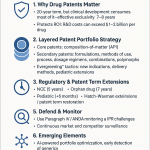
Patents are the cornerstone of IP protection, providing a 20-year period of market exclusivity from the date of filing.33 A robust patenting strategy must be proactive and comprehensive, seeking protection not only for the active pharmaceutical ingredient (API) itself but also for its manufacturing processes, novel formulations, treatment protocols, dosage regimens, and delivery mechanisms.34 This creates multiple layers of protection that can extend a product’s defensible life. Innovator companies often employ this strategy to create “patent thickets”—dense webs of overlapping patents around a single blockbuster product designed to complicate and delay entry by competitors.33 For any company planning to export, whether innovator or generic, conducting a thorough
Freedom to Operate (FTO) analysis is a critical early step to navigate this complex landscape and mitigate the risk of infringement litigation.36
Trademarks are equally vital for building a global brand. They serve to distinguish a company’s product from competitors, foster patient and physician loyalty, and serve as a hallmark of quality and trust.37 A global trademark strategy must involve rigorous searches in each target market to ensure a chosen brand name is available and does not create confusion with existing products. Names must also comply with local regulations and the World Health Organization’s
International Nonproprietary Names (INN) system, which provides unique, globally recognized generic names for active ingredients to prevent prescribing errors.37 Companies can secure international protection by filing applications with national IP offices or by using the
Madrid System, which allows for filing a single application to register a mark in multiple countries.37
3.2 Leveraging Data Exclusivity and Trade Secrets
Beyond patents and trademarks, two other forms of IP are critical to a comprehensive global strategy.
Regulatory Data Protection (RDP), also known as data exclusivity, is a powerful and often misunderstood IPR. It grants the originator company a period of protection (typically ranging from 5 to 10 years) for the extensive and costly preclinical and clinical trial data submitted to a regulatory agency to prove a drug’s safety and efficacy.32 During this period, generic or biosimilar manufacturers are prohibited from relying on or referencing the originator’s data to support their own abbreviated marketing applications.34 This protection is independent of patent status and can provide market exclusivity even after a key patent has expired, making it a crucial barrier to entry that must be carefully assessed in each target market.34
Trade secrets offer a different form of protection for valuable proprietary information that may not be patentable or for which a patent is not desired, such as specific manufacturing processes, know-how, or unique formulations. Unlike patents, trade secret protection is not time-limited and can last indefinitely, as long as three conditions are met: the information is not publicly known, it has commercial value precisely because it is secret, and the holder takes reasonable steps to keep it confidential.33 This requires implementing robust internal security measures, non-disclosure agreements, and access controls.
3.3 Navigating the TRIPS Agreement and Its Flexibilities
The World Trade Organization’s Agreement on Trade-Related Aspects of Intellectual Property Rights (TRIPS) established a global floor for IP protection that all WTO member countries must implement in their national laws.38 For the pharmaceutical industry, its most significant impact was mandating the availability of patents for pharmaceutical products, a key driver for the strengthening of IP laws in emerging markets like India and a fundamental consideration for any export strategy.38
However, the TRIPS Agreement also contains important flexibilities designed to balance IP protection with public health needs. Understanding these is critical for both innovator and generic exporters:
Compulsory Licensing: This provision allows a national government to authorize the production of a patented drug by a third party without the consent of the patent holder. This is typically reserved for situations of national emergency or to address public health crises and represents a significant commercial risk for innovators in certain markets.23
“Bolar” or Early Working Provisions: This crucial flexibility allows generic and biosimilar manufacturers to use a patented invention for research and development purposes—for example, to conduct bioequivalence studies and prepare a regulatory submission—before the patent on the originator drug expires.34 This enables generics to launch their products on the very day of patent expiry, dramatically accelerating competition. For generic exporters, leveraging the Bolar provision is a cornerstone of their business model.
Parallel Importation: The TRIPS Agreement allows individual countries to determine their own rules on the “exhaustion” of IP rights. Countries with a policy of international exhaustion may permit parallel importation, where a patented product purchased legitimately in a lower-priced country can be imported and resold in a higher-priced country without the patent holder’s permission.34 This can exert significant downward pressure on prices and must be factored into global pricing strategies.
The interplay between these different forms of IP and regulatory mechanisms creates a “net market exclusivity” period that is the true determinant of a product’s commercial lifespan. A patent provides a nominal 20-year term, but much of this is consumed by the lengthy R&D and regulatory review process.6 To compensate, some jurisdictions offer regulatory tools like Patent Term Extensions.34 Data exclusivity provides a separate, non-patent-based layer of protection that can sometimes outlast the patent itself.38 Conversely, regulatory flexibilities like the Bolar provision effectively shorten the innovator’s practical monopoly by allowing competitors to prepare for launch in advance.38 Managing these interacting forces requires a holistic “Market Exclusivity Strategy” team, comprising IP lawyers, regulatory affairs specialists, and commercial strategists. This team’s role is to map the complex interplay of these factors in every key market to calculate the
actual, risk-adjusted period of market exclusivity, which should form the basis for all major investment decisions.
For generic and biosimilar exporters, the strategic battle is not just about price, but about navigating this “IP-regulatory thicket” faster and more efficiently than competitors. The business model is predicated on entering the market immediately upon loss of exclusivity.14 Innovators actively work to delay this entry through patent thickets and other lifecycle management strategies.33 Therefore, the primary challenge for a generic exporter is legal and regulatory: identifying weak patents to challenge, designing non-infringing manufacturing processes, and preparing a dossier that meets the specific requirements of a target country’s abbreviated approval pathway.40 The global success of Indian firms like Ranbaxy and Lupin was built not just on low-cost manufacturing, but on their world-class scientific and legal expertise in reverse-engineering, developing non-infringing processes, and their growing investment in R&D to support these activities.39 This demonstrates that for generic and biosimilar exporters, investment in legal and regulatory intelligence is as critical as investment in manufacturing capacity.
Table 3: Strategic IP Protection Mechanisms by Region
IP/Regulatory Mechanism
United States
European Union
Japan
China
India
Standard Patent Term
20 years from filing
20 years from filing
20 years from filing
20 years from filing
20 years from filing
Patent Term Extension
Yes (up to 5 years)
Yes (SPC, up to 5 years)
Yes (up to 5 years)
Yes (under evaluation)
No
Data Exclusivity (New Chemical Entity)
5 years
8 + 2 + 1 years
8 years
6 years
No explicit provision
Bolar / Early Working Provision
Yes
Yes
Yes
Yes
Yes
Key Enforcement Challenges
High cost of litigation; Patent thickets
Fragmented enforcement across member states
Delays in litigation
IP enforcement improving but can be inconsistent
Weak enforcement; Compulsory licensing risk
Source: Data compiled and synthesized from.32 Provisions are subject to change and specific legal interpretation.
Section 4: Building a Resilient and Intelligent Global Supply Chain
The operational backbone of any successful export strategy is a supply chain that is resilient, intelligent, efficient, and compliant. In an era of increasing product complexity and geopolitical volatility, companies must move beyond traditional logistics management and invest in advanced technologies and cross-functional expertise to protect product integrity and ensure market supply.
4.1 Cold-Chain Logistics for High-Value Biologics and Biosimilars
The rapid growth of biologics, biosimilars, vaccines, and cell and gene therapies has made cold-chain logistics a central strategic concern.3 These products are large, complex molecules that are highly sensitive to environmental conditions, particularly temperature.42 Even minor temperature excursions outside their specified range can lead to irreversible degradation, loss of efficacy, and potential patient harm, making a meticulously managed cold chain non-negotiable.44
The required temperature ranges are precise and demanding. While many products require standard refrigeration (2°C to 8°C), a growing number of advanced therapies require frozen or ultra-low temperature transport, sometimes as low as -80°C or -90°C.43 Maintaining these conditions across a global supply chain requires a sophisticated, multi-layered system:
Advanced Packaging: This is the first line of defense. Solutions range from qualified insulated containers with gel packs and phase change materials (PCMs) to active, self-powered shipping containers that use technologies like liquid nitrogen (LN2) cooling to maintain ultra-low temperatures for extended periods, such as up to 15 days without recharging.43
Specialized Transportation: The entire transit path must be temperature-controlled, utilizing refrigerated trucks for ground transport and specialized temperature-controlled containers for air freight.44
Continuous Monitoring: Real-time visibility is crucial. The integration of Internet of Things (IoT) sensors, data loggers, and GPS trackers into shipments allows for continuous monitoring of temperature, humidity, shock, and location. This data stream enables proactive intervention, with automated alerts triggered if conditions deviate from the set parameters, potentially saving multi-million dollar shipments.21
Strategic Partnerships: Given the complexity and high stakes, partnering with specialized third-party logistics (3PL) providers with proven expertise in pharmaceutical cold chain is a critical success factor.21 The case of GEODIS successfully managing the transition of a major US pharmacy chain to an international sourcing model for high-value, temperature-sensitive biosimilars—where each pallet was worth $1.2 million—highlights the immense value of such a partnership in ensuring on-time, in-spec delivery.46
4.2 Leveraging Technology for Supply Chain Integrity and Efficiency
The adoption of advanced digital technologies is fundamentally shifting the basis of competition in supply chain management, from a focus on cost efficiency to one of “information supremacy” and verifiable resilience.
Blockchain for Traceability and Compliance: Blockchain technology provides a decentralized, distributed, and immutable ledger, creating a single, shared source of truth for all supply chain participants.49 Each transaction or movement of a product is recorded as a “block” that is cryptographically linked to the previous one, creating a permanent and tamper-proof audit trail. This has profound implications for the pharmaceutical industry:
Combating Counterfeiting: In an industry plagued by a multi-billion dollar counterfeit drug market, blockchain offers a powerful solution.50 By scanning a simple QR code on a product’s packaging, a pharmacist or patient can access the blockchain record and verify the drug’s entire journey from the manufacturing plant to the point of dispensing, ensuring its authenticity.52
Streamlining Regulatory Compliance: Regulations like the US Drug Supply Chain Security Act (DSCSA) mandate unit-level traceability throughout the supply chain. Blockchain is ideally suited to meet these requirements. Industry-led initiatives like the MediLedger Project, which includes major companies like Pfizer and Gilead Sciences, and pilot programs conducted by IBM, Merck, and Walmart have successfully demonstrated blockchain’s potential to create a secure, interoperable network for DSCSA compliance.49
Artificial Intelligence (AI) for Forecasting and Risk Management: AI and machine learning are revolutionizing supply chain planning and execution:
Predictive Demand Forecasting: Traditional forecasting models are often static and fail to account for the volatility of the real world. AI algorithms can analyze massive, diverse datasets—including historical sales, epidemiological trends, public health data, and even social media sentiment—to generate significantly more accurate and dynamic demand forecasts. This helps to optimize production and inventory levels, minimizing the risk of costly stockouts or overstocking.22
Enhancing Supply Chain Resilience: AI’s true power lies in its ability to move from reactive to predictive risk management. By creating digital twins of the supply chain, companies can simulate the impact of various disruption scenarios—such as a pandemic, a geopolitical conflict, or a major port shutdown—and test the effectiveness of different response strategies in a virtual environment.53 AI-powered early warning systems can continuously monitor key performance indicators (KPIs), such as raw material shipment delays or a supplier’s financial health, to trigger alerts before a disruption escalates, giving planners crucial time to react.53
Optimizing Logistics and Inventory: AI algorithms can analyze real-time transit data to optimize shipping routes and delivery schedules, reducing both costs and lead times. They can also be used to optimize inventory placement across a global network, ensuring that products are stored in the right locations to meet predicted demand efficiently.54
4.3 Customs and Trade Compliance Optimization
The re-emergence of tariffs and trade protectionism as a geopolitical tool has introduced a new layer of complexity and cost for pharmaceutical exporters.16 While historically less of a focus for the industry, building robust internal capabilities in customs and trade compliance is now a strategic necessity.13
This requires mastering three core areas of customs law:
Tariff Classification: Assigning the correct Harmonized System (HS) code to every imported product and raw material to determine the applicable duty rate.
Country of Origin: Accurately determining and documenting the country of origin for goods, a task made complex by globalized manufacturing where APIs may be produced in one country, formulated in a second, and packaged in a third.
Customs Valuation: Declaring the correct dutiable value of imported goods. This becomes critically important when ad valorem tariffs are applied, as the duty paid is a direct percentage of this value.56
Proactive companies can legally optimize their duty liabilities through careful strategic planning. One powerful but complex tool is the “first sale for export” doctrine. This customs principle allows an importer, under specific conditions, to declare the dutiable value of a product based on the price of an earlier sale in the supply chain (e.g., the API manufacturer’s sale to a formulation plant) rather than the final, higher price paid by the importer. To qualify, the “first sale” must be a bona fide, arm’s-length transaction that was clearly destined for the importing country at the time of the sale.56 Successfully leveraging this requires meticulous transaction structuring and documentation, but can result in significant duty savings.
The increasing complexity of products, regulations, and geopolitics is forcing a convergence of previously siloed functions. Exporting a simple small molecule is a logistics problem. Exporting a -80°C biologic is a specialized cold-chain and regulatory validation problem. Navigating a new tariff on Chinese-origin APIs is a supply chain, procurement, and finance problem. Leveraging the “first sale” doctrine is a legal, finance, and supply chain problem. As international trade experts emphasize, this environment necessitates the creation of cross-functional trade compliance teams where there is seamless communication between R&D, manufacturing, tax, finance, and logistics, all overseen by dedicated trade compliance professionals.13 In the modern export landscape, siloed organizational structures are a significant liability.
Section 5: Go-to-Market and Commercialization Strategies
A successful export program hinges on the ability to translate a robust product and supply chain into a sustainable commercial presence. This requires a sophisticated approach to market entry, product-specific commercialization strategies, and the development of a globally adept organization.
5.1 Tailoring Market Entry Models
There is no single “best” way to enter a foreign market; the optimal approach is contingent on the target market’s characteristics, the company’s long-term objectives, risk appetite, and available capital.10 The primary models include:
Direct Exporting via a Distributor: A common, lower-risk approach that leverages a local partner’s network.
Licensing and Alliances: Partnering with another company to market a product, which accelerates market entry and shares risk.
Joint Ventures (JVs): Creating a new entity with a local partner, allowing for deeper market integration and shared investment.
Mergers & Acquisitions (M&A): Acquiring a local company to gain an immediate and substantial market presence.
Greenfield Investment: Building new manufacturing or commercial facilities from the ground up, offering maximum control but requiring the highest investment and longest timeline.28
Partnerships and alliances have become an indispensable strategy, particularly for navigating the complexities of emerging markets.21 A strong local partner provides invaluable market knowledge, established relationships with payers and regulators, and access to existing distribution channels, significantly de-risking and accelerating market entry.9 Amgen’s strategic collaboration with BeiGene to expand its oncology presence in China is a prime example of leveraging a local champion’s strength to penetrate the world’s second-largest pharmaceutical market.12
In emerging markets, the most successful long-term strategy is to evolve from being an “exporter” to an “ecosystem builder.” This involves moving beyond simply selling products to actively shaping the healthcare environment. These markets often lack the necessary infrastructure to support advanced medicines, with challenges including insufficient screening and diagnostic capacity, a shortage of trained healthcare professionals, and low patient awareness.9 Simply exporting an innovative cancer drug is commercially ineffective if patients are not being diagnosed in the first place.
Leading companies are therefore adopting holistic strategies that address these ecosystem gaps. Roche’s global access strategy explicitly focuses on increasing disease awareness, ensuring early and accurate diagnosis, and helping to grow local healthcare capacity.57 Similarly, Novartis’s
“Arogya Parivar” (Healthy Family) program in India is a landmark social business model. It goes beyond selling pills by training local health educators, running mobile health camps for screening and diagnosis, and providing a portfolio of low-cost medicines tailored to the needs of rural populations.8 This approach is not philanthropy; it is long-term market creation. By building the healthcare ecosystem, a company creates sustainable demand for its products and establishes itself as a trusted partner to governments and patients, creating a powerful and durable competitive moat.
Table 4: Market Entry Model Decision Matrix
Criteria
Direct Exporting (via Distributor)
Licensing / Alliance
Joint Venture
M&A / Full Acquisition
Greenfield Investment
Speed to Market
High
High
Medium
Medium
Low
Capital Investment
Low
Low
Medium
High
Very High
Level of Control
Low
Low-Medium
Medium
High
Very High
Risk Exposure
Low
Low
Medium
High
Very High
Access to Local Knowledge
Medium
Medium
High
High
Low (initially)
Source: Synthesized from strategic principles outlined in.9
5.2 Product-Specific Export Strategies
The commercialization strategy must be tailored to the specific characteristics of the product being exported.
Generics: The export strategy for generics is driven by cost-effectiveness and the timing of patent expirations on originator drugs.14 Key target markets are those with high healthcare costs and a mature patent landscape, such as the United States and parts of Europe.7 The global success of Indian generic firms is built on a foundation of efficient, high-quality, large-scale manufacturing combined with the sophisticated R&D capabilities required to develop non-infringing processes and navigate abbreviated regulatory pathways.7
Innovator Biologics: Exporting innovator biologics is an order of magnitude more complex. The strategy must account for the inherent challenges of these products, including their structural complexity, potential for immunogenicity, and, most critically, their need for an uninterrupted and meticulously managed global cold chain.42 The regulatory pathway is demanding, requiring extensive data packages, and global standards are still evolving.42 The export strategy must therefore be built around robust manufacturing controls, comprehensive analytical characterization, and a flawless cold-chain logistics network.43
Biosimilars: This rapidly growing segment has created a new competitive paradigm that requires a hybrid strategy, blending the scientific rigor of innovator biologics with the commercial agility of generics.
Scientific and Regulatory Rigor: Unlike small-molecule generics, biosimilars cannot be approved based on simple bioequivalence. They require a far more complex “totality-of-the-evidence” approach to demonstrate “biosimilarity” to the reference product. This involves extensive analytical characterization, functional assays, and often comparative clinical studies to confirm there are no clinically meaningful differences in safety, purity, and potency.40
Commercial Agility: Despite the high development cost, biosimilars are ultimately price-driven products. They compete intensely with the originator biologic and other biosimilars for market share. Success requires aggressive pricing strategies, the ability to navigate reimbursement hurdles like “rebate walls” erected by incumbents, and lean, efficient commercial operations.61
Strategic Differentiation: Companies are seeking to differentiate their biosimilars through innovative formulations (e.g., high-concentration, citrate-free, or buffer-free versions that improve patient comfort) and by navigating complex IP challenges like patent thickets more effectively than rivals.35
A successful biosimilar export strategy requires a unique organizational DNA. Companies must possess world-class biologics R&D and manufacturing capabilities while simultaneously building a nimble commercial machine that can win in a price-sensitive environment. This dual reality is shaping the strategies of major players. Amgen, for example, has built an “integrated biosimilars model” and expects its biosimilar revenues to more than double between 2021 and 2030.63 Samsung Bioepis focuses on developing a broad pipeline and then forms strategic commercialization partnerships, such as its agreement with Teva for the US market, to leverage a partner’s established commercial infrastructure.65
5.3 Developing a Global Talent Pool and Organizational Agility
A brilliant strategy is worthless without the organizational capability to execute it. Building a successful global export business requires a deliberate focus on talent, structure, and culture.
A global mindset must be cultivated throughout the organization. This involves actively recruiting talent from diverse cultural and linguistic backgrounds, providing robust cross-cultural awareness and language training programs, and implementing international rotation programs that allow high-potential employees to gain firsthand experience in key foreign markets.22
The organization must be structured for agility. To manage the divergent needs of different regions, many successful multinationals organize their emerging and developed market operations separately.9 This allows for tailored strategies and resource allocation. A critical balancing act is required between centralizing key global capabilities (such as digital strategy, pricing expertise, or supply chain design) to create centers of excellence, and decentralizing functions that depend on deep local stakeholder engagement (such as sales, government affairs, and market access).9
Finally, the organization must be built for resilience. In a volatile world, this means diversifying manufacturing locations and supply chains to avoid over-reliance on any single country or supplier, implementing robust business continuity and disaster recovery plans, and fostering a culture of adaptability that can respond quickly to unforeseen market shifts.22
Section 6: Strategic Recommendations and Future Outlook
Synthesizing the multifaceted analysis of the global pharmaceutical export landscape, a clear set of strategic imperatives emerges for companies seeking to achieve durable growth and market leadership. The future belongs to those who can master a fully integrated strategy, embrace transformation, and redefine their role within the global healthcare ecosystem.
6.1 The Integrated Export Strategy Framework
A successful export strategy cannot be a series of siloed functional plans. It must be a dynamic and integrated system, conceptualized as a continuous strategic loop where each element informs the next:
Market & Competitive Intelligence: The loop begins with a deep, data-driven analysis of the global landscape. This involves not only identifying high-potential markets based on size and growth but also understanding their unique healthcare ecosystems, regulatory pathways, and competitive dynamics, as outlined in the QuRATE framework.7
Integrated R&D and Regulatory Strategy: The intelligence gathered directly informs R&D and regulatory planning. This means designing clinical trials to meet the requirements of multiple jurisdictions simultaneously, selecting initial reference agencies whose approvals will unlock reliance pathways elsewhere, and developing products with formulations suitable for diverse climates and patient needs.10
IP & Market Exclusivity Planning: In parallel, a holistic market exclusivity plan is developed. This team of legal, regulatory, and commercial experts maps the interplay of patents, data exclusivity, and other protections to forecast the true commercial lifespan of a product in key markets, guiding investment decisions.32
Resilient Supply Chain Design: The target markets and product characteristics dictate the design of the supply chain. This includes decisions on manufacturing locations (factoring in local presence requirements or tariff risks), cold-chain capabilities, and the integration of technologies like AI and blockchain for resilience and integrity.13
Tailored Commercial Execution: Finally, the go-to-market model is executed, tailored to the specific product and market. This includes the choice of entry model (e.g., partnership, acquisition), pricing strategy, and the level of investment in “ecosystem building” activities.9
Feedback Loop: The results of commercial execution—sales data, market feedback, competitive responses—are fed back into the intelligence function at the start of the loop, allowing for continuous refinement and adaptation of the entire strategy.
6.2 Key Imperatives for the Next Decade
To thrive in the coming decade, pharmaceutical companies must embed four key imperatives into their corporate strategy:
Embrace Radical Diversification: Companies must actively diversify across three critical axes. Product diversification means moving beyond a reliance on a few blockbusters to build a balanced portfolio that includes innovative biologics, specialty generics, and biosimilars. Market diversification involves balancing the high-value but slower-growth mature economies with the high-growth but more volatile emerging markets to hedge economic and political risk.9 Supply chain diversification is now a mandate, requiring a reduction in single-source and single-country dependencies to build resilience against geopolitical shocks and trade disruptions.13
Invest in Pervasive Digital Transformation: The future of competitive advantage in pharmaceuticals will be data-driven. This requires deep and sustained investment in digital technologies across the value chain. Artificial Intelligence must be leveraged for everything from predictive demand forecasting and supply chain risk modeling to accelerating drug discovery and optimizing clinical trial design.53 Blockchain must be deployed to guarantee supply chain integrity, combat counterfeiting, and streamline regulatory compliance.49
Prioritize Strategic Partnerships as a Core Competency: The complexity of the global environment means that no company can succeed alone. Building a robust ecosystem of partners is essential to de-risk investment, accelerate market entry, and access critical local expertise. This includes partnerships with local distributors, contract manufacturing organizations (CMOs), academic institutions for R&D, and even competitors through strategic licensing agreements.12
Champion Sustainability and Build Trust: As demonstrated by the comprehensive ESG targets set by companies like Novartis, building trust with society is no longer a peripheral corporate social responsibility activity but a core business priority.68 This includes a commitment to environmental sustainability by reducing waste, emissions, and water usage in manufacturing, and a commitment to social responsibility by actively working to improve access to medicines in low- and lower-middle-income countries (LMICs). These actions are increasingly vital for securing government partnerships, enhancing brand reputation, and attracting top talent.
6.3 Concluding Analysis: From Exporter to Global Healthcare Custodian
The analysis presented in this report leads to a clear, forward-looking conclusion. The most successful and durable pharmaceutical companies of the future will be those that transcend the traditional identity of being mere exporters of goods. They will evolve to become custodians of global health.
This represents a fundamental shift in strategic posture, moving from a transactional relationship with foreign markets to one of deep partnership and integration. It means recognizing, as executives from the Association of the British Pharmaceutical Industry (ABPI) and Johnson & Johnson have stated, that long-term success requires aligning industry investment with government priorities to create a thriving global life sciences ecosystem.69 It involves not just selling medicines
to a country, but investing in its healthcare infrastructure, its diagnostic capabilities, and the education of its healthcare professionals, as exemplified by the pioneering strategies of Roche and Novartis in emerging markets.8
By designing and executing a sophisticated, integrated, and socially conscious global strategy, a pharmaceutical company can achieve far more than simple revenue growth. It can build a resilient, profitable, and sustainable global business that is deeply embedded in the fabric of international healthcare, securing an indispensable role in improving human health for decades to come.