Section 1: The Global Pharmaceutical Trade Architecture: Flow Mapping, Hub Dynamics, and Value Chain Positioning
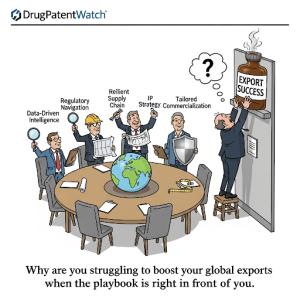
The global pharmaceutical export market crossed $853 billion in traded product value in 2023, sitting inside a total industry valued at roughly $1.6 trillion. That total is projected to reach $1.92 trillion by 2027, compounding between 4.7% and 6.0% annually depending on therapeutic segment mix. These numbers are familiar. What most export strategy documents get wrong is treating these figures as the destination of the analysis rather than the starting point. The real work is understanding where goods actually move and why, because the geography of pharmaceutical trade is counterintuitive and the misread is expensive.
1.1 The Intra-European Hub Architecture: Why the Largest Exporters Are Also the Largest Importers
The five largest pharmaceutical exporters in 2023 were Germany ($120 billion, 15.0% world share), Switzerland ($99 billion, 12.2%), the United States ($90 billion, 11.2%), Ireland ($71 billion, 8.88%), and Belgium ($60 billion, 7.5%). The five largest importers: the United States ($177 billion, 21%), Germany ($74 billion), Switzerland ($58 billion), Belgium ($53 billion), and China ($43 billion). Germany, Switzerland, Belgium, and the US appear on both lists simultaneously. This is not statistical noise — it points directly to a fragmented, geographically specialized manufacturing model where the same molecule may cross three or four borders before reaching a patient.
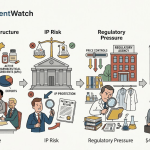
The underlying architecture works roughly like this. Switzerland and Germany generate high-value Active Pharmaceutical Ingredients (APIs) and serve as the R&D nucleus for compounds originating at Roche, Novartis, Bayer, and Pfizer’s European operations. Those APIs flow to Ireland and Belgium for final formulation, fill-finish, and packaging operations, often inside facilities owned by the same parent company. Ireland then re-exports finished product: $20 billion to the US, $13.2 billion to Belgium. Slovenia exports $15.2 billion to Switzerland. The US market receives Swiss and Irish product simultaneously, creating a dense transatlantic mesh that has very little to do with classical “export” in any bilateral sense.
Ireland’s structural role in this mesh is worth examining specifically. Its combination of a 12.5% corporate tax rate, a substantial pool of biochemical engineering talent, and close proximity to both EMA oversight and US-parent company headquarters made it the preferred final-formulation hub for US multinationals through the 2000s and 2010s. Pharmaceutical products accounted for 33% of Ireland’s total national exports in 2023 — a concentration that creates sovereign risk for the country and supply concentration risk for the companies depending on those facilities. Any serious export strategy that routes through Irish CMOs must carry a business continuity plan addressing single-site dependency.
1.2 The Surplus/Deficit Map and Its Strategic Meaning
Net trade position reveals structural industrial policy as clearly as any government document. Ireland ran a +$78.7 billion pharmaceutical trade surplus in 2023, Germany +$44 billion, India +$24 billion. The United States ran a -$70.1 billion deficit, China -$33.5 billion, Japan -$15 billion.
The US deficit deserves special attention from anyone building an export strategy. The American market absorbed 21% of global pharmaceutical imports in 2023, its domestic industry generated roughly 50% of global pharmaceutical revenue, and the gap between those two facts explains the sustained political pressure around drug manufacturing onshoring. The looming threat of sector-specific US tariffs — discussed aggressively in Washington from 2024 onward — has materially shifted how supply chain architects think about Ireland-to-US and Switzerland-to-US flows. Companies with more than 40% of US-bound product manufactured outside North America now carry a new class of regulatory-political risk that did not exist four years ago.
India’s surplus position reflects a different industrial logic entirely. India supplies approximately one in five generic drugs sold in the United States and roughly 40% of total US generic drug volume. Its $27 billion in pharmaceutical exports in 2023 is projected to reach $65 billion by 2030, with a longer-horizon target of $350 billion by 2047 anchored in a national strategy to move from generics manufacturing toward biosimilars, specialty generics, and API synthesis for novel compounds. The “China+1” sourcing dynamic that procurement heads at major US pharma companies began articulating publicly in 2022 and 2023 has accelerated Indian API capacity investment, as buyers sought to diversify away from Chinese API suppliers following COVID-19-era disruptions.
1.3 The Bifurcating Emerging Market Growth Thesis
Emerging market pharmaceutical growth is not a single trend — it is two distinct trends running in parallel, and conflating them produces bad strategy.
The first track is China’s ascent up the value chain. China imported $43 billion in pharmaceutical products in 2023 and is approaching parity with Europe as an originator of new active substances. Its market is growing at approximately 6.7% annually. The strategic implication: China wants novel, branded therapies, particularly in oncology, rare disease, and immunology. Amgen’s commercialization agreement with BeiGene — under which BeiGene holds co-promotion rights for Amgen’s oncology portfolio in China — is the clearest expression of a multinational using a local champion’s market access infrastructure to capture a market that rewards innovation. Amgen retains global IP ownership; BeiGene provides regulatory relationships, commercial infrastructure, and local clinical execution.
The second track is the high-volume, cost-sensitive tier anchored by India, Southeast Asia, and parts of Africa and Latin America. Growth rates here (India 11.8% CAGR from 2016-2021, Brazil 11.7%) outpace the top five EU markets (5.8%), but the commercial model is fundamentally different. Out-of-pocket payment rates are high, government tenders dominate the institutional channel, and price sensitivity is acute. Novartis’s ‘Arogya Parivar’ program in India — which built a portfolio of affordable medicines, trained rural health educators, and ran mobile screening camps — is less a charitable initiative than a market creation model. Novartis recognized that in a market where diagnostic capacity is the binding constraint on drug demand, the pharmaceutical company that invests in diagnosis creates the patient pool its products need.
The strategic error many European and US exporters make is applying a single pricing model, a single commercial infrastructure, and a single regulatory timeline to both tracks. A company that prices an oncology biologic at $15,000 per year in the US and then tries to sell it in India without a separate access mechanism is leaving most of that market untouched. Conversely, a company that underprices in China out of a misread of the market’s sophistication is systematically destroying the reference pricing it needs to protect margins in Europe and the US.
1.4 The Geopolitical Risk Layer
Takeda CEO Christophe Weber articulated in 2020 what most supply chain executives had quietly recognized: the assumption that pharmaceutical goods move frictionlessly across borders in all circumstances was broken by COVID-19 and has not been fully repaired. The US-China trade tension that accelerated through 2018-2025, the tariff environment for APIs and finished-dose product that was actively debated in Washington as of 2025, and Europe’s own push for pharmaceutical sovereignty under the EU Pharmaceuticals Strategy are three simultaneous geopolitical pressures reshaping where companies locate manufacturing capacity.
The practical consequence is a “China+1” strategy at the API sourcing level, a “nearshoring” trend at the finished-dose level for US-bound product, and increased investment in dual-source supply agreements. None of these are costless. Nearshoring US-bound product from an Irish CMO to a US-based site typically increases COGS by 15-25% depending on product complexity. Companies that began this transition early, particularly those with US manufacturing capacity already in place from legacy operations, carry a structural cost advantage over those building from scratch.
Key Takeaways: Section 1
The global pharmaceutical trade map is a hub-and-spoke architecture built on intra-European fragmented manufacturing, not a simple bilateral export model. The US $70 billion import deficit makes it the single most important export destination but also the most politically volatile. India’s generics surplus and China’s innovation-hungry import growth are structurally distinct opportunities requiring distinct strategies. Geopolitical risk around tariffs, API sourcing from China, and US onshoring pressure has moved from background assumption to active deal-structuring variable.
Investment Strategy Note: Section 1
For institutional investors, the companies best positioned to capture US export market share through the 2025-2030 period are those with US-based or near-shore finished-dose manufacturing already operational, diversified API sourcing across at least two geographies, and a bifurcated emerging market strategy that treats China and India as separate P&L lines. Companies running a single global supply chain through a concentrated set of Irish or Belgian CMO sites carry tariff and disruption risk that is not fully priced into most consensus models.
Section 2: The Regulatory Gauntlet: Converting Compliance into a Durable Competitive Moat
2.1 The Core Regulatory Landscape: FDA, EMA, NMPA, CDSCO
The four regulatory authorities that determine success or failure in the world’s largest pharmaceutical markets are the US Food and Drug Administration, the European Medicines Agency, China’s National Medical Products Administration, and India’s Central Drugs Standard Control Organization. Each has distinct review timelines, dossier requirements, GMP inspection standards, and post-approval change management frameworks. The companies that treat these as parallel but separate compliance functions — each handled in sequence, each consuming its own timeline — consistently lag competitors that architect their regulatory strategy globally from the first clinical decision.
Standard review timelines are approximately 10 months at the FDA for a priority NDA, roughly 14 months under EMA centralized procedure, 12-24 months at NMPA depending on product category and local data requirements, and 12-18 months at CDSCO. Each agency has expedited pathways: FDA Priority Review, Fast Track, and Breakthrough Therapy designation; EMA Accelerated Assessment; NMPA Priority Review for drugs addressing unmet needs; CDSCO’s accelerated approval route.
The structural difference between these agencies that most export strategists underestimate is not timeline — it is the downstream licensing leverage each approval creates. An FDA approval unlocks reliance pathways in 30 to 40 markets across Latin America, the Middle East, and Southeast Asia that accept FDA review as a reference. An EMA centralized approval unlocks a comparable set of markets across Africa and the Middle East that have historically deferred to European standards. For a company with a limited regulatory affairs budget, the selection of the first Stringent Regulatory Authority (SRA) for a new compound is not merely a filing decision — it is a market access decision that will shape commercial revenue for seven to ten years.
2.2 Reliance Pathways: The Mechanism and Its Competitive Value
Most mid-sized exporters lose months and millions by treating every market as a standalone submission. The fastest growing pharmaceutical markets outside the US and EU — Singapore, Brazil, Saudi Arabia, South Korea, Taiwan — have built structured regulatory reliance frameworks precisely because they lack the review capacity to independently assess every global dossier.
Singapore’s HSA runs a 60-day verification procedure for drugs approved by two reference SRAs, making it one of the fastest regulatory approvals in the world for compliant products. Brazil’s ANVISA has a priority review track that explicitly relies on FDA or EMA assessment for products in defined therapeutic categories. Saudi Arabia’s SFDA runs an abridged review that accepts SRA data packages with targeted local additions. The Gulf Health Council’s unified drug registration system covers six member states with a single dossier.
The competitive calculus is straightforward. A company that files at FDA first, achieves approval at month 10, and then leverages that approval through verification pathways into Singapore (60 days), Saudi Arabia (90 days), and a cohort of smaller markets can have 12 to 15 market approvals within 18 months of its FDA filing. A company that treats each market sequentially using standalone submissions might achieve 4 or 5 approvals in the same period. The compounded revenue difference across a product lifecycle is measured in hundreds of millions of dollars for a commercial-stage asset.
The International Council for Harmonisation’s guideline portfolio — covering stability (Q1), pharmaceutical development (Q8), quality risk management (Q9), and GMP for APIs (Q7) — provides the technical foundation that makes this reliance architecture work. A development program that follows ICH E6 for clinical trial conduct, ICH Q1 for stability across all climatic zones, and ICH M4 for eCTD dossier formatting generates data that is broadly acceptable without major reformatting across all SRA markets. The investment in ICH compliance is not just a compliance cost — it is the prerequisite for leveraging every reliance pathway available.
2.3 Post-Approval Change Management: ICH Q12 and Its Implementation Gaps
Post-approval change management is where global supply chain agility goes to die. A company that wants to add a new API supplier, adjust a manufacturing process parameter, or change a packaging component in a product sold in 30 markets faces potentially 30 different filing requirements, 30 different review timelines, and 30 different interpretations of what constitutes a “reportable” change.
ICH Q12 was designed to fix this. Its framework of Established Conditions (legally binding submission elements that trigger a change notification when altered) and Post-Approval Change Management Protocols (PACMPs, pre-approved plans that specify in advance how future changes will be classified and reported) promised a world where companies could implement low-risk manufacturing improvements under their internal Pharmaceutical Quality System with minimal regulatory delay. A Level 1 change in an ICH Q12 framework might require only a prior-approval supplement in the US versus a full variation application in the EU; with a pre-approved PACMP in place, both could potentially reduce to an annual report.
The 2023 implementation reality is considerably less tidy. An industry survey that year found that fewer than half of ICH member countries had completed domestic Q12 implementation, and manufacturers consistently cited unpredictable review timelines and insufficient agency capacity as the primary barriers to using PACMP provisions even where they existed in law. The gap between the Q12 framework as written and as practiced means that supply chain agility remains heavily dependent on individual company relationships with specific national regulatory reviewers — a regulatory intelligence capability that is real, measurable, and highly unequally distributed across the industry.
Companies that have built dedicated regulatory intelligence functions — maintaining direct, continuous dialogue with reviewers at national health authorities, tracking local interpretation guidance that never makes it into official guidance documents, and mapping reviewer-specific preferences — consistently move faster through both initial approvals and PACs than competitors operating from a read-the-regulations-only posture. This is not relationship capture in any improper sense. It is systematic information gathering about how specific agencies interpret ambiguous guidance, which is a legitimate and material competitive advantage.
2.4 Non-Tariff Barriers: Local Clinical Trials, HTA Pricing, and Local Presence Requirements
Regulatory approval is necessary but not sufficient for commercial success. Three categories of non-tariff barriers (NTBs) create additional hurdles that must be addressed at the strategy design phase, not the submission phase.
Local clinical trial requirements remain a meaningful barrier in China and Russia. NMPA policy has moved meaningfully toward accepting foreign trial data since 2018 reforms, but bridging studies to evaluate ethnic PK differences remain common for small molecules where receptor polymorphisms or metabolic enzyme distributions differ materially between Han Chinese and European populations. For biologics with established mechanism-of-action data showing minimal ethnic sensitivity, the case for waiver is stronger. Proactive inclusion of Chinese patients in global Phase 3 trials — typically 100 to 300 patients from a Chinese investigator network — is the standard cost-effective hedge against a full local trial requirement.
Health Technology Assessment and pricing/reimbursement represent the second layer. India’s National Pharmaceutical Pricing Authority price control regime covers over 800 drug formulations under the Drug Price Control Order, with ceiling prices set at the simple average of all brands selling above 1% market share. Turkey requires local manufacturing as a prerequisite for public reimbursement — a capital commitment decision that must be made years before a product launch, not when reimbursement negotiation begins. The UK’s NICE uses incremental cost-effectiveness ratio thresholds (£20,000 to £30,000 per QALY for most indications, with a higher threshold of up to £50,000 for end-of-life treatments) that require prospective HEOR study design embedded in Phase 3 protocols.
Local presence and marketing authorization holder (MAH) requirements constitute the third layer. Many markets require the MAH to be a locally registered entity — which means either establishing a subsidiary, appointing a local partner as the MAH, or structuring a licensing agreement that places local regulatory responsibility with a partner company. Certificate of Pharmaceutical Product (CPP) legalization and apostille requirements vary enough by country that a standard global CPP portfolio can take six to nine months to fully build out. Companies that underestimate this administrative timeline consistently delay commercial launch by two quarters or more.
Key Takeaways: Section 2
SRA selection is a market access decision, not just a compliance decision. ICH reliance architecture can compress a 30-market rollout from sequential years to parallel months, but only if the development dossier was built to ICH standards from the start. ICH Q12 PACMP adoption is lagging implementation; regulatory intelligence — meaning direct agency dialogue and systematic tracking of local interpretation norms — is a more reliable supply chain agility tool than the written guidelines alone. Local clinical trial requirements, HTA pricing systems, and MAH/local presence rules must all be resolved in product-level business cases before a molecule enters Phase 3 design.
Investment Strategy Note: Section 2
The regulatory affairs budget is an asset, not a cost center. Companies with mature global regulatory affairs functions — measured by time-to-approval across reference markets, PAC approval timelines, and successful PACMP utilization — consistently generate superior net present values on their export portfolios compared to companies that treat regulatory as a sequential compliance function. Analysts valuing a late-stage pipeline should specifically evaluate whether the regulatory strategy includes a reliance pathway plan for Tier 2 markets, a HEOR evidence generation plan aligned to key HTA bodies, and a PAC management infrastructure capable of supporting post-launch supply chain optimization.
Section 3: Intellectual Property as a Balance Sheet Asset: Patent Architecture, Evergreening Tactics, and Market Exclusivity Engineering
The cost of bringing a new chemical entity to market has been estimated at $2.5 billion when capital costs and failure rates are fully accounted for. Every day of patent-protected exclusivity on a commercial asset is therefore not just a legal entitlement — it is the mechanism by which that $2.5 billion is recovered and the next development program is funded. IP strategy in this context is capital allocation strategy, and managing it poorly has the same effect on shareholder value as misallocating the R&D budget.
3.1 The Core Patent Portfolio Architecture
A pharmaceutical patent portfolio is not one patent on one molecule. A mature commercial asset in the US market typically carries 10 to 20 patents listed in the FDA Orange Book, covering the API composition of matter, specific polymorphs, manufacturing processes, formulations, dosage forms, dosing regimens, and specific methods of treatment. This architecture is deliberate. Each additional layer of IP creates a separate legal challenge that a generic applicant must clear, raising the cost and extending the timeline of generic entry.
The foundational composition-of-matter patent, typically the earliest filing and the one that drives the nominal 20-year patent clock, is the most valuable but also the most time-limited in practice. A compound synthesized in year 1 of a development program, with a 10-12 year clinical development and regulatory review period, reaches market with perhaps 8 to 10 years of its composition-of-matter patent remaining. For a blockbuster generating $2-5 billion in annual US revenue, that residual patent life represents $16-50 billion in protected revenue — before any lifecycle management.
Supplementary Protection Certificates (SPCs) in the EU and Patent Term Extensions (PTEs) in the US were designed to partially compensate for the time lost to regulatory review. US PTEs extend patent life by up to 5 years under the Hatch-Waxman Act, subject to a maximum 14-year post-approval exclusivity period. EU SPCs provide up to 5 additional years of protection (6 years for pediatric-designated products). Japan’s system mirrors the US structure with a 5-year maximum extension. China has moved toward a similar framework. India has no statutory patent term extension mechanism, which is a material valuation consideration for any asset with significant Indian market exposure.
The Freedom to Operate (FTO) analysis is the mirror image of portfolio construction. Before committing to a target market, every generic or biosimilar developer must map every Orange Book-listed patent for the reference product, determine whether its proposed synthetic route or formulation falls outside those patent claims, and assess the vulnerability of each listed patent to post-grant challenge. An FTO analysis that misses a single process patent can produce an at-risk launch that results in a preliminary injunction and immediate market exit.
3.2 Evergreening: The Technology Roadmap
‘Evergreening’ is the shorthand for the suite of patent lifecycle management tactics that innovators use to extend effective market exclusivity beyond the expiry of the original composition-of-matter patent. The term is often used pejoratively in policy debates, but from an IP strategy perspective it describes a set of legitimate, legally valid, and commercially material practices. The roadmap below covers the primary mechanisms in order of typical deployment.
The first mechanism is the formulation and delivery system patent. A molecule initially approved as an immediate-release tablet can be reformulated as an extended-release, once-daily version with a new patent on the formulation. AstraZeneca’s extended-release version of quetiapine (Seroquel XR) is a textbook example: it generated substantial revenue long after Seroquel IR faced generic competition, supported by a separate patent portfolio on the ER formulation. The key regulatory enabler is a supplemental NDA (sNDA) that creates a new Orange Book listing, requiring generic applicants to certify against the new patent stack.
The second mechanism is the polymorph patent. Active pharmaceutical ingredients can exist in multiple crystalline forms, each with potentially different solubility, stability, and bioavailability profiles. A company that identifies and patents the polymorph used in its commercial formulation — and potentially blocks competing polymorphs — extends exclusivity even after the basic composition-of-matter patent falls. AstraZeneca’s polymorph patent on omeprazole’s magnesium salt was the subject of a celebrated legal battle that extended Prilosec’s exclusivity and became a reference case for polymorph patent validity analysis.
The third mechanism is the metabolite patent. When an API is metabolized in vivo to an active compound, that metabolite may be independently patentable and independently approvable as a drug. Paliperidone (Invega), the 9-hydroxy metabolite of risperidone, was approved and patented independently, creating a successor product that could carry exclusivity long after the risperidone patent stack expired.
The fourth mechanism is pediatric exclusivity. Under the US FDA’s Best Pharmaceuticals for Children Act and the EU’s Pediatric Regulation, sponsors that conduct qualifying pediatric studies receive an additional 6 months of exclusivity in the US (added to all existing Orange Book patents) or a 6-month SPC extension in the EU. For a drug with $2 billion in annual US sales and three Orange Book patents expiring in the same year, 6 months of pediatric exclusivity is worth $1 billion at no incremental R&D cost beyond the pediatric studies themselves.
The fifth mechanism is the new indication patent. A drug approved for Indication A can be separately patented for Indication B, which becomes a new method-of-treatment claim listed in the Orange Book. This creates a new 30-month stay of generic approval if challenged, and potentially a new period of New Chemical Entity (NCE) or orphan drug exclusivity if the new indication qualifies. The commercial logic is strongest when the new indication commands a separate, higher price point — as is commonly the case in oncology, where label expansion into new tumor types can double or triple revenue.
The sixth mechanism is the salt and ester patent. An approved free-base compound can be reformulated as a novel salt form, with a separate patent on the salt and a separate NDA or sNDA filing. The salt form may have improved stability, solubility, or manufacturability characteristics that provide genuine clinical benefit, or it may be primarily a lifecycle management tool. Courts have grown more skeptical of salt patents that lack demonstrated differentiation, particularly in the wake of Actavis decisions that narrowed the scope of acceptable Orange Book listing.
3.3 Paragraph IV Filings and the ANDA Litigation Ecosystem
For generic exporters targeting the US market, the Paragraph IV certification is the primary legal instrument of market entry. Under the Hatch-Waxman framework, an Abbreviated New Drug Application (ANDA) filer that believes one or more Orange Book patents are invalid, unenforceable, or not infringed must file a Paragraph IV certification and notify the patent holder. The patent holder then has 45 days to sue, triggering an automatic 30-month stay of ANDA approval. The first ANDA filer to submit a Paragraph IV challenge that survives litigation wins 180 days of generic exclusivity — a period during which only that filer and the brand can sell the drug in the US market.
The financial value of 180-day exclusivity varies enormously by product. For a drug with $500 million in annual US brand revenue, generic competition at 80-90% price discount combined with rapid substitution can translate to $150-250 million in revenue for the first-filing generic during the 180-day exclusivity window. For blockbusters in the $2-5 billion range, first-filer exclusivity can be worth $500 million to $1 billion. These figures explain why Indian generics manufacturers — Sun Pharma, Cipla, Lupin, Dr. Reddy’s, Zydus — have built sophisticated US legal and regulatory teams specifically to identify vulnerable Orange Book patents and file competitive ANDAs.
The strategic counter-play by innovators is a “reverse payment” or “pay-for-delay” settlement, in which the brand pays the generic challenger to withdraw its Paragraph IV certification and delay market entry. The US Supreme Court’s 2013 Actavis decision established that such settlements can violate antitrust law if the payment is large enough to suggest the brand is paying for delay rather than settling genuine patent uncertainty. Post-Actavis litigation has materially constrained the size of pay-for-delay settlements, shifting the balance of leverage modestly toward generic challengers with strong invalidity cases.
3.4 Data Exclusivity: The Underappreciated IP Layer
Regulatory Data Protection (RDP), commonly called data exclusivity, is independent of patent status and in some markets more commercially significant than any individual patent. The US Hatch-Waxman framework grants 5 years of data exclusivity for New Chemical Entities and 3 years for new clinical investigations (new indications, dosage forms, or formulations that required clinical studies). The EU’s 8+2+1 framework provides 8 years of data protection plus 2 years of market protection, with an additional year available for a new indication. Japan grants 8 years. China grants 6 years.
The practical mechanism: during the data exclusivity period, a generic manufacturer cannot reference the originator’s clinical trial data to support an abbreviated application. Even if every patent on the product has expired, a generic cannot receive regulatory approval by pointing to the originator’s Phase 3 safety and efficacy data. This makes data exclusivity particularly powerful in markets with weak patent protection — a category that includes several high-growth emerging economies — because it provides market exclusivity independent of the patent system’s local enforceability.
For biosimilars, the Biologics Price Competition and Innovation Act (BPCIA) grants 12 years of reference product exclusivity in the US — the longest such period among major markets. This 12-year clock runs from the date of original biologic approval and cannot be shortened by patent expiry. For a biologic approved in 2010 and patent-protected until 2025, the reference product exclusivity runs to 2022 regardless of the patent situation, effectively compressing the practical biosimilar exclusivity window. For a biologic approved in 2018, the 12-year period runs to 2030 — well after the primary composition-of-matter patent may have expired.
3.5 IP Valuation Framework: Per-Asset and Portfolio Level
IP valuation in the pharmaceutical sector has three primary methodologies, and the choice of methodology matters substantially for M&A, licensing, and portfolio prioritization decisions.
The income approach — typically a risk-adjusted net present value (rNPV) or discounted cash flow (DCF) model — is most commonly used for development-stage assets. It discounts projected cash flows by the probability of technical and regulatory success at each development stage, the expected duration and scope of market exclusivity, and the market size. The key IP-specific inputs are the peak revenue estimate (a function of the effective exclusivity period, which depends on the full patent and data exclusivity stack), the estimated timing of generic entry (which requires a Paragraph IV risk assessment and patent litigation probability), and the tail-revenue assumption post-LOE (loss of exclusivity).
The market approach uses comparable transaction multiples — typically revenue multiples or EBITDA multiples from comparable asset sales, licensing deals, or litigation settlements — to triangulate value. In a market like this, where biosimilar development costs are well-established and first-filer exclusivity values can be estimated from analogous launches, the market approach provides useful range checks on income-model assumptions.
The cost approach, which estimates the cost of developing an equivalent asset from scratch, is most useful for manufacturing process know-how and trade secrets where cash flow projection is difficult, and as a floor value for distressed assets.
For institutional investors and corporate development teams, the most actionable IP valuation framework combines all three approaches and explicitly models the risk that a Paragraph IV challenge succeeds against the lead Orange Book patents within 24-36 months. Assets where the composition-of-matter patent has already been challenged and survived IPR (inter partes review) proceedings carry lower invalidity risk. Assets where the Orange Book listing consists primarily of secondary formulation or method-of-use patents carry higher Paragraph IV vulnerability. That distinction is worth 15-25% in DCF model output for a typical commercial-stage asset.
3.6 TRIPS Flexibilities and Their Practical Export Implications
The WTO TRIPS Agreement established minimum IP protection standards across 164 member countries, including the requirement to make pharmaceutical product patents available and enforceable. Its more consequential long-term effect was mandating patent protection in countries like India that previously excluded pharmaceutical products from patentability — a change that took effect in 2005 under TRIPS Article 65’s transition provisions and fundamentally altered the Indian generics sector’s operating model.
TRIPS Article 31, which authorizes compulsory licensing for national emergencies and public health needs, is less commonly invoked than advocates hoped or innovators feared. Brazil has issued compulsory licenses on HIV antiretrovirals. India’s only compulsory license to date — issued by the Patent Office on Bayer’s sorafenib (Nexavar) in 2012 — was upheld by the Intellectual Property Appellate Board but generated intense bilateral trade pressure from the US and remains an outlier. The practical risk for most innovator products in major markets is low; the reputational and political cost of aggressive IP enforcement against access-critical products in LMICs is often the more binding constraint.
The Bolar exemption — which allows generic manufacturers to use patented compounds for R&D and regulatory submission purposes before patent expiry — is the provision that most directly shapes the competitive dynamics of the US, EU, Japanese, Indian, and Chinese generic sectors. Without the Bolar provision, ANDA and biosimilar IND submissions could not be filed until patent expiry, delaying generic entry by 18-24 months beyond what would otherwise occur. Every major generics market has a Bolar-equivalent provision; the variation is in how broadly courts have interpreted its scope. Broad Bolar exemptions that cover manufacturing scale-up activities (not just analytical research) substantially accelerate the practical timing of generic competition.
Key Takeaways: Section 3
Pharmaceutical IP value resides in the full stack — composition-of-matter patents, secondary formulation patents, data exclusivity, SPC/PTE extensions, pediatric exclusivity, and orphan drug designation — not in any single instrument. Evergreening is a legally valid and commercially rational lifecycle management practice; its legitimate use is constrained by patent validity standards, not by policy preference. Paragraph IV litigation is a specialized R&D activity for generic exporters, requiring legal and scientific teams of comparable quality to an innovator’s regulatory affairs function. Data exclusivity is underweighted in most export market analysis and provides independent exclusivity in markets where patent enforcement is weak. TRIPS compulsory licensing risk is material for a small category of high-visibility access-sensitive products; for most commercial assets in middle-income markets, it is a headline risk rather than a cash flow risk.
Investment Strategy Note: Section 3
An asset’s Orange Book patent stack is public information. Any institutional investor or corporate development team with access to DrugPatentWatch data can build a real-time Paragraph IV risk assessment for any US commercial asset. The key analytical tasks are: identifying which Orange Book patents have been challenged and survived IPR, which have never been challenged, which are formulation or method-of-use patents that courts have historically found more vulnerable, and what the cumulative effective exclusivity period looks like after layering in data exclusivity, SPC, and pediatric exclusivity. This analysis frequently surfaces 12-24 month differences from consensus LOE assumptions that have material valuation consequences.
Section 4: Cold Chain and Supply Chain Intelligence: From API Sourcing to Ultra-Low-Temperature Last Mile
4.1 API Supply Chain Architecture and the China Dependency Problem
Active pharmaceutical ingredient supply chains for the global pharmaceutical industry run, in large part, through China and India. China produces approximately 40% of global API volume by weight, including a dominant share of the Key Starting Materials (KSMs) used to synthesize APIs manufactured in India. India processes those KSMs into finished APIs, which then flow into finished-dose manufacturing in Europe, the US, and India itself. This two-stage dependency means that a supply disruption in Chinese KSM production propagates through Indian API capacity within 90 to 180 days — a causal chain that COVID-19 exposed comprehensively in 2020.
The ‘China+1’ response has been directionally consistent but operationally slow. Establishing a new API synthetic route qualification at a non-China site requires ICH Q7-compliant process validation, analytical method transfer, and — if the API is in a regulated product — a Type II variation in the EU or a Prior Approval Supplement in the US to add the new site to the approved dossier. That process typically takes 18 to 36 months and costs $2-8 million per API depending on complexity. Companies with 30-40 APIs in their portfolios face a multi-year, $100-300 million program if they want to meaningfully diversify.
The procurement response for large-cap innovators has been to establish long-term supply agreements with Indian API manufacturers who are already investing in China-independent KSM synthesis — typically leveraging continuous flow chemistry and catalytic hydrogenation technologies that reduce dependency on Chinese reagents. Divis Laboratories, Laurus Labs, and Divi’s are among the Indian API manufacturers that have invested most heavily in backward integration toward KSMs, making them preferred partners for companies executing a China+1 strategy.
4.2 Cold Chain Technology Roadmap for Biologics
The biologics cold chain is categorically more demanding than the small-molecule cold chain, and the gap is widening as cell and gene therapy products reach commercial scale. A conventional small-molecule tablet tolerates 15°C to 30°C (controlled room temperature) through most of its supply chain. A monoclonal antibody requires 2°C to 8°C throughout storage and transit. A CAR-T therapy may require -135°C or colder for cryopreservation, with no tolerance for any temperature excursion during transit.
The cold chain technology stack for commercial biologics export has evolved substantially over the past decade. The primary layers are as follows.
Passive packaging qualification is the foundation. Temperature-controlled shippers using phase change materials (PCMs) — typically encapsulated paraffin compounds engineered for specific melt points — can maintain 2°C to 8°C for 48 to 96 hours under ambient conditions without active refrigeration. For lane qualification, ICH Q1A climate zone-specific ambient temperature profiles (Zone I through Zone IVb) determine which shipper configurations are appropriate for which geographic lanes. A shipper that is qualified for Zone II (Mediterranean/subtropical) may not maintain 2°C to 8°C through Zone IVb (hot and very humid, including India) in the summer season. Lane-specific qualification data is not optional — it is an FDA and EMA expectation for biologics with temperature-sensitive label storage conditions.
Active container systems are required for ultra-cold products and long-transit legs. Cryometrix and va-Q-tec both produce liquid nitrogen-cooled active containers capable of maintaining -80°C to -90°C for 15 days or more without recharging. These containers are purpose-built for commercial distribution of products like CAR-T therapies, where a single unit may represent $300,000 to $600,000 in revenue and any temperature failure is both a patient safety event and a catastrophic economic loss.
Real-time monitoring at the individual shipment level is the standard for any biologic product with a list price above roughly $5,000 per shipment. IoT data loggers embedded in each shipper transmit GPS position, temperature, humidity, and shock/tilt data via cellular or satellite connection. Automated alert thresholds trigger escalation protocols when temperature approaches — but has not yet crossed — the acceptable range. The key operational requirement is that monitoring data feed into a disposition system that can make an excursion-response decision within hours, not days. A system that generates alerts but feeds into a queue reviewed weekly is not a cold chain management system — it is a liability documentation system.
Third-party logistics providers with pharmaceutical cold chain specialization — GEODIS, Cencora (formerly AmerisourceBergen), DHL Life Sciences, and World Courier — have invested in dedicated biologics handling infrastructure at major hub airports including Amsterdam Schiphol, Frankfurt, Miami, and Singapore Changi. For commercial export programs handling 500+ shipments annually, establishing dedicated lane agreements with a 3PL that includes contractual SLA commitments on transit times and excursion rates is standard practice. GEODIS has documented case studies involving $1.2 million-per-pallet biosimilar shipments where integrated cold chain management prevented excursion losses across transatlantic lanes.
4.3 Blockchain for DSCSA Compliance and Counterfeit Prevention
The US Drug Supply Chain Security Act (DSCSA), fully phased into unit-level electronic traceability requirements by 2024, created a regulatory mandate for the pharmaceutical supply chain equivalent to what AML regulations did for financial services. Every prescription drug sold in the US must have a serialized product identifier, and that identifier must be traceable through every transaction in the supply chain — manufacturer to wholesaler to dispenser.
Blockchain’s properties — immutability, decentralization, and cryptographic verification — make it technically well-suited to DSCSA compliance. The MediLedger Project, a consortium including Pfizer, Gilead Sciences, McKesson, and AmerisourceBergen, built a blockchain-based network for DSCSA-compliant product verification that went live commercially. IBM’s Food Trust platform was adapted for pharmaceutical traceability in pilots with Merck and Walmart’s specialty pharmacy operations. The core value proposition: a pharmacist scanning a unit-dose package can cryptographically verify that every custody transfer in the drug’s journey from manufacturing site to their dispensing counter was recorded on an immutable ledger — making counterfeiting not merely illegal but technically detectable.
For international exporters, DSCSA compliance is a market access requirement, not a strategic option. Companies that have not built unit-level serialization and electronic traceability into their US-bound supply chains cannot ship commercial product into the US market. The capital investment is substantial but largely non-differentiating at this point — it is a table stake. The differentiation comes from how blockchain-enabled traceability data is used for operational intelligence: identifying slow-moving inventory in the channel, spotting diversion patterns, and generating lot-level recall efficiency in adverse event scenarios.
4.4 AI-Driven Demand Forecasting and Supply Chain Resilience
Traditional pharmaceutical demand forecasting used rolling 12-month historical sales data, adjusted for known events (patent expirations, new competitor launches, seasonal disease patterns). This approach performs adequately in stable markets and fails badly in disrupted ones. The COVID-19 period produced demand volatility for both PPE-adjacent pharmaceutical categories and standard chronic disease medications (due to pharmacy stockpiling behavior and care utilization disruption) that rendered most historical models useless within weeks.
Machine learning-based demand forecasting systems can ingest real-time epidemiological data, prescription claims data (where available under data licensing agreements), hospital census data, and supply chain lead time signals simultaneously — generating probabilistic demand forecasts that update on a weekly or even daily basis. For biologics administered in specialty settings, where a single missed forecast error can result in a six-figure inventory write-off or a treatment interruption for a patient on a complex therapy, this operational improvement translates directly to both cost savings and patient outcomes.
Supply chain digital twins go a step further. A digital twin is a computational model of the entire supply chain — every manufacturing site, every warehouse, every transportation lane, every CMO relationship — that can be used to simulate the impact of specific disruptions in real time. If a hurricane forecast shows a category 4 storm tracking toward Puerto Rico (home to significant pharmaceutical manufacturing capacity), a digital twin can calculate within hours which products face supply interruption risk, what the inventory buffer duration is at each major distributor, and what the optimal re-routing options are. Companies that invested in digital twin infrastructure before COVID-19 used those tools to navigate 2020-2021 supply disruptions with materially fewer product shortages than peers operating on static supply chain models.
Key Takeaways: Section 4
API supply chain China dependency is a measurable, quantifiable risk that belongs in every product-level business case. Qualification of a non-China API source takes 18-36 months; companies that have not started this process for their highest-revenue products are already 12-18 months behind the regulatory timeline on any tariff or trade shock scenario. Cold chain qualification for biologics is lane-specific, climatic-zone-specific, and ICH Q1A-governed — not generic. DSCSA blockchain compliance is a US market access requirement. AI demand forecasting and digital twin supply chain modeling are now operational necessities for any commercial-stage exporter with biologics in the portfolio.
Investment Strategy Note: Section 4
Supply chain risk is systematically underweighted in sell-side pharmaceutical coverage models. The relevant analytical questions for an institutional investor are: What percentage of a company’s top-10 APIs by revenue have qualified second-source supply? What is the lead time on re-sourcing any single-source API for a blockbuster product? Has the company’s cold chain infrastructure been validated for all commercial distribution lanes for its primary biologic? Does the company have digital twin or AI forecasting capabilities that have been operationally tested during a real disruption? Companies that can answer all four affirmatively carry meaningfully lower supply chain EBITDA risk than those that cannot.
Section 5: Biosimilar Export Strategy: The Hybrid Playbook for Scientific Rigor and Commercial Speed
5.1 The Biosimilar Regulatory Pathway: ‘Totality of the Evidence’ and Its Cost Implications
Biosimilars cannot be developed using the ANDA model that governs small-molecule generics. A small-molecule generic establishes bioequivalence through a single bioequivalence study demonstrating equivalent pharmacokinetic parameters — typically a single- or multiple-dose PK study in 24-36 healthy volunteers. A biosimilar must establish biosimilarity through a ‘totality-of-the-evidence’ approach that begins with extensive analytical characterization, proceeds through functional assays and nonclinical studies, and typically includes at least one comparative clinical pharmacology study and, depending on residual uncertainty after analytical work, a comparative clinical study.
The FDA’s biosimilarity standard requires demonstration of no clinically meaningful differences from the reference product in safety, purity, and potency. The additional designation of ‘interchangeable’ — which allows automatic substitution at the pharmacy without prescriber intervention, the same commercial lever that drives rapid generic substitution for small molecules — requires additional switching study data demonstrating that patients can be transitioned between the biosimilar and reference product without increased safety risk.
Interchangeability is the commercial prize in US biosimilar development. An interchangeable designation effectively unlocks the generic substitution mechanics that drive 80%+ generic market share within 12 months of small-molecule LOE. Without it, biosimilars in the US have historically captured 30-60% of new prescription share within 2 years of launch — significant, but slower than the small-molecule generics model. Coherus Biosciences’ CHS-1701 (bevacizumab biosimilar, Cimerli) received interchangeable designation in 2022. Amgen’s ABP 215 (bevacizumab biosimilar, Mvasi) did not. The commercial trajectory of interchangeable versus non-interchangeable products in the same molecule class provides a clear financial case for the additional investment in switching studies.
The EU biosimilar pathway via EMA’s Committee for Medicinal Products for Human Use (CHMP) does not have a formal interchangeability designation. Substitution policy is determined at the member state level, with some countries (Finland, Denmark) permitting automatic substitution and others (Germany, France) historically requiring prescriber authorization for non-originator dispensing. The EU market therefore has structurally lower biosimilar penetration velocity than the US for products without a national-level substitution policy.
5.2 IP Navigation: Patent Thickets and the ‘Patent Dance’
Biosimilar development in the US takes place under the BPCIA’s ‘patent dance’ — a structured information exchange between the biosimilar applicant and the reference product sponsor that was designed to resolve IP disputes before commercial launch. The dance requires the biosimilar applicant to share its application and manufacturing process information with the reference product sponsor, who then provides a list of patents it believes are infringed. The parties engage in patent-by-patent negotiations and, if unresolved, proceed to litigation.
In practice, the patent dance has been modified by court decisions and strategic choices. Sandoz’s decision in its filgrastim biosimilar case to withhold BPCIA application information from Amgen was litigated to the Supreme Court, which held in 2017 that the BPCIA’s information exchange provisions are not mandatory but that the 180-day commercial launch notice requirement is. This created a strategic choice for biosimilar developers: participate in the dance (which provides information that may help the reference product sponsor identify infringement theories) or withhold and face the consequences of the 180-day notice requirement.
The patent thicket around major biologic reference products is dense. AbbVie’s Humira (adalimumab) had over 100 US patents at peak, covering the antibody, its manufacturing process, formulation, and devices — a portfolio that delayed US biosimilar entry until 2023 despite European biosimilars launching in 2018 (when AbbVie’s EU composition-of-matter patents expired without the patent dance analog). The Humira biosimilar launch cohort — including Amgen’s Amjevita, Sandoz’s Hyrimoz, and multiple others — was the largest simultaneous biosimilar competition event in pharmaceutical history, compressing Humira’s US revenue from a peak of $21 billion to substantially lower figures within two years.
For biosimilar developers, the strategic implication is that an IP landscape analysis must be conducted at the project selection phase, not the development phase. A molecule with a 100-patent thicket and an active reference product sponsor willing to litigate every claim is a project that requires $200-300 million in litigation reserves and five-plus years from BPCIA application to commercial launch. A molecule with a thinner patent stack, a reference product sponsor that has historically settled BPCIA disputes, or a patent portfolio where key composition-of-matter claims have already been successfully challenged in IPR proceedings at the Patent Trial and Appeal Board (PTAB) is a materially better risk-adjusted investment.
5.3 Competitive Differentiation in a Crowded Biosimilar Market
By 2024, most major biologic reference products with >$1 billion in US revenue had multiple biosimilar applicants in development. In a market where reference product biosimilars from four to seven manufacturers are competing simultaneously on price, the difference between profitability and margin destruction is often a single differentiating product attribute that justifies a 5-10% price premium.
Formulation innovation is the most commercially reliable differentiator. For adalimumab biosimilars, high-concentration citrate-free formulations that eliminate the stinging sensation associated with citrated adalimumab (the original Humira EU formulation) were a clinical differentiator that resonated with patients and prescribers. Sandoz’s Hyrimoz citrate-free version and Coherus’s Yusimry citrate-free version both positioned this attribute explicitly. The IP strategy accompanying this differentiation required new formulation patents that a follow-on biosimilar developer would need to design around — a modest but real exclusivity extension mechanism.
Device differentiation — autoinjector ergonomics, dose confirmation mechanisms, connectivity for adherence tracking — is the second tier. For subcutaneous biologics administered at home, device quality materially affects patient adherence and, therefore, physician preference for a specific biosimilar brand. Companies that have invested in human factors engineering for their autoinjector devices, and that have generated published human factors data, carry a differentiation argument that is difficult for a price-only competitor to neutralize.
Amgen’s integrated biosimilars model explicitly targets both dimensions: it applies the same analytical and formulation rigor it uses for innovator biologics to its biosimilar portfolio, differentiates on device quality, and uses its US commercial infrastructure — built for its innovator products — to market biosimilars without building a separate salesforce. Amgen projected its biosimilar revenue would more than double between 2021 and 2030; the structure of that model was built on the assumption that clinical quality and commercial infrastructure justify a slight price premium over pure-play price competitors.
Samsung Bioepis takes a different approach, functioning as a development-stage biosimilar company that licenses commercialization rights to partners with established commercial infrastructure. Its agreement with Teva for the US commercialization of eculizumab biosimilar EPYSQLI exemplifies the model: Samsung Bioepis develops the biosimilar through FDA approval, Teva commercializes it using its existing US nephrology and rare disease salesforce. The risk-sharing structure limits Samsung Bioepis’s US commercial investment; the limitation is that it also limits margin capture relative to Amgen’s self-commercialization model.
Key Takeaways: Section 5
Biosimilar interchangeability designation is the commercial lever most directly equivalent to generic substitution in small-molecule markets — and it requires additional switching study investment that many developers skip. Patent thicket analysis and PTAB IPR landscape assessment must happen before project selection, not after an IND is filed. Adalimumab’s reference market proved that simultaneous multi-competitor entry compresses margins rapidly; differentiation on formulation attributes and device quality is the most reliable margin protection strategy available to biosimilar developers in saturated markets.
Investment Strategy Note: Section 5
Sell-side models for biosimilar developers typically apply a blended market share capture assumption (often 15-30% within 3 years) without distinguishing between interchangeable and non-interchangeable products, between markets with automatic substitution policy and those without, or between formulation-differentiated and commodity products. Investors who can disaggregate these variables — using public FDA interchangeability designations, state substitution law databases, and published biosimilar market share data by molecule — will consistently generate more accurate revenue forecasts than consensus models allow.
Section 6: Go-to-Market Architecture: Entry Models, Ecosystem Building, and Commercialization by Product Archetype
6.1 Market Entry Model Selection: The Decision Matrix
Pharmaceutical market entry models fall along a spectrum from pure distributor relationships (low capital, low control, high speed) to greenfield manufacturing investments (very high capital, maximum control, 3-5 year lead time). The optimal choice depends on four variables: the target market’s size and strategic priority, the product’s regulatory complexity and local manufacturing requirements, the company’s capital and risk capacity, and the timeline to revenue that the business case requires.
Distributor-led market entry is appropriate for markets where the primary objective is regulatory filing and initial commercial presence — Middle Eastern markets where an established local distributor already holds relationships with Ministry of Health officials and hospital procurement committees, for example. The limitation is that the distributor typically holds the marketing authorization and the customer relationship, creating dependency that is difficult to exit without a MAH transfer process that takes 12-18 months.
Joint ventures with local champions have been the preferred model for multinational entry into China, where local partner relationships with NMPA reviewers and hospital formulary committees are operationally essential. AstraZeneca’s China business, which grew to represent over 20% of the company’s total revenue by 2022, was built on a combination of direct commercial investment and deep relationships with Chinese academic medical centers and provincial health authorities. Joint ventures create alignment of incentives but require governance frameworks that can manage profit repatriation, IP protection, and strategic decision rights — all areas where Western multinationals and Chinese partners have had well-documented friction.
M&A for market access has the highest speed-to-scale profile but the worst failure rate in emerging markets. Acquirers that have paid 4-6x revenue for Indian generics companies (as multiple European and US companies did between 2008 and 2015) found that the commercial and manufacturing integration was far more complex than the financial models assumed, Indian key talent was not retained post-acquisition, and quality system improvements required to meet FDA GMP standards often depressed the target’s cost advantage. Daiichi Sankyo’s acquisition of Ranbaxy in 2008 is the most prominent case: repeated FDA import alerts and quality failures led to the eventual sale of the Ranbaxy business to Sun Pharma at a substantial loss.
Licensing generates no equity exposure and can generate near-term milestone and royalty revenue, but it sacrifices control over commercial execution in the licensed territory. For a company with a first-in-class oncology asset and a 15-year development timeline behind it, licensing its Chinese or Indian rights to a local partner at 8-12% royalty — effectively capping commercial upside in one of the world’s fastest-growing pharmaceutical markets — is a capital allocation decision that deserves more scrutiny than it typically receives.
6.2 The Ecosystem Builder Model: Novartis, Roche, and Long-Term Market Creation
The most durable competitive positions in emerging pharmaceutical markets have been built not by companies that exported products into those markets but by companies that built the conditions for those products to be used. Two specific models deserve analysis in depth.
Novartis’s ‘Arogya Parivar’ (Healthy Family) program in India was launched in 2007 as a social business initiative targeting rural India — a population of roughly 700 million people with minimal access to formal healthcare. The program trained a network of health educators (called ‘jan sevaks’) who conducted awareness campaigns on preventable diseases, operated mobile screening camps for conditions including hypertension, diabetes, and tuberculosis, and facilitated patient referrals to local healthcare providers. The product portfolio Novartis offered through the program was specifically formulated and priced for rural income levels — daily therapy costs in the range of $0.05 to $0.10.
The commercial logic: in a market where the binding constraint on pharmaceutical demand is not product price but diagnostic capacity and disease awareness, a company that invests in diagnosis and awareness creates its own patient pool. Novartis estimated that by 2010, Arogya Parivar had reached over 40 million people in more than 28,000 villages. The program has been replicated in multiple African and Southeast Asian markets. It generates thin per-unit margins, but those margins flow from a patient population that would not otherwise have been reached, with a long-term customer relationship built on trust rather than price competition.
Roche’s access strategy in emerging markets takes a different form. Roche has entered into volume-based access agreements with national health ministries in lower-middle-income countries for its oncology portfolio, providing products at tiered prices that reflect the GDP per capita differential between high-income and lower-income markets. Its Genentech-developed HER2-positive breast cancer treatment trastuzumab (Herceptin) is available at prices 80-90% below US list price in multiple Sub-Saharan African markets under these agreements, funded in part by Roche’s high margins in the US and EU.
The IP implications of tiered access pricing are non-trivial. If a product is sold in India at $200 per cycle and in the US at $20,000 per cycle, the company must actively manage parallel importation risk — preventing the legal or grey-market importation of Indian-priced product into the US or European markets. The legal mechanism is contractual exclusivity with local distributors, country-specific product serialization, and pricing agreements that limit resale. TRIPS Article 28’s exhaustion provisions, as interpreted by most major markets, require that internationally parallel-imported goods were placed on the market with the consent of the patent holder — which contractual exclusivity clauses are designed to preclude.
6.3 Generics Export: The Paragraph IV-to-Launch Execution Model
For Indian and Chinese generics exporters targeting the US market, the business model is built around a specific execution sequence that is more like a legal and regulatory production system than a conventional commercial operation.
The sequence begins with Orange Book analysis. A generics company maintains a team of scientists and attorneys continuously scanning new Orange Book listings for commercial-stage products, identifying the patent expiry date of the composition-of-matter patent, assessing the secondary patent stack for litigation vulnerability, and modeling the first-filer exclusivity value based on brand revenue and estimated market share capture.
When a target is identified, the company files an ANDA with a Paragraph IV certification, simultaneously investing in the required bioequivalence studies (typically 2-3 studies at a cost of $0.5-2 million depending on product complexity) and patent invalidity analysis. If the innovator sues within 45 days, the 30-month stay begins and the litigation timeline commences. The company’s legal team — most large Indian generics companies maintain US-based patent litigation teams of 20-50 attorneys — litigates validity and non-infringement simultaneously. An IPR petition at PTAB may be filed in parallel to attack composition-of-matter or formulation patents.
If the litigation is won or the innovator does not sue, the ANDA receives final approval and the company launches — ideally as the first-filer with 180 days of exclusivity. At-risk launches — where a company launches before all patent litigation is resolved — are financially attractive but expose the company to up to a preliminary injunction and, if the patent is ultimately upheld, damages. Sun Pharma, Lupin, and Cipla have each executed multiple at-risk launches in the US market, calibrating the risk-adjusted expected value against the opportunity cost of waiting.
The broader export complement to the US strategy is the WHO Prequalification Programme, which certifies generic drug quality for procurement by international organizations including UNICEF and the Global Fund. WHO PQ certification is a prerequisite for participation in donor-funded procurement for HIV, tuberculosis, and malaria medicines — a market that, while lower-margin than the US, provides substantial volume and geographic diversification. Indian companies collectively supply the majority of WHO-prequalified generic APIs and finished doses for global health programs.
Key Takeaways: Section 6
Market entry model selection is a capital allocation decision with 10-year consequences, not a market development decision with 2-year payback. Distributor-led entry sacrifices control and creates MAH dependency; JV structures carry governance complexity; M&A in emerging markets has a poor historical success rate that systematic due diligence cannot fully mitigate. The ecosystem builder model — investing in diagnosis, disease awareness, and healthcare worker training — is the highest-return long-term market creation strategy available in high-burden, low-income markets. The Paragraph IV-to-launch execution model is a specialized industrial system; companies that excel at it have built legal, regulatory, and scientific capabilities that are as hard to replicate as any manufacturing capacity advantage.
Investment Strategy Note: Section 6
Biosimilar and generics companies pursuing US market share should be evaluated not just on pipeline count but on execution infrastructure: number of Paragraph IV ANDAs pending, first-filer status count, IPR petition track record at PTAB, and FDA inspection history at manufacturing sites. Companies with 5 or more at-risk first-filer ANDAs pending for products with >$500 million brand revenue have verifiable, public-record catalysts for revenue growth that can be specifically timed and sized.
Section 7: Integrated Investment Strategy Framework and Forward Outlook
7.1 The Integrated Export Strategy Loop
A coherent export strategy is not a collection of functional plans but a closed feedback loop where each output feeds the next input. The loop runs as follows.
Market and competitive intelligence defines the opportunity set: which markets by therapeutic area, regulatory sophistication, patent landscape, and competitive density. That intelligence directly shapes Phase 3 trial design — trial inclusion of patients from key reliance-pathway markets, HEOR study design aligned to specific HTA body requirements, stability study protocols that cover all relevant ICH climatic zones. The regulatory strategy team uses the market intelligence to select the lead SRA, structure the PACMP roadmap for post-approval supply chain flexibility, and build the CPP portfolio required for Tier 2 market filings.
IP and market exclusivity planning runs in parallel. The market exclusivity model — mapping the full patent stack, data exclusivity periods, SPC/PTE extensions, pediatric exclusivity, and orphan drug designation across all key markets — produces a per-market cash flow forecast that drives investment allocation. Markets where the effective exclusivity period is short (due to weak patent enforcement or the absence of data exclusivity provisions) get a different investment level than markets where the full stack provides 12-15 years of protected revenue.
Supply chain design follows product characteristics and market commitments. The cold chain architecture, API sourcing strategy, and manufacturing site selection are all constrained by the regulatory dossier approved for the product in each market, the local presence requirements for reimbursement, and the tariff environment for finished goods shipped from specific countries of origin.
Commercial execution is the last piece, executed market by market: entry model selection, partner identification, pricing strategy, and the level of ecosystem investment required. Commercial results — market share, prescription data, reimbursement status — feed back into the intelligence function, updating the competitive model and reallocating investment across the portfolio.
7.2 The Four Structural Imperatives for 2025-2030
Four structural shifts will determine which companies capture disproportionate value from global pharmaceutical trade through the end of the decade.
The first is manufacturing geography realignment. The combination of US tariff risk, supply concentration risk in Ireland and Belgium, and China API dependency makes geographic diversification of manufacturing capacity the highest-urgency structural investment in the industry. Companies that execute this transition over 2025-2028 carry lower regulatory-political risk, lower supply disruption probability, and a better position to respond to a tariff shock without revenue impairment. The cost is real — nearshoring adds COGS — but the risk-adjusted NPV of supply chain resilience is positive for any company with more than $500 million in US revenue dependent on offshore manufacturing.
The second is biologics and biosimilars capability. The US pharmaceutical market is a biologics market. Biologics represented roughly 40% of US pharmaceutical revenue in 2023 and continue to grow as a share of new approvals. Any export strategy for the US market that does not include a biologics or biosimilars capability is a strategy for the shrinking minority of the market. For companies without existing biologics manufacturing, the options are investing in CMO partnerships with established biologic CMOs (Samsung Biologics, Lonza, WuXi Biologics), acquiring a biologic asset outright, or building internal capability — a 5-7 year and $500 million+ investment for a greenfield facility capable of commercial biologic manufacturing.
The third is digital supply chain maturity. The companies that navigated COVID-19 supply disruptions best were those with AI-driven demand forecasting, supply chain digital twin capabilities, and blockchain-enabled traceability systems already operational. These are no longer frontier investments — they are operational requirements for any company with a global supply chain and a portfolio that includes temperature-sensitive biologics. The ROI is verifiable through avoided write-offs, reduced inventory carrying costs, and faster DSCSA compliance execution.
The fourth is regulatory affairs as a strategic function. The companies that generate the highest return on their export portfolios consistently have regulatory affairs teams that operate as strategic partners to business development, commercial, and supply chain — not as sequential compliance functions. This means embedding regulatory strategists in Phase 2 trial teams, structuring M&A due diligence around regulatory dossier quality and reliance pathway eligibility, and investing in regulatory intelligence networks that provide real-time visibility into national agency capacity and local interpretation norms.
7.3 Quantitative Risk Factors for Portfolio Modeling
For analysts building export portfolio models, the following risk factors require explicit probability-weighted treatment rather than point-estimate assumptions.
Tariff risk: The probability and magnitude of new US tariffs on pharmaceutical imports from Ireland, Switzerland, and other major source countries has shifted from near-zero to a material probability since 2024. A 10% ad valorem tariff on finished-dose pharmaceutical imports would add approximately $17.7 billion to US pharmaceutical import costs annually, concentrated in the innovator multinational sector. Companies should model 0%, 10%, and 20% tariff scenarios for any product with >40% of US-bound supply manufactured offshore.
Patent Paragraph IV risk: For any commercial-stage asset, the probability of a first Paragraph IV challenge within 3 years of launch is a public-record variable that can be estimated from the patent stack composition, the PTAB IPR challenge history, and the commercial attractiveness of the molecule to generic developers. Orange Book databases make this analysis accessible to any analyst willing to do the work.
Reference product exclusivity cliff (biologics): The 12-year BPCIA exclusivity period, combined with the typical SPC/PTE extension stack, creates a predictable timeline for biologic LOE in each major market. Investors holding positions in originator biologic companies should model LOE timing explicitly — not just for the composition-of-matter patent but for the full BPCIA exclusivity expiry, which in several cases extends years beyond the patent.
Compulsory licensing (emerging markets): For originators with breakthrough-designated products in HIV, tuberculosis, hepatitis C, or high-burden cancer types, the probability of compulsory licensing challenges in Brazil, India, or South Africa is a non-zero input for Tier 2 emerging market revenue models. History suggests it is exercised rarely but the political dynamics in each country must be tracked continuously.
Key Takeaways: Section 7
The global pharmaceutical export opportunity through 2030 is real, large, and well-characterized. The companies that capture disproportionate value from it will be those that have treated IP architecture, regulatory strategy, supply chain resilience, and market access ecosystem building as integrated functions of a single strategy, not as parallel functional silos. The risk factors are specific, measurable, and in many cases publicly disclosed — which means the analysts and corporate strategists who do the detailed work have a meaningful informational advantage over those relying on consensus assumptions.
Summary: The Five Capabilities That Separate Market Leaders from Followers
Across all six domains covered here, a consistent pattern emerges. The pharmaceutical companies that generate the highest return on their global export investment share five specific capabilities, each of which is a deliberate organizational build rather than a natural consequence of scale.
The first is an IP strategy function that operates on a 10-15 year horizon, managing the full exclusivity stack — patents, data exclusivity, SPC/PTE extensions, pediatric exclusivity, and orphan designation — as a single integrated model, not as sequential legal tasks.
The second is a regulatory affairs function embedded in R&D, business development, and supply chain from the earliest development stage, selecting lead SRAs for reliance pathway leverage, designing clinical trials for multi-jurisdiction acceptance, and building PACMP infrastructure for post-approval supply chain flexibility.
The third is a supply chain architecture that has formally quantified API sourcing concentration risk, executed or actively executing a China+1 program for top-revenue products, and deployed real-time cold chain monitoring for biologics product lines.
The fourth is a biosimilar and biologics capability — either internal or through validated CMO partnerships — that covers analytical characterization, BPCIA patent dance navigation, interchangeability study design, and formulation differentiation.
The fifth is a market access strategy that distinguishes between the innovation-hungry, premium-pricing markets (China, US, Germany, Japan) and the volume-driven, cost-sensitive markets (India, Southeast Asia, Sub-Saharan Africa), and that has deployed distinct entry models, pricing structures, and ecosystem investment levels for each.
Companies that have built all five capabilities command premium valuations, generate higher revenue per dollar of R&D spend, and recover from supply chain disruptions faster than those that have not. The build is expensive and slow. The competitive moat it creates is durable.
Data sources: OEC World / HS: 30 pharmaceutical trade data 2023; EFPIA Pharmaceutical Industry in Figures 2022; FDA Orange Book and PTAB databases; ICH official guidelines Q1-Q12; BPCIA and Hatch-Waxman statutory texts; IQVIA Institute for Human Data Science; company press releases and SEC filings where cited.
This document is for informational and analytical purposes only and does not constitute investment advice.