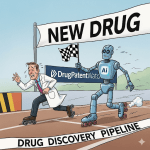
The pharmaceutical industry, a realm of profound scientific discovery and immense capital investment, stands at a pivotal juncture. Traditional drug development, with its protracted timelines and exorbitant costs, faces increasing scrutiny and diminishing returns. Against this backdrop, a strategic alternative, drug repurposing, has emerged as a beacon of efficiency and innovation. This approach, particularly when applied to generic drugs, holds transformative potential, offering a faster, more cost-effective pathway to address critical unmet medical needs and reshape the competitive landscape for astute business professionals.
The Dawn of a New Era: Repurposing Generic Drugs for Unmet Needs
The concept of drug repurposing is not entirely new, yet its modern application, supercharged by technological advancements, marks a significant departure from its serendipitous past. It represents a strategic imperative for an industry constantly striving to deliver more effective treatments to patients globally.
What is Drug Repurposing? A Strategic Imperative
Drug repurposing, often referred to as drug repositioning, reprofiling, or retasking, involves identifying novel therapeutic applications for existing pharmaceutical compounds.1 This strategy extends beyond merely finding new uses for approved medications; it also encompasses exploring different formulations of the same active substance or creating innovative combinations of existing medicines, sometimes even integrating them with medical devices.3 Fundamentally, it represents a strategic pivot from the traditional “de novo” drug discovery model, which builds new compounds from the ground up, to a more agile approach that leverages the extensive existing knowledge base surrounding established drugs, including their safety profiles and pharmacological properties.4
Historically, many successful repurposed drugs were discovered by chance. Consider sildenafil, widely known as Viagra, which was initially investigated as a treatment for angina but serendipitously found its primary use for erectile dysfunction. Similarly, aspirin, a long-standing pain reliever, later revealed its critical antiplatelet effects, revolutionizing cardiovascular disease prevention.3 While these accidental discoveries underscore the inherent versatility of drug compounds, the modern era of drug repurposing is far less reliant on chance. Today, the field is being systematically transformed by the formidable capabilities of artificial intelligence (AI), machine learning (ML), and big data analytics. These advanced computational tools enable researchers to rapidly model and predict interactions between known drugs and a vast array of unsolved diseases, moving drug repurposing from a realm of fortunate accidents to one of predictive science.1 This evolution, from serendipitous observation to strategic science, fundamentally alters the risk-reward calculus for potential investors. It signifies a maturation of the drug repurposing field, enhancing the predictability and efficiency of the repurposing pipeline. For business professionals, this transformation makes drug repurposing a more attractive and reliable investment avenue, shifting it from a supplementary strategy to a core component of modern drug development portfolios. It also underscores the increasing demand for specialized data science and AI expertise within the pharmaceutical and biotechnology sectors.
The Power of Generics: Unlocking Hidden Value
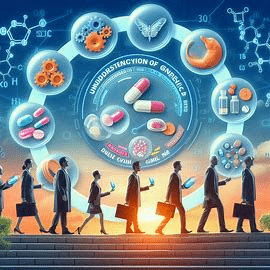
At the heart of innovative drug repurposing lies the generic drug. A generic medicine is meticulously designed to be bioequivalent to an already marketed brand-name drug, sharing the identical active ingredient, dosage form, strength, safety profile, quality, performance characteristics, and intended use.29 These drugs are permitted for sale once the original brand-name drug’s patents expire, opening the door for competition and significantly reducing costs.15
The inherent advantages of generic drugs are compelling. They typically retail at a substantial discount, often 80% to 85% less than their brand-name counterparts.29 This dramatic cost reduction stems from the fact that generic manufacturers are not burdened with the colossal initial research and development (R&D) expenditures associated with drug discovery and the extensive clinical trials required for novel compounds.29 This cost-effectiveness translates into a massive public health benefit, significantly improving patient access and affordability worldwide. Furthermore, generic drugs enter the market with an established safety profile, having already undergone rigorous FDA review and years of post-marketing surveillance as their branded equivalents.29 This pre-existing knowledge base is a profound asset. The inherent nature of generic drugs means they bypass the most expensive and riskiest stages of drug development, specifically preclinical and Phase I safety studies, because their safety and pharmacokinetics are already well-understood.3 This positions any investment in repurposing a generic drug from a significantly de-risked starting point compared to developing a novel compound. For investors, this translates into a lower-risk, potentially higher-return opportunity within the drug development pipeline, as the primary unknown shifts from “will it be safe?” to “will it be effective for this new indication?”. This predictability offers more stable development timelines and capital requirements, making generic drugs a uniquely appealing asset class for strategic repurposing initiatives.
Why Repurpose Generics? A Compelling Case for Efficiency and Impact
The strategic rationale for repurposing generic drugs is multi-faceted, extending beyond mere cost-cutting to encompass accelerated development, higher success rates, and a profound societal impact.
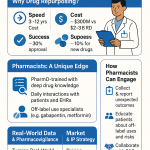
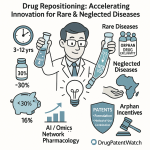
One of the most attractive aspects is the reduced time and cost associated with development. While bringing a novel drug to market can demand 10 to 17 years and an investment ranging from $2 billion to $3 billion, a repurposed drug can achieve approval in a mere 3 to 12 years, with costs slashed by 50% to 60%, averaging around $300 million.1 This remarkable efficiency is primarily due to the ability to bypass the resource-intensive early stages of drug development, such as preclinical research and Phase I safety studies, as these have already been completed for the original indication.1
Beyond efficiency, repurposed drugs boast higher success rates. The approval rate for repurposed drugs that have successfully completed Phase I trials can reach an impressive 30%, a stark contrast to the approximately 10% success rate for new drug applications.1 This significantly reduced risk profile makes repurposing a highly attractive proposition for investors and developers alike.
Perhaps most critically, repurposing offers a viable and often the only pathway for addressing unmet medical needs, particularly for rare and neglected diseases. For these conditions, the conventional drug development model often proves financially unviable due to limited patient populations and uncertain market returns.1 Repurposing can bring much-needed treatments to patients far sooner, sometimes even through off-label use while formal regulatory approval is pursued.
The strategic value of drug repurposing was powerfully underscored during the COVID-19 pandemic, where the urgent need for effective treatments propelled the rapid investigation and deployment of existing drugs. Medications like Remdesivir and Dexamethasone were repurposed under emergency authorization, demonstrating the critical role this approach plays in responding to emerging health crises.1
The benefits of repurposing generics extend beyond corporate balance sheets to fundamental public health. The speed and cost-effectiveness of this approach mean more treatments, delivered faster, and at substantially lower prices.9 This creates a powerful argument for increased investment, not solely driven by profit motives, but also by a profound societal welfare perspective, particularly for rare diseases or during health emergencies. This dual benefit—economic efficiency for companies and improved patient outcomes for society—positions generic drug repurposing as a high-priority area for both private investment and public policy support, suggesting that healthcare systems and governments have a vested interest in fostering these innovative financing models.
Table 1: Comparative Analysis of Drug Development Pathways
Metric
Traditional Drug Development
Drug Repurposing (Generic)
Development Time (Years)
10-17 1
3-12 1
Development Cost (USD)
$2-3 Billion 7
~$300 Million 4
Clinical Success Rate (Phase I to Approval)
~10% 1
~30% 1
This table provides a concise, high-impact visual summary of the key advantages of drug repurposing over traditional drug development. For business professionals, it immediately quantifies the “faster, cheaper, less risky” narrative, making the economic and strategic benefits undeniable and easy to grasp. It serves as a powerful argument for allocating resources towards repurposing initiatives.
Navigating the Labyrinth: Challenges in Financing Generic Drug Repurposing
Despite the compelling advantages, the path to repurposing generic drugs is not without its formidable obstacles. The very characteristics that make generics appealing—their affordability and lack of patent protection—also create significant financial and intellectual property hurdles that deter traditional pharmaceutical investment.
The Economic Paradox: High Costs, Low Commercial Incentives
Generic drugs are frequently labeled “financial orphans” because they inherently lack the commercial appeal of patented drugs.19 While the initial R&D costs are significantly reduced by leveraging existing safety data, bringing a repurposed generic to market still necessitates substantial investment. This is particularly true for the crucial Phase 2 and 3 clinical trials, which can still cost hundreds of millions to billions of dollars.2
The core issue lies in the limited Return on Investment (ROI) potential. Commercial entities are often hesitant to invest in repurposing generics because the prospects of recouping their investment are perceived as low. This is due to intense market competition and the inability to command a monopoly price, a cornerstone of traditional pharmaceutical profitability.7 Furthermore, in many countries, drug prices are fixed at the national level, making it challenging to increase the price of an older, cheaper generic drug even when a new, valuable indication is discovered. This disincentive is compounded by internal
management hesitation. Persuading leadership to allocate significant resources to compounds that were initially unsuccessful, especially if the new indication falls outside the company’s core strategic therapeutic areas, presents a considerable internal barrier.2
The fundamental challenge is not scientific feasibility but economic viability. Generic drugs, by their very nature, are off-patent and affordable.29 While repurposing them offers immense societal benefits 9, the traditional pharmaceutical business model, which relies on patent-protected monopoly pricing to recoup multi-billion dollar R&D investments, simply does not apply.19 This creates a market failure where socially beneficial research remains underfunded due to insufficient private financial incentives. This market dynamic necessitates the exploration and implementation of alternative, non-traditional financing models that can bridge this critical gap between public health needs and private sector profitability. It also highlights the urgent need for policy interventions that can create “pull” incentives specifically designed to encourage generic repurposing.
Intellectual Property: The Double-Edged Sword of Innovation
Intellectual property (IP) protection, while designed to incentivize innovation, often presents a complex hurdle for generic drug repurposing. The very act of finding a new use for an existing compound can lead to intricate IP challenges.
The challenges in patenting new uses are significant. While it is possible to seek new “method-of-use” patents for repurposed drugs, these are frequently difficult to obtain and enforce. This difficulty arises particularly if the new indication was already hinted at in prior scientific literature or within the original drug’s patent filings.2 Demonstrating true novelty and non-obviousness for a compound whose properties are largely known presents a high bar for patent offices.6
Even if a method-of-use patent is granted, the limited exclusivity periods offered for repurposed generics (e.g., typically 1 year in the EU and 3 years in the US) are often deemed too short to recoup the substantial investments required for clinical trials and regulatory approval.11 This stands in stark contrast to the 20-year patent protection typically afforded to novel chemical entities.15 The pharmaceutical industry’s attempts to extend patent life through new formulations or combinations for repurposed drugs can also face scrutiny, often being labeled as “evergreening” tactics by critics.
Furthermore, entanglement with core IP can create significant roadblocks. Original patent holders may possess broad patents that cover entire families of compounds, even if some of those compounds were abandoned during initial development. This can prevent other parties from developing these compounds for new indications without securing a license from the original patent holder.2 Negotiating Material Transfer Agreements (MTAs) in such scenarios can be notoriously time-consuming and fraught with complex IP disputes, as companies seek to protect their freedom to operate while universities aim to retain ownership of inventions and ensure public access.
Intellectual property is designed to incentivize innovation by granting exclusivity. However, for generic drug repurposing, the existing IP framework—including the challenges in obtaining and enforcing method-of-use patents and the short exclusivity periods—often acts as a barrier rather than an enabler.2 This creates a disincentive for private companies to invest, as the “shield” of exclusivity proves too weak to adequately protect the necessary R&D investment. Policy reforms are therefore needed to provide more robust and appropriate IP incentives specifically tailored for generic drug repurposing. This could involve longer market exclusivity periods for new indications of generic drugs or the development of novel patenting mechanisms that better recognize the unique value created by repurposing.
Regulatory Roadblocks: Paving the Path to Approval
While leveraging existing safety data is a significant advantage, repurposed drugs are not exempt from rigorous regulatory scrutiny. Navigating the approval process for a new indication presents its own set of challenges.
Despite the established safety profiles, repurposed drugs still require new clinical trials to demonstrate efficacy for their new indications. This typically involves substantive testing, including Phase 2 and 3 clinical trials.2 These trials can be both expensive and carry significant failure rates, similar to later-stage trials for novel compounds.2
The FDA’s 505(b)(2) regulatory pathway offers a streamlined route to approval for repurposed drugs. This pathway allows applicants to rely, in part, on existing safety and efficacy data from previously approved products or published scientific literature, thereby reducing the need for extensive new studies, shortening timelines, and lowering costs.6
For repurposing efforts targeting rare diseases, Orphan Drug Designation (ODD) can provide crucial incentives. ODD can grant 7 to 10 years of market exclusivity, along with tax credits and regulatory assistance.6 However, a unique challenge arises when enforcing this exclusivity for an already marketed generic drug, especially if the drug is readily available at the same dose for a much cheaper price under its original indication. This can undercut the commercial incentive provided by ODD.
Furthermore, regulatory variability across different jurisdictions, and even state-by-state within a single country, can add layers of uncertainty and complexity. This is particularly evident for novel applications, such as the repurposing of GLP-1s for addiction treatment, where regulatory bodies may approach these new indications with varying frameworks and requirements.
While pathways like 505(b)(2) and ODD are designed to accelerate repurposing efforts, the fundamental requirement for new efficacy trials and the challenge of enforcing exclusivity for generics still act as bottlenecks.2 The regulatory framework, while supportive in some aspects, is not yet fully optimized for the unique commercial challenges inherent in generic drug repurposing. This suggests a need for continued regulatory innovation to further reduce the burden and increase the commercial attractiveness of generic drug repurposing, potentially through more flexible trial designs or stronger, more enforceable market protections specifically tailored for repurposed generics.
Data Deluge and Expertise Gaps: Technical Hurdles to Overcome
Beyond the direct financial implications and intellectual property complexities, the technical challenges of managing vast datasets and the scarcity of specialized expertise represent significant, often underestimated, barriers to successful drug repurposing.
Modern drug repurposing, especially when employing computational methods, demands access to considerable volumes of diverse data. This includes extensive compound libraries, patent data, pharmacological information, and a wealth of published scientific literature.1 A major hurdle is that these datasets are frequently siloed, stored in multiple formats—ranging from unstructured text files and images to electronic lab notebooks, spreadsheets, and databases. This heterogeneity, coupled with issues of poor data hygiene, inconsistencies, and restricted access, can severely impact the quality and reliability of research outcomes.
To effectively harness this data, significant and highly scalable computing power is essential for collection, storage, processing, management, and analysis as data volumes expand and sources proliferate. Furthermore, platforms capable of seamlessly connecting disparate data sources via Application Programming Interfaces (APIs) are crucial. Specialized techniques for data organization, such as expert ontologies, taxonomies, indexing, and metadata tagging, are also vital for making this information actionable.
A critical bottleneck is the lack of cross-domain expertise. Building advanced computational models, such as knowledge graphs, graph neural networks, or in silico models, demands a rare blend of scientific and technological proficiency. Smaller to medium-sized pharmaceutical organizations, in particular, often lack the specialized teams capable of both integrating and harmonizing fragmented and disparate datasets, as well as possessing the deep scientific understanding required to accurately parse complex drug repurposing research questions within their full context.
Beyond the direct financial costs of clinical trials and IP, the technical challenges of data management and the scarcity of specialized expertise represent significant, often underestimated, barriers. These “hidden” costs can derail projects even before they reach the clinical stage, especially for smaller entities with limited resources. This highlights a pressing need for strategic investment in shared data infrastructure, the development of open-source AI platforms, and talent development programs that foster interdisciplinary skills. Collaborations that effectively pool data and expertise become not just beneficial but absolutely essential for overcoming these formidable technical hurdles and unlocking the full potential of drug repurposing.
Innovative Financing Models: Fueling the Repurposing Revolution
The inherent challenges in financing generic drug repurposing necessitate a departure from traditional funding paradigms. A new ecosystem of innovative financing models is emerging, designed to bridge the gap between scientific promise and market viability, often prioritizing patient impact alongside financial returns. These models represent creative solutions to the economic paradoxes that deter conventional investment in this critical area.
Table 2: Innovative Financing Models for Generic Drug Repurposing: At a Glance
Model Name
Key Mechanism
Primary Advantages
Primary Disadvantages
Best Suited For
Venture Philanthropy
Mission-driven investments (equity/convertible notes/royalties) by non-profits, with returns reinvested in charitable mission.
Mission alignment, patient-centric, de-risks early stages, flexible terms, access to patient advocacy groups.
Limited capital scale, potential for lower financial returns, infrastructure challenges for non-profits, moral/ethical dilemmas.
Rare/neglected diseases, high unmet needs, early-stage clinical trials.
Public-Private Partnerships (PPPs)
Collaboration between government agencies, academia, pharma, and non-profits, pooling resources and expertise.
Shared risk/cost, access to diverse expertise/resources, increased funding, regulatory support, addresses market failures.
Complex negotiations, long lead times, differing objectives, data sharing challenges, potential for “in-kind” costs.
Investor provides upfront capital in exchange for a percentage of future product sales (royalty stream).
Non-dilutive, faster return on investment than equity, increased certainty (tied to product success), flexible structure, mitigates market volatility.
Can be more expensive than debt, no payment cap (for investor), less control for company, may not generate “outsized” equity returns.
Late-stage development, commercialization, specific assets with clear revenue potential, companies needing non-dilutive capital.
Government Grants & Strategic Initiatives
Direct funding from government agencies for research, platform development, and clinical trials.
De-risks early research, supports public health goals, funds neglected areas, fosters innovation, provides significant capital.
Bureaucratic processes, specific funding priorities, potential for disjointed efforts, may not cover full commercialization.
Basic research, platform development, rare diseases, public health emergencies, areas with limited commercial appeal.
Emerging Models (IVPE+AMC)
Interventional Pharmacoeconomics (IVPE) compares cost-effectiveness, with Advance Market Commitments (AMC) creating pull incentives for successful repurposed generics.
Leverages cost savings to fund trials, creates “pull” incentive, addresses financial toxicity of new drugs, global access.
Requires payer commitment, complex valuation of health impact/cost savings, still in early stages of implementation.
Addressing financial toxicity, global health equity, incentivizing unpatentable treatments.
This table serves as a critical decision-making tool for business professionals. It distills complex information about each financing model into an easily digestible format, allowing for quick comparison of their mechanisms, benefits, drawbacks, and ideal applications. This helps stakeholders identify the most suitable funding pathways for their specific generic drug repurposing projects, aligning financial strategy with project goals.
Venture Philanthropy: Mission-Driven Capital for High-Impact Solutions
Venture philanthropy represents a hybrid model, blending the mission-driven approach of traditional philanthropy with the strategic, results-oriented investment practices of venture capital. This model involves non-profit organizations or patient advocacy groups making investments, rather than conventional grants, in drug development projects. Any financial returns generated from these investments are then reinvested directly back into the organization’s charitable mission.42 This approach is particularly well-suited for addressing rare diseases or conditions with high unmet medical needs, where the traditional commercial incentives for pharmaceutical companies are often insufficient.42
A prominent example is the Alzheimer’s Drug Discovery Foundation (ADDF), which operates on a venture philanthropy model. The ADDF makes strategic investments through various financial instruments, including convertible notes, equity stakes, or royalty and milestone agreements, with terms that are comparable to those offered by other venture investors. Their funding specifically targets critical stages of drug development, such as IND-enabling studies and early-stage clinical trials, effectively bridging the “valley of death” where many promising compounds falter due to lack of early capital.
The advantages of venture philanthropy are compelling. It provides mission-aligned capital, ensuring that the primary focus remains on patient outcomes rather than solely on maximizing profit.42 This model effectively
de-risks early-stage research by funding proof-of-concept clinical trials, generating crucial data that can later attract larger commercial investments.32 Venture philanthropies often offer
flexible funding terms and can directly engage with industry partners, aligning R&D efforts with the specific goals and priorities of patient communities.53 Furthermore, these organizations provide invaluable access to patient populations and their unique insights, which can be critical for designing patient-centered clinical trials and understanding disease progression.
However, venture philanthropy also faces certain disadvantages. A primary limitation is often the scale of capital available, which may not match the vast sums required for large-scale commercial drug development.42 Non-profit organizations may also encounter
inadequate organizational infrastructure to manage the complexities of sophisticated investment deals. Furthermore, navigating the balance between a charitable mission and commercial considerations can sometimes lead to moral and ethical dilemmas. The financial return on investment (ROI) from venture philanthropy may also be lower than that expected from traditional venture capital, as the overarching goal is impact rather than maximum financial gain.
Several real-world examples illustrate the impact of venture philanthropy. The ADDF’s Alzheimer’s initiatives actively fund drug repurposing efforts for Alzheimer’s and related dementias, including studies investigating drugs like liraglutide.53 Their innovative AI-driven approach has even identified sildenafil (Viagra) as a compound potentially capable of reducing Alzheimer’s Disease risk, showcasing the power of systematic screening in uncovering new therapeutic avenues.
Cures Within Reach, another prominent non-profit, focuses on repurposing for a wide range of unmet medical needs. This organization funds investigator-initiated proof-of-concept clinical trials and has a strong track record of leveraging its initial funding into significant follow-on capital from other sources.11 They have also strategically partnered with companies like Innoplexus to develop AI-powered platforms aimed at repurposing generic drugs for cancer. More broadly, initiatives like the
Drug Repurposing Venture Challenge, launched by organizations such as ZonMw and FAST, actively guide researchers and early-stage entrepreneurs in developing robust business plans for repurposed pharmaceutical products, providing essential seed funding and expert coaching.20
Venture philanthropy directly addresses the market failure inherent in generic drug repurposing, particularly for rare diseases or conditions where traditional commercial incentives are low.42 By accepting potentially lower financial returns in favor of tangible patient impact, these organizations can fund critical early-stage research that traditional pharmaceutical companies might otherwise overlook. Their investment acts as a powerful catalyst, de-risking projects sufficiently to attract subsequent, larger funding rounds.55 For business professionals seeking to engage in socially responsible investing or explore niche markets with high unmet needs, partnering with or supporting venture philanthropy models offers a compelling opportunity. Such collaborations can provide access to early-stage, de-risked assets and effectively align corporate social responsibility goals with measurable health outcomes.
Public-Private Partnerships (PPPs): Synergizing Strengths for Collective Good
Public-Private Partnerships (PPPs) have emerged as a cornerstone of innovative financing in drug repurposing, particularly for generic compounds. These collaborations represent a powerful mechanism for combining diverse strengths and resources to tackle complex challenges that no single entity could effectively address alone.
Collaborative Frameworks and Resource Pooling
PPPs bring together a wide array of stakeholders, including academic researchers, established pharmaceutical companies, government agencies, and non-profit organizations, to pool their respective resources, expertise, and data.9 This collaborative framework is designed to advance promising repurposed drugs through the intricate development pipeline more efficiently and effectively than if each component organization were to operate independently.63 By sharing the burden of research, development, and regulatory navigation, PPPs can accelerate the pace of innovation.
Addressing Funding Gaps and De-risking Investments
A critical function of PPPs is to address the persistent funding gaps that often impede generic drug repurposing. These partnerships can actively explore and advocate for novel funding mechanisms, including increased public funding, to ensure that projects have the necessary financial backing from initial development through to achieving a licensed repurposed product. By distributing the financial burden across multiple partners, PPPs inherently de-risk investments. They also leverage diverse knowledge bases, combining, for instance, the clinical development and manufacturing expertise of pharmaceutical companies with the deep scientific insights and understanding of unmet treatment gaps from academic institutions.
The advantages of PPPs are substantial. They facilitate access to invaluable resources, including raw data, regulatory master files, and comprehensive safety data from the original products, which are often difficult for individual researchers or smaller companies to obtain. These partnerships can significantly streamline development processes, accelerating the translation of research findings into practical clinical applications, and providing access to a broader spectrum of technical know-how. PPPs are particularly effective for large-scale, complex projects or those addressing significant public health threats, where the collective effort yields far greater impact than fragmented initiatives.24
However, PPPs also come with their own set of challenges. Building effective partnerships requires a substantial investment of time, particularly for establishing a common scope, legal framework, and intellectual property agreements. Differing business constraints and expectations among public and private partners can create friction and complicate decision-making. Furthermore, critical issues such as data sharing and the negotiation of intellectual property rights can be highly complex and demand meticulous attention to detail.
Illustrative Examples and Their Impact
The International Rare Diseases Research Consortium (IRDiRC) stands as a prime example of a successful global public/private initiative. Launched in 2011, IRDiRC actively supports and stimulates drug repurposing for small patient populations, focusing on sharing lessons learned from successful projects, including the importance of collaborative funding frameworks and early engagement with regulatory bodies.
The COVID-19 pandemic starkly highlighted both the potential and the challenges of PPPs. While efforts were sometimes disjointed, the rapid repurposing of drugs like Dexamethasone demonstrated the immense potential when coordination and funding align to address urgent public health crises.36
More recently, the integration of cutting-edge technology has spurred new forms of PPPs. Collaborations such as that between Fifty1 AI Labs and BioSpark AI Technologies exemplify how partnerships can leverage artificial intelligence to analyze vast amounts of clinical data for drug repurposing, driving progress in functional medicine and preventative care.
PPPs are not merely about pooling money; they are about pooling capabilities and risk.62 For generic drug repurposing, where market failures and IP complexities are systemic challenges, a multi-stakeholder approach is often the only viable path forward. The success of PPPs in areas like rare diseases and pandemic response demonstrates their unique ability to tackle challenges that are too large or commercially unappealing for any single sector to undertake alone. These collaborations also offer a mechanism to share the substantial “in-kind” costs—such as remanufacturing active product and placebo, completing study reports, regulatory documentation, pharmacovigilance, and patient safety monitoring—which can be a significant burden for individual entities.2 Business leaders should actively seek out and participate in PPPs, recognizing that these collaborations can unlock opportunities that are otherwise inaccessible, fostering innovation while distributing risk.
Crowdfunding and Social Impact Bonds (SIBs): Democratizing Drug Development
Crowdfunding and Social Impact Bonds (SIBs) represent a fascinating intersection of social innovation and financial engineering, offering novel pathways to fund drug development, particularly for off-patent therapies that traditional funding mechanisms often overlook.
Mechanism of “Pay for Success” Models
At their core, these models operate on a “pay for success” (PFS) principle. In this framework, impact investors provide upfront capital to fund large-scale Phase II/III randomized controlled trials (RCTs) for off-patent therapies.28 If these trials are successful in demonstrating positive patient outcomes or generating measurable cost savings for the healthcare system, the investors are then repaid by healthcare payers, such as governments, health insurers, or philanthropic organizations.38 The amount of these outcome payments is typically tied to metrics like Quality Adjusted Life Years (QALYs) gained or a percentage reduction in hospitalizations or improved patient outcomes compared to standard care.38
Benefits for Payers and Investors
This innovative model fundamentally shifts financial risk. It transfers the burden from risk-averse healthcare payers, who only pay for demonstrated success, to the market, where impact investors are willing to bear the upfront risk of trial failure in exchange for the potential of significant social impact and a financial return. This ensures that backers only fund a medical breakthrough, aligning financial incentives with public health goals and fostering the development of affordable, open-source medicine.
The advantages of crowdfunding and SIBs are manifold. They effectively incentivize ignored off-patent therapies, leading to the development of affordable and accessible treatments that would otherwise remain unexplored due to a lack of traditional commercial viability.28 This provides a much-needed non-traditional funding source for high-cost clinical trials that lack the profit incentives for conventional pharmaceutical investment. Furthermore, these models promote
transparency and accountability through their outcome-based payment structures, ensuring that funds are disbursed only when tangible results are achieved.38
However, there are also notable disadvantages. For investors, there is a high risk of failure, given that Phase II/III clinical trials for new indications still have a significant failure rate, often between 50% and 75%. The structuring and negotiation of SIBs can be highly complex and time-consuming, requiring intricate legal and financial expertise.38 The model also necessitates the development of
robust, measurable outcome metrics upon which payments will be based. Moreover, SIBs may struggle to attract sufficient capital for very large-scale trials. Some initiatives have also faced challenges in securing government buy-in, as exemplified by the UK’s Rare Disease Drug Repurposing Social Impact Bond (RDDR SIB). A further challenge is the often-insufficient consideration by academic researchers of the commercialization processes required to bring a repurposed drug to market, which can hamper overall success.
Real-World Applications and Future Potential
Crowd Funded Cures (CFC) is a leading initiative actively working to establish Social Impact Bonds for off-patent medicines. Their mission is to fund large Phase II/III RCTs for diseases that impose a high cost burden on healthcare systems, such as COVID-19 and mental illness. The Rare Disease Drug Repurposing Social Impact Bond (RDDR SIB), pioneered by Beacon (formerly Findacure) in the UK, explored using SIBs to fund rare disease repurposing research. While the initiative demonstrated potential cost savings for the NHS, it ultimately did not proceed. Nevertheless, the concept has been explored by other groups globally. Bruce Bloom of Cures within Reach has also been a proponent of SIBs for rare disease repurposing , and crowdfunding efforts have successfully funded clinical trials for rare genetic diseases.
Crowdfunding and SIBs represent a profound financial innovation. They directly tackle the problem of “unmonopolizable therapies” by shifting the risk from traditional pharmaceutical companies to impact investors, who are compensated not by drug sales, but by the value created for healthcare payers in terms of cost savings and health improvements.38 This aligns financial incentives with public health outcomes, creating a powerful “pull” mechanism for otherwise neglected treatments. For business professionals, particularly those within healthcare payer organizations, this model offers a compelling strategy to reduce long-term healthcare expenditures by investing in cost-effective repurposed generics. For impact investors, it presents a unique opportunity to generate financial returns while simultaneously driving significant social good, especially in therapeutic areas with high unmet needs and clear potential for cost savings.
Royalty Financing: Non-Dilutive Capital for Future Revenue Streams
Royalty financing has emerged as an increasingly attractive alternative to traditional equity and debt financing, offering a flexible and non-dilutive means of raising capital for drug development and commercialization, including for repurposing ventures.
Understanding Royalty Structures in Pharma
Royalty financing involves an investor providing upfront capital to a drug developer in exchange for the right to receive a percentage of future net product sales, known as a royalty stream.69 This mechanism is distinct from equity financing because it does not dilute the company’s ownership, and it differs from traditional debt in that there are typically no fixed interest payments or principal repayment obligations, making the payments variable based on product sales.70 This type of financing is particularly appealing for products that are nearing or have already received regulatory approval, or those in late-stage development with a clear path to market.
Pros and Cons for Repurposing Ventures
The advantages of royalty financing are significant. It is non-dilutive, allowing companies to retain full control and ownership of their assets and future upside.69 For investors, it offers a potentially
faster return on investment compared to equity, as returns are tied directly to sales rather than contingent on an IPO or other exit events. This structure provides increased certainty for investors, as the investment value is directly linked to the underlying product’s economics, making it less susceptible to general market volatility that can affect equity valuations.70 Furthermore, royalty agreements can be highly
flexible and tailored to the specific needs and projected revenue streams of the repurposing venture.70
However, royalty financing also presents certain disadvantages. It can be more expensive for the royalty seller than traditional debt financing, primarily because the investor bears the commercial risk of the product’s failure, and there are typically no guaranteed minimum payments. While royalty financing offers the potential for higher returns than fixed-interest debt, it may not generate the “outsized” returns sometimes seen from early-stage equity investments, especially if the company eventually undergoes a highly successful IPO. For repurposed generics, the inherently lower profit margins and intense competition 7 might make the royalty stream less attractive to investors or necessitate very high royalty rates to compensate for the reduced commercial upside. This can make it a less viable option for generic repurposing unless the new indication targets a substantial market or offers significant cost savings.
Notable Deals and Their Strategic Implications
Royalty Pharma stands out as a leading entity in this space, specializing in funding innovation across the biopharmaceutical industry through the acquisition of royalties. They engage in significant deals, including synthetic royalties and secured loans, to support drug development and commercialization.69 While their portfolio is not exclusively focused on repurposing, their model exemplifies how substantial capital can be deployed against the future revenue streams of specific pharmaceutical assets.69
A successful example involving a repurposed drug is the sale of Remedy Pharmaceuticals’ orphan-designated CNS drug program, CIRARA, to Biogen. This deal, valued at $120 million upfront plus future milestones and royalties, illustrates a lucrative exit strategy for a company focused on repurposing. Another notable instance involved Aspreva Pharmaceuticals, which secured a deal with Roche that included royalties for the off-label use of Mycophenolate in lupus nephritis, demonstrating the potential for royalty deals even for applications not formally approved for that specific indication. The Rising Tide Foundation for Clinical Cancer Research (RTFCCR) also funds interventional clinical trials for off-patent drug repurposing, and in select cases, on-patent drug repurposing, acknowledging the critical need for philanthropic capital to bridge funding gaps where pharmaceutical companies may lack commercial interest due to exclusivity period concerns.
Royalty financing offers a sophisticated avenue for companies to raise capital without diluting equity, which is particularly appealing for later-stage repurposing projects. It allows investors to strategically select specific assets with known safety profiles—a key advantage of repurposed drugs—and a clear potential for new market entry. The primary challenge for generic repurposing lies in the typically lower revenue potential, which means royalty rates would need careful structuring to ensure investor appetite. For business professionals managing drug pipelines, royalty financing can be a powerful strategic tool to fund the expensive final clinical trials and commercialization of promising repurposed generics, especially if these drugs target niche markets or possess a strong, demonstrable value proposition. It provides a means to unlock capital without relinquishing significant ownership, but it demands a clear and realistic projection of future revenue streams.
Government Grants and Strategic Initiatives: Public Investment for Public Health
Government entities play an indispensable role in fostering drug repurposing, particularly for areas that offer substantial public health benefits but lack sufficient commercial incentives for private sector investment. Their strategic initiatives and grant programs are vital for de-risking early-stage research and accelerating the development of much-needed therapies.
Role of Agencies like ARPA-H and NCATS
Leading the charge are agencies such as the Advanced Research Projects Agency for Health (ARPA-H) and the National Center for Advancing Translational Sciences (NCATS) within the National Institutes of Health (NIH).13 These bodies are instrumental in providing critical funding for drug repurposing, especially in areas like rare and untreatable diseases. For example, ARPA-H recently awarded a significant $48 million contract to Every Cure, a non-profit, to develop the AI-driven MATRIX platform. This ambitious project aims to rapidly pinpoint and validate existing medications for new indications, with a particular focus on rare diseases.13 Similarly, NCATS offers a range of research grants that support various stages of drug repurposing, from initial in silico predictions to late-stage clinical trials, demonstrating a comprehensive commitment to the field.34
Impact on Accelerating Research and Development
Government funding serves as a powerful catalyst, effectively de-risking early research and fueling academic discoveries. This public investment creates an efficient spillover effect, significantly reducing the overall R&D costs that the industry would otherwise bear. By supporting projects that may not generate immediate fiscal returns but promise substantial societal benefits, governments fill a crucial void. This is particularly evident during public health emergencies, where rapid response is paramount.
The advantages of government grants are clear. They provide substantial capital for foundational research and high-risk, high-reward projects that might otherwise go unfunded.13 This investment directly
addresses unmet medical needs and advances public health goals.13 Government support can also
accelerate development through fast-track designations and by fostering the creation of cutting-edge platform technologies, such as AI-driven discovery tools.13
However, there are also disadvantages. Government funding processes can be bureaucratic and slow, potentially hindering rapid response in fast-evolving situations. Funding is often tied to specific priorities, which, while important, can inadvertently leave other promising areas of repurposing neglected.36 Efforts can also be
disjointed if not centrally coordinated, leading to inefficiencies and duplication. Furthermore, government grants typically do not cover the full commercialization pathway, creating a potential “valley of death” between successful clinical trials and actual market entry.
Key Programs and Their Contributions
The ARPA-H MATRIX Project is a prime example of a strategic government initiative. It aims to develop an open-source machine learning platform to rapidly identify and validate existing medications for rare and untreatable diseases, with provisions for additional funds to validate the most promising drug-disease matches in clinical trials.13
Cures Within Reach, a non-profit, also offers various grants for clinical and preclinical repurposing research, including programs that leverage AI-driven insights, focus on health equity, and support underserved researchers globally. The COVID-19 response served as a stark illustration of the power of government involvement. While sometimes fragmented, government initiatives supported the rapid testing and deployment of repurposed drugs like Dexamethasone, demonstrating the potential for rapid and widespread impact during a crisis.1
The public sector acts as the ultimate risk-bearer for societal good. Government grants fill a critical void in the drug development ecosystem by funding research that the private sector deems too risky or unprofitable.36 This “de-risking” is essential for generic drug repurposing, where commercial incentives are inherently weak. The public sector’s willingness to invest in basic science and early-stage translational research lays a crucial foundation upon which private companies can later build, ultimately benefiting society by bringing more affordable treatments to market. For business professionals, actively monitoring government funding opportunities and aligning research strategies with public health priorities is crucial. Advocating for sustained and increased government investment in drug repurposing directly reduces the financial burden and risk for future commercialization efforts, creating a more favorable environment for innovation.
Emerging Models: Interventional Pharmacoeconomics and Advance Market Commitments
Beyond the established frameworks, innovative models are continually evolving to address the unique financial challenges of generic drug repurposing. Among the most promising are Interventional Pharmacoeconomics (IVPE) combined with Advance Market Commitments (AMCs).
This novel approach is specifically designed to overcome the financial barriers associated with repurposing generic drugs, often referred to as “financial orphans” due to their limited commercial appeal. IVPE involves comparing the cost-effectiveness of repurposed generics to standard care, quantifying the potential savings to healthcare systems. This cost-saving potential is then leveraged to fund the trials themselves. AMCs, on the other hand, involve private or public health insurers establishing a fund to support the development of repurposed generics. This fund provides “prize-like” incentives for successful outcomes, creating a direct financial reward for achieving a new indication.45
Mechanism and Benefits
The core mechanism of this combined model is to create a powerful “pull” incentive. Instead of relying on the traditional patent-driven monopoly to incentivize development, this model rewards organizations based on demonstrated results, whether in terms of direct health impact or measurable cost savings. Payments would be directly linked to the actual use of the repurposed generic drug, potentially flowing from public healthcare payers like Medicare and Medicaid, who stand to reap significant cost-saving benefits from these affordable therapies. The ultimate goal of this model is to accelerate the development of affordable therapies, improve patient outcomes, reduce overall healthcare expenditures, and expand global access to essential medicines.
This model represents a sophisticated evolution of outcome-based funding. Instead of relying solely on intellectual property-driven monopolies, this approach directly ties financial rewards to the demonstrated value—in terms of cost savings and health improvements—of a repurposed generic. This is a direct response to the market failure of generic repurposing, creating a new incentive structure that aligns commercial interests with public health benefits. While still in its early stages of implementation, this model holds the potential to fundamentally reshape how generic drug repurposing is financed. For business professionals, particularly those in health economics, policy development, and investment, closely following its development is crucial. It offers a scalable and sustainable pathway for bringing affordable, effective repurposed drugs to market, representing a significant step towards value-based healthcare.
Leveraging Patent Intelligence: A Competitive Edge in Repurposing
In the complex and often ambiguous landscape of drug repurposing, particularly for generic compounds, patent intelligence is not merely a legal formality; it is a strategic imperative. It serves as a compass, guiding companies through the intricate web of intellectual property to identify opportunities, mitigate risks, and gain a decisive competitive advantage.
The Critical Role of Patent Data in Strategic Decision-Making
Patent data provides crucial insights that can transform a company’s approach to drug repurposing. It serves as a powerful tool for identifying opportunities, revealing expired patents that open doors for generic repurposing initiatives.15 Beyond expired patents, it helps identify “white space” for new method-of-use, formulation, or combination patents specifically tailored for repurposed drugs.6 This foresight allows companies to proactively explore new therapeutic avenues.
Equally important, patent intelligence is vital for mitigating risks. Comprehensive patent searches are essential to avoid infringing on existing patents, especially those covering abandoned compounds or broad method-of-use claims that might inadvertently apply to a new indication.2 Understanding the concept of “patent thickets”—dense overlapping patents—becomes critical for navigating complex IP landscapes and ensuring freedom to operate.
For business professionals, patent data also informs strategic timing and competitive positioning. By analyzing patent expiration dates and potential exclusivity periods, companies can precisely time their market entry for repurposed generics, maximizing their impact before increased competition inevitably drives down prices.15 This intelligence helps assess the number of potential competitors and informs strategic regulatory submissions to gain an early-mover advantage.15
Finally, patent intelligence is invaluable for supporting regulatory pathways. It can inform strategies for abbreviated approval pathways like the FDA’s 505(b)(2) by identifying existing data that can be leveraged, thereby reducing the need for new studies.6 It also plays a key role in pursuing Orphan Drug Designations by providing a clear understanding of existing exclusivity periods and how they might apply to a new rare disease indication.6
Patent data is more than just legal information; it is a rich source of business intelligence.47 For drug repurposing, especially with generics, it allows companies to move from a reactive stance—simply avoiding infringement—to a proactive one—identifying untapped opportunities, predicting market shifts, and strategically positioning new therapies. This capability is about foresight in a highly competitive and regulated industry. Business professionals must therefore integrate robust patent intelligence tools and expertise into their strategic planning. This is not solely a function for legal departments; it is a core responsibility for R&D, market access, and portfolio management teams to identify commercially viable repurposing candidates and navigate the complex IP landscape effectively.
DrugPatentWatch: Transforming Data into Market Domination
In the intricate world of pharmaceutical intellectual property, specialized tools are indispensable. DrugPatentWatch stands out as a leading platform, providing comprehensive patent intelligence that can be a game-changer for companies engaged in drug repurposing.
DrugPatentWatch offers deep knowledge on pharmaceutical drugs, encompassing patents, suppliers, generics, and formulation information. It provides a fully integrated database of drug patents and other critical information, enabling users to perform freeform searches and dynamic browsing across vast datasets. This capability is crucial for identifying intricate connections and opportunities that might otherwise remain hidden.
The platform’s key features are particularly valuable for repurposing initiatives:
Global Drug Patents: Access to drug patents in 134 countries allows for a truly global evaluation of market opportunities for repurposed drugs, identifying regions where specific new indications may be commercially viable.79
Patent Expiration Calendar: This feature is critical for strategic planning, helping companies anticipate patent expirations and pinpoint off-patent drugs that are ripe for repurposing into new indications.47
Regulatory Status and Litigation Data: Detailed regulatory status, information on ongoing litigation, tentative approvals, and Paragraph IV challenges provide essential insights for risk assessment and strategic planning when pursuing new indications. This helps companies understand potential legal hurdles and competitive challenges.
Tracking Investigational Drugs & New Indications: The platform explicitly helps users “track investigational drugs” and “explore new indications for existing drugs,” directly supporting the core mission of repurposing efforts by providing a structured way to monitor relevant developments.47
AI Research Assistant: A powerful tool that can rapidly find answers and synthesize comprehensive information from disparate sources, delivering precise answers with full citations. This is invaluable for the complex and data-intensive research inherent in drug repurposing, allowing researchers to quickly validate hypotheses and identify promising candidates.
Portfolio Management & Forecasting: These features enable users to anticipate future budget requirements, identify generic sources, and inform critical portfolio management decisions, including those related to the strategic allocation of resources for repurposing projects.79
The sheer volume and heterogeneity of patent data can be overwhelming. DrugPatentWatch acts as a specialized intelligence platform, transforming raw data into actionable insights.7 Its specific features, such as the patent expiration calendar and the AI research assistant, directly address the challenges of identifying and de-risking generic repurposing opportunities, providing a tangible competitive advantage. For any business professional serious about engaging in drug repurposing, particularly with generics, a tool like DrugPatentWatch is not a luxury but a necessity. It streamlines the complex process of patent analysis, enabling more informed and strategic decisions, ultimately accelerating time-to-market and maximizing potential returns.
Identifying Opportunities and Mitigating Risks with Patent Insights
Effective patent intelligence goes beyond mere data collection; it enables strategic action that can significantly impact the success of drug repurposing ventures.
One key application is the strategic timing of market entry. By thoroughly understanding patent expiry dates and potential exclusivity periods, companies can precisely plan the launch of their repurposed generics. This allows them to maximize market impact and capture early market share before increased competition inevitably erodes profit margins.15
Furthermore, patent insights are crucial for developing robust IP strategies. This involves not only filing for new method-of-use, formulation, or combination patents for the repurposed drug but also rigorously gathering and presenting robust data to support claims of novelty and non-obviousness. It also necessitates considering strategic licensing deals or collaborations with original patent holders where their existing IP might impact the new indication.
Finally, competitive intelligence derived from patent data is paramount. Monitoring competitors’ patenting activities and any associated litigation provides early warnings of potential market shifts or competitive threats. This allows companies to proactively develop counter-strategies, adjust their R&D focus, or seek out new opportunities before they are widely recognized.
Without robust patent intelligence, companies are often reactive, constantly playing catch-up or risking inadvertent infringement. With it, they transform into proactive strategists, leveraging patent data to sculpt their R&D pipeline, negotiate favorable terms, and identify first-mover advantages.15 This shift is particularly vital for generics, where profit margins can be tight, and competitive timing is paramount. Investing in patent intelligence thus transforms a potential legal liability into a powerful strategic asset, enabling companies to confidently pursue innovative financing models for generic drug repurposing, secure in the knowledge that they have a clear path to market and a defensible competitive position.
Market Dynamics and Investment Trends: A Growing Opportunity
The confluence of scientific advancements, increasing healthcare demands, and a strategic shift in pharmaceutical R&D has positioned drug repurposing, especially for generics, as a rapidly expanding market. Understanding these dynamics is crucial for any business professional looking to invest in or contribute to this evolving sector.
Global Market Size and Growth Projections
The global drug repurposing market is experiencing robust and consistent growth, signaling its increasing importance within the pharmaceutical landscape. Valued at approximately USD 34.98 billion in 2024, it is projected to reach around USD 59.30 billion by 2034, demonstrating an impressive compound annual growth rate (CAGR) of 5.42% from 2025 to 2034. Other market analyses corroborate this upward trend, with some estimates placing the market at US29.4billionin2024,forecastedtoreachUS37.3 billion by 2030 at a CAGR of 4.1%. Even more optimistic projections suggest a CAGR of 11% from 2025 to 2033, potentially reaching $4 billion by 2033 , or a CAGR of 14.7% from a 2020 valuation of $313 million.
This significant growth is propelled by several key drivers. There is a rising need for cost-effective strategies to accelerate drug development, a demand amplified by the urgent need for treatments for chronic and rare diseases.17 Technological innovations, particularly in artificial intelligence and bioinformatics, are also playing a transformative role, enabling more precise and rapid identification of repurposing candidates.17 Furthermore, the increasing pressure from patent expirations on blockbuster drugs is encouraging pharmaceutical companies to strategically extend the value of their existing assets by exploring new indications.
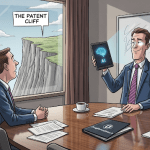
The consistent growth projections across multiple reputable sources indicate that drug repurposing is not a fleeting trend but a fundamental and enduring shift in the pharmaceutical industry. This growth is fueled by a powerful combination of internal industry pressures, such as the escalating costs and lengthy timelines of traditional drug discovery and the looming “patent cliff” phenomenon, alongside external societal demands for more affordable and accessible treatments to address unmet medical needs. For investors and pharmaceutical companies, this sustained market growth signals a significant opportunity for strategic investment and diversification of their R&D portfolios. Early movers who embrace innovative financing models for generic repurposing are well-positioned to gain substantial market share and establish leadership in this evolving landscape.
Regional Dominance and Emerging Markets
The global drug repurposing market exhibits distinct regional dynamics, offering varied strategic opportunities for business professionals.
North America currently holds the largest revenue share, accounting for a substantial 47% of the market in 2024. This dominance is firmly rooted in the region’s well-established pharmaceutical industry, its mature healthcare system, and a robust regulatory environment that provides incentives for expedited drug approvals. The U.S. market alone exemplifies this leadership, valued at USD 12.49 billion in 2024 and projected to grow to USD 21.55 billion by 2034, maintaining a strong CAGR of 5.60%. This indicates a stable, high-value market where established players continue to thrive.
In contrast, Asia Pacific is anticipated to witness the fastest growth during the forecast period. This rapid expansion is underpinned by increasing healthcare investment, a burgeoning patient population, and accelerated innovation in biotechnology across the region. Countries such as China, India, and Japan are rapidly emerging as key centers for low-cost R&D and clinical trials, making them attractive destinations for repurposing initiatives. China’s market, in particular, is forecasted to grow at an impressive 7.5% CAGR, reaching $7.6 billion by 2030.
The regional breakdown reveals distinct opportunities. North America’s maturity suggests a market characterized by established players and well-defined regulatory frameworks, making it a stable, high-value environment for investment. Conversely, Asia Pacific’s rapid growth, driven by both R&D capabilities and expanding patient populations, indicates a dynamic, emerging market with significant future potential, particularly for lower-cost development. Business professionals should therefore tailor their market entry and investment strategies to these regional nuances. Partnerships in North America might strategically focus on late-stage development and market access, leveraging the existing infrastructure. In contrast, engagements in Asia Pacific could prioritize leveraging cost-effective R&D capabilities and tapping into the expanding patient bases for early-stage development and market penetration.
The AI Revolution: Accelerating Repurposing Identification
Artificial intelligence (AI) and machine learning (ML) are not merely tools in drug repurposing; they are fundamentally transforming the entire process, acting as a powerful engine for scalable discovery.
The transformative impact of AI and ML is evident in their ability to dramatically accelerate the identification of new therapeutics, significantly reducing development timelines and costs, and vastly improving predictive accuracy.1 These technologies can process and analyze vast amounts of complex biological datasets, uncovering non-obvious connections between drugs and diseases that would be impossible for human researchers to discern manually.1
The applications of AI in drug repurposing are diverse and growing. AI is being utilized for predictive modeling of drug-target interactions, analyzing electronic health records to identify unexpected therapeutic effects, simulating biological systems to predict drug effects, and employing natural language processing to mine scientific literature for overlooked connections.15 These sophisticated algorithms can identify promising candidates, classify drug-disease matches with high precision, and rank repurposing candidates based on multiple predictive features.
Numerous case studies highlight the practical success of AI in this field. Projects like ARPA-H’s MATRIX initiative, in collaboration with Every Cure, aim to build open-source ML platforms that can rapidly pinpoint and validate existing medications for rare and untreatable diseases.13 Companies such as AI Therapeutics, Healx, SOM Biotech, and Innoplexus are gaining significant traction by developing and leveraging proprietary AI algorithms for drug development, demonstrating the commercial viability of this technology.
The sheer volume of biomedical data and the inherent complexity of drug-disease interactions make manual repurposing efforts highly inefficient. AI provides the computational power to systematically analyze this “vast ocean of data” , transforming a labor-intensive, often serendipitous process into a scalable, predictive science.3 This dramatically increases the probability of success in early-stage discovery and significantly reduces the associated costs. For companies, integrating AI and big data analytics into their repurposing strategies is no longer optional but essential for gaining a significant competitive advantage. Investment in AI platforms and the talent to operate them is paramount for maximizing the potential of generic drug repurposing, and this also opens exciting new avenues for technology companies to forge strategic partnerships with pharmaceutical and biotechnology firms.
Investment Landscape: Where Capital is Flowing
The investment landscape for drug repurposing is diversifying and maturing, reflecting a growing recognition of its strategic and economic value.
There is a clear trend of increased investment from both research institutions and pharmaceutical companies. These entities are actively allocating more capital towards drug repurposing strategies, driven by the desire to extend the commercial lifespan of existing drugs and enhance their safety profiles through new indications.17
Capital is predominantly flowing into areas that promise to accelerate and refine the repurposing process. This includes significant investment in computational biology, machine learning, and omics technologies, which are at the forefront of identifying new drug-disease relationships.17 Furthermore, there is a rising trend in the formation of
collaborative consortia and public-private partnerships, as stakeholders recognize the benefits of pooling resources and expertise to tackle complex challenges.
The broader venture capital (VC) landscape in life sciences is also contributing to the commercial viability of repurposing models. While traditional VC may shy away from the lower profit margins of generics, specialized funds and impact investors are increasingly seeing the value. Philanthropic funds continue to play a crucial role, filling funding gaps, particularly for on-patent drug repurposing in areas with high unmet needs where commercial interest remains limited.
Another notable trend is the growth in outsourcing activity related to drug repurposing. This sector is anticipated to grow at a rate of 20-25%, with Contract Research Organizations (CROs) offering specialized support in identifying and predicting promising clinical trials for repurposing candidates. This indicates a maturing ecosystem of support services that can facilitate and accelerate repurposing ventures.
The investment landscape for drug repurposing is diversifying and maturing. It is moving beyond solely relying on traditional pharmaceutical R&D budgets to include a broader spectrum of funding sources, such as venture capital, philanthropic funds, and specialized service providers. This indicates a growing recognition of repurposing as a legitimate and profitable business strategy, not merely a scientific curiosity. For business professionals, this means a wider array of funding opportunities are becoming available for repurposing projects. It also points to a growing ecosystem of support services, including CROs and AI platforms, that can facilitate these ventures, making it easier to enter and scale in this dynamic market.
Table 3: Global Drug Repurposing Market Projections
This table provides a clear, quantitative snapshot of the drug repurposing market’s current state and projected growth. For business professionals, it validates the strategic importance of the field by demonstrating its significant economic potential. The inclusion of regional data helps in identifying key markets for investment and expansion, supporting informed strategic planning. The varying figures from different sources also highlight the dynamic nature of market forecasting in this rapidly evolving sector, encouraging a nuanced interpretation of the data.
Key Takeaways: Charting Your Course in Generic Drug Repurposing
The landscape of drug development is undeniably shifting, and generic drug repurposing stands at the forefront of this evolution. It offers a compelling blend of scientific innovation, economic efficiency, and profound societal impact. For business professionals, understanding and strategically engaging with this field is no longer optional but essential for future growth and competitive advantage.
Generic Repurposing: A De-Risked Pathway: Embrace generic drug repurposing as a fundamentally de-risked approach to drug development. Leveraging existing safety data significantly reduces time, cost, and failure rates compared to traditional de novo drug discovery, making it an attractive investment proposition.
Innovation in Financing is Key: Recognize that traditional pharmaceutical financing models are often ill-suited for generic drug repurposing due to inherent intellectual property and commercialization challenges. Innovative models like venture philanthropy, public-private partnerships, crowdfunding/Social Impact Bonds, royalty financing, and outcome-based incentives are crucial for unlocking the full potential of these “financial orphans.”
Patent Intelligence as a Strategic Imperative: Invest heavily in robust patent intelligence tools and expertise. Understanding the complex intellectual property landscape, identifying opportunities for new method-of-use patents, and navigating potential infringement risks are vital for strategic decision-making and ensuring market viability. Platforms like DrugPatentWatch are indispensable for this.
AI: The Game Changer: Acknowledge AI and machine learning as transformative technologies in drug repurposing. Their ability to rapidly analyze vast datasets and predict novel drug-disease interactions is accelerating discovery and increasing success rates, making AI integration a critical competitive differentiator.
Collaborate for Impact: Seek out and foster multi-stakeholder collaborations, including public-private partnerships and engagements with patient advocacy groups. These alliances are essential for pooling resources, sharing risks, bridging expertise gaps, and addressing the systemic challenges that impede generic drug repurposing, particularly for rare and neglected diseases.
Focus on Value and Outcomes: Shift focus from traditional blockbuster revenue models to value-based outcomes. Innovative financing models increasingly tie financial returns to demonstrated health improvements and cost savings, aligning commercial success with societal benefit and creating a more sustainable healthcare future.
The journey of drug repurposing, especially for generics, is a testament to human ingenuity in the face of complex challenges. By embracing these innovative financing models and leveraging advanced tools like patent intelligence, the industry can unlock a treasure trove of existing therapies, bringing life-changing treatments to patients faster and more affordably. This is not just about new drugs; it is about a new paradigm for medical innovation that prioritizes both profitability and profound public good.
FAQ Section
Why is it so challenging to secure traditional funding for repurposing generic drugs, despite their proven safety? Generic drugs, by definition, are off-patent and typically sold at significantly lower prices than branded drugs. While their safety is established, the high costs associated with conducting new clinical trials (Phase II and III) for a new indication often outweigh the potential commercial returns. This is due to intense generic competition and limited market exclusivity for new uses. Traditional pharmaceutical companies prioritize blockbuster drugs with long patent protection, making repurposed generics “financial orphans” with insufficient profit incentives for private investment.
How do “method-of-use” patents factor into the intellectual property strategy for repurposed generic drugs? “Method-of-use” patents protect the specific new therapeutic application of an existing drug. For repurposed generics, these patents are crucial for establishing some form of exclusivity. However, they are often difficult to obtain and enforce because the drug itself is already known, and the new use might be considered “obvious” or hinted at in prior scientific literature. This makes them a weaker form of protection compared to composition-of-matter patents for novel drugs, limiting the commercial attractiveness for investors.
What role does Artificial Intelligence (AI) play in overcoming the financial barriers to generic drug repurposing? AI revolutionizes drug repurposing by dramatically accelerating the identification of promising candidates, reducing the early-stage R&D costs and timelines. By analyzing vast and complex datasets (genomic, clinical, scientific literature), AI algorithms can predict novel drug-disease interactions with higher accuracy than traditional methods. This efficiency de-risks projects by increasing the probability of success in early stages, making them more appealing to investors and potentially reducing the overall capital required for clinical trials.
How do Social Impact Bonds (SIBs) create a unique incentive for funding generic drug repurposing? SIBs, or “pay for success” contracts, are innovative financing mechanisms where impact investors provide upfront capital for clinical trials of off-patent drugs. Instead of relying on drug sales, investors are repaid by healthcare payers (e.g., governments, insurers) only if the repurposed drug demonstrates successful patient outcomes or generates measurable cost savings for the healthcare system. This transfers the financial risk from risk-averse payers to investors, creating a powerful “pull” incentive for therapies that are socially beneficial but lack traditional commercial viability.
Beyond direct funding, how can patent intelligence platforms like DrugPatentWatch provide a competitive advantage in generic drug repurposing? DrugPatentWatch offers a competitive advantage by transforming complex patent data into actionable business intelligence. It provides a global view of drug patents, including expiration dates, litigation status, and regulatory details. For repurposing, this enables companies to strategically identify off-patent drugs ripe for new indications, navigate potential intellectual property infringements, and time market entries to maximize competitive advantage. It helps in building robust intellectual property portfolios for new uses and informs strategic partnerships, essentially serving as a crucial navigation tool in the intricate patent landscape.
References
Elsevier. (n.d.). Drug repurposing. Retrieved from https://www.elsevier.com/industry/drug-repurposing
Pushpakom, S., et al. (2022). Drug repurposing: A systematic review on root causes, barriers and facilitators. PMC. Retrieved from https://pmc.ncbi.nlm.nih.gov/articles/PMC9336118/
FDA. (n.d.). Generic drugs: Questions & answers. Retrieved from https://www.fda.gov/drugs/frequently-asked-questions-popular-topics/generic-drugs-questions-answers
Wikipedia. (n.d.). Generic drug. Retrieved from https://en.wikipedia.org/wiki/Generic_drug
Precedence Research. (n.d.). Drug Repurposing Market Size to Hit USD 59.30 Billion by 2034. Retrieved from https://www.precedenceresearch.com/drug-repurposing-market
Precedence Research. (n.d.). Drug Repurposing Market Revenue to Attain USD 56.25 Bn by 2033. Retrieved from https://www.precedenceresearch.com/press-release/drug-repurposing-market
Castro, A. (n.d.). Unique challenges repurposing drugs addiction treatment. PharmExec. Retrieved from https://www.pharmexec.com/view/unique-challenges-repurposing-drugs-addiction-treatment
Kesselheim, A. S., et al. (2023). Advances in generic drug repurposing are hampered by lack of finances and legislative barriers. PMC. Retrieved from https://pmc.ncbi.nlm.nih.gov/articles/PMC10627937/
Cures Within Reach. (n.d.). Repurposing 101. Retrieved from https://www.cureswithinreach.org/about-us-repurposing-research-leader/repurposing101/
Drug Repo Central. (n.d.). Drug repurposing: The importance, advantages, and challenges. Retrieved from https://drugrepocentral.scienceopen.com/hosted-document?doi=10.58647/DRUGREPO.24.1.0013
ISPOR. (n.d.). Economic impact of repurposed drugs. Retrieved from https://www.ispor.org/heor-resources/presentations-database/presentation/euro2024-4013/144910
DrugPatentWatch. (n.d.). Innovative Financing Models for Repurposing Generic Drugs. Retrieved from https://www.drugpatentwatch.com/blog/innovative-financing-models-for-repurposing-generic-drugs/
Alzheimer’s Drug Discovery Foundation (ADDF). (n.d.). Funding Opportunities. Retrieved from https://www.alzdiscovery.org/research-and-grants/funding-opportunities
DrugPatentWatch. (n.d.). Giving Drugs a Second Chance: Overcoming Regulatory and Financial Hurdles in Repurposing Approved Drugs as Cancer Therapeutics. Retrieved from https://www.drugpatentwatch.com/blog/giving-drugs-a-second-chance-overcoming-regulatory-and-financial-hurdles-in-repurposing-approved-drugs-as-cancer-therapeutics/#:~:text=Public%2Dprivate%20partnerships%20have%20emerged,drugs%20through%20the%20development%20pipeline.
Orphan Drug Guide. (n.d.). Building a partnership with aligned needs of public and private partners. Retrieved from https://orphandrugguide.org/bb/ODDG_TF_Building%20Block%20Form_I462.pdf
Alacrita. (n.d.). The risk-reward balance in drug repurposing. Retrieved from https://www.alacrita.com/blog/the-risk-reward-balance-in-drug-repurposing
Cures Within Reach. (n.d.). Drug repurposing: A strategic approach. Retrieved from https://www.cureswithinreach.org/about-us-repurposing-research-leader/repurposing101/
Cures Within Reach. (n.d.). Current repurposing research projects. Retrieved from https://www.cureswithinreach.org/programs/current-repurposing-research-projects/
Crowd Funded Cures. (n.d.). Home. Retrieved from https://crowdfundedcures.org/
Royalty Pharma. (n.d.). Royalty Pharma and Revolution Medicines Enter Into Funding Agreements for Up to $2 Billion. Retrieved from https://www.royaltypharma.com/news/royalty-pharma-and-revolution-medicines-enter-into-funding-agreements-for-up-to-2-billion/
Rising Tide Foundation. (n.d.). Clinical Cancer Research Therapy Optimization Drug Repurposing. Retrieved from https://www.risingtide-foundation.org/clinical-cancer-research-therapy-optimization-drug-repurposing/
ARPA-H. (n.d.). ARPA-H awards AI-driven project to repurpose approved medications. Retrieved from https://arpa-h.gov/news-and-events/arpa-h-awards-ai-driven-project-repurpose-approved-medications
Every Cure. (n.d.). Every Cure to Receive $48.3M from ARPA-H to Develop AI-Driven Platform to Revolutionize Future of Drug Development and Repurposing. Retrieved from https://everycure.org/every-cure-to-receive-48-3m-from-arpa-h-to-develop-ai-driven-platform-to-revolutionize-future-of-drug-development-and-repurposing/
Yale Journal of Law and Technology. (n.d.). The Drug Repurposing Ecosystem: Intellectual Property, Incentives, Market Exclusivity, and the Future of New Drug Development. Retrieved from https://yjolt.org/drug-repurposing-ecosystem-intellectual-property-incentives-market-exclusivity-and-future-new
Frontiers in Drug Discovery. (n.d.). Drug repurposing: Accelerating the discovery of drugs derived from natural and synthetic products. Retrieved from https://www.frontiersin.org/journals/drug-discovery/articles/10.3389/fddsv.2024.1460100/full
DrugPatentWatch. (n.d.). How Companies Can Extract Value from Expired Drug Patents. Retrieved from https://www.drugpatentwatch.com/blog/how-companies-can-extract-value-from-expired-drug-patents/
PatentPC. (n.d.). Biopharmaceuticals: The Patent Implications of Drug Repurposing. Retrieved from https://patentpc.com/blog/patent-implications-of-drug-repurposing
PatentDocs. (n.d.). Patenting Repurposed Drugs. Retrieved from https://www.patentdocs.org/2018/09/patenting-repurposed-drugs.html
DrugPatentWatch. (n.d.). Intellectual Property Rights and Regulatory Considerations for Drug Repurposing. Retrieved from https://www.drugpatentwatch.com/blog/intellectual-property-rights-and-regulatory-considerations-for-drug-repurposing/
PatentPC. (n.d.). How to Protect Intellectual Property in Generic Drug Development. Retrieved from https://patentpc.com/blog/how-to-protect-intellectual-property-generic-drug-development
Managing Intellectual Property. (n.d.). As good as new: why IP is central to repurposed drugs. Retrieved from https://www.managingip.com/article/2a5bqo2drurt0bxl7aaus/as-good-as-new-why-ip-is-central-to-repurposed-drugs
DrugPatentWatch. (n.d.). Computational Drug Repurposing: Approaches and Case Studies. Retrieved from https://www.drugpatentwatch.com/blog/computational-drug-repurposing-approaches-and-case-studies/
DrugPatentWatch. (n.d.). Drug Repurposing: An Overview. Retrieved from https://www.drugpatentwatch.com/blog/drug-repurposing-an-overview/
PMC. (n.d.). Drug repurposing: A systematic review on root causes, barriers and facilitators. Retrieved from https://pmc.ncbi.nlm.nih.gov/articles/PMC12048090/
Alacrita. (n.d.). The poster child for drug repurposing is Viagra (sildenafil, Pfizer). Retrieved from https://www.alacrita.com/blog/the-risk-reward-balance-in-drug-repurposing
PMC. (n.d.). Many experts claim re-purposing drugs can be faster, cheaper, less risky and carry higher success rates than traditional drug development approaches. Retrieved from https://pmc.ncbi.nlm.nih.gov/articles/PMC9336118/
Springer Medizin. (n.d.). Barriers to repurposing. Retrieved from https://www.springermedizin.de/drug-repurposing-a-systematic-review-on-root-causes-barriers-and/23318300
DrugPatentWatch. (n.d.). The strategic value of drug repurposing became particularly evident during health crises such as the COVID-19 pandemic. Retrieved from https://www.drugpatentwatch.com/blog/drug-repurposing-an-overview/
Health-Holland. (n.d.). New initiative: Drug Repurposing Venture Challenge launches. Retrieved from https://www.health-holland.com/news/2025/03/new-initiative-drug-repurposing-venture-challenge-launches
Knowledge Portalia. (n.d.). R&D time and success rate. Retrieved from https://www.knowledgeportalia.org/r-d-time-and-success-rate
Pharmacy Times. (n.d.). Pharmacists Can Play Key Role in Drug Repurposing. Retrieved from https://www.pharmacytimes.com/view/pharmacists-can-play-key-role-in-drug-repurposing
Precedence Research. (n.d.). Drug Repurposing Market Gains Momentum Amid Rising Need for Cost-Effective Therapies. Retrieved from https://www.precedenceresearch.com/drug-repurposing-market
Roots Analysis. (n.d.). Drug Repurposing Market Overview. Retrieved from https://www.rootsanalysis.com/reports/drug-repurposing-service-provides.html
Market Shaping. (n.d.). Generic drug repurposing – the process of researching existing generic drugs to identify new uses – may offer new, effective treatments at lower costs. Retrieved from https://marketshaping.uchicago.edu/wp-content/uploads/2025/04/Generic-drug-repurposing-AMC.pdf
PMC. (n.d.). The COVID-19 pandemic spurred an unprecedented wave of drug repurposing as scientists and clinicians raced to find immediate treatment options for a novel disease. Retrieved from https://pmc.ncbi.nlm.nih.gov/articles/PMC12205848/
Chatham House. (n.d.). UK can cement its place in the global AI race by nurturing talent. Retrieved from https://www.chathamhouse.org/2025/07/uk-can-cement-its-place-global-ai-race-nurturing-talent
PubMed. (n.d.). Drug repurposing: Misconceptions, challenges, and opportunities for academic researchers. Retrieved from https://pubmed.ncbi.nlm.nih.gov/34550729/
ResearchGate. (n.d.). Impact of Drug Repurposing on New Drug Discovery: A Review. Retrieved from https://www.researchgate.net/publication/370407242_Impact_of_Drug_Repurposing_on_New_Drug_Discovery_A_Review
Paces Ferry Wealth. (n.d.). Impact Investing: Pros and Cons. Retrieved from https://pacesferrywealth.com/impact-investing-pros-and-cons/
Debevoise. (n.d.). Royalty Financing: An Appealing Alternative to Traditional Life. Retrieved from https://www.debevoise.com/insights/publications/2019/11/royalty-financing-an-appealing-alternative-to
Springer Medizin. (n.d.). Barriers to repurposing. Retrieved from https://www.springermedizin.de/drug-repurposing-a-systematic-review-on-root-causes-barriers-and/23318300
FasterCapital. (n.d.). Drug repurposing: Beyond Pharmaceuticals: Exploring the Entrepreneurial Potential of Drug Repurposing. Retrieved from https://fastercapital.com/content/Drug-repurposing–Beyond-Pharmaceuticals–Exploring-the-Entrepreneurial-Potential-of-Drug-Repurposing.html
Harvard DASH. (n.d.). Venture philanthropy presents a viable and businesslike mechanism to raise funding for research. Retrieved from https://dash.harvard.edu/bitstreams/2870d692-f9a8-4555-b581-e76527442d67/download
Pharm-Int. (n.d.). Advantages of Drug Repurposing. Retrieved from https://www.pharm-int.com/resources/advantages-of-drug-repurposing/
Technology Networks. (n.d.). Drug Repurposing Strategies, Challenges and Successes. Retrieved from https://www.technologynetworks.com/drug-discovery/articles/drug-repurposing-strategies-challenges-and-successes-384263
Crozdesk. (n.d.). DrugPatentWatch provides deep knowledge on pharmaceutical drugs – patents, suppliers, generics, formulation and more. Retrieved from https://crozdesk.com/software/drugpatentwatch
DrugPatentWatch. (n.d.). Computational Drug Repurposing: Approaches and Case Studies. Retrieved from https://www.drugpatentwatch.com/blog/computational-drug-repurposing-approaches-and-case-studies/
Market Shaping. (n.d.). Creating a financial “pull” incentive that rewards organizations based on results could be an efficient and effective way to identify new affordable treatments. Retrieved from https://marketshaping.uchicago.edu/wp-content/uploads/2025/04/Generic-drug-repurposing-AMC.pdf
PMC. (n.d.). Drug repurposing is the process of identifying a new use for an existing drug or active substance in an indication outside the scope of the original indication. Retrieved from https://pmc.ncbi.nlm.nih.gov/articles/PMC10627937/
BrainyQuote. (n.d.). Pharmaceutical Industry Quotes. Retrieved from https://www.brainyquote.com/topics/pharmaceutical-industry-quotes
Orientation Agency. (n.d.). Thought Leadership Activities in B2B Pharma. Retrieved from https://www.orientation.agency/insights/thought-leadership-activities-in-b2b-pharma
Investopedia. (n.d.). Impact Investing. Retrieved from https://www.investopedia.com/terms/i/impact-investing.asp
Pharm-Int. (n.d.). What is Drug Repurposing?. Retrieved from https://www.pharm-int.com/resources/advantages-of-drug-repurposing/
Covington & Burling LLP. (n.d.). An Overview of Debt and Royalty Financing Structures for Life Sciences Businesses. Retrieved from https://www.cov.com/-/media/files/corporate/publications/2025/05/an-overview-of-debt-and-royalty-financing-structures-for-life-sciences-businesses.pdf
BioSpace. (n.d.). Royalty Financing Serves as Lifeline for Some Biopharma Companies in Uncertain Market. Retrieved from https://www.biospace.com/deals/royalty-financing-serves-as-lifeline-for-some-biopharma-companies-in-uncertain-market
FasterCapital. (n.d.). Drug repurposing: From Lab to Market: Unleashing the Entrepreneurial Potential of Drug Repurposing. Retrieved from https://fastercapital.com/content/Drug-repurposing–From-Lab-to-Market–Unleashing-the-Entrepreneurial-Potential-of-Drug-Repurposing.html
PMC. (n.d.). Intellectual property barriers. Retrieved from https://pmc.ncbi.nlm.nih.gov/articles/PMC9336118/
Pharm-Int. (n.d.). NCATS offers financial support by way of research grants for drug repurposing and has dedicated resources for drug repositioning efforts. Retrieved from https://www.pharm-int.com/resources/advantages-of-drug-repurposing/
Duke Health Policy. (n.d.). Drug Repurposing for Pandemic Innovation. Retrieved from https://healthpolicy.duke.edu/sites/default/files/2023-06/Drug%20Repurposing%20for%20Pandemic%20Innovation.pdf
DrugPatentWatch. (n.d.). Drug repurposing, a pivotal strategy in pharmaceutical development, involves the identification of new therapeutic applications for existing drugs. Retrieved from https://www.drugpatentwatch.com/blog/drug-repurposing-an-overview/
DrugPatentWatch. (n.d.). Computational drug repurposing represents one of the most promising avenues for accelerating drug development in the modern pharmaceutical landscape. Retrieved from https://www.drugpatentwatch.com/blog/computational-drug-repurposing-approaches-and-case-studies/
Health-Holland. (n.d.). Drug Repurposing Venture Challenge. Retrieved from https://www.health-holland.com/news/2025/03/new-initiative-drug-repurposing-venture-challenge-launches
Harvard DASH. (n.d.). In an effort to mitigate the risks and efficiently and sustainably advance research and development of new therapies for patients with rare diseases. Retrieved from https://dash.harvard.edu/bitstreams/2870d692-f9a8-4555-b581-e76527442d67/download
PMC. (n.d.). Based on cases of drug repurposing in small population conditions, and previous work in drug repurposing, we analyzed the most important lessons learned, such as the sharing of clinical observations, reaching out to regulatory scientific advice at an early stage, and public-private collaboration. Retrieved from https://pmc.ncbi.nlm.nih.gov/articles/PMC10828010/
Duke Health Policy. (n.d.). Drug repurposing of approved drugs gained further attention and played an important role in response to the COVID-19 pandemic. Retrieved from https://healthpolicy.duke.edu/publications/drug-repurposing-pandemic-innovation
Rare Beacon. (n.d.). The Rare Disease Drug Repurposing Social Impact Bond. Retrieved from https://www.rarebeacon.org/research/social-impact-bond/
Investing News. (n.d.). Pharmaceutical Companies Repurposing Drugs to Accelerate Growth. Retrieved from https://investingnews.com/innspired/repurposing-drugs-to-accelerate-growth/
Crowd Funded Cures. (n.d.). What if a safe and affordable medical treatment or potential cure is ready to be tested in patients now but couldn’t get the private funding it needed for large Phase II/III clinical trials to prove efficacy because it was off-patent and you cannot charge a monopoly price?. Retrieved from https://crowdfundedcures.org/
Slideshare. (n.d.). The document discusses repurposing drugs to treat rare diseases through immediate clinical trials. Retrieved from https://www.slideshare.net/slideshow/bruce-bloom/45939224
Melior Discovery. (n.d.). Pfizer successfully repurposed Sildenafil (Viagra) from angina to erectile dysfunction (1998), and subsequently to pulmonary arterial hyperten- sion (PAH) in 2005. Retrieved from https://www.meliordiscovery.com/wp-content/uploads/2019/07/Therapueticdrug-II.pdf
BMJ. (n.d.). Publicly supported research had a major role in the late stage development of at least one in four new drugs. Retrieved from https://www.bmj.com/content/367/bmj.l5766
YouTube. (n.d.). This hybrid workshop provided a forum for participants to discuss the potential role of the regulator as it relates to generic drug repurposing. Retrieved from https://www.youtube.com/watch?v=OVKY-h-H0Rk
Cures Within Reach. (n.d.). Clinical Trials to Validate AI-Driven Drug Repurposing: now accepting submissions of investigator-initiated, proof of concept, Phase I or Phase IIA clinical trials to validate artificial intelligence (AI)-driven repurposing opportunities in any unsolved disease. Retrieved from https://www.cureswithinreach.org/programs/funding-opportunities-rfps/
Precedence Research. (n.d.). Drug Repurposing Market Revenue To Attain USD 56.25 Bn By 2033. Retrieved from https://www.precedenceresearch.com/press-release/drug-repurposing-market
Roots Analysis. (n.d.). The drug repurposing market is estimated to be worth $313 million in 2020 and is expected to grow at CAGR of 14.7% during the forecast period. Retrieved from https://www.rootsanalysis.com/reports/drug-repurposing-service-provides.html
ResearchGate. (n.d.). By reducing the. high financial cost, longer design phase, and increased risk of failure, the unique strategy of drug repositioning has the potential to be. used in place of traditional drug discovery programmes. Retrieved from https://www.researchgate.net/publication/370407242_Impact_of_Drug_Repurposing_on_New_Drug_Discovery_A_Review
FDD. (n.d.). Biotech Battlefield. Retrieved from https://www.fdd.org/analysis/2025/01/15/biotech-battlefield/
Alacrita. (n.d.). Clinical stage companies like AI Therapeutics are a recent example of industry gaining traction in drug repurposing through developing proprietary algorithms supporting artificial intelligence (AI) driven drug development. Retrieved from https://www.alacrita.com/blog/the-risk-reward-balance-in-drug-repurposing
PMC. (n.d.). Governmental financial support for drug repurposing began in the US with creation of the National Centre for Advancing Translational Sciences (NCATS) within the National Institutes of Health in 2012. Retrieved from https://pmc.ncbi.nlm.nih.gov/articles/PMC5694537/
Alacrita. (n.d.). Very few companies will try to repurpose a patented drug – one example is Invex which is repurposing exenatide, a GLP-1 agonist currently indicated for Type 2 diabetes. Retrieved from https://www.alacrita.com/blog/drug-repurposing
Royalty Pharma. (n.d.). Royalty Pharma and Revolution Medicines Enter Into Funding Agreements for Up to $2 Billion. Retrieved from https://www.royaltypharma.com/news/category/transactions/
FasterCapital. (n.d.). By leveraging the existing knowledge, data, and regulatory approvals of existing drugs, entrepreneurs can reduce the time, risk, and cost of drug development and commercialization. Retrieved from https://fastercapital.com/content/Drug-repurposing–Beyond-Pharmaceuticals–Exploring-the-Entrepreneurial-Potential-of-Drug-Repurposing.html
Pharm-Int. (n.d.). Drug repurposing is the process of identifying new therapeutic use(s) for old/existing/available drugs. Retrieved from https://www.pharm-int.com/resources/advantages-of-drug-repurposing/
PatSnap. (n.d.). How much of new drug research is funded by the government compared to charities as well as pharmaceutical companies themselves?. Retrieved from https://synapse.patsnap.com/article/how-much-of-new-drug-research-is-funded-by-the-government-compared-to-charities-as-well-as-pharmaceutical-companies-themselves
PMC. (n.d.). Drug repurposing is a strategic endeavor that entails the identification of novel therapeutic applications for pharmaceuticals that are already available in the market. Retrieved from https://pmc.ncbi.nlm.nih.gov/articles/PMC11094707/
PubMed. (n.d.). Drug repurposing: Misconceptions, challenges, and opportunities for academic researchers. Retrieved from https://pubmed.ncbi.nlm.nih.gov/34550729/
About Science. (n.d.). The dark side of drug repurposing. Retrieved from https://journals.aboutscience.eu/index.php/dti/article/view/3019/3558
FasterCapital. (n.d.). Drug repurposing: From Lab to Market: Unleashing the Entrepreneurial Potential of Drug Repurposing. Retrieved from https://fastercapital.com/content/Drug-repurposing–From-Lab-to-Market–Unleashing-the-Entrepreneurial-Potential-of-Drug-Repurposing.html
Rare-NL. (n.d.). Drug Repurposing Venture Challenge. Retrieved from https://rare-nl.nl/en/nieuws/drug-repurposing-venture-challenge/
StockTitan. (n.d.). Fifty 1 Labs, Inc. ( FITY) Sparks AI Breakthrough in Drug Repurposing: Subsidiary Fifty1 AI Labs Announces Strategic Partnership with Intent to Acquire BioSpark AI Technologies. Retrieved from https://www.stocktitan.net/news/FITY/fifty-1-labs-inc-fity-sparks-ai-breakthrough-in-drug-repurposing-4qzusoniacr1.html
ResearchGate. (n.d.). Repurposing Approved and Abandoned Drugs for the Treatment and Prevention of Cancer through Public-Private Partnership. Retrieved from https://www.researchgate.net/publication/221748970_Repurposing_Approved_and_Abandoned_Drugs_for_the_Treatment_and_Prevention_of_Cancer_through_Public-Private_Partnership
Investing News. (n.d.). Pharmaceutical Companies Repurposing Drugs to Accelerate Growth. Retrieved from https://investingnews.com/innspired/repurposing-drugs-to-accelerate-growth/
PMC. (n.d.). Traditional drug discovery and development involves several stages for the discovery of a new drug and to obtain marketing approval. Retrieved from https://pmc.ncbi.nlm.nih.gov/articles/PMC11920972/
Slideshare. (n.d.). The document discusses repurposing drugs to treat rare diseases through immediate clinical trials. Retrieved from https://www.slideshare.net/slideshow/bruce-bloom/45939224
Broad Institute. (n.d.). Case Studies. Retrieved from https://www.broadinstitute.org/repurposing
Mintz. (n.d.). Ariad Raises $200 Million in Synthetic Royalty Financing with PDL BioPharma. Retrieved from https://www.mintz.com/industries-practices/case-studies/ariad-raises-200-million-synthetic-royalty-financing-pdl
Covington & Burling LLP. (n.d.). Synthetic Royalty and Drug Development Financing Study. Retrieved from https://www.cov.com/-/media/files/corporate/publications/2023/02/synthetic-royalty-and-drug-development-financing-study.pdf
DrugPatentWatch. (n.d.). Computational Drug Repurposing: Approaches and Case Studies. Retrieved from https://www.drugpatentwatch.com/blog/computational-drug-repurposing-approaches-and-case-studies/
Technology Networks. (n.d.). Drug repurposing, also referred to as drug repositioning or reprofiling, is an approach that identifies new clinical applications for approved or investigational drugs outside of the compound’s originally intended uses. Retrieved from https://www.technologynetworks.com/drug-discovery/articles/drug-repurposing-strategies-challenges-and-successes-384263
Roots Analysis. (n.d.). The drug repurposing market is estimated to be worth $313 million in 2020 and is expected to grow at CAGR of 14.7% during the forecast period. Retrieved from https://www.rootsanalysis.com/reports/drug-repurposing-service-provides.html
BusinessWire. (n.d.). Drug Repurposing Strategic Research Business Report 2024-2025-2030 – Patent Expiry Pressures Encourage Pharma Companies to Extend Value of Existing Assets via New Indications – ResearchAndMarkets.com. Retrieved from https://www.businesswire.com/news/home/20250528921205/en/Drug-Repurposing-Strategic-Research-Business-Report-2024-2025-2030—Patent-Expiry-Pressures-Encourage-Pharma-Companies-to-Extend-Value-of-Existing-Assets-via-New-Indications—ResearchAndMarkets.com
CAS. (n.d.). Valued at $31.3 million USD in 2020, the global drug repurposing market size is expected to continue its growth at a compounding rate of 5.4% to reach $46.8 million by 2028. Retrieved from https://www.cas.org/resources/cas-insights/rd-trends-maximizing-dark-data-enhance-drug-repurposing
PMC. (n.d.). Drug repurposing is the process of identifying a new use for an existing drug or active substance in an indication outside the scope of the original indication. Retrieved from https://pmc.ncbi.nlm.nih.gov/articles/PMC10627937/
Life Science Leader. (n.d.). Doing More With Less AAPS Annual Meeting And Exposition. Retrieved from https://www.lifescienceleader.com/doc/doing-more-with-less-aaps-annual-meeting-and-exposition-0001
Alzheimer’s Society. (n.d.). Drug discovery. Retrieved from https://www.alzheimers.org.uk/research/our-research/drug-discovery
InVivo Biosystems. (n.d.). From ED to AD: a drug repurposing success? How a performance-enhancing drug is giving insight into dementia. Retrieved from https://invivobiosystems.com/drug-discovery/from-ed-to-ad-a-drug-repurposing-success-how-a-performance-enhancing-drug-is-giving-insight-into-dementia/
RAPS. (n.d.). Repurposing Generic Drugs: Experts Envision New Regulatory Pathways. Retrieved from https://www.raps.org/news-and-articles/news-articles/2025/5/repurposing-generic-drugs-experts-envision-new-reg
Technology Networks. (n.d.). Drug repurposing, also referred to as drug repositioning or reprofiling, is an approach that identifies new clinical applications for approved or investigational drugs outside of the compound’s originally intended uses. Retrieved from https://www.technologynetworks.com/drug-discovery/articles/drug-repurposing-strategies-challenges-and-successes-384263
Business Research Insights. (n.d.). DRUG REPURPOSING MARKET REPORT OVERVIEW. Retrieved from https://www.businessresearchinsights.com/market-reports/drug-repurposing-market-121843
DrugPatentWatch. (n.d.). The strategic value of drug repurposing became particularly evident during health crises such as the COVID-19 pandemic. Retrieved from https://www.drugpatentwatch.com/blog/drug-repurposing-an-overview/
Cures Within Reach. (n.d.). Press Releases & Media Coverage. Retrieved from https://www.cureswithinreach.org/news-events/press-releases-media-coverage/
Cures Within Reach. (n.d.). About Us: Repurposing Research Leader. Retrieved from https://www.cureswithinreach.org/about-us-repurposing-research-leader/
Every Cure. (n.d.). Our Work. Retrieved from https://everycure.org/
Audacious Project. (n.d.). Every Cure. Retrieved from https://www.audaciousproject.org/grantees/every-cure
Giving Drugs a Second Chance: Overcoming Regulatory and Financial Hurdles in Repurposing Approved Drugs As Cancer Therapeutics – PMC, accessed July 17, 2025, https://pmc.ncbi.nlm.nih.gov/articles/PMC5694537/