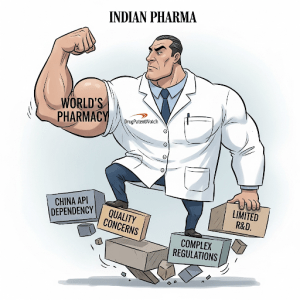
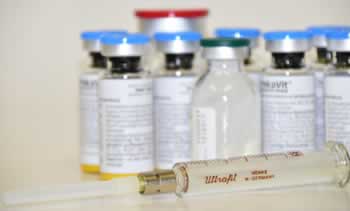
The Indian pharmaceutical industry, historically celebrated as the “Pharmacy of the World” for its unparalleled capacity in generic formulations, is currently navigating a period of profound structural inflection. As of FY25 and entering FY26, the sector is pivoting from a volume-centric business model—predicated on labor arbitrage and large-scale manufacturing of commoditized oral solids—to a value-driven paradigm characterized by complex generics, biosimilars, specialty medicines, and integrated digital supply chains. This transition is not merely aspirational but an existential necessity driven by intensifying regulatory scrutiny, geopolitical realignment of global supply chains, and the erosion of margins in traditional generic markets.
Current macroeconomic indicators place the industry on a robust growth trajectory, projected to reach a valuation of approximately $130 billion by 2030.1 The sector currently contributes significantly to India’s manufacturing Gross Value Added (GVA) and accounts for 20% of the global demand for generic drugs.1 However, this headline growth masks deep undercurrents of volatility. The industry is grappling with a dual mandate: defending its leadership in the US generics market against price erosion and legislative headwinds like the Inflation Reduction Act (IRA), while simultaneously investing billions in high-risk, high-reward capabilities such as biologics and novel drug delivery systems (NDDS).
The fiscal years 2024-2026 have emerged as a crucible for Indian pharma. The post-pandemic era has seen a resurgence in US Food and Drug Administration (USFDA) inspections, revealing a bifurcation in compliance standards between top-tier players and smaller entities. Simultaneously, the Indian government’s Production Linked Incentive (PLI) schemes have begun to yield tangible results in reducing dependency on Chinese Key Starting Materials (KSMs), marking the first steps toward true supply chain sovereignty.3
This report offers an exhaustive, data-driven analysis of these dynamics. It synthesizes financial performance, regulatory outcomes, and strategic maneuvers of key players—including Sun Pharma, Dr. Reddy’s Laboratories, Cipla, Aurobindo, and Torrent Pharmaceuticals—to provide a granular view of the industry’s health. Furthermore, it explores the technological transformation of manufacturing through Industry 4.0 interventions and the emerging role of Artificial Intelligence (AI) in compressing drug discovery timelines. By examining the interplay of domestic policy, global intellectual property landscapes, and corporate strategy, this document outlines the roadmap for Indian pharma’s evolution into a global life sciences innovation powerhouse.
2. Global Trade Dynamics and Export Performance
The export engine of the Indian pharmaceutical industry has demonstrated remarkable resilience in the face of global economic headwinds. Having weathered the disruptions of the COVID-19 pandemic, the sector has stabilized, registering robust growth in FY25 driven by volume expansion in emerging markets and a stabilizing pricing environment in the United States.
2.1 Export Volume and Value Analysis
Data from early FY26 indicates that pharmaceutical exports are nearing the $30 billion threshold, with a sustained compound annual growth rate (CAGR) reflecting the sector’s durability.5 Specific monthly data points from May 2025 reveal a 7.38% year-on-year surge in exports, reaching $4.96 billion for the month alone.6 This performance underscores the industry’s critical role in global healthcare supply chains, particularly as nations seek affordable alternatives to combat rising healthcare costs.
Table 1: Sector-Wise Export Performance (May 2025 vs. Prior Year)
Export Category
Value (USD Million)
Growth (YoY)
Strategic Commentary
Drug Formulations & Biologicals
$3,758.2
+7.5%
Continues to form the backbone (75%) of total exports; growth driven by chronic therapies.
Bulk Drugs & Intermediates
$450.5
+4.4%
Moderate growth reflects stabilizing API prices and gradual shift to domestic consumption under PLI.
Vaccines
$190.1
+13.6%
Strong recovery in non-COVID vaccine demand from multilateral agencies (UNICEF, WHO).
Ayush & Herbals
$119.9
+7.4%
Growing global acceptance of alternative medicine and preventive healthcare.
Surgicals
$124.6
+8.6%
Increasing penetration in price-sensitive developing markets.
Source: Analysis of Ministry of Commerce and Pharmexcil Data.6
The composition of exports remains heavily skewed towards finished dosage forms (formulations), which account for over 75% of the total export basket.6 This dominance highlights India’s established capabilities in formulation science but also points to the continued need to move up the value chain into complex biologics and large-molecule drugs, which currently represent a smaller fraction of the total but growing at a faster clip.
2.2 Geographic Diversification and Market De-risking
While the United States remains the single largest destination, absorbing approximately 34.5% of India’s pharma exports, the growth narrative is becoming increasingly multipolar.6 Reliance on the US market exposes Indian firms to the monopsonistic power of large buying consortiums and legislative risks. Consequently, FY25 saw a deliberate strategic pivot towards Europe, Latin America, and Africa.
North America (NAFTA): Exports to the US grew by a modest 1.50% in May 2025, reaching $1.71 billion.6 This stabilization follows a period of intense price erosion (mid-to-high single digits) in previous years. The growth is primarily volume-led, supported by new product launches in complex generics and shortage mitigation.
Europe: The European market outperformed the US, registering a growth of 3.14%.6 This is attributed to the increasing penetration of biosimilars in markets like the UK, Germany, and France, where healthcare systems are aggressively seeking cost savings.
Emerging Markets: High growth was observed in Africa (+1.71%) and Latin American markets such as Brazil and Mexico. The expansion into these geographies is strategic; companies like Torrent Pharma and Sun Pharma are leveraging their branded generic portfolios to command better margins than are available in the commoditized US generic market.8
2.3 The “China Plus One” Opportunity
Geopolitical friction between the West and China has accelerated the “China Plus One” sourcing strategy, benefiting Indian exporters. Global pharmaceutical giants are increasingly auditing and validating Indian Contract Development and Manufacturing Organizations (CDMOs) as alternative hubs. The report by EY Parthenon highlights that Indian CDMOs are investing heavily in advanced manufacturing and analytics to capture this shift, projecting the global CRDMO market to reach $303 billion by 2028.5 This trend is not just about displacing China but about integrating India into the high-value innovation chain of Western big pharma.
3. The Regulatory Crucible: USFDA Compliance and Quality Culture
The relationship between Indian manufacturers and the USFDA remains the most significant variable influencing market access and corporate reputation. After a pandemic-induced lull in physical inspections, 2024 and 2025 witnessed a sharp rebound in regulatory activity, subjecting Indian facilities to rigorous scrutiny.
3.1 Inspection Trends and the “OAI” Metric
In calendar year 2024, the USFDA conducted over 256 inspections of Indian facilities, a number that nearly matches pre-pandemic levels.9 A critical analysis of inspection outcomes reveals a maturing quality culture, although pockets of systemic failure persist.
Table 2: USFDA Inspection Outcomes: A Longitudinal Analysis
Year
Total Inspections (India)
OAI (Official Action Indicated) %
VAI (Voluntary Action Indicated) %
Key Observations
2013-2017
High Volume
15-20%
~40-50%
Era of “Data Integrity” crises; high rate of Import Alerts.
2022
~100
14%
86%
Post-pandemic rust; resurgence of basic GMP lapses.
2023
225
~8%
52%
Gradual stabilization; focus on contamination controls.
2024
256
7%
~45%
Significant improvement in readiness; OAI rate halves from 2022 peak.
2025 (YTD)
Trend continues
Low
High
Procedural observations dominate over fraud/integrity issues.
Source: Synthesized from.9
The decline in Official Action Indicated (OAI) classifications to 7% in 2024 is a positive indicator.9 An OAI classification typically leads to Warning Letters or Import Alerts, effectively locking a facility out of the US market. The reduction suggests that Indian companies have successfully remediated the “data integrity” issues that plagued the sector a decade ago. Today, the observations are more focused on “Failure to Maintain Quality and Purity” (24%) and “Lack of Data Documentation Discipline” (21%), pointing to issues with Standard Operating Procedures (SOP) adherence rather than malicious intent.9
Despite aggregate improvements, several leading companies faced significant regulatory setbacks, highlighting the persistent challenge of maintaining compliance across massive, multi-site networks.
Sun Pharma’s Halol & Dadra Challenges: Sun Pharma, India’s largest drugmaker, continued to face regulatory headwinds at its Halol and Dadra units. In 2024/2025, the company received Warning Letters citing specific failures in equipment cleaning and maintenance. Investigators noted “stagnant liquid” in manufacturing equipment and inadequate investigation into Out-of-Specification (OOS) results.13 These findings underscore the difficulty of maintaining sterility and purity standards in older, legacy facilities.
Aurobindo Pharma’s Procedural Lapses: Aurobindo Pharma, a volume leader in the US, received a Form 483 with 5 procedural observations for its Unit-IV in Andhra Pradesh in December 2025.14 Similarly, its subsidiary Eugia Pharma received 9 observations at its Rajasthan unit.15 While these observations were characterized as “procedural” (implying they are fixable without halting production), their frequency suggests a strain on quality systems due to rapid capacity expansion.
Lupin’s Mixed Bag: Lupin Limited illustrated the site-specific nature of FDA compliance. In June 2024, its Nagpur injectable facility concluded an inspection with zero 483 observations, a gold standard in the industry.16 Conversely, its Goa facility received 7 observations in late 2025.17 This disparity highlights the challenge of standardizing “quality culture” across geographically dispersed units.
3.3 The Shift to Digital Quality Management
A key driver of improved compliance outcomes for companies like Dr. Reddy’s and Cipla has been the adoption of digital Quality Management Systems (QMS). By automating data recording and eliminating paper-based logs, companies reduce the risk of human error and “data integrity” accusations. The USFDA’s recent focus on “Data Documentation Discipline” (21% of observations) reinforces the need for these digital interventions.9 The industry is moving toward a state where “audit readiness” is continuous, driven by real-time digital surveillance rather than pre-inspection sprints.
4. Supply Chain Sovereignty: The Battle for API Independence
For decades, the Indian pharmaceutical industry’s Achilles’ heel has been its overwhelming dependence on China for Active Pharmaceutical Ingredients (APIs) and Key Starting Materials (KSMs). Estimates consistently place this dependency at 70% overall, rising to nearly 100% for critical fermentation-based antibiotics like Penicillin G.19 This reliance poses a severe national security risk, as demonstrated during supply shocks in 2020.
4.1 The Production Linked Incentive (PLI) Scheme: A Strategic Counter-Offensive
To dismantle this dependency, the Government of India launched the PLI schemes for Bulk Drugs and Pharmaceuticals. By late 2025, these schemes have moved from policy documents to concrete industrial reality, catalyzing a structural shift in domestic manufacturing.
Table 3: PLI Scheme Impact Assessment (Status as of Sept/Dec 2025)
Strategic Metric
Value / Status
Implication for Industry
Total Committed Investment
₹1.76 Lakh Crore (Pharma PLI)
Massive private capital mobilization spurred by government incentives.
Bulk Drug Investment
₹4,570 Crore (Actual)
High realization rate against committed targets for API parks.
Import Substitution
₹1,807 Crore (Bulk Drugs)
Direct reduction in forex outflow to China; increasing self-reliance.
New Capacities
191 KSMs/APIs
First-time domestic manufacturing for many molecules previously 100% imported.
Critical Success
Resumption of Penicillin G
Breaking a 30-year hiatus in domestic fermentation capacity.
Source: Analysis of PIB and Ministry Reports.3
4.2 The Renaissance of Fermentation: Penicillin G
The most symbolic and strategic victory of the PLI scheme is the revival of Penicillin G (Pen-G) manufacturing. Pen-G is the fundamental building block for a vast class of antibiotics (cephalosporins, penicillins). India had ceased producing it decades ago due to an inability to compete with subsidized Chinese dumping.
In 2024-2025, Aurobindo Pharma (through its subsidiary Lyfius Pharma) and Kinvan Pvt. Ltd. commissioned massive fermentation facilities under the PLI scheme.23 Aurobindo invested over ₹2,500 crore to set up a 15,000 metric tonne per annum facility in Andhra Pradesh.25 This facility alone has the potential to meet a significant portion of India’s domestic demand, fundamentally altering the security calculus for essential medicines.
4.3 The Challenge of Predatory Pricing and MIPs
The commissioning of Indian capacities provoked a predictable market response. As domestic production came online in late 2025, global Pen-G prices crashed from over $25/kg to approximately $13.5/kg.24 Industry insiders attribute this sharp decline to predatory pricing by dominant Chinese suppliers attempting to render the new Indian plants unviable.
Strategic Policy Response: Recognizing that infant industries cannot survive predatory dumping, the Indian government is finalizing a Minimum Import Price (MIP) mechanism. Reports indicate an MIP of $25+ per kg for Pen-G and $180/kg for Potassium Clavulanate is being considered.24 This protectionist measure is a critical companion to the PLI scheme; without it, the capital investments made by Aurobindo and others risk becoming Non-Performing Assets (NPAs). This situation highlights that supply chain sovereignty is not just an industrial challenge but a trade diplomacy battle.
4.4 KSM Dependency: The Unfinished Business
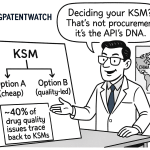
While API capacity is growing, upstream dependency remains. Analysis by USP (U.S. Pharmacopeia) reveals that 16% of KSMs used in US-approved APIs are sole-sourced from India, while 41% are sole-sourced from China.19 Furthermore, for many “Indian” APIs, the fundamental chemical building blocks still originate in China. The PLI 2.0 scheme aims to address this by incentivizing backward integration into chemical synthesis, but true independence in KSMs remains a longer-term (5-10 year) horizon goal compared to the immediate wins in API formulation.
5. The Innovation Pivot: From Generic Volume to Specialty Value
Facing persistent price erosion in the US commoditized generics market—where price deflation often runs in the mid-single digits annually—Indian pharma majors are executing a strategic pivot. The industry is moving from “Volume” (market share in simple pills) to “Value” (high-margin, difficult-to-manufacture therapies). This shift is visible in the rising contribution of “Specialty,” “Complex Generics,” and “Biosimilars” to corporate revenues.
5.1 Sun Pharma: The Specialty Vanguard
Sun Pharmaceutical Industries Ltd. has successfully decoupled its fortunes from the volatility of the generic market by building a dedicated global specialty business. In a landmark achievement during Q2 FY26, Sun Pharma’s sales from Innovative/Specialty Medicines in the US surpassed its generic sales for the first time.26
Key Portfolio Drivers: The growth is powered by a basket of patent-protected assets including Ilumya (tildrakizumab for psoriasis), Cequa (cyclosporine for dry eye), and Odomzo (sonidegib for skin cancer). The recent launch of Leqselvi (deuruxolitinib) for alopecia areata adds another potential blockbuster to this stable.26
Pipeline Expansion: Sun’s acquisition of Checkpoint Therapeutics for $355 million brought Unloxcyt, a novel immunotherapy for cutaneous squamous cell carcinoma, into its pipeline.27 This move signals Sun’s intent to compete in the high-stakes oncology segment against global innovators.
Capital Allocation: The company’s R&D spend has stabilized at ~6% of sales, but crucially, 38% of this budget is allocated exclusively to specialty R&D.27 This disproportionate investment confirms that Sun Pharma views specialty innovation, rather than generic filing velocity, as its primary growth engine.
5.2 Biocon Biologics: The Biosimilar Behemoth
Biocon has bet its future on the thesis that biosimilars (generic versions of biologic drugs) will replicate the small-molecule generic boom of the 2000s. Following the integration of Viatris’s global biosimilars business, Biocon Biologics has emerged as a fully integrated global player.
The 2026 Launch Cycle: Biocon is preparing for a massive wave of launches in 2026 targeting the “Patent Cliff.” Key assets include biosimilars for Keytruda (Pembrolizumab), Opdivo (Nivolumab), and Herceptin SC.29 These three molecules represent an addressable market exceeding $40 billion in originator sales.
Strategic Restructuring: To fully capture the value of this portfolio, Biocon Limited is restructuring to make Biocon Biologics a wholly-owned subsidiary by March 2026.29 This consolidation is designed to streamline decision-making and allow for a potential separate listing (IPO) or strategic stake sale to unlock shareholder value.
5.3 Lupin and Dr. Reddy’s: Complex Generics and “Horizon 2”
Lupin’s Respiratory & Injectable Focus: Lupin is differentiating itself through complex drug-device combinations, particularly in respiratory inhalers (e.g., Albuterol, Spiriva generics). The company plans to launch 20 complex products by 2028.31 A strategic highlight is its partnership with Galenicum to commercialize injectable Semaglutide in Europe and Latin America, demonstrating a “smart partnership” model to enter high-barrier markets.32
Dr. Reddy’s “Horizon 2”: Dr. Reddy’s Laboratories (DRL) has articulated a strategy of “Horizon 1” (defending the generic base) and “Horizon 2” (investing in biologics, cell/gene therapy, and NCEs). Its collaboration with Immutep for an immuno-oncology drug (Eftilagimod Alpha) moves DRL into the realm of Novel Chemical Entities (NCEs), accepting higher clinical risk for the potential of originator-like returns.33
6. The US Market Paradigm: The Patent Cliff and GLP-1 Opportunity
The US market remains the ultimate prize for Indian pharma, but the rules of engagement are changing. The industry is positioning itself for a massive “Patent Cliff” between 2026 and 2029, where drugs generating over $200 billion in annual sales will lose exclusivity.34
6.1 The Semaglutide (Ozempic/Wegovy) Battlefield
The global obesity epidemic has made GLP-1 agonists like Semaglutide the most coveted targets for generic developers. With the patent for Novo Nordisk’s blockbuster expiring in India in March 2026 (and later in the US/EU), the race is on.
Legal Precedents: In 2025, the Delhi High Court issued nuanced rulings in patent litigation involving Sun Pharma, Dr. Reddy’s, and Novo Nordisk. While upholding the patent’s validity until March 2026, the court permitted Indian firms to manufacture and export Semaglutide to nations where the patent does not exist or has expired.36
Strategic Implication: This “manufacturing for export” allowance is a game-changer. It allows Indian companies to scale up production, validate processes, and stockpile inventory before the patent cliff. This ensures they can launch on “Day 1” of patent expiry in India and other regulated markets, preventing a lag that usually favors the originator.
6.2 Key Blockbuster Expiries (2026-2028)
Beyond GLP-1s, Indian firms are targeting a specific set of high-value molecules losing protection.
Table 4: Strategic Generic Targets for Indian Pharma (2026-2028)
Molecule (Brand)
Therapeutic Area
US Patent Expiry
Key Indian Contenders
Market Opportunity
Sitagliptin (Januvia)
Diabetes
2026
Sun Pharma, Lupin
Massive volume; oral solid (low CapEx).
Apixaban (Eliquis)
Anticoagulant
2026-2028
Cipla, Dr. Reddy’s, Sun
One of the world’s best-selling drugs.
Rivaroxaban (Xarelto)
Anticoagulant
2026
Indoco, Aurobindo
High-volume chronic therapy.
Pembrolizumab (Keytruda)
Oncology
2028
Biocon, Dr. Reddy’s
The largest biologic opportunity; high barrier to entry.
Sacubitril/Valsartan (Entresto)
Heart Failure
Mid-2025
Torrent, Cipla
Complex litigation landscape; high value.
Source: Synthesized from Patent Expiry Data.34
The expiry of Eliquis and Januvia patents in 2026 represents a multi-billion dollar opportunity. However, unlike previous cliffs, the entry of Indian players will likely be managed to avoid the rapid 90% price erosion seen in the past, with companies opting for “settled” launches that limit the number of initial competitors.
6.3 The Inflation Reduction Act (IRA) Disruption
The US Inflation Reduction Act introduces a new variable: government price negotiation.
Small vs. Large Molecules: The IRA allows Medicare to negotiate prices for small molecule drugs 9 years after approval, but gives biologics 13 years.39
Impact on Strategy: This policy inadvertently disincentivizes innovation in small molecules (India’s traditional strength) and pushes capital toward biologics. Indian firms like Biocon and Dr. Reddy’s are aligning with this by aggressively expanding their biosimilar pipelines to capitalize on the longer exclusivity runway.40
Generic Pricing: There is a risk that if originator companies are forced to lower prices by Medicare, the “headroom” for generic pricing will shrink, compressing margins for Indian exporters.
7. Technological Transformation: Digital Lighthouses and AI
To combat pricing pressure and regulatory risks, Indian pharma is embracing Industry 4.0. The sector is transitioning from “digitization” (converting paper to digital) to “digitalization” (using data to drive autonomous processes).
7.1 Dr. Reddy’s Digital Lighthouse: A Global Benchmark
Dr. Reddy’s Laboratories’ manufacturing facility in Hyderabad (FTO-3) has been recognized by the World Economic Forum as a “Global Digital Lighthouse,” joining an elite network of the world’s most advanced factories.41
Operational Intelligence: The facility deploys over 40 distinct AI/Analytics use cases. This includes Digital Twins for process simulation, allowing operators to predict batch outcomes before physical production begins.
Tangible ROI: The digital transformation resulted in a 43% reduction in manufacturing costs, a 30% reduction in lead time, and a 41% reduction in energy consumption.41
Significance: This case study debunks the myth that Indian manufacturing relies solely on cheap labor. It demonstrates that Indian firms can compete on operational excellence driven by deep technology, creating a “moat” against competitors who rely purely on cost arbitrage.
7.2 AI in Drug Discovery and Development
Indian companies are moving upstream, utilizing Artificial Intelligence to compress the drug discovery timeline.
Ecosystem Collaboration: The launch of the Center of Excellence for AI in Healthcare (AI-CoE) in 2025, with ₹330 crore in funding, represents a public-private partnership between the government, IITs, and pharma majors to build indigenous AI capabilities.42
Application: Companies like Laurus Labs and Peptris are using AI to optimize chemical synthesis routes (reducing waste and cost) and to screen millions of molecules for potential toxicity in silico (reducing the failure rate in wet labs).42 This capability is essential for firms attempting to transition from reverse-engineering generics to discovering Novel Chemical Entities (NCEs).
8. Corporate Strategy Deep Dives: The Major Players
8.1 Sun Pharmaceutical Industries Ltd.
Financial Stature: Sun Pharma reported Q2 FY26 revenues of ₹144 billion (+8.6% YoY) with an EBITDA margin of 31.3%, reflecting superior profitability compared to peers.28
Core Strategy: The company is executing a “Specialty First” strategy. By focusing on dermatology, ophthalmology, and oncology, Sun has built a brand equity that insulates it from generic price wars.
Risk Profile: The continued OAI status of its Halol facility remains a drag on its generic business, preventing new approvals from that site. The success of its newly launched alopecia drug, Leqselvi, will be a critical test of its commercial execution in a competitive US dermatology market.
8.2 Dr. Reddy’s Laboratories (DRL)
Financial Stature: Q3 FY26 revenues stood at ₹87.2 billion (+4.4% YoY). However, profits faced pressure due to declining sales of its blockbuster generic Revlimid (Lenalidomide) in the US.43
Core Strategy: DRL operates on a “Dual Horizon” model. Horizon 1 maximizes cash flow from generics to fund Horizon 2—high-risk bets in biosimilars, cell therapy, and NCEs. The company is also aggressively expanding its footprint in China and Brazil to reduce US dependency.
Differentiation: Its Digital Lighthouse status gives it a structural cost advantage in manufacturing, allowing it to remain profitable even in commoditized segments where peers might exit.
8.3 Cipla Ltd.
Financial Stature: Cipla posted record quarterly revenue exceeding ₹75 billion in Q2 FY26, driven by its dominance in the respiratory segment.44
Core Strategy: “Lung Leadership.” Cipla commands a 22% market share in the US Albuterol market and holds leadership positions in India across respiratory and urology therapies.
Future Outlook: The company plans 4 major respiratory launches by 2026, including complex generic inhalers (gAdvair). This focus on “device-dependent” generics creates a high barrier to entry for competitors, protecting Cipla’s margins.44
8.4 Torrent Pharmaceuticals
Financial Stature: Torrent is distinct for its high exposure to the branded generic markets of India and Brazil, with less reliance on the US commodity market.
Strategic Consolidation: The defining move for Torrent is its acquisition of a controlling stake in JB Chemicals for approximately $3 billion. This acquisition propels Torrent into the top 5 of the Indian market and adds a lucrative portfolio of chronic therapies (cardiac, GI).45
Brazil Strategy: Torrent is positioning itself to be a leader in the Brazilian generic market, targeting double-digit growth and preparing for the launch of generic GLP-1s in the region.8
9. Mergers, Acquisitions, and Capital Allocation
The Indian pharmaceutical sector is witnessing a consolidation wave, driven by the need for scale, technology acquisition, and market access.
Deal Velocity: In Q3 2025 alone, the sector recorded deals worth $3.5 billion, signaling a resurgence in M&A activity after a quiet 2024.47 Private Equity (PE) is playing a growing role, fueling consolidations in the CDMO and hospital segments.
Strategic Intent: Acquisitions are no longer just about buying revenue (scale). They are about buying capabilities. Sun Pharma’s purchase of Checkpoint Therapeutics was about acquiring a specific molecule (Unloxcyt) and oncology expertise. Torrent’s bid for JB Chemicals was about consolidating dominance in the domestic chronic therapy market.
Latin America Focus: Companies are increasingly looking at assets in Brazil and Mexico. The potential acquisition of assets in these regions allows Indian firms to bypass regulatory hurdles and gain immediate access to established distribution networks.8
10. Sustainability and ESG: Beyond Compliance
Sustainability has graduated from a Corporate Social Responsibility (CSR) activity to a core business metric, influenced by investor demands and global supply chain requirements.
Sun Pharma’s Water Positivity: Sun Pharma has set an aggressive target to be “Water Positive” by 2030. It has already achieved a ~25% reduction in absolute water consumption and a ~21% reduction in carbon emissions compared to its 2020 baseline.49
Green Manufacturing: The push for fermentation-based APIs under the PLI scheme also brings environmental challenges (waste management). Leading firms are investing in Zero Liquid Discharge (ZLD) facilities and green chemistry to ensure that the return of API manufacturing to India does not come at an ecological cost.
Investor Pressure: With inclusion in indices like the S&P Global Sustainability Yearbook becoming a badge of honor (and a criteria for foreign institutional investors), Indian pharma companies are rigorously tracking and reporting Scope 1 and Scope 2 emissions.51
11. Conclusion: The Road to 2030
The Indian pharmaceutical industry in 2025-2026 stands at a definitive inflection point. The era of “simple growth”—driven by shipping container-loads of basic generic pills to the US—is concluding. In its place, a sophisticated, capital-intensive, and technology-driven industry is emerging.
Key Trends Shaping the Decade (2026-2030):
API Decoupling with Protectionism: India will likely achieve sovereignty in critical antibiotics like Penicillin G, but this will require sustained government protection (MIPs) against Chinese pricing aggression. The supply chain will be more secure, but potentially at a higher domestic cost.
Valuation Rerating: Companies like Sun Pharma and Biocon, with substantial revenue from specialty and biologics, will see their valuation multiples decouple from pure-play generic manufacturers. The market will value “Pipeline” over “Plant Capacity.”
The Biosimilar Dividend: As the US and Europe struggle with healthcare costs, Indian biosimilars will become indispensable. By 2030, India could capture a double-digit share of the global biosimilars market, mirroring its success in small molecules.
Regulatory Consolidation: The widening gap between “compliant” digital factories and “non-compliant” legacy units will force consolidation. Smaller players unable to afford the capex for Industry 4.0 and digital quality systems will be acquired or exit the regulated export markets.
Ultimately, India is successfully upgrading its status from the world’s “back office” pharmacy to a co-developer of value, secured by domestic supply chains and powered by digital manufacturing. The “Pharmacy of the World” is not just getting bigger; it is getting smarter.
48 Projects have been approved under the Production Linked Incentive Scheme for promotion of domestic manufacturing of critical Key Starting Materials (KSMs) / Drug Intermediates (DIs) and Active Pharmaceutical Ingredients (APIs) in India – PIB, accessed January 21, 2026, https://www.pib.gov.in/PressReleasePage.aspx?PRID=2146914