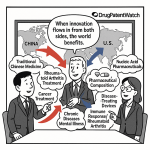
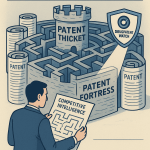
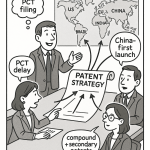
Imagine a battlefield where innovation meets competition, and the stakes are not just profits but access to life-saving medicines. This is the arena of drug patent opposition proceedings, where companies, advocacy groups, and even individuals challenge the validity of pharmaceutical patents. These proceedings are a critical checkpoint in the patent system, ensuring that only truly novel and inventive drugs receive the monopoly protection that patents provide. In the pharmaceutical industry, where a single patent can dictate market dynamics for years, understanding how to navigate these proceedings is essential for turning patent data into a competitive advantage.
“Patent oppositions are important for several reasons. Firstly, they help to ensure that patents are valid and do not hinder the development of generic versions of drugs. Secondly, they provide a mechanism for challenging the validity of patents that may have been granted in error. Finally, they help to promote innovation by encouraging the development of new and improved treatments.” [1]
This article explores the intricacies of handling drug patent opposition proceedings, offering actionable insights for business professionals in the pharmaceutical sector. From legal frameworks to strategic approaches, we’ll dive into how to effectively challenge or defend patents, using real-world examples and data-driven tools like DrugPatentWatch.
Legal Framework for Patent Oppositions
Patent opposition proceedings vary significantly across jurisdictions, each with its own rules, timelines, and grounds for challenge. Understanding these differences is crucial for pharmaceutical companies operating in global markets. Below, we examine the frameworks in three key regions: the United States, the European Union, and India.
United States
In the U.S., the primary mechanism for challenging a granted patent is the Inter Partes Review (IPR), introduced under the America Invents Act (AIA) in 2012. IPR allows third parties to challenge a patent’s validity before the Patent Trial and Appeal Board (PTAB) based on prior art under 35 U.S.C. §§ 102 (novelty) or 103 (obviousness). The process begins with a petition filed at least nine months after the patent’s grant or after a post-grant review (PGR) concludes. Statistics from 2013-2014 show an 82.8% institution rate for IPR petitions, indicating a high likelihood of review [2]. This high rate has led some, like former Chief Judge Randall Rader, to controversially describe the PTAB as a “death squad” for patents due to its high invalidation rates [3].
Additionally, the Post-Grant Review (PGR) allows challenges within nine months of a patent’s issuance, covering broader grounds like patentable subject matter or written description. However, PGR is less common for pharmaceutical patents, as it applies only to patents filed under the first-inventor-to-file system post-March 2013.
European Union
In the EU, the European Patent Office (EPO) oversees opposition proceedings for European patents. Any member of the public (except the patentee) can file an opposition within nine months of the patent grant’s publication, based on grounds like lack of patentability, insufficient disclosure, or added subject matter (Article 100 EPC) [4]. In 2023, the EPO received 3,500 opposition filings, with 38% of opposed patents revoked, 32% maintained in amended form, and 30% upheld unchanged [5]. These statistics highlight the effectiveness of EPO oppositions in refining or eliminating questionable patents.
India
India’s patent system is unique, offering both pre-grant and post-grant oppositions. Pre-grant oppositions can be filed by any party after a patent application is published but before grant, often by generic manufacturers or civil society groups. Post-grant oppositions must be filed within one year of the grant’s publication. A distinctive feature is Section 3(d) of the Indian Patents Act, which requires new forms of known substances to demonstrate significantly enhanced efficacy, a provision that has blocked “evergreening” attempts by pharmaceutical companies [6]. Oppositions in India have been instrumental in increasing drug accessibility, as seen in high-profile cases like Novartis v. Union of India.
Importance in the Pharmaceutical Industry
Patent oppositions play a pivotal role in the pharmaceutical sector, balancing innovation with public access to medicines. By challenging patents that may not meet legal standards, oppositions prevent unwarranted monopolies, enabling generic competition that lowers drug prices. For instance, successful oppositions in India have led to affordable generics for diseases like HIV/AIDS, significantly impacting global health [7].
Moreover, oppositions foster innovation by encouraging companies to develop truly novel treatments rather than relying on incremental modifications. The competitive pressure from oppositions drives research and development, ensuring that the industry remains dynamic. As noted by Médecins Sans Frontières, “The patent opposition mechanism is a critical public health safeguard under the Indian Patents Act” [8], underscoring its role in ensuring affordable access to medicines.
Case Example: Novartis v. Union of India
A landmark case illustrating the impact of oppositions is Novartis v. Union of India, involving the drug Gleevec (imatinib mesylate). In 2005, Novartis’ patent application faced pre-grant oppositions from generic companies and advocacy groups, citing Section 3(d) for lacking enhanced efficacy over known compounds. The Indian Patent Office and subsequent appeals rejected the application, and the Supreme Court upheld the decision in 2013, allowing generic versions to remain affordable [9]. This case highlights how oppositions can prioritize public health over extended patent monopolies.
Filing a Patent Opposition
Filing an opposition requires a strategic approach, grounded in a clear understanding of legal requirements and robust evidence. Below, we outline the key aspects of this process.
Grounds for Opposition
Oppositions typically rely on specific legal grounds, which vary by jurisdiction but commonly include:
Lack of Novelty: The invention was disclosed in prior art before the patent’s filing date.
Lack of Inventive Step: The invention is obvious to a person skilled in the art.
Insufficient Disclosure: The patent does not provide enough detail for a skilled person to replicate the invention.
Added Subject Matter: The patent includes content not present in the original application (common in EPO oppositions).
Non-Patentable Subject Matter: The invention does not meet patentability criteria, such as India’s Section 3(d) for pharmaceuticals.
In the U.S., IPRs are limited to novelty and obviousness based on prior art, while EPO and Indian systems allow broader grounds, including procedural issues like failure to disclose foreign applications [10].
Procedural Steps
The process for filing an opposition varies by jurisdiction:
United States (IPR): File a petition with the PTAB, including prior art and arguments, within the specified timeline. Pay a fee (approximately $41,400 for up to 20 claims in 2025). The patentee has three months to respond, followed by a PTAB decision on institution within six months [11].
European Union (EPO): Submit a notice of opposition within nine months of grant publication, with a fee (around €880 in 2025). Include grounds, evidence, and arguments. The opposition division reviews submissions, often culminating in oral proceedings [12].
India: For pre-grant oppositions, file after publication but before grant, with no fee. Post-grant oppositions require a fee and must be filed within one year. Both involve submitting evidence and may include hearings [13].
Thorough preparation, including comprehensive prior art searches, is critical. For example, over 85% of successful patent invalidations in China rely on prior art demonstrating lack of novelty or inventiveness [14].
Defending Against a Patent Opposition
For patent holders, defending against an opposition requires proactive preparation and strategic responses. Below are key strategies and considerations.
Strategies for Patent Holders
Amending Claims: Narrowing claims to avoid prior art or clarify the invention’s scope can preserve the patent, as seen in 32% of EPO oppositions in 2023 where patents were maintained in amended form [5].
Providing Additional Data: Submitting experimental data or expert testimony to demonstrate novelty or inventive step can strengthen the patent’s validity.
Legal Arguments: Counter the opponent’s claims by highlighting flaws in their evidence or legal reasoning. Engaging experienced patent attorneys is crucial.
Preparing for Oral Proceedings
Oral proceedings are common in EPO oppositions and some Indian cases, where parties present arguments before a panel. Preparation involves:
Early Evidence Submission: Late-filed evidence may be rejected unless deemed “crucially relevant” by the EPO [15].
Clear Presentation: Practice concise, persuasive arguments, often delivered by a European Patent Attorney. Involve technical experts if needed.
Anticipating Counterarguments: Prepare responses to potential opponent claims to avoid surprises during hearings.
Case Studies
Real-world examples illustrate the stakes and strategies in drug patent oppositions.
Novartis v. Union of India
In 2005, Novartis sought a patent for Gleevec in India, but generic companies and advocacy groups filed pre-grant oppositions, arguing the drug was a new form of a known substance without enhanced efficacy under Section 3(d). The Indian Patent Office rejected the application, a decision upheld by the Supreme Court in 2013. This allowed generic manufacturers to continue supplying affordable imatinib, significantly impacting HIV/AIDS treatment globally [9].
Highly Opposed Patents
Another notable case is Novartis’ patent EP2959894B1 for Gilenya®, a multiple sclerosis treatment, which faced 23 oppositions at the EPO. Its single-claim structure made it a prime target, reflecting the intense competition in the pharmaceutical sector [16]. While specific outcomes are not publicly detailed, the high number of oppositions underscores the strategic use of oppositions to challenge blockbuster drug patents.
Strategies for Handling Opposition Proceedings
Success in opposition proceedings requires tailored strategies for both challengers and patent holders.
For Challengers
Comprehensive Prior Art Searches: Invest in thorough searches to identify prior art that undermines novelty or inventive step. Tools like DrugPatentWatch can streamline this process by providing patent and prior art data [17].
Building a Strong Case: Present clear, evidence-based arguments, supported by expert testimony if needed. In India, civil society groups have successfully used public health arguments to bolster oppositions [7].
Collaborating with Legal Experts: Engage patent attorneys with jurisdiction-specific expertise to navigate procedural complexities.
For Patent Holders
Robust Patent Applications: Draft claims with clear, defensible scope and comprehensive disclosure to withstand challenges.
Anticipating Challenges: Monitor competitor activities and patent landscapes using tools like DrugPatentWatch to predict potential oppositions [17].
Proactive Patent Management: Regularly review and strengthen patent portfolios to address vulnerabilities before oppositions arise.
Role of Patent Data and Analytics
Data-driven tools are transforming how companies approach patent oppositions. Platforms like DrugPatentWatch provide critical insights into patent expirations, litigation histories, and generic entry opportunities (https://www.drugpatentwatch.com/). For challengers, these tools help identify patents vulnerable to opposition, such as those nearing expiration or with weak claims. For patent holders, they offer data to assess patent strength and anticipate challenges. By analyzing global patent data, companies can make informed decisions, reducing risks and maximizing competitive advantage.
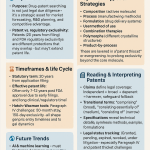
Future Trends and Challenges
The landscape of patent oppositions is evolving, driven by legal and technological changes:
Evolving Legal Frameworks: The introduction of the Unified Patent Court (UPC) in Europe may influence EPO oppositions, with options for accelerated processing in parallel UPC proceedings [18].
Technological Advancements: Advances in AI and data analytics are enhancing prior art searches and patent analysis, making oppositions more precise and efficient.
Global Health Considerations: Increasing focus on public health, especially in developing countries, may strengthen opposition mechanisms like India’s Section 3(d).
Conclusion
Handling drug patent opposition proceedings is a complex but essential skill for pharmaceutical companies. By understanding legal frameworks, leveraging data tools like DrugPatentWatch, and adopting strategic approaches, businesses can turn patent challenges into opportunities. Whether challenging a competitor’s patent or defending your own, thorough preparation and informed decision-making are key to success in this high-stakes arena.
Key Takeaways
Patent oppositions ensure only valid patents are granted, balancing innovation with public access to medicines.
Tools like DrugPatentWatch enhance decision-making by providing patent and litigation data.
Successful oppositions, like Novartis v. Union of India, demonstrate the public health impact of challenging weak patents.
Thorough preparation, including prior art searches and legal expertise, is critical for both challengers and patent holders.
FAQ
What is a patent opposition proceeding? A patent opposition proceeding is a legal process allowing third parties to challenge the validity of a patent application (pre-grant) or granted patent (post-grant) on grounds like lack of novelty or inventive step.
Why are patent oppositions important in the pharmaceutical industry? They prevent unwarranted monopolies, enable generic competition, lower drug prices, and promote innovation by ensuring only truly novel inventions are patented.
What are the common grounds for filing a patent opposition? Common grounds include lack of novelty, lack of inventive step, insufficient disclosure, added subject matter, and, in India, failure to meet enhanced efficacy requirements under Section 3(d).
How can patent holders defend against oppositions? Patent holders can amend claims, provide additional evidence, or counter opponent arguments, supported by thorough preparation and legal expertise.
What role do tools like DrugPatentWatch play in patent oppositions? DrugPatentWatch provides data on patent expirations, litigation, and generic entry, helping companies identify opposition targets or strengthen their patent defenses.