A deep-dive reference for pharma IP teams, R&D leads, and institutional investors on the science, strategy, and commercial mechanics of systematic drug repurposing.
Executive Summary
The global drug repurposing market was worth $34.08 billion in 2024. It is projected to reach $53.69 billion by 2033 at a compound annual growth rate of 5.18%, with some analyses projecting $59.30 billion by 2034 at 5.42% CAGR. Those numbers are large enough to matter on a pharma balance sheet, but the headline figures obscure the deeper commercial logic: repurposed drugs already account for 25% to 40% of annual pharmaceutical sales, roughly one-third of all new FDA approvals involve repurposed compounds, and the average cost to get a repurposed drug to market sits around $300 million compared with $2 to $3 billion for a novel chemical entity.
The efficiency advantage is real and well-documented. What is less understood is the IP architecture that determines whether a company captures the economic upside from a repurposing program or hands it to a generic manufacturer six months after launch. Method-of-use patents, secondary formulation filings, Paragraph IV challenges, and the FDA 505(b)(2) pathway each play specific, interlocking roles in that architecture. Understanding them precisely, not in broad strokes, separates programs that generate durable revenue from those that generate academic citations.
This pillar page covers the full stack: the discovery science, the translational technologies, the regulatory mechanics, the IP strategy, the commercial execution, and the investment implications. It is built for readers who already know what a Paragraph IV filing is and want to understand how it intersects with a biosimilar interchangeability designation or a CRISPR-validated synthetic lethality screen.
Key Takeaways
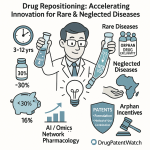
Repurposed drugs reach the market in 3 to 12 years versus 10 to 17 years for novel compounds, cutting average timelines by 6 to 7 years. Development costs run 50 to 60% below de novo programs. Phase II and III success rates for repurposed candidates that cleared Phase I for their original indication reach approximately 30%, versus under 10% for first-in-class molecules. The 505(b)(2) NDA pathway compresses timelines by 5 to 10 years relative to a full 505(b)(1) filing. Method-of-use patents offer theoretical exclusivity that generic substitution rules can practically undermine; secondary formulation patents and Orphan Drug Designation provide more durable protection for off-patent molecules. Patent analytics tools, particularly those tracking Paragraph IV filing activity against a compound’s full secondary patent stack, give R&D and business development teams an early warning system for competitive entry that no internal legal review can replicate.
Investment Strategy
Institutional investors evaluating drug repurposing programs should assess four variables before pricing a position. First, the composition-of-matter clock: is the primary patent already expired, and if so, what secondary IP exists? Second, the regulatory pathway: is the sponsor filing under 505(b)(2) or seeking a supplemental NDA, and what bridging data requirements remain? Third, the orphan or rare disease angle: does the new indication qualify for Orphan Drug Designation, which confers seven years of market exclusivity in the U.S. and ten years in the EU, independent of the original patent term? Fourth, the generic substitution risk: in the target indication, how easily can a pharmacist substitute the off-label generic at point of dispensing? Programs with strong secondary patent stacks, orphan eligibility, and formulary-level protections warrant premium valuation multiples over programs relying solely on method-of-use patents for off-patent small molecules.
1. The Strategic Case for Repositioning
1.1 Defining the Discipline
Drug repositioning, also called drug repurposing, reprofiling, or re-tasking, is the use of an existing drug, whether approved, discontinued, or shelved after Phase II failure, for a therapeutic indication other than the one it was originally developed for. The definition covers several operationally distinct scenarios: a fully approved drug seeking a supplemental indication, a compound that cleared Phase I safety trials but failed Phase II efficacy redirected to a new target, and a drug withdrawn from one market due to commercial failure but with an established safety record that supports clinical use in a different disease.
‘Drug rescue’ is a specific sub-category that describes the redirection of compounds abandoned due to insufficient efficacy in their original indication, provided their human safety profile remained acceptable. Drug rescue accounts for a meaningful share of repurposing activity because the original clinical package, particularly the Phase I safety and pharmacokinetic data, is directly transferable to the new program with minimal additional work.
The scope also includes development of alternate formulations for the same active pharmaceutical ingredient (API), new delivery routes for existing molecules, and combination products pairing an established drug with a second active or a medical device. Each of these generates distinct IP and regulatory treatment, which is covered in detail in Section 5.
1.2 From Serendipity to Systematic Discovery
For most of the twentieth century, repurposing happened by accident. An astute clinician noticed an unexpected effect, documented it in a case report, and years of informal off-label use preceded any formal development program. That model still produces discoveries, but it is no longer the primary source. The field has shifted to deliberate, hypothesis-driven programs built on multi-omics datasets, AI-generated interaction predictions, and high-throughput preclinical validation.
The shift matters strategically. Serendipitous discoveries tend to surface late, after a drug has already lost patent protection or after generic manufacturers have established supply chains. Systematic discovery can identify a repurposing opportunity while the original compound patent still has runway, allowing the sponsor to file method-of-use and formulation patents before the generic wave arrives.
Sildenafil: Clinical Observation as IP Genesis
Sildenafil is the most-cited example of serendipitous repurposing, but what is less discussed is the IP execution that followed the clinical observation. Pfizer developed sildenafil in the early 1990s as a phosphodiesterase type 5 (PDE5) inhibitor targeting angina through coronary vasodilation. Phase I trials were largely unremarkable on the primary endpoint, but male participants consistently reported penile erections as an adverse event. The original indication was effectively abandoned.
Pfizer filed U.S. Patent 5,250,534 in 1993, covering sildenafil itself as a composition of matter. The compound was approved for erectile dysfunction under the brand Viagra in March 1998. By that point, Pfizer had constructed a secondary patent estate covering the method of use in ED, specific dosing regimens, and pharmaceutical formulations. Viagra generated peak annual sales of $2.05 billion in 2012 and has produced over $35 billion in cumulative worldwide revenue since launch.
The repurposing did not end with ED. Pfizer subsequently obtained approval for sildenafil as Revatio for pulmonary arterial hypertension (PAH) in June 2005, covered by a separate method-of-use patent. The PAH indication extended Pfizer’s commercial window on the molecule by years after the primary composition patent expired in 2012 in the U.S. Generic sildenafil for ED launched in December 2017 following Paragraph IV litigation by Teva and others, but Revatio’s separate regulatory approval and labeling maintained formulary differentiation in the PAH market for an additional period.
IP Valuation Note: At peak, sildenafil’s combined IP estate, spanning the composition patent, the ED method-of-use patent, the PAH method-of-use patent, and formulation patents for the 20 mg tablet used in PAH, represented an asset valued in the multiple billions when discounted against remaining exclusivity. The PAH indication alone generated annual sales of roughly $350 million to $500 million at peak. This is the template repurposing programs are benchmarked against: a primary composition patent followed by a second and third indication, each with its own method-of-use patent, each extending the commercial life of a single molecule.
Thalidomide and the IMiD Franchise: Building a Patent Cascade from a Disgraced Molecule
Thalidomide’s history is well known. Introduced as a sedative and anti-emetic in the late 1950s, its teratogenicity led to global withdrawal by 1962. The drug caused an estimated 10,000 cases of severe limb malformations in infants worldwide. The tragedy directly precipitated the Kefauver-Harris Amendments of 1962, which gave the FDA authority to require proof of efficacy, not just safety, before approval.
Jacob Sheskin’s 1965 observation that thalidomide resolved erythema nodosum leprosum (ENL), a painful inflammatory complication of leprosy, marked the beginning of its clinical rehabilitation. FDA approval for ENL came in 1998, accompanied by the System for Thalidomide Education and Prescribing Safety (S.T.E.P.S.), a restricted distribution program that became the regulatory template for Risk Evaluation and Mitigation Strategies (REMS) applied to high-risk drugs.
Celgene licensed thalidomide for ENL and then, critically, for multiple myeloma in 2006. The IP strategy Celgene executed around thalidomide is more instructive than the drug itself. Recognizing that thalidomide’s composition patent had long expired, Celgene built its IP protection around the restricted distribution program, proprietary method-of-use patents covering specific combination regimens (particularly thalidomide plus dexamethasone in newly diagnosed myeloma), and the REMS as a practical barrier to generic entry.
More consequentially, Celgene used thalidomide’s clinical and mechanistic learnings to develop lenalidomide (Revlimid), an immunomodulatory imide drug (IMiD) structurally related to thalidomide but with enhanced potency and a cleaner tolerability profile. Revlimid received FDA approval for myelodysplastic syndromes with a deletion 5q abnormality in December 2005, for relapsed/refractory multiple myeloma in June 2006, and for newly diagnosed multiple myeloma in combination with dexamethasone in February 2015. Celgene then developed a third-generation IMiD, pomalidomide (Pomalyst), approved for relapsed/refractory multiple myeloma in February 2013.
IP Valuation Note: The Revlimid patent estate is among the most studied in pharmaceutical patent law. Celgene’s composition-of-matter patent on lenalidomide was set to expire in 2019, but Celgene constructed a wall of secondary patents covering polymorphic forms, processes, and formulations. Celgene also entered into volume-limited authorized generic agreements with multiple generic manufacturers that delayed full generic competition until January 2026, as structured settlements of Paragraph IV litigation. Revlimid generated $12.82 billion in global net sales in 2021 alone, before Bristol-Myers Squibb’s acquisition of Celgene in 2019. The full IMiD franchise, from thalidomide through pomalidomide, represents a textbook case of how a single repurposed molecule, properly IP-engineered, can seed a multi-drug franchise worth tens of billions in enterprise value.
Key Takeaways: Section 1
The serendipitous-to-systematic transition in drug repurposing is not just a scientific evolution. It is an IP strategy shift. Companies that identify repurposing opportunities early, before patent expiry of the original composition, can build layered patent estates covering the new indication, new formulations, and new combination regimens. Those that discover opportunities after patent expiry must rely on method-of-use patents of limited practical enforceability, orphan drug exclusivity, or REMS-based distribution barriers. The Celgene/thalidomide-to-IMiD trajectory illustrates that a repurposed molecule can anchor an entirely new drug class if the chemistry and patent execution are done in parallel.
2. The R&D Economics of Repurposing
2.1 Cost Structure Compared to De Novo Discovery
Bringing a first-in-class new chemical entity to FDA approval requires, on average, 10 to 17 years and $2 to $2.8 billion in fully capitalized R&D costs, inclusive of the cost of failed candidates that never reach approval. The clinical attrition rate exceeds 90%, with the highest failure rates in Phase II, where efficacy rather than safety is the primary readout.
Repurposed drugs cut the cost to approximately $300 million and the timeline to 3 to 12 years. The savings come from specific line items, not from generalized efficiency. Phase I studies represent roughly 20 to 30% of total clinical development cost for a novel compound. Repurposed candidates can eliminate this entirely when the original IND package and Phase I data are transferable to the new indication. Preclinical toxicology, formulation development, and manufacturing scale-up are similarly compressed because the compound’s properties are already well-characterized. The FDA’s 505(b)(2) pathway formalizes the regulatory recognition of this existing data package, permitting applicants to reference it without regenerating it, cutting another 5 to 10 years from the approval timeline.
The 50 to 60% reduction in overall development cost is not uniform across program types. A small-molecule repurposing program targeting a new indication within the same therapeutic area, using an existing formulation and dose, represents the low end of cost and timeline. A biologic being repositioned for a new indication, requiring new clinical pharmacology studies, dose-finding work, and indication-specific safety monitoring, approaches the cost and timeline of a de novo small-molecule program.
2.2 Risk-Adjusted Return Calculations
The financial case for repositioning depends on three compounding advantages: lower absolute cost, shorter time to revenue, and higher clinical success rates. Phase I-to-approval success rates for repurposed candidates that cleared Phase I for the original indication run approximately 30%, versus under 10% for first-in-class molecules. Adjusting for these differential success rates dramatically changes net present value (NPV) calculations.
A simplified comparison: a novel oncology compound with a 10% approval probability, a $2 billion development cost, and a 12-year timeline to market has a risk-adjusted NPV that requires peak sales of $5 billion or more to be positive at most hurdle rates. A repurposed compound in the same indication with a 30% approval probability, a $300 million development cost, and a 5-year timeline can generate positive NPV at peak sales of $500 million to $1 billion, making it viable in indication sizes that would never justify a de novo program.
This arithmetic is why repurposing is structurally attractive for rare disease and orphan drug programs, where the patient population is small but clinical success probabilities are higher and regulatory incentives (7 years of U.S. market exclusivity, priority review, fee waivers, tax credits on clinical trial costs) significantly improve the return profile.
2.3 The Patent Cliff Defense
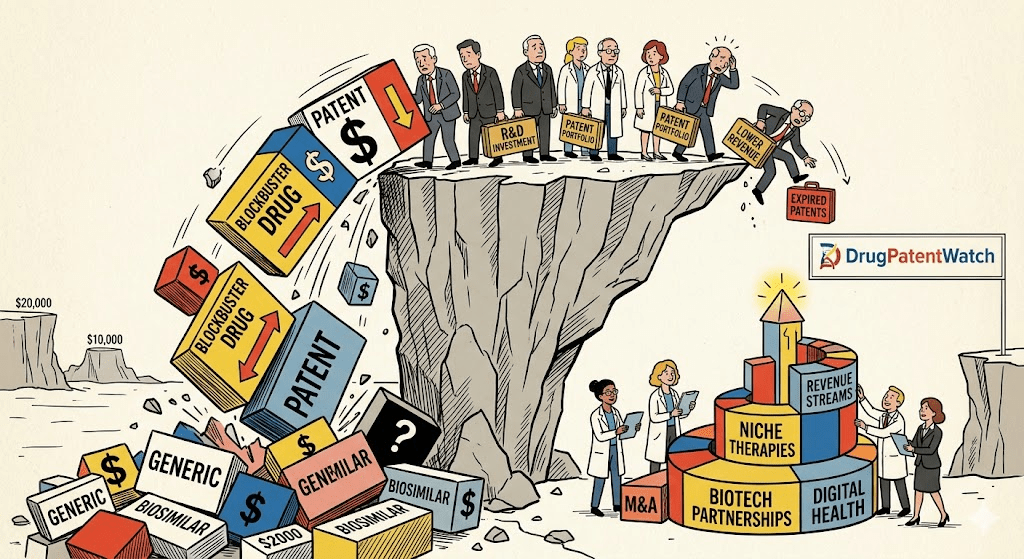
The patent cliff, the revenue collapse that occurs when a branded drug loses market exclusivity and generics enter, is the most predictable risk in a pharmaceutical company’s financial model. For drugs generating $1 billion or more in annual revenue, the cliff can materialize as a 70 to 90% revenue decline within 12 months of generic entry. Drug repurposing is one of the primary structural defenses against this dynamic.
The mechanics are straightforward. A company with a blockbuster drug approaching patent expiry can file for a new indication, paired with a new formulation patent or dosing regimen patent, to extend the period during which it has at least some on-patent, branded revenue from the molecule. The strategy does not prevent generics from entering the original indication but can maintain branded pricing and formulary access in the new indication, where the generic’s label will not include the new use.
Patent analytics tools, specifically those tracking the Paragraph IV filing activity against each patent in a drug’s Orange Book listing, are the practical instrument for monitoring how aggressively generic manufacturers are contesting the secondary patent estate. A cluster of Paragraph IV certifications against formulation and method-of-use patents in the same 12-month period signals that generic entry into the new indication market is likely 30 months post-filing or sooner if the litigation fails.
2.4 Orphan Drug Economics
Orphan Drug Designation (ODD) through the FDA’s Office of Orphan Products Development applies to drugs targeting diseases affecting fewer than 200,000 people in the U.S. The EU equivalent threshold is fewer than 5 in 10,000 persons. ODD confers seven years of U.S. market exclusivity upon approval (ten years in the EU), independent of patent status. A drug can be off-patent as a composition of matter and still receive seven years of orphan exclusivity for a rare disease indication, which functions as a regulatory bar to generic competition regardless of patent challenges.
For repurposing programs, ODD is the most durable form of exclusivity available for off-patent molecules. Combined with the FDA’s pediatric exclusivity extension of six months (available when pediatric studies are completed per a written request from FDA), a repurposed off-patent generic can carry up to 7.5 years of market exclusivity in the U.S. for a rare disease indication. The economics favor this structure: rare disease drugs command high per-unit pricing (annual treatment costs for many orphan drugs exceed $100,000 per patient), and the limited patient population reduces commercial launch costs.
Investment Strategy Note: Investors evaluating pre-commercial repurposing companies should weight ODD eligibility heavily. A company with ODD for a well-characterized repurposed molecule has a defined exclusivity window independent of patent litigation risk. The combination of ODD, a 505(b)(2) pathway, and existing Phase I safety data provides a competitive moat that small-molecule generic manufacturers cannot breach for the duration of the orphan exclusivity period. Multiple recent transactions, including Horizon Pharma’s $3.3 billion acquisition by Amgen and Jazz Pharmaceuticals’ continued orphan drug expansion, reflect institutional capital’s comfort with this specific combination of risk factors.
Key Takeaways: Section 2
Repurposed drug economics beat de novo economics on every financial metric: cost, timeline, and risk-adjusted success rate. The patent cliff defense use case is economically defensible but requires the secondary IP to be filed and prosecuted before generic manufacturers file Paragraph IV certifications against the primary estate. Orphan Drug Designation is the most reliable exclusivity instrument for off-patent repurposed molecules in rare disease indications and should be pursued in parallel with the regulatory approval filing whenever the indication qualifies.
Investment Strategy: Section 2
When building financial models for repurposing programs, investors should apply success probability adjustments of 25 to 35% for repurposed candidates with existing human safety data, 50 to 60% for those with positive Phase II data in the new indication, and the standard 75 to 85% for those entering Phase III. These figures are consistent with published FDA cohort data and significantly exceed the corresponding rates for novel compounds. The largest NPV risk in a repurposing model is not clinical failure but IP erosion. Model generic entry scenarios at three points: 30 months post-Paragraph IV filing if the patent litigation fails, at the method-of-use patent expiry date, and at the end of any orphan or pediatric exclusivity period. The spread between these scenarios often represents the most material source of valuation variance.
3. Discovery Technologies: How New Indications Get Found
3.1 AI and Machine Learning in Indication Finding
Computational drug repurposing uses algorithms trained on heterogeneous biological datasets, including gene expression profiles, protein-protein interaction networks, clinical trial outcomes, pharmacovigilance reports, and electronic health records, to predict which approved compounds might be efficacious in diseases they were never tested in. The approach is not new conceptually; systematic mining of drug-disease relationships has been attempted since the early 2000s using basic bioinformatics tools. What has changed is the quality of training data and the sophistication of the models.
Modern AI-driven repurposing platforms use transformer-based architectures, graph neural networks (GNNs), and multi-task learning models. The GNN approach is particularly well-suited to drug repurposing because the underlying problem is naturally represented as a graph: drugs, proteins, diseases, and phenotypes are nodes, and the interactions between them, binding affinities, regulatory relationships, pathway memberships, are edges. A GNN trained on a comprehensive biological knowledge graph can traverse these relationships to identify drugs that modulate pathways implicated in a disease, even when no direct experimental data links the drug to that disease.
The clinical output of these models is an indication score, a probability-weighted prediction that a given drug will show efficacy in a given disease. High-scoring predictions are prioritized for experimental validation. The practical efficiency gain is substantial: AI screening narrows the candidate space from thousands of approved drugs to a curated short-list of tens or hundreds for wet-lab validation, reducing the experimental burden by one to two orders of magnitude.
Projected Phase I success rates for AI-discovered drug candidates, across both novel and repurposed compounds, are estimated at 80 to 90% compared with 40 to 65% historically, according to analyses published by AI-driven drug discovery companies. These projections rely on the assumption that AI selection captures both efficacy signal and absence of safety liability. Whether the Phase I success rate improvement fully materializes across a broad portfolio, rather than in curated retrospective analyses, remains to be determined by prospective data. Skepticism is warranted on this specific claim until larger prospective datasets are published.
3.2 Knowledge Graphs and Network Pharmacology
Knowledge graphs in drug repurposing are structured databases that encode relationships between biological entities as machine-readable triples: ‘Drug X inhibits Protein Y,’ ‘Protein Y regulates Pathway Z,’ ‘Pathway Z is dysregulated in Disease W.’ The scale of these graphs is substantial. The DRKG (Drug Repurposing Knowledge Graph) released by Amazon in 2020, for example, contains 5.87 million edges connecting 97,238 entities across seven entity types. Comparable graphs maintained by academic and commercial groups range from hundreds of thousands to tens of millions of edges.
Network pharmacology, the application of systems biology network analysis to drug-disease relationships, complements knowledge graph approaches. In a network pharmacology model, a disease is represented as a perturbation of a protein-protein interaction network. Drugs that target proteins within or proximal to the disease module, the subnetwork of proteins specifically dysregulated in that disease, are predicted to have therapeutic activity. The approach was formalized by Barabasi and colleagues at Harvard and has been applied extensively to identify repurposing candidates in cardiovascular disease, neurodegeneration, and oncology.
The practical limitation of both knowledge graph and network pharmacology approaches is the quality of the underlying data. Gene expression datasets from disease tissue biopsies carry substantial batch effects and tissue heterogeneity. Protein-protein interaction data is incomplete and biased toward well-studied proteins. Drug-target binding affinity data is measured under artificial in vitro conditions that may not reflect cellular context. Models built on these datasets inherit these biases. Validation against independent experimental datasets is the necessary check.
3.3 Multi-Omics Integration
Multi-omics integration combines genomic, transcriptomic, proteomic, metabolomic, and epigenomic datasets to build disease signatures at multiple biological layers. In the drug repurposing context, the approach has two primary applications: identifying the molecular mechanism by which a repurposed drug acts in the new indication, and stratifying patient populations to identify subgroups most likely to respond.
The Connectivity Map (CMap), developed at the Broad Institute and now expanded into the LINCS L1000 dataset, is the canonical tool for transcriptomic signature-based repurposing. CMap contains gene expression profiles of human cell lines treated with thousands of compounds. By comparing the gene expression signature of a disease (the transcriptomic difference between diseased and healthy tissue) to the compound signatures in CMap, researchers can identify drugs whose expression effect ‘reverses’ the disease signature. Compounds that reverse a disease signature are candidates for repurposing, on the hypothesis that normalizing the transcriptional state of diseased cells will restore normal cellular function.
This approach identified metformin as a candidate for cancer indications before the epidemiological data on diabetic patients became compelling, and it has been applied to rare neurological diseases, inflammatory conditions, and infectious diseases. The mechanistic hypothesis generated by the CMap analysis guides the experimental validation program and the clinical trial design, allowing for prospective identification of biomarkers that can be used as trial enrollment criteria and as pharmacodynamic readouts.
Proteomics adds a layer that transcriptomics misses: post-translational modifications, protein-protein interactions, and drug target engagement in situ. Chemical proteomics approaches, particularly thermal proteome profiling (TPP) and activity-based protein profiling (ABPP), can identify proteins that a drug physically engages with in live cells at therapeutic concentrations. This is the experimental standard for confirming that a computationally predicted drug-target interaction actually occurs under physiologically relevant conditions. For repurposing programs, TPP and ABPP can reveal off-target engagements that explain the new indication’s biology and generate IP around the specific drug-target interaction as a new method of use.
3.4 Organ-on-a-Chip Systems
Organ-on-a-chip (OoC) platforms are microfluidic devices that culture human cells under conditions that approximate the mechanical and chemical environment of specific organs: liver chips replicate the hepatic sinusoid with fluid shear stress and coculture of hepatocytes and non-parenchymal cells; lung chips maintain the air-liquid interface and cyclic mechanical stretch of alveolar tissue; gut chips recreate intestinal peristalsis and villus architecture.
The translational advantage over standard two-dimensional cell culture and animal models is significant. Animal models fail to predict human drug responses in approximately 50 to 70% of cases, depending on the study and the endpoint. Human OoC systems, populated with primary human cells or iPSC-derived cell types, produce pharmacokinetic and pharmacodynamic data that correlates more closely with clinical observations. The Wyss Institute’s lung airway chip identified amodiaquine, an antimalarial compound, as an inhibitor of SARS-CoV-2 entry and replication in human airway epithelial cells, a prediction that standard two-dimensional cultures did not make and that was subsequently validated in vivo.
For repurposing programs, OoC systems address a specific failure mode: the compound works in the original indication’s disease model but produces unanticipated organ-level toxicity in the new patient population, which may have different comorbidities, concurrent medications, and physiological states. Multi-organ chips, which connect liver, kidney, gut, and cardiac chips in a shared microfluidic circuit, can model systemic toxicity in a way that single-organ systems and animal models cannot.
The regulatory acceptance of OoC data as part of an IND or NDA package is still evolving. The FDA’s Complex Innovative Trial Design (CID) meeting program and its ongoing dialogue with OoC manufacturers indicate increasing regulatory openness to these data, but OoC data currently supplements rather than replaces standard GLP toxicology studies in the regulatory package.
3.5 CRISPR Functional Genomics
CRISPR-Cas9 genome-wide screens allow researchers to systematically knock out or knock in every gene in the human genome in a relevant cell line and measure the effect on a phenotype of interest, such as cell survival in the presence of a drug, viral entry into a host cell, or resistance to a specific toxin. In the drug repurposing context, these screens have two primary applications.
The first is target identification: establishing the mechanism by which an existing drug kills cancer cells, inhibits microbial growth, or modulates an inflammatory response. For repurposed drugs that were developed empirically, the precise molecular target in the new indication is often unknown. A CRISPR knockout screen in disease-relevant cells, performed in the presence of the drug, identifies genes whose loss sensitizes or desensitizes cells to the drug’s effect. These genes define the drug’s mechanism of action in the new context and generate the scientific rationale for the new indication that regulatory reviewers and clinical investigators require.
The second application is synthetic lethality identification: finding genes that, when knocked out in combination with the drug’s known target, produce a lethal effect on cancer cells but not on normal cells. This is the mechanistic basis for combining the repurposed drug with other approved agents in combination therapy regimens, generating both clinical and IP value: new combination regimens are patentable as method-of-use claims even when each component drug is individually off-patent.
3.6 Real-World Evidence as a Hypothesis Generator
Large-scale electronic health record (EHR) datasets, insurance claims databases, and pharmacovigilance repositories (the FDA Adverse Event Reporting System, or FAERS; the WHO’s VigiBase) contain observational evidence about drug effects in real patient populations that clinical trials, by design, cannot capture. Off-label prescribing patterns in EHR data reveal drugs that clinicians have empirically observed to have therapeutic effects in conditions outside their labeled indications. Pharmacovigilance data reveals adverse effects that, when analyzed from a network pharmacology perspective, are sometimes repurposable as therapeutic mechanisms in different disease contexts.
The CURE ID platform, developed by the FDA in partnership with the Gates Foundation and IDSA, aggregates clinician-reported observations of off-label drug use in infectious diseases, rare diseases, and conditions without approved treatments. It has documented case reports of repurposed compounds showing efficacy in diseases where randomized trial evidence does not yet exist and trial execution is logistically difficult. While CURE ID data does not meet evidentiary standards for regulatory approval, it identifies signals that justify hypothesis-driven clinical investigation.
RWE-based repurposing is subject to significant confounding: the patients who receive off-label drugs are not randomly selected, and the clinical contexts in which off-label use occurs are systematically different from the populations enrolled in trials. Propensity-score methods, instrumental variable approaches, and target trial emulation frameworks are the analytical tools for extracting causal inference from observational data. Investment in analytical rigor is the difference between a genuine efficacy signal and a confounded association that fails to replicate in a prospective trial.
Key Takeaways: Section 3
AI and GNN-based computational screening narrows the candidate pool for repurposing but requires rigorous experimental validation. The LINCS L1000 transcriptomic dataset and the DRKG knowledge graph are the two most widely used public data resources. Multi-omics integration adds mechanistic depth that improves the scientific rationale for clinical development and supports new IP claims. OoC systems are gaining regulatory credibility as translational models, particularly for systemic toxicity assessment in multi-organ configurations. CRISPR knockout screens define drug mechanism of action in the new indication and identify combination regimens patentable as new method-of-use claims. RWE generates hypotheses but requires careful causal inference methodology to produce evidence that supports clinical trial design.
4. Regulatory Pathways: Mechanics and IP Implications
4.1 The FDA 505(b)(2) Pathway: Mechanics, IP Strategy, and Exclusivity Levers
The 505(b)(2) New Drug Application pathway, established under the Hatch-Waxman Act of 1984, allows a drug developer to submit an NDA that relies, in part, on published literature or the FDA’s previous findings of safety and efficacy for a listed reference drug (RLD). The applicant does not need to own or license the data it references; it need only demonstrate, through bridging studies, that the differences between its product and the RLD do not introduce new safety or efficacy concerns.
The pathway was designed to reduce duplicative animal and human testing and to incentivize innovation around existing molecules: new formulations, new delivery systems, new doses, new patient populations, and new indications. In practice, it is the primary regulatory vehicle for repurposing programs involving new indications, new formulations, and combination products.
A 505(b)(2) application triggers a standard review clock of 10 months from the date of the 60-day filing acceptance, or 6 months under Priority Review designation. The applicant must certify against each patent in the FDA’s Orange Book listing for the RLD, using one of four certifications. A Paragraph IV certification, which asserts that the listed patents are invalid or will not be infringed by the new product, triggers a 30-month stay of approval and the standard Hatch-Waxman patent litigation sequence. The 30-month stay runs from the date the brand company receives notice of the Paragraph IV filing, giving the brand company time to litigate before generic entry occurs.
For repurposing programs filing a 505(b)(2) for a new indication while the original compound’s composition patent remains in force, the applicant owns the new indication’s method-of-use patent. It can list that new patent in the Orange Book upon approval, creating a subsequent patent barrier for any third party filing a 505(b)(2) for the same or similar new indication.
Suboxone film (buprenorphine/naloxone), approved by Reckitt Benckiser in 2010 via 505(b)(2), illustrates the exclusivity architecture available through this pathway. The original buprenorphine composition patent had long expired. Reckitt built its IP estate around the film formulation (which provided sublingual delivery with higher bioavailability and abuse-deterrent properties relative to the tablet), filed patents on the specific buprenorphine-to-naloxone ratio, and obtained three years of new clinical investigation exclusivity under 505(b)(2) for the film product. That three-year exclusivity, combined with Orange Book listing of the formulation patents, effectively delayed authorized generic entry and gave Suboxone film dominant market share through the mid-2010s before generic film products entered.
Glumetza (metformin hydrochloride extended-release), approved by Santarus in 2005 via 505(b)(2), offers a second template. The metformin composition patent had expired decades earlier. Santarus patented the specific osmotic drug delivery mechanism that produced once-daily dosing with reduced gastrointestinal side effects, listed the delivery system patents in the Orange Book, and obtained three years of exclusivity for the new clinical data submitted in support of the ER formulation. Despite metformin being the most prescribed oral antidiabetic in the U.S., Glumetza maintained branded sales of over $600 million annually before generic ER tablets entered the market.
The IP lesson from both cases: composition-of-matter expiry does not end the commercial opportunity if the formulation and clinical data supporting the new product are proprietary. The 505(b)(2) pathway packages the regulatory approval and the exclusivity structure together.
4.2 EMA Pathways and the EU Regulatory Framework
The European Medicines Agency’s pathway for repurposed drugs is structurally different from the U.S. 505(b)(2). The EU uses a hybrid application framework under Article 10a of Directive 2001/83/EC, which allows applicants to submit marketing authorization applications relying on published scientific literature rather than their own clinical data, provided the active substance has been in well-established medicinal use for at least ten years in the EU with recognized efficacy and acceptable safety.
The Article 10a pathway is more restrictive than 505(b)(2) in one critical respect: it applies only to the original approved indication (or close variations), not to genuinely new therapeutic uses. For truly novel indications, EMA typically requires a full or hybrid application with new clinical data. This creates a higher regulatory bar for EU repurposing programs targeting entirely new indications in off-patent drugs.
The EU also lacks a direct equivalent to the 30-month stay triggered by Paragraph IV certifications in the U.S. Patent disputes between branded companies and generic applicants in Europe are handled through national patent courts, with no automatic stay of regulatory approval proceedings. This means European generic manufacturers can, in principle, receive marketing authorization for a repurposed indication before the patent dispute is resolved, creating different commercial risk profiles for branded repurposing programs across the Atlantic.
The EU’s ten-year data exclusivity period (eight years of data exclusivity plus two years of market exclusivity, often called the ‘8+2’ system) applies to new active substances. A repurposed drug seeking approval for a genuinely new indication as a ‘new therapeutic indication’ can qualify for one additional year of market exclusivity under Article 14(11) of Regulation 726/2004, if the new indication provides a ‘significant clinical benefit.’ This is a narrow but real exclusivity lever for repurposing programs in the EU.
4.3 Clinical Trial Design for Repurposed Candidates
Phase I bypass is the most cited advantage of repurposed drug development, but the full picture of clinical development adaptation is more nuanced. Phase I elimination is appropriate when the proposed new indication uses a dose range and route of administration that overlaps substantially with the original indication’s established safe dose, the patient population in the new indication does not carry significantly different drug metabolism characteristics (e.g., severe hepatic or renal impairment), and no new formulation has been introduced that could alter the pharmacokinetic profile.
When any of these conditions is not met, a Phase I pharmacokinetic and/or pharmacodynamic study in the new population is typically required. A drug originally developed in adults at standard hepatic function requires new PK data before its dose can be extrapolated to pediatric patients or patients with organ dysfunction. The regulatory cost of ignoring this requirement is late-stage clinical failure due to toxicity that would have been caught in a targeted PK study.
Phase II design for repurposed candidates benefits from the availability of mechanistic biomarkers established during the original development program. For oncology repurposing programs, established biomarkers of target engagement (e.g., phosphorylated downstream kinase substrates as pharmacodynamic markers) and efficacy (progression-free survival, tumor response by RECIST) allow for rational dose selection and early futility analysis. Basket trial designs, which enroll patients across multiple tumor types sharing a molecular target, are particularly efficient for repurposing programs where the drug’s mechanism predicts activity across a range of cancers based on target expression rather than histology.
Mouse clinical trials (MCTs), which are preclinical population studies using genetically diverse mouse cohorts rather than inbred strains, have been proposed as a method for identifying biomarker panels that predict response in human clinical trials. While MCTs have not yet been broadly adopted as regulatory-grade evidence, they provide hypothesis-generating data for Phase II biomarker stratification strategies.
Adaptive trial designs, incorporating pre-specified interim analyses with potential dose modification or arm addition/elimination, are increasingly used in repurposing Phase II/III programs. These designs reduce the sample size needed to detect an efficacy signal and allow early termination for futility, minimizing the cost of a negative program while maintaining the probability of detecting a genuine effect.
4.4 Regulatory Grey Zones: Off-Patent Generics and the Approval Incentive Problem
The most intractable regulatory problem in drug repurposing is the structural disincentive for investing in formal approval of a new indication for an off-patent generic drug. Physicians can legally prescribe any approved drug off-label. Payers may or may not reimburse it, depending on whether the indication is listed in the compendia they reference (NCCN, DrugDEX, Clinical Pharmacology). Generic manufacturers have no incentive to seek a supplemental NDA for a new indication because they cannot capture the commercial return, since any other manufacturer of the same generic can prescribe it for the same indication on the physician’s order.
This creates a public health gap: drugs with genuine off-label efficacy in under-treated diseases remain without formal label approval, without consistent reimbursement, and without standardized dosing guidance. Academic investigators publish Phase II data; clinicians prescribe based on it; but no sponsor invests in the Phase III data package and the NDA submission required for label expansion.
Several policy proposals address this gap. The most developed is the ‘labeling-only’ 505(b)(2) framework proposed by academic advocates, which would allow a non-manufacturer (an academic institution, a patient advocacy group, or a public benefit entity) to file a 505(b)(2) for a new indication for a listed drug, using existing clinical data, and receive a ‘labeling update’ that does not confer traditional exclusivity but creates a formal on-label approved indication. This would not prevent generic dispensing but would standardize dosing guidance, improve reimbursement consistency, and create a formal evidence base for physician prescribing.
Key Takeaways: Section 4
505(b)(2) is the U.S. regulatory foundation for repurposing, providing a defined pathway to approval and to Orange Book listing of new method-of-use and formulation patents. EU ‘hybrid application’ and ‘well-established use’ pathways are more restrictive for truly new indications and lack the 30-month stay mechanism. Phase I bypass is contingent on dose and patient population alignment with the original indication; departure from either requires new PK data. The most significant regulatory market failure in repurposing is the structural disincentive to formally approve new indications for off-patent generics, which keeps clinically validated efficacy signals off the label and out of consistent reimbursement coverage.
Investment Strategy: Section 4
The 30-month stay trigger from Paragraph IV certification is both a protection mechanism for branded repurposing programs and a litigation cost. Companies with strong 505(b)(2) positions should budget for Hatch-Waxman litigation of 12 to 24 months duration and average litigation costs of $5 to $20 million per case. The probability of winning Paragraph IV litigation on formulation or method-of-use patents is lower than on composition-of-matter patents; analysis of historical Hatch-Waxman case outcomes shows brand companies prevailing in approximately 40 to 50% of formulation patent disputes. Model generic entry at the 30-month stay expiry as the base case rather than a tail risk.
5. IP Architecture: Building the Patent Estate Around a Repurposed Drug
5.1 Method-of-Use Patents: Scope, Enforceability, and Practical Limits
Method-of-use patents protect the specific application of an existing compound for a new therapeutic indication. Under U.S. patent law (35 U.S.C. §101), a new use of a known composition is patentable if the use is novel (not previously disclosed in any prior art) and non-obvious (not an obvious modification of prior art to a person of ordinary skill in the art) and has utility.
The prosecution challenge for method-of-use patents in drug repurposing is prior art. Academic literature on drug mechanisms, conference abstracts, and competitor patents frequently include language suggesting possible uses of a compound beyond its approved indication. If that language is specific enough to constitute enablement or anticipation, it can invalidate a new use patent claim. Patent prosecutors working on repurposing programs conduct freedom-to-operate analyses and prior art landscape reviews before the IND stage to identify whether the new indication is patentably distinct from anything in the existing literature.
The practical enforceability problem for method-of-use patents on off-patent compounds is the ‘skinny label’ doctrine in U.S. law. When a generic manufacturer seeks ANDA approval for an off-patent drug, it can ‘carve out’ a patented indication from its label, submitting a Section viii statement rather than a Paragraph IV certification, and receive approval for all non-patented indications only. The skinny label approach allows the generic to be marketed without technically infringing the method-of-use patent. Physicians can then prescribe the generic for the patented indication off-label, and pharmacists can dispense it, without the generic manufacturer having directly induced infringement.
The GlaxoSmithKline v. Teva case (decided by the Federal Circuit in 2021, reversed on rehearing in 2023) illustrates the evolving law on skinny labels and induced infringement. The case involved carvedilol and a method-of-use patent covering its use in congestive heart failure. The Federal Circuit’s original panel ruling held Teva liable for induced infringement based on promotional materials that referenced the patented indication, even though Teva’s label nominally carved it out. The rehearing reversal restored the carve-out’s protective function for generic manufacturers. The legal landscape remains unstable, and method-of-use patent enforcement in the off-patent context carries significant litigation uncertainty.
5.2 Secondary Patent Portfolio Construction
Secondary patents, covering formulations, dosing regimens, salt forms, polymorphs, delivery systems, prodrugs, and combination products, are the practical mechanism for extending market exclusivity beyond the primary composition patent. They are also more defensible in litigation than method-of-use patents, because their claims are directed to physical product characteristics (e.g., a specific polymorph of a drug salt with defined X-ray diffraction peaks) rather than to uses, and because skinny-label carve-outs are less applicable when the product’s physical characteristics are themselves patented.
The secondary patent strategy for a repurposing program should be constructed in parallel with the formulation development work, not after it. Each step in formulation optimization, each selection of a specific salt form, each choice of excipient, and each modification of the delivery mechanism, is a potential patentable invention. Patent application drafting should be initiated at the proof-of-concept stage, before results are published or presented publicly, to avoid prior art arising from the sponsor’s own disclosures.
Combination product patents, covering the use of the repurposed drug in combination with a specific second active agent in a defined ratio and dosing schedule, are particularly valuable in oncology repurposing programs. If CRISPR screening or network pharmacology identifies a synthetic lethal combination between the repurposed drug and an approved targeted therapy, the combination regimen is patentable as a method of treatment. This creates a patent estate around the combination that is distinct from either component’s individual IP and that generic manufacturers cannot replicate without infringing it.
Polymorph patents, which cover specific crystalline forms of a drug with defined physical properties, are among the most litigated in pharmaceutical patent law. They are also among the most commercially impactful: a formulation based on a specific polymorph that exhibits superior dissolution kinetics, stability, or bioavailability is both clinically differentiated and patentable. For repurposing programs using an off-patent API, selecting a new polymorph during formulation development, rather than using the commercially available form, can generate a proprietary IP position even when the molecule itself is generic.
5.3 Evergreening: Tactics, Case Law, and Regulatory Risk
‘Evergreening’ describes the set of patent strategies by which a drug company extends market exclusivity beyond the original patent term by obtaining new patents on modifications to an existing drug. The term is pejorative in public health discourse, where it is associated with keeping drug prices artificially high by sequencing minor modifications to generate successive patent cliffs rather than allowing a single clean transition to generic competition.
The legal and commercial reality is more nuanced. Patent law does not distinguish between ‘legitimate’ and ‘evergreen’ innovations: any modification that meets novelty, non-obviousness, and utility standards can be patented. The question is whether the modification provides a genuine therapeutic benefit or is designed primarily to extend exclusivity without improving the drug’s clinical profile.
The Novartis AG v. Union of India (2013) Supreme Court case is the most-cited example of a judicial system drawing this line. Novartis sought patent protection in India for the beta-crystalline form of imatinib mesylate (Gleevec/Glivec), after the composition patent on imatinib itself was not available in India under pre-TRIPS transitional rules. The Indian Supreme Court upheld the rejection of Novartis’s patent application under Section 3(d) of India’s Patents Act, which prohibits patents on new forms of known substances unless they demonstrate significantly enhanced efficacy. The court found that the beta-crystalline form did not provide enhanced therapeutic efficacy over the free base, despite its superior bioavailability, because increased bioavailability was not, by itself, the same as enhanced therapeutic efficacy.
The Section 3(d) standard is specific to Indian patent law and has not been adopted in the U.S., EU, or most other major markets. However, the case established a global precedent in the public health policy debate and has influenced patent examination practice in other developing nations. Pharmaceutical companies operating in multiple emerging markets must now assess whether their secondary patent strategies are defensible under local legal standards that may be more restrictive than U.S. or EPO standards.
In the U.S., the inter partes review (IPR) process at the Patent Trial and Appeal Board (PTAB) provides a mechanism for generic manufacturers and other challengers to invalidate secondary patents post-issuance without full district court litigation. IPR petitions have been filed against formulation, polymorph, and method-of-use patents in many major pharmaceutical cases. The PTAB invalidation rate for pharmaceutical patents in IPR proceedings runs approximately 60 to 70% on the merits. Companies with secondary patent estates should assess IPR vulnerability during portfolio construction, not after a petition is filed.
5.4 Mirror Patenting in Repurposing: The Defensive Filing Strategy
Mirror patenting, also called defensive publication or blocking patent strategy, involves filing patent applications covering not only the company’s own intended use of a repurposed compound but also the adjacent uses that a competitor might claim. By obtaining claims across the neighboring indication space, a company can prevent competitors from securing broad method-of-use patents that would block its own clinical development or commercialization.
The strategy requires early investment in patent prosecution before the competitive landscape becomes crowded. In a rapidly moving indication, such as an emerging oncology target or a newly characterized inflammatory pathway, the difference between securing a broad method-of-use claim and fighting IPR challenges against a competitor’s blocking patent can be decided by months of filing date difference.
Mirror patenting also appears as a response to Paragraph IV challenges. When a branded company’s primary patents face Paragraph IV certification, filing continuation patents covering the new indication, dosing regimen, or formulation, with priority claims dating to an earlier application, provides an additional layer of Orange Book-listed patents. Each new patent listing resets the 30-month stay calculation for any new Paragraph IV certification against that patent, extending the overall litigation period during which the brand company can maintain market exclusivity.
5.5 Paragraph IV Dynamics and Patent Analytics
A Paragraph IV certification is a generic manufacturer’s formal declaration, submitted as part of an ANDA or 505(b)(2) NDA filing, that the Orange Book-listed patents for the reference drug are either invalid or will not be infringed by the generic product. The certification triggers the brand company’s 45-day window to file a patent infringement lawsuit, which activates the 30-month stay.
Tracking Paragraph IV activity against a drug’s Orange Book patent listing is the single most informative early-warning indicator of impending generic competition. A Paragraph IV filing signals that a generic manufacturer has completed a bioequivalence study, prepared an ANDA or 505(b)(2) package, and committed the legal resources to contest the brand’s patents. The filing typically precedes commercial generic launch by 24 to 48 months, accounting for the 30-month stay and litigation resolution time.
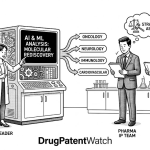
DrugPatentWatch aggregates Orange Book data, Paragraph IV certifications, patent expiry timelines, and FDA exclusivity status into a searchable database covering both small-molecule and biologic drugs. For IP teams managing a repurposing program’s secondary patent estate, the platform provides specific data on which patents have received Paragraph IV certifications, what the litigation status is for each case, and when each patent’s listed term expires. This is the operational intelligence layer that translates the abstract IP strategy into concrete commercial risk quantification.
For R&D teams assessing whether to initiate a repurposing program around a given molecule, patent expiry and Paragraph IV activity data from tools like DrugPatentWatch determines whether the IP window for the new indication is open, narrowing, or already closed. A molecule with no Paragraph IV activity against its secondary patent estate and five or more years of remaining exclusivity on key formulation patents represents a viable IP anchor for a new indication program. A molecule whose secondary patents are actively litigated by multiple generic filers represents a higher-risk IP environment where the commercial window may close before the new indication’s regulatory approval.
Key Takeaways: Section 5
Method-of-use patents on off-patent molecules carry significant enforcement uncertainty due to the skinny-label doctrine and evolving Federal Circuit case law. Secondary patents covering formulations, polymorphs, and combination regimens provide more durable commercial protection and are more defensible in IPR proceedings than method-of-use claims alone. The Novartis v. India ruling establishes that minor pharmaceutical modifications without demonstrated enhanced therapeutic efficacy face heightened scrutiny in markets with Section 3(d)-equivalent standards. Mirror patenting and continuation patent strategy are the primary defensive tools against Paragraph IV challenges to the secondary patent estate. Patent analytics platforms tracking Paragraph IV activity provide the earliest available signal of competitive entry timing.
Investment Strategy: Section 5
IP due diligence for a repurposing program acquisition should include a full Orange Book analysis of the reference drug and all related compounds in the indication space, a Paragraph IV filing history review covering the past 5 years, an IPR petition history check against the secondary patent estate, and a freedom-to-operate analysis for the new indication. Programs where the sponsor owns composition-of-matter protection on the drug in the new indication (i.e., programs where the original composition patent has not yet expired) trade at significant premium to programs relying solely on method-of-use patents. The delta between these two IP positions is not always priced correctly by markets, particularly for smaller-cap companies where sell-side analysts lack the patent expertise to distinguish them.
6. Commercialization: From Approved Label to Market Leadership
6.1 Market Size, Segment Dynamics, and Therapeutic Area Projections
The $34.08 billion 2024 market value for drug repurposing translates to approximately 10 to 12% of total global pharmaceutical sales, depending on the definitional boundary used. North America holds approximately 47% of market share, followed by Europe at roughly 28% and Asia-Pacific at 18%, with the remainder distributed across Latin America, Middle East, and Africa. Asia-Pacific represents the highest projected growth rate, driven by expanding clinical research infrastructure in China, South Korea, and Japan, increased generic manufacturing capacity that reduces the cost basis for repurposing programs, and regulatory reform in China’s National Medical Products Administration that has streamlined approval pathways for foreign-approved drugs.
By therapeutic area, oncology and central nervous system diseases represent the two largest segments by repurposing program count and projected revenue growth. Oncology’s share reflects the biology: cancer’s molecular heterogeneity means that many approved cancer drugs target pathways relevant to multiple tumor types, creating a large combinatorial space for new indication discovery. CNS’s share reflects the biology in a different way: the historical difficulty of CNS drug development from scratch, the high Phase II failure rate for novel CNS compounds (approaching 90% in some analyses), and the premium that physicians, payers, and patients place on incremental improvements in safety profiles for psychotropic medications all make repurposing relatively more attractive.
The ‘same therapeutic area’ segment holds 68% of market revenue, which means most commercial repurposing activity involves expanding within an existing disease category rather than crossing into a fundamentally different indication. This is the path of least clinical and regulatory resistance: the disease biology is partially understood, the clinical endpoints are established, and the key opinion leader network is familiar. The minority cross-therapeutic-area programs carry higher scientific novelty and, where they succeed, higher commercial premium, but at commensurately higher development risk.
6.2 Reimbursement Architecture for Repurposed Indications
Payer coverage for off-label drug use is inconsistent across the U.S. healthcare system. Medicare Part D covers off-label uses only when the use is supported by a referenced compendia listing or the FDA-approved labeling. The major compendia recognized by CMS are the American Hospital Formulary Service Drug Information (AHFS DI), the DRUGDEX System, the Clinical Pharmacology database, and the National Comprehensive Cancer Network (NCCN) Drugs and Biologics Compendium for oncology. A new repurposing indication that receives formal FDA approval is immediately covered under Medicare for the approved use. An off-label use, regardless of the strength of its Phase II evidence base, requires a compendia listing before Medicare reimbursement applies.
Medicaid coverage policies vary by state and are more restrictive in some jurisdictions than Medicare. Commercial insurance coverage for off-label use is governed by state law and plan-level medical policy, with significant variation. Plans in states with any-willing-provider laws and strong off-label coverage mandates provide better coverage than plans in states with minimal protections. For a repurposing program targeting a disease predominantly covered by commercial insurance, the reimbursement pathway after approval is relatively predictable. For programs targeting Medicaid populations (often the most medically underserved), the reimbursement landscape is more fragmented.
The practical commercial implication: a drug approved via supplemental NDA for a new indication has a clearly defined reimbursement pathway. A drug used off-label for the same indication requires compendia listing, medical exception letters, and prior authorization processes at most payers. The administrative burden of off-label reimbursement adds cost and friction that reduces real-world penetration relative to an on-label indication, even when the clinical evidence for the off-label use is comparable to or stronger than the on-label evidence.
6.3 Physician Adoption and the Evidence Gap in Off-Label Prescribing
Approximately 20% of all prescriptions in the U.S. are written off-label. In oncology, this figure approaches 50%. The frequency of off-label prescribing does not imply strong evidence: analysis of off-label cancer prescriptions finds that only about 25 to 30% are supported by published evidence considered strong (randomized controlled trial data). The remainder are supported by case series, retrospective cohort studies, or expert opinion.
Physician reluctance to adopt repurposed drugs for new indications, even when evidence exists, is driven by several factors. Medical-legal risk is the most commonly cited: prescribing a drug for an unapproved indication creates liability exposure if an adverse event occurs, even when the prescribing decision was well-supported by evidence. This risk is higher in procedural and surgical specialties and in primary care, and lower in oncology and academic medicine, where off-label prescribing is normalized by clinical necessity. Awareness is a second factor: community-based practitioners who lack access to specialist networks or regular journal reading may not know that an existing drug has demonstrated efficacy in a condition they treat.
For repurposing companies seeking to convert evidence into prescription behavior, the implication is that peer-reviewed publication and regulatory approval are necessary but not sufficient. Key opinion leader education programs, medical society guideline submissions, and disease-specific compendia submissions are the commercial execution steps that translate regulatory approval into prescribing behavior.
6.4 Patient Advocacy Organizations as Catalysts
Patient advocacy organizations (PAOs) in rare and underserved disease areas function as catalysts for repurposing programs in ways that extend beyond political lobbying. In the absence of commercial sponsors with sufficient financial incentive to develop a new indication formally, PAOs can provide direct funding for Phase I/II trials, contribute patient registries that reduce trial recruitment time and cost, and engage with FDA through patient-focused drug development meetings to establish the clinical context for regulatory review.
The Cystic Fibrosis Foundation’s venture philanthropy model, in which it co-funded early CFTR modulator development that eventually produced ivacaftor (Kalydeco), is the most-cited example of PAO-driven drug development. While ivacaftor was a de novo drug rather than a repurposed compound, the funding model, where a PAO holds milestone payments and royalties in return for development grants, has been adapted to repurposing programs. The Parent Project Muscular Dystrophy’s investment in ataluren development and the Progeria Research Foundation’s work on lonafarnib repurposing in Hutchinson-Gilford progeria syndrome illustrate the same PAO-as-co-developer structure applied to repurposed molecules.
For smaller repurposing companies lacking the capital for full Phase II development, PAO co-development agreements offer a financing mechanism that does not dilute equity and brings patient registry access, clinical site relationships, and regulatory experience that accelerates development. The commercial terms of these agreements require careful structuring: royalty obligations to a PAO can become a material cost of goods sold if the drug achieves commercial scale, and milestone payment structures can misalign financial incentives at critical development decision points.
Key Takeaways: Section 6
North America’s 47% market share reflects the combination of regulatory clarity (505(b)(2)), insurance coverage depth, and physician prescribing freedom that are most favorable to repurposing commercialization. Asia-Pacific is the fastest-growing region, with China’s regulatory reform as the primary driver. Oncology and CNS are the two highest-value therapeutic areas for repurposing by both program count and revenue potential. Payer coverage for repurposed drugs follows a defined hierarchy from on-label Medicare coverage to compendia-supported off-label coverage to case-by-case prior authorization, and programs targeting Medicare populations benefit most from on-label approval. PAO co-development is a viable financing structure for rare disease repurposing programs and should be evaluated alongside venture capital and strategic partnership funding as a non-dilutive capital source.
Investment Strategy: Section 6
Commercial diligence on a repurposing program should include a payer coverage analysis for the target indication, a physician survey on awareness of the repurposed drug’s evidence base in the new indication, and a compendia listing timeline estimate. Programs where the evidence base is already compendia-listed for the new indication, even without formal label approval, have a faster commercial ramp than programs starting from zero payer awareness. The commercial infrastructure cost for a repurposing launch is typically lower than for a novel drug, particularly if the drug is already on formulary for the original indication, because the formulary addition for the new indication requires amendment rather than a new evaluation cycle.
7. Case Studies: IP Valuation and Commercial Trajectories
7.1 Sildenafil: The Pfizer IP Portfolio in Detail
Sildenafil’s patent and commercial history covers four decades and three distinct commercial phases. The composition-of-matter patent (U.S. 5,250,534) was filed in 1993 and provided primary protection through 2012. Pfizer obtained method-of-use patents covering the erectile dysfunction indication (U.S. 6,469,012 and related filings) and separately prosecuted patents covering the PAH indication, the specific 20 mg tablet formulation used in Revatio, and the pediatric PAH use.
Viagra’s composition patent expiry in November 2012 triggered authorized generic launch by Pfizer itself (as the first-filer beneficiary of its own generic strategy) followed by multiple third-party generics. By 2018, generic sildenafil had captured over 90% of the ED prescription volume by unit count. Revatio maintained a longer exclusivity period due to its separate NDA filing and distinct Orange Book patent listings for the PAH indication, though PAH generics also entered in the 2012 to 2014 timeframe after Paragraph IV litigation settlements.
The total sildenafil IP estate, across all patents listed across both NDAs, is estimated to have protected revenues at the $2 billion annual peak for approximately 14 years of primary exclusivity from the 1998 approval date, with a long tail of PAH exclusivity extending the commercial window. The present value of that revenue stream, discounted at the 10% pharmaceutical industry hurdle rate, represents one of the highest-return IP investments in pharmaceutical history for a single-molecule asset.
Current status: Sildenafil is in clinical investigation for Alzheimer’s disease (based on an epidemiological study suggesting that sildenafil use in diabetic patients was associated with reduced Alzheimer’s incidence), peripheral neuropathy, pulmonary hypertension in sickle cell disease, and antidepressant-induced sexual dysfunction. Each of these represents a potential new method-of-use patent application for any sponsor who establishes clinical proof of concept. The composition-of-matter patent has expired, so these method-of-use opportunities are available to any clinical developer willing to invest in the required clinical data package.
7.2 The IMiD Franchise: Thalidomide to Lenalidomide to Pomalidomide
The progression from thalidomide to lenalidomide to pomalidomide is the most commercially successful patent cascade built on a repurposed molecule. Celgene’s IP strategy was constructed around three pillars: the REMS program as a distribution barrier, method-of-use patents covering specific combination regimens with dexamethasone and with other approved myeloma agents, and process patents on the synthesis of lenalidomide that raised manufacturing cost and quality barriers for generic entry.
Lenalidomide’s composition patent (U.S. 5,635,517, covering the thalidomide analog class) was filed by Celgene in 1994 and provided primary protection through 2019 in the U.S. Celgene’s portfolio of secondary patents, covering crystalline forms, manufacturing processes, and specific combination regimens, numbered in the dozens by the time Revlimid reached peak revenue. Paragraph IV litigation by multiple generic filers, including Natco, Teva, and Fresenius Kabi, was settled through a series of authorized generic agreements that restricted full generic entry until January 2026 in the U.S.
The Revlimid authorized generic settlement structure is the pharmaceutical industry’s most widely discussed example of pay-for-delay litigation resolution. Each settlement agreement granted the generic filer a limited authorized generic volume during the exclusivity period, starting at small percentages of total U.S. prescriptions and scaling as the exclusivity term ended. The Federal Trade Commission reviewed several of these agreements without initiating antitrust action, though the question of whether volume-limited authorized generic agreements violate the Actavis reasonableness standard (established in FTC v. Actavis, 2013) remains legally contested.
Pomalidomide (Pomalyst), with composition-of-matter protection extending to the 2030s, represents the franchise’s third-generation anchor. It is currently generating approximately $3 billion in annual global revenue and carries a patent estate that has not yet entered the period of intense Paragraph IV challenge activity. Pomalidomide’s commercial lifespan, assuming no successor molecule displaces it in relapsed/refractory myeloma, extends well into the next decade.
7.3 Metformin: The Off-Patent Generic with the Most Active Repurposing Pipeline
Metformin’s composition patent expired decades ago. It is the second most prescribed medication in the U.S. (over 86 million prescriptions annually) and is available generically for under $10 per month. Its repurposing pipeline is, by program count, the largest of any single approved drug.
The anti-cancer hypothesis for metformin emerged from epidemiological observation: large cohort studies of type 2 diabetic patients showed that those taking metformin had reduced incidence of several cancers, particularly colorectal, breast, and pancreatic cancer, compared with diabetics on other antidiabetic regimens. This signal generated a hypothesis that metformin’s activation of AMP-activated protein kinase (AMPK), with downstream inhibition of the mTOR pathway, was suppressing tumor cell proliferation. AMPK activation also reduces hepatic glucose production and circulating insulin, which may independently reduce cancer risk through reduced insulin-mediated growth signaling.
Metformin is currently enrolled in over 100 active clinical trials for cancer indications, spanning prevention in high-risk populations and treatment in combination with standard-of-care chemotherapy and immunotherapy. Early phase data has shown reduction in Ki67 expression (a proliferation marker) in pre-surgical endometrial cancer patients treated with metformin monotherapy. The NCIC CTG MA.32 trial, the largest randomized trial of metformin in early breast cancer (3,649 patients), showed no improvement in invasive disease-free survival, the primary endpoint, in the overall population, with a trend toward benefit in the HER2-negative, hormone receptor-positive subgroup that generated a subsequent hypothesis for further investigation.
The commercial challenge for metformin repurposing is stark: any new indication approval accrues to the NDA holder who invests in Phase III clinical development, but the commercial product is a commodity generic that any manufacturer can sell. The financial return on a $200 to $300 million Phase III investment in metformin for a cancer indication is difficult to model positively using conventional pharmaceutical return calculations. This is precisely the public-private gap that academic medical centers, the National Cancer Institute’s Cancer Therapy Evaluation Program (CTEP), and disease-specific advocacy organizations are attempting to fill.
If metformin demonstrates statistically significant survival benefit in a large Phase III oncology trial, the public health impact will be substantial: it is inexpensive, well-tolerated, widely available globally, and already familiar to physicians in primary care and oncology. The IP architecture does not support a traditional pharmaceutical business model for that development, which is the structural market failure described in Section 4.4.
7.4 Propranolol: From Hypertension to Infantile Hemangioma
Propranolol, a non-selective beta-adrenergic receptor antagonist, was developed in the 1960s as an antihypertensive and antiarrhythmic agent. Its composition patent has been expired for decades. Its repurposing for infantile hemangioma, the most common benign tumor of infancy, was discovered in 2008 by Christine Léauté-Labrèze and colleagues at the University of Bordeaux when a 4-month-old infant being treated with propranolol for cardiac hypertrophy showed dramatic regression of an existing facial hemangioma.
Pierre Fabre Médicament licensed the repurposing opportunity and developed Hemangeol, a propranolol oral solution at 4.28 mg/mL, specifically formulated for pediatric administration. FDA approval was granted in March 2014 via 505(b)(2), with the proprietary liquid formulation and dosing regimen supporting new method-of-use claims and a formulation patent estate. Hemangeol obtained Orphan Drug Designation and Rare Pediatric Disease designation, providing seven years of orphan exclusivity and eligibility for a priority review voucher.
The Hemangeol case illustrates the full IP reconstruction possible around an off-patent molecule: formulation IP (proprietary liquid for pediatric dosing), method-of-use IP (treatment of infantile hemangioma), orphan exclusivity (seven years from FDA approval), and rare pediatric disease designation. None of these protections required composition-of-matter IP. The commercial asset Pierre Fabre built was entirely secondary IP on a molecule first described in the 1960s.
7.5 Dexamethasone in COVID-19: Rapid Deployment, No New IP
Dexamethasone’s repurposing for severe COVID-19 represents the opposite end of the IP spectrum from Hemangeol. The RECOVERY trial, a large multi-arm platform trial run by the University of Oxford, randomized 2,100 patients with severe COVID-19 to 6 mg of dexamethasone daily for up to ten days versus usual care. The result, published in the New England Journal of Medicine in July 2020, showed a 35% relative reduction in 28-day mortality in ventilated patients and a 20% reduction in patients on supplemental oxygen. No reduction was seen in patients not requiring respiratory support.
Dexamethasone is a generic corticosteroid with no patent protection. No sponsor filed a supplemental NDA for the COVID-19 indication. The treatment became standard of care globally based on RECOVERY trial evidence and WHO guideline endorsement, without formal label approval in most countries, without new IP, and without commercial premium above the generic drug price (approximately $0.05 to $0.20 per dose in generic form). Global access to an effective treatment was achieved at near-zero cost per course of therapy.
The dexamethasone case study is presented not as a commercial template, because there is no commercial template here, but as a demonstration of what drug repurposing looks like when the public health urgency is high enough to bypass commercial incentive structures entirely. The RECOVERY platform trial design, which allowed rapid arm addition and removal based on interim analyses, and the Oxford academic infrastructure for running a trial at this scale and speed, are the institutional capabilities that made this possible and that have no direct private-sector equivalent.
Key Takeaways: Section 7
The sildenafil-to-Revatio sequential repurposing model demonstrates that a single molecule can generate multiple distinct commercial windows, each anchored to a separate method-of-use patent, across 25 or more years of total exclusivity. The IMiD franchise shows that a repurposed molecule can seed a new drug class if the chemical structure supports analog development with superior potency and safety. Metformin exemplifies the public health value and commercial non-viability of generic drug repurposing and the market failure it represents. Propranolol-to-Hemangeol shows that secondary IP construction around a decades-old generic molecule can create a commercially viable, exclusivity-protected product. Dexamethasone in COVID-19 demonstrates the public health value of rapid deployment for crisis indications and the absence of commercial IP architecture when urgency overtakes incentive.
The shift toward molecularly stratified clinical trials in oncology is creating a new category of repurposing opportunity: drugs whose mechanism of action predicts activity in specific tumor genotypes rather than in a histologically defined cancer type. Tumor-agnostic approvals, exemplified by pembrolizumab’s approval for any MSI-H or dMMR solid tumor regardless of tumor origin, are the regulatory template. The same logic applies to repurposed drugs with defined molecular targets: if a kinase inhibitor approved in one cancer type shows activity against its target kinase when it appears in a different tumor type, the indication expansion is mechanistically justified and supports a basket trial design.
Biomarker selection in this context does two things simultaneously. It increases the clinical probability of success by enriching the trial population for patients most likely to respond, and it narrows the patient population enough to qualify for orphan drug designation in many cases, since biomarker-selected subpopulations of common cancers often fall below the 200,000-patient threshold.
Multi-omics profiling of patient populations across an entire disease category, as conducted by programs like the NCI’s Cancer Genome Atlas and the AACR’s Project GENIE, provides the biomarker stratification data needed to identify which subpopulations carry the target against which a repurposed drug is active. These databases are publicly available and can be queried with AI tools to identify repurposing hypotheses for a given drug’s known mechanism.
8.2 Bispecific Antibody and ADC Combinations with Repurposed Small Molecules
The approval of bispecific antibodies (bispecifics) and antibody-drug conjugates (ADCs) in hematologic malignancies and solid tumors has created a new space for combination strategies incorporating repurposed small molecules. Bispecifics and ADCs targeting tumor-associated antigens create a context in which the tumor cell’s cytotoxic killing is primarily mediated by the antibody therapeutic, but a repurposed small molecule modulating the tumor microenvironment or immune effector function can enhance the effect.
Repurposed drugs with established immunomodulatory mechanisms, including the IMiD class, the mTOR inhibitors (repurposed sirolimus analogs), and corticosteroids, are the most immediately applicable in this context. Each has known effects on T-cell activation, regulatory T-cell suppression, or myeloid cell polarization that are mechanistically complementary to bispecific- or ADC-mediated tumor killing. Combination method-of-use patents covering the repurposed small molecule plus the bispecific or ADC are patentable as new combination claims even when each component is individually approved, creating new IP in an emerging combination space.
8.3 Decentralized Clinical Trials and the Remote Data Infrastructure for Repurposing
Decentralized clinical trial (DCT) infrastructure, which uses remote enrollment, telemedicine visits, and home-based biological sample collection, is reducing the geographic and logistic barriers to repurposing trial enrollment. Traditional Phase II trials for rare disease repurposing programs struggle with enrollment because the eligible patient population is small, geographically dispersed, and often medically fragile. DCT design allows patients to participate without traveling to academic medical centers, increasing the accessible enrollment pool and reducing per-patient trial cost.
For RWE-based repurposing hypotheses, where the hypothesis was generated from EHR data and the treatment is a widely available generic, DCT design is particularly efficient: the drug is already on market, the dosing is established, and the question is efficacy confirmation rather than dose finding. The FDA’s Project Optimus and its guidance on trial design in oncology repurposing has increasingly accommodated DCT elements in trial design, and the 21st Century Cures Act provisions facilitating electronic source data and remote monitoring have reduced the regulatory friction of DCT implementation.
8.4 Sustainable Drug Development and Manufacturing Considerations
Repurposing programs that use existing API manufacturing supply chains have a structural cost and time advantage that extends beyond clinical development into commercial launch. A repurposed drug that leverages an existing generic API manufacturer’s GMP supply, rather than requiring new manufacturing process development, can compress the commercial launch timeline by 12 to 24 months and reduce pre-launch manufacturing investment by tens of millions of dollars.
For biologics repurposing, the manufacturing advantage is less pronounced. A monoclonal antibody or recombinant protein repurposed for a new indication uses the same manufacturing process as the original, which simplifies the CMC section of the supplemental BLA. The biosimilar interchangeability regulatory framework does not directly apply to a branded biologic seeking a new indication, since interchangeability is a property of a biosimilar relative to its reference product. However, the commercial implications of biosimilar entry into the original indication affect the sponsor’s financial return on the repurposing program: a branded biologic facing imminent biosimilar competition in its primary indication may face price erosion that makes the secondary indication’s revenue insufficient to justify the supplemental BLA investment.
Key Takeaways: Section 8
Precision repurposing using biomarker-selected patient populations aligns with FDA’s tumor-agnostic approval framework and generates orphan drug eligibility in many cases, combining higher clinical success probability with strong regulatory exclusivity. Combination strategies with bispecifics and ADCs represent a new patent landscape for repurposed small molecules with established immunomodulatory mechanisms. DCT infrastructure materially reduces the enrollment cost and timeline for rare disease repurposing programs. Manufacturing supply chain alignment between the repurposed drug’s commercial launch and existing generic API supply reduces the time and cost of commercial preparation.
Frequently Asked Questions
What distinguishes a 505(b)(2) NDA from a supplemental NDA (sNDA) for an approved drug seeking a new indication?
A 505(b)(2) NDA is used by a company that is not the original drug’s NDA holder or that is developing a product that is not identical to the reference listed drug. It references existing data, whether the FDA’s prior findings or published literature, to support approval of the new product. A supplemental NDA is filed by the existing NDA holder to expand the approved labeling of its already-approved drug product, typically adding a new indication, a new patient population, a new dose, or updated safety information. The key difference is ownership: the 505(b)(2) applicant does not own the reference data and does not need to. The sNDA filer does own the approved product and is adding to its existing approval.
How does the REMS program function as a commercial barrier to generic entry in drug repurposing?
A REMS with Elements to Assure Safe Use (ETASU) can require, among other measures, that the drug be dispensed only through certified pharmacies, that prescribers complete certification training, or that patients enroll in a monitoring program before dispensing. For a generic manufacturer seeking ANDA approval for a drug with a shared REMS, the manufacturer must have a REMS compatible with the brand’s REMS or a single shared system with the brand. The shared REMS negotiation can delay ANDA approval, and the cost of operating the REMS infrastructure adds to the generic’s launch cost. Celgene’s use of the thalidomide and lenalidomide REMS (the THALOMID REMS and RevAssist program) as partial barriers to generic entry was ultimately challenged successfully by generic manufacturers, who obtained FDA approval to use a single shared REMS, but the REMS-as-barrier strategy added years to the generic entry timeline.
What is biosimilar interchangeability and is it relevant to repurposed biologics?
Biosimilar interchangeability is a U.S. regulatory designation granted by FDA to biosimilars that meet additional standards for safety and efficacy when substituted for the reference product without prescriber intervention. Interchangeable biosimilars can be substituted by a pharmacist in most states without a new prescription. For repurposed biologics, interchangeability is not directly relevant to the new indication program; it describes the relationship between the reference biologic and its biosimilar competitor. However, interchangeable biosimilar entry in the primary indication creates downward price pressure on the reference biologic that affects the sponsor’s willingness to invest in a supplemental BLA for the new indication, since the commercial return on the new indication must be weighed against an eroding revenue base in the original indication.
What is the current status of AI-generated drug repurposing predictions in regulatory submissions?
As of 2025, AI-generated computational predictions are used as hypothesis-generating tools in drug repurposing programs, not as primary regulatory evidence. An AI model’s prediction that a drug will show activity in a new indication is the basis for designing the experimental validation studies, not the basis for requesting FDA approval. The FDA has published guidance on the use of AI and machine learning in drug development, most recently in the 2023 discussion paper on AI/ML-enabled drug development tools, but no approved framework exists for submitting AI predictions as standalone evidence of drug activity. Regulatory acceptance of AI-based evidence in NDAs or BLAs is expected to evolve, but the timeline and standards are not yet defined.
Glossary of Key Technical Terms
The following terms appear throughout this document with specific technical meanings that differ from their colloquial use.
Paragraph IV certification: A generic applicant’s formal declaration that Orange Book-listed patents for the reference drug are invalid or will not be infringed, triggering a 30-month approval stay. 505(b)(2) NDA: An NDA pathway that allows reliance on existing safety and efficacy data not owned by the applicant. Method-of-use patent: A patent covering the specific application of a compound in treating a defined disease or condition. Biosimilar interchangeability: An FDA designation for a biosimilar demonstrating equivalent clinical performance to the reference biologic under switching conditions. Orphan Drug Designation: FDA or EMA designation for drugs targeting diseases affecting a small patient population, conferring market exclusivity and development incentives. Evergreening: The practice of obtaining successive patents on modifications to an existing drug to extend market exclusivity. REMS: Risk Evaluation and Mitigation Strategy, an FDA-required program for drugs with serious safety risks, used as part of the conditions of approval. Synthetic lethality: A genetic interaction in which loss of either of two genes individually does not kill a cell, but loss of both genes simultaneously does, exploitable as a therapeutic target in cancer cells carrying one of the mutations. GNN (Graph Neural Network): A machine learning architecture that operates on graph-structured data, used in drug repurposing to model drug-protein-disease interaction networks. OoC (Organ-on-a-Chip): A microfluidic device that models human organ physiology for in vitro drug testing. Polymorph: A distinct crystalline form of the same chemical compound, which can have different physical properties and be independently patentable.
Copyright notice: This document is an original analytical work produced for informational and research purposes. Drug patent and regulatory data referenced in this document should be verified against current FDA Orange Book listings, published patent databases, and regulatory agency publications before being used as the basis for commercial or legal decisions.