This report provides a comprehensive analysis of the evolving and increasingly vital role of Patient Advocacy Groups (PAGs) across the generic drug development lifecycle. From the nascent stages of research and development to regulatory approval, market access, and post-market surveillance, PAGs have transitioned from grassroots initiatives to influential institutional forces. Their impact is profound, significantly shaping policy, accelerating the availability of essential medicines, and championing patient-centricity and affordability within the pharmaceutical landscape.
PAGs contribute substantially by directing research priorities toward unmet patient needs, enhancing the design and recruitment strategies for clinical trials, and actively influencing regulatory decisions through the integration of patient perspectives and real-world evidence. Furthermore, these organizations play a critical role in fostering market competition by challenging anti-competitive practices that delay generic entry and by promoting the widespread utilization of generic drugs through education and policy advocacy. Despite their significant contributions, PAGs face inherent challenges, notably in maintaining independence and credibility amidst pharmaceutical funding and navigating complex ethical considerations. This report delineates these dynamics, offering a detailed examination of their current influence and outlining future opportunities for enhanced collaboration and policy reforms aimed at cultivating a more accessible and sustainable generic drug market.
II. Introduction: Defining the Landscape of Patient Advocacy and Generic Drugs
Definition and Core Mission of Patient Advocacy Groups (PAGs)
Patient Advocacy Groups (PAGs) are formally organized nonprofit entities dedicated to addressing specific medical conditions or potential medical conditions. Their fundamental mission is to assist individuals affected by these conditions and their families.1 The scope of their activities is remarkably broad, encompassing patient education and support, legislative and regulatory advocacy, the promotion of clinical and translational research, and concerted efforts in disease awareness and fundraising.2 These organizations serve to empower patients by informing them of their rights and guiding them through the complexities of the healthcare system, often specializing in particular health issues such as diabetes, Alzheimer’s, or cancer.3 In essence, PAGs function as crucial intermediaries between patients and healthcare providers, striving to enhance the quality of care delivered.4
The expansive definition and diverse operational modalities of PAGs reveal them not as a singular, homogeneous entity, but rather as a multifaceted ecosystem. This inherent diversity allows PAGs to engage effectively at numerous junctures across the entire continuum of drug development and patient access. This multi-pronged approach amplifies their collective influence far beyond what any individual activity might achieve. For example, while some PAGs may concentrate on providing direct financial assistance to patients, others might dedicate their efforts to legislative reforms impacting broader healthcare policies. This adaptability is a foundational aspect of their enduring impact on the pharmaceutical and healthcare sectors.
Overview of Generic Drug Development: Process and Importance for Public Health
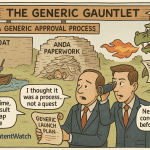
The drug development process is a multi-stage endeavor, typically beginning with discovery and development, followed by preclinical research, clinical research, rigorous FDA drug review, and concluding with post-market safety monitoring.5 For generic drugs, this process is streamlined through the Abbreviated New Drug Application (ANDA) pathway. This mechanism permits manufacturers to secure approval without undertaking the extensive and costly clinical trials mandated for novel drugs, provided they can conclusively demonstrate therapeutic equivalence to an already approved Reference Listed Drug (RLD).7
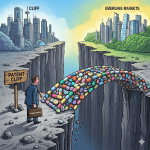
The stringent requirements for an ANDA submission include demonstrating that the generic drug matches the RLD in terms of active ingredients, conditions of use, dosage form, strength, and labeling.8 A critical component of this demonstration is bioequivalence, which involves comparative pharmacokinetic studies measuring parameters such as maximum drug concentration (Cmax), time to reach maximum concentration (Tmax), and area under the concentration-time curve (AUC) to ensure the generic performs consistently with its brand-name counterpart.9 Generic drugs are indispensable to public health, accounting for approximately 90% of all prescriptions dispensed in the U.S. and generating billions of dollars in annual healthcare savings.11 The global generic drug market is projected to expand significantly, reaching an estimated $655.8 billion by 2028, largely propelled by increasing patent expirations (“patent cliffs”) and supportive healthcare policies.15
The efficiency inherent in the streamlined ANDA process, while beneficial for accelerating market entry and reducing costs, fundamentally relies on the principle of “sameness” or bioequivalence. This regulatory dependence on scientific equivalence, rather than a de novo assessment of efficacy and safety, creates a specific and crucial role for PAGs. Despite scientific equivalence, patients may harbor misconceptions regarding the quality, safety, or effectiveness of generic medications, potentially leading to decreased adherence and undermining the public health benefits of generics.17 PAGs are uniquely positioned to bridge this gap by educating patients and advocating for policies that not only ensure scientific equivalence but also foster patient confidence and address practical usability concerns, such as differences in physical appearance.18 This highlights a subtle yet critical distinction between regulatory “sameness” and patient “acceptance,” a gap that PAGs actively work to close.
The Evolving Paradigm: Patients as Partners in Pharmaceutical Innovation
Patient advocacy has undergone a profound transformation, evolving from a collection of grassroots movements demanding access to life-saving treatments into an institutionalized force that actively shapes research priorities, clinical trial design, and regulatory decision-making.19 This evolution signifies a broader cultural shift towards patient-centered regulations, where regulatory agencies are increasingly integrating patient perspectives into their decision-making processes.19
The increasing influence of patient advocacy groups stems from a fundamental shift in how patient contributions are valued within healthcare. This transition from “patients as subjects” to “patients as partners” represents a rebalancing of power dynamics, driven by organized advocacy. This rebalancing is rooted in the growing recognition that the lived experience of patients constitutes a unique and invaluable form of expertise.21 This experiential knowledge is critical because it provides direct insights into what truly matters to patients concerning therapeutic effects, the burden of symptoms, and the feasibility of treatment regimens in real-world settings.21 In the context of generic drug development, this translates into ensuring that the pursuit of cost-effectiveness does not compromise patient trust or practical usability. Consequently, PAGs play a vital role in reinforcing the legitimacy and facilitating the broader adoption of generic medicines, ensuring that affordability aligns with patient confidence and positive health outcomes.
III. Historical Evolution: Tracing the Rise of Patient Influence
Early Patient Rights Movements and the Genesis of Advocacy
The roots of modern patient advocacy can be traced back to the social reform movements of the 19th century. Significant developments occurred in the 1940s and 1950s with the emergence of mutual self-help organizations, followed by groups in the 1960s that took on the task of defending stigmatized and excluded patients.23 A pivotal moment arrived in 1974 with the introduction of the concept of a “patient rights advocate”.24 The broader patient rights movement of the 1970s, significantly influenced by the National Welfare Rights Organization (NWRO), laid the groundwork for establishing fundamental patient rights within hospital settings.3
This foundational period saw the formalization of patient protections through key legislative milestones. The Civil Rights of Institutionalized Persons Act (CRIPA) of 1980 authorized the U.S. Department of Justice to address rights violations for individuals in institutions, including mental health facilities. Subsequently, the Protection & Advocacy for Mentally Ill Individuals Act of 1986 established a system requiring advocacy agencies to operate independently of service delivery systems, further solidifying patient rights.24 The historical progression from informal self-help groups to formalized rights-based advocacy and, ultimately, to direct participation in drug development illustrates a steadily increasing societal and legal acknowledgment of patient autonomy and their unique expertise. This foundational shift was instrumental in establishing the legitimacy of PAGs as stakeholders, thereby enabling their eventual influence over complex processes such as generic drug development. Without this established framework of rights and recognition, the capacity of PAGs to impact pharmaceutical policies and processes would have been significantly constrained.
Landmark Activism: HIV/AIDS and Rare Disease Advocacy as Catalysts for Change
The HIV/AIDS crisis of the 1980s and 1990s marked a transformative period for patient advocacy. Activist groups, notably ACT UP and the Treatment Action Group (TAG), vociferously challenged the slow pace of drug development and regulatory approval, arguing for immediate access to experimental therapies for patients facing terminal illnesses.19 Their relentless advocacy efforts led to landmark changes in drug development and approval pathways, including the establishment of Expanded Access Programs (EAPs) and compassionate use policies, which allowed patients with life-threatening conditions to receive investigational drugs prior to full approval. This period also saw the introduction of the U.S. Food and Drug Administration’s (FDA) Accelerated Approval Pathway, enabling drugs for serious diseases to be approved based on surrogate endpoints rather than requiring lengthy, long-term clinical outcomes data.19 These changes fostered a broader cultural shift towards patient-centered regulations, with regulatory agencies increasingly incorporating patient perspectives into their decision-making processes.19
Building upon the successes of HIV/AIDS activism, the rare disease community mobilized in the late 1990s and early 2000s to address the significant lack of available treatments for conditions affecting small patient populations.19 Traditionally, pharmaceutical companies had limited financial incentives to invest in rare disease research due to the high costs of development and restricted market potential. However, patient advocacy groups successfully lobbied for policies that spurred innovation in this area. This advocacy led to the passage of the Orphan Drug Act (ODA) in 1983, which provided crucial financial incentives such as tax credits, grant funding, and extended market exclusivity for drugs targeting rare diseases. It also facilitated increased funding for rare disease research through initiatives like the National Institutes of Health’s (NIH) Office of Rare Diseases Research, ensuring that historically overlooked conditions received scientific attention.19 Organizations such as the National Organization for Rare Disorders (NORD) played a key role in connecting patients, researchers, and policymakers to accelerate drug development for rare conditions.19
The HIV/AIDS and rare disease movements, while primarily focused on the development of novel drugs, fundamentally reshaped the regulatory landscape and established a powerful precedent for patient-driven policy change. This created a crucial regulatory and cultural opening for PAGs to subsequently influence generic drug development. The urgency and demand for access established during these crises translated into a broader imperative for accessible treatments, including affordable generic options. The generic drug industry, therefore, benefited significantly from the groundwork laid by these earlier, high-profile advocacy efforts, even if those efforts were not initially centered on generics. This demonstrates a clear causal link between distinct historical movements and the current landscape of generic drug access and affordability.
The Generic Drug Industry’s Emergence and the Impact of Key Legislation (e.g., Hatch-Waxman Act)
The generic pharmaceutical industry began to take shape in the United States during the 1960s, driven by governmental initiatives aimed at proving the safety and effectiveness of drugs manufactured prior to 1962.11 However, the industry truly “blossomed” with the passage of the Drug Price Competition and Patent Term Restoration Act of 1984, commonly known as the Hatch-Waxman Act.11 This landmark legislation was designed to provide regulatory relief, foster increased competition, and ultimately reduce healthcare costs for American consumers while ensuring access to high-quality medicines.25
A cornerstone of the Hatch-Waxman Act was the establishment of the Abbreviated New Drug Application (ANDA) pathway. This pathway allowed generic manufacturers to obtain approval by demonstrating bioequivalence to an already approved brand-name drug, thereby eliminating the need to repeat costly and time-consuming efficacy and safety research.8 The Act also incorporated incentives for generic drug development, notably a 180-day period of market exclusivity granted to the first generic manufacturer to successfully challenge a brand-name drug’s patent.19 The impact of Hatch-Waxman was immediate and substantial: the proportion of prescriptions filled with generics in the U.S. surged from 18% in 1984 to 63% by 2007, and currently stands at nearly 69%, generating billions of dollars in healthcare savings annually.11
The Hatch-Waxman Act, as a direct legislative response to the escalating demand for affordable medicines, created the essential regulatory infrastructure that PAGs could subsequently leverage and influence. The demonstrable success of this Act in fostering generic market growth—evidenced by significant cost savings and high generic prescription rates—provided a powerful feedback loop for patient advocacy. It unequivocally showed that legislative advocacy can directly translate into tangible benefits for patients through reduced medication costs. This success story became a compelling argument for PAGs to continue their efforts in advocating for policies that promote robust generic competition and enhance affordability, thereby reinforcing their strategic direction and expanding their influence within the pharmaceutical policy arena.
Table 1: Key Milestones in Patient Advocacy and Generic Drug Legislation
Year
Milestone in Patient Advocacy
Milestone in Generic Drug Legislation
1940s-50s
Mutual self-help organizations emerge 23
1960s
Organizations defend stigmatized patients 23
Government effort to prove safety/effectiveness of pre-1962 drugs launches generic industry 11
1970
National Welfare Rights Organization (NWRO) provides impetus for patient bill of rights 3
FDA creates pathway for abbreviated new drug applications (ANDAs) 11
1974
Concept of “patient rights advocate” introduced 24
1980
Civil Rights and Institutionalized Persons Act (CRIPA) passed 24
1983
Orphan Drug Act (ODA) passed 19
1984
Drug Price Competition and Patent Term Restoration Act (Hatch-Waxman Act) signed into law 11
1986
Protection & Advocacy for Mentally Ill Individuals Act established independent advocacy agencies 24
1980s-90s
HIV/AIDS activism (ACT UP, TAG) challenges drug development pace, leads to EAPs, compassionate use, Accelerated Approval Pathway 19
1990s-2000s
Rare disease advocacy mobilizes, leading to increased research funding and organizations like NORD 19
1992
Maastricht Treaty introduces explicit EU competence on health 23
1997
Amsterdam Treaty mandates high level of human health protection in EU policies 23
2001
FDA begins seeking patient input during early medicinal product development 28
Generic Pharmaceutical Association (GPhA) founded 25
2003
European Patients’ Forum (EPF) established 23
Medicare Modernization Act limits 30-month stays for ANDA approval 11
2008
Patients and consumers encouraged to report medical product problems via FDA MedWatch 28
2012
Safety and Innovation Act requires FDA to solicit patient views in medical product development 28
2017
FDA announces Drug Competition Action Plan to encourage generic drug development 11
2018
FDA approves first generic drug under new “Competitive Generic Therapy” (CGT) pathway 11
IV. PAGs in the Generic Drug Development Pipeline: From Research to Approval
Influencing Research Priorities
Patient advocacy groups play a crucial role in influencing the direction of pharmaceutical research, ensuring that scientific endeavors align more closely with the actual needs and priorities of patients. Historically, research agendas were often driven by academic interests or the commercial objectives of pharmaceutical companies, which sometimes resulted in a disconnect from the most pressing needs of patient communities.29 PAGs bridge this gap by actively highlighting unmet medical needs and advocating for research that directly addresses these critical issues.29 For instance, advocacy groups focused on rare diseases frequently champion research into conditions that might otherwise be neglected due to their low prevalence and limited market potential.19 Their concerted efforts can lead to the prioritization of clinical trials for treatments that are highly relevant to the patient community, ensuring that research investments are aligned with the experiences and challenges faced by those most affected by a disease.29 This active involvement transforms patients from passive recipients of research outcomes into essential partners who help define the very questions that research seeks to answer.
Shaping Clinical Trial Design and Recruitment
Patient advocacy groups are vital partners in addressing the persistent challenges of patient recruitment and retention in clinical trials. They leverage their extensive networks to identify and engage potential participants who might not be reached through traditional recruitment methods.29 By raising awareness about clinical trials within their communities through educational initiatives and community engagement programs, PAGs can significantly increase participation rates.29 Beyond mere recruitment, PAGs enhance patient retention by providing crucial support services throughout the trial process, including transportation assistance, logistical support, language and cultural support, and financial guidance.29 This comprehensive support helps patients overcome common barriers to participation and maintain long-term engagement, leading to measurably improved retention rates, particularly in rare disease populations.29
Furthermore, PAGs are instrumental in shaping the design of clinical trials to ensure they are more patient-centered. Traditional trial designs often prioritize clinical and biological endpoints, potentially overlooking outcomes that are most meaningful to patients in their daily lives.29 PAGs advocate for the inclusion of patient-reported outcomes (PROs) and quality of life measures, ensuring that trials assess aspects of health that directly impact patients’ functional status and well-being.29 Their contributions extend to protocol development, where their insights ensure that trial procedures are feasible, acceptable, and minimize the burden on participants, considering factors such as visit frequency and complexity of procedures.29 This early engagement ensures that trials are designed with real-world patient experiences in mind, fostering greater relevance and ethical conduct.29
Impact on Regulatory Approval Processes
Patient advocacy groups exert significant influence on regulatory approval processes, actively engaging with bodies such as the U.S. Food and Drug Administration (FDA) and the European Medicines Agency (EMA) to ensure patient perspectives are integrated into decision-making. These groups bring invaluable “real-life” experience and specific knowledge to scientific discussions on medicines and the impact of regulatory decisions.31 The FDA, for instance, has established formal partnerships, such as the Patient Engagement Collaborative (PEC) with the Clinical Trials Transformation Initiative (CTTI), which comprises patient organization representatives who discuss enhancing patient engagement in medical product development and regulatory discussions.31
Another notable collaboration is the FDA’s Memorandum of Understanding (MOU) with the National Organization for Rare Disorders (NORD). This partnership facilitates FDA Patient Listening Sessions with rare disease patients, caregivers, and advocates, aimed at deepening the FDA’s clinical and regulatory understanding of diseases and conditions and identifying the most urgent patient needs.31 Similarly, the FDA and EMA collaborate through the FDA/EMA Patient Engagement Cluster to share best practices for patient involvement throughout the drug and biologic regulatory lifecycles.31 These engagements are crucial for advancing drug approval processes, particularly by providing recommendations for assessing the relevance, quality, and validity of real-world data (RWD) that can support regulatory decision-making for new and existing therapies.32 PAGs help ensure that RWD, which reflects drug performance in less controlled, real-world settings, is considered alongside traditional clinical trial data, ultimately aiming for approvals that lead to positive health outcomes and reduced risks for patients.21
Post-Market Surveillance and Patient Safety
Patient advocacy groups also contribute to the crucial phase of post-market surveillance for generic drugs, playing a role in ensuring ongoing patient safety and addressing concerns regarding quality. Once a generic medication is approved and available to the public, the FDA continues to monitor its safety, efficacy, and quality.33 Generic drug manufacturers are required to report any problems or serious adverse health effects to the FDA for evaluation, and the agency conducts periodic inspections of manufacturing plants to ensure drug quality.33
PAGs contribute by serving as conduits for patient feedback and by advocating for policies that ensure robust monitoring. Patient perceptions about generic drugs can sometimes include misconceptions regarding their effectiveness, safety, or manufacturing quality, often stemming from uncertainties about how generics differ from brand-name drugs.17 For instance, patients may hesitate to take a generic if they are unaware of the rigorous FDA application process that ensures high standards, or if there are differences in physical characteristics like shape, color, or size.18 Such hesitations can lead to decreased medication adherence and poorer health outcomes.18 While the provided information does not explicitly detail how PAGs directly address these misconceptions in post-market surveillance, it is well-established that healthcare professionals, including pharmacists, play a critical role in educating patients about bioequivalence and dispelling concerns.17 PAGs, through their broader educational and support missions, implicitly reinforce this by empowering patients with information and fostering confidence in the healthcare system. The FDA’s monitoring of adverse event reporting systems (FAERS, MedWatch) is a key mechanism for identifying concerns related to generic drug quality and therapeutic inequivalence 33, and PAGs, by encouraging patient reporting and engaging with regulatory bodies, contribute to the effectiveness of this surveillance.
Table 2: PAG Contributions Across Generic Drug Development Stages
Development Stage
PAG Contribution Area
Specific Activities and Impact
Early Research & Discovery
Influencing Research Priorities
Highlighting unmet patient needs; advocating for research into neglected conditions (e.g., rare diseases).19
Preclinical & Clinical Research
Shaping Clinical Trial Design
Advocating for patient-reported outcomes (PROs) and quality of life measures; contributing to protocol development to ensure feasibility and patient acceptability.29
Enhancing Patient Recruitment & Retention
Leveraging patient networks for recruitment; providing support services (transportation, financial aid, counseling) to overcome participation barriers and improve adherence.29
Regulatory Review & Approval
Impact on Regulatory Decisions
Engaging with FDA/EMA (e.g., PEC, NORD Listening Sessions); advocating for patient perspectives in decision-making; promoting integration of real-world evidence.19
Post-Market Surveillance
Patient Safety & Quality Monitoring
Indirectly supporting FDA’s monitoring by educating patients on generic drug quality and safety, thereby promoting adherence and potentially encouraging reporting of adverse events.17
V. PAGs and Market Dynamics: Enhancing Access and Affordability
Advocacy for Market Entry and Competition
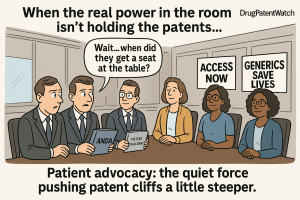
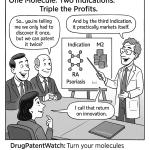
Patient advocacy groups are increasingly active in advocating for timely generic drug market entry and fostering competition, often by challenging anti-competitive tactics employed by brand-name pharmaceutical companies. These tactics frequently include “patent thickets,” where brand-name drug makers create dense webs of overlapping patents to block generic competition, and “pay-for-delay” agreements, where brand companies pay generic manufacturers to delay market entry.35 Another strategy, “product hopping,” involves switching the market to slightly modified versions of drugs with later-expiring patents.35
PAGs actively support legislation to counter these practices. For example, Generation Patient endorses the Eliminating Thickets to Increase Competition Act (ETHIC Act), which aims to limit patent infringement lawsuits against generic and biosimilar competitors.37 They also advocate for policies like the Stop STALLING Act to empower the Federal Trade Commission (FTC) to challenge product hopping as an unfair method of competition.35 The Association for Accessible Medicines (AAM), representing the generic and biosimilar industry, actively opposes patent system abuses and advocates for patent reform that promotes timely patient access to affordable medicines.12 Their efforts include supporting the 180-day market exclusivity incentive for the first generic to challenge a brand patent, a mechanism designed to accelerate generic availability.19
PAGs utilize patent information and intelligence tools to inform their advocacy. While such tools like DrugPatentWatch and IQVIA are primarily designed for pharmaceutical companies to track patent expiry dates, generic entry timelines, and litigation 41, PAGs can leverage this data to identify opportunities for generic entry and challenge patents that unduly delay access.46 For instance, the FDA’s Orange Book, which lists approved drugs and their associated patents and exclusivities, is a public resource that PAGs could theoretically use to identify when generic competition is legally permissible.50 By understanding the patent landscape, PAGs can strategically target their advocacy efforts to promote earlier generic entry, ultimately leading to lower drug prices and increased patient access.26
Role in Market Access and Reimbursement
Patient advocacy organizations are essential in navigating the complex landscape of market access and reimbursement for drugs. They advocate for patients’ needs and provide valuable insights that can influence drug research, shape healthcare legislation, and ease market access.57 Early and ongoing engagement with PAGs ensures that patient viewpoints are integrated from the initial stages of medication development, aligning product objectives with patient needs throughout the lifecycle.57 This collaboration can improve the acceptance and relevance of health innovations by integrating patient insights into clinical trial designs, patient support programs, and market entry strategies.57
PAGs and pharmaceutical companies can jointly advocate for novel medicines, significantly impacting policy and reimbursement decisions by effectively communicating the benefits of new therapies to legislators and payers.57 A notable example is the partnership between Novartis and PAGs on therapies for spinal muscular atrophy, which helped promote greater accessibility and advantageous reimbursement guidelines.57 PAGs also play a role in supporting patient assistance programs (PAPs), which provide financial support, co-pay assistance, and free medications to help patients afford and access life-saving treatments.58 Furthermore, PAGs are active in advocating for biosimilar adoption and interchangeability. Organizations like the Association for Accessible Medicines (AAM) and the Biosimilars Council support legislation, such as the Biosimilar Red Tape Elimination Act, which aims to remove the distinction between biosimilars and interchangeable biosimilars, thereby increasing patient access and reducing healthcare costs.59 This advocacy is driven by the understanding that biosimilars offer significant savings and have demonstrated no clinically meaningful differences in safety or outcomes compared to their reference drugs.59
Promoting Generic Drug Use and Education
Patient advocacy groups actively engage in promoting the use of generic drugs and addressing patient concerns regarding their quality and safety. A primary challenge in generic drug adoption is overcoming common misconceptions among patients that generics are less effective, take longer to work, are unsafe, or are manufactured in substandard facilities.17 These perceptions can lead to decreased medication adherence and poorer health outcomes.18
PAGs contribute to dispelling these misconceptions through various educational initiatives. They emphasize the concept of bioequivalence, explaining that the FDA requires generic drugs to perform the same way in the body, containing the same active ingredients, strength, dosage form, and route of administration as their brand-name counterparts.17 They also highlight that generic drugs are manufactured under the same Good Manufacturing Practices (GMP) regulations as brand drugs and undergo rigorous FDA review, albeit an abbreviated one that avoids repeating redundant research.17 PAGs, often in collaboration with healthcare professionals, develop patient-friendly educational materials and conduct campaigns to increase public awareness about the positive impact of affordable generic medicines.61 Examples include initiatives to encourage open dialogue about vaccine hesitancy (though not generic-specific, it shows a model of patient education) 65 and efforts by organizations like the Association for Accessible Medicines to educate policymakers and the public on the savings generated by generics.12
Beyond education, PAGs advocate for policies that promote generic substitution. The AAM, for instance, works at the state level to advance best practices aimed at increasing the use of generic and biosimilar medicines, including rapid responses to anti-substitution narratives and advocating for specific generic substitution laws.13 They also push for reforms that ensure new generic medicines are covered by health plans and that patient cost-sharing is reduced through proper formulary tier coverage.39 These efforts collectively aim to enhance patient confidence, improve medication adherence, and ensure that the cost-saving potential of generics is fully realized within the healthcare system.
Influence on Drug Pricing Legislation and Data Exclusivity
Patient advocacy groups are significant forces in influencing drug pricing legislation and policies related to data exclusivity, consistently pushing for greater affordability and transparency. Organizations like Patients For Affordable Drugs (P4AD) are exclusively focused on lowering prescription drug prices, mobilizing patients and allies to shape system-changing policies.68 P4AD played a pivotal role in the passage of the 2022 prescription drug law, which included groundbreaking reforms to lower prices for Medicare beneficiaries.68 Their strategy involves fighting the root causes of high drug prices, including abusive practices that manipulate the patent system to keep prices artificially high and stifle access to affordable generics.69
PAGs advocate for reforms to intellectual property laws, particularly regarding data exclusivity periods. Data exclusivity protects clinical trial data for a certain period, delaying generic market entry.70 While new chemical entities (NCEs) typically receive 5 years of exclusivity and orphan drugs 7 years, biologics are granted 12 years of market exclusivity in the U.S..71 Some PAGs and legal scholars argue for reducing the exclusivity period for biologics to align with small-molecule drugs, proposing a five-year period to lower drug costs.72 They contend that biologics already possess stronger patent protection and generate higher revenues, making extended exclusivity unnecessary.72 Proposals include adaptive exclusivity periods linked to real-world therapeutic value, where drugs demonstrating significant real-world advantages might receive longer exclusivity, while those with diminishing returns could expect shorter periods.70
PAGs also influence international intellectual property laws, such as the TRIPS Agreement, which sets minimum standards for patent protection globally.73 Critics argue that TRIPS provides overly strong protection, hindering access to affordable essential medications in developing nations.73 Public health advocates welcomed the Doha Declaration, which clarified WTO Members’ rights to use TRIPS safeguards, prioritizing public health over private intellectual property.74 These efforts highlight a global push by PAGs to balance innovation incentives with the fundamental human right to access essential medicines.73
Table 3: Strategies Employed by PAGs to Enhance Generic Drug Access
Strategy Area
Specific PAG Actions
Impact on Generic Drug Access
Challenging Patent Barriers
Advocating against “patent thickets” and “pay-for-delay” agreements.35
Accelerates generic market entry by dismantling anti-competitive monopolies.
Supporting legislation like the ETHIC Act and Stop STALLING Act.35
Empowers regulatory bodies to challenge tactics delaying generics.
Leveraging patent intelligence tools (e.g., Orange Book data) to identify expiry dates and challenge validity.48
Provides data-driven arguments for timely generic introduction.
Influencing Market Access & Reimbursement
Advocating for patient-centric policies in pricing and reimbursement.57
Ensures new drugs, including generics, are accessible and affordable.
Supporting patient assistance programs (PAPs).58
Reduces out-of-pocket costs, improving patient adherence and access.
Promoting biosimilar adoption and interchangeability (e.g., Biosimilar Red Tape Elimination Act).59
Increases competition and lowers costs for biologic therapies.
Promoting Generic Drug Use & Education
Educating patients to dispel misconceptions about generic quality and safety.17
Builds patient trust and confidence, improving adherence.
Advocating for generic substitution laws at state and federal levels.13
Facilitates broader adoption of cost-effective generic alternatives.
Developing patient-friendly educational materials and campaigns.61
Increases public understanding and acceptance of generics.
Shaping Drug Pricing & Exclusivity Policy
Lobbying for legislation to lower prescription drug prices (e.g., 2022 prescription drug law).68
Directly reduces patient costs and healthcare system spending.
Advocating for shorter data exclusivity periods, especially for biologics.70
Accelerates generic/biosimilar entry, increasing competition and affordability.
Influencing international IP laws (e.g., TRIPS Agreement, Doha Declaration) for broader drug access.73
Promotes global access to affordable medicines, particularly in developing countries.
VI. Challenges and Ethical Considerations in PAG-Pharmaceutical Industry Engagement
Maintaining Independence and Credibility Amidst Pharmaceutical Funding
The relationship between Patient Advocacy Groups (PAGs) and the pharmaceutical industry is complex, often presenting ethical dilemmas, particularly concerning financial funding. While pharmaceutical funding can enable PAGs to provide vital services and support research that might otherwise be underfunded, it also raises significant questions about their independence and credibility.77
Concerns arise when PAGs become overly reliant on commercial funding, as this financial dependence can potentially undermine their ability to represent patient interests impartially and may lead to an alignment of their public views or behaviors with those of their funders.77 Studies have highlighted that some PAGs receive substantial industry support, with a notable case being the National Alliance on Mental Illness (NAMI), which received $45 million from major pharmaceutical companies between 1996 and 2008.79 A U.S. Senate investigation in 2009 concluded that this funding significantly influenced NAMI’s operations, including aggressive lobbying for new antipsychotics despite concerns about side effects and the availability of cheaper alternatives.79 This example illustrates how pharmaceutical companies can “shape and mould patient organizations over time” by building closer ties through shared projects and joint testimonies, potentially leading to a subtle shift in priorities that may not always align with the best interests of patients.79 The lack of consistent disclosure of pharmaceutical funding by PAGs, particularly in the U.S. compared to some European countries, further exacerbates transparency issues and impedes public scrutiny of potential biases.82
Managing Conflicts of Interest and Ensuring Transparency in Interactions
To mitigate the risks associated with pharmaceutical funding and maintain public trust, it is imperative for PAGs and pharmaceutical companies to establish clear ethical guidelines and best practices for their interactions. Transparency is a cornerstone of ethical engagement, requiring meaningful disclosure of financial and significant non-financial support.22 Companies are encouraged to avoid being the sole or majority funder of a patient organization, and PAGs should actively seek diverse funding sources to preserve their independence.84
Written agreements are crucial for outlining the rights and obligations of all parties, ensuring clarity of purpose, remuneration terms, and intellectual property considerations.84 These agreements should be easy to understand, avoiding unnecessary legal jargon, and should not assert ownership over a patient’s life story.84 Ethical engagement also demands mutual respect, ensuring that interactions do not interfere with the physician-patient relationship and are conducted voluntarily.22 PAGs are encouraged to develop their own internal guidelines and policies on industry interactions to reinforce their independence.84 Furthermore, establishing clear ethical standards and providing training for researchers and PAG representatives on these guidelines can help prevent tokenistic engagement and foster genuine, respectful partnerships.85 Regular disclosure of potential conflicts of interest by individuals within PAGs and a robust process for managing such conflicts are essential to maintain integrity and avoid the appearance of impropriety.87
Operational Challenges: Communication Gaps, Resource Disparity, and Short-Term Focus
Beyond ethical considerations, PAGs often face practical operational challenges in their engagement with the pharmaceutical industry. A significant issue is the inconsistent follow-up and communication from pharmaceutical companies after patients or PAGs have contributed to surveys or research.89 The lack of feedback or updates on the outcomes of their contributions can be discouraging and lead to uncertainty and frustration.89 Instances where PAGs are not promptly informed about project changes or discontinuations further complicate effective collaboration.89
Administrative and regulatory burdens, such as extensive form-filling and frequent content reapproval due to compliance regulations, can be cumbersome and time-consuming for PAGs, disrupting successful campaigns.89 A key challenge also arises from content ownership, as PAGs often do not retain ownership of materials developed in conjunction with pharmaceutical companies, limiting their free use.89 There is often a notable disparity in resources allocated to patient groups compared to the agencies managing their relationships with industry, and companies do not always cover costs for PAG participation in events or lobbying efforts, posing a significant burden for smaller charities.89
Furthermore, a misalignment in strategic focus can impede long-term collaboration. Pharmaceutical companies often prioritize short-term campaigns and new initiatives, whereas PAGs prefer sustained support and ongoing work.89 This can result in a lack of sustained impact and duplication of efforts across different companies within the same disease area. High turnover of company representatives can also disrupt ongoing projects and relationships, making continuity difficult. The withdrawal of support when a product is discontinued or loses its patent presents significant challenges for some PAGs, impacting their long-term sustainability.89 Addressing these operational challenges through improved communication, fair resource allocation, and a long-term collaborative mindset is crucial for fostering more effective and sustainable partnerships.
Table 4: Ethical Considerations and Best Practices for PAG-Pharma Engagement
Ethical Consideration
Description of Challenge
Best Practices for Mitigation
Independence & Credibility
Financial dependence can align PAG interests with funders, potentially compromising patient interests.77
Diversify funding sources; avoid sole or majority funding from a single company.84
Public skepticism regarding motives of pharma-funded PAGs.89
Proactively address public skepticism through transparency and demonstrable patient-centricity.89
Conflicts of Interest
Direct or perceived conflicts from financial ties or shared personnel.78
Implement robust conflict of interest policies requiring full disclosure and management.87
Influence on research agendas or product promotion.77
Ensure content and activities are developed independently from sponsor influence.85
Transparency
Inconsistent or insufficient disclosure of industry funding by PAGs.82
Meaningfully disclose all support (financial, indirect, non-financial) in a timely and accessible manner.84
Lack of clarity on project progress or outcomes for patient contributors.89
Provide regular updates and feedback on contributions and project outcomes.84
Fairness & Respect
Disparity in resources allocated to PAGs vs. agencies.89
Ensure equitable resource allocation and fair compensation for PAG contributions.89
Content ownership issues limiting PAGs’ use of jointly developed materials.89
Clearly define content ownership in written agreements.89
“Tokenistic” engagement where patient input is symbolic rather than influential.86
Foster genuine, collaborative partnerships with clear roles and mutual respect.85
Operational Sustainability
Pharma’s short-term focus vs. PAGs’ long-term needs.89
Prioritize long-term partnerships and sustained support over short-term campaigns.22
High turnover of company representatives disrupting relationships.89
Establish consistent engagement points and internal knowledge transfer mechanisms.89
Withdrawal of support upon product discontinuation/patent loss.89
Develop diversified funding models to reduce reliance on single product lifecycles.84
VII. Future Outlook and Recommendations
Strengthening Patient-Centricity in Generic Drug Development: A Collaborative Imperative
The trajectory of patient advocacy indicates an irreversible shift towards greater patient involvement in pharmaceutical innovation. As generic drugs become increasingly central to global healthcare affordability and access, integrating patient perspectives throughout their development lifecycle is not merely an ethical imperative but a strategic necessity. This involves moving beyond superficial engagement to genuine co-creation, where patients are viewed as experts by experience, contributing invaluable insights that enhance the relevance and usability of generic medicines. Future efforts must focus on formalizing patient engagement mechanisms within generic drug development, ensuring that patient preferences regarding formulation, administration, and even packaging are considered, as these factors can significantly impact adherence and overall patient outcomes.
Enhancing Transparency and Accountability in PAG-Industry Relationships
The ethical complexities inherent in the financial relationships between PAGs and the pharmaceutical industry necessitate ongoing vigilance and robust frameworks for transparency and accountability. While industry funding is often critical for PAG operations, clear guidelines and consistent disclosure are paramount to maintaining public trust and ensuring PAG independence. Moving forward, efforts should focus on promoting diversified funding models for PAGs, reducing over-reliance on single industry sources. Furthermore, standardized, publicly accessible disclosure requirements for all financial and non-financial interactions between pharmaceutical companies and PAGs should be universally adopted and rigorously enforced. This would not only foster greater trust but also enable stakeholders to assess potential conflicts of interest more effectively, ensuring that patient interests remain paramount.
Policy Recommendations for Fostering a Sustainable and Accessible Generic Drug Market
To further leverage the role of PAGs in promoting generic drug development and access, several policy recommendations are critical:
Strengthen Anti-Competitive Measures: Policymakers should continue to enact and rigorously enforce legislation that actively combats anti-competitive tactics such as patent thickets, pay-for-delay agreements, and product hopping. This includes empowering regulatory bodies like the FDA and FTC with the necessary tools and authority to challenge these practices effectively.
Optimize Patent and Exclusivity Frameworks: A re-evaluation of patent and data exclusivity periods, particularly for biologics, should be undertaken to strike a better balance between incentivizing innovation and ensuring timely patient access to affordable generic and biosimilar alternatives. Exploring adaptive exclusivity models based on real-world therapeutic value could be a viable path forward.
Enhance Patient Education and Awareness Campaigns: Governments and healthcare systems should invest in and support large-scale public education campaigns, often in partnership with PAGs, to dispel misconceptions about generic drug quality and safety. These campaigns should highlight the rigorous approval processes and the significant cost savings generics provide, thereby boosting patient confidence and adherence.
Promote Generic Substitution Laws: Policies that encourage or mandate generic substitution at the pharmacy level, where therapeutically equivalent generics are available, should be consistently implemented and supported across all jurisdictions. This requires ongoing advocacy to counter anti-substitution narratives and ensure healthcare provider and patient confidence.
Formalize Patient Engagement in Regulatory Processes for Generics: Building on the precedents set by novel drug development, regulatory agencies should establish clearer, more structured pathways for PAG input specifically within the ANDA review process and post-market surveillance of generics. This would ensure that patient-reported concerns regarding generic drug usability, formulation changes, or perceived efficacy differences are systematically captured and addressed.
VIII. Conclusion
Patient Advocacy Groups have emerged as indispensable stakeholders in the pharmaceutical ecosystem, fundamentally reshaping how drugs, including generics, are developed, approved, and accessed. Their historical evolution from self-help groups to powerful policy advocates underscores a growing recognition of patient experience as a critical form of expertise. In the realm of generic drug development, PAGs play a multifaceted role, from influencing early research priorities and enhancing clinical trial design to challenging anti-competitive practices and championing affordability through legislative advocacy.
While the engagement between PAGs and the pharmaceutical industry offers immense potential for advancing patient-centric healthcare, it is not without its complexities, particularly concerning financial independence and ethical conduct. Addressing these challenges through enhanced transparency, robust conflict-of-interest policies, and a commitment to genuine, long-term collaboration is essential. By continuing to empower PAGs and integrate their unique perspectives, the healthcare system can foster a more equitable, accessible, and sustainable generic drug market that truly prioritizes patient needs and improves public health outcomes globally.
How Pharma Influences Some Patient Advocacy Groups – MedShadow Foundation | Independent Health & Wellness Journalism, accessed July 24, 2025, https://medshadow.org/pharma-patient-advocacy/