In the grand theater of global pharmaceuticals, the spotlight is shifting. For decades, the narrative was dominated by blockbuster drugs and the established markets of North America, Europe, and Japan. But a new act has begun, and its protagonists are the burgeoning middle classes of emerging economies, and its script is being written, line by line, by the powerful hand of government policy. This is not a subtle evolution; it is a structural, irreversible transformation. For business leaders, strategists, and investors in the pharmaceutical and life sciences sectors, understanding, adapting to, and ultimately capitalizing on this revolution is no longer an opportunity for growth—it is a prerequisite for survival. The era of relying solely on sales in developed nations is fading, eclipsed by a more complex, multipolar world where the next wave of growth will be captured by those who can master the art and science of succeeding in emerging markets.
At the heart of this transformation lies the generic drug. Far from being a mere commodity, the generic medicine has become a fundamental pillar of public health, a catalyst for economic development, and a powerful tool in the arsenal of governments striving to meet the healthcare needs of their populations. This report will dissect the intricate and often-conflicting role that governments in these key markets play in shaping the generic drug landscape. We will explore the levers of power they wield—from the fine print of patent law to the brute force of centralized procurement—and analyze how these policies create both immense opportunities and formidable challenges. Our central thesis is this: governments are the grand architects of the generic drug industry in emerging markets. They are not passive referees but active players, driven by the dual imperatives of public health and national industrial strategy. For any company looking to compete, understanding the mind of this architect is the first, and most critical, step toward building a winning strategy.
The Unstoppable Rise of Emerging Markets
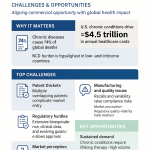
Let’s start with the numbers, because they tell a story of a tectonic shift in economic power. By 2025, the largest emerging markets—a cohort that includes giants like China, India, and Brazil—are projected to account for a staggering 31% of the global pharmaceutical market. This isn’t just about volume; these markets are expected to contribute as much as 90% of the world’s pharmaceutical growth in the coming decade. This surge is fueled by a powerful confluence of forces: rapidly rising incomes creating a new class of healthcare consumers, governments expanding access to healthcare, and a profound epidemiological transition. As longevity increases and lifestyles change, these nations are grappling with a rising tide of non-communicable, chronic diseases like diabetes, cancer, and cardiovascular conditions—illnesses that often require consistent, long-term, and, most importantly, affordable treatment.3 This is the fertile ground in which the generic drug industry is taking root and flourishing.
Defining the Workhorse: What is a Generic Drug?
Before we delve deeper, it’s crucial to establish a precise, multi-faceted definition of our subject. What exactly is a generic drug? At its core, a generic drug is a medication created to be the same as an already marketed brand-name (or “innovator”) drug in dosage form, safety, strength, route of administration, quality, performance characteristics, and intended use.6
The foundational principle is therapeutic equivalence. This isn’t a matter of guesswork; it is a standard rigorously established through scientific analysis, primarily through bioequivalence (BE) studies. These studies must demonstrate that the generic product delivers the same amount of its active ingredient into a patient’s bloodstream in the same amount of time as the brand-name counterpart.2 By proving bioequivalence, a generic manufacturer demonstrates that their product will provide the same clinical benefit and carry the same risks as the original.6
While the Active Pharmaceutical Ingredient (API)—the chemical substance that produces the drug’s effect—must be identical, there can be minor differences. The inactive ingredients, or excipients, such as fillers, colorings, and flavorings, may vary.6 This is why a generic version of a pill may have a different shape, color, or taste from the brand-name drug it replicates. However, these differences are not permitted to affect the drug’s safety or effectiveness. The ability to bring a generic to market is fundamentally predicated on the expiration of the innovator company’s intellectual property rights, primarily patents, which typically grant a 20-year period of market exclusivity from the date of filing.7
The Value Proposition: Beyond Price Reduction
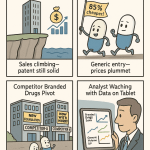
Why have governments in emerging markets embraced generics with such vigor? The most immediate answer is, of course, cost. Generic manufacturers can offer their products at substantially lower prices because they do not have to repeat the enormously expensive and time-consuming animal studies and multi-phase clinical trials that innovator companies undertake to prove a new drug’s safety and efficacy.6 The economic impact of this is profound. The entry of just a single generic competitor can slash the price of a drug by 30%. When five or more generics enter the market, prices can plummet by nearly 85%.
But to see this merely as a cost-saving measure is to miss the bigger picture. For emerging market governments, this affordability is a powerful tool for achieving critical public health and economic goals. It is about expanding access to essential medicines for millions of citizens, preventing families from facing catastrophic health expenditures that can push them into poverty, and ultimately, making aspirations like universal health coverage a tangible reality.2 As Dr. Mansukh Mandaviya, India’s Minister of Health and Family Welfare, articulated, affordable generic drugs save citizens from “import dependency on high-cost patented drugs,” maximizing public welfare and generating broad economic benefits.
This dynamic creates a fascinating dual market. While generics are essential for the financially vulnerable, their rise is also being powerfully fueled by the growing, aspirational middle class in these nations.2 This demographic, while having more disposable income, is also at the forefront of the shift towards chronic, lifestyle-related diseases. They are increasingly health-conscious and often pay for healthcare out-of-pocket or through private insurance plans. They seek value and quality, not just the lowest possible price. This creates a fertile market for “branded generics”—products that are chemically identical to other generics but are marketed under a trusted company name, which can command a slight premium. This means a one-size-fits-all “low-cost” strategy is deeply flawed. Successful companies must segment their approach: a pure price competition for the high-volume public tender market, and a brand-equity and trust-based strategy for the private, out-of-pocket middle-class market.
The Governmental Toolkit: Levers of Power in the Generics Landscape
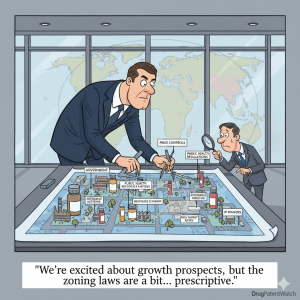
Governments in emerging markets are not passive observers of these trends; they are the primary architects of the competitive landscape. They deploy a sophisticated toolkit of policy instruments to control market access, dictate pricing, and steer competition. For any business leader, understanding these “rules of the game” is paramount. These levers can be broadly categorized into three domains: regulatory, intellectual property, and economic.
The Regulatory Gauntlet: From Approval Pathways to Quality Mandates
The gatekeepers of any pharmaceutical market are the National Regulatory Agencies (NRAs). In emerging markets, these bodies—such as India’s Central Drugs Standard Control Organisation (CDSCO), Brazil’s Agência Nacional de Vigilância Sanitária (ANVISA), and South Africa’s Health Products Regulatory Authority (SAHPRA)—are playing an increasingly pivotal role.13
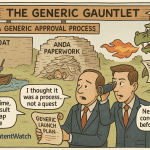
The cornerstone of generic regulation is the Abbreviated New Drug Application (ANDA) process, or its local equivalent. This pathway allows a generic drug to be approved without repeating the full suite of clinical trials, provided it can demonstrate through bioequivalence studies that it is a therapeutic copy of an approved reference drug.7 This dramatically lowers the cost and time to market.
However, gaining approval is not simply a box-checking exercise. A critical and non-negotiable requirement is adherence to Good Manufacturing Practices (GMP), a set of stringent quality standards that govern the design, monitoring, and control of manufacturing processes and facilities. In recent years, there has been a significant “flight to quality” among emerging market regulators. They are actively tightening these standards to align with those of mature agencies like the U.S. Food and Drug Administration (FDA) and the European Medicines Agency (EMA). This is not happening in a vacuum; NRAs are increasingly collaborating through international forums like the Generic Drug Cluster, led by the FDA, to share information and harmonize scientific and technical requirements.
This push for higher quality standards is a double-edged sword. On one hand, it improves public health and builds trust in generic medicines among physicians and patients. On the other, it acts as a powerful tool for market consolidation. Meeting these elevated standards requires significant capital investment in modernizing facilities, upgrading quality control systems, and conducting more sophisticated testing. This raises the barrier to entry, squeezing smaller, local manufacturers who may lack the resources to comply.19 In effect, this government-led drive for quality is an indirect industrial policy, actively weeding out weaker domestic players and forcing the industry to consolidate around larger, more capable “national champions.” For foreign companies, this means facing fewer, but much stronger, local competitors who are quality-certified and often receive preferential treatment in government procurement.
The Intellectual Property Chessboard: Patents, Exclusivity, and Strategic Flexibilities
If regulation is the gate, then intellectual property (IP) is the clock that determines when that gate can be opened. The entire generic drug model is built around the expiration of an innovator drug’s market exclusivity, which is primarily protected by patents. Under the World Trade Organization’s Agreement on Trade-Related Aspects of Intellectual Property Rights (TRIPS), member countries must provide a minimum patent term of 20 years from the filing date.7
However, the landscape is far more complex than a simple 20-year countdown. Several other mechanisms come into play:
Data Exclusivity: This is a separate form of protection that prevents generic companies from relying on the innovator’s original clinical trial data to get their own products approved for a certain period, even if the primary patent has expired. Emerging markets like China are actively developing more robust data exclusivity frameworks to balance their support for generics with the need to attract pharmaceutical innovation.17
Patent “Evergreening”: Innovator companies often file secondary patents on new formulations, delivery methods, or new uses of an existing drug to extend their monopoly. This creates a “patent thicket” that generic companies must navigate or challenge in court.25
Faced with these complexities and the high cost of patented medicines, governments in emerging markets have become masters at using the “flexibilities” built into the TRIPS agreement. These are not loopholes; they are legitimate public health safeguards that provide immense strategic leverage. Key flexibilities include:
Compulsory Licensing: This is the ultimate power play. It allows a government to authorize a third party to produce a patented drug without the patent holder’s consent in situations of national emergency or public interest. While the patent holder receives a royalty, they lose their monopoly. Brazil has famously used this power, most notably for HIV/AIDS drugs, to force dramatic price reductions from multinational corporations.10
Parallel Importation: This allows a country to import a patented product from another country where it is sold at a lower price, bypassing the local patent holder’s exclusive distribution rights.
Bolar Provision: This crucial provision allows generic manufacturers to conduct the research and development necessary for regulatory approval before the innovator’s patent expires. This ensures that a generic version can be launched on day one after patent expiry, maximizing the competitive impact.
The Economic Engine: Price Controls, Procurement Power, and Industrial Incentives
The final set of tools in the governmental toolkit are the most direct: those that control the flow of money. These economic levers are used to manage national healthcare budgets and, increasingly, to build domestic industrial capacity.
First are price control mechanisms. These can range from setting maximum retail prices for essential medicines to more sophisticated systems like reference pricing, where reimbursement is capped at the level of a lower-priced generic equivalent.33 The most aggressive form of price control seen today is China’s
volume-based procurement (VBP) system, a winner-takes-all tender that has resulted in breathtaking price cuts of over 90% on some drugs.35
Second is the immense power of public procurement. In many emerging markets, the government is the largest single buyer of medicines. Procurement is typically handled through a competitive tender system where price is the overwhelming determinant of success.13 Winning a large government tender can provide a manufacturer with the scale and predictable volume needed to operate efficiently, making these contracts fiercely contested.
Finally, governments use industrial incentives to actively nurture their domestic generic industries. This is a core component of national economic strategy, aimed at creating jobs, developing technical skills, and reducing reliance on imports. These incentives can include tax rebates for local R&D, lifting import duties on raw materials and manufacturing equipment, and providing direct financial support. A prime example is India’s Production Linked Incentive (PLI) Scheme, which offers manufacturers a percentage of their incremental sales as a direct financial incentive to boost domestic production of critical APIs and complex drug formulations, explicitly aiming to build self-reliance and reduce dependence on China.41
Titans of the Generic World: Deep-Dive Country Analyses
To truly understand how these governmental tools are wielded in practice, we must move from the theoretical to the specific. The generic drug landscape is not monolithic; it is a mosaic of distinct national strategies, each shaped by unique historical contexts, political priorities, and economic realities. By examining the approaches of four key emerging market titans—India, China, Brazil, and South Africa—we can see the governmental toolkit in action and draw critical strategic lessons.
India: The Pharmacy of the World at a Crossroads
No discussion of generic drugs is complete without India. Its journey from a market dominated by foreign multinationals to the world’s preeminent supplier of affordable medicines is a masterclass in the power of deliberate, long-term industrial policy.
The Foundation: Legacy of the 1970 Patent Act
The single most consequential policy decision in the history of the Indian pharmaceutical industry was the passage of the Patents Act of 1970. In a radical departure from the product patent regime common in the West, this law did not allow patents on the final pharmaceutical product itself. Instead, it only permitted patents on the process used to manufacture it.44
This seemingly technical distinction had revolutionary consequences. It effectively legalized the reverse-engineering of patented medicines. As long as an Indian company could devise a different chemical pathway to synthesize a drug, they could legally manufacture and sell it, both domestically and in countries that did not recognize the original product patent. This unleashed a wave of chemical and manufacturing innovation, building a formidable domestic industry with deep expertise in producing high-quality, low-cost medicines. This foundational policy is the primary reason India is now known as the “pharmacy of the world,” supplying approximately 20% of the global volume of generic drugs and a staggering 40% of the generic drugs consumed in the United States.44
Modern Industrial Policy: The PLI Scheme and “Make in India”
While the 1970 Act built the industry, modern Indian policy is focused on securing its future. A key vulnerability exposed in recent years has been the industry’s heavy reliance on China for basic raw materials and Active Pharmaceutical Ingredients (APIs).20 To counter this strategic dependency, the government launched the
Production Linked Incentive (PLI) Scheme for Pharmaceuticals.
This ambitious program is a direct intervention designed to reshore and expand domestic manufacturing capacity. The PLI scheme provides manufacturers with a direct financial incentive, calculated as a percentage of their incremental sales over a base year, for producing specific categories of high-value goods domestically. The focus is on critical Key Starting Materials (KSMs), drug intermediates, APIs, and complex formulations like biopharmaceuticals and patented drugs nearing expiry.41 With a total outlay of about Rs 15,000 crore (approximately USD 1.8 billion), the scheme is a cornerstone of the broader “Make in India” initiative, aiming to enhance manufacturing capabilities, create skilled employment, and increase value-addition in exports.
Domestic Focus: The Pradhan Mantri Bharatiya Janaushadhi Pariyojana (PMBJP)
While India is a global export powerhouse, its government is also intensely focused on improving healthcare access for its own 1.4 billion citizens. The flagship initiative in this area is the Pradhan Mantri Bharatiya Janaushadhi Pariyojana (PMBJP). Launched in 2016, this program aims to provide quality generic medicines at affordable prices through a vast network of dedicated retail outlets known as Jan Aushadhi Kendras.42
The impact of this program is twofold. First, it directly addresses the issue of out-of-pocket healthcare expenditure, which is a significant burden for many Indian families. By offering generics at prices that are 50% to 80% lower than their branded counterparts, the government is making essential treatments accessible to the masses. Second, the PMBJP creates a large, predictable, and centralized demand channel for domestic manufacturers. This helps stabilize the market and provides a baseline of volume that supports the industry’s scale and efficiency.
Navigating Global Headwinds: Quality Scrutiny and Geopolitical Tensions
India’s very success has placed it under a global microscope. The industry faces intense and continuous regulatory scrutiny from the US FDA, which has the power to issue warnings or ban imports from facilities that fail to meet its stringent quality standards. This has led to high-profile product recalls and has forced Indian companies to invest heavily in compliance, with collective costs estimated at nearly USD 1 billion annually just to maintain US FDA-approved facilities.49
More recently, the industry has faced geopolitical headwinds, most notably the threat of significant tariffs from the United States. This has sparked a sharp response from Indian industry leaders. Namit Joshi, Chairman of the Pharmaceuticals Export Promotion Council of India (Pharmexcil), has warned that such tariffs would not only be unviable for Indian manufacturers operating on “wafer-thin margins” but would also severely disrupt the supply of affordable medicines in the US, ultimately harming American patients.51 This highlights the deep codependency between the Indian generic industry and the healthcare systems of developed nations.
China: From API Dominance to a Regulated Generic Market
China’s journey in the pharmaceutical world has followed a different trajectory. For decades, it was the undisputed global leader in producing the raw materials and APIs that fueled the world’s drug manufacturing, including India’s.20 However, its domestic market for finished generic drugs was fragmented and plagued by inconsistent quality.54 In the last decade, the Chinese government has initiated a series of radical reforms designed to overhaul the entire system, prioritizing quality and leveraging the state’s immense power to control costs.
The Great Wall of Quality: The Consistency Evaluation Revolution
The turning point for China’s generic industry was the launch of the Generic Quality Consistency Evaluation (GQCE) policy in 2016. Before this, many domestically produced generics had been approved based on older, less rigorous standards, and there was a widespread perception among doctors and patients that they were inferior to imported originator drugs.56
The GQCE mandated that all generic drugs on the market must undergo new testing to prove that they are bioequivalent to the originator brand-name drug. In essence, it retroactively applied modern, international quality standards to the entire domestic portfolio.56 This was a monumental undertaking. Companies that failed to pass the evaluation for their products would see them de-registered and removed from the market. The policy has been a resounding success in its primary goal: it has dramatically improved the quality and reliability of Chinese generics, building confidence and leveling the playing field with originator brands.
The Power of the State: Volume-Based Procurement (VBP)
With quality assured through the GQCE, the government then unleashed its most powerful economic weapon: Volume-Based Procurement (VBP). This policy, also known as the “4+7” program in its pilot phase, fundamentally reshaped the economics of the Chinese pharmaceutical market.
The VBP system works by pooling the massive purchasing volume of public hospitals across entire regions or the nation for a specific drug. It then invites manufacturers of GQCE-passed generics (and originator brands) to bid for the contract. The company offering the lowest price wins the vast majority of the market share for that drug for a set period.35 The results have been nothing short of staggering. The intense, winner-takes-all competition has led to average price reductions of over 50%, with some drugs seeing their prices collapse by more than 90%.35
For pharmaceutical companies, VBP is both a threat and an opportunity. It has obliterated the profitability of many older, commoditized generics. However, for the winning bidders, it guarantees immense and immediate sales volume, eliminating the need for costly marketing and sales teams. It has forced a brutal consolidation of the market, rewarding only the most efficient, large-scale producers.
The National Volume-Based Drug Procurement (VBP) policy in China has fundamentally reshaped the market, leading to average price reductions of over 50%. According to the National Healthcare Security Administration (NHSA), the policy has saved the country over RMB 260 billion (approximately USD 36 billion) on medicines as of early 2022, with savings from generic procurement being reallocated to fund access to innovative therapies.35
Balancing Innovation and Access: Evolving IP and Data Exclusivity
While aggressively driving down generic prices, the Chinese government is simultaneously building a more sophisticated IP ecosystem to encourage innovation. This reflects a dual strategy: ensuring affordable access to basic medicines through generics while also incentivizing the development of novel drugs.
Key recent reforms include the implementation of a patent linkage system. This system, similar to the Hatch-Waxman Act in the US, creates a transparent process for resolving patent disputes before a generic drug is approved for marketing. It allows innovator companies to assert their patent rights early, and it provides a clear pathway for generic companies to challenge those patents.
Furthermore, China is formalizing its framework for regulatory data protection. Draft regulations propose granting a period of up to six years of data exclusivity for innovative new drugs. This would prevent generic competitors from using the innovator’s clinical trial data for approval during this period, providing an additional layer of market protection beyond the patent itself.22 These moves signal China’s ambition to transition from being a follower to a leader in pharmaceutical innovation.
Brazil: A Pioneer in Public Health and Local Production
Brazil stands out as a global leader in using pharmaceutical policy as an instrument of public health. Its approach has been defined by a commitment to its universal healthcare system, the Sistema Único de Saúde (SUS), and a willingness to challenge global pharmaceutical norms to ensure access for its citizens.
The 1999 Generic Drug Act: A Blueprint for Latin America
Long before many other emerging markets, Brazil established a robust legal and regulatory framework for generic medicines with its landmark Generic Drug Act of 1999. This legislation was transformative, creating a clear pathway for the approval of generics based on stringent bioequivalence testing and quality standards.62
Crucially, the law also mandated that doctors in the public health system prescribe medicines using their International Nonproprietary Name (INN), or generic name, rather than a brand name. This broke the powerful link of brand loyalty and empowered patients and pharmacists to choose the more affordable generic option. The policy was a resounding success, fostering a vibrant domestic generic industry and significantly lowering drug costs. The Brazilian generic drug market was valued at over USD 22.4 billion in 2024 and is projected to grow at a healthy compound annual growth rate (CAGR) of over 6%.65 The success of Brazil’s model has made it a blueprint for other countries in Latin America looking to develop their own generic drug policies.
The Ultimate Bargaining Chip: A History of Compulsory Licensing
Brazil’s most famous and assertive policy tool has been its use of compulsory licensing. Faced with the devastating HIV/AIDS epidemic in the late 1990s and early 2000s, the government declared that access to life-saving antiretroviral (ARV) drugs was a human right. When faced with high prices from multinational patent holders, Brazil consistently used the threat of issuing a compulsory license as a powerful negotiating tactic to force drastic price reductions.27
This strategy culminated in 2007, when negotiations with the pharmaceutical company Merck over the price of the ARV drug efavirenz broke down. Making good on its threat, the Brazilian government issued its first-ever compulsory license, allowing it to import cheaper generic versions of the drug from India. The move was projected to save the country USD 237 million by 2012 and sent a powerful message to the global pharmaceutical industry: in a public health crisis, Brazil would prioritize its citizens’ health over patent rights.28 This bold use of a TRIPS flexibility cemented Brazil’s reputation as a global leader in public health advocacy.
Navigating ANVISA: Bioequivalence and Regulatory Hurdles
The gatekeeper to the Brazilian market is its highly respected regulatory agency, ANVISA. For generic manufacturers, understanding ANVISA’s specific requirements is critical. The agency’s standards for demonstrating bioequivalence are considered among the most stringent in Latin America, closely aligned with international best practices.64
However, there are nuances. ANVISA has specific criteria for study design, subject selection (e.g., age ranges), and statistical analysis that can differ from those of the FDA or EMA. For example, ANVISA historically required a physician to be present during the entire confinement period of a BE study, a stricter requirement than in other jurisdictions. While many of these standards are harmonizing, these differences mean that a global development program cannot simply assume that a single set of studies will suffice for all major markets. A tailored regulatory strategy that accounts for ANVISA’s specific demands is essential for successful market entry in Brazil.
South Africa: Forging a New Path with National Health Insurance (NHI)
South Africa presents a unique and complex pharmaceutical market, defined by the stark socioeconomic legacy of its history. The country’s healthcare system is fundamentally a two-tier structure, and the government’s ambitious plan to unify this system through a National Health Insurance scheme is set to be the single biggest driver of change for the generic industry.
A Tale of Two Systems: Public Tenders vs. Private Market Dynamics
It is impossible to understand the South African market without first grasping its dualistic nature.
The Public Sector: This system serves the vast majority of the population—around 84% of South Africans—but operates on a severely constrained budget. It is a high-volume, low-margin environment. Pharmaceutical procurement is handled through a competitive state tender system where price is the primary, and often only, determinant of success.13 Generic medicines are the workhorses of this sector, accounting for over 60% of the volume and being the fastest-growing category.
The Private Sector: Serving the wealthiest 16% of the population, primarily through private medical aid schemes, this sector is where the economic heart of the industry beats. It is a low-volume, high-margin market that absorbs approximately two-thirds of the country’s pharmaceutical spending by value. Here, innovative, patented medicines and trusted originator brands are in high demand, and prices are significantly higher.
This structure has created a fragile equilibrium, a cross-subsidization model where the substantial profits generated in the private sector effectively enable companies, particularly multinational corporations, to compete in the low-cost, high-volume public tenders.
The NHI Revolution: A Single-Payer Future
This entire two-tier business model is what the government’s proposed National Health Insurance (NHI) plan is explicitly designed to dismantle. The NHI Bill aims to create a single, publicly funded health insurance system for all legal residents, effectively establishing a single-payer model.13
Under the NHI, the government will become the main, if not sole, procurer of all healthcare goods and services. The implications for the generic drug industry are monumental. On one hand, the consolidation of the entire population’s purchasing power into a single entity will lead to a massive expansion in the volume of medicines procured. On the other hand, this single-payer system will have unprecedented power to negotiate prices downward, likely leading to significant price pressure across the board.71 The NHI represents a fundamental threat to the high-margin private sector that has long sustained the industry’s profitability.
Building a Continental Hub: The Push for Local Manufacturing
The COVID-19 pandemic laid bare the vulnerability of global supply chains and reinforced the South African government’s resolve to build greater pharmaceutical self-reliance. The NHI is seen not just as a healthcare reform but also as a powerful tool of industrial policy.
The government’s strategy is to use the NHI’s immense purchasing power to support and promote local manufacturing.40 By prioritizing domestically produced medicines in its procurement decisions, the government can provide a guaranteed market for South African companies. This is intended to strengthen homegrown champions like Aspen Pharmacare and Adcock Ingram, attract foreign investment in local production facilities, create jobs, and position South Africa as a pharmaceutical manufacturing hub for the entire African continent.13 For generic companies, both local and international, the message is clear: a local manufacturing footprint will likely become a significant competitive advantage, if not a prerequisite, for success in the new NHI era.
Strategic Synthesis: Turning Policy Insight into Competitive Advantage
Having dissected the governmental toolkit and explored its application in four key markets, we can now synthesize these findings into a cohesive strategic framework. The goal is to move beyond analysis to application, providing business leaders with the perspectives and tools needed to navigate this complex terrain and build a sustainable competitive advantage.
A Comparative Analysis: Contrasting Government Strategies and Their Outcomes
It is now clear that there is no single “emerging market” model. Each of the titans we’ve examined has pursued a distinct strategic path, leading to vastly different market structures and competitive dynamics. This can be seen clearly when their approaches are laid out side-by-side.
Governmental Lever
India
China
Brazil
South Africa
Primary Regulatory Body
CDSCO
NMPA
ANVISA
SAHPRA
Core Generic Approval
Bioequivalence Focus
Bioequivalence Focus
Stringent Bioequivalence
Bioequivalence Focus
Key Quality Initiative
Production Linked Incentive (PLI) Scheme
Generic Quality Consistency Evaluation (GQCE)
Product Development Partnerships (PDPs)
NHI-Driven Local Production
Patent Law Philosophy
Historically Process-Patent Focused; Strong Public Health Safeguards (Sec. 3d)
Rapidly Evolving Product Patent System with Patent Linkage
Pro-Public Health; Strong Use of TRIPS Flexibilities
TRIPS-Compliant; Focus on Access
Use of TRIPS Flexibilities
High (e.g., Section 3(d) limits on patentability)
Limited; Focus on building domestic innovation
High (e.g., Compulsory Licensing as negotiation tool)
Moderate (e.g., Medicines Act amendments)
Primary Price Control
NPPA Price Caps & Tenders
Volume-Based Procurement (VBP)
Government Price Negotiation & Regulation
Single Exit Price (SEP) & Public Tenders
Public Procurement Model
Decentralized State Tenders
Centralized VBP (Winner-Takes-All)
Centralized SUS Procurement
National Tenders (to be replaced by NHI)
This comparative view reveals critical strategic insights. A company’s success depends on its ability to tailor its approach to the specific “rules of the game” in each market. A strategy built for India’s fragmented tender system and strong private market will fail spectacularly in China’s centralized, price-crushing VBP environment. Similarly, a failure to appreciate the power of Brazil’s government to use compulsory licensing as a negotiating tool can lead to disastrous market access outcomes.
One of the most powerful undercurrents revealed by this analysis is the “policy contagion” effect. Successful and disruptive policies in one major emerging market do not remain isolated. They create a blueprint that is closely watched, adapted, and adopted by other governments facing similar challenges. Brazil’s 1999 Generic Drug Act became a model for much of Latin America. Today, China’s VBP is the most intensely studied pharmaceutical policy globally. Health ministers and policymakers from other emerging nations, grappling with their own soaring healthcare costs, see a proven, scalable model for achieving massive cost savings.36 This accelerates the commoditization of the global generic market. The extreme price reductions seen in China are resetting pricing expectations for government tenders worldwide. The strategic imperative for companies is to fundamentally restructure their cost models and portfolio strategies on a global basis, assuming that any successful cost-containment mechanism will eventually be replicated. This means shifting R&D and business development focus toward “VBP-proof” products—such as complex generics, biosimilars, or drugs with unique delivery systems—that are harder to commoditize through simple price-based tenders.
The TRIPS Agreement Revisited: A Double-Edged Sword
When the TRIPS agreement was enacted, it was widely seen as a threat to the generic drug industry in developing countries, as it forced them to adopt stricter, 20-year product patent laws.10 While it did end the era of unfettered reverse-engineering that built India’s industry, the reality has proven to be far more nuanced.
Governments in emerging markets have masterfully exploited the public health safeguards, or “flexibilities,” embedded within the agreement.10 The very
existence of these flexibilities, particularly the power to issue a compulsory license, has become an incredibly powerful bargaining chip. As Brazil’s experience demonstrates, a government often doesn’t need to actually issue a compulsory license; the credible threat of doing so is enough to bring multinational corporations to the negotiating table and secure significant price reductions.27 This transforms patent negotiations from a purely commercial discussion into a high-stakes geopolitical game where public health imperatives can trump private monopoly rights.
Crafting a Winning Strategy: Market Entry, Portfolio Selection, and Risk Mitigation
Armed with this understanding of the policy landscape, how can a company build a winning strategy? The approach must be multi-faceted, addressing market entry, portfolio selection, and risk mitigation.
Market Entry: A “one-size-fits-all” approach is a recipe for failure. Strategy must be tailored. In markets with powerful, centralized procurement like China or a future NHI-run South Africa, the focus must be on cost leadership and manufacturing scale. In markets with a strong private sector and more fragmented purchasing, like India and Brazil, building relationships with physicians, investing in brand equity for “branded generics,” and deploying a sophisticated local sales force are critical. In almost all cases, forging strong local partnerships—whether for manufacturing, distribution, or navigating the regulatory bureaucracy—is essential.
Portfolio Selection: The intense price pressure from government policies is making the “plain vanilla” generic market a brutal, low-margin gauntlet.19 The strategic imperative is to move up the value chain. This means prioritizing investment in complex generics (e.g., injectables, transdermal patches, inhalation products) and biosimilars. These products are more difficult and costly to develop and manufacture, creating higher barriers to entry and allowing for more sustainable profit margins.2
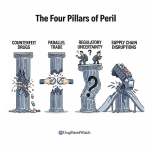
Risk Mitigation: Operating in emerging markets is inherently risky. Companies must actively manage a range of threats. Geopolitical risks, such as the trade tensions between the US and India/China, can disrupt market access overnight. Supply chain vulnerabilities, particularly the global over-reliance on China for APIs, must be mitigated through supplier diversification and investment in local production.20 Finally, policy risk is ever-present. A sudden shift, like the introduction of VBP in China, can destroy a product’s business case. Continuous monitoring of the policy environment and agile strategic planning are essential for survival.
Leveraging Intelligence: The Role of Patent Data
In this high-stakes game, timing is everything. A successful generic strategy is fundamentally predicated on knowing precisely when an innovator drug’s market exclusivity will end. This requires meticulous, forward-looking business intelligence. Companies must diligently track not only the primary patent expiry dates but also the entire constellation of secondary patents, patent term extensions, and regulatory data exclusivity periods that can delay generic entry.25
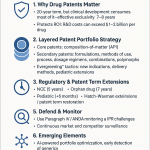
This is where specialized business intelligence platforms become indispensable. Services like DrugPatentWatch provide the critical data needed to turn policy insight into a concrete commercial advantage. By offering a comprehensive, global database of drug patents across 134 countries, such platforms allow companies to identify the most promising generic entry opportunities and build a long-range development pipeline.84
Furthermore, monitoring patent litigation is crucial. A successful patent challenge by a competitor—such as a Paragraph IV certification in the US—can open the market years ahead of the scheduled patent expiry. Tracking these legal battles in real-time provides invaluable competitive intelligence, allowing a company to anticipate early market entry and adjust its own launch strategy accordingly. In an environment where being the first generic to market can confer significant advantages, leveraging this kind of detailed patent and litigation data is no longer a luxury; it is a core component of a modern generic drug strategy.
The Horizon Beckons: Future Trends in Generic Development
The forces shaping the generic drug industry in emerging markets are not static. As we look to the next decade, several key trends are poised to accelerate the pace of change, presenting both new challenges and unprecedented opportunities. Leaders who anticipate these shifts will be best positioned to thrive.
Beyond the Pill: The Rise of Complex Generics and Biosimilars
The future of the generic industry is not in simple tablets and capsules. The next great wave of opportunity lies in more complex products. As a generation of blockbuster biologic drugs—complex proteins produced in living cells—begins to lose patent protection, the market for biosimilars is set to explode.80
Governments in emerging markets see biosimilars as a critical tool for controlling costs for some of the most expensive treatments, particularly in oncology and autoimmune diseases. They are actively establishing dedicated regulatory pathways to approve these products, with India, Brazil, and China all having developed specific guidelines.88 Furthermore, they are using the same toolkit of incentives, procurement preferences, and educational campaigns to encourage their development and uptake, recognizing the potential for massive healthcare savings.91 The introduction of biosimilars is not just about cost savings; it’s a catalyst that will force a fundamental restructuring of healthcare delivery. These complex treatments often require specialist physician oversight and monitoring, which will necessitate significant investment in healthcare infrastructure, creating new opportunities for companies to partner with governments “beyond the drug” to build this capacity.
The Technology Catalyst: AI, Advanced Manufacturing, and Supply Chain Resilience
Technological innovation is no longer the sole domain of the innovator industry. Generic companies are increasingly leveraging cutting-edge technology to gain a competitive edge.
Artificial Intelligence (AI) and Machine Learning (ML) are being used to accelerate development, for example, by optimizing drug formulations and predicting the outcomes of bioequivalence studies, potentially reducing the number of costly clinical tests required.80
Advanced Manufacturing techniques, such as continuous manufacturing, are being adopted to improve production efficiency, enhance product quality, and lower costs—a critical advantage in a price-sensitive market.95
Supply Chain Resilience has become a strategic imperative. Spurred by the disruptions of the COVID-19 pandemic and ongoing geopolitical tensions, governments are actively incentivizing the onshoring or near-shoring of critical API and finished drug production. This strategic shift away from hyper-optimized, single-source global supply chains toward more robust, localized networks is creating new opportunities for domestic manufacturing in emerging markets.20
The Next Decade: Predicting Policy Shifts and Market Evolution
Synthesizing these trends, we can predict the key features of the generic landscape over the next decade. The push for regulatory harmonization will continue, raising the quality bar globally but also consolidating the market around larger players. Price pressure will intensify as governments adopt more sophisticated and aggressive procurement models, with China’s VBP serving as a likely template. Finally, industrial policy will play an even greater role as nations prioritize pharmaceutical self-reliance as a matter of national security.
The successful generic company of 2035 will look very different from the champions of the past. It will be a technology-driven, globally diversified manufacturer with a portfolio rich in complex generics and biosimilars. It will operate a resilient, multi-regional supply chain. And, perhaps most importantly, it will be a master of navigating the complex, ever-shifting landscape of government policy, turning what others see as a risk into its greatest competitive advantage.
Key Takeaways
Governments are the Primary Architects: The single most important factor shaping the generic drug industry in emerging markets is government policy. These policies, spanning regulatory approval, intellectual property, pricing, and procurement, create the fundamental “rules of the game” that determine market success.
The Dual Imperative: Government actions are driven by a core tension between two goals: ensuring broad, affordable access to medicines for their populations (a public health objective) and building a strong, self-reliant domestic pharmaceutical industry (an industrial policy objective).
No Monolithic “Emerging Market”: Strategies must be highly tailored. India’s export-oriented model, China’s state-controlled VBP system, Brazil’s public-health-first approach, and South Africa’s impending shift to a single-payer NHI create vastly different competitive landscapes.
The Future is Complex: The era of “plain vanilla” generics is waning due to intense price pressure. The future of growth and profitability lies in moving up the value chain to complex generics and biosimilars, which have higher barriers to entry and more sustainable margins.
TRIPS Flexibilities are Power: Public health safeguards within the TRIPS agreement, especially the power to issue a compulsory license, provide emerging market governments with immense leverage in price negotiations with multinational pharmaceutical companies, even when the power is only threatened, not used.
Quality is the New Baseline: A global “flight to quality,” driven by regulatory harmonization and initiatives like China’s GQCE, is raising standards worldwide. This improves public health but also acts as a consolidating force, favoring larger companies with the capital to invest in compliance.
Intelligence is a Strategic Weapon: In a market dictated by patent expiries and policy shifts, timely and accurate business intelligence is critical. Leveraging platforms like DrugPatentWatch to monitor patent landscapes, track litigation, and anticipate market entry opportunities is essential for building a competitive advantage.
From Adversaries to Partners: The traditional adversarial relationship between innovator and generic companies is evolving. Government pressure is creating new hybrid models where innovators partner with local generic champions for manufacturing and market access, blurring traditional lines and creating new strategic opportunities.
Frequently Asked Questions (FAQ)
1. What is the single most disruptive government policy affecting the global generic drug market today?
Without a doubt, it is China’s Volume-Based Procurement (VBP) system. By consolidating the purchasing power of its massive public hospital system into a winner-takes-all tender, VBP has achieved unprecedented price reductions, often exceeding 90%. This policy has not only radically restructured the Chinese market, rewarding scale and cost-efficiency above all else, but it is also creating a “policy contagion” effect. Other governments facing healthcare budget pressures are now studying the VBP model as a potential blueprint, which is resetting pricing expectations for government tenders globally and accelerating the commoditization of simple generic drugs.
2. How can a smaller generic company compete against large, established players in these government-controlled markets?
Competing on price for high-volume tenders against giants is a losing battle for smaller firms. Instead, they must focus on niche strategies. This could involve: 1) Specializing in difficult-to-manufacture complex generics that have fewer competitors and higher margins; 2) Focusing on smaller, regional tenders where local relationships and agility can be an advantage over a large, centralized competitor; 3) Targeting the private, out-of-pocket market where brand-building, physician engagement, and marketing can create a loyal customer base that is less price-sensitive; or 4) Becoming a strategic local partner for a multinational innovator company, providing regulatory, manufacturing, or commercialization services for their products in that specific market.
3. With India and China dominating generic manufacturing, is there a real opportunity for other emerging countries to build their own domestic production?
Yes, but it requires a focused strategy. Countries like South Africa and Brazil are not trying to compete with India on the scale of simple, commodity generics. Instead, their governments are using industrial policy to build capabilities in specific, higher-value areas. This often involves Product Development Partnerships (PDPs), where the government guarantees procurement of a specific drug (like a vaccine or a biologic) in exchange for the manufacturer (often a local firm in partnership with a multinational) transferring technology and establishing local production. This strategy aims for self-reliance in critical medicines rather than broad-based export dominance, creating a more sustainable niche.
4. What is the “generic paradox,” and how does it play out in emerging markets?
The “generic paradox” refers to a situation where the entry of generic drugs does not lead to the expected steep decline in the price of the originator’s brand-name drug. In some emerging markets, particularly where physician and patient trust in generics is low, originator companies can maintain a significant price premium and market share even after patent expiry. This is due to strong brand loyalty and a perception that the original is of higher quality. Governments combat this through policies that mandate generic substitution at the pharmacy and by educating doctors to prescribe using the generic name (INN), as seen in Brazil. China’s GQCE policy also directly addresses this by ensuring generics are of equivalent quality, thereby removing the rationale for brand preference.
5. How does the rise of biosimilars change the strategic calculus for governments and companies?
Biosimilars are a game-changer. For governments, they offer the first real opportunity to control the spiraling costs of biologic medicines, which are among the most expensive items in any healthcare budget. This will unlock billions in savings. For companies, the barriers to entry are much higher than for small-molecule generics, requiring expertise in complex cell-line development, large-scale biomanufacturing, and more extensive clinical testing. This means the market will have fewer competitors, and price erosion will be less severe, offering more sustainable margins. The strategic play is not just to manufacture the biosimilar but to build the entire support ecosystem—physician education, patient support programs, and diagnostic infrastructure—which creates a much deeper partnership with the national healthcare system.
Changing Characteristics of Pharmaceutical Prices in China Under Centralized Procurement Policy: A Multi-Intervention Interrupted Time Series, accessed August 6, 2025, https://pmc.ncbi.nlm.nih.gov/articles/PMC9335887/
Understanding the regulatory-procurement interface for medicines in Africa via publicly available information on standards, implementation, and enforcement in five countries – PubMed Central, accessed August 6, 2025, https://pmc.ncbi.nlm.nih.gov/articles/PMC11721952/
Impact of the Trade-Related Aspect of Intellectual Property Rights Agreement on Pharmaceutical Industry in Developing Countries: A Scoping Review, accessed August 6, 2025, https://pmc.ncbi.nlm.nih.gov/articles/PMC8842623/
Government Involvement in Pharmaceutical Development Can Come Back to Haunt a Drug Company – UMKC School of Law Institutional Repository, accessed August 6, 2025, https://irlaw.umkc.edu/faculty_works/223/
India’s pharmaceutical market for FY 2023-24 is valued at USD 50 billion with domestic consumption valued at USD 23.5 billion and export valued at USD 26.5 billion – Press Release: Press Information Bureau, accessed August 6, 2025, https://www.pib.gov.in/PressReleaseIframePage.aspx?PRID=2085345
Effects of Generic Entry on Market Shares and Prices of Originator Drugs: Evidence from Chinese Pharmaceutical Market – PubMed Central, accessed August 6, 2025, https://pmc.ncbi.nlm.nih.gov/articles/PMC12209137/
The impact of generics and generic reference pricing on candesartan and rosuvastatin utilisation, price and expenditure in South Africa – PMC, accessed August 6, 2025, https://pmc.ncbi.nlm.nih.gov/articles/PMC6394527/
A comparative evaluation of price and quality of some branded versus branded–generic medicines of the same manufacturer in India – PubMed Central, accessed August 6, 2025, https://pmc.ncbi.nlm.nih.gov/articles/PMC3081449/
Further potential savings attributable to maximum generic substitution of antidepressants in South Africa: A retrospective analysis of medical claims | van der Westhuizen | Health SA Gesondheid, accessed August 6, 2025, https://hsag.co.za/index.php/hsag/article/view/520/545
India has long been identified as the ‘pharmacy of the world’. We are proud that our generic drugs help to treat diseases like malaria, HIV-AIDS, and tuberculosis which are usually considered as the health problems of developing countries: Shri JP Nadda – Press Releases | Ministry of Health and Family Welfare | GOI, accessed August 6, 2025, https://www.mohfw.gov.in/?q=/press-info/7597